Endurance racing means you’re pushing for a long time, not just for a short burst. Eventually your body runs out of usable energy, and it can feel like you hit a wall. After that point, it’s very hard to keep going strong.
This is the moment in long efforts where your body suddenly can’t keep the same pace. It’s like your energy and strength drop off faster than you expected. People in endurance sports often describe it as hitting a wall.
That means the fuel gauge is basically at empty. It’s a warning that there may not be enough fuel left to keep the engine running normally.
Term
ghosting
“Ghosting” here means the car is kind of coasting along without really driving under power. It can happen when the driver lifts off and the car keeps rolling.
Telemetry is basically the car’s “live stats” being sent to the team while it’s running. Afterward, teams use that data to figure out what went wrong or why the car behaved a certain way.
Concept
wrestling shoot
It’s a metaphor from wrestling: the action is planned, but there can still be real feelings or real moments inside the performance. They’re saying the F1 story is shaped, but it can still reveal something genuine.
Concept
verite moments
“Verite” is a documentary style that tries to feel real and unscripted. Even in a show that’s edited to tell a story, these moments can still show what’s actually happening on and off track.
A “rookie” in Formula 1 is a driver who’s new to racing at the highest level. The show highlights how hard it is to learn the cars and keep up with experienced drivers right away.
They mention a character getting their driver’s license. It’s basically a normal life milestone that the show uses to set up the story.
Term
O2
“O2” appears to be shorthand for a specific event or location in the episode, but the transcript doesn’t clearly identify what it stands for. In Drive to Survive, these references are often tied to a venue or media activation that sets up the episode’s story beats.
They’re talking about the “behind-the-scenes” parts of the show. Instead of just watching races, it shows what teams and drivers are like off-track, which can explain why they act the way they do during races.
Topic
O2 arena event
They’re talking about a behind-the-scenes part of the show connected to an event at the O2 Arena. It’s basically the “what happens around the race” side—how teams and drivers act when cameras are on but they’re not racing.
Topic
walkouts
They’re talking about “walkouts,” meaning the teams doing a coordinated entrance/exit that looks dramatic on camera. It’s the kind of moment that gets people reacting, even though it’s not part of the racing itself.
Topic
Red Bull walkout
They’re talking about a dramatic moment where Red Bull’s side walked out or refused to stay in the situation. In Formula 1, those kinds of public flare-ups get turned into big TV storylines.
Booing is when a crowd makes noise to show they don’t like someone. In F1, it can happen at events and then gets talked about a lot because it looks dramatic on camera.
The hosts use “pantomime” and “commedia dell art” as metaphors for how Drive to Survive frames people as characters. It’s an analogy for exaggerated, theatrical delivery rather than literal paddock conversation.
The “O2 arena” and “proscenium” references are theatrical metaphors used to describe how the show stages moments like a performance. It’s not a technical F1 detail, but it explains the hosts’ storytelling critique.
F1 teams don’t always keep the same drivers forever. When drivers get swapped between teams, it can change how the team sets up the car and how well it performs.
They’re talking about an F1 race in Melbourne where it rained a lot. When the track is wet, cars lose grip, so it’s easier to make mistakes and harder to choose the right time for tires and strategy.
The racing line is the “best path” around a corner. Drivers aim to follow it because it helps the car stay stable and keep speed instead of sliding off.
“Beached it” means the car got stuck off the track and couldn’t keep driving normally. It’s the kind of mistake that turns a spin into a bigger problem.
A “victory moment” is the biggest highlight of the episode’s race story. Sometimes it’s not just winning—it can be doing something impressive while everyone else is struggling.
In F1, “surviving it” usually refers to staying out of trouble during chaotic race moments—like early-lap incidents—when many cars crash. Finishing in those conditions can be as valuable as outright speed because reliability and avoiding contact decide results.
The opening lap is when the field is most crowded, so mistakes can quickly cause big pileups. If one car goes wrong, others may not have time to avoid it.
Concept
reserved drivers
“Reserved drivers” means certain drivers are already lined up or promised for something. It’s like they’re set aside for a team or role instead of being open to anyone.
The documentary is built around just a couple of people per team. That makes the story easier to follow, but it can make the real team work and politics feel more one-sided than it actually is.
“Renault Alpine” is the Alpine Formula 1 team. If their program is described as “destroyed,” it usually means the team lost momentum on car development and performance.
“Turbo hybrid era” means the cars use a turbo engine plus extra hybrid tech that stores and reuses energy. It’s harder to develop than older engines, so teams can struggle for years if their system isn’t working well.
In F1, a big part of winning depends on which drivers are racing. Even if the car is the same, different drivers can get different results because they drive better and help the team make the car work.
Concept
Flavio story
The “Flavio story” refers to Flavio Briatore’s reputation in F1 for making bold, sometimes controversial driver and team-management decisions. The hosts are contrasting a simplistic “he just picks winners and losers” narrative with a more nuanced view of team leadership.
This is about how Drive to Survive (and similar coverage) frames F1 by focusing on visible personalities—drivers and team principals—rather than the full technical and operational picture. That framing can make team dynamics seem more personal and less process-driven than they actually are.
Günter Steiner is a prominent F1 team principal known for his outspoken, high-energy management style, especially during his time with Haas. The hosts compare someone’s approach to Steiner’s role, implying a similar “team principal personality” influence on how decisions are perceived.
Jonathan Wheatley is a well-known F1 engineer and team leader who has held senior roles across multiple teams. Mentioning him signals a focus on how technical leadership and race-team organization influence performance and driver management.
Benetton was a famous Formula 1 team. Mentioning it is basically saying “this person worked in F1 early on,” before they became successful with other teams.
A Formula 1 team principal is basically the team’s top boss. They help decide how the team is run and what direction it takes, and they’re usually the one you see talking to the media.
McLaren is a Formula 1 racing team. If two drivers are fighting for position inside the team, it can change how the team sets up the car and plans races.
In F1, “team dynamics” is how the drivers and team work together. If there’s tension between teammates, it can affect how the car is tuned and how decisions are made during a race.
They’re pointing out that the show’s episode timing can feel out of sync with the real racing season. In other words, what happened in the sport and what the show chooses to tell first may not match perfectly.
F1 teams sometimes treat one driver as the main priority. That can change things like who gets the best race strategy, and it can also decide how much risk the team is willing to take for each driver.
The drivers’ championship is the big season-long points race. The hosts are saying that certain team choices could make it harder for a driver to win that title.
“Friendly fire” means two teammates get in each other’s way. Instead of helping the team, it causes problems that can cost positions or even end the race.
They’re talking about a big bad crash or failure that happened at the Canadian Grand Prix. The hosts treat it like a turning point that affected the drivers and the team.
Concept
fight for the championship
A “championship fight” is when the season is close enough that the top drivers/teams are still battling for the overall title. The hosts are talking about how team leaders handle the stress and feelings that come with that pressure.
In F1, “team principles” are the top leaders running the team. They influence how drivers are treated and how the team talks about competition inside the garage.
Company
Horner
“Horner” is a well-known top leader in Formula 1. Here, the hosts are using his name to represent how some team bosses manage (or don’t manage) favoritism between drivers.
Concept
Hamilton crash
They’re talking about a famous crash involving Lewis Hamilton. In F1, things can go wrong extremely fast, and a crash can show how hard it is to stay calm and make the right move in the moment.
The hosts describe “mental strain” as a central theme in Drive to Survive’s storytelling. In F1, drivers face constant pressure from performance targets, team expectations, and close competition—so the mental side can directly affect decision-making and consistency.
“Mental war” means the competition isn’t only about speed—it’s also about staying focused and not getting rattled. The better you manage your emotions and pressure, the less likely you are to make costly mistakes.
They’re basically saying that getting emotional usually doesn’t fix anything. In racing, if you stay calm and think clearly, you’re more likely to make better decisions.
“Undercut” here is used in a storytelling sense: something that should build credibility or momentum gets weakened by an opposing element. In the context of a TV review, it implies the show’s tone or framing is undermining the point it’s trying to make.
Will Buxton is an F1 commentator/content creator. They’re joking that he already brings a lot of hype, so they don’t want more of that from other influencers.
Sky is a TV broadcaster that covers F1. They’re saying the show could use more traditional broadcast clips, but chooses a more online/chatty style instead.
Mental toughness means keeping your head clear when things go wrong. In racing, that can help a driver recover and still make good choices lap after lap.
Concept
rivalry
A rivalry is when two competitors push each other harder than normal. In F1, that can make people take bigger risks, which sometimes leads to crashes or tense moments.
Topic
Canada thing
They’re talking about something that happened at a Canadian Grand Prix. Canada’s track and race situation can make certain driving mistakes or risky moves more likely.
In Formula 1, teams sometimes swap drivers when they think the change will improve results. It’s not always just about speed—teams also look at how well the driver helps the team understand and improve the car.
They’re saying the car might be the main issue, not just the drivers. In racing, if the car doesn’t handle or grip the tires the way it should, even good drivers can’t get the best results.
“Diva” here means the car is hard to get along with. It might need everything to be just right to work well, so it can feel unpredictable.
Concept
vacillating over the situation
They’re basically saying the show makes it look like someone can’t make up their mind or is getting nervous. That’s a storytelling angle that can affect how you judge what’s happening in the race.
A “driver change” means the person driving the car changes. In F1, that can happen for different reasons, and the show may highlight it to make the story feel more intense.
Helmut Marko is an important person behind Red Bull’s driver and team decisions. When he’s mentioned, it usually signals who’s shaping strategy and talent choices.
This is about how the team’s leaders talk about what happened. In racing, what they say can affect how everyone—drivers, staff, and fans—understands the situation.
Topic
swap Yuki and Lawson
Driver swaps are a key part of Formula 1 team strategy, often tied to performance, development plans, and contractual or sponsorship considerations. Here, the hosts discuss decisions involving Yuki Tsunoda and Liam Lawson, framing them as unusual or controversial.
An “info dump” just means someone finally tells you a bunch of details all at once. Here, it’s like the hosts are waiting for the full explanation from Horner.
Concept
team principal allegations / allegations break
“Allegations break” refers to the moment when claims or accusations become public and are addressed in detail. In F1, this can affect team dynamics, driver management, and public messaging, especially when the team principal is directly involved.
They’re describing a situation where decisions are split among three main people. When that happens, it can be hard to tell who was responsible for a specific choice.
Brand
Dr. Helmut Marco
This sounds like they mean Helmut Marko, a major person behind Red Bull’s driver program. The point is that different leaders can push decisions, so it can feel like nobody has one clear “final say.”
An “exit interview” is a post-event conversation where someone reflects on what happened, often after a conflict or controversy. In docuseries storytelling, these moments can function as narrative “damage control” by shaping the final impression.
The Grand National is a well-known horse race in the UK. The hosts mention it because the scene is about someone talking to Horner about choosing a horse.
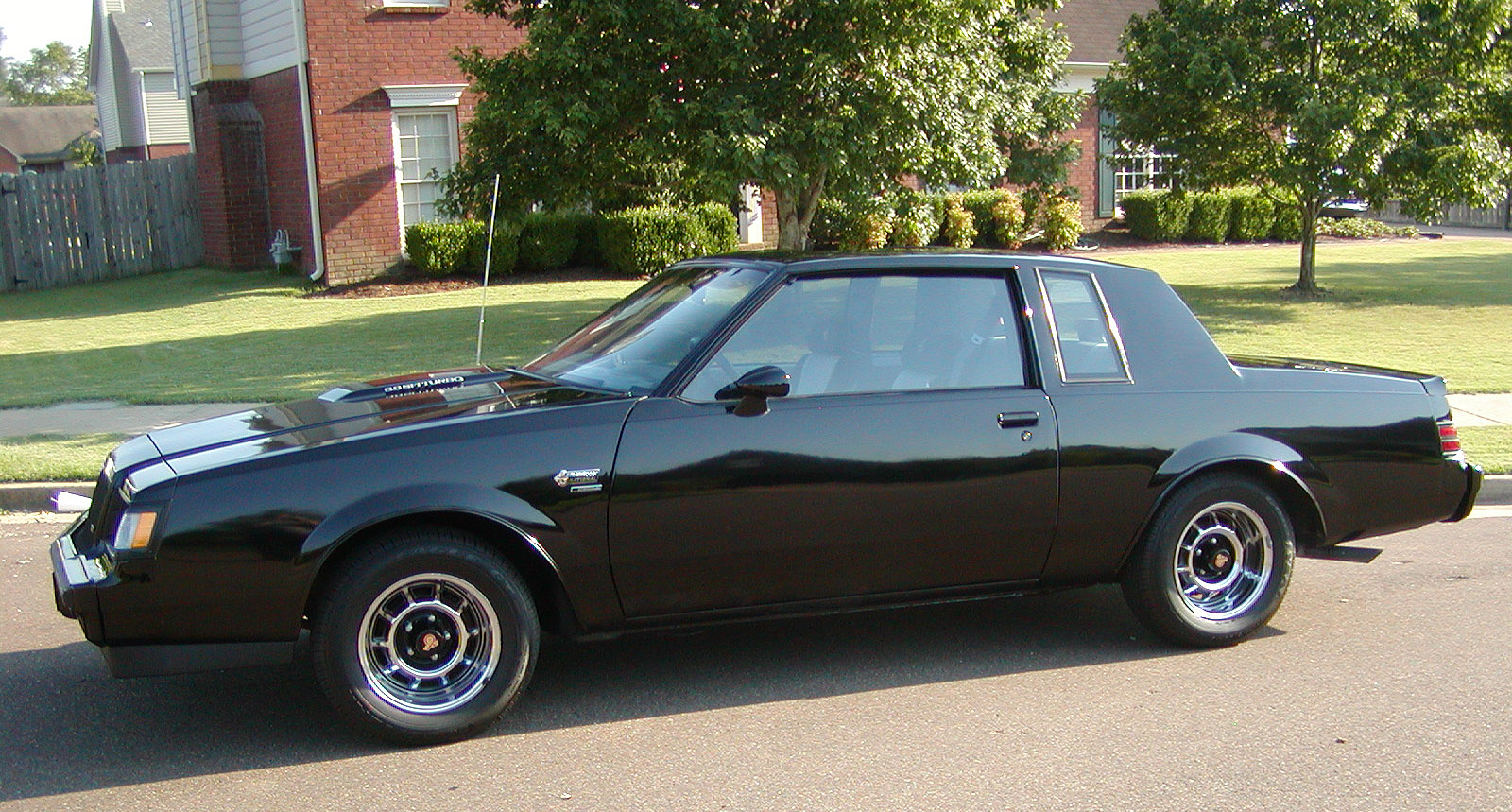
The Buick Grand National is a performance car from Buick, made to be fast and exciting to drive. The podcast mentions it because “Grand National” is a recognizable name, even if the discussion is partly about the phrase itself.
In Formula 1, “team selection” means deciding which driver(s) will race for a team. If that decision is up in the air, it can put a driver in a tough spot.
Concept
TV contract
They’re talking about a paid media job on TV. The point is that if racing doesn’t work out, a driver might still have a good income from broadcasting.
LIVE
So good, so good, so good.
New markdowns up to 70% off are at Nordstrom Rack stores now.
And that means so many new reasons to rack.
Because I always find something amazing.
Just so many good brands.
Because there's always something new.
Join the Nordy Club to unlock exclusive discounts,
shop new arrivals first, and more.
Plus, buy online and pick up at your favorite Rack store
for free.
Great brands, great prices.
That's why you rack.
Ladies and gentlemen, introducing the Mike's Hard Lemonade
Lemons.
I'm Sonny.
A powerhouse of full body bite.
I'm Tina, ready to bring the zesty za-za-zing.
I'm c-c-c-cal, fresher than a cold plunge.
Three unique characters, one unmatched flavor.
Mike's Hard Lemonade, made with real character.
Please drink responsibly.
Mike's Hard Lemonade Company, Chicago, Illinois.
Give me a malt beverage with flavors.
Hello, patrons, and welcome to your Shift F1,
patron exclusive podcast for March 2025, one of two.
In fact, we are double dippin' on Drive to Survive.
We are going to cover season eight
over the next two episodes, the first four episodes today,
and the next four episodes after that.
Would you believe?
We're doing them in order in the podcast after this one,
the next patron exclusive one.
We are recording this a day before our regularly
scheduled podcast for the first race of the year,
so it's going to be very difficult to not talk about that,
isn't it, Drew Scanlon?
Don't burn pod, Danny.
No, that's the number one podcast sin.
Do not talk about the thing before the thing.
We can talk about our personal lives.
We can talk about the weather.
We can talk about electricity getting knocked out
in blizzards.
Can't we, Rob?
Talk about Marathon.
Marathon's all right.
We did talk about Marathon before Rob came here.
Rob, you played Marathon?
Not yet, and I saw a photo of an interface
filled with loot, and I was like,
do I want that to be my life?
Yes.
Maybe, maybe you do.
Speaking as an art grader, you do.
There you go.
Drew, you just cover Marathons.
You've raced the Marathons as well, have you?
Or is it just bikes?
I've only run a half Marathon, and boy, that was hard.
Yeah, I did the San Francisco half Marathon.
Wait, sorry.
I'm almost done.
Did you all see the finish of the LA Marathon
the other day?
No.
Oh, with the women?
No.
No, I saw a different Marathon I need to talk about.
What happened in the other one?
We'll finish at the line.
Someone being overtaken.
Celebrating?
No, literally, they're just like,
it's like a cycling beat,
where it's like someone is still trundling toward the line,
but they're broke, and like,
but the guy who overtakes him
comes from like a hundred yards back
with less than a hundred yards left in the Marathon.
It is one of the most brutal beats I've ever seen.
It happens, literally, they had to go back and watch the footage
because the overtake happens
as they are breaking the tape at the end of the line,
and they had to go back and like,
slow-mo it to see who actually broke the tape.
And the dude who got overtaken,
when he saw that happen,
just collapsed on the ground, not moving.
It was one of the hardest beats I've ever seen
in running.
Wow, 26 miles.
And then at the end, you're like, it's like wafer thin.
Well, and you got like, it's got to be haunting, right?
Because like, how could I have found that stuff?
But the nature of endurance stuff like this is,
when you're done, you're done.
It's the cliff of the human body, right?
Like, it is the same as what happened in cycling.
It's like, sorry, you just don't have,
there's no more energy on board you.
There's no more, there's nothing to fuel the muscles.
Like, the needle hit E at this point.
Yes, exactly.
You're running, you're lifting and ghosting.
You're running on empty, stick it neutral.
Yeah, that's rough.
I watched highlights of a marathon.
I don't know where it was.
Somewhere in the States, it was last week.
And the three leaders were, it was the women's race.
Obviously, they're all racing together.
But when they were covering the women's race,
the three leaders got taken off course by the car.
Oh, yeah, yeah, did you hear about this?
Yeah, it was, oh my God, like for a good quarter mile or more, maybe?
Oh, no.
Yeah, and they ended up coming like, fifth, sixth, seventh or something.
Yeah, how did the appeal go?
Because they, because I have no idea what happened afterwards.
But you could watch the YouTube version of it.
So I just like, which had the chat log recorded.
So like, it's just people freaking out and they realize what happens.
Because like the car is driving, but also so was like the motorbike with the camera.
And at a certain point, it just like the three of them stop and turn around.
And the camera is like, and then like loops around.
And people are like, what?
What happened?
And then it takes off with the telemetry to kick in.
Oh, no, oh my God.
Yeah, they ran for a good while, like for a few minutes
before they had to turn around.
It was terrible.
Excellent.
Yeah, that's racing, racing, anything to talk about people racing.
Although we are, I guess, ultimately cars only.
Our new RoboRace podcast starts now.
It's all about the cars, folks.
Don't worry about the drivers.
That's the one thing you've learned about Formula One.
We can say it here.
We can say it.
It's all about the cars.
Isn't it really?
Isn't it?
As long as you don't crash, it's all about the cars.
Well, for some people, it might be actually in these four episodes,
we're going to talk about the first four episodes, the first episode,
new kids on the track, the second episode, strictly business.
Episode three, the number one problem and episode four, a bull with no horns.
Kind of a spoiler, that title, to a certain extent.
But before we do that, let's.
Too much horn if we're even going in the back story as this came to pass.
Rob said the quiet part out.
Yes.
Well, we won't talk about that in the episode.
Tell, will we?
We'll just focus.
He's a victim.
He's a beloved character.
That poor guy, his wife loves him, even though he texts underlings.
Silly things.
Anyway, before we get into the specifics on each one, what have you guys felt
broadly about the first four episodes of DTS season eight?
The fact that it's eight seasons is also blowing my mind here.
Yes, I have.
So I've only watched the first four episodes so far.
Me, too, me, too.
As I was watching it, I was like, this is feeling a little thin.
And maybe the fact that there's only eight episodes this season
kind of nods in that direction.
But reviewing my notes, I kind of, I don't know, fought with myself on that.
There's some there's some good stuff in here, particularly, I think,
around the Horners business.
That's interesting, because I didn't I actually was thinking this
the season feels really good, maybe one of the better ones.
And I was wondering if it's because they cut to eight episodes that they were
not trying to like fill out so much.
So many storylines and they just didn't didn't have it.
My my my initial instinct was that they're they're doing a better job
with like finding the substance of like the substance of the things
they're they're trying to cover with the caveats that I think I have
changed while I watched the series.
I now like everybody needs to be on my level.
You guys are all watching Drive to Survive on a different level.
I'm watching it on this metal level.
But eight seasons into this and with having having done the show
and followed up one really closely for this long.
We are all used to the the house style of Drive to Survive
and the seams and the way they cover things and tell stories.
We know that tons of the stuff we see is staged, right?
Like tons of the meetings, maybe all the meetings are staged.
People hanging out with their their buddies or other celebrities
staged, done for the purposes of having someone say something
that sets up the next bit of interview behind like the interview chair.
Also, basically them feeding prompts to people and be like,
could you say something about X that will let our editor neatly
snip the next bit of footage into place?
So you know all of that.
You know that Drive to Survive is not, you know, as Danny talked about a lot
like documentary and truth is a really slippery concept.
But on the on the truth, artificial construct spectrum,
Drive to Survive is pretty far on the artificial construct end of things.
But I think when you're now just watching it and accepting that
it can still be striking how much you can get out of it from the standpoint
of how they are choosing to frame things like how they are like the things
the camera still picks up the things the things that like
it does still catch.
And even with the even with the caveat that like, yeah,
it's it's it's a bit like a wrestling shoot in a lot of ways.
Very fancy wrestling shoot.
Like a wrestling shoot, there can still be like a surprising
the kernel of truth or insight about what is happening with these
with these characters and this overall saga.
Yeah, I think some of the stuff that I enjoyed the most,
especially in this first episode, maybe is the the sort of verite
moments they did pick up that are outside of that sort of narrative
structure, the one thing I've enjoyed about this year is
they they're they're they they're a little bit tighter in their storytelling
this year. They're not trying to just like explain every single driver,
explain the sport all over again.
Like they're they're going into this one with a sort of an assumed
and assumed knowledge for a lot of people and and and as a result,
the episodes are sort of I the word the word isn't thinner,
but they're they're they're calmer.
They're yeah, I wonder if that's what I'm responding to.
Is that it's it's just less dense.
That doesn't mean less substantive.
Yeah, they're I was surprised a couple of times at how like
the pace drops for a while in these episodes.
They're quite frenetic.
This series is because it's trying to cram in as much as possible.
And I think in doing so, they've also missed some things.
And let's move on to the first episode, because this is one for me.
So new kids on the track is all about the,
you know, the rookies that are coming in this year
and it largely focuses on Jack Dew and Kimmy Antonelli.
And this is the one where I was like, oh, they missed this.
They should have been with Hajar, like the story of the rookie
in the early season and how they did was probably Isaac Hajar.
But he ends up being like a sort of a side posh
to the to what is happening with Kimmy and Dew.
And obviously, Kimmy and Dew are probably ones that, you know,
hey, we're going to talk to Flavio a bunch and they do in the second episode.
And it's a lot more about doing and Kimmy is obviously a young rookie coming in.
But I felt like, oh, if they were filming at Hajar,
they would have had a bunch of Hajar in this one.
But they obviously weren't.
There is a montage and we do get a shot of an absolutely ripped Isaac Hajar.
Oh, yeah.
Like coming out of a bathtub or something.
Yeah. It's like a real whoa.
But yeah, we like we start with Toto being like, how do you follow up?
Lewis Hamilton and cut to a school and you hear a school bell ring.
And Dan Tinelli is in a car with his mom, saying that he got his driver's license.
So finally, his mom doesn't need to drive him around anymore.
Also definitely at 30 kilometers an hour.
Yes, almost certainly one of these, as Rob mentioned,
set up situations where they're like, talk about your driver's license.
But still, very, very sweet.
And then what I liked about this episode is the first half of this episode
focuses on that weird O2 and completely forgot.
Yeah, like car announcement launch thing they did.
And the start of it involves sort of a trains, planes and automobiles
style, how are all the teams getting to this event?
Which I thought was quite well put together.
Like you had the McLaren steak in the helicopter.
You know, they literally fly over the Alpine guys in a boat.
Probably set this up, but it was very, very well done.
And then you had, you know, Kimmy and Russell on the tube.
The tube. Oh, my God.
And Russell leaning into this is the thing like leaning into.
But also I just I fundamentally believe Russell is this guy.
The don't worry, I will explain things to you.
Yes, I will help you understand how this works.
Yeah. Yeah.
Yeah, like a little brother, big brother vibes, very strong on this one.
The I think the like the behind the scenes stuff around the the O2 arena
event, which I kind of liked, I kind of wish they'd done it again this year
just because it is funny seeing how the teams like, you know,
did their did their walkouts and everyone else watching the other teams
doing it and reacting to it, like Nora has that talent show vibe.
Yeah. Yes.
Everyone's sort of nervously, like it's almost our time.
And, you know, you catch Lewis and Max catching up as they as they fade
into like comfortable colleagues and rivals, but also like.
Do you remember what they were talking about?
Max having a kid.
Yeah, you have to watch it come out.
That's what Hamilton's talking about, almost passing out when like
an ex-girlfriend sister was having a baby and he was listening from outside the room.
He was like, like, like I love that.
I love the idea that Hamilton, the reason Hamilton's never
settled down or had any kids because he had this traumatic event
when he was younger.
I also think Hamilton know he whenever we get so many of these
little Hamilton bits in this series where it seems like he's deliberately
trying to unsettle the person he's talking to.
You know, he's like the ball buster friend.
Yeah. And I wonder if it's just a if that's just who he is or if it's like a.
Oh, this is.
I play this up to like, I don't know, get a get a small edge
on my rivals, however I can. Right.
Or maybe he's just like a he's a back home.
We'd say he's a gowler, you know what I mean?
He's just like he's a he's a bit of a chaos ball in the conversation or something.
That's how he relates to you know, who knows what it's it's it's a funny bit.
I love that.
Also, I wish they'd covered this more.
But I cannot imagine how much for staff
he must have hated the Red Bull walkout where it was like all the influencers
and shit like running behind him as the hype squad, which seems you can dance
if you want to.
Y'all, the but like the drivers all seem fairly simpatico.
Yeah, which contrasts the childishness of.
Horner and Toto in a lot of ways.
I know that's the story they are punching up, but I had forgotten I.
Do you remember Horner being booed as intense?
I did not realize that this even happened.
I don't think I watched this thing.
So I was like, oh, my God, the reaction from the unlawson and for
sapid is amazing when they start booing.
Yeah, like he gets that's I was wondering, are they playing up?
Is this is this drive survive?
Like are they like, yeah, like just crank up the track with the booze.
And they made sound like he's just getting fucking tomatoed here on the on the stage.
But I don't know, because like he does acknowledge it there on the stage
with, you know, with the with the M.C.
And it is sort of a moment that neatly sets up the fact that this guy.
Is it he's not popular anymore?
And the thing we get to this well, Rob, is because they win so much
or because he's the villain and drive to survive
because of his actions and words.
Right. That is the narrative they settle on.
Yes. And I think that is one of the, you know, this is this is where
Derived to Survive really does struggle to cover everything.
That is like. Fundamentally, I don't like we're all agreed.
If he's being booed as fundamentally because of the allegations around him.
Yes. Right. Like I would expect.
I mean, I imagine that there's probably some amount of like,
I'm tired of you and Max winning, but I got a sound on this over.
Like Abu Dhabi 21, you know, I mean, there are a lot of like by this time,
you know, McLaren have won the Constructors.
So I don't I don't think people are as annoyed by Red Bull at this stage.
I think you're right. Yeah.
Lifelock, how can I help?
The IRS said I filed my return, but I haven't won in four tax
paying Americans has paid the price of identity fraud.
What do I do? My refund, though, I'm freaking out.
Don't worry, I can fix this.
Lifelock fixes identity theft guaranteed and gets your money back
with up to three million dollars in coverage.
I'm so relieved. No problem.
I'll be with you every step of the way.
One in four was a fraud paying American, not anymore.
Save up to 40 percent your first year.
Visit lifelock.com slash podcast terms apply.
Why choose between getting things done and doing things with the ones you love
with Fred Meyer, same day pickup and delivery.
It's easy to shop the same great prices and quality you'd find in store.
Save 20 dollars on your first pickup or delivery order of seventy five dollars or more.
We'll bring your groceries right to you.
Satisfaction guaranteed so you can spend time on what matters most.
Fred Meyer, fresh for everyone.
But yeah, I I remember drive to survive.
Addressing that stuff relatively head on when it came out.
And so the fact that they don't allude to it at all here again is a little strange.
Yeah, when we're all grasping for straws, why would you know, why would they be booing him?
And I thought that they did capture him like sort of, you know,
I forget who it was, Zach or Toto saying like, and this is in front of their sponsors,
like this is not a good look.
And there is a very like there's a couple of times where they catch him talking to,
you know, Helmut Marko, sorry, Doctor Helmut Marko.
Thank you.
Or the sponsors or somebody else like that Sky Sports Beat Reporter guy,
I forget his name, and he doesn't he's he doesn't have that unshakable
hornerness around him.
He looks like quite there is an awkward version of Horner.
Yeah. And again, editing, you know, who knows, but like they capture him like
saying to I forget what he says to the the the sponsor guy at the table.
Like, you know, oh, it's like a pantomime or something like that.
I think he says he has to say it like twice because the guy didn't hear.
And then the guy's like, yeah, yeah, yeah, you're like, he just, you know,
it's like I've always done when people when I don't hear what someone
says or don't understand.
I go, yeah, yeah, it's like very, oh, I don't know.
And just the Horner going for phrasing it like it's pantomime, right?
Yeah. And it's like.
Again, that feels very English public school in in some ways of just, oh,
yes, it's like in American, you'd be like, again, like it'd be pro wrestling
is probably the metaphor or yes, it's, you know, you're just characters
in a story, but going to pantomime, it's like pulling
a commedia dell art or something is the reference.
Well, you know, we're all through the proscenium march here at the O2 arena arena.
But then you have.
Toto just being so fucking corny, but can't help himself.
He thought he was going to rock the room and the room rocked him.
Yeah, gosh.
I think that was the most entertaining part of this episode.
The the rest of it sort of concerns a couple of different drivers.
Well, it's kind of the same usual episode one place setting.
This is where everyone is now.
This is where the drivers are because it was a big mix up, obviously,
last year, shake up rather, but it then sort of settles down into like
it spends a bit of time with Jack Dawson.
Sorry, Jack doing Liam Lawson, Jack Dawson, I just made up a driver.
Kimmy Antonelli as well.
Yeah. I mean, we have to set those stages, right?
Yes, for Liam for doing.
And we also get speaking of a bunch of teams changing drivers around
Hamilton and signs on the, you know, the pre race truck waving to the crowd.
It was like, hey, we're both the new race suits.
It's kind of fun, right?
And signs is like, I've changed teams five times.
This is not fun.
Lewis is like, oh, it's only the second time I've done it.
This was recent times because of me.
Yeah, I got a good point.
That's right. Not really sad.
The last like third of the episode is kind of all about last year's epic Melbourne
rain race. I forgot how just how disastrous this race was.
Yeah, I forgot how much it rained.
I was like, especially because we literally just watched Melbourne as well.
So, you know, live.
Yeah, it was, yeah, it was it was fun to see it.
Like obviously it was a bunch of retirements, you know, doing doesn't do very well.
They also touch upon Piastri spin at the, you know, near the end of the race where
he sort of, you know, sympathetically goes off the racing line after Lando did
in front of him and then sort of beached it on the other side and then got out
of it and ended up, you know, losing it to Max.
He was in brilliant second, wasn't he?
So they touched upon that stuff as well.
But it's it's yeah, it's I think Kimmy Antonelli finishing
that race is the sort of victory moment of this episode.
You know what I mean?
Like surviving it, which is fair enough because like Alonzo crashed in it.
Like a lot of, you know, veteran drivers did.
So yeah, for a little in the wall,
Lawson in the wall, yeah, doing crashes on the opening lap and Hatchar
doesn't even make the start.
So yeah, yeah, Antonelli fourth is incredible.
And his parents were there, which is really cute.
Yeah, exactly.
They brought his lunch, I think, you know, he left it at home.
So they had to bring it to them.
And then we're on to episode two, Strictly Business.
Oh my God, incredible opening.
Which Flavio Beattore do you like?
His favorite is Che Guevara, Flavio Beattore, but which is your favorite?
Collect them all.
We see, hang on, did you need to see Flavio before you knew that opening
shot was of his home?
No, I did not.
No, I immediately saw it was an opulent residence and we're like, ah.
This is one of the.
I always wonder who's the who are the people who buy all this shit art?
You know, it's him.
It's Flavio.
It's the stuff that you find in those Vegas art shops, you know what I mean?
Yeah, it's like where Michael Jackson bought all his like fucking weird carousel.
Is that solid gold?
No, it's plastic.
Yeah, no, it's not.
Also, what does the producer think that he has a solid gold bear that's
four foot tall, like do you know how much that would cost?
Like he's I think it's just a T for him to be like, yeah, no, it's fake.
That's right.
Perhaps my favorite quote from this section.
I'm not a dictator, but if you don't do what I tell you, you're out.
Oh my god, he's so ridiculous.
And then I mean, this there's there's a lot of great vintage Flavio here.
When he did the next scene where they're
in London for something, maybe the car launch or something like,
he walks into a room with with all of his reserved drivers and it's like,
why are there so many drivers here?
Yeah, it's like you keep hard.
But you just make some sense because he he came in, you know, after they had all
been hired, but it just I thought this was good table setting of there are
here are all the the pool that he has to choose from.
He can be ruthless.
He can just dispatch with people at will.
There is always someone to fill in.
So I will say I think something that is really,
you know, we've talked about this being a issue with the series
because they chose a long time ago to make it so that
Drive to Survival revolves around two characters per team, basically the
team principal and the driver and that's that's it.
I do feel like there's a bit of an
injustice being done to Flavio here and mind you, I think he's a prick,
but I still think he's being a bit ill-served by this framing because it
does just make him look like he is this dictator, like shuffling through drivers
indifferent to the feelings and also just like being very chaotic.
And I think what's what gets sort of soft-pedaled here is that he's
trying to turn around a team that is basically host that he is.
And crucially, also
the drivers, this is the other part where they let their subjects down a little bit.
The drivers also can't affect this.
The car is bad.
Like Laura Rossi had effectively destroyed the Renault Alpine program.
Their engine team has been lost in the weeds for the entire turbo hybrid era.
And Flavio is being the bad guy there to sort
of shut that down because they can't continue burning money on it.
The only thing you can really control as far as like changing
outcomes on track is who's in the seats.
That's basically the only that's the only lever that's connected to anything
for for where Alpine is at this point in his in his stewardship of the program.
And
the way they frame it is he's just like,
look at these drivers dance the monkey's dance.
And like that is that is part of the Flavio story.
But but I think also like if you watch this and this was your insight into Alpine
and F1, you would have like, oh, yeah, Flavio is just just an asshole
who's just sort of like, you know, capriciously just like deciding who's up
and who's down. That's no way to run a race team.
And I think that the reality is a little more a little more nuanced,
but that reality depends on having a camera that takes in anything outside
drivers and team principals.
Yeah, he sort of adopted the Gunter Steiner role a bit in the past two
seasons as well as like the the cookie European.
But I mean, he also is a cookie European.
So, you know, he's sort of he's earned that.
But, you know, for anyone, any character, we need a contrasting character.
Oh, my God, ying to their Yang.
And so introduced this year is everyone's favorite team principle now.
My favorite team principle now, Jonathan Wheatley of a kick,
Sauber, fucking whatever they're called, steak, kick, Sauber or whatever.
And we're introduced to him sitting down, having like a sort of a Marriott
breakfast with his wife, which is sort of is that the first shot or is the first shot?
There is a shot of him flossing.
Oh, yeah, that's true.
Yeah, that's so good.
It's so good.
Domestic life.
Him and Flavie, of course, have priors working.
It was at a Benetton.
They were together a long, long time ago and obviously
Wheatley having great success in the intervening years in Red Bull.
Or Mercedes was Red Bull, I think it was Red Bull.
Yes. And then obviously now he's a team
principle and he is a he is a kill them a kindness kind of guy.
He's a where positivity is the norm.
Yes, very the way he talks, just the like very Mr.
Rogers, yeah, he should have been like a pastor or something.
Yes, I mean, he's got that energy, you know, throw the armor and your shoulder.
Don't worry, buddy, you'll get him next time.
Even that, I think it's because he's still so soft-smoken.
Mr. Rogers, the thing I keep
returning to you is like never like we're just not going to threaten children.
We're just everyone is going to be everyone is going to be reassured.
And we're going to affirm them.
We believe in them.
The important things they believe in themselves.
Don't you agree?
And that's sort of that sort of thing,
which I could see actually getting under my skin a little bit after after a point.
But it is such a funny juxtaposition and like
I'd rather work for him than like
almost any other team principal that we meet in the series.
Yeah, especially because you've got too much of that.
You know what I mean?
You've got to be careful around Flavio saying that.
You know, it also has to be carefully on Flavio.
British Prime Minister, Kier Starmer.
Flavio shakes his hand at an event later on and could not be less interested.
And then just sort of like weirdly idols in front of him as he is then introduced to,
I think I forget who it was.
There's another someone else.
Flavio is just like such a weird guy.
He's just like does not care.
He's like, I'm Flavio Kier Starmer.
You know who I am.
He's meeting the Prime Minister and he looks at him like, and what are you?
Yeah, exactly.
He's the most royalty meeting a minister that you possibly like.
It's very funny because also Kier Starmer is like
a lab-grown experiment in being a charisma void.
Yeah, yeah, yeah.
And so like see like you only see him in passing, but just knowing,
knowing anything about the state of British politics and the fact that like
this guy's taken like the largest labor majority like in modern history and
just completely fucked it.
Yeah, exactly.
It's like, of course, this is the sort of dude who would do it because like
he has that like panicked substitute teacher, except teacher isn't coming back.
Yeah, vibe.
He has just has that energy raise black hole.
Yeah, sucks in.
He's like an energy vampire, you know, just yeah.
So him and Flavio meeting feels like, yeah, it's like that's that's what ends
the world. You know what I mean?
Don't touch hands that the forces are to matter and anti-matter.
Exactly, exactly.
So the rest of this episode focuses on the sort of two parallel stories of
Jonathan Wheatley at Kickstarter and Nico Hulkenberg's eventual success
at the British Grand Prix and getting his podium after 238 races.
That's kind of the end of this episode.
But the bit before that and it kind of plays out as a highlight of what happens.
There's not all that much extra flavor on him.
There's one nice moment, I think, between him and Hulk where he like
really genuinely looks into his eyes and is like, remember this, like,
enjoy this, you know, which I thought was quite sweet.
Bordoletto on the radio congratulating.
Yeah, I thought that was really a cool move.
But the chapter prior to that is the, you know, long, well, no, not long.
The short and tortuous career of Jack Duhin and the ever present shadow
of Frank Cucon and Pinto and his online army in the in the weeks leading up to it.
Yeah, I felt I mean, I felt bad for doing
already after watching this like he is a shell at the end of this thing.
Do you? OK, so hang on.
I had not heard the bit where he's like he needed police to escort him out
of a place because there are people like.
Yeah, just hovering out where he was making clear that they were armed.
Yeah, yeah, which is scary.
Like, I don't know, like, I assume any place that has had like a Republican
trifecta for a while is like at this point open carry.
Like you can you can just like wave a pistol around people's faces being like,
I'm not shooting you and like it's it's all good.
So my assumption is like there's actually a scary element of this,
which is like, are you being threatened?
These people are actually in a threatening way,
but we can't just say because they're armed and hovering that we can't do anything.
But according to him, he had to have police like come and just give him
an escort back to like, you know, the the track or his his hotel.
And he's not dead. I had not heard that.
Yeah, yeah.
And if that is if that is true, if it wasn't just like he's already
feeling kind of vulnerable and hunted and see some weird shit and kind of like goes
into a panic spiral, but I have no idea.
But like, if that happened where he started being stalked and harassed,
it's just it's appalling.
And it really does make Alpine's handling of it and and Flavio is handling this
like really unconscionable.
They also don't really get into like specifics over who's threatening him.
Like they never mentioned, I don't think that like, oh, this is actually
Colopinto's fans, like, you know what I mean?
Like it's more like, oh, you're not performing.
Like it's all that crazy Alpine.
They do a little bit in editing where they like,
you know, doing will crash or something and they'll cut to
people in the stands chanting.
Yeah, that's true.
Yeah, yeah, Colopinto.
Yeah, there's a bit of that.
Yeah, like he's hearing them.
Yeah, but they don't but they don't get to like, alter his culture.
Yeah, of like what's what's happening here.
It isn't just Colopinto, right?
It is just fandom within that online culture.
Yeah.
So yeah, I like this episode.
It was a decent amount in there, a lot of interesting characters.
And ultimately it ended with Nico Hulkenberg getting his flowers,
which was fun to watch and enjoy.
And the one thing I would call out is
I think Gasly hates Flavio's fucking guts.
Yeah, yeah, yeah, like it's a staged meeting where he tells like Colopinto,
like, shut the fuck up. Yeah, you are the problem switch.
Yeah, like I from what we know about Gasly and how
protective he was of Yuki over at Red Bull and his own scars
from going through the Red Bull ringer.
Man, I can't imagine a person whose vibe you like less than Flavio.
Gasly increasingly seems like a, you know, nice guy.
I think he seems like he's throws his
armor into second driver and seems to have great relationships with everyone he's
driven with, you know what I mean?
Like, I mean, and even Yuki.
Not pictured, that's the bottom of the come.
Oh yeah, good point.
Good point. Sorry.
Yeah, that's a yeah, maybe the ink to his yang.
Episode three, the number one problem
largely focuses on the, you know, increasing tension between the two McLaren
drivers as the championship continues, Oscar
Piazza and Lando Naris and the sort of back and forth battle that they are
having for ascendancy within that team.
But it does start, of course, with
Zach Brown being taught tennis by Novan Djokovic for some reason.
They appear to be buds.
They appear to be good friends.
Yes, they don't talk about balls as much as Norris does with his buds.
No, his I think we have to like
Zach Brown is an all time star fucker.
Like this guy is just like master of the game.
Like, yeah, he's just every season,
it's like what new stars he hanging out with and what like.
But also it always does feel sort of authentic, right?
Where it's like you would not you would not be surprised if like a
drought is five episode opens and he's running around a paintball field or
something with Michael Jordan and you're like, yeah, OK, sure.
Oh, my God.
One interesting thing they do in this episode is talk about the McLaren
stuff from an outside perspective and one perspective they get,
which is very interesting, is that of Nico Rosberg?
Yeah, makes his drive to survive premiere, would you believe?
In this episode, the season started before it was the season after he won,
I think that they started doing this.
What did he win, 2018?
I think he won 16, 16, maybe it was a bit earlier, actually.
Yeah, you're right.
Yeah, and I thought I thought this was interesting.
I thought this was like, you know,
it's the whole narrative of do they need to choose one?
Do they need to pick who number one driver is?
You know, and at this stage, you know, it's funny because like I remember
at the time, people saying this to me going, I just let them raise.
Like it's not they will get caught.
Obviously what happened last year ended up getting weirdly tight
near the end of the season with regard to Max Verstappen's ascendancy.
You know, in the latter half.
But yeah, I thought it was cool seeing him and they had, you know,
other people sort of talking about past, you know, the problem you run into
and the toxicity and having Nico come in and like show up to be like,
and now this all happened before Drive to Survive started.
Right. But now we can have this guy talk
about that thing he's still having therapy for
the searing cost of that year fighting with Hamilton is great.
And also here's the thing.
I came out of this more of a Zach Brown fan
because fundamentally, everyone's like, you fucking idiot.
You need to pick a number one right now.
And he doesn't do it.
And I would argue he never did.
He risked the driver's championship, which wasn't his to risk.
I think it's the important thing.
Like it is it is down to the drivers.
And I think he really did commit to like letting this play out.
And I admire it.
And more than that, I'm not sure there's
a team principle could have walked the line because the thing that this thing
picks up is that because he's a legendary hang
as corny as I find him like, oh, just got off of my boy Lando.
And I do find him corny in a lot of ways.
He approaches them as like you're slightly awkward trying too hard to be cool.
Uncle uncle. Yeah. Yeah. Yeah.
But hey, you want to drive some of my old cars?
Oh, this is but here's the thing.
Oh, yeah, I just brought some toys out.
It's Irish and Santa's McLaren.
You might remember that from him and
his cross. You're right.
Oh, here's here's Louis's car from that year where we lost the championship.
Yeah, by a point because him and Alonzo couldn't stop friendly fire.
Yeah.
The way he like just hang my boy Oscar like driving cool cars.
It's it's very sensei talk about it without talking about it.
Yeah. Yeah.
And the way he there's there's a moment after the catastrophe at Canada.
We'll talk about that in a second, the the Lando of it all.
But he saw an Oscar about it and he says, like, come on.
I know there had to be a moment
where you were like when you realized you were still going and he was out
and you got like 10 points for me.
Yeah.
And his answer is great because he's like once I realized I was okay.
My car, I didn't have a puncture and that he was OK,
which I thought was also, you know, he's he's a nice guy.
You know, they're both nice guys, I think they are.
And I think the the thing that he that that Zach Zach is shown doing is like
routinely not the end of the spring forth like therapy language for all
this stuff, but like in these like low stakes, like really casual environments,
he creates the space for like, you know,
you can be honest about the fact that like it kind of feels good to land on each shit.
Yeah.
Right. Like I'm not going to think less of you for having that feeling.
The way he like lets them own the fact they're in this fight for the championship.
They can take advantage.
They they feel things that you're not supposed to feel as part of a team.
Yeah.
But it is a fact that one that you will feel these things.
And he sort of allows all that and gives them space to talk about that
and reassures both of them that fundamentally he does like them a great deal.
Yeah.
And I think
the reason other teams couldn't have walked this line is because like
Horner, Toto, so many other team principles, you know, they would pick a favorite.
You like they would do it in a heartbeat.
Here's your best thoughts would be able to do it.
Maybe Wheatley. Yeah.
But but I'm not sure then, but I'm not sure his like.
His vibe would pull it off because I think what he's not a legendary hang.
Clearly that I think that's that's that's part of it is that you got to be you
got to approach them as the uncle.
Can I also mention I think this like also flies in the face of the narrative
where we were sort of being fed at that time, which was that Zack was really
in Lando's corner the entire year.
Like I remember that being a constant thing on like Reddit and, you know,
news posts and things like that, that like, yeah, well, you're probably right.
That like he was in Lando was was his boy and like
Piastri never gets flowers when he does well, but he's always, you know,
people are always going over and he's always hugging Lando and stuff like that.
I don't know about you guys, but that was like a narrative that I was definitely.
I think this was another kind of like the Colopinto fans.
I think it was the the, you know,
Nars fans to a certain extent, and maybe the Piastri fans having this sort of
like war of words about it.
But if anything, it showed that like he seems like he's quite equitable
and also gave Lando space when he needed it.
And and yeah, like I I came out of this very much feeling like no,
he actually knows exactly what the fuck he's doing.
And also like it was better.
Like I never got the criticism because I was like, well, this is fun to watch.
Like, yeah, you know, it's not like
it's it's not like Barrakello and Schumacher, you know what I mean?
Like there are so many instances of this being the opposite and everyone hating it.
Like this is, you know, we love that series that season between
Hamilton and Rosberg, like here's Rosberg out to tell us how bad it was for him.
I don't fucking care.
You won the championship and it was fun to watch that crash you guys did
in Spain was amazing like Hamilton crash.
I still reactively put my hands up to my face when I watched that crash
because Hamilton does it's like one of my favorite shots of all time.
They hit each other, they come towards the camera and they are two seconds
into that crash and Hamilton's hands are off the wheel and on his helmet.
Like he cannot believe what he just did.
It's brilliant, great stuff, great, great TV.
I would say this this episode really impressed me from a production standpoint
because I think it felt like Drive to Survive really has matured a little bit.
Like this is a set up where I could easily see in prior seasons,
them going way over the top with this teammate versus teammate thing.
But I think they're fairly restrained here and that allows them to showcase
the the mental strain that the drivers are under and how they both approach it,
which I think is really interesting.
Norris says something like it's a mental war if he beats me.
There's no excuse.
And then you go to Piastri, he says, I'm not an emotional person.
Emotions rarely help you solve problems.
Yeah, it is a little undercut.
And I think this applies to the the whole season.
I really don't need to see any influencers here.
Yo, I get enough exaggeration and of that kind from Will Buxton.
I don't need people going.
You don't like the P1 boys turning up?
I don't know who that is.
That's every time they showed me that I was like, who is this person?
And why are we pretending the Sky TV team doesn't exist?
That to me is the other weird thing is like they have
like talk shows and shit.
You could pull stuff from from from Sky's coverage.
You pull stuff from F1 TV's coverage.
I guess it's because those things are maybe too official and they just want to
show amidst the tweets and here's what they're saying online.
They're roasting you in your chat, bro.
I realize this is probably a personal thing.
I just really hate that stuff.
No, no, no, it's fine.
I don't I follow P1 with Matt and Tommy.
So like whenever Tommy turns up, it's like, oh, that's, you know,
that it makes sense to me because like I watched some of their, you know,
post-race, post-qualifying reaction stuff.
I also should note like I I'm not trying to throw shade on those guys.
Like we are we are F1 content producers, right?
Like I deliberately don't ingest any of that from other other folks.
I try to keep it like official sources as much as possible,
just because I don't want to be I want to create our own thing.
Yeah, yeah.
I also don't listen to like many other like video game podcasts for that reason.
Right. I mean, it feels a bit like work or something.
Yeah, yeah, I'm sure they were pumped to be involved.
But I just they just I don't know.
Exaggerated nature of online discourse is just I just it's so uncool.
And I think because they're putting it
of a piece with just like hot takes on Twitter at the same time.
And I think they're also being ill served for it.
They'll be ill served by it because it makes them look like hate chat.
I'm in here to just like tee off on Zach Brown and Lando Norris.
And that's not what they're doing either.
But it sort of painted as part of this look at that way.
There's there's there's talk online about how much this person sucks.
A bit like they do it, right?
The implication that like all of online just things doing should like commit
ritual suicide. And so that's not what people were saying.
Like everyone everyone knew he was he was in the jam from the start.
Like, yeah, tough team, all that stuff.
I like seeing the glitz and glamour of the premiere.
Everyone looking fantastic.
Oh, I forgot Sunoda's huge suit.
Yeah, legend.
He's like, but Buxton had a great line here where he was like, even Yuki
Sinoda's there, you know, he was how he needs to be able to walk through
Times Square and then Yuki Sinoda can George Russell just chatting with his
buddy Brad Pitt, you know, all the good moments.
There's a moment on the rooftop where they're taking that team photo.
And Horner and Norris are chatting.
It's a great shot. Yeah.
That's great. And then after that, I think Horner is now talking to camera.
Sounding like a Sith Lord.
He's he's talking about Norris's mental toughness and he says something like
if Lando can sort that out, he will become complete.
Oh, nice. Yeah.
Honestly, Lando's mental mental fragility was really on show.
Yes, after Bahrain, definitely a problem.
Yeah, he was completely dejected.
Dude, I love that bit where his trainer was like, well, don't say that
because it doesn't make you look good.
So just saying nothing and then he goes ahead and acts like an asshole.
Anyway, yeah, like the there's a childish childishness to him.
And it is and they're aware of it and they can't fully talk him out of it.
And I think it's been evidence since the start,
like this Lando is that this is the same guy who was like, why would I feel any pity
for Daniel Ricardo?
And it's like because you're human being,
but he's the sort of person who's like, no, if you if you fail enough,
one, if I want enough, one, it's because you're weak and you deserve to have
bad things happen and we have no we have no patience for that.
He applies that to himself.
And maybe that's fundamentally like where he resides with himself,
but it does come through like this is the the giant vulnerability in his in his game.
And yeah, Horner does come across like a Sith Lord.
Atmar Saffnow or said something similar recently,
if there's one driver he'd love to work with be Lando because he's not
sure Lando knows how good he is.
Right. And so I think like
it is so clear that the second he's got this rivalry,
he just starts to panic about it.
And the Canada thing, man, I'd forgotten how bad it was.
Like just I thought that was going to be
his career, not that it was going to end it, but that like we had sort of found
like in these moments, this is what you do.
Yeah, I remember that crash happening and seeing it happen because I'd seen it
happen with Button and Hamilton being like, he's doing the same thing.
He's doing the same thing.
He's doing the same thing. What's he doing?
What's he doing? What's he doing?
And the fact that he has to get away with it
is is bananas.
Yeah, someone says and maybe it's Horner like
Lando is describing it and he says
someone says if Oscar had moved to the right, it would have been awesome.
Yeah, yeah, but he didn't.
Yeah, I also like I also like Jerry
Caldwell being like, well, I thought it was very brave.
You at least say it was stupid.
And he was like, well, it wasn't brave.
I was stupid, but she's trying to be nice.
Yeah, there are moments like.
The Spice Girl did nothing wrong.
It's the.
She looks incredible in that dress, by the way.
That's like it's like Marilyn Monroe style.
Like just they all look great, but she is like she.
What are you doing in someone's text?
But you know, that's what.
Totally like I I see her.
I don't know why she's either a victim or
they are part of some sort of eyes wide shut style.
Well, the situation that I just can't.
I was talking about this like who knows?
Like I think among the uber wealthy.
Yes, like the values are so different.
Like the fact that multiple people like in the Epstein files like spouses knew
they were hanging out with this free, but it was just like part and parcel of,
you know, oh, he went to he went to Petto Island this week.
And so who fucking knows?
But I was sort of thinking of this where it's like
they've always seemed like a whatever else is going on.
They seem like a pretty nice family.
They seem happy, whatever.
The thing I.
Have a lot of like curiosity about or sympathy for is like, man,
I understand.
I can understand how she would get to a point where like I want to be the
family of her and I still love him.
But I don't see how respect survives that.
Well, I'm like, but also she's like turning up at all the she's in drive to survive.
She's turning it up at all these events.
I'm like, she's at the races.
I'm like, she doesn't care.
Clearly, you're like, you'll be here vibe of it.
Yeah, yeah.
And also just before we get on to the final episodes and
I are personal trainers.
The HR of Formula One, because they are always like
trying to nudge their drivers in a direction that is like, you know,
the way the personal trainer is supposed to like, I think Ricardo's personal
trainer was an old friend of his, but a lot of his like a lot of the drivers
have these personal trainers from the teams and they're just like little
they're whispering in their ears and trying to nudge them some way.
And I'm like, I just get this weird HR vibe from them where like,
you don't work for me.
You work for the team.
Like that's the vibe I get from it.
Anyway, the final episode concerns
Miss Halliwell's husband, Christian Horner, a bull with no horns.
This is basically a sort of a single narrative episode.
It talks about the, you know, Oliver Mintz-Slaf,
Helmut Marco, Verstappen, you know, Pseudo Alliance, what's going on?
Christian's replacement of Liam Lawson with Yuki Sonoda,
which ultimately doesn't bear fruit.
The problem with the second driver situation and then ultimately his
his firing and Netflix exit interview that happens at his
compound, his beautiful house, which also makes it hard to feel
too sorry for him when they do this drone shot past his palatial estate.
And what did you guys make of this one?
I thought it was a decent roundup of the story.
It felt like it was missing some key elements, namely they don't talk at all
about how the car is kind of the problem here.
Not so much the drivers.
A little bit.
They call it a diva.
Yeah, but like it's like, I don't know, like the fact that Lawson,
for instance, gets sixth place in one of these races where Yuki doesn't
make it into the top 10.
And like, if I don't know anything about F1, I assume the implication is that
Lawson actually is having good form and yada, yada, and it's not like, oh,
this car is awful, but Max is the only one to say.
The racing bulls were just annihilating
the second, the second red bull right and left through the year.
Like before before the switch, Yuki made Lawson look like an ass.
Yeah, a hundred percent.
Yeah, it's it's they they don't fully do justice to this.
And again, because they frame it as like
his vacillating over the situation is like, oh, man, he's lost his touch.
He's panicking over overall this.
Yeah, it starts with the drive to survive team
having Lawson literally change shirts.
Oh, I thought it was awful.
Yeah, from Red Bull to Raceway.
Yes, good moment.
Brutal.
We did get some interesting
notes from Lawson for Stappen did not agree with the driver change.
Yes, we kind of knew about.
There's that part where then afterward,
Sonoda and Lawson are both at some photo event.
And Sonoda says something like, I guess I just got bigger balls.
Yeah, it was weird.
He's kind of a weird guy with Hamilton.
I think I think there are some drivers who are just playing mind games
with everyone all the time, and that is part of their approach.
I it was news to me and maybe this is
not a surprise to people who are more professional.
But Buxton saying that the Red Bull
chairman, Oliver.
Men's love. Men's love.
Advised by Helmut Marco.
I didn't know Helmut went that high.
I think, I don't know.
I think I always assumed that was the case, because I mean, that's
ultimately what he was doing.
He was like in Verstappen's orbit.
Well, he was fact that he was in Matyshitz here.
Like that was his whole point was that he was Dietrich Matyshitz,
like old buddy, and he was in the, you know, he was in the team as a
trusted source. So I always assumed that whoever took over on that end,
on the Austria side, was probably who Helmut was talking to.
I didn't know that, like the I was surprised how candid Horner was.
And, you know, I thought he'd be NDA'd up to his teeth after he gets
fired or whatever, maybe not.
But the fact that he was able to just kind of come out and say what he thought
happened, which seems reasonable enough, an explanation,
but also say that like, you know, I was always sort of pushed to take these
junior drivers, you know, like it wasn't my decision to bring in Lawson
or it wasn't my call.
I thought that was a bit weird.
Or to swap Yuki and sorry to bring Yuki in.
Yeah, for Lawson, yeah.
I thought that was a bit like.
I mean, he sort of incentivized to say that because it was a bad move.
Totally. Yeah.
But yeah, I think at the end here when we finally just get the info dump
from from Horner, it does, you know, it's a little like, I don't know,
cathartic is the right word, but like illuminating.
Yeah.
He does seem genuinely really upset.
You know what I mean?
Like personally upset.
This is not me trying to, you know,
give this guy an easy break or whatever on on his on his performance.
But his demeanor is different throughout all this and like that.
We've seen him tense up before.
Like really, I mean, the Horner wants the
allegations break and it's also clear that like he is besieged by the
helmet Marco camp last season.
We talked about how different he came across.
And that doesn't fully like lift here that he sort of remains stressed and
kind of miserable seeming, you know, throughout.
And in details like that, I do find really interesting.
Like who the hell was running the show?
Like there's kind of this weird, like because there was this this tension,
it kind of feels like nobody was in charge in a weird way that everything
was being hashed out in like this weird triumvirate arrangement.
Yeah.
And I think it makes sense that we're confused because what happens to hear
Horner say it, he doesn't have the call on the drivers, right?
He didn't have make the call to swap Yuki and Lawson.
But then when he did, you know, you go back to episode one,
he says something like, you know, unfortunately for Liam,
he just makes mistakes under pressure.
So he has to justify these things.
But, you know, even if he is not the primary instigator of them.
So I think that makes sense why the lines seem blurred.
Yeah. And I find it bizarre that somebody who's
done much of a control freak over the team doesn't have the biggest way.
When it comes to the drivers, like to me, yeah, it does feel like a bit of deflecting.
How can you? It's Dr. Helmut Marco in the wings.
I don't think he's that.
But he also says one reason he was fired was because maybe he had too much
control. Yeah. So which is it?
Like, did you were you too much the king of the team or were you sort of being forced
to make major strategic shifts because other people were we're telling you?
Basically, I don't know.
It's it's it is weird how it comes across.
Obviously, we don't get the the full story.
But it does leave us kind of kind of wondering.
And I think it's an area where they're always going to struggle with this
this episode a little bit, because like he is
he's one of their protagonists.
He's one of the major protagonists of Drive to survive.
And so to an extent, I think they've
I wouldn't say they've mishandled the stuff in particular.
But I think
because he's the only real voice we have about how things are at Red Bull
and Max has never engaged with the series.
Yeah, Marko, basically get some German drive to survive people to interview them.
Dude, that's that's the thing.
Build the beans.
Somebody, I think, made a very smart decision to never even allow
Marko to have access to Drive to survive.
Like, yes, something racist is going to happen.
Yeah, something like you just can't.
No, you can't have him talk to talk to those crews.
But yeah, it's it is kind of weird.
Some of his framing on this does seem like damage control.
And it continues up to the end when he's doing the exit interview.
I know the restappants don't like me.
But I don't think they had anything to do with this.
And it's like, well, everyone does think they had something to do with this.
But I think he's already thinking about I have to maintain these relationships
because it's all going to be relevant when I'm back.
Yeah, yeah.
There's that one shot I want to mention.
We haven't spoken too much about how it's filmed.
I mean, it's really well filmed.
Some of the God, some of the shooting and color grading in this,
like the stuff at his house looks fucking amazing.
It looks like a million bucks, which I guess it should.
But that follow shot into the recording area.
So here's the thing.
The follow shot for me is quite contrived because obviously like, OK,
here's the drone go now.
The best one in this episode is the one with Yuki.
Did you remember this where he is?
It is it's a wonder where he is chatting to Horner about picking
something for the grand, picking a horse for the Grand National.
Yeah, there's a little bit of back and forth.
Then he goes over and he like fist bumps some Japanese dude who seems really
well dressed and then he turns to the right and opens the doors.
And it's just like throngs of fans and he goes and signs stuff.
I was like, that is cinema.
Like that is like it was like, oh, it was perfect.
I'm sure whoever was like recording that was like, oh, my God,
what have I just gotten?
This was amazing.
Yeah, I thought that that was like my favorite.
I went back and we watched that like three times.
I was like that was fun.
The sides to where we like the slow shot, taking all the call to Red Bull
shit, the Red Bull Air Force, the fucking bull at the ring.
And then Bucks and being like, you can't get a Coke.
I couldn't believe it.
The only cooking guy is a is a Red Bull Coke that.
Oh, my gosh.
A drink is predates the energy drink and that nobody nobody drinks.
Oh, it's a Red Bull Cola.
It is. It is.
Oh, it's a Red Bull Cola made by Red Bull by Red Bull.
OK. Wow.
Like and I am I am convinced that nobody who does not work for Red Bull
has ever consumed this voluntarily.
We have to do a taste test, I think.
Oh, my God.
If memory serves, it is a really a not like it's just a cola, but like it is
like the supermarket generic cola.
Yeah, it's Mr. Pib.
Yeah.
Shasta Cola or something.
That's good stuff.
And that's that's episode four.
A bull with no horns.
It ends with with Christian Horner bowing out and just want to call out
Russell's skincare line.
Yeah, first batch wasn't great.
Smelled like semen.
Is that what he said? Yeah.
Wow. OK, I missed that.
There's some there's a lot of like really good glamour shots.
There's a shot of him and his girlfriend on a boat in Monaco and just looks like.
OK, so I have a theory, a cover.
This is going to touch on the race stuff and talk about tomorrow.
OK.
I think Russell has realized
like the future of Mercedes is is Kimi.
Like Toto is invested in Kimi emotionally.
Also, like he's the guy who plucked him from obscurity all glory to Toto.
If Kimi pans out like the garden, I think Russell has realized.
I need to start opening up options.
So we're going to stop being like the perfect little
like teachers pat show more personality.
Let yourself be a little weirder,
a little more just straight off straight like straight off the cuff.
So you get more screen time and you start emerging as a personality in this
because you're going to have to be like.
Mercedes isn't in this for you.
Like you've got to be in the like George
Russell's got to be in George Russell's corner because Mercedes is not.
He's he's diversifying
with potential products, but he's also I think you're right.
He has a line in here directly after the skincare bit where he's like,
you know, maybe it's that for Stappen will only continue at Red Bull if Horner is gone.
So now I think you are you are absolutely right.
Russell needs to he feels like he's opening like part of this.
If this doesn't work out because the team selection, if I have to move on,
it's not great. I'm in an awkward position.
But I bet I get a decent TV contract.
Like how many more years is Brando going to be doing this?
I could like I could get real money doing that.
So I think he's just like opening up options
and sort of showing that he can be a compelling like main character figure,
you know, for in F1.
So that is my theory.
He's easy on the eye.
He's got a very filmable face because it's got like so much like depth to it
and angularness.
It's a it's a pleasing visage for the camera.
And that was our episode, our first episode on Drivers of Life Season 8.
We will be back with with the following four episodes.
I haven't watched them, Drew hasn't.
Rob, have you watched the next few episodes?
No.
OK, do you want to hear the names of them?
Yes.
Episode five is called The Skies the Limit.
I could not interpret what that would be.
Episode six is The Duel.
Episode seven is What Happens in Vegas?
And yeah, episode eight is called Call Me Chucky.
OK.
All right, cool.
We ran out of run out of
Bitcoin to pump into the name Generator 8 for that last one.
Speaking of Skye Verstappen with a searing retort to
Crofty saying, you know, Marcos says he fears your exit.
Verstappen's like, you focus on commentating, we'll focus on driving.
Yeah, there's a nice little back and forth with Crofty and the guy who does
the interviews being like, I was, you know, you wouldn't have said that if
there wasn't some truth to it, which is also true.
And yeah, good stuff.
That was the first four episodes.
We will be back soon.
We're going to do it this month.
We're going to cover them both off because I think we were down one episode
for the patrons over the break where we did not have a February.
So we didn't have February one.
OK, so we're back in them back to back here.
We'll have another one.
Yeah. And of course, make sure you check out the post Australia pod that went
up live on the public feed on Wednesday for regular plebs.
And on Tuesday for you, major in beauties.
We love you.
All right, until the next one, we'll see you next time.
About this episode
Shift+F1 breaks down Drive to Survive season 8, part one, covering episodes 1–4 with a mix of praise and critique. The hosts debate how “staged” the series is while still finding real kernels of insight, noting tighter, calmer pacing this year. Highlights include the O2 arena chaos, Jack Doohan/Kimi Antonelli’s early-season moments, Flavio’s ruthless “strictly business” framing, and McLaren’s driver rivalry explored through Zach Brown and Nico Rosberg’s perspective. They also flag gaps—especially how little the show addresses car problems—and tease the Horner-focused finale arc.
PATRON EXCLUSIVE PODCAST UNLOCKED FOR EVERYONE
Our annual dive into reality TV continues unabated with our yearly review of Netflix's F1 TV Show "Drive to Survive".
Access Part Two on Patreon
Support the show on Patreon and get all our bonus episodes!
Follow us on the socials
Email us at [email protected]
Join our fantasy league with invite code C8YVREIUT10
New to F1? Check out our primer episode
Learn more about your ad choices. Visit megaphone.fm/adchoices