
345 - [UNLOCKED] Drive to Survive Season 8 Review - Part One
About this episode
Shift+F1 breaks down Drive to Survive season 8, part one, covering episodes 1–4 with a mix of praise and critique. The hosts debate how “staged” the series is while still finding real kernels of insight, noting tighter, calmer pacing this year. Highlights include the O2 arena chaos, Jack Doohan/Kimi Antonelli’s early-season moments, Flavio’s ruthless “strictly business” framing, and McLaren’s driver rivalry explored through Zach Brown and Nico Rosberg’s perspective. They also flag gaps—especially how little the show addresses car problems—and tease the Horner-focused finale arc.
Drive to Survive Season 8
"Podcast: Shift+F1: A Formula 1 Podcast Episode: 345 - [UNLOCKED] Drive to Survive Season 8 Review - Part One"
“Drive to Survive” is a Netflix show about Formula 1. Each season covers a different year of racing and focuses on what’s happening inside teams.
“Drive to Survive” is Netflix’s docuseries that follows Formula 1 teams and personalities across a season. Season 8 corresponds to a specific F1 year, and episodes often highlight team politics, driver relationships, and behind-the-scenes moments.
endurance racing
"[245.6s] But the nature of endurance stuff like this is, [248.3s] when you're done, you're done. [249.1s] It's the cliff of the human body, right?"
Endurance racing means you’re pushing for a long time, not just for a short burst. Eventually your body runs out of usable energy, and it can feel like you hit a wall. After that point, it’s very hard to keep going strong.
Endurance racing is about staying fast for a long time rather than sprinting. In events like marathons, once you reach a physical limit, performance can drop off suddenly because your body can’t keep producing energy. That “when you’re done, you’re done” feeling is a common theme across endurance sports.
"cliff of the human body" (hitting the wall)
"[249.1s] It's the cliff of the human body, right? [252.0s] Like, it is the same as what happened in cycling. [255.6s] It's like, sorry, you just don't have, [258.0s] there's no more energy on board you."
This is the moment in long efforts where your body suddenly can’t keep the same pace. It’s like your energy and strength drop off faster than you expected. People in endurance sports often describe it as hitting a wall.
The “cliff” description matches what endurance athletes call hitting the wall: a rapid loss of power when fuel and/or muscle function can’t keep up with demand. It’s not just mental—physiology limits how long you can sustain high output. The transcript connects this to similar experiences in cycling.
needle hit E
"Like, the needle hit E at this point. Yes, exactly. You're running, you're lifting and ghosting."
That means the fuel gauge is basically at empty. It’s a warning that there may not be enough fuel left to keep the engine running normally.
When the fuel gauge “needle hit E,” it indicates the tank is at (or near) empty. Fuel gauges aren’t perfectly precise, but in motorsport-style commentary it’s a strong signal that the car is running low enough to risk fuel starvation.
ghosting
"You're running, you're lifting and ghosting. You're running on empty, stick it neutral."
“Ghosting” here means the car is kind of coasting along without really driving under power. It can happen when the driver lifts off and the car keeps rolling.
In racing talk, “ghosting” usually refers to a car (or rider) continuing to move while the driver is not actively applying power—often due to lift-off or a momentary loss of drive. It can also describe how a vehicle appears on broadcast/telemetry as it coasts through a segment.
running on empty
"You're running, you're lifting and ghosting. You're running on empty, stick it neutral. Yeah, that's rough."
It means the car (or bike) is almost out of fuel. When that happens, the engine may not get enough fuel to run smoothly, and it can even shut off.
“Running on empty” means the fuel level is critically low, so the engine may start to starve for fuel. In motorsport and driving, it can lead to misfires, reduced power, and eventually stalling if the fuel pickup can’t draw fuel reliably.
stick it neutral
"You're running, you're lifting and ghosting. You're running on empty, stick it neutral. Yeah, that's rough."
It means putting the car into neutral. Drivers do this sometimes to change how the engine behaves while they’re coasting or dealing with a problem.
“Stick it neutral” is a driver instruction to shift to neutral, usually to reduce engine braking or to manage engine behavior while coasting. In racing broadcasts, it’s often mentioned in the context of fuel/engine management or when a driver is trying to avoid stalling.
telemetry
"And then it takes off with the telemetry to kick in. Oh, no, oh my God."
Telemetry is basically the car’s “live stats” being sent to the team while it’s running. Afterward, teams use that data to figure out what went wrong or why the car behaved a certain way.
In Formula 1, telemetry is the stream of live data from the car—things like speed, throttle position, brake pressure, temperatures, and steering inputs. It helps teams understand what happened during a stint and can explain why a driver lost time or had an issue.
wrestling shoot
"And even with the even with the caveat that like, yeah, it's it's it's a bit like a wrestling shoot in a lot of ways. Very fancy wrestling shoot."
It’s a metaphor from wrestling: the action is planned, but there can still be real feelings or real moments inside the performance. They’re saying the F1 story is shaped, but it can still reveal something genuine.
The phrase “wrestling shoot” is a reference to pro-wrestling storytelling where the show is staged (“kayfabe”) but can still include real emotions or semi-authentic moments. The hosts use it as an analogy for how Drive to Survive blends real events with constructed narratives through filming choices and editing.
verite moments
"Yeah, I think some of the stuff that I enjoyed the most, especially in this first episode, maybe is the the sort of verite moments they did pick up that are outside of that sort of narrative structure,"
“Verite” is a documentary style that tries to feel real and unscripted. Even in a show that’s edited to tell a story, these moments can still show what’s actually happening on and off track.
“Verite” (cinéma vérité) moments refer to documentary-style scenes that feel spontaneous and observational rather than scripted. In the context of Drive to Survive, it’s the parts that capture real behavior and atmosphere, even if the overall show is still shaped by editing and narrative framing.
Formula 1 rookies
"So new kids on the track is all about the, you know, the rookies that are coming in this year and it largely focuses on Jack Dew and Kimmy Antonelli."
A “rookie” in Formula 1 is a driver who’s new to racing at the highest level. The show highlights how hard it is to learn the cars and keep up with experienced drivers right away.
In Formula 1, “rookies” are drivers in their first season (or early career) at the top level. Drive to Survive often structures episodes around how these newcomers adapt to the pace, pressure, and team dynamics quickly.
driver's license
"Dan Tinelli is in a car with his mom, saying that he got his driver's license... So finally, his mom doesn't need to drive him around anymore."
They mention a character getting their driver’s license. It’s basically a normal life milestone that the show uses to set up the story.
The hosts reference a storyline where a character gets their driver’s license, which is used as a narrative hook in the episode. In a motorsport context, it’s a reminder that even racing stars have real-world milestones.
O2
"the first half of this episode focuses on that weird O2 and completely forgot."
“O2” appears to be shorthand for a specific event or location in the episode, but the transcript doesn’t clearly identify what it stands for. In Drive to Survive, these references are often tied to a venue or media activation that sets up the episode’s story beats.
Russell
"And then you had, you know, Kimmy and Russell on the tube... And Russell leaning into this is the thing..."
They’re talking about George Russell. The show uses his reactions and explanations to help viewers understand what’s going on.
“Russell” refers to George Russell, a Mercedes driver, discussed here in the context of how the show frames his personality and explanations. In Drive to Survive, driver “on-camera” moments are often used to make technical or competitive ideas feel accessible.
behind-the-scenes
"The I think the like the behind the scenes stuff around the the O2 arena event, which I kind of liked, I kind of wish they'd done it again this year"
They’re talking about the “behind-the-scenes” parts of the show. Instead of just watching races, it shows what teams and drivers are like off-track, which can explain why they act the way they do during races.
“Behind-the-scenes” content in Drive to Survive focuses on team behavior, media moments, and interpersonal dynamics rather than only race results. It helps viewers understand how pressure, strategy conversations, and public image shape what happens on track.
O2 arena event
"The I think the like the behind the scenes stuff around the the O2 arena event, which I kind of liked, I kind of wish they'd done it again this year"
They’re talking about a behind-the-scenes part of the show connected to an event at the O2 Arena. It’s basically the “what happens around the race” side—how teams and drivers act when cameras are on but they’re not racing.
The hosts are discussing a behind-the-scenes segment tied to an event at London’s O2 Arena. In Drive to Survive, these kinds of event-focused moments are used to show team culture and media interactions beyond the track.
walkouts
"just because it is funny seeing how the teams like, you know, did their did their walkouts and everyone else watching the other teams doing it and reacting to it"
They’re talking about “walkouts,” meaning the teams doing a coordinated entrance/exit that looks dramatic on camera. It’s the kind of moment that gets people reacting, even though it’s not part of the racing itself.
The hosts mention “walkouts” as a recurring media moment where teams leave or enter in a coordinated way, creating a visible spectacle for other teams and fans. In F1 coverage, these kinds of staged or semi-staged moments can become story beats.
Red Bull walkout
"But I cannot imagine how much for staff he must have hated the Red Bull walkout where it was like all the influencers and shit like running behind him as the hype squad, which seems you can dance if you want to."
They’re talking about a dramatic moment where Red Bull’s side walked out or refused to stay in the situation. In Formula 1, those kinds of public flare-ups get turned into big TV storylines.
The hosts reference a “Red Bull walkout” moment from Drive to Survive Season 8. In F1, a walkout is a dramatic, public disagreement that can become a major storyline because it affects team dynamics and media narratives.
booing
"Do you remember Horner being booed as intense? ... And they made sound like he's just getting fucking tomatoed here on the on the stage."
Booing is when a crowd makes noise to show they don’t like someone. In F1, it can happen at events and then gets talked about a lot because it looks dramatic on camera.
Booing is a crowd reaction that can signal strong disapproval or controversy during public appearances. In F1, booing of high-profile figures (like team principals) becomes part of the media narrative and can be highlighted or exaggerated in broadcast and docuseries.
Abu Dhabi 21
"Like I would expect. [1084.1s] I mean, I imagine that there's probably some amount of like, [1088.3s] I'm tired of you and Max winning, but I got a sound on this over. [1093.8s] Like Abu Dhabi 21, you know, I mean, there are a lot of like by this time,"
"Abu Dhabi 21" means the 2021 Abu Dhabi F1 race. That race is remembered because the final laps were chaotic and the result sparked a lot of debate.
"Abu Dhabi 21" refers to the 2021 Abu Dhabi Grand Prix, a race famous for the late-race safety car and the controversial outcome that decided the championship. It’s often discussed in F1 media because it became a major talking point for drivers, teams, and fans.
Sky Sports Beat Reporter
"Or the sponsors or somebody else like that Sky Sports Beat Reporter guy, I forget his name, and he doesn't he's he doesn't have that unshakable"
This is basically a TV reporter who follows F1 teams closely. The hosts are saying the show caught someone talking to that kind of reporter.
“Sky Sports Beat Reporter” refers to a journalist who covers Formula 1 teams closely (“beat” coverage). In F1, how and when drivers are shown speaking to reporters can shape public perception.
pantomime / commedia dell art reference
"[1279.8s] is probably the metaphor or yes, it's, you know, you're just characters [1284.1s] in a story, but going to pantomime, it's like pulling [1287.0s] a commedia dell art or something is the reference."
The hosts use “pantomime” and “commedia dell art” as metaphors for how Drive to Survive frames people as characters. It’s an analogy for exaggerated, theatrical delivery rather than literal paddock conversation.
O2 arena / proscenium march
"[1287.0s] a commedia dell art or something is the reference. [1291.6s] Well, you know, we're all through the proscenium march here at the O2 arena arena. [1297.4s] But then you have."
The “O2 arena” and “proscenium” references are theatrical metaphors used to describe how the show stages moments like a performance. It’s not a technical F1 detail, but it explains the hosts’ storytelling critique.
Toto
"[1297.4s] But then you have. [1299.4s] Toto just being so fucking corny, but can't help himself. [1304.4s] He thought he was going to rock the room and the room rocked him."
“Toto” is Toto Wolff, a top leader in Formula 1 connected to Mercedes. The hosts are commenting on how he comes across in the show.
“Toto” refers to Toto Wolff, the team principal of Mercedes-AMG Petronas Formula One Team. In Drive to Survive, his on-camera personality is often used to heighten drama and storytelling.
driver market / teams changing drivers around
"And we also get speaking of a bunch of teams changing drivers around Hamilton and signs on the, you know, the pre race truck waving to the crowd."
F1 teams don’t always keep the same drivers forever. When drivers get swapped between teams, it can change how the team sets up the car and how well it performs.
In Formula 1, the “driver market” is when teams sign, swap, or replace drivers for upcoming seasons. When multiple teams shuffle drivers, it can change team dynamics quickly because each driver brings different feedback and driving styles that affect car setup.
Melbourne rain race
"The last like third of the episode is kind of all about last year's epic Melbourne rain race. I forgot how just how disastrous this race was."
They’re talking about an F1 race in Melbourne where it rained a lot. When the track is wet, cars lose grip, so it’s easier to make mistakes and harder to choose the right time for tires and strategy.
The “Melbourne rain race” refers to an F1 event at the Melbourne circuit where heavy rain dramatically affected grip and race strategy. Rain races often produce chaotic outcomes—more spins, more safety car periods, and more retirements—because tire choice and timing become extremely sensitive.
racing line
"he sort of, you know, sympathetically goes off the racing line after Lando did in front of him"
The racing line is the “best path” around a corner. Drivers aim to follow it because it helps the car stay stable and keep speed instead of sliding off.
The racing line is the ideal path through a corner that balances speed and traction. In Formula 1, staying on it helps maintain momentum and reduces the chance of sliding or going off-track.
beached it
"and then sort of beached it on the other side and then got out of it and ended up, you know, losing it to Max."
“Beached it” means the car got stuck off the track and couldn’t keep driving normally. It’s the kind of mistake that turns a spin into a bigger problem.
“Beached it” is motorsport slang for getting stuck off the racing surface—often in gravel, sand, or a runoff area—so the car can’t move freely. It usually happens after going off-line and losing traction, turning a spin into a stoppage.
victory moment
"Kimmy Antonelli finishing that race is the sort of victory moment of this episode."
A “victory moment” is the biggest highlight of the episode’s race story. Sometimes it’s not just winning—it can be doing something impressive while everyone else is struggling.
A “victory moment” in a race review can refer to the most emotionally significant outcome, not necessarily the winner. Here, it’s framed as the standout achievement of a driver finishing strongly despite chaos—highlighting context and risk management.
surviving it
"Like surviving it, which is fair enough because like Alonzo crashed in it."
In F1, “surviving it” usually refers to staying out of trouble during chaotic race moments—like early-lap incidents—when many cars crash. Finishing in those conditions can be as valuable as outright speed because reliability and avoiding contact decide results.
in the wall
"Like a lot of, you know, veteran drivers did. So yeah, for a little in the wall, Lawson in the wall"
“In the wall” means the car hit the track barrier. That usually damages the car a lot and can stop the driver from continuing.
“In the wall” means the car has collided with the barrier, typically causing significant damage and often ending the race. In F1 reviews, it’s a shorthand for a high-impact crash that affects both safety and race outcome.
opening lap crashes
"doing crashes on the opening lap and Hatchar doesn't even make the start."
The opening lap is when the field is most crowded, so mistakes can quickly cause big pileups. If one car goes wrong, others may not have time to avoid it.
Opening-lap crashes are common in F1 because cars are bunched tightly, speeds are high, and drivers are fighting for position. Small errors—like a late braking point or a missed corner—can cascade into multi-car incidents.
reserved drivers
"...he walks into a room with with all of his reserved drivers and it's like, why are there so many drivers here?"
“Reserved drivers” means certain drivers are already lined up or promised for something. It’s like they’re set aside for a team or role instead of being open to anyone.
“Reserved drivers” implies a group of drivers who are pre-selected or contracted for a specific role, seat, or program. In motorsport, this can relate to driver lineups, development programs, or teams/management having commitments before the full public announcement.
Drive to Survival revolves around two characters per team
"because they chose a long time ago to make it so that Drive to Survival revolves around two characters per team, basically the team principal and the driver and that's that's it."
The documentary is built around just a couple of people per team. That makes the story easier to follow, but it can make the real team work and politics feel more one-sided than it actually is.
The show’s format focuses on a small cast per Formula 1 team—typically the team principal and the driver. That storytelling choice can oversimplify the real decision-making process in F1, where many engineers, strategists, and executives influence outcomes.

Renault Alpine
"Like Laura Rossi had effectively destroyed the Renault Alpine program. Their engine team has been lost in the weeds for the entire turbo hybrid era."
“Renault Alpine” is the Alpine Formula 1 team. If their program is described as “destroyed,” it usually means the team lost momentum on car development and performance.
“Renault Alpine” refers to the Alpine F1 team, which competes under the Alpine brand and is tied to Renault’s racing organization. In F1, the team’s performance depends heavily on the car’s development direction and the engine/technical program behind it.
turbo hybrid era
"Their engine team has been lost in the weeds for the entire turbo hybrid era. And Flavio is being the bad guy there to sort"
“Turbo hybrid era” means the cars use a turbo engine plus extra hybrid tech that stores and reuses energy. It’s harder to develop than older engines, so teams can struggle for years if their system isn’t working well.
The “turbo hybrid era” refers to the modern Formula 1 power units that combine a turbocharged engine with hybrid energy recovery systems. This era has made engine development and integration with the rest of the car (cooling, packaging, energy management) especially complex and expensive.
changing outcomes on track is who's in the seats
"The only thing you can really control as far as like changing outcomes on track is who's in the seats. That's basically the only that's the only lever that's connected to anything for for where Alpine is at this point..."
In F1, a big part of winning depends on which drivers are racing. Even if the car is the same, different drivers can get different results because they drive better and help the team make the car work.
In Formula 1, “who’s in the seats” refers to the driver lineup and how much driver performance can influence results. While teams control car development and strategy, the driver’s skill, feedback, and race execution are a major lever on weekend outcomes.
Flavio story
"...look at these drivers dance the monkey's dance. And like that is that is part of the Flavio story."
The “Flavio story” refers to Flavio Briatore’s reputation in F1 for making bold, sometimes controversial driver and team-management decisions. The hosts are contrasting a simplistic “he just picks winners and losers” narrative with a more nuanced view of team leadership.
camera that takes in anything outside drivers and team principals
"...that reality depends on having a camera that takes in anything outside drivers and team principals."
This is about how Drive to Survive (and similar coverage) frames F1 by focusing on visible personalities—drivers and team principals—rather than the full technical and operational picture. That framing can make team dynamics seem more personal and less process-driven than they actually are.
Gunter Steiner
"Yeah, he sort of adopted the Gunter Steiner role a bit in the past two seasons..."
Günter Steiner is a prominent F1 team principal known for his outspoken, high-energy management style, especially during his time with Haas. The hosts compare someone’s approach to Steiner’s role, implying a similar “team principal personality” influence on how decisions are perceived.
Sauber
"...introduced this year is everyone's favorite team principle now. My favorite team principle now, Jonathan Wheatley of a kick, Sauber..."
Sauber is an F1 team. The hosts are talking about who’s running the team and how that leadership can shape decisions.
Sauber is an F1 team organization that has competed for decades and has also been involved in driver development and technical partnerships. In the segment, Jonathan Wheatley is mentioned in connection with Sauber, highlighting team leadership changes.
Jonathan Wheatley
"...everyone's favorite team principle now. My favorite team principle now, Jonathan Wheatley of a kick, Sauber..."
Jonathan Wheatley is a well-known F1 engineer and team leader who has held senior roles across multiple teams. Mentioning him signals a focus on how technical leadership and race-team organization influence performance and driver management.
Benetton
"It was at a Benetton. They were together a long, long time ago and obviously Wheatley having great success in the intervening years in Red Bull."
Benetton was a famous Formula 1 team. Mentioning it is basically saying “this person worked in F1 early on,” before they became successful with other teams.
Benetton is an Italian Formula 1 team and brand that competed in the sport for decades. In the Drive to Survive context, it’s used to place a person’s early career in F1 before later success elsewhere.
Formula 1 team principal
"I'd rather work for him than like almost any other team principal that we meet in the series. Yeah, especially because you've got too much of that."
A Formula 1 team principal is basically the team’s top boss. They help decide how the team is run and what direction it takes, and they’re usually the one you see talking to the media.
In Formula 1, a team principal is the top executive responsible for the team’s overall direction—people, strategy, and how the operation runs. They’re often the public face during controversies and major decisions, even though the technical work is handled by engineers and other leadership.
McLaren
"Episode three, the number one problem largely focuses on the, you know, increasing tension between the two McLaren drivers as the championship continues..."
McLaren is a Formula 1 racing team. If two drivers are fighting for position inside the team, it can change how the team sets up the car and plans races.
McLaren is a Formula 1 constructor/team, and team dynamics can strongly affect on-track performance. The transcript points to tension between McLaren’s drivers, which can influence how the team allocates resources, car setup priorities, and race strategy.
team dynamics
"Episode three, the number one problem largely focuses on the, you know, increasing tension between the two McLaren drivers as the championship continues..."
In F1, “team dynamics” is how the drivers and team work together. If there’s tension between teammates, it can affect how the car is tuned and how decisions are made during a race.
“Team dynamics” in F1 refers to how drivers and engineers interact within a single team—especially when there’s competition for results, contracts, or leadership status. Tension can show up as conflicting feedback, different setup preferences, or strategic disagreements during races.
Formula 1 season timeline
"In this episode, the season started before it was the season after he won, I think that they started doing this. What did he win, 2018?"
They’re pointing out that the show’s episode timing can feel out of sync with the real racing season. In other words, what happened in the sport and what the show chooses to tell first may not match perfectly.
The hosts are discussing how Drive to Survive’s episode timing can be confusing relative to the actual Formula 1 season structure. They mention that the “season started before it was the season after he won,” highlighting that F1 results and the show’s narrative framing don’t always line up neatly.
driver number-one decision
"Do they need to pick who number one driver is? ... You need to pick a number one right now. And he doesn't do it. I would argue he never did. He risked the driver's championship, which wasn't his to risk."
F1 teams sometimes treat one driver as the main priority. That can change things like who gets the best race strategy, and it can also decide how much risk the team is willing to take for each driver.
In Formula 1, teams often decide whether one driver is the “number one” (primary) for strategy, upgrades, and priority during races. The hosts are debating whether the team should have made that call earlier, because it can affect both the drivers’ championship odds and team dynamics.
drivers' championship risk
"He risked the driver's championship, which wasn't his to risk. I think it's the important thing. Like it is it is down to the drivers."
The drivers’ championship is the big season-long points race. The hosts are saying that certain team choices could make it harder for a driver to win that title.
“Risking the drivers’ championship” refers to how team decisions—like not establishing a clear lead driver—can jeopardize the points battle for the title. In F1, small strategy choices and reliability/penalty outcomes can swing the championship late in the season.
friendly fire
"[2491.0s] Oh, here's here's Louis's car from that year where we lost the championship. [2494.6s] Yeah, by a point because him and Alonzo couldn't stop friendly fire. [2498.5s] Yeah."
“Friendly fire” means two teammates get in each other’s way. Instead of helping the team, it causes problems that can cost positions or even end the race.
“Friendly fire” in racing means teammates interfering with each other—often by colliding, forcing each other off line, or creating race-ending situations. It’s a common way to describe internal team incidents that hurt both drivers’ results.
catastrophe at Canada
"[2509.5s] Yeah. Yeah. [2510.7s] And the way he there's there's a moment after the catastrophe at Canada. [2518.7s] We'll talk about that in a second, the the Lando of it all."
They’re talking about a big bad crash or failure that happened at the Canadian Grand Prix. The hosts treat it like a turning point that affected the drivers and the team.
This refers to a major incident during the Canadian Grand Prix, discussed as a key turning point in the season narrative. In Drive to Survive-style reviews, these “catastrophe” moments are used to explain how momentum and team dynamics shift after a crash or failure.
fight for the championship
"The way he like lets them own the fact they're in this fight for the championship. They can take advantage. They they feel things that you're not supposed to feel as part of a team."
A “championship fight” is when the season is close enough that the top drivers/teams are still battling for the overall title. The hosts are talking about how team leaders handle the stress and feelings that come with that pressure.
In Formula 1, a “fight for the championship” means multiple teams and drivers are competing for the season points lead, so emotions and pressure are always high. The segment is discussing how team leadership manages those pressures while still keeping performance-focused communication.
team principles
"the reason other teams couldn't have walked this line is because like Horner, Toto, so many other team principles, you know, they would pick a favorite."
In F1, “team principles” are the top leaders running the team. They influence how drivers are treated and how the team talks about competition inside the garage.
“Team principles” refers to senior leadership roles at F1 teams (often the team boss/manager level) who set culture, messaging, and strategy priorities. The transcript contrasts how different leaders handle driver dynamics—like whether they “pick a favorite” versus treating both drivers fairly.
Horner
"the reason other teams couldn't have walked this line is because like Horner, Toto, so many other team principles, you know, they would pick a favorite."
“Horner” is a well-known top leader in Formula 1. Here, the hosts are using his name to represent how some team bosses manage (or don’t manage) favoritism between drivers.
“Horner” most likely refers to Christian Horner, a prominent F1 team principal. In the context of this discussion, he’s being used as an example of how team leadership can shape internal driver relationships and messaging.
Hamilton crash
"You won the championship and it was fun to watch that crash you guys did in Spain was amazing like Hamilton crash. I still reactively put my hands up to my face when I watched that crash"
They’re talking about a famous crash involving Lewis Hamilton. In F1, things can go wrong extremely fast, and a crash can show how hard it is to stay calm and make the right move in the moment.
The hosts are referring to a specific on-track collision involving Lewis Hamilton. In Formula 1, crashes like this are often used to illustrate driver decision-making under pressure and how quickly situations escalate at race speed.
mental strain
"...that allows them to showcase the mental strain that the drivers are under and how they both approach it, which I think is really interesting."
The hosts describe “mental strain” as a central theme in Drive to Survive’s storytelling. In F1, drivers face constant pressure from performance targets, team expectations, and close competition—so the mental side can directly affect decision-making and consistency.
mental war
"Norris says something like it's a mental war if he beats me. There's no excuse."
“Mental war” means the competition isn’t only about speed—it’s also about staying focused and not getting rattled. The better you manage your emotions and pressure, the less likely you are to make costly mistakes.
“Mental war” is a metaphor for the psychological battle between teammates or rivals in F1. Even when the cars are similar, drivers can gain an edge through composure, strategy choices, and how they handle setbacks without making mistakes.
Emotions rarely help you solve problems
"And then you go to Piastri, he says, I'm not an emotional person. Emotions rarely help you solve problems."
They’re basically saying that getting emotional usually doesn’t fix anything. In racing, if you stay calm and think clearly, you’re more likely to make better decisions.
This line emphasizes emotional control as a performance factor in high-stakes racing. In F1, reacting emotionally after incidents or during tight battles can lead to overdriving, poor judgment, or unnecessary risk—so drivers often aim to reset and think clearly.
undercut
"Yeah, it is a little undercut. And I think this applies to the the whole season."
“Undercut” here is used in a storytelling sense: something that should build credibility or momentum gets weakened by an opposing element. In the context of a TV review, it implies the show’s tone or framing is undermining the point it’s trying to make.
Will Buxton
"Yo, I get enough exaggeration and of that kind from Will Buxton. I don't need people going."
Will Buxton is an F1 commentator/content creator. They’re joking that he already brings a lot of hype, so they don’t want more of that from other influencers.
Will Buxton is a well-known Formula 1 media personality/commentator. The host references him as a source of “exaggeration,” contrasting that with their preference for less influencer-style framing.
Sky TV
"That to me is the other weird thing is like they have like talk shows and shit... You could pull stuff from from Sky's coverage."
Sky is a TV broadcaster that covers F1. They’re saying the show could use more traditional broadcast clips, but chooses a more online/chatty style instead.
Sky’s F1 coverage refers to broadcaster content produced by Sky for Formula 1. The hosts suggest the show could use more of that “official” material, but instead leans into social-media-style commentary.
F1 TV
"You could pull stuff from from Sky's coverage. You pull stuff from F1 TV's coverage."
F1 TV is the official F1 streaming platform. The hosts are saying some clips feel more “official,” while others are more like what people post online.
F1 TV is Formula 1’s official streaming service, offering live and on-demand coverage. The hosts contrast it with other coverage sources, implying different levels of “officialness” in what gets pulled into the show.
P1
"No, no, no, it's fine. I follow P1 with Matt and Tommy. So like whenever Tommy turns up..."
P1 sounds like a motorsport content group the hosts watch. They’re saying they don’t mind it as much when they recognize the people involved.
P1 appears to be a motorsport media channel/podcast the hosts follow, with specific hosts mentioned (Matt and Tommy). The discussion is about how familiar creators affect their perception of the show’s “extra people” segments.
mental toughness
"Sounding like a Sith Lord. He's he's talking about Norris's mental toughness and he says something like if Lando can sort that out, he will become complete."
Mental toughness means keeping your head clear when things go wrong. In racing, that can help a driver recover and still make good choices lap after lap.
Mental toughness in Formula 1 is the ability to stay focused, manage emotions, and perform consistently after setbacks like mistakes, penalties, or bad qualifying. It’s often discussed because F1 is as much about decision-making under pressure as it is about raw speed.
rivalry
"it is so clear that the second he's got this rivalry, he just starts to panic about it."
A rivalry is when two competitors push each other harder than normal. In F1, that can make people take bigger risks, which sometimes leads to crashes or tense moments.
In Formula 1, a rivalry isn’t just personal—it can change how drivers and teams approach risk, strategy, and racecraft. Rivalries often amplify pressure, which can lead to more aggressive moves and higher chances of mistakes.
Canada thing
"And the Canada thing, man, I'd forgotten how bad it was. Like just I thought that was going to be his career..."
They’re talking about something that happened at a Canadian Grand Prix. Canada’s track and race situation can make certain driving mistakes or risky moves more likely.
The “Canada thing” refers to a specific Canadian Grand Prix moment the hosts are discussing—likely a high-profile on-track incident. In F1 coverage, these race-specific references matter because track layout and conditions can strongly influence how incidents unfold.
Formula 1 driver replacement
"Christian's replacement of Liam Lawson with Yuki Sonoda, which ultimately doesn't bear fruit. The problem with the second driver situation and then ultimately his his firing and Netflix exit interview that happens at his compound..."
In Formula 1, teams sometimes swap drivers when they think the change will improve results. It’s not always just about speed—teams also look at how well the driver helps the team understand and improve the car.
In Formula 1, teams constantly evaluate driver performance and fit, and they may replace a driver mid-season or between seasons. This can be driven by results, development feedback, sponsorship, and how well a driver communicates with engineers about car behavior.
car is kind of the problem here
"It felt like it was missing some key elements, namely they don't talk at all about how the car is kind of the problem here. Not so much the drivers. A little bit."
They’re saying the car might be the main issue, not just the drivers. In racing, if the car doesn’t handle or grip the tires the way it should, even good drivers can’t get the best results.
The hosts argue that the car itself may be the limiting factor rather than the drivers. In F1, even a talented driver can struggle if the car’s balance, tire behavior, or aerodynamic efficiency isn’t working, which can make results look inconsistent.
diva
"Not so much the drivers. A little bit. They call it a diva."
“Diva” here means the car is hard to get along with. It might need everything to be just right to work well, so it can feel unpredictable.
“Diva” is used as slang for a temperamental, difficult-to-drive car that demands very specific conditions or setup to perform well. In motorsport discussions, it often implies the vehicle is inconsistent or sensitive to changes like tire choice, track temperature, or aerodynamic balance.
vacillating over the situation
"And again, because they frame it as like his vacillating over the situation is like, oh, man, he's lost his touch."
They’re basically saying the show makes it look like someone can’t make up their mind or is getting nervous. That’s a storytelling angle that can affect how you judge what’s happening in the race.
“Vacillating” here is describing indecision or inconsistent reactions under pressure, which the show frames as a driver losing confidence. In motorsport storytelling, this kind of framing can influence how viewers interpret on-track performance.
driver change
"Yeah, it starts with the drive to survive team having Lawson literally change shirts. Oh, I thought it was awful."
A “driver change” means the person driving the car changes. In F1, that can happen for different reasons, and the show may highlight it to make the story feel more intense.
A “driver change” in F1 usually means swapping which driver is in the car for a given event or role, often due to performance, injury, or team strategy. In the context of the show, it’s used as a dramatic beat to signal conflict or uncertainty.
mind games
"I think I think there are some drivers who are just playing mind games with everyone all the time, and that is part of their approach."
“Mind games” means trying to get inside someone else’s head. In racing, that can change how other drivers react, even if the cars are similar.
In racing, “mind games” refers to psychological tactics drivers and teams use to influence opponents—through comments, timing, or behavior that affects how others plan their moves. It’s less about car performance and more about decision-making under pressure.
Helmut Marko
"Advised by Helmut Marco. I didn't know Helmut went that high. I think, I don't know."
Helmut Marko is an important person behind Red Bull’s driver and team decisions. When he’s mentioned, it usually signals who’s shaping strategy and talent choices.
Helmut Marko is a long-time Red Bull advisor and key figure in the team’s driver program. His role is often discussed because he influences talent decisions and the team’s approach to competition.
team leadership communication
"I was surprised how candid Horner was... But the fact that he was able to just kind of come out and say what he thought happened..."
This is about how the team’s leaders talk about what happened. In racing, what they say can affect how everyone—drivers, staff, and fans—understands the situation.
Team leadership communication refers to how principals and advisors explain events—internally and publicly—and how that shapes perceptions of responsibility and competence. In high-stakes motorsport, candid explanations can influence sponsor confidence, driver relationships, and how fans interpret on-track incidents.
swap Yuki and Lawson
"Or to swap Yuki and sorry to bring Yuki in. Yeah, for Lawson, yeah. I thought that was a bit like."
Driver swaps are a key part of Formula 1 team strategy, often tied to performance, development plans, and contractual or sponsorship considerations. Here, the hosts discuss decisions involving Yuki Tsunoda and Liam Lawson, framing them as unusual or controversial.
info dump
"But yeah, I think at the end here when we finally just get the info dump from from Horner, it does, you know, it's a little like, I don't know, cathartic is the right word, but like illuminating."
An “info dump” just means someone finally tells you a bunch of details all at once. Here, it’s like the hosts are waiting for the full explanation from Horner.
An “info dump” is when someone finally shares a lot of details at once, often after a period of ambiguity. In this context, it’s about getting a clearer explanation of what happened from Christian Horner.
team principal allegations / allegations break
"Like really, I mean, the Horner wants the allegations break and it's also clear that like he is besieged by the helmet Marco camp last season."
“Allegations break” refers to the moment when claims or accusations become public and are addressed in detail. In F1, this can affect team dynamics, driver management, and public messaging, especially when the team principal is directly involved.
triunvirate arrangement
"... everything was being hashed out in like this weird triumvirate arrangement. Yeah. And I think it makes sense that we're confused ..."
They’re describing a situation where decisions are split among three main people. When that happens, it can be hard to tell who was responsible for a specific choice.
A “triumvirate” arrangement means power is shared among three key people or groups rather than resting with a single decision-maker. In team sports like F1, that can blur accountability—so when outcomes go wrong, it becomes unclear who made which call (especially around drivers and strategy).
Dr. Helmut Marco
"How can you? It's Dr. Helmut Marco in the wings. I don't think he's that. But he also says one reason he was fired was because maybe he had too much control."
This sounds like they mean Helmut Marko, a major person behind Red Bull’s driver program. The point is that different leaders can push decisions, so it can feel like nobody has one clear “final say.”
“Dr. Helmut Marco” appears to be a transcription error for “Dr. Helmut Marko,” who is a key figure associated with Red Bull’s driver development and team decision-making. The hosts are contrasting Marko’s influence with Horner’s, highlighting competing power centers inside the organization.
exit interview
"...And it continues up to the end when he's doing the exit interview."
An “exit interview” is a post-event conversation where someone reflects on what happened, often after a conflict or controversy. In docuseries storytelling, these moments can function as narrative “damage control” by shaping the final impression.
color grading
"I mean, it's really well filmed. Some of the God, some of the shooting and color grading in this, like the stuff at his house looks fucking amazing."
Color grading is editing the colors after filming. It can make the video look more vivid, cinematic, and consistent from scene to scene.
Color grading is the post-production process of adjusting and stylizing the colors in video. In Drive to Survive, it can make scenes look more dramatic and consistent across different lighting conditions.
drone shot
"here's the drone go now. The best one in this episode is the one with Yuki."
A drone shot is when a camera flies above the action to get a high, wide view. It’s often used to make scenes feel bigger and more dramatic.
A drone shot is a camera move captured from an unmanned aerial vehicle, often used for sweeping establishing views. In sports doc storytelling, it’s frequently used to add scale and production polish.
Grand National
"he is chatting to Horner about picking something for the grand, picking a horse for the Grand National."
The Grand National is a well-known horse race in the UK. The hosts mention it because the scene is about someone talking to Horner about choosing a horse.
The Grand National is a famous British horse race, referenced here as part of a conversation about “picking a horse.” It’s a cultural touchpoint that helps ground the off-track, human side of the sport.
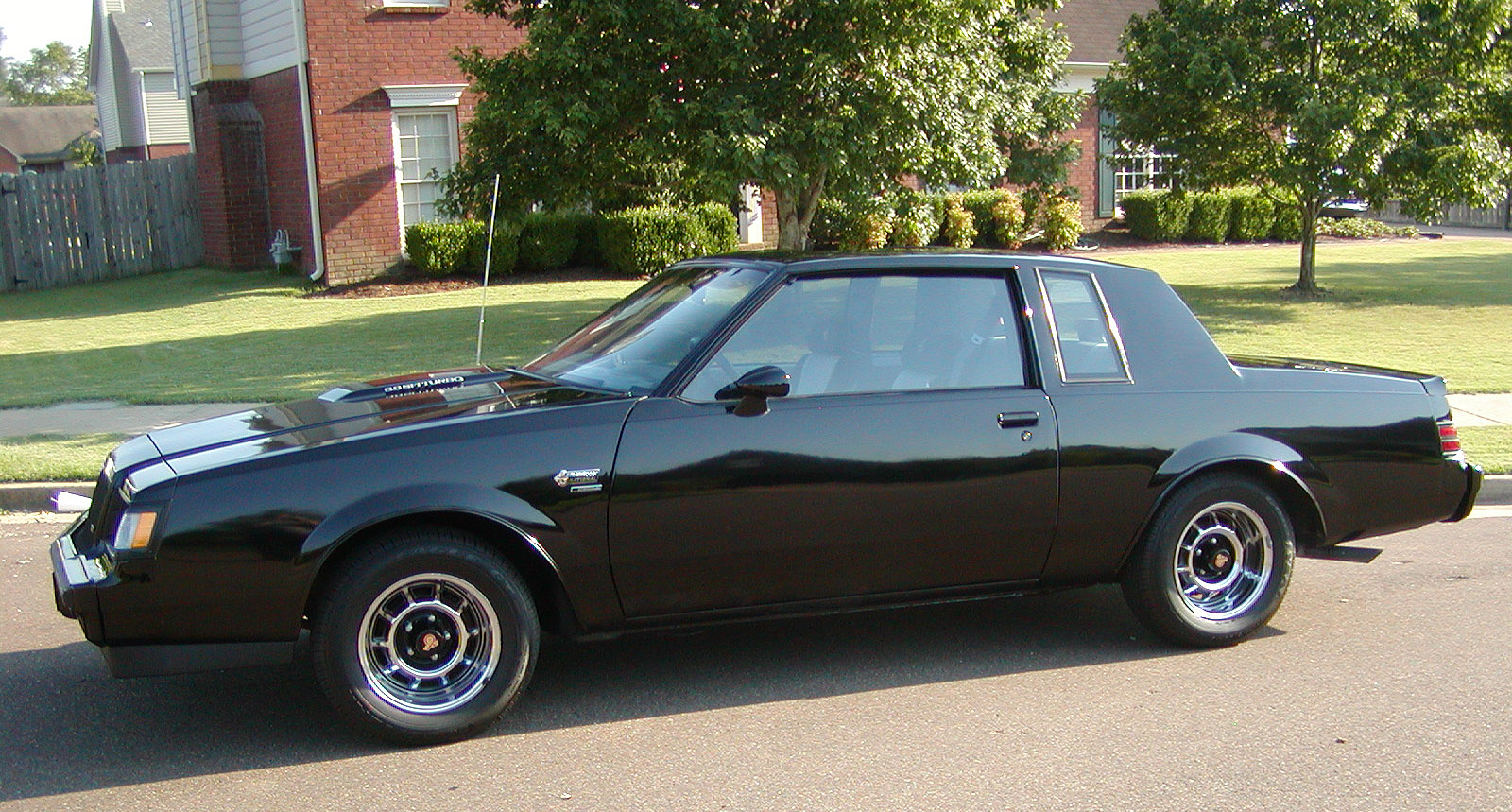
Buick Grand National
"... something for the grand, picking a horse for the Grand National. Yeah, there's a little bit of back and forth."
The Buick Grand National is a performance car from Buick, made to be fast and exciting to drive. The podcast mentions it because “Grand National” is a recognizable name, even if the discussion is partly about the phrase itself.
The Buick Grand National is a performance-focused muscle car from Buick, best known for its strong acceleration and turbocharged power in certain model years. It’s a significant nameplate in American performance history, so it can be mentioned when the conversation is about “Grand National” as a phrase or as a reference point. In your provided context, it appears to be brought up as part of a back-and-forth about the “Grand National” wording.
Mercedes
"I think Russell has realized like the future of Mercedes is is Kimi. Like Toto is invested in Kimi emotionally."
Mercedes is a big name in Formula 1. When they say “the future of Mercedes,” they mean what the team is planning to do next—especially with drivers.
Mercedes is one of Formula 1’s most prominent teams and engine suppliers. In the context of Drive to Survive, “the future of Mercedes” refers to how the team is thinking about its driver lineup and long-term direction.
screen time
"So you get more screen time and you start emerging as a personality in this"
“Screen time” just means how much someone gets shown in the show. If you get more screen time, more people notice your personality and story.
In Drive to Survive, “screen time” is about how much a driver or team member is featured in the edit. More screen time can shape how fans perceive personalities, rivalries, and storylines beyond pure race results.

George Russell
"[4000.5s] Like you've got to be in the like George [4002.4s] Russell's got to be in George Russell's corner because Mercedes is not. [4006.6s] He's he's diversifying"
George Russell is a race driver. In F1, how a team backs a driver—especially when things get uncertain—can shape their next move.
George Russell is a Formula 1 driver associated with Mercedes during this era. In F1, a driver’s “corner” and team support can be tied to contract leverage, performance expectations, and long-term career planning.

Red Bull
"[4017.0s] you know, maybe it's that for Stappen will only continue at Red Bull if Horner is gone. [4021.8s] So now I think you are you are absolutely right. [4025.3s] Russell needs to he feels like he's opening like part of this."
Red Bull is the Formula 1 team. If the team’s leadership changes, it can affect who drives and how the team makes decisions.
Red Bull refers to the Red Bull Racing Formula 1 team (and its wider F1 organization). Team leadership changes—like the mention of Christian Horner being gone—can influence driver contracts and team direction.
team selection
"[4025.3s] Russell needs to he feels like he's opening like part of this. [4029.3s] If this doesn't work out because the team selection, if I have to move on, [4032.8s] it's not great. I'm in an awkward position."
In Formula 1, “team selection” means deciding which driver(s) will race for a team. If that decision is up in the air, it can put a driver in a tough spot.
“Team selection” in F1 usually refers to decisions about who gets to race for a team—often tied to driver contracts, performance, and internal strategy. When selection is uncertain, it can create leverage and pressure for drivers and their management.
TV contract
"[4032.8s] it's not great. I'm in an awkward position. [4035.0s] But I bet I get a decent TV contract. [4038.1s] Like how many more years is Brando going to be doing this?"
They’re talking about a paid media job on TV. The point is that if racing doesn’t work out, a driver might still have a good income from broadcasting.
A “TV contract” here refers to a media deal—often for punditry, analysis, or on-camera roles—after or alongside an F1 career. In modern motorsport, drivers can build parallel careers in broadcasting, which affects how they weigh risk and uncertainty.
Request an Explanation
Heard something you'd like explained? We'll add it to this episode.
Sign in to request explanations for terms you heard.
Want to learn more?
Browse our glossary for plain-English explanations of automotive terms, jargon, and concepts.
Help improve this episode
See something that's not quite right? Our annotations are AI-generated and can sometimes miss the mark. Click the flag icon on any annotation to suggest a correction.