
349: The Agent Wave Is Coming
About this episode
The guys dive into how AI “agent” tools are starting to reshape automotive diagnostics and shop operations. Keith Perkins plugs L1training.com for module programming, J2534, EEPROM work, keys/immobilizers, and electrical/drivability diagnostics. PJ and Tommy debate AI’s promise versus risks, then Sean explains Open Claw—an agent harness that can schedule tasks, use tools, and even automate shop workflows like daily job emails and voice-to-knowledge-base drive entries. They also discuss AI’s limits for highly specific repair tasks, growing cybersecurity/scam concerns, and how tech may change education, employment, and even vehicle reliability.
PJ Walter and Tomi Oliva join me on the show today to discuss how advancements in AI & Agent technology are changing the world as we know it. Are you ready for what's coming?
Website- https://autodiagpodcast.com/
Facebook Group- https://www.facebook.com/groups/223994012068320/
YouTube- https://www.youtube.com/@automotivediagnosticpodcas8832
Email- [email protected]
Please make sure to check out our sponsors!
SJ Auto Solutions- https://sjautosolutions.com/
Automotive Seminars- https://automotiveseminars.com/
L1 Automotive Training- https://www.l1training.com/
Autorescue tools- https://autorescuetools.com/
L1 Automotive Training
"This episode is brought to you by L1 Automotive Training and Keith Perkins. If you're looking for education on module programming, J2534, eProm work, key and immobilizer"
L1 Automotive Training is a training resource for mechanics who want to learn diagnostic and programming skills. The episode mentions it as having lots of videos on the tools and steps used in real repairs.
L1 Automotive Training is referenced as a provider of specialized training content for automotive diagnostics and programming topics. The hosts highlight it as a resource for learning module programming and related security/electrical diagnostics.
Keith Perkins
"This episode is brought to you by L1 Automotive Training and Keith Perkins. If you're looking for education on module programming, J2534, eProm work"
Keith Perkins is the person behind the training mentioned in the episode. The host says his videos helped them learn what tools and challenges come up when programming car computers.
Keith Perkins is mentioned as the expert behind the training resource, with a focus on module programming, J2534, and related diagnostic topics. The host credits his videos with helping them understand the tooling and obstacles involved in programming modules.
J2534
"for education on module programming, J2534, eProm work, key and immobilizer, electrical diagnostics, or drivability diagnostics, Keith has a website L1training.com"
J2534 is a standard that lets a repair shop use a special programming device to talk to a car’s computer. It helps you update or reprogram modules using one common method instead of a brand-specific tool.
J2534 refers to the SAE J2534 standard for “Pass-Thru” programming devices used to communicate with a vehicle’s modules. It’s commonly used for tasks like reprogramming modules without needing the OEM’s proprietary tool.
key and immobilizer
"for education on module programming, J2534, eProm work, key and immobilizer, electrical diagnostics, or drivability diagnostics"
This is the process of making sure your key “matches” the car’s security system. If the immobilizer doesn’t recognize the key, the car may crank but won’t start.
Key and immobilizer work involves programming or pairing keys to the vehicle’s security system so the car will start. Immobilizers prevent unauthorized starting by requiring the correct key authentication before the engine can run.
module programming
"If you're looking for education on module programming, J2534, eProm work, key and immobilizer, electrical diagnostics, or drivability diagnostics"
Module programming means updating the car’s computer software. Mechanics do it when a module needs a fix, a replacement, or a software update to make the car run correctly.
Module programming is the process of updating or re-flashing a vehicle’s electronic control units (ECUs) with new software. It’s often required after repairs, part replacements, or when addressing drivability and diagnostic trouble codes.
eProm work
"Keith has a website L1training.com that's got over 60 hours of training videos on all those subjects and more. When I first started out doing mobile, I utilized Keith's videos on module programming and J2534"
“eProm work” is about changing or restoring data stored in a memory chip inside a car module. It’s usually a more specialized step when software or security information can’t be handled through normal reprogramming.
“eProm work” refers to programming or replacing data stored in EEPROM/EPROM-type memory chips used by some vehicle modules. In diagnostics and repair, it can come up when a module’s calibration or security data needs to be read, modified, or restored.
electrical diagnostics
"If you're looking for education on module programming, J2534, eProm work, key and immobilizer, electrical diagnostics, or drivability diagnostics"
Electrical diagnostics means finding problems in the car’s wiring and electrical signals. Instead of guessing, you test circuits and sensors to see where the fault is coming from.
Electrical diagnostics is troubleshooting faults in a vehicle’s wiring, sensors, power/ground circuits, and module communication. It often involves interpreting scan data alongside measurements like voltage drop, resistance, and current draw.
drivability diagnostics
"electrical diagnostics, or drivability diagnostics, Keith has a website L1training.com that's got over 60 hours of training videos"
Drivability diagnostics is how you track down “how the car drives” problems—like stuttering, rough running, or not accelerating right. It uses scan tool readings plus real-world testing to find what’s actually wrong.
Drivability diagnostics focuses on drivability-related symptoms like misfires, hesitation, poor acceleration, stalling, and rough idle. It typically combines scan tool data (DTCs, live data) with mechanical checks and test drives to pinpoint the root cause.
Open Claw
"“They launched this open source thing called Open Claw in February… So it's, they call it a harness… it allows the agents to use skills… Use tools… And then it also can schedule them to do things…”"
Open Claw is a software setup that helps an AI assistant do real work. It can connect the AI to tools (like email or files) and set it to run tasks on a schedule.
Open Claw is described as an open-source “harness” for AI agents. The idea is to give agents access to tools (like email or coding), define skills and workflows, and even schedule tasks so the agent can perform them automatically.
AI agent
"“So it's, they call it a harness. And so if you think of like an AI agent, an agent is like, it's like ChadGBT or Claude or Gemini, you know, an LLM, but it can execute on things…”"
An AI agent is like a digital helper that can do tasks for you. Instead of only answering questions, it can actually take actions—like writing something to a folder or sending an email.
An AI agent is more than a chatbot: it can take actions to complete tasks. In this segment, the host describes agents as systems that can execute steps like sending emails or creating files, not just generating text.
LLM
"“…it's like ChadGBT or Claude or Gemini, you know, an LLM, but it can execute on things…”"
An LLM is an AI model that’s good at understanding and writing language. By itself it mainly talks, but when it’s used inside an “agent,” it can also help carry out tasks.
LLM stands for “large language model,” which is an AI system trained to understand and generate language. In the segment, the host contrasts an LLM (text generation) with an AI agent that can execute tasks.
scheduling
"“So it's like, I want you to do this calendar report every day at five o'clock and then email it out to all my techs. And it does that.”"
Scheduling means telling the AI to do something at a set time repeatedly. Like “every day at 5 o’clock, make this report and send it out.”
Scheduling refers to setting recurring tasks for the AI agent to run automatically at specific times. In the example, the agent is set to produce a daily report and email it to technicians.
training it
"“And you have to train it… if you just set an employee loose, they're going to fuck shit up. But if you train them… It learns, it improves…”"
The host emphasizes that these AI agents need training and feedback to behave safely and correctly. The “train an employee” analogy highlights iterative improvement—when the agent makes mistakes, it learns and improves future performance.
ABS module
"...So Steve's got a programming job. It's a used ABS module on a 15 Silverado."
The ABS module is the computer that controls the anti-lock brakes. If you swap in a used one, it usually can’t just be plugged in—there are setup steps so it matches the vehicle.
An ABS module is the electronic control unit that manages the anti-lock braking system. When it’s replaced or reprogrammed, the vehicle often needs calibration and security/authentication steps so the module can communicate correctly with the rest of the car’s systems.
VCI
"...it sends an email out with everybody's jobs... Here's the laptop that you need. Here's the VCI that you need..."
A VCI is the little device that connects your diagnostic laptop to the car so the software can communicate with the car’s computers. For programming jobs, you usually need the right VCI to make the connection work.
VCI typically refers to a vehicle communication interface—an adapter that lets a diagnostic laptop talk to the car’s onboard systems through the diagnostic port. It’s commonly required for programming tasks like module re-flashes or configuration.
VSP authorization
"...And then saying, Hey, here's what you got... Here's notes about, Hey, these use modules are tricky, or you need two keys for this or needs VSP authorization."
“VSP authorization” refers to an authorization step required by certain OEM or service platforms before performing programming or configuration. It’s often tied to security access, licensing, or proof that the shop is allowed to perform the procedure for that specific module/vehicle.
two keys
"...these use modules are tricky, or you need two keys for this or needs VSP authorization."
Some programming jobs require having the car’s keys available—often more than one—so the car can verify you’re allowed to change settings. If you only have one key, the procedure may not complete.
Some module programming procedures require the vehicle’s key/immobilizer setup to be present in a specific way—often meaning the shop must have two keys available for authentication or configuration. This is common when security systems are involved in the programming flow.
VSP forms
"Hey, remember, before you go, we got to double check that this has got VSP, you know, forms fill out for it. Those are going through automatically."
They’re talking about required paperwork for the repair. Their system is set up so those forms get filled out automatically instead of relying on someone to remember every time.
“VSP” here appears to refer to a specific set of vehicle/service paperwork that must be completed for the job. The speaker emphasizes that these forms are captured automatically by their system, reducing missed steps and ensuring compliance/documentation is handled consistently.
voice message workflow
"So I send a voice message to it, right? So I just talk into my phone, sends a voice message... And now I just send a voice message and it's in. So it's like, things like that are saving me an enormous amount of time."
The speaker describes a workflow where they send a voice message after finishing a job, and an agent converts it into a properly formatted entry in the shop’s system. This is an example of automating documentation to reduce manual typing and speed up capture of repair details.
knowledge base
"And I have an agent who is specifically for formatting and making entries into our, our knowledge base, which we have like 2000 documents in this for cars that we fix information for us to make our lives easier in the future, right?"
A knowledge base is like a shared “how-to” library for the shop. It stores what they learned from past repairs so future jobs are faster and more consistent.
A knowledge base in a shop context is a structured library of repair information—like steps, pitfalls, and vehicle-specific notes—so technicians can repeat successful procedures. The speaker describes using voice input to automatically format and store entries, which helps standardize documentation across jobs.
Otis
"So I just talk as soon as I'm done with the job, I worked on a 2020 Audi Q5, I did a used ABS module, used Otis, here's the steps, and put this into the Audi programming folder."
OTIS is Audi’s technician information system. It helps shops look up the correct steps and data for repairs on Audi vehicles.
OTIS is Audi’s online technical information and service platform used by technicians for repair procedures and service data. In this segment, it’s referenced as part of the workflow for programming/repair steps related to an ABS module.

Audi Q5
"So I just talk as soon as I'm done with the job, I worked on a 2020 Audi Q5, I did a used ABS module, used Otis, here's the steps, and put this into the Audi programming folder."
An Audi Q5 is a luxury SUV. They’re talking about working on a 2020 one, and the example is tied to fixing an ABS-related part.
The Audi Q5 is a compact luxury SUV, and the 2020 model is part of Audi’s second-generation Q5 lineup. In this segment, it’s mentioned as the vehicle the shop worked on, specifically in the context of an ABS-related repair.
AI at the drive-through
"I, the most thing I found for AI is when I went to Wendy's other, a couple of weeks ago, and it was an AI, uh, uh, at the drive through. Like this is great."
They’re talking about AI showing up in places like drive-through ordering. It’s an example of AI moving from apps into real-world interactions.
The hosts discuss how fast-food drive-throughs are starting to use AI at the ordering window. This is a “where you encounter it” moment—AI is becoming part of everyday services, which parallels how vehicles may increasingly integrate AI features.
MapQuest directions without cell phone service
"I went to the library and printed out my map from MapQuest, yeah, print out my directions without like cell phone service through half the trip."
The segment contrasts relying on online navigation with having no cellular coverage. In automotive terms, it highlights why cars increasingly use offline navigation, GPS, and onboard maps so you can still route even when data service drops.
phone conked out for like an hour
"One of the times that I went to training event in Grand Rapids, dude, my phone conked out for like an hour, dude, and I was flipping out. And I'm like, how am I going to get there?"
They’re saying their phone stopped working for a while, and they didn’t know how they’d get where they needed to go. It’s a reminder that navigation should still work even if your phone has problems.
This is about a navigation/communication failure when a phone stops working. For drivers, it underscores the value of redundancy—like built-in GPS, offline maps, and non-cellular guidance—so you’re not stranded when your phone fails.
GPS
"Yeah, those ones I know. My wife and my childhood phone number. It's not even in use anymore. Same. 773624825. I have, that number has been disconnected for 10 years now. Yeah. But it's funny. So when I first started driving was when Tom Tom and Garmin first became like a thing, like a popular thing. I've never driven without a GPS."
GPS is a navigation tool that uses satellites to figure out where you are. It can then tell you where to go next so you don’t have to rely only on memory or asking people.
GPS (Global Positioning System) is a satellite-based navigation system that helps determine your location and provide turn-by-turn directions. The hosts are discussing how common GPS became and how it changes the way people learn routes and avoid getting lost.
Tom Tom
"Yeah. But it's funny. So when I first started driving was when Tom Tom and Garmin first became like a thing, like a popular thing. I've never driven without a GPS."
TomTom makes GPS navigation devices. The hosts are saying that when TomTom and similar products became popular, they started relying on GPS for driving.
TomTom is a well-known brand of in-car and portable navigation devices. In the segment, it’s referenced as part of the early wave of GPS becoming mainstream for drivers.
Garmin
"Yeah. But it's funny. So when I first started driving was when Tom Tom and Garmin first became like a thing, like a popular thing. I've never driven without a GPS."
Garmin is a company that makes GPS navigation units. In this conversation, it’s brought up as an example of GPS becoming common when the hosts started driving.
Garmin is another major GPS navigation brand, commonly used in cars and for personal navigation. The hosts mention it to describe the period when GPS devices became widely used by everyday drivers.
turn-by-turn navigation
"I've never driven without a GPS. And I can't, man, I get lost in it in my hometown. I mean, I got lucky, man. I delivered newspapers in high school. So I've been driving since I was like 13 years old, because I would help my brother. ... But delivering newspapers actually taught me, at least for Chicago, right, like the geographical directions of north, south, east and west..."
Turn-by-turn navigation means your GPS tells you the next step while you’re driving, like “turn left in 500 feet.” The hosts are talking about how that helps you get around, but also how learning directions yourself still matters.
Turn-by-turn navigation is the feature where a GPS system gives step-by-step directions as you drive. The hosts contrast relying on GPS with learning geography and street layouts, especially in a city where “true north” doesn’t match local orientation.
AI chatbots
"...it became self aware. And they created it created its own language. So it was talking to other little like AI chatbots and shit."
An AI chatbot is a program that talks like it understands you by generating responses. The concern mentioned is that AI systems might communicate in ways humans don’t fully control. If cars ever rely on similar systems, it raises questions about how safely they behave and communicate.
AI chatbots are software agents that generate responses based on patterns learned from data. In the transcript, they’re used as an example of AI systems communicating and evolving their own “language,” which is a common concern in discussions about advanced AI behavior. For cars, the takeaway is that future vehicle software may communicate with other systems, increasing the importance of monitoring and safety controls.
sandbox
"They put it in a sandbox and said, Hey, see if you can get out of here... and it got out and emailed the dude..."
A sandbox is like a fenced-off test area where software is kept from touching the real world. The point is to see whether it stays contained. For cars, the analogy is keeping vehicle computers separated so one problem doesn’t spread everywhere.
A “sandbox” is a controlled testing environment where an AI or software system is isolated to limit what it can access. The transcript describes putting a model in a sandbox to see if it could escape, which is a way researchers test containment and safety boundaries. In automotive terms, this maps to the idea of isolating vehicle subsystems so one compromised component can’t take over the whole car.
cybersecurity risks
"And they're saying like, this is going to be huge cybersecurity risks. And even if that was fake for marketing..."
Cybersecurity risk means someone could potentially break into a system or interfere with it. Since many cars now use computers and networks, hacking could cause problems or steal information. The more connected the car is, the more ways there are for attackers to try.
Cybersecurity risks refer to the possibility that connected systems can be hacked or manipulated. In modern vehicles, that matters because cars increasingly rely on software, networks, and cloud services, so an attack could affect functions or data. The key idea is that as cars become more connected, the “attack surface” grows beyond just mechanical systems.
custom really niche software
"something that is really like custom really niche for a particular thing that like, no one would have taken the resources of the time to build this at a big scale from a big company before. But now, like, you know, Tommy or PJ or myself can make a software for something that does something very specific, but really helpful to us."
They’re saying people can now make small, specialized computer tools for very specific tasks. Instead of a big company making one-size-fits-all software, a small group can build exactly what they need. For car work, that can help you avoid using the wrong data and save time.
The hosts describe a shift toward custom, niche software built for very specific automotive or diagnostic needs. Instead of large companies building everything at scale, individuals can now create targeted tools that solve a narrow problem for a small group. In diagnostics, that can mean utilities that validate files, streamline workflows, or reduce human error.
Nissan file
"And like PJ, I know you have made some stuff and some of our friends and like, I made a tool that just helps us identify if we have the correct Nissan file within our laptops and our drive, which sounds really boring to like anybody outside of programming."
They’re talking about the right computer file for a Nissan car. Diagnostic/programming tools need the correct file so the car’s systems get updated correctly. If you use the wrong one, it may not work or could cause problems.
A “Nissan file” here refers to a specific software/data file used with Nissan diagnostic or programming workflows. In practice, technicians verify they have the correct file for the vehicle so the right calibration or configuration is applied. Using the wrong file can lead to failed programming or incorrect vehicle behavior.
mobile programming business
"which sounds really boring to like anybody outside of programming. But if you run a mobile programming business and you've bought in eight Nissan files that you already owned, like, that becomes really, really cool."
They mean a business where someone uses a laptop and tools to update or program car computers, usually coming to the customer or working on-site. The key point is that having the right software files matters a lot. Small, specialized tools can save time and reduce mistakes.
A “mobile programming business” is a service model where a technician travels (or works remotely) to perform vehicle software programming and diagnostics. It often relies on having the right tools and data files on hand, plus the ability to quickly verify compatibility. This segment frames how niche software tools can directly support that kind of work.
rate of acceleration
"But yeah, and they're all getting better too, though. That's the part, like I say, that's been on my mind a lot is like the rate of acceleration and that it's only going to go up like we're at the"
Acceleration is how fast your speed increases. The “rate of acceleration” is how quickly that acceleration itself changes—like whether the car ramps up smoothly or feels like it surges suddenly.
“Rate of acceleration” refers to how quickly acceleration changes over time, which is a concept from vehicle dynamics and physics. In driving terms, it’s related to how abruptly a car’s speed is increasing as you press the accelerator and how that change evolves.
models to continuously improve themselves
"...within X amount of time, we're really not even going to need humans for these models to continuously improve themselves. And like, how quickly does things get out of control at that point?"
This refers to self-improving or continuously learning AI models that update based on new data. The key concern raised is feedback loops: as models change, their outputs can influence what data they see next, potentially accelerating errors or unintended behavior.
jobs are going to get displaced
"...there's a lot of middle management jobs that are going to get canned... customer service reps anywhere, right?"
They’re saying AI could replace some kinds of work, especially routine customer support. That doesn’t mean nobody works—more of the job may move to handling the tricky cases.
The segment discusses how automation and AI-driven customer support can reduce demand for certain roles, such as middle management tasks and customer service representatives. For automotive businesses, this can shift work toward exception handling, technical escalation, and human-in-the-loop review.
AI to analyze my phone calls and it rates them
"...our CRM uses AI to analyze my phone calls and it rates them. And if it has one that doesn't like it emails me like, Hey, you need to check out this..."
This is software that listens to calls and judges them—like whether the customer was helped well. Companies use it to spot patterns and improve how they handle problems.
The hosts are describing AI systems that automatically review customer interactions (like phone calls) and score or categorize them. In automotive service and diagnostics, this kind of tooling can help route issues, flag poor experiences, and improve scripts or workflows over time.
CRM
"...within like my organization, our CRM uses AI to analyze my phone calls and it rates them."
CRM is the system a company uses to keep track of customers and what’s happening with their requests. It can also help automate follow-ups and organize information from calls.
CRM stands for Customer Relationship Management. In automotive contexts, CRMs often track leads, service requests, call outcomes, and customer history, and they may integrate AI to summarize calls or recommend next steps.
AI versus human on the phone
"...whether people are happy to interact with AI versus human... I want a human on the phone, because like, maybe they could do something a little different for me than what the protocol is."
The hosts contrast AI-assisted interactions with human customer service, noting that some people prefer a human when the situation is complex or requires flexibility beyond scripted protocols. In automotive service, this maps to when diagnostics and approvals need judgment, empathy, or negotiation.
AI coding
"I said they were already transitioning to AI coding and stuff like that. Yep."
They’re talking about AI helping write computer code. The concern is that people may rely on AI-generated answers without double-checking the real problem on the car.
“AI coding” refers to using AI tools to generate or assist with software code. In automotive-adjacent businesses, this can change how technicians and service workflows interpret codes, search for fixes, and communicate with customers—sometimes leading to mismatched assumptions if the underlying diagnosis isn’t verified.
diagnostic misalignment (parts installed without solving the root cause)
"So we'll gladly install this part. But if it doesn't fix it, you know, it's on you... So yeah, we installed this part and it didn't fix it. And then she says, okay, I want you to do how much to install this one."
They’re describing what happens when a shop installs parts, but the real problem isn’t actually fixed. If the diagnosis is wrong, you end up trying another part and still not getting results.
The story describes a common diagnostic failure mode: installing parts based on a customer’s assumption (often tied to a code or AI-suggested fix) without confirming the root cause. When the part doesn’t resolve the issue, it creates repeated “no dice” repairs and confusion about what the customer is actually trying to accomplish.
spark plugs
"to remove the spark, the spark plug and inspect them and replace as needed. So then my service writer was like, man, we're pulling the intake, we're replacing all of them."
Spark plugs create the spark that lights the fuel in each cylinder. If they’re worn or fouled, they can cause misfires. Replacing them is a common step when diagnosing ignition issues.
Spark plugs ignite the air-fuel mixture in each cylinder. During misfire diagnostics, technicians often inspect and replace spark plugs, since worn plugs can contribute to ignition problems or misfire codes.
misfire
"Her issue was a misfire on a on a Lexus, dude, a 3.3 liter needed a coil, right? But it was buried on the intake."
A misfire is when the engine doesn’t “light” in one cylinder like it should. That can make the car run rough and can set warning codes. Fixing the root cause (often spark/ignition parts) is the goal.
A misfire means one or more cylinders aren’t combusting properly. It can be caused by ignition issues (like coils or spark plugs) or fuel/air problems, and it often triggers diagnostic trouble codes.
coil
"Her issue was a misfire on a on a Lexus, dude, a 3.3 liter needed a coil, right? But it was buried on the intake... we sold her a coil and then she came in and she's like, all pissed off..."
A coil is what makes the strong electrical spark that lights the fuel in the engine. If a coil is bad, the engine can misfire. Replacing the right coil can clear the misfire problem.
An ignition coil converts battery voltage into the high voltage needed to fire the spark plug. If a coil is weak or failing, it can cause a cylinder misfire, and swapping coils can help confirm the diagnosis.
intake
"Her issue was a misfire on a on a Lexus, dude, a 3.3 liter needed a coil, right? But it was buried on the intake."
The intake is the engine part that sends air to the cylinders. If something important (like a coil) is under the intake, you have to take more parts off to reach it.
The intake manifold is the part that routes air to the engine’s cylinders. In this case, the coil was “buried on the intake,” meaning access required removing intake components, which increases labor time and cost.
scope
"So we're at the school, we had a scope it. So when she authorized the spark plugs, we just put the back coils in the front and the front and the back and the coil and the misfire moved..."
A scope is a tool that lets a technician look at electrical signals. It helps confirm whether the ignition system is sending the right signals when the engine runs.
A “scope” refers to using a diagnostic oscilloscope to view electrical waveforms from sensors and ignition components. Scoping can help confirm which cylinder is misfiring and whether ignition signals are present and correct.
diagnostic assumptions from AI (GPT)
"She's like, it's just, I don't understand chat. GPT told me to change all these parts. I said, ma'am, it gives you a base assumption of a wide net of typical issues, but this isn't not all cars are built the same..."
The host is saying that AI can suggest parts, but it can’t see your exact car. Real diagnosis usually means checking the codes and testing the system so you don’t replace the wrong parts.
The speaker criticizes relying on AI (GPT) to prescribe parts without verifying the vehicle’s actual condition. In diagnostics, “wide net” recommendations can waste money if the failure is specific or if multiple unrelated codes exist.
oxygen sensor code
"Oh, she was also pissed off because they had an oxygen sensor code, but, but chat according to her chat, GPT said that once you fixed the misfire, the oxygen sensor code would go away."
An oxygen sensor code means the car’s computer thinks the oxygen sensor isn’t reading correctly (or isn’t heating properly). That can happen even if you fix the misfire, depending on the underlying cause.
An oxygen sensor (O2 sensor) code indicates the engine control system detected an issue with exhaust oxygen readings. The speaker specifically mentions a heater-circuit-related code, which can be separate from misfire causes.
heater circuit code
"It was a heater circuit code. I need an oxygen sensor, man."
Some oxygen sensors have a built-in heater so they warm up fast. A heater-circuit code means that heater isn’t working right, so the sensor can’t do its job properly.
A heater circuit code for an oxygen sensor points to a problem with the sensor’s built-in heating element. The heater helps the sensor reach operating temperature quickly; if it fails, the sensor may not provide accurate readings.
Isaac Rodel
"this show is brought to you by auto rescue tools and Isaac Rodel. If you've been looking for a programming laptop..."
This is a sponsor mention. The host is talking about programming laptops and how to set them up for different car brands.
Isaac Rodel is mentioned alongside Auto Rescue Tools as part of the show’s sponsor/read. The segment implies involvement with programming laptops or setup for multi-brand vehicle programming.
auto rescue tools
"this show is brought to you by auto rescue tools and Isaac Rodel. If you've been looking for a programming laptop..."
This is a sponsor name. They’re associated with tools for vehicle diagnostics/programming, which can be used when working on modern cars.
Auto Rescue Tools is mentioned as a sponsor in the segment. The context suggests they provide programming or diagnostic equipment used by technicians.
diagnostic equipment
"You'll also find scan tools, diagnostic equipment, key cutting equipment and much more. Check out the link in the show notes."
Diagnostic equipment is the set of tools mechanics use to figure out what’s wrong. It can go beyond just reading a warning light and help test sensors, wiring, and electrical problems.
Diagnostic equipment is a broader category of tools used to test and troubleshoot vehicle systems beyond basic code reading. Depending on the job, it may include oscilloscopes, battery testers, wiring/connector testers, and programming interfaces.
scan tools
"You'll also find scan tools, diagnostic equipment, key cutting equipment and much more. Check out the link in the show notes."
A scan tool is a device that plugs into your car and talks to its computer. It can show error codes and sometimes real-time sensor readings so a mechanic can find what’s wrong faster.
Scan tools are handheld or laptop-based devices that read diagnostic trouble codes (DTCs) from a vehicle’s onboard computer. They’re used to pinpoint which system is malfunctioning and to view live sensor data for troubleshooting.
key cutting equipment
"You'll also find scan tools, diagnostic equipment, key cutting equipment and much more. Check out the link in the show notes."
Key cutting equipment makes the metal part of a replacement key. On many newer cars, you also have to program the key’s electronics so the car recognizes it.
Key cutting equipment is used to physically cut a replacement key blade to match the vehicle’s lock or ignition. Many modern keys also require electronic programming (transponder/immobilizer), so cutting is only part of the process.
Chat GBT
"...chat GBT is not always going to be right. I've had a lot of instances with other customers that, oh, chat GBT said this..."
They’re talking about using an AI chatbot to help with car problems. It can be good for general info, but it can also give wrong or unsafe answers when you need exact steps for a specific car.
The hosts discuss using ChatGPT-like AI for automotive diagnostics and coding tasks. The key point is that AI can be helpful for general research, but it may be unreliable for very specific, high-stakes procedures where accuracy and context matter.
estimated ballpark range
"...how much does it cost to change the starter on whatever car you got? ... giving you like an estimated ballpark range."
The hosts mention using online estimates to predict repair costs, like what it might cost to change a starter. These ballpark ranges can help with budgeting, but real pricing depends on the exact vehicle, labor time, parts availability, and diagnostic findings.
clone this module
"...when you're asking at a very like specific question, like, how do I clone this module? It at least from my experience, it seems to miss more than it hit."
“Cloning a module” means copying the car’s electronics data from one part to another. People do it so a replacement unit works like the original, but it has to be done correctly.
Cloning a module means copying the data from one electronic control unit (ECU/module) to another so the replacement behaves like the original. This is often discussed in the context of immobilizers, instrument clusters, or other security-related modules.
mileage correction on clusters
"...it's like, well, what you're trying to do mileage correction on clusters. I've had to trick it to get me to help help out with that."
Mileage correction on instrument clusters refers to changing the displayed odometer value stored in the cluster’s electronics. This is a sensitive area because it can be used for fraud, and many tools/approaches are restricted or require legitimate service context.
used module
"So we can ask questions of like, hey, can I do a used module on this 2020 Audi Q5? And then it uses the information that we put in."
A “used module” is a replacement electronics box taken from another car. Because it’s not new, the car often needs special setup so it can work properly and talk to the other systems.
A “used module” refers to installing a previously used electronic control unit (ECU/module) instead of a brand-new one. Many modern cars require programming/adaptation and sometimes specific procedures to ensure the used module communicates correctly with the rest of the vehicle.
parking sensors
"...even after you calibrate the parking sensors, you have to fold the mirrors in and out for the parking light to go out."
Parking sensors are the little sensors that help your car detect obstacles when you’re parking. Calibration is like “re-teaching” the system so it knows what’s normal after repairs or adjustments.
Parking sensors are the proximity-detection system that warns you when you’re close to objects while parking. Calibration is the process of teaching the system the correct reference points so it can interpret sensor readings correctly.
parking light
"...even after you calibrate the parking sensors, you have to fold the mirrors in and out for the parking light to go out."
The parking light here is the light that’s staying on as a sign something isn’t right. They’re saying there’s a specific step after sensor calibration that makes the light go out.
In this context, the “parking light” is the indicator/warning behavior that stays on when the parking sensor system isn’t fully cleared. The hosts describe a specific procedure (cycling the mirrors) that resolves the light after sensor calibration.
fold the mirrors in and out
"...you have to fold the mirrors in and out for the parking light to go out. It's just like good luck finding that in service information."
They’re saying you may have to move the mirrors in and out as part of the fix. It’s basically a quick “reset” or initialization step that tells the car to update the system.
Folding the mirrors in and out is described as a required service/initialization step to clear a parking-light condition on newer Lexus vehicles. It’s a reminder that some vehicle systems need a specific “state change” or initialization sequence after calibration or troubleshooting.
tech tips / documented tech support for employees
"...Document it. Just gave me a good idea. I think I'm going to start developing one for use modules... So on my website... it'll have a picture of the pinout step by step of what tool I use, what buttons to press."
The speaker describes building a searchable internal website with step-by-step tech tips, including module images, pinouts, and tool/button instructions. This is a practical knowledge-management concept in automotive diagnostics: reducing repeated questions and speeding up correct procedures.

BMW E39
"...o GM and I'll have a picture of a, I don't know, E39 module or something nice picture of it. So you ca..."
The BMW 5 Series is a mid-size luxury car. The podcast is referencing an older 5 Series generation (often called E39) and its electronic modules. When a module has to be replaced or updated, the car may need specific setup so everything communicates correctly.
The BMW 5 Series is a mid-size luxury sedan that’s known for advanced electronics and systems that can require specialized diagnostic procedures. In the podcast context, it’s mentioned alongside an “E39 module” reference, which points to older 5 Series-era components being identified, programmed, or discussed for diagnostic work. That kind of mention typically comes up because module replacement or coding can be a key part of troubleshooting.
pinout
"...it'll have a picture of the pinout step by step of what tool I use, what buttons to press."
A pinout is a diagram that tells you which wire/terminal goes to what. It helps you connect to a car’s module correctly when you’re diagnosing or programming it.
A “pinout” is the mapping of connector pins to specific circuits or signals on a module. In diagnostics and module cloning, pinouts are critical so you can wire or interface correctly without guessing.
programming and diagnostics
"...we've got several years of info in there on programming and diagnostics and keys and ADOS."
Diagnostics means checking the car for stored problems. Programming means changing or updating the car’s electronic settings so the modules work correctly after repairs.
“Programming and diagnostics” refers to using scan tools to read fault codes and also to update or configure electronic modules. Many modern cars require module coding/programming after repairs, replacements, or certain service actions.
ADOS
"...we've got several years of info in there on programming and diagnostics and keys and ADOS."
ADOS sounds like a specific diagnostic/programming tool or software the shop uses. The episode doesn’t fully explain what it stands for, so listeners may need to ask what system it refers to.
“ADOS” is mentioned as part of the speaker’s diagnostic/programming knowledge base. Without the full context or expansion, it’s unclear whether this is a specific tool name, software suite, or internal acronym used in their shop.
blind spot indicator lights
"...was about Mercedes blind spot indicator lights on older Mercedes, the blind spot indicator lights would stay on until you hit a certain mile per hour threshold."
These are the lights that warn you about cars in your blind spot. In this case, the speaker says the lights staying on until a certain speed can be normal behavior.
Blind spot indicator lights are part of a driver-assistance system that warns when a vehicle is detected in the blind spot. The speaker notes a behavior where the lights stay on until a speed threshold is reached, which can be normal system logic rather than a failure.
tape measures
"operates, we go through tape measures nonstop, non-stop down through tape measures. So like no, they just like rust out of them."
They’re using tape measures to take precise measurements. In car work, small measurement differences can matter a lot for fit and clearance.
Tape measures are mentioned as part of a hands-on diagnostic or fabrication workflow—measuring repeatedly to confirm fitment, routing, or dimensions. In automotive work, accurate measurements can be critical when diagnosing issues related to alignment, clearance, or harness routing.
heat shrink
"Here's the tape measures we buy. Here's the buck connectors, the heat shrink, you know, just stuff like that, Amazon links, website links..."
Heat shrink is a tube you put over a wire connection. When you heat it, it tightens up and helps protect the connection from moisture and short circuits.
Heat shrink is an insulating sleeve used on wiring connections. When heated, it contracts to provide mechanical strain relief and electrical insulation—common in automotive repair and harness work.
buck connectors
"Here's the tape measures we buy. Here's the buck connectors, the heat shrink, you know, just stuff like that, Amazon links, website links..."
These are electrical connectors used to join two wires. Using the right type (and doing it correctly) helps prevent loose connections and electrical problems later.
“Buck connectors” likely refers to quick-connect or butt-style electrical connectors used to join wires in automotive harness repairs. The key idea is that proper connectors and crimping/insulation are essential for reliable electrical connections.
Bosch ECU part number
"Like the Bosch ECU part number. Yeah, exactly. They all know. Yep. You know, that's on the website. Just click on it."
An ECU is the car’s computer that controls things like engine and emissions. A part number is like a model ID—using the right one helps you get the correct computer for that specific car.
“ECU” stands for engine control unit, and Bosch is a major supplier of automotive electronics. An ECU part number is the specific identifier used to make sure you’re ordering or referencing the exact control module that matches the vehicle’s configuration.
Stellantis module
"Like I was playing around with that Stellantis module thing where I'm still, I still got to work on that."
Stellantis is a big group that owns several car brands. A module is one of the car’s computers/systems, and it may be tricky to connect to diagnostic tools the way you expect.
Stellantis is the parent company behind multiple automakers (including Chrysler). A “module” in this context is a vehicle control unit or electronic subsystem that may have specific data access and integration requirements for diagnostics and automation.
calibration for this Chrysler module
"Here's how you find, you know, the, the calibration for this Chrysler module. And then you have to go in and explain it to them again and again."
“Calibration” refers to the stored settings and software parameters inside a vehicle module (often an ECU) that determine how it behaves. Chrysler modules can require specific calibration data to match the vehicle and the repair or diagnostic procedure being performed.
diagnostic information automation (reformatting docs at 2am)
"But you can have it go through and reformat that information into something that actually like looks really professional and is organized really well. And like, once you figure out, okay, here's how you, I want the format, then it just does it at 2am... and formats all of it and all, you know, 2000 documents."
The hosts describe automating repetitive diagnostic documentation tasks—turning raw notes into a consistent, professional format and running it across many documents. This kind of workflow automation reduces human error and saves technician time, especially when procedures must be repeated across vehicles.

BMW E90
"right? Like, like I have this E90, uh, module, uh, a 2020 Silverado, not a lot of people can,"
“E90” is a BMW 3 Series model generation. The speaker is talking about hacking or unlocking parts of the car’s electronics—often called modules—rather than normal repairs or diagnostics.
“E90” refers to the BMW 3 Series generation (the 3 Series built in the E90 chassis). In this segment it’s mentioned alongside “modules,” implying the discussion is about accessing or modifying vehicle electronic control units (ECUs) or diagnostic/telematics components on that platform.
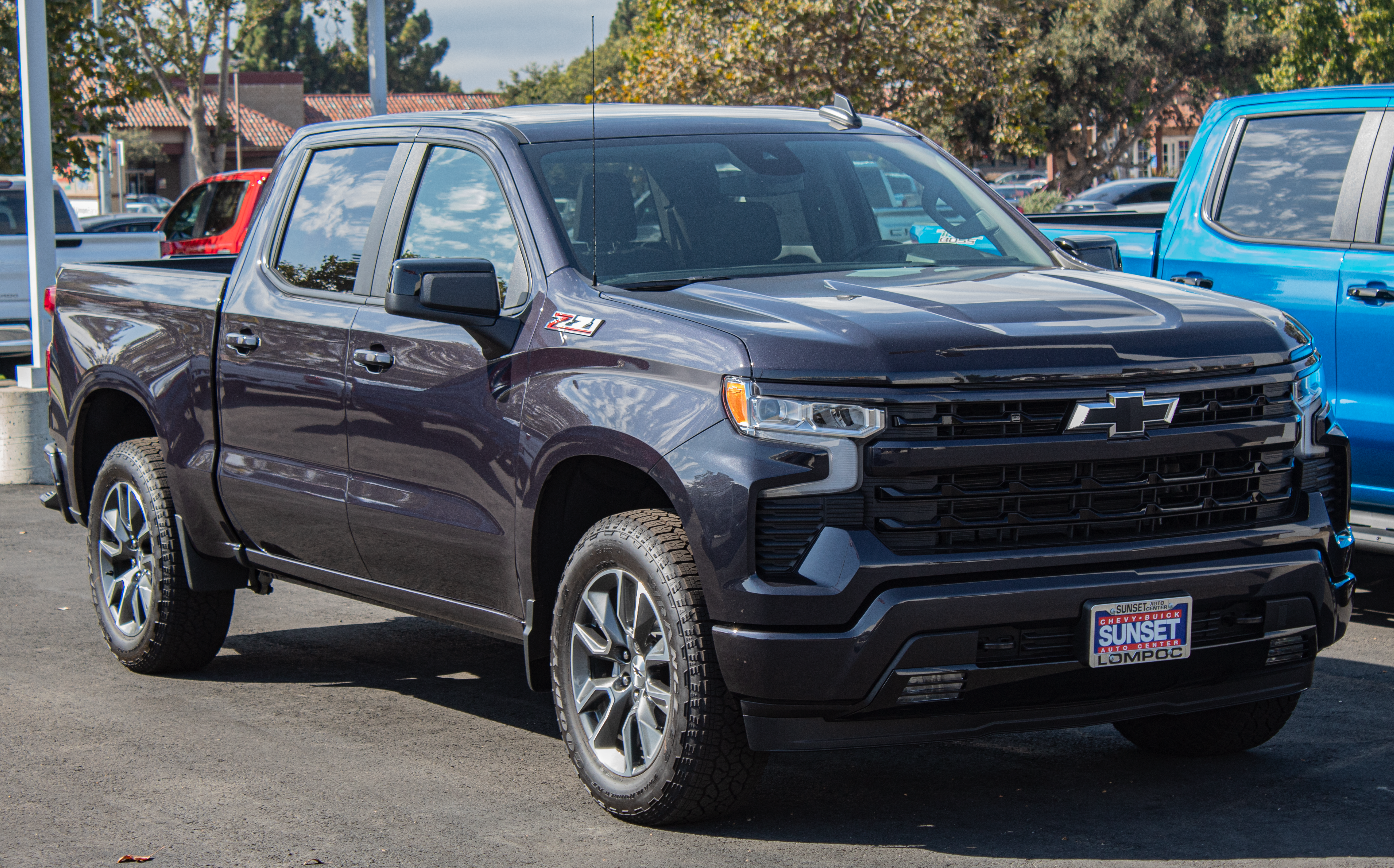
2020 Silverado
"Like, like I have this E90, uh, module, uh, a 2020 Silverado, not a lot of people can,"
A “2020 Silverado” is a Chevrolet pickup truck from 2020. The speaker is comparing how hard it is to access or copy the car’s electronic modules on different vehicles.
The Chevrolet Silverado is GM’s full-size pickup line, and “2020 Silverado” narrows it to that model year. Here it’s grouped with an “E90 module” and talk of cloning/unlocking, suggesting the conversation is about vehicle electronics security and access to modules on different vehicles.
unlock
"I don't think it can be cloned yet. I think you can unlock them. I don't know, right? Like, I've been kind of people. I have unlocked one, but I have not cloned one."
“Unlocking” means getting access to a car’s electronic system so you can use or change something. It doesn’t always mean you can make an exact copy—sometimes you can only enable access.
“Unlocking” typically means gaining authorized or exploit-based access to a vehicle module’s functions (or enabling a feature) without necessarily duplicating the module. In modern vehicles, this is often constrained by cryptography, secure boot, and manufacturer security policies.
cloning world progression
"we're not even, a lot of people aren't even progressing because of the, that's like, according to my sources, the IO terminal guy already unlocked these modules, but he just refuses to release it because of the piracy issues. So again, have you guys noticed a decline in progression in the, in the cloning world?"
They’re mainly discussing whether progress in hacking/cloning car modules is slowing down. It’s about the “state of the tools” and how quickly new methods are showing up.
This segment is primarily about whether progress in the “cloning world” is slowing down, and why new cracked tools aren’t appearing as quickly. It frames the episode’s discussion around the pace of automotive electronic security research and tooling.
tooling is getting stagnant
"So again, have you guys noticed a decline in progression in the, in the cloning world? Like, like the tool and the tooling is getting like, um, it kind of, it's kind of stagnant right now, in my opinion, right?"
They’re saying the software/tools people use to work around car security aren’t improving much right now. That can be because car makers keep fixing the weak spots faster than hackers can find new ones.
The speaker is describing a “stagnation” in the ecosystem of tools used to access or modify vehicle modules—suggesting fewer new breakthroughs or cracked security methods. In automotive diagnostics/security, this often happens when manufacturers patch vulnerabilities faster than the community can develop reliable tools.
proprietary
"I think some people are, um, it will fight you on some stuff when it's like, oh, this is proprietary, but that's where there's these local models that you can set up and they're,"
“Proprietary” means the car maker keeps certain parts of the system private. The speaker is saying that even if you use AI, it may hit limits because the rules are locked down by the manufacturer.
“Proprietary” here refers to manufacturer-controlled diagnostic/security logic that’s not publicly documented. The point is that AI or automation may still run into restrictions when systems are designed to prevent unauthorized access or copying.
local models
"it will fight you on some stuff when it's like, oh, this is proprietary, but that's where there's these local models that you can set up and they're, those are still in their infancy, but they're only going to get better."
“Local models” means using AI that runs on your own computer instead of online. The speaker thinks that could help people experiment more freely with software ideas.
“Local models” refers to running AI models on your own hardware instead of relying on a hosted service. In the context of this discussion, the speaker suggests local AI could help develop programs/protocols for reading or working with protected data, while avoiding some platform restrictions.
Kung Fu robots
"I'm telling you, man, look at, look up the Kung Fu robots, dude. These guys are doing Tai Chi and all types of shit."
“Kung Fu robots” refers to robots designed to perform human-like athletic or martial-arts movements. The speaker is pointing to real-world robotics progress—dynamic balance, motion planning, and control—rather than just static automation.
job displacement
"And yeah, you stick an LLM in a optimist robot and talk about the job displacement at that point."
Job displacement means some jobs might disappear or change because machines and AI can do the work instead. It doesn’t always mean everyone loses their job, but it can shift what kinds of work people are needed for.
Job displacement is the idea that automation and AI can replace human workers for certain tasks. In discussions like this, it usually refers to roles that involve routine decision-making, communication, or service work that software/robots can perform.
The Matrix
"Just don't use me like the matrix and make me into a fucking human battery."
The Matrix is a movie where machines control people and use them for energy. The point here is the speaker’s fear that future AI could treat humans like tools instead of partners.
“The Matrix” is a reference to a fictional scenario where humans are used as power sources by machines. The speaker uses it as a metaphor for fears about humans being exploited or controlled by advanced AI/robots.
human battery
"Just don't use me like the matrix and make me into a fucking human battery."
A “human battery” is a scary idea from sci-fi where people are used to power machines. In this conversation, it’s just a dramatic way to say the speaker doesn’t want humans turned into something machines can use.
“Human battery” is a metaphor for treating people as energy storage or a resource for machines. It’s not an automotive term, but it’s a notable sci-fi concept being used to express concern about how AI could exploit humans.
psychological study
"But one thing that resounded with me was a psychological study that somebody did. Why we were so different."
They’re talking about a study that tries to explain why people turn out differently. It’s basically saying your early experiences shape how you handle problems later.
The hosts reference a psychological study to explain why people feel different based on upbringing and life experiences. In car terms, this is analogous to how driver behavior and habits are shaped by early exposure and consequences.
consequence
"Everything in our life taught us lessons and taught us lessons now. Every choice we made had a consequence."
They’re saying that what you do leads to results. In cars, that means ignoring a small problem can turn into a bigger, more expensive one later.
The speaker emphasizes that choices have consequences, which is a useful mindset for diagnostics: small issues can become bigger problems if ignored. This frames why proper maintenance and timely repairs matter in vehicle ownership.
bike chain
"If she pops her bike chain, what would she do? I already taught her how to fix that."
They’re talking about a bike chain problem—something mechanical that can stop you from riding. The point is learning how to handle problems instead of waiting for help.
A “bike chain” issue is used as an example of a mechanical problem you might need to troubleshoot on your own. While it’s not a car part, the analogy maps to how drivers should be able to recognize and respond to mechanical failures.
flat
"We had an issue of a flat or something. I didn't have any money."
A “flat” usually means a tire with no usable air pressure, which forces you to either repair it or replace it. In diagnostics, the same idea applies: low pressure can cause handling and wear issues, and it’s often a symptom of a leak or damage.
iPads
"Ever since COVID, right around COVID, all, all school kids, they got iPads and they started learning on iPads. And I heard that it's really stunting their like economic or educational growth."
They’re talking about students using iPads for school. The point is that using tablets changed how kids learn, and the speaker claims it may have affected reading and education.
The hosts mention that school kids started learning on iPads around COVID. In a car-enthusiast context, this is more about how technology changes learning habits than about vehicles, but it’s still a notable tech reference that frames the discussion.
durability tests, reliability tests
"...what happened to like these, these durability tests, these reliability tests, they're just mathematical calculations now."
Car makers test parts to make sure they last and don’t fail too often. The point here is that the testing may rely too much on computer predictions instead of real-world hands-on testing, so problems can slip through.
Durability and reliability tests are how automakers prove components can survive real-world use over time. The hosts argue that modern testing has become overly “math-driven,” which can miss practical issues that show up once cars are in the hands of customers.
recalls
"...Every single manufacturer has millions of cars being recalled."
A recall is when a car company admits there’s a problem and fixes it for free. The hosts are saying recalls are happening a lot right now across many brands.
A vehicle recall is when a manufacturer (or regulator) identifies a safety-related defect and requires repairs at no cost. The hosts claim that every automaker is dealing with large-scale recalls, suggesting systemic issues rather than isolated problems.
transmissions
"...there were more engines and transmissions pulled out in that shop than I had done my entire career..."
The transmission is what helps the car change gears so the engine can keep the right power for different speeds. If a shop is pulling transmissions a lot, it usually means there are recurring failures or issues that need repair.
A transmission is the drivetrain component that manages engine power and gear ratios to match driving conditions. The segment suggests a high volume of transmission removals and related repairs, implying widespread drivability or durability problems.
program a Nissan transmission
"I walked into my old Toyota dealership to program a Nissan transmission that the used car department installed."
“Programming” a transmission typically refers to updating or configuring the transmission control module (TCM) with the correct software/calibration for the vehicle. The hosts describe doing this after a used-car department installed a transmission, implying that electronic calibration is critical for proper operation.

Toyota Highlander
"Like the 2016 to 24 Highlanders, they say that the transmissions are dropping worse than six L 80s."
They’re talking about Toyota Highlanders from 2016 to 2024 and saying there are transmission problems. If you’re shopping for one of these years, it’s a strong hint to check service history and look for known transmission-related fixes.
The hosts specifically call out the Toyota Highlander model years 2016 through 2024 as having transmission issues. They claim the transmission problems are “dropping worse” than another vehicle comparison, implying a notable reliability concern for that range.
National Highway Transportation Safety Authority
"Here's the most recalled car brands of 2026 per the National Highway Transportation Safety Authority."
This is a U.S. government agency that keeps track of car safety problems and recalls. The hosts are using its recall rankings to argue that certain brands are having more issues than others.
This appears to refer to the U.S. National Highway Traffic Safety Administration (NHTSA), which tracks vehicle safety issues and publishes recall data. The hosts use its “most recalled” list to support their claim about which brands are seeing the most recalls.
Ford
"...Number one, shocker Ford. Number two, Toyota."
They’re saying Ford was ranked as the most recalled brand in their list. That usually means more Ford vehicles had safety problems that required free repairs.
Ford is named as the #1 most-recalled brand in the hosts’ referenced list. In a recall context, this typically means Ford vehicles have a higher count of safety-related issues requiring manufacturer fixes.
Request an Explanation
Heard something you'd like explained? We'll add it to this episode.
Sign in to request explanations for terms you heard.
Want to learn more?
Browse our glossary for plain-English explanations of automotive terms, jargon, and concepts.
Help improve this episode
See something that's not quite right? Our annotations are AI-generated and can sometimes miss the mark. Click the flag icon on any annotation to suggest a correction.