
#363 John Clay Wolfe Show 07.18.26
About this episode
The John Clay Wolfe Show (#363, 07.18.26) swings between celebrity chatter and a lot of listener call-ins. A big thread is music and entertainment—Dave Matthews booking stories, Rush concert fandom, and even backward-masking controversies. The show also runs a “lightning round” for car buying/selling, repeatedly pointing callers to “GiveMeTheVin.com” for VIN-based offers and CarMax/Carvana comparisons. Automotive segments include classic-car valuation debates, auction logistics, and practical questions like fueling safety and idling.

Ford F-150 Lightning
"..., New York City. Q104 will be right back with the lightning round and what the lightning round is. Is where y..."
The Ford F-150 Lightning is an electric pickup truck made by Ford. Instead of using gasoline, it runs on batteries and electric motors. The podcast mentions it in a segment that plays on the word “lightning.”
The Ford F-150 Lightning is an all-electric version of the F-150 pickup truck, combining the familiar truck body with battery-electric power. It’s significant because it brings EV technology to a mainstream, work-capable truck platform. In the podcast, it’s referenced during a “lightning round,” which fits the EV theme of “lightning.”
parking garage
"If you've got a Ferrari sitting in the parking garage in Manhattan that you're paying $3,000 a month for for the spot."
A parking garage is a building where cars are stored. The host is using it to describe paying a lot of money just to keep the car stored in the city.
A parking garage is a structured facility for storing vehicles, typically with multiple levels and controlled access. In the context of expensive cars, the key issue is that the car can be stored for long periods while still incurring monthly costs.

2006 Mini Cooper
"I got a 2006 Mini Cooper 104,000 miles in five speed and the clutch has gone."
A 2006 Mini Cooper is a small, fun-to-drive car from MINI. Here, the important part is that it’s a manual transmission and the clutch has gone bad, so it likely won’t shift or engage smoothly.
The 2006 Mini Cooper (by MINI) is a compact car known for its go-kart-like steering and classic Mini packaging. In this call, the key detail is that it’s a manual (“five speed”) and the clutch has failed, which is a common drivability issue on manual cars.
clutch
"I got a 2006 Mini Cooper 104,000 miles in five speed and the clutch has gone."
In a manual car, the clutch is what lets you change gears. If the clutch is bad, the car can have trouble shifting or may make noise and feel like it’s not grabbing properly.
A clutch is the manual-transmission component that connects and disconnects the engine from the gearbox. When the clutch “has gone,” the car may struggle to shift, slip under acceleration, or rattle/noise when the pedal is released or engaged.

2019 Mini Countryman
"What do you drive now? My personal car I got a 2019 Mini Countryman."
The 2019 Mini Countryman (by MINI) is Mini’s larger, crossover-style model compared with the smaller Cooper. Here it’s mentioned as the caller’s current personal car, contrasting with the older Cooper that’s down due to clutch trouble.
Westchester
"I live just outside. I live in the Westchester, but I work in the city."
Westchester is an area in New York State near New York City. The caller is saying they live nearby but work in the city, which affects how rough the drive is.
Westchester is a county in New York State just north of New York City. Mentioning it helps set the commute context for why the caller is dealing with rough roads and city traffic conditions.

Jensen Interceptor
"...t auctioned off all the time. They're like police interceptors, like cop cars. I'm not beating on your car, but ..."
The Jensen Interceptor is an older, classic-style car made by Jensen. It’s the kind of vehicle people talk about because it’s uncommon and has a distinctive look. The podcast uses it in a wordplay or reference to the idea of an “interceptor” car.
The Jensen Interceptor is a classic grand touring car produced by Jensen, known for its distinctive styling and performance-oriented character. It’s often brought up in collector circles because it’s relatively rare and has a strong vintage identity. In the podcast context, it’s mentioned alongside “police interceptor” language, which points to how people associate the word “interceptor” with cars used for pursuit or enforcement.

Chevrolet Va
"What is in it? It has a 350 Chevrolet VA. All right, you got a Ducenberg with a Chevy Smal..."
Chevy Small Block
"All right, you got a Ducenberg with a Chevy Small Block. Just say it, shooter."
A “small block” is a Chevy V8 engine family. People like it for swaps because it’s common, parts are easy to find, and it can be made to run strong.
“Chevy Small Block” refers to Chevrolet’s compact V8 engine family (most famously the 265/283/327/350 series). It’s a popular swap choice because parts are widely available and the engines can make strong power with relatively straightforward upgrades.
vintage limo service
"This guy needed a car for his vintage limo service that he could go and drive and carry people around. I know why he got it."
This refers to using an older, classic vehicle as a commercial “limo” for transporting passengers. That use case often drives choices like engine swaps, because owners want reliability, parts availability, and drivability for frequent trips.
350 swap
"No, tell you what you're getting for your money. I know what I'm getting for my money. I'm getting a damn 350 swap."
A “350 swap” means someone put a Chevy 350 V8 into a different car. It’s basically an engine replacement, and it can make the car easier to run and fix.
A “350 swap” means replacing the car’s original engine with a Chevrolet 350 V8 (part of the small-block family). In enthusiast circles, the term matters because it changes how the vintage car drives, how it’s maintained, and how “originality” is judged.
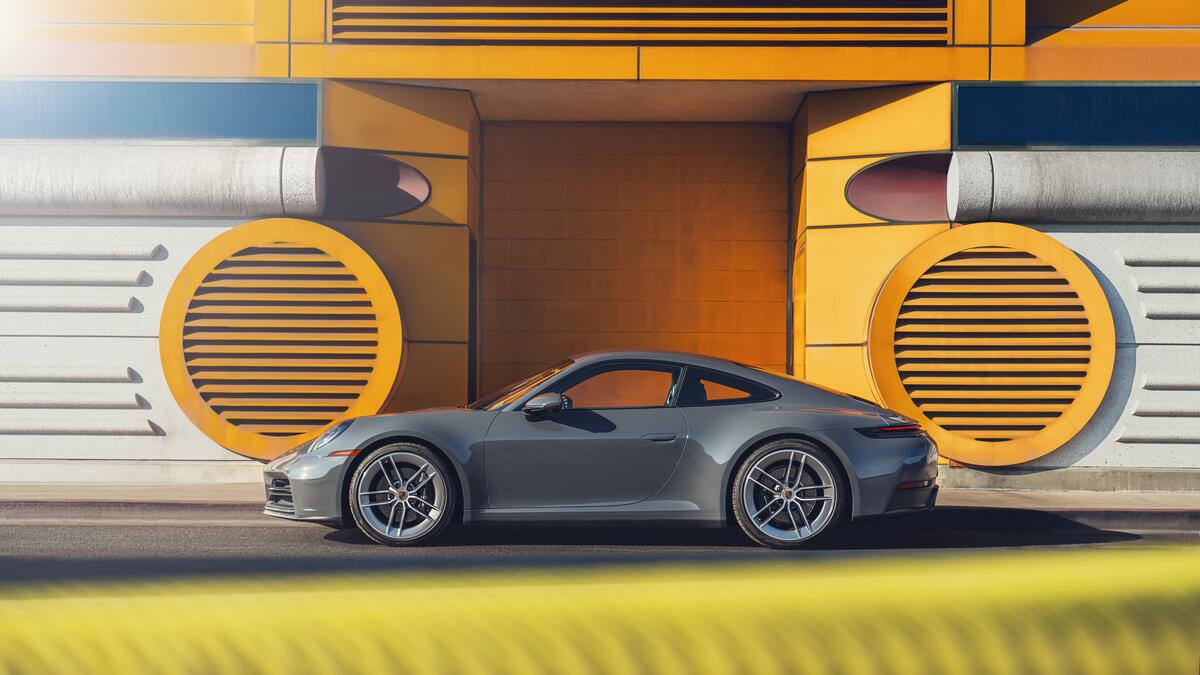
2020 Porsche 911 Carrera S
"2020 Porsche 911 Carrera S is that a two or 42 okay how many miles 15,000 pretty good what color it's silver with the blue leather"
This is a Porsche 911 Carrera S, which is one of Porsche’s most popular “everyday supercar” models. The conversation here is about a 2020 one with very low miles and how much it’s worth compared to the original price.
The Porsche 911 Carrera S is a performance-focused variant of the 911, known for its rear-engine layout and high-end handling. In this segment, the host discusses a specific 2020 example with low mileage, color details, and pricing relative to what it likely cost new.
15,000 miles
"how many miles 15,000 pretty good ... basically I'm basically giving sticker for a three-year-old car with 15,000 miles on it"
Miles tell you how much the car has been driven. Lower miles usually means less wear, which can make a used car more valuable.
Mileage is how far a car has been driven, and low mileage often increases a used car’s value—especially for enthusiast models. In this segment, the hosts repeatedly reference the car’s low mileage to justify the pricing they’re discussing.
body style
"it's a coupe not a cab correct okay that body style actually is not that desirable"
Body style just means the car’s shape and configuration—like whether it’s a coupe or a convertible. Different body styles can change how people value the same model.
“Body style” is the specific vehicle configuration—like coupe vs. cabriolet (convertible)—that affects how the car looks, how it’s built, and often how desirable it is to buyers. Here, the hosts debate whether the car is a coupe or a cab and how that impacts desirability.
MSRP
"do you remember what the MSRP is by chance like 135 ish that's all the money I mean basically I'm basically giving sticker for a three-year-old car with 15,000 miles on it"
MSRP is the “new car sticker price” the manufacturer lists. They’re comparing the current asking price to that sticker price to see if the used deal is good.
MSRP (Manufacturer’s Suggested Retail Price) is the sticker price a carmaker sets for a new vehicle before discounts. The hosts use it to judge whether the deal price for the 2020 Porsche 911 Carrera S is fair relative to what it likely cost new.
steering racks
"Steering rack struts how long have you had it? I've had it for almost a year."
The steering rack is the part that helps turn the wheels when you turn the steering wheel. If it’s been replaced or serviced, it usually means the steering feel was addressed.
The steering rack is the component that converts the steering wheel’s rotation into left/right movement for the front wheels. When it’s mentioned alongside struts and transmission work, it suggests the car has had meaningful chassis/suspension-related service.
motor work
"No there's still leaks at all it's been gone through prior to me owning it I know there was some motor work done on it transmission work"
“Motor work” means repairs on the engine. They’re also talking about leaks, so it sounds like the engine has had attention for that problem.
“Motor work” means engine repairs or rebuild-related service. The host is also discussing oil leaks, so the engine work likely relates to addressing (or not fully fixing) sealing issues.
transmission work
"Has the motor been repackaged because those things are bad about leaking? No there's still leaks at all it's been gone through prior to me owning it I know there was some motor work done on it transmission work"
This means the car’s gearbox (the part that changes gears) has had repairs or service. If it’s been worked on, it can affect how smooth and reliable the car feels.
“Transmission work” refers to repairs or service on the gearbox and related shifting components. On a 911, transmission health is a major part of how expensive the car is to maintain and how smooth it feels.
struts
"Steering rack struts how long have you had it? I've had it for almost a year."
Struts are part of the suspension that help the car handle bumps and stay stable. If they’re worn, the ride and steering can feel worse.
Struts are suspension components that help control ride height and damping, and they’re critical to steering response and handling. In older performance cars, worn struts can make the car feel loose or bouncy.
turbo tail
"yeah now this one also has the the turbo tail on it that's good paints fantastic"
“Turbo tail” means the rear spoiler/decklid style that you’d normally see on a Porsche 911 Turbo. It’s basically a recognizable look at the back of the car.
A “turbo tail” is the rear decklid/spoiler style associated with Porsche 911 Turbo models. It’s a visual and sometimes aerodynamic/fitment detail that enthusiasts recognize as a specific look rather than a generic spoiler.
Bring a Trailer
"where'd you buy it? Bring a trailer okay what'd you pay bring a trailer?"
Bring a Trailer is a website where car enthusiasts buy and sell cars through auctions. It’s useful because you can see what similar cars actually sold for.
Bring a Trailer is an online auction site focused on enthusiast cars, where listings and final sale prices are publicly visible. The hosts use it as a reference point for what a specific Porsche might sell for.
hustling car dealers
"So you made your living been working for the military? I make my money through hustling car dealers for a high mileage Porsche's"
They mean making money by buying and selling cars, often by working with dealers. It’s more about the business side of the car market than car mechanics.
This phrase describes a business approach: buying and selling cars by leveraging dealer networks and margins rather than a traditional job. It’s not a technical automotive term, but it frames how the speaker makes money in the car market.
hold their value
"They hold their value the best, they break down the least and the [7139.5s] body styles don't get old and agey looking"
“Hold their value” means the car doesn’t lose its resale price as fast as other cars. So when you sell it later, you typically get more money back.
“Hold their value” refers to how well a vehicle retains its resale price after purchase. In practice, it means the used-market demand stays strong enough that the car doesn’t depreciate as quickly as competitors.
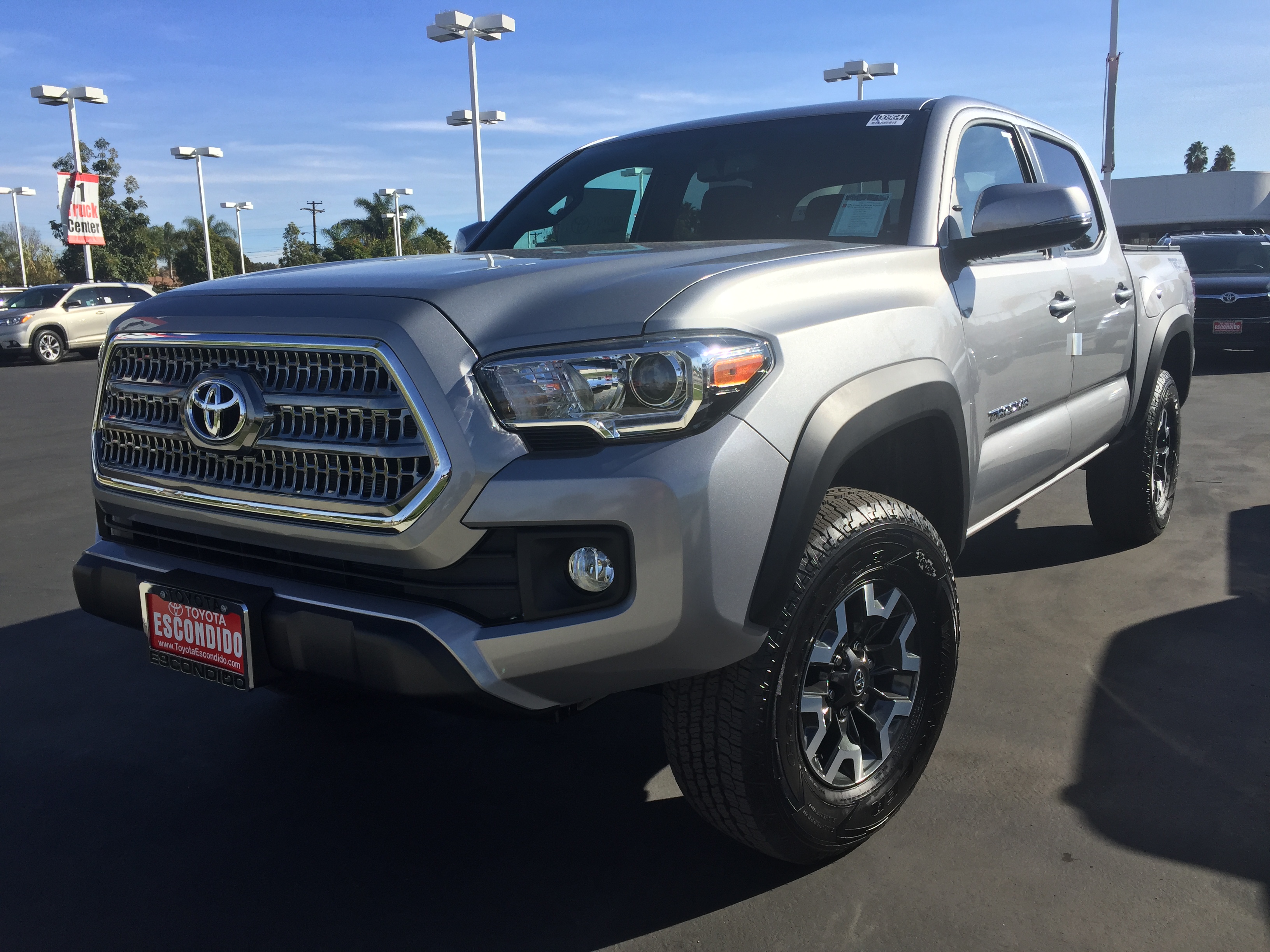
Toyota Tacoma
"then like when I'm bidding a Toyota Tacoma with 150,000 miles on it, [7205.5s] the return value on that is like a Dodge truck with 80,000 miles on it because the market knows [7212.6s] that that car, that truck has more life in it than a domestic truck."
The Toyota Tacoma is a popular used pickup. The host is saying that even with high mileage, a Tacoma can be worth more than some other trucks because people believe it will last.
The Toyota Tacoma is Toyota’s midsize pickup truck, and it’s a common choice in the used-truck market. Here, the host highlights how a Tacoma with 150,000 miles can still command strong resale value compared with a domestic truck, because buyers expect it to have more remaining life.
used market
"Therefore, it brings more [7220.5s] money on the used market and it's just that simple."
The used market is where people buy and sell cars that aren’t brand new. Prices there depend on what buyers think will last and how many similar cars are available.
The used market is the buyer-and-seller marketplace for pre-owned vehicles, where pricing is driven by supply, demand, and expected reliability. The host argues that buyers pay more because they believe certain vehicles have more remaining life.

Pontiac Firebird
"Now, this is a different kind of call. Richard in Florida, you've got a 69 Firebird Wear."
A 1969 Pontiac Firebird is a classic American muscle car. It’s the kind of car people collect, especially when it has a big engine.
The Pontiac Firebird is a classic American muscle car, and a “69 Firebird” refers to the 1969 model year. In this segment, the host/guest also mentions it has a big-block V8, which is a key part of why these cars are so desirable to enthusiasts.
Hurricane Maria
"I have a farm there that was destroyed by Hurricane Maria and I was just... I would pretty much be willing to give you the car if you'd be willing to give me some type of donation because I know it costs you money to get it back home and taxes and all that."
Hurricane Maria was a very destructive storm that hit Puerto Rico. In this story, it explains why the car is delayed and why getting it back costs extra.
Hurricane Maria was a major hurricane that caused widespread damage in Puerto Rico. Here it’s used to explain why the car is stuck there and why moving it back would cost money.
460 big block
"It needs a little bit of body work, but the engine itself, the 400 big block is still running well, transmission, radiators, all that."
That “400 big block” is a large V8 engine. Bigger engines like this usually pull hard and feel more powerful, especially at lower speeds.
“400 big block” refers to a large-displacement V8 engine (the Pontiac 400) from the “big-block” family. Big-block engines are known for strong low-end torque and a more dramatic sound/feel than smaller V8s.
bodywork
"It needs a little bit of body work, but the engine itself, the 400 big block is still running well, transmission, radiators, all that."
“Body work” means fixing damage to the car’s outside—like dents or rust. It often takes a lot of time and money on older cars.
“Body work” refers to repairs to the car’s exterior panels and structure—like fixing dents, rust, or collision damage—usually followed by sanding and repainting. It’s often one of the biggest cost items when restoring older cars.
radiator
"the engine itself, the 400 big block is still running well, transmission, radiators, all that."
A radiator helps keep the engine from overheating by cooling the fluid that runs through the engine. If it’s not working right, the car can run too hot.
“Radiators” are the heat exchangers that cool the engine coolant by transferring heat to airflow. If a radiator is old or damaged, the engine can run hot, which can lead to overheating-related wear.
three on the tree
"For some reason, it used to be three on the tree and somebody put an automatic in it."
“Three on the tree” means the car has a 3-speed manual, and the gear lever is on the steering column. It’s a classic old-school way to shift gears.
“Three on the tree” is a slang term for a 3-speed manual transmission where the gear shifter is mounted on the steering column (“tree”). It’s a period-correct setup for many older American cars and is different from a floor shifter.
GiveMeTheVin.com
"Yeah, I do have a few photos of it. Load photos into GiveMeTheVin.com ... GiveMeTheVin.com and that goes for everybody listening."
GiveMeTheVin.com is a website where you can use a vehicle’s VIN (its unique ID number) to pull details and help with selling or checking a car.
GiveMeTheVin.com is a VIN-based service used to gather vehicle information from the vehicle identification number. In this segment, it’s being used to upload photos and help evaluate or market a specific used truck/SUV.
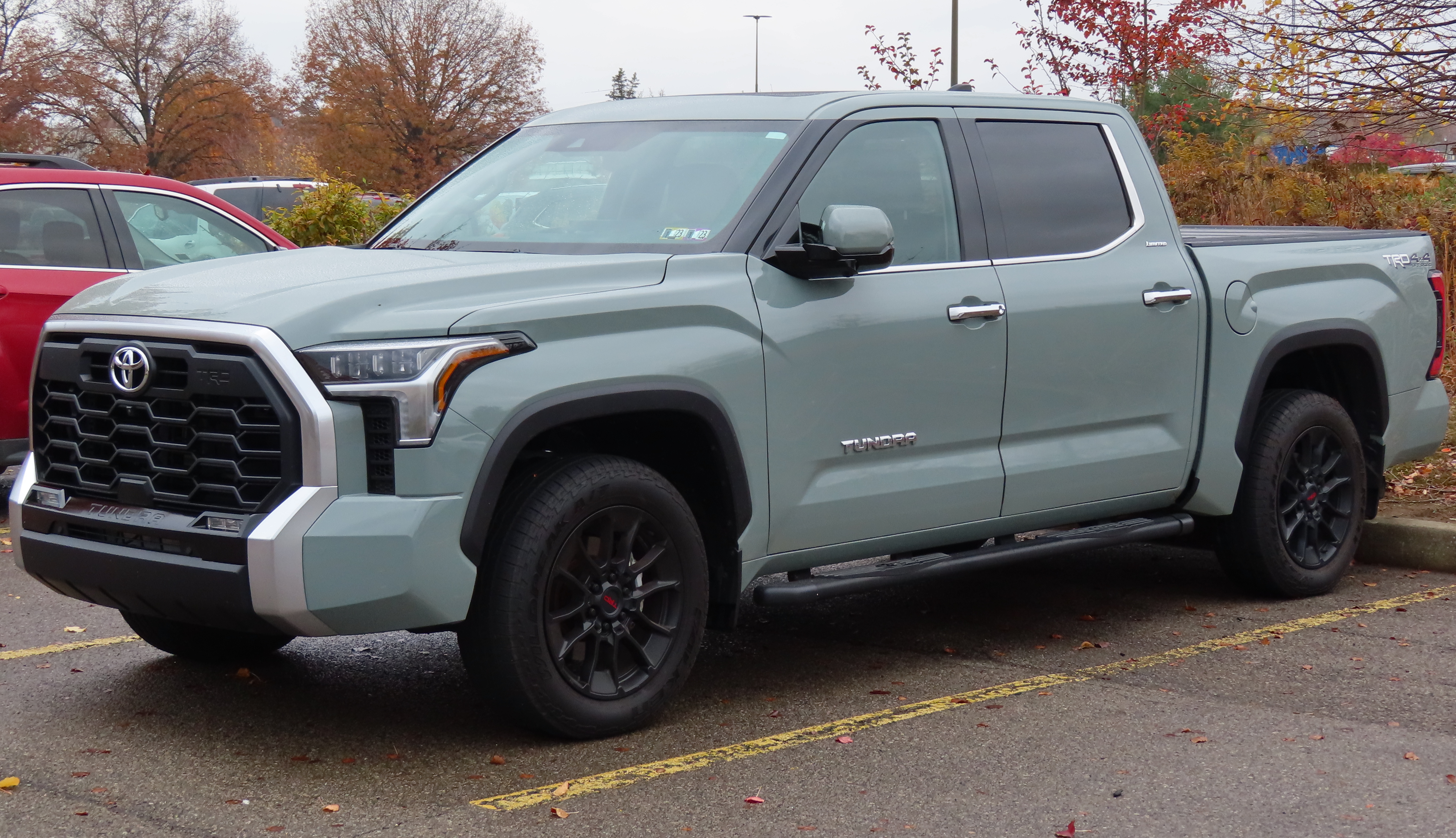
Toyota Tundra
"Alright. An O5 Tundra four-wheel drive crew cab with 90 average rough or clean condition."
They’re talking about a Toyota Tundra truck. It’s a four-wheel-drive crew cab, so it has room for passengers in the back and can handle rougher roads better than a 2WD truck.
This is a Toyota Tundra pickup described as a four-wheel-drive crew cab, meaning it has a full-size cab with rear seats and power to all four wheels. The host is also discussing typical buyer questions like trim (SR5 vs work-truck) and whether it’s V8, which affects value and how it’s used.
SR5
"So do you know if it's an SR5 or the WT, which is like the work truck? ... It's an SR5."
SR5 is a specific “version” of the Toyota Tundra. Different trims have different features, so it can change what the truck is worth.
SR5 is a Toyota trim level for the Tundra, typically positioned below higher off-road or luxury trims. Trim level affects standard features (like interior materials, wheels, and convenience tech), which in turn influences resale value.
WT
"So do you know if it's an SR5 or the WT, which is like the work truck? ... It's an SR5."
WT stands for “work truck.” It usually means a simpler, more basic version of the truck meant for practical use, not extra features.
WT (work truck) is a Toyota trim designation aimed at buyers who want a more basic, utility-focused configuration. Compared with higher trims, WT models usually have fewer comfort/convenience features, which can lower the price.

08 Jeep Wrangler four-buffer
"Alright. An O5 Tundra four-wheel drive crew cab with 90 average rough or clean condition. ... I'm looking at, he's trying to screen these as we go. David, an 08 Jeep Wrangler four-buffer with 160 on it."
This is a Jeep Wrangler (2008) described as a four-door, which is the common “Unlimited” style with extra rear seating. The Wrangler’s value is strongly tied to configuration details like doors, mileage, and condition, which is why the caller is asking those specifics.
Barrett
"Well, I know I got three and a half million dollars [7925.6s] sitting in these cars crank up and drive to Barrett. So like these, these cars have been [7930.9s] sitting there for 20 and 30 years and he's like, oh, all you gotta do is crank it up and drive to [7934.3s] Barrett crank up and drive to Barrett."
“Barrett” is shorthand for a big collector-car auction. The idea is that the cars are being readied to be shown and sold at that auction.
“Barrett” here refers to Barrett-Jackson, a major collector-car auction company. In collector-car circles, saying cars are being “crank[ed] up and drive[n] to Barrett” signals they’re being prepared for an auction showcase rather than just stored or sold privately.
cars crank up and drive
"Well, I know I got three and a half million dollars [7925.6s] sitting in these cars crank up and drive to Barrett. So like these, these cars have been [7930.9s] sitting there for 20 and 30 years and he's like, oh, all you gotta do is crank it up and drive to [7934.3s] Barrett crank up and drive to Barrett."
They’re talking about cars that have been sitting for a long time but can still be started and driven right away. That sounds great, but it doesn’t always mean the car is fully sorted mechanically.
This phrase is describing a “start-and-go” situation: a long-stored car that can be started and driven without major immediate repairs. In the collector-car world, that’s a selling point, but it can also be misleading if the car hasn’t been properly serviced after sitting for years.
Overland
"“So Willis, so I will overland. I bought this from Josh Paris at gas monkey garage.”"
Overlanding means taking a vehicle on longer trips over rough roads, usually with gear so you can camp or travel for a while. It’s more about endurance and off-road capability than racing or short rides.
Overlanding is long-distance, off-road travel where the vehicle is set up to be self-sufficient—think camping gear, durability, and traction rather than just short trail runs. It’s often associated with building rigs that can handle rough roads for days or weeks.
Gas Monkey Garage
"“...I bought this from Josh Paris at gas monkey garage.”"
Gas Monkey Garage is a well-known custom-car build brand tied to TV. Here, it’s being referenced as the shop/show connection for the vehicle being discussed.
Gas Monkey Garage is a TV and build brand associated with custom vehicle projects and restorations. In this segment, it’s mentioned as the place where the host’s overland rig was built or sourced.
12 valve Cummins
"“...and it's got a 12 valve Cummins in it. Oh my God.”"
A “12 valve Cummins” is a diesel engine from Cummins that’s known for pulling power and durability. The “12 valve” refers to how the engine’s head is built, and it’s a popular engine for swaps into older vehicles.
A “12 valve Cummins” refers to a Cummins diesel engine variant known for its mechanical robustness and strong low-end torque. The “12-valve” part describes the cylinder head design (two valves per cylinder), and this engine is a common swap target for classic trucks and off-road rigs.
Fired Up Garage
"“...they built this, this rig in fired up garage, and it's got a 12 valve Cummins in it.”"
Fired Up Garage is the name of a vehicle build show the host is referencing. They’re saying the rig was built on that show, which helps explain where the car came from.
Fired Up Garage is referenced as the show/build context where the rig was created. The host is using it to explain the vehicle’s provenance—who built it and why it’s notable.

Kia Niro
"... like you remember, okay, Samuel Jackson takes De Niro to the back of his car and opens the trunk. Right..."
The Kia Niro is a small crossover car made by Kia. It’s made to be efficient for regular driving, and some versions use hybrid power to help save fuel. The podcast mentions it as part of a scene or example.
The Kia Niro is a compact crossover designed to be efficient and practical for everyday driving. It’s often discussed because it’s available in hybrid and plug-in hybrid versions, which can reduce fuel use compared with traditional gasoline-only cars. In the podcast, it’s referenced in a story-like way, likely as a recognizable car model people can picture.

75 VET
"Okay. Chris in North Carolina, 75 VET, 85,000 mile T-top, four speed."
“75 VET” means a 1975 Corvette. They’re discussing that specific Corvette and what makes it worth more or less money.
“75 VET” refers to a 1975 Chevrolet Corvette. In this segment they’re talking about a specific Corvette configuration and how the car’s options/condition affect its value.
T-top
"Okay. Chris in North Carolina, 75 VET, 85,000 mile T-top, four speed."
“T-top” means the roof has removable panels so you can drive with open-air feeling. It’s like having a convertible vibe without a full convertible roof.
A “T-top” is a removable roof panel setup where two roof sections can be removed, leaving a T-shaped structural bar in the middle. It’s a common Corvette and other sports-car option that changes how the car feels and how it’s used.
four-speed
"Okay. Chris in North Carolina, 75 VET, 85,000 mile T-top, four speed."
“Four speed” means the car has four gears in the manual transmission. People who like driving stick often care a lot about whether it’s manual or automatic.
“Four speed” here means a four-speed manual transmission. That matters because manual transmissions are often more desirable to enthusiasts and can affect pricing compared with automatic versions.
383
"The four, the four speed stroked out to a 383."
“383” refers to a bigger V8 engine size measured in cubic inches. They’re saying the engine was built up to that 383 size, which can make the car more of a performance build.
“383” is shorthand for a 383 cubic-inch V8 engine displacement, commonly associated with performance builds. In this context, they’re saying the four-speed car was “stroked out” to a 383, which changes the engine’s character and potential value.
spoiler kit
"That doesn't really, no, the spoiler kit. So is it like a shark kit or something?"
A “spoiler kit” is a set of body parts added to the car for style and aerodynamics, usually including a rear wing. Collectors often care which kit it is and whether it looks correct.
A “spoiler kit” is an aftermarket or factory-style package of aerodynamic body add-ons—like a rear wing and front/side pieces. For classic cars, the exact kit and how well it matches the original look can affect desirability and value.
Mako shark
"So is it like a shark kit or something? The Mako shark?"
“Mako shark” is a nickname for a Corvette look with more aggressive, shark-like aerodynamic styling. They’re saying the spoiler kit might match that kind of appearance.
“Mako shark” is a nickname for a Corvette-style body/appearance package with shark-like aerodynamic shapes—especially a distinctive rear spoiler/wing look. The host is comparing the described spoiler kit to that recognizable theme.

442
"And next time you're down here, I'm going to drag you down here... But anyway, Rob called me on a car a month ago. We bought it. I'm going to sell it this coming up, I think February, I mean, a July 29th at Mannheim Dallas in our classic collector sale. That 442, I think it was a 66 model."
“442” refers to a Pontiac muscle car called the 442. Here they’re talking about a 1966 convertible, which is a specific body style people often look for in classic-car auctions.
“442” is shorthand for the Pontiac 442, a classic muscle-car nameplate. In this segment it’s described as a 1966 model and a convertible, which matters because the 442 is known for its performance-focused trim and era-correct styling.
Mannheim Dallas
"We bought it. I'm going to sell it this coming up, I think February, I mean, a July 29th at Mannheim Dallas in our classic collector sale."
Mannheim Dallas is an auction location/auction company in the Dallas area. It’s where classic cars are sold to buyers who bid on them.
Mannheim Dallas refers to the Dallas-area auction/collector-sales operation associated with Mannheim. In classic-car circles, these auction venues are where consignments are sold to bidders, often with themed sale categories like “classic collector sale.”
classic collector car
"a July 29th at Mannheim Dallas in our classic collector sale. That 442, I think it was a 66 model."
A “classic collector sale” is an auction for collectible older cars. It’s the type of sale where enthusiasts and collectors bid on specific models.
A “classic collector sale” is an auction category focused on collectible vehicles, typically older cars with enthusiast demand. The host is using it to frame where the Pontiac 442 convertible will be sold.
convertible
"Yeah, convertible. Right. And then, and then you called me on a little Ferrari toy car the other day."
A convertible is a car with a roof that can open up so you can drive with the top down. Collectors often care a lot about whether a classic is a convertible or a hardtop.
A convertible is a car body style with a roof that can be folded down, typically using a manual or power mechanism. In classic-car collecting, convertibles are often treated as a distinct, more desirable configuration compared with fixed-roof versions.
41 Mercury
"“...The woody is that's a whole another animal. It's a 41 Mercury. It needs literally nothing. We've, the only thing we did to it, we put a two speed transmission in it and that's it. But it's probably one of the only ones left on the planet that's original paint.”"
“41 Mercury” means a 1941 Mercury, an old classic American car. The host is saying this one is special because it’s mostly original—paint, interior, and engine.
A “41 Mercury” refers to a 1941 Mercury, a classic American car from the pre-WWII era. In this segment, it’s treated as a near-original, highly desirable example because it has original paint, interior, and engine.
woodies
"“...The woody is that's a whole another animal. It's a 41 Mercury... original wood, original interior... The woody market's kind of soft right now.”"
A “woodie” is an old station wagon style with wood elements—usually wood trim or wood body parts. People collect them because they look unique and feel very period-correct.
A “woodie” is a classic station wagon known for wood trim or wood body construction, which was especially common in earlier decades. In collector circles, woodies are valued for their distinctive look and period-correct materials.
two-speed transmission
"“...we put a two speed transmission in it and that's it. But it's probably one of the only ones left on the planet that's original paint.”"
A two-speed transmission is a car gearbox with just two forward gears. It affects how the car accelerates and how it cruises compared to cars with more gears.
A two-speed transmission is a gearbox with only two forward gear ratios. Older classic cars often used simpler multi-gear setups, and swapping in a two-speed can change how the car drives and how it feels at highway vs. low-speed conditions.
original paint
"“...we put a two speed transmission in it and that's it. But it's probably one of the only ones left on the planet that's original paint.”"
“Original paint” means the car’s factory-finish paint is still intact, not repainted. For classic cars, originality like this can strongly affect collector value because it suggests the body hasn’t been heavily modified or refinished.
woodie market
"“...I sold a good one though. I'm saying that's not a good one. The woody market's kind of soft right now. The woody market's kind of soft right now.”"
The “woodie market” means what people are paying for classic wood-bodied station wagons. “Soft” means demand is weaker right now, so prices can be lower.
The “woodie market” refers to the collector demand and pricing trends for wood-bodied station wagons (often called “woodies”). When the market is “soft,” it usually means fewer buyers or lower prices compared with stronger periods.
428
"You got a 67 Catalina convertible with a 428, four-speed automatic, fully restored. What color is it?"
The “428” is the engine size, measured in cubic inches. Bigger numbers like this usually mean the engine makes strong power and torque.
“428” refers to the engine displacement—428 cubic inches—typically a V8 in muscle-era American cars. Displacement is a key spec because it strongly influences how the engine makes power and torque.

Pontiac Catalina
"Matt and Branson. Good morning. You're in the air. Yeah, I'm glad you're here. You got a 67 Catalina convertible with a 428, four-speed automatic, fully restored."
This is a classic Pontiac Catalina, and “convertible” means the roof can open so you drive with the top down. The person also says it has a big 8-cylinder engine and an automatic transmission.
The Pontiac Catalina is a classic full-size model, and the “convertible” version is the open-top body style. In this case, the speaker also mentions a 428 V8 and an automatic transmission, which is a common enthusiast combo for restored muscle-era cars.
flip it
"He's an older gentleman. He bought it just to flip it. Here's what I'll do with you."
“Flip it” means buying a car with the intention of reselling it soon for a profit. In collector-car circles, this often depends on condition, restoration quality, and market timing.
bird dog feed
"If I get a deal done, I'm going to give you a $500 bird dog feed. Do you know what that means?"
A “bird dog” fee is a referral payment. If you help connect the right people for a sale, you get a small reward if the deal happens.
A “bird dog” fee is a referral commission paid to someone who brings a buyer or seller together. In car deals, it’s often paid to the intermediary who finds the lead that results in a transaction.
two-wheel drive
"“Okay. There's one. 87 square body, two wheel drive, original has it listed 11,000.”"
Two-wheel drive means the truck only powers two wheels. It usually does fine on dry roads, but it’s less capable than four-wheel drive in snow or rough terrain.
Two-wheel drive (2WD) means power is sent to only two wheels—typically the rear wheels on many trucks. That affects traction and how the truck behaves in snow, mud, and off-road conditions compared with four-wheel drive.

87 square body
"“Okay. There's one. 87 square body, two wheel drive, original…”"
“Square body” is a nickname for older, boxy-looking Chevy/GMC pickups from the 1970s and 1980s. Here, the host is talking about an ’87 version and whether it’s the longer or shorter bed.
“Square body” is a nickname for certain 1970s–1980s Chevrolet/GMC pickup trucks with boxy styling. The host is specifically referring to an “87” square body, and they discuss whether it’s a long-bed or short-bed two-wheel-drive truck.
long bed
"“James, is it long bed or short bed? It is a long bed.”"
A long bed means the truck’s cargo area is longer than a short bed. It’s better if you haul bigger items, but it can be harder to park than a shorter bed.
A long bed is a pickup-truck configuration where the cargo box is longer than the short-bed version. It changes how much room you have for hauling and can affect overall proportions and usability.
America's Best Car Buyer
"“We'll be right back. My name is John Clay. We'll buy cars and radars from America's Best Car Bar.”"
America's Best Car Bar is the name of the business the host is promoting. They’re saying you can buy or sell cars through them.
America's Best Car Bar is referenced as the dealership or buying service the host represents. The segment frames it as a place to buy cars and “radars,” and to sell vehicles through their process.
CarMax
"“If we don't beat a Car Max or a Car Vanna, we're just like Car Max and Car Vanna.”"
CarMax is a big used-car company. The host is comparing their offers to what CarMax would pay.
CarMax is a large used-car retailer used here as a comparison point for pricing or deal competitiveness. The host claims they’ll beat CarMax (and Carvana) deals and then offer a check for the opportunity.
Car Vanna
"“If we don't beat a Car Max or a Car Vanna, we're just like Car Max and Car Vanna.”"
“Car Vanna” is Carvana, a company that sells used cars online. The host is saying they’ll try to beat what Carvana would offer.
“Car Vanna” is the host’s phonetic reference to Carvana, an online used-car retailer. It’s mentioned alongside CarMax as a benchmark for whether the host’s offer is competitive.
Porsche 812
"“Gave $850,000 for a Porsche 812 a couple of days ago. Gave $770,000.”"
The Porsche 812 is a high-end Porsche with a powerful V12 engine. It’s the kind of car people buy when they want an expensive, special Porsche rather than something practical.
The Porsche 812 is Porsche’s modern, naturally aspirated grand tourer built around a high-revving V12 engine. It’s known for its expensive, exotic-car pricing and for being a flagship-style Porsche rather than a mass-market model.
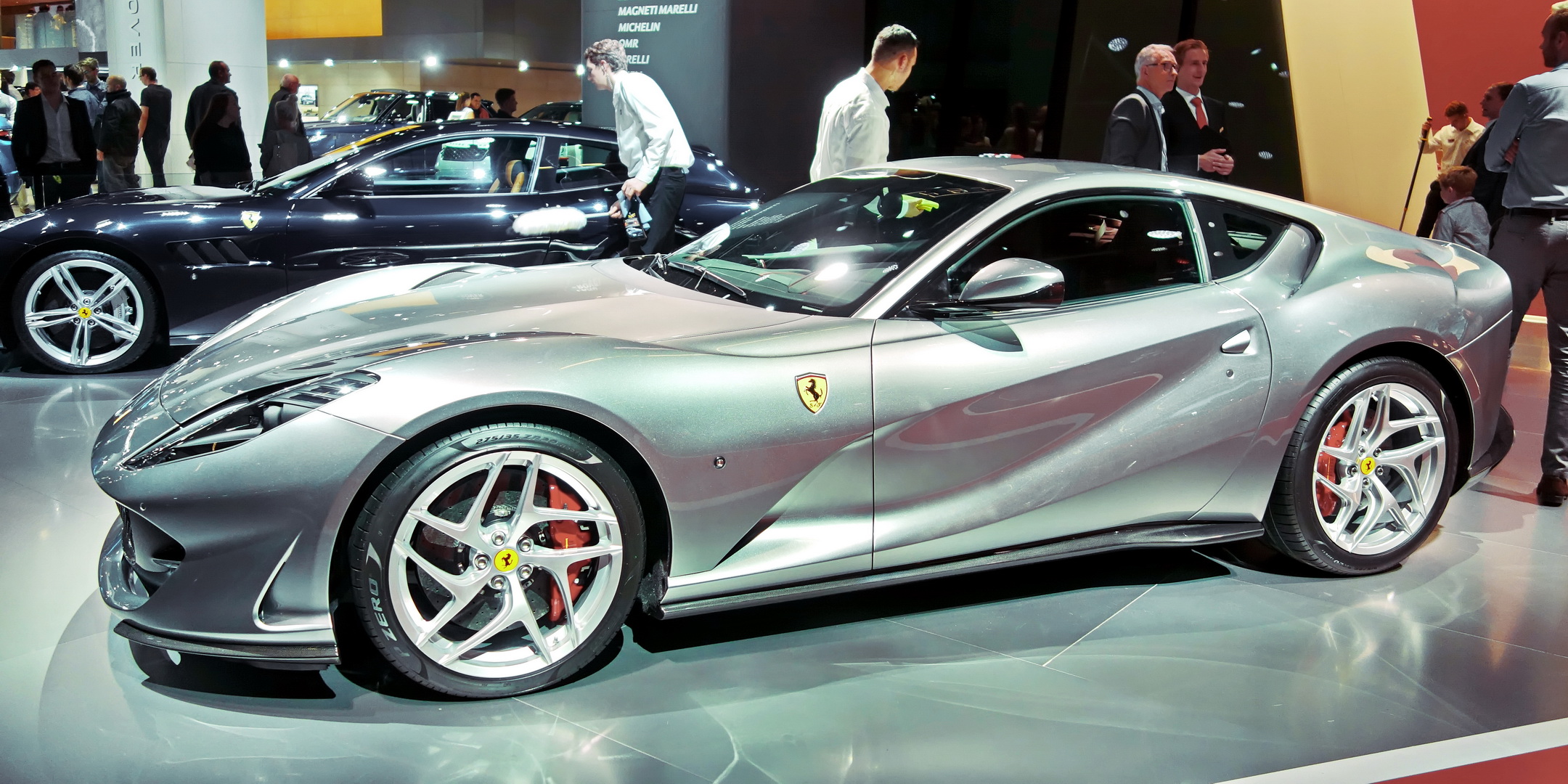
Ferrari 812
"“I said a Porsche. I'm in a Ferrari 812 last week because they're different MSRP's and different paint to sample…”"
The Ferrari 812 is a very expensive Ferrari with a V12 engine. The host brings it up to show how different exotic cars can have different prices.
The Ferrari 812 is a V12-powered grand tourer from Ferrari’s 812 line, famous for its naturally aspirated engine character and high-end pricing. In the segment, it’s mentioned alongside the Porsche 812 to compare “exotic” inventory and pricing differences.
removable top
"It's got removable top and the reg top. Both black also has a rolling cart for the removable top."
A removable top means the roof section can be taken off. That’s what makes the car feel more like an open-air convertible.
A removable top refers to a convertible roof panel that can be taken off, rather than a roof that only folds in place. In practice, it usually means the car can be configured for open-air driving, and it may require specific storage hardware.
rolling cart
"Both black also has a rolling cart for the removable top. How much is it?"
A rolling cart is basically a wheeled stand for storing the removable roof. It helps keep the top from getting damaged when it’s not on the car.
A rolling cart is a wheeled storage stand used to keep the removable roof section organized and protected. For convertible cars with a removable top, having the right storage setup can reduce damage and make swaps easier.
market on it
"Oh, you're kidding. No, we buy them all the time at gimmethevend.com. That's the market on it. Thank you for calling in."
“Market on it” means what the car is really worth based on what people are paying right now. It’s different from guessing or using one person’s price as a reference.
“Market on it” is a pricing concept meaning the going value determined by what buyers are actually paying. The host is arguing that the seller should anchor the price to current market comps rather than a friend’s offer.
gimmethevend.com
"Oh, you're kidding. No, we buy them all the time at gimmethevend.com. That's the market on it."
This is the website the host says they use to buy cars and set pricing. They’re telling the caller to check it for a realistic offer.
gimmethevend.com is referenced as the host’s buying/selling channel for these vehicles. The host claims it reflects the actual market price by buying similar cars frequently.
Carvana
"And go shop around the CarMax and Carvana and then come back to gimmethevend.com."
Carvana is another used-car buyer/seller. The host is suggesting you compare offers from them to judge what your car is worth.
Carvana is an online used-car retailer that provides purchase offers and sells vehicles through its digital platform. Here, it’s mentioned as another place to compare offers against the host’s stated “market” price.

72 BMW 2002
"“Steve in Minnesota 72 BMW 2002. I sent your number to Mike Thompson, my collector buyer”"
This is a classic BMW from the early 1970s. The 2002 is a small, fun-to-drive car that many car fans still like today, and it’s a common collector model.
The BMW 2002 (here, a 1972) is a classic compact “sports sedan” from BMW’s early-1970s era. It’s especially known in enthusiast circles for its lively handling and the way it became a foundation for later BMW performance culture.
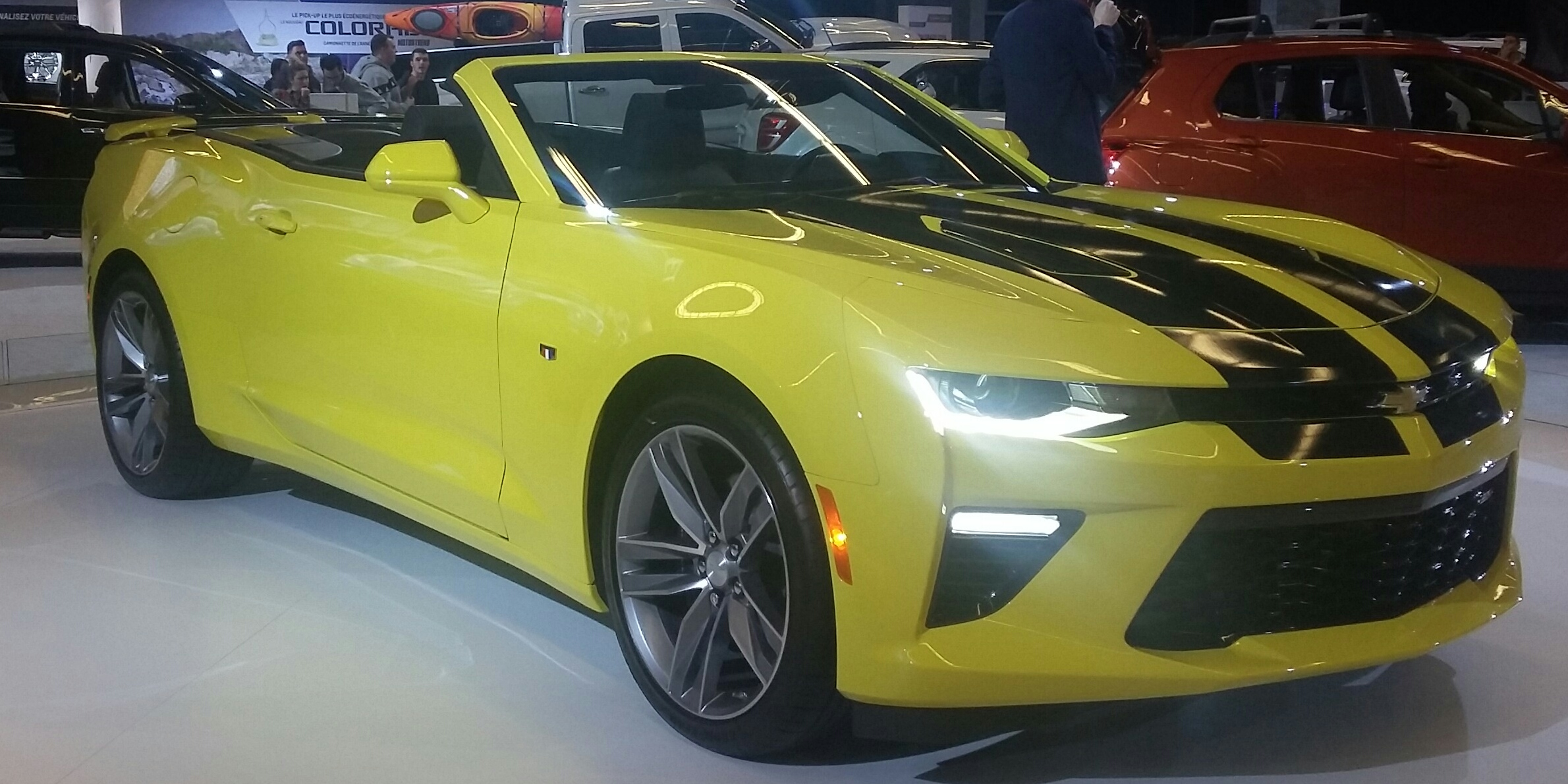
Chevrolet Camaro
"...n my life. I went you know what I bought my son a Camaro, a 93 Camaro in St. Louis and I flew up there to ..."
The Chevrolet Camaro is a sporty car made by Chevrolet. It’s known for having strong engine options and a classic muscle-car look. The podcast mentions a specific older Camaro as a gift or purchase.
The Chevrolet Camaro is a classic American muscle car and sports coupe known for its powerful engines and bold styling. It’s frequently discussed because it has a long history and a strong enthusiast following, including older models like the early 1990s. In the podcast context, it’s mentioned as a specific purchase for someone’s son, which highlights its role as a personal, memorable car choice.

Toyota Highlander
"Kevin in Hollywood, Florida, you have a, oh, five, Highlander, with pretty good miles for a 20-year old rig."
A Toyota Highlander is a family SUV. The caller is talking about a 2005 one that they bought cheap and fixed up a bit, and they’re impressed that it still runs really well.
The Toyota Highlander is a midsize SUV known for being practical and easy to live with. In this segment, the caller mentions an “’05 Highlander” with relatively low wear for its age, and focuses on how it runs after a simple repair.
underground garage
"No. It was kept in an underground garage in Dade County, Miami."
An underground garage is a storage environment that typically protects a vehicle from sun exposure and weather. In the segment, it’s used to explain why the paint isn’t faded and why the car may have been preserved better than a typical outdoor-stored vehicle.
water pump
"I mean, I didn't fix it up. I just put a water pump in it and it runs like a champ."
The water pump moves coolant around the engine so it doesn’t overheat. Replacing it can make a car run normally again if the cooling system wasn’t working right.
A water pump is the part that circulates coolant through the engine to keep temperatures under control. If it fails, the engine can overheat, so replacing it is a common “fix the cooling system” repair.
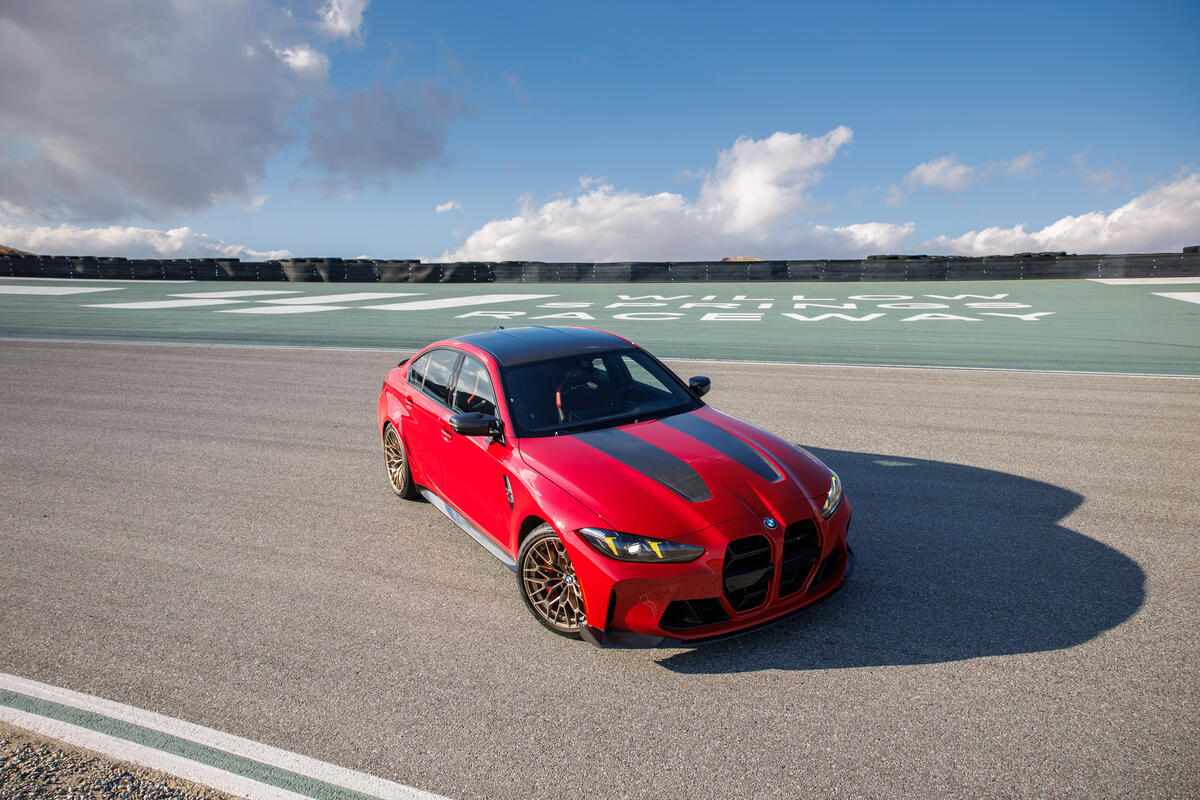
98 BMW M3 automatic four-door
"Let's get somebody's ass. 98 BMW M3 automatic four-door with 130. Been sittin' in a barn for six years once, 10 grand."
This is a BMW M3, which is BMW’s higher-performance model. The host says it’s a 1998 M3 with an automatic transmission and a four-door body, which is a less common setup than the typical manual coupe people picture.
The BMW M3 is BMW’s performance version of the 3 Series, and the “M3” badge indicates a track-focused chassis and engine package. In this case, the speaker specifies a 1998 BMW M3 with an automatic transmission and a four-door body style, which matters because the M3 is most commonly associated with a manual coupe.
manual transmission
"Because it's an automatic. It's not a stick. It's a four-door."
“Stick” means the car has a manual transmission. You control the gears yourself using a clutch pedal and a shifter.
“Stick” is shorthand for a manual transmission, where the driver selects gears using a clutch and gear lever. Manual cars are often preferred by driving enthusiasts, and that preference can affect resale value.
dead transmission
"And sitting in a barn for six years could be rats, could be strippers, could be dead transmission. I work in my shop."
A “dead transmission” means the car’s gear system has basically failed. If a car sits for a long time, fluids can degrade and seals can dry out, which can cause transmission issues.
“Dead transmission” means the transmission has failed and can’t operate correctly, often requiring repair or replacement. The speaker is warning that a car sitting unused for years can lead to transmission problems.
sitting in a barn for six years
"And sitting in a barn for six years could be rats, could be strippers, could be dead transmission. I work in my shop."
This is about leaving a car stored for years. Cars can get damaged by animals, and fluids and seals can deteriorate, which can lead to mechanical problems later.
This phrase is describing long-term storage, which can cause issues like rodent damage, degraded fluids, and corrosion. For drivetrains, transmissions and other components can suffer if they’re not properly preserved.
Request an Explanation
Heard something you'd like explained? We'll add it to this episode.
Sign in to request explanations for terms you heard.
Want to learn more?
Browse our glossary for plain-English explanations of automotive terms, jargon, and concepts.
Help improve this episode
See something that's not quite right? Our annotations are AI-generated and can sometimes miss the mark. Click the flag icon on any annotation to suggest a correction.