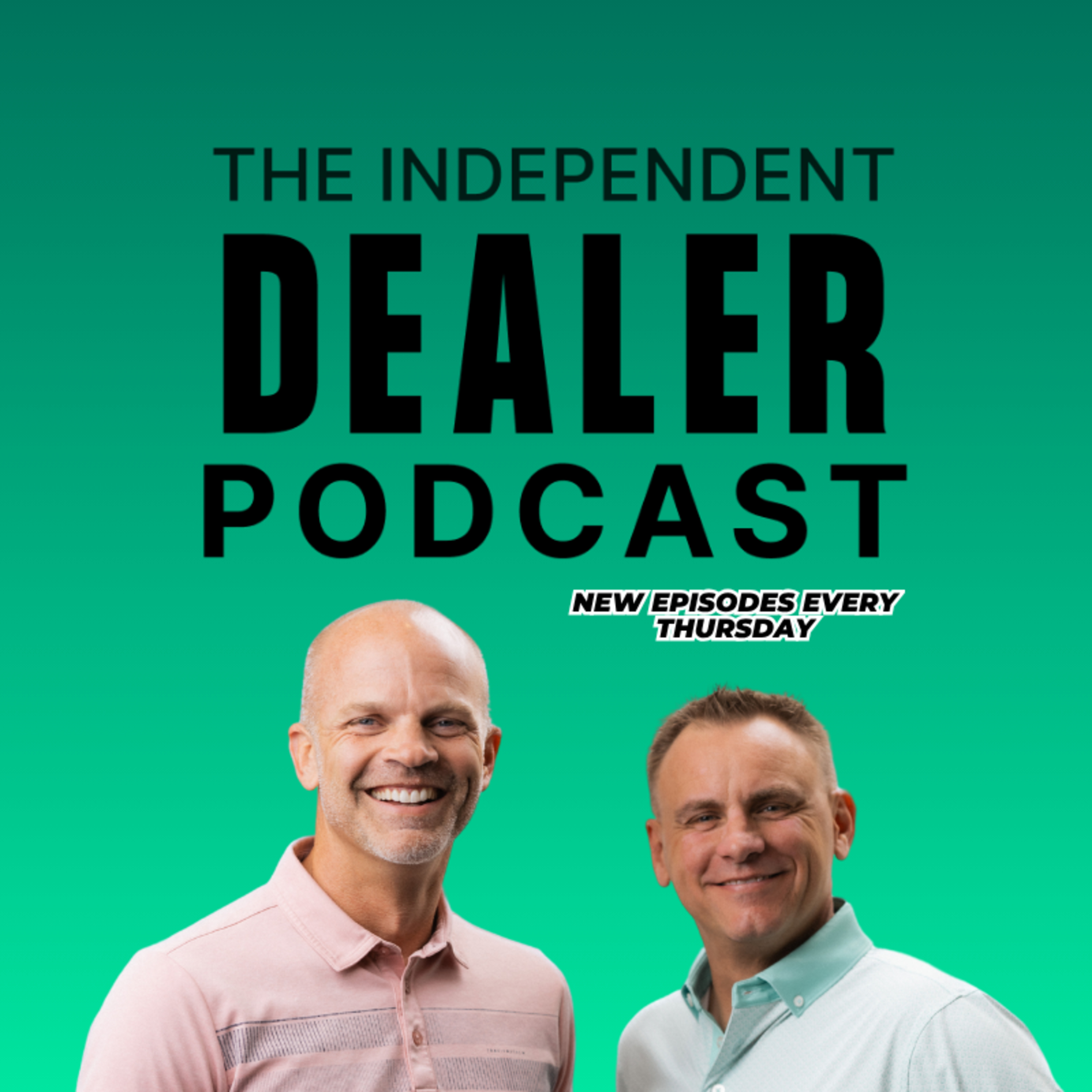
Darla Booher shares her inspiring 20-year journey from working in franchised dealerships to becoming a successful Buy Here Pay Here dealer in South Carolina. She discusses the challenges of starting her own dealership during tough economic times, including 9/11 and the 2008 financial crisis. Darla emphasizes the importance of education, networking, and building a strong team. Her experiences highlight the significance of processes, underwriting, and adapting to market changes. As the upcoming president of NIA, she aims to enhance dealer education and advocacy.
What does it take to build a thriving buy-here-pay-here dealership from scratch?Join us as we sit down with Darla Booher—2002 startup founder, National Quality Dealer Award winner, and incoming NIADA President. Discover her incredible 20-year journey from franchise sales manager to BHPH powerhouse.🎯 In This Episode:Why she left franchise dealerships for BHPHStarting with just $30K right after 9/11Surviving 2008 & COVID economic crashesThe embezzlement that almost ended it allScaling from 12 cars to 100+ inventoryHer vision for NIADA and dealer education💡 Key Lessons:✓ Never put all eggs in one basket with lenders✓ Hire smarter than yourself✓ One location done well beats multiple done poorly✓ Processes are everything📢 Subscribe for more dealer success stories!🔗 Connect With Us:@theindependentdealerEmail: [email protected]🙏 Sponsors:Blytzpay - http://www.blytzpay.comBuckeye Risk Services - http://www.buckeyerisk.comTaxmax - http://www.taxmax.com

"...ership was right after 2001. I mean, right after 911 in 2001. So I was getting all the pieces in place..."
The Porsche 911 is a famous sports car that has been around for many years. It's known for being fast and fun to drive, with a unique shape that many people recognize. People talk about it because it combines luxury with the thrill of driving.
The Porsche 911 is a high-performance sports car that has been in production since 1964. Known for its distinctive design and rear-engine layout, the 911 has become an icon in the automotive world, celebrated for its driving dynamics and engineering excellence. It is often discussed for its blend of luxury, performance, and everyday usability.
"...you can sell your service contracts, you can sell your ancillary products, you can reinsure for your post sale inspections..."
Service contracts are like extended warranties for cars. They help pay for repairs and maintenance after the original warranty runs out, so you don't have to worry about big repair bills.
Service contracts are agreements that cover the cost of certain repairs and maintenance for a vehicle after the manufacturer's warranty expires. They provide peace of mind for car owners by reducing unexpected repair costs.
"...you can sell your service contracts, you can sell your ancillary products, you can reinsure for your post sale inspections..."
Ancillary products are extra services or items that car dealerships sell along with cars. They can include things like insurance for your car or plans to help pay for repairs, making the car buying experience better for customers.
Ancillary products are additional services or products offered by dealerships that complement the sale of a vehicle, such as gap insurance, tire protection plans, or vehicle service contracts. These products can enhance customer satisfaction and generate additional revenue for the dealership.
"...you can of course set up your CPI collateral protection insurance if you're a buy here, pay here customer, massive opportunities to build wealth and forced savings for rainy day funds."
CPI collateral protection insurance helps protect the lender if the person who borrowed money to buy a car doesn't have their own insurance. It makes sure the lender can get their money back if something happens to the car.
CPI collateral protection insurance is a type of insurance that protects the lender's interest in a vehicle when the borrower does not have their own insurance. It ensures that the lender can recover their investment in case of theft or damage to the vehicle.
"...I bought it and I think I think maybe you had you at some point leased it to another competitor I did I did so I kept one of the stores I had"
Suzuki is a car company from Japan that makes different types of vehicles, including cars and motorcycles. They are known for making reliable and affordable vehicles.
Suzuki is a Japanese automaker known for producing a range of vehicles, including cars, motorcycles, and all-terrain vehicles. The brand has a reputation for affordability and reliability, making it popular in various markets.
Select text to request an explanation
I maxed out credit cards. I leaned on friends and family. So I had about 30,000 and like
10 of it was to get started. I kept saying that to myself over and over. So there's not an option.
You know, I've got to make this work. I'm all in. You know, I'm like Texas old. I'm all in.
I pushed all the chips in. That was it. And there was no going back. And Pride would let me fail.
Hello and welcome to this episode of the independent dealer podcast. Luke, we are in the
beginnings of December, the start of our, how I built this series, which is my favorite time of
the year. Yeah, it's a great time. I thought tax time was your favorite time. It is also this
same time. So they coincide. Yeah, you get the fourth, you get the fourth quarter and you get to
do how I built this. But yes, how I built this is one of my favorite times. Favorite times are
quarterly because we get to talk with so many interesting dealers who have gone through so
much and they can teach us so much. And one of my favorite dealers is with us today, somebody I've
known for 15 or 20 years, doll. Yeah, something like that. Yeah, something like that. We've been
all boards together in the same state. She has a beautiful dealership. She is a national quality
dealer winner. I think there's only been three from South, from the Carolinas and maybe only
one from South Carolina. Darla is that person and she is the upcoming president of NIA. So
we are privileged to have her with us. Darla, introduce yourself. Well, I'm Darla Boer. My
dealership is in Greer, South Carolina. And it's Deal Depot. I do about 99% by here pay here.
And I've been doing it since 2002, was January 2002 is when I sold the first car.
Well, I thought you'd been doing it longer than that. Well, I've been in the business a lot longer,
but I've owned my own dealership since 2002. Okay, well, we'll have to go back and start at the
beginning here in a second. Yeah, let's get into that. I want to know 2002, what were you doing
before that? Like, how do I don't understand sometimes how people fall into the industry?
There's a lot of better ways to make money. I think we all probably feel that way at times.
So set that up. What were you doing in the early 2000s and why a dealership?
Well, I started out organing franchise dealerships. And so I had been working, I started out in
sales and then I became, I went to school, became an F non manager in a franchise dealership,
then I became a sales manager in a franchise dealership. So I did that for several years.
And then I was asked to go interview with someone who had an independent lot of buy here, pay here
lot. And I kind of scoffed at it a little bit. And, but I went on the interview and was recruited
by that company to go to work for them. And that's how I, how I transitioned from franchise
dealership to buy here, pay here. So, but I did scoff at it at first. They all scoff at us.
What does that look like going from a, you know, a franchise dealer to, to interviewing there? I
mean, it's, it's got to be a culture shock. I mean, there's all kinds of things. Why would you
take that job over staying with the franchise? Well, after a while, the politics and the turnover
and all of the things that happen at the franchise dealership, you know, can really get to, to wear
on, on you and, and where you think your career might be going. But if you're able to, and that's
what was offered to me, I was able to, to cut my hours, have a better quality of life, be able to
basically balance home and work life better and not, not change my pay. You know, basically it
was a pay match situation. So I was like, well, what have I really got to lose? And the challenge,
I think what really probably hooked me on it was the challenge of getting this particular
location up and going for this dealer who had multiple dealers off multiple locations already.
And it was all that in, in the upstate of South Carolina or was that somewhere else?
Yeah, it was in the upstate. Uh huh. So it was right here in my backyard, had dealers scattered
all over Georgia and Florida. So had dealerships, I mean, so. Yeah. So you had, you saw some,
you saw some upside or you saw some potential equality of life. I think as deal, as independence,
we struggle a lot thinking we can be more attractive to employees than the franchise
stores can, right? Because we don't have all the fancy equipment and the big shiny showrooms and
the fancy, you know, you get a dress up in your little suit and tie and selling Mercedes, you
know, a bunch of little penguins out there on the stoop waiting for people to pull in. So
we don't have that like, that ambiance or that. And I think as independence, we struggle to sell
our value package. Like, why would you come work for me as a salesman or a manager or
as opposed to going to the new car store? And so I think that, that speaks a lot and dealers
need to remember that. Like, we do have good things and we need to be able to communicate that
like, like they did to you, darling, right? You saw that opportunity. Exactly. How did that go
when you took that job? Did they deliver on that vision? Well, absolutely. The challenge was definitely
there. The compensation was great. I made more when I switched over to Buy Your Pay Here by about
$25,000 a year. You know, so because we got the store up and going, it was, you know, we were,
it was paid off what the store did. So, you know, I did really well. And so yeah, they definitely
delivered. So, so that deal was over about three years and learned a lot. So I'm sorry, I must have
missed this. You went from a franchise to Buy Your Pay Here, like, wasn't just another retail
store. Okay. Yeah, no, it was definitely to Buy Your Pay Here yet and independent Buy Your Pay Here.
That learning curve from what you were doing to that had to be very steep.
Well, in a way, it probably would have been. But if I go back into my background, what I did many,
many years before I got the car business was I worked for a leasing company where we originated
the loans. So I underwrote them and then I packaged them and I sold them to the bank.
You know, I did everything from A to Z and loan origination for a leasing company.
And then, and then the second after I left that company, I went to work for myself and I started
my own reposition agency. So many years in South Florida, I own my own reposition agency. And so
you take that finance and lease background and that reposition background and the automotive
background and you have Buy Your Pay Here in a bottle. 100%. Yeah, you were you were designed to
be a Buy Your Pay Here dealer. That's so great. But those three pieces of the puzzle together.
Oh man, that's awesome. That is funny. So at what point, so you say you stayed with them for about
three years and then was that up to what changed? What said, all right, I'm gonna, I'm gonna,
is that when you sprung out on your own? No, actually, that particular company had many
locations. Some of them were as productive as the one I was working at and he got out of trust.
And unfortunately, his lender came in and said, you have to get rid of all your high price managers,
all your high somewhat overpaid managers. And I will agree, we probably were overpaid, but
and so his lender said, you know, we're going to work you through all of this, but you're going
to have to get rid of them. And so I found myself on the unemployment line. And is this just,
we don't have to mention the name of the company unless you just want to, are they still in business
or no? They still have one or two locations, I think, you know, I haven't really kept up. That's
been 25 years ago. So yeah, and we've talked so much lately, Jeff, about these, these expanding
buyer pay here stores and the tragedies that happen in that. And I thought it was a unique occurrence
that's just happening. But Darlah, you're here to say that this is something that was tried in the
mid to late nineties that that didn't work either. Is that the case? Yeah, that's definitely the case.
Look, it they were, they were, they were really rolling and they had a great model. But at some
point in time, they couldn't outsell their bad underwriting. And that's, you know, I mean,
if you could fog a mirror, they'd sell your car. And I mean, I think that's the way buyer
pay here might have been run, you know, with multiple locations and everything. There were
no processes. The stores didn't really do everything uniformly. It was just dependent on who was
running which store. And so unfortunately, they found themselves kind of, well, out of trust
underwater. So and, and so they had to reorganize. And they did it, of course, without bankruptcy.
So that was a good thing for them. Yeah. And it's much easier to do.
Well, let's say it was easier to outrun your lender back in the day because your cost of car
was so cheap. So you could sell the $3,000 car for $79.99 back in the nineties. And so you had
these large gross margins and you get your advance rate. And it was probably a game that could be
played much, much longer than today with tighter gross margins that that kind of crumbles a lot
faster. Is there any other any other lessons that you feel like you learned coming out of that
dealership and kind of being on the inside as it as it fell apart? Don't don't don't have loose
underwriting. Don't try to outsell bad underwriting. We know those are great lessons.
Right. I would say processes, how important processes were or are and they should have been
in place there. And uniform from store to store to store, you know, they experienced a lot of
growth and they really didn't have any any real infrastructure for how to provide cars and and
how to how to get even how to expedite titles out to their different locations. So there was a
lot of things that they just have processes for. And it sounds like maybe they were top heavy in
management as well. Yes, they definitely recruited great people like me by paying them big bucks.
And and so they had great talent. But again, you know, their overhead was more than they
could afford really. Yeah, we do see that with some of the larger groups that expanded quickly as
they do have a lot of high paid, you know, geniuses, let's say. And I don't know how you do it without
them though, because I don't either. That's what I was about to say. I are a bunch of not smart guys
that you paid bottom dollar for. That seems like a bad recipe also. Yeah. Right. But if you had the
right processes in place, you might get a higher and idiot to do the job for less money. I don't
know. I haven't been doing it for years. Your dad has. Oh, that's funny, Jeff. Thank you, buddy.
So darling, you find yourself on the unemployment line. And what where do you land after that?
Like that's got to be a little bit deflating because you're like, well, I burned my bridges
at the new car store. I bailed out. I've been doing this for a while. Did you love it? Did it
sour you or did you go after something in the same industry? Well, I went back to the franchise
stores. I really hadn't burned any bridges. So I just went back to, you know, what I was doing before.
But even last very long before somebody else came along and said, Hey, there's somebody you need to
talk to again, an independent buyer pay here store. And I said, Come on, I've been down this road.
And but I went for the interview and accepted that position. So, but again, it was referral.
And I wasn't looking to go back into the buyer pay here. But again, fate pulled me right back
that direction. And there I was right back into the to the buyer pay here, right here in the
upstate again. So so then I ran my second buyer pay here. And and I did I learned a lot of what
to do and what not to do from both of those. I don't think that I'd be the dealer that I was
was already to start my own business had I not had roughly, you know, almost seven years between
the two of them. Yeah, yeah, that's super helpful, right? Oh my goodness, yes. And especially more
like in a lot manager slash general manager position doing everything from A to Z overseeing
everything with, you know, corporate office being separate from where I was.
So when did you start getting the bug that you were like, huh, you know what, I could do this
them all. I felt like it when at the second, at the second dealership that I worked at,
when I was doing like 99% of everything, and the owner was semi retired, probably more 90%
retired. He'd never really been in the automobile industry hadn't really done buyer pay here before.
You know, I was teaching him the ropes pretty much and how to grow his business and things to
do and not that he listened to everything that I, you know, but I mean, at least, you know,
I was trying to share what I knew back with him. And I think that's when I kind of a light bulb
went on and said, you know, why can't I do this for myself? And how long how long from that until
until you took the leap and how did how did that look? You know, one of the things before I could
do it myself was I had to have the pieces in place. A lot of it was the financial piece that I knew
I had to have. So so I worked there for about three a little over three years. And then it took a
little bit of time off and started my own right after that. But like I said, all the financial pieces.
Now, interesting fact was that when I decided to start my own dealership was right after 2001.
I mean, right after 911 in 2001. So I was getting all the pieces in place and actually
sold the first car January 2002. So you know what business was like during that period.
And so trying to get a line of credit, trying to get floor plan, trying to get inventory,
you know, doing anything was a struggle. Everything was a struggle. It was like
a lot of blockers. But somehow or other, I persevered through it and was able to get the
doors open. And that's another whole story. But anyway, I started out with 12 cars and one and a
half employees in a little building and a group from Texas. Hey, just to jump in real quick and
make sure you guys know about Buckeye Risk Services. Still a great sponsor of the podcast and a great
partner to have at any dealership. Yeah, I'm sure retail, buy here, pay here, no matter what.
Tax planning is so important. And using a reinsurance company not only helps you with your
tax plan, it also helps with generating wealth. And when you get toward the end of your dealership,
you need something else to pull money out of. And it's a great way to just force savings
account, right Jeff? Yeah, yeah, forced savings account. So if you are a dealer, buy here, pay here,
retail, and you're doing 20 to 30 cars a month, all the guys at Buckeye, you will not regret
getting a reinsurance company set up. You can sell your service contracts, you can sell
your ancillary products, you can reinsure for your post sale inspections, you can of course
set up your CPI collateral protection insurance if you're a buy here, pay here customer,
massive opportunities to build wealth and forced savings for rainy day funds.
Good. Give the guys a Buckeye call. There's a lot of people out there that probably don't
understand what the economy looked like at the end of 2000 and 9-11 area. But the internet bubble
had just burst. And then all of a sudden 9-11 happened and 9-11 was a kick in the
teeth of the economy to say the least. And it was a struggle. I remember that vividly what was
going on there. So that's a hard time to find financing. And financing what is available then
as it was let's say two or three years ago either. Oh heavens, no. It was a whole, I heard more
nos than I ever want to hear again in my life. I mean it was no, no, no, no, no, no, no, every
which way I turned. No to line of credit, no to floor plan. I mean so basically I got all the
pieces in place to open the doors but I had no cars. I finally did, I did secure the lender,
the lender that I had worked with before at another dealership, at a previous dealership,
I secured that lender. But then I, but that was for financing notes and so on. But I didn't have
that floor plan piece. And obviously I didn't have you know the hundreds of thousand dollars I
needed in there to go buy cars. So yeah it was essential. So I always tell the story that my
dad started in 1984, 85, sorry, with with 16,000 dollars. And 8,000 dollars of that was to to
essentially get the building open and running. And the other 8,000 dollars was for inventory.
Do you recall how much money you had saved to open the door?
Yeah I had, I had about 30,000 roughly and 20 of that was borrowed.
I maxed out credit cards, I leaned on friends and family, you know, I got, yeah, so
so I had about 30,000 and like you said about 10 of it was to get started then I had maybe about
15, 20 to start, you know, buying some cars and yeah it was it was tough.
That's so interesting. Can I ask this darling and you can punch me in the face if this is
inappropriate but when you say you, was this you, was this you and a partner, you and a spouse?
Like explain that to me. It was just me. Okay so I don't want to go down this road
but but you're going to, I know you Jeff. Do you feel like in that time frame and in
2000s were maybe a little bit more like okay but when they saw your name on an application,
was there any like I don't know if this blonde lady knows what she's doing,
maybe I don't want to give her money. Was there any of that or do you or do you feel like
you were judged on your your history and your your resume?
Well I think a combination. Nobody was nobody was loaned money to anybody no matter what name was
on it so that was half the battle right there and but the other half of it was I did lean on my
resume. I did lean on the you know the all the contacts and the the resume that I had built
working at the franchise dealerships and then you know my experience working at
the two lots that I had worked at and so I I did I had built a good local reputation for
myself so that was helpful um but it wasn't enough to open the doors but it was yeah I mean
Jeff makes a good point our industry is dominated by men. I mean it was back then too. Yeah I mean
it may be worse back then I mean that's definitely got to be a little scary right?
It was but to um but but something that I learned in a Joe Verde class failure's not an option
and once I once I had started it I just I kept saying that to myself over and over failure's
not an option you know I've got to make this work I'm all in you know I'm like Texas Oldham all in
I pushed all the chips in that was it and there was no going back and pride wouldn't let me fail.
Yeah um so we're sitting here in O2 how long did it kind of take to get your your feet under you
and feel comfortable and and get rolling? Well it took um it took a couple of years before I really
felt like as if I um was going to make it even you know and there were ups and downs and some
bumps in the road I had I had someone that worked for me that embezzled from me that was a that was
a real setback for me I mean here I am just getting going and all of a sudden I realized the cash I
thought I had in the bank I didn't have in the bank and so that was a tough one um so there were
definitely some ups and downs I'd probably say it about four or five and um that I really felt
like I was gonna okay I can make this do you know I'm I'm I'm gonna make it I could see that you
know I was paying the bills and I was able to put back some money and you know I was staying on top
of it so. Everyone just a moment here to talk about BlitzPay. BlitzPay is my payment process
provider PPP PPPP whatever it is but they're wonderful they get the money in the bank and that's
really what matters and it's simple to use Jeff it's so simple and it helps us uh with our collection
process. Yeah you know what I've really liked and and I'm gonna fine tune this even more is their
cash pay network which is a crucial component because we do have a lot of customers that want
to pay cash but I don't want to take cash in the office it's dangerous it's scary I gotta make
deposits so we're pushing it more and more and more and then there there's you know there's
always the few customers that don't quite understand technology and push back but we're
educating them uh more frequently and it's really making my anxiety go down because I don't have
large cash deposits in the end of a Friday. Yeah I hate for you to lose any more here.
Yeah yeah it's stressful but the self-help options are really what makes the difference
you don't have to have customers calling you hey run this card run this card run this card
no they can help themselves because the portal is so easy it's mobile friendly it's all right
they're on their little phone which everyone has and they can take care of their payments
themselves that's the most important part. Yeah everybody needs a call let's pay get them to hook
you up. So so you're trekking along and then 2008 hits what do you remember what happened then
like how did how did your portfolio weather the storm through through the financial crisis do you
do you recall that do you feel like you were established enough that you took the hits and
it wasn't a big deal or because a lot of dealers didn't make it through that especially ones
that would have been of your dealership's age you know five years is still the danger zone
how did you guys do? Well I gotta say I I know that we we sailed through it I mean we had issues
with you know repos being higher than should be and so on but but I really didn't hit any big
glitches I heard a lot of people I heard a lot of people you know crying the blues and having
problems with a lot of lenders tuck tucking in you know and fortunately I had I didn't have all
my eggs in one basket I was smart enough from the get go to make sure that I didn't just deal with
one lender you know one of the great big ones that you know when I was able to get capital I still
said no I think I'll just keep it spread out a little bit I don't want to put all my eggs in one
lender basket because I'd seen what would happen and then 2008 cemented that that you just can't
put all your eggs in one basket or at least I didn't feel like I could and I had learned that
from the franchise business no franchise dealership's going to put their whole their whole just deal
with like let's say Chrysler Credit or Honda you know they're they're going to make sure that they
have a whole arsenal of of lenders of every size because sometimes you know the captives rolled
by deep and sometimes they would you know they would tighten up and so having seen that ebb and
flow from the franchise side I knew I didn't want to put all my eggs in that basket in one basket
so I spread it out and when you say that did you mean you had you had multiple lines of credit
like multiple lenders because you were doing strictly buy here pay here at that point right
quickly buy here pay here and I had a lot of private private money private lender okay money
as well as commercial so I just kind of spread it around awesome that is smart that is a very very
good lesson and we talk about that quite often of having diversity and a fallback because you're
right you don't know what your lender's appetite is going to be day to day and we again we harken back
we know dealers who had a single private lender who had a huge appetite for buy here pay here until
he didn't and then he has to call the dealer principal overnight or hey man already passes away
and his family doesn't want to be in that business anymore I mean all those things can happen so spread
it out is so important yeah you know something happened to several dealers you know during that
period of time and I felt bad for them because nothing they did I mean it wasn't on their end
it's like you said Jeff the lender just lost the appetite for doing it and decided that they were
going to you know close up that sector of the business and um and there that dealer was scrambling
maybe with the 10 million dollar portfolio or 20 million dollar portfolio so at that point Tom was
in 20 groups and that's another thing that I think saved my bacon through all of that
was you know making sure that you know I hung tied in the 20 groups and um and I also it was 2007
I took the CMD course and I really do think that that was probably another factor um I can't minimize
that because it definitely um I it was an eye opener taking the CMD what I didn't know and so
bringing those what I learned back to the dealership and applying it made me tighten that bill
and I don't know if I made it through eight and nine if it weren't for that so yeah what's a really
good point when you talk about those little things like you had exposure to people and education
that you took home and put in your dealership that had you not had it you may not have been
as wise to make those decisions right so we talk about this education and the the whole of us is
smarter than any individual person and so you know that diversity of lenders like you saw it but
again you you go to 20 group and it gets cemented or other financial adjustments that you made during
that time it does say a lot to that I want to talk to Arla like as you grew were there any like
it really inflection points that you saw from the beginnings to now where you saw this you say
this was a really good decision whether you got it from a 20 group or got it from CMD
do you see anything along that way that was like that's that's something I really got right or that
was a bet that I made that really paid off um I I would probably just go back to that CMD as being
one of the main and um some of the hiring that I did was very smart um I learned from uh the guy
that hired me actually he said listen don't ever be afraid to hire smarter than you in fact please
do and he said that's why I hired you you know more about the the automobile business than I do so
he said that's why I'm hiring you so again taking that lesson that I learned you know from someone
who was you you know and and and then I applied it and so I made a lot of hires over the years of
people that I mean I hired the guy that I used to work for as a general manager in the franchise
dealership in fact two of them worked for me and um but they also wanted the better quality of life
balance of life and that was the attraction for them they were to point in time in their life
where that's where they wanted but anyway those were those were great decisions so um yeah you
I think you've always been great at hiring you've always had it seems like always had a great staff
and and you bring your staff to two conventions and things like that and I'm sure that goes a long
way thank you it really does it's it's all about the hire it's who you put on the bus and sometimes
we get we get um sideways about that and more recently in the last couple of years I've gotten
a little sideways about that and um just now getting back to the ABCs of hiring making sure
that I got the right people on the bus and and having to rebuild that team so yeah I've been
very blessed over the years with with the right people um either reaching out to me or me reaching
out to them and and being able to recruit them so yeah it's it's interesting um when we look at
very successful dealers that that they themselves look successful you find out that they have a
very very smart team behind them and and when you look at other dealers who um are chickens with
their heads cut off you realize that they want to be the smartest person in the room and then you
look at their staff and you're like oh yeah like you are the you are the head and you are the go to
for everything um and other guys are okay with with bringing in really really smart educated
people so it almost goes back to that first conversation we had about you know your first
guy to hire you and paid a lot of people high dollars to have smart people as opposed to saying
well I'm just gonna go with the whole e-myth uh you know McDonald's situation where I'm just gonna
have really good processes and just try to hire the cheapest people possible you know it's that
interesting it's a it's a fine it's a fine balance in there I believe because expenses can especially
on the buy your pay your side because cash is it's so important expenses can get out of hand
so quickly and if you hire too many uh too many chiefs or too many starters you know too many
five star athletes if you recruit too many of them next thing you know you you've got a lot of ego
and you've got a lot of money going out the door and so you know maybe the best football teams out
there they've got five star athletes in the right position and then they have two and three star
athletes you know doing the work I don't I don't know it's it's definitely a fine line and something
that uh something that you gotta figure out I would I would I would only point out there that
when you look at Darla's situation with her first dealership and you look at some of these
recent implosions it's not necessarily that the I mean the overhead was high you had high personnel
overhead but you had bad underwriting and bad processes in both those in all of these situations
we look at right you look at tricolor you look at adonis you look at uh these other guys there's
a lot of loose underwriting because these rock stars were trying to meet numbers or make numbers
or maybe they didn't have the right compensation plan set up to incentivize or grow too fast yeah
yeah accuracy or they were just growing too fast right maybe you've got some rock stars
but you added too many rock stars so I don't think there's anything wrong with having five star
athletes um you just gotta make sure that they're not running a muck or I guess out chasing the
program or something I don't know I don't know so so you kind of sailed through uh the teens I
guess as as what we're calling them now I kind of sailed through there and and all of a sudden I
we won't we won't gloss over it but you I'm pretty sure you went NQD in 2015 because you know you're
your rock star when it comes to giving back to to to that area and to the people that serve us um
you make it to COVID what happens I know you you kind of maybe moved to bigger dealership at
that time too I think I think you had a lot going on well I did during during the teens I actually
made a couple mistakes I I opened up like two or three locations I was spread out it was really
hard getting the processes in place and all the different locations and the right people on the
bus the different locations and uh so um by COVID I had pretty much decided that I was going to have
one store and do it well so as many cars as I could out of one store so that was probably the
saving grace then because I had gotten back to just the one location and had decided we'll do one
store we'll maximize it if I ever feel like I can't sell one more car out of this store maybe I'll
think about opening a second store yeah not until then when you're how many stores did you get to um
I had I had four different locations three open at a time oh okay that's a lot that's a lot going on so
uh and for some reason God blessed you and said those stores start working let's get them shut
down because if you go into COVID with that whoa whoa exactly and I was doing rental car at the
time too and right before COVID hit I just closed up my rental car business so another
another timing is everything and I just closed it up just closed it down right before COVID hit so
that was also great timing and nothing I mean it was not it was unfortunate why I had to cut it
why I had to uh close it down but that's another her story yeah I think I think I've had the same
story embezzlement but anyway all right my was just insurance problems oh my gosh in South Carolina
what a nightmare but but so I do recall that you were you were in one location and a location
maybe right down the street came up and you were able to to buy it the location you're in now right
right well um I started out up the street probably about a quarter quarter of a mile when I first
opened up like a little teeny tiny building then I moved um down to the other end a little bit and
I was the only only store down there and um I expanded from the building I was in to the
building next door as well so I had two buildings I actually had two stores side by side one was
one one was all for um operational and service and the other one was just for for sales so I had two
two different buildings basically side by side and then the building um that I mean now came open
and um so uh I bought it and that's where I am now so it's it's an old Suzuki not an old
it was a new Suzuki store it hadn't been open long as a Suzuki store failed obviously as a
Suzuki store was an independent for a couple of different a couple different guys tried you know
retailing out of it and um when it came open I bought it and I think I think maybe you had
you at some point leased it to another competitor I did I did so I kept one of the stores I had
one of the buildings I had to keep my sales in that building and I moved my admin to the new
building and I had um a business that filed bankruptcy up in the front part of my building
and so you know we co-shared this building for a while we have this imaginary line that when it
was the parking lot and so but they were paying the mortgage so I was happy you know I mean they
were paying the whole mortgage the taxes and everything again they could have probably got
this building for half what they were paying but hey I wasn't going to argue so I was happy to let
them do it but that's probably why they filed bankruptcy because they you know they I think
they did very bad on negotiating their lease lease locations but um but that's another story too
but anyway so yes then I said when they moved out I said okay now this is an opportunity for me to
have sales and service and admin all under one location under one roof which is what I always
wanted to have anyway I knew when their lease was up that's what I was going to do and so it just
fed the process up yeah I mean it's a beautiful location I wish I I wish I had that that type
of new car feel in in about your pay your location because it it really helps it does it helps from
a lot of different reasons I mean it gives us basically well for one thing it's helpful with
is being able to recruit to recruit good people and you know and like I said earlier having
the right people on the bus is the most important thing and um so it definitely having a nice location
has helped us to be able to recruit some really great people yeah it is and owning the land that
you live on is really important too we talk about that all the time with these other locations that
you had did you sell them do you own them did you own them is that kind of like a retirement plan
you you just lease them out or did you sell them in 1031 or what happened to those ones well I have
both I have I have two of them one of them I was just leasing but um but I have but I still own
two of the properties that used to be car lots that I had running and um one of them I have
leased right now the other one is between tenants right now so it would normally be leased but it's
between tenants to our dealers no actually um okay probably best um well one of them is a vape shop
now they're everywhere everywhere yeah and the other one like I said uh could be a car lot but
but is not currently so so let me ask at peak at the peak of your uh growth are you there now
are we there before and what was that what did it look like as far as scale number of accounts
number of employees like give us the overall scope of what you've had to deal with once I
got into this new building I knew um that the 40 or 50 cars a month that I was selling with the
number of employees that I had you know 15 16 employees or whatever you know just probably
wasn't going to pay the overhead for this building and since you know I didn't have my
tenant anymore paying the mortgage I had to step it up and decide that I was going to upward scale
so the last two years have been basically um have been just that building the foundation
getting the processes in place getting all the people on the bus in order to scale it up so
you know that's where I would say right now I can probably take a deeper I think of um I think
we're there now so you know we have all the pieces in place to scale and we're in the process of
scaling and you're expecting a big tax season oh my yes yeah tax season it's great hey guys
real quick to break in on this one I want to make sure you guys are set up tax time is around the
corner we're just about one month away from actually being able to file taxes in our dealership
and get the refund advance checks printed right away that's one of the best parts about this
program is these refund advance checks they are no recourse so no charge backs no nothing you got
that money you're good to go man and that's that's what's great about partnering with someone like
tax max is they've done all that hard work for you Jeff they're just they're giving me a check or
card yeah we did that on a large percentage of our deals last year they got approved tax max
did the refund estimate and then they stand behind it and they say hey this customer got this amount
last year we're pretty darn sure they're going to get the same amount this year if not more
we're going to go ahead and get you a refund check advancement check for six grand sometimes
and I would print that check put it is their down payment and roll the card it's pretty awesome
that's crazy it's an 88% of customers last year were approved for refund advance so
I mean that's a that's pretty good odds also man tax season it's so short and you got one chance to
get that money so get it let's get it in the bank so Jeff use code VIP to get a discount from
those folks at tax max from the pod the last two have been pretty good but you know we expected to
be off the chart this year because again well you know we have all the pieces in place now
the right people the right inventory we've been here now for a couple years so you know we have
the right marketing I feel like we have all the pieces in place now so I'm expecting a big tax
ACS how many do you typically keep in stock as far as vehicles what's your I usually have on the
lot at any given time um a hundred ish um out you know out for for ready and then I keep another
I hate to admit it but probably 40 to 50 and recon so that's about what we do yeah that's about
that's hard yeah and I imagine your price point what's your typical ACV what are you shooting for
so we've recently come down over the last couple of years by design I wasn't you know roughly eight
to nine thousand I'd gotten up that high um post COVID and now I'm back down to six to seven wow
there's so many people that wish they could they could have done that darling so that you're able
to do it as a testament to to what you're doing because that's really hard it is hard it is hard
and and uh it definitely means that you know we have to underwrite differently and um uh but yeah
so it's a big service center yes and it takes a big service center service center is always
you know is is the struggle I'm I know it's you know it's everybody's dealing with it making sure
that you know we can get the cars cars out to you know to scale like we have been that's probably
our our weakest link right now yeah so I do want to go down the the trail of of your ascension
from CIADA up to to become an NIA president and maybe if you just could talk about what the
association has done for you in your business and and where do you see the association now
and and where do you see it going well I guess it's easier to comment on where I see the association
going because I'm I'm really and truly excited about what the association's doing right now um the
the focus being on what it's always been on which is um making sure that we are
advocating in being having a presence in all things that impact the the dealers
both retail and by your pay here um from a legislative point of view on a national level
and where I would um say that um we're really drilling down on that and I think doing a great
job as an association staying on top of that and continue to especially since I think that Jeff
Martin's got the right people on the bus now as well and so um then taking it also um one of the
things I think I know that the focus of the board and the association is is continued education
I'm forever grateful to the education that I've received through the NIA and I've said it and I
I swear by it I wouldn't be where I am right now I wouldn't have what I have and live the life that
I love if it were not for education I've gotten from the NIA and um just where that that's I owe
everything to that education and the people it's it's it's the NIA and all the people that I've
met and all the networking Luke it's you and Jeff and it's everybody that it's it's it's all of
that networking and in the contacts and everything that I've done that I've that I've been able to
count on over all these years so yeah I 100 agree it's it made me the dealer I am today
it's so many of my best friends are our dealers now and they weren't before
um it's it's a long haul though you know we were we were talking about this before and
some people hop on these boards thinking that it's just a resume builder but it's true work
darling and and we really appreciate you and all the other board members for putting in that effort
along and along well thank you I I served with an amazing board and and and have since I started
with the with national um and the the guys that were on the board before who are now you know
that were chairman and so on everyone uh Scott Allen and Joe McCloskey and you know all the way
and then the newer people on the board now um it's it's just amazing so
darling let me ask what do you hope to accomplish like what's going to be the darling legacy two
three years from now that you say hey I want to make sure that I have my hand or my imprint on this
part of our national association
I believe that it's my vision as well as the the board's vision um and Jeff Martin's vision
so I can say this freely that you know to make sure that the NI ADA is the foremost authority
when it comes to all things dealer education and making sure that that's a focus advocacy is
obviously very focused and something that that you know we're the association's already doing
I believe the room for improvement is in education and to be able to make sure that that education
is available um for dealers of all types retail or buy hair pay here and of all sizes from the small
from the small mom and pop dealers all the way up to the dealers that you know have
10 15 20 locations and anywhere in between so it's not like one size fits all education
now that it can't isn't something that can be done overnight to scale that and grow that as
an association but I do believe that's where the association's going I do think um education's so
important yeah yeah obviously we know we've got the annual convention we've got buy here pay here
dealer forum that's actually probably going to have happened by the time this episode airs so
hopefully we have a great exciting turnout there and the 20 group program which has obviously been
on uh I don't know if I should say life support for a couple of years um and and making sure that
relaunches to be what it was in its glory days 10 years ago you know um that's a that's a that's a
tough that's a tough thing to do it is very tough and a lot of time and energy and resource
goes into the 20 group um and will continue to go into the 20 group because there's a lot of value
in that for dealers for dealer members and as long as it brings value to dealer members it's going to
stay at the forefront of the uh for the for the uh staff of nida as well as the board
mm-hmm okay so before we wrap this up and close this out we appreciate you we've taken so much
of your time um where does darla what's what's in what's in store for darla over the next five to
ten years retirement okay yeah I would have a succession plan set up are you can we ask that
real quick like do you have someone set up to run the dealership are you gonna sell it and close it
like do you have a plan well my grandkids are are um one's just in his first year of college
and he's the one that probably is most likely to want to take over the dealership
yeah I'm not pushing him but you know he has kind of indicated that he might want to uh so he's
you know taking general business courses and so on um but um I I really don't have a concrete
plan at this point in time for me that's why I'm here working my 12 hour days well yeah I tell you
you've worked it well and you've done a great job um I I do believe that anybody would be lucky to
to come in and run your dealership or or buy your dealership because it's set up it is set up for
success so um that's great thank you thanks I appreciate it and and again you know I'm not
planning on returning anytime soon so I don't want to start that rumor kind of fading more towards
you know being able to uh to um not have to work my 10 12 hour days and that's where I'm right now
is to be able to have more personal time and and again it goes back to we went through this two
year growth and scaling um mode and it was strategically what we planned on doing me and my
team and um and we're there now so I think I can kind of breathe and and I have been the last few
months I've been taking a little bit more time off yeah good job you deserve it thank you absolutely
Darla thank you so much for your time it's been so interesting and I love having known you but
never really being privileged to the background of you I feel like I definitely appreciate like
what you've been through so much more and so I hope everyone else listening to does too well thanks
I hope it helps and inspires others and maybe gives them a little bit of a roadmap of the do's and
don'ts because heavens knows you know we we learned it we don't want everybody else making the same
mistakes we did and then there was things that I've done right that I hope maybe I can pass on to
some other dealers and help their their journey easier thank you darla thank you both thank you
Request an explanation for:
1 cars
1 cars featured
Request an Explanation
Heard something you'd like explained? We'll add it to this episode.
Sign in to request explanations for terms you heard.
Want to learn more?
Browse our glossary for plain-English explanations of automotive terms, jargon, and concepts.
See something that's not quite right? Our annotations are AI-generated and can sometimes miss the mark.
Click the flag icon on any annotation to suggest a correction.