
416: Hagerty's Dave Kinney on Where Collector Car Values Are Heading
About this episode
Dave Kinney from Hagerty lays out why collector-car values are surging despite broader economic worries, pointing to record-setting auction results across Kissimmee, Amelia, Barrett-Jackson, and RM. He credits a mix of high-end buyer demand (especially post-2005 and newer Ferraris), generational shifts, and the “fun, spontaneous” social side of collecting. They debate whether oddball factory colors and one-off specs (Bachman collection) are sustainable, then review updated valuation trends for key models—highlighting big Ferrari jumps and mixed results for older classics and restoration-dependent cars.
The books have officially landed—and I kick off this episode by sharing the arrival of The Enthusiast's Guide to Collector Cars fresh off the press.
Then we get into it.
I sit down with Dave Kinney from Hagerty, one of the most trusted voices in collector car valuations, to break down what is really happening in today's market. Are prices stabilizing? Which segments are heating up? And where are the smartest opportunities hiding right now?
If you care about where the collector car market is going next, this is an episode you do not want to miss.
Hashtags
#collectorcars #carvalues #hagerty #davekinney #carcollecting #classiccars #carpodcast #auctionresults #markettrends #enthusiastsguide #thecollectorcarpodcast
Need help buying or selling your collector car?
Contact Greg at [email protected] or [email protected].
🚗 Book Launch: The Enthusiast's Guide to Collector Cars
Learn more and upcoming events: https://enthusiastsguide.thecollectorcarpodcast.com/
New episodes drop every Thursday. Listen on your favorite podcast platform.
#collectorcars #thecollectorcarpodcast #classiccars #podcast
ABOUT
The Collector Car Podcast features expert interviews, great collections, and market insights.
With 25+ years of experience, Greg helps enthusiasts navigate the collector car world with confidence.
LISTEN
Apple: https://podcasts.apple.com/us/podcast/the-collector-car-podcast/id1460713022
Audible: https://www.audible.com/pd/The-Collector-Car-Podcast-Podcast/B08JJNDPB6
Amazon Music: https://music.amazon.com/podcasts/d2066df3-7acc-4c84-af8d-c76d29989ccb/the-collector-car-podcast
Pandora: https://www.pandora.com/podcast/the-collector-car-podcast/PC:26514
FOLLOW
Facebook: https://www.facebook.com/TheCollectorCarPodcast
Instagram: https://www.instagram.com/thecollectorcarpodcast/
Hagerty
"welcome to today's edition of the collector car podcast... Hagerty's Dave Kinney on Where Collector Car Values Are Heading"
Hagerty is a well-known collector-car brand associated with insurance and market reporting. Even though the transcript segment doesn’t detail Hagerty’s methods, the episode framing indicates the discussion is tied to Hagerty’s valuation perspective.
NAMM conference
"I'm supposed to have a handful of them at the Packard Museum tomorrow morning For the NAMM conference and I told them I got to have them tonight"
The Packard Museum is mentioned in connection with the NAMM conference, which is a specific event context for why the books need to arrive. For listeners, this helps explain the timing and logistics around collector-car media and presentations.
valuation tools
"I do go through about 15 cars including the big Ferraris To kind of tell you what the valuation tools are saying those things are worth now after some pretty mega sales"
A “valuation tool” is a way to estimate what a collector car should sell for. It looks at recent sales and similar cars to guess a fair price.
“Valuation tools” are methods or platforms that estimate what a car is worth using past sales, condition data, and market demand. In collector-car circles, these tools often rely heavily on auction comps and dealer retail pricing.
Ferrari Club of America
"That's exactly how Paris style wealth approaches financial planning as the Ferrari Club of America's official wealth management partner"
Ferrari Club of America is a major enthusiast organization for Ferrari owners and collectors. Its involvement here signals that the wealth-management partner is targeting the Ferrari and broader collector-car community.
Paris style wealth
"That's exactly how Paris style wealth approaches financial planning as the Ferrari Club of America's official wealth management partner"
Paris style wealth is a financial company that works with collectors. They’re connected to the Ferrari Club of America, and the pitch is about planning for the long term.
Paris style wealth is presented as a wealth-management partner for collector-car enthusiasts, specifically named as the Ferrari Club of America’s official wealth management partner. The mention is relevant because collector-car investing often overlaps with estate planning and long-term stewardship.
NCM insurance
"If you own a collector car, you already know it deserves more than a standard insurance policy. NCM insurance specializes in agreed value coverage designed specifically for classic collector and Enthusiasts vehicles from weekend drivers to serious collectors"
NCM Insurance is a company that sells insurance for classic and collector cars. Instead of treating your car like a normal daily driver, they tailor the policy to how you store, protect, and value the vehicle.
NCM Insurance is an insurer that focuses on collector-car coverage, including classic-car policies designed around how enthusiasts actually own and use their vehicles. The key idea is that collector cars often need coverage that matches their value and usage rather than a generic auto policy.
collector car
"If you own a collector car, you already know it deserves more than a standard insurance policy. NCM insurance specializes in agreed value coverage designed specifically for classic collector and Enthusiasts vehicles"
A collector car is a car people keep because it’s special to them—maybe rare, classic, or valuable to enthusiasts. Since it’s not treated like a regular daily driver, it often needs different insurance and better records.
A collector car is typically a vehicle owned for its enthusiast value—often older, rare, or historically significant—and maintained with care rather than used like a normal commuter. Because of that, collector cars often need specialized insurance and documentation to reflect their true market value and how they’re stored and protected.
agreed value coverage
"NCM insurance specializes in agreed value coverage designed specifically for classic collector and Enthusiasts vehicles from weekend drivers to serious collectors"
Agreed value coverage is when you and the insurance company agree on a price for your car ahead of time. If the car is totaled, you’re paid that agreed amount instead of a lower “what it’s worth today” number.
Agreed value coverage means you and the insurer set the car’s value up front, and that agreed amount is what the policy pays in a covered total-loss situation. For collector cars, this helps avoid disputes where a standard policy would only pay “actual cash value,” which can be far lower than what the car is worth to enthusiasts.
Carport
"Carport gives you a simple digital garage to document organize and manage your vehicles all in one place. Track service history store important records and keep your collection dialed in with confidence from your daily driver to your dream car"
Carport is a digital “garage” app/service that helps owners document, organize, and manage their vehicles. In a collector context, it’s used to track service history and store records so the collection is easier to maintain and (often) easier to insure or sell.
service history
"Track service history store important records and keep your collection dialed in with confidence from your daily driver to your dream car"
Service history is the log of work done on a car—like oil changes, repairs, and maintenance. Keeping it helps show the car was looked after, which can make the car easier to trust and easier to sell.
Service history is the documented record of maintenance and repairs (often including dates, mileage, parts, and receipts). For collector cars, a complete service history can strongly affect buyer confidence and resale value because it proves the car has been cared for and helps justify condition claims.
insane prices
"...everybody who's been following the market knows this we have some insane prices that came out of both Kissimmee and Amelia..."
They’re saying cars are selling for surprisingly high money at auctions. When that happens, it can raise prices people expect to pay for similar cars.
The phrase “insane prices” is used to describe unusually high auction results, which can shift perceived market value quickly. In collector-car markets, auction pricing often becomes a reference point for private sales and dealer pricing.
Kissimmee
"...we have some insane prices that came out of both Kissimmee and Amelia as well as Barrett Jackson and the RM sale in the Phoenix at the same time"
Kissimmee is where a lot of collector cars get auctioned off. Big results there can strongly influence what people think cars are worth.
Kissimmee is a major collector-car auction hub in Florida, often associated with large seasonal sales. When the hosts cite “insane prices” from Kissimmee, they’re pointing to auction-driven market signals.
Amelia
"...insane prices that came out of both Kissimmee and Amelia as well as Barrett Jackson and the RM sale in the Phoenix at the same time"
Amelia refers to the Amelia Island collector-car auctions in Florida, known for high-end inventory and strong buyer participation. The segment uses Amelia results to support the idea that the market is unusually hot.
Barrett Jackson
"...Kissimmee and Amelia as well as Barrett Jackson and the RM sale in the Phoenix at the same time"
Barrett-Jackson is a famous collector-car auction. If it’s seeing high prices too, it means the market strength isn’t just one event.
Barrett-Jackson is one of the best-known auction brands for collector cars in the U.S. Mentioning it alongside other auctions highlights that multiple venues are seeing strong pricing simultaneously.
RM sale in the Phoenix
"...Barrett Jackson and the RM sale in the Phoenix at the same time"
RM Sotheby’s is a big-name auction company for expensive collector cars. Strong results in Phoenix suggest buyers are paying up broadly.
RM Sotheby’s is a high-end auction house, and the Phoenix sale is one of its major U.S. events. The host is using it as another data point showing elevated collector-car pricing.
Broad Arrow
"...everybody has been doing really really well broad arrow had their best sale ever"
Broad Arrow is a company that auctions collector cars. The host is saying their sales were unusually strong, which supports the idea that the market is hot.
Broad Arrow is an auction/collector-car marketplace brand that specializes in selling high-end vehicles. The host cites Broad Arrow’s “best sale ever” as evidence that collector demand is strong.
bottom sale
"You know bottom sale everybody has been doing really really well broad arrow had their best sale ever"
They mention a “bottom” sale, meaning a segment of the market that’s not always the most exciting. The point is that even those cars are doing well.
“Bottom sale” appears to refer to a specific auction event or sales category that the host believes is performing well. In market discussions, these events can indicate whether values are holding even outside the most headline-grabbing lots.
2005 up buying spree
"...those people who are collecting the newer cars pretty well defined is Let's just call it 2005 up have been on a buying spree."
The host suggests that buyers have been aggressively purchasing collector cars from roughly the 2005 model-year era onward. That’s a “demand cohort” idea: newer collector cars can behave differently than older classics because of different buyer motivations and availability.
oddball colors
"There were some great cars from a collection that were oddball colors I mean, it's the only way to describe them, but they worked for a lot of people"
“Oddball colors” refers to unusual paint colors that might not be everyone’s taste, but can still attract buyers depending on rarity, provenance, and how the car is presented. In collector markets, color can materially affect desirability and pricing.
RM
"Again and Bert Jackson had some, you know, the hits out of the park RM had hits out of the park"
RM is an auction company that sells collector cars. When they say RM did really well, they mean the cars sold for strong prices.
RM is referring to RM Sotheby’s, an auction house known for high-end collector cars. When the hosts say RM had “hits out of the park,” they mean RM’s auction results showed strong demand and pricing for certain cars.
auction caveat: cars can sell for less or more than expected
"Always gonna be cars that get out of an auction for cheaper than they should have ... and there's always cars that get out for higher than you expect"
They’re saying auction prices can surprise you. Sometimes a car sells cheaper than expected, and sometimes it sells for more because buyers get competitive.
The hosts emphasize that auction outcomes aren’t perfectly predictable: some cars sell for less than they “should,” others sell for the same money, and some exceed expectations. This reflects how buyer competition, timing, and condition/documentation can swing results.
tailor-made customization before there was a program at Ferrari
"they were doing tailor-made ... customization before there was a program at Ferrari ... These cars were acquired when those weren't programs."
They’re talking about cars that were customized in a very personal way before the brand had an official option program. The point is that custom stuff can add value, but it doesn’t always make the price jump the way people assume.
This describes early bespoke customization—custom colors and options—before Ferrari offered formal personalization programs. The key idea is that provenance and the story behind a specific build can matter, but it doesn’t automatically guarantee today’s prices will “go through the roof” just because similar customization is now offered as a standard option.
Rolls Royce
"I think Bentley and Rolls Royce learned this lesson ... Give the customer what he wants"
Rolls Royce is being used as another example of a luxury brand that learned to listen to customers. The idea is that giving people what they want can pay off.
Rolls Royce is cited alongside Bentley as having learned the same lesson: brands should accommodate customer requests rather than resist unusual preferences. In collector-car terms, that can affect how certain personalized cars are valued.
Bentley
"I think Bentley and Rolls Royce learned this lesson ... Give the customer what he wants"
Bentley is referenced as a brand that learned a lesson about customer-driven customization—essentially, that meeting buyer preferences can be important for satisfaction and desirability. It’s part of a broader point that brands have adjusted their approach over time.
Bring a Trailer
"...we can't ignore bring a trailer... They've been doing some some great sales cars and beds has been doing well"
Bring a Trailer is a popular online auction site for collector cars. If a car does really well there, it can make more people want that car and affect its value.
Bring a Trailer (BaT) is referenced as a platform that drives attention and sales for collector cars. When certain models or colors “make headlines” there, it can influence broader market perception and value trends.
paint the sample stuff
"But then, you know, it's kind of it's kind of like paint the sample stuff whether it's Porsche Ferrari Whoever, you know, if it's a cool color, that's gonna ring the bell, right?"
This phrase means “the eye-catching color options.” The idea is that if a car looks especially cool, more people notice it and it can become more desirable.
“Paint the sample stuff” refers to special or standout paint choices that are meant to catch attention—like a unique color that becomes a talking point. In collector circles, unusual or visually striking colors can boost interest and perceived desirability.
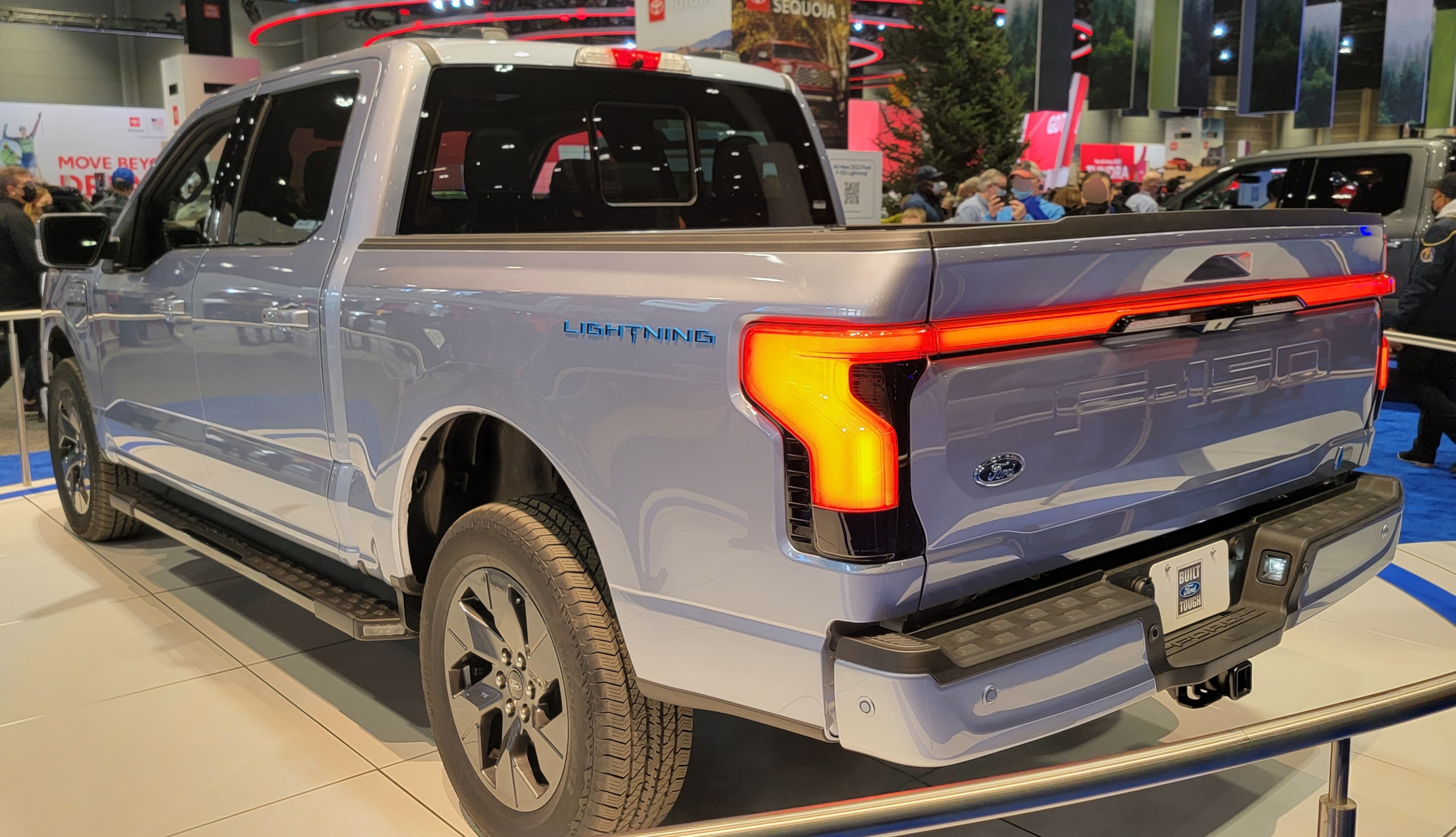
Ford F150
"Mike my perfect example is my sister needed help buying a new f-150, right?... What was on the lot red white and silver cars and what are people mostly buying red white and especially silver cars?"
They’re talking about a Ford F-150 truck they saw on a dealer lot. The takeaway is that people tend to buy certain colors more than others, and dealers stock those colors heavily.
The host uses a Ford F-150 shopping example to explain how color availability affects what people buy. They note that the truck was offered in multiple silver shades, and buyer demand often clusters around familiar, popular colors.
predictable and the same
"I think our recent history is showing that people love the thing that's Predictable and the same although Arguably way different so colors is one way you can do it"
They’re saying people tend to like cars that are predictable—cars that look and are configured in a familiar way. That can make it easier for buyers to want them, which can affect resale value.
The phrase “predictable and the same” is describing a market preference for consistent, repeatable configurations rather than highly individualized custom builds. In collector-car pricing, that can translate to stronger demand for cars that match recognizable “specs” buyers already understand.
day two builds
"Everybody was customizing engines. You know, there'd be day two builds on cars and stuff like that"
“Day two builds” just means you buy the car first, then modify it later. People do it to make the car more personal, but collectors may care a lot about whether changes keep the car looking original.
“Day two builds” refers to modifying a car after it’s already been purchased or delivered—often as a second phase of ownership. In collector-car culture, it’s a way to personalize the car, but it can also affect originality and value depending on how the modifications are done.
day one build
"I think the day to build is actually now a day one build and People are doing it when they order."
“Day one build” means you get the car the way you want right from the factory. That can be better for resale because it’s more “correct” than doing big changes after you buy it.
“Day one build” describes ordering a car from the factory with the desired look and options, rather than waiting to modify it later. For collector values, this matters because factory-correct configurations can be more desirable than later, owner-made changes.
signal orange
"We're gonna get them in we're gonna get them in signal orange or we'll get them in McLaren orange or we'll get them in"
“Signal orange” is just a bright, noticeable paint color. The idea is that unusual factory colors can make a car easier to market and more desirable to the right buyers.
“Signal orange” is a specific, recognizable paint color used to make a vehicle stand out. In collector terms, distinctive factory colors can create a clearer buyer “target” and potentially improve demand versus more generic shades.
McLaren orange
"We're gonna get them in we're gonna get them in signal orange or we'll get them in McLaren orange or we'll get them in"
“McLaren orange” is a famous-looking orange color. The host is using it to make the point that standout, recognizable colors can help a vehicle feel more special.
“McLaren orange” refers to the orange color associated with McLaren’s branding, used here as an example of a very identifiable shade. The collector-car takeaway is that colors with strong visual identity can be easier for buyers to recognize and value.
Irish green
"You know something very definable color Irish green. We'll get we'll get 10 Irish green f-150s"
“Irish green” is a particular green paint color. The point is that if lots of cars are ordered with the same distinctive color and interior, buyers know exactly what they’re getting.
“Irish green” is another specific paint color mentioned as a way to create a clearly defined, repeatable configuration. In value discussions, the emphasis is on predictable, desirable factory combinations rather than one-off custom colors.
tartan interiors
"So we'll put tartan interiors in them. We'll be ahead of the market. What do you think?"
“Tartan interiors” are plaid-pattern seats or trim. The idea is that a distinctive interior can make a car more desirable and help it stand out when buyers shop.
“Tartan interiors” means interior upholstery with a tartan/plaid pattern. This is a customization lever that can make a car feel more “special” and easier to sell, especially when it’s done consistently as a factory or dealer-delivered configuration.
guard red
"I agree. I mentioned that to somebody and they said, oh, let's get guard red. I'm like, that's just another red"
“Guard red” is a specific red paint color. The host is saying that if it’s just another common red, it won’t stand out as much to buyers.
“Guard red” is a well-known red paint color name used by some automakers, referenced here as an example of a less interesting choice. The host’s argument is that some colors are so common they don’t create differentiation in the collector market.
Millennials
"You know the Millennials are stepping up and a little bit of Generation X is as well or a little bit more than a little bit right now"
They’re saying younger buyers are becoming more important in the collector car world. When that happens, the kinds of cars people want—and the prices—can shift.
Millennials are being described as a growing force in the collector car market. The idea is that as different age groups gain buying power, the cars they prefer (and the prices they’ll pay) can change.
Generation X
"You know the Millennials are stepping up and a little bit of Generation X is as well or a little bit more than a little bit right now"
They’re also talking about Gen X buyers joining the collector car market. Different age groups tend to buy different kinds of cars, which can affect prices.
Generation X is mentioned as another demographic stepping into collector car buying. This matters because different generations often have different tastes, budgets, and nostalgia triggers, which can influence market direction.
boomers
"So you know, I think that our generation my generation. I'm firmly in the boomers. We did a little bit of delayed gratification"
The speaker identifies themselves as a “boomer” and contrasts their approach to buying with younger buyers. In collector car markets, generational behavior can affect timing (when people buy), risk tolerance, and what they consider “worth it.”
motor Miami
"I think I was at motor Miami and we were talking about the next generation and stuff"
They’re referencing another car event in Miami where they talked about younger buyers. It’s included to show these ideas are coming up in multiple places.
“Motor Miami” is mentioned alongside Pebble Beach as another event where the speaker discussed the next generation of collectors. Event-driven conversations can be a useful indicator of shifting tastes and demand.
cars and coffee effect
"Everyone now is busy including all generations and so the cars and coffee effect has had just this Tremendous type of you know big change"
“Cars and coffee” is a style of car meet where people gather casually, usually for a couple hours, and then go home. It changed the hobby by making it feel less like a big commitment and more like a fun hangout.
The “cars and coffee” effect refers to how casual, short-duration meetups changed collector-car culture. Instead of long, planned events, people show up, spend a couple hours, and leave—making the hobby feel more accessible and social.
coolness factor
"I think that once a lot of the people who are buying the 2005 and the 2020 Ferrari or the 2015 Ferrari and stuff like that once they realize that maybe That's the coolness factor for them now"
“Coolness factor” means people buy cars because they think they look awesome or fit their vibe. When enough buyers feel that way, it can push prices up even if the car isn’t the most “important” historically.
“Coolness factor” is the idea that some collector-car purchases are driven more by personal taste and cultural appeal than by traditional metrics like rarity or investment logic. In value discussions, that can matter because demand follows emotion and identity as much as it follows fundamentals.
collector market
"Keep in mind. I've been saying this for years. We're creating new collector cars every day ... That's kind of building into that collector market."
A “collector market” is where people buy cars not just to drive, but because they think the car will be special or valuable later. When more companies and buyers get involved, the prices and what people want can change.
The “collector market” is the segment of the automotive world where buyers pay premiums for limited-production, desirable, or historically significant cars. As more manufacturers and buyers participate, supply and demand shift—often changing which eras and models hold value best.
Porsche
"even the even the manufacturers are building cars for collectors Porsche the first among them, you know ... He custom-spec a GT3 touring like a 2014"
Porsche is being used as an example of a brand that makes special cars for collectors. Instead of only selling normal versions, they create limited editions and unique options that collectors want.
Porsche is referenced as a major example of how automakers are actively building cars for collectors. The discussion highlights Porsche’s limited-run, special-spec approach—using small production numbers and unique finishes to attract buyers.
special color
"Let's do a series of 48 of them and the special color and cut it off at 48 worldwide"
A “special color” is a unique paint or finish that isn’t available on every car. Collectors often like these because they make the car stand out and can be rarer.
“Special color” refers to limited or unique paint/finish offerings used to differentiate collector cars. In collector circles, distinctive colors and finishes can increase desirability because they’re harder to find and often tied to small production runs.
limited production (cut it off at 48 worldwide)
"Let's do a series of 48 of them and the special color and cut it off at 48 worldwide"
That phrase means only 48 cars are being made worldwide. When something is rare like that, collectors often want it more, which can help keep its value higher.
“Cut it off at 48 worldwide” describes a limited-production strategy—only a small number of cars are made globally. Limited numbers can support collector value by constraining supply, especially when the cars also have desirable specs or unique colors.

Porsche GT3 Touring
"I actually know a guy. He's a Porsche collector ... He's just really getting into it and what's interesting is he custom-spec a GT3 touring like a 2014"
They’re talking about a special Porsche GT3 Touring, built around a 2014. It’s basically a high-performance Porsche that’s meant to feel a bit more “everyday friendly,” which collectors often pay extra for—especially when it’s customized.
The speaker describes a custom-spec Porsche GT3 Touring based on a 2014. The GT3 Touring concept is about combining the GT3’s performance with a more usable, comfort-oriented touring package, and it’s especially attractive to collectors when paired with unique options and limited finishes.
custom-spec
"He's just really getting into it and what's interesting is he custom-spec a GT3 touring like a 2014"
“Custom-spec” means the buyer configured the car with special options. For collectors, that can make the car more interesting or valuable, but it has to be the kind of customization other people will also want.
“Custom-spec” means ordering a car with tailored options—like specific wheels, trim, or finishes—rather than choosing a standard configuration. In the collector world, custom specs can create a more unique and sometimes more valuable car, but they also depend on whether the requested details are desirable to future buyers.
feasibility study
"and they had never done that before and they said but if you want to pay for the feasibility study and"
A feasibility study is basically a “can we actually do this?” check. Before a company agrees to make a custom color or finish, they test whether it’s possible and worth the effort.
A “feasibility study” here means Porsche’s special-operations team would evaluate whether a requested custom finish (and related trim changes) is practical to produce. It’s a gatekeeping step that determines whether a one-off or low-volume customization can be engineered and manufactured.
customizable cars in the 1970s
"Some of these things don't don't You know, don't pass the test of time if I think about some of the cars that were you'll fully customizable in the 70s There's still a car Avocado green with avocado green with avocado green, you know, the vinyl roof the paint on the"
They’re saying that in the 1970s, people could customize cars a lot—colors and interior details. The risk is that what looks cool now might not be what future collectors want.
The hosts are talking about how some 1970s cars were heavily customizable—paint, interior, and trim choices that made them stand out. The key idea is that extreme personalization can age poorly in the collector market, even if it was popular at the time.
vinyl roof
"There's still a car Avocado green with avocado green with avocado green, you know, the vinyl roof the paint on the Yeah, and Shag carpet, you know, you're making a statement, but it's not exactly the same as the Bachman cars, right?"
A vinyl roof is a fake “top” made of vinyl that’s attached to the outside of the car. Some collectors like the look, but if it’s old or poorly maintained, it can hurt the car’s value.
A vinyl roof is an exterior covering (often on older cars) that mimics the look of a convertible top or adds a distinct style. In collector circles, vinyl roofs can be a plus for authenticity on certain models, but they can also be a deal-breaker if the car is modified or the roof is deteriorating.
Shag carpet
"Yeah, and Shag carpet, you know, you're making a statement, but it's not exactly the same as the Bachman cars, right? So I would I would be a little cautious with that and if I was in the position to do that"
Shag carpet refers to a long-pile, high-texture interior carpet style that was popular in certain eras. As a collector consideration, it’s a strong visual statement—some buyers love the period-correct vibe, while others see it as dated or hard to restore.
buy a car because you love it (not just for collector value)
"So I would I would be a little cautious with that and if I was in the position to do that I'd do it maybe exactly like your guy did with you know, some subtlety Involved in it, but you know, don't ever buy a car because it's gonna be worthwhile as a collector buy a car because you love it Buy a car that you think might be you know by something you did to it Including taking really good care of it keeping all the records all that sort of stuff make it into a collector car"
They’re saying don’t buy a car only hoping it will be worth more later. Buy something you actually like, take care of it, and keep good records—because collector value isn’t guaranteed.
The hosts emphasize a collector-market reality: you can’t guarantee a car will become valuable just because you modify it. The best strategy is to buy what you genuinely enjoy, while still maintaining it well and keeping documentation, because collector demand is unpredictable.
keeping all the records
"Buy a car that you think might be you know by something you did to it Including taking really good care of it keeping all the records all that sort of stuff make it into a collector car But there's always you're always"
“Keeping all the records” means maintaining documentation like service history, receipts, and provenance. For collector cars, records can materially affect buyer confidence and resale value because they help verify condition, maintenance, and authenticity.
unpredictable damage risk (the "sewer top" example)
"But there's always you're always You know, you're always working against that sewer top that came loose on the car in front of you that goes right into the hood Of the car and destroys it so you can't you know put all those eggs in one basket, I guess"
They’re using a funny example to make a serious point: accidents and random stuff can happen and damage your car. Even if you do everything right, you can’t control everything.
The “sewer top that came loose” is a metaphor for random, uncontrollable events that can ruin a car regardless of how carefully you plan. It reinforces the idea that collector investment outcomes aren’t fully in your control—risk management matters.
Transportation value
"[1282.7s] the overall thing that that everybody has to keep in mind is is that you know in the end [1291.6s] The transportation value means a lot when you buy the car new if you need to have it to use it"
It’s basically the idea that a car isn’t only an investment. If you can actually use and enjoy it, that “value” matters too, especially with collector cars.
“Transportation value” is the idea that a car’s usefulness—how it fits your life and how you actually use it—matters alongside pure investment value. For collector cars, that means buying something you can enjoy now, not just something you hope will appreciate later.

Ferrari Enzo
"[1311.0s] Yeah, yeah, so let's talk about a couple cars here. Let's talk about the Enzo for a second [1316.3s] So I don't want you to tell me what's going to happen tomorrow, but [1319.6s] Do you so let's review that, you know, we had the Bachman all-in was like 18 million, which was a crazy number"
The Ferrari Enzo is one of the most famous modern Ferraris, and it’s highly collectible. Here they’re talking about how auction prices can vary a lot depending on the exact car and details like color.
The Ferrari Enzo is a flagship supercar that’s become a benchmark for modern collector value. In this segment, the discussion uses Enzo auction results and color desirability to illustrate how specific examples can swing in price.
Outlier auction price
"[1319.6s] Do you so let's review that, you know, we had the Bachman all-in was like 18 million, which was a crazy number [1325.6s] Right. I think I think total outlier. Let's face it. Let's face it total. Yeah, but you had the orange one"
They’re saying one auction price was unusually high compared to what you’d normally expect. That kind of result may not reflect the usual market value.
The host calls a specific auction result “a total outlier,” meaning it doesn’t represent the typical market price for that model. In collector-car valuation, outliers can be caused by unusual provenance, timing, or buyer competition, so they’re often discounted when forecasting trends.
Color desirability (least desirable color)
"[1343.9s] RM had the one at 10 the red one, which is the least desirable color ironically for that model of fur [1350.1s] Well, most most of them were red. That's the reason why so [1354.6s] Well, yeah, I mean we've noted all of that, but I will say I mean, you know, I'm gonna temper it a little bit because"
With collectible cars, the exact color can matter a lot. Some colors are more popular with buyers, and the less popular ones can sell for less.
The segment highlights that collector-car values can be strongly affected by paint color and how the market perceives it. Even within the same model, a “least desirable” color can reduce demand and price compared with more popular hues.
Unicorn sales
"[1370.5s] Unicorn sales. They're not gonna happen again"
A “unicorn sale” is when a car sells for a super-surprising, record-level price. The point here is those rare spikes usually don’t happen again and again.
“Unicorn sales” refers to rare, unusually high auction results that stand out from typical pricing. The speaker is arguing those extreme spikes won’t repeat often, which matters when predicting future collector-car value trends.
rising tide
"But when you see a number of cars going up, you know that that's a rising tide"
It means when lots of collector cars are going up in price, the whole market often feels stronger. So even cars you’re not watching closely can still get a boost.
“Rising tide” is a market idea meaning that when many cars are increasing in value, the whole segment tends to benefit—even if a specific model isn’t the direct focus. It suggests broader sentiment and liquidity can lift prices across multiple collectibles.

Ferrari FXX
"How's that gonna affect the FXX? That's what I want to know and it hasn't really made a knock on it"
RM Sotheby's
"what's interesting is RM Sotheby's has one coming up for sale the end of April"
RM Sotheby’s is an auction company that sells expensive collector cars. When they have a sale coming up, the results can affect what people think similar cars are worth.
RM Sotheby’s is a major auction house that specializes heavily in high-end collector cars and other luxury assets. Mentioning an RM Sotheby’s upcoming sale frames the discussion around how auction results can influence collector-car pricing.
estimated now this is in euros 4.9 to 5.3 million
"The estimated now this is in euros 4.9 to 5.3 million, which seems extremely low"
An auction estimate is basically the predicted price range for what the car might sell for. Here, the host thinks the range is too low given how rare and well-specified the car is.
Auction “estimates” (often given as a range) are the seller’s and auction house’s expected selling price band, not a guaranteed outcome. The speaker is challenging the low estimate by pointing to the car’s rarity and spec, which is a common way collectors evaluate whether a lot is under- or over-valued.
number four condition
"But again, we're seeing more and more of the cars in number four condition going down [1494.3s] That doesn't mean they're all going down"
Collector cars are often rated by condition on a numbered scale. “Number four” usually means the car is usable and presentable, but not restored to a top, show-quality level. The point here is that fewer restorations are happening, so more cars end up in that mid-to-lower condition range.
“Number four condition” refers to a common collector-car grading scale (often associated with Hagerty) where cars are typically driver-quality but not restored to top show standards. In this context, the host is saying more cars are slipping into lower grades because fewer people are restoring them right now.
restoration shops are all full
"It means that there's a lot of them there are because no one wants to restore a car right now [1500.8s] Just it's you know, number one the restoration shops are all full, you know with all very few exceptions number two"
This highlights a supply-and-demand issue in the restoration ecosystem: if restoration shops are booked solid, turnaround times increase and fewer owners can complete projects. That can delay restorations and contribute to more cars remaining in lower condition grades.
quoting times
"They're you know, they're a lot of more quoting times. Yeah, we'll look at your car in a couple years [1512.9s] You know that sort of thing the costs have gone through the roof"
This is about how long it takes to get a price and get on the schedule. If it takes forever to get an estimate, fewer people start restoration projects.
“Quoting times” refers to how long it takes for restoration shops to provide estimates and get work scheduled. Longer quoting and scheduling delays can discourage owners from starting projects, which affects how many cars get upgraded from mid-condition to restored condition.
tariffs
"I don't know if you've bought anything that had tariffs on it [1518.9s] I bought three timex watches from from japan..."
Tariffs are extra taxes on imported products. If car parts or supplies are imported, tariffs can make them cost a lot more, which raises restoration costs.
Tariffs are taxes imposed on imported goods, which can raise the cost of parts used in restorations. The host’s example illustrates how tariffs can double the effective price of items, and by extension can make collector-car restoration more expensive.
labor costs going up
"So a lot of times the value of the three cars going down and that's that's not on european [1597.7s] And asian cars. It's also on american cars. Um, because the prices of everything is going up including the price of labor"
Even if parts didn’t change, paying mechanics and restoration shops more can make the whole project more expensive. That can reduce how many cars get fully restored.
The segment connects value pressure to rising labor costs, meaning restoration work costs more even if parts prices were stable. Higher labor costs can reduce the number of restorations completed and keep more cars in lower condition tiers.
hammer
"What do you think the hammer would be on that car? I'm gonna guess [1627.8s] See that's a tough one because you got the rare color"
The “hammer” price is the final price the car sells for at auction. It’s the number you’d use to compare against the estimate.
In auctions, the “hammer” price is the final bid amount when the auctioneer completes the sale. It’s often discussed alongside estimates to gauge whether the market is bidding above or below expected value.
rare color
"See that's a tough one because you got the rare color [1631.1s] You know a red one in arizona sold for all in like 10 million"
Color matters a lot for collector cars. A rare color can make the car more desirable and push the price higher, but it doesn’t always mean the value will keep rising forever.
“Rare color” is a major driver of collector-car value because it affects desirability, originality, and how well a car stands out in photos and at shows. The hosts connect rare color to higher auction outcomes, but also question whether those gains are sustainable.

Duesenberg Model J
"Let's pick out two older cars that are iconic. Let's let's pull out a duzenberg [1691.1s] You know, it doesn't have to be an sj. Just, you know model j"
The Duesenberg Model J is a legendary old American car. People collect it because it’s historically important and very desirable, so it often keeps value better than less-famous cars.
The Duesenberg Model J is one of the most famous American luxury-performance cars ever built, known for its prestige and engineering. In collector markets, it’s treated as an “iconic” car—meaning demand can stay strong even when prices fluctuate.
market shifts
"How do those play in today? [1702.4s] Because of the market shifts. I know they're iconic. I think there'll be a place for them forever"
“Market shifts” just means the collector-car market changes over time—who wants what, and how much people are willing to pay. Even famous cars can go up and down before settling.
“Market shifts” in collector cars refers to changes in buyer preferences, liquidity, and macro conditions that affect auction results and resale values. The hosts use iconic models to illustrate how values can soften and then firm up again as the market rebalances.
blue chip
"But have you seen anything in like cars like that where they're iconic their blue chip? [1712.2s] They hold on their value. They go soft"
“Blue chip” cars are the collector favorites that people always want. They usually sell more easily and don’t drop as hard as weird or less-famous cars.
In collector-car talk, “blue chip” refers to vehicles that are widely recognized as high-status, liquid, and relatively resilient in value. The idea is similar to stocks: these cars tend to hold value better than more niche or trend-driven models.

Mercedes-Benz 300 SLS
"I mean, there's a lot of sales of 300 sls right now mostly roasters is what we saw in the the last book I had... But it's a stronger market now than it was even a year ago for the 300 sls"
Mercedes-Benz 300 SLS is a famous old Mercedes that collectors really want. The hosts are talking about how much people are paying for similar cars recently, and they say the market is doing better than last year.
The Mercedes-Benz 300 SLS is a highly collectible vintage Mercedes-Benz sports car, and the hosts are discussing how its collector-car market is performing. They reference “comps” (comparable sales) and note that the 300 SLS market is stronger than it was a year earlier.
roasters
"there's a lot of sales of 300 sls right now mostly roasters is what we saw... than the gold wing market"
In collector-car talk, “roasters” typically means open-top cars (roadsters/convertibles). The hosts are comparing how the open-top versions of certain models are selling versus other body styles.
comps
"Had about I'm gonna say 20 comps And of the 20 comps that I was looking at 19 of them were roasters"
“Comps” means comparing recent sales of similar cars. It helps estimate what a car is actually worth based on what buyers recently paid.
“Comps” are comparable sales used to estimate a car’s market value. Instead of relying on asking prices, collectors look at recent transactions for similar cars in similar condition.

Honda Gold Wing
"the roaster market is much more vibrant right now than the Than the gold wing market... it's a million two for the roaster and a million for the gold wing"
Honda Gold Wing is being used as a comparison point for collector demand and pricing, but it’s a motorcycle (not an automobile). The hosts are contrasting the value movement between the Gold Wing and the Mercedes-Benz 300 SLS “roaster” market.

Duesenberg
"But it's a stronger market now than it was even a year ago for the 300 sls now the duisenberg market. It stays vibrant... duisenberg uniquely an american, you know supercar"
Duesenberg is a famous American car brand known for high-end, collectible classics. The hosts say people are still actively buying them, and that Americans tend to value them more than Europeans.
Duesenberg refers to the classic American luxury/performance cars made by Duesenberg, and the hosts say the Duesenberg market remains vibrant. They also discuss how Duesenberg’s appeal is especially strong in the United States compared with Europe.
worldwide market
"Uh, and much more understood in the united states. So it doesn't have a worldwide market like the uh, I mean there is some 1824.4s Market but not much like the gold wing and the roaster that has an absolute worldwide market"
A “worldwide market” means lots of buyers around the world want the same car. When that happens, it can help prices stay stronger because there are more people competing to buy the best examples.
A “worldwide market” describes collector demand that spans multiple regions and countries, which can support liquidity and pricing power. The segment contrasts cars with broad global appeal versus niche models that may be valued more heavily in certain markets (like the U.S. versus Europe or Japan).
number one condition
"I'm looking at number one condition before tomorrow's update at 28 million dollars 1905.3s That actually surprised me a little bit"
“Number one condition” means the car is in the very best shape—like the top-quality, show-level example. In collector markets, the best cars can sell for way more than typical ones.
“Number one condition” is collector shorthand for top-tier, concours-level condition—often meaning the car is exceptionally preserved or restored and presents at the highest standard. Value discussions frequently hinge on this because the best examples can trade at dramatically higher prices than average cars.

McLaren F1
"I mean, you're right. Everybody says the mclaren f1 is the gto of the next generation... But everybody now wants the low miles original one"
The McLaren F1 is a famous, very rare supercar. The big reason collectors pay so much is condition—especially cars that are original and have very low miles, not ones that have been heavily changed.
The McLaren F1 is a legendary supercar known for its rarity and high collector demand. In this segment, the hosts discuss how value is tied to originality and low mileage—specifically the “true” cars that haven’t been modified and have been restored correctly.

Pontiac GTO
"Everybody says the mclaren f1 is the gto of the next generation... when we have a gto, it's about the race car drivers... which races it entered and which races it won"
The Pontiac GTO is being used as a reference point for what makes a car become a top collector target. The idea is that the McLaren F1 could become that kind of “must-have” car, and the same value drivers apply—history and originality.
The Pontiac GTO is used here as a benchmark for how a future icon can become the “next generation” of a collector favorite. The speaker compares the McLaren F1’s collector trajectory to the GTO’s historic status, then shifts into how GTO values depend on provenance, racing history, and condition.
low miles original cars
"Everybody now wants the low miles original one... Super low miles super original ones that haven't been kind of screwed around with in some way"
Collectors usually want the best-preserved versions of a car. Even if many cars get restored, the highest prices tend to go to the ones with very few miles and that stayed close to how they left the factory.
Collector-car value often concentrates in the most “original” examples—cars with very low mileage and minimal prior modifications. This segment highlights how even when more cars are restored, the market still prefers the rare subset that remains both low-mile and unaltered.
restored vs low-mile original
"There will be more right and more and more people will accept the fact that their mclaren has been restored... But everybody now wants the low miles original one"
Restoration can preserve a car’s appearance and function, but it doesn’t always replicate the market value of an untouched, low-mile original. Here, the speaker notes that more McLarens will be restored over time, yet the highest demand remains for the few that stayed “true” and unmodified.
replacement motor
"It was right hand drive. It was not in an attractive color... It did have a replacement motor from what I remember"
A replacement motor means the car’s engine isn’t the original one. Collectors usually prefer original parts, so an engine swap can make the car worth less than a similar car with its original engine.
A “replacement motor” means the engine has been swapped out from the original. In collector markets, that can reduce value because originality and matching components are often major parts of what buyers pay for.
provenance and racing history
"It's about um, um, you know which races not only the race car drivers, but which races it entered and which races it won"
Collectors care a lot about a car’s story. If it has a documented racing background—where it raced and what it won—that history can make it worth much more than a similar-looking car without that pedigree.
For many collector cars, value isn’t just about condition—it’s also about provenance and documented racing participation and results. This segment emphasizes that the “entire history” of a race car, including which events it entered and won, can materially change its desirability.
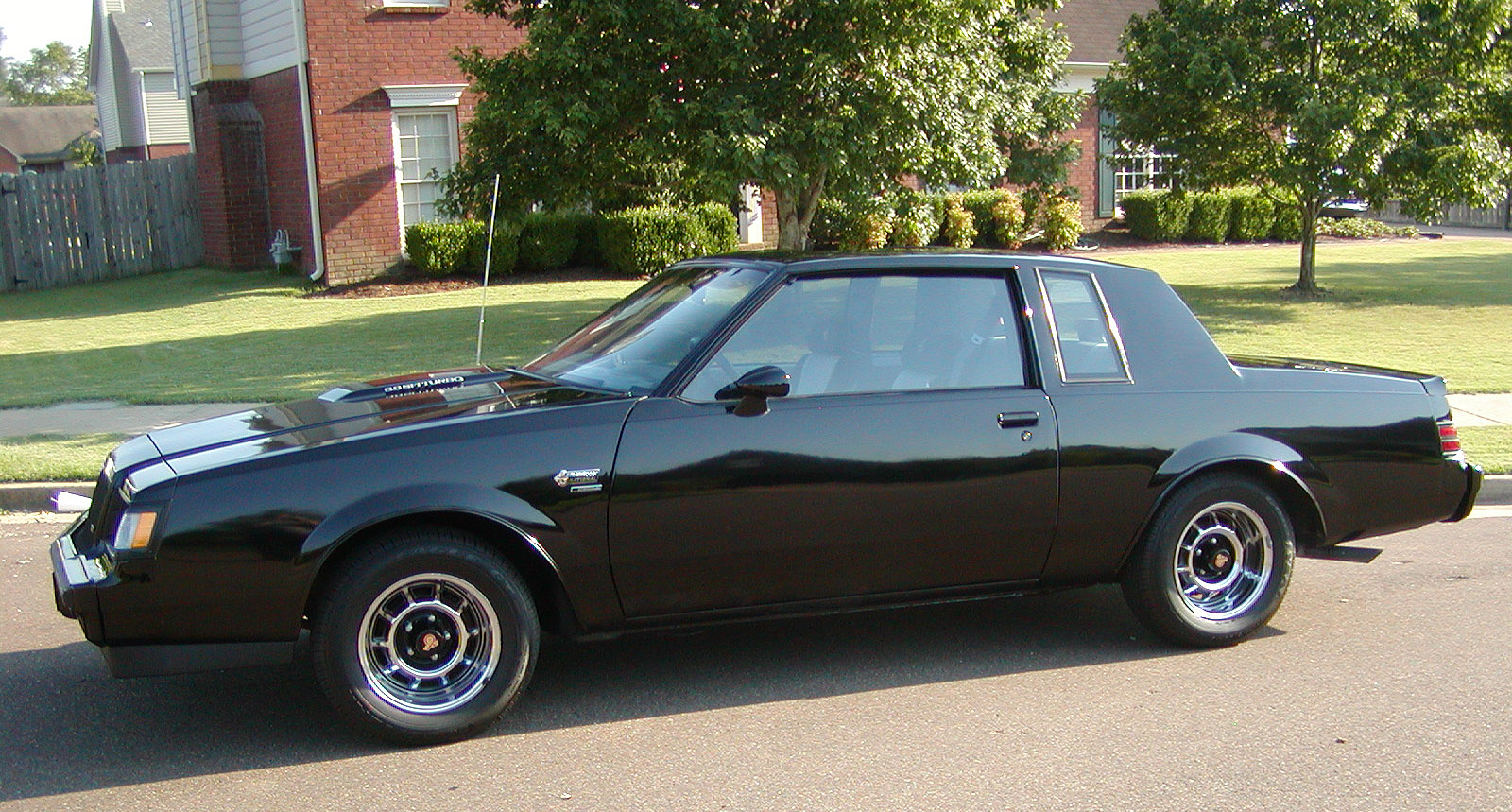
Buick Grand
"Yeah, yeah for sure... interesting car the uh, buick grand national"
The Buick Grand National is a famous muscle car from America’s performance era. The host is saying it was one of the cars that kept the muscle-car spotlight alive for a while, which helps explain why collectors still care.
The Buick Grand National is a well-known American muscle-era performance car, and the host frames it as a vehicle that “held the muscle car torch” for years. In collector terms, that cultural and performance legacy can support strong demand even when compared to other muscle-car icons.
generational shift in collector interest
"And it's been appreciated for a long time, but I just feel like as we Mostly by older guys, you know that you know, I think the next generation is slowly discovering it"
The idea is that younger people are starting to like cars that older collectors have loved for years. When that happens, the market can start valuing those cars more.
The host suggests collector demand is shifting as younger buyers discover cars that were previously popular mainly with older enthusiasts. This kind of generational shift can change which models appreciate fastest because it expands the buyer pool.
Chevrolet Grand National
"I think you can just ask uh, kendrick lemar and his uh, not as grand national but as gnax and you know, that that is the Tape of visibility that a car you know being in the that you know that one of the featured stars of a super bowl is a pretty big deal"
The Chevrolet Grand National is a famous turbo performance car from the 1980s. The host is using it as an example of a car that stayed popular for a long time and then started attracting new fans.
The Chevrolet Grand National is a late-1970s/early-1980s turbocharged performance car that became a cultural icon. In this segment, it’s referenced as the “torch-holder” for a long time, and the host connects its popularity to later interest in similar cars.

Buick Regal
"...asic car and I from what understand the car was a regal that he had painted as a as a"
The Buick Regal is a mid-size car made by Buick. People may talk about it because certain cars have special paint or personal history from an owner. In this episode, it’s being mentioned as a Regal that was painted a particular way.
The Buick Regal is a mid-size car from Buick that has been produced across many generations. It’s often mentioned in collector stories because individual examples can have personal history—like a Regal that someone had painted or customized. In the podcast context, it sounds like the car is being tied to a specific owner’s story and appearance.

GMC Typhoon
"One of the ones that uh, this kind of surprising is I think the typhoon should be doing right A little bit of the two gmc's the cyclone and the typhoon."
The GMC Typhoon was a small SUV that surprised people with how fast it was. The discussion is about whether collectors are valuing it enough today.
The GMC Typhoon is a compact, turbocharged performance SUV from the 1980s known for being unusually quick for its size. The host argues it should be doing better in the collector market, and compares its performance era to other famous cars.
GMC Cyclone
"One of the ones that uh, this kind of surprising is I think the typhoon should be doing right A little bit of the two gmc's the cyclone and the typhoon."
The GMC Cyclone is another 1980s fast SUV from GMC, built to be more performance-focused than a typical family vehicle. The point here is that collectors may be overlooking it.
The GMC Cyclone is the Typhoon’s sibling—also a compact, high-performance turbocharged SUV from the 1980s. The host groups them together as underappreciated collector cars and notes they were faster than a well-known benchmark sports car at launch.

Ferrari 308
"They're compact size. So they're kind of a little bit of an outlier, but what they were faster than a 308 Ferrari at the time they came out"
The Ferrari 308 is a famous classic sports car. The host is saying the GMC Typhoon/Cyclone were surprisingly quick compared to it when they came out.
The Ferrari 308 is a classic Italian sports car used here as a performance benchmark for the era. The host’s point is that the GMC Typhoon/Cyclone were reportedly quicker than a Ferrari 308 when they debuted, which helps explain why these SUVs are historically interesting to collectors.
JDM
"Sean Morris who runs top rank imports one of the biggest imports of jdm cars ... He got into the jdm business"
JDM means Japanese cars made for the Japanese market. Collectors like them because they can be rare and sometimes have different features than what you’d find in the U.S.
JDM stands for “Japanese Domestic Market,” meaning cars built and sold for Japan (often with different specifications than U.S.-market versions). Collector interest in JDM cars can be driven by rarity, unique engineering, and the way certain models become “gateway” cars that shape long-term tastes and value.
Top Rank Imports
"Sean Morris who runs top rank imports one of the biggest imports of jdm cars"
Top Rank Imports is referenced as a company that imports large numbers of JDM cars into the U.S. In collector-car value discussions, importers like this can influence availability, pricing, and which models become popular with enthusiasts.
collector "imprinting" on a single model
"I mean we all I think not all of us but a lot of us imprint on one single model of car ... that's kind of our baseline"
The idea here is that many car people get “hooked” by one car when they’re young. That first big obsession tends to stick, and it influences what they buy and value later.
The hosts describe “imprinting” as the idea that many enthusiasts form their earliest car preferences around one standout model. That early emotional attachment becomes a baseline, shaping what they later chase, which can indirectly affect collector demand and market values.

Volkswagen GTI
"...those people included [2295.5s] You know vw with the with the gti late 70s early 80s all that sort of stuff"
The Volkswagen GTI is a sportier version of the Golf. It’s famous for being a “hot hatch,” meaning a small car that’s still practical but drives like a performance car.
The Volkswagen GTI is a performance-focused version of the Golf, known for blending everyday usability with sporty handling and strong engine tuning. In the late 1970s/early 1980s, the GTI helped popularize the idea of “hot hatches,” where smaller cars deliver big driving fun.
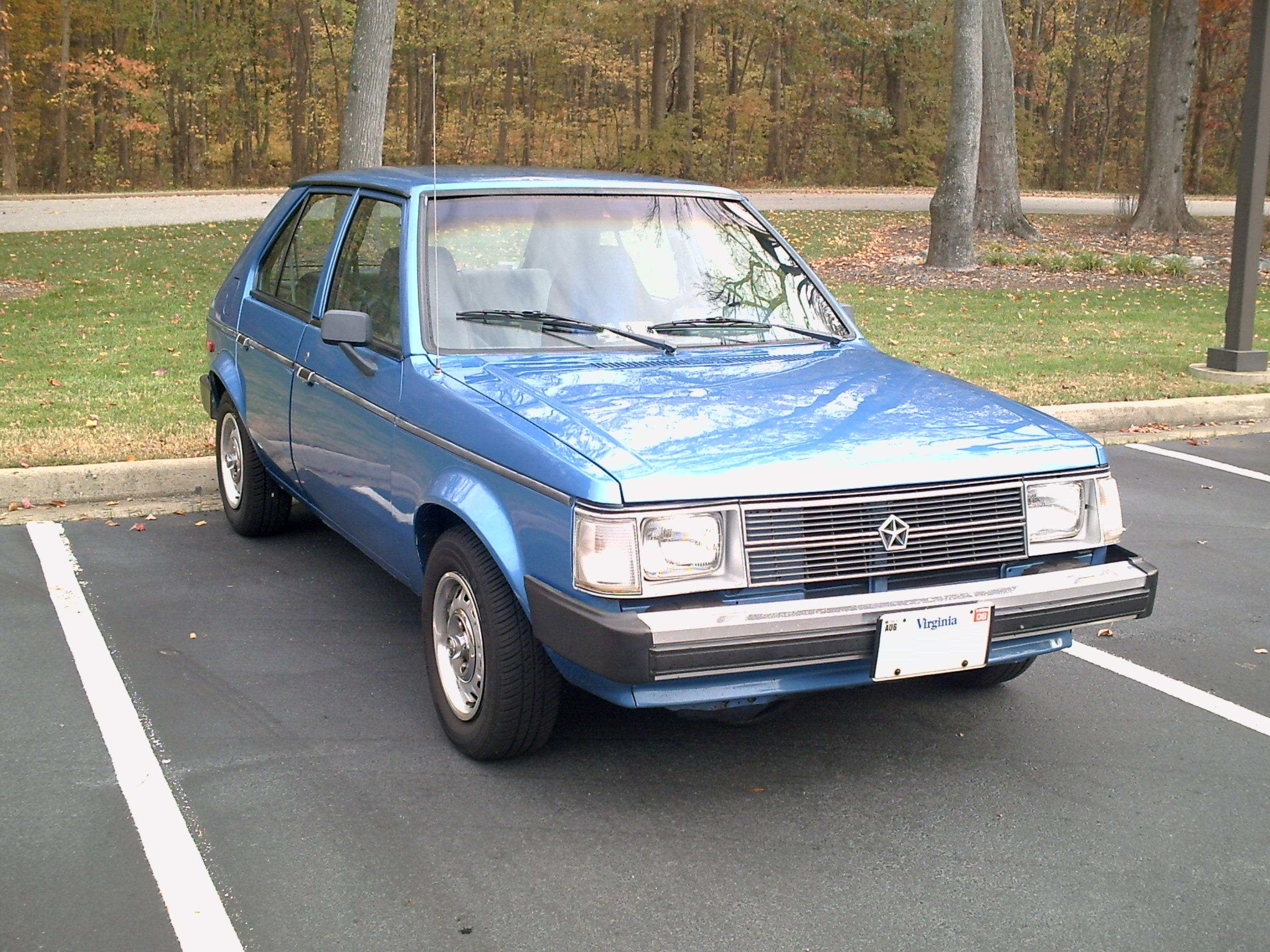
Dodge Omni
"[2331.9s] Some of the interest. I mean, you know, who doesn't love a an omni an omni [2337.0s] You know, uh glh, you know, that's what it feels like hell. Yeah, exactly"
The Dodge Omni GLH is a sporty version of the Dodge Omni. It’s remembered as a fun, limited-edition kind of 1980s performance car.
The Dodge Omni GLH is a performance variant of the Omni, built to deliver enthusiast-level performance in a small, affordable package. It’s especially notable in collector circles because it’s a limited, characterful 1980s hot-hatch-style car.

Mitsubishi Starion
"[2379.9s] You know, of course a lot of the cars the dodge cars were also badged as mitzuz as well. So we have the starion and the [2386.1s] You know the dodge and uh, you know version of it and everything else was I don't remember what that was a starion was good looking"
The Mitsubishi Starion is a 1980s Japanese sports coupe, and it’s known for being turbocharged. People like it because it’s a fun, enthusiast-oriented car from that era.
The Mitsubishi Starion is a 1980s Japanese turbocharged coupe that became popular with enthusiasts for its performance potential and rally-inspired reputation. In the transcript, it’s mentioned as part of the broader “JDM” and 1980s collector-car conversation.
Badge engineering (rebadging)
"[2379.9s] You know, of course a lot of the cars the dodge cars were also badged as mitzuz as well. So we have the starion and the [2386.1s] You know the dodge and uh, you know version of it and everything else was I don't remember what that was a starion was good looking"
Badge engineering means one car is sold by different brands with different badges. So collectors may find the “same” car wearing a different name.
Badge engineering is when two brands sell closely related cars that are essentially the same platform, but with different badges and sometimes minor styling or trim changes. The host points out that some Dodge models were also sold under Mitsubishi branding, which is a common reason collectors see “twin” cars across brands.
Request an Explanation
Heard something you'd like explained? We'll add it to this episode.
Sign in to request explanations for terms you heard.
Want to learn more?
Browse our glossary for plain-English explanations of automotive terms, jargon, and concepts.
Help improve this episode
See something that's not quite right? Our annotations are AI-generated and can sometimes miss the mark. Click the flag icon on any annotation to suggest a correction.
1 community members have helped improve this episode.