Suicide doors are doors that open like they’re hinged at the back instead of the front. They’re a flashy design feature you’ll mostly see on special cars.
The A-pillar is the structural post at the front of the car, right next to the windshield. It helps hold up the car’s roof and also shapes how the front window area looks.
Tesla is mentioned as an example of the kind of “techy” car buyer the host thinks Ferrari is trying to reach. It’s less about the specific car and more about the audience vibe.
The Ferrari Dino is a famous older Ferrari-era sports car from the late 1960s and early 1970s. Even though it says “Ferrari” in some ways, people often think of it as its own distinct “Dino” model line. The point here is that the name “Dino” might have made it easier for enthusiasts to accept.
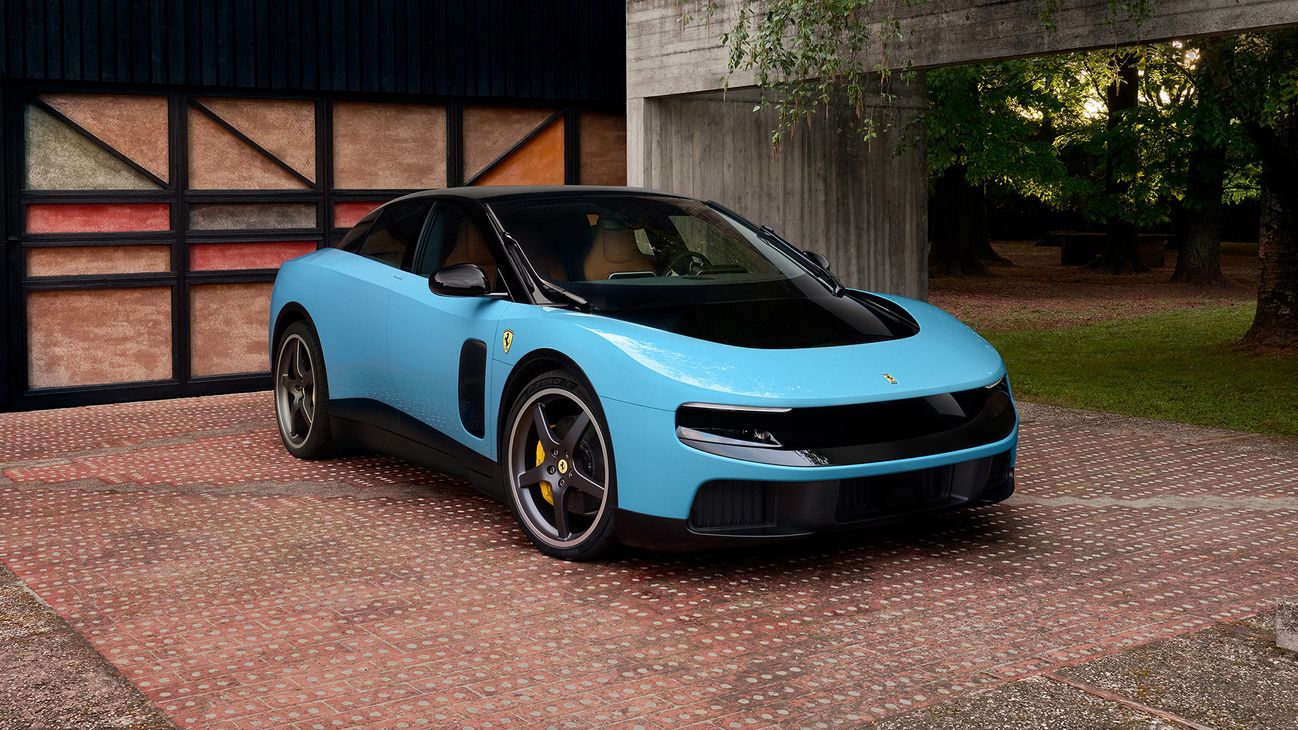
The Ferrari Luce is a Ferrari car that the podcast talks about as a special model. The host suggests it’s interesting to see in person, meaning it may look different or stand out more when you’re there. It’s mentioned as part of the episode’s car highlights.
In car collecting, stewardship means taking good care of a car so it stays valuable and in good shape over time. It’s not just about driving it—it’s about planning, keeping records, and making smart choices. The idea is to pass it on properly to the next person.
Ferrari Club of America is a community for people who own and love Ferraris. Here it’s mentioned because the podcast is talking about how collectors plan and protect their cars. It’s more about the enthusiast group than the car itself.
Paris style wealth is a company mentioned as a sponsor. They’re talking about helping collectors plan financially and take care of what they own. It’s not about car mechanics—more about protecting collector assets.
A “full-on restoration” is basically rebuilding the car in a big way, not just doing small repairs. It takes a lot of time and skilled work, so if there aren’t enough experts, it can take years to get done.
It means there are obstacles that make it hard for new people to start learning restoration. If it’s too hard or too expensive to get training, fewer people join the hobby and the shops get backed up.
RPM Foundation is a group that helps fund training for people who want to learn restoring and preserving cars. The idea is that more training opportunities can help solve the “not enough skilled workers” problem at shops.
McPherson College is a school that teaches people how to restore and preserve cars. The host is saying it’s one of the best-known programs for that kind of training.
Restoration and preservation are ways to care for older cars. Restoration usually brings the car back to an earlier condition, while preservation means keeping it closer to how it originally was.
Collision repair is what shops do to fix a car after an accident. It’s different from classic-car restoration, which is about maintaining or returning older cars to their original condition.
An apprenticeship is hands-on training where you work in a real shop and learn from experienced people. Here, it’s meant to teach classic-car restoration skills directly in the workplace.
An “endangered skills” program is designed to preserve crafts that are at risk of disappearing because fewer people are trained in them. Here, it’s tied to specialized restoration and preservation work for older vehicles.
Brazing is a way to join metal parts by heating them and using a special filler metal that melts and flows into the seam. When it cools, it hardens and holds the parts together.
A brass radiator is an older radiator made mostly from brass. Brass was common on early cars, and it can be repaired by joining the metal again instead of replacing the whole unit.
Some older cars used cork on the steering wheel for a grippy, comfortable feel. Restoring that kind of detail is tricky because you want it to look and feel right, not just be “close enough.”
Knowledge transition means making sure expert know-how doesn’t disappear when the expert retires or passes away. It includes both the skill and the background information needed to do it correctly.
Upholstery is the work of redoing the inside materials—like seat fabric or leather. Classic car shops need skilled upholsterers because the details have to be right.
The AC Cobra is a famous old sports car. People restore them carefully, and that includes getting the seat covers and upholstery to match the original look and fit.
Seat covers are the fabric or leather pieces that go on top of the seats. When you restore a classic car, the goal is to make them look and fit like the original.
“Amelia” is a major classic-car show where people bring collectible cars and awards are handed out. In this segment, they’re talking about a new award introduced there.
Precision Motor Cars is referenced as the organization associated with Keith Flickinger and the mentoring work at the NB Center. In this context, it’s being presented as a hands-on shop/training environment tied to classic-car restoration.
The NB Center is a place where people learn how to restore classic cars. The speaker says apprentices get to work on real cars and learn from very experienced people.
Brand
Nicole Bulgari's private collection
They mention Nicole Bulgari’s private car collection. The idea is that her cars are used so apprentices can practice restoration at a very high level.
The Great Race is a big multi-day road rally where teams drive a long distance—around 2,000 miles. It’s set up like a timed challenge with different start and end cities each year.
A time-speed-distance rally is a driving challenge where you’re expected to hit the right timing by keeping the right speed over the route. It’s more about staying on schedule than trying to beat other cars.
They’re navigating using paper directions instead of a screen or GPS. The driver and navigator have to follow the instructions carefully to stay on the right route and timing.
“501(c)(3)” is a U.S. nonprofit status. The event is saying schools or nonprofits with that status can qualify for help to join.
Car
oldsmobile tornado
This is an Oldsmobile from the 1970s that they used for the rally. Even though it’s a big luxury coupe, it was still a good choice for the event’s rules and navigation challenges.
A rally car is built for rally events where you follow a route and timing, not just race on a track. Here they’re saying their car worked well for that kind of competition.
Car
1951 mercury coop
This is a classic car from Mercury, which is a brand related to Ford. “Coupe” just means a two-door body style, and the 1951 model is from the early 1950s—an era many collectors love for its look and history.
Car
47 Ford convertible
This is a 1947 Ford with a convertible top. It’s a classic car from the late 1940s, and convertibles are popular because you can drive with the roof down.
This is a 1967 Pontiac Firebird, and it’s a convertible. The host is saying the car had major rust problems—so bad that the body was basically ruined—which is a common risk with older classic cars.
This is a 1968 Mercury Cougar, which is a classic car from the late 1960s. It’s the kind of model collectors like because it has a recognizable, stylish look from that time.
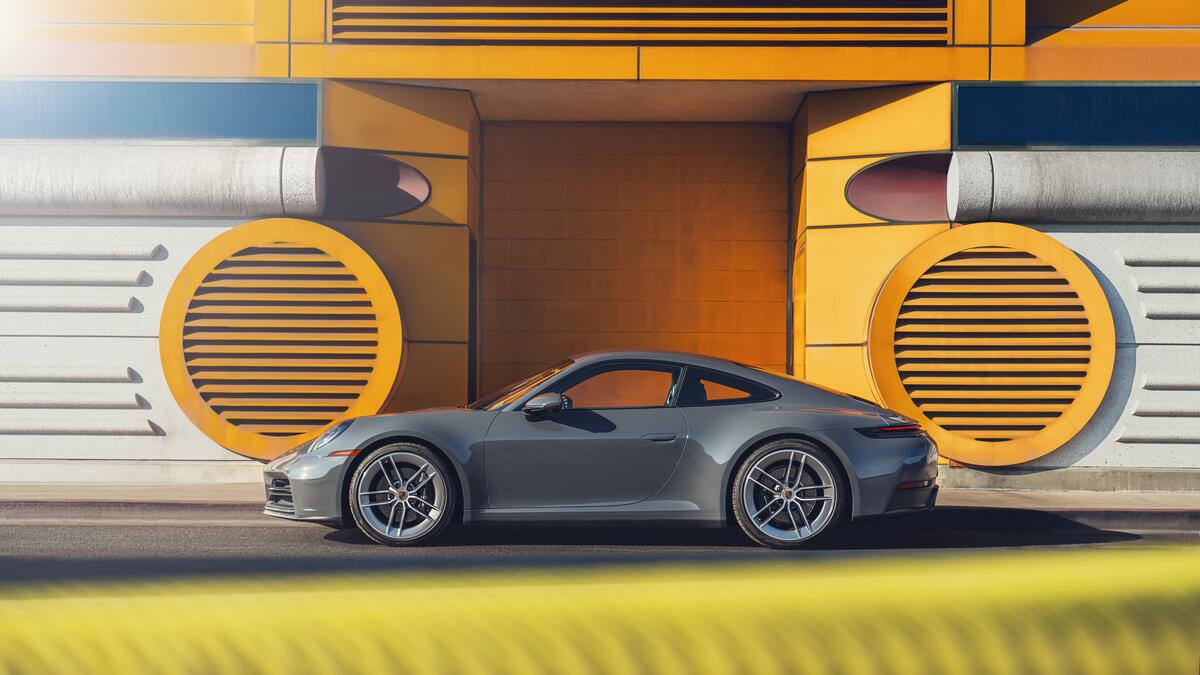
“996” is a nickname for a specific generation of the Porsche 911. People talk about it because it’s a recognizable 911 and it’s often the one enthusiasts start with.
The Ford Mustang is a popular American car that’s built for driving enjoyment. People talk about it a lot because there are many versions over the years, and it’s a common choice for collectors. The host mentions loving Mustangs as part of their car interests.
A “crusher” is basically a scrapyard that destroys cars so the metal can be reused. Saying “send it to the crusher” means you’re giving up on keeping the car.
“Porsche 930” is the name enthusiasts use for the older 911 Turbo. It’s a classic, turbocharged 911 that many collectors specifically want because of its look and reputation.
The Shelby GT 500 is a special, high-performance version of the Ford Mustang made by Shelby. It’s the kind of car people choose when they want loud, powerful American muscle.
The Nissan Skyline is a performance car from Japan. The podcast talks about the R32 version as the “Godzilla” one, meaning it’s the most well-known and celebrated. It’s brought up while discussing which cars people want most.
“Godzilla” is a nickname people use for the Nissan Skyline GT-R. It’s basically a way of saying it was so strong and scary-fast that it earned a monster reputation.
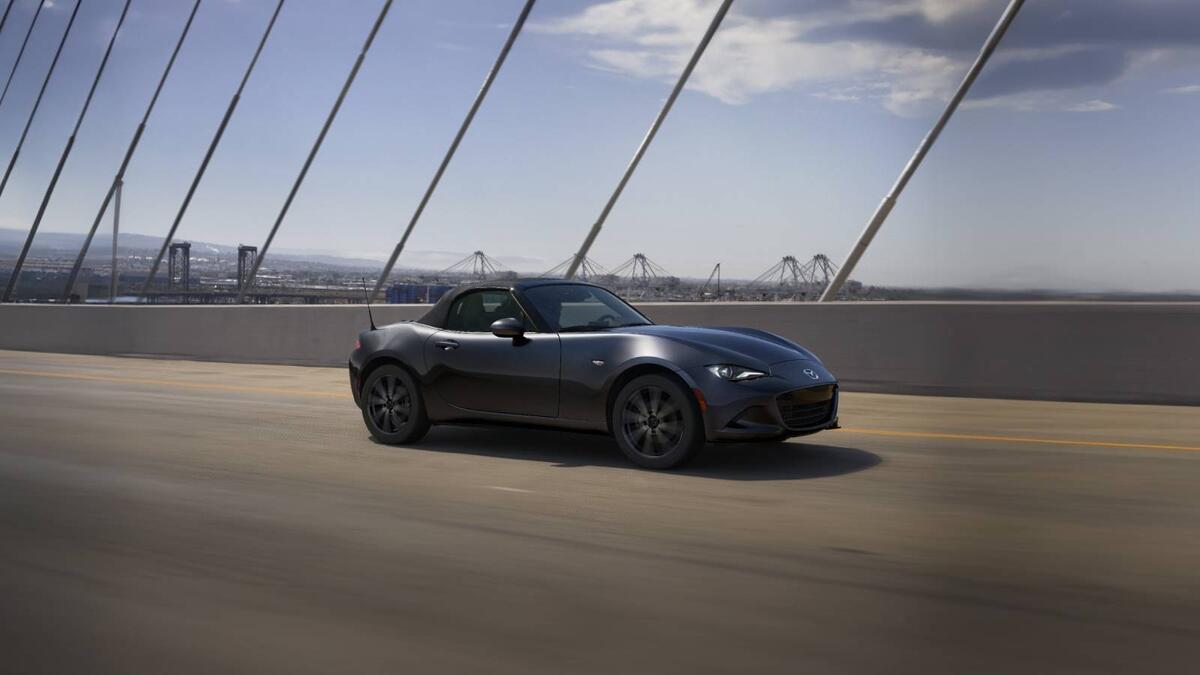
The Mazda MX-5 (Miata) is a small two-seat convertible made for enjoyable everyday driving. The first generation is especially well-known and often shown at car events. The podcast brings it up as something to get excited about at a show.
The GT500 is a high-performance version of the Ford Mustang. It’s the kind of Mustang people pick when they want more power and a more serious performance feel.
The Porsche 911 is a famous sports car model that’s been around for many years. The podcast mentions a 930 911 as a car people might pay a lot for. It’s used in the episode to compare which cars tend to be the most valuable.
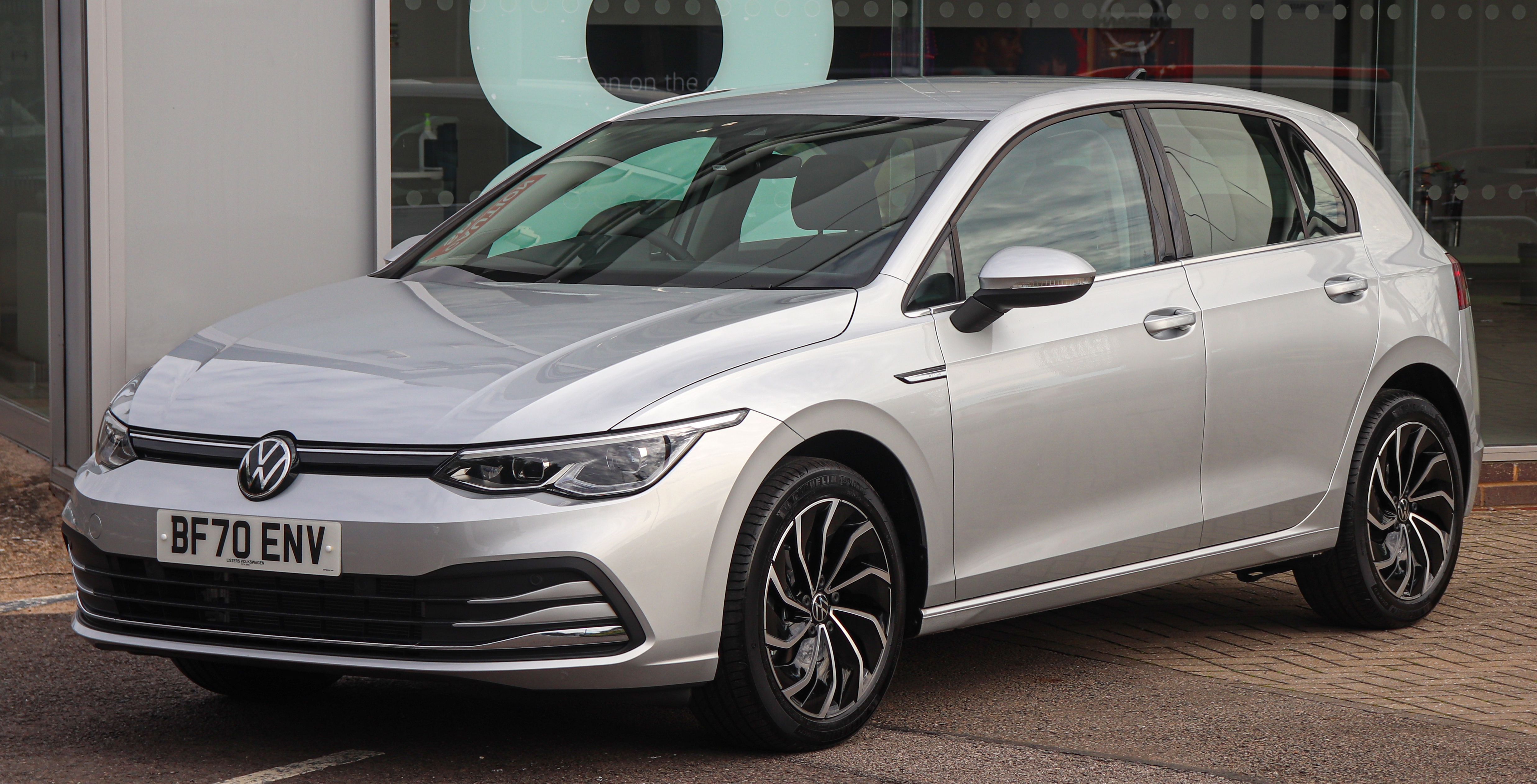
The R32 is a performance version of the Volkswagen Golf. It’s a small, sporty hatchback that’s known for having a turbo engine and good grip.
LIVE
Welcome to the collector car podcast before we get to my interview with Nick
I do have a few updates for you first off the big Ferrari luchae announcement came out and I purposely haven't said anything not that people
Care what I think about but I've had a few of you ask me my thoughts on the new luchae
So I'll put some pictures up here on it. I think the first thing I've watched a number of videos from not only
Automotive folks, but also from tech folks is that it comes
It turns out that this car was not made for auto enthusiasts and what do I mean by that?
Well, apparently for the folks that were invited to review it
The first tier level of folks to review it were tech people, which is the first time that's apparently happened
With Ferrari now the second tier would obviously be the automotive influencers
And what's interesting is it's apparently Ferrari said that they expect 80% of the buyers of this car
Do not currently have a Ferrari in the garage. So they're definitely not going after your traditional
Ferrari enthusiasts now what do I think about the looks? I just don't like it
You know, I have to be honest with you when I think of a Ferrari. I think of gorgeous raw dynamic
This thing is it's none of those honestly. I mean the suicide doors are kind of cool
But it just doesn't have any of the Ferrari language that one would hope for it's got a weird hood
Front-end that kind of slopes down the windshield wipers are on either side of the a-pillar
Just it's just not my cup of tea and so I don't know. We'll see what happens. It's it's definitely controversial
but if you
Approach it from them trying to cater to the you know the digital the techie crowd who love, you know
Tesla's and such
Maybe it will be a winner, but the bigger part of that is the fact that it's
$640,000 that is just absolutely nuts of a price tag. The interior looks nice, but not that nice
So we'll see what happens. It's truly interesting
I'll have a couple of links to some of the videos I watched in this description
Shmi did a really nice job Tim Burton. He actually gave me a nice quote for the book
He did a really nice job
Covering it and why it's not for him and it's wasn't built for car enthusiasts
He also brought up an interesting point that I was thinking of while I was watching his video
That it should not have been called a Ferrari
It should have been called something else in the one car that most of you know about that
It's not a Ferrari, but it is a Ferrari is the Dino from the late 60s early 70s
So, you know if they had branded it a Dino, you know, maybe it would be much better accepted
But again, you know, that was a lower price point car. This is definitely not that
All right, so that's it on the luce be interesting to see it in person to see if it looks any better
now beyond that if you have contributed to the
Enthusiast guide to collector cars and you have not yet received your complimentary book
Please hang tight. I keep selling out and I wanted to get paying customers first. Honestly, so I apologize for that
But I have a big shipment coming in and those will be out very shortly in the mail to you
Now if you have heard about this book and you don't want to go to my website and order it
You're more than welcome to order on Amazon. So we finally got it set up. It is a little bit more expensive
It's 3495, but you can get it in four to six days and I think that includes Prime shipping
if you buy directly from me, I will autograph it for you put whatever you want for me to put in it and
You'll save $5 or so. Anyways, check those out in the links as well in the description as well
And please support my sponsors and now let's get on to our conversation with Nick
If you're a collector you already understand stewardship preserving what matters planning ahead and passing things on the right way
That's exactly how Paris style wealth approaches financial planning as the Ferrari Club of America's official wealth management partner
They help avid collectors who value resilience and attention to detail and the founder John Suarez is active in the community
I've judged one of his cars before and I see him at events all over the country to learn more go to Paris style wealth comm
Paris style wealth advisory services offered through new edge advisors LLC a registered investment advisor
Every garage is a mirror of the mind that builds it
The garage becomes a quiet dialogue between who you are and what you craft a
Garage is where work becomes meditation and solace where mechanical truth becomes mental clarity
some people go to offices
some go to mountains others go to garages at
Metron garage we build for people who do all three give us a call to get started
If you own a collector car you already know it deserves more than a standard insurance policy
NCM insurance specializes in agreed value coverage designed specifically for classic collector and
Enthusiasts vehicles from weekend drivers to serious collectors
They understand how these cars are used stored and protected to learn more about protecting your collector car the right way visit
NCM insurance comm coverage built for the cars you care about
Every car in your garage tells a story where it's been how it's been maintained and what makes it truly yours
Carport gives you a simple digital garage to document organize and manage your vehicles all in one place
Track service history store important records and keep your collection dialed in with confidence from your daily driver to your dream car
Carport keeps everything in order so you're always ready for the road and best of all is free to use in his 100%
Private to learn more or go to carport app. All right. Well, welcome to the collector car podcast
I'd like to welcome Nick Ellis to the show Nick. How are you doing real good? Greg? Thanks for having me on
Yeah, no problem now. You're the executive director of the RPM foundation. Is that correct? That is correct
Now I am approaching this from someone who knows nothing of what you're doing because I've seen I know you do good work
I've seen the ads. I've seen you at shows. I've seen you in a cool car. We've spoken numerous times
So if you would you know tell my listeners, what does the RPM foundation do and
You know how they can get involved that they like to because I know it's a I know your goals are very cool
Well terrific yet, so the RPM foundation RPM stands for restoration preservation and mentorship
so we were created to
Combat the skilled trade shortage that's facing the vehicle restoration industry
And if you are a car owner and you've been you know hoping to get your car restored or
Even just have regular maintenance done on it
You've probably encountered this problem already that the shops are very lacking in skilled labor at the moment
So, you know some of these shops that do full-on restorations are 23 years backlogged of
cars projects that they're working on and
There's a lot of factors that go into why
You know, we don't have a lot of young people getting into this
But at the end of the day our role is to try and encourage more participation from the next generation
And to reduce the barriers to entry for young people who want to learn this craft
Yeah, you know, it's so funny to say that because I've come across that numerous times. So
Where I get my cars worked on it's a friend of mine, but I know his rates. It's so if it's a new
Regular car
Specializing European cars. It's one rate, you know, and if it's an old car and you want like
Pink job or you know something that has to do with an old car
It's a higher rate because they don't necessarily really want to do it half the time those cars take up more
Space, you know, they might take a bay up longer than they want it to, you know
So obviously as a business they need to make it worthwhile
Then they have limited people that could do that kind of work and the other thing that's interesting is I was out of presentation once and a
Local restoration shop was talking about, you know, hey, you know, we're doing great work, which they are and
If you come to me for you know me to work on your car, it's like
Three to five years, you know, like you said and you know, it's it's it's just a tough place to be for us who likes
Like older cars, you know, and so what is the RPM Foundation doing that helps bridge that gap?
So we have several different approaches now. We've previously been known as a grant-giving organization. We've given
Over the existence of RPM over 4000000 dollars to programs that teach vehicle restoration and preservation
I'm sure you're familiar with McPherson College
That's, you know, the premier gold standard four-year bachelor's degree in vehicle restoration and preservation
We've given over 800000 dollars in scholarship and programmatic funding to McPherson over the years
But the issue with that model in our observation has been that there's not enough
Students coming out of those post-secondary dedicated programs. You've got a lot of students that are going into
Automotive technology collision repair
That kind of a program but for true
Disciplined vehicle restoration and preservation. There's very very schools very very few schools that are teaching this properly. So
You know, all that grant funding goes to a very very narrow tip of the funnel
So our approach now is to focus more on direct workforce development
So we've actually built an apprenticeship program
So that students can go directly into the shops and learn from the masters of this craft
so our apprenticeship program we actually just
Acquired Department of Labor approval for the program. So we are
Authorized to operate in about half the US states. It's a
There are about half the states that are covered by office apprenticeship and then half the states are individual states
So we will be registering it in the remaining half of the states, but this will allow us to
Bring students and send them directly to the shops and they can actually earn a
Wage while they're working in the shops and while they're learning this very valuable skill. So that's really the
The centerpiece of what we do everything else we do kind of draws into that program
The other two main initiatives that we have
Are the endangered skills program and I know that you
Frequent a lot of car shows and you I'm sure had a lot of exposure to all different types of cars
Sooner or later you have this conversation
You'll be standing outside a pre-war
early car and
somebody will say, you know the
This particular function on this car that you know the cork on the steering wheel or brazing on the brass radiator
There's only three people left to know how to do this and what you hear at that point is when that person is gone
All that knowledge goes with them
So what we want to do with the endangered skills program. We just completed recording on three episodes
We connect
One of the apprentices in our program with a master of that disappearing skill that that particular task that is in danger of disappearing
And we record the process of the master teaching the apprentice
So not only do we have a new young person who knows how to do this
We've got the process of instruction saved so now we can teach that to the other apprentices in our program
And then really anybody else who wants to learn how to do this particular skill
Yeah, that's that's amazing and I wish I could think of the example
But I just came from the green bar at concor
And there was a car out there. I cannot I'm afraid I don't remember the exact example
But whatever the issue was there was one person right that fixed it, you know
And this obviously was a pre-war probably a brass air car something like that, but
If I can think of it, I'll bring it up later
But I was like, wow, okay, and it that's that's kind of like randy. I think it's ima the duisenberg expert
You know, it's like he has decades of knowledge
And we want him to be around forever, but nobody lasts forever, you know
Exactly, yeah
I know I know there's a couple restoration shops working with him to try to help that
Knowledge transition so that we don't lose not only the skills and expertise, but the
Information, you know the history, documentation
The the way these cars were made originally, you know versus just kind of doing the best you can down there
So that's amazing. So they're able to
Garner a wage
While learning these trades, right? Yes. Yeah, so that
Reduces the barriers to entry like I was talking about before. I mean, they're not everybody can afford the tuition that it takes to go to a post-secondary school and
This actually enables you to kind of start your life earlier
I mean, you're actually earning money while you're learning this so you can
You know move out and you know, we get a house or get married or continue on your life
And you're not on pause while you're going through
A tuition-based program like a lot of people are
Yeah, it's interesting because I visit a lot of restoration shops. I really love
Going to restoration shops, you know, and they have their body guy. They have their pink guy or gal and
You know, if you're good at whatever that specialty is
You're like totally invaluable. Like they want to keep you around forever, especially body work and paint. Obviously paint
Well, I keep on going upholstery
You know, your ears are number one
What's that?
upholstery is the number one every shop is
Desperate for upholsters. So if you're out there in a young person, you're listening to this right now and you're thinking about getting into this
consider upholstery
It's it's absolutely the most in demand segment of this industry right now
Yeah, I was just talking to a friend of mine who's getting a ac cobra restored and he has a real ac cobra that's unrestored
And he needs to get the seat covers
upholstered
He sent in the seat covers and then to make sure they got it absolutely factored correct
He sent in the seat from the unrestored car
Really and they've done it three times and they can't get it right
And he is set up with him right now
I had a the chance to visit someone. I'm afraid I don't remember his name offhand, but he's up in vermont
Not far from scott sergeant's bugatti place
And I asked if I could drop by to see his shop. He's like, well, it's in my garage, but sure and he's been
for
40 years 45 years or so and he had a
Sewing machine from the 30s or 40s
And it was a big industrial sewing machine and he said that thing would sew through two by four is how strong it is
Yeah, there is a part of I have the right tools to the job as well, right
Exactly. Yeah, and I mean there you do some really cool stuff with upholstery
I mean, especially once you get into, you know, the custom interiors and things like that there's
It's it's really I think a very overlooked segment of the industry
Absolutely. Yeah. Yeah. And now where are we in the process? You said that this is rolling out
Um, and you have so many how many states did you say that?
So for the endangered skills program, we have three episodes that are completed and those are in editing right now
The apprenticeship program we just recently got got department of labor approval
So we had about 12 apprentices in the pilot version of the program
Now we're going to be moving those over into the department of labor
Version of this program
And now that uh, it's do well approved
We can scale the program at a much higher level than we could before previously
RPM was coming in with a supplement to the apprentice pay
That would help them with their costs during the apprenticeship
So we would have the shop hire them at a lower wage and then rpm would come in with a supplement
Under the new model the shops pay them a higher wage and they're actually then eligible for
workforce innovation and opportunity act funding as a
reimbursement of a portion
Of the apprentice's wage. So it's a better situation for the shops
It's a better situation for the apprentices and it'll allow us because we don't now we now don't have the burden of the
Paying the stipends for all these different apprentices. It allows us to scale the program up to a higher level
Nice. Okay. Yeah now
I do want to get into your passion for cars here a minute
But before I do say there's a potential student listening to this podcast and they
Would love to be a welder. I'd love to be a painter
Whatever that job function may be what would be their first step and what does that path look like?
Yeah, so the first thing would be just to go to the website rpm dot foundation
there's a section on there for the apprenticeship program and you can fill out a
inquiry form to
Let us know that you're interested in this as a career and then we'll
Look to see if there's a host shop within your vicinity that we can connect you with and and see if we can
Make the connection for you to be hired on by the host shop as an apprentice
But before that we would work with the candidate on
Things like resume and interview skills. We'd review background and skills
You know, we want to make sure that
The shop is a good fit for the apprentice and the apprentice is a good fit for the shop
One of the things that I commonly say about the young people who are
Interested in this is they're they're like this little ember that we want to make sure we nurture and do a flame
And we don't want to send somebody somewhere where
That that ember is going to be stamped out. We want to make sure that it's a nurturing positive environment for the apprentice
So we'll talk with the apprentice
We'll find out what their personal goals are what their background is and their level of knowledge
And then we'll work with them on where the best location is for them
Okay, that makes sense. And how many students have gone through this or
Is it like can you take a hundred? Can you take 35 or?
Well, our goal is to reach 80 apprentices by the end of five years
Right now we just received it literally was just a couple months ago that we got department of labor approval
So we're still in the process of moving apprentices over from the pilot program into the new program
Once that transition is done
Then we'll start recruiting more host shops and placing more apprentices and it'll be a gradual
Process where I think we should be at about 80 apprentices by the end of five years
Wow, okay. That's great. And to put that in perspective and I'm sorry to interrupt put that into perspective if you look at the entire
national post-secondary output
Schools that teach this at
At the post high school level. There's about a hundred students coming out of those programs every year
So if we can rival
The entire post-secondary output output by the end of five years
I'd be very proud of us. Yeah. Yeah, I would say so. Yeah
And obviously that is somewhat dependent on the location of the closest restoration shop. Yes. Yeah
Um
So it's it's just as much about recruiting quality shops as it is
Recruiting able apprentices. That's actually my next question. So how many shops have signed up and how do you go about recruiting them?
I mean, I see you had a ton of car shows obviously. Well, so, you know, you you've probably noticed
I've been with the rpm foundation for eight years. I feel like
in the last couple years
This national conversation about apprenticeship is really starting to pick up steam
You're seeing a lot more kind of um skepticism of the typical four-year college pathway for everybody
And more of an emphasis on the trades than I've certainly seen in my lifetime
so
Whereas when we first started talking about this there was um resistance from the shops that are there, you know
This is a big commitment to take on an apprentice. It cuts into your day. You're talking about somebody who is
Two years out in their workload and now we're going to add the aspect of training
To that workload. So this is a commitment on the time on the side of the shops
And there's some skepticism around that
But what's been helpful is that national conversation is really starting to turn a lot more people are
considering it it's becoming a lot more part of the
um the norm to look at things and think about things in terms of apprenticeship
And so now we're getting a lot of interest from the shops in taking on an apprentice. So right now it's kind of the the
The goal is to vet those shops and make sure that it's a good environment for the apprentice and be selective about where we're placing
Yeah, and I I can see the pros and cons for the shop. I mean, obviously
Uh, you gotta train someone. So that's a big part of it. But so much of that is hands on, you know
Yes, started simple
And then once they master that then go to the next level or whatever
So I would imagine a lot of shops would be very interesting, especially the more
I don't want to say high profile, but the more prolific shops
Yeah, that are probably always looking for help and I know
You know in that industry it seems like turnover is somewhat consistent. So trying to find somebody to
Really get them ingrained early seems like a win-win for everybody. Yeah, you get the from the shop perspective
I think it's attractive to train somebody to the level of work that you're doing in that shop. You then you're you're then
uh assured of
The methods that they're using that those are on par with what you want to see in your shop
So I think that's an attractive thing to a shop. Yeah, okay. No, that's great
Now I'll have all the links to this in the description of this podcast
Is there anything else you wanted to mention about the arpian foundation before I ask you some personal car questions?
Well, sure. So there's there's three kind of legs to what we do
We've got the apprenticeship program and I mentioned the endangered skills program
That third leg is, you know, where you and I have bumped into each other at the concours recently
our
Restores award is something that we present at the concours and this is another
Complementary program to the apprenticeship program. So when you go to a concours and you see these cars that are brought to the concours the
Winner of you know, the car that wins you have the owner come up and the owner gets the trophy and they
Absolutely deserve that because they're the ones who were responsible for that car
You know getting its restoration getting to the concours and and so on
But we don't talk enough in my opinion about the people who did the hands-on work
That made it possible for that car to win the award
So what we do with the restores award is we'll partner up with the concours
And we will ask the concours to reach out to their exhibitors and say do you want to nominate the person who restored your car?
And then out of those nominations we ask the exhibitors to consider
Whether or not that that restore
Has invested in the next generation have they taught an apprentice or is it a multi-generational shop where they're you know
They're always passing that on to people in the family. Is there an aspect of mentorship within the shop?
We'll look through the nominations and we'll look for evidence of that reach out to the restores that
You know kind of hit those benchmarks and we'll interview them and find out about you know
their their values and the
Level of quality that they have in the shop and how they've trained young people in their shop
And we present our award to somebody who's not only at a high level of technical skill
But also has invested in passing those skills on to the next generation
So we actually where I saw you at the amelia
We had just given the award for the first time at the amelia and we awarded it to keith flickinger
With precision motor cars in the nb center keith is a fabulous mentor of young people
he's had many different interns and apprentices through the nb center and
If you're not familiar with the nb center that I know you are but I to your audience. It's crazy what I wanted
Really encourage people to look into this because it's such a cool place
And they take these cars nicole bulgari's private collection
Of 300 kind of working class american cars and they give them these top
Level restorations which you know and under other circumstances you'd never be able to see these cars reach that kind of level of restoration
So it's an ideal location for an apprentice. They're going to learn at a very very high level
And they're going to work learn, you know from the absolute best in business
Now that's incredible. That's really great because I've seen you at a couple car shows and I think that's really key to to recognize that
You know to give some of that recognition that hasn't happened up to this point
Now I do have to ask I think the first time I talked to you is because I had to talk to you about your car at
Let's see. It was at hilton head
And I think you had a bad tail light or something and I tracked you down and I wanted to let you know
What was that? Was it the 76 tornado? Yes
So um
Among the activities that we take place in
We put a team in the great race every year
And if you're not familiar with the great race, this is a timespeed distance rally that goes about 2000 miles over the course of
10 days in the middle of the summer
Different start city different end city every year. This is one of the most incredible
car related events you can take place in you do it in a
1974 earlier car
And you navigate each day to this set of instructions completely analog
There's no gps. No anything that you know that will assist you you have to just go by the written directions
you've got a driver and a navigator and
The key is if you follow those directions correctly in terms of speed and direction and uh, and you know, which route you're supposed to take
You should be hitting a series of six checkpoints every day at the exact second that you're supposed to hit them
So it's like golf the lower your score the better
You know the the closer you are to that exact second. You're supposed to hit the checkpoint
So it's normally um a pretty expensive endeavor the uh, I think the entry fee is now
North of $7,000 per car to be a great race team, but they have a student division called the x cup
So if you've got student navigators and you're a 501c3 or a school
You can put together a great race team. They waived that entry fee and there's actually grant funding available to you to
To participate
So it's a great opportunity for young people to participate in an event that they normally really wouldn't have access to
We were fortunate enough to get donated in 1976 and they kind of uh,
waived the um the year rule for us for because 74
Right 75 and 76 exact same spec for the tornado
So we got a oldsmobile tornado that we
Ran last year in the race and it's this big crazy 70s luxury coupe
But that was just an absolutely great rally car for us and we actually finished second in the division last year
And hilton had island concor is one of the sponsors of our team
So they came out and they saw us at the end at the finish line
And um rick sable, who's the executive director of the concor at the end of at the finish line
He said hey, do you want to put this in the concor?
in november
Right, and I said are you sure if you see in the car? He says yeah, he says it'll be fun
So he actually
He's a great guy. He actually kept the car in his personal garage from the end of the race
Until november so that I didn't have to ship it back and forth
I don't have a budget for that
And he kept that car in his garage until the concor and we had the car out on the show field at the hilton that concor
To raise awareness about rpm and the um in the great race. Oh, that's awesome. That's a great story
Yeah, and real quick. What is your love of cars? Like what kind of stuff do you like? How how'd you get to rpm?
I'm all over the place. I I got the love of this from my dad. My dad was a huge car guy
He collected up until he got married and then you know went kind of the straight narrow route and had you know
We had minivans and station wagons
And then when my older brother and I were in college
He started collecting again
And he had a 1951 mercury coop and he had a 60 buick convertible and a 47 Ford convertible
And so I got that bug from him my first old car was a 67 firebird convertible that
I should not have bought it was a completely hollow from rust
I mean, you know when I took all the carpets out and you could see the pavement underneath that
But since then I've you know
Worked on motorcycles. I love to wrench on stuff myself. Um
I inherited when my father passed away that 47 Ford and 60 buick convertible and those are in my garage right now
um
Yeah, I I'm tough to nail down in terms of what kind of car I'm in because I what car kind of car
I'm into because I've got you know the
47 Ford 60 buick. I've got a 68 mercury cougar. I've just got a 99
portion 9 11 I heard you on the podcast
Talking about the 996
And you know with the friday headlights
I've got one of those that I just bought as a project. I'm all over the place
Yeah, no, you know, I
I love mustangs. I got a gto
But that was that was a found car that wasn't I wasn't looking for one
But it's been such a wonderful experience. Love Porsches. There's no doubt like I want to try everything, you know
That's a brass air car for a little while and yeah, you know
But my problem is I got to sell one or two cars here in order to make room for the next one or two cars
That's the not so fun part. The buying part's fantastic. It's the selling
Yeah, that I don't want to do
Absolutely. I'm right there with you. Well, I love your eclectic taste and that actually leaves me right to
A little game I like to play and I did not give you a heads up about this. So I did that
on purpose
This little game I I uh, I call keep cash and crush
I'm going to give you three cars. You have to pick one to keep forever when to cash in
And then unfortunately one to send to the crusher hypothetically to the crush. Okay
Here are your three cars. Are you ready? I am ready. Here are your cars. I'll ever be
A night is meant to be painful a 1987
Porsche
930 but
Uh, it's got 80,000 miles. Okay a 68
Shelby
GT 500
If you don't know, I'm sure you do but my audience that's kind of the least desirable not as
You know least desirable the big blocks. I guess is the best way. Okay, and then the first year
R32
Godzilla
Skyline
So we've got an 87 Porsche turbo with a lot of miles a 68 GT 500 and a
R32 let's say the R32
Let's call it 35,000 miles. Let's say the GT 500 is number two condition. You can take it to the local car show
Yeah, but it's not concord. So which one of those would you keep forever?
Which one would you cash in and which one would you send to the crusher?
Oh, so this is really painful for me because one of the things that I love to talk about in terms of the rpm foundation and how do we
How do we encourage the next generation to get interested in and what we're doing?
Because there's a lot of skepticism about you know young people not getting their driver's license and you know
What they're into versus what your
Your typical profile of a car collector is into you're seeing the you know the pre-war market kind of
Really becomes soft right now because those collectors are kind of fading away
So I always encourage people
Look if young people are getting interested in it
We should get excited about it too. If somebody comes to a car show and they've got their first generation miata
Maybe that's not your bag, but let's get excited about it so that young people feel like they're included in part of this
So that skyline is just legendary amongst that crowd
But unfortunately, that's the one I would probably crush
That's a good that's a good lead up. This is a really special deal
But i'm gonna crush it. It's an amazing car. That's an inspiration to an entire new generation and I would send that to the crusher
Only because
I a bucket absolute bucket list car for me to own and drive and enjoy would be a shelby Mustang
and I love
the 67 68 years of Mustangs in general so
You know that car not being super popular amongst the true enthusiasts is fine with me
I would drive that car and enjoy it, especially if it's conditioned to I prefer a car that
I don't mind getting in and
And driving around and then a 930 87 Porsche. I would just be terrified
To drive that car. So I imagine there's some folks that would want to buy it
So I probably would sell that one cash in on that one. All right, so you're gonna
Keep the GT 500 you're going to cash in the 930 Porsche and you're going to crush
The r32 as much as it breaks my heart to say that third one. Yeah, okay. Well, it's all hypothetical. So
All right
Hey, well nick is anything else you wanted to mention while on the collector car podcast
No, just that I appreciate you having me on if anybody is interested in finding out more about us
please visit us at rpm dot foundation and
If you go to the contact us and there's an info email
That literally comes directly to our mailbox or to my mailbox
So you'll you'll be right in touch with me if you want to reach out. Awesome. Well, thanks for joining us tonight
Greg, thanks so much for having me
You
About this episode
Ferrari’s new Luchae sparks debate over who it’s really for, with the hosts noting Ferrari expects “80% of the buyers” to be non-owners and reacting to the “$640,000” price. The conversation then pivots to RPM Foundation’s work: tackling restoration-shop backlogs, training skilled labor through McPherson College, and building an apprenticeship plus “endangered skills” program that pairs masters with apprentices and records the process. Along the way, they share rally formats, garage lessons, and a “keep cash and crush” game.
What happens when the next generation no longer knows how to restore, preserve, or even understand the cars we love?
This week on The Collector Car Podcast, I sit down with Nick Ellis of RPM Foundation to discuss one of the most important missions in the collector car world today: preserving the future of the hobby through education, apprenticeships, and hands on opportunities for young enthusiasts.
We talk about the growing skills gap in the restoration world, why preserving automotive craftsmanship matters, and how RPM Foundation is connecting students with collectors, museums, and restoration shops before this knowledge disappears forever.
If you care about the future of collector cars, concours preservation, vintage racing, restoration, or simply keeping automotive passion alive for the next generation, this is an episode you do not want to miss.
The Collector Car Podcast features expert interviews, great collections, and market insights. With 25+ years of experience, Greg helps enthusiasts navigate the collector car world with confidence.