
429: The Story Behind a 1944 KdF-Wagen Type 82e with Alexander Soultanis
About this episode
A 1944 KdF-Wagen Type 82e sits at the center of a deep-dive with Alexander Soultanis, framed by how early KdF wagons (1938–1944) were limited-run prototypes and test mules. Wartime damage and shifting priorities led to rebuilding with newer Beetle parts, while restoration demanded period-correct sourcing—down to a prototype hood, bolts, and even stub-axle details from original literature. The episode also covers blackout headlight covers, semaphore turn signals, and why judging categories don’t fit neatly.
What does it take to restore one of the rarest and most historically significant Volkswagens ever built?
In this episode of The Collector Car Podcast, Greg Stanley sits down with Alexander Soultanis to explore the remarkable story behind the restoration of a 1944 KdF-Wagen Type 82e—a fascinating vehicle that bridges the military Kübelwagen and the civilian Beetle during World War II.
Alexander shares the car's incredible history, the painstaking research required to authenticate its originality, the challenges of sourcing nearly impossible-to-find components, and the delicate balance between preservation and restoration. Along the way, you'll gain insight into the origins of what would eventually become one of the world's most recognizable automobiles and why surviving examples like this are so important to automotive history.
Whether you're a Volkswagen enthusiast, a restoration expert, or simply love uncovering the stories behind significant collector cars, this is an episode you won't want to miss.
In this episode:
- The history of the 1944 KdF-Wagen Type 82e
- How the Type 82e connects the Kübelwagen and the Volkswagen Beetle
- The research behind an authentic restoration
- Finding rare, period-correct components
- Preserving history while bringing a vehicle back to life
- Why these cars matter in today's collector car market
#CollectorCarPodcast #Volkswagen #KdFWagen #Type82e #VWBeetle #AutomotiveHistory #CarRestoration #ClassicCars #VintageVolkswagen #WWIIHistory #CollectorCars #AlexanderSoultanis #AutomotiveRestoration #HistoricVehicles #AirCooled
ABOUT
The Collector Car Podcast features expert interviews, great collections, and market insights.
With 25+ years of experience, Greg helps enthusiasts navigate the collector car world with confidence.
LISTEN
Apple: https://podcasts.apple.com/us/podcast/the-collector-car-podcast/id1460713022
Audible: https://www.audible.com/pd/The-Collector-Car-Podcast-Podcast/B08JJNDPB6
Amazon Music: https://music.amazon.com/podcasts/d2066df3-7acc-4c84-af8d-c76d29989ccb/the-collector-car-podcast
Pandora: https://www.pandora.com/podcast/the-collector-car-podcast/PC:26514
FOLLOW
Facebook: https://www.facebook.com/TheCollectorCarPodcast
Instagram: https://www.instagram.com/thecollectorcarpodcast/

Ford Model
"...mer order was placed and delivered. It was a 1903 Ford Model A. Now this is a little confusing it was confusin..."
The Ford Model A is an early Ford car that came after the Model T. The podcast mentions it while talking about early ordering and delivery timing, which can make the story feel confusing. It matters because it’s part of Ford’s early shift to a newer design.
The Ford Model A followed the Model T and represents the next major step in Ford’s early production era. In the podcast, it’s brought up in a timeline that can sound confusing because of how early orders and deliveries are discussed. It’s a significant collector car because it marks the transition to a new generation of Ford’s early mainstream design.
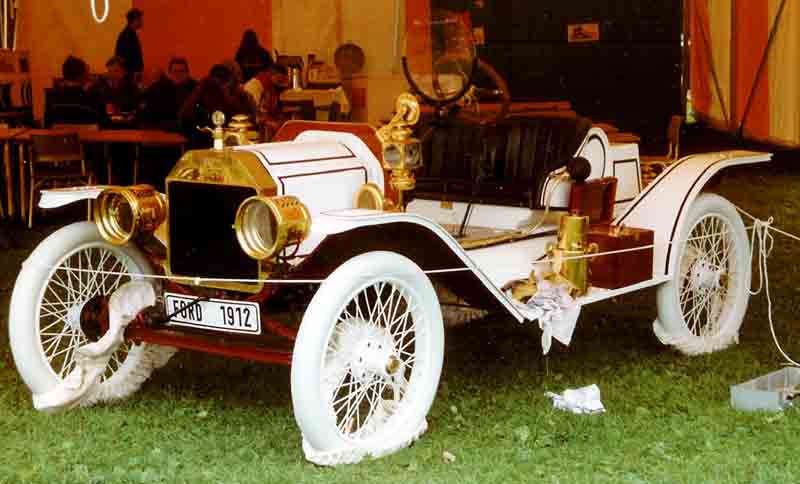
Ford Model T
"...g they built them and then they came out with the Model T in 1908 October the 1st of 1908 and then when the..."
The Ford Model T is an early car made by Ford that started being sold in 1908. The podcast is mentioning the date to place it in the timeline of Ford’s early cars. It’s important because it was one of the first cars that many people could afford.
The Ford Model T is an early mass-produced car that debuted in 1908 and helped popularize affordable personal transportation. The podcast specifically references its introduction date, tying it to the broader timeline of Ford’s early production. It’s discussed because it’s a foundational vehicle in automotive history and a major collector target.

Tesla So Model
"...el A it was named after that original 1903 model. So Model A, Model T and then back to Model A. So happy bir..."

Volkswagen Beetle
"... right the KDF wagons are very different from the Beetle like I said which was started later on these are ..."
The Volkswagen Beetle is a small car made by Volkswagen that became very popular. The podcast is pointing out that it was developed after earlier KDF “wagon” ideas. People talk about it a lot because it has a long history and lots of parts and information available.
The Volkswagen Beetle is a compact, air-cooled Volkswagen that became one of the most influential mass-produced cars in history. In the podcast context, it’s being contrasted with earlier KDF “wagon” concepts, highlighting that the Beetle’s design and production came later. It’s discussed because its parts, history, and evolution are central to many collector-car stories.
prototype cars
"these are basically all limited production prototype cars that's something that some people don't really understand"
A prototype car is an early version of a car that’s built to test ideas. The goal is to learn what works (and what doesn’t) before making the final production version.
Prototype cars are early vehicles built to test design choices before full production. In this segment, the host explains that the KDF wagons functioned as prototypes and test mules—so they could try different solutions and reduce the chance of production problems.
test mules
"they're doing test mules and they're figuring out what the production vehicle is going to be"
A test mule is a “practice” car used to test new parts and ideas on real roads. It helps engineers learn how the final car should be designed before production starts.
Test mules are prototype vehicles used to evaluate components, packaging, or systems under real-world conditions—often with parts that aren’t final. The speaker uses this to clarify that KDF-era cars weren’t just one-off showpieces; they were actively used to validate what the production car would become.
restoration process
"the restoration process if you were to look at this as a mass produced VW Beetle it would be a much more simple restoration process"
The restoration process is the work of bringing an old car back to how it originally was. This episode’s point is that rare prototype cars can take far longer than restoring a more common production model.
The restoration process is the step-by-step work required to return a car to its original condition, and it can vary dramatically based on how the vehicle was built and what parts exist. Here, the host contrasts a simple “mass-produced Beetle” restoration with a much longer, more complex restoration for the KDF wagon—taking decades due to rarity and differences in materials and sheet metal.
sheet metal
"just based on the material and the sheet metal but this was a 22 year process to restore it"
Sheet metal is the body’s outer metal panels. In a restoration, the shape and availability of those panels can make the job much easier or much harder.
Sheet metal refers to the thin metal panels that form a car’s body. In restoration work, sheet metal quality, availability, and how panels are shaped can strongly affect cost and difficulty—especially for rare cars where original panels may be hard to source or reproduce.
Krakow Poland
"so there was three prior owners to this originally this car was found in Krakow Poland full of bullet holes and shrapnel damage abandoned with the bad accident in the front"
The host says the car was found in Kraków, Poland. That kind of history helps explain why the car was damaged and why restoring it can require hunting down missing parts.
Kraków, Poland is where the speaker says this KdF-Wagen was originally found. The location matters because wartime damage and abandonment locations often explain why certain parts are missing and why later restorations require sourcing components from elsewhere.
period-correct parts
"after the war and got put to use so that did more changes to the car because they're beetles and as beetles came out newer parts were put on it to update it so now you got to find the original stuff that they were running out of when they were making these cars"
“Period-correct parts” means using parts that fit the car’s original time period. Restorers do this so the car looks and is assembled the way it would have been back then.
“Period-correct parts” are components that match what would have been used on the car during its original production era. In restorations, this often means tracking down early versions of parts (not just modern equivalents) so the car’s look, fitment, and details match the original configuration.
prototype hood
"we don't need a vw beetle hood we need a prototype hood one of a handful right right well in this case the hood was missing yeah the car was about six inches too short in the front from the damage"
A prototype hood is an early version of a car’s hood used before the final production design. The host is saying the early cars may need a specific hood shape or mounting points to match correctly.
A prototype hood is an early, pre-production body panel used for testing or initial builds, often with unique dimensions or mounting points. The speaker’s example shows why restorers may need a very specific early hood variant rather than a later production part.
NOS
"1950 hood that this is the I tried using as many 40s parts as I could and I'm a real stickler about nos it's kind of like a geek with that kind of stuff but we"
NOS stands for “new old stock,” meaning old parts that were made back then but never got used. Collectors like them because they can be closer to what the car originally had.
NOS means “New Old Stock”—parts that were produced earlier but never sold/used and are still in original packaging or condition. In restorations, NOS parts are prized because they can provide the correct period look and fitment when original components are missing or worn out.
blueprints
"I started a kdf registry and I have those on the a website and I have a library that's 20 foot long wall of all documentation all kinds of things studying this and blueprints on the walls and studying this subject for so long"
Blueprints are detailed drawings that show how something is built. For a rare car, they can help you rebuild missing parts accurately.
Blueprints are detailed engineering drawings that show dimensions, shapes, and construction details. For rare vehicles, blueprint-level documentation can help restorers reproduce missing parts and verify correct routing, mounting locations, and overall geometry.
chassis number
"and you know the weird part about it is nothing is really set in stone with these so it's not like if you look for this car you could say from this chassis number"
A chassis number is like a car’s unique ID number. The host is saying that for this car, the ID doesn’t always tell you everything about how it was originally built.
A chassis number is a unique vehicle identifier stamped on the car’s structure, used for identification and documentation. The speaker’s point is that for this kind of early, prototype/war-era car, you can’t always rely on the chassis number alone to determine exact original configuration.
catalac
"so it's not like if you look for this car you could say from this chassis number this catalac"
The host is talking about a reference document (like a catalog) that people might use to figure out what parts belong to a specific car. For this one, the host says you can’t just look it up and be done—you still have to confirm details.
“Catalac” appears to refer to a catalog or documentation reference used to match parts and specifications to a specific car. The speaker is emphasizing that the documentation isn’t perfectly deterministic for this vehicle, so restorers must verify details with photos, measurements, and surviving examples.
1944 KdF-Wagen Type 82e
"this model here is what they call a type 82e ... mistakenly called a kdf wagon beetle"
This is a specific German car from World War II-era planning and production. It’s important because it’s part of the same family of ideas that eventually became the Volkswagen Beetle, but it was shaped by wartime needs.
The 1944 KdF-Wagen Type 82e is a wartime German “people’s car” project that evolved from the KdF-Wagen concept into a military-leaning platform. It’s notable because it sits in the lineage that leads to the Volkswagen Beetle family, but with wartime changes to the body and purpose.
restored
"plus some of the cars that were restored say 10 years ago they were done to what knowledge that was known then right but new knowledge came up"
In this context, “restored” refers to returning an old car to a historically accurate configuration. The speaker emphasizes that restorations done “10 years ago” may reflect the knowledge available then, while newer research can change what’s considered correct.
numbers matching
"taking 22 years to restore this was actually an advantage because I would have ended up restoring some items on this car wrong like the like the curls inside under the fenders and stuff"
“Numbers matching” means the important parts on the car are the original ones that belong to that specific vehicle. Collectors care because it helps prove the car hasn’t been rebuilt with random replacement parts.
“Numbers matching” is the idea that key components on a restored car are the original ones that correspond to the vehicle’s identification numbers. In collector-car restoration discussions, it’s often used to judge authenticity and originality versus later substitutions.
Type 60
"so they made what's called the type 60 most of them were dark colored gray or dark dark blue"
“Type 60” is an earlier version name tied to the original KdF-Wagen plan. It’s the pre-war concept before the car’s design got reshaped for wartime use.
“Type 60” is the earlier KdF-Wagen-related model designation referenced as the original plan. The speaker connects it to the pre-war goal of a dark-colored, mass-produced, simple car—before wartime priorities redirected the platform.
Kübelwagen jeep
"they took the kdf wagon beetle framework and designed a utilitarian body on it called the kubu wagon jeep"
The Kübelwagen was a World War II-era German utility vehicle. It used a similar basic chassis idea to the Beetle/KdF-Wagen, which is why it can look like a Volkswagen to modern eyes.
The “Kübelwagen” (often described as a jeep-like vehicle) is a wartime German utilitarian offshoot built using the KdF-Wagen/Beetle chassis concept. The transcript notes that people may mistake it for a Volkswagen because of the shared underlying platform.
reduction boxes
"understand the height right like a kubu wagon but it's actually a type 60 chassis that has kubu wagon components on the front axle and the reduction boxes in the back like the kubu wagons had"
Reduction boxes are extra gearing placed near the wheels. They slow the wheels down while multiplying the torque, so the vehicle can pull better, especially at low speeds. In this story, they’re a key reason the car can handle heavier loads.
Reduction boxes are gearboxes integrated into the axle area that “step down” engine speed to increase torque at the wheels. This is why the speaker connects them to “lower gearing” and improved pulling power. The segment also ties them to the origin story: similar reduction-box ideas show up on older Volkswagen bus setups.
slip differential
"which give it a lower gearing it also has a slip differential in the rear which is a part of their Porsche design it's a very complicated thing"
A differential is what lets the left and right wheels turn at different speeds, like when you’re cornering. A “slip” differential is designed to allow some controlled difference so the car can keep moving better when traction isn’t equal. Here, it’s mentioned as part of why the drivetrain is so specialized.
A slip differential is a differential that allows controlled speed difference between wheels, helping traction when one wheel has less grip. In this context, it’s used in the rear of the vehicle to manage how power is distributed and to improve drivability. Enthusiasts often look for these specific drivetrain behaviors when restoring or replicating period setups.
lower gearing
"like the kubu wagons had which give it a lower gearing it also has a slip differential in the rear"
Lower gearing is when the car is set up to be stronger at slow speeds rather than faster at high speeds. It helps the vehicle pull and climb better because the engine’s effort is multiplied. The host connects it directly to the vehicle’s ability to tow or carry weight.
Lower gearing means the drivetrain is geared to trade top speed for stronger acceleration and pulling power. By using reduction boxes, the vehicle can multiply torque so it can move heavier loads more effectively. The speaker explicitly links this to the need to make a small engine “actually pull something.”

Porsche 911
"which give it a lower gearing it also has a slip differential in the rear which is a very complicated thing it's amazing and it's not that different from the Porsche 911 ones believe it or not the parts to find them the Porsche 911 guys got those"
The Porsche 911 is a famous sports car model from Porsche. In this segment, the host uses it as a comparison to explain that the complicated parts on this Volkswagen-derived vehicle are similar to the kind of specialized parts Porsche 911 owners can find and install. It’s about how these unusual drivetrain pieces are sourced and understood.
The Porsche 911 is a rear-engine sports car whose parts and engineering solutions became a reference point in this discussion. Here, the host is comparing the rear “reduction boxes” and drivetrain complexity of a KdF-Wagen Type 82e to the kind of specialized Porsche components enthusiasts swap and source. It’s essentially saying the parts ecosystem for these complex VW/Porsche-adjacent layouts overlaps.

Volkswagen Buses
"...with this by the way those reduction boxes on the Volkswagen buses from the 60s that's where they came from as well ..."
The Volkswagen Bus is a van made by Volkswagen that was used to carry people or cargo. The podcast is talking about a specific part on some 1960s versions called “reduction boxes,” which help the drivetrain work the way the vehicle needs. This matters because it affects how the bus drives and what parts you might need to maintain it.
The Volkswagen Bus is a classic Volkswagen van known for its role as a people- and cargo-hauling vehicle, especially in the 1960s. The podcast references “reduction boxes” on 1960s Volkswagen buses, pointing to specific drivetrain hardware that helped manage torque and gearing. It’s discussed because these details are important for understanding how the bus was engineered and how certain parts trace back to particular setups.
154 horsepower motor
"the lower reduction boxes gearing for the buses to take that little 24 horsepower motor and and make it actually pull something because you need that more torque now"
A “24 horsepower motor” is a small, low-power engine. With that little power, the vehicle can’t rely on raw speed or power alone—it needs extra gearing to make the wheels turn with more pulling force. That’s why the discussion focuses on reduction boxes and lower gearing.
“24 horsepower motor” refers to a very low-output engine by modern standards, which makes gearing and torque multiplication especially important. With such limited power, the vehicle needs lower gearing (via reduction boxes) to generate enough wheel torque to move. The speaker uses this to explain why the reduction-box approach matters.
three known seats in existence
"the interior there's three known seats in existence three known seats nobody has a pair no nobody has a pair right so um these seat frames are completely different"
The host is saying that only a tiny number of original seats are known to exist for this specific vehicle. Because there aren’t even matching pairs, restorations can’t just “swap in” parts from another car. That’s why they had to reproduce the seats and track down the right materials.
This is a rarity statement about the interior seating components for the specific vehicle variant being discussed. The host emphasizes that only three seats are known to exist and that no one has a matching pair, which makes original parts and correct restoration extremely difficult. It also sets up why they had to duplicate seat frames and source upholstery materials carefully.
seat frame
"so um these seat frames are completely different i got 1946 seats originally that i bought thinking that i can change it then i found out that the spring system and everything is completely different"
Seat frames are the metal structure underneath a seat. They control how the seat is built and how it fits into the car. Here, the host says the frames are different enough that you can’t just replace the cushions—you may need the correct frame and spring setup too.
Seat frames are the structural metal supports that determine how a seat mounts and how its springs and upholstery attach. In this segment, the host stresses that the seat frames for different known seats are completely different, meaning you can’t assume one seat’s structure will fit another. That’s why they had to duplicate both seats rather than just change upholstery.
spring system
"i got 1946 seats originally that i bought thinking that i can change it then i found out that the spring system and everything is completely different"
The spring system is the set of springs inside the seat that supports you and controls how the seat feels. If it’s different, the seat may not sit right or the upholstery may not fit correctly. The host is pointing out that restoration needs the correct internal structure, not just the outer fabric.
A spring system in a seat refers to the internal suspension components that support the cushion and determine ride feel and durability. The host says the spring system is completely different between seats, which affects both comfort and how the upholstery can be fitted. For restoration, matching the spring system is as important as matching the visible materials.
upholstery
"the upholstery could have wait what do you mean it didn't have upholstery oh when you got it the rear spring was uh set up it was in the back but it didn't have i got you okay enemy material on it got it the two other seats that are in"
Upholstery is the covering material on the seats—like fabric or canvas. In this story, different seats have different upholstery, so you can’t assume they’re interchangeable. Getting the right material is part of making the interior look and feel correct.
Upholstery is the fabric or material covering used on seats and interior panels. The host explains that the upholstery differs between the known seats, including one seat using canvas material associated with a Kubu wagon top. For collectors, upholstery authenticity matters because it’s part of what makes a restoration period-correct.
original parts book
"[976.0s] okay and um now what about the literature here so this literature this is an original parts book this is the type 82e"
An original parts book is factory-issued documentation listing components by name and often by part number for a specific vehicle type. For restorations, it’s more reliable than generic catalogs because it reflects how the manufacturer built that exact variant. The host uses it to identify parts and even translate German terminology to source correct hardware.
Cuba wagon
"[983.9s] parts book this is the type 82e which is the cuba wagon and this type 82 and this is the type 82e which is this car"
“Cuba wagon” here appears to be a nickname/descriptor for the Type 82e configuration rather than a literal geographic reference. In collector contexts, such nicknames often reflect the vehicle’s intended use, customer, or story, and they help distinguish variants when searching literature and parts. The episode uses it to clarify what Type 82e corresponds to.
manuals are made before the cars are made
"[1000.1s] what was on this now just like with all manuals a lot of people don't realize manuals are made before the cars are made oh right a lot of times they change things especially during the war"
This is a restoration/collector concept about how factory documentation is produced early, sometimes before final production details are locked. During wartime, changes in materials or engineering can force revisions, so the “official” manual may not perfectly match the final built car. The host notes that even when changes happen, the manual still preserves information that can help identify parts.
21 different kinds of bolts
"[1040.7s] guacamole even the bolts are all different on this car they're not like what you would want on a Porsche there there's there's 21 different kinds of bolts that could have been used on this car"
This refers to the host’s observation that the car used many different bolt types/sizes rather than a one-size-fits-all approach. For restorations, bolt variety matters because incorrect bolts can fit poorly, strip threads, or change how parts clamp together. The episode frames this as part of why the parts literature and measurements are so important.
threaded halfway
"[1052.5s] we found out which were the most common and we got every single bolt whether they were threaded all the way threaded halfway we got all the right ones with the right sizes"
“Threaded halfway” means the bolt only has threads on part of its length. That changes how it tightens and how much of it actually grips inside the mating part. The host is emphasizing they got bolts with the correct thread length.
“Threaded halfway” describes a bolt/stud where only part of the length has threads. That detail affects how far a bolt engages in a nut or threaded insert and how it clamps two parts together. The host highlights that they sourced bolts with the correct threading length for the specific locations on the car.
handbook written in english
"[1086.4s] but they were called type 51s by then and if you look it's a handbook written in english and handbook in german and this was done be when the british took the plant over"
The host is talking about a manual/handbook that was written in English (and also German). That’s important because it helps people understand the parts and procedures even if they don’t read German. In the story, it’s tied to the plant being taken over after the war.
A bilingual (English and German) handbook indicates how the vehicle’s documentation was adapted for new management or training needs. The host links this to the British taking over the plant, which would require English-readable instructions for operations and maintenance. For collectors, these handbooks can be key to translating part names and identifying correct components.
stub axles
"[1117.6s] okay number one is a stub axle you know and so and that's what you call it that so that was one of the ways i could call"
A stub axle is a short axle piece that helps hold the wheel in place. It connects to other parts that let the wheel rotate and work with the suspension. The host is saying the book helped them figure out exactly what this part is called for their car.
A stub axle is a short axle section that supports a wheel hub and connects to suspension/brake components. On older vehicles, the stub axle design can vary by model and production period, so identifying the correct one is crucial for safety and correctness. The host mentions it as a specific part name they could look up using the literature.
pre or post war
"“it’s a little difficult to find classes that it will fit into a pre or post war or during the war”"
Collectors often group cars by time period, like before the war, during the war, or after the war. That affects which judging category a car can enter.
“Pre or post war” is shorthand for how collectors and judges categorize cars by historical period—before the war, during the war, or after the war. It matters because many judging classes are built around production cutoffs, so a 1944 car can fall into an awkward gap.
production goes up to... february 42
"“production goes up to… like february 42 some cars and then stops and then production starts again in 46 there is really no place to put put this”"
This refers to a judging/production cutoff used to define categories—production is treated as ending around February 1942, then restarting in 1946. The point is that the car’s 1944 date doesn’t align cleanly with those category boundaries.
Volkswagen works
"“it was built at Volkswagen works yeah”"
This means the Volkswagen factory where the car was made. Where it was built can matter for authenticity.
“Volkswagen works” means the Volkswagen factory/production facility where the car was built. In collector discussions, the build location can be important for authenticity and for understanding how the car fits into the broader Volkswagen development story.
gas tank is connected to the chassis
"“the gas tank is strapped down to the body on these cars… the gas tank is connected to the chassis… if you were to lift the body straight up that the gas tank would still be on the chassis”"
They’re explaining where the fuel tank is mounted. In this design, the tank is attached to the frame (chassis), not just the outer body.
This describes a specific body/chassis relationship: the fuel tank is mounted to the chassis rather than being isolated to the body. The speaker explains it by noting that if you lift the body straight up, the tank would remain with the chassis.
rectangular hole in the metal
"“there’s this rectangular hole in the metal under here that if you were to lift the body straight up…”"
They point out a specific cutout/opening in the metal that relates to how the fuel tank is fitted. It’s the kind of detail restorers use to confirm the layout is correct.
The “rectangular hole in the metal” is a described structural opening that provides access/clearance for the fuel tank arrangement. Details like this are often used by restorers to verify originality and to understand how components were packaged.
holding the tire down
"“this section here is for holding the tire down and holding the gas tank”"
They’re describing the built-in area that keeps the spare tire from moving around. It’s part of the same underbody layout as the fuel tank.
This refers to the spare-tire retention area/structure used to secure the tire in the vehicle. The speaker connects it to the same region as the fuel tank packaging, emphasizing how the underbody layout is engineered.
open hole straight down
"“there’s also complete open hole there straight down to the”"
They mention an opening that goes straight down underneath the car. Details like this can help confirm the original underbody design.
The “open hole straight down” is a specific underbody feature described as an unobstructed opening. In restoration contexts, such features can indicate original mounting points, access paths, or how components were routed/cleared.
bumper brackets
"simple things like like like uh the bumper brackets they're two pieces of metal they're not tack welded together they're just separate pieces and they're closer to the body [1329.1s] they extended them out later started tack welding them together"
Bumper brackets are the metal parts that hold the bumper to the car. The hosts are saying the early design wasn’t strong enough, so they changed how the brackets were attached to handle impacts better.
Bumper brackets are the metal mounting pieces that attach a car’s bumper to the body structure. In this segment, they’re used as an example of early design choices—initially separate pieces that were later tack-welded together and extended for better crash resistance.
tack welding
"they extended them out later started tack welding them together now what's the reason for the headlight covers"
Tack welding is like a small “spot” weld that temporarily holds parts together. The point in this story is that joining the metal pieces with tack welds made the front end stronger.
Tack welding is a small, temporary weld used to hold metal parts in place before full welding. Here it’s mentioned as a structural improvement—changing bumper bracket construction so the pieces are joined rather than remaining separate.
headlight covers
"now what's the reason for the headlight covers it looks like uh i don't even know well okay so 1944 there was an ordinance that said all vehicles motorcycles i think even trains believe it or not had to have a cover on the headlights"
Headlight covers are blackout devices used to reduce how much light a vehicle emits. The segment explains the wartime logic: from above, a bright bulb’s hotspot is easier for bombers to spot than the road beam, so covers let only limited light through and help hide the vehicle’s location.
blackout compliance
"there was an ordinance that said all vehicles motorcycles i think even trains believe it or not had to have a cover on the headlights and the reason being is from an air because the air raids were going on"
Blackout compliance refers to following wartime rules that restrict vehicle lighting to avoid giving away positions to enemy aircraft. In this segment, the hosts connect blackout rules to the use of headlight covers and the idea that light is easier to detect from above than from the ground.
glove boxes
"tell us what are are these the instrument binocles here underneath those are the uh glove boxes yeah now an interesting thing on glove boxes is the book shows they were as a fiberboard okay and they never made them they actually started"
Glove boxes are the storage compartments mounted in the dashboard area. The segment notes a materials choice for the glove box liners—fiberboard—that later proved problematic because it would rip apart and fail to stay in place.
fiberboard
"now an interesting thing on glove boxes is the book shows they were as a fiberboard okay and they never made them they actually started to make them and they realized they just fall off they rip apart they they're no good so there's"
Fiberboard is an engineered wood product made from compressed wood fibers. In this episode, it’s mentioned as the planned material for glove box construction, but the maker reportedly abandoned it because it would rip apart and detach.
semaphores
"one thing is the the the semaphores here oh yeah i wanted to see can you pop one of those ... by 44 most cars didn't even have these they said you know what delete them ... the semaphores are similar to a um a 550 Mercedes k semaphore that style"
These are early turn-signal lights that move or show direction mechanically. Before modern blinking lights were common, some cars used these kind of semaphore-style indicators. The episode is about finding the right ones so the car looks and fits correctly for its era.
In this context, "semaphores" are mechanical turn-signal indicators—often mounted on the front fenders—used before modern electronic indicators became standard. The host compares the semaphore style to a Mercedes 550 K semaphore setup and discusses how different cars had them covered over or deleted by 1944. They also describe fitting the correct semaphore units and wiring locations for period correctness.
one-off prototype
"so this is a one-off prototype this took about 10 years to figure out uh when i found the car"
A one-off prototype is a custom experimental version—basically a unique car built to test an idea. The host is saying this semaphore setup wasn’t a normal production item, which is why it’s rare and took a long time to develop. It also explains why finding correct parts can be difficult.
A "one-off prototype" is a single, custom-built experimental vehicle or component made for testing or development rather than mass production. The host says the semaphore-equipped setup on this car is a one-off prototype that took about 10 years to figure out, emphasizing how unusual and development-stage the configuration is. That helps explain why parts may be missing, altered, or hard to source.
new old stock
"it was beat up and it wasn't good but i took it i bought it then i searched online and i searched people to find new old stock ones that's what's in here"
“New old stock” means the part is old, but it was never used—like it was stored away and still new. The host looked for NOS semaphores so the car could be restored with authentic parts. It’s a common strategy for collectors who want the original look.
"New old stock" (NOS) refers to unused parts that were manufactured earlier but kept in storage and never installed. The host says they searched online for NOS semaphore units to replace missing or incorrect components while keeping the restoration period-correct. NOS is often sought because it can preserve original materials and design details.
Request an Explanation
Heard something you'd like explained? We'll add it to this episode.
Sign in to request explanations for terms you heard.
Want to learn more?
Browse our glossary for plain-English explanations of automotive terms, jargon, and concepts.
Help improve this episode
See something that's not quite right? Our annotations are AI-generated and can sometimes miss the mark. Click the flag icon on any annotation to suggest a correction.