A “repo” is short for repossession—when the car gets taken back because payments stop. The speaker is saying that if a car keeps breaking, it can lead to more repos even if it started out under warranty.
“Failure rates” means how frequently cars break or need big repairs. The speaker is saying that if a car model tends to break a lot, it can cause more problems for dealers who rely on keeping cars working and customers paying.
A transmission is the part that helps the car shift gears and send power to the wheels. The speaker is saying that major transmission problems are especially costly in their business model.
Buy Here Pay Here is when the dealer sells the car and also handles the payments. This matters for EVs because dealers have to deal with repairs and resale if a customer can’t keep up with payments.
The Tesla Model 3 is an all-electric car. “Long range” means it’s the version designed to go farther on a charge, and the speaker is using one as an example of an EV to sell.
Lease Here Pay Here is like a dealer-run payment plan, but instead of buying the car, the customer leases it. The hosts are discussing how that setup could apply to electric vehicles.
“EV space” just means the electric-car world—how EVs are sold, financed, and supported. They’re talking about what that means for dealers who do BHPH and lease-based payments.
Concept
economics ... pay off
They’re talking about whether the business makes money in the long run. For EVs, that can be harder to predict, so dealers are trying to figure out when it becomes profitable.
In an electric car, the battery is what stores the electricity that powers the car. It’s also one of the most expensive parts, so it strongly affects cost and repairs.
O2 sensors (oxygen sensors) measure oxygen in a vehicle’s exhaust to help the engine’s fuel system run efficiently and meet emissions requirements. The transcript uses them as an example of components that are common on gas cars but not part of the same way on EVs.
Oil changes are something gas cars need to keep the engine running smoothly. EVs don’t have the same engine-oil system, so that specific maintenance doesn’t apply the same way.
Cost of ownership means what it really costs to have and use a car over time, not just the purchase price. For EVs, that includes things like charging and repairs.
Deal structure is how the sale is set up financially—like the payment plan and terms. The speaker is saying dealers may need different setups for EVs to make the numbers work.
Concept
EVs coming off lease
Leases have an end date. When lots of EV leases end around the same time, those cars get sold into auctions and used lots, which can affect prices.
The “supply” of off-lease EVs refers to how many returned lease vehicles are available for resale. In auction/wholesale terms, higher supply can increase inventory volume and shift pricing dynamics even if demand stays similar.
Mannheim is a big place where dealers buy and sell cars in the wholesale market. If they’re seeing record EV sales, it means lots of EVs are moving through dealer auctions.
The Tesla Model S is an electric sedan, meaning it runs on electricity instead of gasoline. It’s a higher-end Tesla model, and people often discuss it when they’re talking about how Tesla’s pricing and buying options affect what buyers choose.
They’re saying some price increases might be caused by temporary incentives, not because the cars are truly worth more long-term. Different model years can be affected differently.
Wholesale price is the price dealers pay before they sell the car to you. If wholesale EV prices jump, retail prices and dealer margins often get affected too.
An EV rebate is money back (or a discount) from the government to help you buy an electric car. When it’s available, more people want EVs, and when it goes away, demand can drop.
Off-lease projections are predictions about how many cars will come back from leases in the future. Dealers use that to plan what cars they’ll have to buy and sell.
The Model S is a Tesla electric car. When people talk about Tesla pushing leasing instead of buying, they’re usually referring to how cars like the Model S were offered to customers and how that can affect what happens to the car’s value later.
“Autonomous EVs” means electric cars designed to drive themselves. The hosts are saying Tesla once planned around that idea, which could affect how leases and returns work.
A lease buyout means you can pay a set price to take ownership of the car instead of turning it back in. It affects what happens to the car at the end of the lease.
The residual is the expected value of the car at the end of the lease. It helps set the price you’d pay if you want to buy the car instead of returning it.
Concept
run the note
“Run the note” means the buyer keeps making the payments on time. They’re using it to judge which EVs are likely to work out financially for their customers.
Advanced cooling systems help keep the battery at the right temperature. The speaker says cars with better cooling tend to lose battery health more slowly.
Over-the-air updates are software changes the car can download by itself. Here, the idea is that the car can be updated to charge more gently to help protect the battery.
Buckeye Risk Services is a company the host promotes as a source for insurance and reinsurance help for dealers. The host says it can help dealers manage coverage more directly.
A warranty is coverage for repairs under the manufacturer’s terms, while a service contract is typically an aftermarket agreement that pays for certain repairs for a set period. Dealers often use these products to manage risk and improve customer financing/approval odds.
“Remans” means rebuilt replacement parts. Instead of buying a brand-new part, you get one that’s been taken apart, fixed, and put back together to work like new.
A pit stop is a quick service moment in racing. They’re using it as a comparison for how EV service might work—like swapping the battery quickly at a shop.
Coolants are fluids that keep parts from overheating. Here, they’re saying you have to disconnect the cooling system when swapping the EV battery pack.
Warranty is the manufacturer’s promise to pay for certain repairs for a period of time. They’re saying that when a car is under warranty, some repairs may have to be done through the official dealer or manufacturer.
Independent shops are regular repair garages that aren’t the car brand’s own dealership. The host is saying some Tesla work is still possible, but certain parts may be restricted.
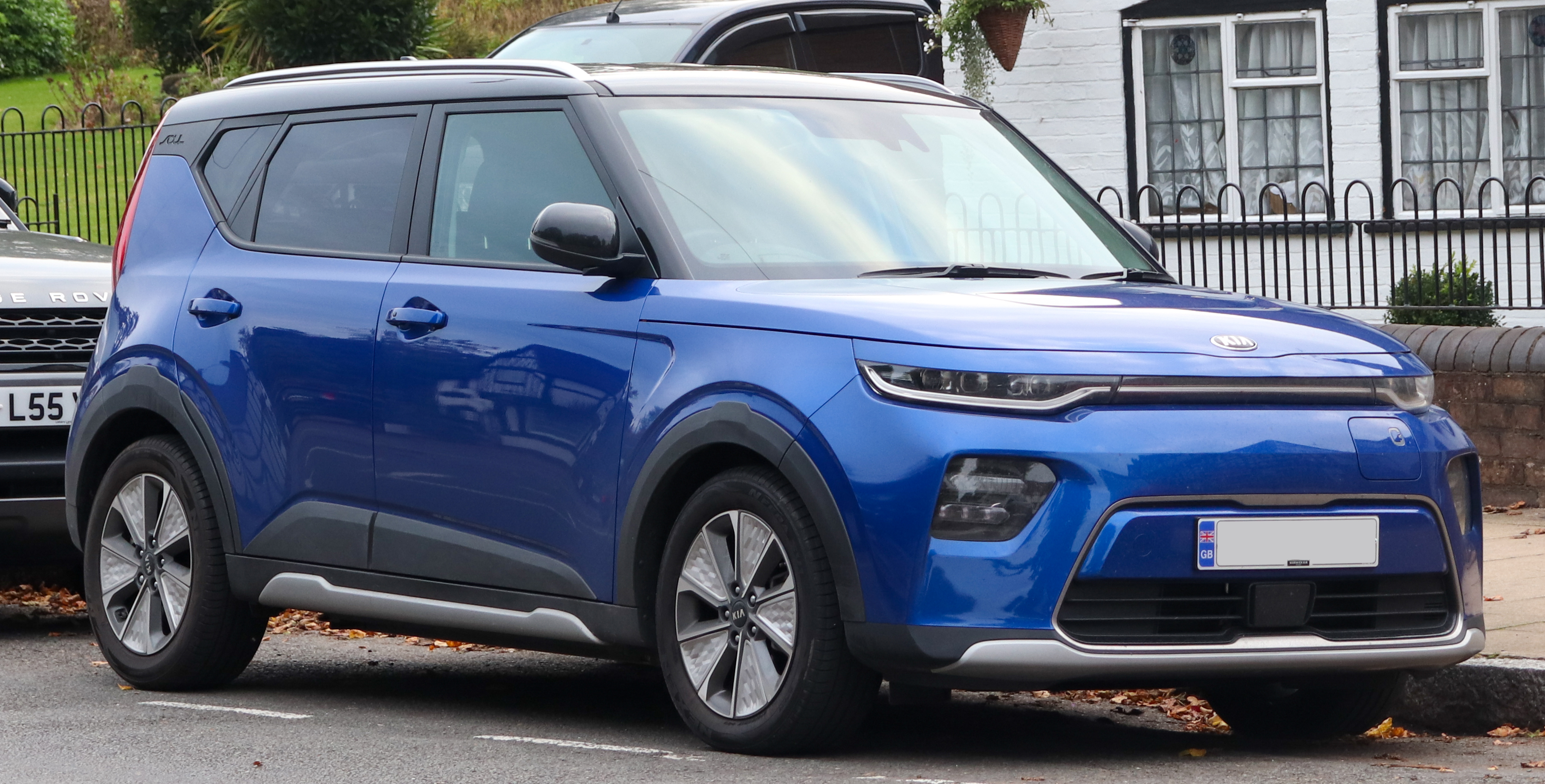
The Kia Soul is a small crossover, and there’s also an electric version of it. When people mention the first electric versions, they’re usually talking about how the early EV models handled charging and battery use for everyday driving.
In an EV, the motor is what actually makes the car move using electricity. The hosts are saying early EVs often put that motor where the gas engine would normally go.
“Reman” means a part is rebuilt instead of brand-new. The hosts are saying that for EVs, rebuilt parts from third parties will become more available as more cars need them.
Reconditioning batteries means fixing or rebuilding an EV battery so it can keep working. The hosts are saying more companies will offer this as more EVs reach the point where repairs are needed.
Dorman is a company that sells replacement parts after the car is already on the road. The point here is that they’re more likely to make EV parts once there are enough customers asking for them.
“Electrocute” means getting killed or seriously hurt by electricity. The hosts are saying some repair shops were scared to work on EVs at first because of the high-voltage systems.
Full charge rate is basically how much energy the battery can store when it’s fully charged. If that number drops over time, the battery isn’t holding as much as it used to.
EVs need cooling for the battery. If the battery runs too hot, it can wear out faster. The speaker says newer Model 3s added cooling parts that help the battery last better.
Standard range means the car’s battery is smaller than the long-range version. The speaker’s point is that newer standard-range batteries can still end up giving more usable range than older long-range cars because they wear out less.
A long range EV variant is designed with a larger battery capacity to maximize initial driving distance. The host emphasizes that even if a long-range car starts with higher full-charge miles, it can lose range faster if its battery pack degrades more than later-generation packs.
Full charge miles are how many miles the EV is estimated to drive on a full battery. The speaker is saying older cars may start with a lot of range, but that number can drop as the battery degrades.
Term
third party companies
Third party companies are outside businesses that provide services related to the EV battery. The speaker is saying dealers can’t just rely on them without understanding what’s being offered.
A kilowatt-hour (kWh) is a measure of how much energy is stored in the battery. If the car reports a certain kWh absorbed, that’s basically how much usable energy the battery can still take in.
The EPA number is the government’s standardized estimate of how far an EV should go on a full charge. Real driving can be different, depending on weather and how you drive.
The Toyota Prius is a car that uses both a gasoline engine and an electric motor. It has a battery that helps it save fuel, and over the years some owners may need battery-related repairs or replacements.
Cells are the individual battery units inside the battery pack. The host is saying some repairs replace only the bad cells instead of replacing the whole battery.
An EV tax credit is a government discount that can lower the price of certain electric vehicles. The host mentions it to explain why they had a lot of those cars in their inventory.
Term
EVs that are over a 100000 miles
They’re talking about EVs with very high mileage, where battery issues are more likely to show up. That’s important because warranty coverage may change once the original warranty ends.
Blitz is a software company the host recommends for dealerships. It’s meant to help with payments and dealer business data, and the host says it uses AI to make that information easier to use.
State of charge (SoC) is the percentage of energy stored in an EV battery at a given moment. The host’s “equation” uses the car’s current displayed range and the percentage of charge to infer what the battery’s full-charge range would be.
Term
BS054 screen of death
“BS054 screen of death” is a nickname for a Tesla warning screen indicating a serious battery charging problem. The host uses it as an example of the kind of alert that may appear when the battery isn’t charging anymore.
They’re talking about what to do if your EV’s service experience is bad. The advice is to try a different service advisor first, and if it’s still bad, consider a different service center.
Concept
OEMs not touching EVs
They’re saying some car makers (OEMs) may not be willing or able to service certain EVs in your area. So you might need to find a different shop that can actually work on EVs.
Ford is a big car brand with lots of dealerships. This segment is saying some Ford dealers weren’t ready to service EVs at first, so they had to send cars to another place instead.
Hyundai is an automaker that sells EVs through its dealer network, so dealers are expected to support EV service as well as sales. The discussion highlights a gap where some OEMs (including Hyundai) hadn’t fully equipped dealers to service EVs.
Fisker is an EV brand. The hosts mention it to make a point that if there aren’t nearby repair options, owning one can be more stressful—especially in rural areas.
Rivian is an EV brand. They’re using it as an example of how owning some EVs can be harder if there aren’t nearby repair shops that can work on them.
Term
major components
“Major components” means the big, expensive parts of the car. The hosts are saying that when something major like the battery is involved, you may need to send the EV to the manufacturer for the fix.
Here, “transport” means getting the car to a repair shop—usually by tow or shipping—because the local shop can’t handle that specific repair. It’s mentioned to show how rural owners can face extra cost and hassle.
Suspension parts are what help the car ride smoothly and keep the tires planted on the road. They’re saying battery problems are the bigger headache, while some suspension repairs may be covered by warranty.
EV maintenance just means the upkeep you do on an electric car. Because there’s no gas engine, you usually spend less time on engine-related maintenance and more on things like tires and suspension.
Checking the inside of the tire matters because that’s where alignment problems often cause uneven wear. A tire can look fine on the outside but still be worn out on the inside.
Low range means the EV can only drive a shorter distance before it needs charging. If you can’t charge at home, that can force you to stop for charging more often.
Charge fatigue is when charging becomes annoying because you have to stop too often. If you can’t charge at home, that can make an EV feel like more work than it’s worth.
Lithium-ion technology is the type of battery most electric cars use. The speaker is saying newer battery versions may tolerate frequent fast charging better than older ones.
“Fuel per mile” means how much it costs to drive a mile. With EVs, you figure it out from electricity charging cost and how far the car goes on a charge.
Frame damage means the car’s main structure got hit, not just the outside. That kind of damage can be hard to fix safely, so it often leads to the car being judged more severely after a crash.
“Total out” means the car is considered a total loss after a crash. If the damage is too expensive or risky to fix—especially on EVs—it may be written off instead of repaired.
A unibody car has its body and frame built as one unit. In crashes, that structure can get bent or weakened, and fixing it the wrong way can be a big problem.
CPI is a kind of insurance/coverage plan dealers buy. It matters because some cars are more likely to be written off after an accident, so the coverage cost should match that risk.
Autopilot is a set of help features in a Tesla that can take over some driving tasks. Even if the car can do it, the driver still has to choose to use it and stay aware.
LIVE
My nose performed much better on our Tesla's than on our gas vehicles and it's simply because
even if I put them in a bunch of Kia's or Hyundai's that were still under warranty,
if I have it to ship it to Kia and it's there for two months, it turns into a repo I wear, right?
So even some of these cars that were under warranty, if they have high failure rates,
and that's why you even afford to put them in your program, they still have high failure rates,
and so if half of our repos are somehow tied to major mechanical with engines,
transmissions, or others, that's where I'm seeing the greatest benefit.
Hello and welcome to the independent dealer podcast. This is part one or part two. We're not sure
what series these podcast sessions are going to be aired in, but this is another
takeaway or session that we did down at Buy Here Pay Here United 2026 in Las Vegas. This is my
session that I did with Trig on EVs in the Buy Here Pay Here space. So we talked all about
when EVs are coming to Buy Here Pay Here, the good, the bad, the ugly. It was a fun one.
Yeah, I sat in on it. I loved it. I think I probably asked way too many questions,
so I appreciate that. But it was super interesting to me. And actually, this is not just for Buy
Here Pay Here. This is really about EVs in general. It empowered me yesterday. Jeff,
I went out and bought a 2020 Model 3 long range to sell. And you know, I'm a Tesla owner. I love them.
And just the way that Trig thinks about these things, the way you think about these things
in the EV space is super interesting to me. And I don't think anybody out there can appreciate
what is in this session. Actually, I think that listens a lot, called me two days ago,
excited that he bought his first Model Y or his first Tesla. And he was scared and excited
all at the same time. And it was awesome. It was awesome. Yeah, yeah. Once this war ends,
and gas prices drop back down, and the electric vehicles aren't quite as hot or as popular,
those prices are going to come down too. And it's going to make it more of a Buy Here Pay Here. So
it's almost like this session was maybe still a year ahead of its time, maybe two years ahead
of its time. But it'll be great education. Hope you guys enjoy it. Listen to it. If you have
questions, of course, reach out to us, email, text, whatever you got. We'd love to answer them. So
here it goes. Okay, guys, thanks for being here today. We're gonna, we've gotten an elite crowd
here. So we're going to be able to have a really great intimate discussion with you guys about what
we feel is coming to Buy Here Pay Here and Lease Here Pay Here in the EV space, right? I think it
does. We've been discussing this topic for many, many years of what it's going to look like to
put our Buy Here Pay Here customers into electric vehicles and what the economics and when that
starts to pay off for us and be a doable situation. So I think a lot of us are dabbling in it right
now. I think we're very early to the conversation still and when this becomes fully. So we're going
to talk about that today, discuss the pros, the cons, and just have a real open group discussion on
what this is going to look like for us, what cars are going to work for us, what customers are going
to work within that space, and how to make it successful because it's coming. Yeah? People think
that's a true statement. I think if you're in this room, you're probably going to say yes to this,
right? We think it's coming. Yeah, yeah. So this is the group that's going to make it happen. We're
going to lead the way and hopefully we're on the front edge of it. Trig, introduce yourself
to the group here. My name is Trig Waldelig. I run an independent, indirect leasing company
based out of Utah. I think the reason that they invited me here today is that over the last year
I've been transitioning to my finance options over to almost exclusively Tesla's, dabbled in
several different types and then make some models of EVs while we made that decision.
But yeah, that's it. So I can give you our feedback.
Cool. So some of the things we're going to cover today, a question in the back already.
Gentlemen. Yeah. Clearly the conference doesn't believe you guys hardly anybody's in this room.
I agree with you. It's coming. But why doesn't anybody else next up?
This room should be full. What do you guys think?
It was probably because my name was presenting. So let's color it with that commentary.
It might be that slot. It's kind of playing. Well, just wait a little better.
Says the guy who AI's all his slides and his emails and his emails.
Well, in another meeting I brought up because they were talking about the vehicles that you
should stay away from the ones that you go for. And I said, Hey, there's some cheaper Tesla options
out there. And the guy said, Well, the cost and the battery. Well, don't buy one where they vary.
You don't buy her a bad engine. So keep me checked. So people are here. I mean, we all know that EVs
the end all deal. In the honest, if you ever driven one, no oil chain, no more oil changes,
no more O2 sensors, no more categories, no more this and that. That's the way it's going to be
downrope. You just haven't digested it as a country yet. And so we don't have the
support system for charging, which is that any, I mean, I try to do a ranging son.
You know, it's there. Yeah, Joe, we're going to get into a lot of that stuff and we're going to
address that for the room so we can all kind of talk about the education we've had and experiences
that we've had with different EVs and when this is a good option for our customers. And again,
I go back to the first statement, we are early, right? I think we can all agree that we are early
in this and this room will be very different two to three years from now is my prediction.
Can we ask a couple of questions? How many of you currently drive an EV on the regular basis?
As a primary vehicle? No. Okay. Are any of you offering financing? Not far. Are any of
you currently offering financing on EVs, either by your pay to release your payer?
One. Okay. Two. All right. Yeah. Perfect. So this will be a good learning experience. So we're
going to go over some of the expected supply. Obviously, that's a big thing. The price points,
repair costs. We're going to talk about batteries and some of the misconceptions
around that and how we're handling it. And then knowing our buyer, right? That is a key,
key component to what works in this situation because EVs aren't right for everyone.
They're not right for everyone. Cost of ownership and then what a deal structure is going to look
like because we do have some options here, right? In the EV space of how we're going to structure
these deals to make them work for us financially. So let's talk about supply. Do you guys remember
the presentation yesterday from the economist? Did you stay awake to get to that part? Hopefully,
we all did. There is a large supply of EVs coming off lease over the next few years.
A large supply. So if you think back to the COVID eras and the post-COVID eras,
obviously, that's going to help us pricing. We'll talk about that as well. But they predict that over
the next two to four years, we're going to be getting up into the half million doll, half million
unit off lease EVs. That makes a big difference. Those of you that buy them, have you noticed a
change in your searches in the availability and in the quantity at auction? Have you guys noticed
it? I've noticed it. Well, yeah. In the last eight weeks, prices have gone up, but the quantity
of the EVs has gone up in my opinion. I have set searches that I look at 23 times a day
and the volume has gotten larger. So there's more there. There's more EVs being sold through
Mannheim. I think Mannheim actually said the first quarter of 2026, it was record EV sales for them.
They hit absolute decimated their previous quarterly EV sales records. So there's a lot of
units out there. Let me, Helen, jump in and say something that we started tracking specifically
to Tesla values on Model 3s and Model Ys about a year ago. I think it's probably a year ago.
It was right before we knew that the ED rebate was going to finally go away.
We wanted to know how much of that was fake inflation. Most of it was. It varied depending
on the age of the vehicle. I would say that the only thing that surprised us is that we expected
some of these holder 2018s and 2019s, which on a retail basis are less desirable to a good credit
customer. We expected that they would fall off more than they did. And so I think they probably
ran up against some sort of a wall where they became so affordable that people just look past
it kind of the way that something for the affordable cars that we use in subprime become
more expensive simply because there's a market for a get me done customer. That being said,
the reason I'm bringing this up is that I don't think any of us expected in general how much
the pricing was going to go up wholesale in Q1 this year. It went up a bunch more than it showed
or did in previous years, but it went up even more on the EVs. And so even though he's right,
there were more of them. The pricing of them was still through the roof. So we noticed a big
drop off the last few weeks in deals that we were funding because our dealers were unable to source
them and unwilling to pay nearly the same price they were paying a year ago when the EV rebate
was still around for to buy the same car in Q1. I mean, it was a drastic increase.
And Trig, I'd ask, is that overall demand you think for EVs or is that strictly gas price
related? I surely believe it's gas prices. I don't think that if that hadn't happened,
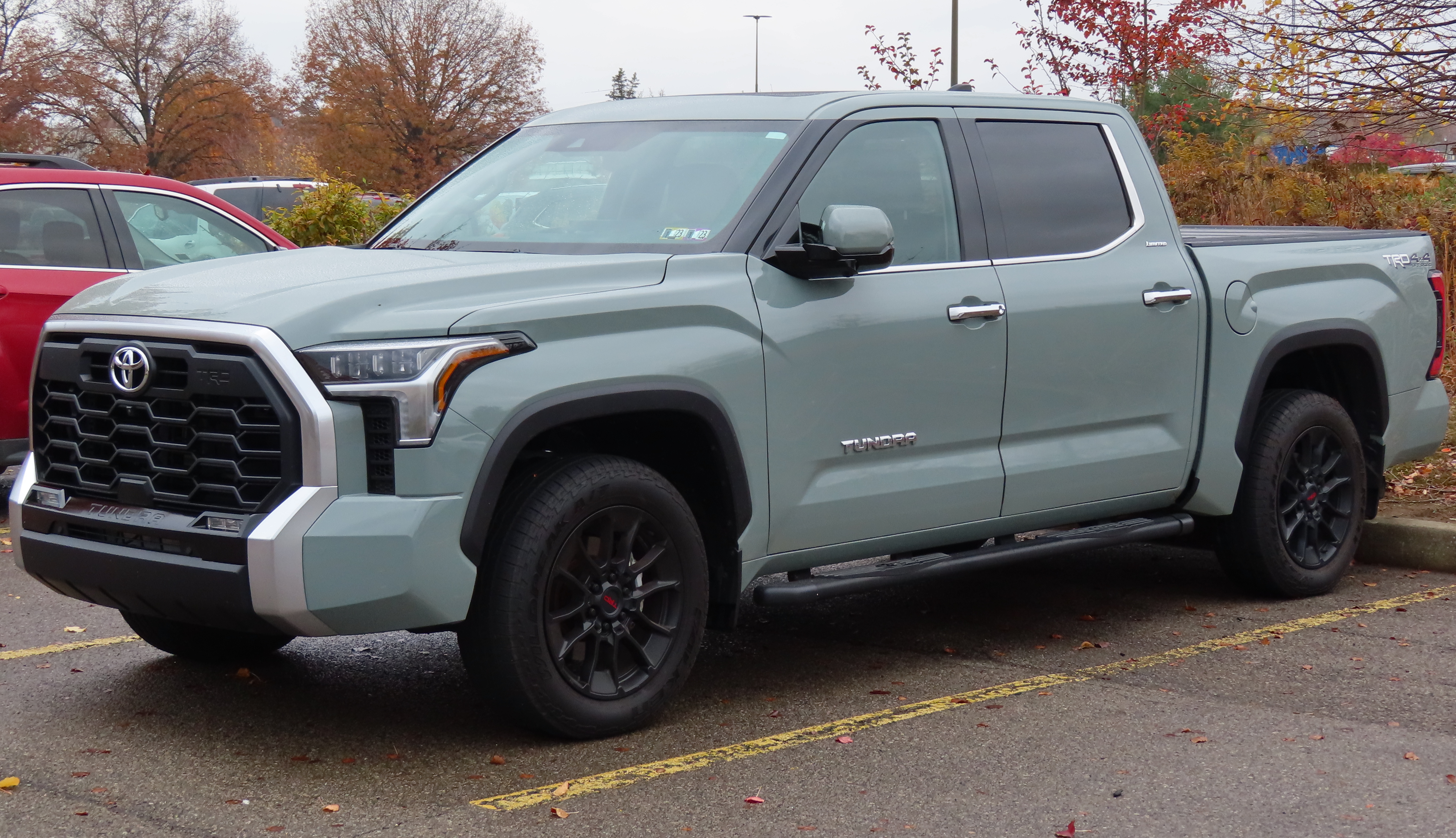
I don't think we would have had that second segment jump in and go trade in their tundra to get a
Tesla. Luke? Oh, could you show these lease off-lease projections? Because I would call
in 2022 or 2023, Tesla laid a big push to only lease their vehicle by to sell the EVs, right?
Yeah. And of course, the idea in there was that they wanted a fleet of autonomous EVs to run.
Is that still fact in this? So are those all these Tesla's that you you believe are coming
all these for they'll be returned the lovely cars that's in the hold us for a rebate test?
Yeah, I think that's a great question. Here's the issue you're running into is that those hardware
for cars weren't fully immersed at that point. So I don't think that I think there's quite a
few of those cars they couldn't do that with or else they'd have to pull them back and then turn
around and upgrade their hardware. And I don't think that that's going to happen. I think that
it's going to fall the way that all the other hardware three cars are, which is it's cheaper
is to retail out of them. Maybe on stuff the next year down the road, you might run into that.
But I also think that it was telling that they started offering the customers the ability to
buy out their leases as opposed to I think initially what you're talking about back in 2023,
isn't that when they were forcing them saying you didn't get an option to buy out your residual?
And then that went away. And so I know that had them as several manufacturers who was on the tail
end of a big supply problem and they wanted to make sure they had cars. But I also feel like
part of that was them saying, yeah, we're willing to give these cars up at the end if you're still
in an equity position. So we still believe that these cars are actually going to make the Republic
Tesla's not retail past the first talk. Yeah. I mean, Cox on the motor show does.
Yeah. Yeah, that's the bottom line is I think Cox season is coming through the auction.
And I noticed that in my, you know, in the Tesla sale lanes, they are liquidating and like to his
point any of the hardware threes, which is 2023 and older, they those are being sold.
Yeah. It's good point though and make change next year.
So let's talk about pricing, right? That's, that's one of the two big components to making
this work for us, right? We've got our customer, we're going to talk about that later. We've got
pricing as supply goes up, obviously, we expect price to come down as these units age, we expect
price to come down. There's a handful of EVs in the space now that are in our price range,
you know, various makes manufacturers models that are different varying quality.
And that's, that's where I think we start to differentiate, right? Just like we do in our
current buy here, pay here situation, we have certain makes and models we're not going to touch,
right? You guys all know what's on your don't buy list, you know, what's on your do buy list,
you know, what's going to run the note. So we are right now figuring out which of these EVs
are going to run the note and be good for our customers, right? As far as custom ownership,
as far as hassle, and then as far as getting them to where we can buy them and actually make it a,
an affordable payment for our customers. So this is just kind of a short list. I think what we're
missing on there. Yeah, I mean, that's probably the best as far as like stuff that's getting
close to our range. Does anyone have any experience with these? Let's have this discussion for a
minute, because obviously trig myself or big fans of the Tesla, we feel like those are some of the
most superior as far as cost of ownership, drivability, desirability by customers. But the
bolts, the bolts with a B and the leafs have a place, you know, not the old leafs,
leafs, not the old leafs. Well, can we talk about that there in these
thoughts and doing this with the lease says, oh, a third person, right? Yeah, yeah, I mean,
it's gotta be if this is it not the sub rock. Well, so this, this is where you start jumping into
the battery degradation issue. And this just fall on so it's not unique to, you know, to Nissan's
battery back, it happens with every battery pack. And even Tesla has, if you look at theirs, and if
you want to say that there's this benchmark, they've had superior changes that happen just over the
first few years of, you know, the model three, for example, or model wide have made it to where
those first couple of years, you know, if you're just talking about the battery only forget about
any the other tech, I will put it in the same category as the as the leaf. The reason that
those early lease have problems is the same reason that the early Teslas have problems. And when I
say problems, I don't mean where the battery packs were failing at a higher rate, those early lease,
I simply am talking about degradation. And it seems very clear that the degradation is much,
much worse in certain climates. And it's much, much worse on those early cars that didn't have the
more advanced cooling systems that they do now. I also think that there's a lot of the text that
doesn't get talked about, which is where I think Tesla is superior in that they were they were able
to recognize a problem early on, even in their model early, all the less is it is anybody ever
dabbled in selling the older model s's. And they only had really two problems. It's one of the
like greatest cars ever. So maybe follow the test, but they had two issues at the rear end that we
go back had a seal that would leak on that rear end and cause problems. But it also had a problem
where, especially on the big batteries when they first came out, when I think it was like 13,
and it was worse on the performances for some reason, the performance models,
is they would overcharge them at the supercharging stations, as far as how fast Tesla would allow
them to charge, and it burned out the batteries. So if you go back historically and look at where
Tesla had bad batteries, it was really bad in 2013 on the really small batteries and the really
big batteries. I don't think the battery tech changed for a couple of years, but they they
dramatically reduced how quickly you could charge your car. So back then, if you were driving one
of those vehicles on in 2013, but in like 2015, 2016, you would, we would take a trick from
Salt Lake down to Vegas. And it would suddenly take us an extra 30 or 40 minutes. And it was
because they had begun metering their battery charging and superchargers. So the same car,
nothing had changed on a car. Tesla just realized internally that they were burning up their batteries
and started slowing down how quickly they could charge it. I bring that up both to say that it's
a problem on those older cars, but it was also something that because of their advanced technology,
they were able to solve without having to make any changes to the car. They just pissed off their
customers by now making it take longer to take tripped experience. Hey, sorry to break into
real quick, but make sure you guys know about Buckeye, longtime awesome sponsor of the podcast
and who I use for all my reinsurance products. I can't thank them enough for teaching me so
much about reinsurance over the years and coming up with new products and new ways to
get my portfolio secured. My customers have options of warranties and service contracts,
gap. I think it's just been great, Jeff. It's absolutely been a great way for me to build wealth,
put away some money. So if you are a buy here, pay here, lease here, pay here or retail dealer,
it works for all dealers. You can set up a reinsurance company, you can ensure your own,
stop giving money to those third party providers that aren't going to cover your stuff anyways,
keep it in house, call the guys and girls over at Buckeye risk services and get set up ASAP.
Two questions. One after the first one is,
am I right in thinking that the two major components I'm going to be concerned about
are batteries and drivers or other others elements of the vehicle that are significant in the
maintenance process? We're going to get into that, yeah. Okay. The second question will be,
what hoe do I have of either one of those to become commodities and available in
Vercroft, Baton markets, supplies, or are those a significant portion of the manufacturer's
profit model? I'll tell you what, I would just say this, when you get to that slide,
I don't think it's into their profit model. I think their expectation is,
do you remember when cell phones had exchangeable batteries? Yeah. And you know how we like the
people that don't like our EVs, call them iPads on wheels? I liken it to that. I think they will
reach a point at some point in the future where they're not even removable because they become
so much more advanced. I don't believe that they want to be changing them out. If I was Tesla,
I would rather see third-party independence come up and figure out how to fix them or get remans.
I don't foresee that being part of that model. Yeah. And I'll tell you something that backs
it up. I don't know if you remember this. If you follow any of Tesla's stuff online, at one point
he used to joke about this. This was a decade ago about how it would be like a pit stop and yeah,
into the Tesla service center and they jack it up and swap battery packs out and then you de-out.
Effectively, it is a pit stop. It just takes a couple of hours because of the coolants that
they have to disconnect. But my point is, they don't talk about that anymore. And that leads me
to believe that because of the low failure rates, it's not something that is on their radar and
they just, it's just tech that's advancing and that old stuff is what it is. So then, sorry to
extend this, but then maybe confirm or deny my hypothesis, which is all of the things that
we currently struggle with as used car dealers, engines, transmissions, and backcashers.
Maybe in that org, I'm not sure. We're gonna mostly see that because if your analogy is correct,
this fund of mine, I look at you like God is in it four years ago, then I haven't done the
thing to like, it just works all the time. And that's my experience. I don't have one,
but I have partners who love, you know, the edged stuff and they've been driving Tesla's for a
while and I'm kind of depressed. Like, they don't do anything, they don't have to do anything to
them. They just work and something you need to do a tire or something. You got to drive the
Nashville to take the thing to the Tesla place because nobody else is allowed to touch it or
something. Well, I mean, if you had, if you had a BMW or a safety at the toy, if you had any of
those things under warranty, there are components that you would need to go back to the manufacturer
for during warranty. So I only interject to say that it's not that you can't work on,
there are definitely shops that will apply, you know, that will work on your Tesla for you.
It's just there are certain components that are wall and or warranty, something that does
need to go back to the manufacturer for. Okay, but according to what you say, and I love,
well, I think it's true. But if I don't have an issue with my batteries, then you probably don't
think that driving owners are going to be an issue beater. But we'll see about that. But
then what is left for me to be concerned about for any of these? Why don't I just throw myself
entire hairs? Exactly. Yeah, we're going to talk about cost of ownership here in a minute and how
that can benefit our buyer pay here customers. And when we get before we get to that, though,
let me wrap up this slide. And I think to your point, which also talks about our cost of ownership,
has anyone bought an e golf? I've bought an e golf. Has anyone bought an e Kia Soul? I have bought
an e Kia Soul. First gen technology in these areas is not good. It's horrible, guys, just
just that's the way it is with everything. These iterations are horrible in the beginning.
Kia is getting it figured out, right? Their new EVs are much better, much simpler. Before they
just jammed a battery pack where the fuel tank used to be and jammed a motor in where the engine
used to be. It's literally look, you know, you open the hood and it's the same thing. And they
just smashed it in there. So what I'm saying that is the technology will get better as the iterations
go on. As a Tesla, we've seen them do it for a decade and a half now. Also, just like this room
has a very small attention for the topic, our aftermarket reman third party parts and recondition
batteries and recondition motors and shops that want to touch them will become bigger and bigger
and bigger as the demand gets there, right? Dorman is not going to touch an aftermarket
something on a very small sample size. They're just not going to go through the energy to make it.
But once it becomes a large demand, they're going to start making those things. And so we're seeing
battery refurbishers pop up. We're seeing shops in our town who three years ago would never touch
a Tesla because they're afraid it's going to electrocute them to death are now completely
embracing it and going after that work. So as we get more comfortable with it, the demand will be
there. So when you say go full speed, I would say maybe not pedal all the way to the floor,
but I'm definitely going 50 or 60. I'm pushing the speed limit at this point on EVs,
but I think it'll be much, much better to go full speed. So sourcing them, guys. Where are we getting
these from? And a couple of little tips when you are sourcing. Obviously, we've got the off-least,
the OEMs through all the digital platforms. Many of them are selling Tesla's running a lot of their
off-least through Mannheim, Adessa, they've got a large Tesla off-least sale that goes there as well.
A couple of things we're going to touch on and we're going to get closer
and more into it as we talk about cost, but your battery health. Trig, I know you are a big, big
fan and stickler and scientist on battery health. What does that mean and how do we track that?
Yeah, so Jeff's store, you guys use, is it, do you guys use recurrent to check yours?
Yeah, I know, yeah, I'm on a lot. I think it's important that if you're going to get into the
U.S. of vehicles, you need to remember that you have to sell your customers on it because not all
of them are going to come in, you know, PV, homeowners, that that's all they're considering.
And so if it's that or it's a sheddy Malibu and you're reslending the pros and cons,
just the same concerns that you all have when you're thinking about it, they have. So if they're
worried about battery health, it's important that you're using some part or some sort of the third
party that gets all this data together and can explain to them and can say, this is the health,
this is the full charge rate on this car versus what it was new, which is where the term degradation
comes from. So it's like, you know, you had your old diesel trucks and when you first got them,
they did a certain amount of miles per gallon. And then over time, and this, I guess it probably
happens with the gas, the lean cars too, the engine wears out a little bit, it's not as efficient,
it doesn't work as well. And so that car that may have gotten 30 miles per gallon when it was new,
now only gets 27 miles per gallon. And it happens over the course of 10 years. So you don't really
notice it. Well, that's effectively what's happening on these batteries, it only gets talked about
more because it's new technology and they don't understand it. But it's important to talk about
it. It's also important to understand it because I will give you a perfect, perfect, like real
world situation I deal with my dealers all the time. Tesla sold a Model 3 standard range from
2018 until 2020 that didn't have the new tech for keeping the battery pool. And it had the original
Model 3 battery, you know, components, the makeup of it. And then in 2021, they in their
standard range models, they put in a new type of battery, and they also added the cooling system
components. And it is, it is insane, the fact that as you now look back at a 2018 long range car,
that car brand new or 2019 had a 310 or 320 full charge miles on it. It has lost 80 per,
it has lost 20% in degradation on average since 2018 2019. So somebody's got their calculator,
what's 80% of 310? Anybody? What is it? You have more range than that on the newer standard range
car that is harder to sell to a customer because all day here is long range or standard range.
So if you can't explain to your customer that the 2021 at the same price with the standard range
battery pack gets you more range than the old long range car, you're going to fail. That's buddy.
You're absolutely going to fail on this. And that means that you're going to have to buy this
old technology and sell them the stuff that's a higher risk for you that doesn't have the newer
components because you can't properly explain to them the difference between a 2018 model that has
the 20% degradation and a 2021 that has 5% degradation and had more range to begin with
because it was better battery components to begin with. So I would say, you know, somebody
was asking my question, call in. If you're not willing to commit to this early on and be an
early adopter that understands all this, wait, because this is where I struggle with the dealers
that I work with. I've lost four or five dealers that I used over the years because when they would
go buy these cars to source them for my new programs, this stuff was like, and they didn't
have the time to learn it because they still had to move on their business selling their gas cars
and the other stuff that they were used to. So that's where I would say, you know, if he's saying
go 50, that's where I see the problems. So what their third party companies will come out of your
dealership to give you a battery? No, so a lot of them, they'll give you some sort of a domble
that you can plug into the car. Or if you have possession physically of the car, you can, I'm
not going to use the red derbies for this, but you can effectively like it act, you can load an app
on the car that now communicates third party with another company. So there's a few different ways
to do it. I will tell you the basic way to do it. And this is it is most accurate, but also is the
hardest way is that you can run a battery test on any of the Teslas. But it requires that the car
go all the way to zero and then charge all the way to full, which can take almost 24 hours,
depending on how much it had to begin with. And it's really loud and scary because it's burning
off energy while it's doing it. But it will tell you to the kilowatt hour, how much that battery
pack was able to absorb. And then you know, if it was a 65 kilowatt battery pack and it absorbed
55 kilowatts, that's the percentage that still is able to how you fully discharged the text,
you can initiate the test and service mode and it will, it will run that. So the quick math on
that, and we're going to go over that in the next slide, but battery health is important.
That there's a quick math you can do, which is basically what is the range at full charge
currently divided by what it was when it was new. So I knew it was 320. Now it only gets 300. It's
lost 20 miles. That's, you know, 18%. So it's only running at a, well, that's 8%. So it's only
running at a 92% battery health. That's a quick math. Yeah. I'm sure you got the problem that
I don't think that holds true with all ours, but I've found it to be almost
true every time the tessals. So it is easy. Now they're very upfront about the mild range just
being formula of how much capacity it currently holds multiplied by what they expected initially,
right? It's just an EPA number. And so I have found that be a trick. It wasn't true really on.
It was confusing because it would vary a lot depending on the outside factors and your
dried habits, but it is very true now. So if you can see a car fully charged, or if you can see one
that, you know, has X number of miles on it and you convert it into percentages, there are a few
different ways that you can get there. I'll give you the math here in the next slide. So just real
quick, when we're sourcing, we're looking at battery health. Hopefully the auction is giving us
that. We're looking at the warranty and what's left on the warranty period, right? Most OEMs have
the, you know, eight year, five year, 100,000 mile, or sorry, 10 year, 100,000 mile battery and
motor warranty, which was required by I think the state of California or something and adopted
by a lot of them. Tesla typically runs the eight year, 120,000 mile on the long range,
eight year, 100,000 mile on standard range. That's important, especially when you start dabbling.
Please just buy them under warranty for a while, right? I've had two situations where I bought
2021 Model Y performances, notorious for having bad batteries in the first 60,000 miles.
So with Tesla, we found that the batteries either fail early because of manufacturing glitches
or they don't fail. But I've had two batteries done under warranty,
ship it down there, throw a battery in, shipped it back the next day. Pretty easy process.
So please buy them under warranty, check that. What we're running into now is 2017s and 2018s.
You've got an eight year warranty, you're done. You're timing out and we haven't had that before.
And so we're only having that now in 2026 that you could actually time out on your warranty.
So pay attention to that, even if you think you still have miles.
So as far as replacing the batteries go, how many of you guys have ever done a battery on an EV
or hybrid, I guess? Yeah, you've done a ton of Prius batteries, right? Have you done them yourself
in your own shop? Did anyone die? Oh, yeah. No one got electrocuted. You bought a couple special
tools, right? I leave the guy to have special tools there. I probably have 10 myself.
And we haven't done a tall Prius. Yeah. Smaller battery pack, obviously.
But I mean, I've got one sitting in my shop right now, a Prius.
I should take them apart, replace cells and charge everything back up.
That's, yeah, that's happening a lot now. Even on the Teslas, they're pulling the packs apart,
they're finding the dead cell, they're fixing it. And there's companies that are doing that.
There's companies here in Vegas we bought batteries from. We sold a lot of Chevy Volts
during the EV tax credit. And so we brought them down here and they stuck a new battery in it for
us, you know, had a couple of those done. So battery replacement is not super scary, guys.
It's doable. Our shops may not want to handle it right now, but there are shops that will.
And there's aftermarket options, refurbished options for batteries.
We offer a battery for life, a guarantee warranty to all of our 2Ds,
met really up to customer, get more comfortable with it. And that's it.
They say that every old elbow will replace it. So it's like a re-insurance product style.
Let's give Buckeye a quick plug right now. Who has a, who's looked at that
as a battery for life or a battery re-insurance product? We built one with Buckeye ourselves.
Because what's it going to cost? Do a battery, right? On Tesla?
Are you selling, are you selling that product? Jeff, are you giving it away?
No, I'm selling it. Yeah, it's expensive. You know, I think if you go through some of the
aftermarket battery, Trig might know this better, but the aftermarket battery warranty
companies, you're running 25 to 3 grand for basically the double the factory warranty.
So it taking additional 5 or 8 years out. Does that, does that aftermarket warranty
include any other components or just battery specific? Like muscle to BSC, on a normal car,
it's going to be, you know, whatever the BSC covers. All the Tesla's, they cover it down.
Less than any car situation. And more. My experience is that currently they're offering
two different products. The dealers are, they're offering one that's a battery product and they're
offering one that does components, because most of the component warranties or just,
you know, the normal warranty you guys have used to doesn't cover an EV battery post 100,000 miles.
And they want, you know, we try going out and talking to some others that work with our dealers
and not a single one on how to, a product available for that. So it seems like right now,
if you're not creating your own re-insurance product, which is what we would all suggest
to our dealers, or do you, it seems like right now you have a couple of warranty companies
who are charging a lot to build up a bank of money and they're focusing just on the battery.
And then you have everybody else just sticking with what they know. And by the way,
that doesn't make the components parts much cheaper because all they have to cover is,
you know, AC, steering components. Yeah. Dean, do you charge for your battery for life?
Yeah, definitely. Great. You can go for like 15 to 30 bar boundary, but kind of start at
the right amount than that though. She got in that way, we're replacing batteries for like a
year between six and eight K. And so we're having where less than a 1% go rate, like the,
the numbers are really making sense in terms of, I'm sure that we'll get more claims as it goes on.
Yeah. You know, so far we were happy with, with our language.
And these would be, of course, out of factory warranty, right? So you're talking about
EVs that are over a 100000 miles, over a hundred and 20000 miles.
No, we don't really re-intro. So it's the ones that are still under warranty. And so
the idea is that like you'll have coverage when the warranty expires.
That's just protected in general. So you are, must be worth familiar with,
you know, the 100008 years and, you know, some are like, you have this car that's
$70,000 already, buys a warranty and so that way we're kind of replacing it out here to test
the expiry. This is another point of friction on these warranties is that if you have a vehicle
that's outside of warranty at all, they most have been requiring some form of a test to prove
the batteries held before they'll even approve it or quote your rate. So if you're using those
third-party companies, that's how they're protecting themselves through just a pack,
through on a bad battery pack. And so it does create some extra steps. You would have to,
you either have to get a domble from them to plug in so they can do the test to confirm it or,
you know, depending on your relationship with them. But that is, it does make these cars,
they're out of warranty. That's more difficult. Yeah. Hey guys, real quick to interrupt the
episode and make sure you know about a great sponsor and supporter of the podcast Blitz.
Blitz. I love it, Jeff. That is kind of like, goes from the Facebook to just Facebook.
You're going to reuse that joke, aren't you? It was fun, isn't it?
Y'all will get that reference in a future episode. But Blitz has changed their name a little bit
because they're launching more products. You know, they're not just a payment platform,
not just a processor, but they're also a collections platform and analytics platform.
And who knows what else Robin and the team are going to get into. But they've got the technology,
they've got the know how to help dealers in a lot of aspects of their business.
Yeah. Data is hard to process from just everyday dealers, but Blitz is going to harness that.
They're going to harness AI and they're going to combine that with payment platforms and
payment process, which is amazing. So if you need a payment processor, you need a friend in the
industry or a partner. Blitz is the only company I would recommend.
So if you're buying it down here at the bottom, let me give you the equation.
You guys could probably figure this out. But if you take the current range of the EV,
where it sits right now, you divide it by the percentage of charge. So say it's got 170 miles,
it's sitting at 170 range, you click it over and that says 58% of battery.
That's going to give you the percentage of full charge. So you don't actually have to charge
the battery all the way to full charge to get this, because if you're at the auction,
you're not going to be able to do that. But if you jump in an EV, you click on it and it says
170 mile range, you click on it again, it says that's 85% of or 58% of the full charge. That's
going to give you the full charge range. And then you can divide that by what the full charge was
when it was new. And that's going to give you the general battery health. Anything that drops
below 70% for Tesla is going to warranty a new battery. So sometimes you'll get the warning,
the Tesla warning, which is like the BS054 screen of death, they call it. Your battery's
not charging anymore. But sometimes you just look at it and say, man, this thing's just degraded way
too far. And when you get that Tesla, transferred into your own Tesla account,
and then you jump on the service menu and you submit a claim and you ship it to Tesla,
they drop a battery in it, and you take it home. So I gotta push it for you. That's
going down that path. Do you have to be, will they replace it as a dealer? Absolutely. I have
never had them question. Do you have to do it on days to have the foundation to do that?
Chia has, Hyundai, Kia, they're like, oh, they're gonna replace it, but if it's a customer's name,
we'll replace it just like that. Yeah. Yeah. Talk about unfair business practice.
And me and Kia have gone toe-to-toe on that multiple times in my local place.
I've watched God love a hundred. I've tried to and they call me.
Grab a little of those right now.
Never. Oh, it all changed like three years ago. They are,
I will do the last stage book there. You're a lucky guy then you got a service writer that
yeah. They want the service writers too now. Yeah. So Tesla's great about it. And when we've
developed a relationship with the service writer here that we take it to, we're on a texting basis.
They're great guys, man. They want to take care of it. They want to get up and running.
Like I said, when we brought a Model Y down here just six months ago, it was 24 hours they had the
battery put in it. It was crazy. So they are pretty good. I mean, the customer service has
dropped off with Tesla in the last five years in general, but they're pretty good about it.
Yeah, I want to say two things. This is super important. So by rush up, I would never thought
bring this up. I despise, I'm not, I'm not in name ways, but I despise working with one of the
service centers in Utah to the point where I won't work them again. That said, the other two
had been amazing and the one in Vegas that we deal with on somewhat of a regular basis is amazing.
Like they go above and beyond. So I would say that don't be, if your local service center,
if you have a bad experience, start by just getting a different service advisor the next time.
If it's, if it's something that's coming from their service manager down, like it is at the shop,
at the location, if you don't like, probably just find another service center. If that's a
possibility, but as a general rule with all the different service centers we've dealt with,
they are absolutely wonderful. Yeah. And that's a good point to make guys. You need to do the
research in your local market just with any EVs. Some of your local OEMs don't touch them.
You know, it was only recently that even our local Ford store would touch EVs, right? They didn't
have the tools. They didn't have the text trained. Like they just, and so they're like, well, you
got to ship it down to Vegas or up to Salt Lake. And I'm like, that's, that's silly. You know,
like you are a Hyundai dealer, you're selling them. How are you not servicing them? So some of those
OEMs have not fully caught up. So make sure you have a relationship with your local repair facility
in the back. What kind of convocation is someone going to deal with as a rural dealer with probably
the nearest seating in two hours away in your reaction? That's a good point. And to this gentleman's
point on his EV and his, his ability because he's in California, you're just, you're just in it.
You're in it. And there's a lot of EVs and there's a lot of repair shops that'll touch it. And there's
a lot of people that are comfortable with them because of the volume. When you're in a rural,
you know, Kansas, Kentucky, West Virginia, and your service shop is three or four hours away
and you're the only Tesla in a hundred miles. That's tough. That's tough. It's the same reason
why I wouldn't buy a, you know, a Fisker or a Rivian or, you know, some of these other models
where I an OEM, I don't have an OEM nearby that can touch this. That creates a whole another
ball of issues. Is there, do the LAOs understand that and they're, they have some kind of
concession or do they just say, sorry, they're dealing with cities and not country right now?
Well, here's the thing is that, and I, I, I agree with them, but the only thing that you have to
send them to Tesla for is major components. There is nothing, I mean, if they're under warranty
and something major fails like a battery pack, I'm going to throw it on a transport for 200 bucks
and send it to Tesla to get it swapped out, but they're not going to do that for free. I mean,
I think they probably would in your scenario from what I've seen on the forums. If you add up a Tesla
battery that fail, because that's really what we're talking about here, right? You're no major,
right? If you're not asking if the 12 fold battery goes out, right? Because that's a swap that takes
15 minutes at your shop. You're not asking about the older suspension parts that may go out.
You're buying it out of bumper to bumper warranty anyways. So the concern that you have is really
only for the main component and it fails at such a low rate. It shouldn't be the deciding factor on
whether you are involved. Okay. So we're going to have a lot of these other conversations on
specifics afterwards. I'm going to get through the rest of these slides so we can give you the
holistic picture and deliver what we promised on. EV maintenance, obviously you guys, it's pretty
straightforward. Even Cox says it's about half of what a traditional ICE vehicle will be as far as
things. The main components you're doing on EVs is wear and tear, suspension, and tires. That goes
back to our first slide on sourcing. Make sure you're inspecting tires, the inside of the tire,
not the outside of the tire. On Teslas, you have to inspect the inside of the tire,
because you will have something on the outside that looks like it's a brand new tire. And when
you slide underneath is showing wires. They are notorious for bad alignments. That's just a Tesla
thing, accept it, look for it. And then, okay, let's talk about the buyer because that's really
important that we talk about this. It's not right for everybody, right? EVs work in very like,
if you're driving a ton of miles, if you don't have a place to charge it.
Yeah, don't put your customers that don't have a way to charge at home in an EV that has a low
range. If you're put in a long range car, you'll be fine almost every time. But don't put these
customers in cars that only have 100 to 150 miles range. If they don't have a way of charging at home,
it will fail. It will absolutely give the noble fail. Yeah, if they have to go to a supercharger
every day, every other day, not only will they abuse the car by supercharging unless they have
a newer one with the lithium ion technology, they are going to get charge fatigue. That's just
the way it is, guys. If you had to go sit 15, 20 minutes at a supercharger every day,
you'd get sick of the car. So make sure these aren't great for apartment dwellers. I'll be
honest with you, you need to have somewhere to plug in preferably a level two. Hopefully,
we'll be able to touch on that slide a little bit on the different charging levels. But Joe,
you had a question. What yours, the all limited supercharging for Tussles? It stopped in the
very end of 2016. And it's only going to be, I think, on some of the model Ss and model Xs.
Yeah, it's a code SC01, which is like finding a new horn anymore. So you could get unlimited
supercharging. It no longer transfers any of the new offers that have been given out in transfer.
But for a short time in 2016, the Ss had a transferable SC01 code.
Doesn't matter. You're still cheaper. And so let's talk about that. When we talk about fuel
per mile, in my area, I'm taking about $4 to charge to get a full tank of gas. I'm about
six cents a kilowatt retail in my area, very cheap. If I go to a supercharger, I'm probably playing
30 cents a kilowatt hour. So it's probably taking me $20 to get a full tank of gas, right,
which is about a 200 practical range. So your fuel costs are, I don't know, a quarter of what
you typically would be with similar driving habits. You will notice that your customers,
indirectly, we will be able to afford your payments more if you put them in an electric
vehicle out of the right circumstances because they have lower maintenance costs. And because
it's cheaper for them to charge a car, it's not buy it a little bit. So, again, the bottom line is
that you've positively affected their budget in a way that makes the vehicle more affordable than
even if the actual payment to you is the same. Yeah, a question for us. So we beg you on the
slide on this, but what about body damage and wrecks and things like that, customers should
say I love direct cars. So I've talked to one of my guys that does body work for us. He does
warehouse the test. He talks about parts being expensive and a little more finicky to rub around
and get parts in it. So how easy is it to fix them, especially do we have to worry about battery
damage as they end up? I need a real quick answer on that, which is the stuff that bolts onto the car,
and this is a unique only to Tesla, but the stuff that bolts on is easy to replace if they damage
stuff that's part of the frame, it's not. And so they fall in that category of vehicles that are
much higher likely going to being total out. I would only get this one piece of advice. Don't
let the customers to get a wrecks not new for with an actual physical inspection, and you
should suggest it goes to Tesla, because a lot of these cars that you're seeing with frame damage
were fixed by a body shop that didn't know they were doing and they should have been totaled out.
So it's scary meeting these kind of unibody cars, whether it's Tesla or others that have been in an
accident and then fixed by the body shop that shouldn't have fixed them. It should have gone
brought a full loss. It's kind of as by two, if you do CPI, a lot of us do. So if you do CPI,
I mean, we're realistically, as a look at these cars, as should we put our CPI all of a sudden,
or, you know, is there enough CPI cover cost of this car to, you know, please customers and cars
down a little bit. Yeah, I understand. I love your view of some of all stuff. I think it's one of
those math problems where your CPI on certain vehicles would need to be a little higher than
this because there's a higher likelihood of being your totaled out. And if you were CPI and you
might not want to go that route, you might want to just fix it to the best you can then move on.
So it depends on what the terms of your CPI product are. If it's only total loss, then
you'd want to charge more for it because there's a higher likelihood it's going to get totaled.
We got time for one more question and he's going to cut me off.
Just real quick. What's your experience with the customer
performance? I guess is where I work. Like
my experience and it and as a passenger is that these cars tend to, you let them do their job,
but the software tend to make that precision in humans. So how does that relate to the
performance of the vehicle in terms of crashes? The, you know, customers break breaking it.
Let's do poison. Okay. So two things. The first one is you're asking how do they perform there?
My nose perform much better on our Teslas than on our gas vehicles. And it's simply because
even if I put them in a bunch of Kia's or Hyundai's that we're still under warranty,
if I have it to ship it to Kia and it's there for two months, it turns into a repo. So even
some of these cars that were under warranty, if they have high failure rates and that's why you
can afford to put them in your program, they still have high failure rates, right? And so
if half of our repos are somehow tied to major mechanical with engines, transmissions or others,
that's where I'm seeing the greatest benefit from on the other side of things. I have family members
that never use the autopilot or the full soft driving in their Tesla. I have friends that
never use it. They love driving the car. So this isn't a car issue. Every one of those cars has
that software. It's an adoption issue. And it is one of the hardest things to get people to do is
to press a button and take their hand off the wheel and be okay with it. But the numbers that
have been coming out lately are staggering as far as how much of a difference it makes.
It is a life. It is like one of the biggest advancements in technology in our industry.
Maybe no CPI claims if everyone's on autopilot. So it's great. Guys,
thank you so much for being here. We're out of time. Let's talk more in the hallways if you see
us though. This is a great topic, which I think will get bigger and bigger every year. So thanks
you
About this episode
EVs are starting to show up in Buy Here Pay Here and Lease Here Pay Here lanes, and the hosts connect that shift to real dealer risk: warranty delays, higher failure/repair uncertainty, and even how long repairs can turn into repos. They also break down what dealers need to sell and service EVs—battery health, charging realities, and Tesla-specific repair workflows like battery swaps. With off-lease EV supply rising and incentives fading, pricing and inventory selection are getting more complicated.
In this episode of the Independent Dealer Podcast, Jeff Watson takes the conversation to the floor of BHPH United Summit for a raw discussion on the future of EVs in buy here pay here and lease here pay here. Joined by Trygg Waldbillig — an independent indirect leasing operator who has gone nearly all-in on Teslas — they break down what it actually takes to put subprime customers in electric vehicles, and when the economics finally start to make sense.What You'll Learn:-Why EV supply is surging at auction and what half a million off-lease units hitting the market over the next 2-4 years means for BHPH pricing-How to check battery health before you buy — and the quick math dealers can run right on the lot-Which EVs belong on your buy list (and which early-gen models to avoid at all costs)-Why knowing your customer's charging situation is make-or-break before you put them in an EV-How lower fuel and maintenance costs can actually improve your customer's ability to pay — even if the payment stays the same-What the battery warranty landscape looks like in 2026, and why building your own reinsurance product may be the smartest move in the EV spaceIf you're a buy here pay here or lease here pay here dealer trying to figure out when and how to get into EVs, this is the most practical, operator-to-operator conversation on the topic you'll find anywhere.Support the businesses that support the podcast:Buckeye Risk Services - Reinsurance and wealth strategies for independent dealers. https://theindependentdealer.com/buckeyeBlytz - The fintech powering collections and text-to-pay for BHPH dealers. https://theindependentdealer.com/blytzpay/Ituran GPS - Asset protection and customer management for BHPH and retail dealers. https://theindependentdealer.com/ituranFollow & Connect:Website: www.theindependentdealer.comFacebook Group: @independentautogroupJeff Watson: /sendtojeffwLike, subscribe, and share this with a dealer who needs to hear it.