Secondary finance means the money for the car loan comes from a lender or program that isn’t the original “new car” financing. For dealers, it can help more customers qualify to buy cars, especially used cars.
Independent dealers are car lots that aren’t tied to one specific new-car brand’s dealership system. The point here is that they were starting to get more access to financing options.
Wholesale here means you buy cars and then sell them to other dealers, not to the general public. Dealers do this to move inventory and make money on the spread.
Wholesaling is basically the dealer-to-dealer version of car sales: you find cars, then sell them to other dealers. The episode is saying that era had good chances to profit from that business model.
An auction is where dealers bid on cars to buy them for resale. Instead of buying from a person or a store, you compete with other dealers for the vehicle.
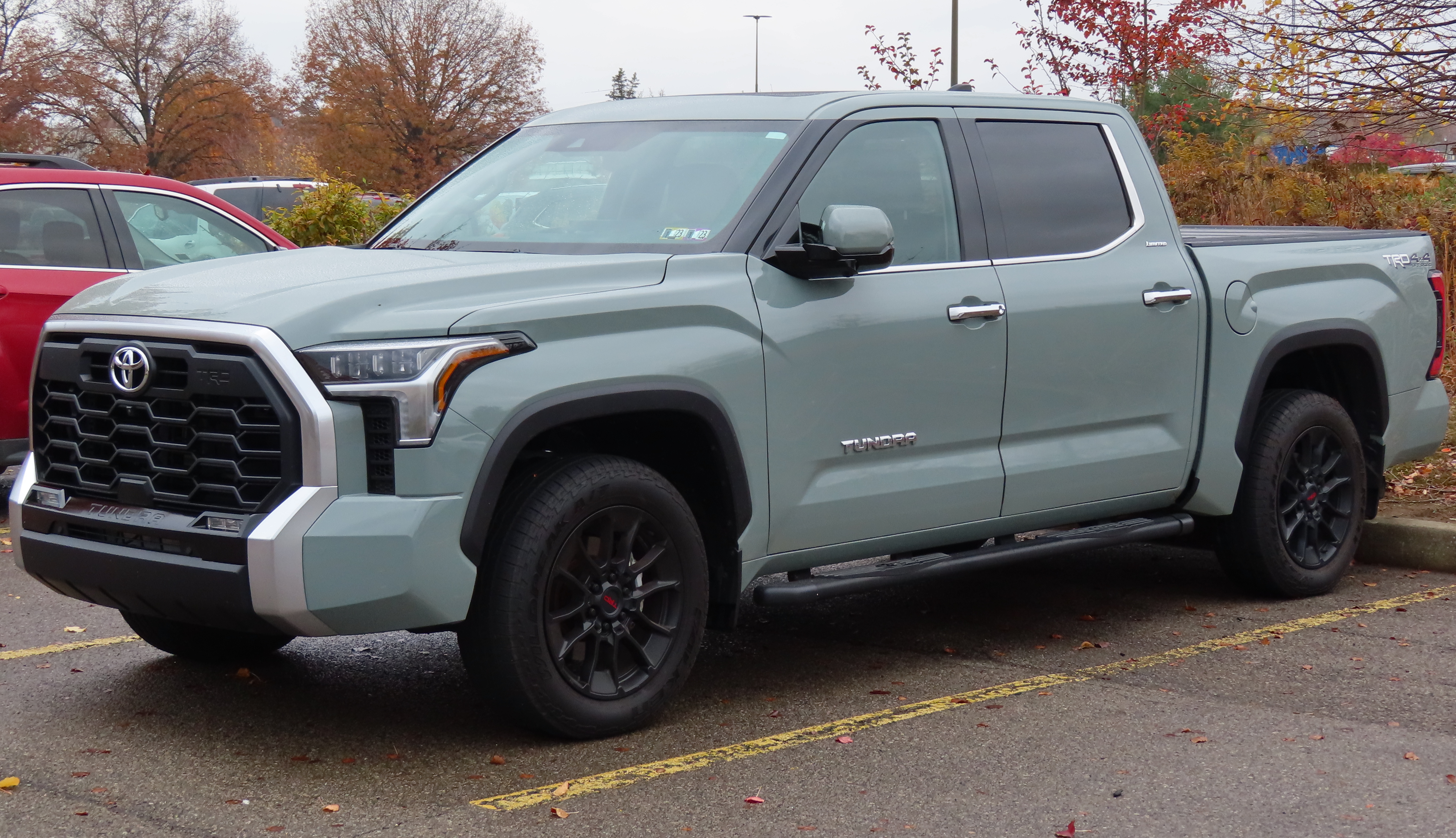
A Toyota Tundra is a large pickup truck made for hauling and everyday driving. In this case, the podcast is talking about a 2023 Tundra that has been lifted (“jacked up”) and has extra add-ons. Those changes can affect ride quality and may require extra care to keep everything working correctly.
Dealers often buy cars that aren’t ready to sell yet. The “get ready process” is the checklist of repairs and cleanup they do—fixing damage, worn parts, and making it look presentable—so they can put it on the lot for sale.
A wheel bearing is a small part that helps your wheel spin smoothly. If it’s worn out, you might hear grinding/rumbling or feel vibration, and the dealer may need to replace it before selling the car.
A windshield crack is a break in the front glass. It can get worse over time and make it harder to see clearly, so dealers usually fix or replace it before selling the car.
Mismatched tires means the tires aren’t all the same. That can affect how the car grips the road and handles, so dealers may replace them to make the car safer and more consistent.
A steel wheel is a basic, heavy-duty wheel made of steel. If one wheel is steel while the others aren’t, it can mean the car was repaired with a spare or replacement, and the dealer may need to source matching wheels.
Aluminum wheels are lighter wheels that many cars use for looks and efficiency. If only some wheels are aluminum, it can mean the car has mismatched replacements, and a dealer might swap them to make everything match.
“GAP” (Guaranteed Asset Protection) helps cover the difference between what you owe on a car loan/lease and what the car is worth if it’s totaled or stolen. It’s especially relevant for buyers who put little money down and for vehicles that depreciate quickly.
A service contract is like an add-on plan you buy with a car that helps pay for certain repairs later. It’s meant to protect you from unexpected repair bills.
Reinsurance is insurance for insurance companies. The dealer is describing a setup where they can manage their own risk instead of relying entirely on outside insurance providers.
“Keep it in house” means the dealer tries to manage the coverage process themselves instead of paying outside companies to do it. That can affect how money and claims are handled.
Jeep is a car brand that’s famous for making vehicles that can handle off-road trails. Here, they’re talking about selling and modifying Jeeps for people who want that look and capability.
They mean the truck or Jeep can drive all four wheels instead of just two. That helps it grip better when the road is slippery or uneven, like on trails.
Rough Country is an aftermarket brand known for suspension lift kits and off-road accessories. The dealer says they became a “Rough Country dealer,” meaning they sell Rough Country lift components and install them as part of their prep process.
A leveling kit is a small suspension change that makes the truck sit more level, instead of nose-down or uneven. It’s a common “first step” before bigger off-road upgrades.
“37s” are even bigger tires than “33s,” about 37 inches tall. They usually require more suspension lift and can make the truck feel different on the road.
We employ a lot of kids from the Career Tech Center down here, from the Automotive.
We have our own service center and we try to keep a couple of kids.
Over the years we've had several come through that went on to bigger dealerships and got
career jobs.
If we can get them here, get them trained up a little bit and then they can walk into
one of these big retail stores that has a career in the tech field for us, they're
going to have insurance, they're going to have retirement.
As a small business, we don't have a lot of that option.
But if we can get them ready for a better life, that's one thing that we really want
to do and help them.
Hello and welcome to the INDA Pendant Dealer Podcast.
Luke, we have got National Convention coming up, which is really exciting in Denver just
a couple of weeks.
As part of that, we're going to get a couple of the quality dealers that are up for National
Quality Dealer of the Year, just to chat because we love this, how I built this.
We love to see dealers that are doing it right and we love to see them recognized.
Yeah, for sure.
I've been up for NQD before and one South Carolina dealer of the year and it's very
special and before I was involved in it, I just held the dealers in such high standards
and after I was like my standards for the dealers actually fell a little bit.
But hopefully it's better than that now.
Just kidding.
It really means something great and today we have someone from Alabama, from Albersville,
Alabama.
It seems like there's a lot of good car dealers that come out of Albersville, Alabama and
we got one of the best today.
Bill Hancock, thanks for being with us, Bill.
Thanks y'all for having me out.
Awesome, Bill.
So let's get some of your background before we go into what you're doing now and how you're
giving back to the industry and your community there.
But I want to know first off, so we get some context to who you are and the journey you
were on, how did you get into the used car business?
What was it the guy you started?
When did you get started?
Give us that kind of quick backstory on you and your life.
Okay.
Well, after I graduated high school, I went to work at one of the local factories around
here.
Of course, a lot of people around this town do.
But I've always grew up around cars.
My dad, my uncle, we've always had a mechanical background.
We always had a race car and stuff like that.
So I always turned wrenches growing up and just love cars.
I had a detail shop and I detailed cars.
And so a guy came to me and asked me to come to work selling cars for him that I cleaned
up cars for and wasn't really interested in it.
You know, I was kind of the, you know, t-shirt and blue jeans type guy and thought, I don't
know.
I don't want to do this.
But he kept on and he finally told me, he said, if you'll come work for me two weeks
and sell cars, he said, I'll give you all the cars you want to clean up and I won't
bug you no more.
And I thought, well, I got to go do this in two weeks because I got a car cleanup business
going good.
So that's, that is, that is so sneaky because he knew you were going to make all that money
and be like, I don't want to clean cars anymore.
It was after two weeks, I went and turned in my notice at the place I worked at and went
full time in the car business.
And three years later, I was his general manager.
Wow.
Was that, was that a new car store bill or was that just another independent store?
It was a used car store.
It was Lowry Brothers Motors.
Terry Lowry is still a good friend of mine today and still credit him for dragging me
into this and getting me pointed in the right direction.
And it's, it's been a good ride since I went to work there in 94 and 99 and went out on
my own and started my own business.
Wow.
Yeah.
I mean, that's awesome.
Build it.
Um, what did he say like, how did that conversation go when you told him, Hey, I'm actually, I'm
actually going to start my own dealership.
Hey, he, he wished me luck and he said, Hey, you've always got a home here.
And you know, for, at first I went out and was just wholesaling and started a kind of
by accident.
I started a transport company because I couldn't get my cars moved.
My dad was a retired truck driver and so I bought him a truck and he started hauling
my cars and then my buddies told me how their cars and so before you knew it, men, my dad
had had like, uh, we had 11 trucks at one time, not counting my wholesale business.
And, uh, but for probably the first year, I would go back to, to Terry's, to Lowry brothers
and work.
Um, anytime he would have live remotes, he'd have big sales or he'd have a guy go out
on vacation.
I'd go help him out and work and sell cars.
So it was a, it was just a great relationship and, and, uh, he gave me a lot of encouragement
along the way.
Yeah.
So, uh, what I want to know is how did you like, did you have a flooring line?
Did you have family money when you went out on your own?
Did you just start with one or two cars at the corner or like, what, what, how did you
make that happen?
Making the jump from being a general manager for about four years to actually take it on
such a big operation or just like such a big leap.
I was, I've always been, and I guess most people that don't, are entrepreneurs are,
I've always been a hard worker.
Uh, when I went to work at Lowry brothers, I was the first one there in the last one
to leave.
Uh, it didn't matter, uh, just being a salesman.
I was, I was always the first one there last one to leave.
Uh, I would, uh, I read and done everything I could do to figure out how to sell more
cars.
I talked to other guys that was successful in the business.
I'd call them and just ask them questions.
I figured the worst they could do is hang up on me.
So you know, I said, what are you doing to, uh, to make money?
There, there was a guy at the Chevrolet store, uh, Dwayne Rogers that I used to, uh, a bug
to death because he was the first guy that I was personal friends with that I knew that
made $200,000 a year.
And I thought, I've got to learn from this guy because he, he knows what's going on.
And I literally before I've had customers in my office and I would go into other office
and I'd call him on the phone and say, Hey, here's what's going on.
What I need to tell him.
And he'd say, well, go back and hit him with this.
And I would put him on hold and go back in there and hit him with that and see if it
worked.
And I'd say, if you got to go, just hang up.
If you're not here when I get back, I'll call you back.
And so, but, uh, anyway, it just progressed and, uh, and sold, sold a lot of cars.
My best months ever that I sold cars when I was a salesman, I sold 42 cars one December.
And we, um, at that point in time, I, when I first went to work there, the first month
we sold 60 cars, he gave everybody there a thousand dollar bonus because we were selling
about 35 to 40 a month when we, when I went to work there.
And when, when I left, of course, we had some other good guys.
This wasn't all me.
So it, it, it wasn't one man show by no means don't, don't take that.
Uh, but when we left there, uh, when I went on my own, we were selling consistently 90
a month.
Wow.
What, what was the difference?
Was it just the work ethic or like, how did you improve it that much?
Or, you know, I don't think it was necessary.
I think there was a group of guys that came together at the same time that I happened to
be there.
Um, before I got there, we didn't have a finance manager.
We hired one of those shortly after I was there.
I didn't have anything to do with that.
I was young.
I didn't know enough about the business.
He was just placing a team together and he just, I happened to be part of a good team
that got placed there and got put together.
We had a great finance guy.
We were coming along right about the time that you remember, you know, all the secondary
stuff really kicked off.
We had seeing, you know, all those, it was coming along.
And so, and, uh, you know, it, it, it just a lot of good pieces fell together and I happened
to be part of that puzzle that happened to be there and get to take part in that at
that time.
Like I said, that means that was a salesman, but I wasn't, I wasn't the reason that it
just did all that by no means.
I mean, that, that's, that's awesome that you, you saw that, that secondary finance
business kind of start opening up to independent dealers.
It was, it was there before for, for new car stores, but never on the independent side.
And I assume what you're saying is that you made a good bit of money, uh, selling cars.
And so you were able to put some away so you could start a wholesale business, right?
We, that, that definitely helped.
Then, and, uh, I didn't get married till I was 25 years old.
And so, um, I lived on with my mother and daddy and saved everything I could and
literally, uh, I bought a house and I didn't move out until the day I got married
because I was like, there's free food here.
Uh, my mama cooks every day, she washes clothes.
That's not happening down at the house where I'm fixing to move to right now.
Oh, that's so great.
And so, you know, you decided to start wholesale, which, uh, you know, back,
back in that nineties, 2000 era, you could, you could really make good money.
80s, 90s, 2000, make good money wholesaling.
There were a lot of opportunities to buy from dealers, uh, new car stores and,
and take them to the auction or whatever.
Did you made those relationships prior to leaving so that you could just hop
straight in or were you buying cards at auction and place them with dealers?
No, we, I had, um, most of those relationships, I had to make it the
auctions after I left there.
I had a few, but, um, when I was, uh, there, strictly retail.
So I, I didn't go to the auctions a lot.
I would go over now and then and buy, but for the most part, I was just stuck
at the lot and I was a retail guy.
So all those relationships came on after I started selling.
And at what point did you, did you decide that wholesaling was just
not what you wanted to be or are you still do a lot of wholesaling?
We, when did Bill Hancock's motors, what it is today, start?
Oh, well, we still wholesale that that's, uh, that, that's our, I buy
everything with intentions of wholesale, not everything.
There's some stuff now that I'm learning to buy and my wife has to
stay on me about this, because I typically don't buy some stuff or
what the year ago, because I'd want to buy it with a wholesale mindset.
And you can't buy that stuff with a wholesale mindset.
You know, if you're, if you're buying a, you're buying a 23
tundra that's been jacked up and got a lot of extras on it, you know, and
really looks good, you can't buy that thing with a wholesale mindset.
You have to buy it knowing you're going to retail it and chase some back in
money and I wouldn't buy that type stuff because I thought, well, you know,
if I keep it 90 days, it's going to lose 500 wholesale and I don't want to do
that.
Well, that was the biggest bridge that I had to cross come into retail was in
and I've been here five years, probably before I crossed that.
Uh, but it's, uh, I'm getting better at doing that.
I still try to buy most everything with a wholesale mindset of, Hey, if
I carry this back to the auction next week, we're not yet.
Yeah, that's a really good point.
Uh, I mean, a great buying mentality, right?
Like, I need to get this thing at a price that I can either wholesale it to
somewhere else or if I've got to send it back, I'm not going to lose.
Where do you find that?
Like, I wish I could find those, but what, what's the philosophy or what's
your mindset of saying, Hey, yeah, I'm going to go to these areas where I can
get deals on stuff.
Cause to me, I just, uh, with all the competition, I don't know where the
deals are.
Well, here's the, um, and I guess that's where I fall back on, on my, my
wholesale background.
I don't mind the get ready process.
And so I will buy a car that needs a bumper painted or a fender painted or
that needs a wheel bearing in it, you know, or by one that, you know, I've
got a, I've got to finish getting ready, you know, that has a seat tour that
has a windshield crack.
It, you know, it be sitting out there on four mismatched tires and missing a
wheel that are missing, you know, like having a steel wheel on where somebody
has a spare on and then what's got three aluminum wheels and it's got a steel
black wheel on it.
So a lot of people, the look of that just turned them off.
I can see that and I see what the get ready process is.
And I'm thinking, okay, okay, Q's got a wheel for 150 bucks.
There I go.
I'm fixed there.
It needs a set of tires on it.
It, you know, it needs a fender painted.
That's 350.
I see the get ready process and I see what it's going to be.
And that's the numbers that I use and buy it and, uh, and because of the
wholesale operation, we, we have a strong get ready process.
And we, we can process stuff and, and have it on a lot in a timely fashion.
Luke loves that.
He loves that.
I'd say I love recombinant.
I also, I guess kind of come from that, the wholesale background too.
And it to me is so hard to find cars.
You know, you can go to auction and say, yeah, I buy ready cars,
but are they really ready?
That knows.
So why, so why pay that extra premium to, to get a car that you perceive is ready
when you can, when you do what you do, buy a car for less and get it up.
Cause then I know what I have.
That, that's where I'm in.
And that's what I do.
Hey, sorry to break in real quick, but make sure you guys know about
Buckeye, long time, awesome sponsor of the podcast and who I use for all my
reinsurance products.
I can't thank them enough for teaching me so much about reinsurance over the
years and coming up with new products and new ways to get my portfolio secured.
My customers have options of warranties and service contracts, gap.
I just, it's just been great, Jeff.
It's absolutely been a great way for me to build wealth, put away some money.
So if you are a buyer, pay here, lease your pay here or retail dealer, it works
for all dealers.
You can set up a reinsurance company.
You can ensure your own stop giving money to those third party providers that
aren't going to cover your stuff.
Anyways, keep it in house.
Call the guys and girls over at Buckeye risk services and get set up ASAP.
So how long have you been retailing?
Oh, it's 2018.
Okay.
All right.
We set up property in December of 2018.
We actually started, we actually, the first cars we sold off a lot was January
of 2019.
Okay.
And I mean, that was, you didn't know what was going to happen a year later,
right?
We did not.
We, this property we bought, we started out it funny story, a quick story on
this property that we bought.
It used to be a San Ann station back in the eighties and then 80 to 82, my
mother and daddy owned the San Ann station and I pumped a lot of gas here when
I was 10 years old.
Wow.
Oh, uh, and it came up for sale and, uh, and we, we bought it.
Me and my wife bought it and it, we had to, uh, you know, tear that building down
and build a new building we're in.
Well, that took us probably close to a year because we had to do a lot of dirt
work and everything.
So we just threw up a little camper trailer and started selling cars out of a
camper trailer, just seeing how it worked while we built everything.
And, uh, we, we, we were doing well, just selling out of a camper trailer while
this building was getting built.
And, uh, so that's where the, that's how the story came from of, you know, my
mother, when I told her that we had bought this place, she said, well, that's
the coldest place in the world on, in the winter, because we're right on top of
the mountain and the wind always blows.
The good thing about it is, is the summer when it's so hot, the wind always blows
here.
Oh, that's great.
I tell you, and I want people to go and look at your website, uh, deal
Hancock motors.com.
It is a beautiful building.
I mean, uh, but one thing I want to get to is the uniqueness of the inventory
you, you, uh, you have.
And it seems like you've carved a little niche, um, in, you know, Alabama, I'm
sure a lot of people buy trucks in Alabama.
Um, but you kind of took a little extra step and, and lifted these trucks and
just give them character.
Can you talk about how that came about?
We, um, I'm an off-roader at heart.
Uh, I've had a Jeep since I was a teenager and, and I've always did a lot
of off-roading, uh, how to always had a full-wheel drive trucks and that type
stuff.
And so when I started selling jeeps, you know, you buy two jeeps and one
be lifted and one not, and the lifted Jeep sells right off and the other one
gets stale on you.
And so we became a rough country dealer early and, uh, part of our get ready
process, we put all our own lifts on, uh, we even sell lifts and put them on
for the public.
So, uh, it, uh, everything we get in, we leave very few stock.
We try to give everything a look, you know, whether it be just a little bit
of a leveling kit and a small set of 33s.
And then we go, we go wild and put 37s on a lot of them.
You know, we've even sold some of the 40s.
So we try to give everything a little bit of character.
We try to keep a good mix of everything, including the trucks.
How do you, you know, we're a rough country dealer as well.
And, and we have learned that you have to lift, lift these
jeeps to sell them.
And, and there's other things that we immediately lift.
How do you get extra retail and extra book value when you're lending on these
days?
Cause that seems to be, uh, has that seems to be a situation where some
dealers get in trouble because they do all this work and then you can't, you
can't lend the extra extra bit.
Well, that's the tricky part.
And again, maybe, maybe we're taking money out of our pocket, but we're, we're
just, we're not getting that much above retail for our lifted ones.
We're just having to pick and choose and buy the ones right enough that we can
afford to lift, maintain within book, you know, or at least stay within 115, you
know, 115% because that's where, you know, a lot of your credit unions are.
And so as long as we can get it lifted, still make a profit and stay within
those numbers, um, naturally we're not going to get two or three grand extra
bar on Jeep, just so it's got to lift.
Nobody does that anymore.
You know, unless you're talking about a truck that's got the, you know, the
black widow package or something like that, where it's actually got a mark in
the book that they can add for, because nobody's going to add just because it's
got to lift wheels and tires.
A lot of people see the value in it, but for the most part, your credit
lenders do not.
Yeah, for sure.
And it's, but I guess it does sell faster, but you have to buy the Jeep, you
have to buy the Jeep or the truck right enough to start with to, to make that
happen, right?
Yes, sir.
Yeah, I always feel like that was the problem is I just had no room to do
three or $4,000 in a lift and tires.
I'm always trying to buy them pre lifted and pre tired out of the auction
because again, they're not getting that same value.
You get a, they could put 10 grand in extras in that thing, but I'm only
going to pay an extra 2000 for it at wholesale.
So which comes with, yeah, if it was lifted and has tires on it was probably
off-roaded as well.
So then you got to look for all that stuff.
That's like, all right, beat up, beat up undercarriage and things like that.
But let me ask you about your lenders.
Do you, as a small independent starting off and it'll, you know, was it hard
to get lenders on board?
Was it hard?
Like, who do you use mostly?
And how's that challenge been to get folks to, to give you money?
Um, it didn't seem like it was a big challenge for me.
Um, it was a few, but for the most part, the hardest one it was for me to get
something like was redstone when we first built our place.
Um, we, we got ally, we were the first independent that ally had signed up at
over seven years.
Uh, we've had them for, for several years now, I think they're, they're back
putting independent song, but, uh, for a long time, we were trying to get
ally to get access to their warranties and stuff.
And, uh, they just weren't turning any independent song.
Uh, back when I was in the retail business in the nineties, this is, that's
when credit union indirect lending was just coming along and family security
credit union is one of our big lenders here.
And, um, I was friends with a guy that worked there and we had the opportunity
to be in the first dealer to be the pilot program to, for them to get the
buds worked out with the dealer lending.
And so I had actually got to go to their headquarters indicator and sit down with
at that time, the guy's name was Paul Fields.
He was the CEO of, um, family security credit union.
And so I was on it from ground zero and all the folks that were still
involved with it remembered me when I came back and there were still a bunch
of them there.
There was a lot of them that had retired, moved on, but there was still a
lot of the lenders at a lot of the different credit unions that knew me.
And, you know, of course, we're in a small town too.
You know, I mean, I relatively small town compared to a lot.
And so, you know, I've lived here for 54 years.
People know me.
You know, I mean, we, we've met, chances are we've met somewhere, you know.
And, uh, so when, when I came back into it and just started making phone
calls, everybody was just willing to, to hook us up and go in and we've
had the same designated agent number, dealer number since 1999.
You know, so we've never let our dealers, dealer labs.
We've always been, you know, back then even with both the retail
license.
And so, you know, on paper, we've had a retail lot since 99.
Have we sat here and retailed cars and not did something else the whole time?
No, we were in the wholesale most of the time, but we did still retail
cars along the way.
I love that because, but I give, when I give lenders our dealer number, uh,
that we're signing the new lenders, we're signing up.
They said, well, that's not right.
And I got, yes, it is.
We've been in business since 1985.
And they go, Oh, and it changes there.
It changes their thought process really quickly.
They even, you go, Oh, well, who are you?
Who's your phone plant company?
And you go, nobody.
And they go, Oh, okay.
Yeah.
We'll sign you up.
It's such a different feeling.
Um, how many cars are you wholesaling still?
How many cars do you retail them on?
Uh, we retail the forties.
Uh, we're, we have slowed down a lot over the last couple of years really.
I had some health problems last year and really to the point that I wasn't
sure that it wasn't time was going to take a different route and do something
different and we've got down, you know, retailing, you know, in the forties.
But, uh, we're going to probably get that kick back up to mid 50s to 60.
That's what we feel comfortable.
Um, wholesale wise, uh, now we don't, we don't wholesale that medium.
He would probably wholesale 20 a month.
Um, but I had some business partners and you've probably heard your name.
They're, they're out on their own now.
At one time we were wholesaling, you know, 500 ish a week.
Holy moly.
That's a lot of cars.
Pretty good bit of cars, but, uh, they were doing the most of it.
And, you know, I was, uh, I was a smaller portion of the number, but they were, um,
and they pushed most of that for us.
You know, I probably was only wholesaling at that point in time.
Me particular was probably good for 50 a week.
I remember seeing your name all over manheim.
Uh, you know, you look up at a car and it's bill ain't got words.
I mean, you would see that everywhere.
So that is, uh, that's, I didn't, I just kind of remembered that.
When you said about a week.
So that, that's super interesting.
Uh, do you have any kids in the business bill?
What, what's the value?
We, my wife don't have any kids.
Uh, I want to go, step back for a second.
You were doing 500 wholesale units a week under your dealer number at auctions,
manheim, whatever, but you had, at the time you had partners or business people
that were running under your license, wholesaling hundreds of cars a month.
Well, everything was bought under me through my floor plan.
We bought and paid for work.
It was, it was yet.
How do you sleep at night?
We had some big partners.
They were good guys, but to tell you that we lost cars.
I mean, when you're doing that, meaning every now and then you lose a car.
She's, yeah, I mean, that's nuts.
How did, yeah, that just seems like a logistical nightmare from who paid for what
and who did what and who bought it under my license, but lost it.
And where did that car go and what happened to transport?
And I mean, was it, was it, I mean, I guess I ask is what, what, what were the
lessons learned from that dealers that are doing this and maybe lending their
dealer license out to someone or letting someone operate under their license?
How does that?
That's not the way that work.
We didn't lend our license out.
That's not the way that work.
They were actually part of Bill Hancock Motors.
That's right.
Yeah, yeah, they weren't, they weren't like the ones you're talking about,
Jeff, for people.
No, no, no, no, I get that.
But these people were literally where it was their name on the line of credit,
on your flooring line, that they have skin in the game.
No, it was three.
That's what I'm talking about.
It's three brothers that are like brothers to me.
And they were, they were young and they don't need me now.
They've made a lot more money than I ever will.
But at that point in time when they were young, they needed, they needed money
to operate on and license to already get going.
And so Matthew had came on board.
And then when Jerry graduated high school, he came on board.
Me and Matthew, I remember watching the fishing tournament where Jerry
was still in high school.
He won an Alabama fishing tournament.
And then about three months later, me and Jerry was on an airplane,
went to Tampa to buy cars.
Man, that is.
Yeah, but it's great to hear because I often hear in the car industry
when you take that kind of trust in someone else, it can turn really,
really good relationships into really bad relationships quickly because
things get mismanaged or they go too fast.
And this sounds like it was a success story.
You helped them get off the ground.
You made money.
They made a lot of money and now they've graduated onto their own situation.
That's.
No, they're probably in my mind, the third largest wholesale
operation in the country.
Oh, Robert Holland shed.
And John claiming to win.
Yeah, you know, only only two guys that are that are bigger than these guys.
Yeah.
And, you know, I've I don't know my Robert Holland shed.
I don't know him that well, I've had a lot of conversations
with John over the years, but, you know, I think John's
they're consistently still doing 1700 a week.
These these guys, the BYB, you heard of them?
Yeah.
OK, that's Matthew and Jerry Richards.
They they bought everything through through us for for many years.
And but, you know, and I think they're doing around 600 a week now,
six to six to 650 total, you know, was selling Birmingham in Atlanta.
And, you know, the thing is, is all my wholesale stuff now
when you got something working, we turned all the lanes that were Bill Hancock
motors just turned them into BWB lanes.
We didn't have to.
We didn't try to reinvent the wheel.
What was working?
We just rolled their name to everything.
And when I wholesale stuff now, I just send it and run it under them.
We don't have to. Yeah.
Hey, guys, real quick to interrupt the episode
and make sure you know about a great sponsor and support of the podcast Blitz.
Blitz, I love it, Jeff.
That is kind of like goes from the Facebook to just Facebook.
You're going to reuse that joke, aren't you?
It was funny.
Y'all will get that reference in a future episode.
But Blitz has changed their name a little bit
because they're launching more products.
You know, they're not just a payment platform, not just a processor,
but they're also a collections platform and analytics platform.
And who knows what else Robin and the team are going to get into.
But they've got the technology.
They've got the know how to help dealers in a lot of aspects of their business.
Yeah, data is hard to process from just every day dealers.
But Blitz is going to harness that.
And they're going to harness AI and they're going to combine that
with payment platforms and payment process, which is amazing.
So if you need a payment processor, you need a friend in the industry
or a partner, Blitz is the only company I would recommend.
Now in the world, we'll get off this whole server.
How in the world can you buy that many cars a week, Bill?
You just have to stay after it.
I don't know. I mean, you got this little piece of wood
that just props your hand up like this and they're all holy.
Just just hold it up in the lane.
It's it's kind of like I tell everybody I compare it to this.
It's kind of like docking a boat.
I've always been a boater and my wife, she made a comment one time.
She said, she said, you can drive a boat good.
She said, how can you go up the dock and you don't you could?
You don't care. You just dock a boat.
You don't ever have any fear or whatever.
So I don't care to run over the dock.
OK, that's my philosophy when I'm buying cars.
Well, if I lose one this week, if I lose money on one,
I'm going to buy 10 more that makes money.
So I just keep buying it.
Just keep buying. I love that.
It's a great principle.
I literally had this conversation with my managers yesterday.
We were at lunch and one of the managers giving my shop recon guy
a hard time about losing on a, I don't know, some transmission on a Malibu or something.
And it's like, man, but you didn't give him
the Malibu boys for the five other cars that we made five grand on last month.
You know, the ones that he won on.
And it's like we definitely cannot be so worried about losing money on a buy
that you're not taking the outbats.
You're not even given a chance.
You're so scared looking for the perfect thing.
It's like, yeah, you're right.
You might run over the dock every so often.
The first trip, the first trip, me and Jerry Richards went to Tampa, Florida.
He had just graduated high.
He graduated high school.
He went three months to college and he decided that with him.
So he's buying cars now.
He's he wants to so many of us headed to Tampa.
I think I bought nine or 10 that day.
We flew down that morning back that night.
I bought nine or 10 that day and he bought nothing.
And he was like a whooped puppy.
And on the way home, I had a conversation with him and I said,
I hope you buy one next week that loses four grand.
And he said, why would you wish that on me?
I said, because then you'll quit wearing about buying one that loses 300
You'll buy cars.
He is, by far, the best buyer that I have ever run into in my life.
He buys at least 5500 a week by itself every week,
weekend, weekend, every week. Wow.
I mean, that's I can't even comprehend doing that.
And I mean, is he in lane or old just online now, I guess, right?
But OK. Yeah.
He'll sit online and buy and then he's in Birmingham every week
because Birmingham's where they run like 250 a week.
But that's yeah, he's turned into the best buyer.
I know he he's still younger than you.
I'm getting old. I'm slowing down.
I think you had a good teacher. It sounds like Bill.
Now, I didn't teach you anything.
I was just had the opportunity to, you know,
from to have a floor plan and a way to go and, you know, the license to run under.
He he was he was one of those guys that just had it.
He didn't need to teach it.
Well, you keep mentioning your wife.
Is she involved a lot in the business?
She is. She was planted on being here today.
My wife's a 30 year educator.
She retired as a school principal, and then she went back to work.
She stayed retired three years when we opened the dealership,
and she went back to work to do a contract as a supervisor.
And she she's super smart, a lot smarter than me.
She's a good business person.
She has an EDS from Alabama.
So she's she's got a lot of education and super intelligent.
So I'm just the guy that can look at a car
and figure out what it takes to get it ready to sell it, you know.
But past that, I'm not the best business guy that I have to do for that.
I think I think you're selling yourself kind of short over there.
Yeah.
That's so.
Go ahead, Gerard.
I was going to move on to.
Yeah. And that's what I want to know, too.
So obviously you're a good you're you're a good.
You're a good guy, you know, you're helping people out.
It sounds like these relationships end well.
And when someone else does good and you give them the leg up,
you weren't trying to hold them back or hold them down or keep them corralled.
I imagine that spills over into other areas of your life, too.
And that brings up the NQD, the quality dealer of the year situation.
Talk to us a little bit and I'm going to ask you to kind of to your own horn here.
But what are you doing in your community and kind of around
your now sphere of influence that might be outside the business realm?
Well, we, you know.
My wife, one thing when we open the the dealership, you know, she said first off, she said.
You know, car dealers just got a got a bad reputation.
She said, so we had to outrun that first as Christians.
So, you know, we try to do everything the right way for the right reason.
And, you know, we probably.
Fixed problems that we don't have to or shouldn't.
But we we want everybody to have a good experience.
You know, there's some people let let's go and be be upfront and honest.
There are some people that you can't please them no matter what you do.
No matter if you bought the car and gave it to them, that they've been issued.
So there's those.
But anybody that's trying and that wants, you know, wants help.
We want to we want to have a good experience and buy a good car and feel good about it.
And I'm an elected official here in our town.
I'm I'm a school board member.
I've served a six year.
This is the end of my six year term.
And we we do a lot for the school system, because that's where.
That we've got to get our kids ready for the next generation, you know, and the career
tech center, something that we put a lot of emphasis on worked a lot with.
You know, we got to train our kids in a way that they can stay here in Marshall
County, get a job, because like Henry Ford said, you know, somebody said,
well, what if you train your people when they leave?
He said, what if I don't train them and they stay?
You know, so that's what a Jeff.
That's the did Jeff tell you to say that?
That is one of his favorite scenes is he didn't.
But I have to ask him about that.
He's not.
So, you know, we we put a lot of emphasis.
We employ a lot of kids from the from the career tech center down here from the
automotive, we have our own, you know, service center, and we try to keep a
couple of kids from there at all times to we've had several come through here
that have got jobs on it the fourth place.
And then one still working at Longlose in Birmingham.
You know, he's a diesel guy over the years.
We've had several come through that went on to bigger dealerships and got career
jobs, you know, I'm not saying that.
So these guys, we might not have one that might not stay with us forever once
they get here.
But if we can get them here, get them trained up a little bit, and then they
can walk into one of these big, you know, retail stores that has a career in the
tech field for us, they're going to have insurance, they're going to have
retirement as a small business, you know, we don't have a lot of that option.
So but if we can get them ready for a better life, that that's one thing that
we really want to do and help them.
There's a guy down the street, came to work for us as a finance guy, worked
here for four years, said he wanted to do his own thing.
He wanted to wholesale and eventually open his own lot.
And I taught him all I could to wholesale and he has his own lot, but he, he's
about 80% wholesale and about 20% retail now.
He, I kid him all the time.
Now I tell him, I say, you know, you as well as close that lot down.
You're a wholesale guy.
You don't want to do the retail room work.
I, Bill, what you're doing there is fantastic.
I think we need more of that, more of that on the job training.
And, and so many, you know, you tell about you were a guy that like a turn
wrenches, I was the same guy when I was, you know, when I was eight years
old, 10 years old, I wanted to be working on cars.
Um, and I think we're missing that.
And, and we can already see there's mechanics, there's a mechanic shortage
and it's going to continue to be.
So I think, I think you, you put in your effort and your money behind
that, uh, a testament to you and, and something that we really need for sure.
And I can't take over that.
It's, I tell you, no, it's, it's a hard AI will never take over that, that I
see maybe robots someday, but not anytime soon.
I don't think working on the used cars out here and putting a wheel bearing in,
you know, that's for sure.
Yeah, absolutely.
So, but let's wrap this up, Bill.
What, talk to us about what the state and national quality dealer of the year
award kind of like means to you.
Like why even pull your hat in the ring?
Because it is, I mean, you don't need it.
It's not going to sell you any more cars.
Is it?
Uh, I don't know.
I mean, what's, what's the point?
You know, I was, I was just thankful to get nominated.
Uh, had no idea that, that I'd win.
Um, I'm not even actually sure who, who nominated me.
Actually, I think Mark, I think Mark Berkholder did.
Y'all know Mark Berkholder?
I know Mark.
Yeah.
Uh, I think Mark Berkholder put my name in the hat for that.
And, but just to get nominated among the dealers that we have here in Alabama,
because, you know, we, we in my, in my mind have some giants here.
I mean, you know, Paul Claiborne is a good friend of mine.
Paul's gave me some great advice over the years.
And, um, oh, and one other thing, I flew an airplane for a living for a little
while during my wholesale venture and I ended up flying an airplane for Paul
Claiborne and Bobby Ledbetter of all people.
Uh, I did that for about a year while I was doing it, but, uh, just part time.
Well, anyway, I remember we were, me and Paul were coming back from Atlanta one
day and he gave me some good advice.
I was always the kid I work.
I wore a gold chain and necklace and Paul said, I'm going to give you some advice.
So, and he said, there's two pieces of jewelry that a man needs to wear.
He said, you need a wedding ring on and you need a wrist watch and past that.
And he said, you don't need anything else on.
And, uh, I've stuck to that every see it's it.
And, and I'll pass that on to anybody else.
So if you say he's got anything else on rather than the net, you're going to
have to ask him, just say, Hey, well, where's your philosophy behind that?
So that is, that is so Paul, um, uh, and, and he's a great guy too.
So that's, that's too, that is too funny.
Just, uh, just to be, you know, uh, in the running with any of these guys
that's won it before, um, it is a big honor.
And, uh, you're right.
It don't help us to sell you more cars, but just for somebody else to take
notice that we're trying to do things the right way means a lot.
Oh man.
That's, yeah, that's awesome.
Well, that's great.
Well, Bill, hey, thank you so much for your time, man.
We really look forward to seeing you out in Denver.
Um, it's going to be a good time and it's always fun to get together with everyone.
Yeah.
And I'll see you next week.
Sounds good.
Look forward to it.
We'll see you Monday.
Yes, sir.
See you.
About this episode
Bill Hancock’s used-car career starts with “two weeks” selling cars after he cleaned them up for someone else, then quickly turns into a long run that includes becoming a general manager and building a wholesale operation. He explains why he created a transport company, how he learned sales by calling other dealers, and how financing, auctions, and reconditioning shape the numbers. The conversation also covers dealer “get ready process,” warranties/GAP, and community training—plus why awards matter even if they don’t directly sell more cars.
In this episode of the Independent Dealer Podcast, Jeff Watson and Luke Godwin sit down with Bill Hancock, owner of Bill Hancock Motors in Albertville, Alabama and National Quality Dealer of the Year nominee, for a conversation about a career built on hard work, loyalty, and knowing how to buy a car right. From pumping gas on that same property as a ten-year-old to wholesaling 500 units a week, Bill's story is one of the most quietly remarkable in the independent dealer world.
What You'll Learn:
How Bill went from detailing cars to becoming general manager in three years — and how living at home with his parents helped him fund his first business
The wholesale mindset that still drives every retail buy he makes today — and why buying "unready" cars with a clear recon vision is his biggest edge
How Bill helped launch what is now one of the largest wholesale operations in the country — and why that relationship ended better than most business partnerships ever do
Why lifting trucks and Jeeps became a signature of his lot, and the honest truth about what lenders will and won't give you credit for on lifted inventory
How he became Ally's first independent dealer signup in over seven years — and why having a dealer number since 1999 with no floor plan still turns heads
What Bill is doing in his community through the career tech center and school board — and why getting young mechanics ready for a career matters more to him than keeping themIf you're an independent dealer who wants to hear from someone doing it the right way — buying right, growing slow, giving back, and building something that lasts — this one's for you.