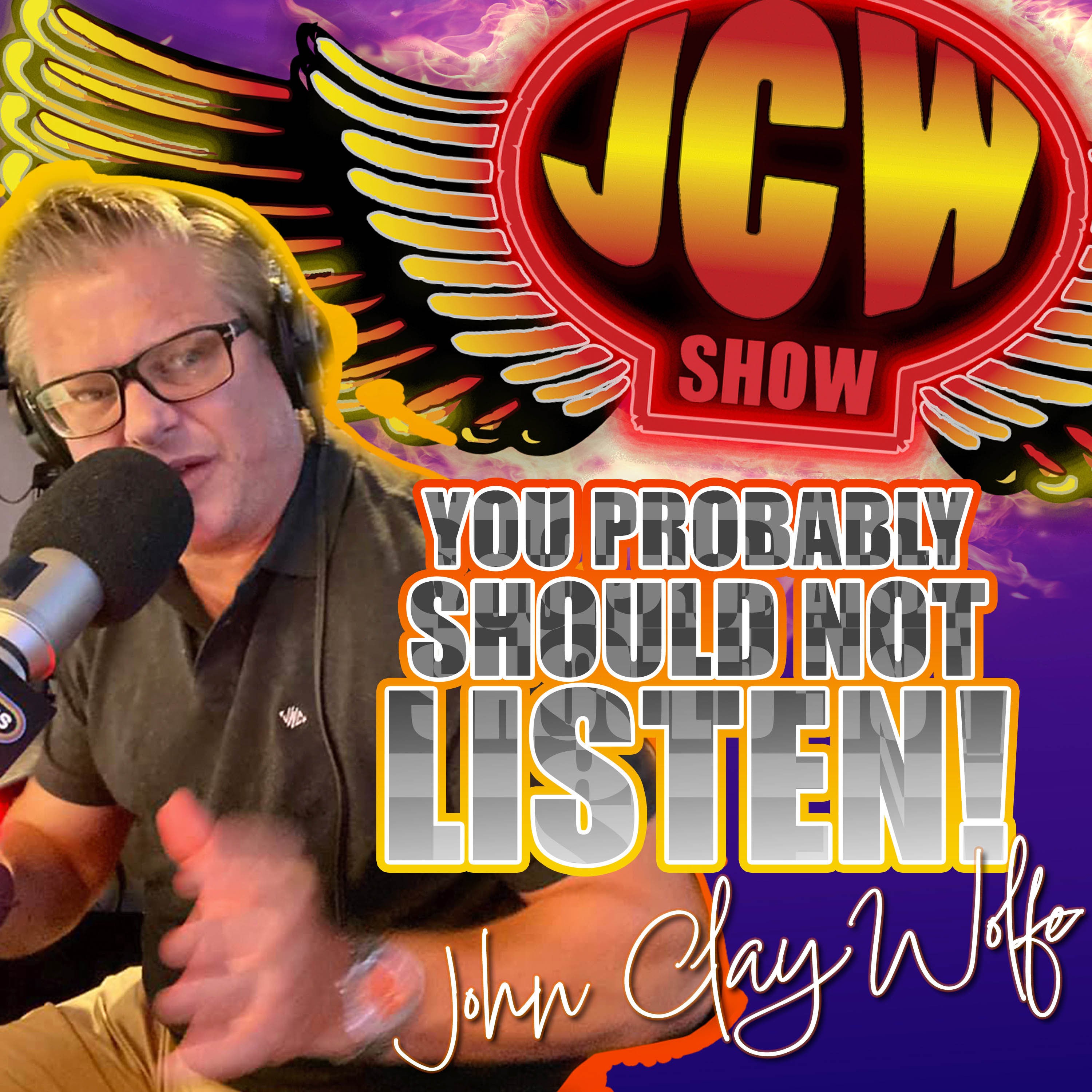
#552 John Clay Wolfe Show 04.25.26
About this episode
John Clay Wolfe and the crew bounce from oddball news to the core radio-shop rhythm of valuing cars, taking calls, and joking through the chaos. Along the way they appraise everything from a loaded Toyota TRD Pro and a Lay's delivery truck to a dune buggy, a Fire Chicken Trans Am, and a bizarre Beetle build, while also riffing on the NFL Draft, Spirit Airlines, and a string of wild news clips. The back half leans into event promo, trivia, and a memorable cattle-pest warning from a caller who waited hours to get on air.
sandrail
"Lee in Florida, you've got a sandrail. You've got a sandrail for sale. It's a 73 sandrail Daytona, titled in Street League."
A sandrail is a special off-road car made for sand dunes. It’s usually lighter and built to handle rough terrain better than a regular car.
A sandrail is a purpose-built off-road vehicle designed for sand dunes. They’re typically lightweight, have high ground clearance, and use simplified, durable drivetrains compared to street cars.
cams
"It's got some cams in it, but it's not punched all the way. And on a scale of one to 10, how nice is it?"
Cams are parts inside the engine that control when the valves open and close. Changing them can make the engine pull harder in certain RPM ranges.
Cams (camshafts) control valve timing and lift, which strongly affects engine power and how it feels to drive. In an off-road sandrail, cam choices are often used to improve torque where you need it most.
Holley
"We had to modify a holly. We put a holly on it instead of the stock one. Had to cut the back edge off it to fit behind the air fan."
Holley is a brand of carburetor. A carburetor mixes air and fuel, and people swap to Holley units to get better performance or easier tuning.
Holley is a well-known brand of carburetors, and swapping to a Holley is a common way to tune fuel delivery for performance or off-road use. The transcript also mentions modifying the carb to fit packaging constraints, which is typical in custom builds.
air fan
"We put a holly on it instead of the stock one. Had to cut the back edge off it to fit behind the air fan."
On air-cooled engines, a fan helps keep the engine from overheating by moving air over it. If you change the carburetor, it can hit the fan area, so you may need to modify it to fit.
In an air-cooled Volkswagen-based off-road setup, an “air fan” typically refers to the cooling fan/blower area that directs airflow over the engine. Carburetor fitment can become tight around the fan housing, so builders sometimes trim or reposition components.
two-place
"But what's it look like? A sandrail, everybody's a dune buggy. So is it a two-place or a four-place? Two."
“Two-place” just means it has two seats. That usually makes it simpler and lighter than a four-seat setup.
A “two-place” sandrail is a two-seat configuration, which affects weight distribution, passenger space, and how the chassis is laid out. Many dune buggies are built either as two-seat or four-seat depending on intended use.
Daytona seat covers
"And I got the last set of Daytona seat covers brand new that was in the nation for it."
These are replacement covers for the seats, and they’re described as brand new. New seat covers can make the interior look much better and can help the car’s value.
“Daytona seat covers” refers to replacement or custom upholstery covers associated with a Daytona-branded interior or build. Seat covers can be a major part of a vehicle’s presentation, and “brand new” suggests they’re unused and likely more valuable than worn originals.
wet sanding
"I've completely redid it. The paint, I did three coats of paint with wet sanding between with third coat on the frame."
Wet sanding is a way to smooth paint using water while sanding. It helps the next coat look smoother and more even.
Wet sanding is a paint-surface finishing method where water (or a wet sanding lubricant) is used while sanding. It helps smooth out imperfections between paint coats and can improve final gloss and uniformity.
three coats of paint
"The paint, I did three coats of paint with wet sanding between with third coat on the frame."
Using three paint coats means the painter builds up the color in layers. Sanding between coats helps the finish look cleaner and last longer.
Applying multiple paint coats is a common refinishing approach to build depth, coverage, and durability. Sanding between coats helps the layers bond and reduces visible defects.
auto auction
"[569.2s] And then we're going to sell, start selling those cars at the Mannheim PA auto auction. [596.2s] Right? [596.7s] It's the most satisfying learning curve out there."
An auto auction is where cars are sold to buyers (often dealers) through bidding. It can be a quick way to get cars for resale, but you have to pay attention because you can’t always inspect everything like you would at a dealership. It’s also easy to make mistakes if you’re new to the process.
The segment describes the wholesale auto-auction model, where vehicles are sold through live lanes rather than direct retail sales. For dealers, auctions can be a fast way to acquire inventory, but it also introduces risks like condition surprises, paperwork issues, and pricing volatility. The “learning curve” comment highlights that auction operations require process discipline.
Mannheim
"[569.2s] And then we're going to sell, start selling those cars at the Mannheim PA auto auction. [574.0s] And you're going to be the lane rep. [575.3s] And it's going to be a total and absolute disaster, but we're going to have fun doing it."
Mannheim is the name of the auction company/dealer auction network they’re using. Dealers go there to buy and sell cars in bulk. It’s basically a marketplace for wholesale used vehicles.
“Mannheim” refers to Mannheim Auto Auctions, a well-known wholesale auction operator used by dealers to buy and sell vehicles. In the used-car supply chain, these auctions help dealers source inventory without having to buy one car at a time from private sellers. The episode’s context suggests they’re using it as their sales channel for the northeast zone vehicles.
lane rep
"[574.0s] And you're going to be the lane rep. [575.3s] And it's going to be a total and absolute disaster, but we're going to have fun doing it. [580.0s] And Turley is going to be on the phone with you telling you all the things that you're doing wrong."
A “lane rep” is the person who works a specific lane at a live auction, coordinating how vehicles are presented and how the auction process runs for that lane. They typically communicate with auction staff and bidders, and keep the flow moving so vehicles get sold efficiently. The transcript frames it as a role that requires experience.
dial-a-deal segment
"That's the call in dial-a-deal segment right now. We used to call it the lightning round dial-a-deal. Call in with your car."
This is a live call-in part of the show where people offer their cars for sale or trade. You call in and they discuss bids on the radio.
The host describes a “dial-a-deal” segment where callers participate live on the radio. Listeners are encouraged to call in with their car details to get bids for selling or trading.
trade it in
"Call in with your car. If you're trying to trade it in, if you want to sell it, call in live right now, 800-800-radio."
Trading in means you give your current car to the seller and that value counts toward buying a different car. It’s basically an offer for your old car.
“Trade it in” refers to exchanging your current vehicle as part of the purchase of another vehicle. In practice, the dealer (or buyer) applies an offer value to your trade toward the new purchase price.
bids
"And all those bids are good at America's Best Car Bar. Give me the vin.com. You can also just go to gimmethevin.com and load your car in for a quick bid and a text from our representatives."
In this context, “bids” are offers made to buy a caller’s vehicle. The host suggests bids can be generated quickly via the website or through live call-in, based on provided vehicle details.
VIN
"Give me the vin.com. You can also just go to gimmethevin.com and load your car in for a quick bid and a text from our representatives."
A VIN is like your car’s fingerprint. It helps people look up the exact car you have so they can give a more accurate offer.
A VIN (vehicle identification number) is a unique 17-character code that identifies a specific car’s make, model, trim, and build details. Using the VIN helps buyers and sellers avoid guessing and can improve the accuracy of bids and valuations.
new grapplers
"Just leather, sunroof, four-wheels, new grapplers on it. JL Audio, I upgraded inside. And I love it."
“Grapplers” refers to a type of off-road tire. The idea is better grip on rough surfaces while still being usable for everyday driving.
“Grapplers” is a common nickname for BFGoodrich All-Terrain T/A KO2 “Grappler” tires (or similar off-road all-terrain tires). These tires are designed to balance highway comfort with improved traction on dirt, gravel, and light mud.
JL Audio
"new grapplers on it. JL Audio, I upgraded inside. And I love it."
JL Audio makes car audio equipment. If you upgrade to it, you usually get louder, clearer music—especially stronger bass—than the stock system.
JL Audio is an aftermarket audio brand known for car speakers and subwoofers. Upgrading to JL Audio typically means better sound quality, cleaner bass, and more output than many factory systems.
trade-in
"If you've got 45 grand, if you've got 45 grand on trade in, I think you're winning. On the note here, it said you got 45 grand on trade."
A trade-in is your current car’s value that gets applied to the new purchase. The dealer might quote a big number “on trade,” so you should make sure you understand what you’re really paying overall.
A trade-in is when you sell your current vehicle to the dealer and apply its value toward the purchase price of the new one. The “on trade” number can significantly change the effective price you pay, so it’s important to compare the deal with and without the trade value.
rebates
"They're working on some rebates and some other money to get to that figure. So that's not a live standalone figure."
A rebate is money back from the manufacturer or dealer that lowers what you pay for the car. It’s usually only available if you meet certain conditions, like buying a specific model or using certain financing.
Rebates are manufacturer- or dealer-funded discounts that reduce the purchase price of a vehicle. They’re often tied to specific models, trim levels, or financing/lease terms, which is why the “out-the-door” price can change based on how the deal is structured.
unfinished and needs paint
"Well, call me when you're more serious about selling your car, the one without any paint and needs finishing, because this one we got to see... Unfinished and needs paint out of Oklahoma. That goes into a different bucket."
They’re talking about a car that isn’t finished and still needs paint. That usually means it has cosmetic work to do, which can lower the price and add time/cost for the next owner.
The hosts categorize a car as “unfinished and needs paint,” meaning it’s not cosmetically complete—likely missing final bodywork/paint or having damage that hasn’t been repaired. This matters for buyers because it affects value, inspection expectations, and how much work is required to make it presentable.
America's Best Car Bar
"We'll be right back here on the John Clay Wolf Show, brought to you by America's Best Car Bar. Give me the Vin.com."
They’re reading an ad for a company called “America's Best Car Bar.” The episode doesn’t explain exactly what they do, just that they’re sponsoring the show.
“America's Best Car Bar” is mentioned as the show’s sponsor. It’s likely a car-buying or consignment-style service, but the transcript doesn’t provide details on their exact process.
Dallas Cowboys first-round pick
"Round one of the Dallas Cowboys got to say traded up to select Ohio State Safety Caleb Downs at number 11... The Cowboys doing something right finally. Nice."
They’re talking about a team’s first big draft choice and how fans think it will help.
This segment discusses the Dallas Cowboys’ first-round selection and the reaction to it. It’s framed as a team-building decision rather than a technical automotive topic.
battery
"And when we got it, he said, Oh, just put a battery in there to start right up. [1285.2s] And I put the battery in there and started rolling off."
The battery is what gives the car the electricity it needs to start. Sometimes people think “just add a battery” will fix everything, but other problems can still stop the car from working properly.
A battery provides the electrical power needed to start the engine and run the vehicle’s electronics. In older or project vehicles, a battery swap can make it seem like the car is ready, but other systems (wiring, fuel, ignition) may still be broken.
doom buggy
"...he will tell you where to deliver the car. [1375.8s] I mean the doom buggy for 5,500. [1379.3s] Is it in Florida?"
They’re using “doom buggy” like a nickname for a dune-buggy/off-road vehicle. It’s the kind of car you’d build or buy for dirt and off-road driving, not for normal commuting.
“Doom buggy” is slang here for a dune-buggy-style off-road vehicle. In car communities, it usually refers to a lightweight, open-frame off-roader built for fun and rough terrain rather than a street car.
race cars
"[1381.0s] Yeah, we got 10 race cars. [1384.5s] You know what I do all day long. [1385.7s] All right."
They’re talking about cars meant for racing, not just regular driving. Race cars usually need more careful maintenance because they’re pushed harder for longer.
The hosts mention having “10 race cars” and doing work like building a motor. Race cars typically require different setup and maintenance priorities than street cars—things like reliability under sustained load, cooling, and drivetrain durability.
exhaust wrap
"I was going to wrap it with a exhaust wrap. Go ahead and do that before you deliver it to us."
Exhaust wrap is a special heat-resistant material you wrap around parts of the exhaust. It’s mainly used to keep the exhaust heat from spreading around the engine bay. If it’s installed poorly or gets wet, it can make the exhaust rust faster.
An exhaust wrap is a heat-resistant fabric (or tape) wrapped around an exhaust component, usually a header or downpipe. It helps reduce heat radiating into the engine bay and can protect nearby parts, but it can also trap moisture and accelerate corrosion if not done correctly.
header paint
"Well, it's got the header paint on it. And can you paint it gray? Can you header paint it gray or black?"
Header paint is just special paint made to handle the extreme heat from exhaust parts. People use it to make the header look better and to help it survive heat without burning off as quickly.
“Header paint” refers to coating a header (or exhaust manifold) to improve appearance and add some heat resistance. Common options include high-temperature paint or ceramic coatings, which can help the surface tolerate exhaust heat better than regular paint.
pressure gauge for the brake lights
"My, it's the pressure gauge for the brake lights. And that's the first time we've actually got it tested. And I think the pressure gauge got to be replaced."
They’re talking about a sensor/gauge that checks brake pressure and helps control the brake lights. If that part is bad, your brake lights might act weird or not come on when they should.
This sounds like a brake-system pressure sensor/gauge used to trigger or monitor the brake lights. If it’s faulty, the brake lights may not work correctly or may not reflect real brake hydraulic pressure.

dune buggy
"We got a $5,500 dune buggy delivered, un-gayed. We're going to repaint the headers in the exhaust pipe black."
A dune buggy is a vehicle built for driving on sand and rough ground. Here they’re talking about a dune buggy they just had delivered and what they want to change on it.
A dune buggy is an off-road vehicle designed for sand and loose terrain, typically with a lightweight build and suspension tuned for bumps. In this segment, they’re discussing a delivered dune buggy and planned cosmetic/heat-management changes.
headers
"We're going to repaint the headers in the exhaust pipe black. Or are you going to wrap it in a heat wrap?"
Headers are the part that collects exhaust gases from the engine and sends them down the exhaust. People repaint or coat them because they get extremely hot and can look burned or rusty over time.
Headers are exhaust manifolds that collect exhaust gases from the engine cylinders and route them into the rest of the exhaust system. Repainting or coating headers is often done for heat management and to reduce discoloration from high exhaust temperatures.
exhaust pipe black
"We're going to repaint the headers in the exhaust pipe black. Or are you going to wrap it in a heat wrap?"
They’re talking about painting the exhaust parts black. Exhaust gets very hot, so you usually need special high-heat paint to keep it looking good.
Painting exhaust components black is a common cosmetic and heat-related choice, often done with high-temperature paint or coatings. The goal is usually to match the look and reduce visible heat staining.
heat wrap
"Or are you going to wrap it in a heat wrap? Yeah. Or dark gray's fine too."
Heat wrap is insulation you wrap around the exhaust to keep the heat from spreading. It can help protect other parts, but it needs to be installed properly and checked later.
Heat wrap is an insulating material wrapped around exhaust components to reduce heat radiation and protect nearby parts. It can help with under-hood temperatures, but it also requires correct installation and periodic inspection because it can degrade over time.
chrome
"And it could be better if it was chrome. That's asking too much."
Chrome refers to a shiny metal finish (usually chrome plating) used on trim and exterior parts to improve appearance and reflect light. On older-style builds, chrome accents are often part of the “period-correct” look.
dune buggies
"We're buying dune buggies. We got one running next week at Mannheim too."
A dune buggy is a small off-road car made for driving on sand and bumpy ground. People often build them with lightweight parts—sometimes fiberglass—so they’re easier to handle and maintain.
Dune buggies are lightweight, off-road vehicles designed for sand and rough terrain. They’re often built from a simple chassis with minimal bodywork, and many use fiberglass components to keep weight down and make repairs easier.
fiberglass frame
"It's got that fiberglass frame on it too. Oh, good."
Fiberglass is a lightweight material made from glass fibers mixed with resin. It’s often used on off-road cars because it doesn’t rust, but it can crack or get damaged if you hit something hard.
Fiberglass is a composite material (glass fibers in resin) that’s commonly used for body panels and lightweight structures. In off-road builds, fiberglass helps reduce weight and resist corrosion, but it can be more vulnerable to impact damage than metal.

Jeep Cj7
"My father, I built a Jeep CJ7 when I was in high school. Bought it for $2,500, put six-inch lift on it, put power steering on it."
A Jeep CJ7 is an older Jeep made for off-roading. People like it because it’s tough and you can modify it pretty easily. The host is talking about how his dad helped build one for driving off-road.
The Jeep CJ7 is a classic American off-road SUV from Jeep’s CJ (Civilian Jeep) lineup. It’s popular with enthusiasts because it’s simple, rugged, and easy to modify for trail use. In this segment, the host describes building one as a high-school project and upgrading it for off-road capability.
six-inch lift
"Bought it for $2,500, put six-inch lift on it, put power steering on it."
A “lift” raises the vehicle’s ride height, typically to fit larger tires and improve ground clearance for off-road obstacles. A six-inch lift is a significant change, which can affect steering geometry, ride quality, and driveline angles. It’s a common modification on Jeep CJ7-style trail builds.
power steering
"Bought it for $2,500, put six-inch lift on it, put power steering on it."
Power steering helps you turn the wheel with less effort. It’s especially helpful when you’re moving slowly or turning on rough ground. Adding it can make an older Jeep much easier to drive.
Power steering adds hydraulic or electric assist to make the steering wheel easier to turn, especially at low speeds or with larger tires. Older vehicles often had manual steering, so adding power steering can dramatically improve drivability and reduce fatigue. For an off-road Jeep build, it’s a practical upgrade.
smitty built roll cage
"Bad ass, put high back seats, smitty built roll cage. I had a bad ass Jeep."
A roll cage is a safety frame inside the vehicle. If the Jeep rolls over, it helps protect you by keeping the cabin from collapsing. Smittybilt makes aftermarket off-road safety parts like cages.
A roll cage is a reinforced metal frame installed inside the cabin to protect occupants during rollovers or impacts. “Smittybilt” (often misspelled in transcripts) is a well-known aftermarket off-road parts brand that sells roll cages and related safety equipment. Roll cages are common on off-road builds where the risk of hard impacts is higher.
batteries tick, tick, ticking and getting hot
"And you can't jump up and run out of it if you're in a wheelchair. She actually took the time to Google, what should I do if the batteries tick, tick, ticking and getting hot?"
That “ticking” and heat usually means a battery is going bad and could catch fire. Lithium batteries can get dangerously hot fast, so people treat it like an emergency.
The “ticking” and “getting hot” description strongly suggests a failing lithium battery that may be venting or entering thermal runaway. When lithium packs overheat, they can produce loud noises, smoke, and flames, so it’s treated as an urgent fire risk.
thermal runaway
"They said, take it out of the house and put it in your driveway. It looks like a firework show."
Thermal runaway is what happens when a lithium battery starts overheating and can’t stop. It can quickly turn into smoke or flames, which is why it’s so dangerous.
Thermal runaway is the runaway heating process that can happen in lithium-ion batteries when one cell fails. Once it starts, the battery can rapidly vent hot gas and ignite, which is why the outcome can look like a “firework show.”
golf cart fire
"Friend of mine in Arkansas, Abdullah. His mother's house burned down from a golf cart fire just like that. Jesus."
Golf carts increasingly use lithium batteries, and a battery failure can cause a sudden, intense fire. The transcript’s “just like that” comparison highlights how quickly these incidents can escalate.
e-bikes
"Yeah. The e-bikes too. There's places that won't take them in and service them because of that."
E-bikes run on lithium batteries. If there’s any chance the battery is unsafe, some shops won’t work on it because they’re worried about fire risk.
E-bikes typically use lithium-ion battery packs, which create special handling and service restrictions when there are safety concerns. The episode notes that some places won’t accept or service them because of fire-risk policies.
airlines are very careful about putting those in the open
"I was like, oh, okay. And airlines are very careful about putting those in the open."
Airlines are careful with lithium batteries because they can catch fire if they’re damaged or short out. They often require special packaging and rules about how batteries are carried.
Airlines treat lithium batteries as hazardous materials, with strict rules about transport and whether batteries can be exposed. This is to reduce the risk of short circuits, overheating, and fire during handling and in cargo areas.
fire extinguisher
"Well, hopefully you'll get the fire extinguisher and put it out, which is what happened on [1779.3s] the United Flight where it did happen."
A fire extinguisher is a tool that helps put out a fire fast. The idea is to stop a small fire before it spreads and becomes much harder to survive.
A fire extinguisher is a portable device that suppresses or stops a fire by interrupting the fire’s chemical reaction or cooling the fuel source. In vehicle and aircraft contexts, quick access and correct use can prevent a small incident from becoming catastrophic.
United Flight
"Well, hopefully you'll get the fire extinguisher and put it out, which is what happened on [1779.3s] the United Flight where it did happen. [1781.4s] The battery caught fire, they started smoking, they opened it up, hit the extinguisher."
They’re talking about a United flight where a battery started burning, but the crew responded quickly. Using the extinguisher early helped stop it from getting worse.
The transcript references a United Airlines flight incident where a battery fire was contained using an extinguisher. The point is that early detection and immediate suppression can prevent a battery-related event from escalating.
ValueJet
"Had that not happened, well, value jet, John, that's what happened on value jet. [1791.1s] They had the oxygen canisters in the cargo area, they caught fire and everyone died."
ValueJet is mentioned because of a famous crash where a fire started in the cargo area and became deadly. It’s a reminder that fires can start in places you wouldn’t expect.
ValueJet is referenced here in connection with a well-known aviation accident where cargo-related fires led to a fatal outcome. The takeaway is that fire risk isn’t limited to the passenger cabin—cargo and onboard systems can be ignition sources too.
oxygen canisters in the cargo area
"They had the oxygen canisters in the cargo area, they caught fire and everyone died. [1797.1s] The one over the Everglades?"
Oxygen makes fires burn much more aggressively. If oxygen canisters are involved, a small fire can turn into a much bigger one quickly.
Oxygen canisters can dramatically increase fire severity because oxygen supports combustion, making flames spread faster and burn hotter. In any transport system, storing oxidizers safely and preventing ignition sources is critical to fire prevention.

SLS Gullwing
"Not the convertible, but the Gullwing coupe. Okay. Perfect. All right. It's time for you to do dial-a-deal coming up next. Yeah, I want to dial-a-deal on an SLS Gullwing."
When they say “SLS Gullwing,” they mean the Mercedes-Benz SLS AMG coupe with doors that open upward like a bird’s wings. It’s a collectible supercar, not just a regular Mercedes.
“SLS Gullwing” refers to the Mercedes-Benz SLS AMG coupe with gullwing doors. These doors hinge upward, and the car is often discussed as a collectible because of its styling, limited production, and supercar-era performance.
1,100 miles
"It was beautiful. I saw it on Facebook. Well, it had 1,100 miles on it."
“1,100 miles” means the car has been driven very little. Cars with extremely low mileage are often more desirable because they tend to show less wear.
Low mileage like “1,100 miles” is a key buying signal for collectors because it suggests the car has been lightly used and may have less wear. It can also affect pricing, since very low-mile examples often command a premium.
market just made a move on those
"I was a little worried about it. I was reaching on out there on a good one. But the market just made a move on those. Got you."
Car prices don’t stay fixed—buyers and sellers can shift what they’re willing to pay. So a car that seemed like a good deal (or a risky buy) can suddenly be worth more or less.
The host is describing how used-car pricing can change quickly based on demand and supply. When the market “moves,” the same vehicle can become worth more or less than it was just weeks earlier.
rough for clean
"Year-make model miles, average rough for clean. We'll be right back."
They’re talking about how condition changes the price. A car that looks and runs worse (“rough”) is worth less than one that’s in better shape (“clean”).
“Rough for clean” is a shorthand way dealers/valuers adjust pricing based on condition. A “rough” example typically sells for less than a “clean” one because of cosmetic wear, mechanical uncertainty, and reconditioning costs.
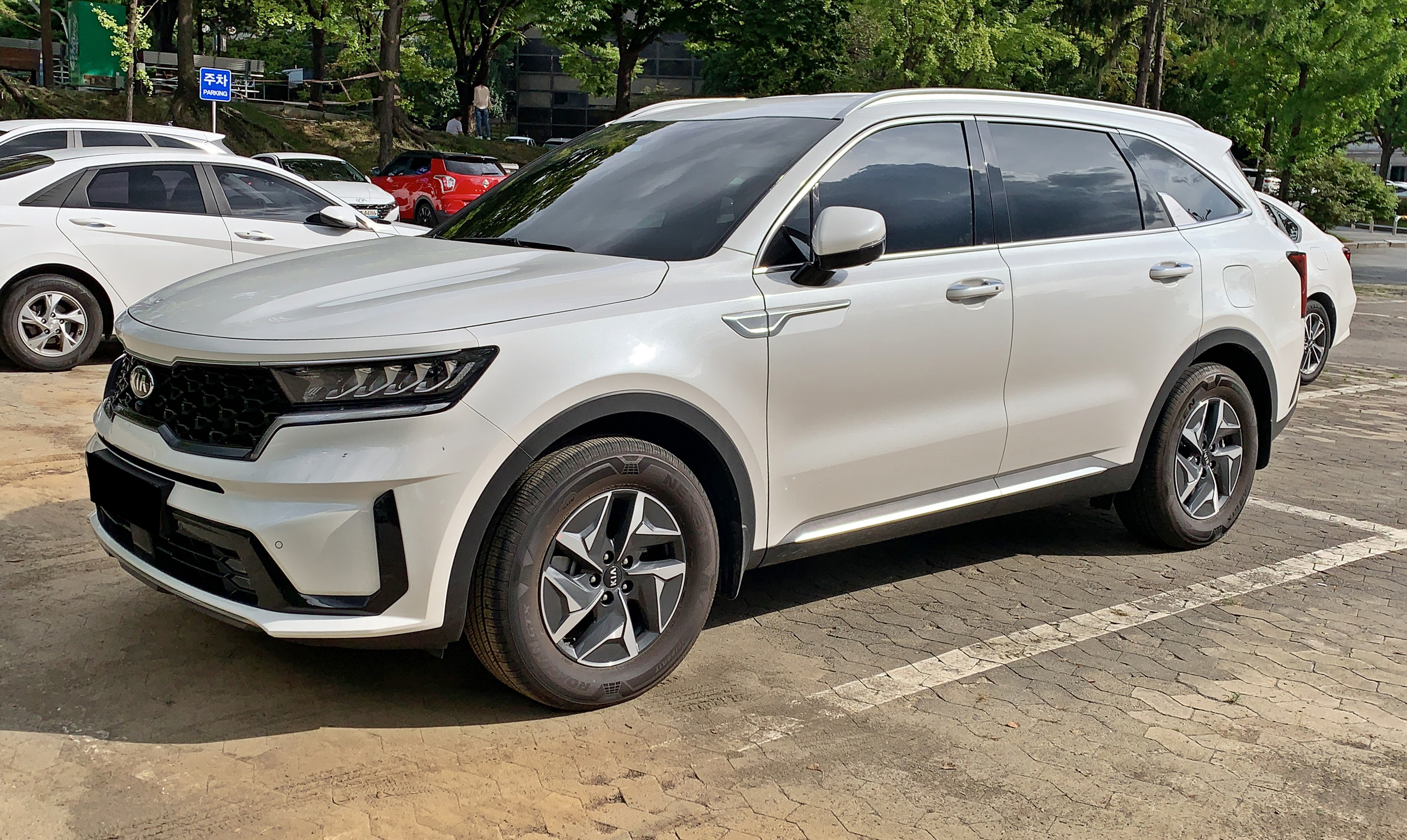
Kia Sorento
"This is the lightning round brought to you by gimmethevind.com, and you can sell your car at gimmethevind.com as well. 17 key of sorento with 150,000 miles. You want 7,000, it's worth 3,500."
The Kia Sorento is a popular SUV. Here they’re talking about what it’s worth using mileage and condition—higher miles usually mean a lower price.
The Kia Sorento is a midsize SUV that’s commonly traded in the used market. In this segment, it’s being valued based on mileage (150,000 miles) and condition (“rough for clean” earlier), which heavily affects resale price.
cabin chassis
"[2783.0s] Yeah, I'll tell you the Lay's story. [2785.7s] So I bought it in 2021. [2788.0s] I bought it as a cabin chassis. [2789.8s] I can tell. [2790.1s] I bought it with 65,000 original miles."
A cabin chassis is basically the truck’s cab and frame, without the final “box” or body. People buy it this way when they want to customize what goes on the back.
A cabin chassis is a truck sold with the cab and frame, but without the final body/box installed. That makes it ideal for upfitting—like adding a branded cargo box—because the builder can choose the exact body style and layout.
frames stretched three and a half feet
"[2790.1s] I bought it with 65,000 original miles. [2792.4s] Okay. [2793.0s] And then I ended up having the frames stretched three and a half feet. [2798.1s] I had them install the Lay's box. [2800.4s] It was off a total truck. [2801.6s] And you can't hate me on that, John."
They lengthened the truck’s frame by a few feet to make room for the custom setup. It’s a big structural change, not just a cosmetic modification.
“Stretching the frame” means lengthening the truck’s chassis by adding material and re-aligning the structure so the drivetrain and suspension geometry still work. It’s a major modification that affects ride, handling, and how the vehicle is built/inspected.
Lay's box
"[2793.0s] And then I ended up having the frames stretched three and a half feet. [2798.1s] I had them install the Lay's box. [2800.4s] It was off a total truck. [2801.6s] And you can't hate me on that, John."
The “Lay’s box” is the custom container/body they put on the back of the truck for the Lay’s branding and cargo. It’s the part that turns a regular truck into a branded vehicle.
The “Lay’s box” is the custom cargo body installed on the truck after the chassis was stretched. This is typical of branded commercial vehicles: the box is engineered to fit the modified frame and to carry product safely.
total truck
"[2798.1s] I had them install the Lay's box. [2800.4s] It was off a total truck. [2801.6s] And you can't hate me on that, John."
A “total truck” is a truck that got written off as a total loss. They used the box from that truck, which can be a smart shortcut, but you’d want to make sure it’s structurally sound.
A “total truck” typically means a vehicle that was declared a total loss by insurance after damage. Using parts or a body from a totaled truck is a common way to source a ready-made body/box for a conversion, but it can introduce unknown prior damage.
parts were hard to get
"I mean, especially during and after COVID parts were hard to get. Oh yeah. So it's like I had to replace everything as I went and I'm not going to get stranded."
When lots of car parts are delayed or scarce, fixing your vehicle becomes harder. That can mean you replace things sooner or keep extra records so you don’t get stuck waiting for parts.
During and after COVID, many auto parts supply chains were disrupted, which made repairs and maintenance take longer and cost more. People often had to plan replacements carefully to avoid being stuck with a vehicle that couldn’t be serviced.
fully depreciated
"So did you fully depreciated on your taxes already? Yeah, yeah, I took care of all that."
Depreciation is how taxes treat a big purchase over time. “Fully depreciated” means you’ve already claimed the tax write-offs you can for that purchase, so you don’t get much (or any) more tax benefit from it.
“Fully depreciated” means the asset’s cost has been written off for tax purposes over time, so there’s little or no remaining depreciation deduction. In car/build contexts, people often discuss depreciation to reduce taxable income based on how the vehicle is used and owned.
wholesale crap number
"Does 8,000 buy it? John, come on. That's like wholesale crap number."
They’re talking about price levels: wholesale is usually what someone pays to buy the truck, while retail is what you pay as a customer. The host is basically saying the number is too low to be realistic.
This is a pricing reference to “wholesale” value—what a dealer or buyer might pay versus what a retail customer pays. While not a technical automotive term, it’s relevant to how vehicle pricing is discussed in the used-truck market.
crew cab
"That's like wholesale crap number. That's the crew cab, John."
A “crew cab” is a truck with four doors, so there’s usually more room for passengers in the back. It’s the cab style most people think of when they want a truck that can carry more people.
A “crew cab” is a truck cab configuration with four full-size doors, typically allowing more rear-seat space than a regular cab or extended cab. It’s a common way to describe how many seats/doors the truck has, which affects usability and resale.
hauler bed / horse hauler conversion
"But you extended the bed so it can't be a hauler for a truck, for a horse guy without recutting the frame and bringing it up and putting a hauler bed on it."
A horse hauler setup usually isn’t just a bolt-on accessory. It often requires changing the truck’s frame and adding a specialized bed so the weight is supported safely and the truck can handle the load.
The segment describes a “hauler” setup—specifically a horse-hauling configuration—requiring major modifications like recutting the frame and installing a hauler bed. These conversions matter because they affect structural integrity, weight distribution, braking demands, and legal/inspection requirements.
extended bed
"That's the crew cab, John. But you extended the bed so it can't be a hauler for a truck, for a horse guy without recutting the frame..."
The “bed” is the cargo area behind the cab. An “extended bed” is longer, so you can haul more stuff, but it can also make the truck harder to park.
An “extended bed” refers to a longer pickup truck cargo bed than a standard short bed. Longer beds are often chosen for hauling gear, tools, or equipment, but they can change how the truck fits in driveways/parking and how it rides.
recutting the frame
"...without recutting the frame and bringing it up and putting a hauler bed on it."
The frame is the truck’s main structural backbone. Cutting and reshaping it is a big deal—done wrong, it can make the truck unsafe or cause handling and alignment problems.
“Recutting the frame” means altering the truck’s chassis rails, which is a serious structural modification. Frame changes can affect crash safety, alignment, and how loads transfer to suspension and brakes, so it typically requires professional fabrication and engineering.
tour haulers
"Look at the tour haulers. John, the tour haulers are the same year, the same cab, right? Yeah."
A tour hauler is a vehicle or trailer used to move gear for events or touring. It’s meant to carry more than just passengers—usually equipment too.
“Tour haulers” are typically vehicles or trailers used to transport equipment and people for touring—often for bands, events, or motorsports. Here, they’re being discussed alongside cab configurations and pricing, suggesting the term is tied to a specific vehicle/trailer use case.
toy hauler
"You do bring up a decent argument to convert this into a toy hauler, but we must take the, we'd have to put like KTM or Kawasaki or Polaris on the side instead of Lay's potato chips."
A toy hauler is basically a way to transport fun stuff like dirt bikes or ATVs. It’s set up so you can load and unload the bikes more easily than a normal trailer.
A “toy hauler” is a trailer or vehicle setup designed to carry recreational gear—like motorcycles, ATVs, or dirt bikes—along with a ramp or loading area. In this segment, they’re discussing converting a truck/cab configuration into something that can haul bikes and other toys.
KTM
"You do bring up a decent argument to convert this into a toy hauler, but we must take the, we'd have to put like KTM or Kawasaki or Polaris on the side instead of Lay's potato chips."
KTM is a motorcycle brand. They’re joking about putting KTM-style branding on the trailer instead of a snack brand.
KTM is a major motorcycle manufacturer known for off-road and street bikes. The hosts mention putting KTM branding on the side as part of the “toy hauler” conversion idea, implying the vehicle would be themed for moto brands.
Kawasaki
"...we'd have to put like KTM or Kawasaki or Polaris on the side instead of Lay's potato chips."
Kawasaki makes motorcycles and other powersports vehicles. They’re using it as an example of a motorcycle brand for the trailer’s theme.
Kawasaki is a well-known motorcycle and powersports brand. In this segment, it’s referenced as an example of the kind of moto branding that could replace the existing Lay’s potato chips branding on a converted toy hauler.
Polaris
"...KTM or Kawasaki or Polaris on the side instead of Lay's potato chips. However, do you, I might give the 15 if you do the Polaris or some kind of moto, you know,"
Polaris is a company that makes off-road vehicles like ATVs and side-by-sides. They’re talking about putting Polaris branding on the trailer.
Polaris is a powersports company best known for ATVs, side-by-sides, and some off-road vehicles. The hosts mention Polaris branding in the context of converting a toy hauler to fit a moto theme.
air conditioner
"[3005.9s] All right. [3005.9s] I might, I might, but, but load that up into gimmethevend.com and let me take, and take [3009.9s] a video of it also running in the air conditioner working. [3012.8s] That's fine."
They want to show it running while the AC is on. That way you can see it works normally even with everyday comfort features running.
Running “in the air conditioner working” suggests they want to verify the vehicle’s operation under normal cabin-load conditions. For listeners, it’s a reminder that comfort systems and electrical load can affect how a vehicle behaves during testing or demos.
rock crawling
"It's mountain bikers, rock crawlers, off-roaders. It's the capital of that kind of behavior in the US."
Rock crawling is off-roading on really rough rocks where you go slowly. The goal is to keep your tires from slipping while you pick a careful line over obstacles.
Rock crawling is a slow, technical style of off-roading where drivers prioritize traction and control over speed. It often involves navigating steep, uneven terrain and using careful throttle and steering to keep tires gripping.
off-roaders
"It's mountain bikers, rock crawlers, off-roaders. It's the capital of that kind of behavior in the US."
Off-roaders are drivers who take their vehicles on rough trails instead of regular roads. They’re usually focused on traction and control when the ground is unpredictable.
Off-roaders are people who drive vehicles designed or modified to handle unpaved roads, mud, rocks, and other rough terrain. In the context of the episode, it’s describing a community built around challenging trails rather than normal street driving.
Poison Spider, Hell's Revenge, Double Block Crack
"We did, um, Poison Spider, Hell's Revenge, uh, Double Block Crack. I was like, these names are kind of giving us a cue of what type of trails these are."
Those are names of specific off-road trails/sections. The fact that they sound intense is basically the hosts saying, “yeah, these are tough trails.”
These are named off-road trail sections, and the hosts use their names to hint at how difficult or technical the routes are. Trail names like these are common in off-road regions and help riders/drivers set expectations before attempting obstacles.
Devil's death
"Devil's death. Devil's death, you know, and I was like, I don't think I'll ever do it again."
“Devil's death” sounds like a particularly brutal trail name. The host’s comment implies it’s so hard that they don’t want to do it again.
“Devil's death” appears to be another named trail/obstacle, and the host’s reaction suggests it’s extremely difficult or intimidating. Named trails often reflect the reputation of the route among local off-roaders.
going down four and five feet on these rocks
"That looks really pretty and smooth, but the stuff I was watching earlier was you were going down four and five feet on these rocks."
They’re talking about driving over really rough rocks where the car drops down a big step. That stresses the suspension and tires, and it can make it harder to keep control and grip.
The hosts are describing a rough off-road obstacle where the vehicle drops several feet onto rocks. That kind of terrain tests suspension travel, tire sidewall compliance, and how well the drivetrain keeps traction over uneven surfaces.
Falling
"That's like, uh, what? Falling. Six, 70 degree up down."
They mean the vehicle is dropping off obstacles. The goal is to keep the tires gripping and avoid the suspension getting slammed all the way down.
“Falling” here likely refers to controlled drops off rocks or ledges during off-road driving. In practice, the key is maintaining traction and managing suspension compression so the vehicle doesn’t bottom out or lose control.
70 degree up down
"Falling. Six, 70 degree up down. No, it was like 40 to 40 to 80."
They’re describing very steep hills or slopes. Going up and down that steep can make it harder for the tires to grip and for the vehicle to slow down safely.
This sounds like they’re describing steep grade changes—climbing and descending very steep angles. Steep up/down sections challenge traction, braking control, and suspension geometry, especially on loose or rocky surfaces.
blip
"Oh, and all of a sudden there's a four foot drop off and you just blip off of it. And then you, oh, there's a four foot rock wall that you've got to, you got to wheelie into, jam your front tire into, then blip up that one."
A “blip” is a quick twist of the throttle. Riders use it to help the bike stay smooth and controlled when hitting jumps or sudden changes in the track.
A “blip” is a quick throttle input used to momentarily raise engine speed. In motocross, riders use blips to help the bike transition over drops/obstacles and to improve stability when the suspension unloads and reloads.
wheelie into a rock wall
"And then you, oh, there's a four foot rock wall that you've got to, you got to wheelie into, jam your front tire into, then blip up that one."
That means the rider lifts the front wheel to help the bike get onto a steep obstacle. It’s tricky because you’re relying on balance and tire grip while climbing something hard.
A “wheelie into” an obstacle means lifting the front wheel to clear or set up the bike for a steep feature. On dirt, this changes weight transfer and traction—so the rider must manage throttle and balance to avoid stalling or washing out the front tire.
motorcross track
"Cause I was like, I'm never going to the motor cross track again. I'm never going to do doubles. I'm never going to do whoops after my big injury."
A motocross track is a course made for dirt bikes, with bumps and jumps. Riders have to control the bike’s grip and landing every time they hit an obstacle.
A motocross track is built with jumps, drops, and obstacles that force riders to manage traction and suspension repeatedly. The layout (whoops, doubles, and rock/step features) changes how you accelerate, brake, and land.
doubles
"I'm never going to do doubles. I'm never going to do whoops after my big injury."
“Doubles” are two jumps back-to-back. You land from the first one and then jump again right away, so timing and control matter a lot.
In motocross, “doubles” are jump combinations where you land from one jump and immediately take off for the next. Riders must time throttle and body position so the bike is stable on landing and ready for the next takeoff.
whoops
"I'm never going to do whoops after my big injury. And this was a, and I'm talking to my wife."
Whoops are bumpy sections made of repeating mounds. The bike’s suspension has to work fast, and the rider needs to stay balanced so the front wheel doesn’t get thrown around.
Whoops are a series of closely spaced, rounded bumps that force the suspension to compress and rebound rapidly. Good technique helps keep the front end from getting deflected and maintains traction through the rhythm section.
mechanic Richter
"I'll tell you one thing, your mechanic, Richter was glowing yesterday when I talked to him, he was so glad you brought him along. So he drove the bikes up and, um, and then we get going and I look at him and he's all geared up, you know, the, the guy that works out here."
They’re talking about their mechanic, Richter, who was excited to come along. In dirt biking, a good mechanic helps make sure the bike is set up right for the track.
The transcript mentions a specific mechanic, Richter, being “glowing” and glad the rider brought him along. In motocross, having a mechanic can matter because bikes often need setup changes (tires, suspension settings, and fresh checks) to match track conditions.
rig
"So when you say somebody drops down and they're hurt, the rigs there, how do they bring it back? [3377.0s] Helicopters."
“Rig” just means the vehicle they’re using for the trip. If someone gets hurt, the rig is what they’d use to bring things back or help with recovery.
In off-road contexts, a “rig” usually means the vehicle setup used to reach and work on difficult terrain—often a purpose-built truck or SUV with off-road equipment. Here, it’s discussed as the vehicle that would be used to recover someone if they get hurt.
off-road recovery by helicopter
"So when you say somebody drops down and they're hurt, the rigs there, how do they bring it back? [3377.0s] Helicopters. [3378.5s] Wow."
If someone gets hurt far out in rough terrain, it can be hard to reach them with regular vehicles. A helicopter can pick them up faster than trying to drive in and out over difficult trails.
When terrain is remote and difficult—like being deep in mountains or desert—ground recovery can be too slow or impossible. Helicopters are sometimes used to evacuate injured people quickly, especially when the location is far from roads and trails are only passable by specialized vehicles.
rock crawlers
"The rock crawlers are going three miles. [3387.4s] When, when everything on the trail is like not off-road rigs, but rock crawlers, [3392.5s] that's a signal that you're in some heavy terrain."
Rock crawlers are off-road vehicles made for climbing over rocks slowly and carefully. If you’re seeing rock crawlers on the trail, it usually means the area is really tough and not for casual driving.
Rock crawlers are specialized off-road vehicles built to move slowly over rocks and steep obstacles with lots of traction. They’re typically equipped with low gearing, strong suspension articulation, and tires designed for grip at low speeds—signaling “heavy terrain” compared with normal off-road rigs.
air conditioning
"But, uh, it, like the radio is not in it and the air conditioning are still not working. And there's still some little details on the interior that need to be better."
Air conditioning is what keeps the inside of the car cool. If it’s not working yet, it could be something simple like a low refrigerant level or something bigger like a failed compressor.
“Air conditioning” (A/C) is the climate system that cools and dehumidifies the cabin. If it’s “still not working,” the car may have issues with refrigerant charge, compressor operation, or control modules.
burnout
"Look at this burnout, um, that I was doing last night in town, show.com. Yeah. And the father and me went, John, the burnout."
A “burnout” is when the driver spins the driven wheels (usually by holding the brake and applying throttle) to heat up tires and sometimes clear debris. It’s hard on tires and can stress drivetrain components, so it’s typically done intentionally in controlled settings.
supercharged engine
"Um, and it was, uh, we put a LT for supercharged engine in it."
A supercharger is a device that forces extra air into the engine. That extra air helps the engine make more power. It’s one of the main reasons a modified car can feel “way faster” than stock.
A supercharged engine uses a compressor (driven by the engine) to force more air into the cylinders. More air generally means more fuel can be burned, which can dramatically increase power compared with naturally aspirated setups. In muscle-car terms, adding a supercharger is a common path to big horsepower gains.
800 horses
"Yeah. It looks like a regular old brand new perfect stock. And it is about 800 horses."
“800 horses” means the car makes around 800 horsepower. Horsepower is basically how much power the engine can produce. At that level, the car is in a very serious performance category.
“800 horses” is shorthand for about 800 horsepower, a measure of engine output. When a car is described this way, it usually means the engine and supporting systems (fuel, cooling, drivetrain) are built to handle high power. Listeners should think of this as a major performance level, not a small upgrade.
big intake
"Check, great big intake on it. Uh, it's, it's so much different from what."
The intake is how the engine gets air. A bigger intake lets the engine breathe more easily, which can make the car feel more responsive and sometimes faster.
“Intake” refers to the air path that feeds the engine. A “big intake” usually means a larger or freer-flowing setup that can improve airflow, which often helps throttle response and can support more power depending on the rest of the engine setup.
burn both tires
"...it'll burn both tires at, um, from a 30 mile an hour roll. So it gets squirrely."
That phrase means the driver is making the tires spin while the car is moving, usually to heat them up or show how much power it has. Doing it from a rolling speed means it’s not just at a stop—it’s happening while driving.
“Burn both tires” is slang for doing a burnout that spins both driven wheels, typically to heat the tires or demonstrate traction and power. When they say it “burns both tires… from a 30 mile an hour roll,” they’re describing a controlled loss of traction under load rather than a simple launch.
gets squirrely
"So it gets squirrely. No. Nice."
“Squirrely” means the car feels a little out of control or twitchy. Usually it’s because the tires are losing grip, so the car doesn’t track straight as easily.
“Squirrely” describes a car that feels unstable—often the rear stepping out or the car wandering because traction is breaking. It’s commonly associated with aggressive throttle, limited traction, or suspension/steering setups that allow more slip.
all new suspension
"No, no, no, all new suspension, different everything. And it tracks really well."
Suspension is what connects the wheels to the car and helps it stay stable. If it’s all new, the car can handle better and feel more predictable because the wheels can grip the road more consistently.
Suspension components control ride quality and how the tires stay planted during acceleration, braking, and cornering. “All new suspension” implies the geometry and damping characteristics were changed, which can dramatically affect handling feel and stability.
revalve the steering pump
"It needs, um, and Mike said he could revalve the steering pump, the power steering pump to apply less pressure..."
Power steering uses fluid pressure to make the wheel easier to turn. “Revalving” is basically tuning that pressure so the steering feels different—often a bit heavier—which can help the car feel more stable.
Revalving a power steering pump means changing the internal valve calibration that controls hydraulic pressure and flow. Reducing pressure can make steering effort higher and can sometimes improve straight-line stability by reducing how quickly the car responds to small steering inputs.
more stable type
"...which would make it a little more difficult to turn, which would make it a little more stable type, which is cool."
They mean the car would feel less twitchy and more predictable. By making the steering a little harder to turn, it can help prevent the driver from accidentally steering too much.
They’re describing a stability improvement by changing steering assist characteristics. In practice, reducing steering responsiveness (via lower hydraulic pressure) can reduce over-correction and help the car track straighter, especially when traction is limited or the car is moving quickly.
toe
"So at high speeds, when one tire comes up, it changes the toe in a little bit."
Toe is how much the wheels point inward or outward compared to the direction the car is going. If it’s not set correctly, the tires can fight each other at speed and cause shaking or vibration.
Toe is the alignment angle of a wheel relative to the car’s centerline. Small changes in toe can alter how the tires scrub and load at speed, which can contribute to vibration or instability.
high speeds
"So at high speeds, when one tire comes up... it starts this vibration at about a hundred miles an hour that starts like resonating."
Some vibrations only show up when you’re going fast. That’s because the car can start “resonating,” like when a sound matches the right frequency and gets louder.
High-speed vibration problems often come from resonance—when a rotating or road-force input matches the suspension/tire system’s natural frequencies. The host describes a vibration that appears around a specific speed range and then “resonates.”
tuning a race car
"It's just like a race car, tuning a race car. That car is incredible, that, uh, F six Ferrari."
They mean the same kind of careful setup work race teams do. Instead of guessing, you adjust the car step-by-step until the problem (like vibration at speed) goes away.
Race-car tuning is the process of dialing in setup details (alignment, suspension geometry, tire behavior, and damping) to eliminate issues that only show up at speed. The host compares the Ferrari’s problem-solving to how teams troubleshoot vibration and handling on track.
Spirit Airlines
"It's a it's an experience for those that have never flown spirit... we know we're the dollar store of airplanes."
Spirit Airlines is an airline that tries to keep ticket prices very low. The hosts are talking about why some people like it and what the experience is like.
Spirit Airlines is discussed as a low-cost carrier known for very affordable fares. The hosts reference its pricing strategy and customer experience, including the idea that it’s “the dollar store of airplanes.”
Request an Explanation
Heard something you'd like explained? We'll add it to this episode.
Sign in to request explanations for terms you heard.
Want to learn more?
Browse our glossary for plain-English explanations of automotive terms, jargon, and concepts.
Help improve this episode
See something that's not quite right? Our annotations are AI-generated and can sometimes miss the mark. Click the flag icon on any annotation to suggest a correction.