
704: Mike and Max Offroad Podcast (Takeover)
About this episode
Mike and Max spend most of the takeover episode swapping trail stories and wrenching notes, starting with a Jeep that bogged down at half throttle because of a clogged fuel filter and tank debris. They dig into TBI fuel pressure, ignition timing, and the idea of building lighter around a Samurai platform. The back half turns into a Johnson Valley and Payson recap, with favorite trails, brutal obstacles, broken axle shafts, and a long overnight recovery that stretched into the early morning.
After being away from podcasting, they came out of retirement to help Tyler and Jimmy while they are out at TrailHero Expedition. I guess it never hurts to ask. It’s so much fun hearing these guys back on the mic, talking about their trips to Johnson Valley and a location that shall not be named. It’s also great to hear that they are doing well in life and still able to go wheeling.
We have a massive discount this month with Rusoh Fire Extinguishers. You can get 25% off this month only with the discount code Rusohcrawlers. Go grab yours today!
SnailTrail4x4 Discord: https://discord.gg/yFyFFkQbuy
Come hang out with us on the SnailTrail4x4 Discord — it’s the easiest way to connect with Tyler and Jimmy directly, chat with fellow offroad enthusiasts, and get first access to Group Buys and Treasure Hunt token drops.
MORRFlate Giveaway at 900 Reviews on Apple Podcast. But our next giveaway is when we reach 800 reviews; we are giving away an OnX Elite Membership. We will also give away an OnX Elite membership when we get to 850. However, when we reach 900 Reviews, we are teaming up with MORRFlate for a $1000 MF Product Giveaway. Go over to Apple Podcasts to leave your review now and become eligible to win. Congratulations to A13XMONT, who won a set of tires from Yokohama Tire!
Call us and leave us a VOICEMAIL!!!We want to hear from you even more!!! You can call and say whatever you like! Ask a question, leave feedback, correct some information about welding, say how much you hate your Jeep, and wish you had a Toyota! We will air them all, live, on the podcast! +01-916-345-4744. If you have any negative feedback, you can call our negative feedback hotline, 408-800-5169.
4Wheel Underground has all the suspension parts you need to take your off-road rig from leaf springs to a performance suspension system. We just ordered our kits for Kermit and Samantha and are looking forward to getting them. The ordering process was quite simple, and after answering the questionnaire, we ensured we got the correct and best-fitting kits for our vehicles. If you want to level up your suspension game, check out 4Wheel Underground.
SnailTrail4x4 Podcast is brought to you by all of our peeps over at irate4x4! Make sure to stop by and see all of the great perks you get for supporting SnailTrail4x4! Discount Codes, Monthly Give-Always, Gift Boxes, the SnailTrail4x4 Community, and the ST4x4 Treasure Hunt! Thank you to all of those who support us! We couldn’t do it without you guys (and gals!)!
SnailSquad Monthly GiveawayMassive thanks to this month’s giveaway with Rusoh Fire Extinguishers. We have one of their 2.5-pound extinguishers to give away to a lucky winner. This extinguisher has an 18-year shelf life and is the best fire extinguisher for any off-road vehicle. To learn more, check out Rusoh.com. If you want a chance to win, sign up for the Giveaway Tier on Irate4x4
For the Month of April, we are giving away Gift Boxes. Its Gift Box month and two luck indiviuals will win a one of our gift boxs. These are jam packed with goodies from tools to whiskey smokers. They are always different and always random. If you want a chance to win, sign up for the Giveaway Tier on Irate4x4
Listener Discount Codes:SnailTrail4x4 –SnailTrail15 for 15% off SnailTrail4x4 Merch
MORRFlate – snailtraill4x4 to get 10% off MORRFlate Multi Tire Inflation Deflation™ Kits
4WheelUnderground – snailtrail 10% off
Ironman 4×4 – snailtrail20 to get 20% off all Ironman 4×4 branded equipment!
Sidetracked Offroad – snailtrail4x4 (lowercase) to get 15% off lights and recovery gear
Spartan Rope – snailtrail4x4 to get 10% off sitewide
Shock Surplus – SNAILTRAIL4x4 to get $25 off any order!
Mob Armor – SNAILTRAIL4X4 for 15% off
SummerShine Supply – ST4x4 for 10% off
Backpacker’s Pantry – Affiliate Link
Laminx Protective Films – Use the Link to get 20% off all products (Affiliate Link)
Show Music:
- Outroll Music – Meizong Kumbang
- Midroll Music – ComaStudio

Toyota Celica
"Hey, everybody. What's the first Toyota out there? Little quiz. Do you know, Max? Toyota Celica. Nope."
The Toyota Celica is a sporty Toyota car. It’s not usually what you’d think of for off-roading, so it’s mostly mentioned as a quiz answer.
The Toyota Celica is a compact sports coupe/convertible that Toyota made for decades. In an off-road context it’s more of a “car people know” name-drop than a typical trail rig.
Toyota Tundra
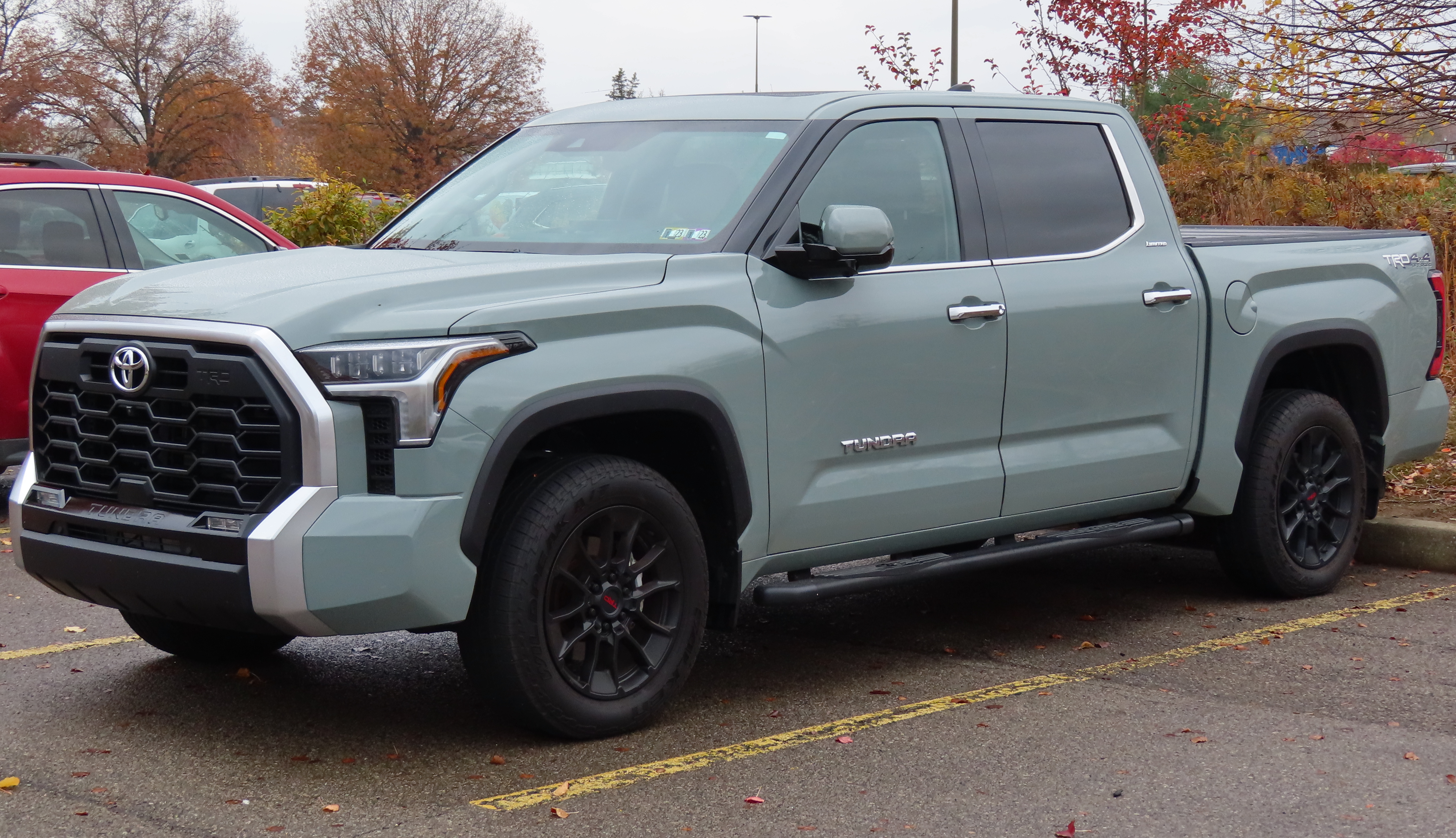
"Little quiz. Do you know, Max? Toyota Celica. Nope. Toyota Tundra. Truck."
The Toyota Tundra is a full-size Toyota pickup truck. People like it for off-roading because it’s a real truck with lots of upgrade options.
The Toyota Tundra is Toyota’s full-size pickup truck. It’s a common choice for off-roaders because it has a truck frame and is widely supported with aftermarket off-road parts.
Toyota Tacoma
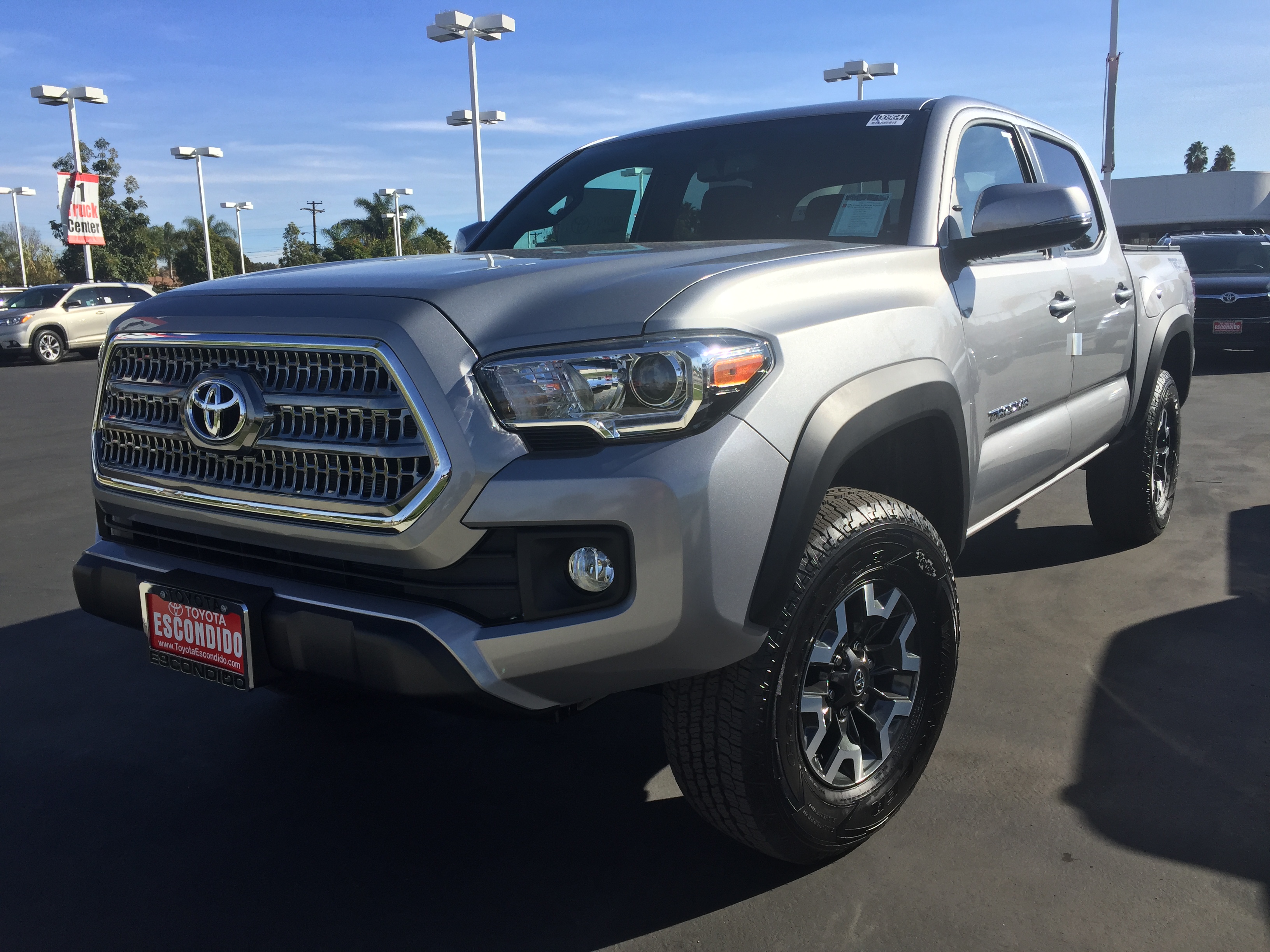
"Oh, Toyota Hardbody. No. It wasn't a Tacoma yet. No. No. Somebody out there is yelling."
The Toyota Tacoma is a mid-size Toyota pickup that’s very common for off-roading. They’re saying the truck in their quiz wasn’t a Tacoma yet.
The Toyota Tacoma is Toyota’s mid-size pickup, and it’s one of the most popular trucks for trail builds. The hosts mention it as the “not yet” answer, implying they’re distinguishing older Toyota pickup generations from the Tacoma.


Geo Metro
"Yeah. Geoprism. Oh, yeah. What's that? I was trying to, you go. Like a metro. A metro. That's a geo metro."
A Geo Metro is a small, budget-friendly car. The hosts are just naming it as an example of an older model people might recognize.
The Geo Metro is a small, economy-focused car sold under the Geo brand (a GM-affiliated brand in the U.S.). In the segment, it’s used as an example of a compact vehicle people might remember from earlier generations.

Toyota Prius
"Yeah. Geotracker. A Prius. Prius. A Prius. That's a Toyota."
The Toyota Prius is a hybrid car—part gas engine, part electric motor. The hosts are just mentioning it as a Toyota model they’ve talked about.
The Toyota Prius is Toyota’s best-known hybrid model, combining a gasoline engine with an electric motor to improve fuel economy. In this segment, it’s name-dropped as another Toyota the hosts have owned or discussed across generations.

Geo Tracker
"A metro. That's a geo metro. Yeah. Geotracker. A Prius. Prius. A Prius. That's a Toyota."
The Geo Tracker is a small SUV from the Geo brand. They’re listing older cars people might remember.
The Geo Tracker is a compact SUV/crossover from the Geo brand, known for being a simple, rugged-feeling vehicle in its era. Here it’s mentioned alongside other Geo/Toyota models as part of a “do you remember these?” throwback.
four wheel podcast
"All right. That you can apply medium pressure to. Four wheel podcast. Oh, keep it moving. This is a six wheeler."
“Four-wheel” means the car can send power to all four wheels. That helps when the ground is slippery, muddy, or uneven.
“Four-wheel” refers to a drivetrain setup where power is sent to all four wheels. In off-road contexts, it usually means the vehicle can engage 4WD/4x4 for better traction on loose or uneven surfaces.
six wheeler
"Four wheel podcast. Oh, keep it moving. This is a six wheeler. Okay. What else we got? Nothing changes, man."
A “six wheeler” has six wheels instead of four. More wheels can help the vehicle grip better and handle rough ground more easily.
A “six wheeler” is a vehicle with six wheels, typically meaning it has three axles. In off-road or overland use, extra wheels can improve traction and help spread weight over rough terrain.
timing
"I screwed up the timing and now it barely runs. But aside from that, nothing. Awesome. Yeah. And wielded the butt off in Thanksgiving in Johnson Valley. And then I took it home and mess with the timing like a moron."
“Timing” in an engine context is when key events happen during the engine cycle—most commonly ignition timing (spark) and/or valve timing. Changing it incorrectly can cause hard starting, poor running, or even engine damage.
small block Chevy
"So you need more than five volts to crank. Yeah. Yeah. And now I can't find the timing back. Stupid. I don't know what I did"
“Small block Chevy” is a popular Chevy V8 engine. People modify and use it a lot, so troubleshooting tips—like checking timing and the battery—are common.
“Small block Chevy” refers to Chevrolet’s compact V8 engine family (the classic Gen I small-block). It’s a common swap and hot-rod platform, so advice about ignition timing and starting issues often comes up in off-road and DIY circles.
battery
"Hit us with your Jeep updates. I screwed up the timing and now it barely runs. But aside from that, nothing. Awesome. Yeah. And wielded the butt off in Thanksgiving in Johnson Valley. And then I took it home and mess with the timing like a moron. And now it barely runs. So we'll get into that. Solid advice for a small block Chevy. If it starts hard, don't change the timing. If nothing's wrong, check your battery first."
The “battery” provides electrical power to crank the engine and run ignition/electronics. If the battery voltage is too low, the starter may struggle and the engine may not start even if timing is correct.
crank
"If it starts hard, don't change the timing. If nothing's wrong, check your battery first. So you need more than five volts to crank."
“Crank” means the starter motor turning the engine over. If the battery voltage is insufficient, the engine may not crank strongly enough to start.
blip the throttle
"Does it bog when you try to like blip the throttle? It did. And then I rotated it more."
Blipping the throttle is a quick jab of the gas to see if the engine responds immediately. If it stumbles or bogs when you do that, something isn’t right with how it’s getting fuel/air or when it’s sparking.
“Blipping” the throttle means quickly snapping the accelerator briefly to test how the engine responds. If the engine bogs or hesitates during a blip, it can point to ignition timing issues, fuel/air delivery problems, or vacuum leaks.
hiccup of heart starting
"it still has like a little bit of a hiccup of heart starting. Yeah. Mine is like that."
A starting “hiccup” is when the engine doesn’t catch smoothly at first and stumbles for a moment. That can happen if spark timing is off or if the engine isn’t getting fuel/air correctly right at start.
A “hiccup” during starting describes a brief stumble or irregular firing right when the engine is cranking and trying to catch. This can be caused by ignition timing problems, weak spark, fuel delivery issues, or an intermittent sensor/electrical fault.
spark plug
"It's pulses from the spark plug, right? I had that since I was like 16."
A spark plug is the part that makes the spark to light the fuel in the engine. If the spark is weak or inconsistent, the engine can start poorly and run weird.
A spark plug ignites the air-fuel mixture in the combustion chamber using an electrical spark. The timing light’s flashing is tied to spark events, so spark plug condition and ignition behavior can affect both starting quality and how timing diagnostics behave.
LED
"You think they make an LED one instead of your like old grandma light bulb one?"
LED is a modern type of light technology. In this context, they’re talking about using a newer LED-style timing light instead of an older bulb-style one.
LED refers to light-emitting diode technology, often used in newer versions of diagnostic lights or timing lights. The speaker is comparing an older “light bulb” style timing light to a modern LED-based option that may be more reliable and easier to use.
bogged down
"it would only go half throttle... but anything over half throttle, it wouldn't give it gas. It just bogged down."
Bogging down means the engine feels like it’s choking and won’t pull when you press the gas. If it only happens past half throttle, it usually points to a specific problem that shows up under heavier demand.
“Bogged down” describes an engine losing power and struggling to accelerate, often feeling like it won’t rev or won’t take throttle. In this context—only going half throttle and then refusing more—it suggests an ignition timing/firing issue, a fuel delivery restriction, or an electrical/engine management problem that changes under load.
fuel filter
"...booking across a lake bed at Johnson Valley, it finally gave it up and then it turned out to be a fuel filter..."
A fuel filter is like a screen that keeps dirt out of the fuel. If it gets clogged, the engine may not get enough fuel and can run poorly or quit.
A fuel filter traps debris and contaminants before they reach the fuel system. When it clogs, fuel flow drops and the engine can stumble or die, especially under load like off-roading.
10 micron
"...It clogged that holly one, the little 10 micron one. That thing you couldn't even blow through..."
Microns measure how small the dirt particles are. A 10-micron filter catches smaller stuff, but it can get clogged sooner if the fuel has a lot of contamination.
“Micron” is a unit of particle size; a 10-micron filter is designed to catch very small particles. Smaller micron ratings usually mean finer filtration, but they can also clog faster if the fuel is dirty.
anti sloshing insert
"...Is that anti sloshing insert, right? Yeah. In the tank. Did you rip that out?"
This is a piece inside the gas tank that helps stop the fuel from sloshing around. When you’re climbing, descending, or crossing uneven ground, it helps keep fuel near the pickup so the engine keeps running.
An anti-sloshing insert is a baffle or insert inside the fuel tank that reduces fuel movement during hard driving, braking, or off-road angles. Less fuel slosh helps keep the fuel pickup covered so the engine doesn’t starve for fuel.
pressure gauge on the fuel line
"...because I have my pressure gauge on the fuel line, but it's on the opposite side..."
A fuel pressure gauge tells you how strongly fuel is being pushed to the engine. If it shows zero, it usually means fuel isn’t getting through the system properly.
A fuel pressure gauge measures how much pressure the fuel system is delivering to the engine. If pressure drops to zero (or near zero), it indicates a fuel delivery problem like a clogged filter, failing pump, or pickup/airflow issue.
TBI
"...I saw that it would go to zero, you know. So, excuse me. Anyway, that's what. And is zero is bad? Yeah. And it's only a TBI. Zero doesn't work..."
TBI means the engine uses fuel injection through the throttle body. If fuel pressure drops to zero, the engine may not get fuel and won’t run.
TBI stands for Throttle Body Injection, a fuel-injection system where fuel is sprayed into a throttle body instead of using multiple port injectors. In many TBI setups, the engine can’t run correctly if fuel pressure drops to zero because the injector won’t deliver fuel.
MSD distributor
"...I swapped out the little module inside. I have an MSD distributor. So I swapped that module out..."
MSD makes aftermarket ignition parts. A distributor/module helps control spark timing, and replacing the module can fix misfires or starting issues.
MSD is an aftermarket ignition brand known for performance ignition components, including distributors and ignition modules. Swapping an MSD module can change ignition timing behavior and how reliably the engine fires.
disconnect this wire
"...the timing, you have to disconnect this wire. Oh, it was brown wire, whatever. I would see"
Some timing adjustments require unplugging a wire so the engine uses a specific setting for adjustment. If you don’t do it, you might set the timing incorrectly.
Many ignition/timing procedures require disconnecting a specific wire or sensor lead to put the engine into a “timing mode” where base timing can be set accurately. Following the correct procedure prevents setting timing based on the wrong operating condition.
harmonic balance
"I thought maybe my harmonic balance removed or twisted, but none of that, it all looks fine."
The harmonic balancer is a part on the engine that helps smooth out twisting vibrations from the crankshaft. If it’s damaged, the engine can run poorly even if other parts look fine.
A harmonic balancer (often called a crankshaft damper) is a vibration-damping pulley on the engine’s crankshaft. It helps reduce torsional vibrations that can cause drivability issues or damage over time.
detonating
"Yeah. Like it's not pinging. It's not detonating. It's just not right."
Detonation is when the fuel burns in an uncontrolled way inside the cylinder. It can sound wrong and can be damaging if it happens repeatedly.
Detonation is uncontrolled, explosive combustion that can happen when the air-fuel mixture ignites too aggressively. It’s harmful because it can overheat components and damage the engine.
nitrous
"Maybe you need a 250 shot of nitrous. Yeah. It's weird as far as the crud."
Nitrous is a system that injects extra gas to make the engine produce more power. It’s like a temporary boost, but you need the right setup so it doesn’t stress the engine.
Nitrous (nitrous oxide) is an aftermarket power-add system that injects gas into the engine to increase oxygen availability and boost combustion. It’s often used via a “shot” controlled by a kit, but it must match the engine’s fuel, timing, and supporting components.
fuel pump
"between the $200 fuel pump, you need two fuel lines to and from the fuel cell and endless fittings..."
The fuel pump is what pushes gas through the fuel lines to the engine. If it can’t supply enough pressure or volume, the engine can run rough or feel like it’s missing power.
A fuel pump supplies pressurized fuel to the engine’s fuel system. For performance setups (especially with nitrous or high-flow injectors), the pump must deliver the correct pressure and flow rate under load.
fuel cell
"between the $200 fuel pump, you need two fuel lines to and from the fuel cell and endless fittings..."
A fuel cell is a different kind of gas tank used in builds that need reliable fuel delivery. It helps keep fuel from moving around too much and is usually used with performance fuel pumps.
A fuel cell is a specialized fuel tank used in motorsport and off-road builds, designed to reduce sloshing and improve safety. It’s typically paired with an external high-flow fuel pump and proper fuel-line routing.
dash six fittings
"endless fittings, all the, you know, dash six fittings and I do have all that already ran."
Dash six fittings are a common size standard for performance hoses and connectors. Using the right dash size matters so everything fits correctly and flows as intended.
“Dash six” (AN-6) refers to a standardized hose/fitting size used for fuel and other fluid lines. AN sizing helps ensure compatible parts and correct flow capacity for the application.
quadra jet
"I have to switch my manifold, which I do have a manifold, but it's for a quadra jet, but it doesn't matter."
A Quadrajet is a type of carburetor. They’re saying their manifold was made for that carb, but they can still make it work with other carb choices.
A Quadrajet (commonly “Quadrajet”/“Quadrajet carb”) is a specific style of carburetor known for its multi-circuit design and tuning flexibility. The speaker is saying their existing manifold is for a Quadrajet application, but they can adapt it for a different carb setup.
Holly plate
"I could buy the plate, the Holly plate and just put a normal one on there..."
This is a mounting/adaptor piece that helps a carburetor bolt up correctly. If you’re changing carb or manifold combinations, you often need the right plate.
The “Holly plate” likely refers to a Holley carb mounting plate/adaptor used to fit a carburetor to a particular intake manifold. It’s part of the hardware needed to swap or standardize carburetor fitment.
Edelbrock performer manifold
"but it is, you have to buy an Edelbrock performer manifold."
An Edelbrock Performer manifold is an aftermarket intake part that helps the engine breathe better. They’re saying they’d need that specific manifold to make their plan work.
Edelbrock Performer manifolds are aftermarket intake manifolds designed to improve airflow and throttle response on carbureted engines. In this segment, it’s mentioned as a required component for the speaker’s intended setup.
Aeros, stealth, aeromotive
"I can either buy my fuel pump, buy the fuel pump because I have the aeros, stealth, aeromotive."
These are performance fuel-system brands. They make fuel pumps that can deliver the pressure needed for modified engines.
Aeromotive (and related performance fuel-pump brands mentioned here) are aftermarket companies known for high-flow fuel pumps and fuel-system components. The speaker is considering which pump brand/model to use for the correct pressure.
PSI
"You could replace it for the correct PSI. Yeah, exactly. Yeah. Yeah."
PSI is how much pressure the fuel system is running at. The engine needs the right fuel pressure to run correctly, especially with performance parts.
PSI (pounds per square inch) is a unit of pressure. In fuel systems, the correct PSI is critical because too little pressure can cause lean running, while too much can overwhelm regulators or components.
Accu thingy
"Or I can buy that other kit that they sell, the Accu thingy. I would just do the fuel pump."
They’re talking about a specific fuel-system kit or part, but the name isn’t clear in the transcript. The idea is they’re choosing between different ways to get the right fuel pressure.
“Accu thingy” appears to refer to an aftermarket fuel-system component or kit (likely related to fuel pressure regulation or pump control). The speaker is comparing options but doesn’t name it clearly enough to identify the exact product.
elevation gain
"Harcohala trip with Todd a while back and it's, it's four to 5,000 feet elevation gain nonstop. Like I feel like you could run out of fuel potentially."
Elevation gain means how much you go uphill during the trip. The more you climb, the harder the vehicle has to work, so it can use more fuel and feel slower.
Elevation gain is how much higher you climb over a route. In off-roading, bigger elevation gain can mean more engine load, slower speeds, and higher fuel burn because you’re working against gravity for longer.
low pressure
"Oh, right. Unless it's a big line with low pressure and then it shrinks down to a small line with high pressure. Yeah. I don't, I don't know how that works, but other than it's like a whole another tank, but"
This sounds like they’re talking about a system that moves fuel or fluid using different pressure levels. Higher pressure can help move the same amount more effectively, so it changes how the system “feeds” the engine.
Low pressure and high pressure lines usually refer to a fuel or fluid system that uses different pressure levels to move and regulate flow. The idea is that pressure differences can change how much volume is effectively available to the engine or system.

Ford Flex
"...equested to be picked up in the Jeep. Yeah. Gotta flex on it. My boy. Yeah. Hell yeah. At least you can..."
The Ford Flex is a larger crossover-style vehicle with a lot of interior space. It’s designed to carry people and gear comfortably, which can be useful for road trips or getting equipment to a destination. The podcast mentions it because the name “Flex” fits the conversation.
The Ford Flex is a mid-size crossover wagon built for family-friendly space and comfort, with a boxy shape that makes it practical for hauling gear. It’s often discussed in the context of “flexing” because its name matches the banter, and because it can be a roomy vehicle for trips where you need space rather than hardcore off-road hardware. In an off-road podcast, it may be brought up as a capable everyday platform for carrying people and equipment.
AAA
"Cause remember when we completely wrecked the truck in Payson and I had to use AAA to deliver it back to the house and we had to take the rental Jeep way back to BFE wherever."
AAA is a service that helps you when your car breaks down or needs a tow. They used it to get the truck delivered back after the wreck.
AAA is a roadside assistance organization that can dispatch help for breakdowns and towing. In this story, it’s used after the truck was wrecked, to get the vehicle back home.
roll over
"And it has to be your call. It's your rig. Yeah. So it's how I do it eventually. So yeah, Matthias digs it. He rides in there and take him to school two times a week in it. Nice. Yeah. Cause it's throwing clout on his friends."
They mean the vehicle feels like it might tip onto its side. That can happen when the suspension and tires are loaded unevenly on a driveway or slope.
“Roll over” refers to a vehicle tipping onto its side or roof, usually when weight shifts too far during a turn, slope, or uneven surface. Off-road rigs can feel like they’re close to rolling when suspension travel and tire contact change the vehicle’s balance.
suck down winches
"And it doesn't do that anymore. Not nearly as bad and it has the suck down winches. So I just suck it down and it stays flat."
A winch is a motorized cable that can pull the vehicle or pull something tight. They’re saying they use it to pull the Jeep down so it sits more level and doesn’t feel like it’s going to tip.
A winch is a powered cable system used to pull a vehicle or secure it. “Suck down” suggests using the winch to pull the vehicle down/settle it so it sits flatter, which can help reduce how much it leans during driveway or low-speed articulation.
Force the geometry
"So I just suck it down and it stays flat. Oh yeah. Force the geometry. That's how we roll. Well, I make,"
They’re talking about the vehicle’s angles—how the suspension and tires line up with the ground. By pulling it down, they’re trying to keep it sitting level so it feels more stable.
“Geometry” here likely means the suspension and chassis angles—how the tires, suspension links, and body position relate to the ground. “Forcing” it suggests using the winch/suspension setup to keep the vehicle’s stance in a safer, flatter configuration so it doesn’t lean as much.

Suzuki Samurai
"So that's why we got the samurai. Oh, yeah. We're going to potentially or probably move all those parts or most of those parts into the samurai. Yeah. Give up the dodge..."
The Suzuki Samurai is a small off-road SUV that people like to modify. Here, they’re saying they want to move parts from a bigger, heavier truck into the Samurai because it’s easier to handle and build.
The Suzuki Samurai is a small 4x4 that’s popular in off-road circles because it’s light and easy to modify. In this segment, they’re talking about moving parts from a larger vehicle into the Samurai and using its 1.6-liter engine as the base for a drivetrain upgrade.
full-size axles
"Well, they all have full-size axles. No, not even. They basically took your truck. You would just throw a seat on one."
They’re talking about using bigger, stronger axle parts from larger vehicles. That usually helps the truck survive rough trails and bigger tires.
“Full-size axles” means using axle assemblies that are sized like those from larger vehicles, typically stronger and more robust than lightweight off-road setups. In off-road builds, this can improve durability and help handle bigger tires and drivetrain loads.
Toyota axles
"They all, most of them have Toyota axles. That's what I was actually going to say. Oh, surprisingly. On 40s."
They’re saying a lot of these builds use axle parts from Toyota. People do this because Toyota parts are often strong and easier to find.
They’re saying many Samurai builds use Toyota axle components, which are known in the off-road community for strength and availability. Using Toyota axles can also simplify parts sourcing and matching with common drivetrain setups.
40s
"Oh, surprisingly. On 40s. It's a perfect podcast to say this."
“40s” means they’re running very large tires—about 40 inches tall. Bigger tires help you clear rocks and ruts, but they also make the vehicle harder to drive and can stress other parts.
“40s” is shorthand for 40-inch tires, a common off-road tire size in rock-crawling and extreme off-road builds. Bigger tires increase ground clearance and obstacle capability but require more gearing, stronger drivetrain components, and careful suspension setup.
doubler
"there's an adapter plate where you could run a Toyota transmission and doubler. But I have a transmission and doubler, so I'm going to try to build either my own bell housing"
A doubler is a gearbox add-on that gives you even lower “crawl” gears. That helps when you’re going super slow over rocks, but it makes the drivetrain more complicated.
A “doubler” is an additional low-range gear reduction unit used with the transfer case to create extra-tough crawling gearing. It effectively gives you more low-speed ratios for steep climbs and slow technical obstacles, at the cost of added complexity and driveline length.
1.6-liter engine
"The 1.6-liter engine in the samurai, there's an adapter plate where you could run a Toyota transmission and doubler."
They’re talking about the Samurai’s small 1.6-liter engine. It’s the engine size they’re starting with before they connect it to other transmission parts.
The Samurai’s 1.6-liter engine is the small-displacement powerplant that many builders keep as the base for swaps and upgrades. The excerpt focuses on how the engine interfaces with other drivetrain components via an adapter plate.
adapter plate
"The 1.6-liter engine in the samurai, there's an adapter plate where you could run a Toyota transmission and doubler."
An adapter plate is a custom part that helps different drivetrain parts “fit together.” It’s used so the engine and transmission can be connected correctly in a swap.
An adapter plate is a custom mounting interface that lets one engine/transmission combination physically and mechanically mate to another drivetrain setup. In swaps, it’s often used to align bolt patterns and shafts so a Toyota transmission can work with the Samurai’s engine.
bell housing
"I was hoping I could find a bell housing that fits the engine and just adapt my transmission to the bell housing. I think that would be easier."
The bell housing is the part that sits between the engine and the transmission. It’s like the connector housing that makes the two parts line up correctly.
A bell housing is the housing at the back of an engine that connects the engine to the transmission. It positions and protects the drivetrain connection, and its shape/bolt pattern must match the specific engine and transmission combination.
transmission
"I was hoping I could find a bell housing that fits the engine and just adapt my transmission to the bell housing. I think that would be easier."
The transmission is what changes the engine’s power into usable speed and torque for the wheels. It also has to physically connect correctly to the engine.
The transmission is the gearbox that transfers power from the engine to the drive wheels and provides different gear ratios. In off-road builds, transmission choice and compatibility with the bell housing are critical for drivability and strength.
linked the rear end
"No. I thought, yeah. And it used to be worse when I first linked the rear end of the truck and took all the leaf springs out. I couldn't even drive it down the road because I thought it was going to roll at like two miles an hour."
“Linking the rear end” means changing how the back axle is controlled by adding or changing suspension link parts. It can make the truck handle very differently, especially if other suspension parts are removed.
“Linking” the rear end typically refers to modifying the rear suspension so the axle movement is controlled by linkages rather than (or in addition to) the original suspension setup. In off-road builds, this can change articulation, traction, and rollover tendency if the geometry and constraints aren’t right.
leaf springs
"when I first linked the rear end of the truck and took all the leaf springs out. I couldn't even drive it down the road because I thought it was going to roll at like two miles an hour."
Leaf springs are the suspension springs on some trucks, made from layers of metal. They help support the truck and control how it moves over bumps and during turns.
Leaf springs are a type of suspension spring made from stacked metal strips. They’re common on many trucks because they can handle heavy loads, but changing or removing them can dramatically affect ride height, stability, and how the truck behaves in turns.
overheated
"We did that and it overheated. No, it did the height. Is it whatever one we're going down that riverbed or whatever, and then you're like, whoa, whoa, I have no steering..."
Overheating means the vehicle got too hot. Off-roading and drivetrain changes can make it easier for things to run hot.
Overheating means the engine or drivetrain reached temperatures high enough to trigger heat-related problems or protective behavior. In off-road contexts, overheating can be caused by heavy load, cooling airflow issues, or component mismatch after modifications.
orbital mount
"Those are pretty stout. It was one of the conversion joints for the steering shaft to the orbital mount. You like to mount to the orbital, you know?"
An orbital mount is a bracket/connection point used in the steering system. It helps hold the steering parts in the right place so you can steer reliably.
An orbital mount is part of an off-road steering setup that helps locate the steering shaft/gear assembly and allow controlled movement. In this context, the speaker is describing a steering-shaft conversion that interfaces with an “orbital” style mounting point.
conversion joints for the steering shaft
"It was one of the conversion joints for the steering shaft to the orbital mount. You like to mount to the orbital, you know? Yeah. And you know, it's got the little splines, but I never tightened the bolt."
A steering shaft conversion joint is an adapter that connects different steering parts together. If it isn’t tightened properly, the steering can feel loose or fail when you need it most.
A steering shaft conversion joint is an adapter piece that changes how one steering shaft connects to another steering component or mounting system. These joints often use splines and bolts, so correct tightening is essential to prevent play or loss of steering response.
splines
"it's got the little splines, but I never tightened the bolt. It was just the splines, and the bolt was there, but not tight."
Splines are the ridges that help two parts lock together on a shaft. They’re meant to transfer force, but they still need the bolt tightened so they can’t move.
Splines are ridged, interlocking surfaces on shafts and mating parts that transmit torque while allowing assembly alignment. If a spline connection isn’t secured with the correct fastener torque, it can slip or introduce dangerous steering looseness.
Russo Fire Extinguisher's
"I want to talk about our giveaway with Russo Fire Extinguisher's real quick. We are doing a giveaway. You need to go over to I-Rate 4x4..."
This is the name of a fire extinguisher brand. The hosts like it because it’s meant to be a reliable safety tool for off-road driving.
Russo Fire Extinguisher's is a brand of fire extinguishers the hosts recommend for off-road rigs. They’re positioning it as a high-quality safety item for vehicles used in remote or off-road environments.
I-Rate 4x4
"We are doing a giveaway. You need to go over to I-Rate 4x4 and you can sign up for that giveaway right now."
They’re telling you to go to I-Rate 4x4 to enter the giveaway. It’s basically the signup website for this promotion.
I-Rate 4x4 is referenced as the place listeners should go to sign up for the giveaway. In this context, it functions like a retailer or platform connected to off-road gear.
Russo Crawlers
"Russo Crawlers, when you check out, go over to their website. Link in the description. Use the discount code and get yourself 25% off."
Russo Crawlers is the website they want you to visit. You use their discount code there to get 25% off.
Russo Crawlers is mentioned as the website destination for the discount code. The name suggests a brand focused on off-road equipment, likely including the fire extinguishers being promoted.
Payson Fiasco
"We talk about the Crazy Fiasco. Oh, the Payson Fiasco or Johnson Valley. You pick. Actually, we should flip the coin on this."
They’re talking about an off-road event called the Payson Fiasco. Later they’ll tell stories about what happened there.
The Payson Fiasco is referenced as an off-road event/story the hosts plan to cover. It’s treated as a named event location/incident rather than a technical concept.
Johnson Valley
"We could probably jam through Johnson Valley quickly. Yeah. And Johnson Valley was a blast for us. Because for us, it was actually like a 10-day trip..."
Johnson Valley is discussed as a major off-road destination where the hosts had a trip. They describe the timing of their drive and arrival, framing it as the setting for their story.
Parker FlexFest
"we left on a Friday, went to Parker for Parker FlexFest, and it just happened to line up perfect that Sunday after Parker FlexFest, we drove to Johnson Valley."
Parker FlexFest is an off-road event. They’re using it as a reference point to explain their travel schedule.
Parker FlexFest is referenced as an off-road event that their trip schedule aligned with. The hosts use it to explain why their travel days worked out so well for reaching Johnson Valley afterward.
tows
"you loaned me your truck and trailer, which was awesome. And I'm sold. That's the only way to fly. And especially for a 1500, it tows great."
To tow means pulling a trailer behind a vehicle. When you tow, the engine and cooling system work harder, so people pay attention to how well it handles the load.
“Tows” refers to towing a trailer behind a truck, which changes how the vehicle handles and how hard the engine works. In off-roading, towing is often discussed in terms of stability, cooling demands, and whether the tow setup feels “stressful” or not.
pull a squat
"it doesn't, V6 is not going to pull a squat. Yeah. It did it once when it was brand new."
“Pull a squat” means when you accelerate or tow and the truck’s back end squats down. It’s basically the suspension shifting weight under load.
“Pull a squat” describes a towing/acceleration effect where the rear of the vehicle compresses downward while the front lifts slightly. It’s usually caused by suspension geometry, weight transfer, and how the drivetrain applies torque.

Jeep Liberty
"Killed that one. Yeah. Oh, I think we one time towed the liberty at the time up to Payson."
They mention a Jeep Liberty that they towed. It overheated, so they had to stop and wait on the side of the road.
The Jeep Liberty is the specific Jeep model mentioned as being towed to Payson. The context is a roadside overheating event, which suggests the Liberty was struggling under the towing conditions.
overheating
"But it was like overheating. We had to wait on the side of the road. That was horrible."
Overheating means the engine got too hot. It can happen when you’re towing or working the vehicle hard and the cooling system can’t keep up.
Overheating is when an engine’s temperature rises beyond safe operating range, often due to cooling system issues or heavy load conditions. In off-road/towing scenarios, overheating can happen if airflow through the radiator is reduced or if the cooling system can’t keep up with sustained demand.
5.3 like Silverado
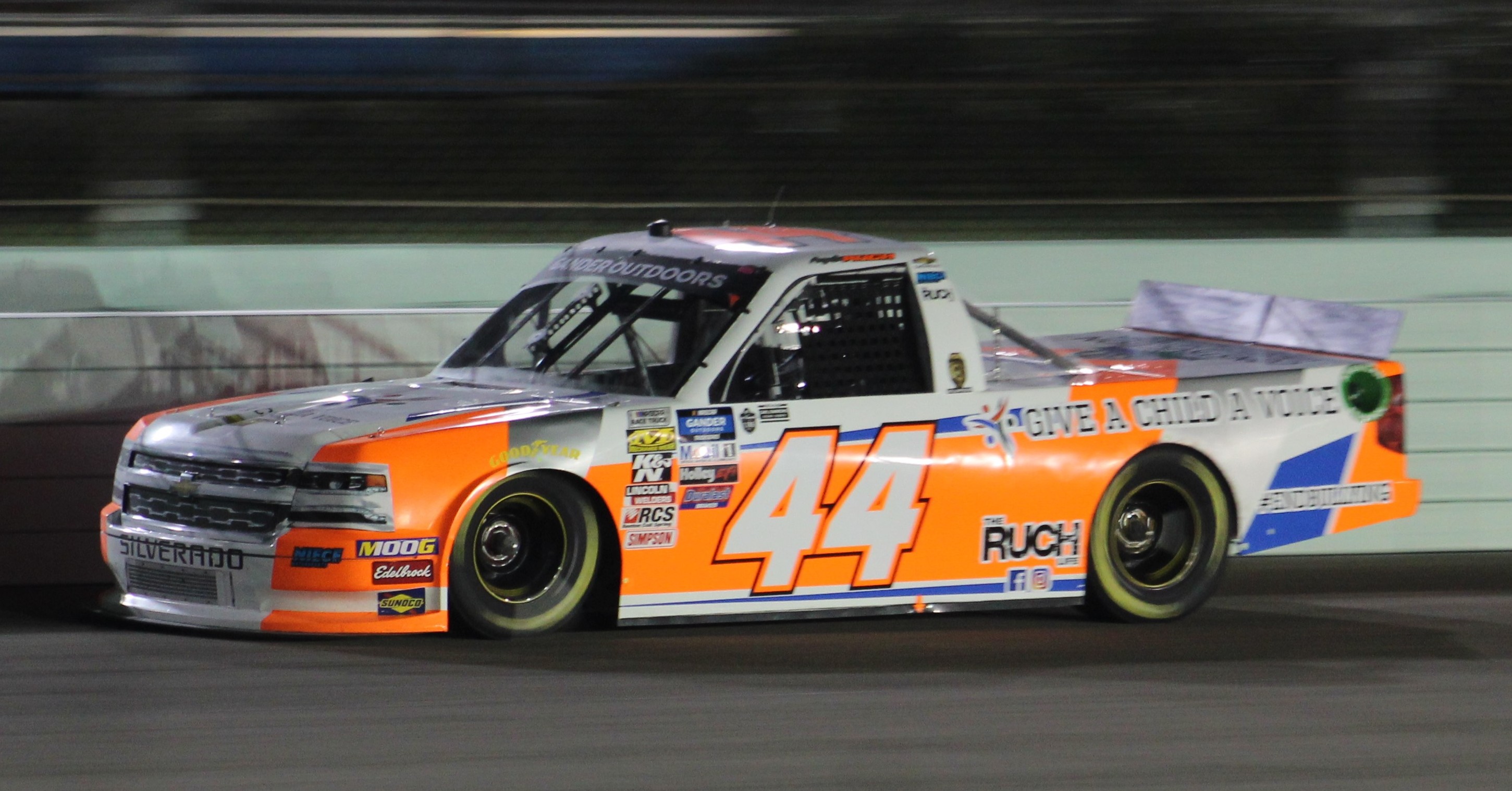
"Like it pulls it. It really did pull it no problem. And that's just the 5.3 like Silverado."
They’re talking about a Chevrolet Silverado with a 5.3-liter engine. The point is that it has enough power to tow without feeling like it’s struggling.
“5.3” is shorthand for the 5.3-liter V8 engine commonly found in Chevrolet Silverados. The discussion compares how this engine pulls when towing, implying it has enough torque to move the load without struggling.
cutting the window in half
"The best was cutting the window in half. Yeah. That was actually pretty sick."
They’re talking about modifying the glass by cutting it. That can be useful for certain off-road setups, but it also makes future windshield replacement harder.
“Cutting the window in half” refers to a custom modification to the windshield/window glass. In off-road use, people sometimes do this to improve access or visibility, but it can complicate replacement and may affect safety/legal compliance depending on local rules.
scribe that etches the glass
"With the scribe that etches the glass. Yeah. And then you got to just crack it."
They’re describing using a tool to score the glass first, so it can be broken more cleanly along a line. It’s basically a careful way to cut glass.
A scribe is a tool used to score a surface, and “etches the glass” suggests using a scoring/etching method to create a controlled break line in glass. This is a technique for modifying glass without immediately shattering it.
windshield
"I am dreading the day that I have to do... I have to find a windshield or buy a windshield, I guess. Yeah. And then cut it and hopefully it goes just as good."
A windshield is the front glass panel that protects occupants and helps maintain structural integrity. Here, the speaker mentions cutting the windshield for a specific use and dreading replacing it, which implies the modification makes future replacement more difficult.
nut and bolt check
"I need to like nut and bolt check it once in a while. Like I just changed all the fluids in it."
They mean they periodically go around and check that bolts and fasteners are still tight. Off-roading can loosen things, so it’s a common maintenance habit.
A “nut and bolt check” is a routine inspection where you verify that fasteners (nuts, bolts, clamps) haven’t loosened from vibration and impacts. Off-road rigs often need this because trails can shake components loose over time.
fluids
"Like I just changed all the fluids in it. Like regular stuff."
“Fluids” refers to the vehicle’s service liquids such as engine oil, transmission fluid, differential/transfer-case oil, and coolant. Changing them is basic maintenance, but it’s especially important for off-road use where heat and stress are higher.

Black JK
"Because I finished in 13? 14. Because I bought... Well, maybe 15. But I bought my Black JK in 14."
They’re talking about their black Jeep Wrangler (the JK generation). It’s the kind of Jeep people modify and drive off-road for years.
“Black JK” refers to a Jeep Wrangler JK generation. The JK platform is popular for off-road builds, and the conversation ties it to long-term wheeling use and maintenance.
throttle position sensor
"Basically, what it's doing is it's losing the throttle position sensor. It doesn't get enough volts. So it has no idea where it's at."
The throttle position sensor (TPS) tells the engine control unit how far the throttle is opened. If it loses signal or voltage, the ECU can’t accurately meter fuel/air, leading to abnormal behavior like surging or hesitation.
surge
"So it just does this weird surge. But that was it."
“Surge” means the Jeep’s power/engine speed jumps up and down instead of staying smooth. They’re saying it happens because the sensor data is wrong.
In this context, “surge” is a drivability symptom where engine speed rises and falls unexpectedly. It often happens when the ECU receives incorrect sensor data (here, from the throttle position sensor), so fueling and throttle response become inconsistent.
flatbed
"We're at the top of Payson on a flatbed. And this Jeep... The Jeep's not small. It's the tallest 7-foot garage door, right?"
A flatbed is a tow truck/trailer with a flat platform. It’s used to move a car or truck by loading it on top, instead of towing it with wheels on the ground.
A flatbed is a tow truck or trailer with a flat, open platform used to transport vehicles without dragging them on the ground. Off-roaders often use flatbeds for damaged vehicles, lifted rigs, or when the drivetrain can’t be safely rolled.
neutral
"And he's driving with his knee and we're bombing down big hills in neutral with a flatbed on. Over 80 miles an hour."
Neutral is a gear position where the engine isn’t connected to the wheels. In this story, it’s mentioned to describe how the vehicle was behaving while going downhill on the flatbed.
Neutral is the transmission setting where the engine is not driving the wheels. When the hosts say they were “bombing down… in neutral with a flatbed,” they mean the vehicle wasn’t actively propelling itself while being transported, which changes how braking and control feel.
shredding my top
"Anyway, yeah, it was crazy. But I ended up shredding my top, ripped the whole top off, and all kinds of nonsense."
They mean they tore up the roof/top of their vehicle. On some off-road vehicles, the roof can be removable, so if it isn’t strapped down well, it can get ripped during a rough ride.
“Shredding my top” implies the vehicle’s roof/top was torn or damaged, likely from contact during the tow/transport or from high-speed vibration and movement. On off-road rigs—especially those with removable tops—damage can happen quickly if the top isn’t secured.
Turkey Claw
"We did Turkey Claw, Little MC. Yeah. That was like an offshoot from Turkey Claw. That's cool."
Turkey Claw is a specific trail name they’ve ridden. Trail names like this usually tell other off-roaders what kind of obstacles and difficulty to expect.
Turkey Claw is the name of an off-road trail the hosts are listing as part of their route history. In trail-riding communities, trail names often indicate difficulty, terrain type, and typical lines.
Little MC
"We did Turkey Claw, Little MC. Yeah. That was like an offshoot from Turkey Claw. That's cool."
Little MC is a trail name. They’re saying it’s basically a related route that comes off the Turkey Claw trail.
Little MC is another named trail mentioned alongside Turkey Claw. The hosts describe it as an “offshoot,” implying it branches from or is closely related to the Turkey Claw route.
Boulder Dash
"Sledgehammer day four or five was Boulder Dash and Claw Hammer. I was like, we're Sledgehammer. I just read it."
Boulder Dash is a trail they rode. The name usually signals a rocky, obstacle-heavy section of off-roading.
Boulder Dash is a named off-road trail the hosts bring up when talking about their later “day” routes. Trail names like this typically correspond to specific rock sections and obstacle patterns.
Claw Hammer
"Sledgehammer day four or five was Boulder Dash and Claw Hammer. I was like, we're Sledgehammer. I just read it."
Claw Hammer is a trail name they rode. It’s mentioned as part of the same set of trails as Boulder Dash.
Claw Hammer is another named trail paired with Boulder Dash. Mentioning it in the same breath suggests it’s part of a similar difficulty level or trail-day lineup.
track bar
"That's where Miguel snapped the track bar off the buggy. Oh yeah, that was good too."
A track bar is a suspension part that helps hold the axle in the right spot. If it breaks, the wheels can move around more than they should, and the buggy can feel weird or harder to control on rough ground.
A track bar (also called a panhard rod) is a suspension link that helps keep the axle centered under the vehicle. When it’s damaged or snapped, the axle can shift, which makes steering and handling unpredictable—especially on uneven trails.
V-notch
"And the big V-notch? Yeah. I have a video when everyone left of going up the V-notch last, smooth as butter."
A V-notch is a V-shaped bump or cut in the trail. Your suspension has to flex and the tires have to climb out, so it’s a good test of traction and ground clearance.
A V-notch is a common off-road obstacle shaped like a V-shaped notch or trench in the trail. It forces the vehicle to articulate (move suspension up/down on different corners) and can test traction and clearance as the tires climb out of the notch.
suspension articulation
"And the big V-notch? Yeah. I have a video when everyone left of going up the V-notch last, smooth as butter. Yeah, you walked right up."
Articulation is how much the suspension can “flex” so each wheel can follow the ground. When the trail has a notch or crack, more flex helps the tires keep grip instead of losing contact.
Suspension articulation is how much a vehicle’s suspension can move independently on different wheels. Obstacles like a V-notch and trail cracks require articulation so tires can stay in contact with the ground and maintain traction while the chassis twists.
wheelbase
"I think it's a wheelbase thing. Like we're at roughly 117 wheelbase. It looked like such a simple nothing obstacle."
Wheelbase is how long the vehicle is from front to back. On trails, that length changes how well the tires can get over bumps and cracks without getting hung up.
Wheelbase is the distance between the front and rear axles (or wheels). In off-roading, wheelbase affects how easily a vehicle can climb obstacles and how it “fits” over ruts, cracks, and notches—shorter wheelbase vehicles often negotiate tight obstacles more easily.

Toyota Land Cruiser
"[1906.3s] Land Rover? [1907.0s] I don't know which one's which, actually. [1908.1s] Land Cruiser. [1908.7s] I know they have a feud going."
The Toyota Land Cruiser is a tough off-road SUV. People compare it to other 4x4 brands because it’s built to handle rough trails and last a long time.
The Toyota Land Cruiser is a long-running off-road SUV known for durability and strong 4x4 hardware. In off-road circles it’s often compared directly with other “serious” 4x4 brands like Land Rover.
Camel trophy
"Vern's was cool because he did the old Camel trophy. [1936.2s] That's what it's called."
Camel Trophy was a famous off-road race/expedition where teams had to drive and survive in tough places. People still talk about it because it helped popularize the idea of building vehicles for real-world adventure.
The Camel Trophy was a long-running off-road competition organized by Camel (the cigarette brand) that tested teams’ navigation and vehicle durability in remote terrain. It’s remembered in off-road culture for inspiring rugged, expedition-style builds and iconic “trophy” vehicles.
big axles, big tires, good gearing
"It's always big axles, big tires, good gearing. [1961.4s] Remember, do you ever see that picture I did where I took my tires"
They’re basically describing a classic off-road recipe: stronger drivetrain parts (“axles”), larger tires for grip and clearance, and the right gear ratios so the vehicle can move slowly over obstacles without bogging down.
In off-road terms, “big axles” usually implies stronger axle components for durability under load, “big tires” increase ground clearance and traction, and “good gearing” means the transmission/differentials are set up with ratios that let the vehicle crawl or accelerate effectively over obstacles. Together these choices shape how capable a rig feels in the dirt.

Nissan Sentra
"Remember, do you ever see that picture I did where I took my tires [1964.1s] and I put them on the Nissan Sentra?"
A Nissan Sentra is a regular everyday compact car. The point here is that the speaker swapped big tires onto it just to see how cool it looked, even though it’s not an off-road vehicle.
The Nissan Sentra is a compact sedan, and the speaker is using it as an example of “fitment” and visual impact—moving off-road tires onto a non-off-road car. It highlights how tire size and stance can change the look even if the car isn’t built for serious off-roading.
off-road tires
"Then your off-road tires, the Niddos? [1973.3s] Forties or whatever."
Off-road tires are tires made to grip on dirt, sand, and rough ground. They usually have deeper tread and stronger construction so they don’t slip as easily and can take more abuse.
Off-road tires are designed with tougher rubber compounds and more aggressive tread patterns to grip loose surfaces like dirt, sand, and rocks. Their larger size and tread blocks help them handle traction and sidewall strength better than typical street tires.
Niddos
"Then your off-road tires, the Niddos? [1973.3s] Forties or whatever."
“Niddos” sounds like they mean Nitto tires, which are a popular tire brand. They’re talking about the off-road tire model and size they had lying around.
“Niddos” appears to be the speaker’s nickname for Nitto tires (commonly pronounced “Nittos”). Nitto is an aftermarket tire brand known for off-road and all-terrain models, and the discussion is about tire sizing/fitment.
Milt's Mile
"So when I was in Trail Hero, I went up Milt's Mile or something like that. It's that one where the V-naught, there's like a big V-naught wall sort of thing."
“Milt's Mile” is likely a specific named part of a trail—basically a challenging section people talk about by name. They’re saying they drove up it during an off-road event.
“Milt's Mile” is a named off-road obstacle or trail section. The speaker describes attempting it during “Trail Hero,” and then continues by explaining the specific feature of the route (the “V-naught wall”).
Trail Hero
"So when I was in Trail Hero, I went up Milt's Mile or something like that. It's that one where the V-naught, there's like a big V-naught wall sort of thing."
“Trail Hero” sounds like an off-road event or group ride. The speaker is saying they did a specific obstacle during that event.
“Trail Hero” is an off-road event or trail-run format where participants tackle specific obstacles or routes, often with a focus on guided attempts and community support. In this context, the host is referencing a particular outing where they drove a named trail/obstacle.
V-naught wall
"It's that one where the V-naught, there's like a big V-naught wall sort of thing. You go up my monkey in the middle or something like that."
A “V-naught wall” sounds like a named obstacle—basically a steep wall section on the trail. It’s the kind of feature that makes you pick your line carefully and crawl up slowly.
“V-naught wall” appears to be a specific obstacle feature on the trail—described as a big “wall” shaped like a V. Obstacles like this typically test low-speed control, traction, and line choice because the vehicle must climb or negotiate a steep, defined face.
monkey in the middle
"You go up my monkey in the middle or something like that. Or it's either monkey in the middle's trail and it's Milt's Mile obstacle."
“Monkey in the middle” sounds like a named obstacle section on the trail. The hosts are trying to remember which exact part goes with which name.
“Monkey in the middle” is likely the name of another obstacle or trail section associated with the same route as “Milt's Mile” and the “V-naught wall.” The speakers are debating which obstacle name belongs to which part of the course, implying it’s a distinct, recognizable feature.
releasing the suck down winch
"So you I go up that, but you hear me releasing the suck down winch in the video. ... I was like, no, dude, I'm telling you, I was releasing once the suck down."
They’re talking about using the winch to pull the vehicle into a better spot, then letting the tension off. Releasing the cable changes how the truck sits and moves on the trail.
“Suck down” in this context refers to winching a vehicle down onto traction—using the cable tension to pull the vehicle into a better grip or to settle it into position. The key idea is that the winch is being controlled (including releasing) to manage how the vehicle loads and moves.
Request an Explanation
Heard something you'd like explained? We'll add it to this episode.
Sign in to request explanations for terms you heard.
Want to learn more?
Browse our glossary for plain-English explanations of automotive terms, jargon, and concepts.
Help improve this episode
See something that's not quite right? Our annotations are AI-generated and can sometimes miss the mark. Click the flag icon on any annotation to suggest a correction.
1 community members have helped improve this episode.