Four Wheel Underground is a company that makes and sells off-road suspension parts. The hosts say you can buy specific pieces by themselves, not just an entire kit.
A bump stop is a safety cushion for the suspension. If the suspension compresses too much, it hits the bump stop to stop the metal parts from slamming together.
This is the lower mounting point for the suspension links. It also mentions an integrated bump stop, which is like a built-in “hard stop” to prevent the suspension from bottoming out.
Johnny joints are special link joints that let the suspension move through bumps without fighting itself. If they’re rebuildable, you can refresh the wear parts instead of replacing the whole joint.
In this context, “offsets” are adjustable or different-position joint/link components that change suspension geometry. That can be used to correct alignment, tune ride height, or set proper link angles for better articulation and control.
A link suspension kit is an upgrade that uses link arms and joints to guide how the suspension moves. It’s meant to help the truck handle rough trails better.
The Wrangler is an off-road SUV. It’s designed to handle rough trails and is popular with people who go off pavement. In the podcast, it’s mentioned in connection with working on a trail like the Rubicon.
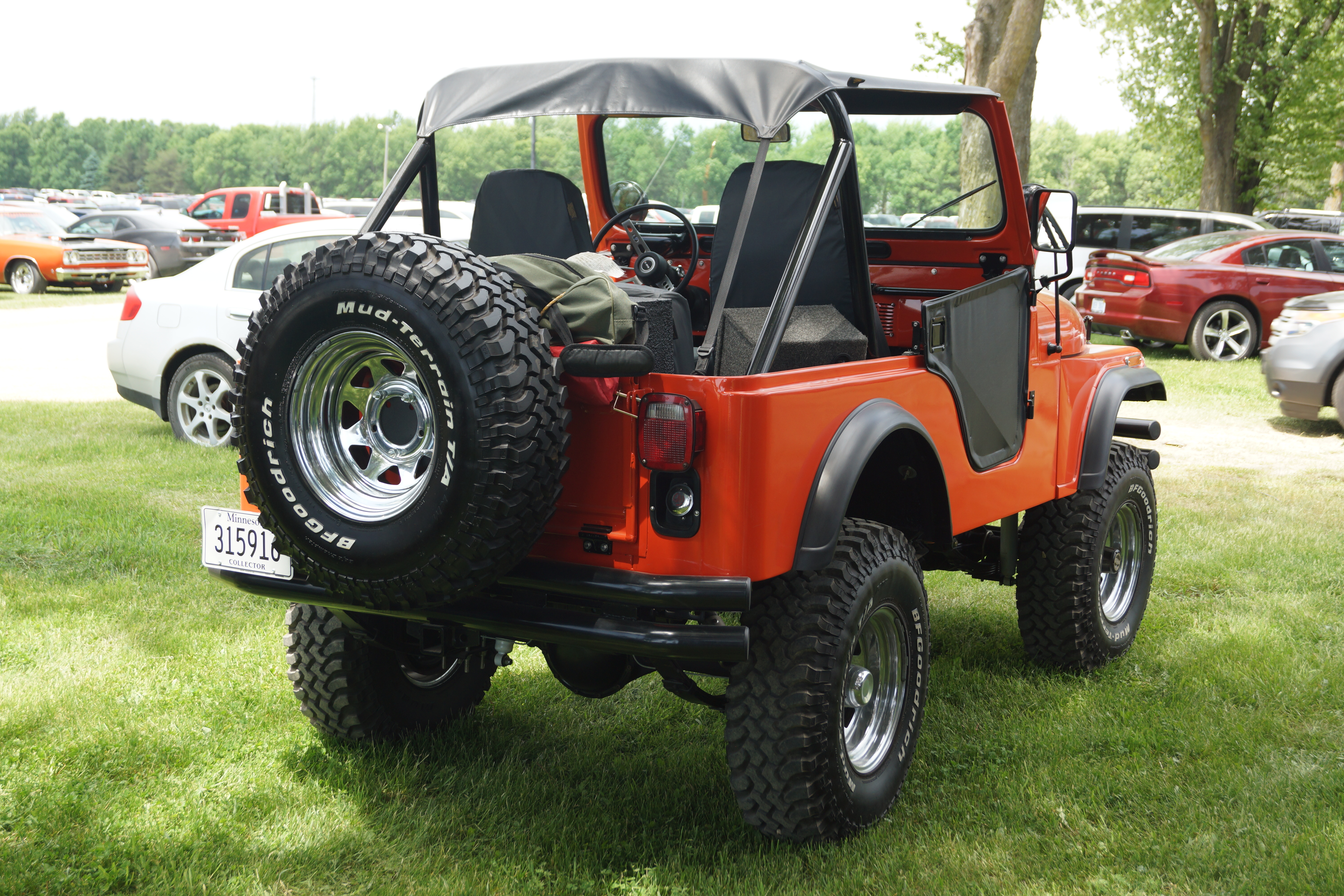
The Jeep CJ is an older Jeep model line that helped define the brand’s off-road reputation. It’s the kind of Jeep people picture when they think of the early, simple trail vehicles.
“Four liter” means the engine is about 4.0 liters in size. Bigger engines can help the car pull more easily, especially off-road or when carrying a load.
Half doors are doors that only cover the bottom part of the opening. They make the vehicle feel more open, but they don’t block wind and rain as well as full doors.
Fire roads are dirt or gravel roads used by firefighters to reach remote areas. People use them for off-road exploring because they’re rougher than regular pavement.
The Jeep Grand Cherokee is a mid-size SUV. It’s made to carry a family and still handle rough roads better than many regular cars. People talk about it a lot because it’s a popular used SUV choice.
The Ford Windstar is a minivan. It’s the kind of vehicle people use to drive families around because it has lots of space. In the podcast, it’s mentioned as the wife’s daily vehicle while another car wasn’t being used much.
The Honda Odyssey is a minivan. It’s made to carry people comfortably, especially families, with lots of space inside. The podcast mentions it as a replacement vehicle when the owner’s needs changed.
U joints are parts in the drivetrain that let the driveshaft bend when the suspension moves. If they wear out, the Jeep can vibrate or make noise and lose smooth power delivery.
The 22RE is a Toyota engine that off-road people often like because it’s tough and dependable. In this segment, it’s being compared to the Jeep’s engine for trail performance.
The valve cover gasket is a rubber seal that keeps engine oil from leaking out where the valve cover bolts on. If it fails, oil can drip or seep onto the engine and create a mess (and sometimes smoke or smell).
The Toyota Land Cruiser FJ 40 is a classic older Land Cruiser that off-road fans love. It’s known for being tough and simple, and it’s a big part of why the Land Cruiser name became legendary.
They’re talking about why Jeep became the “go-to” brand people think of for off-roading and military vehicles. Even people who don’t know cars still recognize the Jeep name.
The Rubicon is a well-known tough off-road trail. The hosts are joking that old military-style Jeeps became legendary because they could handle trails like that.
Leaf springs are a simple, tough suspension setup that uses layered metal strips. They flex to absorb bumps, and they’re common on older off-road trucks and Jeeps.
Coil springs are round springs that squeeze when you hit bumps and then push back. Newer off-road vehicles often use them to better control how the wheels move over rough ground.
“Four drive” here refers to engaging four-wheel drive for off-road traction. The speaker is describing a typical trail routine: switch into 4WD, then perform additional drivetrain steps to make the Jeep suitable for the specific trail conditions.
Unlocking the hubs is about changing how the front wheels are connected to the drivetrain. After off-roading, unlocking them can make highway driving easier and reduce extra mechanical effort.
A sway bar helps keep the vehicle from leaning too much in turns. On rough trails, disconnecting it lets the wheels move more independently so the tires can stay on the ground better.
The track bar helps keep the axle centered and from shifting side-to-side. Locking it down is a way to make the Jeep track straighter and feel more stable when you’re driving off-road.
They’re joking about “trailer queens,” meaning off-road vehicles that mostly get hauled around instead of being driven a lot. It’s a vibe about how people treat their rigs—use them hard vs keep them pristine.
They mean the driveshaft can come loose when the suspension moves a lot off-road. A properly set up rig tries to prevent that so you don’t get stranded or break parts.
They’re talking about the axle parts that help send power to the wheels. Off-road conditions can stress those parts, so a good build helps prevent damage.
Concept
road worthy vs trail worthy
They’re talking about setting up a vehicle to do two different jobs: drive nicely on the road, but also handle rough off-road trails. The goal is to make one Jeep that can switch between those two modes.
“40s” and “42s” are shorthand for very large off-road tires. Bigger tires help you clear rocks and ruts, but they usually require other upgrades to fit and work correctly.
A “portal” setup is an off-road modification that effectively lifts the wheels higher using gearing near the hubs. That gives you more ground clearance to get over obstacles.
Sway bars help keep the vehicle from leaning too much when you turn. Off-road setups often adjust them so the suspension can move more freely over bumps and rocks.
The Rubicon Trail is a well-known off-road trail with tough obstacles. Off-roaders use it as a “test” to see how good a vehicle build really is.
Company
Dynatrack
Dynatrack is a company the hosts mention as a place to get aftermarket parts. It’s part of the ecosystem of shops that help people build Jeeps for road and trail use.
A “rear locker” helps both rear wheels work together. If one wheel starts slipping on dirt or rocks, the locker can keep power going to the other wheel too.
“Open front” means the front differential is not locked, so the front wheels can rotate at different speeds. That’s typically less traction on low-grip surfaces than a locked differential, but it can be easier to drive and more predictable on mixed terrain.
An off-road compressor is basically a pump for air. People use it to refill their tires after driving on lower tire pressure, and sometimes to power other air-powered gear.
Aftermarket parts are made by companies other than the car maker. Off-roaders use them to upgrade or customize their trucks and Jeeps with gear that fits their needs.
In this context, brackets are custom mounting hardware used to secure an air compressor under the hood or in another location. Proper brackets matter because the compressor must stay rigid and protected during vibration and impacts off-road.
The Jeep YJ is an older Wrangler model that a lot of people customize for off-roading. Here, the point is that it may not have as many ready-made parts, so you sometimes have to build your own mounting bracket.
ARB is a brand name people use for air-powered traction gear. It can lock the wheels together using compressed air so you get more grip when trails get slippery.
“Airing up” is just putting air back into your tires after you drove off-road with lower pressure. It helps the tires handle normally again once you’re done.
“Off-road capable” means a vehicle has the hardware and setup to handle rough terrain—typically things like higher ground clearance, appropriate tires, and drivetrain features that can maintain traction. The host’s point is that it’s become easier to modify regular vehicles into something that can reach remote places.
The Toyota Prius is usually thought of as a regular city car. The host is using it as an example of something that doesn’t seem built for remote trails.
The Subaru Outback is a car that’s popular for bad weather and rough roads because it has all-wheel drive. It’s not a dedicated rock-crawling 4x4, but it can handle more than a typical car.
A lift means raising the truck’s suspension so it sits higher off the ground. That helps it clear bigger obstacles and tires, but it can also require other changes to work well.
“35s” means tires that are about 35 inches tall. Bigger tires can help a truck go over rough stuff, but they usually need a lift and other setup so they fit correctly.
Ground clearance is the distance between the lowest part of the vehicle and the ground. When off-roading, more ground clearance helps prevent the undercarriage from hitting rocks or ruts, which is why lift and tire size are discussed together.
Ditch lights are extra lights you add low on the truck or Jeep. They shine on the ground near the wheels so you can spot hazards off-road that regular headlights don’t reach well.
Rock lights are small lights aimed at the ground near your tires. They can help you see what you’re driving over at night, and some kits can change colors.
King of the Hammers is a very tough off-road race. It’s known for nasty rocks and rough terrain, so the vehicles have to be built for extreme conditions.
The Toyota FJ Cruiser is a small SUV made for off-road driving. It looks like a classic off-road vehicle and is meant to handle rough trails. The mention suggests a specific one was not in good shape.
A differential is a part that helps the wheels turn at different speeds, especially when you’re turning or driving over uneven ground. If both the front and rear differentials get damaged, the vehicle can lose a lot of its ability to move and steer normally.
It means driving in a way that’s kind to the truck. Instead of beating on it, you use smoother throttle and avoid stressing parts too hard when you’re stuck or climbing obstacles.
To “winch” a vehicle in off-roading means using a powered winch and cable/rope to pull it out of a difficult spot. It’s a common recovery method when traction is gone and you need controlled pulling force rather than dragging or spinning.
They’re describing how stuck vehicles get pulled out on trails. Sometimes the vehicle is already damaged, and trying to move it can make loud noises as parts fail further.
A recovery strap is a strong strap used to pull a stuck vehicle. It’s used during towing/recovery so the pull is controlled, but it still needs to be set up safely.
The ring and pinion are big gears inside the axle that help send power to the wheels. If they get damaged, the axle can start making loud bangs and may fail completely.
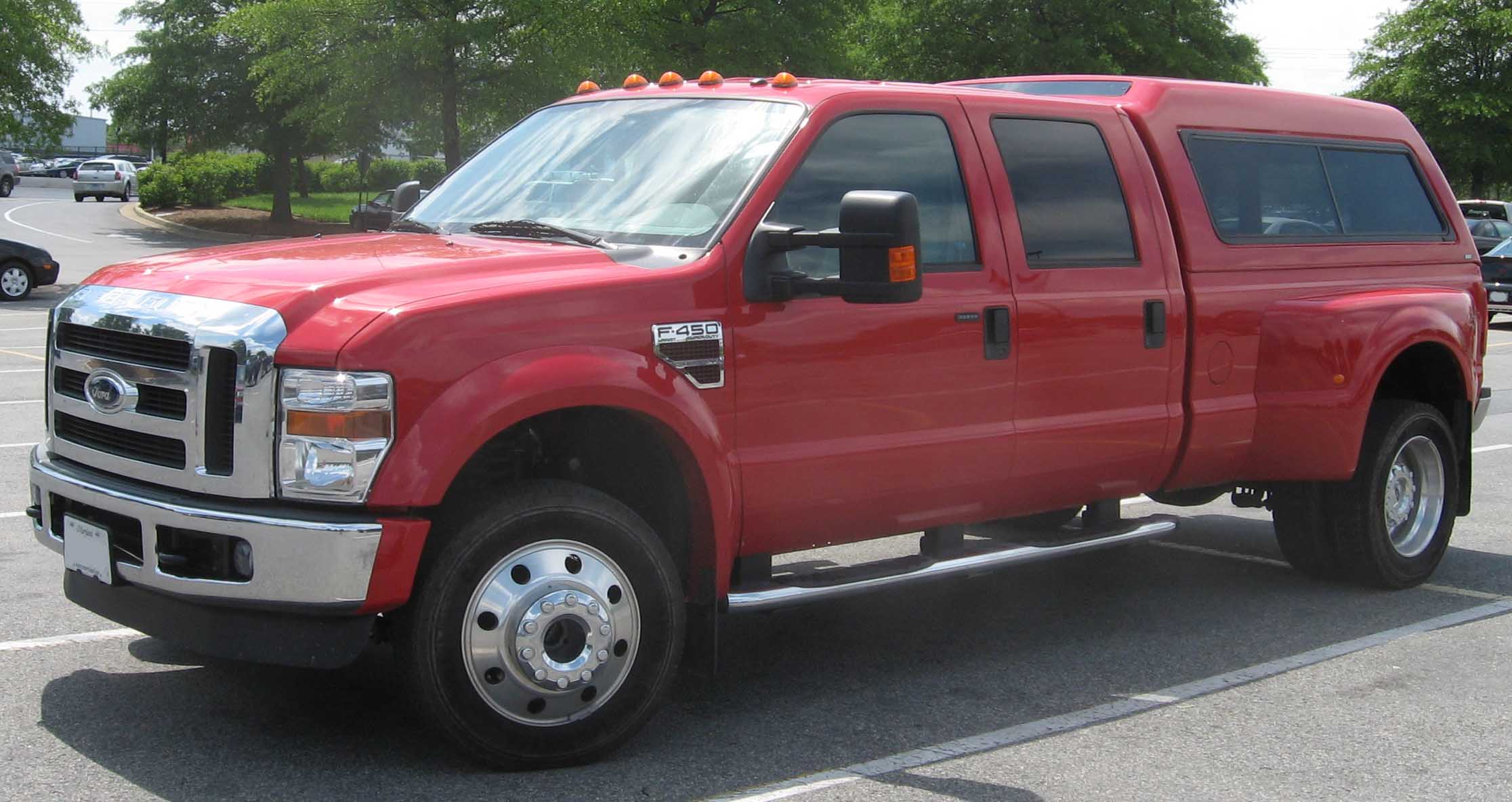
The Ford F-450 is a big, heavy-duty truck. People use it for serious towing and tough driving, and here they’re talking about having comfort features in it too.
A six-speed transmission has six forward gear ratios, giving the driver more options to keep the engine in its best RPM range. More gears can help balance off-road crawling (low gears) with on-road cruising (higher gears like overdrive).
A Banks kit is an aftermarket upgrade for some diesel trucks. It’s meant to add power, but when you push a diesel harder, the exhaust can get hotter, so people often watch temperature gauges.
EGT means exhaust gas temperature—how hot the engine’s exhaust is. When you tow uphill or pull heavy loads, watching EGT helps you avoid overheating the engine.
This is a newer Ford F-350 diesel made for towing. The truck has computer controls that help manage power and heat so you can push it without damaging things.
Weight limits are the maximum safe amounts your truck and trailer are allowed to carry. If you go over them, the truck can struggle and the trailer can become unstable.
The Ford F-150 is a large pickup truck. It’s often used for towing trailers and hauling things. In the conversation, it’s brought up because it can tow what people need for trips and off-road setups.
LIVE
Four wheel underground is making some big changes.
They really are. What's really cool about what they're doing right now is they're
kind of changing the way the business is set in the sense that you get to now buy things
all a cart.
Absolutely. So if you want the upper frame bracket, you can just buy that.
Yeah. If you want the lower link bracket, because it has the integrated bump stop and
it's super stout and it looks really good too. You can get just those before you would
have to buy the whole kit. Now you're going to be like, that's the bracket I want.
He's also brought joints in house.
So now you can buy those all a cart from cartridge joints, rebuildable Johnny joints,
hymes, offsets, all sorts of different ones.
Do you know what else he brought in house?
Aluminum links, that's pretty rad.
He found a way to source aluminum links so that there's no extra charge on the suspension kits.
They now all come standard with aluminum links.
I know I'm totally jealous.
And thanks to the all a cart system, you can also order aluminum links if that's all you want.
So if you want to move your Toyota from Lee Springs to a link suspension kit,
check out four wheel underground.
We want to check with you guys today about on X off road.
Definitely one of our favorite apps for off roading.
Yeah, what's better is not only their software, but they also are doing a lot to be a part
of the off roading community here in the country from the trail revival program,
which I actually got to be a part of and use to do some maintenance on the Rubicon Trail too.
They have an elite partnership.
So if you are an on X off road user, you can go to any of their 40 plus partners on there
and you get discounts with any of those partners.
So from bringing the people to the brands to the listeners to everybody involved,
it sounds like they really want to be a part of our community.
So let's be a part of theirs.
Go download on X off road from your favorite app store.
Hello, boys and girls.
Do you like banging off your rev limiter in Toyotas?
Do you like raising up your Toyota?
Do you like rolling your Toyota back over on the trail?
Do you think Toyota suck?
Well, then this is the podcast for you.
Hey, Chris.
God, that fell wrong to say Toyota four times in without saying Toyota suck.
Dude, I can't believe we're sitting in the city with sitting in the Toyota
snail trail studio.
Hey, at least I got the Ford Yoda Tyler seat.
So the Ford is is comforting me.
But this studio is scary.
Very scary market.
I'm going to market in all four corners.
I feel like we need to put a market if I like it.
We I feel like we need to set off a bug bomb or something right now.
I don't want to tell you the cooties.
But here we are.
Stay on trail takeover.
Holy shit.
I never thought this would happen.
They gave us keys to the castle.
We're going to fuck this thing up here right here right now.
This is going to be good.
They're going to regret this decision.
We're going to make them regret this decision.
Nice.
Make them make them hurt.
Make them feel the burn.
Hey, well, Jeep won the war.
So let's let's talk about Jeeps for a minute.
How great Jeeps are.
How long have you owned your Jeep?
Well, I can't even know anymore.
Too many years, but not too many years.
Not enough years.
I mean, I've owned it.
So I bought it and I don't even know what year I bought it.
And to be honest with you, I mean, it's I have to think about it.
I was working.
Why did you buy it?
Why did you buy it?
Well, so the history of my Jeep Jeep love goes back to when I was a kid.
You know, I always talked with my older brothers like one of these days
where you and I are going to own a Jeep together.
We're going to share it and all this stuff.
And well, that never happened.
That's just kids talking, right?
Yeah.
And that was back in the old CJ days, right?
So, you know, obviously we go through life.
We grow up and we move into careers and so forth.
And at one point I owned a blue Jeep, which you saw the blue.
I remember your blue Jeep was cool.
It was a bonsai blue, beautiful blue.
How did they call it?
That was the color of the official Jeep Chrysler.
Whatever you want to call it color was bonsai.
That bonsai blue.
Okay. It was metallic.
It was so like as like money's Jeep.
Yeah.
Money had a bonsai.
I didn't know that was the real the funny.
We should do a whole podcast on vehicle paint names.
But anyways, go on bonsai blue.
So I bought that Jeep when before I had my first kid.
I just had just gotten married.
I used to hunt my first, well, not my first car,
but the car I owned before the Jeep, the blue Jeep,
was a Hyundai Excel, a piece of shit.
But it served its purpose.
It just got me to and from point A to point, you saw that car.
I had that car when I worked at San Jose Country Club.
I remember that little piece of shit.
I had a nice stereo in it.
That was a gray, silverish, silver gray.
Yeah. So it was it was pile of shit.
Anyway, I traded that thing in on a on a bonsai blue,
93 Jeep Wrangler that had the four liter.
It was bare bones.
I didn't have money.
I mean, I bought this thing and I think I paid.
I don't know what I paid for.
I bought it a dealership on Stevens Creek Boulevard.
And I got screwed on the interest rate because it was used and whatever.
It was just back in the in the days I made poor financial decisions.
And I drove that thing home and my wife's like, Hey, I'm pregnant.
Oh, God.
It's like, okay, great.
Bad financial decision.
I just just bought a brand new or a perfect non not a perfect vehicle for a family.
And anyway, I drove the shit out of that thing.
I commuted with it back and forth from my different jobs, you know,
Claremont Country Club and Ruby Hill and so forth.
And but you liked it.
I loved it. I loved having the convertible.
Exactly. It was great.
One of the best experiences I ever had.
I had a bikini top on that thing during the summer or even like late spring,
early summer and whatnot.
And I remember getting caught in a rainstorm and I'm driving down 880,
you know, with my bikini top on and the half doors.
You know, I got the doors on the top part of the doors.
So I'm kind of enclosed, but you know, there's like a wind vortex.
Oh, yeah, yeah.
That shit comes back to the inner windshield.
Yeah, I had a towel inside.
And I was why people are looking at me as I'm driving down.
You got your windshield wipers going and then you got your hand wiping the inside
of the windshield. Exactly.
I've been there, done that several times.
Anybody that loves a Jeep that knows that.
Yeah. And you loved that Jeep.
Never, never modified it.
I did wheel it a little bit, did fire roads and a couple of mines up in Nevada
and stuff like that near actually near Virginia city.
You just drove it up there and explored some mines and whatnot.
But then I grew up a little bit and traded in, traded that vehicle in.
I had bought a, a grand Cherokee.
A used Jeep. You're a family man now.
I was a family man.
So we traded, traded in and got a minivan with my wife had a, had a Ford
windstar and I had the Jeep that wasn't really being driven anymore.
Cause I had the grand Cherokee.
So we, we bought a Honda Odyssey.
We traded those two vehicles in for a Honda Odyssey.
And then I was like, I regretted it from basically day one selling your Jeep.
Selling my Jeep, trading it in for a fucking Honda.
So, so how long was the distance or time I should say between you sold your Jeep
and bought the current Jeep that you have?
I think it was probably three or four years.
I mean, that's a long time.
I bought a house and then I was like, I need to have a Jeep.
And so I bought the current Jeep that I have now, which is a 95, the last of the late,
why the last of the great YJs galvanized everything galvanized body, you know,
best frame had all the heart was back in the day, had the best axle and best
U joints. Yeah, that was the desired vehicle to modify, to go do the Rubicon.
Exactly. So I have a 95. It's rare.
It's a four liter, 55 speed manual transmission, great, great engine.
That's straight 64 liter, just fucking torque monster and bullet proof.
I mean, you know, when you talk, you're talking about Toyota sucking,
but I'll tell you what, the 22RE and the four liter Jeep engine, they're comparable.
It's the only the only disadvantage with the four liter is the leaking valve cover gasket.
I don't have that problem. You don't have that problem.
No, good. Good. No, I have no oil in it anyway.
So it doesn't leak if it doesn't have oil.
OK, well, that's a cool story because, I mean, the whole Jeep thing is
back in the day, this Jeep thing now is different with the fucking ducks.
I don't understand that shit. That's that's beyond me.
But yeah, it was a poor man's convertible.
It was cool to just drive around town and with no doors and a bikini top or no top.
It was like freedom.
It was it was like driving a motorcycle, a Harley like, oh, absolutely.
You know, whatever, you know, anybody that's experienced that going down
the highway with and I'm not talking about roll down your windows fucking experience
because that's that's nothing. No top, no doors.
You need to go full, no doors, no top,
buzzing down the freeway at 65 or eighty, whatever your preference is.
And get that's life right there. That's living, right?
And a Jeep can do that.
And then, you know, just
I mean, when people back in the day thought about a off-road vehicle,
it was Jeep, it was synonymous with Jeep and it was so great.
Like Toyota Land Cruisers, the FJ 40s, you know, that oh, nice Jeep.
I loved it because we had Dave in our club that had this bad ass
Toyota Land Cruiser and that was built like a brick shit house.
I will give Toyota that. That was a great vehicle.
But, you know, it was it just I loved it when people came up to him and go,
hey, nice Jeep. I wasn't a Jeep as a fucking Toyota.
But but that's what that's what the the, you know, was synonymous with off-road
was Jeep. Absolutely.
Jeep won the war and that's where Jeep got going.
So in the armies, armies, surplus Jeeps conquer the Rubicon.
Exactly. Exactly.
And there's a variety of parts.
I mean, Jeep over the years, I'm kind of discrediting myself here.
But I mean, they took whatever parts they can get to make the vehicle, right?
But they made it happen.
And it's it's iconic.
Jeep name is iconic.
You go up to anybody in that's never been off-road, doesn't know shit
about Jeep or off-road or anything and go Jeep.
And they're either going to say two things.
One, oh, that's for off-road or military.
Or they're going to say the Popeye dog character.
Those are the only fucking things you remember Jeep.
The fucking dog character.
So, um, yeah, Raven spinach now.
See, there you go.
I can't even do the Popeye thing.
Now you're going to try it.
Well, I mean, you talk about the iconic Jeep.
I mean, obviously the round headlights, my Jeep has square headlights,
which everybody. Yeah, the Barbie Jeep.
You're the Barbie Jeep.
But, you know, and that's fine.
I'll take that.
But I mean, it still has the grill.
It still has this, the leaf spring suspension, you know,
the all the classic stuff that, as you mentioned a few minutes ago,
won the war, won World War Two, you know, and, and, but I mean, those are the
I mean, even today you look at a Jeep and it's iconic.
You know, you have the round headlights again,
which I don't think Jeep will ever go back to any other anything,
but round headlights, they know they screwed up when they went to square.
Exactly. So, but, you know, the seven slot slot, I was going to say,
seven, let's go on seven slot grill is iconic and will never change.
Marked. Exactly.
So obviously, the vehicle has, has evolved.
So let's use that word.
It's no longer leaf sprung.
It's got coils, coil springs and, you know, link suspension and so forth.
And it's, it's, it's become quite push.
I don't know if that's the right word or the new Jeeps.
I've driven some new Jeeps and I've got to drive, you know,
JLs and, you know, pour myself an Expresso while I'm going down the trail,
which is pretty fucking cool.
I've driven 390 twos all set up.
And I personally don't like it because there's a lot of dash.
There's a lot I can't see
compared to my old, you know, 74 CJ five, but it's still cool.
And, and, and I've never had a vehicle.
And I get this with the JL or even a TJ.
It started with the TJs in my mind or even the Wranglers.
It started with the Wranglers.
I should go back to where you are, where you could drive your Jeep to the trail.
Do the Rubicon, do whatever trail and freaking click it out of four drive,
unlock the hubs, whatever, and drive home.
And that up. Yeah.
That that's cool.
And the new Jeeps really are super capable like that,
where you can drive them to the trail, do the trail and drive home.
And, and they'll go down the freeway at 75 miles an hour.
You can let go of the AC running with and your your music going,
you know, your smooth jazz or your, you know, country or your fucking boots
and pants, music, whatever it is, the whole evolution though.
I mean, with the J, so yeah, the YJ, the TJ, the JK, the JL that we're at now.
I mean, especially with the JK and JL, I'm not sure what was the JK also, but I mean,
you talk about driving to the trail and you just basically push a button
and you disconnect your sway bar versus the old days where I have to get underneath
and disconnect the links and crawl around and zip tie the sway bar up against the frame.
Well, I don't do that.
The sway bar is permanently disconnected in my Jeep, but, but that's pretty cool.
I mean, because I don't even remember that the last time I drove my Jeep far
was to that meet up at the brewery in outside of Sacramento.
Yeah, yeah, yeah, for Suleyman.
Yeah. And I mean, I drove, I had the sway bar connected.
I had the track bar locked down and I drove all the way up and back.
And I was like, I was so miserable.
When you got there, you were like,
frazzling and you're like, I'm never driving this Jeep on the road again.
But to be fair, your Jeep was set up for off road.
Exactly. Like hardcore off road.
And that's the thing when people get into this sport and go, you know,
what do I do? Lockers, lift, tires, whatever.
And I'm like, OK, however, whatever you do,
and the more capable it gets off road, the less on road friendly it's going
to be and behave and you're at that point.
You were at that point of that where you had a trailer queen
and, you know, trailers are for boats, whatever.
I I'm all about creature comforts and having purpose built vehicles.
And, you know, people argue, oh, well, you take your buggy on the Rubicon.
You know, you're not having fun.
No, I have a lot of fucking fun because I don't have to worry about my fucking
driveshaft spitting out or an axle or anything like that.
But but back to, you know, driving your rig to the trail.
There's that trade off.
It's like, do you want it like super highway worthy or do you want it super trail worthy?
But it is super that that's getting finite now with these JLs and stuff
where you could have a badass Jeep on 40s or even fucking 42s.
Now, maybe 42s dressing it.
Let's say 40s.
You could have a JL 392 or whatever fucking engine you choose.
I'd pick the 392 if I had the means.
Right. You could have you can you can bolt all that shit on in your garage.
You could even do fucking portals now, thanks to portal pros.
Right. And go you could have a road worthy
with front and rear sway bars, drive to the fucking Rubicon trail,
hit a couple of buttons, throw it into forward drive and have a very capable,
nice, comfortable ride over the Rubicon.
Come out of fucking, you know, Cadillac Hill, Tahoma,
beautiful Lake Tahoe, drive around Emerald Bay, hit the buttons again
to fucking make it road worthy and drive back to your house wherever your fucking home or go to the
casinos and have it valet parked and freaking go and stay in the house sweet and get a nice shower.
You know, I mean, well, that's hashtag Chris money, but yes.
Right. I mean, it is the whole deal.
And I will even expand on that a little bit more.
I mean, to look at the upgrade ability of these vehicles.
I mean, you look at at the aftermarket for the JKJL.
The support's incredible.
I mean, literally, however, what your credit limit on your credit card is,
you can you could literally call up Dynatrack or Curry or whoever,
your axle builder of choices.
And you could have one ton axles delivered to your driveway.
And you could bolt those stupid things in over a long weekend
with a couple of buddies in a case of beer.
And you and you know, I mean, bolt on, dude, bolt on, not fucking fabrication.
Bolt on. Well, that's the cool, cool thing, right?
So there's, you know, me being a little bit old school,
a lot of bit old school, it's like the old bumper sticker,
real jeeps are built, not bought.
And there is a satisfaction there.
I mean, you know, my Jeep, I will never sell
because there's a lot of, you know, sentimentality in it.
Yeah, sentiment, right?
Like my dad and I built that. My dad's no longer here.
But that Jeep went through five iterations to where it is today
of just like going out on the trail back
when it was on 31, 1050s, doing Ford ice
with a rear locker and open front.
And I look at that trail now and go, how the fuck did I get up this trail
back in the day, you know, with BFG mud terrains?
But we did it and you evolve and you and then you adapt
and you follow Shannon Campbell and go, oh, fuck, that's fucking badass
on the night run, the Star Trek, Sierra Trek run.
And then you do, you know,
a frickin, all these other trails and see the
magazine Jeeps at the time.
And then, you know, the new shit that what's on, you know, online,
there's so much data now and it's like, you know,
oh, I'm going to make that modification modification of my Jeep.
Well, it took, you know, a serious fabricator of metal
and machinist and stuff to do shit back in the day.
Now you can go on your phone and order
a crazy fucking kit for your rig and, you know, metal cloaks.
Great. Oh, yeah, they just come to mind first.
But there's several great
generate bolt on generate makes some great shit.
I mean, you just go on and on and you could go buy a quote unquote,
you know, use stock Jeep and modify it so that you could drive to the trail head.
Fuckin hit a few buttons or undo a few things, sway bars, whatever,
and fucking go dominate the trail and then lock everything back up and head home.
And and that's cool.
And I I'm all for that because not everybody's a mechanic, machinist,
not everybody has the skills, but some what I call shade tree mechanics
that know what a fucking half inch ratchet is and a torque wrench and some basic shit
in your driveway can do some really cool modifications to your rig.
When it comes to gears, you know, you want to change gears and lockers.
That's still a specialty thing.
I don't even fucking touch that shit.
I'm like, that's no automatic transmissions for God's sake.
That's magic. I stay in my lane, but some cool shit in your driveway.
No, no doubt.
And I mean, I know we talked about it on the show a few years ago
when I, you know, upgraded my compressor on the Jeep, you know, and that's the beauty of,
you know, the modern days, you know, there's a bunch of aftermarket people
that make brackets to mount like an ARB, twin air, your dual, whatever.
That thing is that I have under the hood of my Jeep.
There's brackets you can buy online from vendors that you can mount
into your JKJL or Toyota or whatever.
I don't have that option with my YJ.
So I had to, you know, measure and buy the by the raw steel and and bend it and cut it.
Yeah, exactly.
And so forth to make that bracket so I could mount that that compressor
under the hood of my Jeep and make it so that it was secure when we're off-roading.
Because I mean, that thing not only, you know, airs up my tires when I when I'm
done with it, we're done with the run, but it also powers my ARBs.
Exactly. No, 100 percent.
And that's the cool thing is, you know, in this day and age, it's evolved
and off-roading is fucking strong right now.
And it's because of that, that, you know, the common, you know,
Joe can modify a rig and get out there.
Or if if you have the means, you know, the money, you can have
something badass built to get out there.
So there's we have a little.
It's a full spectrum, right?
It is. And I watched I've been around long enough to watch
four-wheeling become like commonplace.
Like you could go down to anybody on the street and like, what's four-wheeling?
And oh, it's a Jeep and all that stuff, right?
Getting back to what we said earlier.
But it took a little lull and then it came back with a vengeance now.
And I love it because, you know, there's several vehicles out there.
It's easier to modify your vehicle to be off-road capable.
And there, you know, no matter what you drive, getting off-road and getting to see
places that are, you know, very remote, you can't get out there and you're,
you know, your Toyota fucking Prius or whatever the fuck you're driving,
your Tesla or, you know, Subaru Outback or whatever.
That's a very capable vehicle on the snow, though.
Oh, yeah. Well, you told us that.
And yeah, lesbian, whatever.
So you, you, you have stereotypes.
I love it.
But if you want to go adventure, you can now a lot easier than you ever could.
And that, that's kind of the bottom line.
But still, Jeeps are superior.
I know this is a Toyota podcast and, you know, shout out to 22RE Rev Limiting,
Raisin' Dept Toyota.
Where's our, where's our sound bite?
We have that sound bite.
You got the fucking board in front of you.
No, not the more you know.
No, not the crickets.
No, not the drum roll.
No, that's a good one though.
Okay.
Fucking Chris is out of practice here.
He's got to go to the third screen on the, on the fourth page left and get the Toyota
fucking banging off the revelry.
We put this in.
There it is.
Yes.
One more time.
We, we haven't heard that so long.
Welcome back, Chris.
Lorenzo, Lorenzo just came up from his slumber and goes,
what the fuck are you guys doing right now?
I brought him in a little kennel and he goes, are you going to let me out?
I let him out.
He's roaming around and he just pissed in two corners of the snail trail studio,
which is great.
Well, I pissed in the other two.
So I know that's what I'm saying.
We're marking the studio.
It's so good.
You know what, Chris?
We got our hotline and we got this red phone by us.
I didn't know there was a red like Batman.
You remember Batman?
You know who was hot?
Bat girl.
No Bat girl.
Get your mind out of the gutter.
We got, we got a red phone lighting up right now.
I think we should answer that.
I'm a little apprehensive because I don't know how to answer this phone.
What this red phone just do.
It comes naturally.
Okay.
Okay.
I'm going to answer it as the snail trail sucks hotline.
Welcome to the Toyota suck hotline.
How may we help you?
So I've recently got a Toyota because well, I've got a small wiener
and I thought that maybe it would help me meet some chicks.
But turns out, you know, I go to the local cars and coffee with it and I park it on a curb.
But all I'm getting is dudes.
And I just wondering if you guys could help me with that.
Yeah, there's a common problem, sir.
So don't, don't be alarmed.
What model toy did you buy?
Yeah.
What'd you buy?
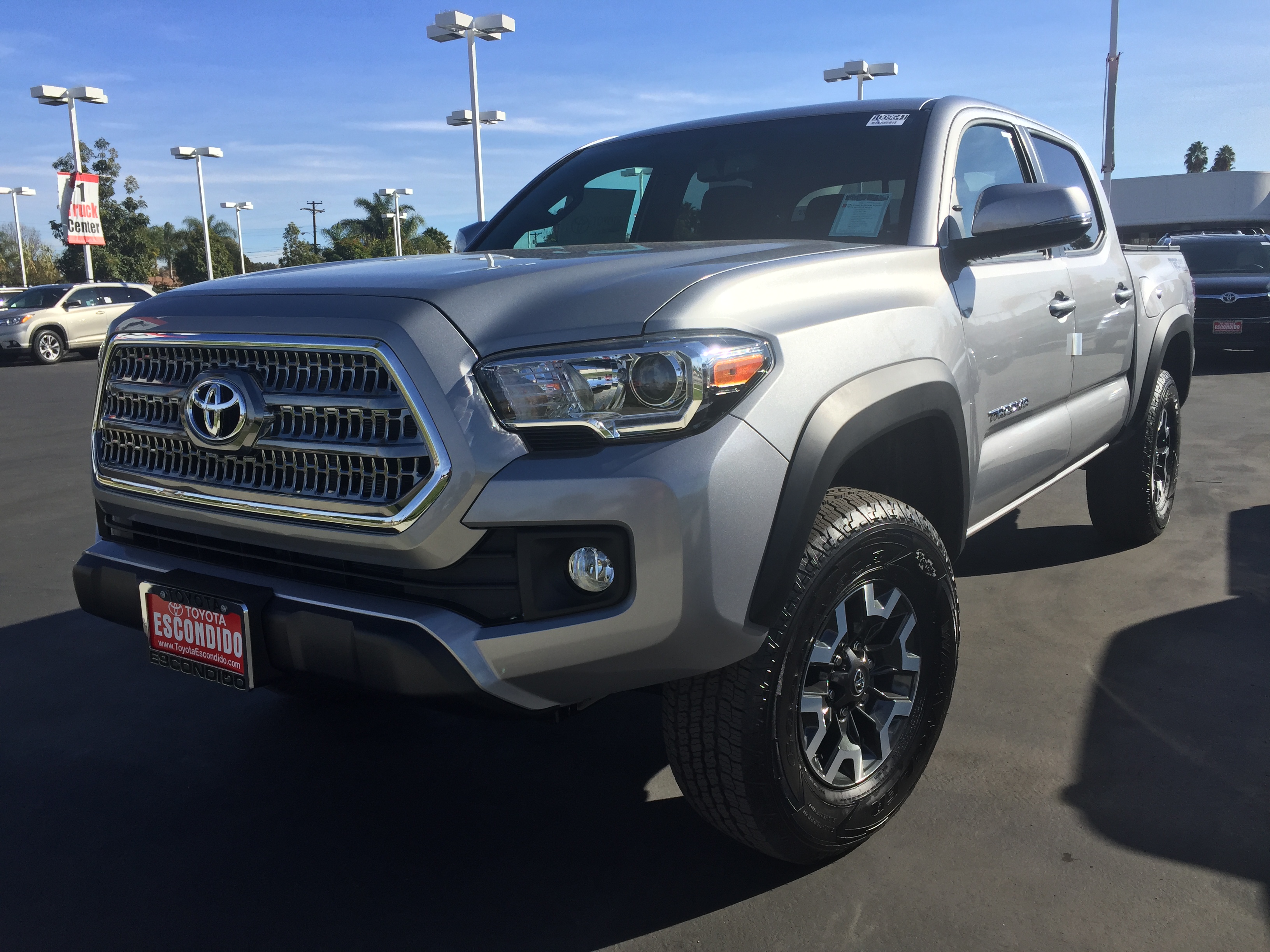
I got like a like a 26th gen Tacoma or something.
He's 16th gen.
It's got like a RET ARD package or something.
Oh, cool.
So you have a 2026 model.
Yeah, I don't, I just got like the coolest one they had.
Did you pick it because of color?
Did it have tires?
So I just went with that one.
Was it raised up?
Oh, no.
Is it raised up?
No.
No, it's never been in the dirt.
Oh, okay.
Okay.
Wow.
But I couldn't make it to the dirt.
Well, I'm curious like how much lift I need to clear 35s.
Oh, that's a common question too that we get on the Toyota SX Hotline.
And yeah, you need all of the, all the lifts.
You need all the lifts for sure.
What other modifications have you done that might attract chicks?
Have you done anything at all?
Like a propeller winch or?
Lights before lockers, anything like that?
Yeah, we got, we got like all the lights, like ditch lights.
You got to have ditch lights.
Got like the wheel wells.
That's a panty dropper right there with the ditch lights.
If they change color, that's even a bigger bonus.
Yeah.
If you have rock lights that go to the, the, what kind of music do you listen to?
So that, that might be mostly like, like EDM and stuff.
Oh, there you go.
So you can get the rock lights that change color to the music, to the beat of the music.
And I think that might help you out too.
You think you don't need to do any more modifications at all.
You'd be all set.
I think that will, or it'll attract more guys.
I'm not sure.
You, you're in quite the, the problem here, uh, conundrum.
I don't know, Chris, what do you think?
Make sure you put a big sticker on with your IG on there.
That's right.
Okay.
Sell your Toyota and buy a clapped out ultra four car and go race king in the hammers.
That's how you're going to get the chicks right there.
That's a great thing.
So, and probably move out of, I'm assuming you're from California with your accent.
You're like, yeah.
Yeah. Orange County.
Oh yeah.
Okay.
Right on, bro.
That's cool.
So you live in California.
Do you live in a basement underneath your parents house?
No, I got, I got a couple roommates.
It's pretty cool.
Right on.
Right on.
That's cool.
Well, I'd go back to take another hit off your bong.
Think about your life choices and sell your Toyota and get an ultra four car.
There you go.
That's our prescription for success.
Well, thanks ladies.
All right.
Thanks for calling in.
I'm so glad we answered the phone.
Those are great calls right there.
I didn't know they had a snail trails, you know, Toyota suck hotline.
I didn't know that was goes without saying.
I noticed the phone, but I thought it was a prop when we walked into the studio and
it's clearly not a prop.
It's operational.
I haven't picked up a real phone like that in a long time.
Little antiquated here at the snail trail studio, but I wouldn't expect anything less.
So they both drive, you know, I mean, shit.
So it's funny, we, you know, Toyotas and whatnot.
I can remember just reminiscing a little bit about one of my, one of my trail rides that I
went on years ago and we ran.
We came up, but we're on what, what trail we're on?
Blue lakes.
I think yeah, we're on blue lakes and we had come from the Hermit Valley and we were driving
the trail and we were for highway four and we were coming up to the, that river crossing
where people liked to camp.
Yeah.
The first river crossing after coming down that rock garden and whatnot.
There was a, there was a ledge, a little, a pretty aggressive rock garden getting closer
to the, to the water crossing or slash campground, the area we were going to camp at that night.
And there was a, something, something was blocking the trail.
It was a, it was a Toyota.
Imagine that a Toyota FJ Cruiser and it was broken bad.
The guy got hung up on that ledge, a little bit of a, not a gnarly waterfall, probably
like an 18 or maybe 24 inch waterfall that he just kind of got, got wadded up on.
And he broke his, not, not just his front, but his, both of his differentials.
He, he completely destroyed his front and rear deck.
Grenaded.
And so he, cause he just, I guess he broke one and then he was, you know, hammering on it,
trying to get out of the, out of the obstacle and broke the other one.
No mechanical sympathy.
No, no, none whatsoever.
So he ended up being winched, winched out of the way by us and one of his buddies had
hooked him up to a strap and was dragging him out of the trail.
And every few turns of the axle, you'd hear a bang.
Oh boy.
His, his, his ring and pinion were lunched.
So, I mean, those are just things that I've experienced in, in my days off-roading.
I mean, Toyotas, you know, whether they're raised and up or just flat out broken because
yeah, the, the, the owner operator doesn't feel like that, or feels like he bought into the,
the theory that they're unbreakable or indestructible or whatever you want to call it.
Well, yeah, they're going out there having fun, making poor decisions and no mechanical sympathy.
But I mean, you know, they, they work, they're affordable, they're a low barrier to entry
into off-roading and there you go.
And they're, honestly, I like watching them, you know, hit the road or raising them up and
roll over on the trail because it gives me more recovery experience for my Sierra Nevada off-roading,
you know, Academy, but no price of entry directly proportional to how raised up it is.
That's true.
That is true.
So, you know, it's, it's all good.
It's all good.
And, you know, we're, we're having fun here.
It's, it's, it's a fucking great passion on Toyotas and we'll continue to do that.
But because Toyotas suck.
Well, let's take a quick little detour here.
I know you brought some good whiskey to the studio.
I did.
I did.
Because I know that stuff is sitting in the corners ball related.
And what did we see when we opened up the refrigerator?
It was all ball related.
Fireball, fireball, screwball, fucking buzz balls, all of the studio.
They did have a small little bit of four roses back in the corner.
And I, I don't know where.
That must have been Jimmy's.
I, I'm pretty sure because Jimmy is a good comment sewer of whiskey, Tyler.
Yeah, I shouldn't be drinking at all.
But anyways, so yeah, we did bring our own whiskey.
I've got an Elijah Craig single barrel.
It's a private barrel.
So this means it's a barrel pick from my buddy, Kevin at Men and Meats and Deli local.
Good dude.
Real good dude.
This is a nine year and it's 120.7 proof GDF cowboy, but it drinks.
It drinks like a, just a regular, you know, 50 proof, 100 or 100 proof, 50%
you know, whiskey.
It is, it is a nice ride and I'm enjoying it tonight.
Right on, man.
I'm not leaving it here.
So I'm taking it.
I wouldn't.
I wouldn't.
I don't want them to get excited hearing this podcast and go, oh, Jason left some good whiskey.
Fuck no.
You guys don't know where the whiskey is.
Now, Jimmy, you do know where it goes.
Whiskey is, he belongs to that monk seller and gets great whiskies and him and the assistant
there gets some, you know, they understand.
So I don't mind sharing with you.
So, okay, Jimmy, I'm going to leave a little bit here in a while.
Yeah, a little, little sniglet and I'm going to tell you where it is.
I'm going to hide it.
So Tyler and the, the boys don't find it.
Okay.
Our little secret, our little secret.
What do you got?
I dug deep into the, the closet because I'm celebrating a little bit.
So you are celebrating.
What are you celebrating, Chris?
It's my birthday.
It's your birthday.
It's your birthday.
Happy birthday.
Yeah.
So I dug, I dug into the, into the closet before I drove up to the studio there.
And I am, uh, I kind of did a flight.
Well, you're doing a flight because why not?
Why the fuck not?
I've got my camper.
I'm going to sleep in the parking lot tonight.
It's all good.
Yeah.
I did notice that.
So I started with Eagle Rare 10.
Cause yeah, just everybody has that on their shelf.
Okay.
I mean, and I haven't had that for quite a few years.
And I think at the beginning of COVID, I ran out and I was searching for it for five
fucking years.
So good.
Finally, my son finally scored the bottle and, and he brought it over here and just
left it.
And so I, I have it.
That's a good son.
Yeah.
Yeah.
For sure.
Okay.
So then, then I rolled into the Weller special reserve, which is, uh, if you're familiar
with Weller, that's the green label.
It's a green label.
Yes.
Yes.
Very good.
And that doesn't suck.
That's the original weeded and weeded.
If you, if you ever had a weeded whiskey, boy, I tell you, you want to talk
mouthfeel.
That's, that's got some mouthfeel.
100%.
So weeded, if, if you are, you're like, I don't like whiskey, get a weeded because
they're super smooth.
They, they caress your tongue.
They hug your tongue.
That's exactly right.
They hug your tongue and they, they love on it.
Yeah.
It's good.
And you know, it's, it's, it's, it's like you said earlier, it's a smooth ride.
I think it's 90 proof, 80 proof.
So no, 90 proof.
No, no, 90 proof.
So 45% alcohol.
45 alcohol.
That's correct.
Super good.
I've had this bottle for a while.
It's definitely delicious.
And one of my favorite celebration bottles.
And then I have two on my shelf right now.
Well, I've got, I've got multiple wellers here.
Of course you do.
You dug into your closet and you don't do that when I'm there.
I've looked in your closet.
I have.
It's very, very well.
I almost, I almost pulled the antique out.
Oh shit.
That antique weller is incredible.
It's 107.
They call me when you open that.
Right.
Antique 107 is a good one.
Okay.
Go on.
And to round out the evening.
Okay.
Here we go.
Mr. Blanz.
Oh, what letter is that on the, the horse B as in blends?
I had to dig it out of the back of the bottle.
A is an apple, B is in blends.
That's nice.
Okay.
And I'm drinking it right now.
It's super good.
Yeah.
You got, you, you made a deal on those blends.
So you got them at a good price.
So that's good.
I, I think, you know, you pay too much for blends.
It's not that good of a whiskey, but if you get it at its price point
that it should be, you know, 70, 70 bucks.
Yeah.
70, 75 range.
It's a good bottle.
Well, that's interesting because you are doing the full
lineup there.
Well, not full lineup because you don't have each Taylor stag
from that distillery.
Yeah.
I know you got it.
You should.
If, if after your Blanton's you're still wanting something else,
you should dive into your stag.
That's a great night night drink.
What's the, what's the proof on your stag right there?
Because you did bring, you did bring some backup bottles
and that's what, that's a good thing because stag is really good,
really fricking good.
Okay. Here you go.
That's, oh yeah.
He's pulling it out.
Oh, Lorenzo is getting excited.
His tail is wagging faster than I've seen in a long time at this bottle
because this is a really good bottle.
131.
Yeah. Giddy up cowboy.
Ride that stack.
That is exactly what it is.
It's good stuff.
And to be exact, 131.4.
Yeah. Yeah.
Yeah. That will put you to bed.
That will put you to bed.
It is so good.
We'll put that in the corner for a bit and we'll wait till the end of the podcast.
Yeah. Put that on reserve.
I like that.
I like that.
Good call.
It's, I'm glad we, I brought these bottles.
I'm glad you brought your bottles and yeah, these are enjoyable.
Yeah. Because I knew where I was going.
You know, you always got to know your, you know,
do your homework, know where you're going, you know, make sure, you know,
the roads are open and they're not blocked by Toyotas and, you know,
make sure you have the proper libations when you get to that, that establishment.
And yeah, thank God we did because there was no way I'd be stone sober doing this podcast
and scared for my life because of the Toyota cooties that are floating around this place.
Um, it's terrible.
So we're talking about Toyotas and I know we've got something coming up for our club,
the, uh, Spirit of Ford coming up down there in, in Hollister Hills in May, the spring clinic,
and one of the, one of the big, uh, vehicles that's driven by participants or, you know,
students are Toyotas, whether they're forerunners or Tacomas, the latest and greatest are of
course land cruisers, but you and I tow down there and this is where I'm going with this.
I don't know where you're going with this. I'm just letting you talk right now.
Anyway, we, I'm segueing into what we kind of talked about a little bit before possibly talking
about towing. Okay. Now I get what you're saying. So like if you have a Toyota and you're going to
go off road, you should have a tow vehicle to tow at home because I'm not driving at home.
Okay. Now I know where you're going. Well, the fact that you and I are going to be towing our
rakes down to Hollister in May to wheel or I don't know if you're towing or not, but I'm towing.
I am. Well, of course, because, uh, you know, I've got, uh, trailer queens here. Well, I got
purpose built vehicles. So that's right. Like, like we said earlier, the more it's built for off
road, it sucks on on road. And I like to have my air conditioning in my, my Ford, my, you know,
air conditioned and heated seats. Let's expand on that a little bit because I mean, I remember,
I don't know what trip it was. It might have been going to, you know what it might have been going
to Meadow Lake one year. You, this is before you had bought or just after you had bought your F450.
Wow.
That's a squeaky cork.
Right after you bought your F4, because you had the F350 for years, the white one with the
with the manual transmission. You shifted years. That was a great, great.
And then it still goes to Sierra Trek sold it to a friend and he's still rocking it.
Right. But then you showed up one, then you bought the F450 with an automatic transmission
and you showed up at an event and you're like the work track. And you said, uh, now I know what
you guys are always so relaxed and whatnot. When you get to your destination, because you're not
shifting gears all the time. Yeah. It's, it's definitely, you know, I mean, the reliability
of that, that manual transmission and whether it's a Ford or a Dodge is they're bulletproof.
They are just fucking like the Dodge has the NB 4500.
Especially a Dodge because the automatic transmission just shit themselves on the road.
No, I never had any problems. I hope I know you're getting your anomaly.
I'm not, I'm not modified either. So, but, uh, but, you know, what, what is the transmission
in the, the manual transmission in a Ford truck? Okay. You're putting me on the spot.
It's not an, it's not an NB 45. No, it's not. It's, uh, oh my God. Um, no, people are yelling.
There's a handful of people. Kevin Joseph is yelling at me right now.
But it's a, it had a granny gear and a, um, it was an overdrive. It had a granny gear
with six speed, right? It was, it was a six speed transmission. It was awesome. Um, love that
truck, but driving in the Bay Area and traffic sucked and then towing it was awesome. I mean,
that fucker would lug down that 73 It was good. Anyways, all right. So let's talk
about towing because yeah, towing, make sure you, you lube your balls. That's all I'm saying.
Yeah. Lube your balls. Okay. So let's, let's get a little educational component here
because this was one of the things when Jimmy called me and goes, Hey, you want to do a snail
trail takeover podcast. And I go, fuck yeah, but what's going on? You know, and they're like,
Oh, we're going to this event. We need a few, a podcast recorder while we're gone. And I go,
okay. And I'm like, what are our parameters? And he goes, whatever you want to do. And I'm
like, all right. First of all, I'm going to tell you how many
we're going to see how many times we can say Toyota suck on the podcast. And I said,
secondly, we need an educational component here. And he goes, Oh, really? What are you going to
talk about? I go towing because you guys need to, to tell your listeners about towing more. And
you and I have a lot of experience. That's our pedigree. Not that we're experts on this.
We've seen some shit. bad shit. Shit's gone bad for us.
Shit's gone bad for us. But like, so I want to get in. Yeah, that's a good segue, Chris. We need
to get into a little educational component here and stop bashing on Toyotas even though they suck.
All right. So let's, let's dive into this real quick. And then we're going to wrap this thing up
because we need to go get some tacos here. And it's your birthday. It's my birthday.
Gasser diesel. Gasser diesel. I'm a fan of diesel. I mean, I really like the torque and just the
go, go, go. I mean, when I, when I push the pedal down, the thing just, just hauls ass. I mean,
I know I don't have as much torque as you do and you're with your more modern vehicle. But
you know what? I mean, the thing fucking goes there. The thing goes like a rape day.
Exactly. So the modern trucks out there, whatever your brand choice is should be Ford,
but whatever your brand, they are producing ridiculous numbers. So as a comparison,
you referenced my old truck. It was a 97 7.3. Oh, it was a 2001. Was it?
It was a 97. I've been an OBS. Oh, you're right. So it was a 2001. I was in my old truck.
Okay. The Elijah Craig's kicking in. So 2001 7.3 standard.
And it's great. I had a, I had a bank's kit on it and that, that woke it up, but I was driving
by gauges all the time. The EGT, you know, watching the exhaust gas temperature coming up highway 80,
towing, you know, my cab over camper, my Lance life and trailer and the Jeep on the back and
watching the EGTs climb. The engine wanted to go more, but the EGT said, you need to back off
there, Sonny. So then fast forward to the 2017 F 350 that I have now 6.7. Holy fuck. It's got zero
fucks to give. And I don't drive by gauges anymore. I just fucking drive. I want to go faster. I put
the pedal down. The computer regulates me, but it doesn't. I mean, it just, they tune themselves as
necessary. Yeah. If needed, but, but even, you know, my buddy's truck, I drove a, let's see, this is 26.
So I drove a 24 F 450 that fucker didn't give any fucks. And it's a lot more horsepower and torque
than my truck. And I can't even imagine it. So my point is, if you're going to do a lot of towing,
get a diesel. If you're just towing occasionally, gas is fine, especially with the prices now.
And diesel should be cheaper than gas. And that's a whole nother, but, but if you are towing a lot
and heavy loads, get a diesel, um, you know, and then weight limits. So what are you towing?
You know, know your weight limits. So if you're towing a little raisened up,
fucking 22 RE, you know, Toyota pickup, um, fuck, you don't need much. You know, you could
tow that with your F 150. You could tow it with a Chevy. You could tow it with a Chevy.
You could tow it with a Dodge. You could tow it with a Toyota Tacoma. I don't care.
Um, but you get into some, you know, heavy duty rock crawling and, you know, ultra four car,
whatever, and a Lance camper camper. And then you're towing, you know, extra fuel,
extra water, extra, whatever, extra liquor, liquor. Um, know your weight
limits and that, that's, that's a big key, um, on this thing. And, and okay, then the weight
limits of your trailers. So like not all trailers are created equal, right? No, no, just, just because
it's got a tandem axle. I've seen people tow their Jeep on a single axle. That scares the fuck out
of me. That's for boats. Yeah. God rest his soul. Then it was
in an accident because of the trailer. He did it. And, and it can be done,
but dude, when you're towing on the highway, you need to be safe, not only for yourself,
for the people around you. I've seen some really sketchy shit on the highway and, uh, that absolutely
scares me where I'm hanging way back or I pass that mofo and get ahead of them. So, um, tandem
axle, you know, breaks with breaks on all four axles, ideally, uh, for the basic, you know,
off-road vehicle. But if you're towing a bunch of shit, um, you better have a tow rig that's,
you know, it's one thing to have a trailer rated, but make sure your tow rig is not,
you know, underwhelmed by this, uh, overwhelmed, I should say, uh, under prepared for this towing
exercise. Um, so because the tail will wag the dog, you will see, yeah, you can watch that YouTube
video of, you know, I don't know if it was AAA or whatever that did that video on the little conveyor
belt, the little, oh yeah, that's super cool. That where they move away from back trailer, and then
they can move weights and they show tongue weight and shit. And that's it. And if you are, if your
tow rig is not up for the task, you're going to have a bad day and it could affect some other
people's days and that's not good. So, um, make sure your weight is there. Your trailer axles
are rated and, uh, you've got the weight carrying capacity, right? For example, in my previous,
I have a new trailer that I bought, I don't know, 33 years ago, something like that.
My previous trailer had two 3,500 pound axles on it, which makes the trailer 7,000 pound
weight rated, right? And I had a two inch, uh, it accepted it. They had the, the ball,
whatever you want to call it, the hitch on the front, on the tongue of the trailer was,
was a two inch ball. So you got to take all these things into consideration. How big
do the, the ball on your truck and trailer are, how big, what the weight ratings of your
axles are, what the weight weight ratings of your tires are, um, the springs and so forth and so on.
I mean, but the bottom line is I, I always see, I don't always see it, but I mean, I've seen it
pretty regularly. People that just aren't set up well for towing a trailer. They don't have the
right size ball or, and even when you, so there's, there's one and seven eighths, right? And then
you got two inch and then you got two and five sixteenths. Those are the three primary.
That's right. I'm glad you brought that up. The shank is important.
The shank, and we're not talking about golf here, but yeah. Shawshank redemption. Shawshank
redemption. So the, the diameter of that fucking bolt that's going through your ball. So I've seen
some two inch balls with a small shank. Yeah, like a three quarter inch or a half inch.
It's, it's rated shit. You know, like 3,500 pounds or 2,000 pounds. I got a two inch ball,
but you got this tiny shank. So it's like having a tiny wiener, you know, driving a Dooley. So
just pay attention to all that stuff that all accounts into this, right? And, um, you know,
being realistic with your weight. So yeah, it's one thing to put a vehicle on a trailer and go,
but are you going for a week and you're towing 25 gallons of fuel, you know, 30 gallons of water,
you know, whatever it is, you got all the, and all this food and who knows how much beer and
fireball and shit you got in your ice chest. If you're a Toyota owner, just, just be realistic
with your, your weights. I mean, cause there's a cargo rating, right? Like you got the weight of
your trailer, but what's that trailer rated to carry? So, you know, oh yeah, I got a 4,000 pound
rig in cargo. Okay. And then your trailer might weigh 2,500 pounds. This is a 7,000 pound trailer.
Right. And a 10,000 pound rated trailer is a 15,000 pound rated trailer. So familiar yourself,
you know, with that, no, and have mechanical sympathy. I've talked about this a lot.
If you get a vibration, if you, you know, something's swaying a little bit because maybe you don't
have enough tongue weight, um, you know, if it doesn't feel right, fucking pull over and figure
out what the fuck's going on, because that can get exaggerated in a bad way and tires blow out
and all this shit. And trailer tires, the whole, another thing, you know, you don't want to be
sitting on the side of for the freeway with a blown tire. My recommendation on that after having
done it once, I would, I would drive further and you find an off ramp and get off the freeway.
Do not, I repeat, do not change your tire on the side of the freeway.
So let's talk about trailer tires for a second, because that's the number one thing.
You got a trailer that's sitting out in the sun all the time, you know, tires are getting baked,
weather checked, all that stuff. Change your fucking tires and then make sure they're rated.
And I'll tell you, there, there is several forms on trailer tires, but I'll tell you from experience,
pay me now or pay me later, buy a nice quality trailer tire, not a truck tire. Now there are
some people that will say, okay, put truck tires on your trailer. And I don't disagree with that.
There, there is some logic there, but I have had great success with dedicated high end trailer
tires. Good year to Carlisle. Yeah, the Carlisle is great. Good year. Oh my God, I had it in the tip
of my tongue there. Endurance. Endurance. Thank you. The good year endurance trailer tire. And,
and, you know, when you store, if you own a trailer, store the trailer properly, cover your
tires, make sure they're out of the sun. Cause let's face it, trailers don't drive on the road
every day and they get flat spots and all that shit. And it's just, it's not good if your trailer is
not enclosed in a beautiful, you know, climate controlled garage. They're sitting out on the side
of your house, throw some plywood up or something to cover your fucking tires.
Well, they get abused. I mean, they just get, they get abused. I mean,
if you ever watch a trailer when it's turning, I mean, when you're making a sharp turn,
the side forces that are happening to those tires are, is, is epic. I mean, it really is.
So some of the mechanical sympathy, and I'll tell a story about going to Moab and we're hauling
ass out there, right? Doing, you know, 65, whatever towing. And at the last hour before Moab,
I started developing this, this vibration. And I'm like, what the fuck's going on? And
I'm talking to my passenger and I go, Hey, you feel that? Yeah, I feel that. I'm like,
fuck it. It's 11 o'clock at night or just go until something blows. And then it got bad.
And I pulled over and I look and my tire had a big fucking goose egg in it. It was getting ready
to fucking blow, right? So I'm like, Oh shit. This is on your open trailer or your blue trailer?
This was on the open trailer. And I'm like, Oh my God. So I changed it, you know,
and got into Moab safely, obviously went to the tire place and said, Hey, I need a
free places tire and a couple more. So, you know, just having that, that, you know, tuned in
with that. We could spend a whole podcast on tires, but just make sure your tires are healthy
and good. The other thing is wheel bearings. So like, oh, yeah, the wheel bearings take a beating
and you should go through. If you tow a lot like us, it should be once a year, just every
whatever month that is, if it's early season, like now, every April, I'm going to fucking address
my wheel bearings and it costs some money and maybe you don't need to replace your bearings per
say, you're going to have to, you're going to have to replace the back seal when you take your bearings
out, but go through and fucking take your bearing, take your wheels off, pop that back seal, address,
you know, clean your surfaces, your races. If you see any pitting or any signs of wear,
replace your races, replace your bearings. If everything looks good and healthy, clean it up,
repack your bearings and put a new seal on the back and throw it together and you're good for
another year. You'll thank me later. If you neglect them, they will catch on fire. Oh my
God, there's so many bearings and spindles going south. Check your brakes while you're at it too.
Well, that's it. I was just going to get into that. Thank you, Chris. So trailer brakes,
make sure they're good and all your springs, everything's healthy and in the right place.
And, you know, I mean, this could go on for hours. Don't modify your tow rig. You've got a
lifted rig and, you know, fucking tires. If you do a lot of towing, don't modify your rig.
Leave it stock. I mean, put a little bit bigger tire size on, but be realistic. These big drop-down
tow hitches and stuff are not safe. Have you seen the ones that have like the angled braces?
Oh, it's so bad. When I worked on Discovery Bay, I saw it in Discovery Bay. These brodozers,
it would tow like, you know, wakeboard boats and they'd have the drop hitches that were like
24 inches long with like freaking bars going up to the frame. Exactly.
Weight-distributing hitch. So if you have a heavy load, giddy, giddy. Tyler's going crazy right now.
Make sure you got a weight-distributing hitch. What does a weight-distributing hitch do?
It makes that mechanical connection between your truck and trailer and lifts. It pulls with trunnion
bars. It pulls up and puts more weight on the front of your vehicle, distributes the heavy weight
on the front of your vehicle. So yeah, your tow rig, your truck.
So without that, your front end can become light and steering is not fun going down the
highway. So if you're having that problem in sway and stuff, a rule of thumb, more
tongue weight is better than less tongue weight. And we can go into a whole other fucking episode
of tongue weight. But the rule, when you pull onto a trailer and you see the back end of your
tow rig lift up and then you drive, continue to drive on the trailer and it settles down,
that's what you want. You want that back end to sag a little bit. Not a ton and that's where the
weight-distributing hitch will help to redistribute that weight that's on the rear of the vehicle to
the front. But more is better than less because that thing, you talk about the tail walking the dog,
you need to make sure you've got that weight distribution, right? And there's these hitches
with weight on there, how much weight you're putting on the ball. But more is better. I always
went and I still, it's so like my tow setups with different trailers, the open trailer and closed
trailer. And I step back and I look to the side profile is my truck sagging more than
other, you know, and I got my camper on the back and stuff. And you don't have bags.
You got to watch all that. I have the Torx lift. Stable loads. Stable loads on there. And I really
like those. And airbags too. You know, I used to have airbags on my old truck. And those work great.
And you can adjust that. But the stable loads, the Torx lift stable loads are awesome.
Been very happy with that. Pull another podcast on suspension.
Yeah, I know. We can get deep in this thing. I'm trying to do high-touch and make sure my
Hey, the phone's ringing. Oh, who do you got now? I don't know. You tell me you're closer to it.
Oh, shit. All right, let's answer it.
Welcome to the Toyota suck hotline. How may we help you, sir? And this call is being recorded for
quality assurance. You're recording. I hope you're recording this because sir, I have a complaint.
I have been seeing Toyotas in my neighborhood and that is unacceptable. I don't know where
these things are coming. They're driving down the property values. People are just showing up.
They got homeless people. You got these sponsored by Toyota of Huntington Beach Stickers.
I don't know what to make of it. How do I get my property of this infestation? That's what I need
to know. That is a valid concern, sir. May I ask where do you live? You don't have to give an exact
address but like the local. I do have to admit I am in Northern California and I realize that
they are endemic to this area. But I just do not find this acceptable and I need a proper
repellent, a fray, maybe something that you could apply around the perimeter to keep them out.
Yeah, sir. This is a supervisor. I had to chime in here because there's some weirdness going on.
I do have one question. Do you live close to the foothills of the Sierras because that area is really
overpopulated with Toyota's? Prevalent, yes. I mean, I've got some distance. I feel like I
should have a buffer zone. I'm not in the Bay area. I'm in the Delta. We've got lots of water.
Toyotas don't swim, do they? No, but they try to on Fordyce, which is usually unsuccessful.
Okay, yeah. You were asking for a repellent. I heard Cougar urine works pretty good if you spray
that around your property. I'll keep an eye out for that. Can I get that on Amazon?
You can. No, no, you got to go to Sacramento to bars with older women and harvest it somehow.
It's right next to the Black Panther spray from, you know, Ron Burgundy that uses that, you know.
So, yeah, are they raised up? Are they really, they're pretty bad looking, huh?
No, no, I mean, that would almost be acceptable. No, these are like
pristine, clean, except for stickers and RGB LGBT lights.
Do they have rooftop tents, too? Oh, well, yeah, they do. How did you know?
See, you're not one of them. You have a big overlander population around you is what's
happening. You got rooftop tents, whittle watters. You got ladders on the back there.
Rotopax with, you know, the probably not really gas in the rotopax shovels.
And this is if this is okay. So think about this. Have you seen these plastic boards on the side
that have all these dimples on them? I have.
Traction boards. Okay, you are, you are, we're going to have to refer you to our dispatch here
because that's a very, very serious problem you've got going on in your neighborhood.
I hate to tell you, sir, but you should move. You should move immediately. Put your house on the
market. Do not advertise this in your listing and get the hell out of there because you're being
overrun by overly safe. Yes, Nevada. Anywhere in Nevada, you'll be safe.
Yeah, definitely get the hell out of California. That's what I was like. If I can afford the, you
know, $8 a calendar, so I'll be right there. Yes, the prices are a little high.
Temporary situation will be remedied soon here, but yeah, here we go. So, yeah, I,
Chris, we need to dispatch him to our, our emergency response team out there.
I've been told that if you, if you put out actual proper whiskies and bourbons, that drives them away
because they prefer the ball-based whiskies. Is that, is that true? They prefer, they prefer
white clon and trulies, but I'm going to send out, we need to send them to the exterminator
division. We're going to have to exterminate all Toyotas and Toyota drivers and owners.
Perfect. And the ball-based whiskies. So just to clarify, sir, are you talking about screwball,
fireball, stuff like that? Yeah, yeah. And buzzballs. I made a point.
Away from the property. I don't have any of those here.
Yeah, this, this is really serious, Chris. I feel bad for you, sir. We will do everything in our
power to improve your situation over there, but I really would consider, do you have family
else in that area, or is it just you? I mean, I feel like I, I can make whatever sacrifice needs
to to get out of this situation. Okay. All right. Yeah. You need, you need to move immediately.
I'd start packing now and we actually have a good mover that can get you up there. It's called
Lorenzo's moving. We haul ass service and we'll get you right away, get you up the hill and get
you out of that situation because, oh my gosh, I, this, this is a code red, Chris. This is a code
red code. Once they're clear of the area, send up a flare and we'll drop the napalm. Yeah. Do you
have a way to protect yourself there, sir? Like with, you know, I don't know, whatever means you
need, like, or locking yourself in here. That full body condom would help. Just a cool vehicle like
a G Toyota Land Rover. I don't know. Yeah. I don't want to alarm you, sir. But if you do get Toyota
cooties, it takes years to get rid of it's worse than the clap and gonorrhea and all that stuff.
So yeah. Yeah. Yeah. Okay. Okay. That's good to know. I'm going to take all necessary precautions
and I'll send you guys a pin on where to, where to drop the ball. Okay. All right. Please do that
and stand by because you will be receiving a phone call within five minutes from our emergency
response team. Please stay calm. I would panic really bad if I were you, but please stay calm
because that's a very serious situation going on there. And I apologize that you have to go
through that. My deepest sympathy. Okay. Just so you know, to try and write this out, I'll be standing
by the phone right here. Be strong. And if you have any, like, real whiskey in the house that
doesn't end in ball, I would, I'd pour yourself a stiff one and stand by for a phone call here.
I've deployed a bottle of Blanton's currently and I'll keep that flowing just as a, you know,
Dr. Zores. Perfect. Perfect. Okay. You're on the right track. We're going to get you through this,
sir. We're going to get you through this. So please, please stand by for a phone call.
All right. All right. There you go. I love just trying to educate these Toyota people.
I didn't know they had an emergency hotline here. This is great. This is good. Okay. They're a
little more sophisticated than I thought. I got to give them more credit. The red phone was ringing
again. The snail trails, you know, Toyota suck hotline and they never talked about this on their
podcast. No, they never do. Well, apparently they do it after hours or like with the snail trail
after dark or whatever the fuck it might be. There are other podcasts that they use this.
Apparently that podcast does exist. So you need to look that up people. Do you think they wear
like Batman and Batgirl outfits or something? I'm pretty sure they do. I'm sure there's some
weird shit going on from what I've seen here. So I'm just going to leave it at that. I really
want to get this podcast over so I can get at the hell out of here. I got the heebie-jeebies.
Hold on. I need to pee in the other corner. Good luck with that. Okay.
All right. Back to towing. You know, they got those anti sway bars that you can put on
your trailer, your hitch. If you have that problem, I've never had to use them.
But it does have a little lever that you can just as basically like brake pads in there.
Yeah, a justice bar that connects with, you know, a ball on your hitch and a ball on the trailer.
And this bar goes in between. And if you are having sway problems, that is a good thing to have.
But I'm, I've always set up my shit, right? It's how your load is set up on the trailer.
It is. And it goes back to, you know, tongue weight. And but there are some trailer setups
that might need this. I just wanted to mention it. The best way, if you have a shit ton of weight,
you're going out to King of the Hammers with like 455 gallon drums of 110 octane
fuel and your race car and tools. 110 proof. 110. No, 110 octane. 110 proof whiskey.
Okay. No. And then M box is a whiskey. You got a really heavy load. Gooseneck is the way to go.
Like a gooseneck is putting the weight over the axle of the trailer, right?
You know, so it's just very well. Now you're talking crawler hauler.
Well, it's a crawler hauler. It's fucking awesome. If you're towing a lot of weight a lot, that is
the direction to go. You know, like us with the, the landslide, you know, you got bumper pull. It's
not pulling off the bumper. It's pulling off a hitch that's rated frame mounted hitch. Yeah,
frame mounted hitch, but they, they refer to it as bumper pull in the industry. That's, that,
that's the way to go. But if you are hauling some serious shit, you got your, your race car,
your pre-runner, your fuel, your whiskey, all your parts and tools. Gooseneck is a way to go if
you're going that way. So a heavier, you know, trailer set up Gooseneck over the rear axle.
We're not sponsored by torque lift, torque lift, but I have a torque lift trailer hitch on my
truck, the Magnum and that thing is badass. So in that, that's a good point, Chris. So talk
about that for a minute. You got a lance camper that hangs off the back of your Dodge
that's already struggling to get down the road. So how do you overcome the trailer weight of that?
So I made the mistake of buying a, I mean, I, no, I didn't make the mistake of buying a Dodge Ram.
I love my truck. It's a, it's a wonderful truck. The Cummings diesel engine is awesome,
but the one mistake I did make and I, and I wish I hadn't done it was buying a short bed.
So I wish I told you, I know, tell all my friends buy a long bed. Oh,
well, they're hard to park and blah, blah, blah. No, buy a fucking long bed. If you're,
if you even remotely consider putting a camper on the back of your truck, buy a long bed. Okay,
going. So anyway, short bed, it is what it is. I, so I have a Lance 855S, which is designed for
both the short bed and the long bed camper. It's a, it's a wonderful camper. And now this,
the roof is resealed. It's awesome again. So, but because I have this, this camper that extends
beyond the fairly fair distance beyond the back of the, of the truck, I need to have an extended
hitch. And, you know, people, there's, there's lots of schools of thought and arguments and,
and fights that happen online about extendable hitches or extended hitches and, and wait, you
know, how they handle the load. But I decided to go, you know, big or go home as we like to say,
you know, and, or buy one's cry one. So I went with the torque lift, torque lift trailer hitch,
the magnum, which is these things are beefy as fuck. And it's sisters up with the, with the OEM
hitch on my truck. They're both two inch receivers. So I have two receivers that I'm set up for the
super, super truss, which is the extended hitch, which is a double, basically 22 inch bars
that are paired together and, and join that, that give a lot of payload capacity. Yeah.
You know, you don't want to, I guess the trend, the theme here is don't screw around with your
toe and heavy loads. No. And having the right stuff that's engineered well. I like torque lift. I
spent a fair chunk of change on it, having the right hitch, the right truss or the, the right
extension. It's super strong. And I mean, the thing is beefy. I mean, I actually dread setting
up that thing because it's heavy as fuck when I have to put it on the truck. It's easily over 60
pounds or it's definitely more than 50 pounds. It's a lot of beef there, but you know, you know,
you're, you're buying an engineered system that's, that's both not, not so torque lift,
if you're familiar with them or ever heard of them, they make trailer hitches, but they also
make tie down systems for camp, cab over campers. I know you have super truss or a torque lift
tie downs for your truck. Yeah. I highly recommend very well engineered, very well built and the
company stands behind them. But you know, the stuff is good. And I know those people that
were like, Oh no, I can engineer, I can build my own thing for, you know, fraction of that cost.
And you see people with the single, single stock, I know you have like a two or a three inch,
you have a three inch hitch on your truck. I kind of wish I had a three inch hitch on my truck,
but we always, we had a three inch. That was all later on. Everything got bigger later on,
you know, I mean, I think that the Rams now, everybody's got the three inch freaking receivers
on their tracks, which are beef on high, but I had to work with what I had. And you know,
we've talked about hitches. We've tie downs. We've
talked about, you know, shanks and balls and breaks and bearings and tires. I mean, the bottom
line is do your goddamn research before you start toned down the fricking road because I,
Jason had mentioned earlier, we've seen some sketchy shit that we don't want to be near on
the freeway. So here's the bottom line. It's kind of interesting, you know, from the society that
we grew up in, in Comey, Fornia is like, everything's regulated. You need to be, you know, have some
kind of fucking training on this and that you want to write a jet ski. You gotta have a fucking card
now, but you can fucking go out down to your local fucking RV dealer, pick up a 40 foot fucking RV
and go diesel pusher. Yeah. And go drive. Or you can take a diesel pusher and 40 foot diesel
pusher and tow a fucking 20 foot boat behind it with no experience or a 30 foot trailer and close
double stacker trailer. Exactly. So point is you fucking get educated. You know, it's, it's
insane that everything else is regulated and towing is not. But okay, I got a few more points
here on my list, Chris. Okay, go ahead. Setting your trailer brakes. So, you know, if you're
towing a boat, it's a mechanical, you know, I hate those. Well, they got their purpose
because electric and water don't mix, but you all's got the same thing with everything else.
Everything else out there, the typical towing that we do on the road, we have electric trailer
brakes. It's like setting your brake, you know, so you have what they call a gain. And it's how
much electricity is being applied to the brakes to the magnets to stop the vehicle. And so that's
adjustable. So there's smart controllers out there. There's dumb controllers out there. So we'll call
the dumb controllers Toyota. We'll call the smart controllers Ford Ram, just coming up to my mind.
But no, so these controllers apply, you know, break and as you're breaking harder, they'll the
smart controllers will give more power to a volt power to the magnets. So setting your brake
controller, a lot of people just hook up a trailer and go, well, there's a gain there that you can
usually from one to 10. And depending on your trailer breaks, the quality of your trailer breaks
and your tow rig and everything, you need to make those adjustments. So if your trailer's
unloaded and you're going down to pick up your broken Toyota off the Rubicon Trail,
your trailer breaks should be set low because hello, you got not a trailer. There's no weight,
it's light. Exactly. But after you load up your ship box, Toyota on that trailer,
you need to bump up the gain, maybe to 45 or six, depending on your tow rig and
the quality of breaks on the trailer to tow. Because if you have an empty trailer and you come up
to a stop sign and hit your regular service breaks, you're going to be sitting up a smoke screen
behind you because your trailer breaks are set for a heavy load and fucking your trailer
breaks are skidding, right? You're tired. Locking them up. Exactly. And vice versa,
you got a heavy load and you come up to a stop sign. The line, the light trips quickly and
turns yellow red and you need to slam on your brakes and kind of do a quick stop.
And you don't have your gain set high. You don't have that magnet fucking getting the power it needs.
It will fucking, you know, you're like, oh, we're going to end up halfway through the
intersection. Exactly. So make sure you're familiar with that. If your trailer starts swaying down
the road and you're going down the road and it hits a bump or something that starts swaying,
one, you probably don't have enough time. Wait, two, you can pull on the manual lever on your
brake controller and that's going to apply the brakes, the magnets on your trailer.
And that's going to help pull everything straight again and stabilize it. Yeah, stabilize and
interrupt that, that bad thing. All right. Lighting, trailer lights, most of the time,
if you have any problem with trailer lighting, left, right, turn signal, brake, something doesn't
work. Fucking ground, check your ground. You may not have a good trailer ground. If you have an
older trailer that grounds through the trailer hitch, that may not be working. A lot of the newer
setups have a ground through the plug. Exactly. Seven wire plug. Yeah. Grease your ball.
They should have said that earlier. We like to say that a lot on this podcast. Grease your ball.
Grease your ball and dielectric grease on your trailer connector. Yeah. Two types of grease
going on. You could use, you know, your bearing grease, regular grease, whatever. Fucking grease
your ball. A lot of people neglect that. They don't even think about it, but it helps a lot.
So make sure your spare tire, you know, you should have a spare tire if you're going long
distances like us to trails. Make sure you have a good spare tire that's serviceable. It's got air
in it. And inflated. Yeah. A lot of people forget about their spare and don't, you know, check it
or anything before a trip, but make sure it's got air. Make sure it's going to fucking work if you
need it because, um, you know, I've, I've changed a few suit tires on the side of the road and my
tires have been ready to go. And I just, I know I got my right lug nut, you know, tool. I always
carry my DeWalt. I'm a DeWalt guy. Always carry my DeWalt, you know, half inch impact behind the
seat of my truck. And, um, and I got all my different sockets for my truck trailers, whatever
I'm hauling, um, so that I can make a quick, you know, change there and pull off the freeway.
Just if you have tandem axles, which we all should have, you can go, you know, 55 down
to the next off ramp and get off the freeway. I can't tell you how terrified I was changing
that tire on I five a few years ago. Yeah. I all take is one big rig driver is not paying
attention to fucking take me out. If you do a lot of trailer towing, it's not a matter if it's a win,
your fucking trailer tires blow out and it's looking for that exit and being able to, you know,
heaven forbid driver side, you got to repair a tire on the side of the freeway because it's
catchy as fuck. So if you can get to an exit, you know, you look at your GPS, whatever you
got going on your screen to get the fuck off the freeway. Luckily, my major tire malfunctions
on my truck and trailer, I've been able to get off the freeway. Um, but I've seen people changing
tires on the side of the freeway and yeah, that's, that's no bueno. So if you can avoid that and
even if you fuck up the rim, a trailer rim, unless you got some fancy shit like Chris,
you know, hashtag Chris money, fucking, fuck that, fuck that wheel, just get off the freeway.
You know, um, trailer trailer rims are cheap. They're not for show. Um, but yeah, just, uh,
anyways, um, they can be replaced. Your life can't be. Yeah. Well, that's it. That's it. If
you're out there and some fucking guy and, you know, yeah, not good. Um, uh, you know,
trailer speed. So when you're towing, you know, you got a lot of operation. It takes longer to
stop longer to speed up and everything, especially if you got a Dodge tow vehicle. Wow. Longer
to speed up. A lot of dodge digs, but I forgot. We weren't on the dodge podcast. We're on the
Toyota podcast here, but, um, you know, just be aware of your speeds and leaving room to stop,
um, making adjustments on the freeway for stupid fucking drivers. They're out there. We've all
seen this. Yeah. Yeah. It's, it's not a race. Uh, we want you to get to the camp, to the race
safe. Uh, let's save the racing for the, for the race course. Um, modern vehicles have a tow
haul mode, engage that, that, uh, you know, it's an electronic transmission. It, it locks up that
transmission, prevents aware it's fucking great. Um, and if you have a diesel rig,
should have some sort of exhaust break. Yes. Love my that is, that is a lifesaver. I am so
impressed with the exhaust break on my truck going down. Game changer. Exactly. So, uh, the
exhaust break works fucking awesome. Um, so good. Um, and go practice, you know, if you haven't towed
a lot, get on some flat ground, check it out. See how it feels. stops. Do some
aggressive stops to test that fiddle with your brake controller. What's exactly go soft. I mean,
yeah. So, so get a feel for all that before you get out on the highways, get on these big
downgrades that smoke breaks, um, and, and make your life miserable. So get familiar with your
tow rig, get familiar with your trailer, get familiar with the weights when you're loaded up to go on,
you know, you got all, all four family members in your rig and all their gear and a bunch of water
and a bunch of fuel to have fun for the weekend. Uh, we want you to be safe. We want you to have a
good time. We want you to arrive at the campsite safe. We want you to get home safe. So, um,
you know, there's many more deep dives we can do on these individual topics, but, um, that was our,
our contribution to this, uh, feeble podcast is just kind of, you know, get some technical
information out there and Toyota suck. Um, Chris, I don't have any more in my notes. We've covered
a lot of ground here. Do we have one more caller? No, we don't. Oh, okay. All right. But, uh, I do
know that, uh, you know, a lot of this went over Toyota, Toyota driver's heads cause they're all
driving their Tacomas and they're for runners and they're not, not towing 14 or 15,000 pounds,
you know, but in the, in the event, but they got a lot of weight on their rig. In the event that
they upgrade their rig to the point where they need to tow it, this is good information for them.
Exactly. Exactly. It's all good stuff. Well, hey, I got to give a shout out to Tyler and Jimmy
to address. Your studio will never be the same. Sorry, not sorry. And, uh, this has been a blast
and I'm ready to get out of here cause it smells like donkey pee.
Oh, that should be more for me cause I've been drinking whiskey. So
all right, Chris, you want to shout out the wheeling wine and whiskey podcast?
Oh yeah, wheeling wine, whiskey.com. Uh, you go to the IG and wheeling wine, whiskey.
Don't forget about our number, which is important and, and, and profound and safe for
408-805-169. Again, that's 408-805-169. That's correct. And you can also email
Jason at wheelingwinewiskey.com. You can email me, Chris, at wheelingwinewiskey.com.
Don't forget about one of our great supporters, which is Austin over there at irate4by4.com,
where you can go and see, well, if you're into the off-road world and if you're listening to this
podcast and our podcast, the wheeling wine, whiskey podcast, you're off, obviously an off-road
aficionado and you want to know how to build your rig or communicate or interact with other
off-road enthusiasts. irate4by4 is an awesome way to do that.
You can also go to watch, listen and discuss there and see all of our past episodes, all of
those snail trail past episodes. Sorry. Uh, but, uh, and you can interact with some of those episodes
and communicate with people that are, that are fans of, of ours and their, their podcasts.
And then lastly, I know it's summer times just around the corner, but, uh, you can go check our
merch out at, uh, we have some pretty cool stuff at wheeling, on our website, www.wheelingwinewiskey.com.
And I don't know, did I cover it all? Yeah, you did. Get your, get your tank tops.
So wheelingwinewiskey.com. Um, good stuff. I do have to mention is coming up on snail trails
anniversary and our anniversary on April 19th. Not sure when this is going to air. Uh, we're
recording before that date, but, uh, shout out to snail trail. Thank you for having us and hosting us
probably the last time, but we took advantage of it. And oh, yeah.
Fucking awesome. Good stuff, Chris. Happy birthday. Go enjoy yourself. And, uh, with that,
Toyota suck.
About this episode
Four Wheel Underground’s shift to à la carte off-road parts kicks things off, including aluminum links and a deeper look at OnX Offroad’s Trail Revival work on the Rubicon. The hosts then debate modern Jeep capability—drive to the trail, push a button to disconnect the sway bar, and head home—before a Toyota “suck hotline” turns into a real river-crossing damage story. The episode also mixes a birthday whiskey flight with practical, safety-first towing guidance: brake gain, hitch setup, wheel bearings, and trailer lighting grounding.
We have a massive discount this month with Rusoh Fire Extinguishers. You can get 25% off this month only with the discount code Rusohcrawlers. Go grab yours today!
SnailTrail4x4 Discord: https://discord.gg/yFyFFkQbuy Come hang out with us on the SnailTrail4x4 Discord — it’s the easiest way to connect with Tyler and Jimmy directly, chat with fellow offroad enthusiasts, and get first access to Group Buys and Treasure Hunt token drops.
MORRFlate Giveaway at 900 Reviews on Apple Podcast. But our next giveaway is when we reach 800 reviews; we are giving away an OnX Elite Membership. We will also give away an OnX Elite membership when we get to 850. However, when we reach 900 Reviews, we are teaming up with MORRFlate for a $1000 MF Product Giveaway. Go over to Apple Podcasts to leave your review now and become eligible to win. Congratulations to A13XMONT, who won a set of tires from Yokohama Tire!
Call us and leave us a VOICEMAIL!!!
We want to hear from you even more!!! You can call and say whatever you like! Ask a question, leave feedback, correct some information about welding, say how much you hate your Jeep, and wish you had a Toyota! We will air them all, live, on the podcast! +01-916-345-4744. If you have any negative feedback, you can call our negative feedback hotline, 408-800-5169.
4Wheel Underground has all the suspension parts you need to take your off-road rig from leaf springs to a performance suspension system. We just ordered our kits for Kermit and Samantha and are looking forward to getting them. The ordering process was quite simple, and after answering the questionnaire, we ensured we got the correct and best-fitting kits for our vehicles. If you want to level up your suspension game, check out 4Wheel Underground.
SnailTrail4x4 Podcast is brought to you by all of our peeps over at irate4x4! Make sure to stop by and see all of the great perks you get for supporting SnailTrail4x4! Discount Codes, Monthly Give-Always, Gift Boxes, the SnailTrail4x4 Community, and the ST4x4 Treasure Hunt! Thank you to all of those who support us! We couldn’t do it without you guys (and gals!)!
SnailSquad Monthly Giveaway
Massive thanks to this month’s giveaway with Rusoh Fire Extinguishers. We have one of their 2.5-pound extinguishers to give away to a lucky winner. This extinguisher has an 18-year shelf life and is the best fire extinguisher for any off-road vehicle. To learn more, check out Rusoh.com. If you want a chance to win, sign up for the Giveaway Tier on Irate4x4
For the Month of April, we are giving away Gift Boxes. Its Gift Box month and two luck indiviuals will win a one of our gift boxs. These are jam packed with goodies from tools to whiskey smokers. They are always different and always random. If you want a chance to win, sign up for the Giveaway Tier on Irate4x4
Listener Discount Codes:
SnailTrail4x4 –SnailTrail15 for 15% off SnailTrail4x4 Merch MORRFlate – snailtraill4x4 to get 10% off MORRFlate Multi Tire Inflation Deflation™ Kits 4WheelUnderground – snailtrail 10% off Ironman 4×4 – snailtrail20 to get 20% off all Ironman 4×4 branded equipment! Sidetracked Offroad – snailtrail4x4 (lowercase) to get 15% off lights and recovery gear Spartan Rope – snailtrail4x4 to get 10% off sitewide Shock Surplus – SNAILTRAIL4x4 to get $25 off any order! Mob Armor – SNAILTRAIL4X4 for 15% off SummerShine Supply – ST4x4 for 10% off Backpacker’s Pantry – Affiliate Link Laminx Protective Films – Use the Link to get 20% off all products (Affiliate Link)