
710: Portal Pros Goes Toyota: Real Numbers, Real Trails & What’s Coming Next
About this episode
Portal Pros and Snail Trail 4x4 Offroad Podcast dig into Toyota/Lexus builds with real-world numbers, trail testing, and what’s next. They compare Lexus comfort and NVH to Jeep simplicity, then get technical on portal axles—fitment, costs, and why “the adaptability of using the same portal box on multiple different vehicles” matters. The crew also shares safety and community updates, including a Russo fire extinguisher giveaway and discount details, plus onX Offroad Trail Revival work on the Rubicon.
Scott from Portal Pros is back, and this time the conversation is all about Toyotas — because Portal Pros has been busy expanding well beyond Jeeps.
Jimmy and Tyler catch up with Scott on everything that’s happened since his last appearance: Portal Pros installed their first set of portals on a Lexus GX470 (basically a bougie 4Runner with a DVD player and leather seats), stress-tested it at Holister Hills, broke a ring gear in Moab, got bailed out by the FJ Cruiser Facebook community the same night, and somehow drove the thing home. If you’re wondering how capable a portal-equipped Toyota can be on trails it has no business being on — this episode answers that question pretty thoroughly.
From there, Scott digs into the numbers most people actually want to know: what does a portal build cost compared to a traditional suspension build on a Toyota? They run two comparisons — a mild build and an extreme build — and the results are more interesting than you’d expect. On the mild side, portals run about $3,000 more than a traditional lift kit setup, but you’re getting ground clearance, gear reduction, and the ability to transfer them to your next vehicle. On the extreme side — when you’re comparing portals to a full Marlin Crawler long travel kit plus a Dana 60 rear axle swap — portals actually come out around $6,000 cheaper.
They also cover what Toyota applications are available now (4th and 5th gen 4Runner, 2nd and 3rd gen Tacoma, GX470, GX460), what’s coming soon (200 series Land Cruiser, Sequoia, 2nd gen Tundra), why Portal Pros is probably not making a Super Duty version anytime soon, and why Scott designed these things to be installed in your driveway and rebuilt on the trail.
A good one if you’ve ever thought about portals and talked yourself out of it over the price.
Portal Pros:
Website – https://portalprosoffroad.com/
Instagram – https://www.instagram.com/portal_pros/?hl=en
YouTube – https://www.youtube.com/@portal_pros
– Monthly newsletter (hand-written by Scott, no AI) — sign up at their site
We have a massive discount this month with Rusoh Fire Extinguishers. You can get 25% off this month only with the discount code Rusohcrawlers. Go grab yours today!
SnailTrail4x4 Discord: https://discord.gg/yFyFFkQbuy
Come hang out with us on the SnailTrail4x4 Discord — it’s the easiest way to connect with Tyler and Jimmy directly, chat with fellow offroad enthusiasts, and get first access to Group Buys and Treasure Hunt token drops.
MORRFlate Giveaway at 900 Reviews on Apple Podcast. But our next giveaway is when we reach 800 reviews; we are giving away an OnX Elite Membership. We will also give away an OnX Elite membership when we get to 850. However, when we reach 900 Reviews, we are teaming up with MORRFlate for a $1000 MF Product Giveaway. Go over to Apple Podcasts to leave your review now and become eligible to win. Congratulations to A13XMONT, who won a set of tires from Yokohama Tire!
Call us and leave us a VOICEMAIL!!!We want to hear from you even more!!! You can call and say whatever you like! Ask a question, leave feedback, correct some information about welding, say how much you hate your Jeep, and wish you had a Toyota! We will air them all, live, on the podcast! +01-916-345-4744. If you have any negative feedback, you can call our negative feedback hotline, 408-800-5169.
4Wheel Underground has all the suspension parts you need to take your off-road rig from leaf springs to a performance suspension system. We just ordered our kits for Kermit and Samantha and are looking forward to getting them. The ordering process was quite simple, and after answering the questionnaire, we ensured we got the correct and best-fitting kits for our vehicles. If you want to level up your suspension game, check out 4Wheel Underground.
SnailTrail4x4 Podcast is brought to you by all of our peeps over at irate4x4! Make sure to stop by and see all of the great perks you get for supporting SnailTrail4x4! Discount Codes, Monthly Give-Always, Gift Boxes, the SnailTrail4x4 Community, and the ST4x4 Treasure Hunt! Thank you to all of those who support us! We couldn’t do it without you guys (and gals!)!
SnailSquad Monthly GiveawayMassive thanks to this month’s giveaway with Rusoh Fire Extinguishers. We have one of their 2.5-pound extinguishers to give away to a lucky winner. This extinguisher has an 18-year shelf life and is the best fire extinguisher for any off-road vehicle. To learn more, check out Rusoh.com. If you want a chance to win, sign up for the Giveaway Tier on Irate4x4
For the Month of April, we are giving away Gift Boxes. It’s Gift Box month, and two lucky individuals will win one of our gift boxes. These are jam-packed with goodies from tools to whiskey smokers. They are always different and always random. If you want a chance to win, sign up for the Giveaway Tier on Irate4x4
Listener Discount Codes:SnailTrail4x4 –SnailTrail15 for 15% off SnailTrail4x4 Merch
MORRFlate – snailtraill4x4 to get 10% off MORRFlate Multi Tire Inflation Deflation™ Kits
4WheelUnderground – snailtrail 10% off
Ironman 4×4 – snailtrail20 to get 20% off all Ironman 4×4 branded equipment!
Sidetracked Offroad – snailtrail4x4 (lowercase) to get 15% off lights and recovery gear
Spartan Rope – snailtrail4x4 to get 10% off sitewide
Shock Surplus – SNAILTRAIL4x4 to get $25 off any order!
Mob Armor – SNAILTRAIL4X4 for 15% off
SummerShine Supply – ST4x4 for 10% off
Backpacker’s Pantry – Affiliate Link
Laminx Protective Films – Use the Link to get 20% off all products (Affiliate Link)
Show Music:
- Midroll Music – ComaStudio
- Outroll Music – Meizong Kumbang
all a cart system
"What's really cool about what they're doing right now is they're kind of changing the way the business is set in the sense that you get to now buy things all a cart. Absolutely. So if you want the upper frame bracket, you can just buy that."
An “a la cart” (spelled as “all a cart” in the transcript) ordering system means you can buy individual suspension components instead of being forced to purchase a complete kit. For off-road builders, this can make it easier to upgrade only the parts you need (like specific brackets) and match components to your existing setup.
integrated bump stop
"Yeah. If you want the lower link bracket, because it has the integrated bump stop and it's super stout and it looks really good too."
A bump stop is like a safety cushion for your suspension. When the suspension compresses a lot on rough trails, it hits the bump stop to prevent damage and keep things from slamming into the end of travel.
An integrated bump stop is a suspension contact point built into a bracket or component so the suspension has a controlled “hard stop” near full compression. On off-road setups, it helps protect shocks and linkages from bottoming out when the suspension travels through big bumps.
Johnny joints
"So now you can buy those all a cart from cartridge joints, rebuildable Johnny joints, hymes, offsets, all sorts of different ones."
Johnny joints are special connection joints used in off-road suspension. They let the suspension move through rough terrain without binding, and they can be rebuilt so you don’t have to replace everything when they wear out.
“Johnny joints” are a brand name commonly used for rebuildable spherical-style suspension joints. They’re designed to handle misalignment and articulation on off-road link suspensions while still being serviceable (you can replace internal wear parts instead of replacing the whole joint).
hymes
"So now you can buy those all a cart from cartridge joints, rebuildable Johnny joints, hymes, offsets, all sorts of different ones."
Hymes are basically heavy-duty ball-and-socket style joints used in suspension. They help the suspension links move freely as the wheels travel up and down over rough ground.
“Hymes” refers to Heim joints (also called rod ends), which are spherical bearings used in many off-road suspension linkages. They allow smooth movement through angles and articulation, which is helpful when links swing through large arcs on trails.
aluminum links
"Do you know what else he brought in house? Aluminum links, that's pretty rad. He found a way to source aluminum links so that there's no extra charge on the suspension kits. They now all come standard with aluminum links."
Aluminum links are the suspension arms that connect parts of the lift kit. Using aluminum can make them lighter, and in this case the host says the kits include them without extra cost.
Aluminum links are suspension arms/links made from aluminum instead of steel. They’re often used in off-road kits to reduce weight while maintaining strength, and the speaker claims these aluminum links are included “standard” on the suspension kits and can also be ordered separately.
Trail Revival program
"Yeah, what's better is not only their software, but they also are doing a lot to be a part of the off roading community here in the country from the trail revival program, which I actually got to be a part of and use to do some maintenance on the Rubicon Trail too."
Trail Revival sounds like a community program that helps support and maintain off-road trails. The host says they got to participate and do maintenance on a famous trail.
The Trail Revival program is referenced as an off-roading community initiative tied to the onX Offroad app. It’s presented as a way the app company participates in trail stewardship and community events.

Wrangler Rubicon
"...e a part of and use to do some maintenance on the Rubicon Trail too. They have an elite partnership."
The Jeep Wrangler is an off-road SUV made for driving on rough trails. The podcast mentions using it for maintenance related to the Rubicon Trail, which fits how people use Wranglers on challenging routes. It’s a popular choice because it’s built specifically for 4x4 driving.
The Jeep Wrangler is a dedicated 4x4 SUV built for off-road use, with a strong reputation for trail capability and customization. The podcast mentions maintenance on the Rubicon Trail and references an “elite partnership,” which aligns with the Wrangler’s frequent role in off-road events and trail communities. It’s discussed because it’s one of the most common vehicles associated with serious trail driving.

Ford Ranger
"...eve it is. And then you can go and get your Light Ranger 500 or however many you want to get, and then you..."
The Ford Ranger is a pickup truck, meaning it has a cargo bed for hauling things. People talk about it in off-road podcasts because it can be set up to drive on rough trails and still be useful for everyday tasks. It’s also popular because there are lots of parts and upgrades available.
The Ford Ranger is a midsize pickup truck built for work and off-road use, and it’s commonly discussed in 4x4 circles because it’s practical, capable, and widely supported with aftermarket parts. In the podcast context, it sounds like the Ranger is being referenced alongside other “Light Ranger” options, likely in relation to towing or trail setups. It’s a frequent topic because it can be configured for different levels of off-road and utility needs.

Aston Martin Vanquish
"I can't go that way. We could work with Vanquish, right? Yeah."
The Aston Martin Vanquish is a luxury sports car designed for speed and comfortable highway driving. It’s not an off-road vehicle by design. In the podcast, it’s mentioned as a specific car name they could use or talk about.
The Aston Martin Vanquish is a high-performance grand tourer, meaning it’s built for fast, comfortable long-distance driving rather than hardcore off-roading. In the podcast, it’s mentioned as a possible option (“work with Vanquish, right?”), likely in the context of a vehicle they could use or reference during the discussion. It comes up because it’s a distinctive, performance-focused car that stands out even in a 4x4 off-road setting.
V eight
"Like the V eight is really nice. Like it's not crazy powerful, but it's really nice. And then just drives nice on the road."
“V8” means the engine has eight cylinders arranged in a V shape. They’re saying it’s not about being super fast—it’s about how smooth and nice it feels to drive.
“V eight” refers to a V8 engine, where eight cylinders are arranged in a V shape. In this segment, the speaker isn’t chasing big power numbers; they’re highlighting that the V8’s smoothness and drivability make the car feel pleasant on-road.
NVH
"It's like, oh, I see why these are so popular. Like the V eight is really nice. Like it's not crazy powerful, but it's really nice. And then just drives nice on the road. It's like the, um, what do you call it? N V H is like really nice. It's really quiet."
NVH is how noisy and bumpy a car feels—things like road noise and vibration. They’re saying the Lexus is much quieter and smoother than their Jeep.
NVH stands for Noise, Vibration, and Harshness. The speaker is saying the Lexus has low NVH, meaning it’s very quiet and smooth compared with their Jeeps, which tend to feel louder and more “busy” while driving.

Jeep Grand Cherokee
"He's going from my grand Cherokee, which is the like limited edition. So 94, it also had electronic everything. You know, you'd even had like this crappy little display thing."
They’re talking about a Jeep Grand Cherokee from the early 1990s. It’s an SUV that people use for trails, and they’re pointing out that even back then it had lots of basic electronic warnings and features.
The Jeep Grand Cherokee is a midsize SUV that’s often used for off-road setups, and this speaker specifically references a 1994-era example. They describe it as having “electronic everything” for its time, including dashboard/indicator-style alerts like tail lights out or doors open.
electronic everything
"So 94, it also had electronic everything. You know, you'd even had like this crappy little display thing. [1063.8s] It was like, you know, your tail lights out or your doors open or whatever."
They mean the truck/SUV has lots of features controlled or monitored by electronics. Instead of simple switches and gauges, it can show warnings on a screen for things like lights or doors.
“Electronic everything” here means the vehicle relies heavily on electronic systems for functions and alerts, rather than simple mechanical controls. The speaker then gives examples like a small display that warns about issues such as tail lights being out or doors being open.
Jeep JK
"and then I get my JK and it's like stepping back 10 years behind that thing. But, you know, the JK just, it's better because it's newer. Grand Cherokee, 20 years newer."
“JK” is a Jeep Wrangler generation. In this conversation, they’re comparing how the JK feels compared to an older Jeep, especially in terms of features and electronics.
“JK” refers to the Jeep Wrangler JK generation, and the speaker contrasts it with their older Grand Cherokee. They describe the JK as “stepping back 10 years” in electronics/features compared with the newer vehicle they’re used to, while also saying it’s better because it’s newer overall.
almost no electronics
"There's something to be said though, about having almost no electronics in your off road vehicle. Yeah, it is pretty nice, but I don't get that concept."
They’re talking about having a simpler off-road vehicle with very few electronic features. The point is that it can be easier to deal with when you’re out on trails because there’s less complicated stuff that can break.
The speaker is contrasting modern off-road vehicles with older, simpler ones by emphasizing “almost no electronics.” The idea is that fewer electronic systems can mean fewer things to fail on the trail and a more straightforward, mechanical-feeling experience.
poverty edition
"People are like, I'm sorry, what? Like, yeah, yeah, this is the poverty edition. That's Bobcat for you."
They’re using a joking term for a “basic” version of the vehicle with fewer features. Here it means the windows/controls aren’t as convenient as on a more fully equipped trim.
“Poverty edition” is a slang term for a stripped-down trim level with fewer convenience features. In this segment, the speaker uses it to explain why they have to manually roll/reach for the window from the passenger side.

Lexus GX470
"But yeah, so you have this for at Lexus 470, [1196.0s] which is essentially the 100 series Land Cruiser. [1199.0s] No, no, it's a four runner. [1200.7s] Really? The 464 GX470."
The Lexus GX470 is a Toyota-based luxury SUV with a V8 engine and a sturdy off-road-style frame. It’s related to the Land Cruiser/4Runner family, but it’s the more “luxury” GX version.
The Lexus GX470 is a Toyota-based luxury SUV built around a V8 engine and body-on-frame construction, aimed at off-road comfort. In this segment, the hosts connect it to the “100 series Land Cruiser” platform and explain it’s essentially the GX variant of that era’s Toyota 4Runner/Land Cruiser family.

Lexus GX460
"So what is the the GX460 then? [1241.1s] Is that just the newer generation? [1242.9s] Yeah, so the of the so the 470 is the older one. [1245.9s] The 460 is newer."
The Lexus GX460 is the newer version of the GX compared with the GX470. The number in the name is meant to hint at the engine size (displacement).
The Lexus GX460 is the newer-generation GX model compared to the GX470, still built on a Toyota-derived platform with a V8. The hosts discuss how the “460” naming is tied to engine displacement, contrasting it with the older “470” model.
displacement
"Yeah, and apparently that just the number relates to the [1250.0s] displacement in the engine. [1251.7s] So 470, it's got a 4.7 or 6.6."
Displacement is basically how big the engine is inside—how much space the cylinders move through. The bigger the displacement, the more air/fuel the engine can potentially move, which is why car model names sometimes reference it.
Displacement is the total volume swept by an engine’s cylinders, usually measured in liters (L) or cubic centimeters (cc). In this segment, the hosts say the GX “470” vs “460” naming relates to the engine displacement, which is a quick way to understand which engine family you’re looking at.

Land Cruiser
"But, you know, then you go to cruise moab and it's all these Land Cruiser guys. [1333.5s] And that's a whole another thing."
The Toyota Land Cruiser is a tough, off-road SUV that’s known for being built to last. People often spend a lot of money turning them into serious trail rigs, so it has a different “build budget” and culture than cheaper Toyota projects.
The Toyota Land Cruiser is a long-running, body-on-frame SUV built around durability and off-road capability. In off-road circles, it’s especially associated with serious trail builds and a big aftermarket ecosystem, which is why the hosts contrast it with cheaper “shipbox” Toyota builds.
modular
"And it also makes it so that you're just going to have a wider universe cell like you were talking about last time. Your modular modular system so that if somebody, you know, buys Jeep, yeah, had buys a set of portals from you guys for it."
“Modular” just means the system is built from parts that can be rearranged or reused. They’re saying their portal setup is designed so you can move it to a different truck/SUV without starting from scratch.
A modular system is designed so key components can be swapped, reused, or adapted across different vehicles. The hosts describe a “modular” portal approach where the same portal box can be adapted quickly to new models using interfaces like adapter plates.
adapter plates
"They can take the portals off by the adapter plates and put them on to carry them over to the next vehicle."
Adapter plates are mounting interfaces that let the same hardware fit multiple vehicle platforms. Here, they’re used so portal components can be removed from one SUV and installed on another without replacing the whole system.
one ton axles
"And so, yeah, like, you know, a common thing on Jeeps, you buy one ton axles, you put them in, well, that's not going to transfer to your next Jeep,"
“One ton axles” means beefier, heavier-duty axle parts meant to handle more stress. The point here is that upgrading axles on one vehicle doesn’t guarantee the same parts will work on another.
“One ton axles” is shorthand for heavy-duty axle assemblies typically associated with higher payload/towing classes. In off-road builds, people upgrade to heavier axles for strength, but the episode emphasizes that axle swaps don’t automatically translate to a different vehicle or suspension architecture.
IFS rig
"And so, yeah, like, you know, a common thing on Jeeps, you buy one ton axles, you put them in, well, that's not going to transfer to your next Jeep, especially if you're trying to go to an IFS rig like that."
IFS means the front wheels move independently from each other. That can affect whether certain off-road parts (like axle setups) will work the same way as they do on a solid front axle.
IFS stands for independent front suspension, meaning each front wheel can move somewhat independently instead of being tied together by a solid axle. That matters for off-road upgrades because some axle and drivetrain components designed for a solid-axle setup may not fit or work the same way on an IFS platform.

GX 470
"And yeah, we we got the portals on the GX 470. So basically, we had our Jeep early adopters order."
The Toyota GX 470 is an SUV built to handle rough roads. In this story, they added portal-style gearing to make it easier to clear obstacles by lifting the wheels higher.
The Toyota GX 470 is a body-on-frame SUV known for off-road capability, and this episode specifically discusses fitting portal gearboxes to it. Portals raise ground clearance by changing how the axle delivers torque to the wheels, which can help with obstacle clearance on trails.
Hollister
"And then we took it out for one quick run down at Hollister, our local place. A couple of weeks later, of course, I found a jump."
They took the GX to a nearby place called Hollister to try it out off-road. It’s basically where they tested the setup in real conditions.
Hollister is referenced as the local off-road area where they took the GX for an early test run after installing the portals. It’s mentioned as the setting for the first real-world off-road driving rather than a technical detail.
break in period
"A couple of weeks later, of course, I found a jump. I jumped it the first time ever being off road. I don't even know how we had completed the break in period at that point."
A break-in period is the early stage after something new is installed or rebuilt, when parts need time to “seat” properly. They’re basically saying they might not have followed that fully before going off-road.
A break-in period is the recommended early service interval where new mechanical components are expected to seat and wear in gradually. The speaker’s uncertainty about completing break-in underscores that they were pushing the vehicle off-road very soon after the new setup.
portals
"And it was I had also used it to deliver our first two sets of portals to customers. [1542.4s] So we have a couple of customers in California."
“Portals” are an off-road upgrade that raises the vehicle’s axle area using gearing near the wheels. The goal is more ground clearance so the truck can go over obstacles without scraping.
Portals are an off-road drivetrain modification that raises the axle centerline using a reduction gear at the wheel ends. That increases ground clearance and can help with tire clearance and obstacle capability, which is why the hosts talk about delivering “portals” as a product.
TRD 2024 runner shocks
"So I actually picked up some used TRD [1583.2s] 2024 runner shocks for like 500 bucks for four corners."
They’re talking about replacing the shocks—one at each wheel—with TRD shocks. Shocks help keep the tires planted on rough terrain, and the “better” shock design is meant to handle repeated bumps without fading.
The segment calls out used TRD shocks for all four corners, which is a suspension upgrade aimed at restoring control after high mileage. They also later describe these shocks as “IVP 2.5” with piggybacks, indicating a higher-end off-road shock design intended for better heat management and consistent damping.
IVP two point five
"And, you know, they're like IVP two point five with like piggybacks on them. [1592.3s] Like 500 bucks, you know, I can resell those and double that."
“IVP 2.5” is a model/spec detail for the shock. It’s basically part of how the shock is built and tuned so it can better handle rough driving and keep the ride controlled.
“IVP 2.5” refers to a specific shock size/valving spec used by the shock manufacturer—here, it’s presented as part of the shock’s performance design. In practice, these kinds of internal volume/valving specs are used to tune how the shock resists compression and rebound, especially under off-road loads.
piggybacks
"And, you know, they're like IVP two point five with like piggybacks on them. [1592.3s] Like 500 bucks, you know, I can resell those and double that."
Piggyback shocks have an external reservoir mounted on top of (or alongside) the main shock body. That extra reservoir helps manage hydraulic fluid and heat, which can improve damping consistency during repeated hard off-road use.
Gen three bump stops
"All right, I guess I don't know if there's certainly ship now, but they're Gen three bump stops. OK, we have those as like, you know, his testing one."
Bump stops are like safety cushions for your suspension. They keep the suspension from getting crushed when you hit big bumps, and “Gen three” means a newer version of that design.
“Bump stops” are suspension components that limit how far the suspension can compress. “Gen three” implies a specific upgraded generation of bump-stop design, likely tuned for harder impacts and bottoming resistance on off-road rigs.
King of the Hammers
"And we're like, yeah, we know he's going to drive this like a maniac and King of the Hammers. He's never been to Johnson Valley or anything."
King of the Hammers is a famous off-road race where people drive over very rough rocks and obstacles. If they’re talking about it, they mean the vehicle is being tested in extreme conditions.
King of the Hammers is a high-profile off-road race in Johnson Valley, known for extreme rock crawling and brutal suspension/drivetrain testing. Mentioning it signals the rig is being pushed in a competition-level environment.
Johnson Valley
"He's never been to Johnson Valley or anything. Oh, no, we're turning loose on our portal rig, you know, that we're like, we want to see if the portals will rip off."
Johnson Valley is a well-known off-road area in California. It’s where big events like King of the Hammers happen, and the terrain is tough on vehicles.
Johnson Valley is a desert off-road area in California that’s closely associated with King of the Hammers. It’s known for steep climbs, rocky sections, and high-stress conditions for suspension and tires.
Turkey Claw
"So yeah, we get out there first night, drive up Turkey Claw. Yeah, really?"
Turkey Claw is a specific rough obstacle they went to test on. It’s the kind of spot where you might get stuck and need a winch.
Turkey Claw is a named obstacle/section used for off-road testing, where drivers encounter nasty, technical terrain that can force winching and body damage. The mention suggests they’re evaluating how the rig survives real-world abuse.
rock crawling
"we we turned it over to Pat the next couple of days [1678.3s] and we did a little bit of rock crawling. [1680.4s] And then we also went through some whoops,"
Rock crawling is when you drive slowly over rocks and rough trails. The goal is to keep the tires gripping while the suspension moves a lot. It’s a good way to test whether a 4x4 setup can handle tough terrain without breaking.
Rock crawling is slow, controlled driving over rocks and uneven terrain where traction is limited and wheel articulation matters. Drivers use careful throttle and steering to keep tires gripping while the suspension flexes. It’s a common test for how well a drivetrain and suspension setup handles side loads and impacts.
whoops
"And then we also went through some whoops, [1682.7s] because one of the big concerns that we have is that the portals will rip off, [1687.5s] right?"
“Whoops” are rough, bumpy sections of trail made of repeated dips and rises. They make the suspension bounce quickly and can shake the truck hard. Hitting them is a good stress test for parts that might loosen or break.
“Whoops” are a series of uneven, rolling bumps in off-road terrain that force the suspension to rapidly compress and rebound. They can unload and reload the tires, pitching the vehicle and stressing components. That’s why they’re relevant to the hosts’ concerns about portal mounting and suspension behavior.
airbags popped out
"Well, and then it was like this third night, we took it back to Turkey Claw [1728.8s] and then flexed it out and the airbags popped out."
“Airbags popped out” here likely means the truck’s air-suspension components extended a lot when the suspension flexed. That usually happens when the vehicle is pushed to its limits on rough terrain. It’s a clue that the suspension travel is being used up.
When the hosts say the “airbags popped out,” they’re describing a suspension or off-road air-spring setup that extends under flex or impact. In this context, it’s a sign the suspension is reaching its travel limits or that the system is designed to articulate aggressively. It also indicates the vehicle is being pushed hard enough to trigger safety/fitment behavior.
rear springs
"The rear springs, you know. So then we were driving around with no rear springs just on the bump stops,"
Rear springs are the parts that help your truck or SUV ride over bumps without getting slammed. If you don’t have them, the suspension has to rely on the backup cushions instead.
Rear springs are the suspension springs that support the vehicle’s weight at the back and control ride height and how the rear end reacts over bumps. Removing or running without them shifts the job to the bump stops, changing ride behavior and increasing stress on other suspension components.
stress testing
"But that's the biggest stress testing. Exactly. Right. And we're glad, you know, we're finding these things out early."
Stress testing means pushing a vehicle or component through demanding conditions to reveal weaknesses before they become failures. In this context, the long drive and portal suspension load helped uncover a small issue early so it can be resolved proactively.
trifecta
"then we did the trifecta, which is what is a poison spider, golden spike, gold bar rim and we were doing great."
In off-road event talk, “trifecta” means completing three named trail sections or obstacles as a set. Here it’s tied to a specific route sequence—Poison Spider, Golden Spike, and Gold Bar Rim—so it’s a structured challenge rather than a generic “three trails” idea.
Poison Spider
"then we did the trifecta, which is what is a poison spider, golden spike, gold bar rim and we were doing great."
Poison Spider is the name of a specific off-road trail section. People who wheel there recognize it as a distinct part of a bigger route.
Poison Spider is a named off-road trail section used in Jeep/4x4 trail route planning. The speaker groups it with other named obstacles as part of a “trifecta,” implying it’s a recognizable, repeatable route with its own difficulty and line choices.
Golden Spike
"then we did the trifecta, which is what is a poison spider, golden spike, gold bar rim and we were doing great."
Golden Spike is another named trail section the group tackled as part of their three-part route. In off-road communities, these named sections are used like “stages,” so the name signals a particular obstacle and typical driving approach.
Gold Bar Rim
"then we did the trifecta, which is what is a poison spider, golden spike, gold bar rim and we were doing great."
Gold Bar Rim is another named trail section they drove as part of their three-part challenge. It’s the kind of place off-road groups talk about by name because it has its own difficulty.
Gold Bar Rim is a named off-road trail section included in the speaker’s “trifecta” route. Mentioning it by name suggests it’s a known obstacle with a reputation among 4x4 groups, where vehicle setup (like lockers and tire size) matters.
rear lunchbox locker
"It also at this point now had a rear lunchbox locker, no front locker and we were following what's the call?"
A “lunchbox locker” is a traction upgrade inside the rear axle. It helps both rear wheels work together when you’re stuck or climbing over slippery rocks, so you don’t lose traction as easily.
A “lunchbox locker” is an aftermarket differential locker that replaces only the internal carrier parts inside the differential housing, rather than swapping the whole differential. When it’s the “rear” locker, it locks the rear axle so both rear wheels can be forced to turn together for better traction on steep climbs and low-grip obstacles.
coilovers
"moto built they all their rigs are 40s, 42s, like long arm, you know, coilovers and the whole group that was with them was like 30 rigs."
Coilovers are suspension parts that help the wheels move smoothly over bumps. Off-road builds use them to keep the truck stable and maintain traction on rough trails.
Coilovers are off-road suspension components that combine a coil spring and shock absorber into one unit. In lifted 4x4 builds, coilovers help control wheel travel and ride height, which improves traction and stability when running bigger tires over uneven terrain.
long arm
"moto built they all their rigs are 40s, 42s, like long arm, you know, coilovers and the whole group that was with them was like 30 rigs."
“Long arm” refers to a suspension upgrade where the control arms are lengthened compared to stock. This typically increases suspension articulation and improves ride quality on trails, because the suspension geometry stays more favorable as the wheels move up and down.
40s, 42s
"moto built they all their rigs are 40s, 42s, like long arm, you know, coilovers and the whole group that was with them was like 30 rigs."
“40s, 42s” means they’re running very large tires—around 40 to 42 inches. Larger tires help you clear rocks and ruts, but they can make the truck heavier and harder to drive without the right setup.
“40s, 42s” is shorthand for running 40-inch and 42-inch tires on off-road rigs. Bigger tires increase ground clearance and can roll over obstacles more easily, but they also add weight and can require suspension and gearing changes to drive well.
V notch
"Yeah, it turns out you can't. Yeah, at least one like V notch. I went up and I'm like, oh, yeah, I got this."
A “V notch” is a tricky spot on a trail that looks like a V-shaped dip or cut. It can make one wheel lose contact or traction, so you have to pick the right line and keep control of your throttle.
A “V notch” is a trail obstacle shaped like a V-shaped cut or dip that forces the vehicle to articulate (move its suspension) and manage traction carefully. On steep off-road lines, it can lift one tire and reduce available grip, which is why drivers often plan their throttle and line choice around it.
front right tire lifted off the ground
"You know, so I go up and then as soon as the front right tire lifted off the ground, then I had nothing to drive and just slid right into it. I'm like, OK, winch, I'm done."
When one tire lifts off the ground, it stops gripping the trail. If the other tires don’t have enough traction, the vehicle can start sliding instead of climbing.
When a “front right tire” lifts off the ground, the vehicle has lost contact on that corner, so that wheel can’t contribute traction. In off-road terms, this is a common articulation/traction-loss moment that often leads to sliding if the driver doesn’t have enough grip on the remaining tires.
winch
"then I had nothing to drive and just slid right into it. I'm like, OK, winch, I'm done. And then we were at the one between like poison spider and golden spike."
A winch is a motorized cable that can pull your vehicle out when it gets stuck. Off-road, it’s a backup plan when the tires can’t get enough grip to keep moving.
A winch is a powered cable system used to pull a vehicle out of a stuck position or to help it climb an obstacle. In off-road driving, it’s often used when traction is lost (like a lifted tire) or when the line is too steep to self-recover.
optional line
"So this one is like very much an optional line that like there's a line goes around it and then you just basically go straight up. And then I think, yeah, another couple hundred yards and you're at the wedgie."
An “optional line” is a different way to go through the obstacle. It’s usually chosen when you want an easier or safer route than the main, harder path.
An “optional line” on a trail is an alternate route that’s usually easier or more controlled than the main challenge. Drivers choose it to avoid the hardest section while still reaching the same checkpoint or feature.
wedgie
"And then I think, yeah, another couple hundred yards and you're at the wedgie. Yeah, I also did that one and going through. If you go on that, it's like, you know, pretty simple V notch."
“Wedgie” sounds like the name of a specific obstacle on that trail. It’s likely a wedge-shaped section that makes it harder to keep traction and stay pointed the right way.
“Wedgie” appears to be the name of a specific trail feature/obstacle that the group is using as a landmark. In off-road slang, it often refers to a wedge-shaped section that can force a vehicle into a difficult angle where traction and clearance matter.
hard right turn
"So I just I'm like 80 percent of the way through. I just make a hard right turn. And then the whole thing just like lurches over."
A “hard right turn” means you turn the steering sharply. On rough trails, that can shift the vehicle’s weight and grip, which may make it lurch or lose its smooth climb.
A “hard right turn” during an obstacle attempt changes the vehicle’s steering angle and weight transfer, which can suddenly alter traction at each tire. On steep, uneven terrain, that kind of abrupt input can cause the vehicle to lurch or rotate as suspension loads shift.
double step up
"And then one of the I don't know if it's a named obstacle, [1994.1s] but there's kind of this like double step up thing."
A “double step up” is a trail feature with two raised sections close together. It’s hard because the truck has to climb both parts without losing traction or getting hung up.
A “double step up” is an off-road obstacle where the trail rises in two stages, forcing the vehicle to climb both front and rear at the same time. It’s challenging because it can reduce traction and articulation when the tires transition over the steps.
40 inch tires
"So he winds up and just hits it 40 inch tires on his gladiator. [2015.3s] Stock shafts and everything is, you know, again, going to the portals."
“40 inch tires” are huge off-road tires that sit higher and roll over rocks and ruts more easily. They also usually require other upgrades so they can fit and still steer and ride properly.
“40 inch tires” refers to very large off-road tires with a roughly 40-inch diameter, which increases ground clearance and helps the tire climb over obstacles rather than getting hung up. On a trail, bigger tires also change gearing and require supporting mods (like suspension and axle clearance) to fit and work correctly.
spacer leveling kit
"But stock suspension, except for a spacer leveling kit in the front, [2025.9s] 40 inch tires and portals."
A leveling kit is a simple lift that raises the truck to make it sit more level. It can help fit bigger tires, but it’s not the same as a full suspension lift designed for serious off-road travel.
A spacer leveling kit uses spacers to raise one end of the vehicle to level the stance, usually without changing the full suspension geometry the way a true lift kit does. It can improve tire fitment and appearance, but it may not provide the same off-road performance as a suspension lift with proper alignment and travel changes.
ring gear
"Forgetting that the the GX470 is an eight inch ring gear. So I wind up and I'm like, OK, I'm going to make this the first time."
The ring gear is a big gear inside the axle that helps send power to the wheels. When you drive hard off-road, the axle takes big hits, and a stronger ring gear helps it survive.
A ring gear is the large gear inside a differential/axle that meshes with the pinion gear to multiply torque to the driveshaft and wheels. In off-roading, ring gear size is often used as a proxy for axle strength and how well the drivetrain resists shock loads.

gladiator
"The does the gladiator have forty fours? Yeah, it's the M220."
The Jeep Gladiator is a pickup truck that’s meant for off-road use. The discussion is about how strong its axle internals are, which matters when you hit obstacles hard on a trail.
The Jeep Gladiator is a midsize pickup built on Jeep’s off-road platform. Here, the speaker compares its axle hardware—specifically the ring gear size and axle model code “M220”—to other setups, emphasizing how axle strength affects whether you can survive aggressive trail impacts.
M220
"The does the gladiator have forty fours? Yeah, it's the M220. So it's like an eight and eight point eight inch ring gear."
M220 is an axle/differential model designation used by Jeep for certain Gladiator configurations. It’s being referenced here because different axle models use different internal gear sizes and designs, which affects how much abuse they can take on trails.
Dana, forty fours
"So yeah, those axles are very stout, considering they're like technically Dana, forty fours. They keep getting stronger every year."
Dana makes a lot of the axles used in trucks and SUVs. “44” is a common way people refer to a particular axle family, and it’s used as a quick strength comparison for off-roading.
Dana is a major axle and drivetrain supplier, and “44s” is shorthand for a Dana 44 axle family. The “44” naming is commonly tied to axle model/gear sizing, and enthusiasts use it to compare strength between different axles for off-road use.
throttle
"And I should have taken my foot off the throttle. I didn't realize how aggressive I hit it lands tire stop crunch, crunch, crunch, crunch."
Throttle is how much you’re asking the engine for power. On rough trails, the timing of when you press or lift off the throttle can affect traction and whether parts get hit with damaging shock loads.
Throttle refers to how much the driver is commanding the engine to deliver power. In off-road situations, staying on or lifting off the throttle at the wrong moment can change traction and shock loading, which can lead to drivetrain damage.
backup
"Do we just blow up a portal halfway through this trail? That's another, you know, 10 miles, 15 miles, whatever it is like backup. OK, well, the fact that I can back up means it's not a portal"
“Backup” here means reversing to see if the vehicle is still mechanically okay. If it can move in reverse, it suggests the drivetrain didn’t fully break.
In off-roading, “backup” is the immediate recovery step after a suspected mechanical failure or drivetrain bind. The speaker uses it as a diagnostic clue: if the vehicle can reverse and move, the axle gears likely didn’t catastrophically fail.

Toyota FJ Cruiser
"...we spent six hours. Yeah, it was a guy with a red FJ cruiser. Oh, that's a oh my god."
The Toyota FJ Cruiser is an off-road SUV made for driving on rough trails. The episode mentions a red one they saw during a long day out, which shows how common and memorable these vehicles are on trails. It’s a popular choice for people who want something rugged and easy to recognize.
The Toyota FJ Cruiser is a compact off-road SUV known for its rugged styling and trail-focused design. The podcast mentions spending “six hours” and seeing a “red FJ cruiser,” which suggests it was part of the group’s off-road day or a notable sight on the trail. It’s discussed because the FJ Cruiser is a recognizable, capable platform for trail driving and maintenance routines.
aired up
"By the time we were aired up, we had a full rear diff with the same gearing on its way from Salt Lake City to Moab."
“Aired up” means you pumped your tires back to a higher pressure. Off-roaders often lower tire pressure for better grip on dirt, then raise it again when they’re heading back to normal roads.
“Aired up” means increasing tire pressure back up from a lowered off-road setting before driving on-road again. In off-roading, people typically lower pressures for traction and ride comfort, then air them back up when they’re done on the trail.
rear diff
"By the time we were aired up, we had a full rear diff with the same gearing on its way from Salt Lake City to Moab."
The rear diff is the gearbox for the back axle. It helps the two back wheels turn at slightly different speeds, which matters when you’re turning or driving on uneven ground. If it breaks, you may need to swap in another one that has the right gear setup.
The “rear diff” is the rear differential, the gear unit that lets the left and right rear wheels rotate at different speeds while also transmitting engine torque to the axle. In off-roading, a damaged differential often needs replacement, and the replacement must match the correct gear ratio (“gearing”) for proper driveline behavior.
same gearing
"By the time we were aired up, we had a full rear diff with the same gearing on its way from Salt Lake City to Moab."
“Gearing” means the gear ratio inside the differential. If you replace a diff, it needs to have the same ratio as the original so the wheels and drivetrain stay in sync and the truck drives the way it should.
“Gearing” here refers to the differential gear ratio, which determines how many driveshaft revolutions correspond to wheel revolutions. Matching the gearing is important so the vehicle’s drivetrain works correctly and doesn’t cause drivability issues or mismatched axle behavior after a diff swap.
dropout thirds
"So before we left for home, GX was back in one piece, you know, that's a great thing about dropout thirds, man."
“Dropout thirds” is a design that lets you remove the differential’s center section more easily. That means you can swap or repair the diff faster instead of doing a much bigger teardown.
“Dropout thirds” describes a differential design where the “third member” (the center section containing the ring and pinion gears) can be removed from the axle housing without pulling the entire axle assembly. This makes diff swaps and repairs faster—useful when you’re trail-side or trying to get back on the road quickly.
EJS industry
"except for two nights before we went for like a EJS industry. Yeah, right."
EJS is a big off-road event in Moab where lots of Jeep and off-road people gather. It’s a time when you’ll see a lot of builds, parts, and repairs happening.
“EJS” is a well-known off-road event in Moab (Easter Jeep Safari) that brings vendors and trail-focused builds together. Mentioning “EJS industry” frames the context as a time when people are actively working on rigs and parts.
Moab
"You know, that's part of the experience of being a Moab is getting to work there."
Moab is a famous off-roading area where people drive challenging trails. Because the terrain is tough, it’s common to do repairs while you’re there.
Moab is a major off-road destination in Utah known for trails where vehicles often need on-the-spot repairs. The hosts connect “being a Moab” with the reality that you may end up working on your rig during the trip.
third member
"So yeah, we've replaced that and then brought the third member back with us and Dave Pfeiffer, you know, SRC, he's like, we'll just drop it off when you get back here and I'll work on it."
A “third member” is basically the center gearbox section inside the differential. Off-roaders swap it out because it’s faster than tearing everything apart when gears or bearings get damaged.
A “third member” is the removable center section of a differential assembly (often the carrier/gear housing). In many off-road setups, people swap third members to quickly change gear ratios or to replace damaged internals without rebuilding the whole axle on the trail.
used gears
"So then I picked up my original diff with some used gears that he got, you know, and drove back out to Moab for Cruz Moab."
“Gears” are the differential’s internal gear teeth that set the ratio. Changing them affects how the truck pulls at low speeds versus how it feels at higher speeds.
“Gears” here refers to the differential ring-and-pinion gear set, which determines the gear ratio. Swapping to different (or used) gear sets changes how the vehicle accelerates and how it behaves at speed—especially important on trails where you want more crawl or better control.
Cliffhanger
"And I drove back out there, went to Cliffhanger, borrowed their shop. It swapped the diff again."
“Cliffhanger” is the name of a trail/obstacle the group drove. The host is implying it’s tough enough that they needed to swap parts (like the differential) to be ready. Trail names like this usually mean there’s a known difficult section ahead.
“Cliffhanger” here refers to a specific Moab-area trail or obstacle name used by off-road groups. The host says they drove back out there and “went to Cliffhanger,” then swapped the differential again—implying the trail’s difficulty influenced their setup and timing. In off-road terms, trail names like this often correspond to known lines, rock steps, and traction challenges.
pre run
"OK. And so that's why we did it originally was to kind of pre run. So I knew I was getting into it."
A “pre run” is when you drive a trail ahead of an event to learn the route, identify difficult sections, and plan your vehicle setup and recovery strategy. The host connects it to their differential choice and their decision-making at the breaking point—taking it easy and using recovery options rather than repeating mistakes. In off-roading, pre-running can reduce surprises and help you match traction hardware to the terrain.
Lexus GX
"So interesting note about the the 470 and the 460, [..] the Lexus, the GX, the the rear ends they put in those vehicles were the eight inch,"
The Lexus GX is a rugged 4x4 SUV. In this discussion, they’re talking about the rear axle/differential setup, which affects how the truck handles and how strong it is. They mention different rear gear sizes used across model years.
The Lexus GX is a body-on-frame SUV built around a traditional 4x4 layout, and this episode is specifically talking about its rear differential. The hosts mention that the GX used an 8-inch ring gear setup, and later moved to an 8.2-inch version depending on model years.
8.2
"they did go to 8.2 because the forerunner, I believe those years had the 8.2, they point two in it, and then they put the eight inch in the Lexus"
“8.2” is a shorthand for the size of the rear differential’s main gear. That gear size can matter for how the axle is built and how it performs under load. The hosts are using it to compare different rear-axle versions across years.
“8.2” here refers to the ring gear size in the rear differential (the gear set that drives the axle). A larger ring gear is often associated with different strength and gearing characteristics, and the hosts use it to explain what changed across Toyota/Lexus model years.

Toyota 4Runner
"they did go to 8.2 because the forerunner, I believe those years had the 8.2, they point two in it, and then they put the eight inch in the Lexus"
The Toyota 4Runner is a popular off-road SUV. Here they’re talking about the rear axle/differential gears, which can change strength and gearing. They say it used one gear size for earlier years, then changed in 2010.
The Toyota 4Runner is a traditional off-road SUV, and the episode focuses on its rear differential ring gear size. The hosts claim that certain 4Runner model years used an 8-inch setup, then switched to an 8.2-inch differential in 2010.
factory locker
"So I was like, oh, if you could find one of those and they come with a factory locker as well."
A factory locker is a rear-axle feature that forces both wheels to turn together. It helps when one tire starts slipping, like on rocks or mud.
A factory locker is a differential that can lock both axle shafts together so both wheels turn at the same speed. That improves traction when one wheel loses grip on rocks, mud, or sand—common situations in 4x4 trail driving.
8.2s
"So anyway, I started looking at that and then someone was like, dude, don't bother, you're gonna blow those 8.2s up."
“8.2s” here means a specific size of rear differential setup. The point is that some people think it may not hold up well if you push it hard off-road.
In this context, “8.2s” refers to an 8.2-inch differential setup (ring gear/differential hardware) used in certain Toyota axle configurations. The speaker warns that these can be prone to failure (“blow up”) under heavy loads or aggressive off-road use.
ring and pinion
"I think the 8.2 is still an eight inch ring and pinion. It just has a beefier carrier."
Ring and pinion are the main gears in the rear differential. They determine the “gear ratio,” which changes how the vehicle pulls and how it feels at speed.
Ring and pinion are the gears inside a differential that transfer engine torque to the axle shafts and set the gear ratio. Changing ring-and-pinion ratios affects how the truck accelerates, cruises, and climbs on trails.
carrier
"It just has a beefier carrier. Oh, the carrier and the bearings are a little bit bigger than the bearings."
The carrier is the internal housing that holds the differential gears in place. A stronger carrier can help the differential survive harder off-road driving.
The carrier is the part of the differential that holds the gears (including the side gears and pinion gears) and supports them inside the housing. A “beefier carrier” generally means stronger internal components that can better handle higher torque and shock loads.
4.9 inch
"So yeah, I don't know what the right answer is. I kind of want to just get a 4.9 inch. Or the Land Cruiser 9.5."
“4.9 inch” sounds like a shorthand for a specific rear differential/gear setup. They’re comparing different axle/diff options to find one that works best for their build.
“4.9 inch” is being used as a shorthand for a differential/axle gear setup choice (likely referring to a ring-gear size or axle/diff configuration). The speaker is comparing options and leaning toward a specific differential size/configuration for better fit and capability.
nine inches
"Yeah. Yeah. Yeah. I just like the idea of doing the four just because you can give so many options, you know, and there's a wide world of nine inches. Yeah. Wonderful world of nine exactly."
“Nine inches” refers to the popular Ford 9-inch-style differential ecosystem (ring gear size and associated axle/diff parts). Enthusiasts like it because there’s a wide aftermarket and many gear/locker options, making it easier to build a strong, trail-capable setup.
10 and a half inch tundra axle
"I know a really great way to make a 10 and a half inch tundra axle. I'm going to put that in there."
They’re talking about using a larger Toyota Tundra rear axle/differential setup. The idea is that the bigger hardware can be stronger and may fit better for their off-road goals.
A “10 and a half inch tundra axle” refers to a larger Toyota Tundra rear-axle/differential configuration. The speaker is describing a specific swap idea, implying the larger axle/diff can provide more strength and packaging advantages for their build.
clearance
"Actually, I did see, I forgot the name. You got all the clearance in the world. Yeah, it's true."
Clearance is how much space you have between the ground and the lowest parts of the truck. More clearance means you’re less likely to scrape the rear axle on rocks or ruts.
In off-roading, clearance is the amount of space between the ground and the lowest parts of the vehicle (like the differential housing). More clearance helps prevent the axle from contacting rocks or ruts during climbs and descents.
factory E locker
"I did see a sterling 10 and a half from a super duty on marketplace with 373 gears and a factory E locker. And I was like, that could work."
A “locker” is a feature that forces both wheels on an axle to turn together. The “E” part means it’s controlled electronically, helping you get traction when one wheel starts slipping.
An “E locker” refers to an electronically controlled locking differential (a locker) that can lock both axle shafts together. That improves traction when one wheel loses grip, which is especially useful in off-road low-traction situations.
373 gears
"I did see a sterling 10 and a half from a super duty on marketplace with 373 gears and a factory E locker. And I was like, that could work."
“Gears” here means the differential ring-and-pinion ratio, commonly written as a number like 3.73. A lower numerical ratio (like 3.73) generally helps balance highway drivability with off-road torque needs, depending on tire size and vehicle gearing.
unsprung weight
"Unsprung weight is fun, especially when you're as wide as you are with the portals. So again, girthy and more unsprung weight, man."
Unsprung weight is everything that moves with the wheels instead of being supported by the suspension. If it’s heavier, the suspension has a harder time keeping the tires planted over rough ground.
Unsprung weight is the mass not supported by the vehicle’s suspension—typically wheels, tires, brakes, and parts of the axle. More unsprung weight can make the suspension harder to control over bumps, which can reduce ride quality and traction consistency.
unit bearing pattern
"So what's all vehicle applications do they fit on? Because your guys' vehicle application is really dependent on the unit bearing, right? Yeah, pretty much. Yeah. So the big thing is, yeah, what is the unit bearing pattern?"
The “unit bearing pattern” is the way the wheel bearing mounts to the axle. If the pattern doesn’t match, the upgrade won’t fit or line up correctly.
The “unit bearing pattern” refers to the bolt pattern and mounting interface of the wheel bearing assembly. It determines whether a given axle/portal setup can physically bolt to the vehicle’s front end and align correctly with the hub and brakes.
stub shaft
"what is the unit bearing pattern? And then what stub shaft do you have in the front to match the input gear? Gotcha."
A stub shaft is a short part of the axle near the wheel. For an axle upgrade to work, it has to match the portal’s input so the gears and splines line up.
A stub shaft is the short axle shaft section in the front that carries the wheel-end components and interfaces with the drivetrain. For portal/axle conversions, the stub shaft must match the input gear and spline count so torque transfers correctly.
input gear
"And then what stub shaft do you have in the front to match the input gear? Gotcha."
The input gear is the gear that takes power coming into the portal/axle unit. It has to match the rest of the drivetrain parts so everything locks together and drives correctly.
The input gear is the gear that receives rotational power from the driveshaft or upstream axle components. In portal setups, the input gear must match the vehicle’s front stub shaft and spline arrangement to ensure proper engagement and gearing.
30 spline
"So like the Jeeps are 32s, the Toyotas are 30s, although I think the diameter is actually bigger with the 30 spline Toyotas one, which is weird."
Splines are the ridged connection that lets two parts slide together and transfer power. “30 spline” means the ridges count must match for the parts to fit and drive correctly.
“Spline” count refers to the number of ridges on a shaft that mate with matching internal splines. A “30 spline” Toyota front setup means the portal/axle conversion must use the correct spline count so the stub shaft and gears engage properly.
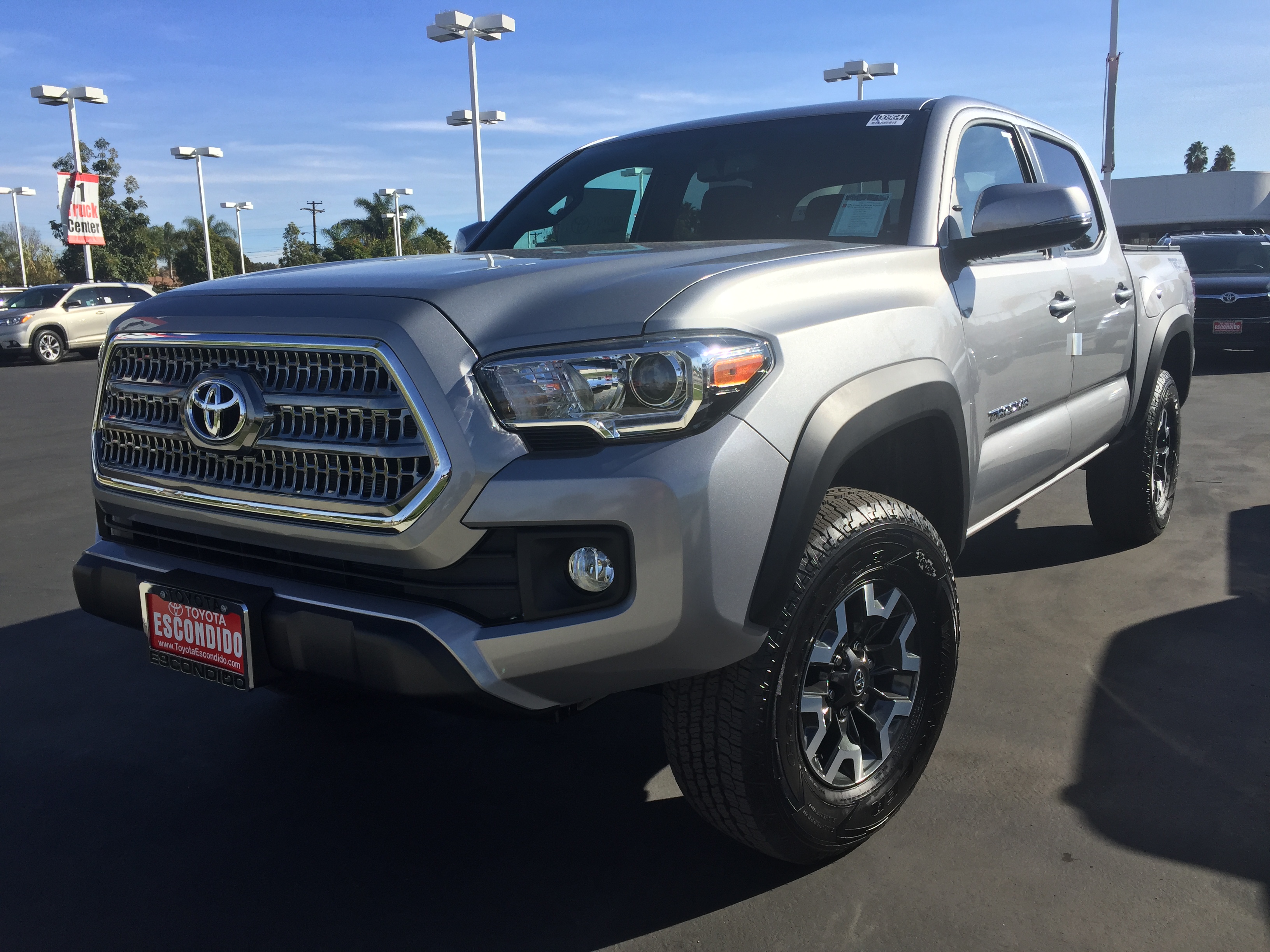
Tacoma
"Yeah. So up to 23 or 24. And then Tacoma is second gen and third gen. So 2005, 2006, one of that starts to 23."
They’re talking about the Toyota Tacoma pickup truck. They mention older and newer generations because off-road parts often work across those model years.
The Toyota Tacoma is a mid-size pickup, and the speaker is referencing its second-gen and third-gen years. Tacoma platforms are widely supported in the off-road world, so modular trail parts often get adapted across multiple Tacoma generations.

GX470 and GX460
"FJ Cruisers, the whole run, GX470 and GX460. And I think that's all of them."
They’re mentioning two Toyota GX models from different years. Even though they’re similar SUVs, the exact generation can change how parts and electronics fit.
The Toyota GX470 and GX460 are two different generations of the GX luxury off-road SUV. The speaker is treating them as part of the same “applications” list, which matters because off-road electronics and fitment can vary by generation.

LX570
"And that applies to the Land Cruiser, the LX570 and the second gen Tundra and second gen Sequoia, I think, they're all the same."
They mention the Lexus LX570, which is closely related to the Toyota Land Cruiser. They’re saying their parts/setup can apply to both, not just the Toyota.
The Lexus LX570 is the luxury twin of the Toyota Land Cruiser 200 series, and the speaker groups it with the Land Cruiser for their application work. That matters because electronics and chassis/fitment differences between Toyota and Lexus trims can affect how an off-road accessory installs.

second gen Sequoia
"the Land Cruiser, the LX570 and the second gen Tundra and second gen Sequoia, I think, they're all the same."
They’re also including the Toyota Sequoia from the second generation. The idea is that even though it’s a different model, it can still use the same general setup.
The Toyota Sequoia’s second generation is included in the speaker’s list of platforms that share the same application approach. For off-road accessory development, the key point is that different model lines can still share enough underlying architecture to make a “modular design” work.
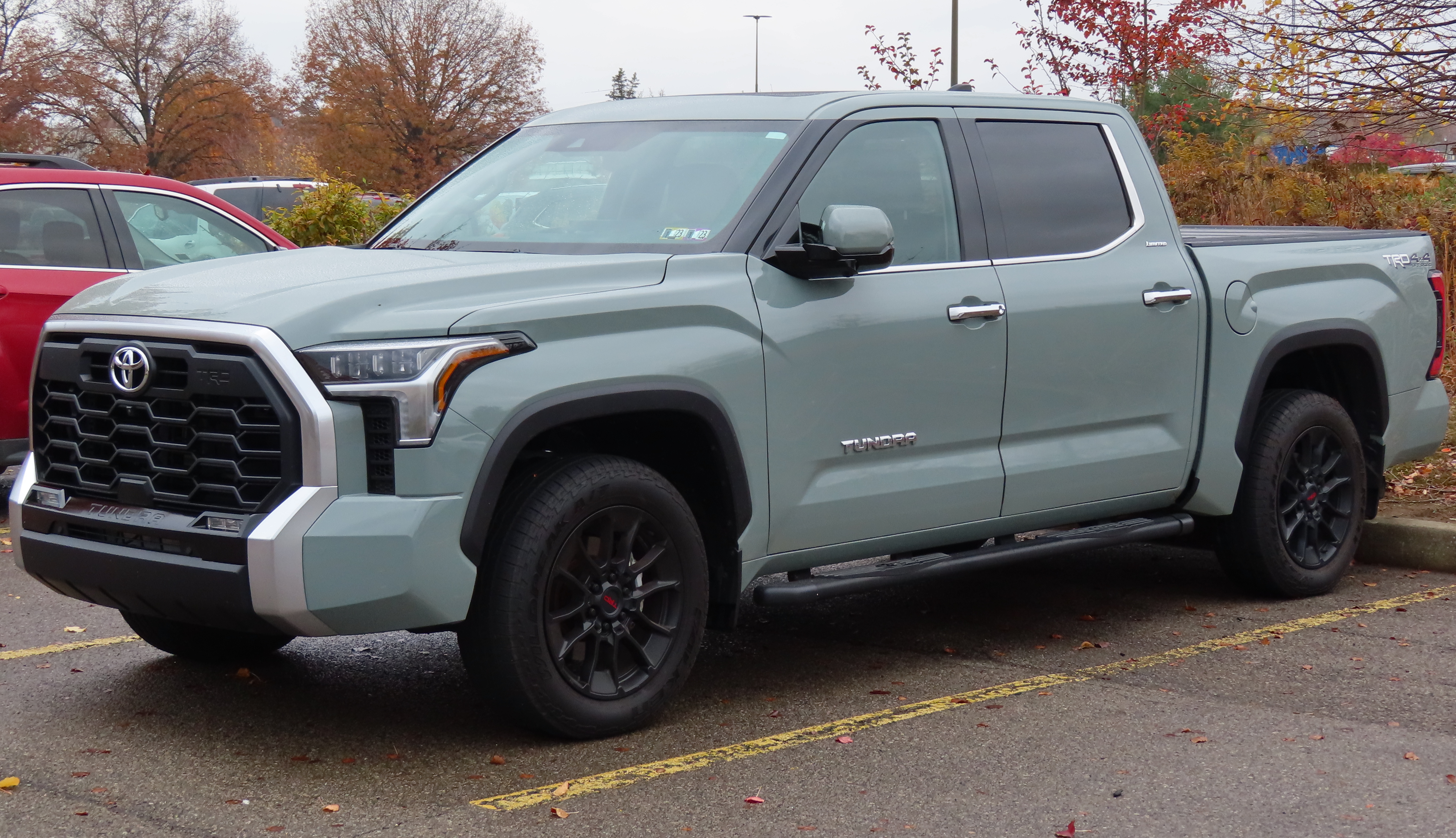
second gen Tundra
"the Land Cruiser, the LX570 and the second gen Tundra and second gen Sequoia, I think, they're all the same."
They’re talking about the Toyota Tundra from the second generation. They’re grouping it with other Toyota/Lexus models because parts and electronics can be similar within that timeframe.
The speaker is referencing the Toyota Tundra’s second generation as part of the same application family as the Land Cruiser 200 series. Generation-to-generation changes can affect mounting points and especially the vehicle’s electronic systems, which is why they’re mapping coverage by era.
knuckle
"it's still the JKJLJT. And then we learned that the TJ Front Axle is, the knuckle is basically the same in terms of what we care about."
A knuckle is a metal part in the front suspension that helps the wheel steer. If the knuckle shape is the same, it’s easier to make parts fit and work correctly.
In this context, “knuckle” means the steering knuckle—part of the front suspension that connects the steering system to the wheel hub. Because it controls wheel alignment and steering geometry, matching knuckle design is crucial when adapting off-road components across Jeep generations.
ABS
"The biggest thing is, oh, I don't know, maybe the biggest risk of doing a new application is things like the ABS. The new Toyota's, I've heard that there's some challenges around that."
ABS is the system that helps your brakes keep the wheels from locking up. They’re saying it can be tricky to work around because it’s tied into the car’s electronics and computers.
ABS (anti-lock braking system) is the vehicle’s braking control technology that prevents wheel lockup during hard braking. The speaker flags ABS as a major risk when adding new applications because modern ABS integration with vehicle computers can be sensitive to wiring, sensors, or calibration changes.
computers get more and more complicated
"And as the computers get more and more complicated, picky, like, yeah, if you mess something up there, like that becomes problematic."
Modern cars have more computer-controlled systems than older ones. If you change something the computer relies on, it can cause warning lights or make the car behave differently.
The speaker is referring to how modern vehicles use increasingly complex electronic control units (ECUs) to manage braking, traction, and other systems. As those systems become more integrated and “picky,” aftermarket changes can cause faults or unexpected behavior if they interfere with sensors or modules.
Request an Explanation
Heard something you'd like explained? We'll add it to this episode.
Sign in to request explanations for terms you heard.
Want to learn more?
Browse our glossary for plain-English explanations of automotive terms, jargon, and concepts.
Help improve this episode
See something that's not quite right? Our annotations are AI-generated and can sometimes miss the mark. Click the flag icon on any annotation to suggest a correction.