
711: Jimmy Hits the Sphere, Tyler Hits the Rubicon — Memorial Day Weekend Stories
About this episode
Memorial Day weekend turns into a mix of trail logistics and real-world troubleshooting. The hosts share how Four Wheel Underground is shifting to an à la cart model for suspension parts and how they used the Trail Revival program on the Rubicon. From Rubicon Springs to Tahoe Donner, they swap stories about towing choices, Fiona’s AC drama, and airing down/tire-gauge accuracy. The episode also covers trail repairs, steering/axle failures, and recovery—plus plenty of giveaways and discounts for OnX Offroad and Russo fire extinguishers.
Jimmy went to Vegas for No Doubt at the Sphere, then up to a family cabin in Truckee. The Sphere gets a full breakdown — the way the seats actually rumble, why the general admission floor might be the worst seat in the house, how the venue works as both a concert and a movie at the same time, and the weight-based checkout technology that somehow knew exactly what he grabbed off the shelf. After the show, he wandered through the Venetian into a piano bar and ordered what he describes as the worst Sazerac he’s ever had in his life. From there, Frontier Airlines to Reno, parents pick them up, a cabin at Tahoe Donner, a high ropes course, a run-in with Jason Green at a Truckee street market, Jackbox games, and a bear box — not an actual bear.
Tyler took the F-350, Fiona on the trailer, the secretary, and Reed down to Rubicon Springs. The pre-trip wasn’t smooth: Fiona’s AC recharged Thursday, leaked back out by Friday morning, and the roof rack bolts were missing entirely — cue a hardware store bolt-matching tangent that goes deep into Torx bits versus hex heads and why that matters for plastic covers. But the trip itself was exactly what Jimmy needed. Dirty Dozen camp. No cell service. Fiona ran the whole trail without any real drama.
What made this episode are the trail encounters. At Tahoma staging, Tyler ran into a Jeep crew that had accidentally over-pressurized and broken their mechanical gauge, which turns into a full explanation of why digital gauges exist and why analog gauge accuracy degrades at the edges of the scale — MorrFlate context makes this land. Then on trail, a Canadian couple stranded since Wednesday with a broken Dana 35, a sheared steering box, and a winch that pulled off the bumper — all in one trip — and this was the wife’s first time ever offroading. Tyler explains the TFS spare parts program at Rubicon Springs (donate your old upgraded parts so they can bail out people exactly like this couple), and it’s one of the better trail culture segments they’ve done in a while. Also on the weekend: Justin Wicks ripping the entire Rubicon on a dirt bike faster than Tyler predicted, Greg Bakken rolling through solo in his two-door JC, Horton showing up to camp, Chris Neely floating down the river with Emma on what was allegedly their first date, a listener named Max welding a diff drain plug using Tyler’s Karnage suitcase welder, and an Australian MorrFlate owner who told his buddies they needed to get one — not knowing he was talking to the actual owner.
We have a massive discount this month with Rusoh Fire Extinguishers. You can get 25% off this month only with the discount code Rusohcrawlers. Go grab yours today!
SnailTrail4x4 Discord: https://discord.gg/yFyFFkQbuy
Come hang out with us on the SnailTrail4x4 Discord — it’s the easiest way to connect with Tyler and Jimmy directly, chat with fellow offroad enthusiasts, and get first access to Group Buys and Treasure Hunt token drops.
MORRFlate Giveaway at 900 Reviews on Apple Podcast. But our next giveaway is when we reach 800 reviews; we are giving away an OnX Elite Membership. We will also give away an OnX Elite membership when we get to 850. However, when we reach 900 Reviews, we are teaming up with MORRFlate for a $1000 MF Product Giveaway. Go over to Apple Podcasts to leave your review now and become eligible to win. Congratulations to A13XMONT, who won a set of tires from Yokohama Tire!
Call us and leave us a VOICEMAIL!!!We want to hear from you even more!!! You can call and say whatever you like! Ask a question, leave feedback, correct some information about welding, say how much you hate your Jeep, and wish you had a Toyota! We will air them all, live, on the podcast! +01-916-345-4744. If you have any negative feedback, you can call our negative feedback hotline, 408-800-5169.
4Wheel Underground has all the suspension parts you need to take your off-road rig from leaf springs to a performance suspension system. We just ordered our kits for Kermit and Samantha and are looking forward to getting them. The ordering process was quite simple, and after answering the questionnaire, we ensured we got the correct and best-fitting kits for our vehicles. If you want to level up your suspension game, check out 4Wheel Underground.
SnailTrail4x4 Podcast is brought to you by all of our peeps over at irate4x4! Make sure to stop by and see all of the great perks you get for supporting SnailTrail4x4! Discount Codes, Monthly Give-Always, Gift Boxes, the SnailTrail4x4 Community, and the ST4x4 Treasure Hunt! Thank you to all of those who support us! We couldn’t do it without you guys (and gals!)!
SnailSquad Monthly GiveawayMassive thanks to this month’s giveaway with Rusoh Fire Extinguishers. We have one of their 2.5-pound extinguishers to give away to a lucky winner. This extinguisher has an 18-year shelf life and is the best fire extinguisher for any off-road vehicle. To learn more, check out Rusoh.com. If you want a chance to win, sign up for the Giveaway Tier on Irate4x4
For the Month of April, we are giving away Gift Boxes. It’s Gift Box month, and two lucky individuals will win one of our gift boxes. These are jam-packed with goodies from tools to whiskey smokers. They are always different and always random. If you want a chance to win, sign up for the Giveaway Tier on Irate4x4
Listener Discount Codes:SnailTrail4x4 –SnailTrail15 for 15% off SnailTrail4x4 Merch
MORRFlate – snailtraill4x4 to get 10% off MORRFlate Multi Tire Inflation Deflation™ Kits
4WheelUnderground – snailtrail 10% off
Ironman 4×4 – snailtrail20 to get 20% off all Ironman 4×4 branded equipment!
Sidetracked Offroad – snailtrail4x4 (lowercase) to get 15% off lights and recovery gear
Spartan Rope – snailtrail4x4 to get 10% off sitewide
Shock Surplus – SNAILTRAIL4x4 to get $25 off any order!
Mob Armor – SNAILTRAIL4X4 for 15% off
SummerShine Supply – ST4x4 for 10% off
Backpacker’s Pantry – Affiliate Link
Laminx Protective Films – Use the Link to get 20% off all products (Affiliate Link)
Show Music:
- Midroll Music – ComaStudio
- Outroll Music – Meizong Kumbang
integrated bump stop
"Yeah. If you want the lower link bracket, because it has the integrated bump stop and it's super stout and it looks really good too."
A bump stop is like a safety cushion for your suspension. If the suspension compresses too far on a trail, the bump stop helps prevent damage and makes the ride less harsh.
An integrated bump stop is a suspension contact/limit feature built into a bracket or component so the suspension can’t compress indefinitely. It helps control suspension travel and reduces harsh bottoming-out when the axle moves through bumps or obstacles.
Johnny joints
"So now you can buy those all a cart from cartridge joints, rebuildable Johnny joints, hymes, offsets, all sorts of different ones."
Johnny joints are heavy-duty joints used in suspension links. They’re made to survive off-road stress and still let the suspension move through bumps and twists.
“Johnny joints” are rebuildable spherical-style rod ends used in off-road suspension linkages. They’re designed to handle misalignment and heavy loads while allowing predictable movement as the suspension cycles over obstacles.
hymes
"So now you can buy those all a cart from cartridge joints, rebuildable Johnny joints, hymes, offsets, all sorts of different ones."
Hymes are strong joint parts used in suspension. They help the suspension links pivot as the wheels move, which is especially helpful off-road.
“Hymes” is shorthand for Heim joints (rod ends) used in suspension links. They’re compact, strong, and allow angular movement, which is useful for off-road suspension setups that need articulation and durability.
offsets
"So now you can buy those all a cart from cartridge joints, rebuildable Johnny joints, hymes, offsets, all sorts of different ones."
Offsets are parts that move a mounting point slightly to change suspension geometry. Builders use them to get better alignment and clearance for off-road driving.
In suspension hardware, “offsets” usually refer to components that shift the mounting point or link geometry to correct alignment or tune suspension behavior. Off-road builders use offsets to dial in clearance, caster/camber targets, or how the axle tracks through travel.
Aluminum links
"So now you can buy those all a cart from cartridge joints, rebuildable Johnny joints, hymes, offsets, all sorts of different ones. Do you know what else he brought in house? Aluminum links, that's pretty rad."
Aluminum links are suspension arms/links made from aluminum. They can be lighter than steel and resist rust better, which helps off-road setups last longer.
Aluminum links are suspension control links made from aluminum instead of steel. They’re often used to reduce unsprung or rotating weight and can help with corrosion resistance, while still being strong enough for off-road articulation when properly designed.
link suspension kit
"So if you want to move your Toyota from Lee Springs to a link suspension kit, check out four wheel underground."
A link suspension kit is an upgrade that changes how the suspension controls the axle. Off-roaders use it to help the wheels move better over rocks and ruts while keeping the vehicle more stable.
A link suspension kit is an aftermarket suspension setup that uses control links (instead of, or in addition to, simpler factory-style geometry) to manage how the axle moves. In off-road use, it’s commonly chosen to improve articulation and ride control on uneven terrain.

Wrangler Rubicon
"...e a part of and use to do some maintenance on the Rubicon Trail too. They have an elite partnership."
The Jeep Wrangler is a 4-wheel-drive SUV built for off-road trails. The episode mentions doing maintenance while using it on the Rubicon Trail. It also notes an “elite partnership,” which implies there’s special support or involvement related to the Wrangler.
The Jeep Wrangler is a 4x4 SUV that’s especially known for trail capability and for being easy to maintain and modify for off-road use. The podcast mentions doing maintenance on the Rubicon Trail and references an “elite partnership,” which suggests Wrangler ownership and support are part of the off-road experience being discussed. That’s why it comes up in a 4x4 off-road podcast—Wranglers are commonly used on challenging routes.
laser net
"[258.4s] Yeah, but I don't want to do the research. [262.1s] Right. That's the big problem. [263.5s] Yeah, like I would love to go and like do a deep dive interview on laser net [269.2s] or on Bliler, right?"
“Laser net” sounds like a tool that uses lasers to measure things very precisely. Off-road shops use tools like that to make sure parts fit and are made accurately.
“Laser net” likely refers to a laser-based measurement or scanning system used to map or verify components and surfaces. In off-road fabrication, these kinds of tools can help with precision alignment, fitment, or quality control when building parts.
knuckles
"[287.8s] But I don't know what their industrial company is, [290.3s] but they just bought spider tracks recently like the knuckles and the axles [294.4s] and the axel housings, the knuckles, the unit bearings."
Knuckles are parts that help connect the steering and suspension to the wheel. They’re important because they affect how the wheel turns and how strong the front end is under bumps.
Knuckles are steering and suspension components that connect the steering system to the wheel hub. In a solid-axle off-road setup, they’re critical for wheel alignment, steering geometry, and how loads are handled.
axles
"[287.8s] But I don't know what their industrial company is, [290.3s] but they just bought spider tracks recently like the knuckles and the axles [294.4s] and the axel housings, the knuckles, the unit bearings."
Axles are the parts that send power from the drivetrain out to the wheels. Off-road axles have to be tough because they take a lot of shock and twisting.
Axles are the shafts that transmit drive torque from the differential to the wheels. In off-road builds, axle strength and design affect durability because they must handle impacts, twisting forces, and traction loads.
unit bearings
"[290.3s] but they just bought spider tracks recently like the knuckles and the axles [294.4s] and the axel housings, the knuckles, the unit bearings. [297.3s] Everything is all made in house now."
Unit bearings are integrated wheel-hub bearing assemblies that combine the hub and bearing into a single serviceable unit. They’re common in off-road axles because they can simplify maintenance and improve consistency under heavy loads.
axel housings
"[290.3s] but they just bought spider tracks recently like the knuckles and the axles [294.4s] and the axel housings, the knuckles, the unit bearings. [297.3s] Everything is all made in house now."
Axle housings are the metal “shells” that hold the axle internals together. They protect the gears and shafts and help keep everything aligned when you hit rocks or ruts.
Axle housings are the structural casings that support the axle shafts and differential/gear assembly. They also help locate internal components and protect them from impacts and debris—especially important in off-road use.

Ford Ranger
"...? Well, I do want to do a shout out for the Light Ranger 500. That sale is going on now."
The Ford Ranger is a pickup truck, meaning it has a cargo bed for hauling and gear. It’s designed to handle both normal roads and off-road driving. The podcast mentions it in connection with a “Light Ranger 500” sale or promotion.
The Ford Ranger is a midsize pickup truck built for everyday driving and off-road capability, which is why it often shows up in 4x4 conversations. In this episode, it’s mentioned alongside the “Light Ranger 500” promotion, suggesting a specific event or sale tied to the Ranger lineup. That makes it relevant to listeners who want a capable truck for trails and practical use.

Bugatti Divo
"...elf in the butt that I didn't buy a stand because Divos makes a really cool, collapsible, very tight stan..."
The Bugatti Divo is an extremely expensive, high-performance sports car. It’s made for fast driving and track-style performance. In the episode, it’s mentioned because of a related display or stand, not because it’s an off-road vehicle.
The Bugatti Divo is a high-performance hypercar built for track-focused driving, with an emphasis on agility and aerodynamic design. The podcast reference is about a “collapsible, very tight” stand, which suggests the Divo is being discussed in the context of collectible display items or memorabilia. That makes it relevant as a recognizable, special-occasion car rather than a typical off-road vehicle.
tows
"I love the way the F350 tows. And it doesn't really care if there's a camper on it."
Here “tows” just means pulling a trailer or camper behind the truck. When you tow, the truck has to work harder, so towing ability is a big deal.
In this context, “tows” refers to pulling a trailer or camper behind a vehicle. Towing performance matters because it affects how hard the engine and transmission have to work and how stable the vehicle feels under load.

Ford F350
"And but I was like, everything is set up. I love the way the Ford works. I love the way the F350 tows. And it doesn't really care if there's a camper on it."
The Ford F-350 is a heavy-duty truck that’s designed to pull trailers and campers. Here, the point is that it tows well even when you’re carrying a camper.
The Ford F-350 is a heavy-duty pickup built for towing, and it’s commonly chosen when you need to haul a camper or off-road trailer. In this segment, the host specifically calls out how the F-350 tows reliably even with a camper setup.
fuel mileage
"Like it doesn't lose fuel mileage when towing or versus a camper or having both."
“Fuel mileage” means how far the vehicle can go on a gallon of fuel. They’re saying towing didn’t hurt their mileage as much as they expected.
“Fuel mileage” is how efficiently a vehicle uses fuel, usually measured as miles per gallon (MPG). The speaker is claiming the towing setup doesn’t noticeably reduce fuel mileage compared with other configurations.
flange head
"that are have a flange head to it with a mini head. Oh. And so the normal M8 by 125 is a 14 mil nine sixteenths hex head."
A flange head is a bolt head with a wider base. That wider base helps it hold tight and spread force, which matters when you’re mounting something near plastic covers.
A flange head is a bolt/screw head with a built-in wide “shoulder” (a flange) that spreads the load and helps it sit more securely. In this context, it’s being discussed alongside a special head size so the fastener works with nearby plastic trim.
M8 by 125
"And so the normal M8 by 125 is a 14 mil nine sixteenths hex head. These were 10 mil heads. Interesting."
“M8 by 125” tells you what size the bolt is and how its threads are spaced. Using the right thread pitch is key so the bolt screws in smoothly and securely.
“M8 by 125” is a metric fastener size: M8 means 8 mm diameter, and “125” refers to the thread pitch (distance between threads). It’s important because the correct bolt size and thread pitch are what let the fastener thread in properly without stripping.
hex head
"And so the normal M8 by 125 is a 14 mil nine sixteenths hex head. These were 10 mil heads. Interesting."
A hex head is the kind of bolt head that looks like a stop sign shape (six sides). You tighten it with a wrench or socket.
A hex head is a bolt head shaped like a hexagon, designed to be tightened with a wrench or socket. The speaker is comparing hex-head sizes because the available clearance is affected by the plastic covers over the roof rack mounting area.
Torx bit heads
"The reason why the Torx bit heads are the way they are. They're a button head with a Torx bit on it. Right."
Torx bit heads use a star-shaped socket in the bolt. You use a matching star-shaped tool, and it tends to grip better so the tool is less likely to slip.
Torx bit heads use a star-shaped recess that matches a Torx driver bit. They’re often chosen because they can provide better grip and reduce cam-out (the bit slipping out) compared with simpler recess shapes.
button head
"They're a button head with a Torx bit on it. Right. And that needs to be as flush as possible so that the plastic covers can snap on."
A button head is a low, rounded bolt head. It’s used when you need the bolt to sit close to the surface so plastic trim or covers can fit correctly.
A button head is a low-profile bolt head with a rounded top, which helps it sit flush in tight spaces. Here, the speaker emphasizes that the head needs to be as flush as possible so the plastic covers can snap on.
AC system recharged
"So I got the roof rack back on the AC system recharged or so I thought and that took like four hours running back and forth to places, trying to find the search, the warehouse for the bolts and everything and then drove Fiona home or put Fiona on the trailer, hooked up the trailer, drove everything home, unloaded Fiona from the trailer and started loading a little bit Thursday night and then mainly Friday morning."
Recharging the AC system means topping up the refrigerant so the air conditioner can blow cold air again. If it keeps needing refrigerant, there may be a leak that should be checked.
“Recharging” the AC system means adding refrigerant so the air conditioning can cool properly again. It’s typically done when refrigerant is low due to normal service needs or a leak, and it’s important to use the correct refrigerant type and amount for the vehicle.
roof rack
"So I got the roof rack back on the AC system recharged or so I thought and that took like four hours running back and forth to places, trying to find the search, the warehouse for the bolts and everything and then drove Fiona home or put Fiona on the trailer, hooked up the trailer, drove everything home, unloaded Fiona from the trailer and started loading a little bit Thursday night and then mainly Friday morning."
A roof rack is the gear-carrying setup on the top of your vehicle. It often uses special mounts and fasteners, and this episode is about getting those mounts to fit under plastic roof pieces.
A roof rack is the mounting system on top of a vehicle used to carry gear (like cargo boxes, bikes, or recovery equipment). In this segment, the roof rack is being reinstalled and the fastener head shape is chosen specifically to work with the vehicle’s plastic roof covers.

Ford Bronco
"...a couple of vehicles that pulled up a Jeep and an Bronco, an old school Bronco. And they were starting to ..."
The Ford Bronco is a 4-wheel-drive SUV made for off-road trails. The episode talks about an older Bronco showing up at an off-road gathering. That’s a sign it’s still used and recognized by people who drive off-road.
The Ford Bronco is a 4x4 SUV known for off-road focus and trail-ready hardware, which is why it’s a common subject at off-road events. The podcast references an “old school Bronco” that pulled up alongside another vehicle, highlighting its presence and appeal in off-road settings. That kind of mention usually points to how the Bronco fits into trail culture and practical 4x4 use.
air down
"“...they were starting to air down and the Jeep was like right next to us... pulling valve cores to air down old school...”"
“Air down” means letting some air out of your tires before off-roading. It helps the tire grip better on loose surfaces because it can spread out more. But if you let too much air out, you can end up with problems and have to add air back.
“Air down” means lowering a tire’s air pressure for off-road driving. Lower pressure lets the tire deform and increase its contact patch, which improves traction on dirt, sand, and rocks. The tradeoff is you can overdo it and risk overheating or damaging the tire/bead if you go too low.
valve cores
"“...they were starting to air down... pulling valve cores to air down old school, old school way and they went too far.”"
The valve core is the little piece inside the tire’s air valve that controls how air flows. Some people remove it to let the tire deflate quickly when they’re airing down for trails. It’s quick, but it’s easy to take too much air out if you’re not watching.
Valve cores are the small internal parts in a tire’s valve stem that control airflow. Removing them (“pulling valve cores”) is an old-school way to deflate tires very quickly when airing down for off-road use. It’s fast, but you need to be careful to avoid going too far and to reinstall them correctly.
air compressor
"“...then pulled out their air compressor and I was like, well, somebody went too far.”"
An air compressor is a tool that pumps air back into your tires. Off-roaders bring one so they can fix tire pressure when they air down too much. It helps you get back to the right pressure for safer driving.
An air compressor is used to add air back into tires after airing down. In off-roading, people often carry a portable compressor so they can correct pressures on the trail without relying on a gas station. The episode describes using it as an “air backup” when they went too far while deflating.
PSI
"Like if I had to guess, there's probably three PSI in that tire right now. [3769.8s] And he goes, no way. My gate is saying 17."
PSI is how you measure how much air is in a tire. Higher PSI means the tire is stiffer; lower PSI lets it flex more on dirt and rocks.
PSI (pounds per square inch) is the unit used to measure tire air pressure. Off-roaders talk about PSI because lowering tire pressure (“airing down”) increases tire contact with uneven ground, while raising it (“airing up”) restores firmer support for driving.
dial mechanical gauge
"And so I was like, let me see your gauge. And so I looked at it and it's a dial mechanical gauge. [3791.5s] Okay."
A dial mechanical gauge is a tire pressure meter with a needle. It’s usually most accurate in the middle of its scale, so if your tire pressure is near the top or bottom of the range, the reading can be off.
A dial mechanical gauge is a tire-pressure tool with a needle that moves through a fixed pressure range (e.g., 0–30 PSI). Its accuracy is best near the middle of its scale, so using the wrong range can make your readings noticeably inaccurate at the ends.
airing down
"So that's why if you're airing down your tires, you want something like a zero to 30 PSI gauge, [3831.3s] which is great."
Airing down means letting some air out of your tires for off-road. It helps the tire grip better on dirt and uneven ground, but you have to air back up later.
Airing down means reducing tire pressure before off-road driving. The goal is usually more tire footprint and better traction over soft or uneven surfaces, but it also requires the right gauge and careful re-inflation afterward.
air up
"And when you air up your tires, [3835.1s] you really want like, say if you're airing up to 30 PSI, you really want like a zero to 60"
“Air up” means putting air back into your tires after you’ve run them lower for off-roading. It’s important to get the pressure right before you drive normally again.
“Air up” means reinflating tires back to a higher pressure after off-road driving. The discussion here ties it to gauge choice—using a scale that matches your target pressure helps you avoid being significantly off when you set pressures.
zero to 60 gauge
"you really want like, say if you're airing up to 30 PSI, you really want like a zero to 60 [3840.6s] gauge."
If you plan to set tires around 30 PSI, using a gauge that goes up to 60 PSI helps because 30 is near the middle of the dial. Gauges are usually more accurate near the middle than near the ends.
A “zero to 60” PSI gauge is recommended when you’re airing up to around 30 PSI because 30 PSI sits near the middle of that scale. That placement improves accuracy for mechanical gauges compared with using a smaller-range gauge that would put you near the end of the dial.
mechanical gauges
"So the other fun thing about mechanical gauges, and this is really with any gauge, if you over pressurize it, you break the mechanism inside..."
A mechanical gauge is a pressure meter that uses real moving parts inside. If you push it way past its rated limit, those internal parts can get damaged, and the gauge may stop working correctly.
Mechanical gauges use a physical sensing element—often a spring and linked mechanism—to move a dial/indicator when pressure changes. Because the sensing element is mechanical, over-pressurizing can permanently damage the internal parts and make the gauge inaccurate or unusable.
over pressurize
"...if you over pressurize it, you break the mechanism inside... But if you over pressurize a 30 PSI gauge and accidentally put like 60 PSI in it, you'll break the gauge."
Over-pressurizing is when pressure goes higher than a tool is meant to measure. For gauges, that can bend or break the internal parts, so the gauge can’t be trusted anymore.
Over-pressurizing means applying more pressure than a gauge (or sensor) is designed to handle. With pressure instruments, exceeding the rating can damage the internal spring/mechanism, so the gauge may need replacement rather than simple adjustment.
recalibrate
"And they're like, well, how do you recalibrate this? I was like, the only way you're recalibrating that is to pull, get a new spring out, completely rebuild the whole thing, or just buy a new gauge."
Recalibration is the process of adjusting a measurement device so its readings match a known correct reference. In the segment, the host argues that once a mechanical gauge is damaged by over-pressurizing, recalibration effectively requires rebuilding the internal spring/mechanism or replacing the gauge.
digital sensors
"And that's why we use digital, Pasi electricity and digital sensors for gauges at Morpholite."
Digital sensors turn pressure (or other measurements) into an electronic signal. That signal can then be shown on a digital gauge, usually with less reliance on fragile mechanical linkages.
Digital sensors convert physical inputs (like pressure) into electronic signals that can be read and displayed by a digital gauge. Compared with purely mechanical gauges, digital setups can be more tolerant of certain issues and are easier to integrate into modern monitoring systems.
digital gauges versus analog gauges
"So anyways, I got to do a little spiel about digital gauges versus analog gauges and explain what was going on..."
They compare digital gauges to analog gauges and explain what happens when the pressure goes too high. The takeaway is that their digital approach is meant to avoid the failure mode of damaged mechanical gauges.
This segment contrasts digital gauges with analog (mechanical) gauges, focusing on how they behave when pressure is pushed beyond their limits. The host uses the broken gauge story to explain why their system uses digital sensors.
inflation and deflation gear
"...and then showed them our gauge. And it was a big eye-opening experience for them and dealing with deflation gear, inflation and deflation gear."
This is the tire-pressure setup used off-road—tools that let you add air or let air out. Gauges matter because you want to know exactly what pressure you’re running.
Inflation/deflation gear refers to equipment used to raise or lower tire pressure during off-road driving. The host mentions it because gauges are critical for monitoring tire pressure changes when adjusting for traction and ride comfort.
tire
"all right, whatever. So what was the tire at? It was at 3.5, 3.5. You're a pretty spot on. Yep. And then there was another one that they were,"
They’re talking about how much air is in the tires. Off-roaders change tire pressure because it affects traction and how the tire “squishes” over rocks and bumps.
In off-roading, “tire” pressure is adjusted to change how the tire grips and how it deforms over rocks and ruts. Lower pressure lets the tire conform to uneven terrain, while too-low pressure can increase the chance of damage or poor control.
front coilovers
"All right. Yep. I was at eight on the forties. Yeah. So, um, but, uh, the, the tuning that Greg over at Rockin Road did on the front coilovers, um, made a huge difference."
Coilovers are the suspension parts that help the wheels stay in contact with the ground. Changing the front ones can make the truck handle rocks and bumps much better.
Coilovers are adjustable suspension units that combine a coil spring with a shock absorber, letting you tune ride height and damping for the terrain. Upgrading or re-tuning the front coilovers can dramatically change how the vehicle controls weight transfer and wheel contact during crawling.
Trahoorex
"the tuning that Greg over at Rockin Road did on the front coilovers, um, made a huge difference. I mean, you felt it during Trahoorex."
“Trahoorex” sounds like a specific off-road trip or event. They’re saying the suspension changes felt noticeably better during that outing.
“Trahoorex” appears to be the name of an off-road event or trail run where the suspension tuning was tested. The context suggests it’s a place/occasion used to evaluate how the truck behaves on rocks and uneven ground.
rock crawling
"Um, and I was still going pretty slow because like I had the secretary and the kid in there too. I'm just like, I'm not going to bomb this the way I normally do. Um, and I'm still like, like this is the first rock crawling trip on the, on Fiona's rebuild."
Rock crawling is when you drive slowly over rocks and obstacles. It’s careful driving because the vehicle can get banged up if you push too hard.
Rock crawling is a slow, technical form of off-roading focused on maintaining traction while navigating obstacles like boulders and ledges. Because the suspension and drivetrain are stressed at low speeds, drivers often go gently to avoid damaging components.
shearing stuff off
"Um, and I'm still like, like this is the first rock crawling trip on the, on Fiona's rebuild. Um, so I'm like, I don't really want to push everything. I don't want to risk a shearing stuff off."
They’re worried about breaking parts off the truck. On rough trails, if you hit something wrong or stress the drivetrain too much, you can snap or tear components.
“Shearing stuff off” refers to breaking or tearing components due to excessive force—often from binding, hard impacts, or drivetrain/suspension stress during crawling. It’s a common concern after a rebuild because fresh parts and links may be more vulnerable until everything is proven under load.
pinch point
"So I get out and I'm like looking around like there's nobody here and there's just this Jeep sitting right in the middle of this pinch point."
A pinch point is a tight spot on the trail where your truck or Jeep can’t easily move around. If someone gets stuck there, it can be a big problem because other vehicles can’t get through.
A pinch point is a narrow section of trail where there’s very little room to maneuver. In off-roading, it’s where clearance and vehicle positioning matter most, so getting stuck there can block traffic and make recovery harder.
tie rod
"So I looked at his tie rod, his drag link, his pitman arm, everything looked solid and connected."
A tie rod is a steering linkage rod that helps connect the steering to the wheels. If it’s damaged or bent, the wheels may not steer correctly—sometimes even getting stuck in a bad position.
The tie rod is part of the steering linkage that helps transmit steering input from the steering system to the wheels. If the tie rod is bent, loose, or misaligned, the vehicle can point the wrong way or get stuck with the steering jammed.
pitman arm
"So I looked at his tie rod, his drag link, his pitman arm, everything looked solid and connected."
The pitman arm is a steering lever connected to the steering box. When you turn the wheel, it moves the linkage that turns the wheels—if it’s wrong, steering can fail or get stuck.
The pitman arm is the steering arm attached to the steering gearbox that moves the rest of the steering linkage. If the pitman arm is loose, bent, or not moving as expected, the wheels can end up jammed or not respond properly.
drive shafts
"So I'm like, uh, okay. So I'm looking at his drive shafts. Everything's connected on the drive shaft. All of his suspension is all"
Drive shafts are the rotating parts that send power from the drivetrain to the axles. If they’re damaged or not connected, the vehicle may not be able to drive normally.
Drive shafts transfer torque from the drivetrain (like the transfer case and differentials) to the axles/wheels. If a drive shaft is disconnected, damaged, or binding, it can prevent the vehicle from moving and can also indicate deeper drivetrain issues.
dirty dozen
"So I was like, let's just go back, um, [4268.1s] and see if there's any good spots in dirty dozen. Okay. So, uh, we went, we turned around, [4273.5s] went back down and there was only one group in dirty dozen."
“Dirty dozen” is the name of a specific trail area where they camp and drive. It’s basically a named spot on the route.
“Dirty dozen” is the name of a trail area/section the group is using for camping and trail access. The host uses it like a waypoint: they check it for good camp spots and then set up in the back of that area.
front wheels up on the ledge
"This group of about six vehicles starts like coming up and they're about to like one of them put [4328.6s] their front wheels up on the ledge and then they all backed up and then came down and around into [4334.4s] dirty dozen."
That phrase means the truck’s front tires climb up onto a rock step. It’s a typical trail obstacle where the suspension has to flex to keep control.
“Front wheels up on the ledge” describes a common off-road maneuver where the front axle lifts as the vehicle climbs a step/rock. It’s a way to clear obstacles while managing traction and suspension travel.
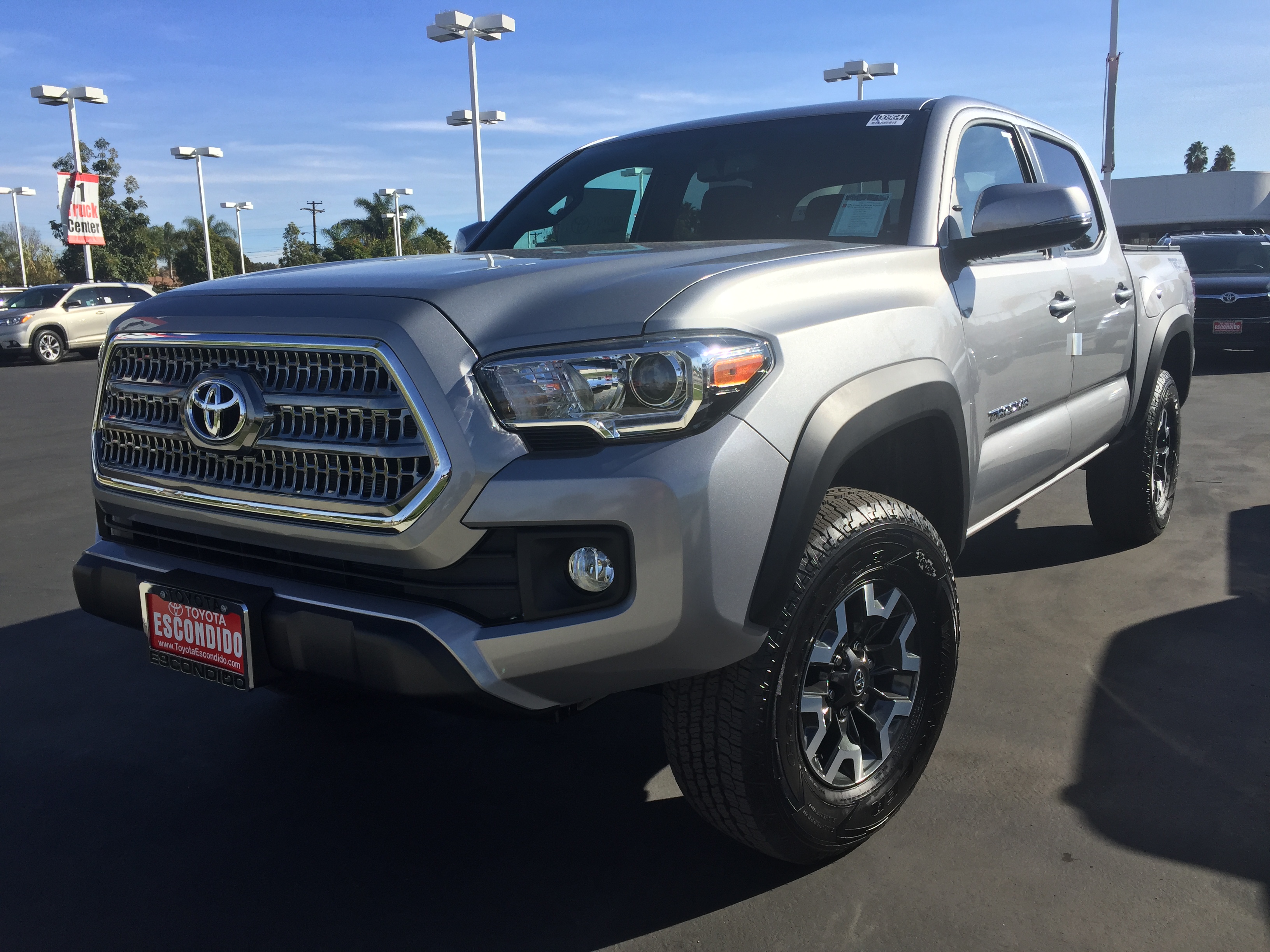
Toyota Tacoma
"He has a gold [4351.7s] Tacoma with an XO cage on it, a solid axle, first gen Tacoma, [4359.1s] um, and a really nice build."
The Toyota Tacoma is a popular off-road pickup truck. Here, they’re talking about a modified Tacoma with extra safety/strength gear for trail driving.
The Toyota Tacoma is a midsize pickup known in off-road circles for its strong aftermarket support and durability. In this segment, the host describes a “gold Tacoma” with an XO cage and a solid-axle setup, pointing to a heavily built trail rig.
XO cage
"He has a gold [4351.7s] Tacoma with an XO cage on it, a solid axle, first gen Tacoma, [4359.1s] um, and a really nice build."
An “XO cage” refers to an off-road roll-cage style built to protect occupants during impacts or rollovers. It’s typically a welded steel structure that ties into the truck’s frame/structure to add strength and safety on rough trails.
solid axle
"He has a gold [4351.7s] Tacoma with an XO cage on it, a solid axle, first gen Tacoma, [4359.1s] um, and a really nice build."
A solid axle connects both wheels with one strong axle. That can help the tires stay on the ground better when the trail gets bumpy or uneven.
A solid axle is a suspension setup where the left and right wheels are connected by a single axle beam. Off-road builds often prefer it because it can better maintain tire contact over uneven terrain and handle heavy articulation.
steering box
"They said, [4497.1s] well, we broke a rear axle. Um, the, and we snapped something in the steering box. Like [4502.8s] the steering wheel just free spins and the steering doesn't do anything."
The steering box is the part that turns your steering wheel input into actual steering at the wheels. If it’s broken, you might be able to spin the steering wheel but the Jeep won’t turn the tires.
A steering box is the gear mechanism that converts the steering wheel’s rotation into movement that turns the wheels. When the steering box is damaged, you can get symptoms like the steering wheel spinning freely while the wheels don’t respond—exactly what the hosts describe.
rear axle
"They said, [4497.1s] well, we broke a rear axle. Um, the, and we snapped something in the steering box."
The rear axle is the part that helps the rear wheels turn and stay connected to the truck/Jeep. If it breaks, the rear wheels may not work correctly, and the vehicle often can’t safely drive out of the trail.
The rear axle is the drivetrain component that connects the rear wheels to the rest of the vehicle. In off-roading, breaking a rear axle usually means the wheel can’t be properly driven or aligned, and it can also cause the vehicle to get stuck or become unsafe to move under its own power.
drag link
"And I was like, yeah, I looked at your drag link, pitman or your tire. Everything's connected there."
The drag link is a steering rod that helps move steering motion from the steering system to the parts that actually turn the wheels. If it’s loose or damaged, steering can fail even if everything else looks connected.
The drag link is a steering linkage rod that helps transmit motion from the steering box to the steering components that turn the wheels. Checking the drag link is a common trail diagnostic step because a bent or disconnected linkage can mimic a “no steering” problem.
steering shaft
"And I was like, if you spin your wheel, does the steering shaft also turn? They're like, yep."
The steering shaft is the part that transfers steering movement from the steering wheel to the steering mechanism. If it doesn’t turn when it should, it can point to a broken connection inside the steering system.
The steering shaft is the rotating shaft that carries motion from the steering wheel to the steering gear/box. The host’s test—spinning a wheel and seeing whether the steering shaft turns—helps determine whether the steering gear linkage is still mechanically connected.
PSC big bore box
"if you're upgrading your off road vehicle and say you have a stock steering box and you're upgrading to like a PSC big bore box or a red head box for Toyotas or a Saginaw box for your vehicle,"
PSC makes steering parts for off-road vehicles. A “big bore” steering box is designed to help your steering feel stronger and more responsive, especially when you’re turning on rough terrain or with bigger tires.
“PSC big bore box” refers to a performance steering gearbox from PSC (a common off-road supplier) that uses a larger internal bore for the hydraulic portion. That design is typically aimed at stronger steering assist and better response under load—useful when you’re running bigger tires or doing harder trail work.
red head box
"upgrading to like a PSC big bore box or a red head box for Toyotas or a Saginaw box for your vehicle,"
“Red head box” is an enthusiast nickname for a specific style/brand of Toyota steering gearbox used in off-road builds. The “red head” name comes from the appearance of the unit, and people swap these for improved steering feel and durability compared with stock boxes.
Saginaw box
"PSC big bore box or a red head box for Toyotas or a Saginaw box for your vehicle,"
A Saginaw box is a type of steering gearbox that’s popular in the off-road world. People upgrade to it because it’s a proven design and there are lots of parts and options available.
A “Saginaw box” is a steering gearbox design associated with Saginaw (a well-known steering component supplier). Off-road builders often choose Saginaw-style boxes as upgrades because they’re widely supported in the aftermarket and can handle trail abuse better than some stock setups.
winch
"We broke our steering box and we pulled our winch off our bumper. And I was like, all in one trip. Winch off a bumper."
A winch is like a heavy-duty power puller used to get a stuck vehicle out. It’s mounted to the truck, and if the mounting isn’t strong enough, the winch or bumper can get damaged during a hard recovery.
A winch is a motorized pulling device mounted to the front or rear of an off-road vehicle, used to recover the vehicle when it’s stuck. Off-road winches are typically rated by pulling capacity, and mounting strength matters because hard pulls can stress the bumper and frame.
the Rubicon
"Apparently the guy has done the Rubicon over 50 times, never really had very many issues. Um, and I'm kind of looking at his rig and I'm like,"
“The Rubicon” is a well-known off-road trail that’s famous for being really tough. It’s the kind of place where vehicles can break parts like axles or steering when they hit hard obstacles.
“The Rubicon” refers to the Rubicon Trail, a famous off-road route known for steep climbs, rocky obstacles, and frequent driveline/undercarriage stress. It’s a benchmark trail where failures like axle shaft breaks and steering damage are common when rigs encounter tough sections.
splines were sheared off
"once they finally got it all apart, uh, the splines were sheared off and stuck in the, the carrier."
The axle has a connection with ridges (splines) that lock it to the rest of the drivetrain. If those ridges “shear off,” the connection breaks, and the axle can’t transfer power the way it should.
“Splines” are the ridged engagement surfaces that transmit torque between the axle shaft and the differential/gear components. “Sheared off” means those engagement teeth failed under load, so the connection couldn’t hold and the shaft effectively lost drive.
carrier
"the splines were sheared off and stuck in the, the carrier. Wow. So he ended up having to finagle away to get the spline part of the axle shaft out of the carrier so that he could put the new axle shaft in."
The carrier is the internal housing in the rear axle that holds the gears. If a broken axle part gets stuck inside it, you can’t just swap the axle easily—you have to get the stuck piece out first.
In a differential/axle context, the “carrier” is the housing that holds the differential gears and internal components. If an axle shaft end gets stuck in the carrier, it can prevent normal removal and replacement until the parts are freed.
puddles
"it mainly took us a long time because of all the puddles. I was like, okay, I'll give you a little bit of that."
Puddles on a trail can make things slower and harder because the ground gets slippery. They can also make it easier to get stuck if the puddle is deeper than it looks.
In off-road driving, puddles aren’t just “wet spots”—they can slow you down because they affect traction and visibility. They also increase the risk of getting bogged down or splashing through deeper water than expected.
Loon
"So they were they going to loon and back? No, just to loon. So they had another vehicle there."
“Loon” here refers to Loon Lake, a common waypoint/area used by off-roaders on the Rubicon Trail. People often stage vehicles there and use it as a reference point for timing how long it takes to ride or drive sections.
Rubicon trail
"But it had a picture of their two dirt bikes in front of the Rubicon trail sign at loon."
The Rubicon Trail is a well-known off-road trail in California. It’s famous for being difficult—lots of rocks, steep spots, and muddy or wet areas.
The Rubicon Trail is a famous off-road route in Northern California known for steep climbs, rocky sections, and water crossings. It’s a benchmark trail for 4x4s and also gets used by riders on dirt bikes, though the pace and line choice can differ a lot.
Dana sixties
"we've been watching just a bunch of buggies coming through with Dana sixties, 42s, 44s, you know, straight pipe V eights."
“Dana sixties” means the vehicle has Dana 60 axles. People bring them up because they’re designed for stronger, tougher off-road use.
“Dana sixties” refers to Dana 60 axles, another popular heavy-duty axle choice in off-road builds. Enthusiasts mention them because Dana 60s are generally built to handle higher loads and tougher trail conditions than smaller axle models.
straight pipe V eights
"we've been watching just a bunch of buggies coming through with Dana sixties, 42s, 44s, you know, straight pipe V eights. And then this Jeep comes through."
“Straight pipe” usually means the exhaust is set up to be louder, with less muffling. “V8” means the engine has eight cylinders arranged in a V shape.
A “straight pipe” setup removes or bypasses much of the exhaust muffling, which typically makes the vehicle louder and changes exhaust flow. “V eights” refers to V8 engines, and in off-road contexts the combination often signals a louder, more aggressively modified build.
a little two door JK
"And then this Jeep comes through. It's a little two door JK on what I believe it looked like 44 Rubicon, 44 axles, really quiet, no engine modification mods or anything."
“JK” is the Jeep Wrangler generation they’re talking about. A two-door Wrangler is the shorter version, which usually helps it maneuver on tight trails and obstacles.
A “JK” refers to the Jeep Wrangler generation (2007–2018), and the two-door version is the shorter wheelbase variant. This matters off-road because wheelbase and axle setup strongly affect turning, obstacle clearance, and how the Jeep articulates on trails like the Rubicon.
magnet
"And they're like, we need a magnet to get that actual shaft part out, right? And I was [5406.6s] like, I'm pretty sure I have one. Let me see."
They needed a small metal part that was hard to reach, so they used a strong magnet to pick it up. It’s a quick way to grab metal pieces without taking everything apart.
They’re talking about a magnetic tool used to retrieve a metal shaft part that fell or broke during off-roading. In practice, a strong “magnet tool” helps you grab small steel pieces without fully disassembling or digging around blindly.
shaft part
"And they're like, we need a magnet to get that actual shaft part out, right? And I was [5406.6s] like, I'm pretty sure I have one."
A “shaft part” usually refers to a cylindrical metal component that transmits motion or torque inside a drivetrain or suspension system. In off-road breakdowns, a damaged shaft can prevent the vehicle from moving correctly until the part is recovered and reinstalled.
toolkits
"that's why I carry a bunch of shit in my vehicle, man. Those came in our toolkits when we were [5420.3s] designing and making our own toolkits."
A toolkit is just the set of tools you keep in your vehicle for fixing problems on the trail. The host is saying they built theirs to be useful when something breaks out on the trail.
In off-roading, a “toolkit” is a curated set of tools carried in the vehicle for trail repairs. The host is describing how their toolkit was designed specifically to handle common trail problems, including specialized retrieval tools like magnets.
Gearwrench
"It was. I'm pretty sure it was that magnetic one from [5423.8s] Gearwrench. And so I was like, they're like, can I Venmo use LU, give you money now?"
Gearwrench is a brand that makes mechanic tools. In this story, the host says they had a Gearwrench magnet tool that helped get the broken part out.
Gearwrench is a tool brand known in the automotive and mechanic world for wrenches, sockets, and specialty hand tools. Here, the host specifically mentions a Gearwrench magnetic tool as part of their off-road toolkit.
upper helipad
"So we made it all the way up the rocks to the upper helipad. Wow. [5492.5s] Before two, before long, really, he had us going all the way up."
They’re talking about a couple of flat areas on the trail (called helipads) at different heights. They stop and hang out there while working their way around the rocks.
They’re describing a specific trail/obstacle area with multiple “helipad” platforms at different elevations. The group uses these platforms as play/parking points while moving between rock sections.
camping down at Buck
"Were they there for one day? I don't know. They were camped down at Buck."
They’re talking about where they were hanging out for the weekend. It sets the scene for the off-road trip and the vehicle work that happened there.
This is a story beat about where the group was staying during the trip. It frames the off-road weekend as a mix of camping and trail/vehicle troubleshooting.
ready welder
"there was a group of guys all like laying underneath a vehicle and they have a ready welder out and they're getting ready to like start hooking batteries together"
A “ready welder” refers to having welding equipment on hand to perform quick repairs on-site. In off-road situations, people may weld brackets, mounts, or damaged metal parts to get a vehicle back on the trail.
hooking batteries together
"they have a ready welder out and they're getting ready to like start hooking batteries together and pull batteries out of vehicles."
They’re connecting batteries so the system has more power. How you connect them matters a lot—wrong connections can be dangerous or break the vehicle’s electrical system.
“Hooking batteries together” usually means connecting multiple batteries in a specific configuration to increase available voltage or capacity. The exact setup matters because incorrect wiring can damage electronics or create safety hazards.
drain plug
"I'm like, oh yeah, we had a drain plug fall out of the diff and I was like, ah, okay, got it."
A drain plug is a screw that seals the bottom of a component so the fluid inside doesn’t leak out. If it comes loose or falls out, the differential can lose its fluid and start wearing out fast.
A drain plug is a threaded plug used to seal a fluid drain point, most commonly on gearboxes and differentials. If a drain plug falls out, the differential can lose its lubricant, which can quickly lead to overheating and damage.
diff
"I'm like, oh yeah, we had a drain plug fall out of the diff and I was like, ah, okay, got it."
“Diff” is the drivetrain part that helps the wheels turn at different speeds when you go around corners. If it’s leaking fluid or low on fluid, it can get damaged.
“Diff” is short for differential, the gear assembly that lets the left and right wheels rotate at different speeds while turning. In off-roading, differential fluid and seals are critical because leaks or low fluid can cause rapid wear.
carnage welder
"carnage welder is. But today I was like, it's a suitcase welder."
A “carnage welder” is a portable welder people bring on off-road trips for emergency repairs. If something breaks, it lets you fix it on the trail instead of waiting for a tow.
“Carnage welder” is a nickname for a portable welding setup used in off-road recovery scenarios. The idea is to have a rugged, ready-to-use welder on hand so you can make quick repairs in the field (like the drain plug repair mentioned right after).
Pelican case
"Everything's built into this Pelican case, a case, batteries, welder, wire feed, everything."
A Pelican case is a tough, hard case for protecting gear. It’s made to handle rough travel—like water, bumps, and dust—so your equipment stays working.
A Pelican case is a rugged, hard-shell protective case (often waterproof and crush-resistant) used to transport gear like tools, electronics, or batteries. In off-roading contexts, people use them to keep equipment safe from water, sand, and impacts.
wire feed
"batteries, welder, wire feed, everything. There's no spool on it."
Wire feed means the welder automatically pushes welding wire into the weld. That helps you weld more consistently without manually feeding wire.
Wire feed refers to a welding setup where a motor-driven mechanism feeds welding wire into the weld. It’s common in portable MIG-style welding systems because it helps keep a consistent wire supply while you weld.
welding for trail repairs
"We'll just bring another vehicle around and then, you know, hook up the batteries and jumper cables and then do welding for there... they got to use the carnage welder to weld his drain plug back in."
They talk about bringing welding gear on off-road trips so you can fix broken parts right there. In this story, they weld a damaged drain plug to stop a leak.
The hosts discuss using a portable welder during an off-road trip to repair vehicle damage on-site. The example here is welding a drain plug back in so the vehicle can keep operating safely.
jumper cables
"hook up the batteries and jumper cables and then do welding for there."
Jumper cables are cables you use to start a car with a dead battery by borrowing power from another battery. It’s a common roadside/off-road fix to get the vehicle going again.
Jumper cables are heavy-duty cables used to start a vehicle with a dead battery by connecting it to a working battery (usually from another vehicle or a portable power source). Off-road groups often carry them because getting a vehicle running quickly can be critical when you’re far from help.
more flight
"he goes, Oh, is this an official more flight vehicle?"
“More Flight” sounds like the name of the gear brand they’re talking about. The guest recognizes it and mentions owning the gear in Australia.
“More Flight” appears to be the brand name of the portable off-road gear being discussed, likely tied to the suitcase-style welding setup. The speaker is recognized as the owner, and the conversation shifts to how the brand is used back in Australia.
rear air locker
"Fiona did awesome. There's not really much I need to fix on Fiona. The rear air locker, the line going from the compressor to the solenoid..."
A rear air locker is a device that helps your truck get traction by locking the rear wheels together. It uses air pressure to make that happen. This helps when one wheel starts spinning and the other doesn’t have enough grip.
A rear air locker is an off-road differential locking system that uses compressed air to lock the rear axle’s differential. When it’s engaged, both rear wheels are forced to rotate together, improving traction on loose surfaces like sand, mud, or rocks. It’s especially helpful when one wheel would otherwise spin freely.
solenoid
"The rear air locker, the line going from the compressor to the solenoid, which is only like a one foot airline or something like that. Okay. There's a leak somewhere in it."
A solenoid is like an electrically controlled valve. It decides when air gets sent to the locker to lock or unlock the differential. If the air line near it leaks, the locker may not work right.
A solenoid is an electrically controlled valve that directs compressed air to the locker mechanism. In an air-locker system, the solenoid is what switches the flow so the locker can engage or release. If the air plumbing around it leaks, you can lose pressure and end up with reduced or delayed locker operation.
airline
"The rear air locker, the line going from the compressor to the solenoid, which is only like a one foot airline or something like that. Okay. There's a leak somewhere in it."
Here, an airline is just the air hose that carries the pressurized air to the locker controls. If it leaks, the system can’t build pressure, and the locker won’t work properly. Fixing small hose leaks is a common air-locker maintenance task.
In this context, an airline is the small air hose/line that carries compressed air from the compressor to the solenoid and locker. Because it’s a sealed pressure system, even a short leak can prevent the locker from building enough pressure to function. Troubleshooting often means checking fittings, crimps, and hose condition.
air lockers
"So again, I'm just, I'm sick of air, air compress, air lockers, I should say."
An air locker is a 4x4 feature that can “lock” the two wheels on an axle together. That helps you keep moving when one wheel starts slipping. It uses compressed air to engage and disengage the lock.
An air locker is a type of locking differential that uses compressed air to lock the axle so both wheels turn together. It’s commonly used in off-road 4x4s to improve traction when one wheel loses grip on rocks, mud, or sand. When unlocked, it behaves more like an open differential for normal driving.

Jeep Gladiator
"...kid around Reed's age was awesome to have. And so Gladiator Nick has mentioned that he wants to go do more wh..."
The Jeep Gladiator is a pickup truck that’s also designed for off-road driving. It has a truck bed for gear and a 4-wheel-drive setup for trails. The podcast mentions someone who owns one and wants to go off-roading more.
The Jeep Gladiator is a pickup truck built on a Jeep-style 4x4 platform, combining open-bed utility with off-road capability. The episode mentions “Gladiator Nick” and his interest in going out more, which ties the vehicle to real trail use and community participation. It’s discussed because it’s a popular choice for people who want both hauling space and serious off-road performance.
Request an Explanation
Heard something you'd like explained? We'll add it to this episode.
Sign in to request explanations for terms you heard.
Want to learn more?
Browse our glossary for plain-English explanations of automotive terms, jargon, and concepts.
Help improve this episode
See something that's not quite right? Our annotations are AI-generated and can sometimes miss the mark. Click the flag icon on any annotation to suggest a correction.