
715: Tyler Takes Reid Wheeling & Jimmy’s High School Camping Reunion
About this episode
Tyler and the crew mix off-road stories with community updates: Four Wheel Underground’s shift to “buy things all a cart,” plus On-X Off-Road trail planning and partner discounts. The show also runs through multiple giveaways (including an Isco APL 20 fridge) and Snail Trail merch/gift-box details. Later, Tyler arrives late to a nearly 20-vehicle wheeling run, runs “caboose,” and helps coordinate the convoy—then the group tackles obstacles like “soup bowl,” with plenty of camping reunion and safety talk in between.
Jimmy and Tyler are back from very different weekends that somehow both ended the same way: hanging out with people you don’t see enough, doing stuff you love, and getting home before dark.
Tyler took his toddler, Reid, out on the Rubicon for the first time, joining the Mad Hatters’ annual run at Loon. The trip came with an unexpected education: when you normally run sweep, you get out at every stop and help people. When you’re strapped to the car with a two-year-old, you’re sitting in the driver’s seat watching everyone else work for 15-minute stretches while your kid starts losing patience. By the time the group reached Spider Bowl around 10:30 am, Tyler pulled off at a campsite, radioed a goodbye, had lunch, and watched a Toyota pickup spend 30 minutes trying and failing to get up Super Bowl while Reid stood in the bed pointing at things and making everyone laugh. Two hours there, then out solo with Reid in the front seat, the air compressor cycling the rear locker, and Reid looking over every time to announce “dad tooting.” Home before 4 pm. Left at 5 am. Not a bad day.
Jimmy left the assistant on her last day of school and drove up to dispersed camping near Bowman Road off Highway 20 — a trip organized around a group of high school friends he doesn’t see nearly enough, some of whom he hasn’t camped with in years. They came with trucks, a rooftop tent, a box of whiskey, handguns, a .22 rifle, Brandon’s breakfast burritos, and a set of homemade medallion awards for the weekend’s various competitions. The competitions included a shooting match (7 shooters, 10 rounds apiece at three stations — 210 shots hit paper across the board, which Jimmy found genuinely impressive), forest bocce (where bocce balls bounce off rocks and go 90 degrees), and a campfire tending category. Jimmy got fourth in the shooting competition, first in fire. He also got shot, sort of — a ricochet fragment hit one of the guys in the shoulder and another in the shin, both minor, first aid kits came out, everyone reevaluated, then they ran the formal shooting competition anyway. The guy who got hit (Michael — friend of a friend, first time meeting) turned out to be a serious whiskey person. Jimmy is also a serious whiskey person. Neither of them knew the other was bringing four bottles. They spent hours trading sips and talking. It was a great trip. They’re making it annual.
SnailTrail4x4 Discord: https://discord.gg/yFyFFkQbuy
Come hang out with us on the SnailTrail4x4 Discord — it’s the easiest way to connect with Tyler and Jimmy directly, chat with fellow offroad enthusiasts, and get first access to Group Buys and Treasure Hunt token drops.
MORRFlate Giveaway at 900 Reviews on Apple Podcast. But our next giveaway is when we reach 800 reviews; we are giving away an OnX Elite Membership. We will also give away an OnX Elite membership when we get to 850. However, when we reach 900 Reviews, we are teaming up with MORRFlate for a $1000 MF Product Giveaway. Go over to Apple Podcasts to leave your review now and become eligible to win. Congratulations to A13XMONT, who won a set of tires from Yokohama Tire!
Call us and leave us a VOICEMAIL!!!We want to hear from you even more!!! You can call and say whatever you like! Ask a question, leave feedback, correct some information about welding, say how much you hate your Jeep, and wish you had a Toyota! We will air them all, live, on the podcast! +01-916-345-4744. If you have any negative feedback, you can call our negative feedback hotline, 408-800-5169.
4Wheel Underground has all the suspension parts you need to take your off-road rig from leaf springs to a performance suspension system. We just ordered our kits for Kermit and Samantha and are looking forward to getting them. The ordering process was quite simple, and after answering the questionnaire, we ensured we got the correct and best-fitting kits for our vehicles. If you want to level up your suspension game, check out 4Wheel Underground.
SnailTrail4x4 Podcast is brought to you by all of our peeps over at irate4x4! Make sure to stop by and see all of the great perks you get for supporting SnailTrail4x4! Discount Codes, Monthly Give-Always, Gift Boxes, the SnailTrail4x4 Community, and the ST4x4 Treasure Hunt! Thank you to all of those who support us! We couldn’t do it without you guys (and gals!)!
SnailSquad Monthly GiveawayThis month’s giveaway is with Iceco Freezers. We are excited to work with and share their exciting new releases. One lucky winner has a chance to an ALP20 Fridge. Big thanks to Iceco for sponsoring this month’s giveaway. If you want a chance to win, sign up for the Giveaway Tier on Irate4x4
Congrats to Johnny Freskie, you won the Rusoh Fire Extinguishers. We have one of their 2.5-pound extinguishers to give away to a lucky winner. This extinguisher has an 18-year shelf life and is the best fire extinguisher for any off-road vehicle. To learn more, check out Rusoh.com. If you want a chance to win, sign up for the Giveaway Tier on Irate4x4
Listener Discount Codes:SnailTrail4x4 –SnailTrail15 for 15% off SnailTrail4x4 Merch
MORRFlate – snailtraill4x4 to get 10% off MORRFlate Multi Tire Inflation Deflation™ Kits
4WheelUnderground – snailtrail 10% off
Ironman 4×4 – snailtrail20 to get 20% off all Ironman 4×4 branded equipment!
Sidetracked Offroad – snailtrail4x4 (lowercase) to get 15% off lights and recovery gear
Spartan Rope – snailtrail4x4 to get 10% off sitewide
Shock Surplus – SNAILTRAIL4x4 to get $25 off any order!
Mob Armor – SNAILTRAIL4X4 for 15% off
SummerShine Supply – ST4x4 for 10% off
Backpacker’s Pantry – Affiliate Link
Laminx Protective Films – Use the Link to get 20% off all products (Affiliate Link)
Show Music:
- Midroll Music – ComaStudio
- Outroll Music – Meizong Kumbang
a la carte system
"What's really cool about what they're doing right now is they're kind of changing the way the business is set in the sense that you get to now buy things all a cart. ... So if you want the upper frame bracket, you can just buy that."
It means you can buy suspension parts one-by-one instead of only buying a full package. So if you only need a specific bracket or joint, you can get just that.
An “a la carte” system means you can buy individual off-road suspension components instead of being forced to purchase a complete kit. In this case, you can select specific brackets and joints based on what you’re upgrading or replacing on your 4x4.
upper frame bracket
"So if you want the upper frame bracket, you can just buy that."
The upper frame bracket is a mounting point on the vehicle’s frame where suspension links attach. On link-style off-road setups, the bracket’s position and strength directly affect how the suspension articulates over bumps and how securely it holds alignment under load.
lower link bracket
"If you want the lower link bracket because it has the integrated bump stop and it's super stout and it looks really good too."
This is the mount on the frame for the lower suspension link. If it has an integrated bump stop, it also helps limit how far the suspension can travel during big hits.
A lower link bracket is the mounting point for the lower suspension link(s) on a link-based suspension. The mention of an “integrated bump stop” indicates the bracket also incorporates a suspension travel-limiter to help manage impacts and prevent metal-to-metal contact.
integrated bump stop
"If you want the lower link bracket because it has the integrated bump stop and it's super stout..."
A bump stop is like a safety cushion for the suspension. When the suspension compresses too far, it hits the bump stop to prevent damage and harsh metal contact.
An integrated bump stop is a built-in rubber/energy-absorbing contact surface that engages at the end of suspension travel. It helps control harsh bottoming-out and protects suspension components when the truck compresses fully.
cartridge joints
"He's also brought joints in-house. So now you can buy those all a cart from cartridge joints, rebuildable Johnny joints..."
Cartridge joints are the connection points inside your suspension links. They’re designed to be durable and, in many setups, rebuildable so you can service them instead of replacing the whole link.
Cartridge joints are suspension link joints that use a replaceable internal bearing/liner assembly (“cartridge”) inside a housing. They’re popular in off-road builds because they can be rebuilt and tuned for durability and smooth articulation.
rebuildable Johnny joints
"So now you can buy those all a cart from cartridge joints, rebuildable Johnny joints, himes, offsets, all sorts of different ones."
Johnny joints are special suspension link connections that let the suspension move through bumps. If they’re rebuildable, you can replace the worn parts later instead of replacing the whole joint.
“Johnny joints” are a type of spherical-style suspension joint designed to allow controlled movement while handling off-road loads. The “rebuildable” part means the wear components can be serviced later, which can reduce long-term cost and downtime compared with non-serviceable joints.
himes
"cartridge joints, rebuildable Johnny joints, himes, offsets, all sorts of different ones."
“Himes” are probably Heim joints—small, strong link connections used in off-road suspensions. They help the suspension move while still handling heavy forces.
“Himes” is likely a reference to Heim joints (rod-end bearings), which are common in off-road suspension for their compact size and articulation. They’re typically used in linkages where you want predictable movement and strong load handling.
offsets
"cartridge joints, rebuildable Johnny joints, himes, offsets, all sorts of different ones."
Offsets are parts that shift the suspension geometry a little. That can help the truck sit right and move through suspension travel without binding.
In suspension hardware, “offsets” usually refers to offset joint/link components that change the effective geometry of the suspension. That can affect things like ride height, anti-squat/anti-dive behavior, and how the suspension clears components through travel.
Aluminum links
"Do you know what else he brought in-house? Aluminum links. ... They now all come standard with aluminum links."
Aluminum links are the suspension arms/links made from aluminum. They can be lighter than steel, which can help the suspension respond better over bumps.
Aluminum links are suspension links made from aluminum instead of steel. They’re often used to reduce unsprung/rotational mass and can help packaging and ride quality, while still being strong enough for off-road articulation when properly designed.
Lee Springs
"So if you want to move your Toyota from Lee Springs to a link suspension kit..."
“Lee Springs” sounds like the current spring setup on the truck. They’re talking about switching away from that setup to a link-based suspension.
“Lee Springs” appears to be a specific spring brand or product line referenced as the current suspension setup. The context suggests the Toyota is being converted from a leaf-spring style setup to a link suspension kit.
link suspension kit
"So if you want to move your Toyota from Lee Springs to a link suspension kit, check out four-wheel underground."
A link suspension kit is an upgrade that changes how the wheels are controlled using link arms. It’s meant to help the truck move better over rough terrain.
A link suspension kit is an aftermarket suspension conversion that uses multiple links (and often joints) to control wheel movement. Compared with simpler suspension setups, link kits are designed to improve articulation and tuning for off-road conditions.

Wrangler Rubicon
"...e a part of and use to do some maintenance on the Rubicon Trail too. They have an elite partnership."
The Jeep Wrangler is a small SUV designed for off-road driving. It’s popular with people who take their vehicles on trails and do maintenance for those trips. The specific off-road ability depends on the setup, but it’s built to handle rough terrain.
The Jeep Wrangler is a compact off-road SUV famous for its trail-ready design and strong aftermarket support. It’s commonly used for off-road maintenance and trail driving, including routes like the Rubicon Trail mentioned in the podcast context. Because it’s built for rugged use, it’s a frequent topic when people discuss what vehicles they use for repeated trail trips.

Chevrolet Blazer
"...ota, husband out of Toyota. Um, one of them had a blazer. One of them had a Jeep."
The Chevrolet Blazer is a midsize SUV made for regular driving, and some versions can handle rough roads. People bring it up in off-road discussions because it can be a practical vehicle for trips and trails. What it can do off-road depends on the specific model and drivetrain.
The Chevrolet Blazer is a midsize SUV built for everyday driving with the option to be used for light off-road and trail work, depending on the trim and drivetrain. In an off-road podcast conversation, it’s likely mentioned as a family-friendly SUV option that can still handle dirt roads and basic trail conditions. It comes up when people compare what they used to get out on trips and maintain a vehicle for outdoor use.

Dodge Power Wagon
"One of them had a Jeep. One of them had a power wagon. You know, like we were all over the place and of..."
The Dodge Power Wagon is a tough off-road truck meant for hard work and rough terrain. It’s built to go where normal trucks struggle, especially for towing or hauling. People mention it because it’s specifically designed for off-road capability.
The Dodge Power Wagon is a heavy-duty, off-road-focused truck known for its rugged capability and traditional work-truck roots. It’s often discussed in off-road circles because it’s designed to handle demanding terrain and towing or hauling tasks. In a podcast, it likely comes up as an example of a vehicle built for serious trail and utility use.

4Runner Forerunner
"Yeah. And so they have a first gen forerunner that they tick the kids wheeling on the Rubicon a..."
The Toyota 4Runner is a midsize SUV built to handle rough roads better than many regular cars. People talk about it for off-road trips because it’s designed for durability. The podcast specifically mentions an older “first gen” version that some owners use for trail driving.
The Toyota 4Runner is a midsize SUV known for body-on-frame construction and a reputation for being durable in rugged use. In the podcast context, it’s mentioned alongside trail wheeling and maintenance, suggesting it’s being used as a capable platform for off-road trips. The “first gen” reference points to an older generation that enthusiasts often keep running for trail use.
airing up
"and they didn't have any gear for airing up and airing down. Oh. So I was like, yeah, I'll donate some gear to that."
“Airing up” means pumping your tires back to the proper pressure after you’ve lowered them for off-roading. It helps the tires handle correctly again for normal driving.
“Airing up” means increasing tire pressure back to street or higher trail pressures after running lower pressures for off-road traction. Off-road tires are often deflated to improve grip and ride comfort, then reinflated when you’re done.
airing down
"and they didn't have any gear for airing up and airing down. Oh. So I was like, yeah, I'll donate some gear to that."
“Airing down” means letting air out of your tires for off-roading. Lower pressure can help the tire grip better on uneven ground and feel less harsh.
“Airing down” means lowering tire pressure for off-road driving to increase the tire’s contact patch. That typically improves traction over rocks and ruts and can make the ride smoother.
whitewater rafting
"They're like, we take them whitewater rafting, we take them rock climbing, we take them scrambling,"
Whitewater rafting is riding in a raft through rough, fast river water. It’s an outdoor activity that can teach people teamwork and safety.
Whitewater rafting is navigating fast-moving, turbulent river sections in an inflatable raft. In an off-road/outdoors context, it’s often part of structured outdoor education that builds teamwork and risk awareness.
rock climbing
"They're like, we take them whitewater rafting, we take them rock climbing, we take them scrambling,"
Rock climbing is climbing up rock surfaces using your hands and feet. It’s usually done with safety equipment and instruction.
Rock climbing is ascending natural rock faces using handholds and footholds, typically with safety gear and belaying. It’s a specialized outdoor skill that’s commonly used in youth programs to teach technique and safety habits.
ropes
"Camping, so they understand how to make fires responsibly and how to tie knots with ropes and use rope to do work and all, and how to make use of different outdoor tools and resources."
They’re talking about using rope for outdoor jobs. Rope can be used to secure gear or help with tasks around camp.
In this context, “ropes” are used as working lines for outdoor tasks—like hauling, securing, or setting up simple rope systems. Off-road groups often rely on rope skills for recovery and campsite logistics.
tie knots
"Camping, so they understand how to make fires responsibly and how to tie knots with ropes and use rope to do work and all, and how to make use of different outdoor tools and resources."
They’re teaching kids how to tie rope knots. Those knots are useful for securing things and staying safe outdoors.
“Tie knots” here refers to learning practical rope knots used for outdoor tasks like securing gear, building anchors, or setting up rope systems. Knot knowledge is a core safety skill in outdoor programs.
chase light
"So anyways, let's start working on the chase light. I found our buddy on Instagram, his kids used to help out with more flight stuff."
A chase light is an auxiliary rear-facing light used in off-road driving so the vehicle behind can clearly see where the lead vehicle is braking or turning. It’s especially useful on trails where dust, distance, or uneven terrain can make standard brake lights harder to read.
carbon fiber 3d print things
"So I think you talked about this, the lumberjack engineering is this dude's Instagram account and he 3d prints a carbon, I believe carbon filter, carbon fiber 3d print things for fourth gen four runners."
Carbon-fiber 3D printing makes parts out of a stronger, more heat-resistant plastic mix. The idea is that the custom housing won’t warp as easily as cheaper 3D-print materials when it gets hot.
Carbon-fiber 3D printing uses a filament that includes carbon fiber to make parts stiffer and more heat-tolerant than common plastics. In this segment, the speaker contrasts it with typical 3D-print materials so the chase-light housing can survive higher temperatures and trail abuse.
PLA or PETG
"It's, it's a much higher heat rated than a PLA or PETG, which are kind of your, your more common 3d print filaments."
PLA and PETG are two common types of plastic used for 3D printing. They’re popular because they’re easy to print, but they can handle less heat than more specialized filaments.
PLA and PETG are common consumer 3D-print filament plastics. They’re widely used because they’re easy to print, but they generally have lower heat tolerance than carbon-fiber-filled filaments, which matters for exterior automotive lighting housings.
third brake light
"And so he has a chase light that you take out the third brake light from the fourth gen four runner and replace it with this whole housing that houses two Baja S2 pros brake light and a wolf box camera."
The third brake light is the extra brake light mounted higher up at the back of the vehicle. It’s easier for drivers behind you to notice, and in this setup it’s being swapped out for a custom light-and-camera housing.
The third brake light is the additional high-mounted brake lamp on the rear of many vehicles, designed to be more visible than the lower brake lights. Here, it’s being removed and replaced as part of a custom chase-light housing for a Toyota 4Runner.
Baja S2 pros brake light
"that houses two Baja S2 pros brake light and a wolf box camera. Oh yeah. Perfect."
“Baja S2 Pro” is an aftermarket brake-light product. The speaker is saying the custom chase-light housing holds two of those brake lights so the vehicle behind can see you braking more clearly.
“Baja S2 Pro” refers to an aftermarket brake-light module used for off-road visibility. In this chase-light setup, two of these brake-light units are housed in the custom rear lamp assembly for a 4Runner.
wolf box camera
"that houses two Baja S2 pros brake light and a wolf box camera. Oh yeah. Perfect."
A Wolfbox camera is a dash-cam type device that records what’s happening while you drive. In this build, it’s mounted in the same rear housing as the extra brake lights.
A Wolfbox camera is an aftermarket dash-cam style camera system used to record driving and provide video evidence. Here it’s integrated into the chase-light housing, combining rear lighting and a camera in one custom module.
tailgate
"You don't really need to cut any holes into the third brake light, the spoiler, the tailgate. You can run the wiring through the stock things."
The tailgate is the rear door on many SUVs and trucks that swings open to access the cargo area. In this context, it’s part of the routing path for wiring and mounting decisions for rear lighting.
Alpha Rex headlight
"and then came up and punched a hole through the Alpha Rex headlight on the back of the tail light on the backside of it"
AlphaRex makes aftermarket lights. The speaker is describing how their specific light design has mounting flanges and openings, so you can route wiring through without breaking the light’s weather seal.
AlphaRex is an aftermarket lighting brand, and the speaker is referring to an AlphaRex headlight/taillight assembly they’re modifying. The key detail is that the housing and mounting flange determine where a hole can be drilled without compromising the light’s sealing.
wiring harness
"create my own wiring harness to go from a plug at the spoiler end to the lights up in the center of the spoiler and then connect all that together"
A wiring harness is a pre-organized set of wires with connectors that makes the electrical connections cleaner and easier. They built one so the spoiler-mounted lights could plug in and work the way they wanted.
A wiring harness is a bundled set of wires and connectors designed to route power and signals neatly and reliably. Here, the speaker creates a custom harness to connect a plug at the spoiler end to the lights mounted in the center of the spoiler.
new switch panel
"So I ran it all into the new switch panel. So I have the chase lights on one of the buttons"
A switch panel is a place where you mount switches for accessories. They’re using it so the extra lights can be turned on with one button.
A switch panel is an aftermarket control board that provides dedicated switches and wiring for accessories like auxiliary lights. The speaker is wiring their chase lights to a specific button on that panel so they can control them independently.
strobe
"now on the switch panel. And if it's like, I don't know if I need to have it be a strobe, [4089.1s] the cool thing about that switch panel is I can set that one button to strobe and have it be a [4093.9s] strobe for if there's an emergency situation"
A strobe is a light that flashes very fast. It’s used to get attention quickly—like if you’re stuck on the side of the road and need other drivers to notice you.
A strobe is a high-intensity, rapidly flashing light. In an off-road or roadside emergency context, people use strobes to make the vehicle much more noticeable to other drivers.
review mirror
"For the wolf box, it's the dash mount for the wolf box, [4120.2s] the review mirror, the display of it. And then he also has like a cord cover [4126.2s] for it that covers all the cords"
A review mirror in this context is a camera display that replaces or supplements the normal rearview mirror. It shows what the dash camera(s) are recording, so the driver can monitor behind the vehicle without relying on the standard mirror view.
dash mount
"ordered [4113.5s] one of Lee's mounts. Yeah. For the wolf box, it's the dash mount for the wolf box, [4120.2s] the review mirror, the display of it."
A dash mount is a bracket that holds a device on the dashboard. It keeps the camera/display positioned correctly and more securely.
A dash mount is a bracket that attaches a device (like a camera or display) to the dashboard area. Mounting on the dash can improve viewing angle and keep the setup stable compared with improvised mounting.
cord cover
"the review mirror, the display of it. And then he also has like a cord cover [4126.2s] for it that covers all the cords that go into the top of the, the review display. [4132.0s] And at first I was like, I don't really care about that."
A cord cover is a protective trim piece that hides and shields wiring. It helps keep an install looking clean while also reducing the chance of wires getting snagged or abraded.
hasty install
"And yeah, the wolf box wiring got cleaned up a little bit from our hasty install at Tech at [4165.8s] Trail Hero X."
A “hasty install” refers to a rushed installation process where components may not be mounted or wired as neatly or as compatibly as they would be in a planned setup. In this segment, it led to wiring needing rerouting and mounting adjustments later.
Trail Hero X
"And yeah, the wolf box wiring got cleaned up a little bit from our hasty install at Tech at [4165.8s] Trail Hero X. Exactly. Yeah. That at Trail Hero X, they gave us like an hour to install [4171.5s] three cameras"
Trail Hero X is an off-road event where they were working on installs under a tight time limit. That’s why they had to redo some of the setup afterward.
Trail Hero X is an event context in which they had limited time to install multiple cameras and a review-mirror setup. It’s relevant because the time pressure influenced how the installation turned out.
OEM
"And to wolf boxes credit, they do sell a full replacement OEM thing. So [4208.1s] they make a full replacement thing that you can pull your review mirror off and put [4212.6s] a bracket to go on that metal plate that's on your windshield, right?"
OEM parts are made to fit like the original factory parts. In this case, it means the company sells an install kit that mounts the camera/review mirror in a more factory-like way.
OEM means “original equipment manufacturer,” referring to parts designed to match the vehicle’s original fitment. Here, Wolf Box offers a replacement setup that lets you swap the review mirror and mount it using a windshield metal plate.
ditch lights
"[4270.0s] the ditch lights, like I'd never run ditch lights. I hate ditch lights because they obscure your [4276.1s] vision. They do. They just don't let you see things that are happening around you."
Ditch lights are extra lights you add to the front of an off-road truck. They shine toward the sides of the road/trail, but because they’re mounted low, they can get in the way of what you can easily see around you.
Ditch lights are auxiliary off-road lights mounted low on the front of a vehicle, typically aimed toward the road edges. They can improve visibility of ditches/trails at night, but they also sit in the driver’s peripheral view and can visually “block” what you’d otherwise see.
A pillar
"[4282.0s] bugged out by my stupid damn A pillar. Cut this off. You know, it's like sometimes there's [4288.9s] been times when I'm like, gonna go out and like pull out into traffic or something."
The A-pillar is the vertical support at the front of the car near the windshield. It can block your view to the side, which is why someone might miss a car hidden there.
The A-pillar is the front structural support between the windshield and the side window area. Because it sits in the driver’s forward field of view, it can create a blind spot where a vehicle might be partially hidden when you’re trying to pull out into traffic.
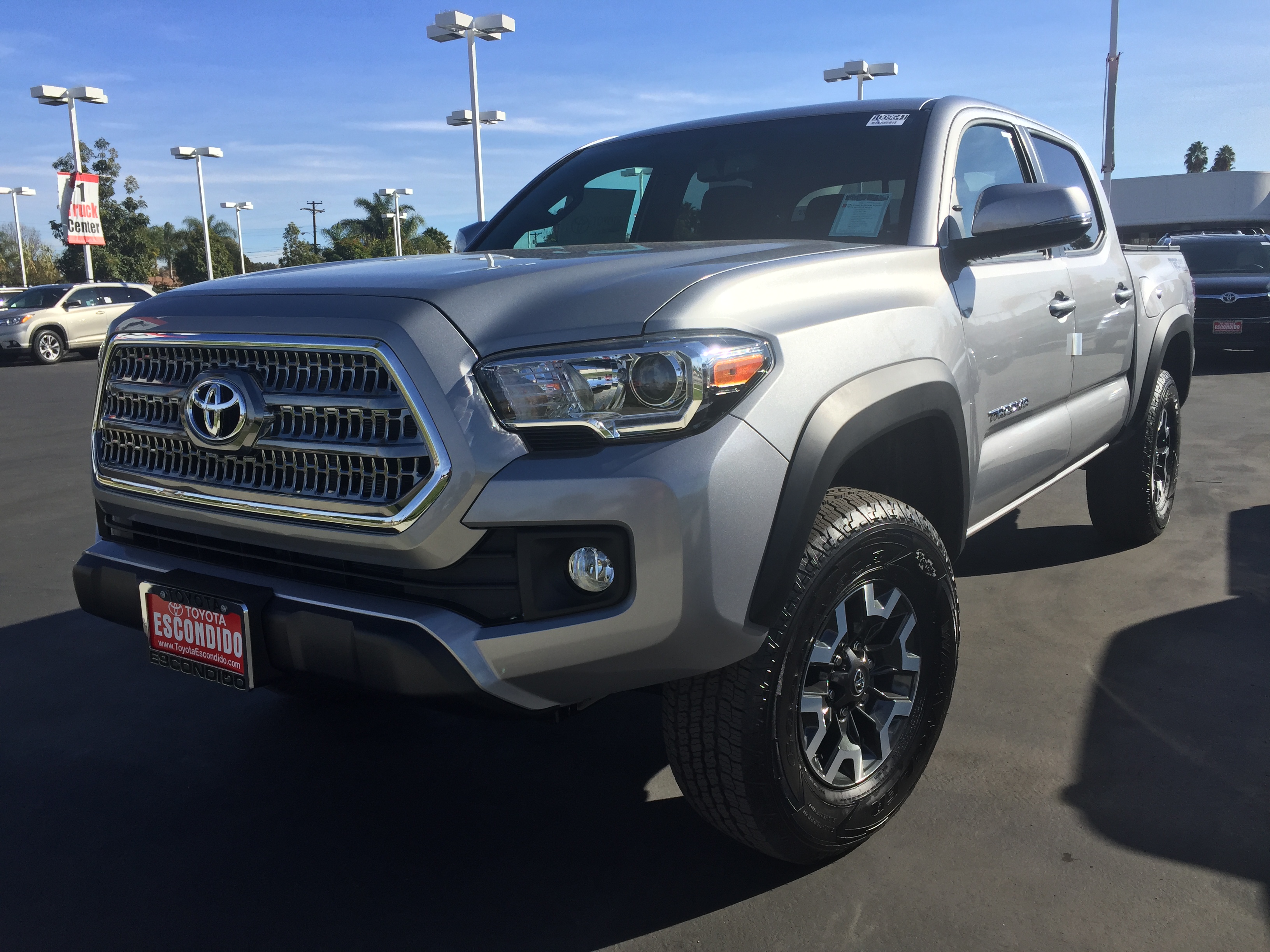
Toyota Tacoma
"[4353.9s] right? You know, we're talking, I mean, there, there are a few years, Fiona, the fourth Gen [4358.7s] forerunner and Charlotte, my third Gen Tacoma are a few years apart, but I mean, it's the same,"
The Toyota Tacoma is a popular off-road pickup truck. Here it’s mentioned because the truck’s hood height affects how well the driver can see the road and what’s around the front of the vehicle.
The Toyota Tacoma is a midsize pickup known for off-road capability and a huge aftermarket. In this segment, it’s referenced as a comparison point for hood height/visibility versus another truck, which matters because a higher hood can change how easily you see the road and obstacles.
Toyota 4Runner
"[4353.9s] right? You know, we're talking, I mean, there, there are a few years, Fiona, the fourth Gen [4358.7s] forerunner and Charlotte, my third Gen Tacoma are a few years apart, but I mean, it's the same,"
The Toyota 4Runner is a rugged SUV that’s commonly used for off-roading. In this conversation, it’s mentioned because the hood height can change what the driver can see while driving.
The Toyota 4Runner is a body-on-frame SUV with a long-standing reputation for trail use and off-road upgrades. Here it’s brought up as “Fiona,” and the discussion is about how the vehicle’s hood height and driver sightlines affect visibility.
TRD package
"[4365.3s] more or less the same thing. You know, so yeah, going from Bobcat to Charlotte, like I'm, [4370.8s] it's the hood's higher. I didn't, I specifically, I didn't want, well, I wanted the TRD package, [4377.2s] first of all, but I didn't want this hood sport because of, well, one of the main reasons was"
TRD is Toyota’s performance/off-road brand. A “TRD package” usually means a set of upgrades or options, and here it’s mentioned because the speaker is weighing those upgrades against how the hood affects seeing the road.
TRD stands for Toyota Racing Development, and a “TRD package” typically refers to an equipment bundle (often including styling and off-road-oriented components) offered on certain Toyota models. In this segment, the speaker says they wanted the TRD package first, but they were also concerned about a specific hood design affecting visibility.
E locker
"it didn't have an E locker. The second thing is I didn't want the hood scoop because it"
A locking differential helps your truck get traction when one tire starts slipping. “E locker” means it’s controlled electronically, so you can lock and unlock it when you need extra grip.
An “E locker” is an electronically controlled locking differential used in off-road 4x4s. When engaged, it forces both wheels on an axle to rotate together for better traction when one wheel would otherwise spin.
hood scoop
"it raises up, it blocks more of my view. So I was like, no."
A hood scoop is an opening on the hood that helps bring air into the engine. On a trail, it can also block your view because it sits up higher than the hood.
A hood scoop is an intake opening on the hood that directs air toward an engine intake system. In off-road use, it can also affect driver visibility by rising above the hood line or changing the sight picture.
Lance water tank
"Saturday, I also flushed out the Lance water tank, the fresh water tank."
A Lance water tank is where your fresh water is stored for camping. Flushing it out means rinsing/cleaning it so the water system is fresh and not full of gunk.
A Lance water tank refers to a fresh-water storage tank associated with a Lance off-road camper or trailer setup. “Flushing out” it means cleaning the tank to remove sediment and refresh the system before use.
valve body
"Yeah, sounds like it. I do still really, really, really want to redo the valve body on Fiona. Okay. I do not like automatic transmissions for rock-crawling, man."
On an automatic transmission, the valve body is like the control panel that directs transmission fluid to make the gears/clutches work. Changing it can make the transmission shift and behave more predictably when you’re crawling over obstacles.
In an automatic transmission, the valve body is the hydraulic control center that routes fluid to operate the clutches and bands. Swapping or rebuilding the valve body can change shift behavior and how the transmission responds under load—important for rock-crawling where you need precise control.
torque converter
"I do not like automatic transmissions for rock-crawling, man. There's so many times when I would be either going downhill or something and all of a sudden torque converter is like, oh, not enough torque in the system."
A torque converter is what lets an automatic transmission connect the engine to the wheels using fluid. When you’re going down steep terrain or crawling, it can sometimes make the car feel like it’s not controlling the descent the way you expect.
A torque converter is the fluid coupling in an automatic transmission that transfers engine power to the drivetrain. In rock-crawling, it can feel unpredictable because it may not provide the exact engine braking or torque response you want when descending or cresting obstacles.
drivetrain
"And I'm like, stop disconnecting the fucking drivetrain on me, man. Yeah. So I'm very much, I think after I finish unfucking Fiona..."
The drivetrain is the set of components that deliver power from the engine to the wheels, including the transmission and transfer case. In off-road crawling, unexpected drivetrain behavior—like shifting to neutral or changing torque delivery—can break traction and upset control over descents.
dual cases
"Any updates on Kermit? No, I dropped off the, I thought I had dual cases. I could have sworn I had dual cases."
In 4x4 setups, “cases” usually refers to transfer case(s), which split power between front and rear axles. “Dual cases” implies a configuration with two transfer cases (often for extra gearing or redundancy), which can be used in extreme off-road builds.
rear case
"Apparently I just have a rear case. So I dropped off the rear case with Jason, my spare, and then Ryan has enough spare parts that we can build a front case for it."
A “rear case” refers to the transfer case assigned to the rear axle(s) in a multi-case 4x4 arrangement. In builds with more than one transfer case, each case can provide different gearing or range selection for crawling.
front case
"So I dropped off the rear case with Jason, my spare, and then Ryan has enough spare parts that we can build a front case for it. Sure."
The front case is the transfer case that helps send power to the front wheels. If you’re building a multi-case 4x4, adding the front case is what completes the setup.
A “front case” is the transfer case component responsible for routing power to the front axle(s) in a multi-transfer-case 4x4 build. Adding a front case can complete a dual-case setup so the truck has the intended gearing/control for crawling.
frame stiffeners
"So I went on the frame stiffeners. Yeah. So I went on to Yoda, Yoda masters."
Frame stiffeners are reinforcement parts added to the truck’s frame. They help the frame stay strong and give you solid places to mount important off-road hardware.
Frame stiffeners are reinforcement pieces welded or bolted to the vehicle’s frame to add rigidity. In off-road builds, they’re often used to create stronger mounting points for heavy or high-load components like steering gear and suspension links.
power steering box
"couldn't find a power steering box frame mount. Okay. So I went on the frame stiffeners."
The power steering box is the part that helps your steering wheel turn the wheels. Where it mounts on the frame can change how everything fits and how well the steering works.
The power steering box is the steering gear that converts the steering wheel’s rotation into the motion needed to turn the wheels. On many off-road builds, its mounting location on the frame matters a lot because it affects steering geometry and clearance with the body and suspension components.
drag link
"and then I can set up the steering and what one is that I always mix all these up, but not the drag link. Okay. I can set up the drag link and everything."
The drag link is a steering rod that connects the steering system to the front wheels. If it’s not positioned correctly, it can cause steering problems or clearance issues when the suspension moves.
The drag link is a steering linkage that transfers motion from the steering gear to the steering knuckle(s). Its length, angle, and clearance are critical off-road because it can bind, wear, or change steering feel if it interferes with suspension travel.
clearances
"I think I need to put the body back on. Nice. And start checking clearances there. Checking clearances."
Clearances are the space between parts so they don’t hit each other. When you lift or rework suspension and steering, parts can move more than stock, so you have to check that everything still has room.
Clearances are the gaps between components (like the power steering box, suspension parts, and the body) across the full range of movement. Off-road builds obsess over clearances because steering and suspension travel can cause contact that leads to damage or unsafe handling.
shock hoops
"And then I'm going to have issues with the shock hoops and try to figure out that situation."
Shock hoops are the brackets/structures that hold the shocks in place. If they’re in the wrong spot, the shocks can interfere with other parts or limit suspension movement.
Shock hoops are mounting structures (often welded to the axle housing or frame area) that provide attachment points for shock absorbers. Their placement affects suspension geometry and how much room you have for steering and body components.
shock eyelet
"because I just have the shock eyelet attaches more or less to some things that I tacked on to the top of the axle housing."
The shock eyelet is the metal loop on the shock where it bolts to the truck. Where that bolt point sits affects how the suspension moves.
A shock eyelet is the reinforced mounting loop/ear on a shock absorber where bolts connect it to the vehicle. In suspension setups, the eyelet’s mounting height and angle strongly influence ride height, travel, and clearance.
drive shaft
"And mainly it's something's out of balance. Whether it's the drive shaft or the tires. It's probably a drive shaft again. And I think it's the drive shaft too."
The drive shaft is the rotating shaft that sends power from the drivetrain to the axles. If something feels shaky or out of balance, the drive shaft is often where you look first.
A drive shaft transfers torque from the transmission/transfer case to the axles. If the vehicle feels “out of balance,” the drive shaft (or its joints/balance) is a common suspect because vibration can come from imbalance, worn U-joints, or misalignment after suspension changes.
shocks
"I've been talking to Metal Cloak a little bit about their piggybacks and their shocks. And so I want to take the shocks off a bobcat and articulate it up and stretch it out and see what the max... See how much travel you actually get when you're not limited by your shocks?"
Shocks are what control how the suspension moves up and down. If they’re set up in a way that limits travel, the suspension can’t move as far as it needs to on rough trails.
Shocks (dampers) control how quickly the suspension moves and help determine usable suspension travel. If shocks limit travel, the vehicle may not articulate as much as it could, which affects traction and ground clearance on obstacles.
piggybacks
"I've been talking to Metal Cloak a little bit about their piggybacks and their shocks."
Piggyback shocks have a reservoir mounted on top of the shock body, which can help with heat management during repeated bumps. That can improve consistency on long off-road runs where shocks get hot.
Metal Cloak
"I've been talking to Metal Cloak a little bit about their piggybacks and their shocks. And so I want to take the shocks off a bobcat and articulate it up and stretch it out..."
Metal Cloak is a company that makes aftermarket suspension parts for off-road vehicles. In this segment, they’re talking about shock options from Metal Cloak.
Metal Cloak is an aftermarket off-road brand known for suspension and shock packages aimed at improving ride quality and off-road capability. Here, they’re discussing Metal Cloak’s piggyback shocks and “six packs” as potential options for a Bobcat setup.
travel
"And so I want to take the shocks off a bobcat and articulate it up and stretch it out and see what the max... See how much travel you actually get when you're not limited by your shocks? Yeah. Max and Min's."
Travel is how far the suspension can move up and down. More usable travel usually means the tires can stay in contact with the ground better over rocks and ruts.
Suspension travel is the distance the suspension can move through its range (compression to droop). Measuring max and min travel helps determine how much the vehicle can articulate over obstacles without binding or striking parts.
articulate
"And so I want to take the shocks off a bobcat and articulate it up and stretch it out and see what the max..."
Articulation is how much the suspension can twist and move when one wheel goes over a bump and the other doesn’t. It helps keep tires on the ground.
To “articulate” a suspension means to cycle it through uneven terrain so one wheel moves relative to the other. Off-road setups aim to maximize articulation while keeping driveline angles and clearances safe.
six packs
"And then I can talk to Will over at Metal Cloak and talk to him about their six packs and see what might work for bobcat."
“Six packs” usually means a leaf-spring pack with six leaves. Changing the leaf pack can change how the vehicle rides and how it handles when you’re off-road.
“Six packs” is off-road slang for a specific multi-leaf spring setup (commonly six-leaf packs) used on some trucks/jeeps. The number refers to the leaf count, which affects spring rate and ride/handling characteristics.
Request an Explanation
Heard something you'd like explained? We'll add it to this episode.
Sign in to request explanations for terms you heard.
Want to learn more?
Browse our glossary for plain-English explanations of automotive terms, jargon, and concepts.
Help improve this episode
See something that's not quite right? Our annotations are AI-generated and can sometimes miss the mark. Click the flag icon on any annotation to suggest a correction.