Loop recording means the dash cam keeps recording by replacing old clips with new ones. If something important happens, you lock the clip so it doesn’t get overwritten.
Time lapse is when the camera takes pictures at intervals (like one every 30 seconds) instead of recording nonstop video. It can save power when the car is off.
A “G-sensor” is a little sensor that feels how much your vehicle is being shaken or bumped. If it detects a strong jolt, it can automatically turn the camera on or save the footage.
“4 G’s” means the car is experiencing a jolt about four times the force of gravity. The camera uses that kind of threshold to decide when something serious enough happened to save footage.
That’s the camera’s “save this moment” feature. When it thinks you had an accident or big hit, it locks the video so it won’t get erased by normal recording.
Wolfbox is the brand that makes the dashcams being given away and discounted in this episode. It’s basically the “camera maker” the hosts are talking about.
G900TP is the name of the specific camera kit being given away. It’s the model the hosts are talking about when they mention adding more cameras in the future.
A four-camera dash-cam setup means you get recordings from four different viewpoints. The hosts are discussing where those extra cameras could be placed to capture useful angles.
Wide angle means the camera lens sees a bigger area. That’s important here because it determines whether one camera can capture enough of the cabin or rear area to be useful.
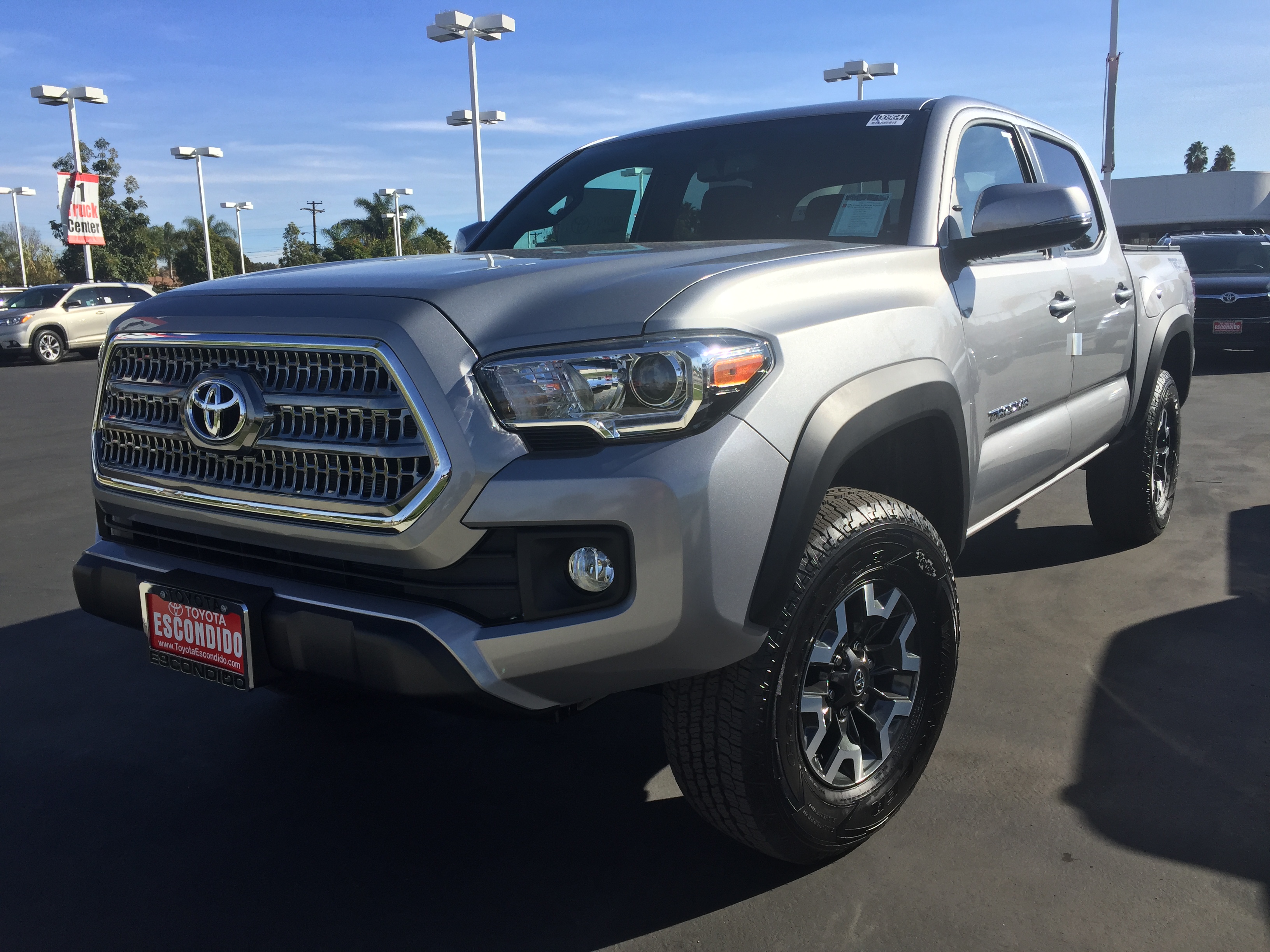
The Toyota Tacoma is a pickup truck. The host is thinking about putting an extra camera on it and is worried about finding a spot that shows what they need, like the hitch area.
A rear view camera is the camera that helps you see behind the vehicle when backing up. The host is thinking about adding another camera and is deciding whether to place it near the existing rear view camera.
The tailgate is the back door of a pickup truck bed. They’re considering putting the camera on top of it so the camera can see the right area, including the hitch.
The Ford Ranger is a pickup truck that’s smaller than full-size trucks. It’s made for hauling and can be set up to handle rough roads and trails. That’s why people talk about it in off-road conversations.
Spark plugs make the spark that lights the fuel in the engine. They tried changing them, but the problem stayed, so they had to look for another cause.
An engine has multiple cylinders, and each one can be blamed when something goes wrong. They’re using the cylinder number in the code to narrow down whether the problem is with the cylinder itself or with a part feeding it spark.
A coil pack is what powers the spark plugs. They swap the coil pack between cylinders to see if the problem code follows it—if it does, that coil pack is probably the culprit.
The oil pressure sensor tells the computer how much oil pressure the engine is getting. If it’s wrong, the computer may think there’s a serious oil problem when the real issue could be different.
An axle is the big part that connects the wheels and helps the vehicle move. If you’re doing suspension or wheel-end work, you often have to take the axle apart.
Shocks are what help smooth out bumps and keep the tires from bouncing. If you’re taking the suspension apart, you usually have to remove the shocks first.
Leaf springs are the suspension system made of layered metal strips. They help support the vehicle and soak up bumps—so if you’re taking the axle apart, you often have to remove them too.
The brake line carries brake fluid to the brakes. If you’re removing the axle, you often have to disconnect the brake line so nothing gets stretched or damaged.
Leaf spring perches are the metal brackets on the axle that hold the leaf springs in place. If they get worn out or cracked, the suspension can shift and the axle can start failing from stress.
The rear drive shaft is the rotating shaft that sends power to the rear axle. When you change suspension or axle parts, you may need to adjust how it lines up.
A carrier bearing drive shaft has a support bearing in the middle that helps keep the driveshaft steady. That can reduce shaking and help the drivetrain last longer.
The differential is the gear box inside the axle that lets the wheels turn at different speeds. If the axle housing around it is cracking, it can affect how everything stays aligned.
A puller tool helps you remove a seal from its housing. It’s used when you’re taking apart drivetrain parts so you can replace worn seals without wrecking the surrounding metal.
A bearing puller is a tool that helps you pull a bearing out of where it’s pressed in. It makes bearing replacement (or cleanup) much easier and reduces the chance of damaging the housing.
An oil drain is where you let old oil out during maintenance. They’re talking about modifying that area and then sealing it back up so the housing works correctly for the new setup.
A two-piece driveline means the driveshaft is split into two sections instead of one long piece. Builders do this to fit the truck better and help the drivetrain run smoothly.
Pinion angle is the alignment angle of the rear differential gear. If it’s off, the driveshaft can vibrate and wear out parts faster—so you adjust it when you change the driveline.
A cross member is a metal support beam under the truck that helps hold everything rigid. If it cracks, the drivetrain can move more than it should and start vibrating.
Part
horse collar
A horse collar here is a bracket that wraps around part of the drivetrain near the transfer case. It’s meant to support/protect that area and help keep the mounting solid.
The Ford Flex is a family-sized crossover that’s built more for comfort and space than hardcore off-roading. When roads get bumpy, how it “flexes” and handles vibration becomes noticeable. That’s likely why it came up in the discussion.
Bud Built is a company that makes aftermarket parts for off-road trucks. Here, they’re being considered as a stronger replacement for a part the speaker has had to weld repeatedly.
A “transfer case kit plate” is a mounting/adapter plate used to position or support the transfer case and related hardware. In off-road builds, it can be part of a kit that helps with fitment, strength, and alignment when modifying the drivetrain.
Four Wheel Underground is a company that sells off-road upgrade parts. They’re being referenced because the speaker likes the look/function of a transfer-case plate kit they offer.
Term
sack drive line
This sounds like a driveline shop that shortens and rebuilds the driveshaft. The speaker is sending the shaft out so it can be cut to the right length for the new setup.
Term
T of where it splits
That “T” is a connector where the brake fluid lines split to go to different brake parts. If you change the layout underneath, you may need to move that connector.
Splines are the ridges that lock parts together so torque can be transferred. If they get worn or damaged, the connection can start slipping or feel loose.
The ring and pinion are the gears inside the differential that control how power is geared to the wheels. If they’re worn or damaged, the axle can start making noise or fail.
The Rubicon is a well-known off-road trail in California. People go there because it’s challenging and has lots of obstacles that test 4x4s.
Term
slow county crawlers
“Slow County Crawlers” is the name of the group they’re going with. The “crawlers” part usually means they drive slowly and carefully over obstacles to keep traction.
The Wrangler is an off-road SUV made for driving on rough trails. It’s especially popular for slow, careful crawling where traction and control matter. That’s why it’s mentioned in connection with the Rubicon trip.
“Jeepers Jamboree” sounds like an off-road event that changes when trails are open. They’re talking about how trail maintenance happens around that event so people can plan their trips.
Wentworth Springs is a specific area/trail location they’re talking about. They mention it because weather affects when they can do trail work there.
Place
Windy camp
“Windy camp” is where they plan to stay during the trip. They’re saying it’s convenient because it’s close to the trail area they’ll be working on.
Place
Winter camp
“Winter camp” is another place they could stay. They compare it to Windy camp, including how easy it is to get to the trail and whether there’s good water access.
A “sluice” here means a drainage channel where water runs off the trail. If it gets damaged, it can turn into deep ruts, so people maintain it to keep water moving safely.
The fuel system is everything that handles fuel—where it’s stored, how it’s measured, and how it gets to the engine. They think something in that system is wrong because the fuel gauge doesn’t seem to reflect the real fuel level.
Car
2018 Dodge Laramie 3500 DRW
This is a 2018 Dodge Ram Laramie 3500 truck. The “DRW” part means it has dual wheels in the back, which is common on heavy-duty trucks. They’re talking about a problem with the fuel gauge not matching how much diesel is actually used.
The fuel gauge is the dashboard meter that tells you how much fuel is in the tank. If it stays stuck around three-quarters after filling up, the truck may be misreading the fuel level.
This is the part in your gas tank that measures how much fuel is in there. If it fails, your dashboard gas gauge can lie and say “empty” even though you still have gas.
In many fuel sender designs, a float moves up and down with fuel level and changes the sensor’s output. If the float mechanism sticks or fails, the gauge can incorrectly report empty.
ECM is the car’s main computer. It uses sensor readings (like the fuel level sensor) to decide what to do, including what the fuel system should do.
Term
wiring and it's getting the correct amount of voltage and resistance
They’re checking the electrical signals going from the fuel sensor to the car’s computer. If the numbers look right, the wiring is probably fine and the problem is elsewhere.
The fuel pickup is the part inside the tank that actually pulls fuel out. If it’s damaged, the engine may run out of fuel even when there’s still fuel in the tank.
Term
tilt the bed up
Some trucks let you lift the bed to get access to parts underneath. It can be easier than removing the whole fuel tank, depending on the tools and layout.
“Book time” is the official number of hours a repair manual says a job should take. Even if a shop can do it faster (or slower), they often charge based on that listed time.
An engine brake helps slow the truck down using the engine instead of the regular brakes. It’s useful for downhill driving because it can reduce brake wear.
Low-end torque is how much pulling power the engine has at low engine speeds. More low-end torque usually means the truck feels easier to control and more responsive, especially when towing or slowing down.
Engine compression refers to how the engine’s cylinders compress air/fuel (or, in the case of compression braking, resist rotation). In an engine-brake setup, that compression resistance helps slow the vehicle.
The Ford F-350 is a big, heavy-duty truck. People use it for towing and hauling, including with a camper. Here they’re discussing the cost of brake parts for it.
Brake rotors are the metal discs the brake pads clamp onto to slow the vehicle. When someone says “brakes and rotors,” they usually mean replacing or upgrading both the friction surfaces (pads) and the discs (rotors), which can be a significant parts cost.
On a camper, the “electrical system” is what powers things like lights and outlets. Here they’re saying the camper’s battery stayed almost fully charged the whole time.
A “dual wall camper” has two layers of walls with space between them. That’s why a problem on the outside wall might not affect the inside wall, and repairs can be more targeted.
Shore power is the campground’s electricity. The shore power line is the cable that connects your camper to that power so you don’t have to rely only on the camper battery.
The Dodge Ram is a large pickup truck. It’s designed to tow and carry heavy loads, and it can be used for tougher driving. That’s why it shows up in discussions about strength and durability.
The Toyota 4Runner is an SUV built for both daily driving and off-road trails. People often choose it because it can handle rough conditions. In the podcast, it’s mentioned because someone was checking the battery before a trip.
LIVE
Welcome to the snow trail four by four podcast. If you like going off roading into it is wrenching
on Toyota's camping into it is maybe even poking a little bit of fun at Toyotas. And
of course hearing about how fantastic sparkly things that go boom in Toyotas are than this
is the podcast for you. That's right ladies and germs. My name is Tyler. This guy over
here and that over there is Jimmy. How you doing? Good. How are you doing? Pretty good,
man. Awesome. Glad to hear. I hope sparkly things don't go boom in Toyotas. You never know. I'm
sure there's people out there. I'm sure there is. I'm sure it's happened, but I hope it hope it
didn't this year. No, no. That's a good point. Yeah, man. It's the what is this Thursday? Yes,
it is after 4th of July. So hopefully all you people out there still have all your phalanges
intact. It was a fun 4th of July. I think I've got some interesting fun stories. A couple of
vehicle related things. Okay. But otherwise it was a pretty kind of lay low weekend. Same for me.
But we have some fun announcements for the month and kind of housekeeping stuff before we get into
everything. First off, we kind of been leaving it up in the air on previous episodes so far in July
about the Wolf box group buy and the discount code for the group buy and how it's going to work fully
because we were talking about the group buy and that it's, you know, the what is if we get 10
people, 20 bucks off, 20 people's 30 bucks off, 30 people's 40 bucks off. Yes. And then we like
started looking it up on the website and they're running a 20% off sale right now. Right.
How long is that sale going to go? That's a good question. I'm not sure. I didn't ask that part.
But I did ask them, I pointed that out and I was like, do you want people to just purchase
now that are interested because the price is better through the sale on the website? Or are you
interested in how we perform as a group by sales channel for them, I guess, whatever marketing
channel for them? And they said, no, that makes a lot of sense. Let's stack the group buy discount
code on top of whatever sales going on on the website. Sweet. So my guess is the sales are
going to end soon. That's going to end in like two days. Yeah. And then we're going to, yeah.
So anyway, if that happens, it'll be like, come on guys.
And we'll see what we can do to see if we can pull this off. Yeah. So anyways, the group buy is
officially stacking with whatever sales are going on on the website. Currently it's 20% off. So
get in on the group by, we have the group by thread up on the discord channel. So
you just got to go on discord, go down to the group by channel. And then there's a thread under
that called the wolf box G 900 TP for a tri pro and just say you're interested in one and we'll
take the big list of there and figure out how many we get and then get that discount code
made with wolf box at the end of the month here at the end of July. So yeah, absolutely. I think
we're already, I think we're already around 10 people signed up. I think we're, yeah, we're over
10 units. I'm pretty sure. So we've already hit the minimum for the group by. So now it's just a
matter of can we increase that discount for everybody by getting more people signed up and
more people committing to getting some units in their group by. Yeah. Yeah, definitely. I know
we have, we've gotten ours. We did. Yep. And the one for the group buy, I believe. Yep. So this
is for the monthly giveaway. Oh, that's what it is. You want to talk about that while I rip this
out? Yeah. So this month is wolf box month. So it was like really cool. The G 900 tri pro that
Jimmy's showing here. If you guys are watching the video feed, it's a, it's, we got one from
trial hero X and almost immediately started falling in love with it. And it's, it's a pretty
sweet little device. We've been talking a lot about it. I forgot to mention its voice controlled.
Yeah, that's awesome. You can literally sit there and say wolf box show rear camera,
show front camera, show accessory camera, and it'll swap to the different cameras there. You can
say wolf box lock the video and it'll lock the video down so that it doesn't, it'll lock that,
that segment of video down so that it doesn't record over it when it goes to loop the recordings.
So it's a lot of really cool voice functionality features, video camera features, security
features. It's, it's pretty sweet. I have mine currently set up for time lapse when the vehicle
is not on. Oh, so a time lapse, time lapses every, I think 30 seconds. It takes an image
from all the cameras. Yeah. And so that way it kind of conserves power. Sure. And then that way
it's always taking always, always being your security for exactly around. Yep. Cool. Yeah. So
yeah, it has a G for sensor inside of it in case the car shakes, then the camera would turn on.
Yep. And it's pretty sensitive. Like if you open a door, it boots up and turns on. So I've been
impressed with how sensitive that G four sensor is. I've also hit some pretty big potholes in
Fiona and it marks it as a possible possible accident and walks the video around that too.
So I didn't happen more to us on trail. Yeah. I don't know if it takes like a differential.
Like if you're, if you're shaking at two G's the entire time, it's not going to record,
but if you're like smooth, no G's on spike at four G's and that's a thing. So I don't know,
I don't know how it does that, but it, it did it the other day and I was like, Oh yeah, that was a
big jostle. And then I looked at the camera and it was like accident recorded locking video. I was
like, Oh, that's kind of nice. So anyways, we have one of these to give away this month.
And we're going to have an interview with Wolf box here later, I believe next Monday
or this coming up Monday. So the giveaways for that G 900 tri pro, which is what we're doing the
group by on this month. And then once the group by is all over, we will be getting a discount
code for everything on Wolf boxes website. That'll just be kind of long standing kind of like what
we have with Rousseau fire extinguishers and divorce outdoors. So if you want to get in for
this month's giveaway, make sure you signed up over at irate four by four.com or through the
discord. All your sign up options and tiers are there. You need to be on at least the giveaway
tier and you can't sign up for the gift box tier until October. So really that's kind of your
only option right now. So I was looking when I pulled this out, I was looking at the box
and I saw that the front camera, the one that's a part of the mirror
feature assembly thing, that's a 4k. Okay. The rear camera is a 2.5k. Oh, I thought rear was four.
Okay. And the bumper, the is 1080p. Okay. Yeah. Nice. So that's good. I didn't, I didn't know,
I thought it was for the front one was 4k and all the rest were 1080p. So, okay. That's interesting
to see that the rear one is a higher res, which is good for me. So I'm definitely going to be using
that. So yeah, super excited to get these out into people's hands. Like Tyler said, we thoroughly
enjoyed them. And I'm excited to see what everybody else is thinking out there. Yep.
So this month's giveaway, roughly, I want to say they're about 350 bucks for the full thing
with the 20% off and then the group buy discount. If you guys get in on the group buy, I want to
say it brings them down to like $250 under the max. Yeah. And so we might be able to get about $100
off. Yeah. Yeah. If it all works out. Yep. So there you go. A huge shout out to Wolfbox for
coming on for this month's giveaway for the G900TP, the TriPro. And the rumor has it that they're
looking at releasing a four camera system here. That's what I heard. Yep. I heard there's a,
I wonder if it's going to be like a quad pro. Yeah. QP. QP. Yeah. And I, the only,
I can't imagine putting cameras underneath the vehicle. Like there's no point for me to necessarily
do that. But what I might do is a camera inside the cab facing backwards. So you
could see either the driver and passenger in the incident or like, or in the vehicle or if there's
an intruder, you can get them inside the vehicle. I know some other people that want to shoot like
the back of their truck bed also to see kind of what's going on back there at times to check
their load to check their load. Yeah. And so that might be an interesting place for a fourth camera.
Yep. Yeah. For sure. I think these cameras are pretty damn wide angle. I've been very impressed
with how wide angle they are. So I'm pretty sure if you set one up, like looking backwards to the
cab, you can get the driver and passenger pretty easily. So yeah. I'm curious. I want to,
I'm going to do a little bit of digging and see if I can put, because I'm planning on putting one
in the Tacoma. Maybe. I don't know. Let me back up. I'm planning on putting one in Clifford,
the F two 97 F two 50. I don't know where I'm going to put the camera. That's,
that's my one of my problems. Like I'm not sure accessory camera or the back of the rear view
camera. Like I would want it a little higher. Like ideally the best place to put it for me
would be like on top of the tailgate. But I would still want to be able to see the hitch.
And so I need to be able to find a position that I can mount it in the hitch or in somewhere
that it can see the hitch, but also be high enough to get some review camera views. Yeah.
Yeah. Maybe Lee makes a handle housing receiver thingy that I can put in,
could be put it in there. Yeah. You talked to him. Yeah.
He might make one if you just for that. He's been making kind of wolf box accessory items. So
yeah, I got his mount and then the cable hider for Fiona and I've been super happy with them.
Yeah. It's turned out really clean. Makes the whole wolf box look very nice there on the dashboard.
Yeah. Cool. Well, sounds good. So that's, yeah, that's our monthly giveaway to enter the giveaway.
You can go over to irate four by four and there's sign up options there under the snail trail four
by four form or thread. And then you can, there's the sign up options now on discord as well. Yeah.
And you can sign up for both of those at locations and it gets you entered
for the wolf box giveaway for this month of July. So yeah. Cool. So that is giveaway. Let's see,
we have FNG's birthdays. Everything to go through. We do indeed. Cool. That's,
I forgot to pull them up. My bad. Do you want to go over what those are?
Nope. I need to do the math. Okay. I didn't do it.
All right. We are back. Got a quick little break there for you guys. A couple of seconds
for us like three days. So let's see. Seconds for you three days for us. Excuse me.
Yeah. So we got all the FNG's birthdays. Yeah. There was a lot of movement this month. I don't
know why I don't know if it was because we got the discord going and people are interested in
signing up that way. Maybe. Or if everybody's interested in that iceco fridge giveaway. That's
why I signed up. That's me too. Yeah. Yeah. So this is, we're going to be going over FNG's
from June birthdays for July and pull a wiener for the APL 20 from iceco for the giveaway this
month. So our last month, June. So all right. Let's get into it. We have birthdays. Sounds good.
So we got July birthdays, one year birthdays, nada. Well, let's do FNG's. Okay. Fine. We'll
start with FNG's. Yeah. So for June, FNG's new people, the fun new guys and gals. We got one,
23455 new people coming in this month. We got Nathan Gerber. Nathan Gerber.
Thank you very much. Thanks for joining. We got Travis Lambert. Travis Lambert.
I like that last. Hey, Brian Richie. Brian Richie. I saw that. Hey, Brian. Thanks for joining.
Jeff Holland. Jeff Holland. Thank you. And Mike Ferguson. Mike Ferguson. Why? I'm curious.
Okay. It sounds like you know this guy. Well, you might know this guy. No, I'm trying to figure
if there's a connection between Ferguson's Brian Murphy. Okay.
Doesn't he have a Ferguson somewhere like on Instagram or something? I don't,
I don't know. Maybe I'm imagining things. You think his middle name is Ferguson and that sense of
this guy's last name is Ferguson. You think that related? I could have sworn that like Brian had a
last name reference of Ferguson somewhere. Interesting. We'll have to Google that later.
All right. Well, I'll get Gemini on it because Zach loves Gemini. Yeah. So those are the five
FNGs. Thank you so much guys for getting in for June. And we'll pull a winner. And hopefully,
maybe one of you guys will win. We've had that happen before. Somebody signed up like the last
week of the month and they ended up winning the giveaway. It was pretty funny. It was the gift
box. Which we've yet to send out. So I did receive one of your messages or back about
your t-shirt size, but I haven't got the other one. So actually I haven't sent either of them out
because I was going to do that all at once. But I think I'll just send the one out for,
and I forgot. I think it was Zach. I don't remember. It was a different Zach, maybe.
Trying to remember who it was. I'll get that one out ASAP for you. And if the other guy never
responds, we'll have an extra gift box for somebody. Perfect. So one year birthdays then.
Zero. Yeah. That was that one. Okay. So two year birthdays. One. Hey, dance drives. Dance
drives. Awesome. Thank you. He's been giving some really fun conversation on Discord with Dan
and some really good ideas about Starlink power from him on Discord. So Starlink minis. Yeah.
Every time I see him message, I go, we need to get this guy on the podcast.
There's a few, we have a few people on Discord that I'm like, we need to get these guys on the
podcast. Well, I'm pretty sure Dan's drives is Dan's from the advanced podcast. Advanced
spot to advance podcast. Yes. I believe that's correct. Yeah. Three year birthdays. Benjamin
Thompson. Oh, Ben Thompson. Congrats for your birthdays. We have two. Oh, these are fun. Riley
Mayo. Oh, Riley Mayo. Thanks, man. And Will Richardson. Metal cloak will thank you. Five
year birthdays is zero goose egg. So nobody gets a five year birthday gift this month. However,
next month there's one person and this will be very easy to get them their five year birthday gift.
I'm not telling. We got to say it next month or I guess wait. So we're doing July birthdays.
Shit. Hold on. So we already did. We already said these. Why didn't they sound familiar
because I was doing June birthdays? I don't know. Well, those are June birthdays.
Let's go to July birthdays. If we didn't say your birthday in June, we apologize. Yeah.
All right. So July birthdays. We got 01 years, 02 years,
three years. We have a couple here. We got Jason Golden. Jason Golden. Thank you. And Max Kraus.
Max. Who is the other half of the Mike and Mike podcast? Yeah.
So the one that doesn't exist. The one that does not exist. Exactly. Yep.
So Mike, thanks for signing up. Thank you, Mike. Four year July birthdays. None. Okay.
Five year July birthdays. There's one. Yeah. Okay. And he's here in the building today.
Mr. Hayward. It's Mr. Hayward. Oh, Benjamin Hayward. Ben Dover from between the Chico's.
Awesome. Congrats. Thank you. Appreciate it. I'll just walk out and hand you one of these
bags right now. There you go. Pause. Go out, throw it at it and run back in. Next up.
Six year birthdays. 00 Any seven year birthdays? Seven year none. Are there any June,
six or seven year birthdays? Because it kind of sounds like we didn't say this.
Yeah. So six year June birthdays is Matt Dressel house. Okay. Our Ford Ranger buddy down in Central
Valley. Yep. Thank you, Matt. I think we did say that. I was going to say it sounds familiar now.
And there was a, well, you get a double birthday. You get double birthday. Yeah. And then seven
year Junes, there's a lot of them because that was like the first big month we had it available.
And I know that we did these because one of them is Robert Goodman. Yep. So, okay. Yeah. But
anyways, it's any July's no July seven years. Yep. So we got those are birthdays. Thank you.
Awesome. Thanks everybody for signing up. Thanks for being a part of this wild ride,
especially big thanks to those that have been with us for 67 years, which is pretty
bad. Damn it. 6767 years. It's rad, rad, rad. You'll get that reference in October.
People are going to get to October and be like, Oh, that's what he was talking about.
Anyways, so we have birthdays. Yeah, we did have some birthdays. We have a winner. Yeah,
we got to give away to do for an APL 20. Why are these already highlighted in green?
Oh, because they're new people. Yeah. I just copied the list over. They are new people. Okay.
So, all right. So we have, let's see, two through 101. So you have 99, a one in 99 chance
for an iceco APL 20 fridge. So here we go. I'm hitting the button over on the random
number generator. Tell me when to stop Jimmy Jett. 321 stop number 47 blue.
So that goes to the road line 47. Elizabeth Sandstrom. Oh, Liz Sandstrom. Yeah. Congratulations.
That's pretty cool. Thank you for being a member for quite a while as well.
Yeah. She's been around for a long time. Yeah. That's pretty cool. All right. Well,
Liz, we'll get in contact with you. We'll get your address and then we need to
either get you in contact with iceco or we'll figure out how to get that connection going
so that you can get your fridge. Yeah. Because they didn't send it to us. So they're sending
it directly to you. Correct. Yeah. Saves a bunch of shipping, shipping those things around. So
cool. I would recommend, Liz, if you get the opportunity and you're listening to this
to order up one of those battery packs to save on shipping with it, order one of those
battery packs from them with your fridge. Okay. Because that's a pretty sweet setup.
Can you get the battery pack as a separate item on the Kickstarter right now?
Stand alone. I think you can. Yeah. You can order one up on the Kickstarter. I don't think you
would get it delivered at the same time. Not at the same time, but you would get a discount
probably with that at that way. Or you can use our discount code, which I believe is just
SnailTrail 4x4 and you get 12% off. There you go. Yep. So lots of opportunities there.
Congrats, Liz, for winning that APL 20. Really cool giveaway. Thank you so much to IceCo for
doing that and giving everybody that opportunity to win one. Absolutely. If you didn't go listen
to the IceCo interview, go do that. It was a few Mondays ago and it was a really great interview.
We learned a lot about the company and their backstory and how they kind of got into fridges
and how they do a lot of after or more in vehicle fridges outside of the United States,
which is pretty neat. And we learned a lot about their brand new fridge that's coming out that is
the Kickstarter for that VL45 plus fridge that has the three-way door style,
which is a really cool new fridge that I think Tyler and I are both going to end up getting here.
Yeah. I've already placed an order for like five of them for me and the employees kind of thing.
Yeah. All right. So next up, an update. I don't know if we want to get into
reviews, but we are at 795 reviews. Oh, okay. So there's only five more spots available
before we get to 800. Once we're at 800 reviews, we do a drawing from all the reviews up until
that point for an ONNX Elite membership and a fun little swag pack from Jimmy and I and
some vendors we've worked with in the past. And then we'll do that again at 850 reviews.
So the cool thing about it is if you leave a review right now, you'll get entered for
both of those giveaways. Yes. And then once we reach 900 reviews, we're doing a big giveaway
with Morphlate. So $900 in Morphlate gear for 900 reviews. And there's some fun things happening
and coming to fruition right now. So we're in the final stages of a couple of product launches.
Okay. Getting retail packaging set up, etc. So it's fun. Yes. I'm excited for
two, at least two of them. You can be excited, I think, for all of them.
Well, not maybe one of them because you don't use the item that it goes with.
Okay. You don't have any of them. Yeah. Well, I only know two. So that's why I'm like,
this is the only two I know. Yeah. All right. So that does it. 795 reviews. You guys got,
we have five spots left before we do the 800 review drawing for the onyx elite membership and
the swag pack. So let's see. There's new tokens out. So go check those out. I'm going to be placing
a couple more tokens over the next couple of days here this week. Okay. So be on the lookout and pay
attention to the treasure hunt, which is available all those. The URL to add the public folder for
the treasure hunt to your onyx account is in the show notes and it's also on the discord. So if you
want that URL, look at the show notes or look at discord and you can add that to your onyx account
and then you'll have access to the treasure hunt folder, which has all the GPS coordinates and
locations, waypoints essentially for where all the tokens are hid. And then you got to spell
out snail trail four by four. That's kind of the goal, the game of the treasure hunt. Once you spell
out snail trail four by four, we have a grand prize and we have a few grand prizes lined up.
Yes, we do, but we need somebody to win the first one, which is it's a master mechanic
tool set from gear wrench. I think it's valued like at $2,000. I don't. Yeah, it's at something.
It's something up there. It's a master mechanic. It's like five, 600 pieces,
something like that more than 700. I don't know how much it is.
It's a big box that's been sitting in Jimmy's. Jimmy has a big box. Heavy. That's very heavy.
It's been sitting in Jimmy's shop for a while now and we've been trying to get rid of it and
Trevor Clark is so far the closest to winning it, but we don't tell you what letters are hidden and
where they're hidden. You have to go find them and hope you get the right letters or I'm kind of
curious to see if a trading bartering system ends up working out with people that have found
excess letters that need more. So all right. So I just Googled gear, inch master mechanics set.
And I, this, this is not the same one because this has some foam inserts,
but it's something, it's close to this. I'm assuming it is a, this one, it happens to be a 613 piece
set, including foam trays in a mobile workstation, which we don't have the foam trays in a mobile
workstation. But it, this one is $2,400. Yeah. So that sounds right in line with the one that we
have. So very similar to the one we have. Yeah. So yeah, that it's right there. So that we have
something right in that same ballpark, right in that same area and, you know, a few thousand piece
set for $2,000 plus. Here's one that's 2,000. This one says it's 2,013 or excuse me, 613 pieces
and it's $2,300 and it doesn't have any foam inserts. So it's right there, right? It's a
600 plus pieces for $200 plus. $2,000 plus dollars. $2,000. Thank you. $2,000 plus dollars.
It's $200 plus dollars as well, but add another zero. If you can collect, if you're the first to
collect all 13 snail trail four by four tokens that spell out snail trail four by four, you need
to have them. You need to send them into us. So hopefully Trevor Clark, you're keeping them.
And then we will, I think our game plan was to figure out a mounting thing or like a little trophy
thing for you. And then we'll get the master mechanics tool set to you. And hopefully you
live really close to us because I don't want to ship that thing. Yeah, it's got to ship on a pallet.
So anyways, yeah, that's a really cool thing that we're doing. I think it's a fun little game.
The goal for us is just to help you guys give you a reason to get out more and explore the
outdoors, right? Go find somewhere new. Go try something. We had somebody go to one of the
campgrounds that you went to up near Lassen and they found a token up that way. And you know,
the assistant and I are going on some different locations, different traveling trips this year
as well. And you know, hopefully it's, you know, we're helping you explore an adventure out to
different areas. Yeah. Yeah. That's sort of the goal of it. Yep. I like it. So go check it out. I
want to say there's like 54 tokens currently out in the wild. So pull up that public folder on
ONNX, add it to your account so you get all the updates. And it should have, it should be a live
folder. So Jimmy and I edit it. We add tokens, waypoints into it. We delete waypoints as people
find the tokens there. So all you need to do is open it up and plan a trip out to somewhere
there's a token. Yeah. And I believe one just went live in Kentucky. Oh, cool. Yeah. So,
you know, we're trying to spread it outside of California and get it out there. I still need
to send Matt some up into Oregon. So I know there's going to be some up in Oregon here soon.
And yeah, so we're trying to blanket the country. I know there's someone in Hawaii.
Yep. So you can go out there and if you end up going to the big island, there's some hidden out
in Hawaii. And so yeah, there's some, there's some in a lot of places. Hopefully there'll be more
in your guys's neck of the woods soon. If you want to hide tokens for us in your neck of the woods,
also get in contact with me, Jimmy at snailtrail4by4.com. And I can send you out
a few tokens. Cool. Especially if you're going on a trip soon. So let me know. Yeah,
those are the fun ones. So all right, sweet. I think that does it for updates, housekeeping stuff,
beginning the show things. And we got caught up from the giveaway for last month too. So
congrats again, Liz Sandstrom. We'll be contacting you about how to get that fridge over to you.
All right. So let's see. I think that does it. Let's take a quick break then.
Sounds good. And we'll be right on back with kind of what we've been up to over the fun
and fourth of July holiday. Hey guys, I love going out wheeling and I love playing in the outdoors.
And one of the main tools I rely on for all of the activities is on X offer. On X keeps me in the
know. It keeps me on the trails and it keeps me from getting lost so that I can make it back home
to my family and friends. There's tons of tools and data available for outdoor activities on the
app that helps you play the next trip and it helps keep the adventures rolling. Start your free trial
over at on X maps.com.
Get bought. So welcome back everybody.
We are here on Thursday. This is episode 723. Yep, that one.
We've got some fun stuff for you guys, some fun updates. It's kind of what Jimmy and I have been
up to. If you guys are new to the podcast Thursday's episodes or we just seem to get ourselves
into some fun shenanigans, get ourselves into trouble. We like to play around with vehicles
and play around with our families, play around in the outdoors, play around indoors.
And we could tell you guys about it. And for some reason you guys like listening to it. So
mainly just 4th of July. We had some dodge problems go figure. Okay. And
planning I guess for this week really is what it came down to. Okay. Yeah. I have a small Jeep
update from my buddy that was that I changed the spark plugs on. Okay. And then 4th of July
stuff and some updates on Bobcat. Sweet. I want to hear about the Jeep update because I'm kind of
curious because that was that one I do. I didn't feel like we got closure on it. Okay. So I need,
I need some closure. Okay. Yeah. Did you guys burn it down? Almost. Throw it off a cliff.
Pretty much where they deserve and belong to be. Yes. Okay. Perfect. No, really the update
is it didn't solve the problem. Oh, okay. And so swap changing out the spark plugs wasn't the
conclusion. Isn't the conclusion of this story. I told him next to which is up is
something that he can do on his own. He was a little intimidated about diving a little deeper
into the engine. And so, but there is access to cylinders 13 and five, which are on the
passenger side. Okay. And the code is being thrown for cylinder three. Yeah. And so I said,
take the coil pack from cylinder one and put it on cylinder three and take the coil pack from
cylinder three and put it on cylinder one and then that way we'll see if the code changes
from three to one in the future. And that will answer if the coil pack is bad or if there's
a problem somewhere else. Yeah. And so he's in the process of doing that. Okay.
Spaghetti reached out to me. Oh. And he said that his Jeep has had this same similar problem.
And it's like an oil sensor. Oil pressure That is, did you see that
post that comment? And it's like deep in the engine for a $10 part. So if it's not the coil
packs, then I think we might be trying to do that sensor or he might be taking it in at that
point. Okay. Because it's sort of like the easy things are kind of done. Now it's like time for
let the real professionals kind of solve the problem. Okay. So we'll decide whether we're
going to change that oil pressure sensor or if we want to go that deep into the engine to get to
that. But he can change the coil packs himself. That passenger side is extreme,
is open so that you don't have to take really anything apart to get to him. Nice. Yeah. So
and fortunately, the what's the BMS, the system is saying is not BMS. What's that?
ECM. The ECM. Thank you. With a ECM, ECU, PCM, whatever you want to call them.
But the computer is saying the bad cylinder is a side that we have easy access to.
Nice. So that's fortunate. So yeah, the spark plugs didn't solve it. He's swapping
off the coils and then we'll figure out what to do next. Cool. Yeah. All right. I like it.
Yeah. So besides engine troubleshooting. Yeah. Besides that, Fourth of July was really kind
of mellow for me on. So Fourth of July was Saturday, right? Yeah. Yes, it was. Yep. So Thursday,
I went to a going away party for a friend. One of the guys that I do theater stuff build the sets
with. And he's actually has been in a few shows and the director of the one of the main directors
of that theater was kind of doing a going away party at his house for this guy down.
And so we went over there. We had cigars. I'm not even a, I'm not really a cigar smoker,
but you know, if I get invited over to have a cigar once in a blue moon, I'll try it. Okay.
And I went to, I went to like a smoke shop and to go buy a cigar. And I was like, what's like,
I know nothing about cigars. I need a cigar for this party. And the guy behind the counter is
like, I know nothing about cigars, but that's the perfect kind of employee you are working
on the cigar shop. Right. Well, it's not a cigar shop. It's a smoke shop. So it's all the smoking
involved. And, but he's like, but the Cuban rejects are really popular. I was like, okay,
I'll get a Cuban reject. I think that's a, that's a hilarious name. Yeah. So I bought a Cuban reject
and I bought one in a fancy little glass thing that's wax top to give Dan as a giveaway item
or a going away present. And, um, yeah. And so we went over there and I drank some,
I brought a few bottles of whiskey and we hung out, drank a few bottles hanging out,
smoked. I smoked one cigar. They smoked a few. And, um, it was like, oh crap, it's 1am.
And then, um, yeah. So I got an Uber home that night.
And I was on Saturday on fourth. No, that was Thursday, Thursday. But on Saturday,
the fourth, we went back to the same guy's house. Okay. And so we did fourth of July there.
He was hosting a party. It was, he says it's a rager. Like there's tons of people over.
It's always a great time. And when we were there, I was like, this is really bellow.
Like you had me going. Jimmy is definitely judging people based on raging parties.
Yeah. Well, if you tell me this is a rager,
like I think I've been do a few ragers. That was not a rager. Granted, we weren't there very late.
So we left at like seven and we went back to our house. And so maybe later in the night,
more people show up because they can do fireworks in that area. Okay. And
maybe they've just had a bunch more drinks and it becomes more of a rager. I don't know. Maybe
I missed the raging part. I just had a, but it was a good party. It was a little pool party.
They had a bunch of good food. Um, they had a bunch of good drinks. I left my whiskey there
from the night few nights before. So they were there for people to sample and have,
uh, for the party. And yeah, it was, it was a fun time. We ended up talking to another theater
family. Um, unfortunately the mini assistant isn't with us, uh, this week. Uh, her, she's with her
dad for fourth of July and then has, uh, she's there the next, the following week, this following
week. Yep. So we didn't have the mini assistant this year, but, um, and then we came home, uh,
like seven ish. And then we, uh, relaxed and didn't do much. Just sort of relaxed for a little bit
decompressed. And then we made some popcorn. We made a few drinks. We got a few bottles of whiskey
and got our chairs and we walked up our hill to one of our neighbors driveways and we posted
up in their driveway and because we can see the fireworks from their driveway from like
Lincoln, almost all the way down to Sacramento. We can see every show that happens from this hill.
So they're really far away, but you can still see, um, they're still popping off and you can
still see them. And, um, the sound hits you like 45 seconds later and stuff, but it was kind of
funny cause we, we were posted up in the driveway and then the neighbors came down and they're like,
Hey, the neighbors at the, that are their neighbors with are out of town and they actually have a
better view than the driveway. So we walked up to their property and, um, sat on there, like
they have like a little outdoor kitchen kind of area and we sat there and we were watching the
fireworks and I was like, I don't, I don't think they're gone. And I'm like, look in and I see
like a TV on and I'm like, move in. I kind of, and from the other side of the hill, you can,
you can see Auburn's and El Dorado Hills fireworks. And so I was like,
I wonder if their fireworks are going off. So I walked to the, beyond their pool and looked down
the other side of the hill and there was somebody walking into the chicken coop. I'm like, um,
and I, so I started looking at my phone and I was like, I don't have the mom's phone number in my
phone. And supposedly the dad and the kids were out wheeling. The whole family was supposed to be
out wheeling and, but I'm like, I'm pretty sure the mom's home. And so I look at my phone and I'm
like, I don't have her number who is actually the same person. And I don't know why I didn't have her
number in my phone. She's the one that made the hats for the snail trail four by four gift box.
And she's the one that does the five year gifts for the coolers. Yeah. Um, and so I went back
and I'm like, I'm pretty sure the mom is home because I don't have her phone number. Anybody
have her phone number to warn her that we might be on their property, you know,
and then one of the other, the other mom was like, yeah, I got it. And so she starts messaging them
and then their dog comes running out. You know, and granted, like the dog is being a guard dog,
right? That's doing his job. Yeah. And it runs up to the other dog that was out there and then we're
like, and then we know, we know dog. No, it was, they're both at one's a German shepherd mix and
the other ones, I don't, I'm not sure. They're both German shepherd ask, but they're both dark
furred. So I don't know. Short fur, long fur, medium fur, medium, longer fur. I don't know.
Really dark head into a lighter body or not a lighter body. Darker, super darker body.
I don't know. For the most part, they're both mixes. I believe.
And we know the dog's name. So we're yelling the dog's name. It's Ruger, right? We're Ruger,
hi Ruger, you know, and then when, I think when she heard us saying that we knew the dog's name,
she came out kind of like, what is going on? And so the other dad and I walk over and we're like,
so sorry, we thought you guys were out of town. We didn't think you'd mind if we came up and like
watch the fireworks from here. And she's like, Oh no, I don't mind. You just, you guys kind of
random people on your, in your front yard or your backyard.
I'd send a Ruger after you too.
Hell yeah. A different type of Ruger. Yeah, exactly.
But yeah, so that was kind of funny. It all ended well. I sent her a message the next day
once I found, I went through my email and I was like, why don't I have her number?
So got her number in my emails and was like, Oh my gosh, I'm so sorry. Like we all assumed
you guys were all out camping and you know, we apologize for startling you and blah, blah,
but that was, so that was kind of funny. But the fireworks were fun. We hung out there. We
had a few drinks. That was about it after the, after the Roseville fireworks show ended,
which is would have been one of the closest one to us. The Arbor Arbor fireworks were going off.
So we kind of just turned our chairs around, watched Auburns go off. And then after that,
we walked back down the hill to our house. And that was the end of fourth of July for the most
part. Okay. Fourth of July day though, in the morning, husband came over and we started ripping
apart Bobcat. Okay. Yep. And it was nice to have an extra, like I could have done it myself,
but it's always nice to have another set of hands around, especially when you're
moving around an axle or do some stuff. You know, they're not Toyota axles aren't super heavy.
They're cumbersome for one person to handle. It's way easier when there's two people.
And it was funny. It was good thing he was there because I was like, okay,
I got to remove the shocks. I got to remove the leaf springs. I got to remove all this stuff.
And he's like, why? I'm like, yeah, I don't, I don't know why. why I had that in
my head. We just need to undo the u-bolts and take like the brake line off. And that's really
about it. I'll let the rest hang. So yeah, that was kind of funny. And so pretty quick,
pulled that out probably within, within an hour, took that off, completely disassembled the axle
because I'm swapping housings. I did have a few people on Instagram say, like,
why aren't you just welding it back up? Which is totally doable. And I probably could,
but I already have another axle housing that's ready to go. And this one's already been welded
up before and it's breaking again. And the leaf spring perches are bad. So if to really fix that,
the leaf spring perches are bad because I have had axle wrap for so long. And so the
where the leaf spring actually mounts on the perch, there's not a lot of surface area. It's
been the leaf spring perches have been rounded off on both front and back. So it just has it's
there's been a lot of fatigue due to the axle wrap. Yes. Over 20, 25 years
of wheeling and abuse on this rear axle. Like when you were saying that the rear axle was leaking
again and cracked, I never went and like looked at the crack. I just assumed it was like the
little half inch, one inch crack that we've welded up, I think twice now. Maybe yeah. And then I saw
the picture that you posted. I was like, Oh no, that's yeah, that's stuff. Cause like I was originally
thinking like, why don't you just, I was like, you need to change the angle of the purchase anyways,
cause you're going to redo your rear drive shaft and go back to a carrier bearing drive shaft.
So like why not just cut both perches off? You can weld up the axle properly and get,
you know, weld that half inch, one inch crack that we keep re welding grind it all down,
weld it up properly and then re weld the new perches on at the angles they need to be for
the correct pinion angle. And then when you sent that picture, I was like, Oh no,
you get rid of that fucking housing. Yeah. Yeah. So it's cracked. The whole backside of the perch
is cracked all the way across. And then it was almost like it looked like it was starting to
peel your housing open like a tin can, like a tuning can. It was pretty impressive. The inside
perch, the one that's closest to the differential was cracked all the way up to the top of the
axle housing. I don't remember if the outside it was cracked that far up or not, but the inside
was very visible. And the front side of that perch, I'd already welded up once before. I'll
post those photos up so that like you can see what we, the amount of stress that was on that
axle already. So it's just, I think it's just done. That's time. I'm going to cut the, so that's all
done. All the cracking and all the issues are on the passenger side. I think I'm going to cut
the driver side part off just after the differential and I'm going to turn it into a seal puller.
There you go. And so that's what's great about trashing or getting rid of rear Toyota axle
housings is you can make another seal puller from it. Yeah. Yeah. It's just, you know, I'm
reusing it. I'm going to, you know, it's not going to completely die. And I mean, you know,
three quarters of it or whatever is going to die, two thirds of it's going to die.
Bearing, bearing puller. I was like seal puller. That's not right. Bearing puller.
Bearing puller. Yep. So I'm going to, I'm going to reuse it or chunks of it at least.
And then I already have another housing that it's already, that was going to go in Samantha.
But now it's, yeah, I have her ready to go for Bobcat. So it's already cleaned. It's already
shaved. It's already cleaned up. I think it, I'm going to, I think I'm going to try and cut out
the oil drain like I have done in the past and put that other plate on the underside
and seal it up that way. Like you were talking about, I am planning on going back to a two-piece
driveline. And so I'm going to have to adjust the pinion angle. I already have a driveshaft with
the carrier bearing in it. And so we were kind of looking at that while we were laying underneath
the rig and seeing how it go and how it works. And I think we have a pretty good game plan for
how to set it up at some, when I removed my carrier bearing originally, I don't know how many years
ago, I cut off all the mounting points. And so now I've got to weld in all the mounting points
again and figure out how to set that up. So it's not too, so it's strong enough to handle everything,
but not overcoming or not to fold this. I guess, I don't know. I want to make it look in,
look and clean. While we were laying underneath there,
husband spotted that I have a pretty decent crack on my cross member again.
So we've repaired my cross member, transfer rear transfer case cross member. I have the
kind that has that like horseshoe, horse collar goes around the output of the T case and then
goes to both sides. So I am, this would be now the third time I'm welding that up. That's probably
what gave when you're like, I got to go down the freeway like 70 miles an hour. So now you have
that extra cracks and now it could flex some more and it's not vibrating the whole truck.
Yeah. I mean, that's a possibility. That's definitely my theory.
Yeah. It could be a dent in a wheel that I have made it balanced.
That's true. You did put a big old dent in the wheel. Yeah.
So we pulled the horse collar cross member out and I'm considering looking at new options like
a bud built style or something because I've been having issues with this. This would be the third
time of welding this thing up now. Four wheel underground has a pretty sweet transfer case
kit plate. Yeah, it does. Absolutely. I don't know if I can get that going. I want to go
wheeling at the end of the month. So I'm on a one month timeline to get the rear axle all welded
up, put it back in, get the drive shaft figured out, sent down a sack drive line to have it cut
down and put back together and figure out the cross member and yeah. And then I have to make,
well, I'm considering making new brake lines in the back because I'm probably going to move
the T of where it splits. So yeah, so there's some stuff happening for sure that I need to
really put my foot down and be like, I need to spend time in the shop and do some work
so that we can go wheeling at the end of the month with a slow county crawler guys.
And yeah, so that's Bobcat. So we, yeah, we ripped out the axle, took it all apart,
splines, axle shafts, everything looked great. Fun, small story about, funny story about the
axle shafts kind of is those are stock. I have, yeah, I have, they are a stock
axle shaft. They're not chromoly axle shafts or anything. They are just the factory axle shafts
and they hold up fine. Yeah. Yeah. I've spun the splines on one axle shaft in my past and
I've replaced that 22 RE just has so much power, man. Yeah. Right. That's it. Yeah. It's got all
the torques, but yeah, not, not all the power. So yeah, so that, so we axle teeth and everything
on the ring and pinion look good. You know, yeah, the axle shafts look good. Everything
looks fine when we pulled it out. So I can start slapping the next one together,
but I'm not sure if I want to do that completely yet because I think it might be nice
not to have it fully assembled to welding for welding it and cutting it up and putting that
bottom skid thing on it and removing the drain and yeah. So I've got a little bit of work ahead
of me that I'm going to need to be getting done here soon. So Samantha's going to be put on a
small hold because I need to get Bobcat running. So I can still go out and wheel and have a good
time and then I'll get jumped back into Samantha. Nice. So that's, that was my fourth and things
that we were up to. Did a little bit of work in the garden. Did a little yard work.
Nice. Sounds fun. Yeah. This is a good weekend. Yeah. I'm looking forward to
seeing how quickly that reaxle comes together and get Bobcat up and running. What do you have
at the end of the month for wheeling? We're going, going on the Rubicon with slow county
crawlers. They're doing their trail maintenance stuff and they're doing that after JJ, I assume,
after Jeepers Jamboree. I'm not, I don't know when Jeepers is, but last time we went in
at the end of Jeepers, they had permission to wheel in because they were going to do trail
maintenance and they would do the trail maintenance. They did the trail maintenance,
like the last few days of Jeepers when everybody was, that's what I like to do. It's really nice.
I'll, I'll sometimes, if it's like a high snow year, a wet winter year, I'll put off our adopted
trail section on Wentworth Springs until Jeepers Jamboree so that while the trail is closed on
that Saturday and everybody's in the springs, we can go do our maintenance over on the spring
section. Yes. That's pretty much what I believe the game plan is here. Okay. Is we will, I think
we're the, we're all staying at spider at windy camp and we'll wheel in there and their adopted
trail section is, I can't, winter camp. Yeah. Windy camp and winter mess me up. The W's. Yeah. So
their adopted trail is winter camp to more or less the base a little sluice and, and so they're
going to have some work there to do and, but staying at windy camp at spider is a really easy
way for them to get back, which I think it's funny. Like, why aren't you staying at winter camp? Like
that's your guys section, but it is a great spot and you have the lake where winter camp,
you don't really have the water access. So I get it. But yeah, I think our game plans to wheel in
after JJ has gone through, but during the parade time, but we're getting special
allowance to go in because we're doing trail maintenance. That's cool. I will say a huge
shout out and kudos to all of the adopted trail clubs on Rubicon trail. There's been a lot more
effort this year in publicizing the work that the adopted trail clubs are doing on the trail this
year. Rubicon trail foundation is helping share a lot of that content as well. But I
think that it's important that the public understands and knows that their colleagues in
the public are the ones that are putting in a ton of energy and effort and resources to
maintaining this trail, right? Yes. The trail does get a lot of county backed resources,
a lot of forest service backed resources, some state OHM VR resources, but a lot of the labor
hours that goes into maintaining the Rubicon trail is the general public and the users of the trail.
So I'm really happy that the public is publicizing more of that so that people are aware.
And I just want to make it clear. I'm not even sure when JJ necessarily is compared to this
so I know what we've done in the past. It's the weekend of July 24, 25, 26. Is JJ this year?
Okay. Yeah, I don't. I need to look at calendars, but I could be off on my weeks,
but I do know that our game plan is to go in on Friday and do some work on Saturday.
You guys are going to do any work on trash gaming?
Nope. I'm not. I'm sure Eddie will be there, but that's not our section. We were just helping
that day. That's funny. All right. So cool, man. My week, I'll start with the dodge woes.
Yeah. Start with the negative and we'll go to the positive. That works. So the dodge is having
an interesting issue that we can't figure out what's going on and it's the fuel system.
Okay. So the, when we fill up the tank and I still haven't looked up how big the tank is
in the dodge. It's a 2018 Dodge Laramie, a 3500 dual wheel wheel, duly real wheel. I can't say
real wheel. So DRW and we fill it up with fuel and it, it fills all the way up and the gauge
only ever reads just below three quarters of a tank. Okay. And then from there to empty is about
using 10 gallons of fuel of diesel. And I know that there's still more in there. Yeah, sure.
I haven't run the truck empty on the tank yet and then filled it up to see how big the tank is.
I should just Google it be easier. But it's, we're only getting, you know, 10 gallons, 150,
170 miles before quote unquote, the tank, the gauge says it's empty.
Gauge reads empty. Yeah. But you can still drive. You Okay. We're just like,
it's the, mainly the company tow vehicle. So like we're out on events with a trailer full of
quarter million dollars a gear in it. Right. So I don't want to run out of fuel in the middle of
nowhere. Is it a single tank? It's a single tank. Okay. Yeah.
So I don't, I would assume the float is bad. That would be my first guess in order to check
that you got to drop the tank, pull out the whole sender unit. It's all one big unit kind of thing.
And that is $1,300 to do. So I'm like, let's see if there's anything else first. So we diagnosed,
diagnosed, diagnosed, diagnosed, diagnosed the size of the wiring and it's getting the correct
amount of voltage and resistance from the sender unit to the ECM that controls the fuel system.
So that's all good. The signals are all good. We, the mechanic place thought that it could have been
an ECM calibration issue. Okay. So I took it down. They didn't have the software
to address it. So I had to take it down to a dealership and have them reflash the fuel system ECM.
Okay. They did that and that didn't fix it either. So we're back to dropping the fuel tank and
just replacing the entire fuel sender unit. Interesting. Yeah. Bummer. Yep. Can't they
just raise the bed or lift the bed? I don't know, which would be easier, more difficult with the
tools that they have available to do. So I know I need to do the sending fuel,
sending units, fuel unit stuff on Clifford's, both of his tanks needs some love. The front tank
doesn't, so it's empty 100% of the time. Okay. And the rear tank, I think has a hole in the pickup.
So it shows that it's like a third full. It's a little below that. It shows it's like a quarter
full and it acts as if it's running and it runs out of gas. Okay. So yeah, both of those,
both of them need to be redone. And I've heard you can, whatever side the tanks are,
I'm going to, whatever side the tank is, you can undo the bolts of the bed that side.
And then the other side, you loosen them a ways and you can just tilt the bed up.
Probably undo the blinker lights or whatever, but you can just tilt the bed up and then you
can get to it. So I hope there's something as easy as that for yours. I don't know. I just
know that mechanics don't go off of, they don't bill based on what they can do. They bill based
on book time. So if the official Dodge repair manual says that in order to fix this, you're
supposed to drop the tank and do all that, that's what they're going to bill for. They may end up
just fucking pulling the bed and doing the fuel sender unit through the bed because it's easier
for them, but I'm still going to get billed for the book time. Yeah. So just cut a hole in the bed.
Right. You just cut a hole and use an access hatch for this. So anyways, that's, that's where
the Dodge is at currently. But I took Fiona to the warehouse and dropped off Fiona for the weekend
and picked up the Dodge so I could drive the Dodge around all weekend long and kind of get
a real idea of the symptoms and what's going on. So I could communicate all this with
the mechanic and the dealership and everything. So okay. The Dodge it, the inline eight cylinder,
the 67 of the Cummins is really nice for braking. I mean, you just get a ton of low end
torque, right? A ton of low end torque. And with the engine brake on, it uses all that low end
torque and an engine compression for braking. Okay. So it breaks way better than the Ford does,
but the Ford has so much more get up and go. Oh, it's impressive how much more it has. Okay.
The amenities inside are way better in the Ford. Granted, it's a five year newer vehicle
than the Dodge. But then the sound systems, the music, the stereo systems for like just
driver amenity and being comfortable and being happy while you're driving the vehicle
for long distances. I think the Dodge may have it beat. Really? Which is impressive because I've
always loved the sound system in the Ford. I think the Ford has a better clarity,
but the Dodge has a better subwoofer base system in it that makes you feel the music.
A lot better than the Ford does. So the Ford obviously has a much bigger fuel tank.
It's a 50 gallon tank in there. So it can go 800 miles without towing or hauling anything.
Whereas the Dodge right now is only getting 150 miles before you got to refill, which is annoying.
But it's a comparison. It's just interesting to me to compare the two prevalent diesel motors
in the market right now. But the fun thing, when the dealership was flashing the fuel system ECM,
the tech sent me recommendations that they would recommend me doing. And they're like,
the brakes need to get redone. I was like, that makes sense. And they're like,
I was like, how much meat is left on them? They're like four millimeters. I'm like,
okay, we're getting down there where we need to get them done. And the quote
to do the brakes from a dealership. Yeah. How much do you think it costs from a dealership
from a dealership to do the front brakes and the rear brakes
of a 3,500 Dooley $1,200 to do both. Yeah. Higher Bob. What?
$1,200 to do. Was it $1,200 for just the front?
Okay. So $2,200 higher Bob. Three grand. Oh, a little lower Bob. No, 28.
Oh, let me do that. The lower Bob.
27, five lower Bob. 25. Oh, ding, ding, ding, ding. $2,500 to do the brakes on the dodge.
Like they sent me the quote and then he was like trying to explain it to me. And I was like,
I was like, look, dude, I, I, I understand brakes. I know how brakes work. I know how to
change brakes. You guys are gouging people charging $2,500 to do the fucking brakes on
this truck. And he goes, well, it's the brakes and the rotors. And I was like, I don't give a
shit what it is. Like, yeah, that's approaching replacing the transmission in this fucking car.
What are you talking about? And he was just kind of looking at me and I was like, I'm not
going to get done here. I'll do it myself. I had a 2,500 bucks is outrageous. And they just
was like, sorry, that's what book prices. I was like, congratulations, whoever you can
screw over to get to pay that. You know, congratulations to you. So yes, $2,500 to do
the brakes. Wow. So did you do the brakes? No, they need to get done before the next trip,
though, with it. So anyways, I thought that was entertaining and gave me a heart attack.
I'll do them for you for two grand, two grand. What a deal.
Oh, man. I'm saving you $300. That's over 10% discount. That's a 20% discount, man.
Give me a 20% discount. Okay. And I'll even buy the parts. Wow. Look at what a guy.
And I haven't looked at the parts, but I know that Ford, the F 350 brakes and rotors,
I think all in are about 700 bucks for parts. $600, $700 somewhere out there. So,
yeah. Anyways, I was hate dealers, hate dealerships, dealerships.
Anyway, so that was the dodge. The rest of the weekend was pretty chill. I got the Ford back
with the camper on it. Ryan was borrowing it for his vacation down in the Fresno area. So he goes
down to Wishon during the summertime around Moonlight Madness. So he does Moonlight Madness
as the event and then takes a week off after that to hang out with his grandfather at Wishon Lake.
Yeah, cool. So he said that the camper was awesome. The electrical system was very impressive
the whole time. He goes, battery never, it stayed topped off the entire time. I don't think I ever
dropped the batteries below like 95%. Wow. And I was like, yeah, I mean, I don't think I dropped
the batteries below 90% on the trip to Lassen at all. So the electrical system is working very,
very well in the camper right now. I got the new door to modify the hole in the side of the camper.
Oh yeah. So that came in. So I got to do that now. See if I can get that done before
Jeepers Jamboree trip. Yeah, I might be able to. We'll see. I might have to do it this weekend
because I'll be back. So anyways, I got the new door for the hole in the side of the camper.
Apparently the cabinet in the bathroom fell off. Oh, at some point, I don't know when,
but Ryan found it on his trip. So I got to put the fell off, but not out. It didn't come. Like,
is the hole still there? Do you like duct tape over it? The hole is duct taped over. It doesn't
go through to the inside wall, right? Okay. Of the camper. So it's a dual wall camper. Yeah.
Anyways, so it didn't go into the inner wall of the camper. So it's just through the outer wall.
So I'm going to cut out that section, clean it all up, and then put this new bigger door there,
and it'll be a bigger storage cubby now. Yeah, right. Along with the electrical outlet,
the shore power line. And then the cabinet fell off in the bathroom. And I think that fell off
because the door latch on it is bad. And so just driving around the door, constantly opening and
closing creates leverage and it just pulled itself off of the wall. The funny part is that the back
of the cabinet is still attached to the wall. So the back of the cabinet is held onto the cabinet
via staples. All those staples came out. So I just have to re screw it in, nail,
brad it, screw it in, whatever. And then, you know, screw it back up to the wall and then fix
the door and then fix the door latch. Yes. That needs to get done now. Now that it's a problem,
I don't have to get things done until they're problems, right? So anyways, that's the store on
the camper. Once that's all done, I need to start looking at the next step of the camper,
which is setting up the inverter in it. And I think we've talked about this, set up the inverter
and isolate the 110 volt circuit in the camper off of the charging circuit for shore power.
Okay. And then what I'll, I think what I'll do is when I do that, I will tap in a little 110 line
to run off of the power generator or shore power if I want to. And then that big cubby that I'm
creating. Yes. I'll store an extra 100 foot power of the cable, 110 power cable and something like
that. So, and that way, if I ever want to hook it up to shore power, I can just tap into the line I
add into that 110 volt circuit or find a way to manually have like a jumper to tie into the shore
power circuit. But essentially, my goal is the shore power is only going to charge the batteries.
Right. That's it. Yeah. And then everything in the camper will run off of the battery system.
Got it. So that includes a new 12 volt heat pump, air conditioner and heater system.
Yeah, that'll be cool. So I need to start looking into those. Instagram has figured out I'm interested
in them. Yeah. And my algorithm has started serving me some 12 volt heat pump RV air AC systems.
So HVAC systems, whatever they're called for RVs. So that'll be the next step is looking
into those, but that's probably going to happen after the summer. So got it.
Let's see. Speaking of algorithms. Okay. I think it's always fascinating to me if you talk with
people about what shows up on their Instagram. You don't phrase it as what is your algorithm right
now? Yeah. You phrase it as you start the conversation of, yeah, my Instagram, I've seen
a bunch of stuff about RV, 12 volt heat pump systems. Right. And then you see if you can get
some other person to talk about their Instagram and what's coming through on their feed. And that
tells you a little bit, a lot about what kind of interests they're interested in right now. Right.
I think a good one to do is like, if you go to your Instagram and then you go to what's it called,
let's see, I'm going to Instagram right now. And then you hit the little search button.
Oh yeah. What pops up in the search? What pops up in the search feed? Yep. Mine's all pretty ladies.
Like it's not true. It's all pretty ladies. That's funny. It's like what catches your eye.
Yep. Okay. Pretty ladies. Yep. Instagram knows the algorithm figures out what catches your eye
and what you just stay a little bit longer on compared to everything else. So mine right now
is like 100% Neil the seal. What?
Neil to seal? Neil the seal. Is this something for Reed? Nope. It's definitely for me.
I have no idea what this is. Okay. So if you're an Australian, you probably know Neil the seal.
Neil. Speaking of Australians, before you say this, supposedly Charles Locke also called back in
and explained fanny packs. So on Friday's episode, we're going to have to skip ahead to that one.
Okay. That's cool. I did see that we had another Australian phone call come in recently. So it's
probably what that is. Yeah. Okay. Neil the seal. Before I get into Neil the seal, I want to hear
from Australians what you guys think of Neil the seal. So call in, pause the show real quick.
Don't listen to what I'm going to say because I don't, I want to hear your guys's actual feelings
and about Neil the seal before I get into Neil the seal. Okay. So pause the show. Call into the
voice line. Let me know what you guys think of Neil the seal and then let us know that you called
and we'll, we'll play that on tomorrow's episode as well. I guess not tomorrow's episode because we
don't have time to, but we'll play it as soon as you guys call. Anyways, Neil the seal. Yes.
Neil the seal is a five year old bull elephant seal. Okay. He was born in Tasmania on a beach
that doesn't really typically get a lot of seal activity. Okay. But every winter he comes back
to this beach into this little town in Tasmania to look for a mate, just to hang out. Oh, okay.
He's just hanging out like poor guy. If no seals show up and he's coming back to look for a mate,
he's all alone. He's like, where are my friends? Maybe that's what this is causing this. I haven't
looked into the biological, um, yeah, why they return, why they, why seals return to certain
beaches. If they're like turtles, sea turtles or salmon or salmon, they return back to mate. Yeah.
But what's happening is he's the only bull seal that shows up to this town in Tasmania.
Okay. And since he's the only one, typically bull seals, when they all come in to escape
the winter, right up to this back to these beaches where they can, where they congregate at,
it's a big social gathering for bull seals, right? And so they lay around on the beach
and they kind of like cuddle, right? Yeah. They kind of, they're up against each other and laying
up and these are like 1000, 2000 pound seals. They're massive fucking seals
up there with walruses walruses, right? Yeah. So they kind of like cut all around.
They, they're sleeping in these giant just packs of 2000 pound seals and blubber.
And the other thing they do is they, they kind of challenge each other's strength, right? Yeah.
So they, they rear up and ram into each other with their chests, right? There's no other
bull seals for Neil to do this at, at this town that he comes back to year after year. Okay.
So he ends up going into the town and laying around in the middle of the roads, sunbathing,
stopping all the traffic. He'll lean up against fences and take naps against fences.
And they think that he's, that's mimicking like this need for bull seals to just nap on each other.
Yeah. So he'll, he'll just go up and because he's really pushed into these fences,
he ends up pushing fences over. Yeah. He will go to test his strength and like do that like male.
Yeah. I don't know if it's a, if it's a socializing thing that bull seals do.
Probably a, what do you like not showing off, but he's showing his dominance.
I think that's kind of what it is. And it's, it's a test of dominance to see
what seals have better strengths or better mass or what their BMIs are. I don't know.
Anyways, so any vertical pole in the area gets totally destroyed, knocked over.
Whether it's like, and there's some like robust, fully reinforced,
concreted poles that he is just knocking over and destroying. And so this is now the
fifth year, fourth or fifth year that he's shown back up to this town in Tasmania.
So now the whole town as like has created a protocol for Neil the seal, the law enforcement
agency, law enforcement in the town. And so literally Neil has his own security detail
that follows him around to keep the crowds and people away, keep them from getting run over,
let traffic know that, Hey, he stopped in the middle of this road. He weighs 2000 pounds.
We're not moving him. No. So you need to turn around and go another way. Yeah.
So there's literally a security detail with him almost 24 seven. Geez. There's cones put up
everywhere to warn people of all the broken poles in the area. He just comes in and it's
Neil's life at the town. It just has to live with him.
And my Instagram feed is 100% Neil the seal feed right now. That's funny.
And so super funny. It's hilarious. And I told my wife about this, the secretary, and she was just
like, why is this? Cause I'm just, I'm just laughing this whole time about the chaos and how
is the town dealing with this 2000 pound bull male bull a seal elephant seal. And she's just like,
why I don't understand why this is so fascinating to you. And I was like, I don't either, but I'm
sending you every single video. So I've been sharing like every single video across my feed
with my wife. And I'm pretty sure she's getting pissed by now. That's funny. So I was doing similar
stuff with the world cup of videos of like the Norwegians doing their rowing or, you know,
just the hall and celebration and, you know, all the different things happening that all the
countries are doing that the USA doesn't have any history or knowledge of what's the hell is
happening. Yeah. Sending it all to the, the assistant being like, look at this country,
what is doing? And look at this. Look at Japan cleaning up after, you know, just all that stuff.
And she was like, okay, thanks. I'm, I'm good. Thanks. Can you stop please? Yeah. So anyways,
I find it fascinating that there's this one elephant seal that keeps coming back to this one
town in Tasmania, this little shore town, no other seals around and just destroying and just
destroying stuff. And the town is just like, what do we do? They don't, they don't know how to handle
it. I wonder if they could just like what if they just made a like fake seal that laid on the beach
that was warm that you just cuddled up and just stayed there. I don't know. find
it a fascinating problem that this town has. And I find it absolutely fascinating to see what they're
trying to do to solve this problem. And so far their strategy is we're just going to let him do
whatever he wants and we're going to keep people away from it. So they gave him a security detail.
A dollar or two dollar bullet could solve this problem pretty quick. Well, totally. But now he's
such a loved member of like the globe now that if they got rid of him that way, they, they, the,
there would be a lot of people up in arms about it, myself included. Yeah. So it's weird. Neil didn't
show up next year. Maybe he moved on. Oh, it's weird. Yeah. But on the plus side, we have like
five fridges full of seal meat now. If anybody wants to, yeah, right. So yeah, that's a Neil the seal.
Yeah. And my Instagram feed right now, my algorithm. I wonder how seal meat tastes. I don't know.
Seal blubber is super valuable stuff though. It is. It works great. It works great on a lot of
different things. Weatherproofing stuff, insulation, nutritional value. There's a lot of value to
seal blubber. So yeah. Speaking of down under, Charles, where's our present? You said you were
sending us something. I know what it is. Tyler doesn't know what it is. So I don't want to let
the cat out of the bag with the seal out of the bag or the seal out of the bag.
Just FYI, the seals come out of the bag if he wants to come out of the bag.
Do you have it, Charles? Where is it? Yeah.
All right. So that was the algorithm part. Neil the seal. Let's see. So this year,
fourth of July, we didn't do anything. Let me see the first year that read.
Yeah. I don't blame you because he was too young. He wouldn't have known about it. I think the
fireworks may have scared, could have scared him as a little kid, a little. But now he's kind of
old enough to start understanding, you know, the world around him. And he's really wanting to
understand the world around him and new things. So I went and got a bunch of fireworks and did
a little fireworks thing at our house because we're in Sacramento city and allowed to have
fireworks in the field right beyond your house right in the field. It was great.
No, we didn't. We didn't street. And so my grandmother as well didn't really have any
plans for the July. So we invited her over. So I went and picked her up, brought her back. We
made dinner and then started putting together fireworks around dusk. And he really enjoyed
them. Oh, good. Yeah. So we got a bunch of tame stuff. So not really loud things. Yeah.
But stuff that was visually appealing and stuff that he could handle fairly safely,
fairly close by, right? So we got smoke bombs. We have the snakes. We got sparklers. We got
those spinners that light up and spin. So we got a bunch of those. And then we got a bunch
of like the fountain style ones. So did you get the one? I saw one this year that was it like
sent out these blurbs of like light, like big like raindrop size things. And they were all
different colors, purple, green, blue, teal, like all the colors of the rainbow just like
bloop, bloop, bloop. I was like, that's unique. And I've never seen anything like it. And it's
really colorful and pretty. It was cool. Yeah. We had one that was a constant stream of white,
bright, white, I'm guessing phosphorous sparks, right? With little color bloops that came out.
So that one was pretty neat. That was cool. Yeah. But he loved the smoke bombs. Okay.
He loved the snakes. We didn't get enough snakes apparently.
Oh, did you get the strobes? No, it's just, it's the one that goes like flash, flash,
flash, flash. You know, it's like a strobe light.
Okay. Yeah. Those are always fun. And they're not loud and it's just
bright light, stop, stop. Okay. And I always make the joke
when it goes, you have to dance because then you look like you're in slow motion, you know?
Okay. Yeah. Nice. But he really enjoyed it all. And yeah, it was fun. But by the end of it,
because it's at night time, his bedtime is like 730. Yeah. 730 to eight somewhere in there.
So by the time we were done with everything, it was like 915 and he was just barely keeping his
eyes open, like passing out on us and then mom's lap. So that was fun to kind of do the fireworks
and let him experience it. Cool. Yeah. Yeah. So that's great. I think that's a good intro,
right? To fireworks is it's not over. It's not these huge, ginormous ones that make loud noises
and have big bangs or it's not the screamy ones that are over the top. And it was,
I think that was a very good way to do it was just sort of like a very easy intro to fireworks.
And it was kind of like a purposefully chose pretty low risk stuff. That way you could also
teach safe firework handling education to for a toddler, you know, kind of thing, you know,
hey, you need to stand far back from this one. Hey, these are hot afterwards because
the other thing is, you know, setting up proper safety for if something catches on fire or firework
doesn't behave properly. And so having buckets of water, a hose, fire extinguisher nearby.
So we were taking after each one a firework was done, we would let it sit until after the next
one was done. And then we would take the previous one and throw it in the bucket of water. So give
it a chance to cool down and then throw it in the bucket of water. So nice. Good job teaching him
just safe fire handling techniques so that as he gets older, he knows how to handle fire safely
and can play around with fire. That's like teaching him how to climb things, right? He
really wants to climb stuff. So I want to make sure he knows how to do it safely.
Right. So anyways, that was pretty much my weekend. I had nothing else. I didn't
really work on the vehicles too much. I ran the forerunner to Kermit to make sure the
battery was still charged. And that was pretty much it is a transmission and T cases out.
Now they're still in there. I took the spare transfer case, the rear case over to Jason
and he just got back from vacation. So he's now collecting parts and putting them together to
build the dual cases for it. Once I get the dual cases back from Jason, I'll take the dual case
set up out of Kermit, swap in the new one and then take the broken dual cases back to Jason
and have him do it again. Now you have a full set of dual cases sitting around ready to go for Kermit.
Okay. So sweet. Yeah, that's good. Let's see. That's pretty much it. Fiona got no upgrades.
We're going out to Barrett Lake this week. Barrett Lake is open, by the way. Yes, it is.
As of July 1st, they got it open early this year. Huge shout out to the Highlanders
for going in and removing 82 trees, at least from the trail,
which is just always fathoms my head. I don't understand how it works, but that also goes
into the power of scalability that we just don't understand as human beings. Every year,
it seems like there's at least 65, 70 plus trees that are falling down and are blocking
Barrett Lake's trail, right? The trail Barrett Lake. And you'd think that every year that happens,
you're going to run out of trees next to the trail, right? But it's not. You barely even notice it
at all. Like it's not really noticeable that this many trees are coming down. And I think that just
goes to show how many, how voluptuous our forests are and how many trees are actually out there.
I don't think that we understand as human beings the power of scalability.
Not to that level. level, right? So huge shout out to the Highlanders.
Removed 82 trees this year. I want to say it was like 76 last year, 74 or something like that.
And they painted the bathrooms. Oh, good. So apparently they didn't paint them last year,
or at least it wasn't like a permanent paint job. It was kind of a temporary to keep them
from falling apart over winter. So they painted them in the permanent US Forest Service paint
brown that should protect them for years to come. And they look fantastic now out there.
It's awesome. Yeah. So that's a Barrett Lake is open as of July 1st. Hopefully,
if we have a good season this year, it'll stay open through November 30th,
but we'll see. It just depends on weather and what comes out for the winter storm year this year.
But I will be going out midweek trip Wednesday through Friday this week.
So when this episode airs, I'll be out on Barrett Lake with the secretary and the kiddo.
Nice. So jealous. Yeah. Secretary is unemployed right now. Oh, yeah. Yep. She's enjoying her
unemployment and relaxing. And we get to do some midweek wheeling trips now. Excellent. Yeah.
Sounds good. Well, if you guys have any questions or comments for us, you can always get a hold
of us on Instagram. I'm over at Snail Trail 4x4. Tyler's over at 4x4 Toyota Tyler.
You can email us Jimmy or Tyler at Snail Trail 4x4. Or you can hit us up on the discord and
chat with us there pretty much any time. We're always on there. There's been some fun discussions
going on out there as well. So yeah. And in addition, you can phone in be a part of our Snail
mail episodes that come out tomorrow on Fridays. And that phone number is area code 916-345-4744.
Sweet. That's about does it. I think we're all good. That's all I got for the show.
That's all you got. So any final words to wrap everything up today for everybody?
Looking forward to installing a wolf box. And with that, my friends, keep crawling.
I got one for you. Okay. Ready. Did you hear about the baker that got robbed?
Hear about the baker that got robbed. What could a baker be robbed of? He was robbed.
I don't know. What is what is what? No, I didn't hear about the baker that got robbed,
Jimmy. What happened with the baker that got robbed? They stole all of his dough.
Okay. Yeah. Yeah. So he can still buy more dough then, right?
Or yeah, or he can make more bread. That's a great thing about being a baker.
About this episode
After a low-key 4th of July, the Snail Trail 4x4 crew focuses on a Wolfbox group buy and monthly giveaway for the G900 TriPro. They confirm the group-buy discount will stack with the brand’s current 20% website sale, and share how to sign up via Discord or irate4x4.com. The hosts break down the TriPro’s voice controls, multi-camera setup, G-sensor “accident” recording, and time-lapse mode, plus discuss possible future quad-camera ideas. They also run through FNG (new member) birthdays and updates.
Tyler and Jimmy talk about their 4th of July celebrations and the fireworks for the 250th celebration. Jimmy also did some work on Bobcat by removing the rear axle and getting ready for a new driveshaft. Tyler did some small work on the Lance Camper now that its back from a weeks vacation by one of the MF’ers.
GROUP BUY: There is a new group buy happening, and this time it is with Wolfbox for their G900TriPro. If we get ten people signed up then we will get $20 off. If we can get 20 people signed up, we will get $30 off, and if we can get 30 people signed up, then it will be $40 off. If you’re interested in joining the group buy, then please email Jimmy or Tyler, or jump on to the Discord.
SnailTrail4x4 Discord: https://discord.gg/yFyFFkQbuy Come hang out with us on the SnailTrail4x4 Discord — it’s the easiest way to connect with Tyler and Jimmy directly, chat with fellow offroad enthusiasts, and get first access to Group Buys and Treasure Hunt token drops.
MORRFlate Giveaway at 900 Reviews on Apple Podcast. But our next giveaway is when we reach 800 reviews; we are giving away an OnX Elite Membership. We will also give away an OnX Elite membership when we get to 850. However, when we reach 900 Reviews, we are teaming up with MORRFlate for a $1000 MF Product Giveaway. Go over to Apple Podcasts to leave your review now and become eligible to win. Congratulations to A13XMONT, who won a set of tires from Yokohama Tire!
Call us and leave us a VOICEMAIL!!!
We want to hear from you even more!!! You can call and say whatever you like! Ask a question, leave feedback, correct some information about welding, say how much you hate your Jeep, and wish you had a Toyota! We will air them all, live, on the podcast! +01-916-345-4744. If you have any negative feedback, you can call our negative feedback hotline, 408-800-5169.
4Wheel Underground has all the suspension parts you need to take your off-road rig from leaf springs to a performance suspension system. We just ordered our kits for Kermit and Samantha and are looking forward to getting them. The ordering process was quite simple, and after answering the questionnaire, we ensured we got the correct and best-fitting kits for our vehicles. If you want to level up your suspension game, check out 4Wheel Underground.
SnailTrail4x4 Podcast is brought to you by all of our peeps over at irate4x4! Make sure to stop by and see all of the great perks you get for supporting SnailTrail4x4! Discount Codes, Monthly Give-Always, Gift Boxes, the SnailTrail4x4 Community, and the ST4x4 Treasure Hunt! Thank you to all of those who support us! We couldn’t do it without you guys (and gals!)!
SnailSquad Monthly Giveaway
July’s Giveaway is with a company that Jimmy and Tyler have very good experience with, especially after TrailHeroX. This month’s giveaway is with Wolfbox. They are giving away one G900TriPro to a lucky winner. This is the same three-camera rearview mirror setup that they received during TrailHeroX. If you want a chance to win this system from Wolfbox make sure you sign up for the giveaway tier on either Irate4x4 or the SnailTrail4x4 Discord.
This month’s giveaway is with Iceco Freezers. We are excited to work with and share their exciting new releases. One lucky winner has a chance to an ALP20Fridge. Big thanks to Icecofor sponsoring this month’s giveaway. If you want a chance to win, sign up for the Giveaway Tier on Irate4x4
Congrats to Johnny Freskie, you won the Rusoh Fire Extinguishers. We have one of their 2.5-pound extinguishers to give away to a lucky winner. This extinguisher has an 18-year shelf life and is the best fire extinguisher for any off-road vehicle. To learn more, check out Rusoh.com. If you want a chance to win, sign up for the Giveaway Tier on Irate4x4
Listener Discount Codes:
SnailTrail4x4 –SnailTrail15 for 15% off SnailTrail4x4 Merch MORRFlate – snailtraill4x4 to get 10% off MORRFlate Multi Tire Inflation Deflation™ Kits 4WheelUnderground – snailtrail 10% off Iceco – SnailTrail 12% off RUSOH Fire Extinguishers – RusohCrawlers discount code gets you 12% off Ironman 4×4 – snailtrail20 to get 20% off all Ironman 4×4 branded equipment! Sidetracked Offroad – snailtrail4x4 (lowercase) to get 15% off lights and recovery gear Spartan Rope – snailtrail4x4 to get 10% off sitewide Shock Surplus – SNAILTRAIL4x4 to get $25 off any order! Mob Armor – SNAILTRAIL4X4 for 15% off SummerShine Supply – ST4x4 for 10% off Backpacker’s Pantry – Affiliate Link Laminx Protective Films – Use the Link to get 20% off all products (Affiliate Link)