
723: 4th of July Fireworks
About this episode
After a low-key 4th of July, the Snail Trail 4x4 crew focuses on a Wolfbox group buy and monthly giveaway for the G900 TriPro. They confirm the group-buy discount will stack with the brand’s current 20% website sale, and share how to sign up via Discord or irate4x4.com. The hosts break down the TriPro’s voice controls, multi-camera setup, G-sensor “accident” recording, and time-lapse mode, plus discuss possible future quad-camera ideas. They also run through FNG (new member) birthdays and updates.
Tyler and Jimmy talk about their 4th of July celebrations and the fireworks for the 250th celebration. Jimmy also did some work on Bobcat by removing the rear axle and getting ready for a new driveshaft. Tyler did some small work on the Lance Camper now that its back from a weeks vacation by one of the MF’ers.
GROUP BUY: There is a new group buy happening, and this time it is with Wolfbox for their G900TriPro. If we get ten people signed up then we will get $20 off. If we can get 20 people signed up, we will get $30 off, and if we can get 30 people signed up, then it will be $40 off. If you’re interested in joining the group buy, then please email Jimmy or Tyler, or jump on to the Discord.
SnailTrail4x4 Discord: https://discord.gg/yFyFFkQbuy
Come hang out with us on the SnailTrail4x4 Discord — it’s the easiest way to connect with Tyler and Jimmy directly, chat with fellow offroad enthusiasts, and get first access to Group Buys and Treasure Hunt token drops.
MORRFlate Giveaway at 900 Reviews on Apple Podcast. But our next giveaway is when we reach 800 reviews; we are giving away an OnX Elite Membership. We will also give away an OnX Elite membership when we get to 850. However, when we reach 900 Reviews, we are teaming up with MORRFlate for a $1000 MF Product Giveaway. Go over to Apple Podcasts to leave your review now and become eligible to win. Congratulations to A13XMONT, who won a set of tires from Yokohama Tire!
Call us and leave us a VOICEMAIL!!!We want to hear from you even more!!! You can call and say whatever you like! Ask a question, leave feedback, correct some information about welding, say how much you hate your Jeep, and wish you had a Toyota! We will air them all, live, on the podcast! +01-916-345-4744. If you have any negative feedback, you can call our negative feedback hotline, 408-800-5169.
4Wheel Underground has all the suspension parts you need to take your off-road rig from leaf springs to a performance suspension system. We just ordered our kits for Kermit and Samantha and are looking forward to getting them. The ordering process was quite simple, and after answering the questionnaire, we ensured we got the correct and best-fitting kits for our vehicles. If you want to level up your suspension game, check out 4Wheel Underground.
SnailTrail4x4 Podcast is brought to you by all of our peeps over at irate4x4! Make sure to stop by and see all of the great perks you get for supporting SnailTrail4x4! Discount Codes, Monthly Give-Always, Gift Boxes, the SnailTrail4x4 Community, and the ST4x4 Treasure Hunt! Thank you to all of those who support us! We couldn’t do it without you guys (and gals!)!
SnailSquad Monthly GiveawayJuly’s Giveaway is with a company that Jimmy and Tyler have very good experience with, especially after TrailHeroX. This month’s giveaway is with Wolfbox. They are giving away one G900TriPro to a lucky winner. This is the same three-camera rearview mirror setup that they received during TrailHeroX. If you want a chance to win this system from Wolfbox make sure you sign up for the giveaway tier on either Irate4x4 or the SnailTrail4x4 Discord.
This month’s giveaway is with Iceco Freezers. We are excited to work with and share their exciting new releases. One lucky winner has a chance to an ALP20 Fridge. Big thanks to Iceco for sponsoring this month’s giveaway. If you want a chance to win, sign up for the Giveaway Tier on Irate4x4
Congrats to Johnny Freskie, you won the Rusoh Fire Extinguishers. We have one of their 2.5-pound extinguishers to give away to a lucky winner. This extinguisher has an 18-year shelf life and is the best fire extinguisher for any off-road vehicle. To learn more, check out Rusoh.com. If you want a chance to win, sign up for the Giveaway Tier on Irate4x4
Listener Discount Codes:SnailTrail4x4 –SnailTrail15 for 15% off SnailTrail4x4 Merch
MORRFlate – snailtraill4x4 to get 10% off MORRFlate Multi Tire Inflation Deflation™ Kits
4WheelUnderground – snailtrail 10% off
Iceco – SnailTrail 12% off
RUSOH Fire Extinguishers – RusohCrawlers discount code gets you 12% off
Ironman 4×4 – snailtrail20 to get 20% off all Ironman 4×4 branded equipment!
Sidetracked Offroad – snailtrail4x4 (lowercase) to get 15% off lights and recovery gear
Spartan Rope – snailtrail4x4 to get 10% off sitewide
Shock Surplus – SNAILTRAIL4x4 to get $25 off any order!
Mob Armor – SNAILTRAIL4X4 for 15% off
SummerShine Supply – ST4x4 for 10% off
Backpacker’s Pantry – Affiliate Link
Laminx Protective Films – Use the Link to get 20% off all products (Affiliate Link)
Show Music:
- Midroll Music – ComaStudio
- Outroll Music – Meizong Kumbang
voice controlled
"The G 900 tri pro ... it's a pretty sweet little device. We've been talking a lot about it. I forgot to mention its voice controlled."
Voice control means you can talk to the dash cam and it responds to your commands. They’re using it to switch camera views and save clips.
Voice control means the dash-cam can be operated using spoken commands instead of buttons or an app. In this segment, the speaker demonstrates commands that switch between camera views and lock footage.
rear camera
"You can literally sit there and say wolf box show rear camera, show front camera, show accessory camera, and it'll swap to the different cameras there."
A rear camera is a camera that looks out the back of your car. It helps you see what’s behind you and can also record events.
A rear camera is an additional camera view aimed at the back of the vehicle, typically used for parking assistance and recording what’s happening behind you. In multi-camera dash-cam systems, it can be switched to on demand.
front camera
"You can literally sit there and say wolf box show rear camera, show front camera, show accessory camera, and it'll swap to the different cameras there."
A front camera is the main camera that records what’s in front of your car. It’s usually the default view on a dash cam.
A front camera is the primary dash-cam view aimed forward through the windshield. In a multi-camera setup, the system can switch between front and other camera angles.
accessory camera
"You can literally sit there and say wolf box show rear camera, show front camera, show accessory camera, and it'll swap to the different cameras there."
An accessory camera is an extra camera you add to the dash-cam system for another viewpoint. It gives you more coverage than just front and rear.
An accessory camera is an extra camera beyond the typical front/rear pair, often mounted for a specific angle (like side or cargo-area coverage). Systems with an accessory camera let you record and switch views across multiple angles.
lock the video
"You can literally sit there and say wolf box show rear camera ... and it'll swap to the different cameras there. You can say wolf box lock the video and it'll lock the video down so that it doesn't, it'll lock that, that segment of video down so that it doesn't record over it when it goes to loop the recordings."
“Lock the video” means the dash cam saves that clip so it won’t get erased later. It’s how you keep important footage.
“Lock the video” refers to protecting a recorded clip from being overwritten by the dash cam’s loop recording. This is typically used when you want to save footage of an incident.
loop the recordings
"that segment of video down so that it doesn't record over it when it goes to loop the recordings."
Loop recording means the dash cam keeps recording by replacing old clips with new ones. If something important happens, you lock the clip so it doesn’t get overwritten.
Loop recording is a dash-cam mode where the camera continuously records by overwriting older footage once the storage is full. It’s why “locking” a clip matters—locked clips are preserved instead of being replaced.
time lapse
"I have mine currently set up for time lapse when the vehicle is not on. Oh, so a time lapse, time lapses every, I think 30 seconds."
Time lapse is when the camera takes pictures at intervals (like one every 30 seconds) instead of recording nonstop video. It can save power when the car is off.
Time lapse is a recording mode that captures still images at set intervals rather than continuous video. Here, the speaker says it takes an image every ~30 seconds to reduce power usage when the vehicle isn’t on.
G for sensor
"yeah, it has a G for sensor inside of it in case the car shakes, then the camera would turn on. Yep. And it's pretty sensitive."
A “G-sensor” is a little sensor that feels how much your vehicle is being shaken or bumped. If it detects a strong jolt, it can automatically turn the camera on or save the footage.
This refers to an accelerometer-style “G-sensor” inside the camera. It measures how hard the vehicle is accelerating or jolting, and uses that data to decide when to automatically start recording.
4 G's
"Like if you're shaking at two G's the entire time, it's not going to record, but if you're like smooth, no G's on spike at four G's and that's a thing."
“4 G’s” means the car is experiencing a jolt about four times the force of gravity. The camera uses that kind of threshold to decide when something serious enough happened to save footage.
“4 G’s” is a measurement of acceleration in multiples of Earth’s gravity. In this context, the camera’s impact threshold is high enough that only larger jolts (around 4 G) trigger recording/“accident” behavior.
accident recorded locking video
"And then I looked at the camera and it was like accident recorded locking video. I was like, Oh, that's kind of nice."
That’s the camera’s “save this moment” feature. When it thinks you had an accident or big hit, it locks the video so it won’t get erased by normal recording.
This describes an event-detection mode where the dashcam labels an incident as an “accident” and locks the footage so it isn’t overwritten. It’s typically triggered by the G-sensor detecting a strong impact.
Wolf box
"And we're going to have an interview with Wolf box here later, I believe next Monday or this coming up Monday. So the giveaways for that G 900 tri pro, which is what we're doing the group by on this month."
Wolfbox is the brand that makes the dashcams being given away and discounted in this episode. It’s basically the “camera maker” the hosts are talking about.
Wolfbox is a dashcam brand discussed in the episode. The hosts mention a giveaway for a specific Wolfbox model and later a discount code for purchases on Wolfbox’s website.
G 900 tri pro
"So the giveaways for that G 900 tri pro, which is what we're doing the group by on this month. And then once the group by is all over, we will be getting a discount code for everything on Wolf boxes website."
“G 900 tri pro” is the specific dashcam model they’re giving away. The “tri” part usually means it uses multiple cameras instead of just one.
“G 900 tri pro” appears to be a specific Wolfbox dashcam model. “Tri” suggests a multi-camera setup (front/rear and possibly a third view), and “pro” indicates a higher-spec variant within that line.
4k
"I was looking when I pulled this out, I was looking at the box and I saw that the front camera, the one that's a part of the mirror feature assembly thing, that's a 4k."
4K is how sharp the video is—more pixels means clearer details. On a dashcam, that can make it easier to read things after an incident.
“4K” is a video resolution standard (about 3840×2160 pixels) used for sharper dashcam footage. Higher resolution generally helps with identifying details like license plates and road signs.
2.5k
"Okay. The rear camera is a 2.5k. Oh, I thought rear was four."
2.5K is a middle-ground video sharpness level. It’s not as detailed as 4K, but it’s usually clearer than standard 1080p.
“2.5K” is an intermediate video resolution between 1080p and 4K. In dashcams, it’s often used to balance image clarity with processing/storage needs.
1080p
"Okay. And the bumper, the is 1080p. Okay. Yeah. Nice."
1080p is a standard HD video quality level. It’s usually still clear, but it’s less detailed than 2.5K or 4K.
“1080p” is a common high-definition resolution (1920×1080 pixels). It’s often used for one of the dashcam views when the manufacturer prioritizes higher resolution for another camera.
G900TP
"A huge shout out to Wolfbox for coming on for this month's giveaway for the G900TP, the TriPro."
G900TP is the name of the specific camera kit being given away. It’s the model the hosts are talking about when they mention adding more cameras in the future.
G900TP is a specific Wolfbox dash-cam model referenced as the giveaway item. The hosts discuss it as part of the “TriPro” setup and speculate about expanding to a four-camera system.
four camera system
"And the rumor has it that they're looking at releasing a four camera system here. That's what I heard."
A four-camera dash-cam setup means you get recordings from four different viewpoints. The hosts are discussing where those extra cameras could be placed to capture useful angles.
A four camera system is a dash-cam setup that uses four separate camera feeds to cover more angles around the vehicle. The hosts speculate about where cameras could be mounted, including under-vehicle mounting and alternative placements like inside the cab or aimed at the truck bed.
wide angle
"I think these cameras are pretty damn wide angle. I've been very impressed with how wide angle they are."
Wide angle means the camera lens sees a bigger area. That’s important here because it determines whether one camera can capture enough of the cabin or rear area to be useful.
Wide angle refers to a camera lens field of view that captures more of the scene in each frame. The hosts say the cameras are “pretty damn wide angle,” which matters because it affects whether a single camera can cover both the driver/passenger area when aimed backward.
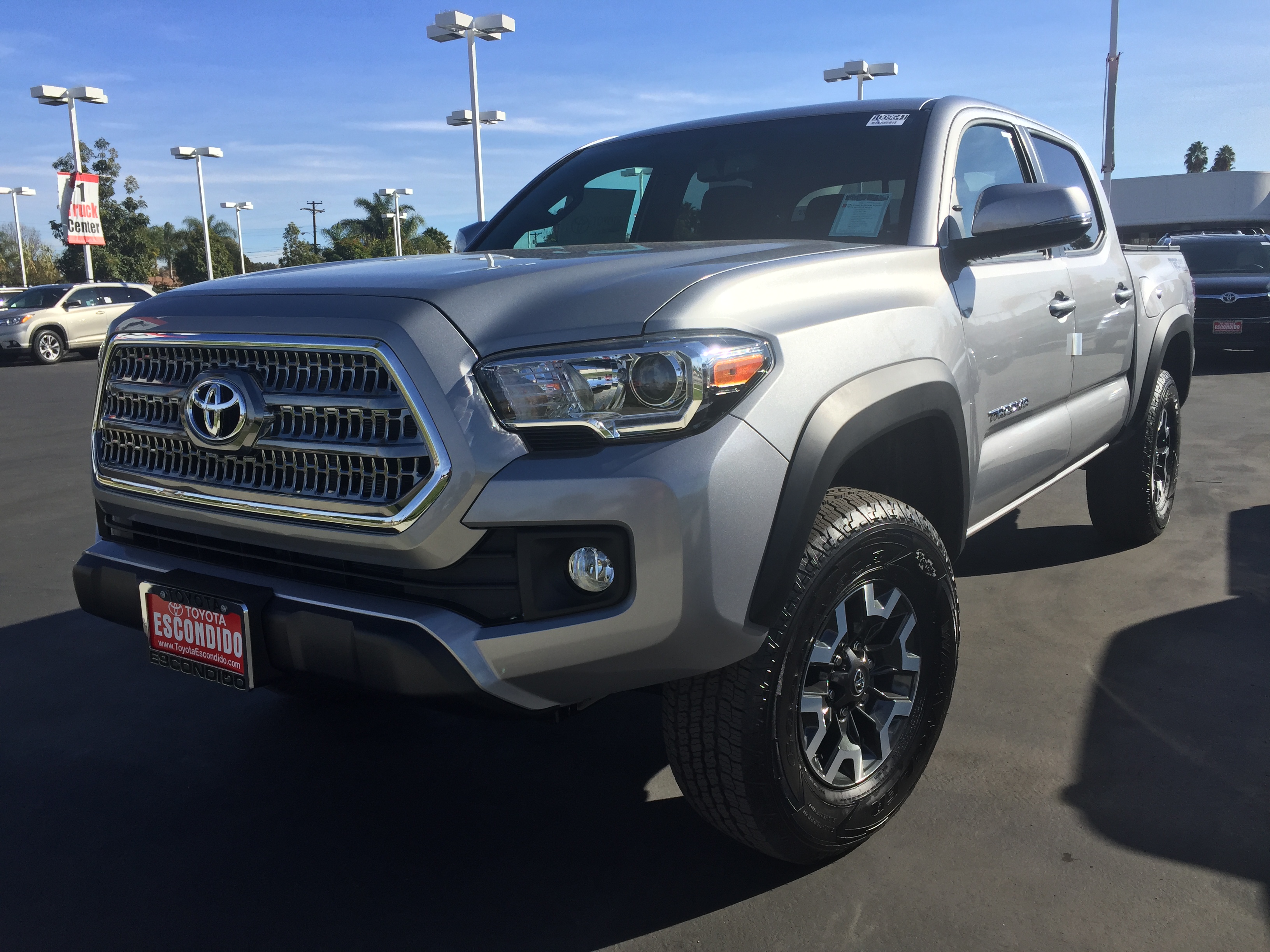
Toyota Tacoma
"I'm going to do a little bit of digging and see if I can put, because I'm planning on putting one in the Tacoma. Maybe."
The Toyota Tacoma is a pickup truck. The host is thinking about putting an extra camera on it and is worried about finding a spot that shows what they need, like the hitch area.
The Toyota Tacoma is a popular midsize pickup truck, and the host is planning to install a dash-cam/camera in it. The discussion focuses on practical mounting locations that still provide useful views like the hitch and rear area.
rear view camera
"I'm not sure accessory camera or the back of the rear view camera. Like I would want it a little higher."
A rear view camera is the camera that helps you see behind the vehicle when backing up. The host is thinking about adding another camera and is deciding whether to place it near the existing rear view camera.
A rear view camera is the vehicle’s camera used for reversing or low-speed maneuvering, typically displayed on the infotainment screen. The host is considering whether to mount an additional camera near the rear view camera or use another location to improve the view height and coverage.
tailgate
"Ideally the best place to put it for me would be like on top of the tailgate. But I would still want to be able to see the hitch."
The tailgate is the back door of a pickup truck bed. They’re considering putting the camera on top of it so the camera can see the right area, including the hitch.
The tailgate is the rear door of a pickup truck bed. The host suggests mounting the camera on top of the tailgate because it could provide a better viewing angle while still allowing the hitch to be visible.
hitch
"Ideally the best place to put it for me would be like on top of the tailgate. But I would still want to be able to see the hitch."
The hitch is the part on the back of the truck where you attach a trailer. The host wants the camera to show it clearly so hooking up is easier.
A hitch is the towing connection point on a vehicle, typically mounted to the rear and used to attach a trailer or other equipment. The host wants the camera placement to still show the hitch so they can line up towing connections more easily.

Ford Ranger
"...e birthdays is Matt Dressel house. Okay. Our Ford Ranger buddy down in Central Valley. Yep. Thank you, Mat..."
The Ford Ranger is a pickup truck that’s smaller than full-size trucks. It’s made for hauling and can be set up to handle rough roads and trails. That’s why people talk about it in off-road conversations.
The Ford Ranger is a mid-size pickup truck built for work and everyday driving, with off-road capability depending on trim and drivetrain. It often comes up in off-road podcasts because it’s compact enough to maneuver on trails while still offering a truck’s towing and hauling usefulness. In this episode, it’s mentioned as a “buddy” vehicle, suggesting it’s being used or discussed in a real-world off-road context.
battery pack
"I would recommend, Liz, if you get the opportunity and you're listening to this to order up one of those battery packs to save on shipping with it, order one of those battery packs from them with your fridge."
A battery pack is a portable power unit. It lets you run the fridge without needing a wall outlet, which is useful for camping or off-road trips.
A battery pack is a portable power source used to run devices like a portable fridge off-grid. The hosts recommend ordering a battery pack with the fridge to reduce shipping and improve the setup for travel.
spark plugs
"Okay. So I need some closure. Okay. Yeah. Did you guys burn it down? Almost. Throw it off a cliff. ... and so swap changing out the spark plugs wasn't the conclusion."
Spark plugs make the spark that lights the fuel in the engine. They tried changing them, but the problem stayed, so they had to look for another cause.
Spark plugs are the ignition components that create the spark needed to ignite the air-fuel mixture in each cylinder. In this story, swapping spark plugs didn’t resolve the issue, which suggests the misfire cause is likely elsewhere (like ignition coils or a sensor).
cylinder
"And so, but there is access to cylinders 13 and five, which are on the passenger side. Okay. And the code is being thrown for cylinder three."
An engine has multiple cylinders, and each one can be blamed when something goes wrong. They’re using the cylinder number in the code to narrow down whether the problem is with the cylinder itself or with a part feeding it spark.
A cylinder is one of the engine’s combustion chambers, and misfires or faults are often tracked by which cylinder is affected. Here, the code points to cylinder 3, and the hosts discuss moving ignition components to see whether the issue stays with that cylinder or follows the part.
coil pack
"And so I said, take the coil pack from cylinder one and put it on cylinder three and take the coil pack from cylinder three and put it on cylinder one and then that way we'll see if the code changes from three to one in the future."
A coil pack is what powers the spark plugs. They swap the coil pack between cylinders to see if the problem code follows it—if it does, that coil pack is probably the culprit.
A coil pack is the ignition module that supplies high voltage to the spark plugs for one or more cylinders. Swapping coil packs between cylinder 1 and cylinder 3 is a diagnostic test: if the fault code moves with the coil pack, the coil pack is likely bad.
oil pressure sensor
"Spaghetti reached out to me. Oh. And he said that his Jeep has had this same similar problem. And it's like an oil sensor. Oil pressure That is, did you see that post that comment? And it's like deep in the engine for a $10 part."
The oil pressure sensor tells the computer how much oil pressure the engine is getting. If it’s wrong, the computer may think there’s a serious oil problem when the real issue could be different.
An oil pressure sensor measures how much oil pressure the engine has and sends that data to the engine computer. If the sensor is faulty, it can trigger warning lights or diagnostic trouble codes even when the underlying engine problem isn’t the sensor itself.
axle
"especially when you're moving around an axle or do some stuff. You know, they're not Toyota axles aren't super heavy."
An axle is the big part that connects the wheels and helps the vehicle move. If you’re doing suspension or wheel-end work, you often have to take the axle apart.
An axle is the main shaft assembly that connects the wheels and transmits drive and/or braking forces. In off-road work, axle swaps and axle disassembly are common because the axle housing and related suspension components take a lot of abuse.
shocks
"because I was like, okay, I got to remove the shocks. I got to remove the leaf springs."
Shocks are what help smooth out bumps and keep the tires from bouncing. If you’re taking the suspension apart, you usually have to remove the shocks first.
Shocks (shock absorbers) control how quickly the suspension moves after hitting bumps. When they remove shocks during the axle/housing swap, it’s typically to free the suspension so the axle can be pulled and reassembled correctly.
leaf springs
"I got to remove the shocks. I got to remove the leaf springs. I got to remove all this stuff."
Leaf springs are the suspension system made of layered metal strips. They help support the vehicle and soak up bumps—so if you’re taking the axle apart, you often have to remove them too.
Leaf springs are a suspension type that uses stacked metal strips to support the vehicle and help absorb road impacts. They’re commonly found on trucks and off-road rigs, and removing them is often necessary when disassembling an axle for a housing swap.
u-bolts
"We just need to undo the u-bolts and take like the brake line off."
U-bolts are the metal clamps that hold the axle to the leaf springs. If you’re taking the axle out, you have to loosen/remove these bolts first.
U-bolts are the hardware that clamps the axle to the leaf springs. Undoing the u-bolts is a key step in separating the axle from the suspension so the axle can be removed or swapped.
brake line
"We just need to undo the u-bolts and take like the brake line off. And that's really about it."
The brake line carries brake fluid to the brakes. If you’re removing the axle, you often have to disconnect the brake line so nothing gets stretched or damaged.
A brake line is the rigid or flexible tubing that carries brake fluid to the brakes. When they say “take like the brake line off,” they’re describing a necessary step to safely disconnect the hydraulic system before pulling the axle.
welding
"And I probably could, but I already have another axle housing that's ready to go. And this one's already been welded"
Welding is how you permanently join metal parts together. They’re debating whether to weld the damaged axle housing or just swap in another one.
Welding is the process of joining metal parts by melting and fusing them. Here, listeners are discussing whether to weld the existing axle housing back up versus using a pre-welded replacement housing.
leaf spring perches
"up before and it's breaking again. And the leaf spring perches are bad. So if to really fix that, [2586.2s] the leaf spring perches are bad because I have had axle wrap for so long."
Leaf spring perches are the metal brackets on the axle that hold the leaf springs in place. If they get worn out or cracked, the suspension can shift and the axle can start failing from stress.
Leaf spring perches are the mounting brackets on a live axle that the leaf springs sit on and bolt to. They locate the spring and help control axle position, so if they’re rounded or cracked, the suspension geometry and strength are compromised.
rear drive shaft
"you need to change the angle of the purchase anyways, [2641.6s] cause you're going to redo your rear drive shaft and go back to a carrier bearing drive shaft."
The rear drive shaft is the rotating shaft that sends power to the rear axle. When you change suspension or axle parts, you may need to adjust how it lines up.
A rear drive shaft is the driveshaft that transfers torque from the transfer case/differential area to the rear axle. In a live-axle 4x4, changes to axle position (like new perches) often require driveshaft/differential alignment updates.
carrier bearing drive shaft
"cause you're going to redo your rear drive shaft and go back to a carrier bearing drive shaft. [2646.9s] So like why not just cut both perches off?"
A carrier bearing drive shaft has a support bearing in the middle that helps keep the driveshaft steady. That can reduce shaking and help the drivetrain last longer.
A carrier bearing drive shaft uses a center support bearing to hold the driveshaft in place along its length. This reduces driveshaft vibration and helps maintain alignment on longer or higher-torque setups, especially when suspension travel changes angles.
differential
"The inside [2683.0s] perch, the one that's closest to the differential was cracked all the way up to the top of the [2688.6s] axle housing."
The differential is the gear box inside the axle that lets the wheels turn at different speeds. If the axle housing around it is cracking, it can affect how everything stays aligned.
The differential is the gear unit inside the axle that allows the left and right wheels to rotate at different speeds while still receiving torque. The differential housing and its nearby mounting points are directly affected by axle housing cracking and perch failure.
seal puller
"Bearing, bearing puller. I was like seal puller. That's not right. Bearing puller. Bearing puller. Yep. So I'm going to, I'm going to reuse it or chunks of it at least."
A puller tool helps you remove a seal from its housing. It’s used when you’re taking apart drivetrain parts so you can replace worn seals without wrecking the surrounding metal.
A seal puller is a tool used to remove a seal from a housing without damaging the bore. The host corrects themselves to “bearing puller,” but the key idea is using a dedicated puller tool to extract drivetrain seals/bearings during disassembly.
bearing puller
"Bearing, bearing puller. I was like seal puller. That's not right. Bearing puller. Bearing puller. Yep."
A bearing puller is a tool that helps you pull a bearing out of where it’s pressed in. It makes bearing replacement (or cleanup) much easier and reduces the chance of damaging the housing.
A bearing puller is a tool designed to remove bearings from housings or shafts. In drivetrain work, it helps you take bearings out cleanly so you can replace them or reuse components safely.
oil drain
"I think I'm going to try and cut out the oil drain like I have done in the past and put that other plate on the underside and seal it up that way."
An oil drain is where you let old oil out during maintenance. They’re talking about modifying that area and then sealing it back up so the housing works correctly for the new setup.
An oil drain is the opening/route used to remove lubricant from a housing during service. The host plans to cut out the oil drain and reseal it with a plate, which is a common fabrication approach when modifying housings for a different application or setup.
two-piece driveline
"I am planning on going back to a two-piece driveline. And so I'm going to have to adjust the pinion angle."
A two-piece driveline means the driveshaft is split into two sections instead of one long piece. Builders do this to fit the truck better and help the drivetrain run smoothly.
A two-piece driveline splits the driveshaft system into two sections with a joint between them, often to manage length and angles. Off-road builds use this to improve driveline geometry and reduce vibration compared with a single long shaft.
pinion angle
"I am planning on going back to a two-piece driveline. And so I'm going to have to adjust the pinion angle."
Pinion angle is the alignment angle of the rear differential gear. If it’s off, the driveshaft can vibrate and wear out parts faster—so you adjust it when you change the driveline.
Pinion angle is the orientation of the differential’s pinion relative to the driveshaft(s). Getting it right is critical for minimizing vibration and preventing premature wear in universal joints and bearings, especially when you change driveline length or mount points.
cross member
"husband spotted that I have a pretty decent crack on my cross member again. So we've repaired my cross member, transfer rear transfer case cross member."
A cross member is a metal support beam under the truck that helps hold everything rigid. If it cracks, the drivetrain can move more than it should and start vibrating.
A cross member is a structural beam that ties chassis components together and supports drivetrain mounts. Cracks in a transfer-case or rear cross member can allow excess flex, which can lead to driveline vibration and accelerated wear.
horse collar
"I have the kind that has that like horseshoe, horse collar goes around the output of the T case and then goes to both sides."
A horse collar here is a bracket that wraps around part of the drivetrain near the transfer case. It’s meant to support/protect that area and help keep the mounting solid.
A “horse collar” is an aftermarket-style protective bracket/mounting structure that wraps around a drivetrain component’s output area. In this context, it’s described as going around the transfer case output and then to both sides, helping locate and support the driveline/transfer-case area.

Ford Flex
"...o now you have that extra cracks and now it could flex some more and it's not vibrating the whole truck...."
The Ford Flex is a family-sized crossover that’s built more for comfort and space than hardcore off-roading. When roads get bumpy, how it “flexes” and handles vibration becomes noticeable. That’s likely why it came up in the discussion.
The Ford Flex is a crossover-style vehicle with a boxy shape and a focus on interior space and comfort. It’s not a dedicated off-road truck, but it can still be discussed in trail or suspension conversations because its body and suspension behavior matter when roads get rough. The podcast mention about “flex” and reducing vibration ties it to how the vehicle responds over uneven terrain.
bud built
"So we pulled the horse collar cross member out and I'm considering looking at new options like a bud built style or something because I've been having issues with this."
Bud Built is a company that makes aftermarket parts for off-road trucks. Here, they’re being considered as a stronger replacement for a part the speaker has had to weld repeatedly.
Bud Built is an aftermarket off-road brand known for fabrication and upgrade parts for 4x4s, including cross members and other structural components. In this context, the speaker is considering switching to a Bud Built-style cross member to address repeated welding failures.
transfer case kit plate
"Four wheel underground has a pretty sweet transfer case kit plate. Yeah, it does. Absolutely."
A “transfer case kit plate” is a mounting/adapter plate used to position or support the transfer case and related hardware. In off-road builds, it can be part of a kit that helps with fitment, strength, and alignment when modifying the drivetrain.
Four wheel underground
"Four wheel underground has a pretty sweet transfer case kit plate. Yeah, it does. Absolutely."
Four Wheel Underground is a company that sells off-road upgrade parts. They’re being referenced because the speaker likes the look/function of a transfer-case plate kit they offer.
Four Wheel Underground is an aftermarket off-road brand that sells drivetrain and transfer-case-related parts. The speaker mentions its “transfer case kit plate” as a promising option for their build.
sack drive line
"put it back in, get the drive shaft figured out, sent down a sack drive line to have it cut down and put back together..."
This sounds like a driveline shop that shortens and rebuilds the driveshaft. The speaker is sending the shaft out so it can be cut to the right length for the new setup.
“Sack drive line” appears to be the speaker’s reference to a driveline shop or service that modifies prop shafts (cutting/shortening and rebalancing). The context is sending the shaft out to be cut down and then reassembled.
T of where it splits
"I'm considering making new brake lines in the back because I'm probably going to move the T of where it splits."
That “T” is a connector where the brake fluid lines split to go to different brake parts. If you change the layout underneath, you may need to move that connector.
The “T” refers to a brake plumbing junction where the brake lines split to feed different brake circuits. Moving that junction is a common part of rerouting brake lines during suspension/axle modifications.
splines
"we ripped out the axle, took it all apart, splines, axle shafts, everything looked great."
Splines are the ridges that lock parts together so torque can be transferred. If they get worn or damaged, the connection can start slipping or feel loose.
Splines are the ridged engagement surfaces on shafts and hubs that transmit torque while allowing parts to slide/align. When splines wear or spin, you can get driveline play, vibration, or loss of drive.
22 RE
"I've spun the splines on one axle shaft in my past and... I've replaced that 22 RE just has so much power, man."
“22 RE” is the name of an engine the speaker has/had. They’re saying it makes enough torque that it can stress axle parts like splines.
“22 RE” is a specific engine designation the speaker is using to explain why the truck makes enough torque to stress driveline components. In this context, it’s tied to the history of spinning splines on an axle shaft.
ring and pinion
"so yeah, so that, so we axle teeth and everything on the ring and pinion look good."
The ring and pinion are the gears inside the differential that control how power is geared to the wheels. If they’re worn or damaged, the axle can start making noise or fail.
The ring and pinion are the final-drive gears inside the differential that multiply torque and set the axle’s gearing. Inspecting them matters because gear wear or damage can cause noise, overheating, and eventual failure.
Rubicon
"What do you have at the end of the month for wheeling? We're going, going on the Rubicon with slow county crawlers."
The Rubicon is a well-known off-road trail in California. People go there because it’s challenging and has lots of obstacles that test 4x4s.
The Rubicon refers to the Rubicon Trail, a famous off-road route in California known for technical obstacles like rocky climbs, ruts, and water crossings. It’s a benchmark destination for 4x4s, and groups often plan wheeling trips around seasonal access and trail conditions.
slow county crawlers
"We're going, going on the Rubicon with slow county crawlers."
“Slow County Crawlers” is the name of the group they’re going with. The “crawlers” part usually means they drive slowly and carefully over obstacles to keep traction.
“Slow County Crawlers” is the name of their wheeling group, and the wording “crawlers” signals a slow, controlled style of off-road driving. That approach emphasizes traction management and careful line choice rather than speed.

Wrangler Rubicon
"...the month for wheeling? We're going, going on the Rubicon with slow county crawlers. They're doing their tr..."
The Wrangler is an off-road SUV made for driving on rough trails. It’s especially popular for slow, careful crawling where traction and control matter. That’s why it’s mentioned in connection with the Rubicon trip.
The Jeep Wrangler is a purpose-built off-road SUV famous for its trail capability and removable doors or roof on many models. It’s commonly featured in off-road podcasts because it’s well-suited to slow, technical crawling and rugged routes. In this episode, it’s tied to plans for the Rubicon with slow county crawlers, which highlights its role in serious trail driving.
Jeepers Jamboree
"They're doing their trail maintenance stuff and they're doing that after JJ, I assume, after Jeepers Jamboree."
“Jeepers Jamboree” sounds like an off-road event that changes when trails are open. They’re talking about how trail maintenance happens around that event so people can plan their trips.
“Jeepers Jamboree” is referenced as an off-road event that affects trail access and scheduling. The hosts discuss how trail maintenance is done around the event window, which is important for planning wheeling trips.
adopted trail section
"I'll, I'll sometimes, if it's like a high snow year, a wet winter year, I'll put off our adopted trail section on Wentworth Springs until Jeepers Jamboree so that while the trail is closed..."
An “adopted trail section” is a part of the trail that a group agrees to help maintain. They do things like cleanup and repairs so others can use it.
An “adopted trail section” is a specific portion of a trail that a group takes responsibility for maintaining. In off-roading communities, this often includes clearing debris, improving drainage, and doing work so the trail stays passable and safer.
Wentworth Springs
"I'll, I'll sometimes, if it's like a high snow year, a wet winter year, I'll put off our adopted trail section on Wentworth Springs until Jeepers Jamboree..."
Wentworth Springs is a specific area/trail location they’re talking about. They mention it because weather affects when they can do trail work there.
Wentworth Springs is mentioned as the location of an adopted trail section they maintain. It’s treated as a specific trail area where seasonal conditions (snow/wet winters) affect when maintenance can be done.
Windy camp
"Okay. Is we will, I think we're the, we're all staying at spider at windy camp and we'll wheel in there..."
“Windy camp” is where they plan to stay during the trip. They’re saying it’s convenient because it’s close to the trail area they’ll be working on.
“Windy camp” is a named camping area used as a staging point for wheeling trips. The hosts discuss it as a convenient place to stay because it provides easier access to their adopted trail section.
Winter camp
"their adopted trail is winter camp to more or less the base a little sluice and, and so they're going to have some work there to do..."
“Winter camp” is another place they could stay. They compare it to Windy camp, including how easy it is to get to the trail and whether there’s good water access.
“Winter camp” is another named camp location tied to their adopted trail section. The discussion contrasts it with Windy camp, focusing on practical differences like water access and how far it is from the trail work area.
sluice
"their adopted trail is winter camp to more or less the base a little sluice and, and so they're going to have some work there to do..."
A “sluice” here means a drainage channel where water runs off the trail. If it gets damaged, it can turn into deep ruts, so people maintain it to keep water moving safely.
In trail-maintenance talk, a “sluice” usually refers to a drainage channel or water-cut section that directs runoff. On off-road trails, these areas can become rutted or eroded, so maintenance often focuses on keeping the drainage functioning.
fuel system
"So the dodge is having an interesting issue that we can't figure out what's going on and it's the fuel system. Okay. So the, when we fill up the tank..."
The fuel system is everything that handles fuel—where it’s stored, how it’s measured, and how it gets to the engine. They think something in that system is wrong because the fuel gauge doesn’t seem to reflect the real fuel level.
A fuel system is the set of components that store, measure, pump, and deliver fuel to the engine. In this case, the host suspects the fuel system because the gauge reading doesn’t match the amount of diesel used after filling the tank.
2018 Dodge Laramie 3500 DRW
"So the, when we fill up the tank... it's a 2018 Dodge Laramie, a 3500 dual wheel wheel, duly real wheel... So DRW and we fill it up with fuel and it, it fills all the way up and the gauge only ever reads just below three quarters of a tank."
This is a 2018 Dodge Ram Laramie 3500 truck. The “DRW” part means it has dual wheels in the back, which is common on heavy-duty trucks. They’re talking about a problem with the fuel gauge not matching how much diesel is actually used.
The Dodge Ram Laramie is a heavy-duty pickup line known for towing and off-road capability. In this segment, the host specifies a 2018 Dodge Laramie 3500 with DRW (dual rear wheels), which matters because fuel-tank and gauge behavior can be different on heavy-duty configurations.
fuel gauge
"we fill it up with fuel and it, it fills all the way up and the gauge only ever reads just below three quarters of a tank."
The fuel gauge is the dashboard meter that tells you how much fuel is in the tank. If it stays stuck around three-quarters after filling up, the truck may be misreading the fuel level.
A fuel gauge is the dashboard indicator that estimates how much fuel is in the tank. When it reads “just below three quarters” even after a full fill-up, it usually points to a sender/sensor calibration issue or a related problem in the fuel measurement portion of the fuel system.
fuel tank
"Gauge reads empty. Yeah. But you can still drive. You Okay. We're just like, it's the, mainly the company tow vehicle... Is it a single tank? It's a single tank."
The fuel tank is where the fuel is stored. In this situation, the tank has to be removed so the fuel level sensor inside can be checked or replaced.
The fuel tank is the reservoir that stores gasoline/diesel for the engine. The speaker is specifically dealing with a fuel-level reading problem that requires dropping the tank to access the sender unit.
fuel sender unit
"So I would assume the float is bad. That would be my first guess in order to check that you got to drop the tank, pull out the whole sender unit. It's all one big unit kind of thing."
This is the part in your gas tank that measures how much fuel is in there. If it fails, your dashboard gas gauge can lie and say “empty” even though you still have gas.
The fuel sender unit is the sensor assembly inside the fuel tank that tells the car how much fuel is in the tank. If the sender is faulty, the gauge can read empty even when there’s still fuel available.
float
"So I would assume the float is bad. That would be my first guess in order to check that you got to drop the tank, pull out the whole sender unit."
In many fuel sender designs, a float moves up and down with fuel level and changes the sensor’s output. If the float mechanism sticks or fails, the gauge can incorrectly report empty.
ECM
"So that's all good. The signals are all good. We, the mechanic place thought that it could have been an ECM calibration issue."
ECM is the car’s main computer. It uses sensor readings (like the fuel level sensor) to decide what to do, including what the fuel system should do.
ECM (Engine Control Module) is the car’s main computer that controls engine-related systems, including how the fuel system is managed. In this case, the speaker mentions the ECM receiving signals from the fuel sender and potentially needing a software update.
wiring and it's getting the correct amount of voltage and resistance
"So we diagnosed... the size of the wiring and it's getting the correct amount of voltage and resistance from the sender unit to the ECM that controls the fuel system."
They’re checking the electrical signals going from the fuel sensor to the car’s computer. If the numbers look right, the wiring is probably fine and the problem is elsewhere.
This describes electrical diagnostics of the fuel sender circuit: checking voltage and resistance to confirm the sender is sending the expected signal. If those values are correct, the fault is less likely to be in the wiring and more likely in the sender or ECM logic.
fuel pickup
"And the rear tank, I think has a hole in the pickup. So it shows that it's like a third full."
The fuel pickup is the part inside the tank that actually pulls fuel out. If it’s damaged, the engine may run out of fuel even when there’s still fuel in the tank.
The fuel pickup is the intake/strainer inside the tank that draws fuel toward the fuel pump. If the pickup has a hole or is damaged, the engine can starve for fuel even though the gauge may show some level.
tilt the bed up
"And I've heard you can, whatever side the tanks are, you can undo the bolts of the bed that side. And then the other side, you loosen them a ways and you can just tilt the bed up."
Some trucks let you lift the bed to get access to parts underneath. It can be easier than removing the whole fuel tank, depending on the tools and layout.
Tilting the bed up is a service-access method on some trucks (especially with a removable/hinged bed) to reach components without fully removing the tank. The speaker is comparing this approach to dropping the fuel tank.
book time
"I just [3485.6s] know that mechanics don't go off of, they don't bill based on what they can do. They bill based [3492.1s] on book time. So if the official Dodge repair manual says that in order to fix this, you're"
“Book time” is the official number of hours a repair manual says a job should take. Even if a shop can do it faster (or slower), they often charge based on that listed time.
“Book time” is the labor time listed in an official repair manual for a specific job. Shops bill based on that standardized estimate rather than how long the job actually takes them.
engine brake
"The Dodge it, the inline eight cylinder, [3546.9s] the 67 of the Cummins is really nice for braking. I mean, you just get a ton of low end [3554.2s] torque, right? A ton of low end torque. And with the engine brake on, it uses all that low end"
An engine brake helps slow the truck down using the engine instead of the regular brakes. It’s useful for downhill driving because it can reduce brake wear.
An engine brake (often called a compression brake on diesels) uses the engine’s internal resistance to slow the vehicle without relying as much on the service brakes. It’s especially effective at using low-end torque for controlled deceleration.
low end torque
"I mean, you just get a ton of low end [3554.2s] torque, right? A ton of low end torque. And with the engine brake on, it uses all that low end"
Low-end torque is how much pulling power the engine has at low engine speeds. More low-end torque usually means the truck feels easier to control and more responsive, especially when towing or slowing down.
Low-end torque is the twisting force an engine produces at lower RPMs. Diesel engines are known for strong low-end torque, which makes them feel responsive and helps with towing and braking when paired with an engine brake.
engine compression
"And with the engine brake on, it uses all that low end [3559.8s] torque and an engine compression for braking. Okay. So it breaks way better than the Ford does,"
Engine compression refers to how the engine’s cylinders compress air/fuel (or, in the case of compression braking, resist rotation). In an engine-brake setup, that compression resistance helps slow the vehicle.
50 gallon tank
"So the Ford obviously has a much bigger fuel tank. [3619.4s] It's a 50 gallon tank in there. So it can go 800 miles without towing or hauling anything."
A “50 gallon tank” means the truck can hold about 50 gallons of fuel. More fuel capacity usually means fewer stops for gas on long trips.
A “50 gallon tank” is the fuel capacity the speaker is using to estimate range. Larger tanks can reduce how often you have to refuel, which matters for long-distance driving and towing.
four millimeters
"I was like, how much meat is left on them? They're like four millimeters. I'm like, [3664.6s] okay, we're getting down there where we need to get them done."
Brake pads have a wear layer. When that layer gets thin—like “four millimeters”—it usually means the pads are close to needing replacement.
Brake pad thickness is often measured in millimeters, and lower thickness means less friction material left. When the pads get down to a small number like “four millimeters,” it’s a sign they’re nearing replacement.
brakes and the rotors
"And he goes, well, it's the brakes and the rotors. And I was like, I don't give a shit what it is."
Brakes usually involve pads pressing on metal discs (rotors). If the discs are worn too, you may need more than just new pads.
Brake pads and rotors work together to slow the vehicle: pads clamp onto the rotor’s surface to create friction. If both are worn or damaged, a shop may quote replacing pads and resurfacing/replacing rotors rather than just pads.

Ford F350
"but I know that Ford, the F 350 brakes and rotors, I think all in are about 700 bucks for parts."
The Ford F-350 is a big, heavy-duty truck. People use it for towing and hauling, including with a camper. Here they’re discussing the cost of brake parts for it.
The Ford F-350 is a heavy-duty pickup truck known for towing and carrying capability, which is why it’s commonly used with campers. In this segment, they’re talking about brake components for the F-350, estimating the cost of parts like rotors and pads.
brakes and rotors
"but I know that Ford, the F 350 brakes and rotors, I think all in are about 700 bucks for parts."
Brake rotors are the metal discs the brake pads clamp onto to slow the vehicle. When someone says “brakes and rotors,” they usually mean replacing or upgrading both the friction surfaces (pads) and the discs (rotors), which can be a significant parts cost.
electrical system
"The electrical system was very impressive the whole time. He goes, battery never, it stayed topped off the entire time."
On a camper, the “electrical system” is what powers things like lights and outlets. Here they’re saying the camper’s battery stayed almost fully charged the whole time.
In a camper setup, the “electrical system” refers to the power components that run lights, outlets, and charging—typically involving a battery bank and charging/management hardware. They’re emphasizing that the battery stayed near full during the trip, indicating the camper’s power setup is functioning well.
dual wall camper
"The hole is duct taped over. It doesn't go through to the inside wall, right? Okay. Of the camper. So it's a dual wall camper."
A “dual wall camper” has two layers of walls with space between them. That’s why a problem on the outside wall might not affect the inside wall, and repairs can be more targeted.
A “dual wall camper” uses two layers of exterior/interior structure with insulation and a cavity between them. That matters for repairs because damage or a cutout on the outer wall doesn’t necessarily reach the inner wall, which is exactly what they’re describing when they say the hole is duct-taped over and doesn’t go through to the inside wall.
shore power line
"and it'll be a bigger storage cubby now. Yeah, right. Along with the electrical outlet, the shore power line."
Shore power is the campground’s electricity. The shore power line is the cable that connects your camper to that power so you don’t have to rely only on the camper battery.
A shore power line is the cable that lets a camper plug into external campground electricity instead of running solely on its battery. They’re planning to add or relocate an electrical outlet along with the shore power line when modifying the camper door/storage area.

Dodge Ram
"... strength, right? Yeah. So they, they rear up and ram into each other with their chests, right? There's..."
The Dodge Ram is a large pickup truck. It’s designed to tow and carry heavy loads, and it can be used for tougher driving. That’s why it shows up in discussions about strength and durability.
The Dodge Ram is a full-size pickup truck known for strong towing and hauling capability. It’s frequently discussed in off-road and work-vehicle settings because it can be configured for heavy-duty use and rugged driving. In the podcast context, it’s referenced as part of a conversation about vehicle strength and impact behavior.

4Runner Forerunner
"...t really work on the vehicles too much. I ran the forerunner to Kermit to make sure the battery was still char..."
The Toyota 4Runner is an SUV built for both daily driving and off-road trails. People often choose it because it can handle rough conditions. In the podcast, it’s mentioned because someone was checking the battery before a trip.
The Toyota 4Runner is a body-on-frame SUV designed for off-road use and long-distance durability. It’s often discussed in trail communities because it’s capable on rough terrain while still being practical for everyday driving. In this episode, it’s mentioned in the context of checking the battery, which fits how owners prepare vehicles for off-road trips.
Request an Explanation
Heard something you'd like explained? We'll add it to this episode.
Sign in to request explanations for terms you heard.
Want to learn more?
Browse our glossary for plain-English explanations of automotive terms, jargon, and concepts.
Help improve this episode
See something that's not quite right? Our annotations are AI-generated and can sometimes miss the mark. Click the flag icon on any annotation to suggest a correction.