
A Ferrari Hit or a Missed Shift?
About this episode
A ride-and-repair episode that starts outdoors and quickly turns into garage talk: gravel conditions, air-filter cleaning, and fixing broken lighting. The hosts then pivot to cars and tech, debating whether Ferrari’s “manual-feel” 12-cylinder setup really counts as a manual, while weighing the cleverness against added failure points. Later segments cover truck bed/canopy sealing, DIY audio install tips, and software/reliability expectations—plus a few memorable picks like the new Defender and a revived Viper idea.
Ferrari just can't help itself, can it? First there was the Purosangue, then came the F80, then the joke that is the Luce, and now Maranello has decided what the world really needed was a "manual" 12Cilindri that isn't actually a manual. Is it a gimmick? Absolutely. Does it matter if it looks like a manual, feels like a manual, and makes people smile like a manual? Maybe not... at least while it's still under warranty. We dig into Ferrari's latest attempt at giving enthusiasts what they want without actually giving them what they want.
We also recap an epic day on the little bikes, early Audi adopter quirks, discuss Avants Classics on the Green, and cover a bunch of other automotive nonsense along the way.
The Avants Podcast is brought to you by our friends at STEK USA and Carter Seattle!
Not an Avants member? https://www.avants.com/member-plans
Leave us a review on Apple Podcasts!
Leave us a voicemail or send us a text any time at 425-298-7873!
We're doing give aways! Leave us a review on Apple Podcasts and we'll pick a random name every 25th review!
KTM 1190s
"Some guys have some full-size KTM so 1190s and yeah all 90s are like Shocked we were out there that far."
KTM 1190 is a motorcycle built for both regular riding and rough roads. Here, they’re saying some riders had bikes like that, and it worked out even on challenging gravel.
KTM 1190 is a motorcycle model known for its strong street-and-adventure performance and ability to handle rough terrain. In this segment, the hosts mention riding “full-size KTM” bikes, using the 1190 as an example of a capable adventure platform.
washboard
"But like you either get tons of washboards or they just dump gravel and it's nobody we didn't have a single accident"
A washboard is when the road has lots of small, repeating bumps. It can rattle the bike or car and make the ride feel rough and bouncy.
A “washboard” is a road surface made of repeated ridges that can shake the vehicle and make it harder to keep traction and control. On gravel, washboards can feel like constant vibration and can fatigue you quickly.
seat bolts
"But yeah, I need to tighten some bolts. I lost a seat bolt and a couple other things I need to clean an air filter and all that fun stuff"
A seat bolt is the hardware that holds the seat in place. If one comes loose or is lost, the seat can move around and feel unsafe or uncomfortable.
A seat bolt is a fastener that secures the motorcycle seat to the frame. Losing one can cause the seat to loosen or shift, which affects comfort and safety, especially after vibration on rough roads.
tires
"I haven't I do I think I did before we left as I put air on the tires But I need to tighten some bolts."
Tires are what actually grip the road. Putting the right air pressure in them can make the ride safer and more comfortable, especially on rough gravel.
Tires are the contact patch between the vehicle and the ground, so their pressure and condition strongly affect traction and ride quality. Here, the host mentions adding air to the tires after the ride.
air filter
"I need to clean an air filter and all that fun stuff Yeah, I just ordered more air filter cleaner because I yeah, I came back I cleaned mine"
The air filter keeps dirt and dust out of the engine. If you ride through a lot of dusty gravel, it can get clogged, so you clean it to keep the bike running right.
An air filter is the component that traps dust and debris before air enters the engine. After riding in heavy dust/gravel, cleaning or replacing the air filter helps maintain airflow and prevents performance issues and accelerated wear.
blow broke the blower
"I blew off all the dust and then which is how I broke the blow broke the blower Oh, fair enough, and then I replaced it"
They were using a blower to blow dust off, and they accidentally broke the blower during cleaning. It’s just a note about the cleanup process after riding in dusty conditions.
This appears to refer to a blower used for cleaning dust off the bike (likely a handheld air blower). The host says they broke the blower while cleaning, which is a practical detail about post-ride cleanup.
turn signal
"my my turn signal on the back broke these were like some cheap Amazon ones The set up with the integrated turn signals"
A turn signal is the blinking light that tells other people you’re turning or changing lanes. If it’s broken, it can be harder for others to notice what you’re doing.
A turn signal is the vehicle’s directional indicator that alerts other road users when you’re changing lanes or turning. On motorcycles, the turn signal is often part of the rear light assembly, so damage to it can affect both visibility and legality.
tinted tail lights
"I just needed in a pinch and so I decided to go with integrated tail lights I'm gonna upgrade that just so it's an all-in-one unit."
Integrated tail lights mean the brake/tail light and the turn signal are built into one rear light assembly. It usually looks cleaner and can be easier to install than separate lights.
Integrated tail lights combine the tail light and turn signal functions into a single unit. That can simplify wiring and make the rear lighting look cleaner, since you’re not mounting separate turn-signal housings.
LED
"It's the factory tail light is LED, but I'm gonna get brighter LEDs and integrate it all into one"
LED means the light uses small electronic chips instead of a traditional bulb. They often turn on faster and can be brighter, which helps other drivers see you sooner.
LED (light-emitting diode) tail lights use semiconductor light sources instead of older bulb technology. LEDs typically switch faster and can be made brighter with modern designs, which is why people upgrade them for visibility.
off-road bike
"But the grom is really specifically built for it to be it's off-road. Yeah to be an off-road bike oddly enough"
An off-road bike is built for dirt trails and rough ground, not regular commuting. Because it’s meant for impacts and bumps, parts are often designed to handle that kind of use.
An off-road bike is designed for trails and uneven terrain rather than normal street use. That often affects how components are packaged and protected, including lighting and how much of the bike can be exposed to impacts.
full suspension
"Yeah with full suspension and with with really good full suspension"
Full suspension means the bike has shock/absorbers at both the front and the back. That helps smooth out bumps so the tires stay more planted on rough terrain.
Full suspension refers to a motorcycle that uses suspension travel at both the front and rear wheels. Compared with simpler setups, it helps keep the tires in contact with the ground over bumps, which can make off-road riding feel more controlled.

Ford F150
"Yeah, so this one we were out driving to an appointment the other day and I saw a really nice Gen one F-150 Raptor Which the V8 in there that body I think is one of the best-looking trucks have probably the last like 20 30 years in my opinion"
This is the first-generation Ford F-150 Raptor, which is a special off-road version of the regular Ford F-150 pickup. People like it because it looks and feels much more rugged and different from normal trucks.
The Ford F-150 Raptor is a high-performance off-road pickup built on the F-150 platform, and the “Gen one” refers to the first-generation Raptor. In this era, it’s known for a more aggressive look and a distinct stance compared with typical trucks, which is why enthusiasts often call it a standout design.
V8
"Gen one F-150 Raptor Which the V8 in there that body I think is one of the best-looking trucks have probably the last like 20 30 years in my opinion"
A V8 is a type of engine that has eight cylinders. More cylinders usually means it can make strong power, which is part of why V8s are popular in trucks.
A V8 is an engine with eight cylinders arranged in a “V” shape. It’s commonly associated with strong low-end torque and smooth power delivery, which is why many performance trucks and muscle cars use V8s.

Porsche 944
"…it just the wide box fenders would be throw me back to like the 80s rally cars and like the Porsche 944"
The Porsche 944 is a well-known older Porsche from the 1980s. Here it’s mentioned because the truck’s fenders look like the kind of wide, flared styling you’d associate with that classic Porsche look.
The Porsche 944 is a classic 1980s-era sports coupe known for its distinctive, European styling and balanced proportions. In this segment, it’s used as a visual reference for the “wide box fenders” look that evokes that era’s rally-inspired bodywork.

BMW E30
"...d like those box fenders really remind me of that E30 M3 air So there's there's the tip go out and buy ..."
The BMW 3 Series is a luxury car that’s meant to drive well, not just look nice. The podcast is mentioning an older version (the E30 M3) because people still like its distinctive styling. That’s why it’s brought up in car discussions.
The BMW 3 Series is a compact luxury sedan (and sometimes wagon) known for sporty handling and a long-running performance history. In the podcast context, it’s being referenced through the look of the E30 M3 era, which is a classic styling cue people still talk about. It comes up because it’s a benchmark for “driver-focused” compact cars and has a strong enthusiast following.
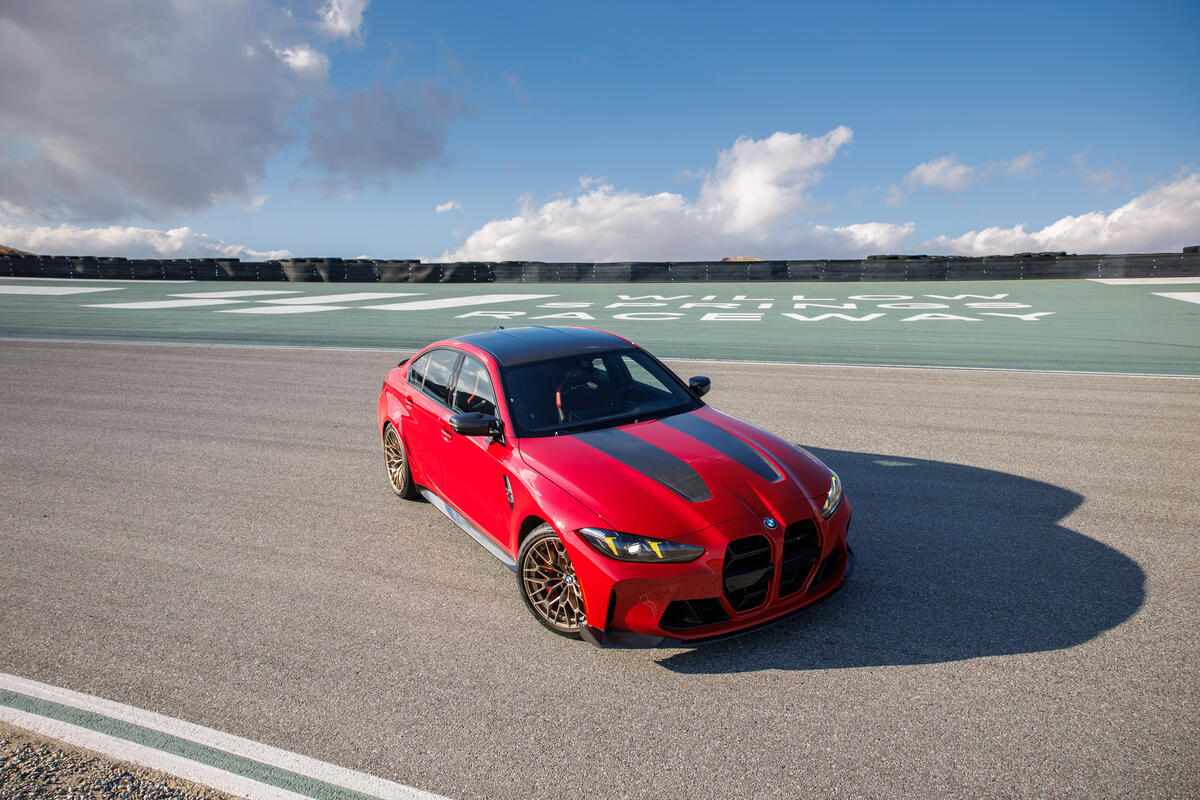
BMW M3
"…Even though it's a Baja truck build like those box fenders really remind me of that E30 M3 air"
The BMW E30 M3 is a famous older BMW M3 from the E30 generation. They’re using it as a style comparison—the truck’s fenders look like that classic, aggressive E30 M3 look.
The BMW E30 M3 is the iconic first-generation M3, famous for its motorsport heritage and classic 1980s/early-1990s styling. The hosts reference it because the truck’s boxy, flared fenders visually resemble the E30 M3’s aggressive stance.
canopy tape
"…so what canopy tape in this case is just like it's a foam gasket You put under a canopy when it sits on top of the paint so that it doesn't do that and over time that will deteriorate the newer stuff"
Canopy tape is the sealing strip that goes between a truck topper (canopy) and the paint. It helps keep water out and prevents the canopy from rubbing or damaging the paint over time.
Canopy tape is the sealing strip used between a truck canopy and the truck’s paint. In this segment, they describe it as a foam gasket/double-stick foam that prevents paint damage and helps the seal hold up over time.
foam at gasket
"…so what canopy tape in this case is just like it's a foam gasket You put under a canopy when it sits on top of the paint so that it doesn't do that…"
A foam gasket is a soft, squishy seal. It sits between the canopy and the paint to stop rubbing and help keep the seal tight against weather.
A foam gasket is a compressible sealing material that fills gaps and prevents contact between two surfaces. Here, it’s used under a truck canopy to protect the paint and maintain a weather seal.
double-stick foam
"…It's just like it's just double-stick foam and the newer canopy tapes are really thick and they don't compress as much"
Double-stick foam is foam tape with sticky adhesive on both sides. It’s used to help the canopy seal stay put, and the thickness can change how much it squishes down.
Double-stick foam refers to foam tape with adhesive on both sides, used to bond and seal trim or canopy bases. The hosts note newer versions are thicker and compress less, which affects how well the seal stays in place.
lock tight
"…we talked about this is it's you know, don't skip the lock tight little things like that take your time."
Loctite is a special glue you put on bolt threads. It helps keep bolts from loosening over time due to vibration.
Locktite (often spelled “Loctite”) is a thread-locking adhesive used on fasteners to reduce loosening from vibration. The hosts mention it as one of those small steps people shouldn’t skip during a job.
rubber hangers
"…Don't don't skip those small parts if you're doing exhaust replace the rubber hangers"
Rubber hangers are the rubber mounts that hold the exhaust up. If they’re worn, the exhaust can vibrate more or hang too low, so replacing them can help the system fit and sound right.
Rubber hangers are the rubber-isolated supports that hold an exhaust system in place. Replacing worn rubber hangers helps reduce exhaust vibration and prevents the exhaust from sagging or contacting the body.
bed cover
"Okay, that was inside. Yeah, yeah, but no actually that's a good one [651.7s] Even if you have a bed cover like if you have a one that has a frame that goes around the edge [655.0s] Like even if you have a soft bed cover, they obviously have an aluminum frame that sits on top of the bed rails"
A bed cover is a cover that goes over the back cargo area of a pickup truck. It helps keep rain, dust, and small debris out, and it usually has edges or seals that need to fit well.
A bed cover is an aftermarket panel or lid that sits over the pickup truck’s cargo bed to help keep out weather and debris. Depending on the design, it can be soft (fabric) or hard, and it often relies on seals to prevent dirt from getting into the bed.
bed rails
"Even if you have a bed cover like if you have a one that has a frame that goes around the edge [655.0s] Like even if you have a soft bed cover, they obviously have an aluminum frame that sits on top of the bed rails [658.5s] Well, most of our trucks have a plastic bed rail cover now"
Bed rails are the raised metal edges along the sides of a pickup’s cargo box. Truck covers often attach to these edges, so if the rails and cover don’t line up well, dirt can get in.
Bed rails are the structural side edges of a pickup truck’s cargo bed. Many covers and canopies mount to these rails, so the fit and sealing surfaces along the rails strongly affect how well the cover blocks dirt and water.
aluminum frame
"Like even if you have a soft bed cover, they obviously have an aluminum frame that sits on top of the bed rails [658.5s] Well, most of our trucks have a plastic bed rail cover now [661.2s] So you don't worry about it as much because it's sitting on the plastic."
An aluminum frame is the rigid support structure used on some soft bed covers. It sits on top of the bed rails and helps the cover hold its shape and maintain alignment so the seals can do their job.
bed gaps
"Fords in general though. This is this is a very Ford specific one. They have very poor [690.0s] Bed gaps, so they like in any Ford truck for some reason that like the tailgates really don't seal [696.6s] The where the box meets the not the body"
Bed gaps are small spaces where parts of the truck bed don’t meet tightly. If those gaps are big or not sealed well, dirt and stuff can get into the bed.
Bed gaps are the unintended spaces between the pickup bed components and the cab/bed mating surfaces (or between sealing surfaces). Larger or poorly sealed gaps can let dust and debris enter the bed even when a canopy or cover is installed.
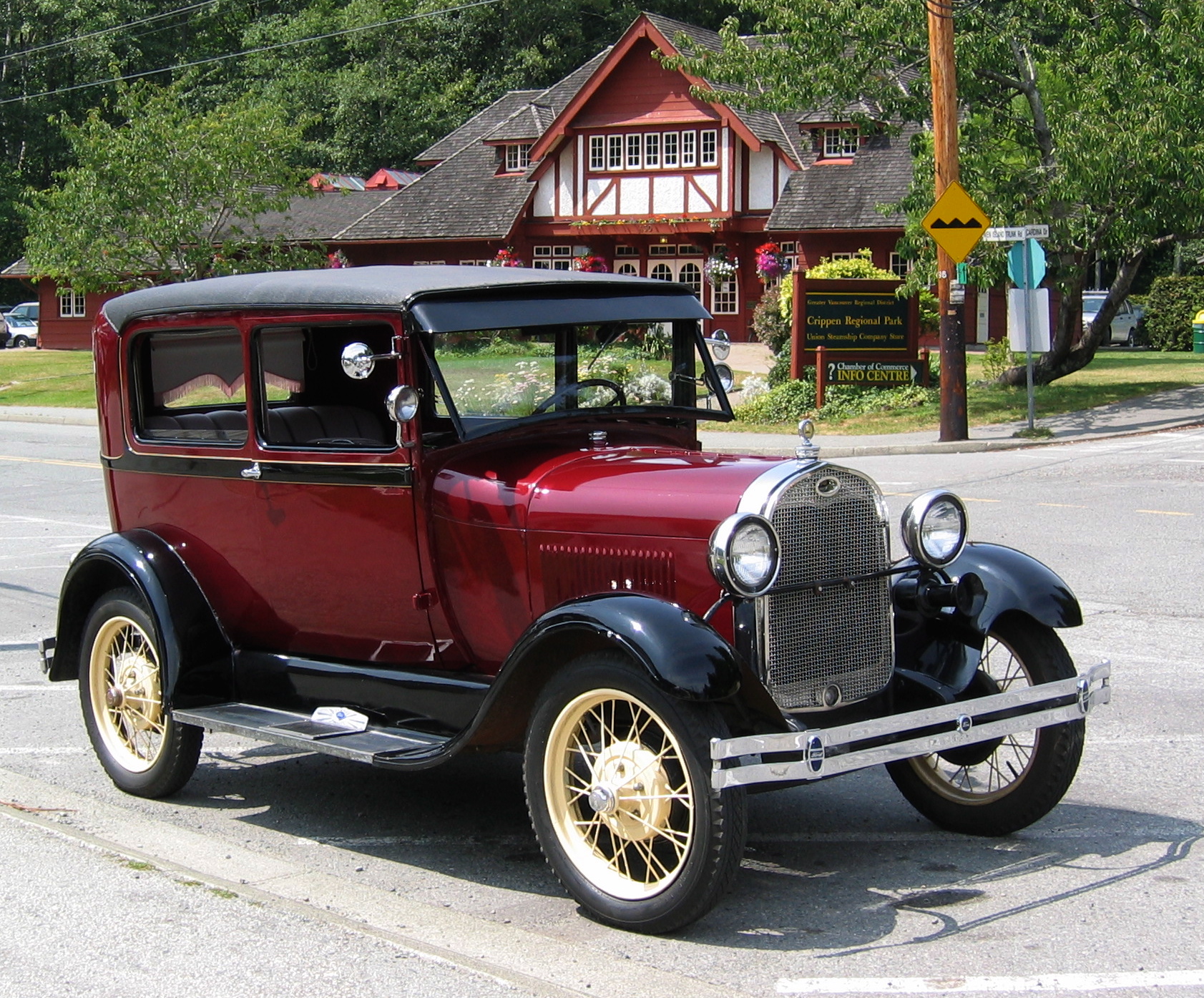
Ford
"Fords in general though. This is this is a very Ford specific one. They have very poor [690.0s] Bed gaps, so they like in any Ford truck for some reason that like the tailgates really don't seal"
They’re specifically calling out Ford trucks and saying the way the bed and tailgate fit together can be looser than expected. That can make it easier for dust and debris to get into the truck bed, especially when you add a cover.
The host is talking about Ford trucks’ fitment/sealing behavior—specifically how the bed and tailgate areas seal (or don’t) when installing a canopy or bed cover. The key point is that they claim Ford trucks tend to have larger “bed gaps,” letting more dirt into the bed.

Byd Seal
"... some reason that like the tailgates really don't seal The where the box meets the not the body"
The BYD Seal is an electric car. The podcast is talking about a problem where the rear area doesn’t seal well at the edges, which can matter for keeping out water and weather. That’s why it’s being mentioned.
The BYD Seal is an electric sedan designed for everyday driving with a focus on efficiency and modern design. The podcast specifically mentions tailgates not sealing where the box meets the body, which sounds like a concern about fitment or sealing on a related hatch/trunk area. It’s discussed because owners and shoppers pay close attention to weather sealing and how well panels align on EV daily drivers.
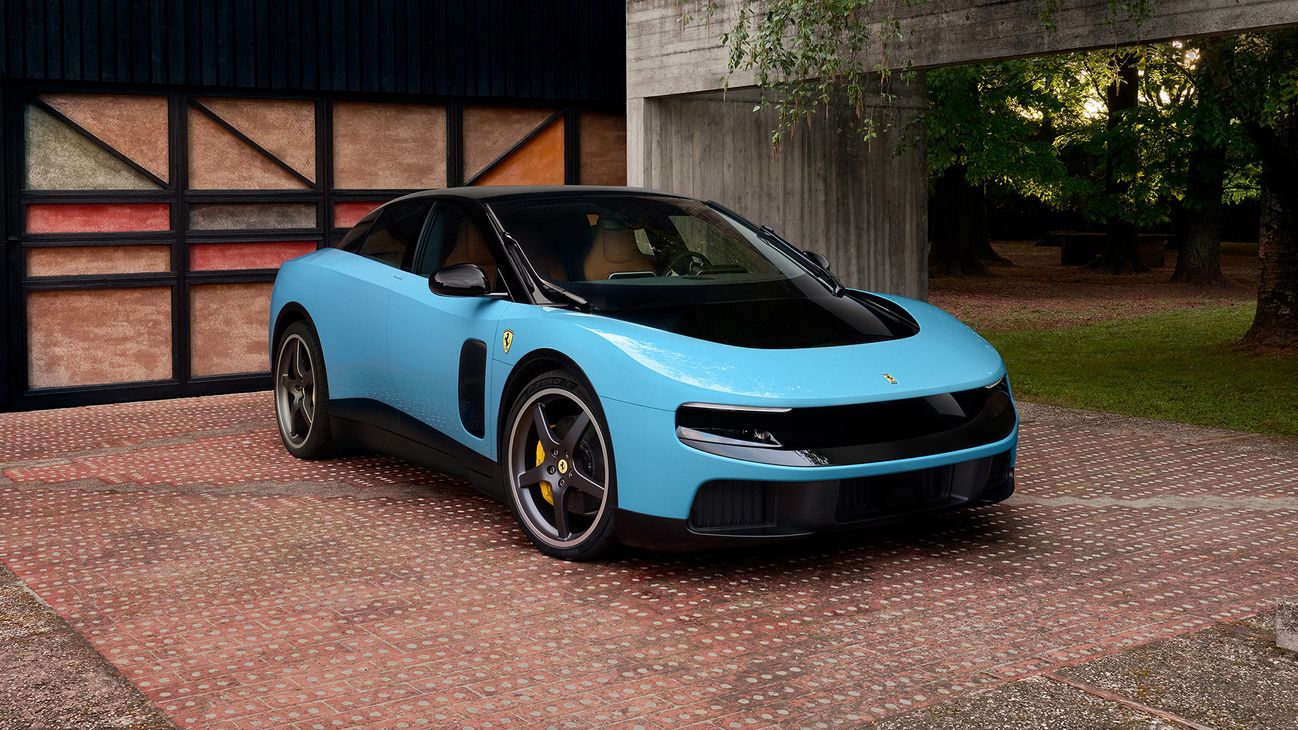
Ferrari Luce
"...rari said don't worry we can top ourselves on the luce. We can do something even weirder even more Contr..."
The Ferrari Luce is a Ferrari model being talked about in the podcast. They’re saying Ferrari could make something even more unusual after it. It’s mentioned because it’s connected to what Ferrari might release next.
The Ferrari Luce is referenced in the podcast as something Ferrari says they can “top” with something even “weirder,” implying it’s a new or upcoming model in their lineup. The discussion suggests it’s notable enough to be part of a broader conversation about what Ferrari might introduce next. It comes up because Ferrari models are often treated as major events for enthusiasts and collectors.
manual transmission
"So we're talking about the Ferrari 12-cylinder Manual the manual but not manual transmission for the 12-cylinder I heard somebody tweeted it and they go if it's not a manual, it's not if it's not a real manual"
A manual transmission is the kind of car where you use a clutch pedal and a gear stick to change gears yourself. The discussion is basically about whether this Ferrari setup still feels like a “real” manual.
A manual transmission is a gearbox controlled by the driver using a clutch pedal and gear lever. The speaker is contrasting it with an alternative setup, and using it as a “purist” benchmark for what counts as a true manual.
PD PDK
"Is a PD PDK with [943.0s] A manual stick. Yeah, it's a it's a DCT or DCT."
PDK is a type of automatic transmission that shifts very quickly. It uses two clutches so the next gear is ready before you ask for it.
PDK is Porsche’s name for a dual-clutch transmission, meaning it uses two clutches to pre-select gears for faster shifts. In this segment, the host links it to a “manual stick,” describing a hybrid of manual-style controls with an automated dual-clutch drivetrain.
DCT
"A manual stick. Yeah, it's a it's a DCT or DCT. So a clutch transmission or [949.7s] Yeah"
A DCT is an automatic gearbox that uses two clutches. That lets it switch gears faster because the next gear is already lined up.
DCT stands for dual-clutch transmission. It uses two clutches—one for odd gears and one for even gears—so the car can shift with minimal interruption, often feeling quicker than a traditional automatic or manual.
clutch pedal
"So you've got the clutch pedal on the ground still so it's but it's a clutch pedal. Yeah, three pedal car [961.6s] It's got a gated shifter"
The clutch pedal is what you press to start engaging the clutch. Here, the pedal is still there, but the car uses electronics to control what the clutch actually does.
A clutch pedal is the driver interface used to engage the clutch. In this setup, the host emphasizes that even though it’s a “three-pedal car,” the feel is simulated while the actual clutch actuation is electronic.
gated shifter
"It's got a gated shifter [964.4s] And it clutch by wires not new just so we're clear. ... [1010.9s] And then you have the gated shifter so and that sends and the gated shifter is first through sixth and reverse"
A gated shifter is a gear lever that moves through specific slots for each gear. It helps you select the correct gear, even if the car is controlling the drivetrain electronically.
A gated shifter is a manual-style gear selector with fixed “gates” that limit where the lever can move, helping prevent selecting the wrong gear. In this segment, the gated shifter is used to command an automated transmission electronically.
clutch by wire
"And it clutch by wires not new just so we're clear. No, I mean clutch by wire is in manual cars. Yeah, right [970.9s] So instead of using hydraulics to physically push the mechanical clutch plate"
Clutch by wire means the pedal isn’t directly connected to the clutch with cables or fluid. Sensors tell the car what you’re asking for, and the car controls the clutch electronically.
Clutch by wire replaces hydraulic/mechanical actuation with electronic control. Instead of physically pushing the clutch mechanism with fluid or cables, the system reads pedal position and commands an actuator to engage the clutch.
hall effect sensors
"And that sends an electronic signal to the transmission's computer and then it's got some micro switches and hall effect sensors [1030.2s] If you guys are into sims, this is all sounding familiar"
Hall effect sensors are electronic sensors that can tell the car where something is positioned. They help the transmission computer know what gear you’re requesting.
Hall effect sensors detect position or motion by measuring changes in a magnetic field. In transmission control, they help the computer know where the shifter or related components are, improving shift accuracy and repeatability.
kinematic mechanism
"If you guys are into sims, this is all sounding familiar and then they built Ferrari calls it a kinematic [1035.8s] mechanism"
A kinematic mechanism is a set of moving parts that transfer motion in a precise way. In this context, it’s how the car turns your shifter input into the correct transmission commands.
A kinematic mechanism is a linkage system designed to translate motion from one part to another in a controlled way. Here, the host says Ferrari calls the shifter/actuation arrangement a “kinematic mechanism,” implying a carefully engineered mechanical-to-electronic interface.
dcd
"So it in just to clarify earlier. It is technically a dcd... This is a dcd. So it's not the pedal itself... It is it is sending signals to a computer and actuating the clutches in the transmission for you"
“DCD” is a type of automatic-style transmission that uses two clutches and computers to do the clutch work for you. You still shift like normal, but the car is doing the clutch engagement behind the scenes.
“DCD” here refers to a dual-clutch system that uses electronics and actuators to control clutch engagement. Instead of a driver physically moving a clutch pedal, the system sends signals to a computer and actuates the clutches in the transmission for you.
clutch timing
"You can still stall it if you don't give it enough throttle or botch your clutch timing from a standstill"
Clutch timing is about when the clutch grabs compared to when you move the shifter and apply throttle. If it grabs too early or too late, the car can lurch or even stall.
Clutch timing is how precisely you coordinate clutch engagement/disengagement with throttle and gear changes. If the timing is off—especially from a standstill—a dual-clutch system can still stall or jerk because the clutches aren’t engaged smoothly enough.
heel and toes downshifts
"You could even do clutch kicks or heel toe downshifts"
Heel-toe downshifting is a skill where you brake and “rev-match” the engine during a downshift. It helps the car feel smoother and prevents the drivetrain from jolting.
Heel-toe downshifting is a technique where the driver uses the right foot to brake and blip the throttle at the same time while downshifting. That throttle blip helps match engine speed to the lower gear to reduce driveline shock.
clutch kicks
"It'll stall. It'll jerk. It'll buck... You could even do clutch kicks or heel toe downshifts"
A clutch kick is when you quickly snap the clutch in a way that makes the engine respond more abruptly. It’s a technique people use for downshifts, but here it’s being discussed as part of a simulated feel rather than a true manual clutch action.
Clutch kicks are a driving technique where you rapidly release and re-engage the clutch to provoke a sharper engine response and often a more aggressive downshift behavior. The host notes you can do them in the simulation context, but the system still isn’t a fully manual clutch you physically control.
flat shift
"You can't flat shift it. So you can't just not use the clutch and shift through the gears"
A flat shift means changing gears without using the clutch. The host is saying this setup won’t let you do that—you still need the system to handle the clutch action.
A flat shift is shifting without using the clutch—typically relying on the transmission’s control strategy to momentarily unload the drivetrain. The host says you can’t flat shift this system, meaning it still requires the dual-clutch actuation rather than clutch-free shifting.
automatic money shift prevention
"And it prevents, you know, it's got an automatic money shift prevention... So you can't, you know, go from six to second and blow your engine"
Money-shift prevention is the car’s way of stopping you from accidentally selecting a gear that would spin the engine too fast. It’s basically a protection feature to prevent expensive damage.
Money-shift prevention is a safety strategy that blocks harmful gear changes—like downshifting to a gear that would over-rev the engine. The host frames it as a feature of the system that helps avoid engine damage.
lockouts
"There are lockouts that some companies have an actual manual like true manual transmission."
Lockouts are restrictions that stop you from selecting certain gears. They’re there to prevent mistakes that could damage the engine or transmission.
Lockouts are mechanical or electronic restrictions that prevent certain gear selections. The host contrasts “true manual transmission” setups that may still have lockouts, implying some systems physically or logically block dangerous shifts.
linkage
"I really don't like who this seems like a hundred more parts to fail when you could just have linkage From the shifter going to the transmission. Right. Okay."
Linkage is the set of mechanical parts that physically move the transmission into the next gear when you move the shifter. The host prefers this simpler setup over more electronics or extra parts.
In a traditional manual, linkage refers to the mechanical connections between the shifter and the transmission’s internal shift mechanism. The host is arguing that a simpler mechanical path (linkage) should be more reliable than adding extra components.
parts to fail
"I really don't like who this seems like a hundred more parts to fail when you could just have linkage From the shifter going to the transmission."
The idea here is that more complicated systems have more pieces that can break. If there are fewer parts, there are fewer chances for something to go wrong.
The host is making a reliability argument: adding more components (especially complex actuation or control hardware) increases the number of potential failure points. In enthusiast terms, more complexity can mean more things that need calibration, maintenance, or repair.
Jurassic Park moment
"Like exactly the point you made it seems like a lot more stuff to break It's italian. So it's probably gonna break As much as we'd love for ours. They're not, you know, this is new stuff. Nobody else is doing it It's gonna be a few glitches here and there and god is that gonna be expensive to fix But I like to say it probably is gonna be fun to drive like it's it's cool that they can do it I just don't know if Can do it doesn't mean doesn't necessarily equate to should do it Are we having a Jurassic Park moment?"
It’s a saying that means “just because we can make it work doesn’t mean we should.” The hosts are questioning whether the technology is a good idea in practice.
“Jurassic Park moment” is a metaphor for the idea that just because you can do something technologically doesn’t mean it’s wise or safe to do it. The hosts use it to question whether the benefits of the tech outweigh the risks and downsides.

599
"you know a ton of people have gone back and taken the 599 and put a manual Yeah gated shifters in them and they're beautiful."
They’re discussing the Ferrari 599 and people who swap in a manual gearbox. That’s an enthusiast modification meant to make the car feel more like a traditional stick-shift drive.
The host is talking about the Ferrari 599 and the idea of converting it to a manual gearbox. The Ferrari 599 is a front-engine V12 grand tourer, and manual conversions are a niche enthusiast modification that changes the driving feel and shift interaction.
paddles
"Just the paddles, uh, which is fine. Um, does it still have the paddles? I don't know"
Paddles are the small shift controls behind the steering wheel. They let you tell the car to change gears without using a clutch pedal.
“Paddles” refers to steering-wheel-mounted shift paddles used to command upshifts and downshifts. Even with an automatic or DCT, paddles let the driver manually request gear changes without using a clutch pedal.
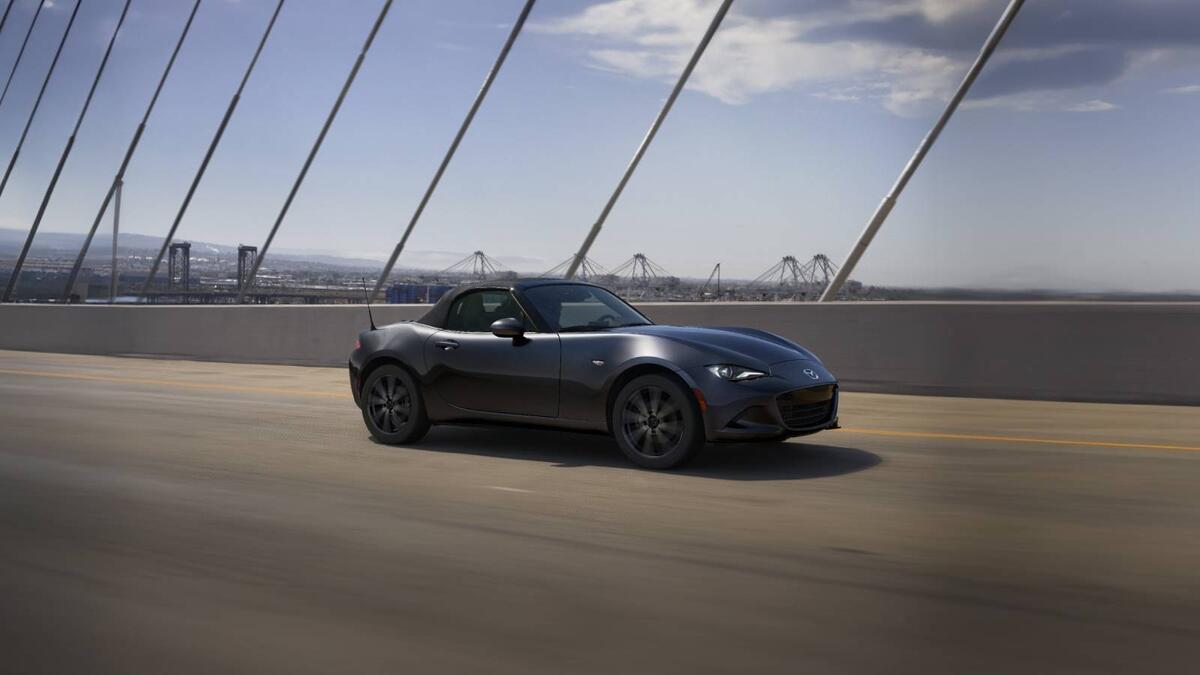
Mazda MX-5 / Miata
"...da, it's going to be amazing. Right. Yeah the new Miata Jen 42. Yeah, it'll be great. I wonder how much w..."
The Miata is a small two-seat convertible made for driving pleasure. It’s popular because it’s light and easy to enjoy on twisty roads. The podcast is talking about the newer version and how it should be exciting.
The Mazda MX-5 Miata is a lightweight two-seat roadster built for fun, simple driving and strong “feel” through the steering and chassis. The podcast mentions the “new Miata” and excitement around it, which is typical for a model that has a loyal fan base. It’s discussed because it’s often seen as an accessible entry into real driving enjoyment.
battery
"Huh, but it's probably not going to take any more battery or anything, you know, yeah [1429.9s] You have the weight of the you have the actual weight of the"
A battery in a car is the part that stores electrical energy. The host is basically saying that, in their scenario, adding more battery stuff probably wouldn’t change things much compared with the other hardware.
In an automotive context, “battery” refers to the energy storage system that powers electric motors (or supports hybrid systems). The host is discussing whether additional battery-related weight or components would matter, implying the mechanical layout and clutch pedal area are the main contributors to weight.
ev branding
"Well, maybe it's because they [1456.7s] Like killed their ev branding and put giant v8s back in trucks and yep [1462.0s] The new rho was out there like the ram line is doing really well for stilantis"
“EV branding” means how a company markets itself as an electric-vehicle-focused brand. The host is saying they backed away from that messaging and leaned back into V8-powered trucks instead.
“EV branding” refers to marketing and product positioning that emphasizes electric vehicles as the core identity of a brand. The host suggests Ram/its parent group “killed” that EV-focused branding and returned to using V8 engines in trucks, which they believe helped the brand’s momentum.
Stilantis
"[1462.0s] The new rho was out there like the ram line is doing really well for stilantis [1466.3s] We in fact, there was so many posted a really good thread on the obonce facebook page today [1470.7s] And I want to give a shout out so i'm gonna"
Stellantis is the big company that owns multiple car brands. The hosts are saying that, at one point, Stellantis-era decisions may have contributed to software problems, and that Ram has since improved.
Stellantis is the large automaker formed from the merger of Fiat Chrysler and PSA. Here, the hosts mention it in the context of brand strategy—specifically how being part of Stellantis affected Ram/Jeep’s reputation and software experience.

jeep grand Cherokee
"Um, and he he'll start and this is why i'm bringing this up in conjunction with our last conversation the jeep grand Cherokee [1505.4s] And if you've driven it, I know people the new grand Cherokee and"
The Jeep Grand Cherokee is a popular SUV that’s meant to be comfortable for daily driving but still capable on rougher roads. Here, the hosts are saying the newer one feels better to live with—especially inside.
The Jeep Grand Cherokee is a midsize luxury SUV known for combining off-road capability with more upscale on-road comfort. In this segment, the hosts focus on how the newer Grand Cherokee drives well and has a nicer interior than many people expect from the brand.

Dodge Ram
"...t. They're really nice interiors and dodge and or ram and jeep in general Not talking about the wrangle..."
Ram is a brand of pickup trucks. The podcast is mentioning it because the newer trucks can have comfortable, nice-looking interiors. It’s brought up as a practical truck option that still feels good to drive.
Dodge Ram (commonly referred to as Ram trucks) is a full-size pickup lineup known for strong towing capability and a wide range of configurations. The podcast groups it with other interiors and mentions “really nice interiors,” highlighting that modern Ram trucks can be comfortable and well-equipped. It’s discussed because buyers often choose Ram for practical truck use plus everyday comfort.

Jeep Wrangler
"... or ram and jeep in general Not talking about the wrangler actually the wrangler interior is pretty nice for..."
The Wrangler is a Jeep designed for off-road driving. Many versions can have the roof and doors removed, and it’s meant to handle rough trails. The podcast also points out that the inside can be nicer than people expect.
The Jeep Wrangler is a rugged off-road SUV built around a removable top and doors on many versions, plus strong trail capability. The podcast notes that the Wrangler interior is “pretty nice,” which highlights how it’s evolved beyond just basic off-road utility. It’s discussed because it blends everyday usability with serious off-road roots.
software hell
"Now they were in a buggy software hell because they were a stilantis brand but ram has done a lot to turn that around"
“Software hell” is a joking way to describe when a car’s computer systems (like screens and apps) are glitchy or unreliable. The host is saying that was a problem for these brands at one point.
“Software hell” is an enthusiast slang phrase for a period when a vehicle’s infotainment, connectivity, or electronic systems are unreliable, buggy, or frustrating. The host says Ram/its parent brands were in this situation while under the Stellantis umbrella, implying the tech issues have improved.

TRX
"That's all that's but I actually like the trucks. I think the TRX is a really good looking truck ... I like the uh, three-quarter tons the super dupe, you know the heavy-duty line and I like the grand Cherokee too"
The Ram TRX is a very aggressive, high-power version of a Ram pickup truck. They mention it as a truck they like, even while talking about how much people tolerate tech glitches.
Ram TRX is a high-performance, heavy-duty pickup built for off-road and straight-line power. The host calls it “a really good looking truck,” using it as an example of why they might still be interested in Ram even while discussing reliability and software expectations.
over the air update
"Let's use ford example because we get recalls like it's you know, the running job Yeah, it's your here's weekly recall from ford, but they're almost always over the air updates now They're like, here's a recall. We did it. Well, you're asleep. It's done at 1 a.m."
Over-the-air updates are software changes that get sent to your car automatically, like a phone update. The host says that makes recalls easier, but sometimes the car’s screen/settings can still need a little re-doing.
Over-the-air (OTA) updates are software downloads sent directly to a vehicle without a dealer visit. The host argues that modern recalls can be handled via OTA, but also jokes that the infotainment screen may need attention afterward.
lane keeping assist
"... You have to change your display on your screen again. Oh, no Um, so those I'm like, yeah, whatever like I don't I don't really care if you're you know, you're You know lane keeping assist isn't sensitive enough to update it and let me turn it off as usual"
Lane Keeping Assist is a feature that helps your car stay in its lane. In this segment, they’re saying it can be annoying or not sensitive enough, and they prefer to turn it off.
Lane Keeping Assist (LKA) is a driver-assistance system that helps keep the car centered in its lane using steering inputs and/or alerts. The host complains it isn’t sensitive enough to update, and they mention turning it off—highlighting how software tuning affects driver experience.

Dodge Challenger
"... just talking to my brother about the new the new challenger The non eb one looks great. But because you can t..."
The Challenger is a performance car with a muscular, classic look. The podcast is talking about the newer one and focusing on the version that isn’t electric. That’s why it’s part of the conversation.
The Dodge Challenger is a classic-style American muscle car known for its powerful engines and long hood/short deck design. In the podcast, they mention the “new Challenger” and specifically the non–electric (non-EV) version, suggesting interest in the traditional formula. It’s discussed because it appeals to buyers who want performance and styling without going fully electric.
EV platform
"The non eb one looks great. But because you can tell it was based on an eb platform It's too tall if you look at it compared to the old one."
An EV platform is the basic “under-the-skin” design that’s made for electric cars. If a gas car is built on that same kind of platform, it can end up looking or feeling different—like being taller or having different proportions.
An EV platform is a vehicle architecture designed around electric powertrains (battery placement, wiring, cooling, and packaging). When a non-EV model is said to be “based on an EV platform,” it often means the car’s dimensions and layout can feel different from earlier gas-only designs.

Dodge Viper
"... to that I told them is like, I want to see a new viper. Weren't anything if they're going on this path G..."
The Viper is a very powerful sports car made for performance. The podcast is talking about seeing a new one, meaning they’re interested in the idea of a modern version. It’s brought up because it’s known for being extreme and exciting.
The Dodge Viper is a high-performance sports car known for extreme power and a raw, track-oriented character. The podcast mentions wanting to “see a new viper,” which indicates interest in the idea of a modern version of that kind of car. It comes up because the Viper is a standout enthusiast icon even when it’s not a common daily choice.
V10
"Here's a v10. Here's a manual. Have at it. It's 200 grand. They'd have to develop there on v10 Yeah, because that v10 member was in conjunction with the with uh"
A V10 is an engine with ten cylinders arranged in a V shape. More cylinders like this can help a performance car make strong power and sound/feel dramatic, which is why the host wants a V10 for a new Viper.
A V10 is an engine with ten cylinders arranged in a “V” shape, typically used for high-output performance because it can make strong power and rev well. The host specifically wants a V10 in a revived Viper, emphasizing that it should be a big, characterful engine rather than a smaller or different layout.
flat plane crank
"That's the way they should do it though. They want to come back That's the thing you do just throw another v10 in a viper make it like a make it a flat plank crank v10 Yeah, make it like a eight"
A flat-plane crank is a specific way the engine’s crankshaft is shaped and timed. The host thinks that crank design would help the V10 feel sharper and more exciting at higher revs.
A flat-plane crank is a crankshaft design where the cylinder banks are phased for a “flat” crank arrangement, often associated with quicker throttle response and a distinctive high-RPM character. The host is advocating for a “flat-plane crank V10” in a new Viper to make it feel more like a modern performance engine.

defender
"And it was a very popular choice on here was the defender and everybody's like, yeah The new defender 90x or the you know, whatever defender version but same like I love the defender"
They’re talking about the Land Rover Defender, a tough SUV built for off-roading. The point here is that they think it looks great and could handle rough terrain, even if they’re joking about it breaking down.
The speaker is talking about the Land Rover Defender, a rugged SUV known for off-road capability and a body-on-frame-style heritage. In this segment they’re specifically comparing different Defender versions and discussing how it would handle extreme off-road use.
Moab
"But I would also be like I'm taking this bitch to moab Yeah, and it would break halfway there then five times there and it would be body damage because everything's like terribly"
Moab is a well-known off-roading destination in Utah with tough rocky trails. Saying you’d take a car there means you want to see how it handles real rough terrain.
Moab refers to the Moab, Utah off-road area, famous for rock crawling trails and demanding terrain. When someone says they’d take a vehicle to Moab, they’re implying serious off-road testing rather than casual driving.
Serengeti
"Designed on that thing for actual use and it would break down five times meant to drive across the Serengeti Dan Next to a rock. Yeah"
The Serengeti is a famous wild, remote place. In this conversation it’s being used to mean “super rough terrain,” to stress how tough the vehicle would need to be.
The Serengeti is used here as an extreme off-road metaphor for remote, rough, and unpredictable terrain. The speaker is emphasizing that the vehicle is “made for actual use” by imagining it surviving harsh conditions.

Land Rover Range Rover
"...competitively priced for A land rover, you know a Range Rover So that was number one on my list"
The Range Rover is a high-end SUV made for comfort and luxury. It’s also built to handle different road conditions, not just smooth highways. The podcast is mentioning it because it can sometimes be priced competitively for its class.
The Range Rover is a luxury SUV from Land Rover, positioned as a premium, comfort-focused vehicle that can still handle challenging roads. The podcast mentions it as being “competitively priced for a land rover,” which points to its role as a high-end option that can sometimes be found with attractive pricing. It comes up because it’s a well-known flagship model in the luxury SUV world.

Chevrolet Corvette
"...ople said Corbettes because they don't want to be Corvette owners, but they all love the car totally underst..."
The Corvette is a sports car built for fast driving and strong performance. People often talk about it because it’s a well-known, exciting car. The podcast is mentioning it as something many people appreciate, even if they don’t own one.
The Chevrolet Corvette is a performance sports car known for its strong power, track-capable engineering, and iconic styling. The podcast references people who “love the car” even if they don’t want to be Corvette owners, which shows how widely it’s admired. It’s discussed because it’s a mainstream benchmark for American performance.

BMW E60
"Yeah, okay Huh, somebody said the s85 e 60 m 5. Yep. Yep. There you go right there Okay, so interesting situation. Okay, um, and I have not reached out to our mutual contact on this yet, but I'm putting this out there"
The BMW 5 Series is a mid-size luxury car. The podcast is mentioning a specific older performance version (the E60 M5), which people often discuss because it’s a standout. That’s why it shows up in the conversation.
The BMW 5 Series is a mid-size luxury sedan known for balancing comfort with performance-oriented driving dynamics. The podcast references an “E60 M5” situation, pointing to the enthusiast interest in specific generations and performance variants. It’s discussed because the 5 Series is a common benchmark for luxury sedans, and the M5 versions are especially talked about.
lane assist
"some issues with the lane assist and things like that some software issues some glitches"
Lane assist is a feature that helps the car stay in its lane. It uses sensors to detect lane markings, and if it acts up, it can give wrong warnings or steering help.
Lane assist is a driver-assistance system that helps keep the car centered in its lane by using cameras and steering inputs. When it glitches, it can cause warning messages, steering corrections, or other confusing behavior.
speedometer
"the speedometer is off. I think I told you this by like in between six After about 65 miles an hour. It's off by about four to three miles three to four miles an hour compared to my gps on my phone"
The speedometer is the gauge that shows how fast the car thinks it’s going. If it doesn’t match GPS, the reading may be miscalibrated or affected by software.
A speedometer is the instrument that displays vehicle speed to the driver, typically derived from wheel-speed sensors and vehicle calibration. If it’s off by a few miles per hour compared with GPS, it usually points to calibration/software issues rather than true speed changes.
PTU failure
"[1982.9s] There is a Jeep recall for a PTU failure, which is the [1986.9s] uh [1987.9s] The two points. What is this the little it's transmission failure basically for 2019 to 2023 models"
PTU means a part that helps send power to the wheels on four-wheel-drive cars. In this case, when it fails, the car can behave strangely—like shifting into neutral.
PTU stands for “power transfer unit,” a drivetrain component used on many four-wheel-drive vehicles. The recall is specifically for PTU failures that cause abnormal transmission behavior, including shifting into neutral.
transmission calibration
"[1994.1s] They honestly shifts into neutral. They have poor transmission calibration. Is there a fix? [1998.4s] No, they'll just keep replacing it until they until you get too high mileage and they don't have to anymore"
Calibration is the car’s settings for how the transmission should shift. If those settings are off, the car may shift at the wrong time or in the wrong way.
Transmission calibration is the software/parameter setup that tells the transmission control unit how and when to shift. If calibration is wrong, the car can shift unexpectedly—like going into neutral—even if the hardware is otherwise intact.
GPS polling ring
"[2021.8s] That should be a software thing. Oh, yeah, absolutely. It's probably a GPS polling ring. Something is either well something is either [2028.4s] Off with the calibration between the speed sensor rings and wheels or something"
GPS polling is basically how frequently the GPS updates its speed reading. If the update timing or data handling is off, your speed can differ from what your phone shows.
“GPS polling” refers to how often a GPS receiver updates its data. The host suggests a “polling ring” issue could contribute to speed being displayed incorrectly compared with phone navigation apps.
speed sensor rings
"[2021.8s] That should be a software thing. Oh, yeah, absolutely. It's probably a GPS polling ring. Something is either well something is either [2028.4s] Off with the calibration between the speed sensor rings and wheels or something [2033.7s] Normal speeds great and just to clarify."
These are parts near the wheels that help the car figure out how fast you’re going. If the readings don’t match what the car expects, your speed can be off.
Speed sensor rings are part of the wheel-speed sensing system (often a toothed ring) that helps the car measure vehicle speed. If there’s a mismatch between the sensor readings and the rest of the drivetrain/software calibration, the speed displayed can be inaccurate.
Traffic sign recognition
"Usually caused by the car's traffic sign recognition or GPS navigation database being incorrect. Yeah, okay interesting"
Traffic sign recognition is a camera-based system that tries to read road signs. If it gets the sign wrong, your car may warn you even if you’re not speeding.
Traffic sign recognition is a driver-assistance feature that uses cameras and software to identify road signs (like speed limits) and then inform the car’s systems. If the system misreads a sign or uses bad map data, it can trigger warnings even when you think you’re within the limit.
GPS navigation database
"Usually caused by the car's traffic sign recognition or GPS navigation database being incorrect. Yeah, okay interesting"
Your car’s navigation uses stored map data. If that data is outdated or wrong where you are, the car can give incorrect warnings.
A GPS navigation database is the stored map and location data that navigation and driver-assistance features rely on. If that database is outdated or wrong for a specific area, the car can make incorrect assumptions about speed limits and road rules.
software fix
"So it seems like it'd be a simple software fix. Yeah. Well, I mean that just is usually that's just the AI response based on"
A software fix means the issue is expected to be resolved by updating or changing the car’s software rather than replacing hardware. In this context, the host suggests the warning behavior could be corrected by adjusting the recognition or mapping logic.
AI response
"Well, I mean that just is usually that's just the AI response based on Uh, it's a couple things they found online."
AI response means the car’s computer is making a decision based on what it thinks it sees and knows. If it’s using incorrect information, it can warn you incorrectly.
An AI response here refers to how the car’s software interprets sensor inputs and map data to decide what warning or behavior to trigger. If the inputs are wrong (like misread signs or incorrect map info), the AI can produce the wrong response.
windshield film
"Somebody asked about if they had used the s-tech Uh, windshield"
Windshield film is a protective sheet that goes on your windshield. It’s meant to help protect the glass from small impacts and debris.
Windshield film is a protective layer applied to the glass to help reduce damage from impacts and debris. In the transcript, it’s discussed as a product people ask about, implying it’s used to protect the windshield from real-world road hazards.
V12
"Because I mean any v12 Lamborghini that doesn't share a platform and they're giant flat windshields that are irreplaceable"
V12 means the engine has 12 cylinders arranged in a V shape. Here it’s mentioned because those V12 Lamborghinis can have windshields that are expensive or hard to replace.
A V12 is an engine configuration with 12 cylinders arranged in a “V” shape. In the context of this episode, the host is using V12 Lamborghinis as examples of cars where windshield replacement is especially painful, making protective film more valuable.
s-tech
"You won't even notice it there once it's on and it's absolutely awesome stuff. Yeah big fans of the s-tech stuff ... You're gonna get what you pay for there s-tech. Obviously"
S-tech is the name of a product the host is talking about—basically a film/protection solution for your windshield. They say it works well, but the installer matters a lot for how good it looks.
S-tech appears to be a specific windshield-film or protection product line the host recommends for improving visibility and protecting the glass. They also discuss s-tech’s role in changing or adding color, and they stress that installer quality affects the final result.

Ford F-150 Lightning
"... colored windshield? Not something with eyes like lightning McQueen kind of thing. Okay. I do want that Uh, y..."
The F-150 Lightning is an electric pickup truck. The podcast is talking about wanting one with a certain style, like a fun, eye-catching look. It’s mentioned because it’s a way to get a truck while driving an EV.
The Ford F-150 Lightning is an all-electric version of the F-150 pickup, combining truck practicality with an EV powertrain. The podcast mentions wanting a specific look (“lightning McQueen” kind of thing) and references a “colored windshield,” which suggests customization and styling are part of the appeal. It’s discussed because it brings the F-150’s everyday truck role into the electric vehicle space.
color change wraps
"Uh, you can do color change wraps with s-taps. Absolutely and they look great"
A color change wrap is a vinyl covering you put on a car to change its color. It’s like a makeover without painting the car.
Color change wraps are vinyl wrap applications used to alter a vehicle’s exterior color without repainting. The host connects them to s-tech, suggesting you can change the vehicle’s look (including windshield color effects) depending on the installer and materials used.
installer
"Uh, it's all it's down to the installer. I mean the product matters obviously, but make sure you get a good installer"
The installer is the shop or person who applies the film or wrap to the car. They’re saying the results depend a lot on who does the work, not just the product.
In wrap/film work, the installer is the person or shop applying the material to the vehicle. The host emphasizes that even if the product is good, a poor installer can ruin the outcome—so installation quality is a key variable.
matte wraps
"Um, they've got a new yellow coming out and a new some new matte wraps But yeah, look for that"
Matte wraps are vinyl coverings that make a car look less shiny—more like a flat finish. The host is saying there are new matte options coming.
Matte wraps are vinyl wraps with a non-gloss, low-sheen finish. The host mentions new matte wrap options as part of the broader customization discussion, implying different visual effects compared with standard glossy finishes.

Ford Maverick
"... arkansas knot. Okay. Yeah, right. I took his new maverick and uh, yeah He has the uh, what do you call it t..."
The Maverick is a small pickup truck. It’s meant to be easier to live with than bigger trucks, while still giving you a truck bed. The podcast is talking about someone’s new one and how they’re using it.
The Ford Maverick is a compact pickup truck designed to be practical and relatively affordable compared with larger trucks. In the podcast, it’s mentioned through someone taking a “new Maverick,” which suggests it’s being used as a real daily driver. It comes up because it’s a popular choice for buyers who want truck capability without the size and cost of a full-size pickup.
almost autonomous driving
"Where it has like the basically almost autonomous driving. Oh, yeah, yeah"
It means the car can do some driving tasks for you, like helping keep the car in its lane. But you still have to pay attention and be ready to take control.
“Almost autonomous driving” refers to driver-assistance features that can handle parts of the driving task (like steering and keeping in-lane) but still require the driver to supervise and be ready to take over. In practice, it’s usually a suite of sensors and software working together rather than a fully self-driving system.
autonomous driving system
"But no that autonomous driving system is the thing that you and I bitch about the most in our truck and the right Yeah, yeah, where your hands are on the wheel and it tells you it's not right."
This is the car’s safety system that tries to help drive, but it also checks that you’re paying attention. If it thinks you’re not, it will warn you—often with alerts on the steering wheel.
An “autonomous driving system” here is being used for a hands-on driver-assist setup that monitors whether the driver is actively supervising. The steering-wheel alerts and warnings are part of the system’s safety logic to confirm driver attention and readiness to intervene.

r8
"So yeah, I took the r8 in for service to the day. Uh did a full service on it."
The Audi R8 is a high-performance supercar with the engine mounted behind the driver. Here, the host is talking about getting it serviced and how the service schedule is based on time as well as miles.
The Audi R8 is a mid-engine supercar known for its performance-focused layout and sharp handling. In this segment, it’s the car the host took in for service, and the discussion centers on the scheduled maintenance interval versus the actual mileage.
40,000 mile service
"It's uh, it's at it had its It's technically a 40,000 mile service, but it's five years 40,000"
This is the maintenance schedule that’s usually planned around how many miles you’ve driven. But the host points out that time matters too—so even with fewer miles, the car can still need service because of age.
A “40,000 mile service” is a scheduled maintenance interval tied to mileage, but many service plans also incorporate time-based rules. The host notes it’s technically that interval, but also that it’s been about five years, highlighting how maintenance schedules can be driven by both wear and aging of fluids/components.

Ford Bronco
"...o I've been driving nothing but the truck and the bronco forever. I haven't driven this car in months and ..."
The Bronco is an SUV made for off-road driving. The podcast is saying someone has been using it a lot, along with a truck, which suggests it fits their daily needs and rough-road use. That’s why it’s being mentioned.
The Ford Bronco is a rugged SUV built for off-road capability, with versions that emphasize trail driving and durability. The podcast mentions driving “nothing but the truck and the bronco forever,” which frames it as a go-to vehicle for that person’s lifestyle. It’s discussed because it’s a mainstream, capable alternative for people who want real off-road ability.
Request an Explanation
Heard something you'd like explained? We'll add it to this episode.
Sign in to request explanations for terms you heard.
Want to learn more?
Browse our glossary for plain-English explanations of automotive terms, jargon, and concepts.
Help improve this episode
See something that's not quite right? Our annotations are AI-generated and can sometimes miss the mark. Click the flag icon on any annotation to suggest a correction.