
About this episode
Dan and Nick kick things off with off-topic banter, then pivot to Avants events and the enthusiast market. They shout out Michael Smith for his birthday and highlight Avants Classics on the Green (presale sold out; Ferrari Seattle as a sponsor). The conversation turns to niche supercars: a BAC Mono listing on Bring a Trailer, why 2016–2019 models are the sweet spot, and what a fully optioned Mono R could fetch. They also debate sharing cars with others. The episode closes with a clear explainer on bias-ply vs radial tires and where each still makes sense.
This week, Brian Dallas and Megan Zalud join us in the studio for a wide-ranging conversation about how fast the automotive and overland world is changing. Products that used to be reserved for hardcore enthusiasts are suddenly everywhere—and in a lot of cases, they're actually getting better.
We talk about the shift happening across the industry as companies like Wolfbox, Viofo, and others push out surprisingly high-quality gear at prices that would've seemed impossible just a few years ago. From air compressors and vehicle tech to rooftop tents, portable fridges, portal axles, and track conversions, many of the niche products we used to obsess over are now becoming mainstream and more accessible than ever.
Along the way, we discuss what's happening in the overland event scene, why some of the smaller specialty builders seem to be disappearing from major shows, and whether today's wave of affordable manufacturing is creating more competition—or simply changing the rules entirely.
Of course, it wouldn't be an Avants Podcast episode without a few detours. We also swap stories about rooftop tent failures, camping gear, fridges, motorcycles, Jeeps, broken bones, old trucks, and the projects currently taking over our garages.
Is this the golden age of affordable adventure gear? We dive into that and a whole lot more on this week's episode.
The Avants Podcast is brought to you by our friends at STEK USA and Carter Seattle!
Not an Avants member? https://www.avants.com/member-plans
Leave us a review on Apple Podcasts!
Leave us a voicemail or send us a text any time at 425-298-7873!
We're doing give aways! Leave us a review on Apple Podcasts and we'll pick a random name every 25th review!
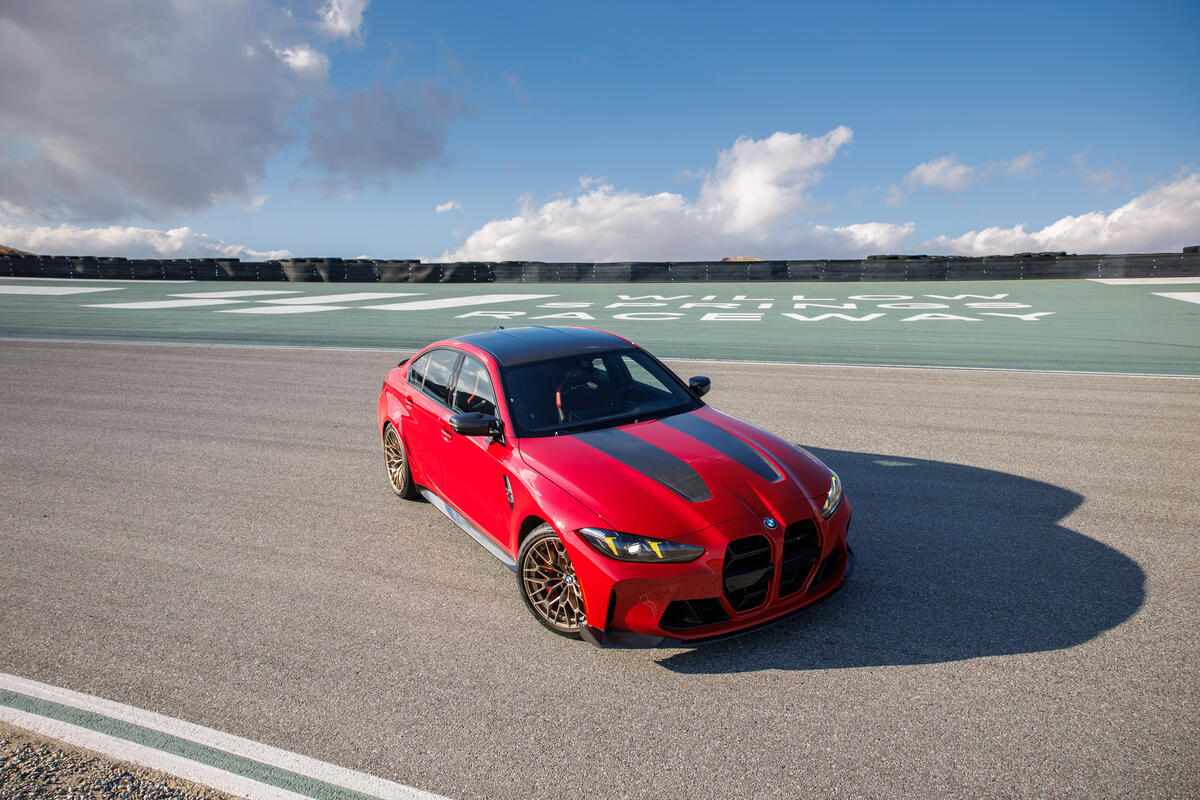
BMW M3
"...anted to get their SP3s. They wanted to get their F80s and things like that. But I think this is, and it..."
The BMW M3 is a sporty BMW sedan made for fast driving. The “F80” refers to a specific generation of the M3. People talk about it because it’s designed to feel quick and engaging to drive.
The BMW M3 is a high-performance version of the 3 Series, built by BMW’s M division for drivers who want a sporty, track-capable sedan. In the podcast context, it’s mentioned alongside other enthusiast cars, suggesting it’s part of a conversation about desirable “F80” generation M3s. It often comes up because it’s a benchmark for balanced performance and everyday usability.

Ferrari
"But I think this is, and it's interesting because if you, if you've looked, if you've seen any of the modern videos of Maranello and all that, [164.6s] they, Ferrari built a whole new like factory to build these and."
Ferrari is a famous Italian brand that makes high-performance sports cars. Maranello is closely tied to Ferrari’s manufacturing and history.
Ferrari is the Italian sports-car brand known for high-performance engines and race-derived engineering. In this segment, the hosts mention Maranello, which is Ferrari’s historic home and where the company builds many of its cars.

BAC mono
"And thank you to the 11 of you. Yes. [200.6s] 11 of you that reached out and told me there was a BAC mono for sale on bring a trailer."
The BAC Mono is a very small, very light track car made in the UK. It’s designed to feel like a race car—simple, minimal, and fast—more than like a normal road car.
The BAC Mono is a lightweight, single-seat track-focused car built by British manufacturer BAC. It’s known for its extreme power-to-weight ratio and motorcycle-like driving feel, with a narrow, exposed design that emphasizes performance over comfort.
bring a trailer
"11 of you that reached out and told me there was a BAC mono for sale on bring a trailer."
Bring a Trailer is a website where car enthusiasts buy and sell cars through auctions. It’s especially popular for unusual or collectible cars.
Bring a Trailer (often shortened to BaT) is an online auction site focused on enthusiast cars, where listings can attract very specific buyer communities. It’s known for detailed posts and strong bidding on niche performance and collector vehicles.
market is still too high
"The market is still too high on that car. 2016 to 2019 is the car I want for everybody listening."
They’re saying the used-car prices for that model are still higher than they think is fair. In other words, it’s not a great deal yet.
This is a comment about used-car pricing: the current resale/asking prices are higher than the speaker thinks they should be. Enthusiasts often track whether a car is “overpriced” relative to its value, condition, and what similar cars sell for.
2011 to 2015 cars
"So I can actually fit in that car, but it's, um, it's a quite a bit of an upgrade over the, the first 2011 to 2015 cars."
The speaker is comparing two model-year ranges, implying there were meaningful changes between the earlier 2011–2015 cars and the later 2016–2019 cars. In enthusiast terms, this often means updates to packaging, engineering, or reliability that make the newer range a better buy.
fire suppression system switch
"why would you ever hit that the fire suppression system switch was moved and it's much harder to accidentally hit."
This is a button/switch that triggers an onboard system meant to put out a fire. They’re saying the newer design makes it harder to press by accident.
A fire suppression system switch is the control used to activate an onboard fire-extinguishing system. The speaker says the switch location was changed so it’s less likely to be accidentally hit during normal use.
fully exposed carbon car
"Fully exposed carbon car, like custom colors, custom everything, carbon wheels, carbon brakes, like it's a fully optioned mono."
“Exposed carbon” means the carbon-fiber material is visible on the outside instead of being covered by paint. It’s common on higher-end performance cars and can help with weight.
“Exposed carbon” means visible carbon-fiber bodywork and components rather than painted surfaces. Enthusiasts associate it with weight savings and a more track-oriented, high-end aesthetic—often seen on expensive, heavily optioned cars.
carbon brakes
"Fully exposed carbon car, like custom colors, custom everything, carbon wheels, carbon brakes, like it's a fully optioned mono."
“Carbon brakes” usually means carbon-ceramic brakes. They handle lots of heat better than normal brakes, which helps on track days, but they cost more and need to be used correctly.
“Carbon brakes” typically refers to carbon-ceramic brake systems, which use carbon-based ceramic materials for the rotors. They’re valued for high heat resistance and strong fade resistance during repeated hard braking, though they’re expensive and require proper use to avoid damage.
carbon wheels
"Fully exposed carbon car, like custom colors, custom everything, carbon wheels, carbon brakes, like it's a fully optioned mono."
Carbon wheels are wheels made from carbon-fiber material. They can be lighter than normal wheels, which can make the car feel sharper, especially when driving hard.
Carbon-fiber wheels use carbon composite material instead of traditional aluminum. They’re often chosen for weight reduction and improved responsiveness, especially on track-focused builds.
trailer hitch
"I just want to see a trailer hitch on there. Yeah. Right."
A trailer hitch is the part that lets you tow a trailer or attach gear to the back of a car. On special performance cars, it can be harder to fit because the rear design is very sensitive.
A trailer hitch is the mounting hardware that allows towing or carrying items behind a vehicle. On low-clearance, aero-focused cars, adding one can be tricky because it may interfere with airflow, rear aero elements, or packaging.
arrow
"I'm literally, I literally looked at like, hmm, how do I strap like a, you know, a saddle bag onto this thing in the rear? So it's like not affecting the arrow so much because everything in that car isn't a good point."
They’re talking about how the car moves through the air. If you add something to the back, it can mess up the airflow and make the car less efficient.
In aero-focused car talk, “arrow” is likely shorthand for aerodynamic drag or airflow efficiency, i.e., how the car’s shape affects resistance through the air. The speaker is concerned that adding a hitch or gear could disrupt the rear airflow and hurt aero efficiency.
bias ply tire
"I wanted to just talk about bias ply versus radial tires... So bias ply tire, old school tire, plies run diagonally across the tire, like 30 and 45 degree angles, multiple layers."
Bias ply tires are an older type of tire where the internal layers cross the tire at an angle. That design makes the tire flex more as a whole, so it’s not as good for modern handling, but it can be useful for certain jobs.
A bias ply tire is an older tire design where the fabric plies run diagonally across the tire (often described as 30–45° angles). Because the sidewall and tread act as one structure, the whole tire flexes together, which tends to make it more “overly giving” and less suited to high-performance grip and stability.
sidewall flexes
"So the tire flexes, the sidewall flexes all at once... And there are some on the sidewall as well, but they flex independently."
“Sidewall flexes” means how much the tire’s side part bends when you drive. Radial tires are designed so the sidewall and tread don’t move together as much, which helps with stability and comfort.
Sidewall flexes refers to how much and how the tire’s sidewall bends under load. In bias ply tires, the sidewall and tread flex together as one structure, while in radial tires the sidewall can flex more independently from the tread, which is part of why radials are often smoother and more stable.
radial tire
"Radial tire, plies run straight across just 90, 90 degree... And then there's steel belts added under the tread directly on the... just the tread, not the sidewall."
Radial tires are the modern tire design where the internal layers are arranged so the tread and sidewall behave more independently. That usually makes the tire feel smoother, handle more predictably, and last longer.
A radial tire is a modern tire construction where the plies run straight across the tire at about 90° to the direction of travel. Steel belts sit under the tread, so the tread area and sidewall can flex more independently—improving stability, ride smoothness, heat management, and typically tread life and fuel economy.
steel belts
"And then there's steel belts added under the tread directly on the, you know, just, just the tread, not the sidewall."
Steel belts are strong reinforcing layers under the tread. They help keep the tire’s tread flat and stable, which helps the tire grip and manage heat better.
Steel belts are reinforcing layers placed under the tread in a radial tire. They help support the tread shape and reduce unwanted tread deformation, which contributes to better grip consistency and stability while also improving heat handling.
tread life
"So a radial tire is smoother... much longer tread life, better fuel economy, much less rigid."
Tread life is simply how long the tire lasts before the tread wears out. The speaker is saying radial tires usually last longer than bias ply tires.
Tread life is how long a tire’s tread lasts before it wears down to a point where it needs replacement. The speaker claims radial tires typically wear better and therefore offer longer tread life than bias ply tires, partly due to how the construction manages heat and deformation.
fuel economy
"much longer tread life, better fuel economy, much less rigid."
Fuel economy means how efficiently the car uses gas. The speaker is saying radial tires can help the car use less fuel.
Fuel economy is the vehicle’s efficiency—how far it can go per unit of fuel. The speaker claims radial tires typically improve fuel economy, likely because their construction reduces rolling resistance compared with bias ply tires.
Redmond, Oregon
"“...I’ve been wanting to go to the Redmond, Oregon one for years...”"
Redmond, Oregon is where an event is held that the speaker wants to go to. They’re using it as an example of the Pacific Northwest scene they’ve been watching for years.
Redmond, Oregon is mentioned as the location of an overlanding/RV event the speaker wants to attend. It’s part of the speaker’s regional comparison of how the scene is evolving across the Pacific Northwest.
overlanding
"“...you had made a statement to Dan and I in our text conversation that you think overlanding is changing a little... There’s some change in the wind.”"
Overlanding means taking road trips that are more like expeditions—often to remote places—where you’re prepared to be self-sufficient for a long time. The speaker is saying the popularity and style of these builds is changing.
Overlanding is long-distance, self-reliant travel—typically with off-road-capable vehicles—where you plan routes and carry supplies for extended trips. The speaker uses it to describe a shifting trend in the RV/van community, especially how different regions are showing different build styles and levels of customization.
Pacific Northwest
"“...you think overlanding is changing a little... Specifically at Pacific Northwest... it was dramatic to see so many RV centers bringing their trailers.”"
The Pacific Northwest is used as a regional label for how overlanding and RV builds are trending. The speaker claims it’s “dramatic” to see more RV centers bringing trailers there, implying a shift from small custom builders toward more established businesses.
Southern California
"“...at Southern California, it was, there was a lot of core...”"
Southern California is used here as a comparison region. The host is saying the overlanding crowd and build culture there looked different than what they’re seeing in the Pacific Northwest.
Southern California is referenced as another regional comparison point for overlanding/RV show participation. The speaker contrasts it with the Pacific Northwest by saying Southern California had “a lot of core” people earlier in the trend cycle.
Flagstaff
"“...at West in Flagstaff, there was a lot of core people...”"
Flagstaff is a city in Arizona. The host brings it up to compare what kinds of RV builders and setups show up there compared with other parts of the country.
Flagstaff, Arizona is referenced as a regional hub for overlanding/RV culture in the speaker’s comparison of show attendance and build styles. The mention is used to contrast “core people” and smaller builders there versus other regions.
slide outs
"“...there was a lot of core people, meaning there was small builders building stuff, you know, like, you know, nice slide outs...”"
Slide outs are parts of an RV that move outward when you’re stopped, making the inside roomier. The host is saying some smaller builders are making rigs with slide outs that are practical to use.
Slide outs are extendable sections on many RVs that increase interior space when parked. In this segment, they’re used as an example of “small builders” creating usable, modified rigs that people can adapt further.

Ford Bronco
"Ford had their little booth and normally they have, you know, Bronco experience where they bring Broncos and stuff, which is a little more applicable."
The Ford Bronco is Ford’s off-road SUV. Here, they’re saying Ford usually sets up a Bronco-themed booth to show people what the truck/SUV can do.
The Ford Bronco is Ford’s modern off-road SUV built around rugged, trail-focused capability. In this segment, the hosts mention Ford’s “Bronco experience” booth, implying they were showcasing Bronco-related vehicles and activities at the event.

Ford Explorer
"They had tremor explorers and they had, you know, stuff that's not really, and they threw a rooftop tent on it."
The Ford Explorer is a family-sized SUV. “Tremor” is an off-road trim, and they’re talking about using it for a camping-style setup with a rooftop tent.
The Ford Explorer is Ford’s midsize SUV, and “Tremor” refers to an off-road-oriented trim package. The hosts are describing Ford bringing “Tremor Explorers” to the booth and adding a rooftop tent, framing it as an off-road camping concept.
rooftop tent
"They had tremor explorers and they had, you know, stuff that's not really, and they threw a rooftop tent on it. So they were like, Hey, look, you know, it's a cherry on top, you know, or lipstick on a bowl."
A rooftop tent is a tent that sits on the roof of a car. Instead of sleeping on the ground, you sleep up on top—though the hosts think the way it was presented wasn’t really practical.
A rooftop tent is a camping tent mounted on top of a vehicle, typically on crossbars or a roof rack. It’s often used to turn an SUV or truck into a “basecamp” for off-road trips, but the hosts suggest the specific setup they saw didn’t make sense for how it’s supposed to be used.
F 450s
"The big trucks were there too. You know, F 350s, F 450s."
“F-450” is a bigger, heavier-duty Ford pickup than the F-350. People choose it when they need to tow or haul more than a typical truck can handle.
“F-450” is another Ford Super Duty pickup in the heavy-duty lineup, typically positioned above the F-350. It’s commonly associated with higher towing capacity and more robust drivetrain/braking hardware for demanding use.
F 350s
"The big trucks were there too. You know, F 350s, F 450s."
“F-350” is a Ford pickup truck model. It’s built for heavier work—like towing and carrying more—so it’s a common choice for people who need a truck for real jobs.
“F-350” refers to the Ford Super Duty pickup truck line, known for heavy-duty towing and payload capability. In enthusiast circles, it’s often shorthand for a work-focused truck platform rather than a light-duty daily driver.
F 600
"There was an F 600 there. I've never even seen that before or heard of that before."
“F-600” sounds like a very heavy-duty Ford truck class. The speaker is basically saying they saw something unusual and bigger than what they normally encounter.
“F-600” is a heavy-duty truck designation that’s typically associated with Ford’s commercial truck naming. In this context, the host is pointing out they saw a rare, higher-class truck at the show.
EarthRomer
"And so, you know, EarthRomer was there, all that kind of stuff. But that's typical."
EarthRomer is a brand that builds and brings overland/off-road rigs to shows. The host is using it to illustrate that some builders cater to buyers with bigger budgets.
EarthRomer appears to be a company/brand that attends off-road or overlanding shows and brings prebuilt rigs. The host uses it as an example of a builder that shows up with expensive vehicles aimed at a small subset of attendees.
0 and a half dollar rigs
"EarthRomer does come to these shows and they bring, you know, a 0 and a half dollar rigs in there that one out of 2,000 people are going to be able to afford to buy."
The host is talking about rigs that cost around $500,000. They’re making the point that only a very small number of people at the show could afford that kind of build.
“0 and a half dollar rigs” is the host’s way of describing extremely expensive off-road/overlanding builds—roughly half a million dollars. The point is that only a tiny fraction of show attendees could realistically afford that price.
standard hitch
"you know, and they still have a standard hitch on them. [1189.1s] You know, that's not really a good representation. [1194.2s] But I think that the clinics, the seminars and stuff that they put on there were very"
A standard hitch is the normal connector that lets a vehicle tow a trailer. The host is saying some trailers are marketed as off-road, but the towing hardware is still basically the usual kind.
A standard hitch is the common trailer-connection hardware used to tow a trailer with a vehicle. The host is criticizing some RV/trailer vendors for making trailers look more off-road while still using a typical hitch setup, implying it may not be truly suited for rough terrain.

Toyota Land Cruiser
"...new Land Rover or maybe they've just bought a new Land Cruiser or maybe they've just bought a Grenadier. Who kno..."
The Toyota Land Cruiser is a large SUV designed for tough driving and long trips. It’s known for being dependable and capable off-road. The podcast mentions it as something someone might buy for that kind of use.
The Toyota Land Cruiser is a full-size, body-on-frame SUV known for durability and long-distance capability. It’s frequently discussed in enthusiast and practical circles because it’s built to handle tough conditions and high mileage. In the podcast, it’s brought up as a possible purchase alongside other off-road-oriented vehicles.
awning
"Or, you know, what would be my awning? Or what would be, you know, am I going to get a decked system?"
An awning is like a built-in outdoor shade. You open it when you stop so you have a covered area next to your vehicle.
An awning is a deployable shade structure mounted to the side of a vehicle or trailer. In overlanding, it provides shelter from sun and light rain so you can cook, sit, or set up gear outside the tent.
decked system
"Or what would be, you know, am I going to get a decked system? Am I going to get something else?"
A Decked system is a storage setup for the back of a truck or van. It helps you organize gear with built-in drawers or compartments so everything stays put while you drive.
A “Decked system” refers to a modular truck/van bed storage platform (often with drawers and tie-down points) designed to organize gear for camping and work. It’s commonly used in overlanding builds because it turns the cargo area into usable, secure storage.
accessory guys
"it's a great place to buy your initial vehicle, but the accessory guys just weren't there. Yeah. Of what you would outfit, which doesn't make sense to me because I figure that's what"
Here, “accessory guys” means the companies that sell add-ons for overlanding. Think gear that outfits your vehicle for camping and road trips.
In this context, “accessory guys” means companies or vendors that sell add-on gear for overlanding vehicles—like tents, awnings, storage systems, and other outfitting parts. The speaker is contrasting them with the core vehicle-focused community.
battery guys
"Like even when we went up in plain, a lot of that was, it was the battery guys, it was [1304.2s] the lights, it was the winches and stuff like that. [1306.8s] So what I see happening is that there's a lot of these little teeny, I shouldn't say"
“Battery guys” means sellers of extra power systems for vehicles. Off-road and camping setups often need more battery capacity than the stock setup provides.
“Battery guys” refers to vendors focused on vehicle electrical power—often auxiliary batteries and related charging equipment used for camping, lighting, and other accessories. In overland contexts, these systems are important because factory electrical setups may not support extended off-grid use.
winches
"Like even when we went up in plain, a lot of that was, it was the battery guys, it was [1304.2s] the lights, it was the winches and stuff like that. [1306.8s] So what I see happening is that there's a lot of these little teeny, I shouldn't say"
A winch is a powered tool that can pull a car or heavy equipment using a cable. It’s commonly used for off-road recovery situations.
A winch is a motorized pulling device used to recover vehicles or move heavy gear using a cable or synthetic rope. Overland events often feature winch vendors because winches are common in off-road recovery setups.
lights
"Like even when we went up in plain, a lot of that was, it was the battery guys, it was [1304.2s] the lights, it was the winches and stuff like that. [1306.8s] So what I see happening is that there's a lot of these little teeny, I shouldn't say"
“Lights” here means extra lights added to a vehicle. Off-road and camping setups often use stronger or additional lights than the factory headlights.
In an overland/off-road setting, “lights” usually means auxiliary lighting such as LED light bars, spot/flood lamps, or other add-on illumination for night driving and campsite use. These are commonly sold at regional overland shows alongside batteries and recovery gear.
Northwest Overland
"So what I see happening is that there's a lot of these little teeny, I shouldn't say [1312.1s] little teeny, I should say smaller shows like Northwest Overland that are popping up. [1317.3s] There's one next weekend in Montana."
“Northwest Overland” is mentioned as an example of a regional overland event. The host uses it to explain how smaller shows are popping up and helping people find the right gear.
The host references “Northwest Overland” as an example of a regional overland show that helps connect attendees with vendors and support companies. This is used to illustrate how smaller regional events are emerging and shaping the market.
Montana
"There's one next weekend in Montana. [1321.9s] And they're just kind of popping up here and there. [1323.5s] And those are the core guys."
Montana is a U.S. state. The host says there’s an overland event coming up there next weekend.
Montana is a U.S. state referenced here as the location of an upcoming overland show. The mention helps ground the discussion in real regional event geography.
Wolfbox
"Like the, like Wolfbox is a perfect example. [1367.1s] Wolfbox is a great example. [1368.3s] Where like they have, you know, they have their rear view mirrors, which are great actually, [1372.5s] they're a fantastic product."
Wolfbox is a company that makes car accessories. Here they’re mentioned for rear-view mirror products, and the host says they’ve also started making other gear like a compressor with fans.
Wolfbox is an aftermarket automotive brand known for accessories like rear-view mirrors. In this segment, the host also mentions Wolfbox expanding into a compressor product with built-in fans, showing how niche off-road/overland gear can broaden into mainstream offerings.
rear view mirrors
"Where like they have, you know, they have their rear view mirrors, which are great actually, [1372.5s] they're a fantastic product. [1373.7s] But now they have a compressor that has fans on it."
Rear-view mirrors help you see what’s behind your car. Some aftermarket versions add extra features, especially for off-road or specialty setups.
Rear-view mirrors are the driver’s primary way to see traffic behind the vehicle. In the aftermarket/overland context, “rear view mirrors” can refer to upgraded mirror systems (often with added features like cameras or wider fields of view) rather than just the factory mirror.
compressor
"But now they have a compressor that has fans on it. [1376.0s] Like they're starting these, these bigger companies, Wolfbox is a large company in the [1381.0s] , in relative to a lot of the other companies out there."
A compressor here means an air pump. Off-road people use it to fill up tires (and sometimes other air tools), and the fans help keep it from overheating.
In overland and off-road setups, a compressor is typically an air pump used to inflate tires and other pneumatic gear. The host’s mention of a compressor “with fans” suggests an electrically powered unit that needs cooling during longer or higher-duty use.
heat management
"releasing their new compressor and it's got two fans on it for better heat management. And so basically one of the biggest things we fight with their compressors is that they generate a ton of heat to the hose and everything."
Heat management just means keeping things from getting too hot. With compressors, the heat can spread to the hose, which can make the system less effective. The speaker says the new design keeps that heat much lower than competing units.
Heat management is the engineering approach to controlling temperatures in a system so components don’t overheat and performance doesn’t degrade. For compressors, heat management matters because heat can transfer to the hose and reduce efficiency or cause thermal limitations. The speaker frames the new product as better at reducing “hose heat” versus competitors.
two fans
"they're releasing their new compressor and it's got two fans on it for better heat management."
Two fans means there’s more cooling airflow than usual. That helps the compressor run cooler, which can prevent the hose and nearby parts from getting hot. Cooler operation usually means the system works more consistently.
Adding two fans is a cooling strategy to improve heat rejection from a compressor. More airflow generally helps reduce operating temperatures, which can lower heat soak into nearby components like the hose. In performance terms, cooler operation can help the system maintain output more consistently.
side by side
"they literally are looking at thermal, you know, they're showing it side by side with competitors compressors and they're like ours is not even close as much heat."
“Side by side” means comparing two products directly under similar conditions. The speaker says the company shows temperature/heat results next to other compressors to prove theirs runs cooler. It’s meant to make the difference easy to see.
A “side by side” comparison is a testing and marketing approach where two products are evaluated under the same conditions to highlight differences. Here, the speaker says the company shows thermal results next to competitors’ compressors to demonstrate lower heat output. It’s essentially a visual proof of performance differences.
hose heat
"So the hose heat is way down. So you can feel faster."
“Hose heat” means the hose itself gets hot because the compressor is producing heat. If the hose gets too hot, the system can work worse or not last as long. The speaker says their setup keeps the hose much cooler than competing compressors.
“Hose heat” refers to the temperature rise in the air hose caused by heat generated by the compressor and transferred through the system. Excess hose heat can reduce effectiveness and may limit how long or how hard the system can run before thermal issues appear. The speaker contrasts their product’s hose heat with competitors using a side-by-side thermal comparison.
white label product
"Smittybilt kind of had theirs, but it was always just a white label product."
A white label product is something made by one company, then sold by other brands that put their own name on it. The speaker is saying that earlier niche brands often weren’t making their own unique products. Now, more companies are competing more directly.
A white label product is an item manufactured by one company and sold under another company’s brand, often with minimal changes. In the segment, the speaker suggests earlier niche players relied on white-label sourcing, while newer entrants are pushing more direct product differentiation. This is discussed as part of how “niche becomes normal” in the market.
Smittybilt
"If you had anything else, you had some weird one off brand kind of thing. Smittybilt kind of had theirs, but it was always just a white label product."
Smittybilt is a company that makes aftermarket gear for cars and off-roading. In this part of the episode, they’re mentioned as having sold a compressor that the speaker says was basically a rebranded, off-the-shelf product. The point is that it may not have been uniquely designed by them.
Smittybilt is an aftermarket automotive brand known for off-road accessories and equipment. In this segment, it’s mentioned as having offered a compressor solution that was described as a white-label product. That framing suggests the product may have been sourced from another manufacturer rather than uniquely engineered by Smittybilt.
China market
"And then it was the Korean cars and now suddenly like they're everywhere. And now it's the China market is coming to real quickly with production. It's not throwaway junk."
The “China market” means cars being made in China and sold more widely. The host is saying people used to think they were cheap and low quality, but now they’re improving and getting better.
“China market” here refers to the growing presence of Chinese-made vehicles being sold globally, supported by increasing local production capacity. The host’s point is that Chinese cars are moving from being dismissed as low-quality “throwaway junk” to being viewed as legitimate products built by experienced manufacturers.
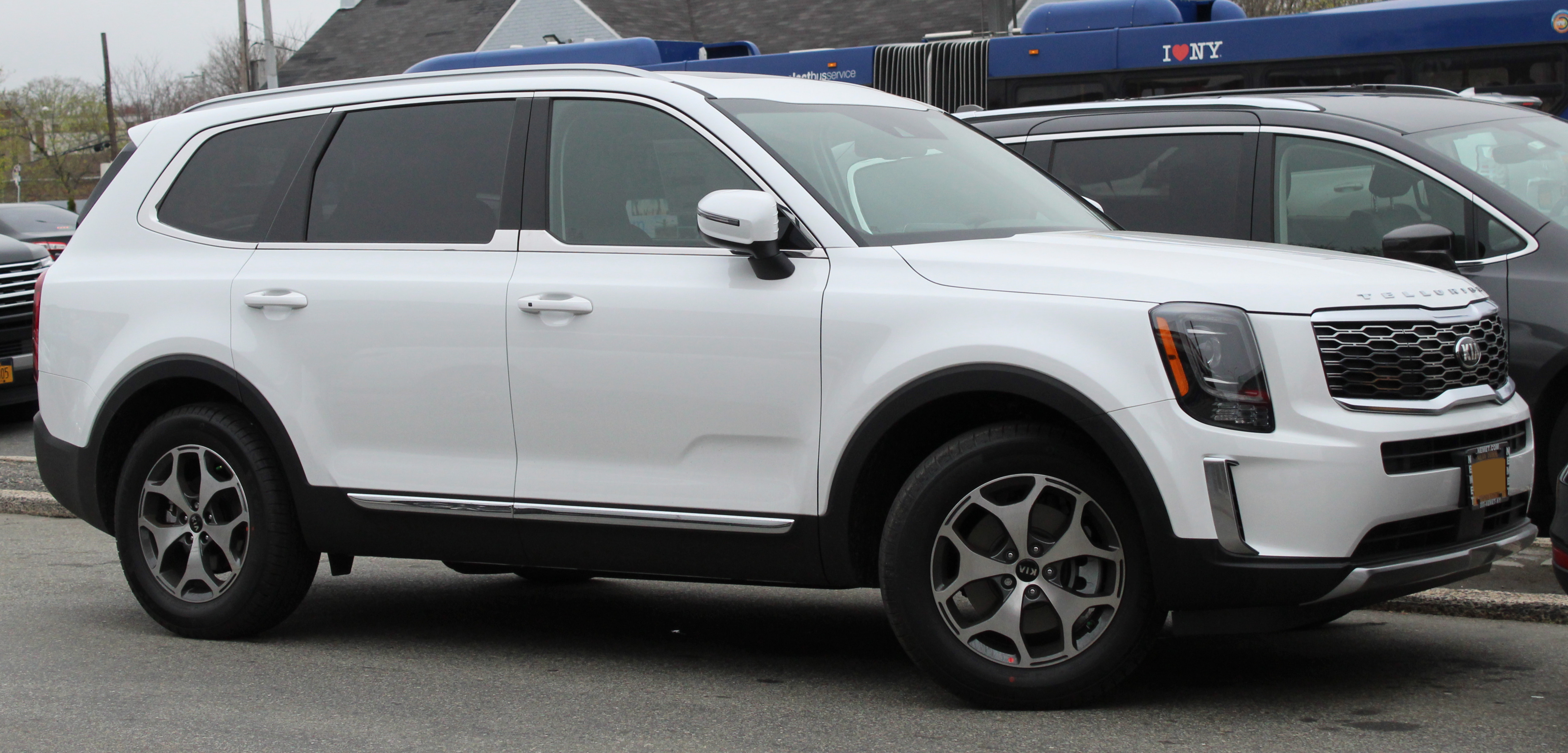
Telluride
"But now you look at like, I was looking at like some Telluride or something. I was like, this is nice as a Cadillac. It is 90 grand."
The Kia Telluride is a larger family SUV from Kia. The host is saying it feels nicer—almost like a luxury brand—compared with how cheap Korean cars used to be.
The Kia Telluride is a midsize three-row SUV known for a family-friendly interior and a “premium” feel that helped Kia compete with higher-priced brands. Here, the host compares it to a Cadillac in terms of perceived quality, emphasizing how Korean vehicles have risen in status and price.
Cadillac
"I was like, this is nice as a Cadillac. It is 90 grand."
Cadillac is General Motors’ luxury brand, often used as a benchmark for “premium” interiors and comfort. In this segment, the host uses Cadillac as a comparison point to argue that newer Korean cars (like the Telluride) can feel upscale.
inverters
"you know, disabling this and stuff so that they could have them [1615.3s] run all the time, you know, with dedicated, with inverters."
An inverter is a device that changes electricity so it can power something the way it needs. The host is saying they used inverters so the car’s displays could stay on for the event.
An inverter converts electrical power from one form to another—commonly from DC to AC—so devices can run on the right voltage and type of current. Here, the host mentions using inverters to keep display cars running continuously for an event setup.
fuse panel
"And then I look at this fuse panel that I have to pull, you know, 20 fuses out of just [1637.2s] to disable all this stuff so that, you know, kids don't flip the windows open and, you [1640.9s] know, stuff."
A fuse panel is the car’s electrical safety box. If you remove certain fuses, you can turn off specific electrical features—like the host says they do so kids can’t operate things.
A fuse panel is where a vehicle’s fuses are housed, protecting circuits from overloads and short circuits. Pulling fuses is a way to disable specific electrical functions—like preventing window controls from being used—without changing software.
Matt's performance
"There's a company out of, I think I actually want to say Poland and they make specialized [1659.3s] RA parts. [1660.3s] It's called Matt's performance."
Matt’s Performance is a company that makes aftermarket parts. The host is saying they focus on parts for certain Lamborghini models, which is why they’re relevant to this car setup.
Matt’s Performance appears to be an aftermarket parts brand the host describes as specializing in RA and Huracán parts. The mention is relevant because it points to the niche ecosystem of specialized suppliers for specific high-end platforms.

Lamborghini Huracan
"... Matt's performance and they specialize in RA and Huracan parts like they, and they match the carbon like p..."
The Lamborghini Huracan is a very expensive, high-performance sports car. The podcast mentions it because there are specialized parts and shops that work on this model. People talk about it because it’s a popular supercar to own and customize.
The Lamborghini Huracan is a high-end supercar known for its advanced performance and distinctive design. In the podcast, it’s mentioned alongside a shop that specializes in Huracan parts, which highlights how common it is for owners to maintain or upgrade these cars with specialized components. It comes up because the Huracan has a large enthusiast and parts ecosystem.
Huracan parts
"It's Matt's performance and they specialize in RA and Huracan parts like they, and they"
Huracán parts are parts made specifically for the Lamborghini Huracán. That’s important because supercars usually need parts that are designed to fit their exact body and systems.
Huracán parts refers to aftermarket or specialized components made for the Lamborghini Huracán supercar. This matters because Huracán-specific parts are often platform-specific (fitment, mounting points, and compatibility), unlike generic “universal” accessories.
billet forged wheel
"We will send it to our manufacturer in China and we will build you a billet wheel, like [1687.9s] billet forged wheel. [1689.8s] Like it'll come back and it'll test and everybody's doing this."
It’s a wheel made from a solid chunk of metal, then pressed and shaped under pressure. That process usually makes the wheel tougher than cheaper cast wheels, so it’s less likely to crack.
A billet forged wheel is made from a solid block of aluminum (“billet”) and then forged under high pressure to improve strength. Compared with many cast wheels, forged wheels are typically stronger and can be more resistant to cracking under hard use.
aftermarket ones
"Those aftermarket ones are forged just in probably not quite as perfect, but they're [1712.4s] also like six grand a set. [1714.8s] And so like, yeah, stuff like that."
Aftermarket parts are made by other companies, not the car maker. Here, they’re talking about aftermarket wheels as cheaper alternatives to the rare, expensive ones.
“Aftermarket” refers to parts made by companies other than the vehicle’s original manufacturer. In this context, the speaker is comparing aftermarket forged wheels to the more exclusive wheel option they mentioned earlier.
iCamper
"So some of the nature nest stuff looks the same as some of the iCamper stuff, like exactly."
iCamper is a company that makes rooftop tents for vehicles. In this segment, they’re mentioned as one of the brands whose tents can look very similar to others.
iCamper is a brand known for rooftop tents, including hard-shell, clamshell-style designs. The discussion suggests that multiple rooftop-tent brands may use similar underlying designs or manufacturing sources.
Nature Nest
"So some of the nature nest stuff looks the same as some of the iCamper stuff, like exactly."
Nature Nest is a brand that makes rooftop tents. The point here is that their tents can look almost the same as other brands’ tents.
Nature Nest is a rooftop-tent brand mentioned alongside iCamper. The host is pointing out that the tents can look nearly identical, implying shared design approaches or manufacturing origins.
hard shell style
"You know, I mean, it's that hard shell style, clam shell kind of thing. Exactly the same."
A hard shell rooftop tent has a tough, rigid cover that protects the tent when it’s closed. When you’re ready to camp, it opens up (often like a clamshell) so you can sleep inside.
A hard shell style rooftop tent uses a rigid, weather-resistant outer shell that protects the tent when it’s closed. When deployed, the shell typically opens like a clamshell to reveal the sleeping area.
clam shell
"You know, I mean, it's that hard shell style, clam shell kind of thing. Exactly the same."
“Clam shell” describes the way the tent opens—two sides swing out from the middle. It’s a quick way to deploy, and it keeps the tent material protected when you’re driving.
The “clam shell” design refers to how some rooftop tents open: the two halves swing or fold outward from the center, like a clamshell. This layout helps the tent deploy quickly while keeping the fabric protected inside the shell.
solar panel
"Well, I'm really hoping to see. Do you want a solar panel? So I'm not really into the rooftop tent thing just because I don't camp enough to just,"
A solar panel is a small set of cells that makes electricity from sunlight. On a rooftop tent, it can help power things like charging devices when you’re camping away from outlets.
A solar panel on a rooftop tent is an integrated power source that can charge batteries or run small accessories while you’re parked. It’s especially useful for off-grid camping where you want lighting, USB charging, or fan power without running a generator.
hard side pop up tents
"But there's, I forget the name of the brand. Maybe you'll know Brian, the ones with the hard side pop up tents. They actually turn into a full hard top, like the sides fold out and they're like $25,000."
This is a rooftop tent that opens up into a more enclosed “room” using solid panels. It’s usually sturdier and more weather-protected than the simple fabric-only rooftop tents.
A “hard side” pop-up rooftop tent uses rigid panels (instead of fully fabric walls) that fold out to create a more enclosed, weather-resistant sleeping space. Compared with basic soft-sided rooftop tents, the hard sides typically feel more like a small room and can be more comfortable in bad weather.
rooftop apartment
"Rooftop house. Yeah, it's basically what it is. The rooftop apartment that pops up."
“Rooftop apartment” is a descriptive term for ultra-luxury rooftop tent systems that open into something closer to a small living space than a basic sleeping tent. The idea is more about comfort and amenities (space, enclosure, and sometimes built-in features) than just a place to sleep.
heater ports
"Yeah. They have heater ports and everything. These things are like built built."
Heater ports are openings that let warm air or heat lines connect to a heater. They’re meant to get heat into the tent area instead of leaving you cold.
“Heater ports” are openings or fittings on a camping setup (like a tent) that let you route heat from a heater source into the living space. In automotive-adjacent contexts, people often pair these with portable heaters powered by a vehicle battery or a small power system.
being light
"You know, now that the refinement, this is like any trend, right? Everything that's been built ever, it's always started off weighing as much as a house and now it's, you know, now it's all about being light, especially for me."
They’re basically saying “lighter is better.” If your setup weighs less, it’s easier to move around and it puts less stress on the vehicle and the ride.
The hosts are talking about weight reduction as a design trend: lighter gear makes it easier to carry, tow, and package into smaller vehicles. In vehicle terms, less weight generally improves usability and can reduce strain on suspension, payload limits, and handling.

Ford F150
"So it's like the less that your smaller vehicle has to deal with, the better it is, right? If I owned an F 150 like Dan, we wouldn't give two shirts about the way I just want to clarify something as his friend, a really good friend."
The Ford F-150 is a popular full-size pickup truck used for work and everyday driving. In the podcast, it’s referenced in the context of how much a smaller vehicle has to “deal with,” implying that the F-150’s size and capability can make certain tasks easier. It’s often discussed because it’s versatile and commonly used rather than just owned for show.
bed rack
"Yeah, because my air mattress, you see this, he's like the ribs of my, my bed, my bed rack pushing into my back. I'm like, that's not supposed to happen."
A bed rack is a metal frame mounted in a truck bed to hold or support gear. Here, it’s causing the sleeping setup to press into someone’s back.
A “bed rack” is a framework mounted to a pickup’s bed that supports gear like sleeping platforms, storage, or mounting points. In this segment, the rack/frame geometry affects comfort by creating pressure points against the sleeper.
air mattress
"Yeah, because my air mattress, you see this, he's like the ribs of my, my bed, my bed rack pushing into my back."
An air mattress is a soft sleeping pad that you inflate. If it doesn’t sit right on the platform, it can end up pressing into your back and feel uncomfortable.
An “air mattress” is a cushion that inflates with air, often used in vehicle camping. The hosts mention it can feel uncomfortable if the mattress isn’t supported evenly, especially when a bed rack or frame pushes into your back.
pre-filter
"And did you order your pre-filter yet? [2249.9s] No, I haven't. [2250.5s] Order your pre-filter, Megan. [2264.1s] We're talking about a pre-filter. [2265.4s] The Jeep has a custom air intake on it."
A pre-filter is like a “first layer” of filtration for your Jeep’s air intake. It catches bigger dust and dirt first, so the main filter doesn’t get clogged as fast—handy for off-road trails.
A pre-filter is an extra filter element placed upstream of the main air filter to catch larger dust and debris before it reaches the engine’s intake system. It’s especially useful for off-road driving where fine dirt can clog or wear out the main filter quickly.
custom air intake
"We're talking about a pre-filter. [2265.4s] The Jeep has a custom air intake on it. And if you run an off-road vehicle with an open air intake,"
A custom air intake is an aftermarket setup that changes how air gets into the engine. It can be tuned for better airflow and, in off-road use, it’s also about keeping dirt out of the engine’s breathing system.
A custom air intake is an aftermarket intake setup that changes how air flows into the engine, often using different tubing and a different filter. On off-road vehicles, intake design can affect how much dust gets into the system and how well the intake stays protected.
open air intake
"The Jeep has a custom air intake on it. [2267.0s] And if you run an off-road vehicle with an open air intake,"
An open air intake pulls air from a more exposed spot. Off-road, that can mean more dust and grit get sucked in, so you often need extra filtering (like a pre-filter) to protect the engine.
An open air intake is an intake design that draws air from an exposed area rather than a fully sealed, protected intake path. The downside is that it can ingest more dust and debris during off-road driving, which is why pre-filters and careful intake placement matter.
air box
"even if it's in a technically enclosed air box, [2272.7s] get the pre-filter. [2274.6s] Yeah, the last filter that came off was, oh my gosh,"
An air box is a housing that helps manage the air going into the engine. Keeping the filter inside a box can help it avoid some dust and harsh conditions.
An air box is an enclosed housing that routes and conditions the intake air before it reaches the air filter. Enclosing the filter can reduce how much dust and heat it ingests compared with more exposed setups.
dry charger
"want to get the foam one and the dry charger. [2289.6s] It's called a dry charger from K&N. [2291.3s] But they offer two."
A dry charger is a product you use to treat a reusable air filter so it traps more dust. It’s meant to help the filter catch dirt better before it reaches the engine.
A dry charger (in this context, K&N’s product) is a filter treatment used with reusable oiled/foam-style air filters to improve dust capture. The idea is to coat the filter media so it traps more fine particles than a dry filter would.
K&N
"It's called a dry charger from K&N. [2291.3s] But they offer two. [2292.6s] You can get the foam wrap."
K&N is a company that makes aftermarket air filters. They also make products to treat reusable filters so they can catch more dirt.
K&N is an aftermarket brand known for reusable air filters and filter treatments. In this segment, they’re referenced as the source for both the “dry charger” and foam-style filter options used to improve filtration on cars.
foam wrap
"You can get the foam wrap. [2294.4s] You actually see these a lot of all things lawnmowers. [2297.4s] Almost every lawnmower has an air filter with a foam wrap"
Foam wrap means the air filter uses foam material to catch dust. Foam filters are often used where there’s a lot of dirt, and they can usually be cleaned and reused.
A foam wrap refers to foam filter media (or a foam sleeve) used around an air filter element. Foam-style filters are common in dusty environments because they can be cleaned and re-treated, and they can trap dirt effectively when properly maintained.
open air filters
"They have the same thing for open air filters on cars, [2303.9s] at least K&N does. [2304.8s] I'm sure other people do too."
Open air filters are air filters that aren’t fully sealed inside an airbox. They can work well, but they may pull in more dust if you don’t use the right pre-filter and maintenance.
Open air filters are air filters that draw intake air without being fully enclosed in a sealed airbox. They can be popular on performance and off-road setups, but they may ingest more dust unless paired with good pre-filtration and proper filter treatment.
off-road application
"But under an off-road application, [2308.6s] yeah, you're going to lose a little bit of airflow, [2310.3s] but it's totally worth it."
Off-road application just means the car is used in dusty or dirty conditions. Those conditions can clog the air filter faster, so better filtration helps protect the engine.
An off-road application means the vehicle is used in dusty, muddy, or otherwise unpaved conditions that stress the air intake system. In those environments, filtration upgrades like pre-filters and treated foam elements help prevent clogging and protect the engine.

Chevrolet C6
"...d of went and worked. And the Z06 is, even though C6, it was like, oh, if you don't have throttle, you..."
The Chevrolet Corvette is a sports car designed to be fast and fun to drive. The Z06 is a more performance-focused version of the Corvette. The podcast mentions it in terms of how it behaves when you press the gas.
The Chevrolet Corvette is a sports car built for performance, with versions that range from everyday driving to track-focused setups. The podcast specifically references the Z06, which is a higher-performance Corvette variant known for stronger power and more aggressive driving characteristics. It’s discussed because throttle response and driving feel are central to why people choose the Z06.
throttle
"And the Z06 is, even though C6, it was like, oh, if you don't have throttle, you're going to be thrown into this wall, or it's going to kill you."
“Throttle” just means the gas pedal. When you change how much gas you’re giving (or lift off), the car can behave differently—sometimes it grips less or shifts its balance.
In performance driving, “throttle” means how much you’re pressing the accelerator pedal, which directly controls engine torque and the car’s balance. The speaker’s warning about “if you don't have throttle” suggests the car’s traction and stability change significantly with lift-off or reduced throttle.
adrenaline rush
"It's a different respect for your machine. It's a different kind of adrenaline rush."
An “adrenaline rush” here means the intense excitement you feel when you’re driving a car hard. The speaker is saying the car feels thrilling because it still has more power and grip available than you’re using.
An “adrenaline rush” in driving is the heightened emotional and physical response you get when a car is operating near its limits. The speaker links it to having “more to give than I wanted,” which is a common enthusiast idea: the car feels exciting because it still has reserve capability.

Space Chariot
"Yeah. Freedom chariot. That's Kenny for those of you who are not famili..."
“Space Wagon” sounds like a nickname for a wagon-style car that someone has customized. The podcast uses it to describe a fun, standout vehicle. It’s mentioned more for its personality than for being a standard factory model.
“Space Wagon” is a nickname used for a vehicle associated with a playful, sci-fi themed identity—often referring to a station-wagon-style build rather than a specific factory model. In the podcast, it’s framed as a “Freedom chariot,” suggesting it’s a personal or enthusiast project that stands out for its character. It’s discussed because the name signals a unique, personality-driven vehicle rather than a mainstream spec.
Off-Road, the Bond Off-Road community
"The Off-Road, the Bond Off-Road community, [3229.1s] I'm sure is familiar with Kenny. [3230.2s] Yep. [3230.7s] Great guy."
They’re talking about a group of off-road enthusiasts who share the same hobby. It’s basically the community where people know “Kenny” from his off-roading.
This refers to a specific off-road enthusiast community (“Bond Off-Road”) centered around using trucks/SUVs for trails and real-world off-roading. The segment uses it to establish who “Kenny” is and why listeners might recognize him.

Ford Ranger
"he uses his Ranger Raptor to the point to where [3235.6s] he has a Maverick that he uses for commuting. [3238.1s] And then he, the Ranger Raptor sits at 30 pounds on his [3241.3s] tires all the time and he just goes off behind his house."
The Ford Ranger Raptor is a tougher, off-road-ready pickup version of the Ranger. They’re saying he drives it a lot and keeps the tires at about 30 psi, which helps the tires grip better when you’re on dirt or rough ground.
The Ford Ranger Raptor is a performance-focused version of the Ranger pickup, tuned for off-road driving with stronger suspension and off-road hardware. In this segment, they describe using it constantly and running it with very low tire pressure ("30 pounds"), which is a common off-road technique to improve traction on loose surfaces.
F-150 Raptor
"He uses his vehicles. Absolutely uses his Ranger Raptor to the point to where he has a Maverick that he u..."
The Ford F-150 is a large pickup truck. People use it for things like hauling and towing, not just for commuting. The podcast brings it up as part of a set of vehicles that get used regularly.
The Ford F-150 is a full-size pickup truck that’s commonly used for real-world tasks like hauling and towing. In the podcast, it’s mentioned in the context of someone using their vehicles extensively, including a Ranger Raptor and a Maverick, which supports the idea that the F-150 is part of a practical lineup. It’s discussed because it’s a go-to choice for people who actually drive and work with their trucks.

Ford Maverick
"Absolutely uses his Ranger Raptor to the point to where [3235.6s] he has a Maverick that he uses for commuting. [3238.1s] And then he, the Ranger Raptor sits at 30 pounds on his"
The Ford Maverick is a smaller pickup truck that’s often used for everyday driving. In this story, they’re using it for commuting instead of off-roading.
The Ford Maverick is a compact pickup known for being practical and relatively affordable compared with larger trucks. Here it’s mentioned as a commuting vehicle, contrasting with the Ranger Raptor’s off-road use.
30 pounds on his tires
"And then he, the Ranger Raptor sits at 30 pounds on his [3241.3s] tires all the time and he just goes off behind his house. [3244.2s] And he's got tons and of mileage back there."
“30 pounds” means the tire pressure is about 30 psi. Lowering tire pressure for off-roading helps the tire spread out a bit, so it grips better on dirt and rough trails.
“30 pounds” refers to tire pressure measured in psi (pounds per square inch). Off-road drivers often run lower tire pressures to increase the tire’s contact patch and improve traction over sand, dirt, and uneven ground.
Hell's Revenge
"every time I see a YouTuber that's like about to do Hell's Revenge and they're going up... We were actually going through Hell's Revenge"
Hell’s Revenge is a famous off-road trail in Moab, Utah. People drive it to test how good their off-road vehicles are on steep, rocky obstacles.
Hell’s Revenge is a well-known off-road trail/route in Moab, Utah, famous for steep climbs, rocky ledges, and technical obstacles. It’s often used by off-road YouTubers and clubs to showcase vehicle capability and driver skill.
steeper
"Just getting over there was the steeper. Right?"
Here, “steeper” means the trail is more uphill than it looks. Steeper sections are harder because your tires have less grip and it’s easier to lose traction.
In off-road context, “steeper” refers to increased grade (slope angle), which makes climbs harder due to reduced traction and greater demands on engine power and vehicle control. It also increases the risk of wheel slip and loss of momentum on rocky sections.
Hell's Game
"Megan and I did half of Hell's Game before she freaked out and got out of the truck."
Hell’s Game is another off-road trail in the same Moab area. It’s the kind of route people do as part of a longer off-road outing.
Hell’s Game is another Moab-area off-road trail that’s commonly paired with Hell’s Revenge in route planning. The mention suggests the hosts were doing a multi-trail off-road day rather than just one obstacle course.
Request an Explanation
Heard something you'd like explained? We'll add it to this episode.
Sign in to request explanations for terms you heard.
Want to learn more?
Browse our glossary for plain-English explanations of automotive terms, jargon, and concepts.
Help improve this episode
See something that's not quite right? Our annotations are AI-generated and can sometimes miss the mark. Click the flag icon on any annotation to suggest a correction.