
AAH #796 - Legacy Automakers Are Not Ready For An Autonomous Future
About this episode
Autoline After Hours frames autonomy as a shift from personal robocars to shared robotaxis, with “empty miles” and door-to-door pickup as key enablers. The hosts walk through economics—cost per mile, depreciation, and how fewer crashes could lower insurance—while debating what legacy automakers must do to compete. They cite recalls and edge cases (construction zones, flooded roads) and argue human trust gates adoption speed. The conversation also covers infrastructure, parking reduction, and how fleets might serve accessibility and even deliveries.
autonomous vehicles
"Hello everybody, thanks for joining us on Outline after Hours. ... And Gary, are you ready to talk about an autonomous future? ... So you're suggesting that people will have more time on their hands as a result of not having to drive their vehicles."
Autonomous vehicles are vehicles that can drive themselves. Instead of you steering and braking, the car uses sensors and computers to handle driving, and the big question is how that changes everyday life.
Autonomous vehicles are cars or trucks that can drive themselves using sensors, software, and vehicle controls rather than relying on a human driver to steer and brake. In this episode, the hosts discuss what happens when these systems become common enough to change daily life at scale.
scale
"My premise is and has been for years, that when we get autonomous vehicles to scale, it will have as big or a bigger impact on society than when the first horseless carriages appeared one hundred and twenty six years ago."
“To scale” here means autonomous cars becoming common enough that they affect lots of people’s daily routines. It’s not just a few test cars—it’s about widespread use.
“To scale” in the autonomous-vehicle context means moving from limited pilots to widespread, everyday deployment. The episode frames this as the point where autonomous driving could have major societal impact, similar to how early “horseless carriages” changed life.
horseless carriages
" ... when we get autonomous vehicles to scale, it will have as big or a bigger impact on society than when the first horseless carriages appeared one hundred and twenty six years ago."
“Horseless carriages” refers to the earliest cars—vehicles that didn’t use horses. The host is comparing that historical shift to what self-driving cars could do today.
“Horseless carriages” is a historical term for early motor vehicles that replaced horse-drawn transportation. The speaker uses it as an analogy for how a new transportation technology can reshape society when it becomes mainstream.
access
"And what I've studied in the whole field of what's called access. I did my dissertation on access in nineteen seventy eight. It's the freedom to go where you want, when you want."
“Access” here means you can reach what you need when you need it. It’s not just distance—it’s whether the trip fits your schedule and availability.
In transportation planning, “access” means having the ability to reach activities and services when you need them, not just how far away they are. It includes availability and scheduling—whether you can make the trip at the right time without disrupting your day.
instrument cluster
"You know, your instrument cluster, your steering wheel, your brake pedal, your accelerator pedal."
The instrument cluster is the dashboard with gauges and warning lights. If a car drives itself, some of that traditional dashboard information may be less necessary.
An instrument cluster is the driver-facing display area (gauges and information) behind the steering wheel. In autonomous designs, some functions may be moved to screens or removed because the driver may not need traditional controls and readouts.
steering wheel
"You know, your instrument cluster, your steering wheel, your brake pedal, your accelerator pedal."
The steering wheel is what you use to turn the car. The speaker is saying that in self-driving cars, traditional controls might not be needed in the same way.
A steering wheel is the primary manual control for directing a vehicle. The speaker’s point is that if autonomy handles driving, some traditional driver controls (like the steering wheel) could be redesigned or removed depending on the autonomy level and safety strategy.
brake pedal
"You know, your instrument cluster, your steering wheel, your brake pedal, your accelerator pedal."
The brake pedal is how a driver slows or stops the car. In self-driving concepts, braking can be handled automatically, though safety systems may still keep a pedal.
The brake pedal is the driver’s input for slowing the vehicle. In autonomous vehicle concepts, the system may rely on automated braking, and the physical pedal could be simplified, repositioned, or retained only for fallback/safety.
accelerator pedal
"You know, your instrument cluster, your steering wheel, your brake pedal, your accelerator pedal."
The accelerator pedal is what you press to go faster. If the car drives itself, speed can be controlled automatically, so the pedal might not be as central.
The accelerator pedal is the driver’s input for increasing engine power and vehicle speed. With autonomy, speed control can be managed by the driving system, potentially reducing the need for a traditional pedal layout.
processors and sensors
"I'm really convinced that the value of the stuff you take off the car is going to be on the order of what you have to add for the processors and sensors to drive autonomously."
Sensors are the car’s “eyes and ears,” and processors are the “brains” that interpret what the sensors see. The speaker’s point is that the money moves from traditional controls to sensors and computing.
In autonomous vehicles, sensors (like cameras, radar, and lidar) gather information about the environment, while processors run perception and driving algorithms. The speaker argues that as traditional controls/displays are removed, the cost shifts toward compute and sensing hardware.
electric autonomous, connected
"I think when we really unleash the design talent in the world and they realize electric autonomous, connected is where we are."
The phrase means future cars that are electric, can drive themselves, and can communicate over networks. The speaker thinks that once this becomes real, the cars may end up simpler and cheaper.
“Electric autonomous, connected” describes the convergence of three trends: electric powertrains, autonomous driving capability, and vehicle-to-network connectivity. The speaker argues that this combination enables simpler vehicle design and cost reductions as the technology matures.
av
"So you a document you made had a mature conventional vehicle costing fifty thousand dollars, a mature av at numbers, So you see taking a Yes, it's out of the cost cycle."
“AV” means an autonomous vehicle, basically a car that can drive itself. The speaker is comparing it to a normal car to talk about cost and feasibility.
“AV” stands for autonomous vehicle— a car that can drive itself using sensors, software, and control systems. In this discussion, it’s contrasted with a conventional vehicle to argue about cost and readiness for an autonomous future.
sixth generation vehicle
"OHI, which is Weymo's sixth generation vehicle. This is not Waymo's number."
“Sixth generation vehicle” refers to a specific iteration of Waymo’s self-driving platform hardware and integration. Each generation typically changes sensor placement, compute hardware, and packaging, which can materially affect cost.
reverse engineering
"From my understanding, I think Mackenzie calculated doing reverse engineering that it's at one hundred and twenty five thousand dollars."
Reverse engineering means taking apart or studying something to figure out how it works and what it might cost to build. The speaker says this was used to estimate Waymo’s vehicle cost.
Reverse engineering is analyzing a product to infer how it was built—often by studying components, architecture, or teardown results. Here, the speaker says someone used reverse engineering to estimate the cost of Waymo’s sixth-generation autonomous vehicle.

Tesla Cybercab
"Tesla cybercab Tesla talks about that as being a thirty thousand dollars, two seat vehicle at two point six sense per mile for electricity, super aerodynamic. So I took that"
They’re talking about a Tesla autonomous taxi idea called the cybercab. The point is to see if it can be cheap enough to run—especially by designing it for short trips and keeping the total cost per mile low.
The Tesla cybercab is discussed as a purpose-built, low-cost autonomous taxi concept: a two-seat vehicle aimed at short, everyday trips. In this segment, the hosts focus on cost-per-mile math (purchase price, energy use, and operating assumptions) to argue whether autonomous vehicles can be economically viable.
tailoring the design of the vehicle to the typical everyday trip
"if we keep going through learning cycles and we start to strip more and more parts out of the autonomous vehicle, that we're not going to need and then, very very importantly carer you start tailoring the design of the vehicle to the typical everyday trip, which is typically two people, seven or eight miles."
The idea is: build the car around the trips people actually make most often. If it’s mostly for short rides with just two people, you can simplify the car and make it cheaper.
This is an autonomy-and-economics design strategy: instead of building a vehicle for every possible scenario, you optimize it for the most common real-world use case. Here, the speaker argues that if the autonomous vehicle is meant for short, two-person trips (not long highway drives with many passengers), you can remove parts and reduce cost.
Level four
"Keep in mind too, that right now today by Duo is selling Level four cars in China for about thirty five thousand dollars. Now, I don't know if they're losing all kinds of money on them, but if you're a fleet operator, you can buy those cars at thirty five thousand dollars."
“Level four” refers to SAE autonomy levels, where the car can handle driving tasks in specific conditions without human intervention. In this segment, it’s used to frame the current market reality: autonomous vehicles are already being sold, but at a price that may depend on fleet economics.
design life
"There's one other key variable in that calculation. That's the life of the vehicle. Now you can get a debate with engineers and what is the design life of a conventional car today."
“Design life” means how long the car is expected to last before it’s worn out or needs major replacement. The longer it lasts, the cheaper it is per mile because you’re dividing the cost over more driving.
“Design life” is the expected service duration a vehicle (or major component) is engineered to last under normal use. In the segment, it’s crucial for cost-per-mile calculations: a longer design life spreads the purchase price over more miles, lowering depreciation per mile.
million mile batteries
"We're seeing people claiming million mile batteries are in our future. We know electric motors last a long long time."
They’re talking about the idea that an EV battery could last for about a million miles. If that happens, the battery replacement worry goes way down, and the car becomes cheaper to run over time.
“Million mile batteries” refers to the claim that electric vehicle battery packs can last for roughly one million miles. The segment ties this to total cost of ownership: if batteries and electric drivetrains truly last that long, replacement costs and depreciation per mile can improve dramatically.
electric motors
"We're seeing people claiming million mile batteries are in our future. We know electric motors last a long long time."
Electric motors are what actually move an EV. The speaker is saying they tend to last a long time, which helps support the idea of long vehicle life and lower cost per mile.
Electric motors are the traction units in EVs that convert electrical energy into rotational motion. The speaker uses their long service life as part of the argument that EVs can achieve very high mileage and better economics than conventional vehicles.
depreciation per mile
"Now you take that forty thousand dollars and it has a four hundred thousand mile life, you're a ten cents of depreciation per mile. And if you took the fifty thousand dollars at two hundred thousand mile, if you are twenty five cents."
This is a cost-per-mile number that estimates how much of the car’s value you lose each mile you drive. It helps compare different vehicles on the same basis: miles, not just dollars.
“Depreciation per mile” is a way to convert a vehicle’s purchase cost into a per-distance cost by dividing the expected depreciation by total miles over its life. The speaker uses it to compare economics between cheaper vehicles with shorter lives versus more expensive vehicles with longer lives.
gasoline cost per mile
"Is the gasoline cost per mile higher than the insurance cost per mile, which story seems to be on the news every night. Gasoline insurance costs or of about forty percent since COVID, and they're at twenty cents a mile."
It’s just how much money you spend on gas for every mile you drive. They’re comparing that to insurance cost per mile to see which one matters more.
“Gasoline cost per mile” is a running-cost metric that divides fuel expense by miles driven. The segment contrasts it with insurance cost per mile to argue that fuel may not be the dominant cost driver anymore, depending on the numbers.
Class eight
"Speaker 2: Okay, wait, I want to make his numbers even better because Class eight semi tractors are designed to go a million miles a million."
“Class 8” refers to the U.S. heavy-truck weight class used for the largest commercial vehicles, typically including long-haul tractor-trailers. It’s relevant because these trucks are often operated for extremely high mileages, which makes them a natural proving ground for autonomous systems and durability claims.
economic gravity
"Speaker 5: ...I had a good friend at GM, Don Runkel. He talked about a concept called economic gravity, [559.2s] that this is about economics. I think we're at an economic moment when you shift from the price of the car to the cost per mile..."
The point is that what matters most won’t be the sticker price anymore—it’ll be what it costs to use the vehicle every mile. If autonomous driving and electrification cut crashes and upkeep, the “best deal” shifts toward lower operating costs.
“Economic gravity” here is the idea that, as autonomous and electrified tech reduces the biggest cost drivers, the market will shift focus from the purchase price of the vehicle to the total cost of operating it. The hosts frame this as a move toward “cost per mile,” where depreciation, financing, maintenance, energy, insurance, and parking dominate the economics.
robo car
"On appreciation, You're starting to look like you're almost where conventional cars are today right now with the robo car. That was my epiphany when I ran through those numbers."
They mean a self-driving car. The argument is that if it prevents most crashes, it can lower insurance and other costs, making it more affordable to run.
“Robo car” is the hosts’ shorthand for a fully autonomous vehicle that drives itself without a human driver controlling it. The segment argues that if autonomous systems remove most crashes, the economics (including insurance and operating costs) can become competitive with conventional cars.
ecosystem
"So I think it's time for anyone disrupted in this conventional auto industry ecosystem. The manufacturers, the suppliers, the insurance companies, the finance companies, the service companies, all of those players are parking industry."
Here, “ecosystem” means the whole web of businesses involved with cars. It’s not just the automaker—insurance, financing, and repair services are all part of the same system.
In this segment, “ecosystem” refers to the connected network of companies and services around cars—manufacturers, suppliers, insurers, finance, and service providers. The argument is that autonomy will disrupt multiple parts of this network, not just car design.
scenario planning
"All right, So scenario planning wonderful people should do that because at some point in the future all this may happen."
Scenario planning means thinking through different “what if” futures. Instead of betting on one outcome, you prepare for several possibilities—like how self-driving cars might change the market.
Scenario planning is a planning method where you consider multiple possible futures and how your business would respond to each. In an automotive context, it’s used to think through how autonomy could change demand, costs, and roles across the industry.
life cycle costs
"you're talking about life cycle costs right, looking at the whole thing holistically. How many people do that when they buy a car?"
Life cycle costs mean the total cost of owning something over its whole life. For a car, that includes more than the sticker price—like repairs, insurance, and upkeep.
Life cycle costs are the total expenses of a product over its entire lifespan, not just the purchase price. In automotive planning, this includes things like maintenance, repairs, insurance, and end-of-life costs.
cameras
"They're going to self insurre on this thing. They're going to believe their own numbers. And in fact, they're going to have cameras that are going to show exactly what the reason for the crash is."
In autonomous-vehicle discussions, “cameras” typically refers to onboard sensors (often forward-facing and surrounding) that record the driving scene to help interpret what happened during a crash. The segment suggests these recordings will make crash causes less ambiguous.
no fault insurance
"And this whole thing and no fault insurance that was because lawyers wanted to make a whole lot of money and we had to get that out of the system."
No-fault insurance means that after a crash, your own insurance helps pay for your side of the costs, even if someone else caused the crash. It’s designed to make claims simpler and reduce fighting in court.
No-fault insurance is an auto insurance system where, after a crash, each driver’s own insurer pays for their injuries and damages (within policy limits) regardless of who caused the accident. The goal is to reduce lawsuits over fault and speed up claims processing.
dollar per mile
"And so this dollar per mile thing that people don't buy cars based on that today, I get that, but there's a whole lot of people that can't even afford a car today, this affordability issue."
“Dollar per mile” means you pay based on how far you go, like a pay-per-use travel cost. Instead of buying a car, you’d pay for the miles you use.
“Dollar per mile” is a pricing model where mobility is sold based on usage (how many miles you travel) rather than buying a car outright. For autonomous fleets, this can shift consumer behavior toward paying for trips/transport as a service.
dispatch your car
"Go do other tasks while I'm working. [1009.4s] Speaker 6: Specifically to other people, to let other people ride around in my car."
“Dispatch your car” means telling the self-driving car to go somewhere for you. Instead of you driving, the car is sent to pick up or drop off someone based on the plan you set.
“Dispatch your car” refers to sending an autonomous vehicle to pick up or drop off people without the owner physically driving it. In an autonomous future, dispatching becomes a software-driven workflow that coordinates vehicle location, routing, and passenger access.
empty miles
"So you say, oh, those empty miles, what a horrible thing. Well, [1091.1s] it depends on the time of day and the roads that you use."
“Empty miles” are when a self-driving car drives around without carrying anyone. The point here is that even though it’s “empty,” it helps the system work better because the car can go to the next place it’s needed.
“Empty miles” are the distance an autonomous vehicle travels without passengers—often to reposition to the next pickup. The hosts argue these repositioning trips are an “enabler” because the system can move itself to where demand is, changing how people schedule and share vehicles.
autonomous electric and connectivity
"there's going to be a lot of creative people who are going to take advantage of autonomous electric and connectivity and come up with new solutions, lower cost safer, better experiences."
The host is talking about self-driving electric cars that can also “talk” to other systems. That combination can make trips safer and cheaper, and enable new services.
“Autonomous electric and connectivity” bundles three tech shifts: cars that drive themselves, run on electric power, and communicate via networks (vehicle-to-vehicle and/or vehicle-to-infrastructure). The point here is that these capabilities enable new routing, safety, and cost-saving experiences.
Waymo
"it was a New York Times piece interviewing a blind man that lived in the San Francisco Bay area who uses Waymo and he was talking about his life and just how enabled he felt"
Waymo is a company that runs self-driving cars. The host is describing how a blind person can use it to get around more independently.
Waymo is Google’s autonomous-driving program that operates self-driving vehicles with a focus on safety and real-world navigation. In the segment, it’s used as an example of how autonomous cars can provide independence to a blind rider.

Cadillac Escalade
"...ture that I see. If someone still wants to buy an escalade and drive it, that's great. I would like to think..."
The Cadillac Escalade is a big SUV that’s designed to feel luxurious and comfortable. It’s meant for people who want a spacious vehicle with higher-end features. It may be discussed because some buyers still want this kind of large luxury SUV even when trends change.
The Cadillac Escalade is a large luxury SUV known for its upscale interior, comfort-focused ride, and high-end features. It’s significant because it’s often used as a benchmark for what “luxury” looks like in a big, family-sized SUV. In podcast discussion, it may be brought up in the context of why people still choose it and what kind of buyer it attracts.
stopping distance
"I'm fascinated by the change in physics when you lower the mass of something and you lower the speed of something, and how that plays back to the breaking system and the stopping distance."
Stopping distance is how far a car needs to go to fully stop once it starts braking. The host is saying that if vehicles are lighter and slower, they can stop more easily and avoid crashes sooner.
Stopping distance is the total distance a vehicle travels from when braking begins until it comes to a complete stop. The host links it to physics changes when mass and speed are reduced, arguing that lower energy makes it easier for systems to avoid or mitigate collisions.
radar signals
"they've created sensors based on radar signals that are giving us on the order of ten x better certainty on what you're seeing."
Radar is a sensor that uses radio waves to detect things around the car. The host is saying better radar can help a self-driving car understand what’s around it more reliably.
Radar is a sensing method that uses radio waves to detect objects and estimate their distance and motion. Here, the host says Neuropropulsion Systems/Atomatic created sensors using radar signals to improve “certainty” about what the vehicle is seeing.
Atomatic
"one called Neuropropulsion Systems now called Atomatic, but they've created sensors based on radar signals"
Atomatic is the newer name the host mentions for the same sensor company. They’re working on radar sensors to help self-driving cars “see” more clearly.
Atomatic is the name the host says Neuropropulsion Systems is now using. In this segment, Atomatic is tied to radar-sensor technology aimed at improving how confidently an autonomous vehicle can perceive objects.
Neuropropulsion Systems
"one called Neuropropulsion Systems now called Atomatic, but they've created sensors based on radar signals"
Neuropropulsion Systems is a company working on sensors for self-driving cars. The host says it later became known as Atomatic.
Neuropropulsion Systems is described as a company that developed radar-based sensors for autonomous driving. The host also notes it is now called Atomatic, implying a rebrand or corporate name change.
avoid it
"what you want to do is change the physics of that moment when things bump into each other, scrub off the speed and do the avoid it."
Here “avoid it” means the car detects danger and takes action to prevent a crash. Better sensors and software help it react in time.
In this context, “avoid it” refers to collision avoidance—autonomous systems detecting hazards and executing maneuvers to prevent impacts. The host connects it to improved sensors and software that can react earlier and more accurately.
San Francisco
"That's a discussion going on in ann Arbor. I believe San Francisco is close"
San Francisco is a city in California. The host is saying it’s close to having similar discussions or rules about how autonomous vehicles should operate.
San Francisco is referenced as another city where the host believes autonomous-driving policies and speed discussions are already close to being implemented. It’s used as a real-world example of how cities regulate autonomous vehicle operations.
robo taxi
"especially if it's a door to door system like a robo taxi or a robo car. Twenty five square to"
A robo taxi is a self-driving car that comes to get you and drives you where you want to go. The point here is that if it has to go slower in cities, it may not save as much time as people expect.
A “robo taxi” is a ride-hailing service where an autonomous vehicle drives itself to pick you up and take you to a destination. In this discussion, it’s used to compare how much time you save when the vehicle is limited to lower speeds in certain areas.
door to door system
"especially if it's a door to door system like a robo taxi or a robo car. Twenty five square to"
A door-to-door system means the self-driving service takes you from where you are to where you want to go, without you having to walk to a stop. They’re saying the time savings come from avoiding things like parking hassles, not just driving speed.
A “door to door system” is an autonomous mobility model where the service handles the entire trip from pickup at your location to drop-off at your destination. In the segment, it’s central to the argument that time savings depend not just on speed, but also on eliminating non-driving tasks like parking.
kinetic energy
"The kinetic energy goes up a lot with those five miles. So I think you're going to see communities wanting to handle this speed issue."
Kinetic energy is the “energy of motion.” If a vehicle is going faster, it has much more kinetic energy, and that matters for safety because crashes involve that energy.
Kinetic energy is the energy an object has because it’s moving, and it increases with the square of speed. That’s why the speaker argues that even a small speed reduction (like 30 mph down to 25 mph) can significantly change the energy involved in potential impacts.
safety fenced area
"So the F one fifty comes into that safety fenced area and it goes twenty five and if that's managed properly, that coexists with that other vehicle."
A “safety fenced area” is a controlled zone where autonomous vehicles operate under tighter constraints, such as lower speeds and managed interactions with other traffic. The speaker uses it to explain how an autonomous system might coexist with conventional vehicles.
Ipsilanti
"Okay, So geographically speaking, If I'm an Ipsilanti, which is just east of ann Arbor for those who are not familiar with Meme, and I'm in my f one fifty and I need to go to ann Arbor,"
Ipsilanti is a city near Ann Arbor in Michigan. They use it to explain how self-driving cars might have different speed rules depending on which roads you’re on.
Ipsilanti (near Ann Arbor, Michigan) is used as a geographic example for how autonomous vehicles might handle different speed regimes across city-managed and state-managed roads. It’s part of the speaker’s scenario about where speed drops and why.
ann Arbor
"and I need to go to ann Arbor, I can still drive forty five fifty miles an hour on Washtonaw. But when I get to a certain point in the get."
Ann Arbor is the destination city in their example route. They’re saying that once you get into the city area, the self-driving car may have to slow down because of how local roads are managed.
Ann Arbor is referenced as the destination in a route-planning scenario that highlights how autonomous vehicles may need to slow down within city boundaries. The speaker contrasts city-managed streets with state streets to show why the rules could differ.
Washtonaw
"I can still drive forty five fifty miles an hour on Washtonaw. But when I get to a certain point in the get."
“Washtonaw” sounds like a specific road they’re using as an example. They’re saying you might be able to go faster on some roads, then slow down later as you approach the city’s managed areas.
“Washtonaw” appears to refer to Washtenaw Avenue, used here as an example of a road segment where higher speeds are possible before entering a lower-speed area. The point is route-dependent speed management for autonomous driving.
door of my building
"Now, if I'm in a robo car or a robo taxi, it picks me up at the door of my building on North Campus. It draws me off at the door of my building in my lecture hall."
They’re describing a self-driving service that can pick you up right at your building and drop you off at your lecture hall. The benefit is that you don’t waste time finding parking.
The phrase “door of my building” is used to describe true door-to-door autonomous mobility, where the vehicle picks you up and drops you at your exact location. This matters because the speaker argues that eliminating parking-search time can outweigh speed limits.
autonomous future
"it would spend it's time finding the parking spot without me in it... just like what your analysis hasn't really talked about, all the infrastructure it has to go into allowing a service like this to exist."
An “autonomous future” means cars that can drive themselves. The point being made is that self-driving cars still need places and systems to support them—like charging and maintenance—so cities have to plan for that too.
The phrase “autonomous future” refers to a world where vehicles can drive themselves using sensors, software, and vehicle control systems. The discussion here emphasizes that autonomy isn’t just a car technology problem—it requires supporting infrastructure like charging, cleaning, and maintenance locations.
infrastructure it has to go into allowing a service like this to exist
"you need real estate, You need places where these cars can get charged, cleaned, maintained. You need service base just like the daily rental companies do today"
Self-driving taxi services don’t just run on software. They also need real places to charge, clean, and repair the cars—plus space for them to operate—so the whole city has to support the service.
This highlights the “systems” side of autonomous mobility: beyond the vehicles themselves, you need charging locations, cleaning facilities, maintenance/service bases, and real-estate for operations. The segment frames these as prerequisites for a robotaxi service to run reliably at scale.
University of Michigan
"Just completed a piece of work at University of Michigan where we looked at all seven counties in Southeast Michigan"
They mention the University of Michigan because the study they’re talking about was done there, using trip data to model robotaxi impacts.
The University of Michigan is referenced as the institution where the hosts completed a study. The segment uses that work to support a modeling claim about robotaxis reducing parking demand.
SIMCOG
"SIMCOG, which is the Council of Governments. They had data from origins and destinations from cell phones and other sources on trips."
SIMCOG (Council of Governments) is cited as the source of regional trip data used in the robotaxi parking simulation. In this context, it’s part of the data pipeline for estimating how many cars enter and leave an area.
reduce parking ninety percent
"we simulated days in ann Arbor... and we said, what if we all had robotaxis, we can reduce parking ninety percent."
The idea is that if robotaxis can drive themselves to park and then come back when needed, fewer cars need to sit in parking lots. That could free up a lot of space in cities.
The hosts propose that widespread robotaxi use could dramatically reduce parking demand because vehicles can circulate or return to service areas instead of sitting idle. The segment treats parking as a capacity/land-use constraint that autonomous fleets could change.
mass transit
"Everybody likes to promote buses as a solution for mass transit, they're moving around so many empty seats every day."
Mass transit means shared transportation like buses that follow routes and timetables. The speaker is arguing that buses can end up carrying lots of empty seats compared with on-demand rides.
Mass transit refers to shared public transportation like buses that run on routes and schedules. The segment argues that buses can be inefficient for seat utilization because they move around with many empty seats, compared with on-demand autonomous trips.
utilization
"I think what we have to do is we plan transportation systems is really start thinking about the efficient utilization of the seats... And so that's where we're going to get this utilization thing free up the parking."
Utilization is basically “how much of the time the vehicle is actually doing something useful.” The point is that most cars sit parked a huge amount of the day, while a shared autonomous fleet could be used more often.
Utilization here means how much of the time and capacity a vehicle (or its seating) is actually being used to carry passengers, versus sitting idle. The segment argues that today’s cars are parked most of the time, and autonomous fleets could improve utilization by keeping vehicles and seats in service more consistently.
point to point spontaneous trips
"what we're talking about with robo taxis are point to point spontaneous trips and the waiting time is going to be relatively short if you're at scale."
This means trips that go straight from where you are to where you want to go, booked on demand. The claim is that self-driving fleets can make the wait time short enough to work well.
“Point to point spontaneous trips” describes on-demand travel where a vehicle takes you directly from your pickup to your destination, rather than following fixed routes. The argument is that autonomous systems can reduce waiting and make these trips practical at scale.
the Achilles heel of Uber
"The Achilles heel of Uber is that's not the case today. The Uber driver tends to have to drive for afar to get his next pickup."
The speaker’s saying today’s ride-hailing has a weakness: the driver may have to drive around to reach the next passenger. With self-driving cars, the system could position vehicles better so they waste less time getting to the next ride.
The “Achilles heel” claim is that today’s ride-hailing system (Uber) suffers from inefficient vehicle positioning—drivers often have to travel farther to find the next pickup. The segment argues that autonomous fleets can reduce that deadhead time, improving seat/vehicle utilization.
second third car phenomena
"I'd say going down because of the second third car phenomena because they're in the last million hours."
“Second third car phenomena” is being used as a shorthand for how many households buy multiple vehicles over time, which affects the size and timing of the addressable market. In an autonomous-future debate, it matters because adoption can be staggered across fleets and owners rather than happening all at once.
Bridstone
"we're going to give a shutout right now to Alex Partner's a bridstone... knowing that a little rain won't slow down your day... confident control in wet conditions."
This is a sponsor name from a tire commercial. They’re talking about how their tires handle rain better.
This appears to be a sponsor mention for a tire brand. In the context of the ad, it’s tied to wet-weather tire performance claims.
Kalamazoo, Michigan
"The first Checker cab was built in Kalamazoo, Michigan by who by check the Checker Cab Manufacturing Company..."
They’re saying the first Checker taxis were made in Kalamazoo, Michigan. It’s just the place where the company started building them.
Kalamazoo, Michigan is cited as the birthplace location for the first Checker cab. The hosts use this historical manufacturing detail to ground the conversation in real-world fleet and production history.
front wheel drive
"Ed Cole... was going to come out with a new front wheel drive Checker cab based on the GM X cars at the time."
Front-wheel drive means the front wheels do the work of both steering and moving the car. It can also affect how the car is built and how it feels to drive.
Front-wheel drive (FWD) means the engine’s power is sent to the front wheels, which handle both steering and propulsion. The hosts mention it because it would have changed the packaging and driving characteristics of a redesigned Checker taxi.
wheelchairs
"fleet for people with disabilities and no longer do you have to have every vehicle capable of handling wheelchairs, but you have enough vehicles in that fleet size so that they have really good access."
Wheelchairs are mobility devices that require special access. The discussion is about how autonomous fleets could plan enough accessible vehicles so passengers can still get where they need to go.
Wheelchairs are used here as an accessibility requirement that affects vehicle design and fleet strategy. The speaker’s point is that you may not need every vehicle to be wheelchair-capable if the fleet size and routing provide good access to vehicles that are.
one size fit all
"So I'm intrigued by that. I don't think it's going to be a one size fit all."
They’re saying one single type of vehicle won’t work well for everyone. Different people and different trips will need different vehicle designs and fleet setups.
The “one size fit all” idea is the belief that a single vehicle design or service model can serve everyone equally well. The hosts argue against this, saying autonomous fleets will likely need multiple vehicle form factors and fleet compositions for different communities and trip types.
flat floor
"That's why the OHI was designed with the flat floor, big wide doors that open up. People can get in and out quickly."
A flat floor means the inside of the vehicle has a level floor. That makes it easier for people to get in and out quickly, including passengers using mobility aids.
A “flat floor” is a vehicle interior design that keeps the cabin floor level, rather than having raised wheel wells or steps. For autonomous and accessibility-focused vehicles, it helps passengers move around more easily and supports faster, simpler boarding and exiting.
OHI
"That's why the OHI was designed with the flat floor, big wide doors that open up."
OHI sounds like a specific vehicle design concept or acronym. Here it’s being used to describe a car layout meant to help people get in and out quickly, including accessibility needs.
“OHI” is referenced as a vehicle design that prioritizes accessibility and rapid boarding. In this context, it’s tied to features like a flat floor and wide doors, implying an “open/optimized” interior approach for autonomous fleets and mobility access.
big wide doors
"That's why the OHI was designed with the flat floor, big wide doors that open up. People can get in and out quickly."
Wide doors are designed to make getting in and out faster. They also help with accessibility, like passengers who use wheelchairs.
“Big wide doors” refers to door sizing intended to reduce boarding and exit time. In fleet and accessibility use cases, wider openings can make it easier to enter quickly and to accommodate wheelchairs without requiring every vehicle to be fully wheelchair-capable.
mobility mesh
"Speaker 3: So when you're talking about these various designs, okay, So our friend Dan Sturgis refers to this now as the mobility mesh, that there are very different types of vehicles, and he's been talking about having different form factors for vehicles, and he includes buses as being part of the thing."
It’s a concept for how transportation could work as a connected system. Different kinds of vehicles (like buses and smaller shuttles) would cover different parts of your trip so you can get where you’re going more easily.
“Mobility mesh” is a way to describe an interconnected network of different vehicle types and services that work together. Instead of one vehicle doing everything, the idea is that buses, shuttles, and smaller autonomous vehicles can be combined to move people efficiently across a city.
peak auto
"I've already hit peak auto. This is [2222.5s] a global phenomena. Car sales stopped growing in most of [2226.2s] the world circa twenty sixteen, twenty seventeen."
“Peak auto” is the idea that the market for new cars has stopped growing and could start shrinking. It’s like reaching the highest point before sales level off or fall.
“Peak auto” is the idea that car sales growth has topped out and may decline as markets mature. In this segment, the hosts cite a global slowdown in new car sales and connect it to future mobility changes like shared autonomous vehicles.
car sharing
"Now you're coming [2230.8s] and saying, hey, I've got a world where you don't need two or three cars in a family household. I've [2236.7s] got you've got a world where we might be sharing cars"
Car sharing means fewer cars are used by more people. Instead of owning several cars, you share one through a service.
Car sharing is a mobility model where multiple people use a smaller number of vehicles over time, rather than each household owning multiple cars. The hosts connect it to autonomous vehicles by arguing that shared robotaxis could reduce the total number of cars households need.
residuals
"as well as the fact that the used car market is very, very important to the new car market with residuals. And if the first thing [2321.2s] that plays out here are households beginning to realize they don't need a second or third car"
Residual value is what a car is expected to be worth later on. It matters because it affects lease pricing and how strong the used-car market is.
Residual value (often discussed as “residuals”) is what a vehicle is expected to be worth in the future, typically at the end of a lease or after several years. The segment ties residuals to how the used car market influences new car sales.
used car market
"so they're five hundred thousand mile life, two million mile life machines, but they're going to get gobbled up pretty fast. It's [2307.6s] that life of the vehicle that reduces the number that need to be produced, as well as the fact that the used car market is very, very important to the new car market with residuals."
The used car market is where people buy and sell cars that have already been owned. If fewer people buy new cars, it can change used-car prices and availability.
The used car market is the supply and demand for previously owned vehicles, which strongly affects pricing for newer cars through trade-ins, lease economics, and residual values. The hosts argue that if households buy fewer cars, the used market could be disrupted and ripple back into new-car sales.
value creation
"But I agree completely, But I look at this future ecosystem and I say, where who controls the value creation? Who's really going to win?"
Value creation means who ends up making the money and control in a new business. In this case, the question is whether car makers will still be the ones that benefit most from self-driving services.
Value creation refers to which company captures the profits and strategic advantage in a new ecosystem—here, autonomous mobility. The host’s point is that traditional automakers may not control the most valuable parts of the system (software, fleet operations, and customer experience).
GM
"Think about it. I think GM is making six million cars a year right now. I think WAYMWEY is twenty five hundred on the road and they're worth twice what GM is."
GM is a big traditional car company that sells lots of cars to customers. The host compares GM’s car business to the value of autonomous robotaxi operations.
GM (General Motors) is a legacy automaker producing millions of conventional vehicles annually. In the segment, GM is contrasted with Waymo to argue that autonomous services may command higher value than selling cars to consumers.
commoditizing
"Yes, car companies could be commoditizing this, but it's going to get commoditized because I think the machine's going to be so simple."
Commoditizing means making something so common that it’s hard to tell apart from competitors. If that happens, companies often compete mostly on price instead of unique features.
Commoditizing means turning a product or service into something that’s basically interchangeable, so buyers choose mainly on price. The host argues that if robotaxis become standardized and “simple,” automakers could lose differentiation and margins.
skateboard
"Go back to the car we're talking about. It's a skateboard for energy storage, four tires, electric motor power, electronics, and then inside of it it's basically going to be seats and lighting and some kind of entertainment."
A “skateboard” platform is an EV design where the heavy battery sits low in the bottom of the car. That makes the car’s body easier to change while keeping the same basic undercarriage.
A “skateboard” platform is an EV architecture where the battery and drive components are packaged low in the floor, with wheels at the corners. This modular layout makes it easier to build different vehicle bodies on the same underlying chassis.
autonomous vehicle tech stack
"Speaker 2: Now, do you develop your own autonomous vehicle tech stack or do you just go out and buy it from somebody else."
It means all the computer systems a self-driving car needs to work—like seeing what’s around it, deciding what to do, and then steering/braking to make it happen. It’s not just one app; it’s the whole bundle working together.
An autonomous vehicle tech stack is the full set of software and hardware components that let a car perceive the world, decide what to do, and control the vehicle. It typically includes sensors, perception algorithms, planning/decision software, and vehicle control systems, all integrated into one working system.
edge cases
"Speaker 5: ...These last edge cases that they're pounding away at..."
Edge cases are the weird, uncommon situations—like unexpected road conditions or confusing behavior from other road users. Self-driving systems have to handle these safely, even if they don’t happen often.
Edge cases are unusual or difficult scenarios that are rare in normal driving but can break an autonomous system’s assumptions. Autonomy developers spend a lot of effort on these because safety-critical failures often happen in these corner situations.
digital twins
"Speaker 5: ...the tools he has to solve them are so much better, the advanced simulation of the AIS, the world models, the digital twins."
A digital twin is a computer model that acts like a real car (and sometimes the road around it). Engineers use it to test self-driving behavior in lots of situations without risking real vehicles.
Digital twins are high-fidelity virtual replicas of real-world systems (like a vehicle and its operating environment). In autonomy development, they’re used to simulate scenarios and test driving behavior safely and repeatedly before deploying to real cars.
advanced simulation
"Speaker 5: ...the tools he has to solve them are so much better, the advanced simulation of the AIS, the world models, the digital twins."
Simulation is how engineers test self-driving software in a computer environment. It lets them try lots of tricky situations that would be hard to find quickly on real roads.
Advanced simulation refers to using detailed computer models to recreate driving scenarios and stress-test autonomy software. It’s crucial because real-world edge cases are rare, and simulation can generate many variations to improve safety and robustness.
world models
"Speaker 5: ...the advanced simulation of the AIS, the world models, the digital twins."
A world model is the self-driving car’s “mental picture” of the road around it. It tries to understand what’s out there and what might happen next so it can choose the safest move.
World models are the internal representations an autonomous system builds of what’s happening around the vehicle—like where other cars, pedestrians, lanes, and obstacles are likely to be. They help the system predict how the environment will evolve so it can plan safe actions.
fifth and sixth generation software systems
"Speaker 3: In May, Weimo had a recall of all of its robotaxis because and this was the fifth and sixth generation software systems, because the systems allowed vehicles to proceed into flooded roadways..."
This means the company had newer versions of its self-driving software (like version 5 and version 6). The recall suggests those versions had a problem in certain situations, like flooded roads.
“Fifth and sixth generation” refers to successive generations of the autonomy software used in the robotaxis. Each generation typically represents major updates to perception, planning, and safety behavior, and the recall implies a specific behavior issue in those versions.
flooded roadways
"Speaker 3: ...because the systems allowed vehicles to proceed into flooded roadways into standing water. Highlighted right, an unoccupied car"
Flooded roads are dangerous for self-driving cars because the water can hide what’s really underneath and affect grip. In this case, the system incorrectly kept going into standing water.
Flooded roadways are a safety-critical autonomy edge case because water can obscure hazards and change traction and vehicle stability. The segment describes a recall where the autonomy system allowed vehicles to continue into standing water.
Weimo
"Speaker 3: In May, Weimo had a recall of all of its robotaxis because and this was the fifth and sixth generation software systems..."
Weimo is the company behind the robotaxis mentioned in this segment. They had to recall them because the self-driving software didn’t handle flooded roads safely.
Weimo is referenced here as the company that issued a recall affecting its robotaxis. The key point is that the recall was tied to software behavior in flooded road conditions.
fifth generation automated driving system
"being swept into a creek in San Antonio in June this month, then another recall of their fifth generation automated driving system because it inappropriately prioritized other avoiding other hazards or failed to recognize closed construction zones"
An automated driving system is the car’s technology that tries to drive for you using sensors and software. “Fifth generation” just means a newer version of that system, which can behave differently—sometimes better, sometimes with new mistakes.
“Automated driving system” (ADS) is the software-and-sensors stack that handles driving tasks without constant human control. A “fifth generation” ADS implies a specific version of that system, where improvements (and bugs) can change how the car responds to hazards like construction zones.
closed construction zones
"another recall of their fifth generation automated driving system because it inappropriately prioritized other avoiding other hazards or failed to recognize closed construction zones"
A “closed construction zone” is a part of the road where lanes are blocked and traffic is supposed to be rerouted. A self-driving system has to notice those signs and barriers so it doesn’t drive into the work area.
In autonomous-driving discussions, “closed construction zones” are areas where lanes are blocked or rerouted for work. For an automated system, recognizing these closures correctly is critical because the wrong lane choice can put the vehicle into active work areas.
active highway construction lanes
"driving past ramp closure signs into active highway construction lanes."
“Active construction lanes” are lanes where road work is happening right now. The car has to avoid them safely because there may be workers, equipment, and sudden changes to how the road is laid out.
“Active highway construction lanes” refers to lanes that are currently being used for construction activities, often with workers, equipment, and changing lane geometry. Autonomous vehicles must handle these dynamic environments reliably, including speed and path planning around moving hazards.
over the year updates
"One thing that I would add to both the problems that you've addressed here are easily solvable with over the year updates"
This means the car’s driving software can be improved later through updates. The hope is that problems get fixed without needing a whole new car, but updates still have to be tested carefully.
The idea of “over-the-year updates” refers to improving an automated driving system over time via software updates rather than hardware-only changes. In practice, these updates can fix perception/planning issues (like recognizing construction closures) but also require validation to ensure new behavior doesn’t introduce new failures.
combustion engines
"And I am very concerned about the auto industry seeming to want to go back to combustion engines"
Combustion engines are the traditional type of engine that burn fuel to make power. The discussion is basically saying some automakers may be backing away from electric cars and going back toward older engine tech.
“Combustion engines” are engines that produce power by burning fuel (typically gasoline or diesel) inside the engine. The segment contrasts returning to combustion with continuing to develop electric vehicles, implying a strategic shift away from electrification.
electric vehicles
"when they were so close with our electric vehicles. I think the government made a mistake incentivizing these cars."
Electric vehicles run on electricity stored in a battery, not on burning gasoline or diesel. The host is arguing about whether policy and automaker choices will help or hurt EV progress.
“Electric vehicles” (EVs) use one or more electric motors powered by a battery pack instead of a combustion engine. The segment frames EVs as being close to success, then questions whether incentives and industry decisions will slow adoption.
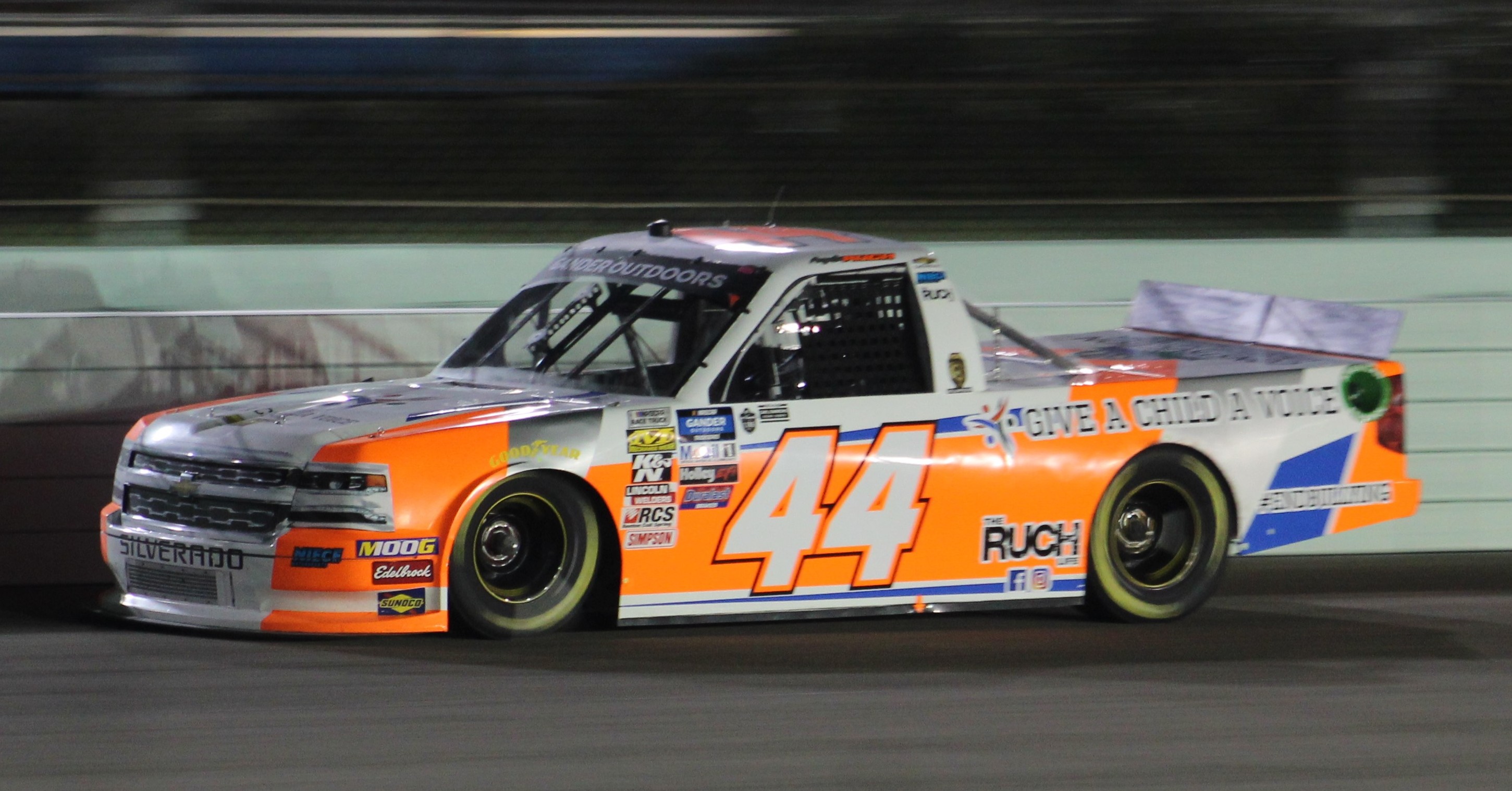
Chevrolet Silverado
"...y time you go to the store to buy milk and you're Silverado thinking you're you're saving the planet, you're ..."
The Chevrolet Silverado is a large truck made for carrying things and towing trailers. People use it for work and also for regular driving. It may be mentioned because it’s a common, big vehicle that people talk about when discussing fuel and everyday practicality.
The Chevrolet Silverado is a full-size pickup truck built for everyday driving as well as work tasks like towing and hauling. It’s often discussed because it represents how mainstream trucks are marketed and used, including the idea of “doing more” while still being practical for daily life. In a podcast, it may come up in jokes or commentary about fuel use, size, and modern ownership expectations.
recalls
"in twenty twenty five nits of mandated four hundred and forty seven recalls, which constituted more than twenty eight million vehicles."
A recall is when a car company has to fix a problem in certain vehicles because it could be unsafe. For self-driving systems, recalls can happen when the software or sensors don’t behave correctly in some situations.
A recall is when a manufacturer (or regulator) requires vehicles to be repaired because of a safety or compliance problem. In the context of autonomous driving, recalls can reflect issues with sensors, software behavior, or edge cases that weren’t handled safely.
school zones
"The one that bothers me the most is going through school zones bus you know, not stopping for buses."
School zones are places near schools where drivers are supposed to slow down and follow extra rules. The host is saying self-driving cars have trouble with one specific school-zone behavior—like stopping for buses.
School zones are areas near schools where traffic rules are stricter (for example, reduced speeds and special stopping behavior). For autonomous driving, they’re a challenging edge case because the system must reliably detect buses and pedestrians and follow the correct stop behavior.
gating speed of adoption
"going the human is always the person that is least considered here, and I think human nature is going to be the gating speed of adoption."
They’re saying the biggest reason self-driving cars won’t spread instantly is people. Even if the tech is good, humans decide how quickly they’re willing to use it.
“Gating speed of adoption” means the limiting factor that determines how quickly a new technology gets widely used. Here, the host argues that human comfort, trust, and behavior—not the technology’s capability—will set the pace for autonomous driving adoption.
sudden stop
"he had always say, it's not the speed that skills, it kills, it's a sudden stop. And I thought that was interesting"
A sudden stop is when a vehicle brakes hard or quickly. The point is that self-driving systems may be able to notice problems earlier so they don’t have to brake abruptly.
A “sudden stop” is used here as a shorthand for abrupt deceleration events that can be dangerous, especially if they occur unexpectedly. The discussion implies autonomous systems could reduce these events by detecting hazards earlier and planning smoother, safer maneuvers.
Goodyear
"I had the privilege of advising Goodyear for about four years and a retainer, and we're working on smart tires"
Goodyear is a well-known tire company. Here, they’re being discussed in connection with new tire tech that could make driving safer.
Goodyear is a major tire manufacturer, and the speaker mentions advising the company on tire technology. In this segment, it’s tied to the idea of “smart tires” that can help vehicles understand road conditions.
friction of the road
"we're working on smart tires and understanding the friction of the road is really important at any instance in time, and being able to do all this stuff and bring it together into a system."
Road friction is basically how grippy the road is for your tires. If the road is slick, the car can’t stop or turn as well, so the vehicle needs to account for that.
“Friction of the road” refers to how much grip the tire has on the surface, which strongly affects braking, acceleration, and cornering. For autonomous driving, knowing available friction helps the vehicle predict traction limits and avoid loss-of-control events.
smart tires
"I had the privilege of advising Goodyear for about four years and a retainer, and we're working on smart tires and understanding the friction of the road is really important at any instance in time"
Smart tires are tires with extra sensing or electronics. They can help the car understand how the tire is interacting with the road so it can drive more safely.
Smart tires are tires designed to provide extra data (or react) beyond basic grip, often by using sensors to measure conditions like temperature, tread wear, and road interaction. The goal is to improve safety and vehicle control by feeding real-time tire/road information into the car’s systems.
system design standpoint
"I think the real opportunity here from a system design standpoint is to have us move around on vehicles tailored to our typical everyday trip and make it really easy for us to be able to do our occasional extreme trips when we want to."
They mean designing the whole “autonomous transportation plan,” not just the car itself. The goal is to use different kinds of autonomous rides for different trips—like normal errands versus longer trips—so it works better for everyday life.
This is talking about designing an autonomous mobility system as a whole, not just a single car. The idea is to match vehicle capabilities and routing to different trip types (daily commuting vs occasional long trips) to reduce wasted capacity and improve usability.
Farmington Hills, Michigan
"Okay, let me ask you this. So we're in Farmington Hills, Michigan right now, and let's say we want to go to ann Arbor,"
They’re using a real Michigan city as the starting point for a “how would the autonomous car get there?” example. It’s just to make the scenario feel concrete.
Farmington Hills is a city in Michigan used here as a real-world starting point for an autonomous routing example. Using a specific metro area helps illustrate how an autonomous system would handle freeway segments and local streets.
fleet of cars
"There's going to be a fleet of cars that do that autonomously, and it could be your own car, it could be your robo car."
A “fleet” just means many autonomous cars working together. Instead of one car for one person, the system can send the right car to the right rider when needed.
In autonomous mobility, a “fleet” is a coordinated group of self-driving vehicles managed to serve trips efficiently. The discussion contrasts personal autonomous cars with shared robo-car/robo-taxi fleets that can be dispatched on demand.
hierarchy of the network
"And this absolutely I think you got to think about the hierarchy of the network. That's why I don't want get too heavy into the math."
“Hierarchy of the network” refers to how road systems are categorized (for example, freeways vs arterials vs local streets) and how autonomous driving behavior changes by road class. The speaker implies the system’s planning and control logic depends on which type of road you’re on.
vehicle miles travel
"I think very very fascinating Uber and Live, which seemed to get a lot of attention. They are one to two percent of the US vehicle miles travel today, and that means the game is the personal car."
This is a way to measure how much driving is happening—basically total miles driven by vehicles. They use it to compare ride-hailing activity to all US driving.
“Vehicle miles traveled” is a transportation metric that counts how many miles vehicles collectively drive over a period. The speaker uses it to estimate how much of total US driving is already covered by Uber and Lyft, framing how big the autonomous “market” could be.
Briarwood Mall
"Look at briar Wood mall right. Now look at their parking lot when you're driving by it, which dogs it's empty... If I could drive my car, park in Briarwood and get a robo taxi take me up the road to the game..."
Briarwood Mall is the example location used to imagine where self-driving cars could park and wait. The host is using it to show how autonomous cars could make event trips easier.
Briarwood Mall is referenced as a real-world destination with a large parking lot that could be used for autonomous vehicle staging. The example illustrates how autonomous fleets might park, wait, and then be called again after an event.
autonomous street
"Autonomous street has become, how inevitable it's going to be at scale, and now it's tigned to really get serious thinking about what can that mean..."
“Autonomous street” refers to the idea that public roads become part of an autonomous-vehicle operating environment, not just a controlled test area. It implies widespread readiness of infrastructure, regulations, and vehicle behavior for real-world driving.
lay e commerce on top of people movement
"I think there's an enormous opportunity to lay e commerce on top of people movement. Look at the day is twenty four hours, and have e commerce to a lot of delivery at night."
The idea is that self-driving cars could do more than just carry people. They could also deliver packages, so the vehicles are used more efficiently instead of sitting around.
The host is describing a business model where the same autonomous fleet handles both passenger trips and package delivery. The goal is to increase fleet efficiency by combining “people movement” and “goods movement” rather than running separate vehicle systems.
self driving cars
"Uber came on the scene, Google self driving cars was created, and Tesla came on the scene."
Self-driving cars are cars that can handle driving tasks by themselves. They use sensors and software to understand what’s around them and decide how to move safely.
“Self-driving cars” refers to vehicles that automate driving tasks—typically steering, acceleration, and braking—using perception (sensing the road) and planning (deciding what to do next). The segment ties this to a “magic moment” in the 2007–2011 era when major tech-led efforts accelerated.
"Uber came on the scene, Google self driving cars was created, and Tesla came on the scene."
Google is mentioned because it worked on self-driving technology. The point is that tech companies—rather than classic car companies—were leading the push toward autonomous driving.
Google is referenced here in connection with self-driving car development, reflecting the company’s early investment in autonomous-driving research and prototypes. The host uses it to illustrate that the leadership behind autonomy came from digital-tech backgrounds rather than traditional automakers.
transition
"And that's why such a privilege should be on your show to be able to have a chance to talk about this stuff."
“Manage the transition” here means planning for how society, labor markets, and regulation adapt as autonomous driving becomes more common. It’s framed as avoiding reactive policy changes after disruption starts.
Request an Explanation
Heard something you'd like explained? We'll add it to this episode.
Sign in to request explanations for terms you heard.
Want to learn more?
Browse our glossary for plain-English explanations of automotive terms, jargon, and concepts.
Help improve this episode
See something that's not quite right? Our annotations are AI-generated and can sometimes miss the mark. Click the flag icon on any annotation to suggest a correction.