
Peugeot the fastest growing segment
They’re talking about which type of car is growing fastest in Europe. That trend affects what automakers build next.

Renault Twingo
The Renault Twingo is a small car made for city driving. It’s meant to be easy to park and drive in tight spaces. The podcast says Renault is launching a new one with a starting price under 20,000 euros.
LFP battery pack
LFP is a type of EV battery. It’s generally considered safer and can last a long time, and it’s commonly used in more affordable electric cars.
WLTP test cycle
WLTP is a standardized test used in Europe to estimate how far a car can go. Your real range may be different depending on how you drive.
electric motor
An electric motor is what actually moves the car using electricity from the battery. More motor power usually means stronger performance.

Toyota Grand Highlander
The Toyota Grand Highlander is a bigger SUV with three rows of seats. It’s made for families or anyone who needs more passenger space. The podcast mentions it while discussing production and upcoming vehicles.
Tata AutoCOM Systems
Tata AutoCOM Systems is Tata’s parts business for cars. In this episode, it’s partnering with Bosch to build EV-related components.
Bosch
Bosch is a big car-parts company. Here, they’re teaming up to help build electric-drive components for EVs.
50-50 joint venture
A 50-50 joint venture means two companies split the project evenly. They team up to build and produce new technology more efficiently.
e axles
An e-axle is a packaged electric drivetrain unit for the car’s wheels. Instead of many separate parts, it’s built as one integrated system.
Intrepid
Intrepid is a company that makes tech for vehicle connectivity and testing. As cars become more software- and network-heavy, this kind of testing gets more important.
testing and validation of vehicle platforms
Testing and validation are how automakers confirm a new car design is reliable and safe. It helps catch problems before the cars go on sale.
fifty to fifty joint venture between Mercedes and Jili
A 50/50 joint venture means Smart is co-owned and co-managed by two parent companies, which can influence product planning, manufacturing, and market strategy. In this case, the segment ties Smart’s China sales performance to the broader corporate structure behind the brand.
liquidated through used car channels
This means the brand is trying to get rid of unsold cars by pushing them into the used market. Big discounts usually happen when new-car demand isn’t strong enough.
Level two
Level 2 means the car can help with things like steering and speed, but you still have to watch the road and be ready to take over immediately. It’s not true self-driving.
Level three
Level 3 is closer to self-driving: the car can handle the driving for a while, and you don’t have to constantly watch like you do in Level 2. Still, the car will ask you to take over when it needs to.
hands off in Eyes Off
“Eyes Off” means you’re not expected to keep your eyes on the road the whole time while the system is handling the driving. But you still have to be ready to take over when the car asks.

Cadillac Escalate
The Cadillac Escalade is a large luxury SUV. In this episode, they mention a new version where a feature called “Eyes Off” is offered as an option, which relates to driver-assistance technology. The discussion is about what’s coming on the next Escalade model.
cobalt exports
Some countries are limiting how much cobalt they ship out to force more refining to happen locally. When supply tightens, the price of battery materials can rise.
lithium shipments
If a country bans lithium shipments, it reduces the amount of battery material getting to the global market. Less supply can make lithium more expensive.
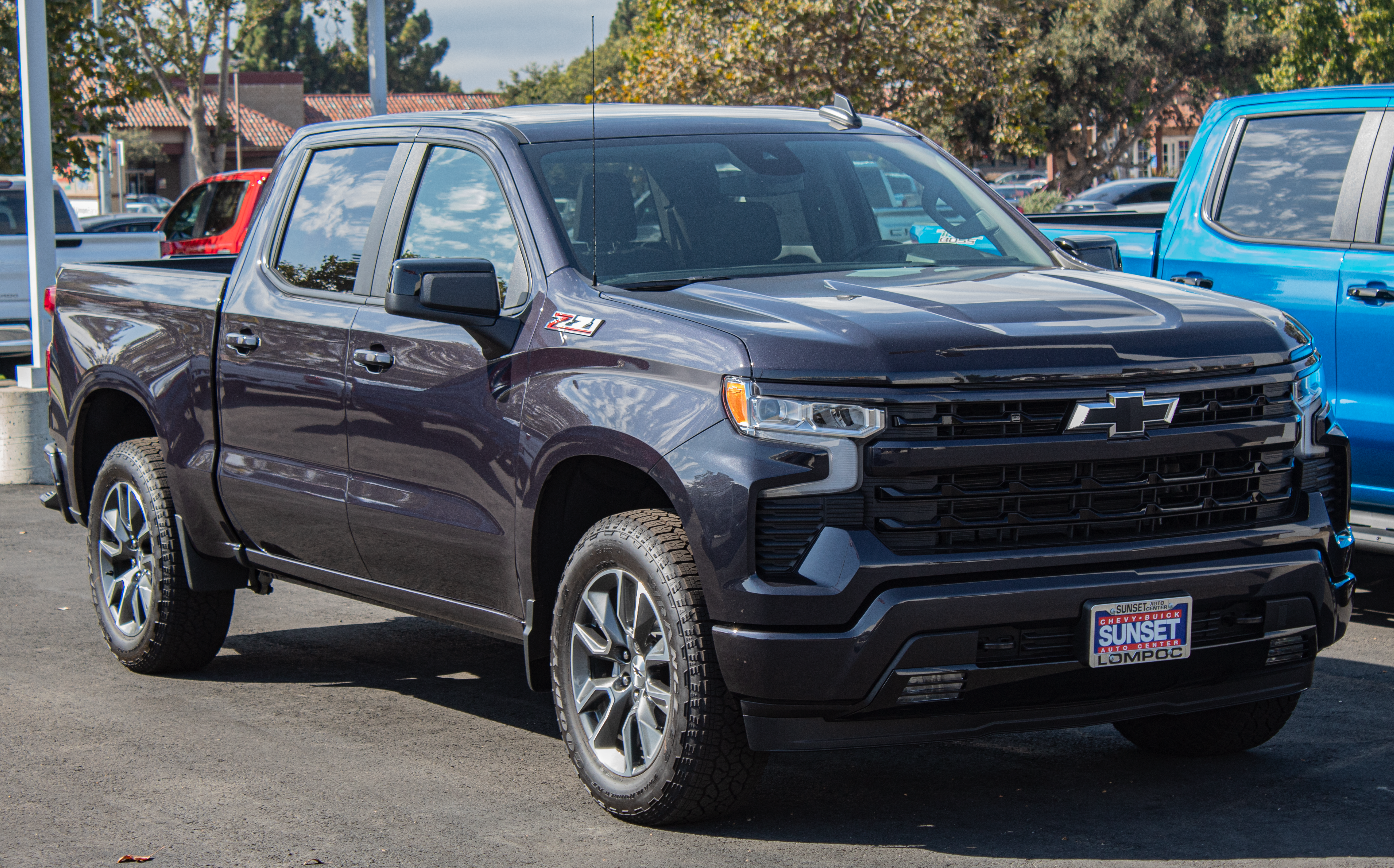
Chevrolet Silverado
The Silverado is one of the trucks that saw a big rise in fatal crashes over a recent few-year span. The episode later explains that they also looked at crashes relative to how many of each model are out there.
fatal accidents as a percentage of models on the road
They didn’t just count crashes—they adjusted for how many of each car model are out there. That way, a very common car doesn’t automatically look worse just because it’s everywhere.

Chevrolet Equinox
The Equinox is listed among the top five when fatal crashes are adjusted for how many are on the road. The episode’s big point is that crossovers show up a lot in the worst rankings.

Ford Edge
The Edge is one of the vehicles that shows up in the top five when they compare fatal crashes relative to how many of each car are on the road. The show says crossovers are overrepresented in these results.

Nissan Rogue
The Rogue ranks near the top when fatal crashes are adjusted for how many are on the road. The episode points out that many of the worst-ranked vehicles are crossovers.

Honda Pilot
The Pilot is one of the top five vehicles in the adjusted fatal-crash ranking. The episode says crossovers tend to show up more often in these high-risk lists.
Over the Air Engineering
Over-the-air engineering is about updating a car’s software remotely. Instead of going to a shop, the car can receive updates wirelessly.
CSP, the Composites Solution Partner
CSP is a company that helps with composite materials. Composite materials can help cars be lighter, which can improve efficiency and sometimes safety.
supply chain reinvention
Supply chain reinvention describes how companies redesign sourcing, logistics, and manufacturing networks to handle shortages, new regulations, and changing demand. In recent years, this has been especially important for batteries, semiconductors, and critical materials.
electrification
Electrification means moving away from gas engines and toward electric power. It changes how cars are built and how they get charged.
digitalization
Digitalization means using more software and data in cars and factories. It can lead to features like connected services and updates that improve the car over time.
regulatory shifts
Regulatory shifts are new or changing rules from governments. Automakers have to adjust their cars and processes to stay compliant.
ALEX Partners
ALEX Partners is a business consulting company. The ad is saying they help automakers make big changes and carry out plans quickly.