BEV Factory
“BEV Factory” is Toyota’s project for building electric cars using a more modern manufacturing approach. The idea is to make EVs cheaper and easier to build by changing how the factory is set up.
gigacastings
Gigacastings are a manufacturing method where big metal parts are cast in one piece instead of being made from many smaller pieces. That can make the car cheaper and faster to build, but it needs special factory equipment.
modular manufacturing
Modular manufacturing means building the car in big sections (modules) that can be put together efficiently. It can make production faster and easier to change when designs evolve.

Lexus lf ZC
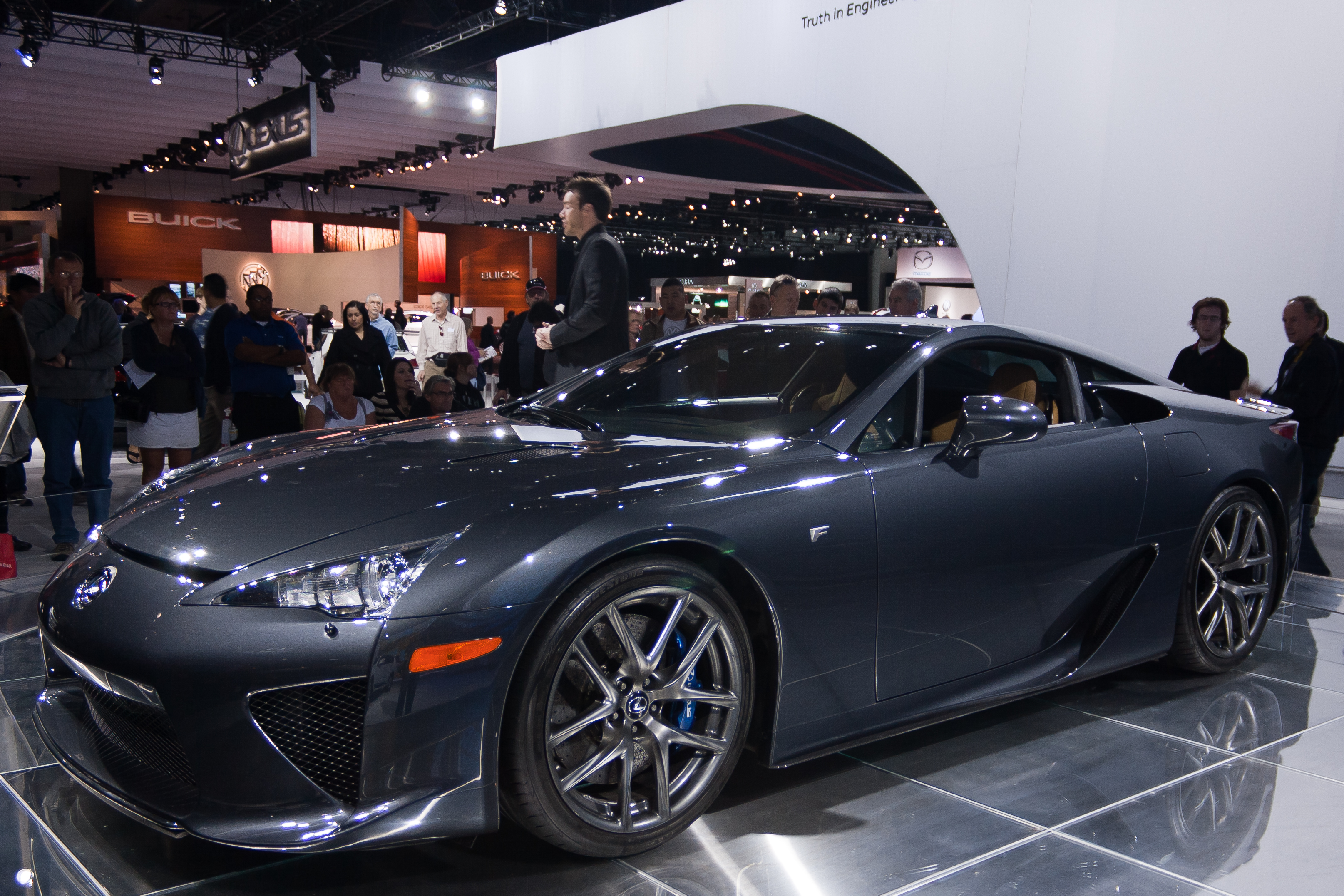
Lexus is Toyota’s luxury brand. “LF-ZC” is tied to Lexus’s next electric-vehicle plan, and the hosts say Toyota canceled the first vehicle meant to come from that platform.
Lexus Lf
L three and L four autonomous driving
“Level 3” and “Level 4” are ways of describing how automated a car is. Level 3 still expects the driver to be ready to help, while Level 4 can drive on its own in certain situations without needing the driver to constantly monitor.
BYD
BYD is a Chinese car company. Here they’re mentioned because they’re building self-driving-related computer chips and offering a coverage program tied to their driver-assistance system.
God's Eye
“God’s Eye” is BYD’s name for its driver-assistance system. The segment also describes it like a bundled safety/coverage program—BYD says it covers accident costs for a year if the system is used correctly.
FSD
FSD is Tesla’s name for its advanced self-driving software package. Here it’s mentioned mainly to compare how much Tesla charges versus BYD’s system.
robotaxi
A robotaxi is a self-driving taxi service. Instead of a human driver, the car uses software to drive, and the segment talks about a situation where many robotaxis stopped working and regulators stepped in.
Apollo Go
Apollo Go is the name of Baidu’s robotaxi/self-driving taxi service. The segment says it had a big problem where many cars stopped working at once.
Baidu
Baidu is a big Chinese tech company. Here it’s mentioned because its self-driving taxi service had a major failure that affected many vehicles.
Wuhan
Wuhan is a city in China. The segment says robotaxis had a major problem on roads there, which caused disruption and led to more government oversight.
Pony Ai
Pony AI is a company working on self-driving technology. In this segment they’re mentioned because they added more robotaxis to their fleet.
we Ride
WeRide is a self-driving company. The segment says it increased the number of robotaxis it has in operation.
Intrepid
Intrepid makes software tools for car companies. They help the company check cars during testing by finding error codes and figuring out which cars have the wrong software.
diagnostic trouble codes
Diagnostic trouble codes are like a car’s “check engine” error messages, but more specific. They tell you which system has a problem so you can figure out what to fix.
Rivian R2 Performance
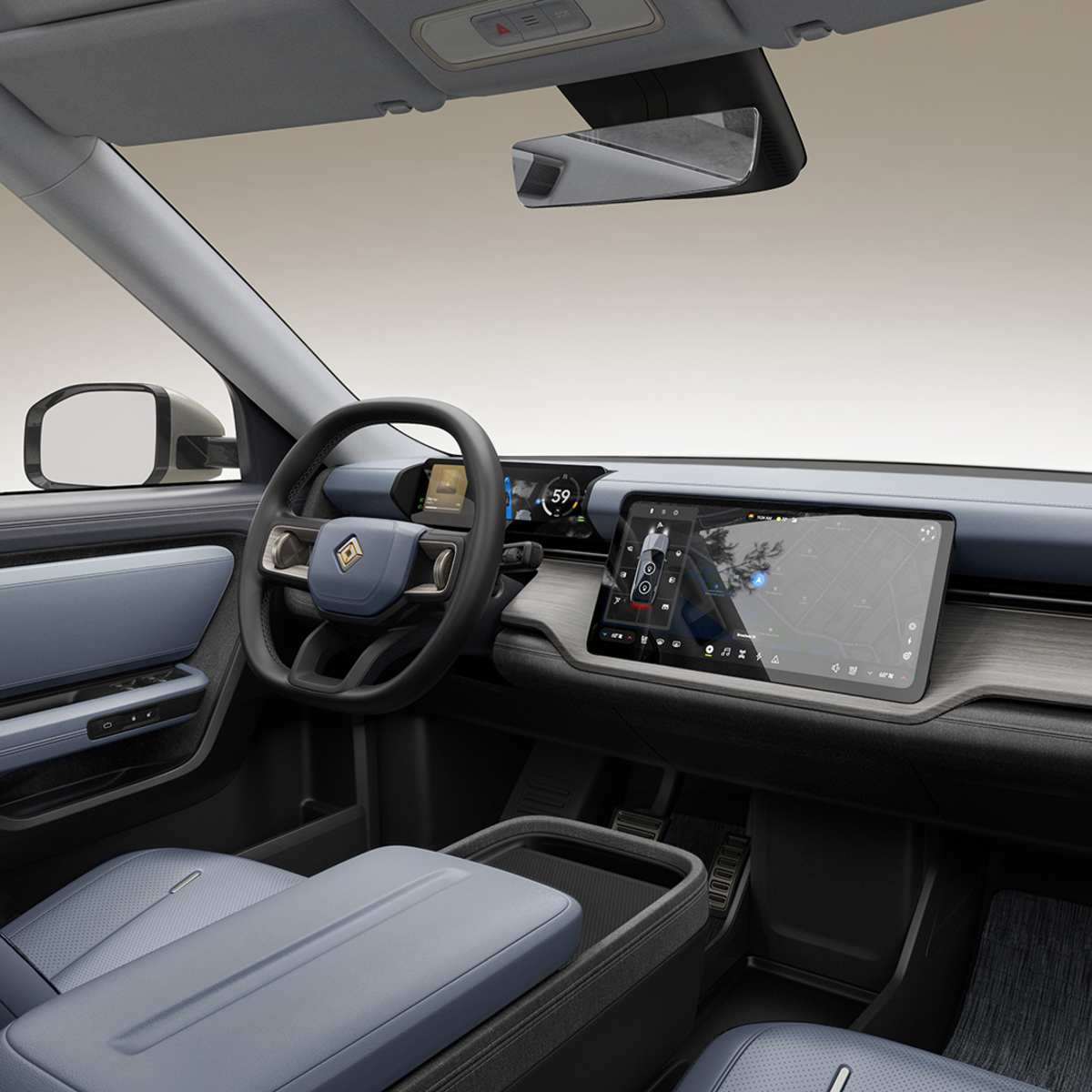
The Rivian R2 Performance is an electric SUV, and the hosts are talking about its official EPA efficiency and range. They’re comparing it to a Tesla to show how much energy it uses and how far it can go on a charge.
kilowat hours per one hundred miles
This is how much electricity the EV uses to drive 100 miles. Less electricity per 100 miles usually means better efficiency and potentially lower charging cost.
mpg
For electric cars, “mpg” is usually a comparison number. It’s not real gasoline—it’s an EPA way to express how efficiently the car uses electricity.

Tesla Model Y Performance
The Tesla Model Y Performance is an electric SUV version of the Model Y. The hosts use it as a comparison point for efficiency and range so you can see how the Rivian stacks up.
Peugeot
Peugeot is a French automotive brand within the Stellantis group’s lineup. Here, the segment discusses Peugeot’s product plan: new models, including BEVs (battery-electric vehicles) in the B segment and an SUV in the C segment, plus steer-by-wire on at least one B-segment car.
steer by wire
Steer-by-wire means the steering wheel isn’t mechanically connected to the wheels. Instead, sensors and computers control the steering, which can allow a smaller or differently shaped steering wheel.
Satroan
The transcript mentions a brand that’s planned to launch several new cars by 2030 and bring back an older model as an electric version. The exact brand name is unclear due to transcription.
Dou Cheveaux
They’re talking about bringing back a famous retro-styled model as an electric car. The name in the transcript sounds garbled, so it may not match the official spelling.

Nissan Frontier
The Nissan Frontier is a mid-size pickup truck from Nissan. The hosts say Mitsubishi’s new pickup is likely built on an updated version of the Frontier, and they point to when Nissan plans to start making that refreshed model in the US.

Honda Ridgeline
The Honda Ridgeline is Honda’s pickup truck. The hosts say Honda is pausing production because the current version can’t meet new emissions rules, and they expect production to restart in 2028 with a refreshed model.
emission regulations
Emission regulations are laws about how clean a car’s exhaust has to be. If a car can’t meet the rules, the manufacturer may have to pause sales or update the vehicle before it can be produced again.
ultra high performance tire
An ultra high performance tire is built to help the car grip the road better and respond more quickly when you steer. The hosts mention this tire is designed to work well in wet conditions and also claims lower energy loss while rolling.
Potenza Sport Evo
Potenza Sport Evo is a specific Bridgestone tire model being launched in this segment. The hosts highlight design choices like wider shoulders, a new polymer compound, and an optimized tread pattern to improve steering feel and wet-weather handling.