
Ford
They’re talking about Ford making big changes in who runs the company. When leadership changes, it usually means the company may change priorities—like what cars to build and how fast new tech gets introduced.
Volkswagen
They mention Volkswagen taking a financial hit tied to canceling something in Tennessee. That’s a reminder that big car plans can get expensive to change when schedules or projects don’t go forward.
Nissan
They’re talking about Nissan’s new plan for the future. That usually means Nissan is changing what it wants to focus on—like new cars, new technology, and how it wants to compete.
Toyota
Toyota is described as trying to bring Lexus dealers into a new performance brand called GR. It’s basically Toyota using its dealer network to help sell and support sportier cars.
Lexus
They mention Lexus dealers being recruited. That means the sportier GR cars would likely be sold and serviced through Lexus locations, not just separate performance dealers.
GR performance brand
They’re talking about Toyota’s new GR performance brand. “GR” usually means Toyota’s sportier, higher-performance lineup, and the brand often comes with special support so dealers can sell and service those cars properly.
UAW
UAW is a union that represents many auto workers in the U.S. If the show mentions Ford and the UAW together, it usually means they’re talking about jobs, contracts, and how changes at the company affect workers.
Doug Field
Doug Field is an important executive who’s been involved in big tech and car projects. Here, the hosts are saying Ford brought him in to help change how the company builds cars.
software-driven automaker
It means the car’s features are controlled a lot by computers and software, not just hardware. Think of it like your phone getting updates—except it’s your car’s systems and features.
Tesla
Tesla is an automaker known for lots of technology in its cars, especially software. The hosts mention it because Doug Field worked there, and that experience is tied to Ford’s tech shift.
Apple
Apple is a major tech company. The hosts bring it up because Doug Field worked there before joining Ford, and that background is part of the push toward more software-focused cars.
watershed moment
A “watershed moment” just means a big turning point—when things start going in a new direction. The hosts are saying Ford’s hire was a major milestone for its future plans.
BlueCruise driver system
BlueCruise is Ford’s driver-assist tech. It can help with steering in certain situations, but it’s not “set it and forget it”—the driver still has to pay attention.
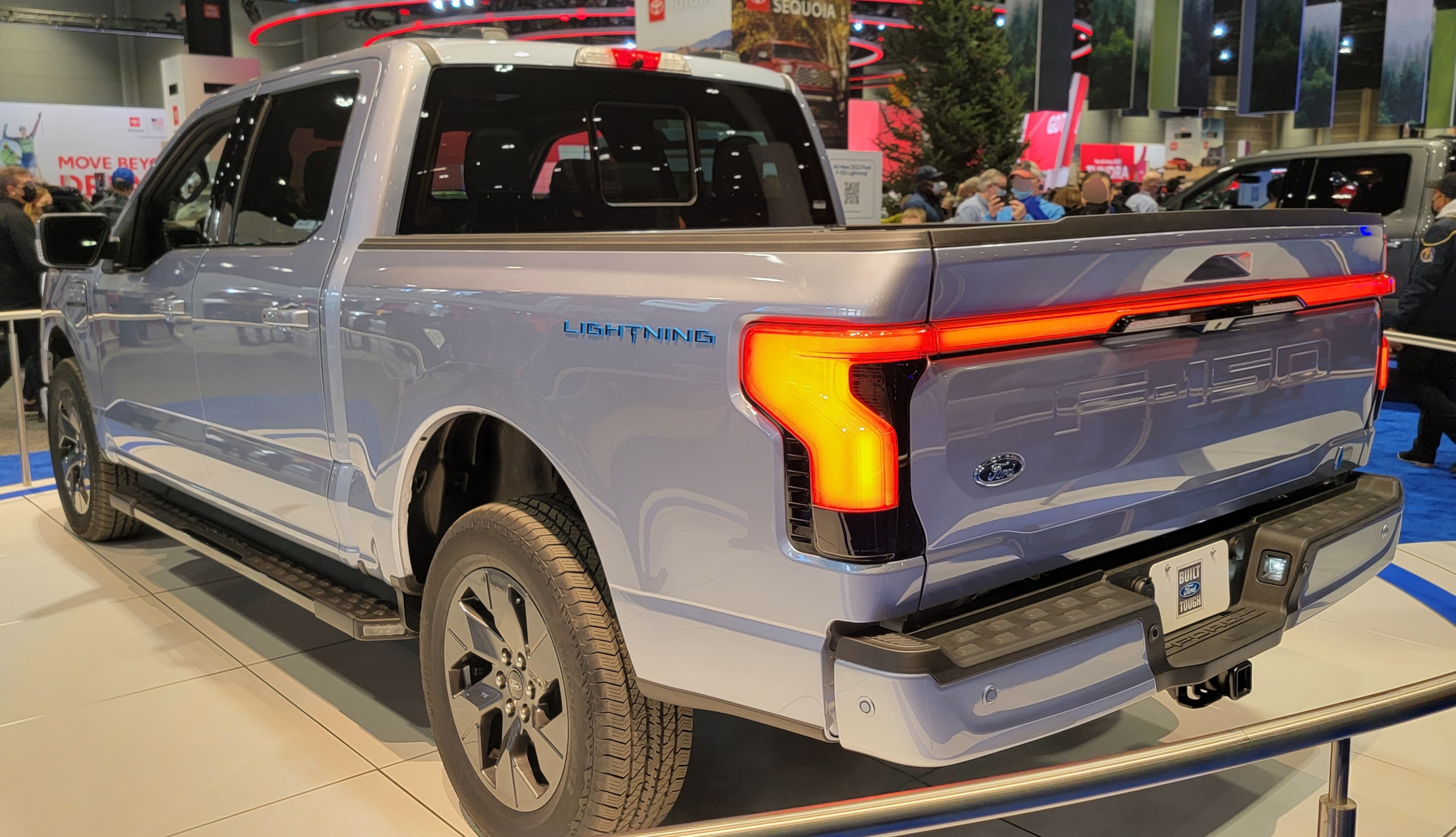
Ford Lightning
The Ford Lightning is Ford’s electric truck. They’re saying this person wasn’t the original launch leader, but helped refine the truck after it came out.

Mach-E
The Mach-E is Ford’s electric crossover. The point here is that it wasn’t originally launched by this executive, but it later got better as Ford worked on software and the next EV generation.
UEV platform
An “EV platform” is the shared foundation a company uses to build multiple electric cars. Here, they’re saying Ford’s next platform is a big change in how the cars will be designed and built.
giga castings
Giga castings are when a car is built with very large metal pieces made in one shot, instead of lots of smaller parts. That can make production simpler, but it can also affect how the car is repaired after damage.
industrial system (manufacturing and quality)
They’re referring to the company’s manufacturing and quality setup—basically how the cars get built and checked. Combining teams with that system is meant to make production smoother and more efficient.
EV teams combined with traditional engineering
They’re talking about merging the people who build electric-vehicle projects with the regular engineering teams. That can help the company work faster and avoid duplicated work.
COO Kumar Gautra
Kumar Gautra is Ford’s top operations executive. The COO role is about how the company runs day to day, and here he’s connected to a staffing/structure decision.
startup speed
“Startup speed” means working faster and making changes quickly instead of waiting for long approval chains. In car development, it usually shows up as quicker software updates and faster problem-solving.
software development
Cars today are heavily controlled by computers, and that software needs constant updates. The idea is to build and improve it faster so the car can get better over time and compete better.
EVs
EVs are cars powered by electricity stored in a battery. Automakers compete on things like how quickly they can improve the software, how efficiently they can build them, and how low they can get the cost.
Rivians
Rivian is another EV company, and it’s being used here as part of the competitive set. The takeaway is that Ford wants to keep up with how these EV makers develop and refine their vehicles.
gas and hybrid powertrains
A powertrain is what makes the car move—engine and/or electric parts. The hosts are saying Ford wants to use what it learned building EVs to also improve regular gas cars and hybrid cars.
split the company into gas, into EV, into fleet and business unit
This is about how Ford organized its teams—separating EV work from gas work and also splitting out fleet/business. The discussion suggests they’re now trying to share ideas between those groups instead of keeping them totally separate.
fake it till you make it strategy
It means trying something before you’re fully ready, hoping it works out later. In cars, that’s harder because safety rules and testing have to be done first.
automakers are slow to turn
The segment is pointing out that automakers typically have longer development cycles than software companies. That’s due to engineering complexity, supplier coordination, homologation/testing, and the need to manage safety-critical systems.
agents of change
“Agents of change” refers to new leaders or hires brought in to accelerate transformation inside a large organization. In the auto industry, even high-profile hires can struggle to move quickly because of entrenched processes, safety culture, and multi-year product planning.
big splash hirings
This is when companies hire well-known leaders and make a big announcement. The point here is that even big hires don’t instantly make cars change faster.

Volkswagen ID
Volkswagen’s “ID” is the name for its electric-car lineup. The discussion here is about how VW planned to build these cars in the U.S., but production problems meant they didn’t ramp up quickly enough, which cost the company a lot of money.
Chattanooga plant
The Chattanooga plant is Volkswagen’s manufacturing site in Chattanooga, Tennessee, used for producing vehicles for the U.S. market. In this segment, the shutdown is the trigger for the company’s reported financial hit, highlighting how production timing and ramp-up affect costs.
EV revolution
An “EV revolution” means the big change from gas cars to electric cars. The point being made is that Volkswagen bet a lot on EVs, and if the cars don’t get built and sold fast enough, that bet can turn into a big financial loss.
tech forward
“Tech forward” just means the car is designed with a lot of tech and modern features in mind. Even the door controls are set up differently, not just the big stuff like screens or engines.
toggle switch
A toggle switch is a small switch you flip to choose what you want the system to do. In this case, you pick front vs. rear windows first, then roll the windows.
two-step window control process
They’re saying the windows don’t work with one simple button set. You have to choose front or rear first, and then control the windows.
packaging constraints (doors designed too skinny)
They’re basically saying the door shape didn’t have enough room for the usual window switch layout. So the designers had to use a different setup that fits in the available space.
diesel gate
“Diesel gate” refers to Volkswagen’s diesel-emissions cheating scandal, where software was used to manipulate emissions readings. The segment uses it as context for why Volkswagen’s EV rollout and competitiveness were affected.

Tesla Model 3
The Tesla Model 3 is a high-volume electric sedan that became a benchmark for EV pricing and availability. Here it’s used as an example of a competitor that was already on the market when Volkswagen’s EV product finally launched.
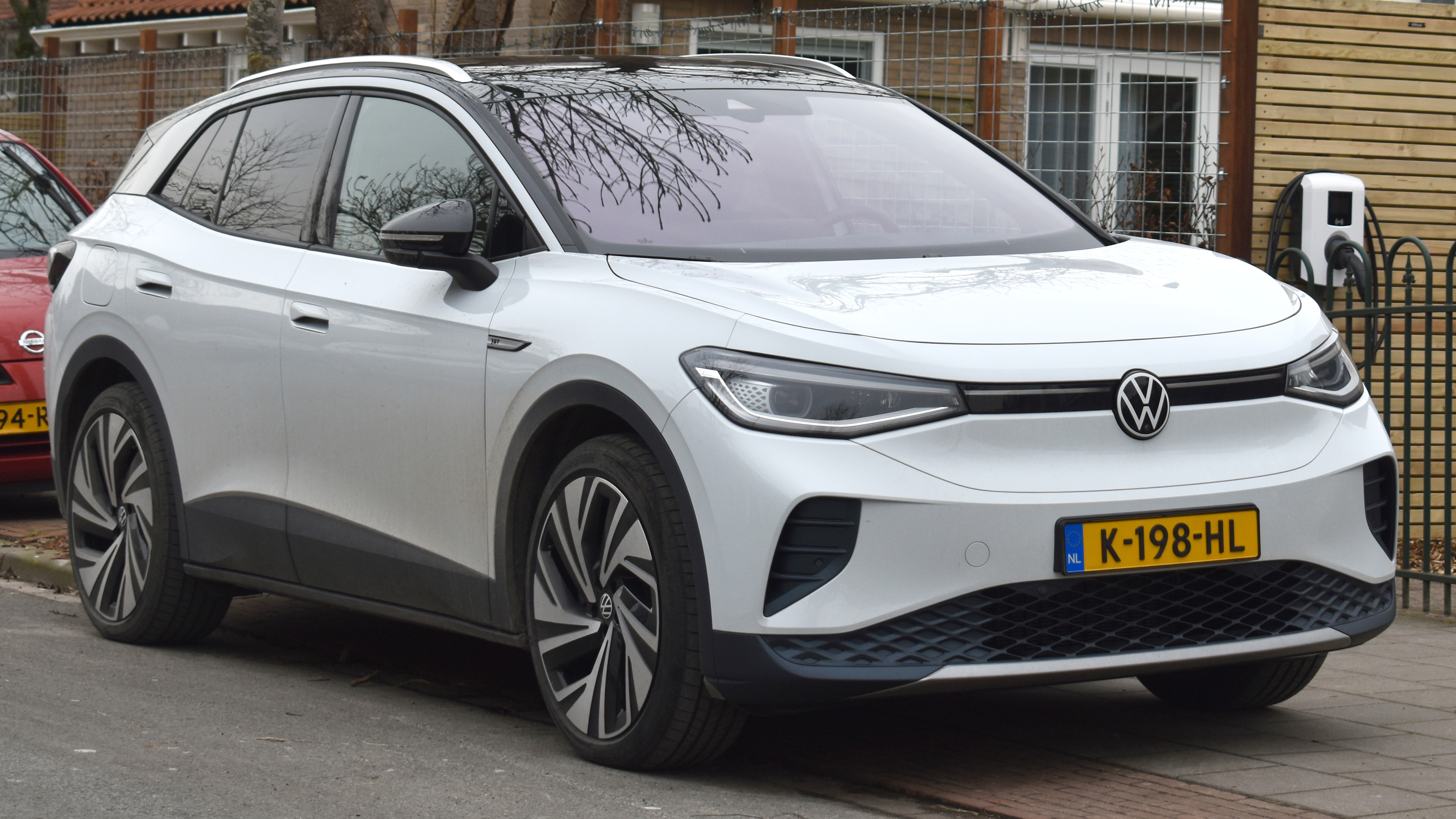
Volkswagen Id4
Volkswagen’s ID.4 is an electric SUV. The hosts are saying it didn’t sell as well as expected, partly because it arrived later than competitors and the market was already getting crowded.
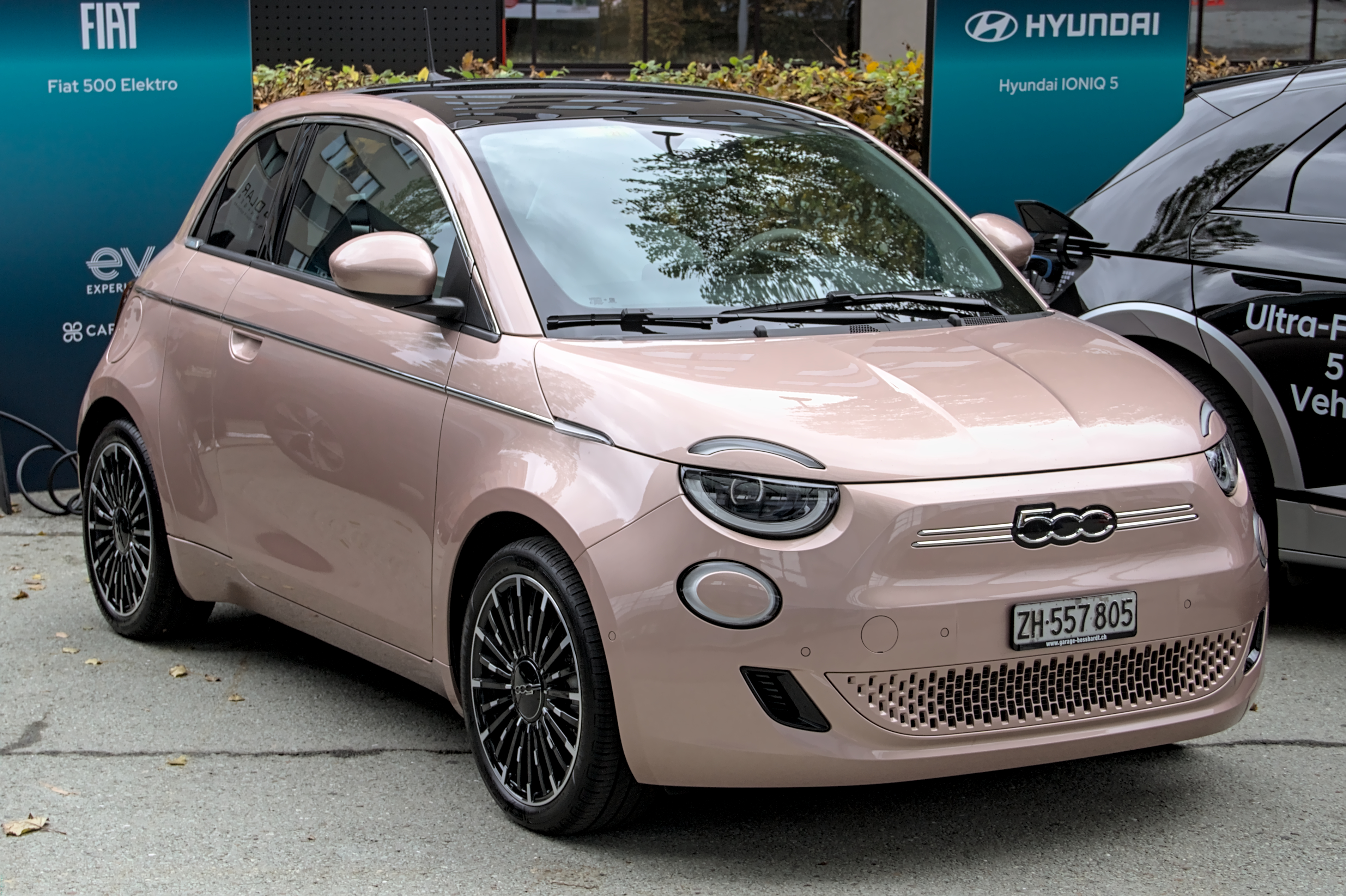
Fiat 500e
The Fiat 500e is an electric version of the Fiat 500 city car. The hosts reference Sergio Marchionne’s earlier comments discouraging purchases, using it as a parallel to the current EV sales situation.
compliance vehicle
Sometimes car companies have to build certain cars to follow government rules. Those cars might not sell well or might even lose money, but they’re made so the company can still sell other vehicles. It’s more about meeting requirements than making a big profit.
sell down
A “sell down” just means selling off leftover cars after the factory stops making them. Instead of disappearing overnight, the remaining inventory gets sold over months. It helps the company clear stock without flooding the market all at once.
retool Chattanooga
Retooling a factory means updating the machines and assembly process to build something new. Here, the idea is that the Chattanooga plant will stop making one model and switch to other vehicles. It’s basically a factory “upgrade” to match the company’s next product plan.
rental car center
A rental car center is where rental companies keep and manage their cars. The hosts are saying EVs may end up there if regular customers aren’t buying them fast enough. Rental companies may be hesitant because EVs can be harder to use day-to-day.
job security
“Job security” in union contract discussions usually refers to protections against layoffs, plant closures, or major reductions in hours/shift schedules. Contract language can also limit how easily work can be moved to other locations (outsourcing) or reduced through staffing changes.
outsourcing
Outsourcing is when a company sends work to someone else instead of doing it in-house. In a union contract, there may be limits on how easily that can happen to protect local jobs.
cutting shifts
Cutting shifts means fewer work schedules, so people may work fewer hours. In a union setting, contract rules can sometimes limit how easily the company can reduce shifts.
solid state battery
A solid-state battery is a newer type of battery that uses a solid material instead of a liquid inside. The goal is to make batteries safer and possibly more efficient. It’s not fully “standard” yet, so different companies are still working out the best designs.
global supply chains
Global supply chains are the worldwide system that brings parts and materials to factories. If something disrupts that system, car production can slow down because key materials or components don’t arrive on time. That can lead to fewer cars being built.
helium
Helium is a gas used in some industrial manufacturing steps. If there isn’t enough of it, factories can’t run certain processes as efficiently, which can slow down production. So shortages can indirectly affect how many vehicles get built.
semiconductor production
Semiconductor production is the manufacturing of the tiny computer chips used throughout modern vehicles. The episode links helium supply constraints to semiconductor output, which can ripple into vehicle availability and feature content. When chip production is constrained, automakers often face delays, substitutions, or reduced options.
high-end driver assistance features
These are advanced safety and convenience features that help the car drive more “on its own,” like staying in the lane or braking to avoid crashes. They need computer chips to work reliably. If chip supply is tight, it can slow down how many cars with these features get built.
power electronics
Power electronics are the car’s electrical “power managers.” They help control how electricity moves to things like the motor and charging system. If chip supply is limited, it can slow down the availability of cars with these systems.
memory chips
Memory chips are the car’s storage for software and temporary data. They help the car’s computers run features like navigation, safety systems, and other electronics. If these chips are scarce, some cars may be delayed or shipped with fewer features.
addition by subtraction
“Addition by subtraction” is a strategy where a company improves outcomes by removing or simplifying parts of its plan—rather than only adding new initiatives. In an automaker context, it can mean cutting unprofitable models, trimming complexity, or focusing resources on fewer priorities to improve execution. The episode frames Nissan’s vision as potentially involving this kind of restructuring.
global portfolio 20%
A company’s “portfolio” is basically the lineup of different cars it offers. Cutting it down means they’re selling fewer different models so they can spend less money and build things more efficiently. It often leads to using the same core parts across multiple vehicles.
pickup trucks
Pickup trucks are the vehicles with a separate bed for hauling things. They’re popular with people who need to tow or carry cargo. If a company focuses on pickups, it means they’re betting more on that type of buyer.
body on frame SUVs
“Body-on-frame” means the car has a sturdy base frame, like a truck, and the body sits on top of it. It’s often chosen for vehicles meant to tow or handle rough roads. It can feel different from cars that use a unibody design, which is more integrated.
complexity can kill you
In car-making, “complexity” means having too many different versions and parts. That can make the factory harder to run and more expensive. The idea is that simplifying the lineup helps the company build cars more reliably and profitably.
10 different configurations
The speaker is talking about having too many different “versions” of the same car. If you offer lots of small differences (like mirror setups or seat layouts), the factory has to manage more parts and steps. Cutting those down can make building cars easier and cheaper.
E-Power
Nissan e-POWER is a system where the car mainly drives like an electric vehicle. The gas engine doesn’t usually power the wheels directly—it helps generate electricity so you don’t have to plug it in as often.
parallel hybrid setup
In a parallel hybrid, both the gas engine and the electric motor can help move the car. The car can choose the best mix depending on speed and driving conditions.

Nissan Rogue
The Nissan Rogue is a popular family-sized crossover. Here they’re saying the next big redesign will start out as a hybrid, meaning it will use both gas and electricity to improve efficiency.
hybrid strategies
A hybrid is a car that uses both gas and electricity. Automakers use hybrids as a stepping stone because they can save fuel while still being easier to live with than a fully electric car for many people.
greenhouse gases
Greenhouse gases are emissions that help trap heat in the atmosphere. Reducing them is a big goal behind cleaner cars and other climate-related efforts.
fleet sales
Fleet sales are when companies buy lots of cars at once for their own use (like rentals, delivery fleets, or government agencies). It’s a fast way for a carmaker to sell many vehicles quickly, but it can sometimes distract from selling to regular customers.
market share
Market share is how much of the car-buying pie a brand gets. If a company chases market share hard, it may sell more cars quickly, but it can also mean discounts or strategies that aren’t always best for long-term profit.
relief valve for the industry
A “relief valve” here means fleet sales help soak up extra cars so the system doesn’t get clogged. But if a brand relies on it too much, it can signal deeper problems with demand.
fleet addiction
“Fleet addiction” means a company keeps selling cars mainly to fleets instead of regular customers. The point is that if you need fleets too often, it may mean the cars aren’t moving well at retail.
GR brand
“GR” is Toyota’s performance brand. Toyota is building a special experience center to promote the GR lineup and get people excited about those cars.
GR Experience Center
This is a Toyota-built location where people can experience the GR brand. The hosts also mention that access was restricted, which is common when a company is preparing a big launch.
NDA
An NDA is a promise you make legally not to share certain information. Reporters often sign NDAs so companies can control details until the official reveal.

Toyota GR GT
They’re talking about a Toyota concept called the GR GT. It’s meant to feel like a track car but still be street legal, and it’s part of Toyota’s push to build a new performance brand in the U.S.
GR franchises
A “franchise” in this context means dealers agreeing to sell the GR performance cars. Toyota is trying to get Lexus-area dealerships to carry the new GR lineup, and they say over 100 already have.
Eagles Canyon Raceway
Eagles Canyon Raceway is a race track. In this story, Toyota uses it for a driving program where people learn on track using GR cars.

Toyota GR Corolla
“GR” is Toyota’s performance brand (Gazoo Racing). So “GR Corollas” are Corolla models that Toyota tunes and builds to feel more like a sporty, enthusiast car.
track driving experience
This is Toyota setting up a structured track day for customers. Instead of just selling cars, they teach people how to drive them on a real race track.
GR
GR is Toyota’s performance/motorsport branding (Gazoo Racing). The hosts are saying that “GR” can be confusing because people might think of Nissan’s “GTR” instead.
TRD program
TRD is Toyota Racing Development—Toyota’s performance brand. The hosts are basically saying TRD is more like an established performance add-on, while GR is being used as a bigger, more branded “experience.”
Gazoo Racing
Gazoo Racing is Toyota’s own racing effort. The idea is that racing success and performance credibility can help Toyota (and its luxury brands) feel more “serious” in the high-performance world.
halo
A “halo” move means using a flashy, high-end product to make the whole brand look better. It’s like borrowing the spotlight from a top model to help sell the rest of the cars.
walking billboard for the brand
This phrase means the car is basically advertising the brand just by being seen in public. A supercar can make people notice the company and think of it as exciting and high-quality.
natural successor
This means the newer car is meant to be the next “big deal” in the same category. The hosts are saying Toyota wants its supercar to replace the Lexus LFA’s role as a special, attention-grabbing performance car.

Lexus Lfa
The Lexus LFA is a very fast, special-purpose sports car made in small numbers. It was produced for a short time, so it’s not common today. That’s why people bring it up when talking about what a future “next” supercar might be like.