
RET1
RET1 is software dealerships use to sell cars online. It helps customers pick options and see financing estimates without waiting for a salesperson.

Ford Fusion
The Ford Fusion is a regular passenger car (a sedan) meant for everyday driving. It’s built to be comfortable and practical for things like commuting and family errands. It may be mentioned because people often compare how well it meets their needs.
inventory crisis
An inventory crisis means car dealers don’t have enough cars to sell. When that happens, customers may wait longer, and dealers may only get certain versions first.
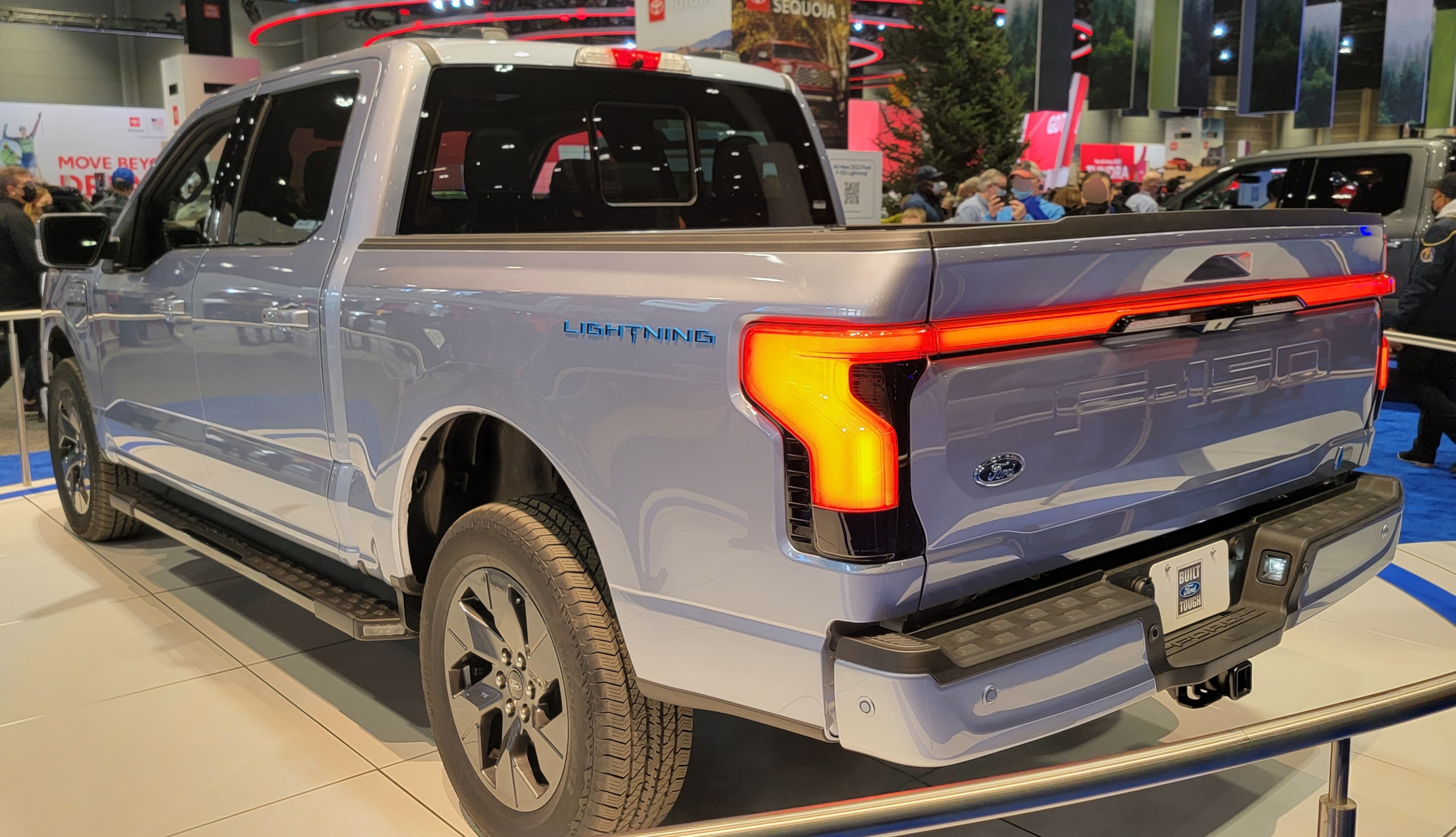
Ford F150
The Ford F-150 is a very popular truck, so if parts or production get delayed, there are fewer trucks on dealer lots. That can make it harder to find the exact truck you want and can affect how quickly dealers can sell.
level three self-driving systems
Level 3 means the car can drive in some situations, but you still have to be ready to take control. If companies pause these systems, it usually means they’re not fully comfortable with safety or reliability yet.
helium supplies
Helium isn’t just for balloons—it’s used in making computer chips. If helium becomes scarce, chip production can slow down, and that can delay the electronics inside cars.
high-end data systems
High-end data systems are the car’s advanced tech—like navigation, connectivity, and other smart features. If chips are delayed, those features may arrive later or be limited to certain versions.
supplier fire
A supplier fire is when a company that makes parts for cars has an accident and can’t produce. Even after it’s fixed, it can take a long time before production fully returns to normal.
aluminum plant
Aluminum is a lightweight material used in cars. If an aluminum plant can’t make material, carmakers may not be able to build certain parts on schedule.
full-size pickup segment
A market segment is a group of similar vehicles. If Ford’s share in the full-size pickup segment drops, it means fewer people are buying Ford trucks compared with competitors.
Automotive News Confidence Index
This is basically a “how worried or hopeful the auto industry feels” score. When it drops, it means leaders are less confident about what’s coming next, which can affect how many cars they build and how they stock dealer lots.
Mercedes
Mercedes is brought up because it had driver-assist features that were marketed as letting you take your eyes off the road. The takeaway is that people didn’t really want to use them as advertised.
BMW
BMW is mentioned because it also had driver-assist tech that suggested you could disengage more than with typical systems. The episode says customers weren’t buying it, so the companies are backing off.
level 3 systems
Level 3 is a type of driver-assist where the car can do a lot of the driving for you in specific situations. But you still have to be alert, because the car can ask you to take over.
Tesla-style driver assist tech
This is driver-assist that helps you drive, but it still expects you to keep your eyes on the road. It’s less about letting you fully step away and more about making driving easier while you stay responsible.
Automotive News Europe
This is another part of the same news organization that covers Europe. They’re the ones who quoted BMW’s spokesperson about why the tech isn’t selling.
UAW
The UAW (United Auto Workers) is the major U.S. labor union representing workers in the auto industry. The transcript says the guest covers Ford in the UAW, implying labor negotiations and workforce concerns are part of the broader picture behind inventory and production uncertainty.
Novellis
Novelis is the supplier mentioned in the story. If a supplier has a major problem, it can slow down car and truck production because manufacturers can’t get the materials they need.
inventory has dropped to around 57 days supply
“Days supply” is basically a countdown of how long the dealer’s stock will last. If it drops a lot, it means trucks are selling faster than they’re arriving, so customers wait longer.
order one and it could take months to arrive
When inventory is constrained, dealers can’t always match customer demand with ready-to-sell trucks. That pushes buyers toward factory orders, which adds lead time because production and shipping must catch up.
swap inventory and do trades
“Swapping inventory” and “doing trades” refers to dealers exchanging vehicles with each other to better match local demand. In a shortage, that strategy can fail because there may not be enough inventory anywhere to redistribute effectively.
a particular market will be really low on trucks and it will affect the surrounding other metro regions
If one city runs out of trucks, dealers may grab inventory from nearby cities. That can make the shortage show up in more than one place.
Inventory is down 63%
A “63%” inventory drop is an example of how severe the shortage can be in specific markets. While the exact number is local, the takeaway is that availability can collapse quickly even if the broader supply chain isn’t fully shut down.
entry level XL model
“XL” is a basic trim level on Ford’s pickup lineup. When there aren’t many trucks available, even the cheaper versions can get more expensive because there’s less supply to buy from.
summer shutdowns
Some factories temporarily stop production in the summer for maintenance and scheduling. If a company skips those shutdowns, it’s basically trying to build more cars sooner to make up for lost production.
multiple suppliers for the same component
Companies sometimes use more than one company to make the same part, so if one supplier has trouble, production can continue. The point here is that doing that costs more, so it’s not always set up—making disruptions worse.
black swan event
A “black swan” is something very unusual that you couldn’t really plan for. Here, it’s being used to explain how unexpected fires can suddenly break parts supply and make it harder to build and stock vehicles.
Iran War threatens helium supply for chips
They’re about to talk about how the Iran conflict could affect helium supplies. Helium matters for making computer chips, and chip shortages can slow down car production.
digital retailing
Digital retailing is how car shopping is done online. Instead of waiting until you get to a dealership, you can often get pricing, trade-in estimates, and payment estimates ahead of time.
Route One Fusion
Route One Fusion is software dealerships use to help shoppers do more online. It can estimate your trade-in value, help you pick a time to come in, and generally make it easier to go from browsing to buying.
trade and valuation
Trade and valuation is the estimate of what your current car might be worth. If you know that number up front, it’s easier to understand what you can afford and what to expect when you talk to the dealer.
appointment scheduling
Appointment scheduling means the dealership lets you pick a time to come in. It helps both you and the dealer plan ahead so the visit is smoother.
pre-qualification tools
Pre-qualification is an early check that estimates what kind of loan or payment you might qualify for. It can make the buying process faster once you’re ready to finalize financing.
helium shortage
Helium is used in making computer chips. If there isn’t enough helium, chip factories can’t make chips as easily, and that can lead to fewer cars being built.
semiconductors
Semiconductors are the chips inside cars that run lots of electronic features. If chip supply is limited, automakers may not be able to build as many cars.
Roland Berger
Roland Berger is referenced as an industry advisory firm through Stefan Kies, who discusses how helium supply constraints could affect the automotive sector. This is a credibility marker for the supply-chain analysis being presented.
byproduct of oil refinery
Some industrial materials are made as part of the oil refining process. If refining is disrupted, it can also disrupt supplies of other materials that manufacturers rely on.
helium can't be stockpiled for long (two to three months)
Helium is hard to store because it escapes from containers over time. That means if supply is interrupted, there’s only a short buffer before it affects production.
semiconductor facilities
Chip factories are called semiconductor facilities. They rely on specific gases like helium to make the tiny electronics inside modern vehicles.
ADAS and autonomy
ADAS and autonomy are the systems that help a car drive—like lane keeping, adaptive cruise, and other driver-assist features. They need computer chips, so chip shortages can delay those features getting to market.
helium used in semiconductor process steps (wafer production, load lock, edging)
Helium isn’t just a general ingredient—it’s used at multiple steps in chip manufacturing, including cooling and as a gas that helps move materials through certain processes.
helium's inertness makes it hard to substitute
Helium is chemically “non-reactive,” so it helps keep the chip-making environment clean. If you replace it with something else, you can increase the risk of unwanted reactions or contamination.
avoiding contamination during semiconductor manufacturing
Making chips is extremely sensitive to dirt and unwanted reactions. Helium helps keep the process clean enough to avoid contamination that could ruin the chips.
ADAS logic chips
ADAS chips are the computer parts that help a car “think” about what it sees—like lane markings, vehicles, and obstacles. If those chips aren’t available, some advanced safety features may be delayed or not included. That’s why chip shortages can affect which cars can be delivered with the newest driver-assist tech.
DRAM chips
DRAM is the car’s short-term “work space” memory—where data is stored briefly while the computer is running. If DRAM is in short supply, advanced electronics can’t process as much data as needed. That can contribute to delays in features that rely on heavy computing.
power electronics
Power electronics are the components that convert and manage electrical power—critical in EVs and also in many hybrid systems. They often require more complex semiconductor manufacturing steps and can be especially sensitive to shortages of specialty materials and gases like helium. The transcript suggests these parts are among the most helium-intensive, so they’re likely to see supply pressure first.
mix shift toward ICE and hybrids during component shortages
If some key electronic parts are missing, carmakers may change which types of cars they build first. The idea here is that ICE and some hybrids may be easier to produce during shortages than fully electric cars. So customers might see delays for the most advanced or EV-heavy configurations.