Arnold Clark profits hit £112.5m, 3p per mile EV tax confirmed, and Car Dealer Power results – with John Veichmanis, episode 267
Car Dealer Podcast
Arnold Clark profits hit £112.5m, 3p per mile EV tax confirmed, and Car Dealer Power results – with John Veichmanis, episode 267Car Dealer Podcast · Jul 16, 2026
The Hyundai i20 is a compact hatchback (a small car with a rear hatch). Here, it’s just the specific car they bought and drove away after negotiating the price.
Here, “margins” means the profit dealers want to make. Since they can’t see the reserve price, they have to decide their bid based on what profit they need.
Nationwide price means one general estimate used everywhere, not tailored to a particular town or region. They can’t share the location-specific number, so they use a country-wide one.
It’s a way to estimate what a car should sell for by using auction results. Instead of treating auction prices and retail prices as totally separate, they “convert” auction outcomes into a customer-facing value.
It means the valuation isn’t just a human guess—it’s computed by a set of rules using data. Here, they’re using auction bids and retail pricing to generate the estimate.
Bids are the offers made by buyers during an auction. The speaker is saying their valuation model uses the bids as a key input, alongside retail pricing, to estimate value.
Prep costs are what it takes to get a car ready to sell—like fixing small issues and doing reconditioning. The point here is that those extra costs affect the economics beyond just the auction and retail numbers.
Term
differential between the two
It means the difference between two prices. Here, they compare the customer-facing retail price with what the car is bidding for at auction, and use that gap to estimate value.
“Auction mechanics” just means the rules of how the auction works. If the rules change, it can change how many people bid and whether the car actually sells.
Term
probability of cars being sold
They’re talking about how likely it is that cars will actually sell in the auction. It’s a way to judge whether the auction setup is working.
Carwow is a website/app involved in buying and selling cars. In this segment, they’re saying what’s happening on Carwow’s new-car side.
Term
configurations on the platform
“Configurations” means the different versions of a car you can choose—like trim level and options. If there are more configurations available, it can make it easier for buyers to find something that fits their budget.
The Mercedes A-Class is a smaller Mercedes model that’s often one of the more affordable ways to buy into the Mercedes brand. They’re using it to show how people’s buying choices changed with prices and budgets.
Economic uncertainty means people aren’t sure about money and the future. When that happens, they may delay buying a new car or switch to cheaper options like used cars.
This means the website features where used cars are listed for sale. The point being made is that they want those listings to work together more smoothly with their other auction/selling tools.
They’re talking about making different parts of the website work together. Instead of each feature being separate, they want your selling activity to influence what you see when you come back to buy.
A Kia Picanto is a small, easy-to-drive car that many people buy and sell. Here it’s just an example of the kind of car a seller might list, and then the auction site could show you similar cars to buy next.
A technology stack is the behind-the-scenes set of software systems that make an app or website work. They’re saying their different car-selling tools are built on different systems, so they don’t connect as well as they could.
The Ford Puma is a small crossover, meaning it’s built to be easy to drive while still feeling a bit more rugged than a regular hatchback. Dealers may talk about it when they don’t have many available, because fewer cars means fewer customers can get the exact model they want. It’s often part of the “how many choices do we have” conversation.
CarGurus is a car-shopping website that helps people find used cars and connects them with sellers. Here it’s mentioned as a competitor in the UK used-car advertising space.
“Demand led” means they focus on what shoppers are actively looking for. In this segment, it’s used to explain why Carwow believes it attracts more buyers than competitors.
“Traffic basis” just means they’re comparing how many people visit each website. The speaker is using visitor numbers as a way to judge which used-car sites are most popular.
It means the government wants to charge electric-car drivers based on how much they drive. So instead of paying through fuel costs, you pay through a mileage-based road tax.
Road tax is the government fee you pay to legally drive your car on public roads. In this plan, the mileage-based charge is meant to be calculated in a similar way to how road tax is worked out.
MOT is the UK safety check your car has to pass to stay legal on the road. The host says it also matters because it can record mileage, which then affects how the new mileage-based charge is calculated.
Term
trust pro rata system
A “trust pro rata system” describes a mileage-charge approach where you declare expected/actual miles and pay proportionally over time, rather than being fully verified immediately. “Pro rata” means the charge is scaled based on the portion of the period or usage being covered.
VED is the UK road tax you pay to legally keep a car registered. It’s usually calculated using things like how the car is powered and how much it emits.
The Nissan Micra is a small everyday car. Here it’s mentioned as an example of someone driving relatively few miles, to show how a mileage-based tax could affect costs.
DVLA is the UK agency that keeps the official records for vehicle registration and licensing. The segment is saying they’d likely be the ones dealing with problems if someone reports the wrong mileage for tax.
HMRC is the UK tax authority. The hosts are basically saying that the vehicle-related paperwork and enforcement might be handled by DVLA instead of HMRC.
A mileage discrepancy just means the car’s mileage figures don’t match—like if the odometer reading or records are different. In a mileage-based tax system, that could lead to extra tax being owed.
Here “penalties” means extra fees if you drive more than the mileage limit your lease or fleet contract allows. The idea is that fleets already plan around those limits.
They’re talking about a tax or charge aimed at electric cars. Since EVs don’t buy petrol or diesel, the government wants a different way to collect money from EV drivers.
Fuel duty is the tax the UK collects on petrol and diesel at the pump. The speaker argues that petrol/diesel drivers already pay this through fuel purchases, while EV drivers avoid it because they don’t use those fuels.
They’re describing a setup where drivers effectively have to report or estimate how much they’ll drive. The concern is that some people will lie or guess low to pay less.
An EV grant is a government discount to help you buy an electric car. It lowers the upfront price, but you still have to think about what it costs to charge it and how much you’ll drive.
An EV scheme is a government program that makes electric cars cheaper or easier to use. Different countries do it differently—sometimes it’s a straight discount, other times it’s based on how much you drive.
RRP is the car’s official list price. If an EV discount comes off the RRP, it’s taken straight out of that listed price, so it’s simpler to calculate what you’ll pay.
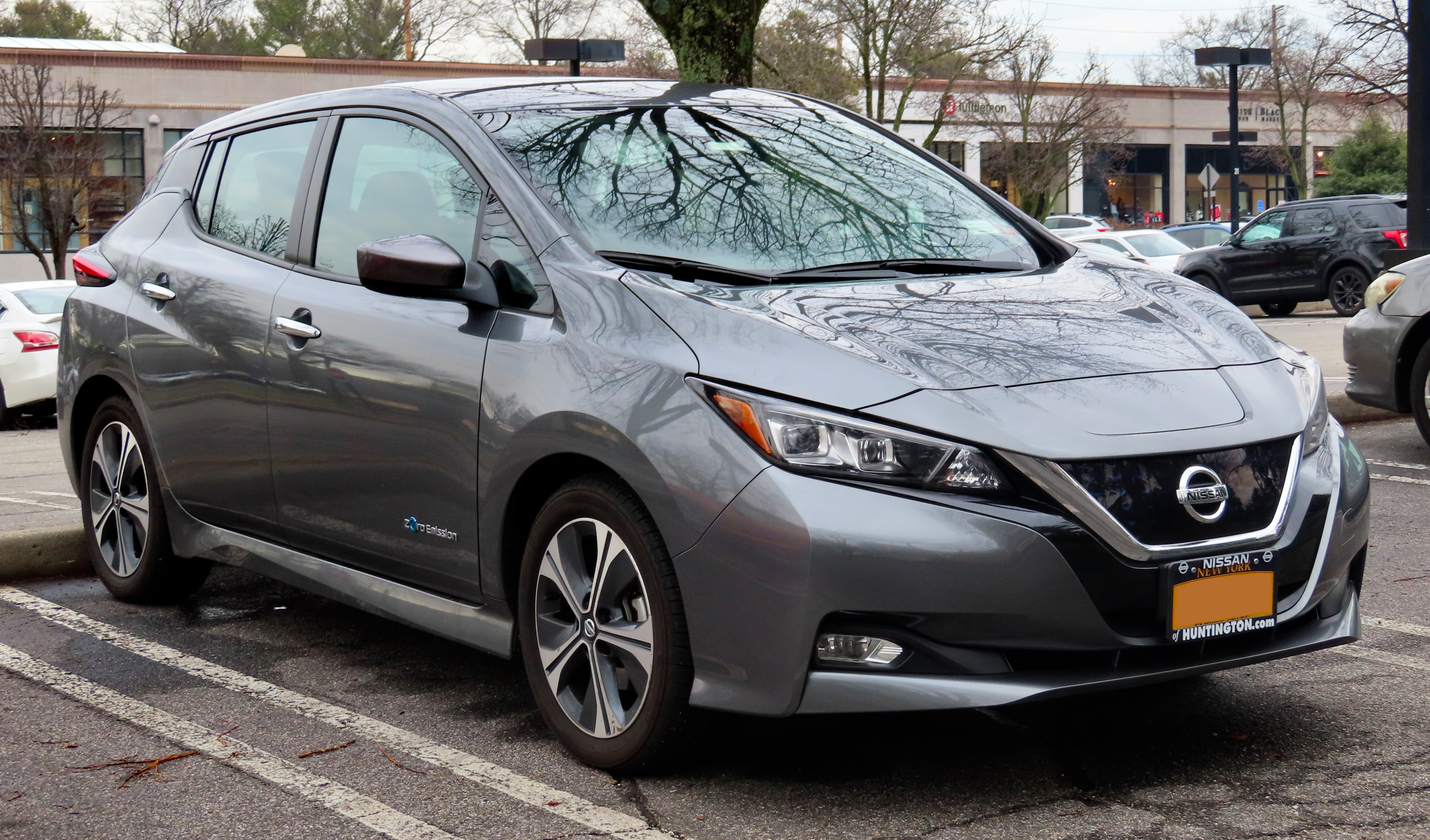
The Nissan Leaf is a popular electric car. The host is using it as an example to show that if the government charges or rules depend on how many miles you drive, it can be confusing for everyday buyers.
PHEVs are plug-in hybrid cars. They can drive on electricity like an EV, but they also have a gasoline engine, so the costs and rules can be more complicated than with a fully electric car.
BYD is a big Chinese car company that makes lots of electric cars. Here, the hosts are pointing out that BYD is selling more cars and has strong money in the bank.
Brand
Cherry Geely
This is a mention of Chinese car brands. The point being made is that their sales went up compared to the previous year.
Concept
cash sat in its bank account
They’re talking about how much money a company has saved in the bank. Having cash like this can help a car business grow or buy other businesses when chances come up.
CEO means the top boss of a company. It’s the person in charge of making the big decisions, and the hosts are noting how the new CEO’s first year went.
The Chevrolet Corvette is a sports car made for fast driving and sporty handling. It’s a well-known model, so people often look for it when they want a performance car. That’s why it can be important in sales discussions.
The Volkswagen ID.3 is an electric car in a hatchback body style. The “ID” name is part of Volkswagen’s newer way of labeling its electric models. It’s mentioned because the brand is using these new names instead of older ones.
The infotainment system is the car’s main screen and controls for things like music and navigation. The host didn’t like how it looked/behaved in this case.
Term
usability things
They’re talking about how easy the car’s features are to use. In this case, they felt a couple of things weren’t very convenient or intuitive.
MG is mentioned as a brand that usually doesn’t score as well in this kind of dealer survey. The host says they often hear criticism about MG’s results.
The host brings up Toyota as an example of a company that’s set up well for customer service and support. They’re comparing that to worries that some newer brands may struggle with service and parts later on.
The host is talking about Stellantis (the big group behind several car brands). They’re saying those brands are feeling pressure from Chinese brands, and some dealers are switching away from them.
The host mentions VW as an example of a European brand where the technology can be frustrating. Their point is that both European and Chinese brands can have issues, just in different ways.
“Driver Power” is basically a survey where people rate the cars they’re driving every day. The goal is to learn what owners really think, not what the ads say.
Term
rental fives
This sounds like a misheard car model name. The point is that some cars have a reputation and history that people really connect with.
Lisa Brankin is the top Ford executive in the UK. Here, she’s saying the government’s rules pushing zero-emission vehicles need to be reviewed because many buyers still aren’t ready to switch.
A “ZEV mandate” is a government rule that pushes car companies to sell more zero-emission cars. The speaker is saying the targets may be too aggressive compared with what drivers are willing to buy right now.
“Eco targets” are government goals for cutting pollution and emissions. The point being made is that the goals for cleaner cars aren’t lining up with what people are buying today.
Fully electric vehicles are cars that don’t use petrol or diesel— they run on a battery and electricity. The speaker is arguing that for some buyers, the switch still isn’t practical or appealing.
“EV discounting” is when electric cars are being sold with discounts or incentives to make them cheaper. The speaker’s point is that relying on discounts may not be a long-term solution.
“EV” means electric vehicle. It’s a car that runs on electricity from a battery, and the discussion here is about how EVs are being pushed and priced.
LIVE
The Cardiola podcast is sponsored by AutoTrader.
John, have I mentioned that we sell more cars from adverts on AutoTrader than anywhere else?
Yes, I think I read that somewhere.
Well, with over 84 million consumer visits per month, they connect retailers like us
with more potential buyers than any other platform.
But it's not just about the numbers, is it?
Is that what you say to your accountant?
Because the support and the value we get from AutoTrader is, well, invaluable.
We now get AI-powered insight on every online inquiry about the level of buying intent from
each customer, incredible amounts of data about the cars that we'll sell in our local area,
and around-the-clock service support from our account manager.
It sounds like AutoTrader is basically doing all the work for you, James.
No, John, I still do some things, like take out the bins.
Anyway, to find out more about how AutoTrader can help you, visit autotrader.co.uk
slash partners slash retailer.
Welcome back to the Cardiola podcast, where we pick our favorite stories of the week
and ask an industry guest to choose which were the best.
I'm John Ray, and joining me this week is the man with more holidays than Gloria Honeford.
Hello, James, how are you?
That's just an old and mean joke, John.
Is it?
Yeah, it's just, yeah.
You could have tried harder, is all I'm going to say.
You could have tried harder, wasn't it?
Because in about half an hour after this, you're getting on a plane.
But doesn't Gloria Honeford now do Rip-Off Britain?
Yes, which you also have done in fairness.
Yes, no, I am going off all day today.
I'm very much looking forward to it, which is why we're doing a podcast on a Thursday.
But, yes, try to get one in before I go away.
So, yeah, and we're going to have a summer break, aren't we, next week?
So, there's nobody on the podcast.
Yeah, just as the rain arrives, probably.
Yes, exactly.
Yeah, you can go off and enjoy some rain.
Lovely.
Indeed.
So, how have you been, James, apart from the disappointing
match, is that the word, of last night?
Are you referring to the football last night that we watched it?
I think I might be.
I think I might be.
I mean, you saw what you did, didn't you?
Look, someone has to look for Japanese imports for you to buy.
And that is my role.
We should probably part the football, because everybody knows the result.
And, yeah, it was very disappointing.
But I'm glad you've had an introduction for this World Cup to football, John.
And I could see you really enjoyed it.
Your silence makes many words.
Excellent.
Yeah, what have I been up to?
We, it's got a little bit quiet, but that's probably a lot to do with the football.
We've sold a couple of cars this week, so nothing major.
We've been out picking some stuff up, because our trusty helper, Luke,
is having his own holiday.
So, Joe and I have been thrown back into the collection cycle.
So, we went off and picked the car up yesterday.
From what can only be described as Portsmouth War Zone,
not the best place to buy a car from.
The guy came out of his house, and I have never seen a man so big in all my life.
He was an absolute giant, covered in tattoos and had gold teeth.
And he said, yeah, I'm selling the car because I've been, I'm not allowed to drive anymore.
The doctors sign me off because I get too angry.
At that point, Joe went and hid in the car, and I was left to do all negotiations.
Which, to be fair to him, he was an incredibly reasonable guy.
He should never judge a book by the cover, should he?
So, his car had got a few more marks on it.
We did negotiate a price, and I drove his lovely Hyundai i20 away.
So, yeah, what a day that was, an escape with my life.
So, yes, that's been fun.
What else has been happening?
Oh, we had a transporter load of imports arrive.
So, another 10 imports, which you've had a look around, haven't you, yesterday?
More European stuff.
So, hopefully that will be good, and we can sell some cars.
So, yeah, when I come back, I'm hoping Joe sold everything, and I can retire.
Yeah, that's definitely how it works.
Yeah, well, we've had a big week, haven't we?
Because it's been, has it been Cardi to Power Week?
It's been Cardi to Power Week.
We should probably talk about that as part of our stories, do you think?
I think we should.
So, shall I, shall I move on and introduce our guests?
Let's do that.
In fact, they're very patiently while we talk about Hyundai's.
So, joining us this week is CEO of Carwow, John Vic Manis.
John, lovely to see you.
Nice to see you guys again.
It's a sad morning with the football.
Did you watch the game?
I did, James, I did.
I only had two beers, because I was coming on your podcast this morning,
so I was very refrained on your back.
Very, very much so.
It's still a good run, though.
Still, I suppose to get to the semi-final is still quite amazing.
We shouldn't lose sight of it.
Yeah.
I mean, yeah.
I mean, I can't comment further, because I don't know really much about football,
so shall we move on to cars?
Shall we move on to cars?
Let's move on to cars.
Parking at Hyundai's.
Yeah, exactly.
JV, nice to see you.
Obviously, you've had a bit of a week.
You've come up with a new way of doing auctions this week, haven't you?
And we had a chat yesterday, and I said,
it's probably a great opportunity to come on the podcast
and just have an opportunity to have a longer conversation about this
and sort of say your piece.
So, just for those people listening who may not have noticed,
most of the motor trade has,
car wash changed its auctions this week,
removing reserve prices completely,
and moving to a model where all cars show a retail valuation via AutoTrader or Brago.
Dealers are now left to bid with their own margins in mind,
not knowing what the reserve price is.
We covered this story yesterday.
I mean, it's fair to say most of the dealers I spoke to
didn't really like the change.
I'm sure you've probably had some positive feedback too, JV,
but I'm just saying what I've heard.
So, yeah, I just wanted to give you the opportunity to just talk about
why you've made the change, because it's a big one, isn't it?
Yeah, thanks, James.
No, it's good to your point.
We made the change on Wednesday,
so that was the first auction where we added the retail price
and removed the reserve price.
And this is really, I suppose, we're constantly looking at ways to
improve the auction, and we constantly test new features,
new mechanics within the auction itself,
and within the consumer platform as well.
And certainly, much of the feedback from dealers
was typically that they are increasingly using a retail back approach,
and many of our larger customers are using a lot of automation now
to determine how much to bid.
I think, obviously, yourself included a clever car collection.
And the start point for many is that retail back price.
So, we now include the auto trader retail price.
It is, obviously, that price is a sophisticated model.
So, if a dealer logs into their own auto trader account,
they get a price related to the location of their site.
So, we can't provide that.
So, we provide an effective nationwide price.
But that has been really well received by dealers.
They think that's a phenomenally helpful marker
to help them figure out what to bid.
And many of them are either uploading their prices into auto trade
or into other tools that they might use to work back from that retail price.
So, we do think that really reflects the workflows of many of our partners.
And that's part of the rationale for doing it.
Worth maybe just mentioning as well.
I think there's a little bit of confusion,
which was definitely in our part that we moved the cap valuations
to the bottom of the auction listing.
I think people thought they disappeared, but they are still there.
We moved them back yesterday actually to the top.
So, you can now see the retail valuation and cap
in the pill at the top of the page
close to where customers' dealers rather place the bid.
I think overall that's been really well received.
The rationale for moving the reserve price, again,
different partners operate in different ways.
Many partners say that they don't use the reserve.
They have a retail back strategy,
so they're using the price and working back from the margin
that they want to make on a particular car.
And that's the predominant way that they determine
whether they are how much to bid on a particular car.
And I suppose ultimately what we have definitely seen
in testing is that often the reserve price
has somewhat of an impact on the motivation to bid on a car.
And we believe that it's definitely in the customer's interest
to have a conversation around the value of the car
at the end of the auction, not at the beginning.
I mean, the whole point of having an auction
is that we can determine what the market thinks the car's worth.
Now, I have a perspective on what I think my car's worth,
but ultimately the market dictates the price,
and we want to put more emphasis on that.
Now, ultimately, that again starts with the retail price backwards
and ultimately then the dealer's skill
in terms of what they think they can retail a car for
in their given market, in the given area that they work in.
So we've decided to take it away because we are not trying to make
additional margin or increase our fees.
But what we've found is that when it's not there,
dealers are more likely to bid on more cars
because it doesn't become a distraction if you like to placing a bid.
That helps us get more bids on cars.
It helps dealers source more stock on our platform.
And if we can't get to the price that the customer wants to get to,
we can have a meaningful discussion with them that's data driven.
We can say, look, we tried our best in the auction
to get you to your desired price,
but this is the best that we can get to given market conditions.
And in fact, what we're doing is at the end of the auction every day,
I think most people know we have a huge team of people
that will call up customers
and talk to them about the bids that they've received.
And we don't believe this is just a much more positive conversation.
It's more proactive because, again, it's using data
rather than having a theoretical conversation
about what a car might or might not be worth.
And that's the rationale for doing it.
So JV, what would you say to dealers who are concerned then
that those reserve prices are still in place
and they're potentially bidding blind on them?
They don't know that the customer might have unrealistic expectations?
Yeah, I think the point I would make here is often
if there is a reserve that is either close to the retail price
or close to cat retail,
where we do have bids on those cars
and we don't reach the customers reserve,
those cars do often sell.
And, again, the conversation at the end of the auction
is far more meaningful because we have data from the market.
If you think about what we're trying to do,
we are a technology company that is ultimately helping
dealer-sourced cars using data to decide how much
they want to bid on a particular vehicle
and we're making it easier for consumers
to access thousands of dealers without having to drive around
or contact lots of potential buyers.
And ultimately, we sit at the middle of the market.
I think our point is if dealers are placing bids
based on what they think they can retail a car at,
that is the market rate.
And if we talk to, yes, of course,
customers may have a different perspective
of their car's value and that's absolutely to be expected,
but it's really difficult to have a conversation
at the beginning of the auction about the value,
much easier to have one at the end.
And that's the rationale, really.
We don't want to waste dealer's time at all,
but it is about placing a bid and we're very committed
that we have a huge team at the end of the auction
that will try and make sure that we use the auction behaviors
to get an appropriate deal for both parties.
That's our job.
So I suppose looking down the flip side,
one of the things that frustrates a lot of dealers
is unrealistic reserve prices.
A lot of platforms, yours and rivals,
do often set unrealistic reserve prices.
Is this a way of getting around that and showing customers
in fact that the car is not actually worth
what they think it's worth?
Is that where the thing came from?
What I'm trying to understand is what was wrong with the old way?
Yeah, so it's a good question.
So I think the other thing that we've done,
which is perhaps less obvious,
is that we now have the retail back pricing in the auction,
but we're also using it for valuations on the consumer side.
So we're using exactly the same data to power what people,
what consumers see at the beginning,
which ultimately sets their expectation around the value of their car.
And so we're using the same data in front of consumers
as we are in the auction.
And I think that is a really meaningful shift, actually.
So what average margin are you thinking of working on then
when it comes to showing those customers
what they think their car is worth?
So we basically have an algorithmic calculation
that looks at the bids.
So it's using the retail price and then the bids to calculate.
It isn't calculating margins, obviously,
because there are prep costs as margin on top,
but it's using the differential between the two
in terms of the cars that are sold versus the valuations
that we show to end consumers.
And that's how the model works.
But ultimately, there is a baseline now,
which is retail backed, which it wasn't before.
It's using CAP, so the consumer-facing valuation
was using CAP and a build-up on top.
It's now working from retail back.
So it's aligned to how most of our dealers actually calculate reserve,
sorry, the bid prices.
So what's the point in showing CAP clean then?
I think most dealers really like, we've had lots of requests.
I think anybody is triangulating between multiple data points,
and that's why we show it.
CAP still is really important.
I think it gives another perspective on the car's valuation
and helps dealers make confident bids.
So we think we're not just going to rely on one data point.
And our valuation still consumes some CAP data as well.
So I think the more data points, the better.
It helps people make good decisions.
Am I right in thinking you've removed the bid account, too?
Or have I just missed that?
In terms of the buy-now.
No, how many bid...
Well, yeah, a buy-now.
I'm sorry, yeah.
Yeah, we have removed the bid count as well.
Again, predominantly for the same reason,
that when we've removed bid count,
we see that that drives a better distribution of bids
across all of the cars in the auction.
And ultimately, that is our job.
We want to get as much dealer engagement
across the entire catalogue in a given day as we possibly can.
Ultimately, we sit between what dealers need
and what consumers need,
and we've found that this drives the best possible outcome
for both parties.
Tell me a little bit about those buy-now as well,
because a lot of dealers that I've spoken to in the last 24 hours,
they're really going to miss those.
They often picked up cars that other dealers didn't like,
but they liked them because they would fit their profile
or perhaps might have been a little bit of a bargain.
Why have they gone?
Yeah, so there's two reasons we removed this.
First of all, from a consumer perspective,
consumers found it really frustrating
that they had to wait, it's five days often,
before they would receive any offers on their car.
And when we run an MPS survey,
so a customer satisfaction survey,
and most of the customers that were going through that process
were quite dissatisfied, actually, with the experience.
I think for dealers as well, I agree that there are definitely
some dealers that really put quite a few cars in the buy-now section.
But again, I think they found it really quite frustrating
in terms of having to wait so long to figure out
if they'd actually want a car.
So in effect, now we're just going to re-list the cars.
So if a car doesn't sell, rather than go to buy-now,
we'll re-list it.
But we will talk to the customer about the quality of the listing,
how we can make some improvements to that
before we put it back through the auction.
And I suppose have a conversation about the reserve price.
Yeah, yeah, if it comes down to price, we will,
I mean, ideally, we want to do that after the auction completes,
rather than re-list it.
But in certain circumstances, yeah.
Did you think of any other ways, JV, of doing this?
I mean, there's obviously like the traditional auction method,
like the kind of eBay style.
Have you thought about that?
And if so, why has it been ruled out?
Yeah, it's a great question, JV.
So we have tested, over the course of the last six months,
we have tested lots of different auction mechanics.
And the changes that we saw drove better outcomes for customers
in terms of increased the probability of cars being sold.
It made no material changes.
If we look at the price as a percentage of cap,
we've not seen any meaningful changes there,
i.e., we're not seeing dealers necessarily having to pay more for cars.
But the key thing that we've seen is more cars receive more bids.
So we sell more of the cars in the auction.
And that for us is the most important outcome,
because dealers desperately want access to stock.
And if you take the time as a consumer to list your car,
it's my job to make sure we get you as many bids as we possibly can.
And that was the driver.
And of all the different mechanics that we've tested,
the changes that we've made had the most impact on achieving those goals.
Can you see where some of the frustrations have come from, though?
I mean, just give you an example.
You know, for example, just take our business.
If we're searching for cars, we do a lot of research in advance.
Really finely tune the vehicles that we want to bid on in your auctions on motorway.
And we take into account those reserve prices,
because we want to know that our time is well spent.
We don't want to waste time placing a bid that might not win the car.
Do you think this is going to lead to dealers spending more time
placing bids that are going to be unsuccessful?
And because, I mean, dealers time is very precious, isn't it?
Yeah. No, no, I agree.
And I think, again, if we look at the dates from the test that we've run,
we don't see higher cancellation rates on cars with disproportionately
high reserve prices or where customers have high expectations.
If we can explain to them post auction that, look, the cars have six bids,
actually, these are really good.
We talk people through, this is the retail price.
This is how many cars we've sold that are similar to this.
In the last six weeks at this price range.
So I think that would be fair criticism if we didn't have a team
at the end of the auction that is working to use the information
to secure a good outcome for both customer and dealer.
And we are very committed to doing that.
And certainly, when we look at the conversion rate data,
we're not seeing any material drop in in cancellation rates,
and therefore dealers becoming frustrated that they've placed bids
and they can't actually collect the car.
That is not a thing.
And I will personally be watching that as day by day.
I look at those stats anyway, every single morning.
I mean, you know what dealers like, no dealers like change.
So I mean, the proof with this really will be in the pudding, won't it?
I mean, are you surprised at the feedback you've had?
What sort of feedback have you had?
Yeah, it's a great question.
And definitely mixed feedback.
I think the changes to the CSV file created the most problems
because so many people use it and upload it.
So definitely I apologize to dealers that we did send out communication.
But I think on the CSV file, we probably needed to be better at communicating
that obviously the fields have changed.
And I think that messed up people's processes when they uploaded it.
So I think that's been the biggest challenge in many regards,
and we quickly tried to fix that.
I think mixed reaction.
So many of our large accounts are very sophisticated
in terms of how they actually determine prices.
And so many of them were, well, we don't actually use it.
We might look at it, but we're not using it in terms of actually
concluding or determining a price that we want to bid.
Yeah, I've seen mixed results.
I think I totally accept that change is challenging.
And we tried to do our very best in terms of reaching out to partners in advance.
Also, there are thousands of people using the platform now.
So that creates a bit of a logistical challenge.
But I think by and large, yesterday we had a really, really good day on the
in the auction.
We had record number of bids, sales.
So it's, I think broadly, I mean, it's definitely working.
I get that there are mixed signals from partners.
And I'm happy to try and figure out how we can help them
with any changes to the processes.
I mean, let's move on to the wider market, JV.
What are you seeing this summer?
Because I'm getting mixed opinions from the dealers and suppliers I'm talking to.
Some are doing well, some aren't.
What are you seeing?
Yeah, I think exactly that, actually.
I mean, the one thing we're seeing across Carwow as a whole is new car has been extremely,
extremely positive.
Our new car business is growing, the configurations on the platform are up 40%
year of year, just to put it into perspective.
And many of the emerging brands, so JQ, Moda, BYD, are doing really well.
And I think what that is doing is actually, we are seeing now
customers that may be pre-pandemic would buy a brand new Mercedes-A class for £250,
post-pandemic that was £500.
So those customers were moving into used.
I think some of them are now going back into new car because you can get a JQ,
Savina, it's a great high-quality car in that price point.
So I think that is, I think there's a little bit of economic uncertainty
and some shift between new and used.
So quite interesting in that regard.
I think to your point, we still see the auctions are really still super buoyant.
The semi-car business continues to grow at warp speed.
But I do think some of the dealers are definitely seeing time to sell extend.
I think certain segments of the market are definitely more volatile on pricing.
And again, I think that that is potentially linked to more competition on the new car side.
I suppose one of the things I'm trying to figure out is how do we use the data on new car
and connect that to used to provide some more insights for dealers when they're bidding.
But yeah, I think we're definitely seeing on,
there's still massive demand for anything under five years old.
And it's those costs sell really quickly.
Definitely the tail end of the market is a little bit more challenging.
It tends to go through waves, actually, that there are really busy months and then a little bit of a
drop off. I think the whole weather in the football has definitely driven a bit of a drop in
June and July. But we've definitely seen the last week actually really start to pick up across
entire marketplace. And we do see if we look at the sort of seasonal trend now as we head into
a plate change, we do now start to see some quite meaningful pick up actually involved.
And what's your thoughts for the for the rest of this year when it comes to the used car market?
Are you are you positive about the rest of this year?
Oh God, yeah, I think we still remain upbeat in that there is
I still think there's strong demand actually. My perspective on this is
the 9000000 or so people that change car every year that number is so stable.
It doesn't really change what people buy does change depending on economic circumstances and
budget. And so we tend to see movement between segments and price points. But I don't see people
not changing their car that even the pandemic wasn't really a thing.
And what's next for Carwell? I mean, I know you held a webinar earlier. Well, what was it six weeks
ago where you talked about the used car market plans for plans for the business? I'm tell people
listen to the podcast about what you got coming next. Yeah, so the really
the bigger area of opportunity for us, I think, particularly when we look at the sell my car
businesses to try and connect that to our emerging used car classified products. So we want to try
and build a connected ecosystem so that if you're selling cars on our platform, if you've sold
two Kia Picantos and when you log back into the auction, well here are here are 20 more you could
buy. So there's a big focus on how do we connect the products together more effectively because
at the moment they live something from a technology perspective, they're on a completely
different stack and that there is limited integration between them. We are really starting to
double down on the used car front. Think over the course of the next couple of months, we've got
some quite exciting announcements on the used car front. We are still we've millions of visitors
on the platform. I think our focus now is how do we add more cars? Because if you come to car
wow and we've only got 50 Ford Pumas available, then we need more breadth of choice to get
good levels of engagement for dealer partners. So we have I think some quite exciting news over
the next couple of months in terms of how we're going to go about adding more cars at a much
faster pace. Last week on the podcast we had Sam Zales from CarGurus. That second position in the
used car advertising platform is one that lots of people jostled for. Where are you hoping car
wow end up landing? I think what you're going to see at car wow is I talk about this in strategic
terms in that car wow has ultimately always been demand led. We have huge amounts of demand
given the investments we've made in content and performance marketing. So without being an
egotistical ass, I think if you look on a demand basis, on a traffic basis, then we are the clear
number two in the UK. We have head and shoulders above motors, kazoo, car gurus, at least in the
UK. Obviously it's huge in the US. The sort of biggest pivot we're going to make is ultimately to
become on used cars far more supply led. How do we make huge investments to add supply quickly?
Because if we can marry the demand in the supply together, then I think we can take that second
position because the biggest barrier to entry is demand. And that's going to be our focus.
So definitely I think we are all jostling for that position. I think that's great for car
dealers by the way because competition is good. And motors, car gurus, these are good brands.
Auto traders obviously is someone on a different level in terms of scale. And we definitely want
to sort of enter into this space. And we've been doing a lot behind the scenes just to figure out
how we can move at a faster pace. Because at the moment I don't think we're going fast enough.
JV, thank you for giving up your time today, especially after the football was on
last night. I really appreciate it. Thank you for coming on and explaining the changes.
Much appreciated. And hopefully you stick around for us to do some stories. But John,
we should probably get onto those. Now a quick word from one of our sponsors.
What are you waiting for? Join DLW today at DLW.co.uk and
streamline your disposals. John, have you ever wondered why I along with 14,000 other dealers
choose to partner with Auto Trader? Well, actually, I didn't think so. I'll tell you anyway,
with more than 84 million consumer visits every month, it connects us with more engaged car buyers
and delivers more deals than anyone else in the UK. And now with the launch of buying signals,
we'll have brand new insights on every deal showing how likely a customer is to buy the car
they're interested in. Plus, as someone who set out to use AI and data as much as possible in my
business, I've found their technology, data and tools genuinely invaluable. But when I do get stuck,
which is let's face it most of the time, Auto Trader is always on hand and committed to supporting
us to get the very best from our package. To find out how they can help you visit trade.autotrader.co.uk.
Now back to the podcast.
So James and I are going to run through our favorite stories of the week. And at the end,
JV gets to decide which one of us chose the best ones and who is the winner. Rebecca was here last
week instead of me and I think she won didn't she? She did John. Yeah, but I mean obviously we're still
on our sort of World Cup podcast thing. I was three-nil up in the group stages. We'll call this
the final of the World Cup. You can be Argentina, I'll be England, let battle commence.
This is just as you've heard me singing songs from Evita.
I'm going to start with, I'm going to start talking about Paper Mile again unfortunately,
which has sort of been confirmed this week. Well, it has been confirmed it's going to come in from
April 2028, which fans of calendars will know is not that far away in reality.
So this is going to work exactly as we, I'm going to say feared or anticipated,
depending on your perspective. It's going to be 3pm on EVs and 1.5pm on plug-in hybrids.
Our story does very accurately point out that that is less than the 6p per mile,
roughly, that you pay on petrol and diesel cars at a minute,
depending presumably on your fuel economy. How's this all going to work? Well, exactly,
as we anticipated again, they've not changed the system. It's going to work
in the way that you pay your road tax. So when you come to pay your car tax, you will say,
I think I'm going to drive X number of miles this year. And then at the end of the year,
if you have a new enough car that doesn't need an MOT and therefore hasn't had its mileage recorded,
you have to accurately say, I've actually done this many and pay the difference.
So it's this sort of strange trust pro rata system going on.
Yeah, there's been very little changes to this really. I think there's been some,
there was talk around whether because of this MOT thing, I remember when this was first announced,
the ministers came out and said, oh yeah, but cars every year have an MOT. And I think it was
pointed out to someone live on a broadcast that you don't really know for the first three years.
So that was a bit awkward, I remember. They've not changed that. So it will just be done on
a trust basis for three years. What do I think of this? I kind of hate it. But I do understand
they need to recover this money somewhere because in this very long consultation document that they
produced about this, there's a graph of how much money they're effectively losing every year as
people move over to EVs because there is no equivalent tax. So in effect, we are not funding
the roads because everyone is moving to an EV. And I do get that there's an argument that if
really this money does go into material road improvements, EVs are just as liable for it,
unfortunately. What I wish though is it was just they've done the most complicated thing possible
in a bid to kind of be fair to everyone. So I suppose the idea here is that
June with her Nissan Micra or whatever driving 3,000 miles a year is not going to pay as much
in VED or EVED they're calling it as you, James, driving around in your Tesla. Although actually
you probably do about 3,000 miles yourself. Well I sold it now so I'm not doing any miles in it.
True. But yeah, so you know I do get that there's some fairness involved in that but it's also just
so complicated. It's going to be really complicated for the government to deal with all this.
They're going to have to put systems in place for all this. They're going to have to put some sort of
like I mean who the DVLA is handling all of this not HMRC necessarily. So if someone misrepresents
their mileage and sells the car and then somebody else goes to tax it and finds that the mileage
discrepancy is such that somebody owes some tax on it. What happens then? Does the DVLA send out
like an angry man to come and you know do they send that a penalty charge? All this sort of stuff
has got you worked out. I just think it'd be so much easier to just bump up EV tax you know.
We've got mechanism in place to charge people tax for cars haven't we? Yeah like there's a reason
that there's a reason that we're all on unlimited phone contracts or 15 pound a month phone contracts
that do whatever rather than paying for every individual text and phone call we do is because
it's a nightmare and it's not nice for consumers either you know. What I would say about this I
will let you comment James but it does sort of work for fleets because fleets naturally or leases
you know you know that you are going to do a maximum of 10,000 miles a year otherwise you're
going to be paying penalties anyway on your lease or your whatever. So I can see it sort of works
for that you just agree 10,000 miles and any over that is going to be a little bit extra
but I think this is really off putting for like retail consumers personally you know the people
that want to go the people that are not buying EVs at the moment this is going to be a bit of a
weird stumbling block for them to kind of go well I don't know if I really want to be faffed with
that like it's I don't know don't love it. No we talked about this at length haven't we John this
week because when as the story came out we did have a have a long chat about it I I've got mixed
opinions on this if I'm honest I mean I think firstly the government has haven't done a very
good PR job because what they're saying is this this tax is effectively making it fairer to use
the roads because petrol and diesel drivers every time they fill up are paying this tax already
and they have been for years and electric car drivers have basically been avoiding it because
they're not putting petrol diesel in their in their vehicles so that that that fuel duty is a
is it going to be a huge loss and what effectively what this does is just cover that loss doesn't
it so I can totally understand why they need to do something this scheme though is absolutely
ridiculous I mean why on earth would you come up with this this kind of trust system where you
have to guess how many miles you're going to do they should have simply just said what you did a
bit of a PR campaign saying electric car drivers are paying not paying their fair share when it comes
to driving on UK's roads so we're going to put the the the road tax up for those cars and just
charge them 500 pound a month sorry a year more we did a calculation didn't we the
three pence per marv you do 10000 miles at 300 quid I mean that really you know if you
charged on average 250 quid to every electric car so some people who don't use it as often
will be fed to them to those people who do use it but there is a that would be the easiest way
we've got a mechanism in place to charge consumers that money whereas this one is ridiculous it's
it's going to be open to many many people just trying to dodge the system I mean I I suspect
that there'll be a lot of clocking that goes on as a result of this of people trying to save
themselves a few hundred quid it's it's madness in my mind absolutely madness and I don't think
they've really thought it through and let's face it the DVLA is not the best at organizing anything
is it so why on earth would they give this to that government department what an absolute joke
yeah I don't know anyway I haven't sat on the fence there JV what do you think no I completely
agree I um yeah it's clear obviously the government needs to recoup some of that lost revenue so that
we have good quality roads I think it is really complicated you know we see that you know and
consumers are are making a decision about switching to an EV there is a lot of complexity already
and I think this adds to it even more so actually you know we take the the government EV grant
phenomenal in terms of helping drive the adoption of EVs but again it's still really complicated
to actually explain to consumers how it works compared to the we have um on carware Germany
where the German government have implemented an EV scheme it price comes off the RRP it's
quite straightforward to work out so I think now for consumers they've got to figure out well you
know I'm going to get a discount on the car in terms of the EV grant which is going to cost me to
actually you know actually put electricity into it depending on where I am and now I've got to
figure out how many miles I'm going to do and how much that's going to cost me now you know we
know that customers are you know don't think about the sticker price on the car they're thinking about
how much is it going to cost to month to to pay for the car and to run it and this just makes it
really complicated I think it will put a lot of people off I think to your point James saying
once an extra 250 pounds this is why it's still less expensive than petrol it's a simple equation
I think and a simple communication to most people that I think would take exactly the same
perspective that okay yeah we need to fund the roads you know it's a fair contribution I understand
there yeah I mean just I just look at it from the data side and think how on earth am I going to
explain this to somebody's buying a three and a half thousand pound Nissan Leaf you know you've
got to explain to them that all of a sudden they're going to have to go and estimate their annual
mileage and yeah because it's retroactive isn't it this is the thing yeah it's very
can I can I point make one more point before we move on very quickly is PHEVs as well so the
PHEV argument I really struggle with because he you know I understand they've had to put
half a one and a half P on an EV by comparison to three P on sorry one and a half P on a PHEV
versus three P on an EV because the theory is that no one buy an EV everyone go buy a PHEV
and just drive those around all the time but the thing is as someone who's been driving a PHEV
for the last six months I've charged it twice in the time so I've if this was implemented now I'm
effectively paying fuel duty twice yes on that and PHEVs aren't 50% you know electric and petrol
really you know you get 30 40 miles 50 maybe uh and the rest of the 400 is petrol which has the
duty of so I just think that is really bananas yeah anyway what yeah that may be really angry I'm
going to move on um let me talk about one that will make me happy which is Arnold Clark's
annual results came out this week so their annual report for 2025 showed that they made
a 113 million pounds pre-tax profit last year that was 300,000 pounds profit John
every single day not bad going is it not bad going at all um they saw their annual revenue
accelerate past 5.5 billion um and it's just Arnold Clark's annual report was always full
of lots of detail um I enjoyed looking looking through it and you just because it it reminds
reminds you just quite how big this business is I mean it is unfair in some respects to call
them a car dealer because they are far bigger than that they are a multifaceted business with
more than 200 car dealerships across the UK but it's their other stuff that all adds on additional
profit 140 service centers 16 accident repair centers 38 car rental branches um and five auction
sites so you know when we look at this and you compare them I think there is a very good
comparison between this business and that of Constellation Automotive Group very similar
in some respects of these these fully integrated businesses where they've got car dealerships
auction houses um acquisition channels one of them's made a 113 million pound profit this year
and you remember Constellation interestingly made a 113 million pound loss so you wonder
why one of them's getting it so right and one of them's getting it so wrong but just you look at
these these accounts John and some of the stuff that they mentioned in there that's really helped
them this year um they openly credit the Chinese brands helping them drive growth um they're now
representing BYD a motor JQGWM unfortunately um Cherry Geely and Leap Motor um they saw their new
car sales last year rise by 11 percent um they sold 71,000 new cars but in total a quarter of a
million retail cars this business sold so an incredible business um and if you pour over the
accounts a little bit further there's a very very big number that's interesting 450 million pounds
nearly half a billion of cash sat in its bank account waiting to be deployed for for new opportunities
you know i mean that is just what you want when you're a big business like that to be able to
deploy that sort of cash when when those opportunities come up as we've seen recently
they've they've acquired a business but they're constantly expanding an incredible business
John um bringing in money from all sorts of different places got investment properties
worth 150 million um and they just keep getting better and better every year okay those profits
were down this year but they were as a result of increased costs that all businesses have seen
you know increased higher wages inflation national insurance costs all of her all businesses
so i think justine when you compare them to others they're still doing pretty well i'm sure
they're not going to lose too much sleep uh over that john 113 million pound profit not bad is it
no if you had 450 million in the bank account james you'd be going to buy some cars wouldn't you
now i'd have a very big boat
there'd be no cars in my life i'd have a very big boat i'd be floating off into the sunset
yeah no an incredible business it's just and um it's just one that everybody in this industry
i know really looks up to um or eddie hawthorne stopped stepped down last year didn't he this is
the first uh full year of russell bray uh his uh year year is um ceo first annual report and
nice to see that success is continuing absolutely you did forget one brand as well
which has been crucial to their success which was corvette oh of course yes i forgot yeah
big big big part of their numbers bumped up the uh the numbers that yeah i mean hugely impressive
you sort of said all i can say really on this um it's it's never surprising though is it in some
ways to see their results you know i think the the day that we look the day the results come out
they're not brilliant i think we'll be the beginning of the end of the world somehow i i think one
of the things john siderman tried to just i've just remembered is you got like in 2024 this is
the business that suffered a massive cyber attack you know as you look at what happened to m&s off
the back of that's their cyber attack it absolutely ruined their numbers you know they they lost huge
sums of money but it just shows you how powerful this business is that it's managed to bounce back
so quickly um still investing in technology and the account said they've got 220 people
working in their technology department um and one of the things they've done really well is this app
that if you're an arnold clark customer you tied into the brand and they keep bringing you back in
they really know how to to squeeze the customer uh and keep them locked into to the arnold clark
business what do you think jv i mean this thing i don't know whether you've had a look at these
accounts but they are impressive yeah i've not looked at the accounts but um yeah it's amazing
business uh you drive around and see so many cars with the yellow sticker on the back and uh i think
just just show um you know the the number of customers that they've served over the obviously
so long now it's uh an amazing business that treats customers you know tremendously well
as uh as well so yeah it's good i'm gonna set a boat wow for when you get that half a billion
boat wow i love it we'll do that as a jv jv i like it yeah see what i did there uh john over to you
lovely um i was talking about car dealer power because we haven't yet so we had our the results
of our annual power survey uh this week uh where we quiz thousands of dealers on their thoughts on
all things well manufacturers suppliers products basically everything and it's an enormous server
huge undertaking um and then we sit down in a fake studio okay your dealership james and go to all
the results so no doubt people will have seen that on the website but i just want to dive into it very
briefly and just give my thoughts on some of the things so one of the parts is um cars of the year
so usually we do a car of the year we've decided to split it up into three this year small medium
and large uh like your clothes shopping um and of course these are we literally just ask dealers
who are filling in the survey what was your car of the year what's made the most impact to you
as a dealer or what's been the most uh interesting thing that you've seen come into the market what
do you think is going to be you know what's what's the biggest car of the year really and we split
it into three as i say because we had so many responses this year um particularly for these
three cars we sort of narrowed it down so it's a small car of the year we well dealers went with
nissan micro which i thought was a really interesting choice because i think the micro kind of you
know saying how it is it's a reno five isn't it with a nissan badge but when you're a nissan dealer
who you know really needs some small evs to sell right now um leaf is on the way of course but you
micro has made an enormous impact to them and also they were telling us really that the name
carries a lot of weight still which is interesting you know a lot of um car makers are slimming down
their ranges and getting rid of small cars and a lot of car makers are binning off old names in
favor of new ones like id3 or whatever and it's interesting that actually customers are still
coming in showrooms and going oh yeah a micro okay even if they've known one before they're thinking
right well i recognize that name so a worthy winner there in the small car category large
cars um is an interesting one because i mean i probably i don't know if i've actually even
heard this car existed the cherry tigo nine but it did get a lot of responses and there are
quite a few cherries in the nominations actually um and basically this is a luxurious if you want
to call it that three row suv you know out of q seven type car from china but 43 grand so 43
grand for a plug-in hybrid pretty quick actually i think it's about 400 brake um seven seat suv
is just unbeatable value really um so you can see why that got a lot of nominations and of course
cherry is a brand new brand it's only been here well just less than a year actually they launched
about 11 months ago and then of course for medium car the year was the j coup seven
um i mean i don't even have to explain that do i because there's just you see so many of them
our understanding from dealers is that they can't really get enough of them
you know they fly out of the doors and i just you know what was interesting from this is we
drove these three cars didn't be james not much the price of the micro you know good car to nissan
to reno underneath it's all good but the jq seven the cherry i'd not driven a jq seven
amazingly you hadn't had james we've driven various jq's but not that one um and the same
with the tigo nine like really really impressive okay you know a few little niggles
things like i don't love the infotainment system i don't know why it's got a campfire on the screen
rather than a map but apart from that um and a couple of little usability things i just i was
really impressed with them yeah i was and it also looks great actually i mean i i think you
know you drove it around for i mean i think you had it for about 10 days didn't you and i'm yeah
drove me to a number of different things and i had a good driving it myself as well
really enjoyed it and i just i wrote my substat last week that actually if there's one
chinese brand i'd invest in right now it probably would be cherry i think they've
after driving that car i was really really impressed with it um and i just surprised because
i drive a lot of new cars and they i don't get impressed by many you know i'm often moaning
about them and i think that i think the fact that they've come in at that price point i'm not
surprised the dealers voted it as their number one i mean i think it's very very impressive car
there must be a lot of happy dealers representing those chinese brands at the moment absolutely
so that's sort of part one this is a bit of a long story sorry but i'll just touch on the
manufacturers as well so bmw number one again this year i don't actually have the figures in
front of me but number two was omoda slash jku because they're sort of the same franchise
and i thought that was incredible as well because they've come they weren't in the survey last year
byd was and byd actually slipped down a couple of places i think five places down this year
but still in a kind of reasonable position but i just thought ahead of toyota omoda and jku which
was very close as well it was very close yeah it was very close what i will caveat that with
these are this is like the honeymoon period isn't it for a lot of these chinese brands
mg interestingly traditionally don't do too fantastically in this survey which i think is
quite interesting and one of the criticisms we tend to get about mg i can't speak for the other
brands just yet is parts supply and things like that and i think that will become an issue with
a lot of these chinese brands going forwards it's just that we're at the point where everyone is
making hay while the sun is shining there are jku sevens flying out the door of course we've
got jku and cherry here to say what they're doing in terms of after sales and parts supply and all
that sort of stuff but there's been suggestions to me from various people that probably you know
a lot of these chinese brands will have issues when it comes to after sales so it'll be interesting to
see whether they maintain that position if you compare them to someone like toyota you know
incredible company really and incredibly well set up in the uk and very very focused on customer
service i i was just i was amazed that they came in at number two john in the in that cardinal power
survey but also looking at the other end of the of the table i thought it was interesting that you've
got perso citron and voxel in last place respectively i mean they are all stillantis brands all
ones that have been incredibly under pressure by those chinese brands and clearly those dealers that
are representing them we've seen a lot of it are exiting those those brands and replacing them with
with lots of these chinese newcomers i mean we are seeing the new world order we really are
yeah absolutely i mean having driven a few stillantis products recently
well i can't really even pin it on stillantis i mean driven lots of new cars recently and then
the tide turning a little bit you know there was a time where i would get in a
i don't know a byd or a jaco or whatever and i would go oh this is really annoying like everything's
everything's a bit not quite right and i think they're not there dynamically you know if you're
going to be motoring journalists about it they don't drive like a european car but european cars
have got really annoying in lots of ways lots of the tech doesn't work i've been in some vw
groups stuff this week that i've just wanted to drive through a wall and you know it's we're not in
a great position i don't think with european car makers um anyway no i thought it was interesting
yeah interesting jv did you catch any of the car dealer power stuff i did yeah you know i'm an avid
reader uh james so it's really interesting and you know not dissimilar to much of the feedback
we receive as well from from partners that um i think you know i i think the new car space is
really interesting actually in that obviously there are many new entrant brands to your point
building phenomenal cars that are very accessible to consumers who um we also run driver power so
we've been asking consumers what they think about the cars that they're actually driving and live
with every day and again many of the new entrant brands are scoring really really highly you know
micro point though i do think many of the more established brands are fighting back actually
in and i think leveraging the the history of uh of their brands and and it's not just the the
nameplate actually those model brands you know do have a a lot of affection in people's uh
minds and um you know i think the rental fives are a great example of that yeah it's a phenomenal car
but there is a lot of heritage behind it and you know i think it's good that the
the brands are tapping into that um so we you know i think it makes the new car market you know far
more interesting actually just more choice uh for for different types of customers that have
have different priorities and that's great and you know i think the chinese brands in particular
really raising the bar at at particular price points and you know that's you know great to see
i think we should uh we should we should celebrate that and but i do think you know all the manufacturers
are trying to trying to raise the bar equally and uh let's see how that plays out over the next five
years yeah absolutely and congratulations for winning the online advertiser for new cars 2026
in the supply categories i mean all of those uh suppliers out out there that won
awards or won highly commended you know huge congratulations i mean it's it's no mean feat
being voted number one by your dealers you know your your your partners yeah congratulations jv
no thank you thanks to all uh all of our partners that voted for us it really means a lot and uh
yeah we really appreciate it so thank you very much no worries john i mean i'm i'm i'm tempted to
to wedge one in but i don't actually think we've got time have we really because uh we've we're
probably coming up to the end of the podcast and a little bit of time if you're quick james if i'm
quick okay let i mean let me be really quick because it's a story that came out this morning i just
wanted to talk about lisa brankin who is the managing director of ford uh in the uk who's
called for an urgent review of the zv mandate um in a post on linkedin she said that the gap
between the eco targets and the reality of the new car market is getting wider um she said the
switch to fully electric vehicles still doesn't make sense for a lot of customers and suggested
that their current level of EV discounting is not sustainable so i just thought was
interested in that we don't often hear much from from the boss of boss of ford they are
still a very big player in the uk when it comes to comes to shifting shifting numbers um and she's
obviously not happy not happy enough to take to linkedin and shout about it which often think is a
is is a testament to how angry someone is they're writing about it on their linkedin profile
you know they're pretty fuming um it's clearly she is so yeah that's that's my last one just
sort of wedged in there john very quickly or they just need some content that week because the
social media team have said so you could be either um yeah very very briefly on this i think um the
problem we've got is the government opened this one it's not the government opened a bit of a
door on this didn't they and said well we're thinking about doing this and then kia starmer's
now on his way out he's had his last pmqs and we're not going to hear from him again and now
it's all on ice and we've no idea what will happen there's going to be new secretaries of state
new prime minister nobody knows really what will happen with this so i guess if you're a car maker
you're going to have to keep making some noise about it otherwise everyone will forget but it's
weird to have this in parallel with evd but evd is coming in but at the same time no one's buying
an ev so can someone buy some evs please we're gonna have to reduce the target
maybe someone in the government needs to talk to somebody else in the government and maybe we need
to come up with a cohesive plan yeah it's like business versus transport isn't it anyway anyway
should we park our stories i think so uh so jv um before i ask your verdict are there any stories
you think we've missed this week we should have covered i don't think so no i think that's a good
summary of the week's news excellent thank you we try we try we're getting the hang of it now
you know what 200 and something episodes in i would say don't go overboard john
so i would have to ask you who chose the best stories or what's your favorite story
so can i break the rules and i think it's a tie break between the two of you i actually think the
topping and tailing the discussion i think to your point john it's um quite interesting to look at
the uh the evd plus uh obviously the feedback from the Ford CEO i think it just highlights the you
know the huge level of uh dysfunction ultimately around this transition to evs that on one hand
we have a grant to reduce the prices we have targets that are you know insanely difficult to
actually achieve and then on the other hand we're sort of making it really confusing for consumers
to actually make a good choice around whether they should switch to an ev or a path so i vote
for both stories so i think you're both winners well do you know what that means that that means
the the car dealer world cup podcast of the year has ended in a draw which is probably the fairest
way is that what they call it the fee for world cup of the year i've just made that up i think it's
who is tell me yesterday that he did play football semi-professionally at one point did not play
semi-professionally you've added that bit just no you said what you meant is you've played football
with a man once in a park is that what you meant anyway oh god i can't wait god holiday right
right all right lovely um well all that's left for me to say that is thank you to jb for coming on
and trying to break up a fight here between the two of us on our last episode of the whatever
this series is it's been lovely to have you on and get a bit more insight about car wow as well
nice to see you thanks jb let's go see both thanks thank you as well to james for giving up his
time packing suitcases to be here and thank you for listening we will not be back next week
with another episode but we'll be back after that whenever that is i don't know dates off the top of
my head so make sure subscribe so you know five when that goes live if you want to check out the
stories mentioned today take a look in the show notes below or head to cardigan magazine dot
co dot uk thanks for listening and goodbye
About this episode
AutoTrader is spotlighted first, with hosts discussing how it connects retailers to consumer demand and adds “buying intent” insights to online inquiries. The conversation then shifts to Carwow’s auction mechanics with CEO John Vic Manis: removing reserve prices, anchoring bids to retail valuations, and using retail back pricing plus algorithms to shape both dealer and consumer expectations. The episode also covers UK EV mileage-based road tax plans (3p per mile) and dealer survey results, including Car Dealer Power “Cars of the Year” winners.