A Magnuson supercharger is a forced-induction device that pushes extra air into the engine. More air usually means more power, which is why it’s popular on drag cars.
EGTs are sensors that measure how hot the exhaust gases get. If the exhaust is getting too hot, it can be a warning sign that the engine is under too much stress.
Term
converter changes
A torque converter is part of an automatic transmission. Changing it can change how the car launches and how it feels as the engine speed rises during a run.
Trunk breathers are vents that let air move in and out of the trunk. The goal is to prevent pressure buildup or to help manage what happens if something goes wrong.
A bump box is a racing gadget that helps control the engine when you’re getting ready to launch. It’s used to make the start more consistent so the car can hook up and go hard.
The pits are the service area at a race event where teams work on cars between runs. The hosts mention teaching someone how to use the bump box in the pits, which is where staging, preparation, and adjustments typically happen.
“Dino” is slang for a dyno, which is a machine that tests how much power an engine makes. They’re saying the car was freshly tested/tuned before it went through the event’s inspection.
Qualifying is the practice-and-tryout part of a race where you make your best run to earn your spot for the next round. If something goes wrong, like a bad reaction or a cone hit, that run might not count.
A red light happens when you launch before the race system says it’s time. That run usually doesn’t count because it’s considered a mistake at the start.
If you hit a cone during your run, officials may treat it like you broke the rules or left the lane. Even if your time is quick, that pass might not count.
A “seven second pass” is a quick drag-race run where the car’s elapsed time lands in the 7-second range. It’s basically a brag about how fast the car is.
Term
laptop
In this context, the “laptop” is being used for tuning and/or data review during a race weekend. Teams often use laptops to read logs, adjust settings, and verify that the car is behaving correctly between runs.
Pro Mod is a drag-racing category for cars that are heavily modified for maximum performance. Builds are more complex because the cars are already set up for serious racing.
Frame rails are the strong metal parts that form the car’s main structure. When they’re reinforced for drag racing, it helps the car survive big power and hard acceleration.
In high-power drag builds, “testing” refers to structured runs and data collection to verify tuning, reliability, and safety before committing to more aggressive performance. The transcript suggests scheduling must account for testing time beyond just parts and fabrication.
A centrifugal supercharger is a forced-induction system that uses a spinning wheel to push more air into the engine. More air usually means more power.
The Chevrolet C7 Corvette is a Corvette generation that a lot of people modify. Here, it’s being used as an example of a car that owners upgrade with superchargers for more power.
A crank-driven supercharger gets power directly from the engine. That usually means it can add boost early and help make big horsepower.
Term
port the stock 01 supercharger
Porting is basically “tuning the inside” of the supercharger by reshaping passages so air flows better. It’s a way to get more out of the original supercharger.
A sequential transmission is a gearbox where you shift through gears in order—like step-by-step. Racers like it because it can shift quickly and predictably.
6XD is a gearbox brand focused on high-strength transmissions for motorsports and high-power builds. In this segment, the host claims that many FD (Formula Drift) cars use 6XD gearboxes and that even very high-power cars (like “3000 horsepower vipers”) can’t outmatch what 6XD offers.
Term
FD
FD refers to Formula Drift, a professional drifting series. Saying “Half the FD field” implies a large share of competitive drift cars use the same gearbox brand, which is meant to support the strength claim.
The fuel system is everything that supplies fuel to the engine. When you add boost (like with a supercharger), you usually need more fuel delivery capacity to keep the engine running safely.
A trans break is a drag-racing feature that “holds” the transmission so the car can build RPM/boost without launching yet. Then you release it to start the car with a more consistent launch.
Inputs are sensor signals the computer reads, and outputs are commands the computer sends to controls. If you mix them up, the car can’t run the way the setup is intended.
Smooth boost is a control strategy that manages how quickly and how steadily boost pressure rises. In practice, it’s about reducing harsh transitions (which can cause wheelspin, traction loss, or driveline shock) by using the ECU’s boost-related outputs and control logic.
A blower car has a forced-air system that pushes more air into the engine. Different forced-air setups need different computer settings, so the wiring/output plan can be different too.
A relay box is basically an electrical switching system. It helps control what gets power and when, but it still needs the right configuration to work with a specific car.
A gear position switch tells the computer which gear the transmission is currently in. That information helps the engine-management system make the right decisions.
CAN bus is the car’s internal communication system. Instead of every computer running separate wires, they share messages over a shared network so everything can coordinate.
A PMU is a module that helps the car control more electrical things at once. It’s like an expansion box so you can run extra sensors/outputs without wiring everything directly.
The lambda controller helps the engine get the right fuel-to-air mix. In this discussion, it’s also important because it needs to be configured correctly to communicate with the rest of the car.
Term
megabits
Megabits here means how fast the car’s computers are trying to talk to each other. If one module is set to the wrong speed, the whole communication system can fail.
The Lancia Lambda is an older car model made by Lancia. The podcast mention seems to use the word “lambda” in a technical way, not necessarily to talk about driving it. So it’s likely referenced because the name stands out.
Term
scavenge pumps
Scavenge pumps are pumps that remove fluid from where it collects and send it back to where it belongs. In a race car, they’re often controlled electronically and need to be wired into the system.
Compressed air means air that’s been squeezed into a smaller space so it has more pressure. They’re using that high-pressure air to help make power in a way that feels unusual.
Manifold pressure is how hard the engine’s intake system is pushing air into the engine. Higher numbers generally mean more air, which can translate to more power.
A compressor is the machine that increases the pressure of a gas—in this case, compressed air for the system. The host discusses the compressor as the expensive core hardware (around $10,000) that you’d need to add to a trailer setup.
Nitrous bottles are containers that hold nitrous oxide, a chemical used to make extra power when injected. Racers often bring them in a trailer because you need multiple bottles for repeated runs.
The Charger is a powerful car made by Dodge. It’s known for having strong acceleration, and people often modify it to make even more power. In the podcast, it sounds like they’re talking about how much power it can handle.
Term
floater rear end
“Floater rear end” describes a rear axle setup where the axle shafts are supported differently than in a conventional rear end, often to improve durability under heavy torque. It’s a common choice in high-power drag cars where the drivetrain sees brutal loads.
“Zoomies” is slang for open exhaust headers or short exhaust stacks that dump near the engine bay. They’re often used on drag cars to reduce exhaust restriction and to make the car sound and respond more aggressively.
The Blazer EV is an electric SUV made by Chevrolet. Instead of using gasoline, it runs on electricity. The podcast sounds like someone is talking about how they like the Blazer EV, possibly a sportier version.
Term
zero to 16
They’re using a quick “zero to 16” number to describe how fast the car gets moving. It’s basically an easy way to brag about acceleration.
Term
MoTeX
MoTeX here is the computer that controls the engine. For big-power cars, it helps the car run correctly and safely by letting the tuner dial in the settings.
“Wheel” means the power number measured at the tires, not just what the engine makes on paper. “1200 wheel” is a way of saying it’s making huge horsepower in real-world drivetrain terms.
A manual transmission means the driver selects gears using a clutch and gear lever rather than an automatic gearbox. In high-power cars, manual setups can be chosen for driver control and because they’re often paired with specific clutch and driveline hardware.
Rod bearings are small bearing surfaces inside the engine that help the crankshaft move smoothly. If they wear out or get damaged, the engine can fail—so race teams check them on big-power cars.
“Pulling plugs” means taking the spark plugs out to check how the engine is burning fuel. Race teams do it to make sure the car isn’t running too hot or too aggressively.
Term
LME block
An engine block is the main foundation of the engine. “LME block” means they chose a race-focused block from LME to handle very high power.
A billet motor means the engine uses machined, high-strength parts instead of cast ones. That’s helpful when you’re trying to make huge power and keep it together under stress.
Term
Maggie
“Maggie” is slang for the supercharger on the car. It’s the forced-air device that helps the engine make more power, and the team is saying it has a limit.
A billet block is an engine block made from a solid piece of metal instead of being poured into a mold. It can handle more stress, which matters when you’re pushing the engine with big boost. It’s a common upgrade for very high-power builds.
An intercooler cools the hot, compressed air coming from the turbo or supercharger. Cooler air helps the engine make more power and can prevent damage. It’s a key part of many boosted race engines.
A “solid nine inch” is a rear-axle setup that uses a sturdier, solid axle design. It’s often chosen for drag racing because it can take harder launches and put power down more reliably. It’s not as comfortable as some independent setups, but it’s built for strength.
Anti-squat is how the suspension is set up to control how the car’s rear moves when you launch. The goal is to keep the tires planted and make the car hook consistently. It’s a tuning lever for drag-race traction.
Term
Bolton nine inch
“Bolton nine inch” is a specific rear-axle/differential setup they’re planning to install. For drag racing, the exact parts in the rear end matter because they need to survive hard launches. They’re choosing it as part of a stronger nine-inch conversion.
The “nine inch differential” is the rear-axle gear mechanism that sends power to the two back wheels. In this build, they’re talking about locking it down to stop unwanted movement under hard launches. It’s about making the drivetrain survive and hook.
Axles are the parts that transfer power from the rear gears to the wheels. When you launch hard with a lot of horsepower, the axles can snap if they’re not strong enough. That’s why they’re talking about breaking axles as a limiting factor.
Term
pop the motor
“Pop the motor” means taking the engine out so you can rebuild or upgrade it. It usually happens when the current engine isn’t going to last or isn’t strong enough for the next step. Here, they’re planning a stronger engine build for racing.
Term
fire hoops
“Fire hoops” sounds like a nickname for ignition parts that help the engine burn fuel reliably. When you’re making big power, you need the spark/ignition to be up to the job. They’re talking about upgrading the engine’s ability to handle the tune.
Term
aluminum rotted motor
This sounds like they’re talking about an engine built with aluminum parts. Aluminum can help keep the engine lighter and can help it handle heat better. They’re aiming for a stronger setup for racing.
Term
scramble button
In drag racing, a “scramble button” is a switch the driver can hit to change how the car behaves right at launch. The goal is usually to prevent the tires from spinning too much and help the car get moving straight.
Term
750
Here “750” is shorthand for a fast elapsed time number on the drag strip (like 7.50 seconds). They’re comparing how close each run got to that target.
Term
760
“760” is shorthand for a time they ran on the strip (like 7.60 seconds). The point is that the winning run was slightly quicker than the earlier target.
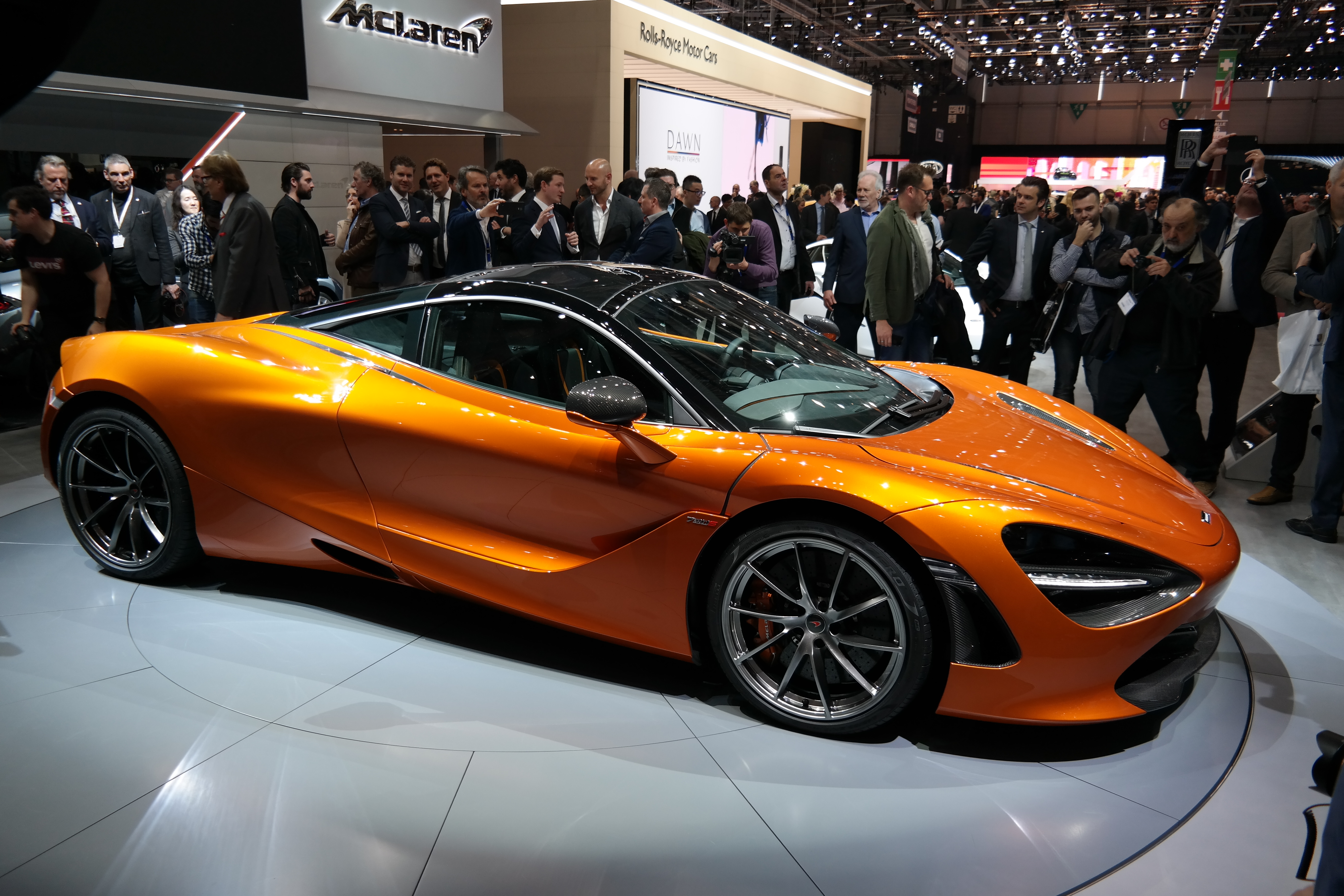
The 720S is a very expensive, very fast supercar made by McLaren. It’s designed to accelerate hard and handle well at speed. The podcast mention suggests that how fast it can go can change depending on the weather and grip.
A “wheelie” is when the front end comes up during launch. If it happens too much, it can actually make the car slower because the tires aren’t gripping the track the way they should.
Term
770 2 millimeter turbo
That “770” is basically the turbo’s size/type. The “2 millimeter” part is a measurement that helps determine how much air the turbo can move, which affects boost and power.
“Billet” typically means parts machined from a solid block of metal rather than cast. In high-boost engines, billet components are often used because they can be stronger and more consistent, improving durability under extreme loads.
The rods connect the pistons to the crankshaft. Using aluminum rods can reduce weight, but they still have to be strong enough for the high power and boost they’re running.
A turbocharger is a device that uses the engine’s exhaust to spin a fan that pushes more air into the engine. That extra air helps the engine make more power, but it needs the rest of the setup tuned correctly.
Billet one-piece fittings are heavy-duty connectors made from a solid chunk of metal. They’re used in race cars because they’re less likely to leak and can handle very high pressures.
“Crimp rated” means the connection is built to safely handle a certain amount of pressure. PSI is a pressure measurement, and 500 psi is very high—so it’s meant for extreme racing setups.
Mill-spec wiring means the wires are built to very strict, high-durability standards. Race cars shake and heat up a lot, so better wiring helps prevent electrical problems.
Flex fuel means the car can run on different fuel blends, often including ethanol. Since ethanol needs different fueling than regular gasoline, the car has to be set up to adjust automatically.
Term
suspension and brakes
Suspension is what helps the tires stay planted and controls how the car rides over bumps. Brakes are what slow the car down by pressing pads against rotors.
The F-150 is a large pickup truck made by Ford. It’s designed to haul things and handle daily driving, and many owners customize them. The podcast mention suggests the truck is a major topic for the person speaking.
“Mileage” just means how many miles a car has been driven. They’re saying that if a car is already very high-mileage, big upgrades might not be worth it or could be risky.
LIVE
This episode is brought to you by 6XD Gearbox. More on them later.
Texas 2K was awesome. Okay, because I was up in the suite. I was watching you guys race up there
and you guys actually won that weekend, right? With Billy's car, correct? Correct. His name's Billy,
right? Billy White. Yeah. So, and funny enough, on the way over here, I saw Griffin's car, which
like you guys had an awesome lineup at Texas 2K. How did we get there? Because you had four cars
running this year, right? Was it 44 cars. Yeah. Four cars. Man, I don't care how
prepared you are for a race and know that race is going to happen every year, the same year,
at the same time. We end up a week before not sleeping and thrashing on cars, getting shit done.
Billy came to us. That was the first car that got the whole thing started. He's like,
I don't care what it takes. We are winning Texas 2K this year. When did that come? When did he
teach you up with that? Last Texas 2K. Last Texas 2K, okay. So, we, last Texas 2K, we, like,
we just took a brand new car there. We were learning a lot of stuff with it and had a few
troubles with it. And we made some passes, but didn't go too far with it. So, when we left that
race, that's where we got serious. He's like, I want to win it. Like, he got really pumped up and
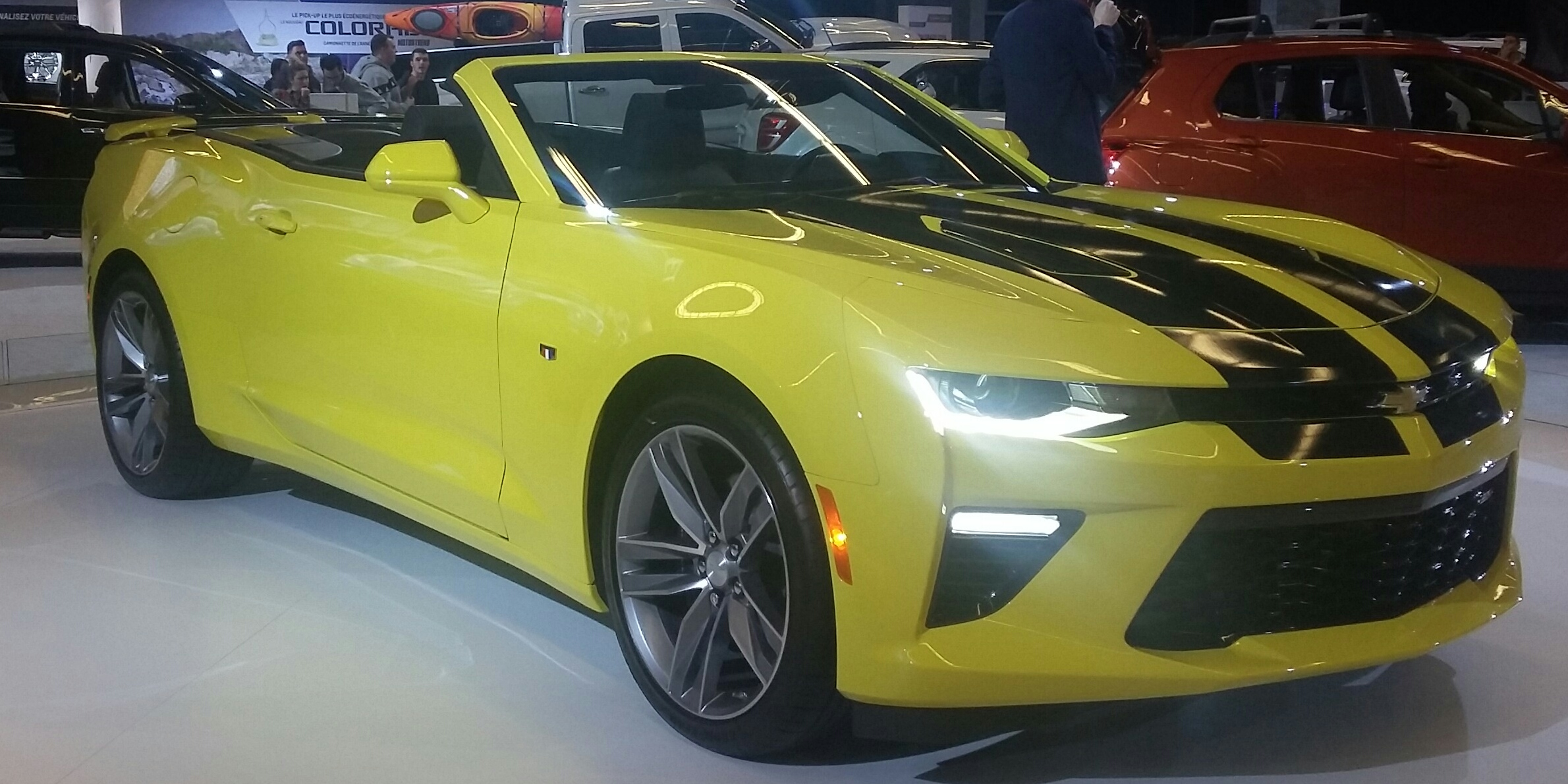
last year's, or the year before was when Todd was doing really good, the yellow Camaro. And he was
just going rounds and rounds. That was a Supercharged car too, right? Magnuson Supercharged,
Turbo 400, Motec. So, we had a, we think we had such a high as a team that year too,
that he was like, I'm winning this thing next year. And we knew that a year before that was
the game plan. And it's just crazy how many months go by in between. But like, we did a whole roll
cage in it. So, we switched from like a car that's going to kill you. Yeah, a six point Bolton roll
cage to a poblem roll bar in it. And just went through a lot of the car. And we just saw it like
state or converter changes. And we updated a lot of the electronics like added EGTs,
like we knew we were going to push the car harder. The whole week before, I would say
almost no sleep again, just the ration on everything. Wes was over here every night with
me after his regular job would come over here and just go through the car, found all our week
links. And we loaded that car up and went to Texas 2K with no testing. So, almost a year.
From the last time we tested it. So, that's a good question in there before we get too far ahead.
What did that conversation look like last Texas 2K, right? Like, do you guys go to a coffee
shop? And all right, here's the list. Oh, we should probably do this. Like, did you have a game plan
kind of like in your head at that point? Or what did that look like? Whiteboard. So, that's how it
really gets broken down is we got the whiteboard and we knew we had Mark's car, Billy's car,
Griffin's car and Dan's car. Okay. And when we really got into that, let's say a month before,
two months before is when we really buckled down and made those lists. At that time,
Dan's car had no engine in it at all. So, we had to write down everything it needed. Mark's car,
we were going to take apart and switch to a billet motor. We didn't get it in time. So,
we had to do some updates with that. Which one was Mark's car again? The one right behind you.
But it's the pink sticker one. Okay. So, Magnuson Superchar, Triple Farner, Motec, like the
fabulous four thing that we stick on all the cars. His car, we didn't get the motor ready for it. So,
we had a big list on that one. We did like trunk breathers on all of them. So, if something were
to blow up, it ends up in the trunk. 12 ribs. We added 12 ribs. The two IPSI came out with the
12 rib that allowed us to spin these blowers without breaking belts. So, we upgraded those on all the
cars including Dan's. So, a month before we get the whiteboard, I just draw four columns, everybody's
names and it could be nine o'clock at night and I may walk and put something up on there to remind
myself in the middle of the day. Just rotate that a little bit. Just smacking stuff around here.
Middle of the day, I'll go add a note and it just comes down to getting all the items on there.
And then, I'd say about a week out, you're like, oh man, I better order this and I'm not going to
have it by Tuesday. So, we start going on those but all four cars, Griffin was coming from Florida,
so his was already done. So, all three cars are in the shop at the same time for the last week.
And that's just me and Wes thrashing on things, going through everything to make sure there's
no hiccups at the track. But we went to Texas 2K with that fleet untested.
Well, after the last Texas 2K, we didn't hit sevens in Billy's car, but then we had one
track day and we hit sevens. So, and that was like a baby baby pass. So, we knew that we had more in
it ready for Texas 2K. So, safety was the first thing to do before proceeding to go on faster
than 790s. How long ago would you say that test one was? Like a month after last Texas 2K. So,
the car had sat 11 months. I think in April. So, literally, I believe it was that April.
We wanted to redeem ourselves from not going sevens at Texas 2K. Because that was the goal last
year, right? Yeah, we wanted to do it. We just went with two new of a car and learned a lot of stuff.
What else is the first time driving that car set up, right? Yes. So, I forgot to even add that
into it. Like we had to teach, we taught him how to use the bump box Monday morning of Texas 2K
last year in the pits. Like he had never used a bump box before. We had to teach him everything
with the car from how to do a burnout. So, the first time I've heard a story like that too. One
of my friends had is, I think it was his first time using bump, like he was using it in the parking
lot. Yeah. What a pits of Texas 2K with his Viper. And I'm like, we were on this last year's,
the prior Texas 2K, I was on the Dino Monday night with that car. Sorry, Monday morning.
And we left Monday morning fresh from the Dino on the trailer. Billy was already standing outside
of tech, dropped him his car off and went through tech. Like that's how fresh that car came off the
Dino and straight into tech. And then here, let's learn how to use a bump box. We just ran out of
time. And that's why I laugh about it. It comes around the same year every year. It's just,
it always ends up being the week before the month before to actually finish the car.
I've talked to other people, like well-known people in this industry. And it's like, they'll
be like a month out. We finally are ready. And then something happens. Like, we don't have,
we have three cars not going anymore. Like it happens. Like something comes up.
And we try and like we, on top of all the regular cars that are in here, you know,
we do slim the schedule down during that week to focus on the racers that week.
And but you could have a whole week, 12 hour days and just all day all night and still not get
everything and you're ordering things this year. We had like Dan's car out of some mechanical stuff
that we could go over. But like as far as Billy's car, we showed up with that car, didn't touch
shit the whole time. We had the car like the one time the tree failed us. So we're in qualifying,
trying to qualify in the tree just red lit us for no reason. And then so we went back up to redeem
ourselves and the Billy does go sevens, but clips the cone. So that didn't count. So then we finally
got our real seven second pass and I put the laptop down the rest of the weekend because you can't
shoot yourself in the foot against all the cars over there. So one of the things we're talking
about off camera is that you are getting a lot of high caliber builds in here. What does the year
look like overall though? Like is it like 80% bread and butter builds like, you know, 85 simple
stuff, lots of high caliber like where does it land? It's changed. So really this last year,
it's switched to bigger builds, race car stuff correctly or even jobs that would
take a week or three weeks rather than a couple hours. Okay. So like the previous years, you'd
let's say we work on 50 cars a month, I could go down to 10 now. And we had the most profitable
month in April. So like a car like just for an example, the blue car over here, that car has been
a five year process of building that car in New York. And it gets shipped to us like, okay,
finish the car and go through it all. So that that car has probably got 100 200 hours to finish a
project that big, I can install a MoTeC wire whole car. So those projects could take up so much time.
Or somebody dropping off a ZL1 saying, Hey, I want 1000 horsepower. It's a week long project
to do that stuff or I want a MoTeC and all the projects have gotten bigger.
Where this just I'm just it's just me. So not necessarily race cars. It could be the guy that
drives this car once a month and just wants it and he wants the best stuff out there. Right. So I
don't want to necessarily say race car only because it's a lot of garage or car show or drive from the
weekend guys too. Yeah. I don't know if I ever asked you this question last time, but are you the
one doing all the scheduling for him then? Yes. Okay. So you like, you have an idea of like how
long it's going to take you and then you correct. Okay, gotcha. Okay. He I hand him the paper and
the parts and that's what he does. Everything else. He doesn't know what's before that.
I won't even know what's coming in like the car roll up in the, you know, I'll see it roll up.
I'm like, what's this one? Oh, it's getting 1000 horsepower and MoTeC and blah, blah, blah.
Oh, okay, cool. Okay. How does that differ from something like, again, let's call it 1000 horsepower
Magnus and Build or whatever 1500 horsepower, something that you've done already compared
to something entirely new like Billy's car. How do you even schedule for that? Yeah, good luck.
I have one. So with the yellow car, Todd, he's building the cast, the compressed air
supercharger system in which someone's fabricating all that because we don't do fabrication here,
but Brandon has to wire the whole car. So I have that whole car book for a whole month. We'll start
there. Right? Okay. And then obviously you got to order parts, maybe possibly things change,
opinions come up, and then I will have to possibly schedule more. But like right now,
I have it scheduled for a month. Customer side or his side? Like, is it like you tell a customer
a month or and then, oh, so you're just staring at it for that long? Yeah. Until I'm stopped, like
this blue car, like I worked on it a whole week straight, two times now, just to get things done.
And then I end up at a stopping point, like, all right, I need to order all this stuff. And I'm
going to go back to these projects. Things are added. Yeah. Right. People like adding things,
they do. And we do too. We don't mind that. This is like the two questions on like a car of that
caliber. It's like, you can't ask how much or how long like, it's, it's, it's a pro mod. And that
the yellow car is a pro mod, essentially, by the time it's coming back to us, like full double
frame rail car, really wild. Like it went there for like a cage update, it's coming back like
3500 horsepower Camaro. Yeah, like a straight out loss car. Wow. Okay. So and he's, I think the
fastest he's gone in the car is like 820, 820 or 830. So he's like, now we're just looking for
like 620. It's like, it's going to be a whole different ballgame. But the chassis is phenomenal.
But you can't, I have no clue how long it's going to take. We could do our best judgment and block
off that time and see what it's going to take. And that doesn't even account for any of the testing
time program. Like there's a, if you're just programming a dash in a car, it could be four
or five hours of getting all the sensors to read and stuff like that. So yeah, it's hard. I don't
know how she does it. I just get the invoice back here and I work on it. Hey, here's the schedule
when I change it, it beeps and it's a constant. My Google, my Google notification for my email,
she puts it in an email. It's constantly moving around. I'll wake up in the middle of night because
some days I'll be very like optimistic. And then the next day, I'm like, that's not realistic.
You need to chill. This man needs to breathe a little bit. So I'll change it the whole next day.
Like the whole schedule, like four months of stuff booked out, I'll change. So you got like a,
like this pulse on the business as a whole then at all times. That's awesome. 24 seven.
In the bed, dreaming it. Yeah. And you got like your, your customers that have been your customers
for years, like, Hey, let me get a little change on a Saturday. I'm like, okay, move the lift over.
Like we just, you got to squeeze some stuff in there too to help people out. Do you take a day off
though? No, not recently. This last, I actually just went to California to tune on a Sunday. I left
here at 6am, got to California at 10am. I tuned till 10pm, hopped back on a red eye and got back
here at 530 in the morning. I slept on both flights, both ways. Since Texas 2k, he's been working
seven days a week. Okay. But you guys also like to take your vacations too. We do fit in at least
two or three a year. Yeah. We'll work during like the holidays because I'd rather take a Tuesday
through Thursday off in the middle of summer or something. We'll work through all the regular
holidays. That's quiet season for you guys, right? Yeah. No one wants to race in that, but we, I think
we put in a lot of hours, but I'd like, I love what I do to be honest. Like stuff I'm surrounded
with is just phenomenal. I truly enjoy it. Like sometimes I get burned out. I'd be like,
all right, my vision's blurred and I need to stop. Last night? Yeah. Last night, I was like,
I can't think anymore. I just need to lay down. Well, compared to what you're doing back at your
old job, right? Like you're commuting two hours each way, right? Three hours. Yeah. Two to three
hours each way. Corporate, suit, tie, horrible politics, office bullshit, like. But you were
like, wait a second. Corporate. I ran a dealership. So. Okay, that's well. Okay. But you weren't a
tech, were you? I started as a tech. Yeah. And then worked my way up. Refreshing memory.
Yeah. So got rid of all that crap. I was thinking about this as I was coming in. And we'll come
back to the other stuff in a second. But you have such a clean nature about you. Like is every night
like a shutdown? Like, okay, I'm like, wax on, wax off. I can't, I could shut down in the middle
of a project and be like, I have too many tools out. Like if I'm working on something, I'm getting
a motor in and now I'm going from the motor, let's say to the differential, I will not leave all those
tools out on a cart. Like I will put every tool away, wipe every tool, clean up the workspace,
and then go back to work. I'm learning these habits with my coworker right now. You can't
leave it. I love people to death. And I've had friends that are great mechanics and like, oh,
let me use your shop or like, let me and like, my toolbox doors are open and it just gives me
like, I can't do it. Like I'm someday I'm gonna have to hire somebody. I'm gonna get too old to
do this shit. But I'm very, very on top of keeping it clean. Like these are people's babies, you know,
like I think some some of these cars get treated better here than when they're at home, sometimes
sitting outside, like they're in an air conditioned shop out of the elements, security, you know,
gated area, we don't leave windows down in cars. So dust doesn't get into like, I don't hand you
back your car, like it's going back from a body shop. And if the floors are dirty, that floor
machine's got some hours on I think it was 48 hours on that floor machine, which is sad to think
about how many hours someone stood behind it cleaning floors. But in the last couple years,
we've been here, like we really take pride in how clean the shop. You gotta get a shop hand here
at some point, man. I know. But I think you probably enjoy being behind that machine a little bit.
That's his break. Yeah, sometimes she's like, Do you want me to do the floors? I'm like, Yes,
please. My parents will be over here. My mom will do it. Everyone's watching. I'll do it.
Stand behind it and walk and if the dog needed to walk out and work out, we just walk
by the machine. Does she like follow you? Yes. Yes. That's hilarious. So just walk behind and
let you do your thing. Back to cars though. I needed to ask that question. It was bothering me.
I was like, I wonder, but okay, so have has like, I'm kind of a stats guy, right? So like, I love
the business side of things. So it's like, are you seeing more like Magnuson 2650 builds coming
in now as well? Is that like starting to become the norm or where we promote them a lot? So if
there is a super charger, like a super charger install, it's going to be a Magnuson, maybe like
a C seven Corvette weekend warrior, older person that's just cruising around wants a little more
power like an A&A kit, like the centrifugal supercharger. Okay. Are you do some of those as
well? Yeah. Okay. Very nice kits. And then like, we pro charge, like we marks as a whole separate
conversation on that, but we're putting a crank driven pro charger on his but that's when we're
trying to make a really big power. But a&a makes a really nice kit for like a daily driver. But
almost every car that we're doing for 1000 horsepower is 2650 or you could port the stock
01 supercharger. And that's what's been popular this past few months. Do you have somebody
locally that ports for you then? Yeah. Okay. Okay. Pennsylvania. Yeah. We've been religious
with him since 2016. Since my car. Yeah. They've been doing this 10 years now. This this business
me and her together this year is 10 years full time 10 years. Two states 10 years. That's
yeah. 2026. Yeah. That's awesome. Yeah. Because you guys started this in California. Correct.
By the way, I'm headed to SoCal a couple weeks. I'm a first time. I'm sorry. So out there. So
I'm sorry, bro. Yeah, we'll see what happens. The weather's nice out there though. Yeah. I've
been there since I went there in the middle of COVID to pick up a car with a friend and
it was like a ghost town. It was like, I think it was like just after Christmas 2020. So it's
like the second or third or fifth wave, whatever it was. But yeah, those the beaches were nice.
We go back and like a tune there. Like we have our friend that runs a shop out there and our
friends are out there. So there's still a place in our heart for it. But as far as the business
and the racing can be in here in Texas is just unmatched to what the racing scene is there.
Yeah. Back to the hours thing though. So standard let's call it a 2650 build.
When you get to a certain level in a build, whether it be drag racing or drifting,
road course or just the badass streetcar, you'll have to upgrade your transmission.
And when we're talking sequential transmissions, there's no one on the planet
with a stronger gearbox than 6XD. And the proof is in the pudding here folks.
Half the FD field is rocking a 6XD and even 3000 horsepower vipers have not been able to tame
the best that 6XD has to offer. So if you're ready to take it up a notch, go to 6XDgearbox.com
and when contacting them to place an order, use code monoxide five or reach out via socials to
figure out how one of the baddest transmissions on the planet could fit in your build. Let's get
back to the show. How many hours are we budgeting for like a, like give me an example of like a
cookie cutter build that would come through here. Is there any? Yeah, I mean typically if I'm doing a
supercharger and a fuel system, which we're doing port injection on everything,
we're not installing methanol. So port injection, depending on which system we're using,
I'll book, you know, three to five days. So and if it's like a Corvette, it's going to be more
than a Camaro. So like the Camaro would be more on the three day side, Corvette, I'm having on
the five day side, especially because I'm doing a four innovations fuel system. Like if you're
in heads, Cam, fuel system, supercharger, port injection. It's a week. In a perfect week,
if I had nothing else coming in that week and not a project from the week before or someone coming
in in the middle, I could get that done in a week. From start to finish from a bone stock car to
1000 rear wheel off the dyno tuned and picked up on a Saturday in a perfect world. We could get
that done. It just depends on what happened the week before and what's happened during the week.
We've turned them, we've turned them those and I'll try to put in a tune there just to like
break it up a little bit for him, something small. I'm like, here, go tune something like
relax. We said it like the furthest lift is like the longest project. Like that has no rear end,
no driveline. Next to it is a car that's a bigger project that's not going to move this week, but
I could constantly pick away at it during the week. And then the closest lift is something I'm
trying to finish. Okay, this one I'm putting put trying to put this car together and finish it
within the same week to free up that lift. So that long when I could go do something on
as not as often something I could, if I'm actively ordering parts in the middle and then right here
is like, this is my most I already finished this is done already burned out a motor on that lift.
So that's the first one that for example, this one was supposed to be done tomorrow. Yeah, but
it's not. So I extended it. I'm gonna give them four extra days. Things got added too. So I'm
gonna give them that so you could finish that. Switching through par projects is not good for
him. Okay, right. So if you got two big projects, and then let's say a parts didn't come in.
And I'm like, Oh, here's go to this project. It doesn't work out well,
like the blue one is like a bunch of motec wiring, like all sorts of sensors. So your brain is okay,
this is on AV 12 and this one's on 86. But then the trans break is on this half bridge and all
that stuff. And I haven't written down and in the moment, it's very clear to me what's going on.
But I'll walk away from the car for four months and then go back to it. I'm like,
why is this button not doing what it's supposed to? And then I'm wasting time remembering where
all the stuff's at. So it's, it's of interesting balance when you're getting all that shit figured
out. Are you like, for example, when you're doing some of the motec wiring, are you like writing
some stuff down everywhere and all that? Yeah, so I print the so motec, you could get a wiring
schematic from every harness, I print that harness out. And then I write where all my inputs and
outputs are. And then it's also saved in the software where all the wiring's at. But I know
like, this car is nitrous, this one doesn't want using that output for this on this car.
But on a blower car, I might be using it for smooth boost. So you have to know you have a
diagram for each car and I could go back to it when I'm helping that customer a year down the
road, like, Hey, I want to add this. Okay, all right, we have six outputs left, let's put it on
this one and go test it. So you have you have to keep like a folder for every car pretty much.
Okay, yeah, so you got all that just? Yes, 100, especially on those cars, because they're so
it's not a cookie cutter on every one, they're all so customizable. Every one of them has different
sensors on it. So you got to know where they're all at in the software, because there's no like,
this is where it all goes, you choose what you want to do with it. Well, that's also the beautiful
part about motec, because you just do whatever you want, like any kind of builds, like it,
the variety. Actually, one of the things I've always heard is like, if you want to put motec
on a car, you have to write the software firmware firmware. Yeah. Okay. So it starts like motec
itself is a relay box. Okay, a bunch of relays in there. It's all it's doing a bunch of relays,
switches, connectors. In this box, it doesn't know what it is. That could run a generator,
that could run a C seven, it could run a Toyota VRZ doesn't matter. Someone has to write that
firmware in the background to put it into that car. Now motec makes their own firmware. We have a
firmware we use on our m 130s and those kind of systems from motec. It ultimately comes from
motec. We have somebody who writes the firmware. Okay. So yeah, so this, this is how little I
know. So it's a programmer. Yeah. Yeah. Is it so I don't want to call it off the shelf, but is
there somebody at motec that's made like a Camaro thing, for example. Yeah. So Camaro C seven and
six gen Camaro is a motec USA firmware. Okay, for an eight 10 for a m seven or m six
Camaro, you could get that firmware direct from motec and motec sells it,
drop in plug and play into your car. Okay, but then you stop to do the rest of it. Yeah,
yeah, I just know if it's turbo supercharged, does it have a cool and pressure sensor gear
position switch is going to run a trans break is it it's just base it just lets that car talk to
that harnesses all it does. Okay. So it's just it's a blank slate to get into the car and it
realistically, it won't even fire up a stock car without going through it and changing a bunch of
shit. Okay. One of the other things I heard is that the can bus system in these is like a little
weird if you're trying to do like, for example, like one of my friends was putting a 150 unit
and the shop was like relatively new to it. They're basically running into issues.
Is there what's there to know about that? Like you can't just plug and play a 150 is a pretty
easy or no, I mean, you talk can right like the car communicates on let's say can one,
okay, on an m 182 car and then you have a can three. Well can three like these cars,
I'm adding e gts. So I'm going to stick that on can three, I'm going to add a dash,
I'm going to stick it on can three, I'm going to add
a PDM. So when we run out of outputs, we have to run an ECU master PMU, I'm gonna put that on can
three can basically allows two wires to send a ton of messages to do what you want to do. So it can,
I could put in eight e gt sensors and it communicates across two wires, those same two wires,
I could put 16 outputs on a PMU communicate across those two wires dash, I could do all the dash
data across the two wires. So yes, if something's flipped one direction or the other, but there's
not like I can put in 130 and 150 and you just got to make sure all the speeds are programmed,
right? Because if you go put the lambda controller on at 1000 megabits, and then you don't have it
programmed for the 500, the car communicates at a crash, the whole bus and nothing works.
I cannot wait to go down this rabbit hole after I post this episode. Because like,
again, there's so many little niches within this that's like just so much to learn. But okay,
and that might have been a problem that five years ago, I would have spent all night figuring
out now I plug in I'm like, Nope, this isn't right. This one's not communicating here. Let's
put a dash in this one. We're out of outputs on this like we're doing so much now. Yeah, we do so
many of them that it's very clear on what we're doing and how these things communicate and what
we could expect from the product. But like Billy's car, we add e gt like we're out of inputs and
outputs on the m 182. So now we got to go run a whole second ECU in there to communicate
to add the e gt's and then to run all his outputs like his ice tank, his scavenge pumps, all that
now Todd's car for the compressed air we're running an m 182 and an m 130 because we're running a
throttle body at the engine, a throttle body in front of the ejector. And we're running two little
throttle bodies that control the the compressed air stuff in the back. So you have four throttle
bodies on that car that take four or 56 wires each. And they all got to go into this harness
plus all the pressure sensors like, like compressed air, Motek doesn't care what it is,
like you write it into the firmware and you tell it what it is and you give it the strategy you
want and you're tuning at the end of it. I love how it's all like, so simple, but also complicated.
Like, is this your first time dabbling with compressed air, by the way? Yeah, it's been
around forever. And I was, I don't want to say against it, but I always wondered like, why is
this not taken off like all these years later. And I've driven our friends have one that they
built and I've driven it in town has driven it too, actually. And it's the weirdest feeling
technology. But as fast as we saw that cargo, I was like, okay, what kind of car was this?
Six gen, six gen command. Yeah. With one ejector, like is using half the system and the car flew.
So it's, it's capable of 3000 horsepower if you use both ejectors. Okay. Injectors like on the
actual compressed. Yeah, there's like two dash 20 lines, I go to a ejector in the front and they
were only using one half. Okay. And it like, I don't, it's a no time car. So I can't share too
much about it. But like, stupid fast, comparable to 20 pounds of boost on a car, they're running like
10 pounds of manifold pressure. Okay. So why hasn't it taken off price? The compressor is $10,000
that you're going to have to put in your trailer. Then you need four or five mother bottles,
like those big nitrous bottles in your trailer. So it's just like, I would say it's like,
your scoop of Steve at the track, like you're just this dude twisting dials and put like it doesn't
like think about the price. So our friends, they have multiple cars. And if they're going to put
that system on all their cars, that's actually cheaper than adding different power adders.
They're ahead of the curve to do it. But the car, I think the system, I don't quote me on exact,
but I think the system's like 17 grand. And then let's say you need an M 182, that's 13,
they need an M 130 on top of it. And they need a $10,000 compressor. And then although it's
if you make 3,500 horsepower, you need a motor to hold that too. It's, it's comparable to what
the type of cars in that power range are like, you're not building a car that power range for
under 300 grand, you know, that 3000 plus horsepower of that caliber of cars. So it's,
I think it's able to match a pro charger car at that power.
So if I'm understanding this correctly, you have, tell me where I'm wrong and stop me at any point,
but you have one big compressor in your trailer. Yep. Okay. And then you have five little ones
that you basically just throw in the car, five bottles that you transfer the pressure into that
are still in your trailer. And then that one line fills two to three bottles in your car.
Okay, so you're talking you're sitting on eight tanks at any time, five of them are in your
trailer, three of them are in the car, plus the scuba diving pump that's running for six
hours at the track, fill in the mother bottles to fill the bottles in the car after each pass.
And it fills within a long time, 20 minutes, just takes a process. It's just not a get in and go.
Well, it's kind of like you said, it's like once you get to like a certain amount, like if you have
multiple cars and you have people doing it, like I can't sell that to the regular guy driving down
the street. That's not a daily one. We accidentally left the system on. Yeah, we left the system on
in a burnout like so the car in a doesn't make much power. So it's really hard to do a burnout.
Well, we accidentally left the system on the burnout and it's like, holy shit, this car just
did the nasty as brown all the air is gone. And it uses all the air. So it has some downfalls,
but same thing with nitrous, you leave your nitrous on you run through your nitrous.
It's just not for everybody. But I think the car that Todd is building right now
will actually dominate the six gen platform. It's going to be a sub 3000 pound double frame rail
floater rear end, really gnarly turbo 400, zoomies, Lexan, everything. It's going to be cool. 14 inch
rear wheel. I'll give you some pictures to put in there. But like, like probably the nastiest car
I've put my hands on to finish like even it made our race cars look like we're talking like we've
never been to this caliber of car. So we're going to figure it out together. Yeah. And getting into
that caliber of car, it's like, we've put our whole race program on pause, our own personal race
program on pause sold our race car in the process. Did it finally sell by the way? No, I can't give
that thing away. But it'll sit in a cover on the side of the shop for all I care for right now,
the caliber of cars were coming out with this year. There's no way in hell I could run my own
race program. Like it's just not even possible. Like there's races all these weekends, everybody
wants them there. I would rather promote the business and do good. Have I ever asked you
what you drive on this pocket? No, it's funny. Of all things we drive, we drive an electric car.
What do you have? Like a plaid or something? No, we got a Blazer SS. A Blazer EV SS.
We took it. How do you like it? I love it. They're great. It goes zero to 16, 3.4 seconds. It's
like we drive an electric car, but it's like I sit in these all like I literally this morning.
We don't drive anywhere. You got to take a moment and say I'm driving a 1200 wheel C7 on MoTeX
manual transmission through the back streets of our back country of Texas. Like you take a moment
and soak like soak that in. I was like, damn, that's pretty cool. Like it just I get to drive so much
cool stuff all the time that I don't I don't need to beat up all my stuff. I'll let them break their
cars and I do it. But like our own race programs completely dead right now. We used to when we
moved here, we were at the track two times a week constantly, but then we started getting into these
bigger builds and you can't take a car like this to the track by yourself. Like, you know, Todd's
car will never be a one person car. We'll need people there. That's a team car. Yeah, that's a
team car. Mark's I'm out there with that car every time and that that car was going from a Maggie car
to an LME billet block aluminum ride F3 Pro charger F3 Pro charger. I'll probably put
math on that car. Like you're talking 2500 horsepower car, we're going to be pulling
plugs between rounds. We might be pulling oil pans, checking rod bearings, like that's that's
a full time job when you're at the track. So this this is for one car one car. Yeah. And this year
at Texas 2k between Dan's and not just one car just wants to come out when you're going out.
I was gonna say so what's what's the solution for that next? Right now, Wes has been my right
hand in this like Wes is somebody who's just like, I don't trust a lot of people to be around cars
like this and he's somebody who I trust to help like he was in the pits during text 2k the whole
week, thrashing on stuff like he's all right, let me go swap the belt while you're at the starting
like it was bad this year, like I'm at the starting line for three or four hours at a time,
but the cars are going back to the pits and I'm getting back there to check logs and go over all
that stuff. But when the round started going, like I had to duplicate myself at that point,
there's nothing I could do. So I either got to take less cars, which I don't want to do that. I
want to take all you can't race this race because there's these so but I could fly in my other
shop owners from California that would help out. Wes has always helped me out like I can only do
so much myself. My my talent is behind the laptop and all the data and all that stuff and
like somebody to take over like the turning the cars around between rounds exactly and like
we broke we knocked a rearman seal out of dance we had to pull the trans between days and dance
car we pulled transmission overnight. Like I think 10 o'clock at night we finished it and
we're back to race tomorrow so I couldn't do that at 2pm during the day with all the other stuff.
So somebody to look over the mechanical stuff. But we spent a lot of time going through them
prior to getting there though to like the whole Monday we were checking over cars and making
sure everything was fine. Yeah, you can only have so many of you though. That's at least you
got a little you get something of a support system at this point. So this one's getting that
LME block LME LME is like if you had to pick go to an LME catalog and just pick the baddest
thing they make that's it for the LTE platform. Okay. What made you go that this like that route?
He went his fastest fast one day and he just walked up to me he's like let's put a billet
motor and I'm like okay. He knows so I think he's a big race he's got really fast small tire
Mustang as well he's been around he knows racing and I think he knew number one we knew we were
out of motor with the Maggie we make let's say at 4000 pounds we go the speed we went we're making
1400 crank we already knew we're out of Magnuson. Magnuson could build us some cool wild shit
but it's not like a production piece so it gets real custom. So when we talked about like okay
let's put a bigger motor under it and then add nitrous so we're going to leave the motor the
Maggie and nitrous spin it as hard as we can but we're still limited to what that Maggie can produce
so let's say I go from 1400 to 1600 well he wants more than that so now we're talking turbo and he's
like I don't want to turbo then press air route is just not something was that a preference thing
like no turbo basically I get where he comes from yeah he was like it's boring no turbo and then
he's like what about pro charge I'm like well Tiana's cars F3 112 2500 horsepower we're not going
to run out of pro charger we'll run out of chassis next so right now it's F3 112 billet block
L and me manifold intercooler built into it and everything turbo 409 inch so our next
limitation on that car is chassis chassis and rear end so so what what do you do in
that case then chassis wise there's Todd's car so you either go off the deep end and and go that far
but we actually are converting Billy's car now to solid nine inch so we're going to put in a
Bolton nine inch so we could get anti-squat and actually have a full nine inch the weak link on
these is we're ripping the the nine inch differentials out of the independent suspension so we started
welding them to the chassis so they can't move but you'll break axles I don't care how nice the
axles are you're going to break them so you switch to a solid axle and that puts you in between Todd's
so like there's a there's a middle ground before you go to like just crazy full blown race car
yeah and that's where you're talking like sand windows and all that craziness yeah yeah so that's
that's the middle ground we're going to try with Billy's we'll hopefully be testing before text 2k
and switch I just talked to him today he's like I don't care what takes we're winning again okay
let's start game so we actually started game Billy today he was here today okay so we started
game planning today I was like at a certain point I'm gonna pop the motor so we want to get an
aluminum rotted motor and some fire hoops and just build that motor stronger I I feel like we're
400 horsepower shy from reaching the limit of where his car's at so I got a little room left we'd
like to go sixes in it um oh geez yeah it went 750 on like yes I had some boost in it but you got
to remember we're racing a race where we couldn't beat ourselves so once we ran that 750 we stopped
I can't push it harder and shoot myself in the foot we knew we had it yeah I as arrogant as that
sounds I knew walking onto that property we had that race one I knew I had the car to do it there
was some good contenders in it um Billy had a scramble button I was like if you don't care about
this grab this one bro if anybody's in front of you so I put like 10 more pounds on like I knew
we had enough car but once we made that pass I'm like pack it up like put the car away don't screw
with it don't open the hood don't touch something and our team did really well looking over everything
as we did like I came as a whole team of us getting that car to that that finish line the pass were
that wasn't the winning pass wasn't that no 750 happened like on it so what's crazy is early we
had negative da phenomenal weather cold as hell and then the weather turned on Wednesday or Thursday
and it got hot and we ran that time in the heat I was like noon and we went 750 and then the final
pass the winning one was like a 760 yeah so we floated between a 758 we're like don't red light
just let the other guy go you're fine when I say put the laptop down I close the laptop like done
like you would imagine you click something the wrong way or you like load the wrong tune like
and I take that away from Billy if he was gonna lose it was gonna be a mark would have been in
the finals but he read that at a time we had our ars finals well he was on two classes but the other
one he read that that he didn't need to you talk about being too stressed out text 2k mark was
racing two classes on top of everybody else that was racing yeah okay so we know that's no easy feet
to go from seven fives to sixes and that's the goal with Billy's car at this point I think it's
an easy feat to go from 75 to 720 I don't even gotta think twice about that 720 to 690 I'm sure
there's a hard barrier just like when you're eighth mile and you're going from 50 to 4999 huge
barrier period so I think I could get to the 720s with the weather alone weather and a little bit
of tweaks to go sixes I gotta get a chassis under it as far as just I need to 60 foot like we're
60 footing 1 1 or 1 2s where marks car 60 foot so 1 1 and 4 000 so it's like we got more left in
the 60 but I need to be able to anti squat the car so instead of we're losing et because the car's
doing this if you saw that car down the track it looks like it's doing a wheelie a whole damn
track because there's so much extension it's not right I would rather have the rear end coming up
and driving the car forward so I think 720s in the bag 699 is going to come with some chassis
tweaks and then we might make a little turbo change but we got to stay with the the rules
with the 770 2 millimeter turbo I was out the limitation is the limitation 72 mil on the impeller
size so we are limited by that but I was just doing the math today I think we're
horsepower wise we're sitting probably 1600 right now at that weight to run that mile an hour
the motor's rated at 2000 and I'm going to use every bit of 2000 okay so I know I got some more
boost left what's that having there for a motor that's an LME what is an LME yeah LME LTR block
with CID heads okay so it's not as stout as the billet stuff um it's still got water in it it
I don't even think it has fire hoops yet we would switch to like fire hoops with aluminum rods to
like they're more forgiving on the bigger boost application so we just got to go up a little
in what we're doing but the goal was to go sevens and now it's sixes isn't that funny how that
happens every time yeah yeah well it went this fast and we need to do this so like that I mean
I've had that car since it was a nine second car like we Billy's come a long way with that thing
oh yeah as a driver as well yeah there's a lot there as well he killed it like during to he was
once he got in the zone in the bumping and like and one of the the x3s or something double bold
them and he he stayed perfectly on what he was supposed to do like where someone probably could
have lost that race to themselves dude killed it like we watched Todd as a driver and Billy's a
driver like Todd the last text okay we were like hold he was really in everybody in two classes then
two and then Billy this one Billy once he got in the car in the zone became a driver and he's like
turn it up you know there's no more fear in the car we just had such a new car the year before
now he's this is his baby like he's won with the car how long until this is a full on promock shop
is it five years we we're talking about that we're upping a lot of things so we recently
purchased a new dyno like our other dyno did really good like thousand horsepower 1200 horsepower
car is very reliable what you know for hub uh it was a hub hub who dyno com dyno com okay so i have
one of theirs it's like they got us this far today it's really good um we switched over to a main
line hub dyno that's rated at 3000 horsepower now and i wrote today yeah i just bought it today
and i told Todd i was like well now's better time than ever to upgrade because there's no
way that dyno is going to hold that in Todd's car and then you think Mark's car with an f3 pro charger
at 40 to 50 pounds of boost that's another 2500 Billy's car at 2000 so the blue one's a 2000
horsepower car it's got 20 80 millimeter turbos on it the blue one so i have multiple 2000 horsepower
cars lined up this year um we moved all our plumbing into uh we moved all our plumbing
into brown and miller which is like the top of the line like i would consider it like if you
want to say a pro mod like you find that stuff on pro mods like it's it's aerospace quality
all billet one piece fittings that crimp together that are rated at like aren't they
in california yeah they're from california maybe you go see that yeah so you go see yeah that'd be
a really good one um that crimp rated to like 500 psi on stuff so we we are pushing like how much
500 okay where a transmission's got like 90 100 you know coolant pressure you don't see
more than 20 or 30 oil pressure let's say 150 on a pretty wild car so they're rated at some extreme
well i'm sure they're so cheap too like 190 degrees like 50 bucks but i have 50 bucks and
keep your car from going into a wall or person aligned so naturally if you just looked at the
progression of cars we're doing and the products we're having to provide to get there like this
fittings was a big investment to get into them as a company to get a you know 35-ton crimper to
crimp them all um all our wiring comes from motec it's all mill spec wiring from motec all the
right dtm connectors we use so it's kind of our clientele has have shifted us that way but i'll
still take in a flex fuel come around tune a car and do some headers but i'm very comfortable taking
in you know 6000 horsepower car and wiring it doing plumbing with it building
fuel systems we got a few rest oh mods like 69 come around with ltswaps that he's doing full
wiring and plumbing on that's coming in this year so that's it's you might see i wouldn't be afraid
someone's like hey i got this plum the car like it's not something i'm against doing so i'm familiar
with wiring i know how to wire it and then the plumbing is just another level of it's another
service we could provide i could provide good better best or options like that what's your
f-bodies we don't work on if you had to pick something like i've worked out i had f-body in
high school my arms are still cut up from that um that's honestly i'd like breaks i don't i don't
do a lot of like suspension and brakes and stuff but that's like i'm not against it but like i do
like the piece of having a month long two week one week long project where it start to finish
and you just got to build a whole car uninterrupted like i like that and before he would say he
didn't want to do race cars all day yeah so he's really transitioned like he's like i don't want
to do full race cars that's not something i want to do last two years that's all he wants to do
is it getting is it easier because like one of the things i heard is like race cars are easier
because you don't have to worry about a nice interior and all this stuff or you still want to
keep it nice though okay like i i still am super you know with with getting things nice but like
i've had race cars like i've been doing racing for 20 years so i've had plenty of race cars i've
built plenty of race cars we get like the use and abuse ones look messy like it's a race car
stuff you just get it done if you have to get it done but our customers cars aren't like that no
they can't like there's no lie about these are all 100000 or cars like easy to be like
the 01 you put any kind of modification to it you're almost sending a hundred grand for a
thousand horsepower car but like i've had them all like i just never worked on them as often as we
do now like i used to do it all just in my own and like in the garage myself and on our own race
cars and our businesses really push that way too so and he's not intimidated by like people
were literally bringing him a whole box of bolts for the whole car and i laughed i was like here and
he's like okay i i laughed because i used to say you bring me box of bolts and someone actually did
it i was like twice twice how do you years ago i mean you've seen i've done so many of them you
could bring me c7 or c6 and a box of bolts lay it all over the floor and i'll figure it
not wouldn't even think twice it's just something i've done so many times so have you ever seen
those i think it was a Volkswagen commercial but i think some other people did it too it's like
basically like what goes into a Volkswagen it's like in a million pieces yes i remember that
like could you assemble a car yeah i'm like straight from yes he has a sixth gen for sure
no it's just so many i knew i could tell you where every nut and bolt goes in those cars so we've
just we've been working on them since they come out we've been in business 10 years the car's been
out for 10 years c7 a little bit earlier than that but as far as the sixth gen Camaro we've
been in this platform since it was produced so i think we're still getting a couple more
2027 or we're not out of business yet for an out of production yet it's not what about i think we
talked about this last time too uh any interest in the c8s yet we're not quite yeah are we doing
pro chargers on them they just unlock the the zr1 stuff and z06 stuff maybe a lot of people are
just keeping a mild like some people doing cams and stuff so our fabricator he just got a z06 and
he's making twin turbo kits for them now oh so we'll get to play with that that's um jay jay yeah
yeah so jay's jay got one and they're gonna build turbo kits for that and cool we'll start playing
with those i might have some questions for him which by the way uh yeah i should probably hit
chip but maybe having him on on sunday if he's around or something but he's he's big into the
f150 stuff and and uh he's yeah when are you gonna start making some fast cars what f150
i'm messing around but i did i missed that generation but they're cool i my buddy has
when i drive it i'm like the whipple car bone i like i really like the market we're in and what
we work on and and all the stuff that comes with it i love how like perfectly entrenched you are
in this like like it's again i can't compare you to erin from mth moto he's just and i mean he does
a couple offshoot things like you know four gts and whatever but vipers is what he's known for
you're the camaro slash you know corvette lt whatever yeah and it's like in the beginning you
didn't think i don't know i don't think you can narrow it down to that small yeah i'd have like
a g8 in here and all sorts of c6's and all over the place where i really wanted these nothing the
cars are just getting older now so it's hard to find someone with mileage that you're not doing a
disservice by working on it like someone wants me to cam a 200 000 mile c6 i'm not gonna do it because
i feel that's a disservice that they're gonna do all this dump all this money and it's gonna lose a
main bearing or something like it's just so we got to keep it to stuff that i know i could provide
that that service for hall tech has once again pushed the envelope today we are talking gm sorry
everyone else at the end of 2025 they announced their new transmission interfaces for our gm
listeners which is a solution for those with four l and six l series transmissions so whether you
have a drift car drag car or a high powered street car you can finally rip out that rinky dink almost
two decade old oe setup and get set up with everything that a standalone ecu has to offer
without the compromise to learn more and go to tomb by shawnshawn.com to learn about how a hall
tech can take your build to the next level and while you're at it check out the various plug
and play solutions for your platform as well including some install videos as always you
for five percent off let's get back to the show um and it's really gear like it's all
sections in here most of the time a couple c7s every once in a while but just more of the zl ones
out there it's the pooch again um mo tech wise and i'm actually not in the loop there do they drop
new stuff every once in a while like what where do you go up from like an m182 is there any or is
just adding more stuff i think the ecu is the ecu you got to determine what you want to do with it
if you want to develop more software more firmware for it our harnesses and but the motech is the
motech they come up with releases and they like we update our harnesses quite often yeah like we
change like i'll be like oh i want longer can wiring to hook up an slmc so i'll update my
harnesses or i want more sensors in the engine so i'm changing my harness constantly but my
actual firmware and and motech itself stays the same okay uh because i know they also make like
actual like motorsport ecu as well don't they for like but that's more so for like circuit stuff i
think yeah i mean they have a gpu software which is just like turn a v8 on like just very basic
stuff when none of the cool traction control or vehicle integrations so you could run anything
with it but they're they're they're still constantly developing stuff like the cast
firmware stuff it's something that's being written and changed and that's never been a
motech product ever that's something that's in the works right now so here's the question i that i
that escaped me earlier so help me understand this why can't like for example i got 6xd as a
sponsor here right they i think let's say they had a transmission you could put in a c8 right
what's to stop you from just ripping everything out and just throwing in like an m182 and making
that work with you know aftermarket transmission you could like say i wanted to throw a turbo 400
and a c8 or something like or that even yeah i mean you could be real basic and rip everything out
of it and just put a switch panel okay but none of the car's gonna work right so then like when
you say that like you're talking about like anything interior why yeah nothing nothing's
gonna integrate so that's why like everything has to integrate with the you don't even know if
anybody's doing c8 motech stuff right now that i know of yeah that's what yeah i haven't heard of it
and i remember this i went to fuel tech for training a while ago and they were having problems
that if they didn't go unlock the door in the right order the car going failsafe so it's probably
just getting all the systems to talk where this stuff is so proven like you drop it in there i
don't even have a check engine light anything on the dash nothing full ecu replacement fuel tech
like oh nope we opened the door the wrong way we have to wait 30 more minutes before we make
another dyno point i was watching this live happening while we're doing like ft 600 training
whatever we're doing yeah because they're the first ones in the eights with the c8 i think
was eights yeah so they did it but then i don't see a bunch of those floating around i don't know
i think motech would be a great product but someone's got to be willing to go through the
growing pains and the problems i'm trying to get customers in i'm just saying you gotta be open to
me go buy this hundred and 50000 dollars 06 and then now it's stuck for r&d so until
someone spends all that time to do it like i feel like i have to go buy one myself and and
put in all that time to do it but i'm familiar if there was one to throw twin turbos on would
it be a 06 would it be a you know like a stingray or depends on what your mind i mean do
you want to if you're gonna rip it out put a motor in it and all that stuff anyways like oh i see
it all at that point are you talking lme stuff yeah potentially yeah then you go i mean a lot of
even the c7 stuff people go with stingrays and do all that i just don't look as cool
like we had like that one's a stingray and i make 12 on a horsepower and you wouldn't even know
made 12 on a horsepower i'm looking at the tire i know it makes a horsepower what do you mean
what do you mean the big old intercooler in the front like we saw griffin's car at the gas station
earlier i'm like okay that's an ars car he came from florida just because of how lively the texas
scene is and he was like i don't know bro like you know should i do it i was a dude just gotta be
a feeling like i moved here on a feeling and i was like i love texas like i knew in 2014 i wanted
to move here and he got all like back and forth and he actually just moved here today or yesterday
so you're the that's the first time he's driven his car here oh wow oh he just got here which part
of florida was he from he said destin yeah that's uh on those smaller cities i'm guessing that i don't
yeah and he does you gotta tell me like how far from am he's a 10 hours away up there probably then
by pennsycola okay that's like northern florida right yeah northern western okay because like you
call like northern california norCal what do you call is it nor norda no i'm calling it anyways um
okay that's awesome he's out here though because he was loving it out here man tex2k was probably
the nail in the car he was on cloud nine he went eight in that car stock motor stock trans
um and he was like toying around moving out here and he pulled the trigger like today
he literally just unpacked his truck like yesterday sent me a picture that's awesome he'd
a place that we like okay this is gonna be someone non-carl related i i don't think i'm exactly soft
right like if you guys come up to the north you don't like the cold i'm not a big fan of snakes
and spiders how bad is it actually down here like if i were to move here bro there was one i'm not
so nova jumped the dog she jumped over something when she was running outside and i looked i thought
it was a tree a squiggly line and i'm like oh that's a snake i thought it was a tree thing was
like six feet long really yes it was a six foot long i'm not even joking bro like i got like six
feet that's tall and he held it up and he went in the trees and he went up in the tree that's a
whole new fear unlocked that is a snake falling out of a tree yeah i watched it happen yeah so we
did have a six foot snake down the tarantulas like this big just mobbing it like you see them on the
trees or whatever they're so big you see them on the camera like you see them walking across your
drive they're like no they're pretty big i'll take negative 50 all day long i don't care that six foot
snake was interesting i'll show you a picture of that one that was pretty bad oh hell no like i don't
mind like we we make fun of our parents because like they don't like snakes right you know because
like they just don't like snakes right me and my brother like these are a little garter snakes
who gives a shit like you know what i'm gonna do all the rose videos that make you scream it was a
garden snake too yeah no he's like yeah i'm sorry yeah like these are not venomous and all that i'm
like whatever but then like i'll look at like menwell's story and he like had that like crazy
spider the size of a handy he's like thrown as friend i'm like fuck that yes we're in the
country here same shit yeah we have that in our mind yeah i'm done with the buckets copperheads
yeah no but decided to jump over the snake you not know it was a snake i was like well
she didn't get bit so she's locked in in such a funny way right now just she's suckling she's
peaceful yeah but no i was always curious about that so it always comes down to somebody has
to write the firmware basically yeah it's just like the background of doing it and then once the
firmware is pat published you don't just go in there and change unless you have a certain ecu
that's unlocked to mess with but we did a lot of changes in all the years that we've been doing this
and we have a package that works really well with these cars it integrates really nice and
all the features traction control and it's funny like some of the m 130 stuff is better than the
m 182 stuff then 182 doesn't mean it's a better ecu it just the m 130 had some nicer firmware
stuff that was outside of motek usa's firmware so there's more customizable stuff in there where
i go into an m 182 i'm like uh m 130 would have done better at this function but there's a different
way of doing it in those two ecu's but you're so well versed in all of them at this point and
all the yeah okay i'm very comfortable with the different firmwares and and using motek stuff on
some of it using the stuff we provide on it and it works really well boost control everything you
want to do with it and what's nice is just the integration with the vehicle like it's stock
like i took a holly out of a car the other day and the guy was just super unhappy with the car
in general and put a motek and he's like this thing drives great like it just they drive you
never know it's there if you didn't say it was there um the safeties all the different
logics to to watch over things like we've been putting those slmcs on all the dashboards so with
the driver if something happens it lights up red in your face you're not ignoring that but then
you'll see that before it starts cutting ignition and rpm and it's a shift light that works for the
manual transmission cars even automatic you know if you're manually shifting it um but the seamless
integration with a factory car i think is the best thing and then you talk about how expensive
these cars are what is you know m 130 is 8 grand what's 8 000 to your 100 you got into some of
these cars a prectur and now let me motor's 30 40 grand but time you get into these ltrs with
my stuff what is that to protect that investment and then the next level i don't care that you
make 1200 if you can't use it then you know on the tracks controlling all that stuff so
it's a for me it's a no-brainer it's just to protect your car i mean you put all that money
in it and something happened you lose a fuel pump and a factory computer's not going to catch that
how often are you ripping out holly's often often i haven't seen that a lot and then it's not just
you like it's just people are kind of switching like i think a holly like you don't got ignition
control yeah i'm sure some do but the ones that we've been pulled off like no ignition control
so there's nothing it's literally a fuel controller at that point at the end of the day it turns on
your fuel pumps and spray some injectors that's its feature at the end of the day it's all it does
where the motec takes over everything like an m182 is a full replacement obviously
m130 still grabbing all the ignition and all the fueling except for the di so to pull out it like
somebody's oh my car doesn't hook yeah there's nothing to slow the power down there is no
smooth boost controller there was no ignition control they just think after mark ecu it should
do that but it doesn't yeah there's no power management and then like if you look is there
being more advanced than a motec no i guess more than that caliber like because like i mean if you
look at any of the big ecu is like they have i am i think and it's just so proven in these i'm sure
i'm sure there's some one-off people maybe put in fuel techs and things like there's nothing to say
you can't put a fuel tech in it and grab the same signals in the ignition but to grab if i want to
use my cruise control button as a scramble button it's in the firmware if i want to use my like this
car i want to change the boost modes in this particular car i use the cruise up and cruise down
to jump between boost maps so i could change on the fly all that stuff and never want rolling
anti lag it's my cruise control whatever you want to take whatever you're taking from the vehicle
including all your wheel speed sensors it's all there you put something basic that's not grabbing
all that it's just more sensors you got to add where it's all built in um one of the other things i
wanted to ask you earlier was what made you say no to methanol was there a particular time so
it was phenomenal for a time that's the only option that was out there it it served its purpose
it did good in today on our pro charger car with a less than efficient intercooler i'd
entertain the thought of a real light version of it but the cost of port injection got so cheap
that it and cheap but there's many options between two ipsi dsx atlas mo tech and now
there's another level of it that's just going behind the throttle body with two injectors
the options are so endless at the price point gap isn't there the pumps were leaking that's just
inherent of things that could happen then you got hot exhaust next to a tank of methanol
in a c7 right in the fender it's like a liability yeah i i think liabilities where i drew the line
like man it's a it's a flammable fuel you can't see burn but it wasn't like a particular instance
it's like okay okay thank you saw the writing on the wall of what could happen
thankfully man i've had people call like oh the meth pump sleeping even in their instructions
say replaced every year oh really i didn't know that okay and i give someone every all my customers
leave with a little slip and it still has a little high need to replace your methanol pump every year
and this isn't a knock on any company that's doing methanol but if you go get any rv shower pump
same thing you take a shower with right and a methanol pump put them side by side you're not
gonna know the difference that's that's what that is that's controlling your whole engine like
that's what's your fueling your car and it's like the thought of that blew a motor because of it no
we haven't had any issues it's just we've been port injection fans since 2017 with the pro efi
yeah and the hall tech so we've been doing on our vehicles but it was costly and then when
we got the mo tech stuff in 2020 we started dialing that in and like we need to sell this like
then too high came out with the reflex with an even cheaper option and i'm like this is a good
way to introduce people to it and then so i think that probably was the main start of it
is too high as reflex affordability with port injection sometimes it's even cheaper than the
larger di injectors which we don't promote those either the cost of them they they're still not
efficient for the bill 4000 dollars for injectors and they're still not efficient for the
bills that we do so our customers wasting four to five grand on these larger di injectors i'm like
don't even get those there's a waste of money like so there's no point you guys just upgrade di
injectors here no we stopped lt4 i have drained more fuel out of oil than oil out of cars before
from those things hanging open i won't use them there's a lot of shops i won't use them period
that's not gonna knock on any of the shops that that have them i just i have seen too many times
bent rods hydrolock or hydrolock motors where i go pull the the they're like oh my car stopped
running i go pull the oil plug out and bam it's all fuel it's just not worth it the high the big
high pressure pumps it's just like i i did a car um exorcist car like i had an extra di pump that
was all this complicated stuff i got rid of all of it i put a four triple and a mo tech on it
solved every problem that car had do you lose anything by getting rid of the di for your
applications in theory di will make more power brian tully did a whole thing on it's atomizes
the fuel better i don't think that is worth the risk yes i'm sure there's a
percentage that you do gain from my woman x highlights is tully talking about that actually
he has a he they did all the math behind it you know all the testing it does make more power 100
but in a na application is what that already i'm sure the boost boosted stuff
does too like this m182 car i do push the di to four and a half to five and a half milliseconds
milliseconds of injection before i start bringing in the port injection okay i'm still using on m182
i'm using both but i'm just using it to the capacity of a factory lt4 injector got i'm trusting
a stock fuel injector that on this car it may be good for 600 of its horsepower let's say coming
from the di the rest of all these cars still do have di in there for that portion or yes yes
only one that won't always mark well i'm gonna get rid of it on marks at at i worry about injector
seals at like 50 pounds of boost and i think some of the r8s and lambos i don't quote me on i mean
tony would have an answer to that but i think they they've deleted some of it too because it's hard
on it's hard on injector seals what i hear on those two is they blow out something we want to
play with yeah you blow out an injector seal now you got fuel at a really high compression
ratio coming out the injector burning car down so billy's car is deleted i don't have it on billy's
car because i knew i was going to be pushing tons of boost so i don't want that there okay then think
about when you're on a two-step banging and popping and you have induced misfires going on you blow
out a seal mark's car i do not want to play with that todd is really set on using the di so that's
going to be a a conversation that we have at a certain level i'm probably going to want to delete
that too the yellow card that's called full pro mod yes it's got we're trusting a gm factory
injector in there and i have so much compressed air on deck for power i'll give up what i could make
with di that makes sense he's not going to like hearing that but we'll cross that bridge another
day or when he listens to this be like hey about that he didn't hear no that that thing's going to
be awesome where did we even compete with that what class would that even be in he wants to compete
with brett was all sorts of hate for that but he his goal is to brace brett was all okay like he
wants that caliber of cars so brett has set the center and i was talking to him i was like the
amount of hours that man and his team and his program like hats off like that car is stupid
fast they they they put in the work they've got the data they test new things so they'll talk
we have done this before we could do it it's just a lot of like we're going to try to build a car
of that caliber but it's just going to take a lot of time trial air but that
he wants to race to be the fastest is his goal so that that's his marker he wants to go race with
so i take a lot of time to get there but oh yeah i mean brett wasn't doing what he was doing
right overnight either yeah so we'll have to put in the same amount of work but the caliber of car
i would say the caliber of todd's car will match the caliber of that car as far as the chassis
that whole world is crazy i saw like when that whole breath thing went down last month uh
everybody was saying throw a stick shift in it like start chase that record yeah just go for it
and i remember you guys talked about last year uh do you have any interest in competing in stick
shift or any of your customers my pockets are not big enough people so you got some people who
build stick cars and don't realize because we've done it right and i've had a 01 motor in the
Mustang with a stick behind it i was not like the stick cars out now so people build them they
either know what they're getting into or they're like what do you mean like this could break i was
like you could break that brand new differential that you just bought that's level 50 built and you
break it you drive it wrong one time so i don't we have customers at role race but i don't think
i'm gonna like not to that caliber like the nx shift guy with a freaking hemi uh pro charge
it's a cool car that's cool as hell but i can't which car the one from text 2k the black black c7
oh oh that thing is stupid yeah like i i can't imagine what that program cost to yeah anybody
was gonna stick class it would be me yeah okay yeah it would be me you're driving that car stick
right yeah until we went to transmissions and clutches and i just don't have pockets for it
yeah straight up honest i was the one who put the power button so sick of taking that transmission
out so that was my fault why that car went auto i really uh is your familiar with nick colman
then as well right he's currently i think he's the still the record holder for stick shift what car
it's the black s10 yes yeah it's not to it oh yeah yeah purple he's still holding it yeah i think
that corvette's coming for it i will go watch that class every time it comes up it's all very
entertaining i yeah my caliber of cars increase but not no they're racing 700
thousand over cars that can cost a hundred grand every yes almost potentially is what you're saying
i'm sure that c7 is half half a million probably i would say to do a car that caliber pro charge
pro line hemi probably three spare blowers in the trailer and a spare motor yeah what are you
reading for backups to these events we are we're getting there i brought my whole damn shop this
is funny like i didn't bring a car in my trailer this year i brought my entire wiring car i brought
every spinny hose i brought spare axles i i go to track we did have a spare short block
oh yeah spare motor too we did i'll be this year with billy's car i will have a spare motor i'll be
prepared to change billy's motor between nights because i plan on pushing the car that hard wow
okay that we will have a spare motor in the trailer we're not afraid to not sleep at x2k like
every one of them knows i'll stay up all night and get the car to the next round and you are
committed as committed yeah that's the week to do it that week sleep does not exist we get sleep
that week it's like phenomenal it doesn't happen um but we we go like when we go for our track
support we come as a full shop like we could have done anything at the track this weekend um
we had tools everything other shops are coming to our trailer for stuff yeah i i go there because
i don't want to drive all the way back here and get stuff so we come ready to work for an entire
seven days oh wow so even though you're what an hour away from the motor place an hour and a half
an hour and a half okay yeah not as easy as you but yeah we we set up shop there like we're not like
t1 set up where they got like we were watching them where they had the dj going at night and
tarence was pulling out a uh trans trans out of something or the r8 10 11 o'clock and i'm not
that lovely yet but i mean you did do that yeah yeah not on that no not of the dj yeah we need to
have a dj going while i was pulling transmissions you guys don't have a dj going this way i said
you remember going get one so let me know no i didn't mark said he's gonna bring his buddy and he
bailed next year we need to dj yeah dj okay we'll make that and more employees
employees or an employee and yeah i'm gonna have to get hulia out here from
california i think west might be racing with crystals car so i'll lose west who's gonna start
forcing your friends to move out here do the rogan thing i got some in griffin came
griffin come help but griffin's gonna race yeah yeah they're all racing a strong arm tim
into moving here uh what about the rest of the cars of texas 2k so i know you had some a couple
small issues with dano's car right dan's was a new build straight from the dino straight to the
track pretty much um we broke the first pass we broke an axle which was a five and we diagnosed
it was a yeah five year old axle but we diagnosed it together as like a steering issue
because the car was all over the place and we didn't understand what it was doing and then
we got in the car and like it's a fucking broken axle put the axle in it next pass break the 12
the 12 rib it broke the balancer sheared all the bolts we got parts sent to us uber them to the
track i fixed it went back up there we made like a pass a almost pb like not too far off like it made
a few eight second passes baby and then we started leaning into it and then the one pass and knocked
the rear man seal out of it so we pulled the transmission out to to change the rear main
seal and then we went and tested it and made a little hit and then we did okay in the first
round went through first round and then we knew we needed to get a little spicier with it and then
we spun but we just lack of data like we'll get there i went five years with no almost no changes
and no problems there's just new any new car it's new car sometimes you got to go slower before you
go faster yeah but that was a big there's a lot of changes too going into that right oh yeah yeah
and then we were we went into it with a 248 first gear trans we're changing that it's too aggressive
for that kind of power okay so all of our turbo 400s have different first gears in them to try to
tame that kind of power but we just got a billy's car didn't go as fast as it did the first time out
either i'm sure we'll go sevens with downs i was gonna be something stupid next year yeah yeah
ideally right we'll get there yeah just it takes time nothing goes straight we all bleed the same
i don't care who built your car like we all bleed the same we all run through the same
things trying to get cars to go fast i love watching your camp run like ever since i met
you guys last year i'm like you get it's just awesome like as a spectator like it makes texas
2k so much more enjoyable when you know the shops there especially like what go like again
coming here and checking this out like seeing where it's made like it's just i don't know it's
like oh ars is going to get up there you know like it it's cool to be excited about that um
this car though i don't i've never seen this car i don't think the black one here yeah so it's one
of our grudge cars so we got people who want to like light timeboards like get time slips show
how fast the car is then you have the flip side of it which is grudge racing it's all about money
hustle gambling not knowing what's next to you so if i had to pick my top grudge car you know
let's say it's like my top track car i know it'd be billy's car as fast as it is as marx and all
them's come in the we're gonna get fast with those but we show everybody how fast the car is this
car's never lit up boards anywhere so this is a grudge car where we go as fast as we can and
no one knows how fast it is okay this is a pretty fast car this is started out being a yellow belly
car now he's wanting more xrp stuff so it's it's evolving so okay what does that evolution look like
so no prep so the trans was set up for it yeah you set up like different gear ratios power management
strategies like i don't want to say anybody could go down text 2k but you're on a flytrap surface
right it you're gonna go down that track the yellow belly could flip it's all right lane left
lane how many people spill their beer at the starting line like whatever's happening up there
it changes night to night it's never the same so the strategies are way different for this car
when we were racing that and then he got into grudge racing and a lot of him or he's always
been in grudging but he got into the xrp grudge racing so we're making changes to go race radial
tracks with him now just suspension motor tweaks stuff like that so but then he said he wants to
go back to yellow belly i'm like you're killing me bro because there's not one tune for both those
everything changes in it so as of right now it's just it's a grudge car so when these guys race
some of these races are 10 20 grand um and you have no clue how fast the guy is next to you
so you may underestimate him you know and have no clue that car's faster than you that's what
it's about so a complete polar opposite of text 2k crap so he would have no interest of ever going
down text 2k i would love to put a time slip up and show it that car runs but i can't so it's like
a doctor's office quiet and what's done to that car right um i'm trying to think what questions
i'm even allowed to ask for 400 yeah i mean it's got my usual two or 400 motec 2060 okay not all
the usual yeah okay and then the rest is all the secret sauce at that point yeah extra labor that
goes in like there's been nights i've been at the track with him at yellow belly and two in the morning
or something trying to get shit out but and is that you accompanying him as well then like you
looking at logs between i'm there with him yeah okay we've had some long nights and and developing
the stuff on this car okay where do you even test for something like that is it just a yellow belly
yeah that's a great place go to get the worst the worst of a night the better you could get the data
so you want to go on a night that's not the track's not great you want to make sure you could get down
so you have a default and then you go on a better night when you actually race for money okay so okay
let's talk a little bit about setup i guess any of these cars how many different tuneups do you
have saved like or do you just basically try to work off of fresh data every single time i mean
you're probably going to ship your car soon or know somebody that will and as someone who used
to work in freight logistics i understand the difficulties of finding reliable transport
especially when trying to make it to rallies race tracks or to warehouse to hide your corvette
because you're going through a messy divorce and when she says everything she means everything
anywho next year is the proud owner of sure thing logistics having traveled much of the
country with every type of vehicle you can imagine he's got the experience and reliability that you
want to ensure a safe journey for your pride and joy if you want to find out what it takes to ship
your vehicle go to sure thing logistics net fill out the intake form and be sure to let
him know i sent you let's get back to the show you got to look at the data from that day that's
a vital thing to make a shake down i know like i'll save something i'll save it like cool night
tight track i do know how many pounds of boost by how much time so i got a gauge and i could
go walk on the track and in the motet cars you could change on the fly as a driver so i could
like put it in two or put it in three like as we read the track so it's a balance like you can't
just go load a tune from a year ago and go here the fueling made a change over that sometimes we
do because sometimes these guys just go and race off the trailer and you're like and you got a
as i don't want to as a tuner i don't ever want to lose the race for you
i don't want to make a laptop mistake and you spin a wheelie or something like that so you
may have to go to your and he's notorious for like we're going right now off the
trailer for 10 grand like whatever it is and like dude we haven't tested the car in three weeks like
three weeks like three months six months if the graduate races at nine he'll show up at 830 and
go straight to the lengths he loves that kind of racing he does good it can't take it you know he
that's awesome but yeah it's very dynamic in shock settings boost settings it keeps us on
our toes yeah like we're like where billy's car i shut the hood and walked away from it for three
days at text 2k like every time this car makes a pass you are right next to it making adjustments
so no that's freaking cool at what point do we start getting to a like let's say where text is
2k throw up a little small weather balloon you know like and i don't have weather stations none of
that stuff or the track thing where you torque the track i'm sure like teams like brett's team and
stuff we're looking at stuff like that well don't just get as much data as possible run it through
chat gbt here's what our weather balloon says today i'm sure that's and we're looking at we're looking
at da like we knew and you test like billy's car is going to come up on the brake totally different
in 50 degree weather and 80 degree weather so you do test trans brake in the pits and make
adjustments on the co2 okay so you will not go with the same trans brake settings on a cool night
and the night like yeah no like you're tuned when you go negative da to positive there's a huge tune
change in there like and humidity will take place of fuel too so you got to watch you could run more
timing when it's humid outside and not as much when it's cool and dense when you're getting free
horsepower so at this level of car it's never done like you may have a let's say a thousand horsepower
zl1 with an atlas on it that's that car is done and leaves here and there's really not much revision
after but then a car like this like you're changing the tune every time you're taking the car out
so it's very dynamic on what's changing what's the leaderboard look like now because the last
year we're talking about like the whole six-gen leaderboard or something like that the five on
there five out of 20 or i think we still got five we should have five out of 20 that's what
sucks is doesn't least number three yeah it doesn't include this one obviously so don't light
boards up in it the the blue one we need to get on there i have a red one from houston's big single
turbo one white one and i have a white one from midland yeah we got a turbo car three more we're
gonna have three or four that are like seven second cars i just got to get them to the track and
we're gonna go do an xrp day and test all three of them together and then we're gonna take them
all do a quarter mile okay so i have some pretty soon we might get eight in the next couple months
eight in like the top 10 or something oh yeah oh wow okay no not in top 10 maybe it'd be four in the
top 10 yeah four fun all the turbo cars should be real easy seven second cars but it's like the
red one he built the car himself i did the motec install or motec in tuning the white car
mechanically he built most of it himself i finished everything with motec wiring tuning
sensors this one like all the hard parts are built on it already i'm doing the motec wiring
was it tuned on something else before or yeah he's raced it with like a whip on it way back in
the day but on factory computer stuff okay but i'm doing a lot of these motec and finish ups i
would call it like they got all like the fab works done the engines and trans is in no sensors no
wiring no suspend no plumbing no plumbing and i got to go build all that stuff so a lot of motec
and i need to think i've already done in the last year four of those nine inch on that one too no
his heart he came with an okay yeah what about um corvettes as well is it hard to make those as
fast as a camaro expensive expensive what makes them so expensive c7 tax like just if you want to
put a turbo 400 a good turbo 400 in a c7's like 40 000 compared to 15 yeah less than 15 for a
it it's just an expensive platform like it it's and then you see these cars go for sale
that got quarter million into them they're going for 56 they have a lot of spares too like if it's a
overdrive with like the stock reader they all have spares trans differentials all that stuff
like they're carrying a bunch of really yeah it's just heartening yeah that's why i put turbo 400s
and everything they last longer yeah um have you ever thought about getting into like the part
scheme have you ever had an idea of like doing anything now i sell the motex and but i don't
we i think we build for the relationship with our customers like we want to be part of the
journey like we want to be part of the chase is half as fun as the win um i don't want to just sell
and sell you a set of headers and like i don't like the transactional stuff okay and you got
the whole charge i don't even like designing something yourself or anything like any ambitions
and that no i don't think i'm a parts distributor no i don't think i have anything and like i might
like like midnight has like their turbo kits and stuff like i could see that but i don't
i don't know we are doing that something important injection yeah but that's
just that's just building the lines for it like i can prevent like i want to provide a product
that is something new we are going to build set up port injection plumbing plumbing that people
can buy from us from the shops that we know and trust and we're going to sell them out of all those
aerospace um fittings and stuff so we are like i could provide a product like that the next month
that we were going to do that i'll i'll get into something like that but i'm not a fabricator
i'm not a welder i don't build things like you know like that so maybe this is nothing i really
who knows man i wouldn't thought i was putting compressed air super charge right yeah future
employee problems yeah yeah like that could be some next year's deal yeah yeah so we're evolving
like in the time we've been here from when i opened my doors like you know the first person who
brought me like 20 grand 10 years ago i was like oh my gosh like now that's like was that nerve
racking the first time yeah actually you got to stand at like they saw our car and they're like
i want you to do that and like you're like oh man i got to duplicate it i got to deliver this product
and so i mean it was easy to duplicate it but it was cool because you get to play with it and
go to the track too yeah i'll shoot myself in the foot sometimes people are like i want this and
i want to be safe and reliable i'm like don't call me like you want to double the horsepower of your
c8 with a blower and and not worry about your trans going out like and sometimes it's hard to
not take all that in but i i don't see that there's there's a lot that goes into that like i'm i feel
like all your customers have grown with you so they kind of know at this point like do you often
get like new people entering or is everybody just growing with you guys or is it a little bit
of we have a good customer base that we've watched them this last year i think it's been a lot more
the same customers but then i say that and like last month we've we've got a lot of new customers
coming in too 01 just came in from houston for a mo tech like we think we've reached a lot
of out of state i'm getting a few out of state guys um coming in zeal ones for a thousand horsepower
builds like they're seeing it somewhere and people are calling me and shipping their cars here so
yeah some growing a little bit of both sometimes this year's been i think this year's been a lot
of like repeat customers like you said no i'm i'm excited to see what the next year's texas 2k
looks like for sure i am a nightmare not ready no you're i'm not even ready a year
i started talking about today as a year in advance i'm still like oh man you're still panicking oh
mainline get here what's that 12 weeks 12 weeks okay it's coming from australia yeah yeah i did
i literally just finished it today but we just gotta try i want to put it where i could put it
out because the turbo cars in that room are a little tough sometimes because there's no exhaust
to get sucked out so i want to be able to get him outside and dino outside to not kill myself with
exhaust fumes oh like you would have like the dino outside yeah oh okay so i mean i could do that
with mine right now it's not the electricity for it but like you got a car with a hood exit exhaust
like that room wasn't built for that i was built for like full street car exhaust no yeah that's hot
car has zoomies on it so i'm gonna i cannot dino that not a little safer outside on cars are you
just gonna are you gonna have like um like a little canopy or something over it or do it on
a nice don't hope to tune that in the fall time if you don't know i guess you wouldn't always use it
would you still keep this dino as well no you it's you wheel it in and out so you put it outside
inside yeah they're mobile so you just know that makes sense yeah i forget that they come on wheels
too they do they're 1100 pounds each but you could get it over there you know this glossy floor
yeah keep your floors clean or go over it yeah i just wanted that's this part of the thing that
pushed us to to step up the game a little bit there and this dino's done is good we've had it
all this time have you played around with the mainline yet like okay i don't quote me on this
i've heard it's like different to work within the softwares it looks weird i just watched youtube
video today but but but i reached out to all the shops that have them like let's say five of them
and not one of them could say something bad yeah no everything i've heard yeah i mean it's just uh
i've heard it's different like between the two that's basically like yeah that's all i've really
heard yeah now watch i clicked on a youtube video that i'm like oh man i'm about to learn some bad
stuff and then and if it is like it was the best purchase i ever made in my life it's like some
online guy does also but he like ran it and raved about how well it worked with all different cars
and used it every day for three years so i'll take that review and sam yeah uh what about like
when it comes to suspension stuff are you guys getting into some crazy stuff with that yet
tod's car will be i mean doing all that setup and then billies will be
probably the furthest i've pushed a six gen platform into doing that um we she wants me to
get an alignment rack and i'm like man i don't want to get into all that stuff hey exactly we
have a room over there you have an open room over here soon yeah oh i don't know it's we have
another area we discussed what we want to do to because we do do suspension like 15 inch conversion
stuff who knows i put solid axle in this car and we go 1060 with it then so i'm trying to get him
to get an alignment right i might look into something like that i just love how this is
like your personal playground here yeah i could work on a lot of cool stuff all day long so it
would be useful but yes it's to make your money back and get it like it's i think we'd be fine
it's probably like 60 000 or investment prices i'm sure they're not cheap i think that's what
they're i haven't looked at seriously into it yeah but it also like would you ever consider
getting like a used one yeah that'd be an option to find something so i'm going out of business
sale yeah i'll start with the dyno this year i'm good yeah that's 11 big investment
yeah that's all i need right now we'll talk about it next year is there like i guess
is there like a go to like for example i know like calvill's big on penske
when it comes to like shops and stuff is there anything like men's curve i mean no i've been
using a lot of viking yeah we use a lot of like mars core viking afco yeah 60 footer better than any
six gen we've built and it's like 119-118-60 which is really good for 4 000 pounds men's
curve makes a nice product just takes a little longer to get but viking we could get pretty
effectively and they're triple adjustable so you have like high speed compression and like a little
more adjustment than the men's curve but men's curve is such a big proven name you know that's
going to work too we like the viking so billy's cars men's curves marks on viking but billy's
that nine is that we just ordered today we'll have afco's afco's well men's curves are and that's
what my car has to yeah men's curves are pretty much afco's they're evolving and would you say
your current the afco's okay gotcha um well anyways uh i feel like i've gotten everything off my
question list today i'm pretty efficient um what's next for you guys obviously all the camp and
stuff are you still just gonna stick with the drag racing stuff no aspirations get on to road
course or anything eric's car he's gonna do roll right um half standing half mile yes so he wants
eric simpson oh he wants to break 200 miles an hour let's see who actually introduced us together
yeah he uh wants to break 200 miles an hour so he's got a twin turbo manual trans c seven that
we're putting a motec on so there's our stick shift car yeah
that wants to go 200 so that's a good goal to do roll racing drag racing is just in our heart so
i think we'll always float around that area um and then roll racing a lot of our customers do in
general just draggy stuff like that um so like i like what we're doing just keep pushing the
platform faster and harder maybe maybe it is gearing more towards race cars um i always laughed
like in my head i dreamed a whole shot full of full blown race cars that i just traveled the
country and support with like that as far as that sounded like not something that was possible
we are traveling with some full blown race cars to support and that's
that'd be a goal i guess to do some of that stuff do you travel around the country much
we'll go to the dominican republic oh yeah i have a car in dominican we're gonna go to help
your cars we're gonna go track support a car in dominican republic next week so okay yes
other stuff's local we don't want to okay but you haven't gone out to like florida like bradenton
Todd wants to yeah florida he's been wanting that for the past five years yeah well he's from
there i think or he has a house yeah he lives there or something but we want to go support him
through that race i'm sure mark will mark's from houston like some of the stuff you could do remote
but at a certain level it's easier to be there so right i mean we will i'm sure we'll travel with
mark todd billy this is billy's car like he didn't race all last year now it's like ready to go so
i'm sure he's gonna want to go hit some events too load up and go travel but we'd be up for that
okay well sweet on that now i'm gonna pop my usual question let's get into the same topics i don't
think i did don't we talk about beforehand we talked motec we talked plumbing we talked all the big
stuff yeah all the fun stuff yeah yeah well in that case let's pop the usual three and the usual
three goes like this at the end of every episode i like to ask my guests to pick three cars it goes
you have to pick a show car a daily driver and a track car you have an unlimited budget choose
whatever you want build who wants to go first you go first so
man i know it's so hard like drag well any kind of track yeah
because you guys you've you've never even been on a kind of track i have to pick a drag car
hold on have either of you been on like a road course ever no i told myself i was
in build a drift car one time and we did it was a 240 but then we put slicks on it and then it
became all right so if i had to pick a i would redo a 240 with a v8 in it as a try i think those
is like as a no prep car you look sexy like a a no prep Nissan 240 sx some kind of ltls platform
on motec of course right something like that and then that's track car daily something on motec too
so like unlimited budget i'm gonna put motec on like the hurricanes and stuff something like that
on motec like a twin turbo hurricane yeah it sounds cool i have no budget or sg whatever
one's like half 700000 we don't even know the svj that's all one and yeah
i once told my buddy alex from gintani builds those things i was like damn this thing's like
30300000 he's like he looked with disgust at me he's like no brother
it's like 750 i was like i have no clue that's all non i know it no i have a friend he paid well
over a million for his because it's a special edition he could have punched me in that moment
because i thought like 300 was a lot like i had no clue what i was freaking talking about so sg
that one on motec okay and then a show car he's just making shit up he's not a show car guy
i'm not a show car i literally couldn't even own a show car because i'd breathe on it the
wrong way and it'd get dusty and then i'd never drive it um you're in texas no it's dusty 80s
Porsche like 911 okay something like that's like an air cooled like 87 Porsche yeah something like
with real exaggerated wing and like nice big nice whale tail yeah i don't even know what 911
turbo so there you go see okay and i'll put motec on that too okay track car i want like a 3000
horsepower viper okay i think you said that last how or did i say it i'm gonna make it ourselves
okay we need to get a viper someday even if it's just mine just viper sure uh show car 51 mark
lowered chopped uh daily oh that's a good one i always love me a lifted hoe um
land rover i do i think i said that in the last one i love my land rover defender but
i like lifted taho's i'm sorry it doesn't have to be bougie or anything or i like g wagons too but
when i see a lift at home i think i'm gonna tell her in the same discussion i know like
250 000 or a gap there but once cruising once it feels like i'm just like it's just a lifted
hoe i don't i like so the taho yeah okay um on that no working early find you guys
so you could find us on instagram accelerator racing solutions youtube accelerator racing
solutions facebook accelerator racing solutions oh i got a brand new website oh do you yeah so
it's brand new updated i gifted i gifted myself there are 10 years a new website so go check that
out would you go through Shopify i went uh no cr 23 we actually met him okay um Cole Reynolds we
met him on fastest car netflix oh okay and so i've been following him for eight years now yeah and
then so he opened his own marketing oh business so he Cole did that and you could find us a text
to k i was gonna say at the track oh yeah you can find us at the track texas 2k we got a target on
our backs this year i can't like i want to say we're gonna win just say you're gonna win yeah good
place you gotta put in the universe we are going to win again text 2k 20 27 you could see us there
we should have a pretty serious fleet of cars again i can't wait we're already more than four
cars yeah and at least three of them are going to be in the sevens yeah we're gonna get big old
canopy let me say we're gonna do that this year but we will have a serious fleet of cars there so
catch us there the hard palpitations are starting yeah i run it i feel so bad people like i'll come
see you at text 2k i'm like i say i apologize in advance if i'm running between i was like going
laptop hop hop like on all four currents you will see me there physically mentally like i try to
feel out the vibe i'm like is you working i yeah i didn't i didn't see him we say goodbye to each
other one wake up sunday like i'll see you tomorrow no we'll see you next week yeah like when we get
up in rv in the morning i'm like i'll see you tonight like that's how our days just go
yes you'll see us at text 2k that's awesome well thanks guys i'm glad we did a round too this is
awesome glad to thank you for having us yeah i'm coming back down uh thank you to the listeners
and we'll see y'all next time
About this episode
Texas 2K becomes the backdrop for a deep dive into how their Camaro program evolved—roll-cage work, transmission/gear changes, and MoTeC sensor/EGT updates—while they juggle a fleet that sometimes arrives “untested.” Qualifying setbacks (red lights, cone hits) and grudge/no-prep uncertainty push constant strategy shifts. The episode then zooms out to MoTeC’s role in firmware, CAN integration, wiring documentation, and on-the-fly tune switching, plus the real-world costs and durability limits behind 1000–2500+ hp builds.
ARS joins Minnoxide for a round two, and this time they're breaking down how they built and tuned a fleet of four cars to compete at Texas 2K, why MoTeC runs on everything they touch, and what it takes to build 1,000hp and 2,000hp Camaros that can do it all.