00:13
This is horsepower heritage.
00:16
I'm Maurice Merrick.
00:17
Thanks for joining me once again, and this time we're talking about a name synonymous with
00:22
sports cars, Aston Martin.
00:25
But we're going to go far beyond the obvious James Bond connection, which is probably the
00:30
first thing you think of.
00:32
My guest is author Russell Hayes, discussing his new book, Aston Martin, the entire story.
00:39
It's a treasure trove of history and personalities and racing and period photographs, and it's
00:45
actually a two-volume set.
00:46
It weighs 8.4 pounds, and it's terrific stuff.
00:50
And in fact, in keeping with the book, I'm going to break this up into two episodes
00:54
because we covered so much ground.
00:57
So whether you're an Aston Martin neophyte or a longtime fan, I think you'll learn a lot.
01:02
And now, here's my conversation with Russell Hayes.
01:14
You know, Russell, I didn't know a whole lot about Aston Martin before I read your
01:20
I knew bits and bobs, but the book is so comprehensive.
01:24
I think for those of us who have an automotive library, this would be the one book that you'd
01:30
want on Aston Martin because it is so comprehensive.
01:34
So it was a great read.
01:39
That's what I wanted.
01:40
I wanted something that would be a reference.
01:42
The one thing that I come away with having read the book is how tenuous Aston Martin's
01:48
very existence has been since day one, and it continues to this day.
01:53
I know it's extraordinary.
01:55
Its perpetual state of being is to be permanently on the edge.
01:59
I guess the most stable period in retrospect was the 20 years that Ford owned it.
02:05
That was the only time it's had true stability.
02:09
And you know, that Ford infusion of cash and resources and all of that, you know,
02:14
as you say in the book, you know, Aston Martin finally made it to the big time.
02:19
It was one of the things which it had never experienced before, investment which it had
02:23
never experienced before, and Ford just opened all its facilities to it.
02:29
Russell, before we get into the story, I'm interested to hear about how this book project
02:35
began and kind of a little bit about your background as an automotive writer.
02:40
Well, I've had a bit of a broken up career, but cars have run all the way through
02:45
my life since I was about five.
02:47
I started as a motoring journalist on English magazines in 1989 and eventually worked my way
02:56
into the original Top Gear program as a researcher at the end of the 1990s just by writing a letter
03:04
So I stayed with them for a few years, then I freelanced, then that wasn't going so
03:10
well and I decided to try my luck at something else.
03:14
So I became a press officer in several government departments.
03:18
I didn't think that would last very long, but it lasted 16 years.
03:22
But in the meantime, somebody had asked me to write car history books.
03:25
So I wrote my first history book in 2005 on Lotus and one book came after another and
03:32
I think I'm up to about 12 published now.
03:37
Does it just flow to you?
03:38
I mean, that's quite an output.
03:40
I'm lucky in as much as largely they have been commissioned.
03:45
People, publishers have come to me and said, we'd like a book on this subject.
03:49
But several have been my own idea.
03:52
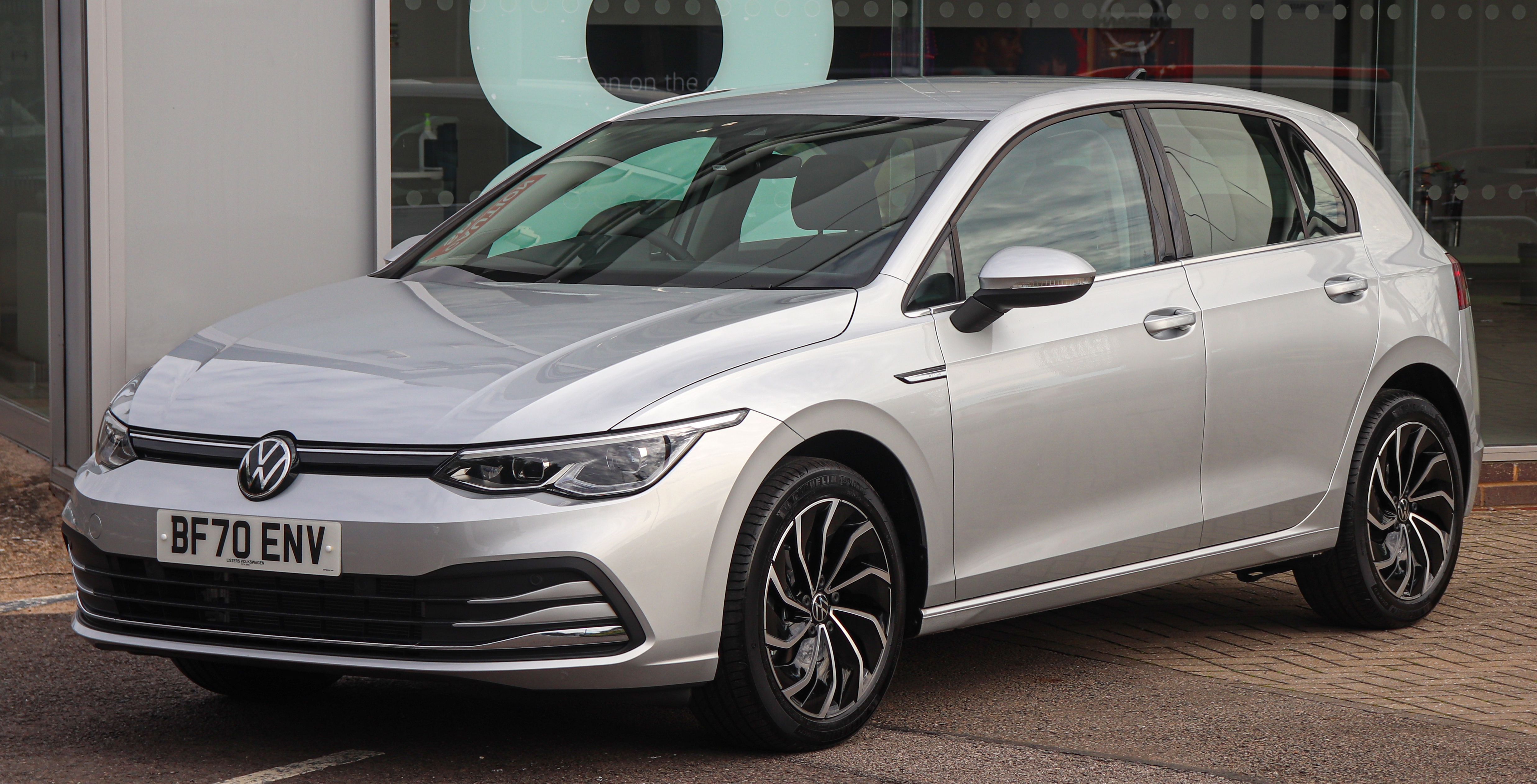
In about 2012, I noticed that the 40th anniversary of the Volkswagen Golf was coming up in 2014.
03:59
So I suggested that as a book to the Haynes Publishing Company.
04:04
And to my surprise, nobody else had thought of the same idea.
04:08
So that came off really well and that's still being printed in the second edition and that
04:12
was translated into German.
04:14
So sometimes my own ideas come up trumps.
04:20
So let's talk about this book, Aston Martin, The Entire Story.
04:25
Was this a commissioned project as well or was it something that you perhaps had
04:28
a passion for for a long time that was kind of simmering?
04:31
Well, I had a background in Aston Martin and as much as I did a book on the V8
04:37
series from 1969 to 2000, a few years ago, that was that came out in 2019.
04:45
And that was a very rarefied book.
04:47
It was very high end limited edition books.
04:49
So not many people saw it.
04:51
Then I started writing for various Aston Martin magazines.
04:56
So I'd had a by about 2020, I had a good grounding in Aston Martin.
05:00
And I rang up the Everow Publishing Company, the guy knew there just by chance
05:05
in 2020 and said, have you got any work?
05:07
And this was the start of the pandemic.
05:10
And by chance, he said, yeah, actually, we would quite like a history of Aston
05:13
Martin. So it went from there.
05:17
And it is an ambitious title, The Entire Story.
05:20
Yeah, it wasn't originally going to be called The Entire Story, but
05:25
they let me expand it and the word limit kept getting broken and the
05:29
deadline kept getting broken.
05:30
And I would stress I'm not always like that with my deadlines.
05:34
But it just got bigger and bigger.
05:35
There was so much more material came up.
05:38
And I decided that I had to include all the racing and there just hadn't
05:41
been a book of that scope for a very long time, which tried to cover everything.
05:48
So in the end, my publisher said, you know, we can make this two volumes
05:52
instead of one and we can call it The Entire Story, which is a real honor, really.
05:58
So the story begins in 1913 with Lionel Martin.
06:02
And there is no Aston as a person, by the way.
06:04
This is a common misconception, right?
06:08
Originally, the original company informed in 1913 was called Banford and Martin.
06:13
After Robert Banford, the the friend he went into, engineer
06:17
friend he went into the car business with.
06:20
And they started as a dealership selling singers.
06:25
But they soon developed tuning kits for them.
06:27
And Lionel Martin was fanatical about racing.
06:31
Robert Banford was the quieter engineer type.
06:34
But Lionel Martin just wanted to go racing all the time
06:37
rather than get a car into production.
06:39
So he decided on a name.
06:43
And it's also said that his wife, Kate Martin, had a hand in this
06:49
where there was a hill climb that he competed in in his singer
06:53
near the village of Aston Clinton, and it was called Aston Hill.
06:58
So he combined his name with Aston Hill to form Aston Martin.
07:02
Yeah, and I think it's evocative, of course, because, you know,
07:06
it's got it says racing.
07:09
If you were around in that time, that probably reference
07:12
would have been recognizable if you're into auto racing.
07:16
Yes, it would, because hill climbs were the very big things.
07:19
They weren't any at that time.
07:21
They weren't any motor racing circuits.
07:23
Brooklands didn't come along till the 1920s.
07:26
So the hill climb was the biggest thing in motorsport.
07:30
Now, I say they're founded in 1913,
07:33
but really they don't produce a car for sale for quite a while.
07:39
They don't really get going until after the First World War.
07:43
So we're not seeing cars produced in anything,
07:47
not even singing and not even double figures until the very
07:50
early 1920s because Lionel Martin would keep refining.
07:55
They would build another racing car.
07:57
They would put another body on it.
07:58
They would put a new engine into it.
07:59
They would experiment and all the while he was getting bailed
08:04
out by wealthy benefactors.
08:05
He had money himself, but he still managed to run at big debts.
08:09
So there was a continual process of development
08:12
and he managed to keep the motor in press on board by giving
08:14
them rides and prototypes and they were always very encouraging.
08:18
But yes, it took a very long time for something
08:20
which we would call production to start.
08:23
Right. And of course, the war stalled everything for everyone
08:27
in terms of the motor trade.
08:29
And in fact, during this period right before the war
08:33
and then afterwards, so many automakers were,
08:36
they had come and gone.
08:37
And a lot of them actually never produced a car
08:40
in any great number.
08:41
So this wasn't unusual.
08:43
No, there was this great, there was a great purve
08:45
of attrition of car makers because people wanted
08:49
to build a car, but they didn't have a business plan.
08:51
You often got, you know, the passionate enthusiasts
08:53
and the passionate engineer not combined
08:55
with any business sense.
08:57
So there was always going to be a process of evolution.
09:00
And luckily Lionel Martin's family
09:02
were extremely wealthy in their own right.
09:05
They had had China clay mines in Cornwall
09:09
and there was a great demand for clay during the war
09:14
And also he hit a demand from on the whole wealthy young
09:19
men who'd survived the war and they just wanted to have fun.
09:23
So a relative expense of sports car
09:26
could easily find its place in the market.
09:27
Yeah, it's a similar story to Bentley, for example.
09:33
And the whole idea of men in sheds,
09:36
this is where it comes from.
09:37
Like this is a very British concept
09:40
in terms of the automotive world.
09:42
You know, men in sheds tinkering,
09:43
building something, going racing, maybe we'll sell it.
09:48
You know, maybe we can get some investors here and there.
09:52
Exactly, it's this sort of process of development
09:55
by trial and error, literally trial and error.
09:58
You know, let's build this, oh, that's blown up.
10:01
Let's build something else and just keep going
10:05
all the time, usually hemorrhaging money.
10:07
And that's carried right through
10:08
to people like Colin Chapman and Lotus.
10:11
All right, so when does it really get going as a business?
10:16
When do they finally get a car to market?
10:20
Early 1920s, about 1921.
10:23
Then you can say they're actually starting to make cars
10:27
which are in a sort of series, very small series.
10:32
Although the first car, which is Aston Martin,
10:34
which is actually sold to a private individual,
10:37
was in 1923 and that was a second hand car,
10:40
one of the old racers.
10:41
So by the time they get to 22, 23,
10:44
they are starting to produce cars.
10:47
And the motoring press likes the Aston Martin product.
10:51
Yeah, they appreciated it as something of quality
10:55
which had quality components,
10:57
quite exotic components for the time.
10:59
And even quite fundamental things,
11:02
such as brakes on the front wheels
11:05
were extremely unusual in those days.
11:07
And in the early 1920s, in 1923,
11:11
there was a magazine called the Light Car and Cycle Car
11:14
actually did a test,
11:15
accepted a test that Lionel Martin had done
11:18
where he braked from 50 miles an hour
11:21
and stopped in 27 paces.
11:25
And that was considered absolutely remarkable for the time.
11:27
So, you know, you couldn't guarantee
11:29
that cars would stop at all at that point.
11:31
So four wheel brakes were a big thing.
11:35
That was kind of an engineering challenge
11:38
to figure out how to make the steered wheels
11:42
break evenly and not grab to one side or the other.
11:46
Yeah, I believe they use a French mechanism
11:49
called the Perot mechanism, I think,
11:51
which linked the brakes together.
11:53
The French were very innovative.
11:55
A lot of stuff trickled into the entire industry from France.
12:00
You know, the Dillon axle,
12:02
which figures into Aston Martin history much later,
12:08
Hey guys, I want to take a quick break to say
12:10
if you enjoy horsepower heritage,
12:12
there are a few ways you can support the show.
12:14
Go to buymeacoffee.com forward slash HP heritage
12:18
and become a patron.
12:20
There's a link in the show notes.
12:21
You can make a one time donation
12:23
or you can support the show monthly.
12:25
It's easy and for the price of a latte,
12:27
you can help me continue to bring you more
12:29
of the people and stories behind the machines.
12:32
You can also leave five stars and a review
12:34
on Apple podcasts or Spotify
12:36
because that helps new listeners discover the show.
12:39
Thanks for your support and now back to the show.
12:45
I think we should talk about the Bertelli brothers.
12:47
These guys were Italian extraction,
12:49
but I think they were reared in whales, if I'm remembering.
12:53
Yeah, they were, I'm quite fond of the Bertelli's
12:57
because they're so unusual amongst Aston Martin's owners
13:00
because Aston Martin's owners on the whole
13:02
come from the upper classes or they come from money.
13:05
And these guys didn't come from money at all really.
13:08
Augustus Bertelli, who was known as Bert,
13:11
was, as you say, the son of Italian immigrants
13:15
who had moved to Cardiff in Wales
13:18
when he was a child, along with his brother Enrico, Harry.
13:22
And the pair of them set themselves up
13:25
in a local garage, working for a local garage.
13:28
And Bert Bertelli was actually recruited back to Italy
13:33
to work as a racer mechanic for Fiat.
13:35
So he had a fantastic use,
13:37
and he wanted to come back to Cardiff
13:40
because the Italians wouldn't place football on a Sunday.
13:45
And he loved football.
13:46
So that's why apparently he came back.
13:48
But he was, I found an audio recording of him as an old man,
13:52
which was quite rare,
13:54
and he had this fantastic Welsh accent,
13:57
which you don't expect at all
13:58
from a guy with such an Italian name,
14:00
but he had a really lovely Welsh accent.
14:02
But yeah, he was a talented engineer,
14:05
had come from a car company to Aston Martin
14:09
and met this other engineer called Bill Renwick,
14:12
and they had started to build a car together.
14:16
But then they were recruited as they were
14:18
for a journalist who knew that Aston Martin
14:21
was looking for a new owner, and they took it on.
14:26
Yeah, and the Bertellis were very talented.
14:30
I would say that they're sort of the lynchpin
14:32
of Aston Martin in this period.
14:35
Yeah, I think they help it get into its teenage years,
14:39
effectively, because they start a level of,
14:44
in the early 1930s, they start a level of serious production.
14:49
They, you know, Bertellis does make the kind of mistakes
14:53
that Lionel Martin makes in as much as he introduces
14:55
too many bespoke parts into the cars.
14:58
But after a while realizes that he can still achieve
15:01
what he wants by buying in more components,
15:04
and then they dropped the price quite substantially
15:06
in the early 1930s, which really helped.
15:09
And again, he goes racing, and he's one of the
15:13
unusual manufacturers of the time
15:16
who actually raced the cars that they built.
15:19
They weren't very many owner, owner-racers
15:23
of car companies at that time.
15:26
And Bertellis was at Le Mans from 1928 all the way through,
15:30
and he realized that was crucial
15:32
for the success of the company.
15:33
And we should say, from the start,
15:36
Aston Martin was focused on sporting models,
15:39
which is really perilous.
15:41
And if you look at the history
15:42
of any sports car manufacturer,
15:45
they're always on the edge
15:48
if they're only building sports cars.
15:50
You need another model in order to bring them the money in.
15:55
Yes, they tried different types of bodies
15:57
because Harry Bertellis was of course a coach builder,
16:00
and he had his workshop very near the Aston Martin factory.
16:04
So they would try four doors,
16:06
they would try closed saloons,
16:10
but in a very haphazard way,
16:12
they would just reel one of them out of the motor show,
16:15
each year, see if anybody bit,
16:17
would get about 10 orders,
16:19
and then that would trickle down,
16:20
so the next order, next motor show
16:22
would be a different kind of car.
16:24
So it's still very trial and error,
16:26
but trying to build different kind of body types.
16:29
Although most people in the end
16:31
converted the saloons and the turrets back to
16:34
two-seater sports cars,
16:35
because that's the true heart of Aston Martin then.
16:40
We should talk a little bit about
16:41
the technical specs of these cars.
16:44
Of course, they're sporting,
16:46
most of them are open cars,
16:47
and the heart of the car
16:49
is a 1.5-liter four-cylinder engine,
16:52
which actually gives pretty good power.
16:55
these young sportsmen with money
16:57
are attracted to it immediately.
16:59
Yes, it was a single overhead camshaft
17:02
designed by Battalion and Rennick,
17:04
which did the business all the way through the 1930s really.
17:08
They tried laterally enlarging it to two liters
17:11
at the end of the 1930s,
17:12
but that was quite short-lived.
17:14
But it was always a kind of not under-engined,
17:16
but small capacity car for the time
17:19
when two liters were starting to become
17:22
and three liters were starting to become predominant.
17:24
And it was always a four-cylinder as well.
17:26
But it had that quality of liveliness to it.
17:29
And it was a quite durable engine
17:32
as evidenced by the Le Mans races,
17:35
which had many owners and would keep coming back
17:37
to Le Mans time after time.
17:39
And really the first landmark Aston Martin,
17:44
I suppose, the one that is iconic
17:47
is the two-seater Le Mans model, right?
17:50
And that's where they also established
17:52
a kind of design language in terms of the styling,
17:55
like the Aston Martin grille in those years
17:57
is very distinctive.
17:58
The car has cycle fenders, incredibly sporting.
18:02
Yes, yes, one thing I should mention
18:04
about the technical specification of the engine
18:06
is they went to dry some lubrication very early on.
18:09
That was unusual for the time.
18:12
And they paid attention to the fundamentals
18:15
for sporting drivers.
18:17
They put a lot of effort into cooling
18:20
and a lot of effort into good oil circulation,
18:22
especially during hard cornering
18:25
with the dry some lubrication.
18:27
Which drove the cost up,
18:28
but it did produce a very durable racing engine.
18:31
Right, and they also experimented
18:32
with multi-valve engines and monoblock castings.
18:37
The engines had a comparatively higher compression ratio
18:40
than most cars of the time,
18:42
I think nine to one,
18:43
which is to the moon in the 1930s.
18:46
Yeah, the monoblock casting
18:49
and the multi-valve engines,
18:51
they were quite early on.
18:52
They were in the Lionel Martin days.
18:54
And the cars that went to the 1922 French Grand Prix,
18:58
one of them I think had a multi-valve engine,
19:01
which was very, very advanced for those days.
19:03
So they weren't a realistic prospect.
19:06
You could have them on request,
19:07
but on the whole Lionel Martin would say,
19:09
I would stick with the side valve engine
19:11
because it's much more reliable.
19:14
No, it's a good point though about the dry sump.
19:16
Yeah, and it gave a lower sense of gravity
19:20
and the engine could sit lower in the chassis.
19:24
And it's nice that some of today's Aston Martin
19:28
still have a dry sump engine.
19:29
Yeah, it's a neat innovation.
19:32
The bodies were lightweight.
19:34
That was very important.
19:35
They were drilling things very early on for lightness.
19:39
Yeah, I think the chassis's weren't so light,
19:41
but they were durable.
19:42
So they would have to drill holes everywhere in the chassis
19:45
just to try and get the weight down.
19:47
So they were relatively heavy for their time,
19:51
but there were things they could do for racing
19:54
as far as they could stick within the rules
19:56
to try and take weight out of it.
19:58
So Aston Martin has gained favor with a certain clientele,
20:02
the motoring press like the cars,
20:04
but the problem remains they're always short of cash.
20:08
In fact, at times they're unable to fill orders
20:10
because of this and because of supply chain issues.
20:14
They're not building everything in-house.
20:15
No, no, they're bringing stuff in.
20:19
With any small-scale manufacturer
20:21
who's depending on a larger scale,
20:23
when they're always at the mercy of large-scale suppliers.
20:25
So if the large-scale supplier has a better customer,
20:29
the smaller company goes further down
20:31
the pecking order for parts.
20:33
But their business plan is, as I said, haphazard,
20:37
but they gradually get there.
20:39
And they're always rescued by a dealer
20:43
with a bit of money who loves the company and comes in.
20:47
And that always got you a directorship.
20:49
So the membership of the board was always changing,
20:52
usually to do with who had the largest amount of cash.
20:55
Now, Robert Bamford and Lionel Martin,
20:59
their tenure with the company isn't that long, really.
21:03
No, we think that Bamford had gone by about 1920.
21:07
And Lionel Martin went with the liquidation
21:10
of the company in 1925.
21:13
And there was quite a bitter court case.
21:15
After that, there was a lot of mud slinging
21:18
about whether he'd gone into the workshops
21:21
and tried to reclaim parts he said he was owed.
21:24
So, yeah, they were out of it by 1925.
21:27
So that's 25, 26 is when the Battelleys come in,
21:32
backed by the money of the Charnewood family.
21:35
There's usually an aristocrat somewhere in there,
21:38
Yes, Lord and Lady Charnewood.
21:40
Oh, yes, and their son, John.
21:44
John was really the enthusiastic one.
21:46
He kind of got his parents to put their money into it
21:50
Yes, and I think it was a thing at the time
21:53
where Lord and Lady, the Lord and Lady
21:56
would think of something for their young son to do
21:58
who didn't really have a job.
22:00
So they would buy him a car company
22:01
so he could play around with cars.
22:04
Yeah, rather than being a ne'er-do-well, right?
22:07
Yep, that's not bad, is it?
22:09
They do commit to racing.
22:12
The Charnewoods are, I mean, racing is an expensive thing.
22:16
Yeah, they're prepared to stump up for racing cars.
22:19
And then the Sutherland family arrived
22:22
in the early 1930s, I think, 33.
22:24
Again, Gordon Sutherland, the son of a shipbuilder.
22:28
So he's plunged in with huge enthusiasm.
22:31
And he really has some success of making a go of it.
22:36
But they commit to funding a whole series of cars
22:40
to go to Le Mans, which just get built alongside the saloon cars
22:44
and sometimes actually slow down production,
22:45
which wasn't really the aim of it.
22:47
Yes, and of course, Le Mans by this time is well-known,
22:53
That whole national pride thing really comes
22:55
into figure with Aston Martin.
22:57
And the way the classes were organized by that point
23:01
allows smaller cars, cars with smaller engines,
23:05
which would never have the hope of winning outright
23:07
to win a class win, which is excellent advertising.
23:10
And also the fact that if your car can survive Le Mans
23:14
in the 1930s, it's a really good testament
23:18
Speaking of racing, there's an interesting character
23:21
that figures into Aston Martin history.
23:23
Sammy Davis, who won Le Mans in 25 in a Sunbeam.
23:28
And then he became a Bentley boy,
23:30
raced Bentley's at Le Mans with A.J. Benjafield.
23:35
He's also involved with Aston Martin.
23:38
I mean, he was a big friend of Bertelli.
23:41
And as he was the sports editor of Auto Car,
23:44
I think, and later maybe the editor of Auto Car,
23:47
he had real influence.
23:49
So he was Aston Martin's patron saint, really.
23:53
And he also would at times manage the racing team.
23:56
And they got a reputation for very good pit work
23:59
in the 1930s very early on.
24:01
So that was part of the reason they stayed in the game.
24:05
But yeah, Sammy Davis was a big help.
24:08
And in those days, a lot of teams would drive the cars.
24:11
They would get off the boat
24:13
and drive across France to Le Mans.
24:15
And there's a scene you talk about in the book
24:18
where I think they've got a British flag up,
24:20
flying the colors, racing through town.
24:23
Yeah, it was just huge fun outing.
24:27
And they used to drive down and picnic along the way.
24:29
And if the cars were going to break down,
24:31
they would break down then.
24:33
So they would get a good idea of their reliability
24:35
on the way to the circuit.
24:37
But it was a big social event.
24:38
And a lot of the people in that group
24:41
would have been just friends, just friends of the company.
24:44
They weren't being paid.
24:46
They just did it for the love
24:47
and the fun of the whole experience.
24:49
The cars often did have mechanical trouble along the way.
24:55
And very specific faults.
24:58
There was a thing they constantly had with Le Mans,
25:00
with vibration, would just make the cycle wings come loose.
25:05
So year after year, they used to fail
25:08
because the wings were coming apart with the rough roads.
25:12
So they developed a system of tying them together
25:16
Right, because every year they revised the metal bracing
25:20
that was supposed to keep the wings on and solid.
25:23
And every year there would be metal fatigue.
25:26
Of course, at the time, the Circuit de la Sartre
25:29
was pretty rough, nothing like it is today.
25:33
It was a punishing circuit.
25:34
The rope story is hilarious
25:36
because I think one of the drivers pulls over
25:39
in the middle of the race to lash wings back on the car.
25:42
Yeah, I mean, Sammy Davis called it
25:45
Bertely's Indian Rope Trek.
25:47
He had to do this so regularly every year.
25:50
Also because the headlamps that had to be used
25:52
for the night driving were so heavy
25:54
that they really strained to stays.
25:56
Yes, it was constant battle with the headlamps
25:59
and the headlamps stays and the wing stays as well.
26:02
Also in keeping with the family atmosphere,
26:05
friends and family atmosphere of all this racing,
26:08
there are privateers that are racing Aston Martin
26:11
as well as some works cars
26:13
and that really improves their chances.
26:15
I mean, it improves the odds, right?
26:17
The more cars you field,
26:19
the more likely you are to finish well.
26:21
Oh, sure, they always did very well
26:23
just on the numbers game.
26:25
They would have friends of Aston Martin
26:28
who would buy an ex-racer from the previous year
26:32
but then bring it back the next year
26:33
to join the new races in the works team
26:36
because they would have their own entry.
26:38
So yes, it was quite possible for them to have 10 to 11
26:43
Aston Martin's in the Le Mans race
26:45
and the public perhaps doesn't care so much
26:48
whether it's a works car or it's a privateer car.
26:51
It's still an Aston Martin doing well in a race.
26:53
So the numbers game really helped.
26:55
Yeah, and that was something
26:56
that all of the manufacturers were doing
27:00
virtually from day one, right?
27:01
I mean, it's, yeah.
27:03
And I think you could say it goes on today.
27:06
You know, a privateer race,
27:08
a plenty of private racing teams mixed in works teams.
27:12
It's a good formula.
27:13
Yes, it's been very successful approach
27:16
for many manufacturers over the years.
27:20
One of the Le Mans racers that I thought was
27:23
interesting that you note in the book
27:25
is a gentleman named Mortimer Morris Goodall.
27:28
Yeah, he sounds like a great guy.
27:29
I mean, the name, that's quite a name.
27:33
But he was an 11 time Le Mans veteran.
27:37
He founded the Aston Martin Owners Club in 1935
27:40
and later went on to be part of the racing management
27:46
at both Healy and Jaguar.
27:49
But I was surprised to read
27:50
that Mortimer Morris Goodall was the father of Jane Goodall.
27:55
Yeah, I didn't know that.
27:57
Yeah, that was quite a bit of trivia.
28:00
Yeah, that's good to know.
28:02
Yeah, you don't, when you think of Jane Goodall,
28:04
you, of course, you think of guerrillas
28:06
and it's the farthest thing from motor racing.
28:10
But I guess if you have an extraordinary father,
28:12
you might have extraordinary children.
28:16
Of course, the second world war comes
28:18
and changes everything for everyone.
28:21
And Aston Martin had kind of a nascent car in development,
28:26
the Aston Martin Atom.
28:28
Yes, Gordon Sutherland realized that coming out
28:32
of the second world war,
28:33
there was gonna be need for something with a two liter
28:36
engine, but a saloon car with four doors
28:40
because that AP thought that there would be a bigger
28:44
market for that rather than sports cars.
28:46
So the Atom was in development right through the war
28:51
to a limited extent.
28:52
But when it came to actually put it into production,
28:56
the money had just run out, same old story.
29:00
And the development that did occur was sort of secret,
29:03
right, because under wartime rules,
29:05
you couldn't be doing that.
29:07
You had to be focusing on war production.
29:10
Yeah, they could only really get into development
29:14
as the war was drawing to a close.
29:16
Then the British motor manufacturers
29:19
were allowed to free up some time for development
29:22
because British government realized that you would need
29:25
a motor industry when we came out of the second world war.
29:28
And when the war does finally end,
29:31
all manufacturers are scrambling
29:33
for their post war products.
29:36
And Aston Martin is no exception.
29:38
And again, true of many others,
29:40
they kind of retool or rework what they had
29:46
But a very important figure comes into the picture here.
29:49
And that is David Brown.
29:51
Yes, completely by chance.
29:53
David Brown, the son of the David Brown Gears dynasty,
29:57
already a managing director of the company,
30:01
company that's made, had a very, very good war,
30:03
making Gears, of course.
30:05
And then now a post war food production
30:09
needing lots and lots of tractors.
30:11
So his tractor factories in the north of England
30:13
are going flat out.
30:15
So he has a lot of money to spend.
30:17
And he was always a true motor racing enthusiast,
30:21
So as the legend goes,
30:23
he sees this story in the times,
30:25
motor car company for sale, not specified what it was.
30:28
Thinks, oh, I'd quite like to have a look at that.
30:31
And finds out to his surprise that it's Aston Martin.
30:34
What is it with tractor manufacturers and sports cars?
30:37
I mean, David Brown, Frucio, Lamborghini,
30:40
even Porsche, right?
30:41
Yes, yeah, yeah, yeah.
30:43
Well, the sons of the dynasty,
30:46
like their motor racing, I think.
30:47
Yeah, well, and of course,
30:49
the tractors are really what's bringing the money in the door.
30:52
Yes, and the gearing,
30:54
you know, the large industrial gears.
30:56
David Brown's business concerns have many divisions,
31:01
many business interest facilities
31:03
in the north and south of England.
31:05
So they're quite diversified.
31:07
And another interesting historical point here
31:11
is that after the war in Britain,
31:13
there's some tax reform on motor cars.
31:16
The horsepower tax goes away.
31:20
Yes, and it made it possible to produce larger engines,
31:25
which of course, we needed for export markets.
31:29
The British government did realize that to succeed
31:32
in places like the States and the colonies,
31:36
you needed larger engines.
31:37
So it encouraged the development of larger engines.
31:40
And the other factor at play here
31:42
is that after the war,
31:43
Britain needs to increase its exports as much as possible.
31:48
The mantra was export or die.
31:50
We've talked about that on the show before,
31:52
and that's why you get through the 1950s
31:56
so many British manufacturers making sports cars
32:00
for the American market.
32:01
And of course, Aston Martin is one of them.
32:04
Yes, and able to benefit from a ready supply of aluminium,
32:08
which was left over from an aircraft manufacturer
32:11
because steel was rationed according to
32:14
how many cars you could build.
32:15
So if you wanted to build a small volume car,
32:18
aluminium was the way to go.
32:19
Yeah, and Aston Martin was trying to get steel,
32:23
but the government wouldn't give it to them
32:25
because they said, you're too small.
32:27
We've got more important things to worry about.
32:29
We have a much bigger volume going to other businesses.
32:34
Yeah, but I believe they had a little bit of a help
32:36
because David Brown tractors were such a major importer
32:40
and had such a major allocation of steel
32:43
that there were some left for the Aston Martin chassis.
32:48
But for the bodies, it was gonna be aluminium.
32:51
Yeah, also for lightness and for ease of manufacturers,
32:55
they couldn't afford large-scale steel presses.
32:59
And they were the skills there
33:00
to rework aluminium bodies quite readily.
33:03
Now, David Brown buys another company
33:06
in the same period, 1947, and that's Lagonda.
33:10
Yeah, he was always very fond of Lagonda.
33:13
He'd had two of the top-line V12 Lagondas
33:18
before he actually had one of the last ones
33:21
So he always had a soft spot for Lagonda,
33:22
and he'd bought Lagonda before he'd bought Aston Martin.
33:26
He'd actually paid more for Lagonda
33:28
than he paid for Aston Martin.
33:30
So there was this unusual combination.
33:33
He had the Lagonda producing this lovely new 2.6-litre
33:38
six-cylinder engine, and he bought Aston Martin
33:41
with a quite unexcited two-litre four-cylinder engine
33:46
in development, which he more or less
33:48
poo-pooed straight away and worked out
33:50
that he could use the 2.6 for the Lagonda
33:53
in an Aston Martin to create something
33:55
truly a sort of European grand tourer.
33:59
Yes, and the 2.6-litre Lagonda engine
34:02
had a fantastic pedigree, right?
34:04
Because W.O. Bentley was the chief designer,
34:08
and then he had help from a gentleman named William Watson.
34:12
Yes, and William Watson came over to Aston Martin
34:15
as an engine designer in the early days
34:18
and helped with some of the early racing cars.
34:22
So yeah, the Lagonda tied with W.D. Bentley
34:25
had an interesting quirk to it in as much
34:28
as Lagonda had plans to produce this 2.6-litre car
34:34
under their own name, but they wanted
34:35
to call it the Lagonda Bentley,
34:37
and Bentley just took them to court
34:39
and said, no, no, you can't do that.
34:41
So it was always, it had to become the Lagonda
34:44
with designed by W.O. Bentley,
34:47
which kind of put pay to their plans.
34:49
Right, because Rolls-Royce had purchased Bentley motors
34:53
in 1931, and part of the deal
34:56
was that W.O. Bentley was sort of considered
35:00
an asset of the company, and he was more or less
35:02
forced to work for Rolls-Royce,
35:05
and I think he did a lot of test driving
35:08
and consulting, and then eventually did
35:11
design the Lagonda engine, but very interesting history.
35:15
It's a shame that W.O. Bentley
35:17
wasn't really allowed to use his name in trade.
35:20
No, no, no, but he was just a very interesting
35:24
character, wasn't he?
35:25
He went off and founded his own consultancy
35:28
after that, I think quite happily.
35:29
I think so too, yeah.
35:30
Yeah, he's a fascinating character.
35:32
I don't know if you've ever read My Life and Cars
35:36
by W.O., but it's a really good read.
35:38
I've dipped in and out of it, I think, yeah.
35:42
There's a quote that I have from David Brown
35:44
from the book, even the most skeptical thought
35:47
that perhaps my organization, which was
35:49
accustomed to making only farm machinery and gears,
35:53
could, after all, produce an efficient and successful
35:56
high-performance car.
35:58
Yeah, there were some people who thought that David Brown
36:01
bought Aston Martin solely for the purpose
36:03
of getting publicity for David Brown gears,
36:06
and they did make the most of it,
36:08
but that wasn't the reason at all.
36:09
He didn't need to keep Aston Martin.
36:13
It was such a small part of the David Brown empire.
36:15
He kept it as a true passion project.
36:18
I think in 1966, he told an interviewee
36:21
that it represented 2% of the turnover of David Brown group.
36:25
So it was his play thing, and he poured money into it,
36:30
and he allowed it for a long time not
36:33
to make any money at all.
36:34
Yes, and he also said later he thought that perhaps he'd
36:38
lost, I don't know, something like 15 or 16 million pounds
36:43
on Aston Martin over the years.
36:44
Well, he had spent that in racing
36:47
during the entire time they were racing.
36:51
So 1948, the new model is the Aston Martin 2-Liter Sports.
36:57
And the chassis is based upon what
37:00
they had done with the Atom.
37:01
So the Atom chassis, which was designed by Claude Hill,
37:05
and then the development process
37:07
was fettled by a guy named Jock Horsefold, right?
37:10
Yeah, Jock Horsefold, yeah.
37:13
And he's a fascinating character.
37:16
It's thought that he was the basis of the inspiration
37:18
for In Fleming to create James Bond.
37:21
Because he was a spy during the war.
37:24
And he was a fearless, maybe slightly unwise racer,
37:28
because he had very bad eyes, so he refused to wear glasses.
37:33
But he was a real daredevil gentleman racer.
37:36
So the 2-Liter Sports, now that's the four-cylinder
37:42
We don't get to the 2.6-liter from the Lagonda
37:45
until, I think, 1950.
37:47
No, the first experiment with that 2.6-liter
37:51
is in one of three cars which are sent to Le Mans
37:55
as a tryout in 1949, which are 2-Liter Sports
38:00
with special bodies on them.
38:01
But these, in the end, turn out to be the prototype DB2s.
38:06
So two of those went to Le Mans with 2-Liter engines,
38:10
and one of them had the experimental 2.6.
38:13
And they did much better than they thought they would.
38:15
So that was the death knell for the 2-Liter Sports, really,
38:19
I think they made about 13 in the end,
38:21
because it was extremely expensive.
38:23
And they moved on to the DB2 by then.
38:26
And the 2-Liter Sports was retrospectively titled the DB1.
38:29
And by the way, we'll get back to Ian Fleming and James
38:32
Bond, because you can't think of Bond
38:35
without thinking of Aston Martin, right?
38:37
No, all the way through.
38:39
All the way through.
38:40
All right, so the DB is a swooping, two-place sports car
38:46
designed by Frank Feely.
38:48
And there are some cars that there's, I would say,
38:52
some questionable post-war styling,
38:55
until Frank Feely really just refines this and gets it right.
38:58
And it's a marvelous shape.
39:00
It sort of sets the stage for Aston Martin's
39:03
next several decades.
39:05
It redefined what Aston Martin was.
39:09
David Brown had encouraged Frank Feely to go to Italian motor
39:13
shows and check out the styles coming from there.
39:15
And the DB2 owes a lot to special-bodied Ferraris.
39:21
So it came out with this beautiful Italian styling
39:26
And it redefined Aston Martin as a grand tourer
39:30
in the luxury bracket, the Sporting Grand Tourer.
39:33
And that's where it was.
39:36
Yeah, it's the basic shape becomes almost ubiquitous
39:41
in the sports car world in the 1950s.
39:43
And of course, you say Ferrari, so like the 212 inter
39:47
would be one model that's very similar in appearance.
39:50
The AC Asica, very much like this.
39:53
Yes, very close, yeah.
39:55
Yeah, so it really kind of, it sets a paradigm, I guess.
39:59
Yeah, and the Bristol 401 as well.
40:02
Bristol 401, yeah, good example.
40:04
Yeah, they're all lovely, but the DB2 is beautiful,
40:08
but it's not all that functional.
40:10
For example, you can't reach the luggage compartment
40:13
from the outside of the car.
40:15
It's all fixed bodywork.
40:17
That's just one example, but they quickly refined that
40:20
with the DB2-4, right?
40:22
They finally have a boot that opens.
40:26
They realized that there was a bigger market
40:29
if you could have something resembling two seats.
40:34
So they redesigned, I think Ted Cutting might have read it
40:40
when he came to the company, redesigned the chassis
40:42
and relocated the petrol tank
40:45
and they added this hatchback to it,
40:48
which had been seen on one of the Le Mans,
40:51
the hard top body DB3s.
40:53
But that was quite an innovation
40:55
and a fold at two occasional seats
40:58
and a folding luggage platform.
41:00
Right, they set the petrol tank lower in the chassis
41:04
and you say in the book it was often cited
41:07
as the first sports hatchback.
41:11
We should talk about the chassis for a moment
41:13
because it's really just two large diameter tubes
41:17
running parallel with some cross bracing.
41:20
It's not particularly innovative or sophisticated.
41:23
No, I think you could say it was strong, not too heavy,
41:28
but able to withstand torsional twisting
41:31
and able to produce a convertible
41:33
without too much extra reinforcement,
41:35
which was very important.
41:36
Yeah, and they had a lot of trouble over the years
41:39
getting that stiffness for the convertible models.
41:43
Yeah, well, I think that was common
41:44
to a lot of manufacturers.
41:46
Sure, sure, yeah, that makes sense.
41:48
Eventually the Lagonda engine,
41:51
which started out at 2.6 liters
41:53
is stretched to nearly three liters
41:56
but there's an interesting guy
41:58
who comes into the picture in the 1950s named Tadak Marek.
42:03
And he's a Polish immigrant, right?
42:06
He came over after after the war
42:09
and he's had a very colorful and eventful war
42:12
as I think trying to escape Poland through Europe
42:16
ended up as an engineer at Austin
42:19
was designing six engine at Austin.
42:23
Got a much better job at Aston Martin
42:24
and liked it much better
42:26
because it was a smaller company
42:27
and he had much more for free reign.
42:31
So yeah, he comes in and starts producing
42:34
the new generation of Aston Martin engines.
42:36
So he really becomes the chief engine designer at Aston?
42:42
And Aston Martin was always proud
42:45
that it made its own engines.
42:47
And that especially became important
42:50
towards the end of the 1950s
42:51
when other British manufacturers started to put in American V8s
42:56
out of expediency in order to get larger engines
42:58
but Aston Martin first of all pursued its six cylinder,
43:04
took it up to four liters eventually
43:06
and then of course the V8 comes
43:08
right at the end of the 1960s.
43:10
Right, but that Tadak Marek designed six cylinder
43:14
is like, it's like the small block Chevy
43:17
or the Colombo V12.
43:20
I mean, it is the Aston Martin engine for so many years
43:24
and through so many iterations.
43:26
Yeah, yeah, continually improved.
43:29
Often by trial and error,
43:30
there's the great story
43:32
about how when the DB4 was launched,
43:35
a load of them kept coming back with blowing engines
43:38
and they could not work out what it was.
43:40
And it was because in Britain
43:43
they had never run one on a motorway
43:45
at top speed for a sustained mirror at a time
43:47
because we didn't have any motorways
43:49
until the late 1950s.
43:52
And what was happening was Italian owners
43:56
were taking their cars out at weekends,
43:59
giving it the beans straight away on the orders strider
44:02
and the oil temperature just went through the roof
44:05
and they blew their bearings.
44:06
So they had to put an oil cooler in standard very early on.
44:12
In the United States, we had the good fortune
44:15
to have the interstate highway system construction
44:20
And I mean, it was a perfect time
44:22
because that was when the horsepower wars began,
44:24
you know, here with big American V8s.
44:26
But Britain was still largely narrow secondary roads, right?
44:31
And motorways weren't a thing yet.
44:35
I think the first motorway,
44:36
stretcher motorway opened in 1959.
44:40
And then the road building we really got in
44:42
became in the 1960s.
44:45
I think the first one was the part of the M6.
44:49
It's the M1 was the next motorway to be built
44:51
and that was near Aston Martin's new factory, Newport Pagnell.
44:55
So that became their test track
44:57
and that became Jaguar's test track as well.
44:59
Take a minute and talk about Newport Pagnell
45:02
because it's a small town and it became a company town.
45:05
Aston Martin employed many, many locals.
45:09
Yeah, and it's still proudly the home
45:11
of Aston Martin heritage.
45:14
David Brown also bought a coach builder,
45:16
the coach builder, Tickford in 1954
45:19
because quite astutely, he saw that his supply of bodies
45:24
would be running out because the major body builders
45:27
were starting to get taken over by the large car companies.
45:30
So he saw that Aston Martin,
45:32
people at Aston Martin were going to be squeezed out
45:34
so he bought the Tickford concern
45:37
and then built a factory across the road from it.
45:41
And so he had a supply of bodies and engines
45:45
and the whole thing all in one town
45:47
across two sides of the road.
45:49
Another thing about the early David Brown year is that
45:53
although the factory was established at Newport Pagnell,
45:56
there are still kind of disparate facilities.
46:00
There's, I think there are some facilities in Yorkshire
46:04
and then of course there, which is up North
46:06
and there are facilities in the South.
46:07
So things are a bit spread out, aren't they?
46:13
When David Brown first took over the company
46:15
in the late 1940s, he established them
46:18
in Felton in west of London
46:23
in the grounds of the Hanworth Air Park.
46:27
So he could eclase and fly his plane into the factory
46:30
and they were in old aircraft hangars
46:33
and when Newport Pagnell was set up in the early 1960s
46:37
as a new factory, the racing department stayed
46:40
at Felton in west London.
46:42
Newport Pagnell was North London quite a way outside
46:47
and all the David Brown gear making
46:50
and panel making tractor business
46:52
was up in the North of England.
46:54
But it really held because the chassis
46:58
for the lower part of the chassis
47:00
for the DB4 was made in Huddersfield,
47:04
parts of Prestil and shipped it down to Newport Pagnell
47:07
and then the Superleggera tubing
47:09
was tacked on by the craftsmen there.
47:11
So it was, they made them, David Brown made sure
47:14
that the Aston Martin made good use for his facilities.
47:19
You mentioned Superleggera construction.
47:21
We're gonna come to that in a moment
47:23
because by the middle 1950s,
47:27
it's all the rage for many car manufacturers
47:30
to have historic European coach builders
47:33
kind of take a turn at their cars
47:35
and of course, famously Chrysler did this with Gia
47:39
but Aston Martins are built by coach builders
47:42
like Vignale and Graeber, which is a Swiss coach builder
47:46
and there are some very interesting
47:48
one and two off cars in that period.
47:51
Yeah, Bertone as well.
47:54
It's a name that figures quite often.
47:56
I think there were a couple of Pininfarina as well.
47:59
So yeah, David Brown would supply a chassis
48:03
to whoever he thought would do a good job.
48:07
Right, and it wasn't customary for them
48:09
to entertain requests from a client for just a chassis.
48:15
They kind of prefer to build them in-house
48:16
but he realized this was great marketing.
48:19
Yes, it was great for the image
48:21
and I think the best example was the touring spiders,
48:25
the three touring spiders that were made in the mid-1950s
48:29
which really established the link
48:32
between Aston Martin and touring
48:34
which then led to the DB4.
48:36
And prior to the DB4 in middle 1950s, sales are very slow.
48:43
In fact, I think they kind of have to shut down for a period.
48:48
They're not building cars because there are no customers.
48:51
They've done some facelifting of the DB2-4.
48:55
Yeah, the DB2 series goes on much longer
48:59
than they anticipate and they can't really
49:02
figure out a way to get out of it.
49:05
So going with the Italian coach builder
49:08
and the new all-aluminium six-cylinder
49:12
eventually becomes the way forward
49:13
but it's quite a painful process.
49:15
And the DB2 ends up as the DB3
49:19
going all the way through to I think 59.
49:22
So it becomes a very long running car.
49:24
One of the interesting design elements
49:26
that carried over from I think the Mark III
49:28
to the DB4 was the dashboard.
49:31
Yes, it's almost exactly the same.
49:33
And the interesting aspect of the dashboard
49:35
is that prior to that, prior to this change,
49:38
all the instruments were centrally located
49:41
and that of course made it easy
49:42
to make either a left or right-hand drive model.
49:45
But when the instruments move
49:47
to a position behind the steering wheel,
49:49
it's a hooded or cowled instrument cluster
49:53
and the dash is painted black
49:55
and the shape of the cowl sort of mirrors
49:59
the shape of Frank Feely's grill work
50:01
on the front of the car, which I thought was interesting.
50:04
It's a really neat touch.
50:08
Yeah, I love that motif.
50:10
Let's talk about racing in this period
50:12
because of course all these manufacturers
50:14
are very anxious to make their mark in motor racing
50:18
and I suppose Aston Martin's strongest competition
50:23
When you think about it, it's amazing
50:26
that Jaguar is competition
50:27
because Aston Martin is so small
50:29
in comparison to Jaguar.
50:30
But I think what Jaguar had
50:32
was much better streaming lining
50:34
and of course disc brakes, full wheel disc brakes.
50:37
That's what made the difference.
50:38
Yeah, and you say so much smaller,
50:42
I mean, we're talking about during this period
50:44
Aston Martin's annual production
50:47
of cars for sale numbers in the hundreds.
50:50
Oh yeah, and sometimes quite often below 500.
50:55
I mean, of course Ferrari was in the same boat.
50:59
I mean, they weren't building thousands
51:00
and thousands of cars, never had really.
51:03
But it's interesting to just keep in mind
51:06
how small they really are as a manufacturer.
51:09
But anyway, getting back to the racing,
51:11
so strong competition from Jaguar,
51:14
Aston builds a lightweight competition chassis.
51:18
You mentioned it before, the DB3
51:20
and that lightweight emphasis is there.
51:22
Frank Feely works to streamline the bodywork.
51:25
And in fact, they test the car
51:27
in a wind tunnel at Vickers aircraft.
51:29
Yeah, I think that was a model that they tested at Vickers.
51:34
And that's the DB3 becomes the DB3S,
51:39
which is styled by Frank Feely,
51:41
who made the good point
51:42
that you should have a racing car,
51:43
it should actually look beautiful.
51:45
And the DB3 was a bit functional.
51:48
It was a bit slab sided,
51:49
but the DB3S is a truly beautiful car.
51:53
And that benefits from models in the wind tunnel, certainly.
51:58
But at that time, there aren't any full scale
52:01
wind tunnels available to the British motor industry,
52:04
not until the close of the 1950s
52:07
to we have our first full size wind tunnel for cars.
52:12
There's also the issue of the ill-fated
52:14
Lagonda V12 engine,
52:16
which they experiment with in racing.
52:20
Yeah, because David Brown is still in love with Lagonda
52:24
and that love does not fade
52:26
and he always wants to have a Lagonda in the range
52:30
and have Lagondas doing well as a luxury saloon car
52:34
in parallel with Aston Martin.
52:37
And that's something I cover in my book.
52:38
And all the way through the 1950s,
52:41
they're trying and trying to make Lagondas sell
52:44
these big, stately Lagondas with four doors
52:49
but they're always too expensive compared to Jaguars
52:52
and other cars, even such as Armstrong-Sidleys.
52:57
And the wonders, the advantages they have
52:58
is they could never offer automatic gearbox.
53:01
So by the end of the 1960s,
53:03
they just virtually have to give up on the Lagonda.
53:05
Although David Brown insists that he wants a Lagonda
53:08
and there comes the Lagonda Rapide,
53:11
which is essentially a stretched DB4.
53:14
Why was the Lagonda V12 unsuccessful on the track?
53:21
The V12 engine was too unreliable
53:22
and I think it was quite difficult car to drive.
53:25
So Aston Martin was better off concentrating
53:28
its resources on the smaller six-cylinder cars.
53:32
Some interesting drivers come into the picture
53:34
in the 1950s with Aston,
53:36
one of which is George Abacassus.
53:41
A couple of years ago,
53:42
I interviewed Simon Taylor and Guy Jenner.
53:45
Guy Jenner, of course, is an Aston Martin dealer
53:49
and he's at the oldest Aston Martin dealership.
53:53
He pays him a book, I interviewed him for my book as well.
53:57
I forgot about that.
53:58
So, and Simon, of course, a renowned automotive journalist,
54:02
Simon wrote a book called The HWM Story.
54:06
If people wanna look that episode up,
54:08
if you haven't heard it before, it's episode 93,
54:12
But so George Abacassus is driving for Aston Peter Collins,
54:16
Reg Parnell, Tony Rolt, Roy Salvadori
54:19
and of course, Prince Birra.
54:21
Yes, the kind of exotic celebrity driver of the time.
54:25
Right, he was Thai royalty
54:28
and he had driven in the pre-war era
54:30
but he kinda comes out of the woodwork in the 1950s
54:34
to race with Aston's.
54:36
Yeah, he has a brief spell racing
54:37
but he and the other guy that was racing at the summer
54:41
had a bit unlucky because they had the DB3S coupes
54:44
which really had very dodgy aerodynamics
54:46
and they both crashed.
54:48
What is your favorite story from Aston's racing
54:52
in this period, 1950 to 1960?
54:55
There are many, but I'm sure you have some favorites.
54:58
I think the way in which the development
55:00
was still quite homespun, really,
55:02
to get the aerodynamics of the DBRs correct,
55:05
they didn't have recourse to wind tunnels
55:07
so at one point, they stuck little tufts of wool
55:12
all over one of the cars and lay on their fronts
55:16
watching where the wind was flowing
55:19
as the cars went round and round and round in front of them.
55:21
That's the kind of ingenuity they had to have.
55:25
They also experiment with some closed cars.
55:30
Sports car racing is largely still open cars
55:33
in this period but they do realize
55:36
that in order to get that speed
55:38
that they need on the mozan straight
55:40
in closed bodywork is something that they should consider.
55:44
Yes, and for the 1959 race,
55:47
they had per-specs covers over the passenger seat
55:53
to give as much of a closed effect as possible
55:56
without having a roof.
55:59
In the 50s, most manufacturers are overshadowed
56:03
by Ferrari and Jaguar at Le Mans.
56:07
Of course, in 1955, there's the terrible accident at Le Mans
56:11
which kills over 80 spectators when Pierre Levet's 300 SLR
56:18
hits the back of Lance Macklin's Healy
56:20
and flies into the crowd and bursts into flames
56:23
and just completely disintegrates.
56:25
Mercedes pulls out of sports car racing
56:28
but Ferrari and Jaguar really are dominant at Le Mans
56:32
throughout this period.
56:33
But Aston stays with it, they're persistent
56:37
and finally their day comes in 1959.
56:41
Yeah, and it's a combination of circumstances
56:44
that help this persistence is one.
56:47
David Brown just throwing money at it
56:49
till they keep on, they keep on, they don't give up.
56:53
And Jaguar by that point has ended works racing
56:57
because William Lyons considers there's nothing left to prove.
57:00
He did it to sell cars.
57:03
So the only Jaguar's racing with private teams
57:08
and I believe the engines were stretched sort of 58, 59
57:14
to beyond what they could stand.
57:15
So the D-type were starting to fail.
57:19
Plus Aston Martin finally had reliability
57:22
which the Ferraris didn't have.
57:25
So and a great pit lane strategy,
57:29
a great manager in the shape of John Wyre.
57:32
And another driver I have to,
57:33
we should mention is Carol Shelby of course.
57:37
Who started at Sebring in 1954.
57:41
So he's an integral part of the Aston Martin story
57:46
So Aston Martin wins Le Mans in 1959
57:51
and I wanna come back to Carot Sedia Touring.
57:54
We mentioned that earlier
57:56
and they had developed a relationship with Aston Martin.
57:59
That relationship was solidly consummated with the DB4, right?
58:04
Because that featured Touring's signature
58:08
super legetta construction.
58:11
Aston Martin was struggling to provide it
58:13
to build a successor to the DB2 series or the DB24.
58:18
And they produced this car themselves
58:22
which looked quite plain
58:23
and the only solution for John Wyre
58:26
was to send it to an Italian coach builder
58:28
to just get some advice.
58:30
And Touring, I think, I believe Pin and Freener
58:33
couldn't take the job.
58:36
And Touring said, well, if we can take it on
58:39
but you have to use our method of construction
58:41
because we can't deal with the chassis
58:43
that you put together.
58:44
You've got to scrap it and start again
58:46
and use our super legera construction
58:48
which was being used by Bristol already.
58:50
Bristol was the first British car maker to use it in series.
58:55
And Touring provided the styling
58:58
which was unbelievable.
59:01
One of those beautiful cars in the world.
59:03
So that's when they entered a totally new era.
59:07
Yes, absolutely incredible appearance.
59:09
And the in-house effort was, I mean, you say it was plain.
59:15
It would have been a disaster
59:16
if they had gone with that design.
59:18
Yeah, nobody would have bought it, no.
59:20
But they were big enough to realize
59:23
that they needed somebody to come in from outside.
59:25
By the way, you mentioned John Wyre.
59:28
And I think he's a fascinating character.
59:30
We need to tell people about this guy.
59:34
when they officially established a racing department
59:37
in the 1950s, John Wyre led the team.
59:40
Yeah, and he was a very astute piece of recruitment.
59:46
And he also became manager director.
59:49
He took a big hand in the development of the road cars
59:52
and the racing cars.
59:54
And his pit lane strategy was superb
59:57
and took Aston Martin right through Le Mans in the 1950s
00:00
and gave them a huge advantage.
00:03
Explain the strategy.
00:06
I think very, very well timed pit stops.
00:09
Very well organized pit stops.
00:13
Drivers who behaved as a team,
00:16
not competing with each other.
00:17
He recruited drivers with good temperaments
00:20
who could work with each other
00:21
who would not try to race against each other.
00:24
And if they'd won a race,
00:27
they would split the prize money between all the drivers.
00:30
So it was a combination of timing,
00:34
having components ready to fit on the cars
00:39
and having a good team of drivers
00:41
who would work literally as a team.
00:45
And I think John Wyre was a very serious man,
00:49
a very strategic guy.
00:52
They had a nickname for him that if you displeased him,
00:56
he would give you a stare and they called it death ray.
00:59
The death ray, right?
01:01
He wouldn't say anything.
01:02
He would just give you that glare.
01:06
He was a very talented, smart guy.
01:08
And of course he went on to the golf racing team
01:12
with the GT40s later on.
01:17
And then Porsche, that's right.
01:19
Another landmark Aston Martin model in the 1950s
01:23
is the DB4 GT Zegato, designed by Ercole Spada.
01:28
So yeah, the DB4 GT was a lightweight,
01:32
shortened version of the DB4 for gentlemen races.
01:36
But it needed a bit of help in the sales department.
01:38
So they followed Bristol's example
01:41
and sent one to Zegato to be re-bodied
01:46
who came back with this beautiful creation.
01:49
But at the time they were very slow sellers.
01:53
They had trouble selling them.
01:54
They revered today, but they were slow sellers at the time
01:57
because they carried a hefty premium
02:00
even on top of the DB4 GT.
02:02
So they were very, very expensive cars at the time.
02:05
They are sexy beasts though, aren't they?
02:07
I mean, I think it's my favorite Aston Martin
02:09
designer of all time.
02:12
And I gather that every one of them
02:13
was slightly different.
02:14
You can, slightly different shapes on them,
02:16
slightly different dimensions.
02:18
A true, a true coach for a car.
02:25
That's all for this episode of Horsepower Heritage.
02:27
You can find more great stuff on the YouTube channel
02:32
And if you enjoy the podcast,
02:34
leave a five star rating and a review
02:36
on either Apple Podcasts or Spotify.
02:38
That helps new listeners find it.
02:41
Support the show by becoming a patron.
02:43
Go to buymeacoffee.com forward slash HP Heritage
02:48
and for just a few bucks each month,
02:49
you'll help keep these wheels turning.
02:52
And until next time, I'm Maurice Merrick.
02:55
Thanks for listening.