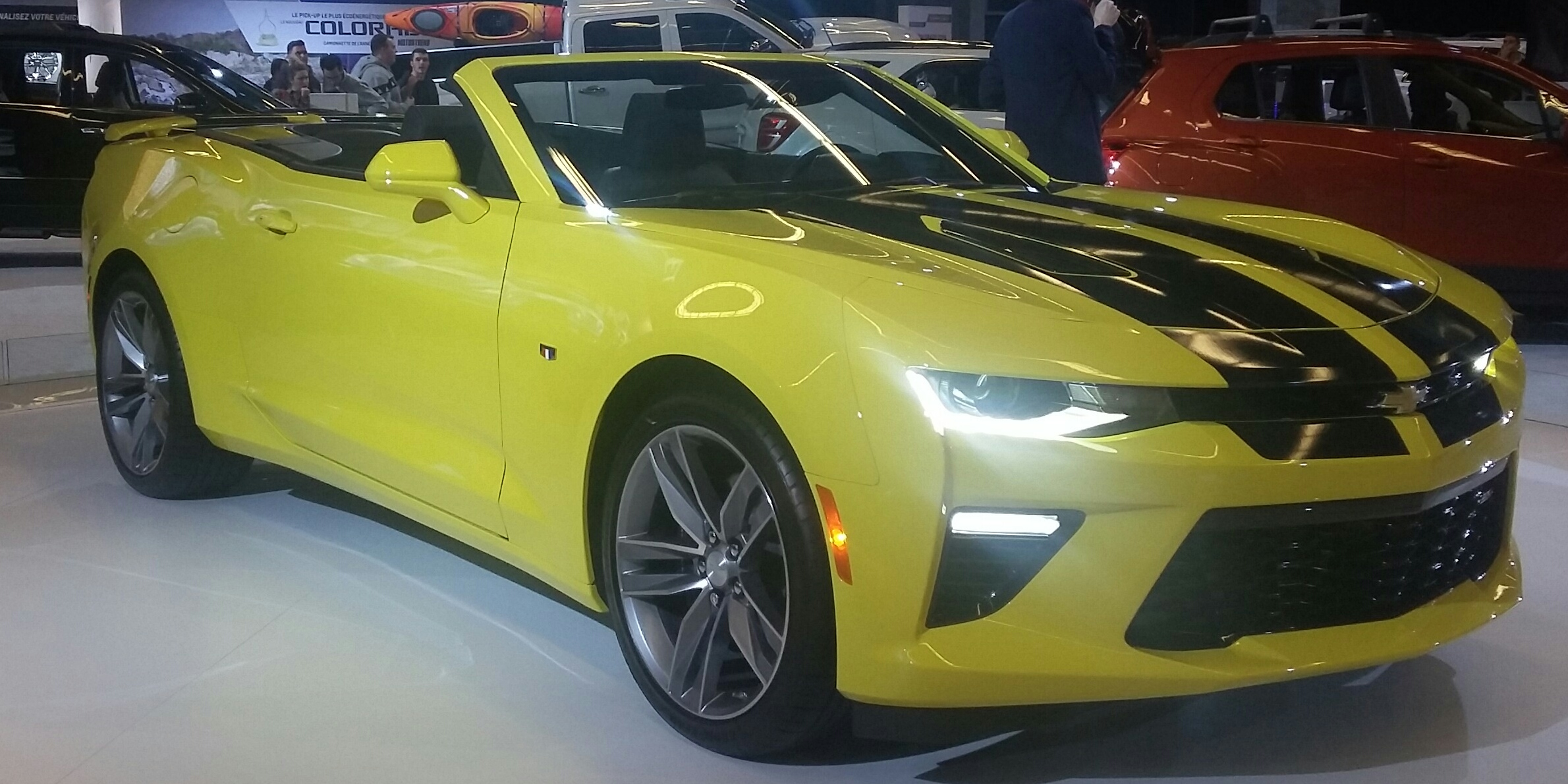
A 2011 Ford Flex is the exact car the caller has. They’re talking about a serious engine issue where someone says the only real fix is replacing a big portion of the engine.
Misfiring is when part of the engine isn’t igniting fuel the way it should. It can make the car run rough and often shows up when a mechanic checks the engine codes.
Instead of buying the most expensive replacement, they’re suggesting a certified used replacement. It’s used, but it comes with an inspection and warranty so you’re not taking a total gamble.
Unlimited mileage means the warranty coverage doesn’t depend on how many miles you drive during the coverage period. That matters for engine replacements because the risk of issues can show up after the repair over time.
The water pump moves coolant so the engine doesn’t overheat. The host is saying that on this engine design, the water pump is inside the engine and if it fails, it can cause serious damage.
Certified used parts are used car parts that have been checked and approved by a program. That way, you’re less likely to get a part that’s damaged or won’t fit.
This is a system where salvage yards follow rules to check and verify used parts. It helps make sure the parts are in good shape and easier to rely on.
A “long block” is basically the main engine assembly. It usually includes the core parts inside the engine, but not every outside component like accessories.
Term
cylinder speed
The engine monitors how each cylinder is working. If one or more cylinders aren’t behaving the way the computer expects, it can turn on a warning code.
A fuel-injected engine delivers fuel using electronic controls instead of a carburetor. That helps the engine run more consistently and meet emissions rules.
Term
fire code
“Fire code” sounds like the speaker is referring to an engine diagnostic warning code (commonly a check-engine–type code). These codes are generated when the engine computer detects a fault condition and stores it so technicians can diagnose the problem.
Car
350 Chevy
“350 Chevy” is a classic Chevrolet V8 engine size. The hosts are using it as an example of older engines and how they could run even if things weren’t perfect.
Carbon buildup is gunk that can collect inside the engine over time. If it builds up on or around the valves, it can prevent them from sealing or working smoothly, which can cause running problems.
A leak down test checks how well each cylinder seals. They put air into the cylinder and see where it leaks out—like past the valves or piston rings—so you can tell what part is worn or not sealing right.
The intake valve is the door that lets the fuel/air charge into the engine’s cylinder. If it doesn’t seal well, the engine can lose compression and run worse.
The exhaust valve is the door that lets the burned gases exit the cylinder. If it leaks, the cylinder won’t seal correctly and the engine may not run right.
The crankcase is the bottom part of the engine where the crankshaft sits and where oil collects. If air leaks past the valves, it can end up in that area, which the test can reveal.
Emission system cleaning is using a cleaner to help remove buildup that can affect how the car controls exhaust emissions. It’s sometimes used when the problem seems related to carbon deposits.
Term
soaking in the cylinders
This is a cleaning method where they add a chemical and let it sit in the cylinder area to loosen carbon. It’s used when carbon buildup is thought to be causing the engine problems.
Direct injection means the engine sprays fuel directly into the combustion chamber instead of into the intake port. This design improves efficiency, but it can also lead to more deposits on intake valves, which is why cleaning products are sometimes recommended.
“Kill the cylinder” means one part of the engine stops working properly. The car can start running rough, and it can get worse if you don’t fix the cause.
The piston is the moving part inside each cylinder that compresses the air-fuel mixture and transfers combustion force to the crankshaft. If carbon buildup gets severe, the piston crown and surrounding areas can look “nasty,” and the engine can lose efficiency or suffer damage.
Rust is metal corrosion. On a used car, it can mean the car has been exposed to moisture or hasn’t been cared for, and it can lead to expensive repairs.
It means you keep paying for fixes, but each new fix helps less than the last one. Eventually, it’s not worth spending more because the car is likely to need bigger problems soon.
The Prius is a car that uses both a gas engine and an electric motor. That helps it use less fuel than many regular gas cars. People often talk about it because it can have specific maintenance needs as it gets older.
A misfire is when the engine doesn’t burn fuel correctly in one or more cylinders. That can make the car shake or run rough, and it’s a sign something needs checking.
The transmission is what helps the car transfer power from the engine to the wheels. If it’s going bad, the car can feel shaky or act weird, even if the tires are new.
The Ford Ranger is a pickup truck, and the 2004 XLT is an older version. Pickup trucks are built for hauling and everyday driving, but older ones can need repairs over time. The episode mention sounds like the owner is troubleshooting something that happened while someone else used it.
Term
EVAP purge test
EVAP is a system that keeps fuel vapors from escaping into the air. A purge test is basically the car checking that it can “pull in” those vapors and burn them. The host is saying the situation could have triggered that kind of check.
The charcoal canister is a small EVAP-system part that “soaks up” fuel vapors. Later, the car pulls those vapors in and burns them. If you add too much fuel, it can mess with how well that canister works.
Motorrad is referenced as a supplier/brand for replacement fuel-cap “closure devices.” The point is that a correct, compatible cap can be a low-cost first fix for an aging fuel cap.
A vent valve is part of the vehicle’s fuel tank vapor control system, helping regulate pressure and directing fuel vapors to be processed instead of venting to the atmosphere. If it sticks or fails, you can get drivability problems and evaporative-emissions faults.
Cars have to keep the fuel system airtight so fuel vapors don’t leak out. If there’s a leak, the car can run into trouble and the check-engine light may come on.
Sometimes one problem can “hide” another, because the car’s sensors and symptoms get confused. You might not notice the real cause until the first issue is fixed.
A drive cycle is basically a “pattern of driving” your car needs to go through so its computer can run checks. Some issues won’t fully clear until the car has been driven enough times in the right way.
Volkswagen’s “ID” is their electric-vehicle family. Here, they’re talking about electric buses that use that ID branding and why they weren’t moving off lots.
A “combustion vehicle” is a normal gas or diesel car that makes power by burning fuel in an engine. The discussion is about Honda pushing back its deadline for stopping these vehicles.
A plug-in hybrid can drive using electricity like an EV, but it also has a gas engine if you need it. The point here is that Honda expects to use more of these instead of only fully gas cars.
“Fracking” is a drilling technique that helps pull oil and gas out of tight rock. The point here is that it could get too costly or difficult to keep producing enough fossil fuel.
An internal combustion engine is the kind of engine most gas cars use, where fuel is burned to make power. The speaker is saying that in the future, it may only work if the fuel isn’t fossil-based.
Biofuel is fuel made from renewable organic materials, not from fossil oil. In this discussion, it’s presented as the substitute fuel if fossil fuels become unavailable.
The host is talking about switching from gas-powered cars to electric cars. The idea is that the change needs more than just new cars—it needs the supporting setup to power them.
Here, “infrastructure” means the real-world stuff needed for electric cars to work—like charging stations and the power system behind them. The point is that you can’t switch to electric cars without building that support.
Ethanol is a fuel made from plant-based sources that can be mixed into regular gasoline. It can affect how the engine runs, so not every car is equally happy with every ethanol blend.
Biodiesel is a renewable type of diesel fuel made from plant or animal oils. It can be mixed with regular diesel, but it may act a little differently—especially in cold conditions.
Tesla is a company that makes electric cars. The point here is that Tesla was one of the early big players, and the market changed as more companies joined in.
The Renault Wind is a small convertible, meaning the top can open for fresh air. It’s built for short, fun drives rather than hauling. The podcast mention sounds like it’s about how wind and parking position affected the situation.
The Ford F-150 is a large pickup truck. Oil changes are important because the engine needs clean oil to run well. The episode is asking about what the car’s phone app says for when to change the oil.
An algorithm here just means the car is using math/rules to decide when maintenance is needed. It looks at how the car has been used, not only the calendar or miles. That’s what makes the reminders vary from driver to driver.
“Lower cost of ownership” means the car is designed to be cheaper to keep and maintain over time. One way is by spacing out maintenance so you don’t have to go in as often. But if your driving conditions are tough, you may still need service sooner.
Maintenance frequency just means how often the car tells you to do service. Some cars are set up to recommend it less often to save time and money. But if conditions are rough, you might need to change things sooner than the reminder suggests.
Oil life is the car’s guess about when your engine oil is getting worn out. It tries to estimate this from how you drive and how the engine runs. The safer approach is to use it as a guide, not the only rule.
They’re talking about how hail can dent cars and why older collector cars might seem less affected. The key point is that hail size and wind matter—small hail might not dent, but big hail can.
A hail storm is weather where small chunks of ice fall from the sky. If they hit a car, they can dent the metal and crack windows, even if the car still seems to run normally.
Solar panels are devices that make electricity from sunlight. The speaker is saying the hail knocked out solar panels at a nearby facility, not just cars.
The Chevrolet Camaro is a sports car. It’s usually the kind of car people choose for a fun driving experience and car events. The podcast mention is mainly about seeing one at the show or gathering.
A 2008 Chevrolet Impala is a regular family sedan, but its engine bay has a lot of wiring. If rodents chew the wires, the car may not run right, and fixing it can be tricky.
“Harness options” refers to the fact that the same model can have different wiring configurations depending on equipment (trim, emissions setup, accessories, and sensor/connector variants). A replacement harness must match those options so the connectors and circuits work correctly after installation.
The engine harness is the wiring bundle that runs the engine’s electronics. If you replace it, it has to be the right one for that exact car so the plugs and functions line up.
A wiring harness is like the car’s electrical “wire bundle” that connects sensors, computers, and other parts. If you buy the wrong one, the plugs may not match or the car may not work correctly.
A part number is a unique code that identifies the exact version of a part. Using it helps you avoid buying a similar-looking harness that won’t plug in or match the car’s setup.
Concept
California vs federal emissions fitment
Some cars are wired differently depending on emissions rules. They mention California vs federal versions, and that the California setup can require extra wiring for emissions equipment, so you can’t always swap harnesses freely.
Solenoids are electrically controlled “switches” that move a valve. In this case, they’re part of the emissions system, and the wiring for them can change between emissions versions.
Air pump valves are emissions-system parts that help move air where it’s needed to reduce pollution. Different emissions rules can mean different valve setups, so the wiring harness may need to match.
VINmatch Pro sounds like a tool that uses a car’s VIN to help figure out what that specific car is. The hosts say it can compare VINs and show details that help with finding the right information for parts.
Option codes are codes that describe what features your car was built with. They help you figure out the exact setup so you don’t buy parts that fit the wrong version.
VIN numbers are like a car’s fingerprint. They can tell you exactly which version of the car you’re dealing with, which helps when you’re trying to find the right parts.
A self-service yard is where you go to a junkyard and remove parts yourself from the cars on the lot. Even with tools that help you identify what you need, you still have to pull the part.
“Active recall” means your car is on a list of vehicles that the manufacturer says has a problem that needs fixing. If it’s still active, the fix is usually covered by the manufacturer.
A “recall window” is the period during which a vehicle is still eligible for the recall remedy under the recall program. If the owner misses that eligibility period, the remedy may no longer be covered and the customer could be charged.
Car AC is like a heat-moving machine. It uses a special fluid (refrigerant) to pull heat out of the cabin. If that fluid is low, the AC won’t work well and can get too hot.
Refrigerant is the special fluid that makes car AC work. It’s what carries heat out of the cabin. If there isn’t enough of it, the AC may stop cooling and can be harder on the system.
The radiator is what helps your engine get rid of heat. In the front of the car, it also sits near the parts that help the AC cool, so clogged areas can make everything run hotter.
The condenser is the part of the car AC that dumps heat outside. If it’s covered in bugs or grime, air can’t flow through well, and the AC can struggle or stop working.
Your cabin air filter helps keep the air inside the car cleaner. If it gets clogged, the air conditioner has to work harder and can start acting up. Here, they’re saying a dirty filter can contribute to the A/C freezing.
If the compressor “locks up,” it means it gets stuck and can’t spin anymore. That usually means the A/C can’t function normally and the repair often involves replacing the compressor. It’s a major failure mode, not a minor fix.
Term
oil in one position
A/C systems use refrigerant and lubricant oil together; the oil needs to circulate to lubricate the compressor and other components. The speaker describes a scenario where oil is held away from the compressor, which can contribute to compressor failure. While the exact mechanism can vary by system, the key idea is that oil circulation matters.
The speaker emphasizes that accurate repair pricing often can’t be known until the technician takes the system apart and inspects what’s actually failed. Many estimates are incomplete until parts are removed, because hidden damage or additional components may be involved. They also note that an estimate covering the whole system up front can be much higher.
The evaporator is the part of your car’s air conditioning that cools the air inside the cabin. If it leaks, the system can lose refrigerant and the A/C won’t work right.
Flex-fuel cars are made to handle different amounts of alcohol mixed into gasoline. If your car isn’t flex-fuel, using a higher-ethanol fuel can cause drivability issues or damage.
Premium fuel is a higher-grade gasoline than regular. It’s not just about “better”—it can have different fuel chemistry, and some cars are picky about what they’re designed to use.
E30 is regular gas mixed with about 30% alcohol (ethanol). Not every car can use it—only cars that are built to handle higher-ethanol blends.
LIVE
There's a difference between liking a house and actually getting it.
Redfin is built to make up that difference and close the gap between finding and owning
the home for you.
Redfin agents close twice as many deals as other agents.
So when you find a home you love, you're not a step behind when it comes to making
an offer.
That means less of watching great homes disappear and more focus on the one you'll call home.
Redfin helps turn saved listings into real addresses.
Get started at redfin.com.
Own the dream.
During Memorial Day at Lowe's, shop household must-haves for less.
Save $80 on the Charbroil Performance Series 4 Burner Grill to chef up something special.
Plus, get up to 45% off select major appliances to keep things fresh.
Our best lineup is here at Lowe's.
Lowe's, we help you save.
Valid through $5.27, while supplies last, selection varies by location, see Lowe's.com for details.
Visit your nearby Lowe's on Apple's way in Lincoln.
It's ready to ship to you fast.
Thanks for listening to the Under the Hood Show podcast and subscribing to the podcast
and downloading the podcast and disseminating the podcast amongst your loved ones and your
not-so-loved ones, your brother, you know, you're in-laws.
Thanks for all of you that have, uh, subscribed to, yeah, but, you know, they're fine.
And don't forget, yeah, YouTube and Facebook.
Thanks for subscribing to that.
The numbers keep going up.
I love it.
Here is the Under the Hood Show podcast.
This is Under the Hood.
Welcome to the Under the Hood Show.
We are glad to have you with us.
Russ Evans is here to answer your automotive questions.
Thanks for joining us under the hood.
Shannon Nordstrom is here to do the same.
Welcome, hoodies.
Thanks for tuning in so we can help you tune up.
I'm Chris Carter here to answer your calls at 866-594-4150.
Let's go and talk right away to Brian.
Brian, you're on the Under the Hood Show.
What can we do for you?
Well, I've got a 2011 Ford Flex, um, I think it's a 3.7, if I remember right.
Um, they're telling me that the number six cylinder is down 8%, so it's misfiring.
And the only fix is a $10,000 long block.
I'm just wondering what you guys think about that.
I think you need, that is very possible, but I think you need a certified used option.
I have the same car in our shop right now and I want to say it's running about $6,200
and it's got a year warranty, parts and labor with unlimited mileage and that's everything.
That's the engine and we're going to put a water pump in it because those engines with
internal water pumps fail and they ruin the engine, so we're going to put one in and guarantee
that as well and you should be able to do this anywhere you go in the country except
for DC where we learned a couple of weeks ago is twice the price, but, uh, find, find
a shop that installs certified used parts.
They use a certified auto recycler program, they have a shop, I mean, we've got thousands
of us around the country that are doing this, so you're, you're going to find one you may
have to look a little bit because a lot of shops just haven't done it for some reason.
They haven't tried it, so they're just like, oh, used parts are bad.
Well, no, they're not.
If we're selling hundreds of millions of dollars, I'm across the country every year.
So for Brian, just, just a little bit easy though, I mean, too much, but he's being told
the truth.
For a long block.
Yes.
I want to back up the right price for a long block in, in olden days, I'm going to go ancient
days.
This fuel injected motor is seeing a difference in cylinder speed and it's flagging it and
giving them this fire code.
So 8% in, in a 350 Chevy was not a big deal, though they all, they ran bad from the factory
sometimes a little rough.
So 8% to me when he first said that, I was like, my head kind of cocked like, huh, that
doesn't sound, that's my old brain.
So that's legit.
Yeah.
Yeah.
So I, I think in this case, so he's got to, if he wants to keep that car, he's got to
go with a, he's got to go with a good certified used.
Is there any chance, Brian, I'm arguing.
I'm arguing on your behalf.
Is there any chance that he has got, how many miles are on this?
Let's ask that question.
About 160, I believe.
Okay.
I'm going to quit arguing.
Yeah.
Um, if, if this would have meant I would like say a really low mileage engine and you were
getting this report, I was going to argue there could be some carbon issues involved
that could be holding up valves, causing problems and maybe they could try some things.
But with 160,000 and they're, if they're doing a leak down test, they're going to be able
to tell where that 8% is sneaking by if it's sneaking by an intake valve and exhaust valve
back into the crankcase.
But for whatever reason, it's, it's, it, that cylinder is not as healthy.
And we have seen them before where they'll give indications like that and it's a carbon
related issue and some really strong emission systems, cleanings and different things have
been somewhat helpful.
Some soaking in the cylinders type of stuff, CRC, emission system, cleaning, complete.
But, but you'd want to have, you would definitely want to have shook that out for sure, but
most likely what Russ is saying that is, is that what you're, what you're getting told.
Yeah.
You've used one of their, and when we say emission system cleaning kit, what we mean
is their, their GDI fuel system service kit, which is for the direct injected engines,
you know, and, um, yeah, you have, um, carbon buildup will, and this, not this specific
car, but on cars like Shannon's talking about, you get these misfires and a lot of times
it's caused by carbon.
And if you let it go too long, you're not, it's not like you could say, you know, it's
like, oh, well, we'll just clean it later and it'll be fine.
No, you're going to burn a valve or something to kill the cylinder.
If you don't clean it now while it's just occurring.
Yeah.
You'll have a really nasty looking piston and valve and the price quality's got is accurate
for a long block.
Sure.
For a new one from the dealer.
But I mean, you're talking about a car that's probably worth 13,000, maybe, maybe 10,000
miles.
It might be 7,500.
Oh, yeah.
It's even, yeah.
It's even more.
So you want it.
You want an affordable option.
Yeah.
Well, that's the problem.
It's, it's got a fair amount of rust and stuff.
Well, and that, that was the difference.
Then we always talk about that.
You got to look at the condition of the vehicle too.
And the other thing is, if you know the problem and it's still running, it's still running.
Yeah.
Yeah.
Good point.
Yeah.
Drive until it gets worse and breaks, literally find a drive.
It might stay that way for another 20,000 miles.
Well, that's what I was wondering if it would, it's been, it's been a month since I had that
diagnosis and I, it's my daughter's car and I told her just to drive it.
There you go.
It's not.
It's probably only worth 3,000 to 4,000 anyway.
Yeah.
My 7,500 was optimistic.
But when you say it's rusty and you're getting to the point now where when it breaks, it's
somebody picking up the phone and saying, Hey, I'm just going to play our place.
We have a 2011 Ford Fux.
It's got 180,000 miles, bodies rusty.
They always have new tires on them.
It seems like just put new brakes on it.
Don't care about the brakes.
I do care a little bit about the tires.
What brand are they?
You know, this is going to be $500.
It's going to be $700.
It's just when they've reached the point of diminishing returns because there's not enough
demand for the parts, they're not as relevant.
Right.
If it was a relevant vehicle, we kind of dive in a little bit deeper because you're starting
to look at demanded parts values and the things that we're selling regularly, that
moves our quotient quickly.
But for that point, then it becomes a what will the most aggressive scrap buyer pay that's
going to take care of you.
And so I think that your, I think your best bet is for her to drive it and make a plan
while she's driving it.
Right.
And not spend any money on.
I don't spend any more money on that car.
I wouldn't think of any magnitude.
No.
Brian, thanks very much for the call.
Good luck.
866-594-4150.
I think there's a, there's a method to that new tire because it really does seem like
a lot of the cars that people are calling us to sell are junk, end of life cars.
A large, more than you would think just had new tires, right?
Right.
Well, they do.
No.
Here's what I think.
But here's the problem.
I think you're going to say it.
No.
I'm thinking, what makes you feel the two top things, Chris, that make you feel better
about the car you currently own?
Your car is pretty new, but the Prius.
What are the two things that would go, Hey, you know what, I love this car even better.
Because one, it's just had a complete wash and detail and cleaning.
Well, I feel real good.
Or an oil change or new tires.
When you get those new tires and you see that tread, you just feel good.
So if, yeah, so if you've got a car that has got maybe a little shake to it, it's not
quite perfect.
And you go, you know what, I know it needs tires, let's throw some tires on it.
You put those tires on it, you feel really good.
And then you find out it wasn't the tires.
It was the transmission going out of the engine with a misfire.
So, but now I've got those new tires.
You're hoping by making that investment, it's going to be a better car.
And I had a different answer, but yours is very good.
Me too.
I was.
Let's hear yours.
Yeah, I said to him once, Hey, we, I just put tires on that thing and he said, yeah,
you did.
And then he looked and it was four years and 90,000 miles.
I just put a full thing of gas and you know what, yeah, 90,000 pretty good.
The new tires and new brakes are usually about 10 to 20,000 miles ago and they're not new
to us anymore, 866594415 oh, that's the number
to reach us here at the end of the hood show.
Let's talk to Rich.
You're on the end of the hood show, Rich.
What can we do for you?
I got a 2004 XLT Ranger and I let somebody use it and they brought it back and on the
dash, the light command says check fuel cap.
So I checked the fuel cap and it's on tight and everything and took it off and put it
on and give.
I've been driving and runs fine, but that lights your problem there.
Yeah.
They must have destroyed it.
That's not what he wanted to hear.
Ross, he didn't want to hear that unless you look underneath and something's hanging
down or has a giant hole in it.
There's nothing else that has done, Rich.
You do not have to answer this question.
What's your relationship to this person?
Is it family?
Is it friend?
Is it business?
Family, grandson.
Oh, okay.
Oh, then it's definitely grandson's fault.
Those kids are so young.
I'll tell you this.
First of all, if he ruined it, you're just that.
That's fine.
And if it's your grandpa's truck that you ruin, that's just fine.
I mean, that's, it's not fine, but it's the cost of doing business with him.
I would think the grandson is scared right now.
If he's listening to the show right now, he's really scared.
It'll be fine.
That's what you're saying.
It's your truck now and you got to fix it.
You're rich.
Your grandson, like Russ said, unless there's something hanging underneath, he didn't do
anything.
You know, he may have felt, did he put fuel in it?
Yeah.
Yeah, you put a little fuel back in.
Okay.
I mean, it's possible in that, in that year make model, that range, he could have been
filling it with the, with the cap open with the truck running and it could have chose
to do a EVAP purge test at that time.
I said, I want to really fill it up good for grandpa.
So I squeezed an extra two gallons in it.
And then he over folded into the charcoal canister, the lion or something.
It's almost 30 years old.
Oh, not too.
Yeah, it is.
Good point.
Yeah.
It's possible.
It's just old.
Is it running okay, Rich?
Yeah.
It seems to be running okay.
Should I just get another fuel cap, buy a fuel cap, or try that, or?
That's, that's a good start.
When you got a fuel cap that's already approaching 30 years, a fuel cap is a, is a good start.
Our partner Motorrad has been caps forever, closure devices.
So get a Motorrad cap for it, put it on there.
It's going to be really super affordable.
Step one, because it's not hurting the way it drives.
Better be.
Well, driving as step one, if that doesn't fix it, you've exhausted your at home things
now.
And the next step is probably going to be a vent valve.
And then the third step might be a canister.
But those are things that are cheaper.
But one of the first things they'll do is they're going to want to either test that
fuel cap, which a lot of shops don't have the ability to test them.
They just say, why would we spend 15 bucks to test it when we could put a new one on
for 13 or whatever?
So they'll just put a cap on it and then they'll run a test on the system and see if it's
sealed.
If, if the only symptom for rich is the light and it's almost 30 years, you would ignore
this forever.
You would.
You would.
I would.
I would probably would too.
Yeah.
But it's covering up.
If it was your 30 year old car, if something else came up, it's going to mask it.
That's the challenge.
Oh yeah, I suppose.
And is this truck clean or is it rusty?
No, it's your thing.
Because on some of these, they'll get a rusted out, um, fuel fill neck tube, which it could
even if the cars and then that could create some issues as far as keeping the system sealed
like it's supposed to.
Yeah, I think that your grandson's okay.
He's still a pretty cool kid and he most likely might not be didn't break it.
It probably could have just been, well, he might have.
He might have said the only, the only user input he could have done is there's three
things probably overfilled it and got raw fuel that happened to get just into the system.
He could have had it running when he was filling it and it did a test and then just happened
to be the unlucky break or he's went off road and something got hooked and pulled a line
off or something.
Let's not forget he might have done nothing and it might have come on after he got it
from Rich because Rich wrecked it.
That's a possibility.
I want to make sure you had it full for the grant.
That fourth possibility is that it was just time.
Right.
That that canister just got enough life into it that it's like enough or that there that
valve said, today's the day I'm not going to work.
Mm hmm.
Does that help you out there, Rich?
I know I've had vehicles where you left the cap off or something and it wouldn't run
right or just thought to fill on you, you know, when you filled it up, forgot to put
the cap back on.
This here just seems to be running fine.
So Russ, I got to ask this question before we hang up is when will that, will that cycle
through on its own in that model and if clear it, if everything's still good, if it, if
it did a.
Oh yeah.
Okay.
It's going to take a week of driving.
Number of drive cycles.
Starting on an awful lot.
Yeah.
And so maybe give it a bit before you buy a fuel cap, if it's running good, buy a fuel
cap.
Buy a fuel cap.
One more question.
Rich, how old is your grandson?
21.
Oh, that's right on the cusp of you got to let him slide or you got to,
you know what I mean?
If he's 27, get, fix this for me.
If he's 16, hey pal, be better.
You know, learn from this.
This one is right in the middle there, Rich.
You're kind of, yeah.
Good luck, I guess, you know, thanks very much for the call.
Yeah.
That is a, and everything about it makes it if he's 30 years old, you know, it's 27
years old.
It's the whole thing.
I think it just happened to break when he, and it's not broken.
It just happened to flare up.
Right.
866-594-4150.
What's caught your attention in the automotive world?
Right now, if you want, I don't know the numbers, but they're given some amazing incentives
to sell the VW electric buses, the ID buses.
They're not moving off the, off the showroom.
Oh, they're not going to make them anymore.
So dealers that still have them are making very aggressive.
The manufacturers got incentives on them.
And the knock on them has been that the range wasn't super long, but they're cool.
I'd kind of be curious what really affordable is.
I didn't ask.
It'd be kind of fun to have one of them to bop around in.
There's one around here, right?
There's a few of them.
I used to pass one every day on my ride here to do the show.
And they, they're, they look.
But when you see one, it catches your attention.
Just like when the bugs, the Beatles first came out with the redesign, they, they do
a good, Volkswagen does a good job when they've chose to do those things.
Yeah.
I really think they do a good job.
And then the other thing was, is that I see that, I believe it's Honda.
They just moved their target to 2050 on getting rid of the combustion vehicle.
They were, they were earlier than that.
And they're going to rely more on the plug-in and the hybrids and all of that.
Realistic thing.
I know we were kids.
They brought it up in school because it was the eighties and we had a oil issue going
on.
Oh, familiar.
It's the same place that it's going on now.
Now they did it again.
The same thing came back up.
And one of my grandkids asked me, they said, is this true?
And what does it mean?
And I said, well, yes, it's true.
And what it means is a whole lot of things, but we're in a better position now than we
were then.
The world is projected to be out of realistically obtainable oil and natural gas because they're
together, if you didn't know that, uh, within the next 30 years out, there's no more pumpable
oil because it would be too much, too expensive to frack and extract and things like that,
which means 30 years from now.
So 2060 more or less, no more internal combustion engines unless they're running on an ethanol
product or a biofuel product.
They're not going to run on fossil fuels any longer.
So when we're talking about going to electric and we don't like it and this and that, it's
good that we were kind of bombed into it.
So these companies had to get some infrastructure and do some researching to find out what it
will take to get these cars changed over, but we're not ready yet.
But we should be in 30 years, which was where we, so that's what I told my grandchild.
I said, this is where, this is what we need to do because when you're my age to think
of me right now, if all of a sudden they said there are no more, there is no more fuel for
your car unless it's all bio.
So there'll be cars, there'll be a mix.
I think my opinion is a bit of mix of ethanol running cars and there'll be a mix of electric
cars and possibly some biodiesel cars like a Prius, you got an electric hybrid, but
it'll be a biodiesel hybrid with both synthetic fuels now to where that aren't even, aren't
bio at all.
Right.
But they've got to, they got to protect those, but the, that's a pretty hot take on the 30
year number.
It's, it, it was when we were kids, they were like within 70 years will be out.
Well, look, we're going to have the icebergs gone already.
I wonder, I do wonder what they're getting there.
I wonder what that, because even since we were kids, the fracking is a perfect example
of that wasn't in the equation back then.
So who knows what the next, yeah, so I really look at it, there, there is a place for those
electrics and there's a place not, you can, you can debate the timing.
You can debate the, but the points the same at some point, if it's 500 years, I mean,
at some point you've got your, you're going to run out and you've got to figure out what
we're going to do, but you've got to do it at a pace that works for everyone, not just
whatever, you know, wants to do it, but those electrics, yeah, they jumped up so fast and
they just crashed so fast and it was just a crazy thing.
But look how well everything went when Tesla was really the only player in the game.
The biggest knock on that company was that they weren't making money.
Now they're making, you know, look, look at what happened, but that was it.
People like, Oh, that's so cool.
It's an electric car.
Oh, I don't want one, but that's really cool.
I would have never in my life thought I would own one.
Yeah.
Never in my life would I thought I would have sat in a car that would drive me comfortably
from Rapid City, South Dakota to Phoenix, Arizona with little driver input.
Yeah.
Well, and never in my life, even I go back to it all the time.
I can remember on this show, when I was on this show discussing self-driving cars and
they were going to use magnets in the roads to do it.
I do remember that.
The only way to do it was to have polar magnets that were opposite.
And I mean, just so much, so much has changed.
I mean, I remember sitting in a, in a car back in high school and I never would have
thought that, you know, that car could be a 700 horsepower car with a cool interior and
a smooth idle 40 years later, you know,
it wouldn't go, yeah, I mean, or the stereo would be this big and sound this big.
Yeah, that's a good one.
The end of the hood show podcast is brought to you by exclusive sponsors like Berkeley
One Classics, celebrating 50 years, your key to collector car insurance.
And by car-part.com with over 200 million parts, find them online at car-part.com and
by Road Ready Wheels, OEM replica wheels at a huge savings, roadreadywheels.com.
Thanks for listening to the Under the Hood Show podcast.
This is Bethany Frankel from Just Be With Bethany Frankel.
Biggie and Smalls are my little soulmates and I love them in that ridiculous way.
Only pet people understand.
That is why I am so excited to try Chewy.
They have over 100,000 products, all the food, treats, toys, supplements, my boys could
ever need.
Everything ships fast, which is huge.
Chewy also handles the serious stuff, prescriptions, pet insurance, telehealth, vet visits, and
they're even opening vet clinics across the country, brilliant.
And their 24-7 customer service feels like talking to people who truly get it, the kind
of people who understand why you would buy insane dog costumes and not get judged for
it.
Plus, the one-year satisfaction guarantee means if my boys turn their noses up at something,
I can return it with no stress.
So excited for how Chewy helps me take care of Biggie and Smalls so I can focus on loving
them the way I do.
For Life with Pets, the answer is Chewy.
Save $20 on your first order with free shipping at Chewpanyans.Chewy.com slash Justby.
This is Julien Edelman from Games with Names.
As a fellow dude, do you ever get that not-so-fresh feeling in your butt?
That's because you're probably using the dry stuff to wipe.
Wet, extra-large, flushable dude wipes get what toilet paper leaves behind in your
behind.
You wouldn't clean the tail into your truck with dry paper towels.
So why would you wipe with dry toilet paper?
Wetter just cleans better.
With dude wipes, there are no more dingleberries, no more itch and irritation.
Just a deep, down-the-seam, confident clean.
Plus, unlike baby wipes, dude wipes are extra big for adult hands.
You're not a baby, so keep them on hand so you get nothing on your hands.
And speaking of on hand, dude wipes come in different scents and pack sizes, including
a single use on-the-go pack that you can take anywhere for that home-field advantage.
Stop being an A-hole to your B-hole, drop the toilet paper available on Amazon and major
retailers nationwide.
Dude wipes best clean pants down.
You know what quality feels like.
You can see it in the way a fabric moves, recognize it in a flawless fit, and appreciate
it in the details that make our styles unique.
It's the standard Cold Water Creek has honored for over 40 years, derived from a rich mountain
west heritage and designed for today in styles that are distinctively Cold Water Creek.
For a wardrobe you can count on season after season, visit coldwatercreek.com, shop new
arrivals, and save 15% on purchases $75 or more with Code iHeart.
This is Martha Stewart from the Martha Stewart podcast.
Ever wonder how to make hosting look effortless?
Here's a secret, getting ahead of the mess with new Reynolds Kitchen's countertop prep
paper.
Just lightly wet the counter beforehand so the paper grips and stays in place.
Then lay down the Reynolds Kitchen's countertop prep paper so drips and spills stay on the
paper, not all over your kitchen counter.
You can roll out dough, prep a party spread, or cook alongside family.
When you're done, clean up is as simple as lifting the paper and revealing that clean
counter underneath, effortless.
You can use it for cooking and baking prep, and even crafting, especially when you need
extra working space, because when the mess is already handled, you can focus on what
matters, the food, the people, and the moment.
It may look effortless, but now you know it's Reynolds Kitchen's countertop prep paper.
Take a tip from me, wet it, set it, prep it, done.
Make it easy, make it with Reynolds Kitchen's countertop prep paper.
Available now in the Reynolds Wrap Isle in Walmart, Target, Amazon, and Costco.
We want to tell you about our partner at Road Ready Wheels.
Road Ready Wheels has the very best aftermarket OEM replica wheels available with a direct
fit of the factory center caps and TPMS sensors, so you don't need special caps and sensors.
Simply transfer yours over when you replace the wheel.
With near perfect ratings on Google, Amazon, and eBay, consumers like you are extremely
satisfied when it comes to Road Ready Wheels.
Maybe your wheels leak air, or maybe you want to upgrade from an old rusty steel wheel.
Road Ready Wheels has both aluminum alloy and new steel wheels to fit many cars on the
road today.
They stock thousands of wheels ready to ship and have free returns and shipping, plus save
10% more when you use the code HOODY at checkout.
Aftermarket wheels can be very expensive, and it's so hard to choose what you want.
With Road Ready Wheels, you get an OEM looking wheel that fits like it should, but costs
much less.
Save money today and get yours at RoadReadyWheels.com.
Special discounts apply for large quantities and dealers, and they have a special electronic
data feed and online portal waiting for you.
Find out more by going to RoadReadyWheels.com where you can use their online vehicle selection
tool to find your Road Ready Wheels today.
That's RoadReadyWheels.com.
If you need parts, whether it be for a brand new car or going back about 20 years, it doesn't
matter, check out car-part.com.
It's fast and it's easy.
Over 200 million parts strong all across North America.
Over 4,000 recyclers to choose from, giving you the largest selection available.
Whether it's an engine, transmission, doors, seats, or wheels, you can find them on car-part.com.
We even let you know what parts from other models and years fit your car.
Many recyclers supply pictures of their parts too.
We even have a mobile app.
Search US and Canada, or buy from your local independent recycler.
Whichever you choose, buying recycled is good for the environment and good for your wallet.
If you're a repair shop, there is a professional version available for you at no charge.
That's car-part.com.
Car-part.com.
Check it out today.
I'm Russ Evans with Shannon Nordstrom and Chris Carter.
When we needed protection for our own personal collectibles and performance vehicles, we
turned to Berkeley One Classics and here's why.
Berkeley One Classics has over 50 years experience and they're dedicated to serving their customers.
They will work with you to help determine the amount of coverage a vehicle like yours
should have and that coverage is agreed-valued coverage so there is no disagreement on what
your vehicle is covered for.
They also have discounts for car club members.
Berkeley Classics ensures a wide range of vehicles from sports cars and rare exotic
cars to antique vehicles including cars, trucks, tractors, military vehicles, and antique motorcycles.
Over 50,000 of them a year.
Visit BerkeleyClassics.com today and get a free quote and find out firsthand what they
can save you and how well they can cover your valuable investment.
It takes just a few minutes using their easy online quote tool on their website.
Visit BerkeleyClassics.com.
That's BerkeleyClassics.com or call 800-603-3330.
That's 800-603-3330.
Welcome back everybody.
It's time to get back under the hood with our motor medics.
866-594-41, 5-0.
That's the number to reach us here at the under the hood show.
He shouldn't have left just now.
Well we talked about leaving for a bit and then he left now.
Right as I was about to say who wins the hoodie this hour.
Yeah.
And I don't know who that is.
Russ just left a moment ago because we have thunderstorms and he drove a vehicle he normally
doesn't drive.
Did he just clean and everything?
Didn't he just paint it?
No, no, no.
He's got his wife's vehicle.
Okay.
Oh, so more important.
Yes.
So he's sliding it into an open stall.
And he's pulling away from my vehicle.
He's driving away from where my vehicle is parked.
And I recommend that he could go put it inside because that's just the way I am.
Look at you.
Yeah.
It's sacrificing.
What a guy.
Yeah.
I'll have big old dents on my truck.
Oh, my car's right next to yours.
Yeah, but I think we're going to be okay.
Okay.
866-594-4150.
Your truck might block my car enough.
If there's a wind blowing, because it was windy out today, you know, it could be, yeah,
you'll have like four dents on the top left corner and we're not thinking there's hail
or anything.
We're being a little dramatic and Russ is very conscientious.
Let's talk to him.
He would not be able to function well.
No, he would be listening right.
Yeah.
This was why we did this.
We're handling this and moving on.
Good cardio.
He's going to come back and I want to see what kind of shape he's in when he gets back.
Oh, yeah.
Yeah.
Good point.
There's lots of things at play here.
This whole...
Oh, it's rumbling pretty good out there.
We're in the second floor of Nordstrom's 2.0.
And so we're closer to the thunder than others.
But this room is very insulated and for us to hear it, it must be, oh, I bet it sounds
great out in the shop.
He does.
He's probably looking out the windows.
Let's talk to Nathan.
You're on the end of the hood show.
Nathan, what can we do for you?
Wow, that was fast.
That was fast.
Russ, okay, we got to go back there.
That was record tie.
How's the cardio?
Oh, I'm good.
Okay.
Yeah.
You want to get good exercise, just wait for a hail storm and have $5,000 deductible on
your vehicle.
Is it hailing out there?
It might.
Okay.
Is it looking pretty...
It's not looking great.
It's fine.
It's fine.
That was quick.
That was very quick.
We talked about you for not very long.
Not very long.
Okay.
Now we need to talk about Nathan.
Nathan, go ahead.
Hey, guys, just a quick question on an oil change.
I got a 2025 F-150.
The app on the phone says you're supposed to change oil at $10,000.
The dealer says $5,000 to talk to a couple of different dealers.
What's your guys' opinion on that?
I like the dealer's opinion and Russ is going to probably tell you something more insane.
Well, yeah, exactly, I go earlier than that, but when the dealer is contradicting the manufacturer
by that much, that says something right there.
So now you can contradict that dealer and do whatever you want as far as what you feel
good about.
Yeah.
You know, to be comfortable.
Me?
Three months, 3,000, sometimes longer, months wise, if I'm not, that's if I'm putting that
many miles on it.
Right.
When it sits all winter, I don't get that many miles on it.
I change it at 3,000.
But I don't let it, I just don't feel comfortable going that long.
I think that the, we've talked about this before, just a quick little bit on it.
The apps, the lights in the vehicles that come on that are not magic, they're not, there's
no judging.
They're not judging anything.
They're sent on a life cycle or rotation, a algorithm of how the vehicle's been used,
the operations, they are typically going to be long because they're trying to promote
a lower cost of ownership, a lower cost of frequency of maintenance.
So you don't have to go in as often.
That'll be really low on it.
And so what we have found though, is over time, historically, that's too long, right?
In our part of the world where we live with the changing temperatures, the environment
we live in, we got a lot of dust in the air, we got just a lot of things in our environment
and the way people use vehicles around here, it is typically too long.
Let the condition of the oil be your guide.
That's a good point, yeah.
Because if you're pulling the plug out and you go, oh, that's the worst I've ever seen,
it might be a little long.
Let me, let me contradict you there a little bit.
Me who?
No, no, because no one's
doing that.
I mean, Nathan might.
No, they're doing it themselves.
Right.
No one's doing that though.
Most of the people don't.
You're right.
They're just going, it's 10,000, 5,000.
What do I do?
That's it.
Let's just concentrate on that.
No one's getting there.
You know what I mean?
I have paid other people to change my own and I know what you mean, Chris.
You're like, I don't care whatever came out of it.
Don't talk to me about it.
Now, if you're doing it myself.
If you are that person, that's great because if you, especially if you're going to have
it, test it.
But you can pull the dipstick and look too.
Well, what I'm saying is if you're going every 5,000 and you're pulling the dipstick
out before that change and you go, it's a flop clean.
Oh, yeah.
Yeah.
Well, let's go longer.
I would.
I would because the oil can protect that.
But at 5,000, would you?
You would at 3,000 maybe.
At 5,000.
I'm going to start at three and I might bump up a little bit because, you know, I have
been on a long trip and the vehicle I just ran to put away and that I have gone 5,500
and went, it's still pretty clean.
So I felt okay when I got to three.
But what causes the dirt is not the engine down below.
It's what passes those pistons getting into the bottom.
So as it gets older, more unburned fuel is going past the piston rings, more carbon,
more dirt.
Nathan, what motor is in it?
You said?
Oh, I think it's that equal boost.
Yeah.
Those little guys work hard.
They're good engines.
They work hard.
The more you tow, the more frequent on the changes because the heat build up carbon.
I would definitely be in the dealer, I think, is just trying to be straight with you.
What's best?
Yeah.
They're not trying to make you be over-serviced.
I think they've got some experience there that's guiding them to say that.
So for, I would go with 5,000 and then check it and see if you need to maybe even bump
it.
Yep.
Nathan, thanks very much for the call.
Good luck.
866-594-4150.
So do you feel a little bit better that he was winded a little bit because he went so
fast?
I would have been.
If he would have been not-
If he sat down with nothing, we know he's an alien, but that would have been the next
level superhuman.
Let's talk quick.
Two levels.
I'm way out of shape.
But it was like, how many yards to his truck?
It's a half, it's a football field.
Well, then a run up the stairs to get back there.
Yeah, no, it's a football field and then, yeah, there was things involved there that
would have been.
I'm old.
We're going to talk to Bob in a second, but I want to go back now that you're back and
say, if you miss an episode, you can find it wherever you get your podcasts.
If you subscribe and watch the YouTube channel and join the Hoodie Fan Club, you can win
a hoodie.
Like Mike Townsend, congratulations from our friends over at Berkeley One Classic, celebrating
over 50 years of collector car coverage.
If there was a hail storm, you'd be okay.
You'd know you had a greed value and you'd know what it cost right up front without having
to increase all this and that just to get a better value.
They've got great values no matter what.
I have a question.
I've had hail damage when the, I mean, I wasn't unique that time.
That was intense.
If you ever had hail damage on a collector car.
You can.
Yes.
No, but I mean, how much would that make you sad?
Well, because there's decisions that you made.
If you restored the car, you can restore it again.
Right.
Right.
But that's the thing.
I mean, because if you, if you have a, well, any car, because I had to make a decision,
I knew the hail was coming.
I had to make a decision what to do and I couldn't have made a different decision.
But collector cars, older collector cars, the older it gets, the less chance you get
of hail damage because what will ding a car today?
Yeah, good point.
P size hail with enough wind can ding a car today.
Tennis ball size hail is what it took for a 57 Chevy.
I mean, it's huge.
I have a, I have a Monte Carlo fender in my shed and I have a GMC truck fender.
And my shed and I can pick up that truck fender, which looks bigger with one finger and I have
to move it around when it was wet.
It's like a tin can.
It really, it's thin like a Pepsi can.
Yeah.
That Monte Fender.
That was from the nineties.
Yeah.
Yeah.
And that Monte Fender from the seventies is, I bet it's 40 pounds.
It's a, it's heavy.
It's a, it's a tank.
So to dent that thing.
And I mean, in that car went through some, some pretty heavy hail storms, which up nowadays.
Yeah.
They're just ding, ding, ding, ding.
Doesn't take much.
And some of them will bounce off because of the flex of the new cars, but there's been
events where storms have came through car shows.
I suppose.
Well, yeah.
We've been in a couple where they could have been.
And there was a, there was a hail storm before I worked here at this facility.
There was a hail storm when I was working at a car dealership.
That was like 91 or two, something like that.
And there were, that was like baseball size hail.
You remember when you lost every single piece of sheet metal and glass here?
That was the first time we got ever got hail out here.
That was 97.
And that was, I mean, didn't see that part of the storm.
I only caught the small part in town, but it was like a massive event.
We had customers that came in with cars that had no glass in them.
The roofs were beat down, knocked out all the solar panels up at aeros data center.
It was really nice.
And the hail we had here about a month ago, I had the show Camaro, the end of the hood
show Camaro parked in the driveway and I saw some little P size, ding, ding, ding.
And then you showed us the video of that and my wife says, maybe you should go take the
blankets out and cover the car.
Cause it wasn't in the garage, everything was full in there.
And I was like, ah, this is nothing.
It won't do anything.
And then all of a sudden one big one, like ping pong ball went to and hit the glass table
and I went, I'm going to do it now outside and went outside and that stuff was hitting
me in the head and it hurt.
You know, it was like, tonk out.
It was like getting hit with a dead blow hammer, 866415 oh, let's
go to Michigan and talk to Bob.
You're on the end of the hood show, Bob.
What can we do for you?
I got a 2008 Chevrolet Impala that I bought from a neighbor with rodent damage.
Yeah, it's worse.
I pulled the air box and apparently the squirrels had made quite a home in there for some period
of time and they chewed all through the wires.
I cannot repair this harness.
And I know from past experience looking for a harness for the engine is like looking for
a needle in the haystack because you've got to have all the same options and everything
else on the car to make sure everything works when you're done.
You want any suggestions?
You want the interior harness or the engine harness for this car?
I need just the engine.
Well, did you just say ooh?
Yeah, it's, it can be done.
They put a lot of big tags on these engines on the Impalas.
I've seen those tags as I was working on an Equinox yesterday and I stared at the tag
at least two different places.
I'll tell you that.
What do you mean?
Well, there's a tag that tells you what the part number is of that harness and they'll
match up to other harnesses and luckily this is an 08 Impala.
It's a pretty common model, so common that if you get one with a 3.5, likely a 3.5 Impalas
powered 08 is going to be identical.
Or as long as it's, look at the California and federal emissions because if it is California,
that one usually fits the federal, but a federal does not fit California because there's extra
wires for solenoids in there for air pump valves.
Yeah, I think that just looking at my, putting my Nordstrom's automotive hat on, when people
are looking for a wiring harness, it's been a challenge over the years and you've been
around that, you're right.
And so what has changed is the, at least at our facility, is the process that we use.
Now the 08 is on the edge of the years that we're actively dismantling in our full service
facility, but if it goes through our full service facility process, we take the engine
wiring harnesses off now on every vehicle.
We always have, but if we need it and it's in demand, it'll go into the warehouse with
pictures and pictures of the tag.
If it is going to go back into the vehicle for safekeeping until we crush the vehicle
and just, hey, maybe we'll sell this.
It's a maybe sell part.
Our dismantlers as part of their process have a table that they roll by and all the
parts that are tagged inventory parts that go back into the vehicle for storage also
get pictures taken of them.
And so then we just have to determine that it survived out in the vehicle because things
do happen, whether it gets them or something happens.
But the vehicle storage isn't ideal.
It's pretty good, but it's not perfect.
So and then the other thing that has changed is we've gotten products now into our industry
like VINmatch Pro.
The owner of VINmatch Pro is actually going to be visiting us out here.
He wants to sponsor the show, but no, no, no, it's a GC.
I thought I was going to show how much I remembered.
No, and they're going to come out here, but we have a product now that we're able to do
a little more research.
It's not, it's a pretty darn good product, but it can show us option codes and some different
things so that the salesman can put two VIN numbers inside by side.
I've looked at that at the shop to try to figure out stuff lately because you guys had
sent an email.
I'm like, well, what does this do?
Yeah.
And so we've got some better tools to try to figure some of this out.
It doesn't mean you're going to get a harness for 50 bucks unless you go up and walk a self-service
like are you pull it and you find, oh, here's an O8 Impala.
My brain tells me that they use that same computer engine.
I look up maybe a sensor at an auto parts store to see what year ranges they fit.
I think I can do something here from 06 to 10 maybe.
And then I start walking in polis.
11?
Okay.
I'm guessing.
I'm guessing.
But you're right.
You're right on your game.
And I do want to compliment you and your staff.
You were the first call I made and the gentleman that I spoke with was extremely helpful.
Gave me the name of a harness rebuilder in Illinois that I could possibly contact.
Yeah.
I prefer to try to go to stock method discars.
You know, it's not worth all that much.
I don't want to get, you know, $1,000 in a harness.
No, I think that it'd be a little bit of work on your end, but you could go up to the self-service
and have a good chance of finding one.
And up there, we sell them by the foot.
They're cheap.
Wiring harnesses are sold by the foot.
So you're not going to spend a lot of money if you go pull on yourself.
Bob, thanks very much for the call.
Good luck.
866-594-4150.
That's the number to reach us here at the end of the hood show.
What's got your attention in the automotive world?
Oh, yeah.
Nothing.
I mean, I just, nothing surprises me anymore, but the amount of people that are not going
in for free recalls blows me away because they show up on my computer.
When I check you in for an oil change, it pops up and says active recall and I look
at it.
The majority now are backup cameras.
It's free.
Get it done.
Don't, don't come in a year from now and say, I need a backup camera.
Can I get a recall?
Nope.
You've passed the window.
We sent you notices for months and you ignored us.
So now it's going to be 900 bucks.
What?
And they, can you get me a backup camera?
Cheaper price?
No.
Let them pay for it.
Let them pay for it.
I have noticed in our facility, and I'm guessing it's played over to Russ, is it is all the
sudden gotten warm in our market and people are buying air conditioning parts.
And so that season is upon us.
Are you seeing people coming up for AC work?
A lot of AC work and a lot of people that say, well, it, it's, it was working, you know,
like if we touch their car, just change the oil.
Now it's not working.
Well, when was the last time you turned it on?
Well, it, I know it was working.
You mean it was working last October.
Was that the last time you, well, yeah, like so you don't think that it could have broken
between now and then because these things do fail overnight.
I mean, that's how quick they go.
So if you haven't turned it on, but you owe it to yourself to have either a shop look
at it or you to know how to clean an AC system to keep it operating or you will kill it.
It doesn't have much refrigerant.
And if it gets too hot and blows some out of there, even a couple ounces, it may not
work anymore and that could cause permanent damage to the system running low on oil.
So it's easy to clean, you know, between the radiator and condenser, or if you've got
a condenser up in the very front, bugs get on it, all sorts of stuff.
You can use, they even make a condenser cleaner.
You can pick up it pretty much any box store.
You spray on there, let it soak for a minute, loosens up the bugs and you clean them off.
You spray them off, but you got to keep that stuff.
I did that on my house air conditioner.
It's the same thing.
So if you, if your house are clean, if you've ever done it for your house, the car is worse
because it's going down the road and it's got that same fuzzy mat on there.
It can cause your car to overheat, cause the air conditioner overheat and you got to replace
the cabin air filter.
Most people never do it because it's out of sight, out of mind.
You change it on your house, right?
And how many of us have pulled it out and said, Oh my gosh, I've never seen so much
dirt.
You think your house is dirty.
That you're changing every couple of years because you've let it go too long until there's
a problem, right?
That reminds me, I got to check the ones just on the hallway here.
Well, your car, that cabin air filter gets dirty and cause that thing to freeze up, which
holds the oil in one position away from the compressor and locks up the compressor.
And the average price of, if you get a compressor that locks up, people say, well, how much
put a compressor in my car?
You can just figure it's going to be somewhere between about 900 bucks to 1600 bucks with,
with the parts included.
And that's when we're doing it.
If it needs a compressor, unless the compressor just had a seal go out and that's the only
thing wrong with it, no other damage and then it can be less.
But when they say how much is it going to be, you, no one can ever, I guarantee you,
they can not look you straight in the face and truthfully tell you, this is how much
it's going to cost to do this because they don't know until they've taken it apart.
Unless their estimate includes every part of the system for the beginning and then it's
going to be high and way too expensive.
And then it's a waste.
You're putting on more than you need, but it's easy for us.
You come in to do an estimate.
I'm going to say, well, I know you're doing our CFO's car right now.
Yeah.
Well, we know that's got a leaky evaporator.
So that's pretty much cut and dried.
But if it, you know, he smells refrigerant in the car.
He told me he had a chlorine smell like that's probably got to pull the dash out probably.
So if you come in though and say, yeah, my compressor quit and it, it locked up.
Yeah.
They said it's locked up.
I'm going to charge you an estimate, a substantial estimate fee to do it right.
I'm going to make sure it's evacuated.
I'm going to take the lines off.
I'm going to look at it and see physically what's wrong and give you a 100% accurate
estimate.
I only charge you for that estimate.
If you say, no, I'm not going to fix it now because I have to take it apart to get to
the point.
But if you go ahead and do that, if you go ahead and make the repairs, I would have had
to have gone exactly to that point of labor anyways.
So it's still this much.
If it's a $900 repair, it's still 900 with the estimate, which is now free because it
was just part of the job.
But if you say, nah, I don't need AC that bad, well, it's going to cost you an estimate
fee to get to that point.
In a sense, you're going to pay for that twice because you're going to, if you,
you fix it later, yeah, if you put it all back together and you decide to come back
and fix it in a year, you're going to have that estimate plus.
It's only if you just say, yes, let's continue to fix it.
Most people want AC.
They really do when it's hot outside.
Yeah.
I have about, I'd say two to three out of 10 people that if I make an appointment to
get their AC done and they know they want to fix it, and it's going to be an expensive
repair, if the weather, if it's the weather's in the nineties and it's muggy for a week and
they make that appointment.
If the next week it drops down and it's in the seventies or sixties, it's a cold front,
they'll cancel.
Yeah.
And then about half of those will just never get it done because they're like, oh, it's
going to get cold again.
But the other half will now call back and say, I need it done now, right now.
Well, I made an appointment before the one you canceled won't go, yeah, but I really
need it.
I called.
I know you did, but then you canceled and you left me a hole to fill because this is
a small job.
It's not like a big engine.
So, but we do a lot of them yet.
We're getting a lot of AC people and the other thing we're getting the most of is people
putting the wrong fuel in their car just because the pumps a little high.
They want to bring that up.
We got, we got a few minutes left here, but you were just saying that even locally there's
a, there's a sign that says it's okay to go low.
The lowest price.
No, it's not okay to go lowest price because the lowest price is 85.
It's okay to use the lowest price non flex fuel fuel.
Yes.
If your car is not a premium only car, but it's okay to go with the lowest price and
then a line underneath that is allowed by your car that is recommended for your car.
Cause Russ told me he's seen a uptick here with the high fuel prices of people putting
the 85.
They're putting it in and so far there's been zero damage.
They just fill it up the rest of the way with a non ethanol, like a premium fuel is non
ethanol just to even that out because the 85 is only like 45% anyway.
So you dilute that if you got three quarters of a tank and you filled the rest of the
way with premium.
Now you've brought that down under 30 and you're usually okay.
Our, uh, our daughter-in-law did it.
She, she said, oh, this is, this one was the cheapest.
They, they don't, most people don't know.
They grab it.
So they, they listen to us and they know what to grab.
Just if it says 85, don't put it in there unless you have a flex fuel car and then you're
still, they have rules on the way the flex fuel has to be put in.
Last night, my wife and I were both filled at the same time.
I was putting in E 30.
She was putting in premium and there was a dollar difference between the two.
Yeah.
It's right at a dollar.
No.
And I probably would use the 30 in another vehicle, but it's just given us a check-in
in July a few times.
It's just old enough that it doesn't adapt real well.
Yeah.
And so, yeah.
All right.
This isn't the after show cause we've had enough issues with the, with the feed.
It is the after show.
Yeah.
We're just not going to do much.
We're just not going to do it.
Yeah.
Cause we got, we do have other stuff to do and can we, can we just quickly say what was
going on?
No.
No.
Wait.
What do you mean?
Well, just at the beginning, if you heard some static, we're getting it all straight
down.
No, no, don't mention it.
Okay.
I don't know.
It's, it's fine.
There's just things.
Sometimes we got to figure out.
Yeah.
So there you go.
That's a thanks for watching and subscribe and, and, and, and subscribe.
What's the other one?
Notifications.
Smash that like button.
Thanks.
Ring the bell.
That's right.
With Russ Evans.
This is Shannon Nortz from thanking you for tuning into the Nortz from Under the Hood
show.
Have a great day and remember PTLA.
Thank you.
About this episode
Cheapest fuel and “quick fixes” get challenged as the hosts walk through real diagnostic thinking. They start with a costly misfire story and explain how certified used parts, leak down tests, and GDI cleaning can prevent bigger damage—especially when carbon buildup can “kill the cylinder.” The show then pivots to EVAP/fuel-cap troubleshooting, warning that masking leaks and skipping proper checks leads to repeat problems. Oil-change intervals, AC maintenance, and even hail/insurance examples reinforce the same theme: verify what’s actually going on before spending.
We are Americas' Favorite Car Talk Show. On podcast and over 250 radio stations YouTube and TV we have been doing this for a long time. We also work full time in an automotive repair shop, have built hot rods and performance engine packages and own a large auto recycling facility. You might call them Junk Yards, but we don't. Who wants junk... Get on the show for some free car repair advice. Here are todyas calls. 11 Flex replacement engine 00 Ranger fuel cap light 25 F150 oil change time 08 Impala finding used engine harness AC Season E85 or not.