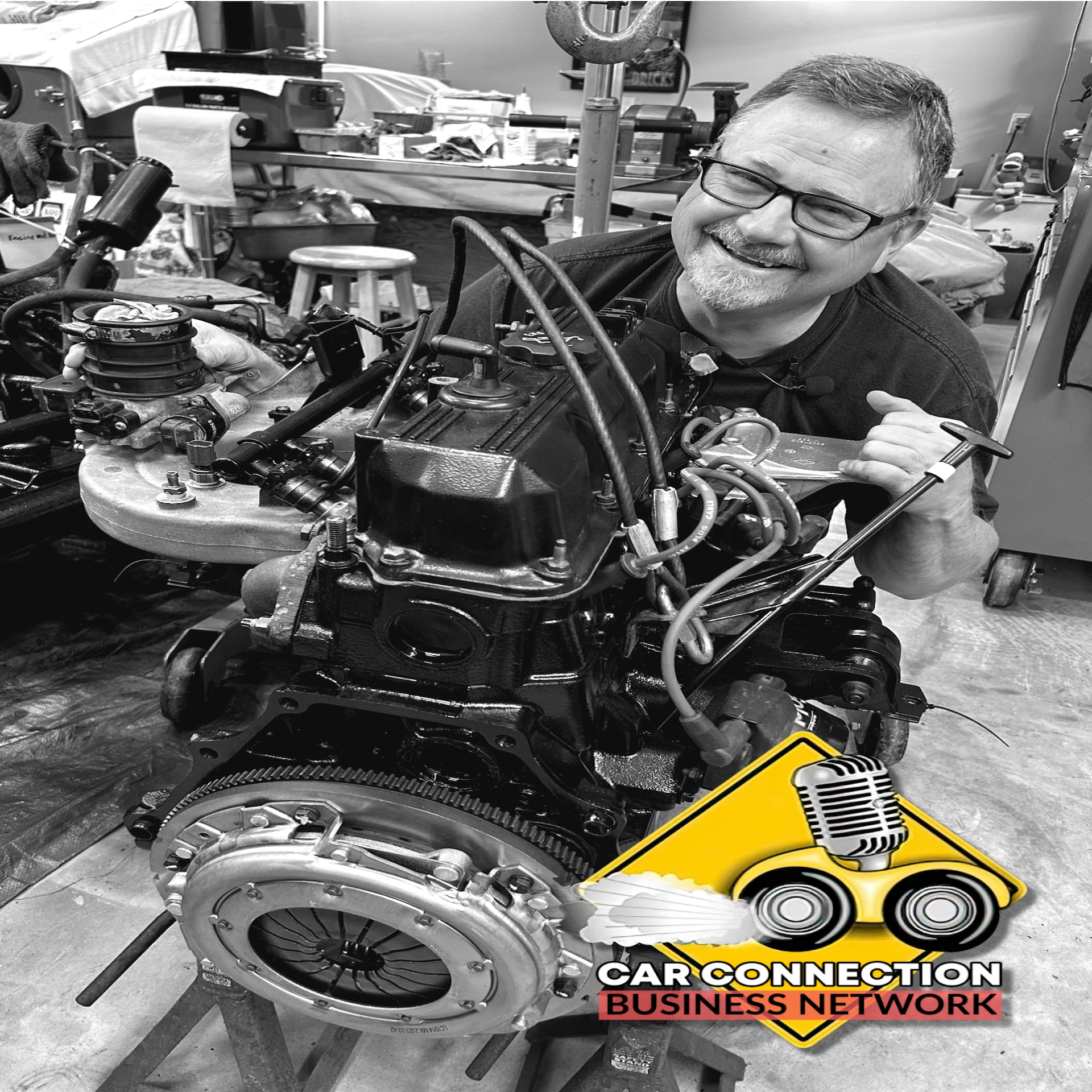
Back to Basics: Learn It Once, Save Time, Money & Stress For Life
About this episode
Nile “Motor Mouth” Jenkins sets the tone with workshop humor and a “back to basics” theme: learning a few core things about your car to reduce stress and spending at the service counter. The show also pivots into practical life advice, including a plug for certified financial planners Tony Miele and Larry Tietro for debt, investing, insurance, and estate planning. Automotive-wise, he teases a recurring “five things” breakdown tied to wheel bearings and understanding key components. The episode wraps with local sponsor shoutouts and ways to engage via YouTube, Q&A, and donations.
When you understand the basics, repairs stop being emergencies and start becoming maintenance."
Every vehicle has a story, and every repair starts with understanding the basics. In today's Motormouth's Morning Drive, Nile Jenkins explains why learning what a part is, where it's located, how it works, how it fails, and how to maintain it can save you thousands of dollars, countless headaches, and unnecessary stress. Whether you're a new driver, a seasoned car owner, or a technician wanting a refresher, these simple fundamentals build confidence and help you make smarter decisions every time your vehicle needs attention.
Knowledge is one of the best tools you can keep in your toolbox.
#CarCare #VehicleMaintenance #MotormouthMorningDrive
Support the Shop: If you enjoy what we do, fuel the next episode with a coffee at buymeacoffee.com/motormouthnile your gift of any amount is appreciated.
Motormouth Merch: Wear the Brand with Pride-every purchase from our online merch store Total Freedom Addiction Campuses Canada & USA visit (ccbusnet.com) changing lives one at a time, join our crew, together we can make a difference in a life too👍❤️
Car Connection Maintenance Schedule: 🛑Stop guessing and start preventing breakdowns. Order our Maintenance Schedule Online Today While Supplies Last ✅ enjoy Subscribers - Only Savings 💰(ccbusnet.com) Mileage Does Not Matter.....Maintenance Does Friends....NMJ
Email Motormouth: Have a question, a repair story, or a Podcast idea? we'd love to hear from you-send us an email anytime [email protected] or [email protected]
Road To 1,000 Subscribers: Like, Subscribe, Share, and Invite a fellow car enthusiast to join the Motormouth Community. Every New Subscriber gets us closer to our first 1,000! Thank You for the BIG PUSH friends to reach 1,000 Subscribers by July 30/2026 👍❤️
More Episodes and ....project Details & Links are available at Car Connection Business Network.com (ccbusnet.com) you'll find everything on our home page if you'd like to follow the build & repair work & connect with our program partners, click on their logo to meet them, We need them and YOU TOO, Thank You for giving them your business ✅🙌🚘
We'll see you in the next one👍
Happy Healthy Motoring Friends, Peace Patience Kindness Always.
wheel bearings
"And how many of you have replaced wheel bearings or had bearings replaced on your front wheel drive vehicle?"
Wheel bearings are small parts that help your wheels spin smoothly. If they wear out, the wheel can start making noise or feel shaky. Replacing them can make the car drive quietly and safely again.
Wheel bearings are the parts that let a wheel spin smoothly while supporting the vehicle’s weight. When they wear out, you may hear grinding/rumbling and feel vibration, and the wheel can develop play. Replacing them is a common maintenance/repair item on many cars.
front wheel drive
"And how many of you have replaced wheel bearings or had bearings replaced on your front wheel drive vehicle?"
Front-wheel drive means the front wheels do the work of both steering and moving the car. It’s a common setup in many cars because it’s efficient. It can also change how certain parts are built and repaired.
Front-wheel drive (FWD) means the engine’s power is sent to the front wheels, which handle both steering and propulsion. This layout is common in everyday vehicles because it packages efficiently and can offer good traction in normal conditions. It also affects how components like bearings and drive components are accessed and serviced.

Toyota FJ Cruiser
"then you need to just sit back like I did when I was looking for an FJ Cruiser. And I waited a whole year. But you know what, in the end, she's at 400,000 kilometers, one owner."
The Toyota FJ Cruiser is a tough-looking SUV that’s built for rough roads. Here it’s mentioned as an example of someone waiting a long time to find a good one, then keeping it for a very long time. The takeaway is that a good, well-kept vehicle can last a long time.
The Toyota FJ Cruiser is a rugged, off-road-styled SUV known for its body-on-frame construction and classic “retro” look. In this segment, it’s used as an example of a long-term ownership story—waiting for the right one and then keeping it for high mileage. The key point is that the speaker claims it reached very high distance with one owner.
corner car lots
"find it, if Earl can't find that special vehicle for you, wait it out so you don't end up with something from some of these corner car lots. We got a corner car lot here in town..."
“Corner car lots” usually means small used-car dealers. The point here is that buying from places like that can be riskier if you don’t know the car’s history or condition.
“Corner car lots” is a slang term for small, often independent used-car dealerships that typically operate on a roadside or in a small lot. The hosts use it as a cautionary label for where you might be more likely to encounter sketchy inventory or unclear vehicle histories.
rebuilding wrecks
"But I know all about the fella and what he's doing there. He's rebuilding wrecks. Yeah, guess what you're going to get?"
“Rebuilding wrecks” means fixing cars that were crashed or damaged. It can be legitimate repair work, but it also raises questions about how well the damage was repaired and what the car’s history is.
“Rebuilding wrecks” refers to taking damaged vehicles (often from accidents) and repairing them to become drivable again. In the used-car world, this can range from straightforward body work to more complex structural repairs, and it’s why the hosts frame it as something to be careful about when shopping.
skunk in a mink coat
"He's rebuilding wrecks. Yeah, guess what you're going to get? A skunk in a mink coat. Ready? 321 swiggy time."
It’s a saying that means something can look nice, but it’s still not what you want. The host is implying the car may look good while having hidden problems.
“Skunk in a mink coat” is an idiom meaning something looks attractive on the outside but is undesirable or problematic underneath. Here it’s used to warn that a car can appear good while still having underlying issues—often tied to prior damage or questionable repairs.
you pull it wrecking yard
"The pieces are needed so I got to go into the you pull it wrecking yard in St. Catharines today on my road trip with a couple of meetings"
It’s a junkyard where you go to the cars and pull the parts yourself. People use it when they need a specific piece and want to save money.
A “you pull it” salvage yard is a self-service wrecking yard where you remove parts yourself from donor cars. It’s commonly used to find specific trim, brackets, and interior pieces at lower cost than buying new.
St. Catharines
"The pieces are needed so I got to go into the you pull it wrecking yard in St. Catharines today on my road trip"
St. Catharines is a city in Ontario, Canada. Here it’s where the speaker goes to a salvage yard to find parts.
St. Catharines is a city in Ontario, Canada. In this segment it’s the location of the “you pull it” wrecking yard the speaker visits for dash parts.
hantavirus
"we videotape this whole thing because we're dealing with hantavirus which if you google that sometime today it'll really educate you it's real it is absolutely real"
Hantavirus is a group of viruses that can be spread to people through contact with rodent droppings, urine, or saliva—especially when contaminated dust becomes airborne. The speaker is warning that cleaning or handling rodent-contaminated materials in a wrecking yard can be dangerous.
air blower
"you can't be blowing it out with the air blower and breathing those particles in you can make yourself really really sick"
An air blower can kick up dust. If the dust is contaminated, blowing it around can make it easier to breathe in something harmful.
An air blower (like a handheld blower) can aerosolize dust and particles from contaminated surfaces. In this context, the speaker warns that using an air blower around rodent droppings can increase the risk of inhaling infectious particles.
oils oils still the life blood baby
"this morning I have another motormouth summer tech tip for you it's entitled oils oils still the life blood baby so stick around for that"
This is the segment’s “tech tip” theme: engine oil as a critical maintenance item. The phrase signals they’re about to discuss why oil changes matter and how to approach oil-related service.
service and repairs
"“...I'm not having any problems I mean the vehicles need repairs service and repairs things wear out things break stuff goes on...”"
Service and repairs are the things you do to keep a car running—like maintenance and fixing problems when they show up. The takeaway here is that new cars still need attention, not just older ones.
Service and repairs refers to the ongoing upkeep and fixes needed to keep a car operating—beyond just routine maintenance. The hosts are making the point that wear items and failures still happen even on relatively new vehicles, so budgeting for upkeep is part of ownership.
roadside assistance
"“...will save you time money and a whole lot of less stressing out ... because you will have reduced the percentile of having a roadside assistance visit”"
Roadside assistance is help you can call if your car won’t start or breaks down on the road. The episode’s point is that regular maintenance can lower the chances you’ll need to call for that kind of help.
Roadside assistance is a service that helps when your car breaks down away from home—typically things like towing, jump-starts, flat-tire help, or lockout service. The hosts are arguing that better maintenance reduces the odds you’ll need it.
pattern failures
"“...it just means you have to step up your maintenance because the vehicle has pattern failures and what's important is to find out about your year make and model...”"
Pattern failures means certain problems tend to happen repeatedly in the same kind of car. If you know what those common issues are, you can get ahead of them with the right maintenance instead of waiting for a breakdown.
Pattern failures are recurring, model-specific problem areas that show up across many vehicles of the same year/make/model. The episode emphasizes that identifying these common failure modes lets you adjust your maintenance schedule to catch issues earlier.

2008 Nissan Rogue
"“...and I like to use the 2008 Nissan Rogue which is that is the first model years what I've learned”"
They’re using a specific car—an older Nissan Rogue—as an example. The idea is that some cars tend to have the same kinds of problems, so if you know what those are, you can service the car before it leaves you stranded.
The Nissan Rogue is a compact crossover SUV, and the 2008 model year is being used here as an example of a specific vehicle with known “pattern failures.” The point is that different model years can have recurring issues, so learning what tends to go wrong helps you plan maintenance before breakdowns happen.

Nissan 2008 Nissan
"...s those potential let downs and I like to use the 2008 Nissan Rogue which is that is the first model years what..."
The Nissan 200 SX is a smaller Nissan car that’s made to feel more sporty than a basic commuter. In a discussion like this, it’s usually mentioned when people are thinking about whether a certain model year might have more problems than expected. The “first model years” idea means earlier production years can sometimes be less refined.
The Nissan 200 SX is a compact sports-oriented Nissan model that’s typically discussed for its performance-focused styling and driving feel. In a podcast context, it may be brought up as an example of a model people consider alongside other Nissan choices when weighing potential drawbacks versus what they want from a car. The mention of “2008” and “first model years” suggests the conversation may be comparing how early production years can affect ownership experience.
paying better attention to the shortfalls from the manufacturer
"all it means is paying better attention to the shortfalls from the manufacturer and you got it beat"
The host is saying you should learn what the car is known to do poorly and keep an eye on it. That way you can catch problems early and avoid bigger repairs later.
This describes a proactive ownership approach: instead of waiting for failures, you track the manufacturer’s known shortcomings and address them early. It’s essentially “learn the weak points” so you can reduce downtime, repeat repairs, and surprise costs.
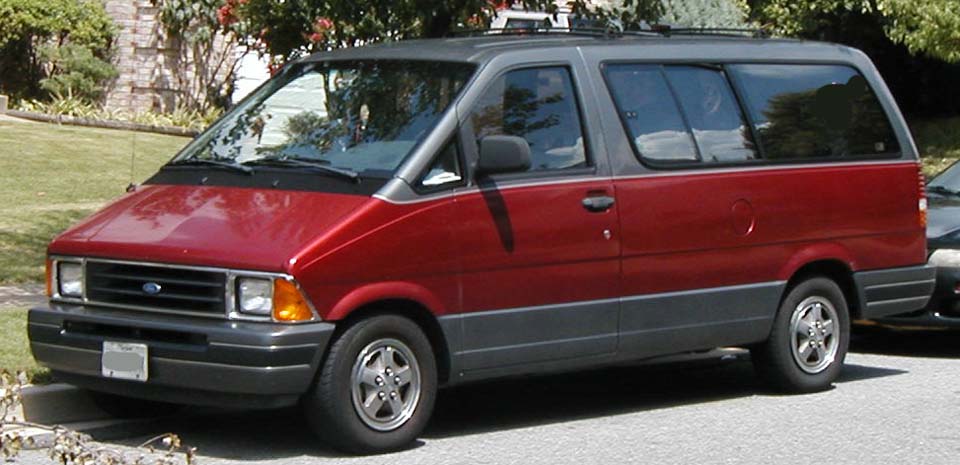
Ford aero star van
"when Ford was creating we called it the aero bar the aero star van it was the biggest piece of hoopty on the market at the time... Carl fantastic client... he looked after his aero bar his Ford aero star van it was immaculate"
This is an older Ford minivan. The host is saying it can have repeat problems, but if you learn what usually goes wrong, you can prevent a lot of trouble instead of waiting for it to break.
The Ford Aerostar is a late-1980s/1990s-era Ford minivan known for being a bit of a “project” vehicle—especially compared with more mainstream family vans. In this segment, the host focuses on how specific recurring “pattern failures” can be managed with proactive maintenance and knowing the common weak points.
headlight
"because that's pretty much what you had to do just to change a headlight was a crazy amount of time a headlight things that wear out burn out"
In this context, the “headlight” is called out as a wear-and-fail item that can be time-consuming to service on certain older vehicles. The host’s point is that even routine replacements can become expensive and labor-intensive if the design makes access difficult.

Volkswagen Beetle
"...tting ready to wrap up the series on the 2003 new beetle convertible orange crush starting to get things b..."
Request an Explanation
Heard something you'd like explained? We'll add it to this episode.
Sign in to request explanations for terms you heard.
Want to learn more?
Browse our glossary for plain-English explanations of automotive terms, jargon, and concepts.
Help improve this episode
See something that's not quite right? Our annotations are AI-generated and can sometimes miss the mark. Click the flag icon on any annotation to suggest a correction.