

Dodge Charger
The Dodge Charger is a performance car that comes from the factory as a sedan, but many people modify it for faster driving. A “wide-body” version has wider fenders so the car can fit wider tires for better traction. The podcast also mentions upgraded brakes, which helps the car slow down more safely when driving hard.
Willwood brakes
Willwood is a company that makes performance brake parts. The idea is that better brakes help you slow down more confidently when you drive harder.
brake compounds
Brake compounds are the material inside brake pads that actually creates the stopping power. Newer compounds can stop better and hold up longer when you drive hard.
upgrade your car is the brakes first
They’re saying you should improve your brakes before you add more power. More power is useless if you can’t stop safely and repeatedly.
time attack
Time attack is racing where the goal is the fastest lap time. Because you’re pushing hard lap after lap, your brakes have to work consistently and not overheat.
drum brakes
Drum brakes are a brake design where pads press against the inside of a drum. They can struggle when you brake hard over and over because they don’t cool as well as disc brakes.
fluid boil
Brake fluid boil means the brake fluid gets so hot it starts turning into gas. Since gas is compressible, your brakes can feel weak or inconsistent right when you need them most.
calipers
Calipers are the parts that squeeze the brake pads against the spinning brake rotor. More squeeze usually means more stopping power, but the system has to be balanced so it works correctly front to rear.
balance of the car
Brake balance is how much the front brakes and rear brakes share the stopping job. If it’s not set up right, the car can stop unevenly or feel sketchy when you brake hard.
fronts and rears
This is just talking about the front brakes versus the rear brakes. The car shifts weight forward when you brake, so the brakes need to be set up so both axles work together instead of fighting each other.
Wilwood
Wilwood is a company that makes performance brake parts. People use their kits when they want better stopping power and more consistent braking than stock brakes.
drums
Drum brakes are an older brake design where pads press against the inside of a metal drum. They can get hotter and fade more than disc brakes when you brake hard repeatedly.
discs
Discs are the brake rotors that spin with the wheel. The calipers squeeze pads against the rotor to slow the car down, and discs usually handle heat better than drum brakes.
disc conversion
A disc conversion means changing the brakes from drum style to disc style. Discs usually handle repeated hard braking better, but the parts have to be matched so the car stops correctly.
big breaks
“Big brakes” means putting larger brake parts on a car. The main reason is they can handle heat better and keep braking strong when you stop a lot, like on a spirited drive or track day.
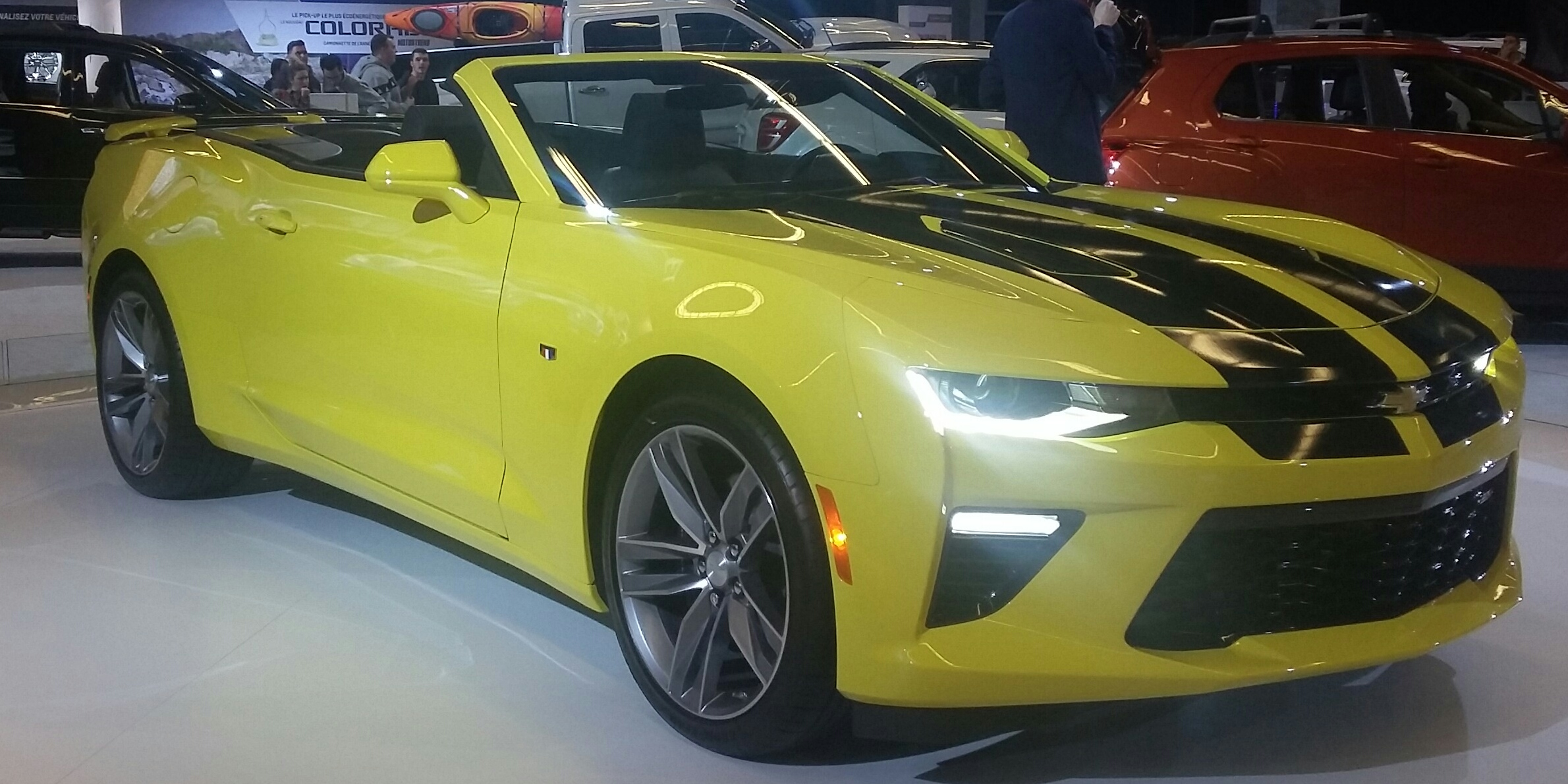
Chevrolet Camaro
The 1969 Camaro is a classic car that a lot of people modify. The point here is that today’s aftermarket can supply more complete, modern-style chassis setups for cars like this.
front clip
A “front clip” is basically the front section of a car—parts of the body and the mounting structure. Hot-rodders used it as a shortcut to change the front suspension/steering setup.
Mustang 2 spindle
A spindle is the part that the wheel mounts to and that helps connect the suspension to steering. People used Mustang 2 spindles as a common donor part when swapping front ends on older cars.

Ford Mustang
The Ford Mustang is a popular American sports car known for its strong aftermarket support and wide range of builds. The podcast’s reference to a “Mustang 2 spindle” suggests using Mustang 2-era front suspension components as part of a custom or swap-style project. It comes up because these older parts are often used to create a simpler, more serviceable front-end setup for modified cars.
rack and pinion
Rack-and-pinion is a steering mechanism that turns the wheels using a gear and a bar. It’s common on modern cars because it gives a more direct steering feel.
front-steer car
“Front-steer” just means the front wheels are what turn the car. It’s the normal steering setup most people expect.
repeatable
“Repeatable” here means the brakes keep working the same way again and again. Instead of getting weaker after repeated hard stops, the car is designed to stay consistent.
rest of mod
A “restomod” is an older car that’s been restored, but also upgraded with newer technology. The goal is to keep the classic vibe while making it drive and brake more like a modern car.
numbers matching
“Numbers matching” means the car still has its original major parts from the factory. Collectors like it because it’s more original, which can make the car more desirable.
resto modded
A “resto mod” is an older car that’s been fixed up and upgraded with newer parts. It keeps the classic style, but it drives and stops more like a modern car.
rim
A rim is the metal part of the wheel that the tire is mounted on. Different rim designs can make it easier to fit bigger brakes and can change how much you can see behind the wheel.
aluminum slot
This sounds like a description of an older wheel look—an aluminum wheel with visible openings/slots. They’re comparing older wheel styles to newer ones that show more of the brakes.
craggers
“Craggers” are a type of aftermarket wheel style you often see on older muscle cars. They’re mentioned here because wheel design affects the look and how much brake hardware you can see.
solid aluminum wheel
A solid aluminum wheel has fewer gaps, so it can cover up the brakes behind it. The point here is that newer wheel designs show more of the brake hardware.
brake caliper
The brake caliper is the part that grabs the brake pads and squeezes them against the spinning brake disc. It’s what slows the car down when you press the brake pedal.
rotary
Here “rotary” just means “rotating.” They’re talking about the spinning brake parts you can see (or can’t see) behind the wheel.
four spoke or five spoke wheels
Four- or five-spoke wheels have gaps that let you see more of what’s behind them. That can make the brakes look more impressive and helps people notice the performance parts.
bigger brakes
“Bigger brakes” means the braking parts are larger than stock. That can help the car stop better and handle repeated braking without overheating.
big disc
A “disc” is the brake rotor—what your brake pads squeeze to slow the car down. Bigger rotors can help the brakes stay cooler during hard use.
full kit
A “full kit” means you upgrade the whole braking setup at once instead of piecing it together. That helps everything fit right and work correctly together.
Mustang Fox Body
An “85 Fox body Mustang” is a 1985 Ford Mustang from the Fox-body generation. The takeaway is that brake parts have to be chosen to fit that specific Mustang and your wheel/suspension setup.

Chevrolet Impala
A “62 Impala” means a 1962 Chevrolet Impala. The point here is that brake kits aren’t one-size-fits-all—you need the right parts for that exact car.
pro touring
Pro touring is the idea of upgrading an older car so it drives and stops like a modern performance car, not just looks cool. It often uses race-inspired parts, especially for brakes and suspension.
Detroit speed
Detroit Speed is a company that makes aftermarket parts for classic cars. Here they’re mentioned as another brand bringing new, improved tech to the pro-touring scene.
track day
A track day is when people drive their cars on a real race track that’s closed to normal traffic. It’s a chance to push the car harder—especially braking—without street traffic risks.
aesthetics
They’re using “aesthetics” to mean looks. The point is that looking good isn’t the same as being fast and consistent on a track, where braking matters a lot.
breaking
They’re talking about braking into corners—slowing down late and controlled. Good braking helps you enter the turn at the right speed and can let you pass other drivers.
optimum streetcar challenge
The Optimum Streetcar Challenge is a track competition for street cars. The point is to see which cars and upgrades can perform well when you’re really driving them hard on a circuit.

Chevrolet C5
A C5 Corvette is a specific generation of the Chevrolet Corvette. It’s a common car to modify for track days, including upgrades that help it brake harder and stay consistent.
200 treadwear tire
Treadwear is a number that hints how long a tire’s tread should last. A “200 treadwear” tire usually means a stickier, softer tire that can wear out faster, but it tends to grip better for driving hard.
slick
A slick tire has no tread grooves. That lets it make maximum rubber contact for grip on dry pavement, which is why it’s mainly used for track driving.
down for us
They’re basically saying that as cars get faster, you end up braking harder and more often. That creates more stress on the brakes, so brake technology has to improve too.
arrow
“Arrow” sounds like a specific product or brand they’re talking about for track braking. This clip doesn’t give enough detail to say exactly which part it is.
Austin Barns
Austin Barns is mentioned as the current champion of the Optima Challenge in 2025. The discussion uses his car to talk about brake testing and development.
Optima Challenge
The Optima Challenge is a competition where cars are pushed hard to prove durability and performance. In this segment, it’s used as a reason to talk about brake and tire development.
r and d
“R and D” means research and development—basically testing and improving a product. They’re saying the car was used to help develop better brakes.
downforce
Downforce is the “suction” effect that presses the car down onto the track. When it’s higher, the tires can grip harder, so the car can corner faster and feel more stable.
evolving and elevating what we're doing
They mean that when cars get faster, you can’t just keep using the same setup and methods. You have to keep improving the whole package—car setup and how you drive it.
aftermarket and street kind of stuff
This phrase is contrasting factory/track-focused racing with cars built using aftermarket parts and driven in street contexts. The key idea is that modern street builds can be developed and tuned to achieve track-level performance, blurring the line between “street” and “race” cars.
non-sanction racing
Non-sanction racing means the event isn’t run under an official rulebook from a major racing organization. That can lead to fewer restrictions on what cars can do and how fast they can go.
displacement
Displacement is basically how big the engine is, based on the size and number of cylinders. Racing rules often use it to group cars, because bigger engines tend to have more potential to make power.
autocrossing
Autocrossing is a timed driving event on a course made with cones. You drive through tight turns and quick changes, so the brakes and tires get worked hard.
air conditioning
Air conditioning is the system that cools the cabin. The hosts are saying modern car enthusiasts expect it even for performance events.
test mule
A test mule is basically a “practice” or “prototype” car used to try out new tech. Engineers drive it to see how the brakes (or other parts) behave under tough conditions.
alloys
Alloys are mixed metals chosen to get better properties. Brake parts get very hot, so the metal mix helps them stay strong and resist damage.
brakes off these rides
They’re describing testing brakes by pushing them very hard repeatedly. That helps show whether the brakes keep working well and don’t wear out too fast under stress.
Indianapolis 500
The Indianapolis 500 is a major American open-wheel racing event. Mentioning it signals that the person Willwood hired has experience at the highest level of motorsport, which can translate into better engineering and race-focused brake development.
brake pads
Brake pads are the replaceable parts that squeeze against the brake rotor to make the car slow down. Better brake pads can last longer and keep braking strongly even when you brake hard repeatedly.

Ford F350
The Ford F-350 is a heavy-duty truck built to tow trailers and carry heavy loads. If you’re taking a race car to a track, you might use a truck like this to pull the trailer. Because it tows so much weight, the brakes have to work hard, so brake upgrades and testing matter.

late model f 250 or f 350
They’re talking about Ford F-250 and F-350 trucks—the big pickups people use to tow race cars. Since you’re hauling a heavy trailer, you need brakes that can handle long downhill driving without overheating.
hot rod show
A hot rod show is a car event where people bring their modified cars to show them off. The point here is that the same truck might be used for towing to the track and also to car shows.
repeatability
Repeatability means your brakes keep working the same way every time you use them hard. It’s about not getting weaker or inconsistent after repeated stops or long downhill driving.
brakes are overheated
Overheated brakes means the brakes got too hot from heavy use. When that happens, they can stop working as well, so you may have to slow down and let them cool.
rotational mass
It means the weight of parts that are spinning, like wheels and tires. Spinning weight is harder to slow down, so it can make braking feel less effective.
plus size tire
A plus-size tire is a bigger tire than what the vehicle came with. Bigger tires can be heavier and can make braking work harder, especially on long descents.
stock break
“Stock brakes” are the original brakes the truck came with. If you add weight and bigger tires, those original brakes can overheat and stop working as well.
dissipating that heat
When you brake a lot, the brakes get hot. Dissipating heat means getting that heat out; if they can’t, braking can feel weaker because the brake surfaces overheat.
managing the system
It means you have to control how hard the brakes are working and how hot they get. If you don’t—especially with extra weight—brakes can overheat and fade on long downhill stretches.
i70
I-70 is a big highway in the U.S. In some areas it goes through mountains with long downhill stretches, which can overheat brakes if the vehicle isn’t set up for it.
horsepower
Horsepower is how strong the engine is. More power usually means the vehicle can accelerate harder, which can lead to more demanding braking in real driving.
weight
Heavier vehicles have more “energy” when moving, so you have to use the brakes harder to slow them down. That can make brakes overheat faster on long descents.
brake systems
When someone says “brake systems,” they mean everything working together to stop the car. It’s more than just the pedal—there are parts like the pads and rotors that do the actual stopping.
pro street car
A “pro street car” is a heavily modified car meant to look cool and go fast, but still be driven on the street. People often build them for drag racing-style performance while keeping them usable outside the track.
17 or larger wheel in the front and a 15 in the rear
That’s talking about using different wheel sizes front vs rear. Changing wheel and tire sizes can affect grip and how the car behaves when you accelerate or brake hard.
Drag Week
“Drag Week” is like a multi-day drag racing event where you also have to drive the car between race locations. That means the brakes have to keep working reliably, not just for one run.
aesthetically look good
Here they’re talking about how the car looks, not just how it drives. On modified cars, the same choices that help performance can also change the appearance.
master cylinder
The master cylinder is the part you push with the brake pedal. It turns your pedal force into hydraulic pressure that makes the brakes clamp.
match all the parts
The idea is that brakes are a system, not a pile of parts. If you upgrade one piece (like the “big” part) without setting up the rest to work with it, the brakes won’t behave the way you expect.
rotor diameter
Rotor diameter is how big the brake disc is. Bigger discs can help the brakes stop harder, but the rest of the brake system has to be set up to work with it.
caliper piston area
Inside the brake caliper are pistons that squeeze the pads against the rotor. The piston area affects how hard they squeeze for the same brake-fluid pressure.
power brakes
Power brakes use an assist system to make the brakes easier to press. The takeaway is that you still have to match the brake parts so the system works correctly together.
manual brake
Manual brakes don’t have power assist. Because of that, the pedal and hydraulic parts have to be chosen so you can still stop effectively without an overly heavy pedal.
bore size master
The master cylinder bore size is the size of the cylinder inside the brake master. It changes how much brake pressure you get when you press the pedal, which is crucial for getting the pedal feel right.
leverage
Leverage here means how easily the brake pedal turns your foot force into braking pressure. With manual brakes, getting this right helps you avoid a pedal that’s too hard or too touchy.
disc brakes
Disc brakes are brakes that use a spinning metal disc. When you press the brake, pads clamp the disc to slow the car down.
brake fade
Brake fade is when your brakes stop working as well because they get too hot. In racing, that can happen after repeated hard stops, so the car takes longer to slow down.
drag racing
Drag racing is mostly about accelerating in a straight line. Brakes still matter, but the way heat builds and how you use the brakes differs from road racing or autocross.
road course racing
Road course racing is racing on a track with lots of turns. You brake hard over and over, so brakes can overheat and lose effectiveness if they’re not set up right.
pistons
The pistons inside the caliper push the brake pads. How big the piston area is affects how hard the pads squeeze the rotor.
torque
Here, torque means the turning force the brakes apply to slow the wheels down. Bigger effective leverage (like rotor size and caliper placement) can increase that stopping force.
drift
They’re talking about using what professional drifters do as a guide for brake pad setup. Drifting puts brakes through repeated hard use, including when they’re cold and when they heat up.
ambient temperature
Ambient temperature is just the outside air temperature. Brakes behave differently when they’re cold, so pad choice has to work from cool weather up to normal hot braking.
willwoods
Willwood makes aftermarket brake parts. They’re often used when you want stronger braking than stock, especially if you drive hard or go to the track.
coefficient of friction
Coefficient of friction is a number that describes how effectively two surfaces resist slipping against each other. For brake pads, a higher coefficient of friction generally means more braking force, especially when the pad reaches the temperature range it was designed for.
heat treating
Heat treating is a controlled heating process used to change material behavior. The host is saying brakes are similar—you should gradually get new pads hot in the right way instead of shocking them all at once.