
Best Choices for Off-Roading and Camping: Ep 127
About this episode
Moderate off-roading and camping choices get sorted by real-world capability, not just rugged styling. The hosts and a US News & World Report editor break down what matters—especially all-terrain tires, ground clearance, and underbody protection—and then name standout picks like the Land Rover Defender, Toyota RAV4 Woodland (2026 hybrid-only), and Subaru Forester Hybrid. For camping, onboard power and practical 12V outlets take center stage, with trucks and compact hybrids both earning spots. They also stress testing on dirt, plus ride comfort tradeoffs.
moderate off-roading
"going to dig down and talk about the best vehicles for off-roading for consumers, not hardcore off-roading but moderate off-roading as well as some of the best choices for camping"
Moderate off-roading is when you leave paved roads and drive on rough dirt or uneven trails. It’s harder than normal driving, but it’s not the most extreme type of off-roading.
“Moderate off-roading” means using a vehicle on unpaved or rough surfaces that are more challenging than normal roads, but not extreme rock-crawling or technical trails. It typically involves things like dirt roads, mild ruts, and occasional obstacles where traction and ground clearance matter.
adventure vehicles
"one of probably if not the hottest segments in the last I don't know five years has been adventure vehicles it seems every SUV and even some cars need a ruggedized something or other out there"
“Adventure vehicles” are cars and SUVs marketed for outdoor trips. They’re made to look and act more ready for dirt roads and camping, even if they’re not extreme off-road machines.
“Adventure vehicles” is a marketing category for vehicles positioned as capable for outdoor trips—often with styling and packages aimed at rougher use. They’re usually not purpose-built rock crawlers, but they’re meant to handle dirt roads, camping access, and weekend exploration.
off-road trims
"I've brought all these like various off-road trims trail sports and wildernesses and you know X-pros and XRTs and all kinds of things"
Off-road trims are versions of a vehicle that come with extra gear meant for rougher driving. Sometimes it’s real capability upgrades, and sometimes it’s mostly rugged-looking styling.
“Off-road trims” are factory trim levels or packages that add off-road-focused equipment—commonly things like tougher tires, skid-plate protection, and suspension/clearance tweaks. They can also include interior/exterior styling cues that signal ruggedness, even when the mechanical changes are limited.
X-pros
"trail sports and wildernesses and you know X-pros and XRTs and all kinds of things"
“X-Pro” is a name automakers use for a more rugged-looking version of a vehicle. It can include real off-road upgrades, but you should verify what parts are different.
“X-Pro” is a trim/package naming pattern used by some automakers to indicate an off-road-leaning version of a model. These packages often bundle appearance upgrades with selected capability items, so it’s important to check what’s actually included (tires, skid plates, suspension, drivetrain settings).
XRTs
"trail sports and wildernesses and you know X-pros and XRTs and all kinds of things"
“XRT” is a trim name that usually means the vehicle is aimed at rugged or outdoor use. The badge doesn’t always tell you everything—what matters is what upgrades you actually get.
“XRT” is another trim/package label that typically signals a rugged or adventure-oriented configuration. Like other off-road trim names, it may combine styling with specific hardware changes, so listeners should look for the actual equipment list rather than the badge alone.

Jeep Grand
"...he time in fact later today I will be driving the Jeep Grand Wagon here and I will probably taking that off ro..."
The Jeep Grand Cherokee is a family-sized SUV that can drive on regular roads and also handle some rough off-road paths. It’s the kind of vehicle people choose when they want comfort but still want the option to go off the pavement.
The Jeep Grand Cherokee is a midsize SUV known for offering serious off-road capability along with everyday comfort. It often comes up in discussions about weekend driving because it can handle rougher trails while still being practical for daily use. In the podcast context, it’s specifically mentioned as a vehicle the host will be driving for off-roading.
ground clearance
"…other ones you get in the off-road trim and it’s got lower ground clearance… however it’s not enough to just throw the tires on there and you know you really do need the ground clearance…"
Ground clearance is how much space there is between the bottom of the vehicle and the ground. If it’s higher, you’re less likely to hit the underside on rocks or bumps. The host is saying clearance matters for real off-roading.
Ground clearance is the distance between the vehicle’s lowest point and the road/trail. More clearance helps prevent the undercarriage from scraping on rocks, ruts, and uneven surfaces. The host ties it directly to why some “off-road trims” are actually more capable than pavement-focused versions.
all terrain tires
"…the addition of all terrain tires really makes a huge difference I think you can throw a really good set of all terrain tires on a lot of different things…"
All-terrain tires are made to handle both normal roads and rougher surfaces like dirt or gravel. They usually grip better off pavement than regular highway tires. The host’s point is that tires help a lot, but you still need the right vehicle clearance and protection.
All-terrain tires (often called A/T tires) are designed to work on both pavement and dirt/gravel. They typically have tougher sidewalls and tread patterns that provide better traction than highway tires when surfaces get loose. The host emphasizes that tires can improve dirt capability, but they don’t replace clearance and protection.
underbody protection
"…you really do need the ground clearance and you do need to think about some degree of underbody protection if you’re really doing serious off-roading…"
Underbody protection is extra shielding under the car to keep it from getting damaged by rocks and obstacles. It’s especially important when you drive off-road where you might hit the ground. The host says you need this if you’re going beyond casual dirt roads.
Underbody protection refers to skid plates and other shields that protect vulnerable components beneath the vehicle. On serious off-road trails, rocks and obstacles can damage oil pans, fuel lines, and transfer-case/driveline parts. The host argues that tires alone aren’t enough—you also need protection if you’re actually doing harder off-roading.

Land Rover Defender
"so I actually think maybe the Land Rover Defender is a good place to start because the Defender is like [295.4s] the it has the widest lineup of body styles and trims of basically any SUV you can buy"
The Land Rover Defender is a rugged SUV built for off-road trails. The big deal is that it comes in several different sizes and versions, and many of them are set up for off-roading right from the factory.
The Land Rover Defender is a modern off-road SUV known for offering multiple body styles and trim levels aimed at different kinds of trail use. In this segment, the host highlights that it has a wide lineup (two-door, four-door, and a stretch three-row) and that many configurations include off-road-focused equipment.

Land Rover Range Rover
"...now there are posture off-roading SUVs I was in a Range Rover not long ago but you can't get all terrain tires ..."
The Range Rover is a luxury SUV that can go off-road, but it still needs the right tires to do it well. If you don’t have tires meant for rough surfaces, it won’t perform as confidently off the pavement.
The Land Rover Range Rover is a luxury SUV that’s built for comfort and capability, including off-road ability. It comes up in the podcast because the discussion contrasts “posture off-roading” with what’s actually needed to go off-road effectively, like appropriate all-terrain tires. The point is that the vehicle’s capability depends heavily on the setup, not just the badge.

Subaru Forester Hybrid
"and I'm a really huge fan of the Subaru Forester Hybrid I absolutely love the Subaru Forester Hybrid [400.6s] and I feel like for me that's my personal favorite in that class"
The Subaru Forester Hybrid is a Forester that uses a hybrid powertrain. The host really likes it for this type of camping/off-road lifestyle, and they also mention a more rugged Wilderness Hybrid version on the way.
The Subaru Forester Hybrid is a hybrid version of the Forester that blends everyday practicality with improved efficiency. The host calls it their personal favorite in this class and also mentions a Forester Wilderness Hybrid coming for 2027.

RAV4
"it comes with all terrain tires it comes with plenty of ground clearance it was quite capable off-road and I feel like just those all terrain tires really make a difference there and that's a great off-road package for the RAV4"
The Toyota RAV4 is a small SUV that can handle dirt roads better when it has the right tires and more clearance. Here, the point is that all-terrain tires and extra ground clearance make it noticeably more capable off-road.
The Toyota RAV4 is a compact SUV that can be made more capable off-road with the right tire choice and ride height. In this segment, the host credits the RAV4’s off-road performance largely to all-terrain tires and extra ground clearance from an off-road package.

Jeep Wrangler
"a lot of the other ones I think it's pretty clear that the Jeep Wrangler is probably the most capable off-road vehicle you can buy out of the box no surprise that that dominated that that class"
The Jeep Wrangler is famous for being a very capable off-road SUV without needing upgrades. The host’s point is that it’s the best choice if you want maximum trail capability right away.
The Jeep Wrangler is known for being exceptionally capable off-road straight from the factory, largely because of its purpose-built 4x4 hardware and trail-focused design. Here, the host says it’s the most capable off-road vehicle you can buy “out of the box,” and that it dominated the class.
Forester Wilderness
"the Forester was the regular Forester was again second because of the Forester Wilderness and when people look at that you know we do want to recognize that the Wrangler is so much more capable and off-roader than the Forester"
The Subaru Forester Wilderness is a tougher version of the Forester meant for camping and rougher roads. In this segment, the key idea is that the Wilderness setup (like tires and clearance) is what improves its off-road ability.
The Subaru Forester Wilderness is a trim focused on rugged, outdoor use, typically pairing higher ground clearance with more off-road-oriented tires. The host contrasts it with the regular Forester, arguing that the Wilderness package is what makes it a stronger off-road contender.

Subaru Outback
"...ressive I couldn't imagine they could do like the Outback is so good at what it does for how long that thin..."
The Subaru Outback is a car-like wagon/crossover that’s meant for everyday driving and road trips. It’s known for being able to handle different conditions better than a typical car, especially with all-wheel drive.
The Subaru Outback is a wagon-style crossover built for practical daily driving with available all-wheel-drive capability. It’s often praised for being versatile—good for road trips, light off-road use, and everyday errands. In the podcast, it’s referenced as being “so good at what it does for how long,” suggesting long-running appeal and consistent capability.

Crosstrek Cross Track
"... looking forward to and I'm hoping it goes in the cross track because that's sort of my sweet spot one oh yes e..."
The Subaru Crosstrek is a small crossover SUV. The podcast is saying it’s a good match for what the host wants—small enough to be easy to live with, but capable enough for everyday and light adventure driving.
The Subaru Crosstrek (often spelled Crosstrek/Crosstrek in casual speech) is a compact crossover built for everyday practicality with available all-wheel-drive. In the podcast, it’s referenced as a “sweet spot,” implying it hits a balance between size, capability, and usability for the host’s needs. The mention suggests it’s a good fit for the kind of driving and trips being discussed.
Bend, Oregon
"I remember on my way down the drive was in Bend, Oregon and on my way down I kept passing you know modified Subaru after"
Bend, Oregon is a Central Oregon city known for outdoor recreation, which makes it a fitting location for test drives and discussions about camping-oriented vehicles. The host uses it as a personal travel reference while describing the Wilderness launch experience.
body on frame
"there is a little bit of a difference between that and building a dedicated body on frame off-roader there is a lot of manufacturer interest in that too"
Body-on-frame means the car’s body sits on a separate heavy frame underneath. That design is often used for serious off-roading because it can take more abuse on rough roads.
“Body on frame” describes a construction method where the body is mounted to a separate ladder-like frame. It’s common on traditional off-roaders because the frame can better handle rough terrain stresses and allow more robust suspension setups.
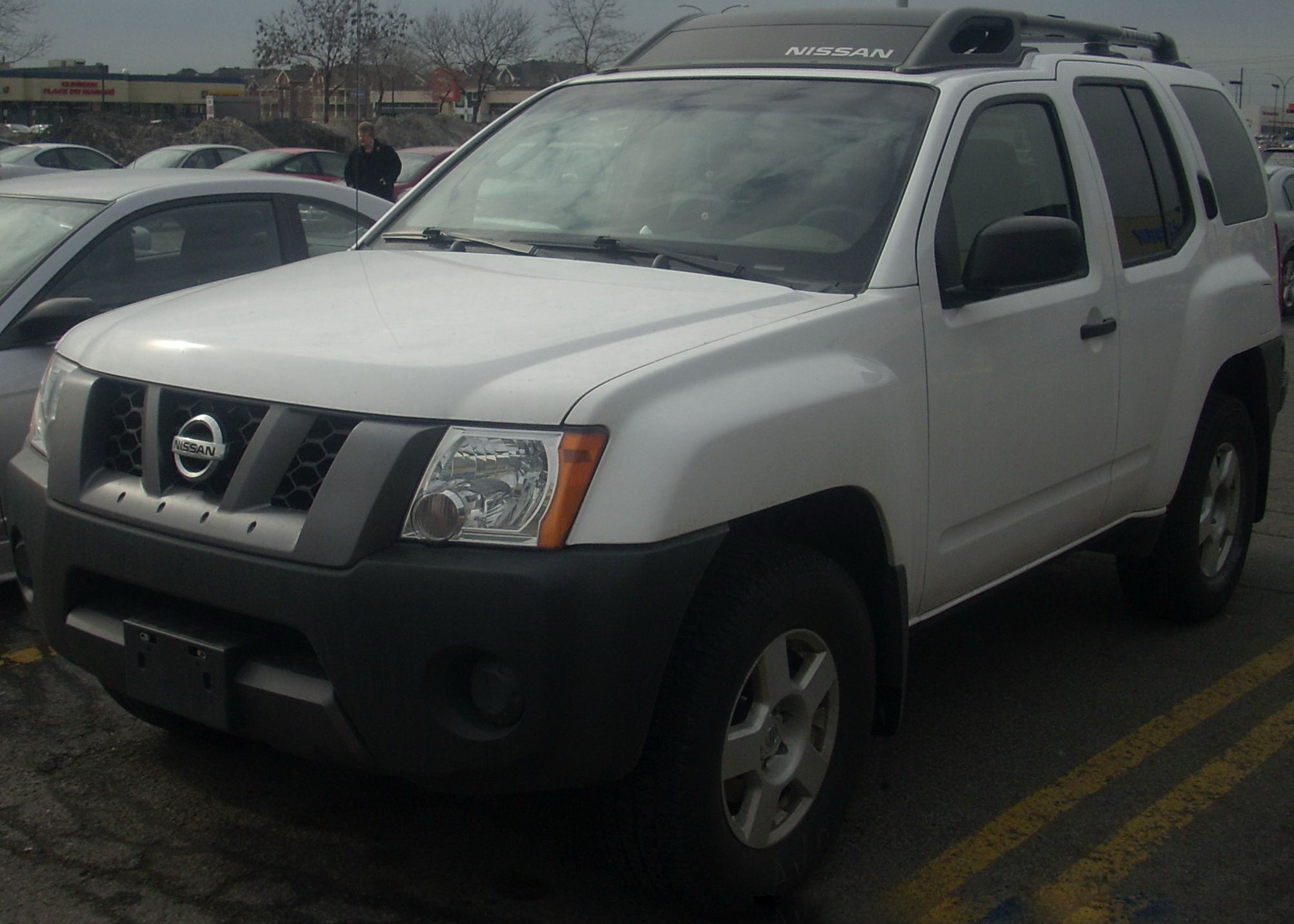
Nissan XTerra
"as we know the Nissan XTERRA is coming back in a couple years and there are a whole bunch of new body on frame things coming"
The Nissan Xterra is a tough, off-road SUV. The host is saying Nissan is bringing it back, which suggests more people want factory-ready trail capability again.
The Nissan Xterra is known as a rugged, off-road-focused SUV, and the host notes it’s “coming back” soon. That matters because it signals renewed mainstream interest in factory off-road builds, especially in the body-on-frame style.

Ford Bronco
"the Ford Bronco has been pretty successful since it's come back for Ford and it seems like there's six new additions every year ... I came away out of the three I said the Bronco is the one for me"
The Ford Bronco is an off-road SUV that’s also comfortable for normal driving. The host likes it because it can handle trails, but it’s not as hardcore and rough as some other off-road-focused models.
The Ford Bronco is highlighted as a successful modern off-road SUV that balances trail ability with everyday drivability. The host contrasts it with more hardcore options like the Jeep Wrangler, emphasizing that the Bronco is “in between” for people who want real off-road capability without going full extreme.

Toyota Land Cruiser
"... year and how to spawn off the forerunner and the Land Cruiser like it's yeah it's it's a big segment right now ..."
The Toyota Land Cruiser is a large SUV made for tough driving, including off-road trips. People talk about it a lot because it’s designed to last and handle rough terrain.
The Toyota Land Cruiser is a full-size SUV known for long-distance durability and strong off-road performance. It’s frequently mentioned in “off-road segment” conversations because it has a long history of being built for tough conditions. In the podcast, it’s grouped with other capable Toyota models as part of a broader off-road-focused lineup discussion.

4Runner Forerunner
"...new additions every year and how to spawn off the forerunner and the Land Cruiser like it's yeah it's it's a b..."
The Toyota 4Runner is an SUV made for off-road driving and rougher roads. People often choose it when they want something that can handle trails and still work as a normal vehicle for daily life.
The Toyota 4Runner is a midsize SUV built with a strong off-road focus and a reputation for being rugged and capable. It’s brought up in the podcast alongside other off-road-oriented Toyota models, emphasizing how the lineup fits into a larger segment of trail-capable vehicles. The mention also ties into the idea of choosing vehicles that can handle off-road use over time.
Wrangler Rubicon
"...es because it was what was available but we had a Rubicon 392 Wrangler a heritage Bronco and the first addi..."
The Jeep Wrangler is an SUV designed for off-road driving. The Rubicon 392 is a special version meant to be especially capable on trails, and the podcast is talking about using one for their off-road plans.
The Jeep Wrangler is a compact off-road SUV known for its trail-ready design and strong aftermarket support. The podcast specifically references a Rubicon 392 Wrangler, which is a high-performance, off-road-focused variant. It’s mentioned in the context of what was available for the group’s off-road testing and comparisons.
limited tires
"the Land Cruiser was surprisingly good off-road for its limited tires and and ground clearance but it was limited"
“Limited tires” here means the vehicle is using tires that aren’t optimized for off-road traction (for example, less aggressive tread or less sidewall protection). Tire choice strongly affects how well an SUV can climb, brake, and stay stable on dirt and rocks.
hardcore off-roading
"because even people who are into hardcore off-roading probably aren't spending more than like a quarter of their time in the vehicle at a high estimate doing that they're usually using it day to day"
The host is making a practical point: even people who love off-roading usually don’t spend all day on trails. So the best choice is a vehicle that can handle off-road trips but still works well for normal everyday driving.
The host distinguishes between “hardcore off-roading” and everyday use, arguing that most owners spend only a fraction of their time doing high-intensity trail driving. That’s why they recommend vehicles that are both capable for off-road use and livable as daily transportation.
building rigs out of used ones
"they're not buying these new and taking them off-road they're building rigs out of used ones"
A “rig” is a vehicle that’s been modified for off-roading. The host says many serious off-roaders start with a used vehicle, then upgrade it, instead of buying a brand-new one and taking the risk of damage.
This refers to the enthusiast practice of buying a used off-road-capable vehicle and modifying it into a dedicated “rig” for trails. The host frames it as the reality for frequent off-roaders: they’d rather invest in upgrades on a cheaper base than risk expensive new vehicles.
tow that rig to their trail
"they probably have something like maybe a Tahoe with the ZR or not yeah ZR2 package or something to tow that rig to their trail"
Towing a dedicated off-road rig means transporting it behind another vehicle to reach the trailhead. This is a common strategy when someone wants a comfortable daily driver (like a full-size SUV) but still wants a specialized off-road setup for the actual trail time.

G-class
"but like with your G-class I'd be shocked if more than a low single percentage of people have ever taken a first"
The Mercedes-Benz G-Class is a luxury SUV that can go off-road, but it’s also very expensive. The host’s point is that people usually don’t want to scratch a brand-new one, so they wheel older ones instead.
The Mercedes-Benz G-Class (often called the G-Wagen) is a luxury off-road SUV that’s expensive to buy and maintain. The host argues that most owners won’t take a first-owner G-Class off-road because the risk of cosmetic damage isn’t worth it, so many off-roaders instead use older, cheaper examples.
forerunner
"whereas a forestry wilderness or a forerunner like yeah people are definitely going to take those off-road because they're not you know $200,000 deep in this vehicle"
The Toyota 4Runner is a rugged SUV that’s popular for off-road driving. The host is saying that because it’s usually cheaper than a luxury SUV, people are more willing to drive it on trails.
The Toyota 4Runner is a body-on-frame SUV known for off-road capability and a long-running trail-focused reputation. In this segment, the host uses it as an example of a vehicle people are more likely to take off-road because it’s not as financially risky as a luxury G-Class.
Land Rover Defender 130s
"was actually on a Land Rover event we were off-roading Defender 130s in one of those there's a lot of off-road almost like country clubs opening up where it's a whole park and there's trails everywhere"
The Land Rover Defender 130 is a long version of Land Rover’s tough off-road SUV. It’s the kind of vehicle people bring to trail events because it’s designed to handle rough roads and challenging terrain.
The Land Rover Defender 130 is a long-wheelbase version of Land Rover’s classic off-road SUV, built for serious trail use. In this segment, it’s mentioned in the context of an off-roading event with trails and recovery-style readiness, which fits the Defender’s reputation for rugged capability.

Chevrolet Sonic
"...a trail out here in Washington camping in a Chevy Sonic which is like you know a really really tiny vehic..."
The Chevrolet Sonic is a small, compact car. The podcast is mentioning it because it was used for a camping trip, showing that you don’t always need a large SUV to go on an outdoor outing.
The Chevrolet Sonic is a small car that’s typically chosen for its compact size and efficiency. In the podcast, it’s mentioned in a camping/off-road setting, emphasizing how even a very small vehicle can be used for a trip like that. The context highlights the contrast between the tiny car and the outdoor environment.

Ford F-150
"the vehicles that are the most appropriate and the best camping vehicles that we we ranked in this list were two big trucks because those two trucks have onboard power supplies that can power your whole campsite and your trailer so the Ford F-150 has a as an onboard power supply"
The Ford F-150 is a big pickup truck. The key point here is that it can provide electricity from the truck itself, which is useful for camping when you want to run lights, chargers, or other gear without bringing a separate generator.
The Ford F-150 is a full-size pickup that, in this segment, is singled out for having an onboard power supply. That matters for camping because it can run campsite electronics and also power a trailer, reducing the need for a separate generator.
onboard power supply
"because those two trucks have onboard power supplies that can power your whole campsite and your trailer so the Ford F-150 has a as an onboard power supply"
An onboard power supply means the truck can make electricity by itself. That’s handy for camping because you can run lights, charge devices, and power trailer equipment without bringing extra power equipment.
An onboard power supply is a built-in system in a vehicle that can generate and distribute electrical power to run accessories. In camping terms, it can power campsite needs and even a trailer, reducing the need for a separate generator.

GMC Sierra EV
"uh so even if you [955.5s] don't have the trailer it's super useful for running your appliances and whatever uh the GMC [961.5s] Sierra EV also has that capability"
The GMC Sierra EV is an electric truck that can provide electricity for camping. The host is saying you can run your camper stuff for days using the truck, instead of bringing a loud gas generator.
The GMC Sierra EV is an electric pickup that’s being highlighted for its onboard power capability—enough to run campsite needs for days. In this context, it’s positioned as a way to power appliances (and even a whole trailer) without relying on a noisy gas generator.
best cars for families every winter
"we also do [992.2s] a best cars for families every winter that usually comes out in February [997.6s] mostly around [1002.8s] size amenities like oh does it have you know how can you fold the seats"
The host mentions a recurring list they do for family cars. They’re using the same kind of checklist—space, seats, and cargo—to decide what works best for camping too.
The hosts reference their recurring “best cars for families” list, which they typically publish in February. In this segment, they connect that methodology (space, seating, cargo, and practicality) to choosing vehicles for camping.
roof rails
"does it have good roof rails for supporting a tent you know all all kinds of [1014.1s] factors like that we're like what things would we want to do at the campsite"
Roof rails are the bars/tracks on top of a vehicle. They’re useful for camping because you can strap on or mount things like a tent setup or extra gear on the roof.
Roof rails are raised tracks on a vehicle’s roof used to mount accessories like cargo baskets, bike racks, or tent systems. In off-road/camping setups, they matter because they provide a secure mounting point for gear that you don’t want inside the cabin.

Ford Bronco Sport
"you can camp in a pretty small vehicle as we were [1024.9s] just saying and the two smallest ones that we chose were the Ford Bronco Sport [1031.8s] not really [1036.5s] it has a lot of uh holding a lot of little storage cubbies and a pretty good cargo area"
The Ford Bronco Sport is a small SUV that’s meant to handle dirt roads and rougher places. The host likes it for camping because it’s easy to keep clean, has lots of storage, and can still get you to more remote campsites.
The Ford Bronco Sport is a compact SUV built for off-road use, and the host calls out its practical camping strengths. They specifically mention its easy-to-clean interior, lots of small storage cubbies, a usable cargo area, and that it can reach remote campsites thanks to being off-road capable even in base form.
wilderness trim
"and the Subaru Crosstrek Hybrid which doesn't have a wilderness trim yet but it hopefully one [1055.8s] day will"
A wilderness trim is a version of a car that’s set up for rougher outdoor use. The host is saying the Crosstrek Hybrid doesn’t have that rugged version yet, but they hope it will be added later.
A wilderness trim is an off-road-oriented package offered on some models, typically adding tougher exterior styling and capability-focused equipment. Here, the host says the Subaru Crosstrek Hybrid doesn’t have that specific off-road-focused trim yet, but they expect it one day.
Crosstrek Hybrid
"so if I were choosing between the Bronco Sport and the Crosstrek Hybrid I think the fuel economy of the Crosstrek Hybrid would be very attractive"
The Subaru Crosstrek Hybrid is a small SUV that uses a hybrid system to help you spend less on fuel. In this segment, the host likes it for camping because it’s efficient and still practical for outdoor trips.
The Subaru Crosstrek Hybrid (Crosstrek) is a compact crossover that pairs Subaru’s all-weather practicality with hybrid fuel-savings. The host highlights its fuel economy as a key reason to pick it for camping/off-roading, alongside practical usability like cargo-area power.
12 volt outlet
"like if I get in a cargo area and there's not even a 12 volt outlet then it's like how am I going to power my fridge because I want to have some sort of plug-in fridge"
A 12 volt outlet is a power plug inside the vehicle. For camping, it’s important because you can power things like a portable fridge without constantly buying ice or hunting for other power sources.
A 12 volt outlet (often called a 12V power outlet) is a socket in the vehicle that can run small electronics and accessories. For camping, it matters because many portable fridges and other gear are designed to plug in and draw power from the car.
plug-in fridge
"then it's like how am I going to power my fridge because I want to have some sort of plug-in fridge that I can use when I'm sleeping at night"
A plug-in fridge is a portable cooler that can run using the car’s power. Instead of relying on ice every day, you can keep food cold more easily during your trip.
A plug-in fridge in an automotive-camping context is typically a portable refrigerator/freezer that runs off vehicle power (commonly via a 12V outlet). The host’s point is that having one reduces the day-to-day hassle of keeping food cold using ice.
easy to clean interior
"it's it's I feel like the easy to clean interior is uh a real uh advantage for for camping it's just you know you're going to get dirt in there"
An easy-to-clean interior means the inside of the vehicle is made to handle dirt and mud better. That’s useful when you bring a lot of grime back from trails or campsites.
An easy-to-clean interior refers to cabin materials and surfaces that can be wiped down or tolerate dirt and mud without being ruined. For camping and off-roading, this reduces the effort of dealing with “filthy” conditions after outdoor activities.
crown clearance
"some of the roads we take weren't great and it went with its salt train tires and slight increase in um crown clearance did the job for what we needed"
They mean ground clearance: how high the car sits off the ground. More clearance helps you avoid hitting the bottom when the road is bumpy or uneven.
“Crown clearance” here is referring to extra ground clearance—how much space there is between the vehicle’s lowest point and the ground. More clearance helps prevent scraping on uneven roads, rocks, and ruts when off-roading or driving rough forest roads.
super firm suspension
"if you have a vehicle that does have the ground clearance but it has a super firm suspension and you're going to go on a you know 25 mile forest road"
A super firm suspension means the car’s shocks and springs are set up to be stiff. That can make the ride jarring on bumpy roads, even if it feels “sporty” on pavement.
A super firm suspension uses stiffer springs and/or damping, which reduces body movement. The tradeoff is that it can feel harsh over rough surfaces, even if it improves steering response on smooth roads.
A-pillar
"we're getting bounced around if you're not careful you're gonna whack your head on the A-pillar or whatever"
The A-pillar is the structural support between the windshield and the side window area. In a rough off-road ride, excessive bouncing can make occupants hit or get too close to it, which is why suspension compliance matters for comfort and safety.
ultrain tires
"because they're always the best riding because they got the squishy ultrain tires usually a softer suspension"
This sounds like a transcription glitch, but the point is about tire choice. Softer, more forgiving tires help the ride feel less jarring on rough dirt or forest roads.
“Ultrain tires” appears to be a transcription error for a tire type the host considers softer/less harsh. In this context, the key idea is that off-road-oriented or all-terrain tires with a more forgiving ride help reduce how much you get bounced around on rough roads.

Mazda Cx50
"the CX-50 for example on the first time I drove the Meridian I was like this is how it should have been like it was way too stiff in standard form"
The Mazda CX-50 is a crossover aimed at people who want to drive to outdoor spots. The host is talking about how changing the suspension makes it ride smoother on rough roads, while still keeping it fun to drive.
The Mazda CX-50 is a compact crossover that’s marketed as an outdoors-friendly option, and the host focuses on how its suspension tuning affects ride comfort. They say the CX-50’s “Meridian” trim was too stiff at first, then Mazda updated the suspension across trims to improve ride quality without giving up much performance.

Colorado ZR2
"when we were looking at the mid-sized off-road trucks I was thinking of the Colorado ZR2 that did not win our award but I really like that vehicle"
The Chevrolet Colorado ZR2 is a tougher version of the Colorado meant for off-road use. The host’s point is that it doesn’t have to feel harsh or awkward on regular roads.
The Chevrolet Colorado ZR2 is an off-road-focused midsize truck variant built for rough trails and desert-style driving. The host highlights that even though it’s an off-road truck, it can still be gentle and easy to drive on-road, with handling that feels surprisingly good for its size.
multi-matic dampers
"like that you know they they can do a lot now especially with those multi-matic dampers and [1341.6s] things so I mean there's no reason why it should be harsh"
Dampers are the shock absorbers that control how your suspension moves. “Multi-matic” usually means the shocks can manage different kinds of bumps so the ride stays comfortable without feeling out of control.
“Multi-matic dampers” refers to a damper/shock-absorber system designed to control how the suspension moves over bumps. Using multiple damping settings or technologies helps keep the ride from feeling harsh while still controlling body motion on rough terrain.
Outback Wilderness
"where that ground clearance is ridiculous but I mean it's still a car underneath despite it's a [1363.0s] new boxy body it's the same Outback from last gen more or less and it's it drives so well"
The Subaru Outback Wilderness is a more trail-capable version of the Outback wagon. It has extra clearance for rough roads, but the host says it still rides smoothly instead of feeling bouncy or harsh.
The Subaru Outback Wilderness is an off-road-oriented trim of the Outback wagon, built to handle rough trails better than a typical family Outback. In this segment, the key point is its high ground clearance paired with a suspension setup that still feels smooth and controlled.

Citroen 2CV
"...e you're kind of expected to drive like a Citroen 2CV with all the you know lots of body roll it just d..."
The Citroën 2CV is an older, simple car with a very soft, relaxed ride. The podcast is saying it’s normal for it to move around a lot while driving, so you kind of have to expect that feel.
The Citroën 2CV is a classic, lightweight car known for its simple design and very forgiving ride characteristics. The podcast references it in terms of expected driving behavior—especially the amount of body movement—suggesting it’s a car that feels different from modern vehicles. It’s brought up as an example of a vehicle you drive with a particular “feel” rather than expecting it to behave like a contemporary car.

Citroen 2CV
"considering that you've got a very soft suspension there's so much ground clearance you're kind of [1395.3s] expected to drive like a Citroen 2CV with all the you know lots of body roll it just doesn't you"
The Citroën 2CV is famous for riding very softly, with lots of movement over bumps. The host is saying the Outback Wilderness doesn’t feel like that—it stays controlled even with big clearance.
The Citroën 2CV is a classic French car known for its very soft, comfort-focused suspension and body motion. The host uses it as a comparison point to say that despite the Outback Wilderness’s high ground clearance, it doesn’t feel like it has excessive body roll or a floaty ride.
body roll
"expected to drive like a Citroen 2CV with all the you know lots of body roll it just doesn't you [1401.1s] know it's super nice and controlled"
Body roll is when a car leans to one side during turns or on uneven roads. Less body roll usually feels more stable and controlled.
Body roll is the tendency of a vehicle’s body to lean to the outside of a turn (or to shift noticeably) when cornering or moving over uneven ground. Softer suspension setups can increase body roll, so controlling it is important for confidence and comfort on trails.

Passport Trail Sports
"and it was very interesting seeing them all and the the passport trail sports another [1426.7s] great one where they sort of nailed that balance of capability and ride comfort and it looks nicer [1431.9s] so there's that going forward for sure"
The Honda Passport TrailSport is a version of the Passport made for people who want more off-road ability. The host says it manages to be capable on trails without sacrificing too much comfort.
The Honda Passport TrailSport is an off-road-leaning trim of the Passport SUV, aimed at balancing trail capability with everyday ride comfort. In this segment, the host highlights that it “nailed that balance,” meaning it doesn’t feel harsh while still being capable on rough terrain.
back to back
"getting to do it back to back whereas best family car is good too"
“Back to back” means testing cars one right after another. That way, the comparison is fairer because conditions and impressions don’t drift as much.
“Back to back” testing means evaluating multiple vehicles in close succession to reduce the influence of changing conditions and memory bias. In car reviews, it can make comparisons feel more apples-to-apples.
off-roaders
"these are great just because they are tons of fun to use and we think also that if you're testing cars especially if you're testing off-roaders you should describe how they are off-road"
Off-roaders are cars made to drive on rough ground, like dirt trails or uneven paths. The idea here is that you should test them where they’re actually meant to go, not only on regular roads.
“Off-roaders” are vehicles (often SUVs, trucks, or crossovers) designed to handle loose surfaces and obstacles like ruts, rocks, and steep grades. The key point is that an off-road-capable vehicle should be evaluated on dirt/obstacles, not just on paved roads.
John Vincent
"we actually had our one of my deputy editors John Vincent and I were both part of the Northwest Automotive Press Association"
John Vincent is mentioned as a colleague (a deputy editor) who helped take part in the vehicle testing. He’s part of the team doing the off-road evaluation.
John Vincent is named as one of the deputy editors involved in the off-road and track testing. The mention is mainly about who participated in the evaluation process.
off-road obstacle course
"we actually did a off-road obstacle course and a brief track course with some of these vehicles"
An off-road obstacle course is a controlled test layout that forces vehicles to demonstrate traction and control over challenging terrain elements. It’s used to compare off-road performance more realistically than a simple paved-road drive.
Northwest Automotive Press Association
"one of my deputy editors John Vincent and I were both part of the Northwest Automotive Press Association"
This sounds like a regional group for automotive journalists and media. Here, it’s mentioned because they organized an off-road testing event.
The Northwest Automotive Press Association is described as the group the hosts were part of, organizing vehicle testing activities. In this context, it’s a media/press organization that coordinates hands-on evaluation events.
Nuapa Mudfest
"that one of our precedents for Nuapa Mudfest and it's great to be able to do them really quickly in succession"
Nuapa Mudfest sounds like an event where people test off-road vehicles on muddy or rough terrain. The host is saying it’s a good setup for comparing cars in the real conditions they’re built for.
Nuapa Mudfest is referenced as an off-road testing event/precedent where vehicles are evaluated in a dirt-focused setting. The mention suggests a recurring format that includes both track time and off-road time.
Request an Explanation
Heard something you'd like explained? We'll add it to this episode.
Sign in to request explanations for terms you heard.
Want to learn more?
Browse our glossary for plain-English explanations of automotive terms, jargon, and concepts.
Help improve this episode
See something that's not quite right? Our annotations are AI-generated and can sometimes miss the mark. Click the flag icon on any annotation to suggest a correction.