EV sales are often tracked by quarter (three-month periods). A big drop like 27% usually means fewer people are buying EVs right now, often because prices or incentives changed.
A federal tax credit is like a discount from the government that lowers what you pay for an EV. If it gets removed, EVs usually cost more to buy, so fewer people purchase them.
They’re saying EV sales grew a lot in Europe during the first quarter. But they also warn that the growth may be coming from cheaper EVs, not necessarily from stronger demand for every brand.
Concept
cheaper Chinese EVs crowding out legacy automakers
“Crowding out” means one kind of product is taking the sales that used to go to other companies. The episode claims cheaper Chinese EVs are stealing market share from older, established automakers.
“Wait-and-see” means companies held back on big decisions until they had clearer information. In EVs, that can mean delaying new models or changing plans after early sales don’t match expectations.
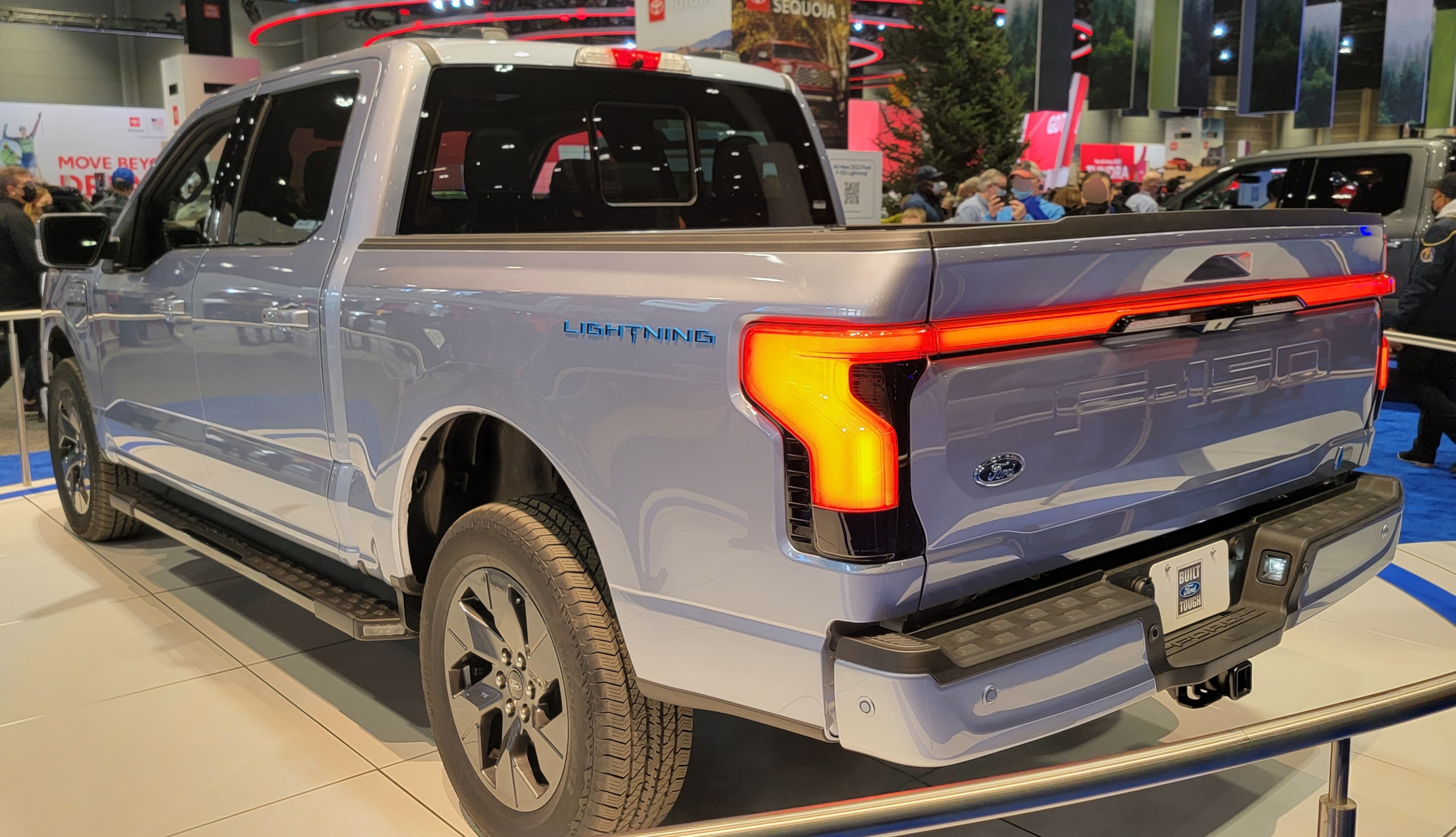
The Ford F-150 is a large pickup truck used for everyday driving and work. The podcast is talking about Ford making big updates to its electric version, the F-150 Lightning. That matters because it changes how the truck drives and what buyers can expect.
They mention Volvo as an example of a company changing its lineup because the EV transition is harder than planned. When sales or costs don’t line up, automakers may pause or cancel models.
They’re talking about Nissan making changes to its electric-vehicle plans. The idea is that automakers sometimes commit to EVs quickly, then adjust when the market and technology don’t go as expected.
Concept
EV Union
“EV Union” is the hosts’ way of talking about the whole electric-car transition—rules, companies, and consumer demand all affecting each other. It’s like the big system around EVs, not one specific group.
It means companies might react to problems by changing their plans too much. Rather than fixing things in a balanced way, they may swing to the other extreme.
“Clean sheet EVs” are electric vehicles designed from the ground up around EV architecture, rather than adapting an existing gas-car platform. The hosts argue that early “half-hearted” EVs weren’t built this way, which can limit efficiency, packaging, and overall competitiveness.
“Ground up” means the car was designed from the beginning, not modified from something else. For EVs, that usually helps the car fit the battery and electric parts more efficiently.
EV means an electric car that runs on batteries instead of gasoline. The point here is that car executives all seem to agree electricity is the future, even if it takes longer than they first expected.
When gasoline gets expensive, driving a gas car costs more. That can make people more interested in electric cars, especially during times when the economy feels shaky.
They’re comparing today’s situation to 2008, when the economy and car industry went through major trouble. The idea is that big bets and uncertainty can lead to painful consequences.
Frame-based vehicles are built on a heavy-duty frame underneath the car. That can make them tougher for rough use, and it also affects how expensive and flexible the vehicle is to build.
The Nissan Xterra is a rugged SUV that’s built on a sturdy frame, like many off-road vehicles. The discussion uses it to talk about whether automakers will stick with traditional vehicle architectures or pivot more aggressively.
A write-down is basically a company admitting that something they invested in is worth less than they thought. In car business terms, it can happen when plans don’t work out and the company has to take a financial hit.
They’re using the Trump administration as a reference point for timing and uncertainty. The takeaway is that political changes can influence how car companies plan their investments.
Sometimes one big problem doesn’t stay in one place. In the auto world, money troubles or policy changes can cause other companies to change plans, which can affect what cars get built years later.
Honda is one of the automakers mentioned with big EV-related losses. The takeaway is that EV changes aren’t just technical—they’re expensive, and that affects future plans.
GM (General Motors) is another company they’re using as an example of big EV-related losses. The point is that many automakers are feeling the same financial pressure.
Volkswagen Group is one more automaker mentioned with big EV-related losses. The takeaway is that the EV transition is costing a lot of money across the whole industry.
This is when a car company tries to build one platform that can make different kinds of cars—gas, hybrid, and electric. The downside is that it may not fit electric cars as perfectly as a platform built only for EVs.
Packaging compromises are the tradeoffs when one car design has to fit different types of powertrains. If the platform wasn’t built for EVs first, you may end up with wasted space or features you don’t really need.
A dedicated EV platform means the car was designed for electric power from the beginning. Since there’s no gas engine to fit, the layout can be cleaner and more efficient for batteries and motors.
They use the Dodge Charger to show what happens when a car platform has to work for both gas and electric. The electric version can end up with “leftover” space or different interior layout features because the car wasn’t originally built only for EVs.
A transmission tunnel is a hump or channel in the floor that makes room for drivetrain parts. The host is saying that even in an EV version, some of that floor shape can remain because the platform wasn’t designed purely for electric.
They’re talking about an EV that can keep going because it can make electricity using gasoline. So even if the battery runs low, the car can still keep moving by using fuel. Real-world range still depends on how much gas you have and how efficient the system is.
Ram Rev is the name they were using for a planned Ram electric truck. The hosts are saying it got canceled before it ever came out, and the company reshuffled the plan and names. It shows how EV projects can change a lot before customers ever see them.
This is basically a backup power system. Instead of relying only on the battery, the car can use a gasoline-powered generator to make electricity. That helps you keep driving longer without charging, but you still need fuel.
The Wagoneer is a Jeep SUV they were using as the starting point for another electrified SUV plan. The point is that companies often build new versions on top of existing designs. That helps them move faster, but it still depends on the economics of EV demand.
The Maserati MC20 is a performance supercar. The podcast says Maserati stopped work on an electric version of it because the regular cars weren’t selling well. That’s why it comes up—plans can change when demand isn’t strong.
Sunk cost means the money you already spent is gone, no matter what you do next. So the company has to decide whether to keep spending more or stop. In EV projects, the earlier investments can be very expensive.
The Jeep Recon is an electric Jeep that the hosts say still isn’t on the market. They’re pointing out that it’s taken a long time to develop, and the company hasn’t gotten the payoff yet. It’s an example of how EV projects can run late.
They’re talking about Stellantis as a company that used money from regular gas cars to pay for EV development. But if EV spending grows faster than EV sales, the company runs into financial pressure. That can lead to delays or cancellations.
Bloomberg is a news organization. The hosts are using it as a reference for the business side of EVs—like costs, margins, and what companies can afford. It’s more about the news context than car technology.
They’re talking about companies using EV know-how developed in China and applying it to cars sold in other countries under different brand names. The idea is that it can make building EVs cheaper and faster.
Opel is a European automaker brand associated with Stellantis. The segment mentions Opel as a potential brand that could sell EVs using transferred Chinese EV technology.
They’re saying there are hurdles to using software made in China in cars sold in the U.S. Because modern cars rely heavily on software, that can create legal or political problems.
They’re debating whether EVs are too expensive to develop. The host argues it’s not impossible to build EVs for a reasonable cost, but government policy and politics can make it much harder.
They’re saying government rules about trade can affect how expensive EVs are to build and sell. Changes in tariffs or import policies can raise costs or slow down production.
Over-the-air updates are like software updates on your phone, but for your car. Instead of going to a shop, the car can download improvements wirelessly.
The Ford F-150 Lightning is an all-electric pickup truck based on Ford’s F-150. The hosts are talking about a future version that was expected to arrive, but kept getting delayed and never really showed up as planned.
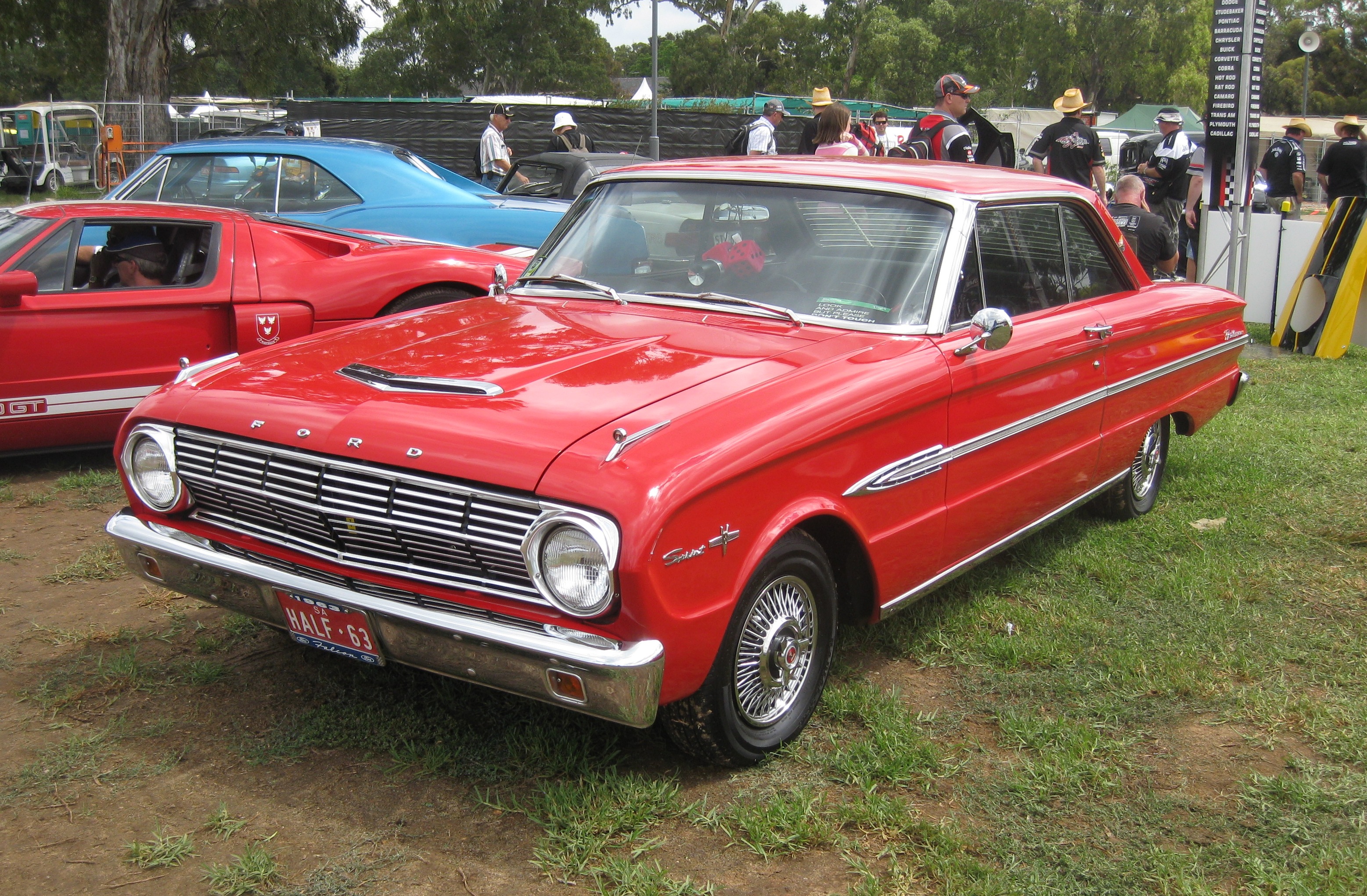
The Ford Falcon is a Ford vehicle name. In the podcast, it’s being described in a funny way as if it’s a “futuristic” pickup. That’s mainly about how the car is being presented or marketed.
Patent images are paperwork drawings that companies file to protect or describe new ideas. Sometimes those ideas never reach production, even if the drawings look promising.
The Bristol Bullet is described as a three-row SUV concept. The podcast says it was meant to feel like a “bullet train,” which points to a fast or streamlined design idea. It’s being discussed because it’s a very unusual concept for a family-sized vehicle.
A three-row SUV is a bigger SUV with three rows of seats, usually meant for families or groups. The hosts are describing an EV concept that was supposed to be practical for more people.
Real-world range is how far an EV can go in normal driving, like highway speeds and real weather. It’s different from the best-case numbers you might see in brochures.
kWh is how big the battery is—think of it like the battery’s “storage capacity.” The hosts are saying the car could still go far even with a battery that isn’t extremely large.
Aerodynamic efficiency is about making the car “slip” through the air more easily. If the car is shaped well, it takes less energy to go fast, so you can drive farther without needing a huge battery.
Concept
LinkedIn profile
They’re saying they found clues about a car design from an executive’s LinkedIn page. It’s basically “leaks” coming from social media instead of the usual press releases.
Doug Fields is mentioned as a top software leader at the company. The hosts say his LinkedIn page showed a design clue about the vehicle they were discussing.
They’re using “E rev” to describe a mostly-electric vehicle that still has a gas engine onboard. The gas engine can help generate electricity so you’re not limited to charging alone.
They’re saying EVs got more expensive than people expected. When that happens, fewer buyers can afford them, and automakers have to rethink their plans.
They’re saying that making an affordable EV can be tough for companies to profit from. Even if it’s doable technically, the costs—especially batteries—can squeeze margins.
A “cheap EV” is an electric car that’s priced low enough for more regular buyers. The big challenge is making the battery and the whole car cost less without sacrificing too much quality or range.
The Model T was a Ford that helped make cars affordable for a lot of people. The hosts are using it as a comparison point for today’s goal: build an EV that costs far less so more people can buy it.
Battery production depends on mined materials (like lithium, nickel, cobalt, and graphite), which are not evenly distributed around the world. The segment’s point is that Japan lacks some of these resources, so it must rely on imports and global supply chains to build EVs.
Charging infrastructure means the places and equipment where you can charge an EV. If there aren’t enough chargers (especially where people park at home or work), it’s harder for EVs to become common.
If many people live in apartments, they may not have a driveway or garage to install a charger. That makes EV ownership less convenient, so adoption can happen more slowly.
They mention the Cadillac Lyriq as an example of an EV that’s tied to GM production. The takeaway is that some EVs get sold under different brand names even when they share the same basic design.
“Re-skinned” means the car is basically the same underneath, but it gets a different look and badge. It’s a shortcut that helps companies sell EVs faster.
The hosts bring up the Chevrolet Blazer EV as another GM-made electric SUV. Their point is that some EVs are shared across brands with different badges.
The Honda Prologue is an electric SUV made by Honda. The podcast says it’s still being offered, even though it didn’t sell as strongly as hoped at first. That’s why it comes up—people are watching whether it will last.
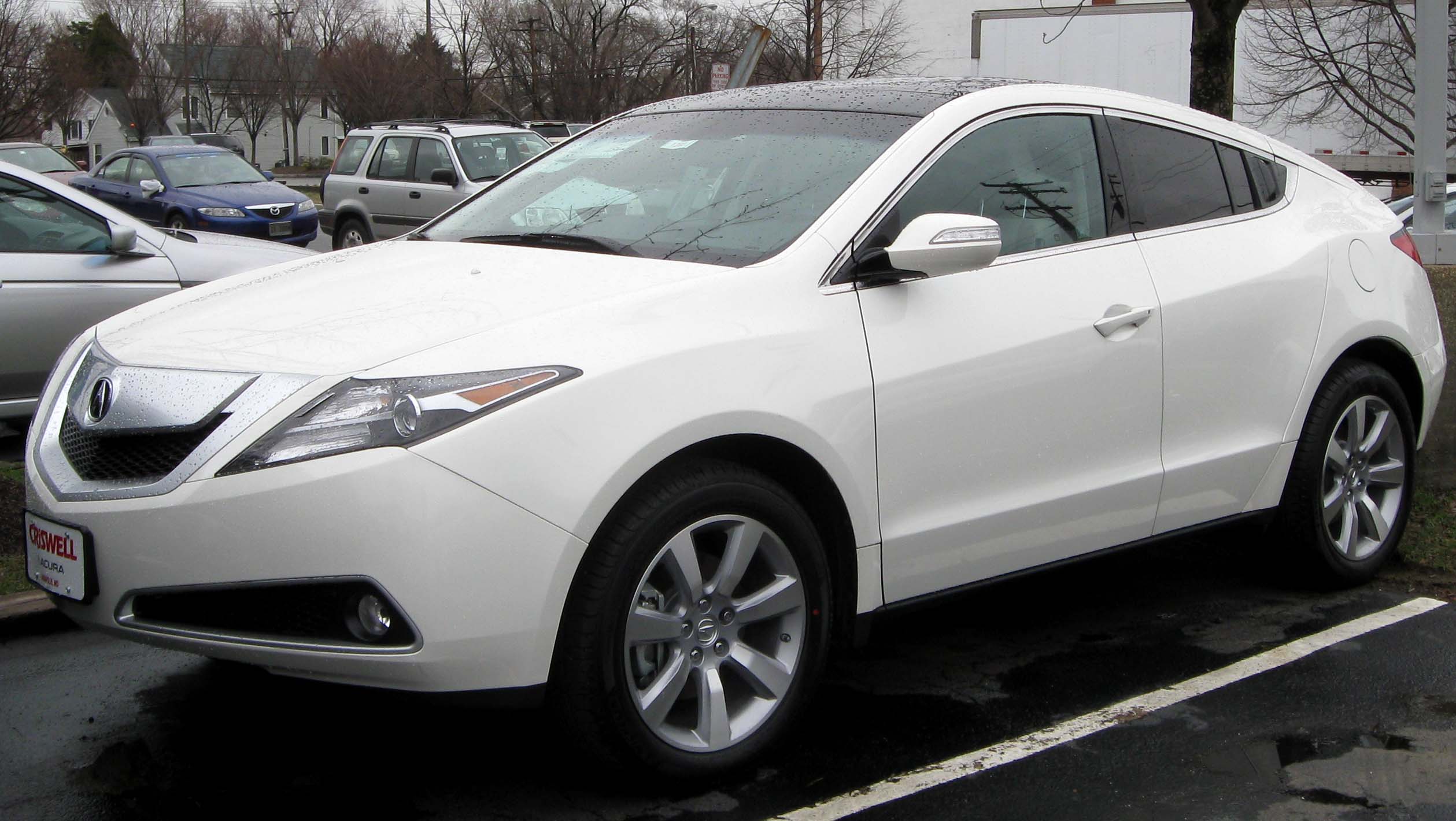
They talk about the Acura ZDX as an EV that didn’t sell well. The episode uses it to illustrate how some electric-car plans got cut back when sales didn’t match hype.
Car
Acura Prologue
They mention the Acura Prologue as the EV that’s still being sold for now. The discussion implies Acura’s lineup timing depends on when newer EVs were supposed to arrive.
“Zero series” is the name for a planned set of electric vehicles. The episode suggests the rollout didn’t happen as expected, so some earlier plans didn’t make it to production.
They mention an “RSX” as a planned EV that would be a re-branded version of another SUV. The point is that Acura wanted to use an existing name to sell the EV.
The Lamborghini Countach is a famous supercar model. The podcast is talking about a new car that’s supposed to look like a Countach, including how it would be shaped. That matters because it’s about keeping the recognizable design feel.
“In-house powertrain” means the company made the electric drivetrain themselves instead of buying it from another supplier. That can help them tune the car’s performance and efficiency to match their design.
Term
vertically stacked next gen infotainment system and operating system
They’re describing the car’s computer setup for the screens and the main software. A “stacked” design usually means the system is organized in layers so it can run smoothly and be updated more easily.
They’re talking about a chassis that changes shape when you corner. The idea is to keep the tires planted better so the car grips more confidently through turns.
The contact patch is the part of the tire that actually touches the road. If you can make that “footprint” work better during cornering, the car can grip more and feel more stable.
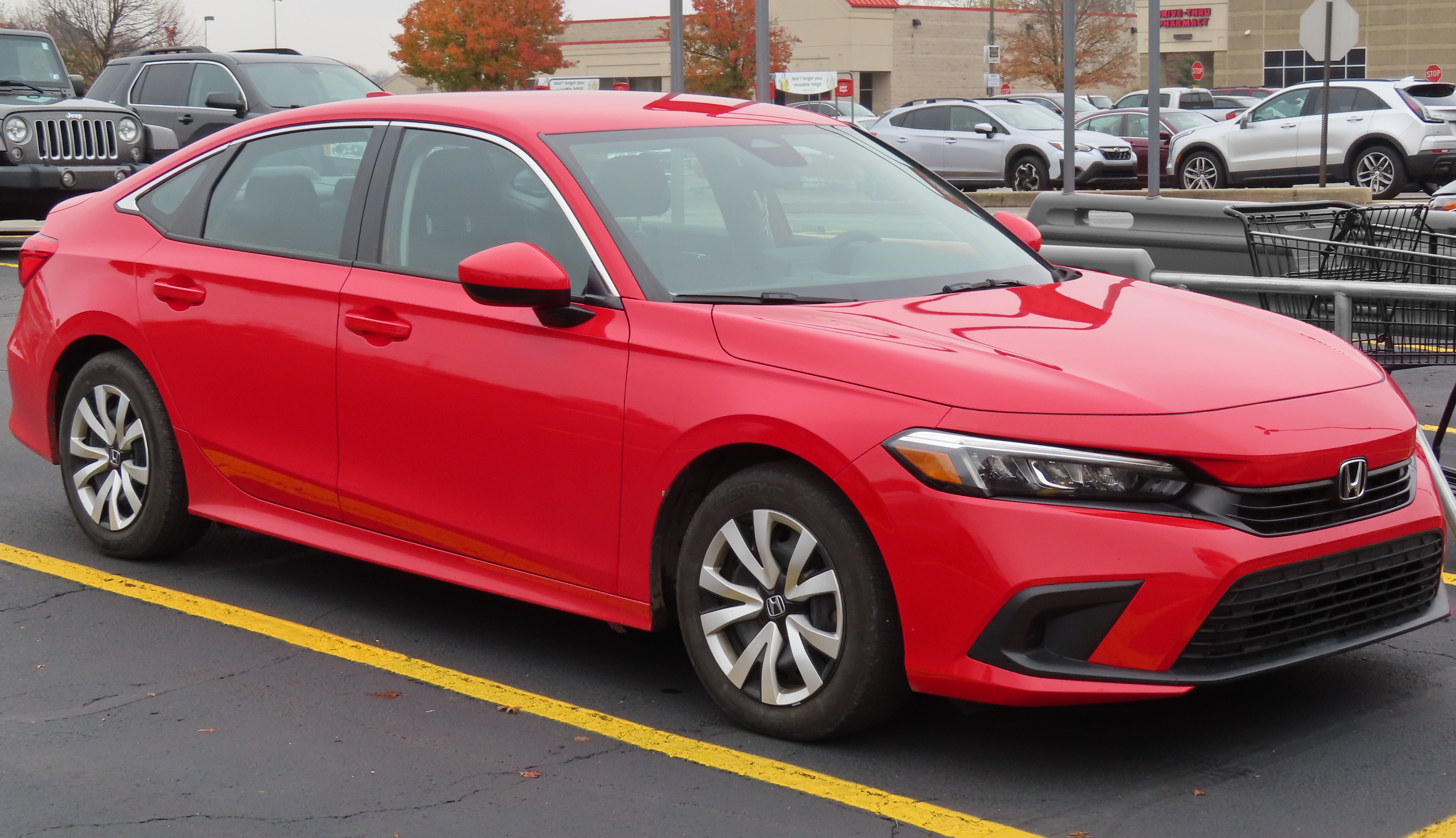
They’re saying the same kind of technology could show up in the next Honda Civic hybrid. Hybrids use an electric system too, so EV research can help improve how the car drives and uses energy.
They’re saying Honda would bring some of the EV engineering ideas into the next Honda CR-V. Even if it’s not fully electric, the handling/efficiency lessons could still show up in the design.
Topic
EVs canceled before launch (months from cancellation)
The hosts discuss how these futuristic EVs were canceled and that production was only months away, meaning the development money was already spent. This is a classic example of sunk cost in product planning and how timing matters in the auto industry.
“EV reckoning” is basically the moment when the EV industry has to face the real results—did all the money and promises lead to cars people can buy? It’s about whether EV plans are working in practice, not just in announcements.
A battery supply chain is everything that has to happen to make EV batteries—from materials to factories to final packs. Where that supply chain is located can change how expensive and how fast EVs can be built.
CES (Consumer Electronics Show) is a major tech trade show where automakers often unveil future products, software, and concepts. In the segment, the “splashy reveal at CES” contrasts with later delays or cancellations, highlighting the gap between show-floor hype and real production timelines.
They’re talking about whether big EV spending is actually paying off yet. Even if money is spent, it might not feel “worth it” until the cars are selling well or the results are obvious.
The Chevrolet Equinox EV is an electric SUV from Chevrolet. It’s meant to compete in the popular compact-SUV space, but as an EV it also represents GM’s push to offer more choices beyond just one or two models.
The Hummer EV SUV is an electric SUV with a rugged, off-road-focused design. The podcast is pointing out that there are multiple Hummer EV versions. That matters because it changes what kinds of buyers can choose from.
The e-Ray is a Corvette that uses both a gas engine and electric power. The host is saying it evolved from an earlier plan for a fully electric Corvette.
The host is citing the Lucid Air Sapphire as an example of how fast an electric car can be. They’re saying it’s not just a normal EV—it’s a serious performance machine.
They’re talking about a company promise to sell mostly or only electric cars by 2030. The host says the timeline didn’t work out the way they expected.
Concept
burned billions of dollars
They mean GM spent a huge amount of money, but the results aren’t matching the spending yet. Part of the issue is that plans changed and factories/production lines weren’t used as much as expected.
This means an electric truck meant to be the headline act for a company’s EV strategy. Even if it’s not the biggest seller, it’s supposed to get people talking and build excitement.
A “halo car” is a special, attention-grabbing car that’s meant to make people want the brand’s other vehicles too. The host thinks an electric Corvette would have been perfect for that role.
The Corvette is a famous Chevy sports car. The hosts are talking about what would happen if Chevrolet made an electric version—basically, whether that would have helped more people get excited about EVs that still feel like sports cars.
LIVE
This episode is brought to you by v6 day powered by Nissan
Hello everyone and welcome to the drive cast I'm Kyle Taramka editor-in-chief of the drive and I'm Joel Feather the drives director of content and product and
The drive cast is our weekly podcast giving you an inside look at the biggest stories
Controversies and people shaping the automotive industry
Today we're checking in on the state of electric vehicles both in America and abroad and how much money
automakers have lit on fire in the last few years rushing to cash in on electrification, which
Hasn't really paid off and now it feels like a big correction is underway
That's right Kyle from Ford and General Motors to Honda and Nissan to VW Group and Stellantis
You know what let's just round it to like 80% of the global auto industry
Everyone's feeling the seismic changes on multiple fronts scrambling to adjust prior plans and experiencing some very expensive whiplash
Now when you talk about EV sales and development
You really have to split the conversation in two the situation in America versus the rest of the world here at home
EV sales dropped 27% in the first quarter of 2026 and the reasons are obvious
Car companies focus too much on developing expensive high-end models ran out of those buyers and watch the bottom fall out of the
Market when the Trump administration killed the federal tax credit
Then you throw in the impact of tariffs which force companies to cancel some of these all together instead of eating the cost of importing them
And you get what you get
Meanwhile, it's opposite day in Europe. EV sales rose over 26% in Q1 sounds great
Right, but a ton of that growth has come from cheaper Chinese EVs
Which are spreading around the continent and crowding out legacy automakers
Ultimately the pressure on them is still rising to an uncomfortable level. Who could have seen this coming?
I don't know car companies spent most of 2025 in a wait-and-see position
But now they've waited and seen enough and started to make big moves Ford killed its once Revolutionary f-150 lightened pickup
Honda killed its next gen EVs that were supposed to be built and sold in America and lost over 15 billion dollars in the process
GM has paused development of its next gen electric trucks
Nissan's walked things back in shifted directions Volvo's killed an entire model line and more
It's a wild and wildly expensive time to be an automaker and the decisions being made now will have long-lasting effects on the shape of the global auto industry
For years
So today it's the state of the EV Union how automakers are reacting to the uncertainty
Whether they're over correcting and what comes next by the way
If you like what we're doing here do us a favor it is with a five-star review on Spotify or Apple podcast
It really does help get the drive cast in front of more people. Okay, let's go
So Joel legitimately tell me which countries and CEOs have you been with recently that even got us here because I
Feel like you've been all over the planet in the last two months
Think I'm legitimately exhausted. Seriously. I think Adam actually said you just live in Japan now
Which the answer is no, but it's very clean there. I like it
Well, that'd be convenient if you're considering that it would be but unfortunately the devolved the kinds of food they eat and the kinds of food
I eat I'm big on cooked food. Anyway, I've been to Japan. I've been to Sweden. I've been to Germany
I mean literally basically a lot of Europe and then Japan now a couple times and it's both exhausting but
Really been enlightening to get all the access to these executives in this quite tumultuous time if you will
Yeah, enlightening is one word for it. It's also enlightening how I think you could fairly say that this was predictable
Yeah, there's always a rush to get on the next big thing that next big thing doesn't turn out to be quite so big
And then suddenly everyone's trying to course correct like we've seen this over and over and over again across many different industries
I mean, what was the sense you got from talking to them? Are they feigning surprise? Are they just sort of like well, you know, it's
Plans change. I
Mean, I think it's a little of both
I mean look there's no question that some of the early EVs and we can get into this a little later
We're half-hearted efforts, right? They were rushed out the door
They weren't ground up clean sheet EVs and that makes them not the best EV, right?
Like that just is what it is
And then at the same time on top of that every single automotive executive
I've talked to and I mean from CEOs to senior vice presidents to VP's to just name executive title and that implies
They all still have one true core belief is that the future will be electric
We are just now going to take longer to get there
But no one has said anything different at this point if I had a nickel for every time a car company said the future is
Electric but I probably could have funded development of my own EV
I'll just say that we didn't used to have the butts up till like a year ago
The butts are the butts are key the the butts have gotten very large in the room as of late large butts are key
Anyway, you know all of this we're gonna get into just again
How much money has been spent on all of this in the last say five years?
But I'm getting a distinct feeling that reminds me of the mid
2000s in terms of both the stagnation we're seeing and some of the ideas the overall uncertainty in the economy the high gas prices
Obviously there were different factors then but still like there are a lot of signs around us that point to this
Leading up to something not great. So is
2008 next I mean, it's a fair question
It's funny you say this it's almost like we all work together because Byron heard one of our editors mentioned last week when we were talking about
Next Nissan and their plans the XTERRA the frame-based vehicles at one point. He literally stopped the conversation said this feels like
2005 which we all know what came after 2005 which was 2008 2009, right and
With all these write downs that we're seeing and then we have let's call it
Rounding here two years left of the Trump administration
So who knows how that's gonna go two years from now with the elections and every automaker is even talking about, you know
Who knows 2832 is gonna and 32 something only after that will bring I
Mean we could experience some tumultuous whiplash further and all the decisions today are playing out in real time
But two years from now what happens like if you made the wrong bet in two years now
We could have a real you could have another problem and that's where it's like
Who could need a bailout? Are we really gonna do bailouts again? Like what are we doing here?
I hope not. It's a great point though
I mean the the auto industry operates on a scale financially that I think some people just kind of makes their eyes glaze over
We're talking, you know many many many billions of dollars every year
I don't often know the size of the global auto industry, but it's it's in the trillions and
Those numbers seem so large. They don't have any relevance to people's lives
And so when you hear all this company took a $10 billion loss this company took a $15 billion loss
You're like who cares, you know, like they're still making cars economy still goes around yada yada yada
But there is a cascading delayed
But cascading effect that these massive moves can have and you just have to look at tariffs last year as one example
I mean the tariffs were announced last spring. There was a burst of panic around. What does it mean?
What's gonna happen? How will car companies adapt and then nothing for like six months?
Nothing really changed the car still coming in on boats car still being sold
Companies were starting to eat the cost of those tariffs up fronts
But then you get to a year later and all of a sudden there are things happening
Decisions are being made based around how much more expensive it's gotten to import a car into the US
And so the same is gonna be true of companies losing tens of billions of dollars on a product that isn't gonna get launched
They've killed the last minute like that will have a direct impact on what these companies make three four five years from now
So it's not nothing. This is this might seem abstract
But it is it is starting to get very real and hopefully doesn't get too real because I don't want to live through another great recession
Well, let's talk about those numbers. They're huge. Yes, let's talk about those numbers
So I'm just gonna run quick down the list and then we'll go one by one by one
But just so you have a sense of the scale here. So Stalantis losing 27 billion dollars on their EB development taking that right down for
19.5 billion Honda 16 billion GM
7.6 billion VW group 11 billion
Someone who's good at math helped me. That's a lot of billions, but let's go back to Stalantis
So that 27 billion dollar right down what what did they lose on? What are they still doing like where are they at for their?
What is it 13 14 brands?
These are all huge numbers, right?
But the way we got here for each automaker is so vastly different
Which is kind of interesting in itself because every one of them had different strategies and how they were doing this and how they were spending their
Money so Stalantis for example, they were taking the multi. I think they call it multi energy approach
I think that's the marketing speak where they were developing and I'm using air quotes here
Platforms that could then take a electric powertrain a hybrid powertrain and a gas powered powertrain
Now what's interesting about that is that when you make something that's not dedicated
So it's not dedicated Bev platform or dedicated gas platform
It's gonna be compromised inherently because it's being packaged for multiple things
Which is why something like a Rivian or a Tesla or Lucid is packaged so well
It is dedicated for an EV. There is no gas engine that's going to fit in any of those cars
There's no transmission tunnels, etc
Right a great example of this is the Dodge Charger
That car is now the new one is being packaged so you can put a gas engine in it turbo six and
Being packaged you can put a battery in it if you get under the car that has the gas engine in it
There's like empty cavities where the battery should be sitting
Yeah, it's like a huge a huge giant void under the floor which is empty space, right?
But then when you get in if you get in a battery powered one
There is now like a transmission tunnel and like things that you also don't like there's things you don't need
And so it's not packaged perfectly for either solution
So that's just an example
But all of their vehicles that were going to be electric cars were based on this
There is a Stella frame which was the frame-based vehicles
So like the Ram trucks and the big SUVs and then they had Stella small medium large
So the Stella frame right was going to underpin
Electric battery truck, which was going to be called the Ram Rev
Then it was going to have a generator under the hood of v6 Panistar v6
That was going to be called the Ram charger so that you could have infinite range because you'd have a gasoline tank
Then they killed the Ram Rev before ever launched. We never even got the electric truck
Then they said that the generator version the e-rev was gonna be called the Ram Rev
So they could free up that Ram charger name for a new SUV. That's gonna be based on the Wagoneer. It's confusing
Yeah, and then beyond the the you know meat and potatoes brands you got Maserati for example
They dumped how many billions of dollars into making electric versions of that whole lineup?
The ones they did launch did not sell have not sold that very well
They canceled the development of the MC 20 electric supercar that I think was in the works for like five years
That's all that's all a lot of sunk cost. They just decided to write off. You've got you know
Alfa Romeo Alfa Romeo was was supposed to go for electric
They're just continuing to make there the same cars
They've made for the last decade at this point which are great cars
But you know they had spent a lot of money on trying to make these electric versions that are never gonna see the live
Day back to Jeep. They still haven't launched that recon
We've talked about a few times on the show that has how many years of development costs that have not yet paid off and
We'll see if we actually see it this year. I mean, it's not looking great
The the point is is automaker like Stalantis used to have margin from all of its other
Non-EV models to fund this development now the cost of developing those EVs has
Surpassed what they're actually bringing in from the rest of the lineup and they're kind of in a tough spot
So one thing a company like Stalantis can do and according to Bloomberg
They actually are considering this is to expand partnerships with Chinese companies to actually utilize the tech
These companies are making not just in Chinese market specific models that are built and sold there and have no relation to the rest of their
Products around the world
But to actually use that EV tech in cars that we branded under their main brands and sold elsewhere like fiat or opal or Pujo
like those that that transference of tech from China and expertise from China to
The cars that are actually sold in the rest of the world
I think you're going to see a lot more of that because that's the only way they can make developing these EVs cheapest to use
Expressions of companies that have already done right like that. That's the seems to be the only path
Could you imagine getting like a Chrysler branded vehicle that was really a Chinese vehicle now?
The problem is insurmountable hurdles right now on that they're running Chinese software
You can't do that in America, etc.
But like these aren't these aren't hurdles that couldn't be overcome later
And so there is a path forward on that but but right now their their EVs are not what you might call class leading and it's
Unfortunate because I was really excited about that way getting your ass as my review such noted
That's that's the ironic thing is like we often talk of EV development as being this massive massive cost monster
That's just is killing, you know automakers balance sheets
It's not impossible to build a cost to cost effectively build an electric car in today's world
It just our trade policies
Politics we have just made it so through this huge huge confluence of factors. Anyway, let's move on from Stellantis
Ford bringing it home to Ford with their almost 20 billion dollar loss
And they they have had a lot of shifts in the last year. So so let's let's run through it
What are we working with here? So Ford look they had they came on strong with the lightning and the Machi, right?
And if we're honest about it those products while great
The Machi is based on a gas-powered car highly modified
So the realities of that are we have vehicles that aren't really truly capable of like software to find future over-the-air updates
That we might all think of in terms of Tesla and Rivian Ford
They had these come out and then we were supposed to have the next gen F 150 lightning originally was due in like 2025
Which is hilarious because we live in 2026 now
And I remember Farley the CEO saying this is gonna be like the millennium Falcon of pickups
Which is hilarious on multiple levels and scales
I just got to say but like whatever and then it was gonna be delayed to 26 and then it's delayed to 27
I mean, it just kept delaying then delayed right and we never saw it
We never saw a sketch
We've seen a lot of patent images for a lot of different kinds of features that might have shown up in this truck
but it never showed up and based off this truck or
Twinned with this truck or related to this truck if you will it's supposed to be what was described as a bullet train
Three-row SUV and the defining characteristics of it were it's aerodynamic
It has three rows of seating with a dull capability in all three rows
And it's gonna have well over 300 miles of real-world range on the highway from a less than 100 kilowatt hour battery pack
Because it wasn't about having a huge battery pack or huge fuel source
It was up being aerodynamic inefficient to achieve that range
that thing got killed before the truck got killed and
Doug Fields who is now the outgoing software chief of the company actually in plain sight hiding
We discovered I think it was two weeks ago now had the design of that thing on his LinkedIn profile
And just somehow I spotted it based on a tipped so we now know what that thing was supposed to look like which I mean
It was aerodynamic
We'll put a we'll put a link in the show notes to the article
Jules talking about so you can see it it does it it has
The modern EV look let's say it doesn't really look like a Ford. I'm not sure it was cool looking
Not sure it was cool looking
We only also only have the one sort of side profile shot
But that it looks it looks complete enough in terms of any you know yet to be announced car that we see images of
It is a shame that they that they pulled the plug on that or maybe it's not you know, who knows
So now we have a next-gen lightning that's being promised as an E rev with over 700 miles of range
Freight train like power and whatever so it's gonna have a gas engine by the way
But they're gonna call a generator and we have the Mach E which is aging and now they're only EV mind you
But they're putting all their chips all of them and the house on a next-gen
$30,000 EV family that is supposed to modernize and revolutionize the way the modern model T
Did with Henry Ford?
How their cars are being built because they're gonna have like three model lines and all the parts are gonna ship down these
Three model lines and they're all gonna converge on one line at the end and they're all gonna be pieced together there
Multiple vehicles multiple top hats on one thing launching with a pickup truck. I don't know
You know at least it's something right one of the reasons why?
automakers and American automakers in particular are in this situation is because you could see the writing on the wall a
Few years ago as the sticker prices on these EVs started to really spike as they focused on the high end of the market
You know loading up an F-150 the F-150 lightning was supposed to start at you know under
$40,000 and I think as it's now going out of production. It's above 50 at least
I mean it's definitely above 50. I mean the one the one you want is 75 exactly exactly
so that's that's that's quite an increase and
Obviously they're doing this because they want to make more money on selling these things and recoup some of that cost and pad the margin with
The you know fancy gizmos and doodads
Building a cheap electric car selling a cheap electric car is harder to make money on not harder technically physically
It's just harder to make money on so Ford is doing the right thing here
I think in saying out loud in a way that other American automakers are not hey, we kind of screwed up the
Pricing here. We didn't really look at where the market was going to be now
And now we need to make these cheaper like straight up. They're too expensive
We have to figure out how to make a cheap EV and they do love to compare things to the Model T
And just how influential that car was. I mean, I guess they have that right
They did kind of invent the modern assembly line, although some people say they don't whatever point being the the pursuit of a cheap
Evie is definitely a good thing for Ford to be spending money on now
Whether that will lead to another
Multi-billion dollar annual loss or special charges as they put at the end of their year statement
I think it's very likely because we may see that cheap EV by the end of this year
But it's certainly not going to be on sale by the end of this year
So it's another year of them spending money to try to figure out how to make this car or these cars
That could then turn around and start selling in numbers that that recoup some of that rather before than Stellantis here
Neither are gonna turn around their finances anytime soon
Honda how much did they lose Kyle?
Honda that was about 16 billion dollars. It was their first annual loss as as a company and I think ever that you know
That's not great news for them
but the Japanese automakers are in a fascinating spot here because
Japan and Japanese automakers have really lagged behind in developing EVs and pouring you know billions of dollars into it
There's a number of reasons for that. We're not gonna get into all of them here
But at a simple level, it's a lot of it has to do with the fact that Japan doesn't have any
Natural resources for batteries. They have to rely if they're gonna make EVs
they're gonna have to rely on
Supply chain coming into the country and they focused a lot more on hydrogen because they also don't have the charging infrastructure
Or the space for the charging infrastructure that we have in America
It's very very densely populated country a lot of people living in apartments
It just it doesn't lend itself to widespread EV adoption the same way that Europe did and certainly not America
Then you have the companies that did put themselves out there like Honda and saying all right
We're gonna we're gonna figure this out. We're gonna make accurate and all EV brand
Skip hybrids go straight to all EVs
We're gonna build and sell our next-gen EVs get rid of that GM partnership build these things ourselves in America sell them in America
Well so much for that so 16 billion dollars those cool
Zero series concepts the sedan and the SUV that looked very futuristic. Those are just gone
Where where does this leave Honda Honda wanted to get out the gate early?
And so what they did was their EVs that they sold or are selling currently
I guess you'd say those two vehicles are GM. They're made by GM. They are a Cadillac Lyric
They are Chevy Blazer EV. They are re-skinned cars from GM
They're coming out of GM plants and they're sold to Honda or Acura at least were dealerships
So when you open the hood, it has a GM tag on it
Those were not Honda's cars this got Honda and Acura in the game early
ZDX died didn't sell well second time in history and then the prologue is still around
I believe it'll be around for the rest of this year
The reason it's supposed to be around for the rest of this year is because that's when the zero series was arriving
These were EVs that were built for America in America in Ohio ironically where the NSX was built
The first one to arrive was supposed to be the CRV sized
SUV
Then we were supposed to have a RSX Acura which was a re-skinned Acura version of that zero series SUV for Honda
And then next year which all this by the way was delayed a smidge from what originally was supposed to be here
Next year we were supposed to get the Kuntash looking car. That was a sedan saloon
Hatchback looking thing
Dude that thing looked awesome. It was a wedge. It was it was a wedge. It was it was a cool ass wedge
It was an electric Kuntash. I just I just stand by that that was not true. But okay, it's absolutely looks like a Kuntash
Uh, but it that could fit your family and I guarantee you if you saw that thing rolling down the road
You would have stopped in your tracks and said what in the heck is that thing? It looked cool
It looked aerodynamic. It looked efficient and it had their in-house powertrain in-house
Vertically stacked next gen infotainment system and operating system and all that was done in-house
It had a new chassis that was going to bend as you went around a corner in the front to push the outside wheel down
Increase your contact patch for better handling
Thankfully that will actually transfer over into the gas models it'll launch with the next gen crv and civic hybrid
But the point is these were futuristic cars
These were set to be competitive. These were set to be clean sheet EVs that were really cool and packaged well
and they looked
Different they looked futuristic. They were done
They were they were rolling off the line like in months
From when they were canceled to be clear, which means, you know a month two months from now
The money was sunk. It was gone
Yeah, I to be honest, I don't really understand it
I mean Honda
Honda has its arms in many places, right? Like it's it's an f1 powertrain manufacturer
It's huge in motorsports across nearly every discipline. It makes jets. It makes lawnmowers like it makes boats
It boat engines like Honda has a
Wide wide web of products that makes beyond cars
You would think that the investments being made in these two models would have paid off
Even if the sales didn't just in terms of the knowledge the battery tech the powertrain tech
Could have been applied to a bunch of other different fields
not only that like they managed to get ahead of the
First change in the federal tax credit that was designed to make it only apply to cars that were built
Solely here or had a majority of american components or had the battery supply chain running through america mostly
And like you said, it was going to be built in ohio and it was going to look like that
And they you know went from a very splashy reveal at ces in 2024 saying like this is the future of haunt everybody
Look look look at it go
Also, they had that cool, uh, you know, they had the os that was supposed to run this car named after asmo
their humanoid robot from 2000 that you know, we all got a kick out of that
To now today where it's just gone. It's just up and smoke
Well, and what's crazy is I saw the CEO in
November I think it was and we sat in the room and literally asked him
Are these cars still coming and he was resolute of yep
They were resolute this thing was coming and it was done again
Like it's not like they were still buttoning it up and putting money into this. It was done
Okay, moving on to gm
7.6 billion dollars down the drain. I shouldn't say okay. I shouldn't say down the drain
This money for them. It's actually not down the drain for them. They're still selling them for them. It's not actually down the drain
Yes, yes, but but 7.6 billion dollars spent on not much that we can actually point to yet
So where where what's the what's the state of gm here?
I mean, it's a mixed bag, right? So they have launched and delivered all the cars
I said they were going to launch and deliver almost with one major exception
They've launched the hummery v. They have a full calac lineup of evs going from OPTIQ to lyric to vistic to escalate iq
They have a 35 thousand dollar equinox ev they have a 29 thousand dollar a 28 thousand dollar chevrolet bolt
They've got a blazer ev they got silver out ev they got seara ev
They got a hummer ev by the way
That's a lot of evs like we listen to the list of everyone else. These cars are still for sale
None of these have been cancelled
So so on one front it's like they burned up a ton of money and stuff is out
Now you're going to say well joel, how did they burn up all that money if the stuff is out a
It cost a lot of money to develop those two more importantly
They spun up a bunch of lines to build all these cars and they're not being fully utilized or even used at all
Because plans changed volumes changed, etc. So like that's a lot of the burn right there
The one car that was promised that has not shown up and they basically will not talk to me about it
Is the electric Corvette years ago mark Royce on cmbc and said we have an electric Corvette
And then he teased the electrified which became the e-ray and now it's the grand sport x
Corvette and i already i wrote a whole story of where the heck is the electric Corvette and i talked to them about it
and i've gotten so many mixed messages of like it's
Not coming it's coming. It's
What's clear is basically they were going to build it and now they're not at least right now, right?
And that's a shame because we all know that the fastest car is the electric car
Like it might not be the most emotional car, but like i've driven a lucid air sapphire. It's insane. You can't breathe
So yeah gm has they they have launched a number of EVs
They have launched more than four four does one right now
And they they clearly have put way more focus on saying the future is electric
We have a product plan here is mapped out for the next 10 years of how we're going to bring these brands to like a majority
Electric lineup by 2030. They used to they said all electric, you know back in 2020 when they first announced the stuff
But we don't know that's not happening
I think the decision to spend billions and billions of dollars
Relaunching the Hummer brand under GMC as an electric halo truck as their spearhead of of EVs
The electric Corvette that's what that should have been like I think they would have gotten a lot more attention
Probably would have sold just as many it's not like they're market for an electric sports car or an electric 9 000 pound off-road monster are
Demonstrably different like you're going to end up. It's a halo car
It's not supposed to sell in big numbers supposed to get people interested and excited
I think they really could have used the shot in the arm that Corvette an electric Corvette would have given them
And maybe gotten people to take electric sports cars
It's a little bit more seriously here because we don't really there's no accessible electric sports car in America that there just isn't
It doesn't exist
So that is a gap they could have filled and they chose not to to be clear as enthusiasts
I don't disagree with you
But the counter argument I think that that someone from GM and I don't disagree is a marketing background would say is that
The Corvette would have been a standalone product
Right because they were going to put the batteries down the center center of it in a t-shaped like the volt and all that stuff
Whereas the Hummer EV they were able to parlay that actual platform and that assembly line into the Sierra EV and Silverado EV
And they were gonna have these whole families so they couldn't democratize it and lower the price all that
So they they shared the costs amongst the brands in that way where you couldn't have done that with the Chevy Corvette
They just couldn't it would have been bespoke car
Okay, we need to take a quick break and we'll be right back
I have to tell you about v6 day may 6th as in five six Roman numeral v6 get it
v6 engines just hit different
Legit power and performance dialed in with precision that reliability has kept people loyal for years
So it's important to celebrate what v6 has meant to car culture
That's where v6 day comes in an annual celebration of beloved v6 engines past present and future
All drivers are invited to celebrate that legendary v6 torque and precision engineering
And it's powered by Nissan who understands car love and stayed committed to keeping the v6 alive
I appreciate their frontier while Tacoma went turbo frontier kept it real plus the armada pathfinder and z
All staying strong with v6
May 6th that bobs big boy in burbank come celebrate v6 day with Nissan
It's a moment for everyone who appreciates what these engines represent
Uh, but back back to trucks
So there was that report recently that gm had paused the mid-cycle refresh of the
Silverado ev gmc hummer ev cierra ev
A lot of people extrapolated that to say oh well, then that means the next generation's paused and we all kind of
Know what a pause means these days then gm came out and said no, no, no, we're not canceling anything
We're still committed to going all electric. There was a button there, you know
They're firmly committed to making the next generations of these things at the same time
I think the market has spoken pretty clearly that
Massive full-size electric trucks that are supposed to do everything a gas truck can do
It just there's so many compromises need to go into that form to make the numbers look good
That then translates to extremely high prices and still a capability gap that
May or may not have a huge impact in a lot of way of people actually use their trucks
But certainly does not help sell trucks. Yeah perception reality don't align all the time
Exactly exactly so gm using trucks as it's as it's uh as it spearhead and saying this
Is what will get people and americans into evs. I think that strategy has shown to have some issues
Obviously, they're also
Sort of talking about affordability. They just brought back the chevy bolts. We did a whole podcast on that
They that is now america's cheapest ev for however long it lasts supposedly we got 18 months
We'll see but uh, they're at least also talking about affordability
They also have a number of partnerships with chinese companies to make you know cars over there too
So we'll see if they can bring any of that tech back
But yeah, it's kind of the same story as ford like they made some early moves
Some of them didn't pay off gm happened to make more moves
So they have a little bit more cushion and pad and they're a bigger company
But still like
Where do they go from here gm gm's main?
Like I said, the write down the write downs came from the dedication of
Assembly lines that are either not being fully utilized or just not being utilized
It also came from it also came it also came from paying off suppliers and in settlements because
The contracts they got didn't end up being as nearly as big as they were supposed to be because we we're gonna do all these motors and yeah
Yeah, it's like oh these all stuff just sitting here
And then uh, let's just uh, touch on vw group here. That was 11 billion dollars lost on developing evs
They have been really really hurt by china specifically and that entails the sales of their own brands slumping in china
And then china kind of starting to eat their lunch in europe as their main market
And just like they cannot compete on cost with some of these new evs coming into the continent. So
You know and the the other factor is that they've really struggled with software
And software is kind of the whole game with evs. And so there's they're having trouble from from the very basics to make compelling products
You've got the id but the vw id buzz that just was sort of
Soft canceled for the us markets
But we'll see how long it lasts elsewhere
That was supposed to be their big thing of like look the vw bus is back, but it's electric
But it's also like $70,000 in america. Aren't you guys excited about that? It's like no
Porsche obviously had to cancel its plans for or maybe didn't cancel is probably canceling its plans for the
Electric boxter in spider the next gen and trying to figure out how to make a gas version
Even though those cars were already
discontinued
Audi Bentley they're they're they're everyone in vw group is struggling with like what
Do we do with evs at this point because especially they're on the higher end?
They don't have you know, except for vw and saot. They don't have a ton of low-end brands to play with
Yeah, I mean look vw is a mess
I mean just look at the fact that they spent something like $5.6 billion on car id to develop
electrical architecture and software stack that ultimately couldn't get the job done
And they made a decision of like okay that money went poof
Are we going to spend another like 10 billion in triumph peter?
We're just going to buy it for someone that did it right and they were like screw it
Let's just spend 5.6 billion or 6 billion dollars give it to rivian do a tie-up and steal their
Borrow take use license their electrical architecture because they did it
So this let's this car start up right that didn't even exist. It's just poof out of thin air. They're making cars
Did something that vw group couldn't do the the holy grail that make Porsche and perfection and automotive greatness
They couldn't do it. They spent all this money. They couldn't do it
So they just spent the same amount of money and just bought it they licensed it and now that's going to underpin everything
From scout to Lamborghini to what would have been Bugatti, but that's not going to happen now
That's a whole different thing uh to Porsche etc
And the future reviews from all these companies from vw are going to be powered by rivian electric architectures and software stacks
Now it's not going to look like or operate like a rivian because that's going to have its own software and interface
And it's not going to have rivian powertrains or any of that stuff
So don't get any pictures although you they could license that too and buy it I suppose
And then you got Porsche to your point earlier that's 718 the electric came in 17
They're done and they were like, well, maybe we're not going to sell them
Which I actually do think they're going to sell them when we reported as such and the reason I think so is because
Audi executives come out and said that the Audi version is coming out
Well, Porsche was developing the car Porsche was going to build the car and just like the the tycon and the e-tron gt
So there's no possible way
That Audi can sell this car and Porsche not sell and build this car because they were building it for for Audi brands
So I do think it'll be here, but yes, and and those cars were not like, oh, you know, here's a sketch
Here's a development be a look. Okay. We've decided to move away those cars were basically done
I mean they were testing an almost final form with no camouflage on them like
About to be fully revealed and then they're like, you know what guys this is actually costing us a lot of money
Yeah, no, they've gone through multiple iterations. Let's uh, let's just round this out with a few
Lightning round companies and go through because we could spend hours going through every single company's decisions here
But there there are there are some some more highlights to hit, you know
Nissan you just spent a week with the the Nissan executive team in japan talking about their whole turnaround plan
That turnaround plan for a company that is in trouble does have a lot of issues
Does not really revolve around EVs at least globally some markets. Yes, but not globally
No, and and ironically so we were supposed to get american made EVs
There was a me and Nissan sedan and a fastback infinity that was going to come out of canton
their plant there and
Those are dead and now that plant which this is not confirmed by Nissan, but like it's going to happen
They're going to build a five family based frame suv truck light up
So that's where the XTERRA is going to be built and off that we're going to get an infinity version
Then we're going to get a three row version of a finny and Nissan possibly pathfinder
Who knows and the next gen frontier all these trucks are going to come out of the canton mississippi plant that was going to 100% build
a new american made EV and
I asked espinoza that even on espinoza the the CEO is like what happens in two years when these arrive
They're arriving in two years. They're arriving in the election year by the way
What happens in two years if we elect someone else that with a executive order brings back the epa and brings back
Climate change and brings back reality like what happens then and I was like you have no EV's
You've just listed in your turnaround plan
And he was like don't think for a second that we're not living in reality
And we don't work on develop or have EV's in the wings
But we're not here to talk about that today because that's not going to pump their stock and that's not what they have
Okay, but you didn't show me anything like I mean Toyota's got a three row electric highlander coming and I don't know what you do
Or don't have so I don't know so things can change the blink of an eye
We've seen this right in two years from now when the next terror shows up. Are we gonna live 2005 2008 2012?
What year are we gonna be in? I I do not know and neither do they I think that answer sounds a little bit like a punt
Anyway, uh, real quick on Toyota was really known for sticking with hybrids and saying, you know what hybrids are much better
Use of our resources full EV's
We don't really see the case for it. They got a lot of flak for it four or five years ago
Everyone else was making these announcements now
They're kind of looking smarts and at the same time they do have more EV's on the market
So they seem to have hedged their bets appropriately
It's kind of astounding frankly
We're about to have a Toyota showroom by the end of this year with four EV's if for anyone they can count
What else other lawmakers have that's more EV's than a tesla showroom has because now the model s and x are dead
How about that the the company that said all EV's aren't the future
It's hydrogen and all that stuff and bet on beta max now is something to have more EV's in the showroom
And by the way, these aren't like trinket toy EV's
We're gonna have a highlander bad three rush EV
That's an EV with 300 miles of range built in america
And we're gonna also have a Lexus version of that and they're gonna have a super version of that
We've got a wagon. We've got a hatchback. We've got a mid-sized crossover
I I mean we just we did a zero to 60 in a year. It's crazy. It's crazy
And somehow on top of all of that they're still finding the money to fund development of a new mid-engine mr
2 sports car. So like Toyota is the world's largest automaker and
Despite what you may think about their some what recent struggles and reliability, especially in america with the new twin turbo hybrid
V6 powertrains, they still remain one of the most well-run companies on the planet
So I i'm not surprised to see that they are in a good place here
Moving to the european luxury brands, you know, bmw, russetes, volvo
We kind of touched on Audi already. They are also all struggling some compelling products some really questionable products
Some total flops but the same pressures from china and also losing sales on the chinese market. So where are they standing right now?
Yeah, I mean, look, I've spent time now in europe with all these automakers and the reality is is that so Mercedes
Like you said the eqs eqs. They didn't do so well, right cap for design little blobby
They had the range they had the charging the blob the blob
But basically going to have electric variants of their gas cars, but they will not be actually compromised electric variants
They're going to be dedicated electric based platforms that just share the nameplate if that makes sense
They will be dedicated platforms for the powertrain that is under the hood
So they'll be packaged accordingly and they will be priced accordingly
The price parity is supposed to be pretty on brand which is pretty incredible
And we're finally going to get these evs that were dedicated and set to be
Early glc sales are exceeding expectations
Which is a similar story over at bmw. They're doing the same thing when you get in the noi class
And the ix3 and those sales are already overly exceeding bmw's expectations
And oh by the way, the same thing is happening at Volvo with the ex 60 which just entered production
Their sales forecast is already exceeding their original expectations
So suddenly we've got these vehicles these evs from the europeans specifically bmw volvo and emersades
That are going to be price parity about the same as a gas powered equivalent
They're going to have about 400 miles of range
extremely fast charging
software defined interfaces
And the sales are proving to be there specifically in europe and they're about to launch in america and we'll see so
They're finally getting that second gen product out there that we probably should have had the first time if we're honest
They're also finally starting to realize the branding problem of trying to invent totally new and crazy names to give your evs and expecting people to care
When you have spent decades building, you know model
Brand equity and naming something a specific thing and people expecting that and then trying to get them to care about some alphabet
Supername they've ever heard before
I think one of the reasons why the mercedes glc presales are so strong is because they're just calling it the glc
People are like, oh, it's the electric one. Cool. I'll get that. I don't have to think too hard about this
That's how so many car buyers work. So good job guys. You finally figured it out
uh tesla as you said they're they're they're they're shorter and smaller than ever and uh
We'll see I mean the cybertruck is
selling
It's in the top. Is it really selling if you're selling it to your other company kyle?
It's one of the top selling electric pickups in america and that is not saying much that is what i'll say about that
Uh, but but what what's what's changed with tesla these days?
Like where are they aside from having a crazy person in charge like where are they at?
Aside from the sandy. Yeah the model x and the model s are now dead
Right and and let's just be clear the model x whatever you want to think about tesla
We wouldn't be where we are today without that car
We would not be here without the model s and the model s has aged very well in terms of design and they've continually updated
It's a neat car. Yeah, so whatever it's actually kind of sad is dead
The reality is is that the insane part is they killed it so that they can build
AI powered robots can't make this stuff up. You'd think you're reading on the onion
And they're putting all their chips on the it would be the y the 3 and the cybertruck
Which they're selling to space x so like whatever and the reality is is that you know muskets like the roaster's coming
It's okay sure whatever and it's me the last car that you drive from tesla because the other ones are all gonna be ai
Driverless robot axes, whatever we're moving on. It doesn't matter. Let's move on to rivian. So that's fine. That's fine
It just can't so rivian
Rivian just had a moment though last week they put the r2 in production
By the way in case you're wondering that means they put the r2 and the r1 in a production
On time as promised with deliveries on time as promised because the r2 deliveries are starting and like the next
I don't know 30 days 60 days like they're happening
So we just saw the first production assembly line units rolling off their saleable units last week
This is happening. He's focused. He's doing it and he's not sleeping on the factory floor to make it happen people
This is impressive. It's impressive. It's a moment in history legitimately
It's a moment in history
It is and it hopefully it is not a moment too soon because their sales have struggled as the tax credit went away
And as the whole market has changed as the economy has kind of
Soured people on spending 80 grand not you apparently. I know you still want one but spending 80 90 grand on a super electric off-road truck
Yeah, they do need the r2. We did a whole again. We did a whole podcast about that. They need the r2 to hit
Hard and to do everything that
Like a follow-up model like that should do to expand their market and expand their presence
But they are you know, they they're all ev they have no backup plan
They're not like any of these other companies that can flex power trains and flex platforms and sort of try to make up
The costs elsewhere. They have picked their bed. They're lying in it
You know, I think it's the right bed for them
Whether or not it's the right bed to you know, last the next 15 years or whether they can
open question
That's it for this week's episode of the drive cast
Thanks to car companies for reacting abruptly with some nice short-term thinking
Joel for flying around the world and talking to the executive teams
Thanks to our editor, Tyler mark and thank you for listening. We'll be back next Wednesday
Be sure to check us out on the drive.com for our full coverage of all of these stories and a whole lot more
Subscribe to one of our fine newsletters. They're free by the way and follow us on instagram facebook and tiktok
And of course subscribe to us on youtube where you'll see kyle and his hair doing cool things. That's right. All right
We'll see you next week. Bye everybody
About this episode
The hosts dig into the EV market’s sharp reset, comparing huge automaker write-downs and canceled programs across the U.S., Europe, Japan, and China. They break down why expensive, high-end EV strategies stalled, how tariffs and the end of tax credits changed the math, and why some companies are pivoting to hybrids, partnerships, or cheaper models. The conversation also covers dedicated EV platforms, software struggles, and which brands still seem committed to an electric future.
It's time to check in on the state of electric vehicles both in America and abroad—and how much money automakers have lit on fire in the last few years rushing to cash in on electrification, which… hasn’t really paid off. Now, it feels like a big correction is underway.
Car companies spent most of 2025 in a wait-and-see position, but now they’ve waited and seen enough, and started to make big moves. Ford killed its once-revolutionary F-150 Lightning pickup, Honda killed its next-gen EVs that were supposed to be built and sold in America and lost over $15 billion in the process, GM has paused development of its next-gen electric trucks, Nissan’s walked things back and shifted directions, Volvo’s killed an entire model line, and more. It’s a wild and wildly expensive time to be an automaker, and the decisions being made now will have long-lasting effects on the shape of the global auto industry for years.
This week it's The Drive's Editor-In-Chief Kyle Cheromcha and Director Of Content And Product Joel Feder discussing the state of the EV union—how automakers are reacting to the uncertainty, whether they’re over-correcting, and what comes next.
Stories mentioned in today's episode:
Stellantis’ EV Retreat Cost the Automaker $26.5 Billion: TDS
Ford’s EV Gamble and Bust Will Cost the Automaker $19.5 Billion: TDS
GM CFO Says Automaker Can Absorb EV Losses: TDS
Honda Kills Three US-Built EVs Before They Ever Launch, Taking up to $15 Billion Loss
Ford’s Never-Seen, Canceled Moonshot EV Has Been Hiding in Plain Sight Online for a Year
00:00 Intro
08:13 Who burned how much?
08:34 Stellantis
13:38 Ford
18:42 Honda
24:04 GM
31:05 VW Group
34:38 Nissan
36:36 Toyota
38:04 Mercedes-Benz
39:02 BMW
39:12 Volvo
40: 18 Tesla
41:35 Rivian
Learn more about your ad choices. Visit megaphone.fm/adchoices