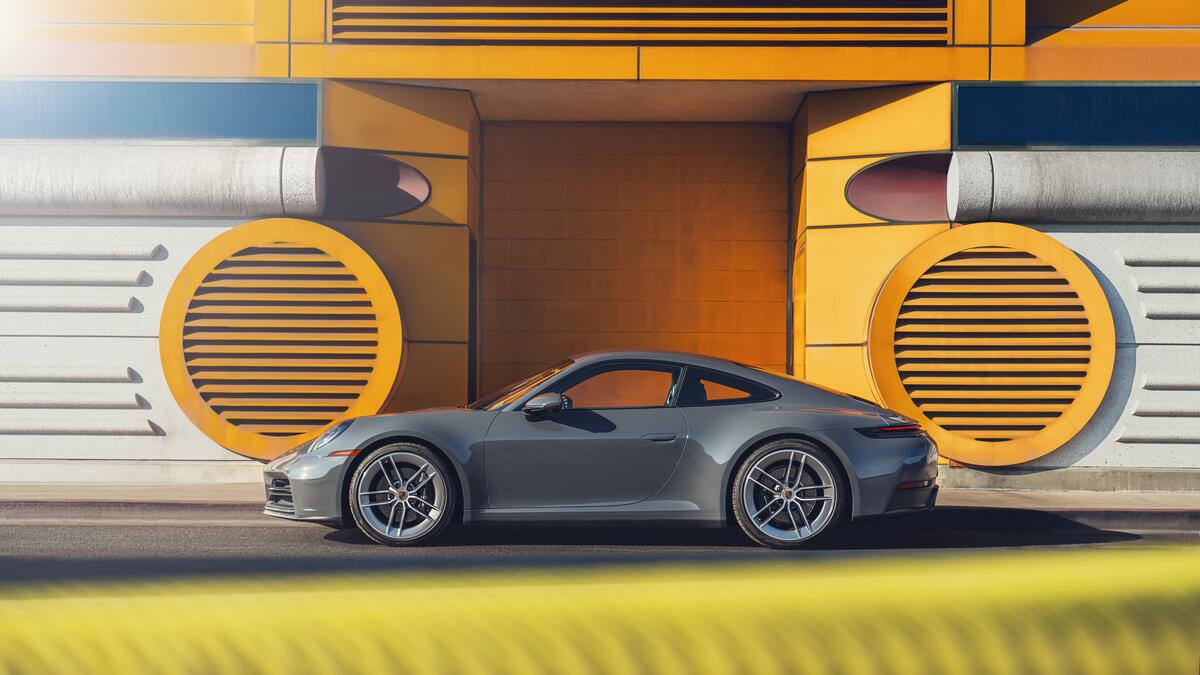
This is a Porsche 911 GT2 from the 993 generation. It’s a special, track-focused version of the 911, and the “993” part tells you which era of 911 it is.
Le Mans Classic is a motorsport event for classic cars tied to the famous Le Mans circuit. They mention it because it’s part of the Porsche-related context around the car they’re talking about.
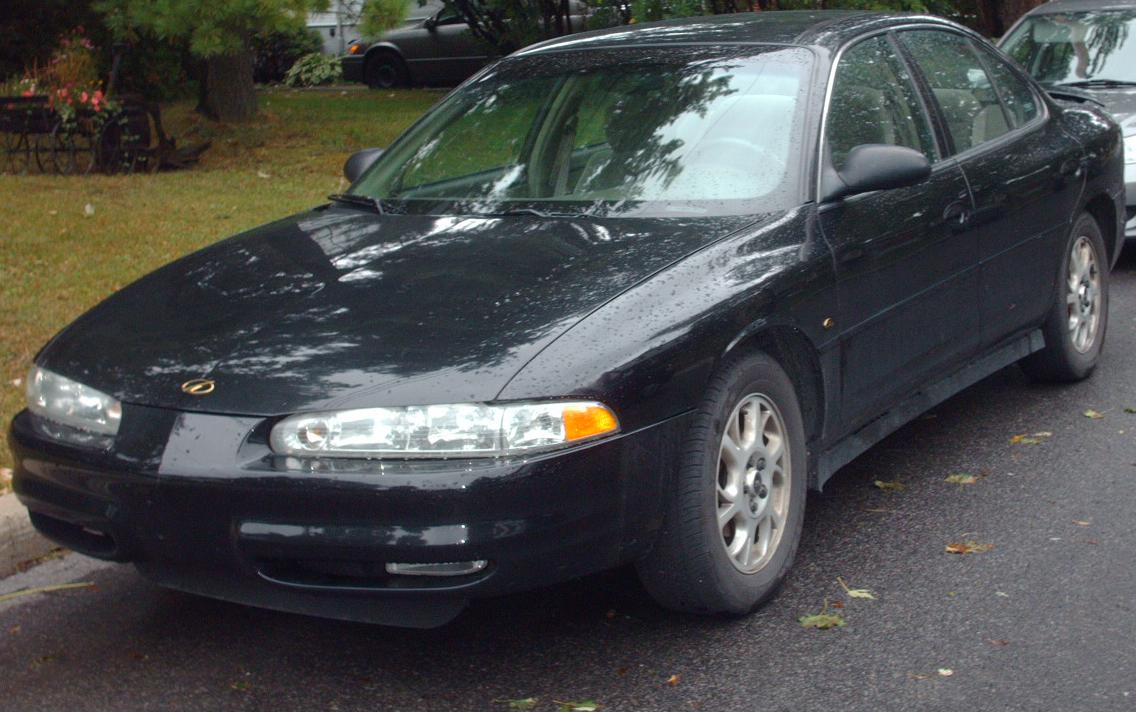
The Oldsmobile Intrigue is a mid-size family car (a sedan). It was made for a limited period around the late 1900s and early 2000s. It’s often discussed because it’s a good example of what that kind of car was like in its time.
LMP1 is a category of top-level prototype race cars used in endurance racing. It’s basically the “big leagues” for purpose-built race machines designed to go fast for long periods.
Group C was a ruleset for endurance racing where cars had to meet specific regulations, especially around efficiency. It’s one of the big eras that shaped how race cars were engineered.
Term
BPR
BPR refers to the BPR Global GT Series, a European GT racing championship that ran in the late 1980s/early 1990s. It’s often mentioned when discussing the era of GT2-style racing and the types of cars that were popular then.
RSR is Porsche’s racing version of the 911. It’s the kind of car you’d see in endurance or GT racing, and the “three litres” part is about the engine size category they competed in.
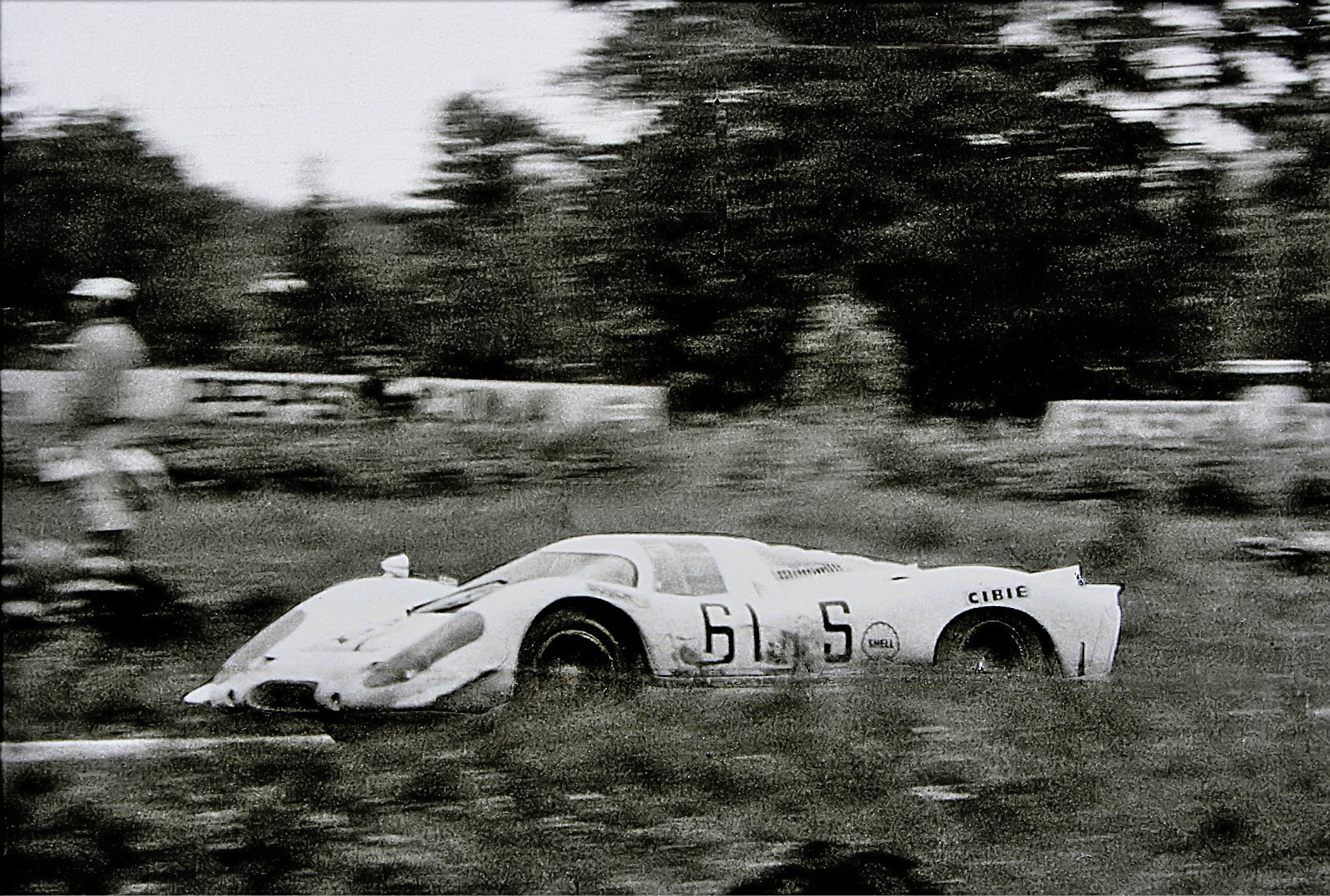
The Porsche 917 is a legendary Porsche race car from the late 1960s/early 1970s. People bring it up because it’s one of the most iconic endurance racers Porsche ever built.
Renault Alpine is a sports-car brand from France. It’s built for driving fun, and in this story they’re talking about a turbocharged V6 version, meaning it’s designed to make strong power.
A V6 turbo is an engine that uses a V6 cylinder layout plus a turbocharger to force more air into the engine. The turbo helps the engine make more power than a similar non-turbo engine, but it can also add complexity that affects reliability if not well maintained.
This is a special, high-performance Audi model called the RS2. It’s known for being rare and for feeling more “serious” than a normal Audi—almost like a Porsche-style hot wagon.
Company
AFN in Guilford
AFN is the dealership the speaker bought from. They’re being praised for how they handled service and loaner cars.
The Audi S8 is a luxury sedan that’s tuned for faster performance than a regular A8. It’s meant to feel comfortable like a high-end car, but still drive with more power. The podcast mentions it because it was a new model at the time and the host had a chance to experience it.
Milbrook is a driving test facility in the UK. Car companies use it to test cars and to give people rides on specific routes so they can feel how the car behaves.
Track days are organized days at a race track where regular drivers can practice. It’s a place to learn how to brake and turn better with coaching and proper safety.
Heel-and-toe is a way to downshift smoothly while braking. You use the throttle “blip” so the engine speed matches the lower gear, which helps the car feel controlled instead of jerky.
Concept
driving it on the limit
“On the limit” means pushing the car close to where the tires are about to lose grip. It’s where driving technique matters most because the car can get unpredictable quickly.
Heavy braking zones are the parts of a track where you have to slow down a lot, quickly, for a turn. It’s tough because the car is under a lot of stress and needs precise control.
Sapphire crystal is a very tough, scratch-resistant clear cover used on some watches. It helps the watch look good for longer because it resists scratches.
An eye ring is a part that holds the clear cover (the crystal) in place on the watch. Its shape helps it seal tightly when the crystal is pressed into the case.
This is the angled shape of the ring that helps the crystal fit tightly. When the watch is pressed together, the angle helps the parts deform in a way that makes a better seal.
Term
tegmentation
Tegmentation is a manufacturing process that hardens the surface of the bezel insert. The goal is to make it tougher and more resistant to wear and scratching.
The Buick Rendezvous is a family-oriented vehicle that sits between a car and an SUV. It’s built to carry people and gear for normal daily driving. In the podcast, the name comes up as part of the conversation, even if the word “rendezvous” is also being used in a general sense.
An engine rebuild means taking the engine apart and fixing or replacing the worn-out internal parts. It’s usually costly because it’s detailed work and needs the right parts and know-how.
Term
tracks idea
They’re talking about using the car on a racetrack. Track driving is harder on the car—especially brakes—than normal driving, so it’s a big deal when an older car can handle it.
Zuffenhausen is where Porsche has a major factory in Germany. The hosts are basically saying the Porsche team back then built these cars with enough quality that they can still be driven hard now.
Term
brakes got so hot
When brakes get very hot, they don’t work as well as they should. The host is saying the car was driven hard enough that the brakes were overheating, and you could even see some fluid coming out.
A Porsche 964 is a specific generation of the 911. It’s a 1990s-era 911 that feels like a classic 911, but with some updates compared to older ones. The speaker wanted one mainly for the look and the updated mechanical parts.
“Running gear” means the main mechanical parts that let the car drive and handle—like the suspension and the parts that connect the engine to the wheels. The speaker is saying they wanted a car with more updated mechanical bits.
“Whale tail” is a nickname for a big rear spoiler on some Porsches. It’s mostly about the look, but spoilers also help with how the car stays stable at speed.
They mention an “M3,” which is BMW’s performance model. The exact version/generation isn’t clear from the transcript, but it’s being used as a reference point during a breakdown story.
This is a motorway rest stop near Winchester. The speaker is using it to say roughly where the car had trouble on the drive.
Term
G body motor
“G body” is a nickname for a specific older car platform used by certain American cars. Here, they’re saying a certain color is especially rare for that kind of car.
This is the engine size—about 2.7 liters. Bigger displacement often means more potential power, though the exact output depends on the engine and tuning. The host is using engine size to explain what they started with and what they changed for racing.
A roll cage is a metal safety frame inside the car. It’s designed to protect you if the car tips over or crashes hard. Race cars often have them because they’re much safer than the stock body structure.
A manual gearbox means you shift gears yourself with a clutch. On a track, that can help you pick the right gear for faster acceleration. The host is saying they chose a manual setup to make launches and racing easier.
“Lower first gear” is about how the transmission is geared for starting. It usually helps the car get moving faster from a stop or slow turns. The host is saying this setup made the car better for racing starts.
A racing clutch is built to survive and work better when you drive hard on track. It’s designed for repeated starts and heavy use, where a normal clutch might overheat or wear out quickly. The host is saying their setup helped the car launch better.
Caliper mounts are the parts that hold the brake caliper in the correct position. If you upgrade brakes, the caliper may not line up with the new rotor, so the mounts might need changes. The host modified them so the bigger brakes would fit properly.
This is a fire extinguisher system built into the car for racing. If there’s a fire, it can release suppressant quickly instead of relying on a handheld extinguisher. The host says they added it for both the engine area and the driver area.
Hill climbs are races where you drive up a steep course as fast as you can. They often involve tricky corners and changing grip. The host is saying their car worked for hill climbs, but wasn’t right for smaller trials events.
Trials are events where you go slowly and carefully through a course with obstacles. It’s more about control and precision than racing fast. The host is saying their car was too large for the kind of tight, obstacle-heavy trials course.
A handbrake turn is when you pull the handbrake to make the car rotate for a tight turn. It can be rough on the rear brakes and related parts, especially if you do it a lot.
This describes a setup where the handbrake mechanism is integrated into the rear hub area rather than using a separate rear brake caliper or drum arrangement. Because the handbrake is doing real work during repeated turns, heat can build quickly and damage nearby hardware.
A hill climb is a timed driving event where you go up a hill. The course often has tight turns, and you can have long quiet stretches followed by short, intense sections where you have to be ready.
This is a tricky part of the course with two very sharp turns while you’re going uphill. Going uphill changes how the car grips, so it’s harder to keep traction and control through both corners.
Place
Salisbury
They’re using Salisbury as a location reference for where the hill climb course is. It helps you picture the region and the kind of roads the event uses.
They mean the car settles down as the suspension compresses when you load it into the corner. That settling can help the tires get more grip, which is crucial on a tough uphill section.
Downforce is a force that helps press the car down onto the road. When it’s higher, the tires usually grip better, which can help you go faster safely.
Here, “compression” sounds like a feeling of the car squashing down under load—like when you brake or push into a corner. Drivers use it to describe how the car settles and how that affects control.
Wiskam is the location where the speaker’s first driving event happened. They’re describing a timed motorsport format with practice runs and a start line.
Practice laps are runs where you learn the track and try things out. The goal is to figure out what works before you go for your timed best.
Term
timed runs
Timed runs are the official attempts where your time is measured and counts. Practice is about learning; timed runs are about performing under pressure.
Hill climbing is a timed race up a hill. You’re trying to be as fast as possible, but you have to stay smooth and controlled because it’s easy to lose traction or overdo it.
Hill-climb tires are tires picked for short, hard runs up a hill. They’re designed to give strong grip quickly, but they can wear out faster than normal tires—exactly what the speaker is describing here.
Term
cling film around the tires
Cling film on tires is a way to protect the tire surface between runs. It helps keep the tires in the right condition so they’re grippy when the next run starts.
“Supercharged” means the engine has a device that forces extra air in. That usually makes the car feel stronger than a stock engine because it can burn more fuel and make more power.
A Volkswagen Scirocco is a sporty-looking compact car that many people modify. Here, the host is saying this gold Scirocco looked mostly normal, but it had been modified with a supercharger, so it sounded and behaved differently than a stock one.
A “track car” is a car prepared mainly for driving on a race track. It’s usually set up to handle faster driving and more stress than a normal daily car.
A “resto mod” is an older car that’s been restored, but also upgraded with newer parts. The goal is usually to keep the classic style while making it drive better and feel more dependable.
“Three speed” refers to a transmission with three forward gears. Older trucks and many classic cars used fewer gears, which can make them feel busier at highway speeds compared with modern multi-gear setups.
“Suicide doors” are doors that open from the back-hinged side instead of the front-hinged side. They’re called that because older designs could be dangerous if a latch failed.
The Citroën AX is a small hatchback made for easy city driving. The “AXG” and “AXGT” are different versions of that same basic model. The podcast calls it fun because it’s a light, straightforward car to drive.
Car
Citroen AXGT
They’re talking about a Citroën AXGT. It’s a sportier version of the small Citroën AX, and the AX line is known for being light and fun.
The Volkswagen Golf is a compact car that’s usually sold as a hatchback. Some versions are made to be more fun and sporty, like the GTI. The podcast mentions it because it’s part of the group of popular performance-focused small cars.
Car
BX turbo diesel estates
This is a Citroën BX wagon with a turbo diesel engine. They’re describing it as a practical car that was good for long drives and trips.
The Peugeot 306 GTI is a small “hot hatch” that people liked for being fun to drive. In this story, they pushed it hard enough that the seat rails (the metal tracks under the seat) failed.
Seat rails are the metal tracks under your seat that let it slide forward and back. If they break, the seat can become unsafe or won’t hold its position.
A Ford Mondeo is a regular family car. In this story, it’s mentioned because they used it for driving around tight roads and corners, not because it’s a performance Porsche.
ABS is a braking system that stops your wheels from locking up when you brake hard. That helps you keep control of the car instead of sliding straight.
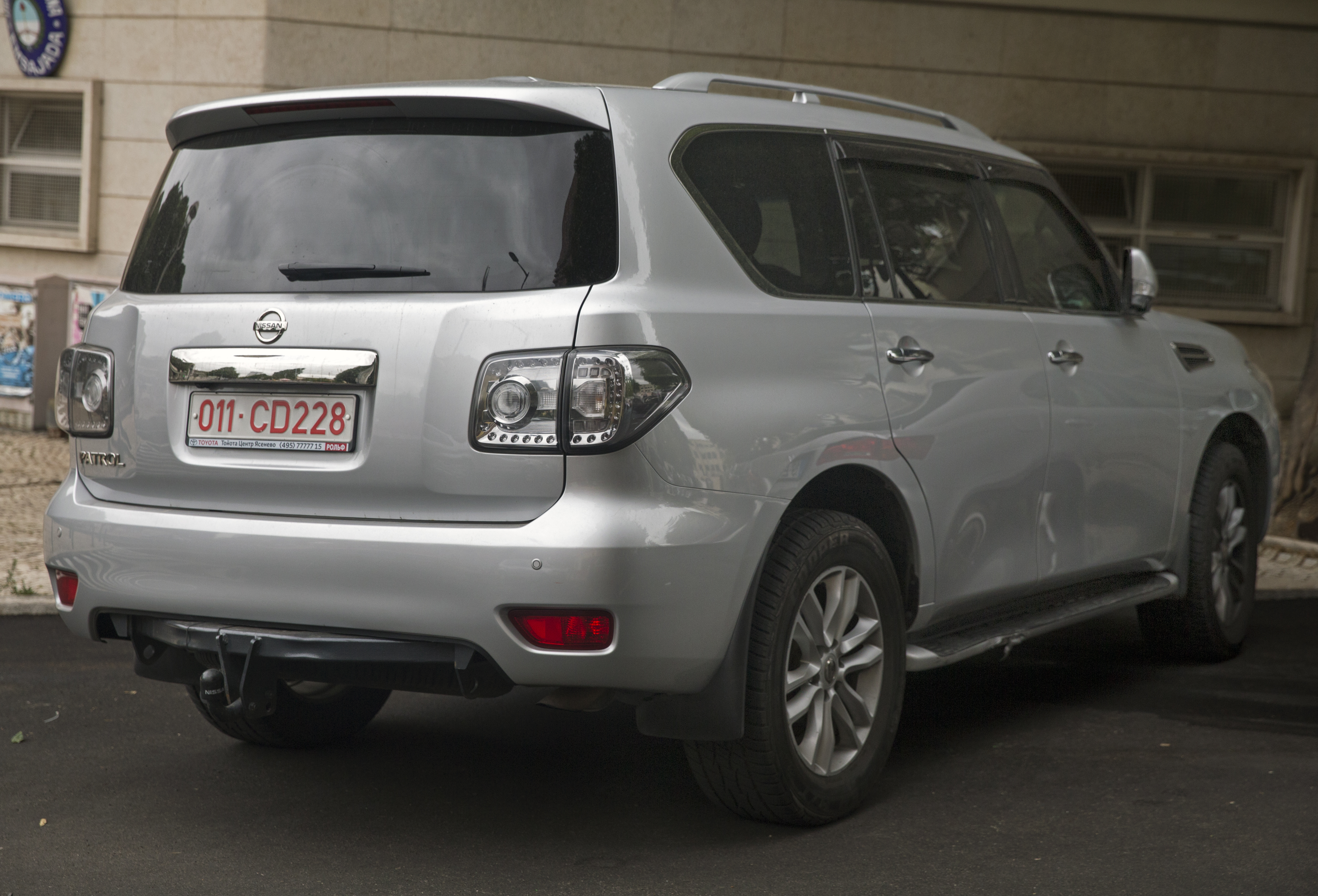
The Nissan Patrol is a big, rugged SUV built for tough use. In this story, the host talks about a long-wheelbase, nine-seat version that lasted for hundreds of thousands of miles.
In this context, “limited” refers to a limited-production or special-edition model. Limited editions often include unique bodywork or interior/exterior features that aren’t on regular trims.
“Two-door” just means the car has two side doors for getting in and out. It’s a basic body style difference people use when describing which version of a car they had.
Wheelbase is the length of the car between the front and rear wheels. A shorter wheelbase can make the car feel more agile, but it can also make it easier to lose control if you’re driving aggressively.
Wider tires can grip the road better because there’s more rubber touching the ground. But if you push too hard, even wide tires can lose traction and let the car slide.
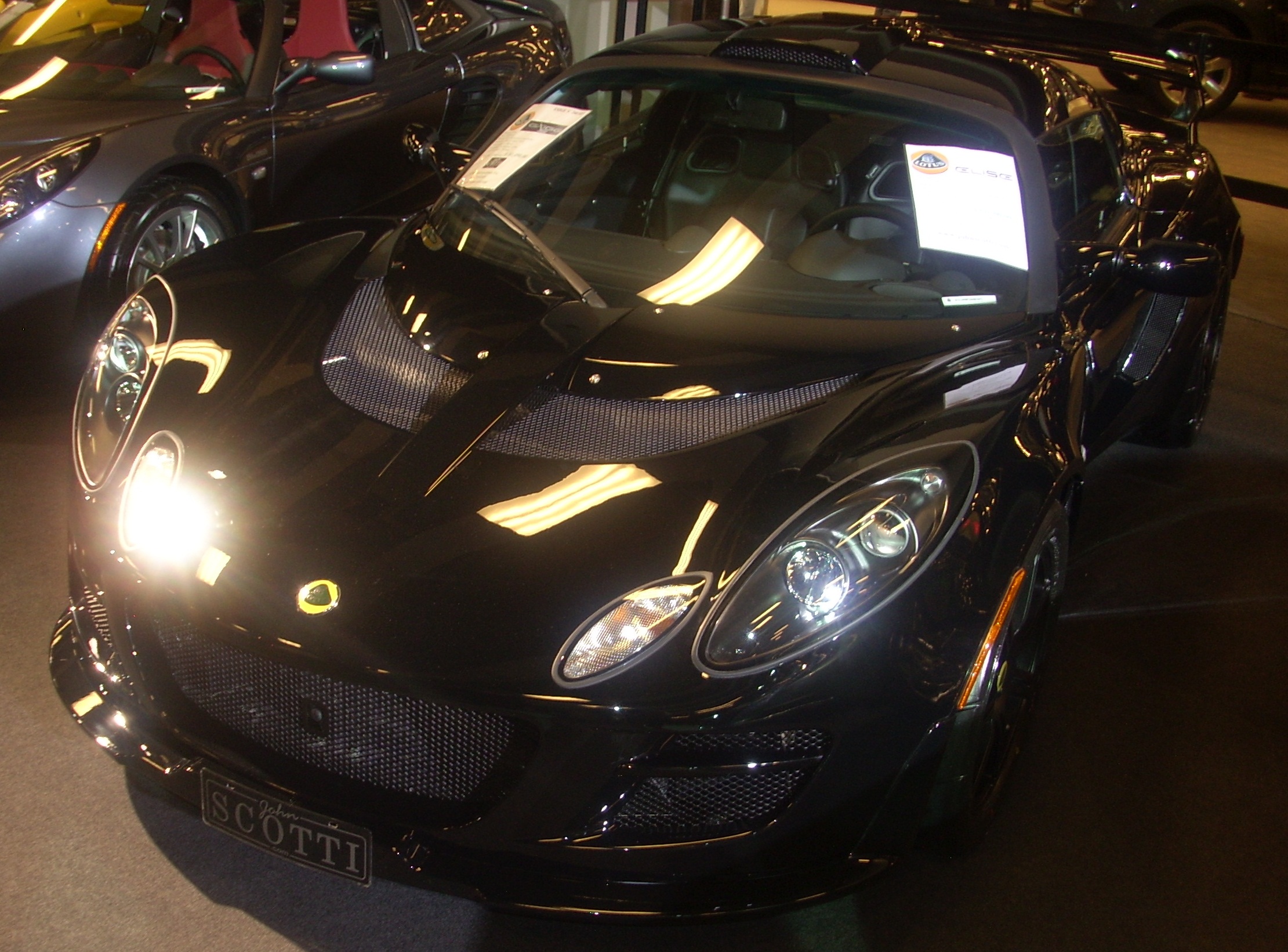
This is a special, more performance-oriented version of the Lotus Elise. They loved how fun it felt, but they also pushed it too hard and ended up crashing it while drifting.
The Porsche 944 is an older Porsche sports car. Even though it’s not the most famous model, it’s known for handling that feels surprisingly balanced for a front-engine design.
The back box is part of the exhaust that controls the sound coming out of the car. Stainless steel helps it resist rust, and the design can change how loud or how “raspy” the exhaust sounds.
“Revs” means how fast the engine is spinning, measured in RPM. They’re saying the sound and feel get really good once the engine is above about 5,000 RPM.
Term
steering is so pure
“Pure steering” means the car’s steering feels honest and connected to the tires. You can feel what the front wheels are doing, so it’s easier to drive smoothly.
Term
systems that help you out
They’re the car’s “helpers” that step in when the tires start to lose grip. That can make the car easier to drive fast because it corrects mistakes for you.
They mean driving well is a skill, not just pressing the gas. This kind of car rewards you when you learn how it behaves in corners.
Place
Abbottville
They’re talking about a track where they rode along to feel how the car behaves. It’s used to explain what the car feels like when you’re actually pushing it.
Concept
communicate so much to you
They’re talking about how the car “tells you” what’s happening—like whether the tires have grip. If the feedback is good, you can drive faster because you know what the car wants.
“Lateral grip” is how well the tires can hold the road when you’re turning. If lateral grip is higher, the car can corner harder and feel more confident in the bends.
“Rear-engined” means the engine sits toward the back of the car. That layout can change how the car turns and grips, but the speaker is saying these cars felt similar enough that you wouldn’t notice the difference.
Term
9000 in second gear
That’s the engine speed (rpm) while accelerating in second gear. If it can reach around 9,000 rpm quickly, it usually means the car feels very eager and fast when you’re pushing it.
Slip is when the tires don’t grip the road and start spinning or sliding. The speaker’s point is that the driver can often correct it with steering/throttle inputs rather than the car feeling overly “safe.”
“Carry speed” means you don’t slow down as much in the turn—you keep going fast through it. Drivers like this because it usually makes the lap time quicker.
Term
hedge backwards
This is a joking, dramatic way to say you’d crash or spin off the road. The point is that the car is less forgiving if you push it the same way as a different 911.
LIVE
This is NineWorks Radio, brought to you by the NineWorks Marketplace and powered by the
Seven Not Hidden Collective. Sign up now at NineWorks.co.uk
NineWorks Radio is brought to you in association with Heritage Park Centre. Get up to 10% off
your basket for all manner of porches from 356 to 997 inclusive plus the mid-engine and
transaxle porches by using the code NineWorks10 at heritagepartcenter.com. That's the code
NineWorks10 at heritagepartcenter.com.
Hello everybody, welcome to another episode of NineWorks Radio. I'm joined by Andy Brooks.
How are you, mate?
I'm very well today. Thank you. How are you?
Yeah, yeah, really good. Thanks. Really good. Gearing up fall among classic this weekend.
Yeah.
How are you?
You're off this weekend, aren't you?
I know, mate.
Very nice.
Fun memories of when you and I went.
We had a great time. Yeah, I've got big F-O-M-O of your trip this time. I can just smell
it, feel it, taste it, all that beef.
I was going to say, are you talking about, yeah, fumes from cars or just like red meat
and fries basically, isn't it?
All of it.
Yeah.
That's fantastic. It actually gets my hairs on the back of my neck just starting to kind
of bristle, just thinking about it.
Yeah.
There's quite a big group of people coming out, I think, isn't there? Quite a few DNHC
is out there for this one.
Yes. Yeah. I mean, I think there's 200,000 people going. Unfortunately, not all of them
in the collective yet, but yeah, there's a strong contingent of DNHC is going over, which
is lovely. So we're going to meet up at some point over the weekend, which will be lovely.
I'm going out with the guys from Paragon. There's like a few kind of customers past
and present going as part of a little group, which myself and Mrs. Sibs are going along
to, which is great.
Right.
And we've managed to get some decent parking in field.
Eat burgers.
I know.
We didn't have that when we went. We had to walk.
Yeah.
We were we were pure riffraff, weren't we? When we went, we were.
And but yeah, Mark's racing his 93 GT2.
So we're kind of going to be like following that journey, which means that we'll we'll
do something with any luck for non-much radio to kind of share that experience really, because
I mean, it's it's pretty cool, isn't it?
You know, that's bloody awesome. Yeah.
Isn't Mark's 993 GT2 in I'm pretty sure that Jason sent me, I think it was an Instagram
thing by Porsche and for, you know, for the Le Mans, Mans Classic and his car
was their centre place.
Rear end of it.
Oh, wow.
OK, that's pretty cool.
Yeah, that's really cool.
Yeah.
And it brought back so many memories for me because it was that amazing hot evening sunlight
that the car was pictured in.
Just that phenomenal, phenomenal.
Yeah.
I'm looking forward to seeing the glow of turbos, brakes in the night.
Yes.
You missed it last time, didn't you?
You slept through it.
I did, yeah.
Yeah, hopefully he's off on the lago this time.
So you've not got Mr.
Mr. Right there to to influence you this time.
Yeah, just bear me on.
Yeah, yeah.
So yeah, no, best behaviour.
Absolutely best behaviour this time.
But yeah, I can't wait, mate.
It's interesting Le Mans classics every year now.
Going to be interesting how that how that plays out.
So kind of splitting it in two.
And I think for me, this year, like Year A, there's more intrigue because it's cars
from 1975 to 2015, which is amazing, really, because you're on the cusp of like LMP1 there,
to be honest.
But it means that, you know, alongside the Group C and, you know, GT2, BPR kind of era,
you have got the RSRs, you know, three litres and whatnot.
Like before that, you kind of, yes, you miss out on like the short wheelbase, Porsche stuff.
And and 917, obviously.
But there's a lot of pre-war material, you know, for year B, if you like, next year,
yeah, yeah, which I personally wouldn't be so fussed about.
Yeah.
But as usual, you go for the cars, you stay for the people, right?
So that's it.
Yeah, we're going to have a such a great time, mate.
Yeah, I'm off to Jersey with my mum instead.
Very nice, mate.
Well, I'm sure you'll have an amazing time.
So I'm sure we will.
Yeah. Yeah.
Well, OK, well, we've kind of got all of that going on.
We are going to chat to Ian Elliott from Elliott Brown watches today.
Yeah. What time is it?
What time is it? Yeah, you're repping.
Got the kettle on.
So, yeah, look, for those that don't know, Ian Elliott is one half of Elliot Brown watches
who, again, if you're not sure, go and check them out because they basically make
ruggedised timepieces built for adventurers.
And the other thing I want to stress right from the top here is this podcast
isn't a conversation about watches.
So if it's not your bag, whole fire, we have got your back.
I don't know about you, Andy, but for me, I can't think of many things
more boring than seeing on car WhatsApp groups.
And we've all seen them over the years, you know, kind of watch chat,
sprawling to life and then lots of shots of Daytona's on wrists.
Um, for me, just so boring.
And I think the reason why, for me, that just is an exercise in an expression
of wealth to others rather than an indication of how you live your life.
I think we've been pretty lucky on the DNHC that it's never really happened.
No, it hasn't, is it?
You know, and again, I think it's a reflection of how everybody in the group
lives their lives and again, how in car terms and Porsche terms, there's no hierarchy.
There's genuine enthusiasm for every single Porsche sports car, you know,
with that Stuttgart coat of arms on the nose, we're all up for it.
And so therefore, other kind of luxuries and products in life, it kind of,
it's all the same thing, really.
It's not about what you have, it's just more about how you use it, really.
Yeah.
And this conversation is definitely a reflection of that.
So rather than it being a conversation about watches, it's a conversation
about blowing up watches, attaching them to the bowels of boats
and sending around the world.
Ian's a big petrolhead, as you're going to see.
So it's about a petrolhead using his cars as intended and then taking
that same driven, not hidden spirit to extremes, to big extremes with Ian's nine
to five, which basically results in incredible products that we think you,
dearest listeners at home, should know about because we're massive fans
of Elliott Brown, aren't we?
So yeah, I love the story of how the company came about.
And even the names of the products, I think that's just great.
The way that their names are local places, but there's lots of hidden
little meanings and little Easter eggs in all of the products, which just
add to the story and yeah, create some intrigue.
So yeah. Yeah. Love it. Love it.
There is a real crossover, and I mean, as we say in the conversation,
the watch space is crowded and everyone will have their own flavors and stuff.
I guess we have a little bias because Elliott Brown is on our doorstep
here in Paul and we're really proud of that, of that door to enterprise.
So you have to forgive us for that.
But the story we think really is worth telling.
And again, we we look at that and assimilate the Elliott Brown story
a little bit with kind of Porsche sports cars because, you know, they're just
they're not shouty, they can be used for all occasions.
And it's it's that precision engineering.
So everything that, you know, regular listeners of this podcast know and love
about the Porsche brand, we think kind of applies to this chat really.
Yeah, agreed.
So so without further ado, shall we kind of head to the water side?
Have a chat with Ian Elliott from Elliott Brown.
How lucky are we that, you know, being based in Paul as we are,
we happen to share a town with one of the most adventurous and downright
inspiring watch brands on planet Earth.
Wow, bigging you up there.
Check us out.
I'm going in big and I'm in it and I'm sure you'll be highly embarrassed
by my words of affirmation towards you and the brand on this episode.
But I am such a genuine fanboy of Elliott Brown watches.
So thank you so much, Ian, for having us along here to the boatyard.
Is it the boatyard or the lake?
Yeah, we're in Lakeyard and this is our crew room.
Yeah, excellent.
OK, well, yeah, we'll give the formal introduction as Ian Elliott
from Elliott Brown, one half of one half co-founder.
Alongside Alex Brown.
Yeah, other half co-founder.
Yeah, yeah.
And we have wanted to make this happen for such a long time.
And we and it's fair to say not only because you guys are a local
and we love the brand, but there is a real kind of synergy with Porsche's,
I think, not just in the product, but certainly in like our enjoyment
of the sports cars as well, because obviously you're a died in the wall
portion nut. I am now about.
Yeah, I wanted a Porsche when I was what was I, late 20s.
And I couldn't afford one.
I ended up with a Renault Alpine, a V6 turbo Alpine,
and that definitely wasn't a Porsche.
Still quite cool, though.
It looked cool.
Yeah, it drove.
Interestingly, it was horrific, reliability wise.
Yeah, it would get tailored from my house.
It would get tailored back.
I'd try it for an hour and it would be on the trailer again.
It was terrible.
But yeah, Porsche's.
Yeah, definitely in the blood.
Yeah, yeah, yeah.
I've always wanted, always wanted that noise, that sound in my life.
In a previous business, I don't know how we're talking about
previous businesses, but you can talk as much as they are.
First business was a company called Animal and I deliberately
bought a house, semi-deliberately bought a house in the sticks
in the middle of nowhere, a because it was equidistant
between Kimmeridge, where I served at Windsor and Paul,
where I worked, but also it meant I could have cars
that no one really knew about.
And I wasn't kind of rubbing it in people's faces.
So my first new Porsche was the very first 996 in 1997.
We've got right in at the top.
Yeah, I think I waited about nine months for that to come.
Having done many, so I'd had a couple of RS2 Audi's before that,
which was the Audi Porsche and Co-Lamb.
They were great cars.
They were great, I understood a bit.
But once you got a moving around, they were really, really good fun.
And that I think that helped get me into Porsche.
And also we were buying those from AFN in Guilford, which was the
I think they're owned by Porsche GB.
Yeah, yeah, yeah.
And so they were an Audi and Porsche dealership.
And the guy there was fantastic.
So he would, whenever I wanted a service or anything on one of the
Audi's or the RS2's, he said, what do you want to borrow?
And how long do you want it for?
Should we trailer it?
Should we trailer it down or do you want to come up and get it?
And it was just the most wonderful, absolutely wonderful customer service.
I've never had an experience like dealing with them.
Yeah. But I got to try all the Porsches and things like our S8 when it came out,
we went to the S8 launch with them, not not my not my bag at all, I'll be honest.
But we got driven around Milbrook with Derek Bell and things like that,
taking his hands off the wheel at that.
Is it 150 round the curve on the milby?
Oh, yeah, yeah. 120 on the outside.
Is it 120? Well, it is on the on the journalist.
It just feels like you're driving into the concrete.
Yes.
But we got to.
So that was my introduction to Porsches.
And we did many track days that RMA organised, which really got me hooked.
Like really, really got me hooked.
It's good instruction.
Learn how to drive it.
That I love the art of driving.
I don't know, I guess most car enthusiasts just like the art of driving.
Yeah, we certainly preach it, whether it's it or not.
That's where I learned to heal and toe properly, you know,
to really control the car on the limit going into
into heavy braking zones and bends and things like that.
And yeah, and that got me properly hooked.
Yeah, yeah. Oh, this is good.
So we got loads to dive into here, loads to dive into.
And the other thing I want to say, if you're listening or indeed,
if you're watching this, if you're in the driven or hidden collective,
you'll be able to watch this by logging on to our website.
Something I'd like to say is this, this is not sponsored episode.
You know, we have just wanted to come here and give you really a platform
to share your story, because whether it's watches or cars, you know,
some stories are just worth telling.
And this is this is it really, aside from the fact that we are Elliot Brown fanboy.
So I do just want to make that abundantly clear of the off.
So what do we do to make you fanboys?
You rocked up Ian to Total 9 Eleven magazine
way over 10 years ago.
So, you know, 12, 13 years ago, maybe.
And the stuff right at the magazine at the time, Josh, I think,
sat down with you, had a bit of a conversation.
You showed him about the watches.
And yeah, you obviously got talking about cars.
And Josh came back into the office, I've just had the most amazing conversation.
And I think he was basically, you know, regaling everything that you had just said.
And I thought, that's really interesting.
And then again, it's just that kind of shared fusion of two kind of local
enterprises, as it was at the time with Total 9 Eleven.
And it kind of went from there.
And then, you know, it ended up my blocks worth watch.
You know, I'm wearing it for the visuals today.
I think I've worn this watch, Ian, like most days for the last 10 or 11 years,
I was thinking on the way here, was it 2015 or 16?
I definitely had it in 2016 for my wedding.
But most most days for the last 11 years, I've worn that.
And again, as we said at the 9 Works Awards this year,
that to me is there's that synergy with Porsche, which is that kind of every day
engineering, but also, you know, tight, compact engineering,
like an engine in the back of a Porsche.
There's lots going on in that small space that's so, so brilliant, so evocative.
Same here and also a car for, you know, adventurers rather than posers.
And I view your your watches in that.
I put you guys in that same bracket, you know?
Yeah, we're not a very shiny watch company.
Are we? We're much more subdued.
I love how we design things and are aesthetic.
Yeah, yeah.
And what I really love about your watches, and I'm sure we'll get into it,
you know, where they they're rugged eyes and they are just for adventurous
and adventurous types and adventures.
You know, I love it when you when you hand a watch over, you say to people,
you know, don't look after it.
I just I love it.
So I'm fully in.
And I just firmly believe that listeners
and I much radio and people watching this as well, like they just they just need
to hear your story, get an understanding of the watches.
And also it's an excuse to talk about cars, isn't it?
Because as ever with Porsche, it just serves as this vehicle,
physically, metaphorically, to just meet incredible, incredible people really.
Yeah, yeah.
So amazing how we seem to just click with
car owners and particularly Porsche owners.
I think it's an appreciation of the way things are made and then
what they do and the enjoyment you get out of it because of the way they're
made and what they do, you know, they're in the world of cars, what you get
your value for money wise, Porsche's great value for money.
Right. Yeah.
And we're definitely similar and we're not we're not unique in that in any sense.
We just happen to be here, don't we?
I was going to ask you why you feel there is with that crossover.
But I guess you've kind of nailed that alongside my earlier sentiments.
Andy, I don't know if, you know, from what you see of Elliot Brown,
there's anything to add with that?
I just loved the story when you told us when we were last over
how the company had started and what your vision for it was.
And it's got that sort of, as you say, that sort of connection to
Porsche in that there's an actual need and reason why these things exist.
It's not just a showpiece thing.
Yeah. So yeah.
Do you want me to elaborate a little bit?
Yeah, I love it.
Yeah, on the start of Elliot Brown, so how did it come about?
It came about because of what we knew before.
So before was a company called Animal.
That was my first business.
And that was started because I lost a watch surfing
and made a watch strap made of Velcro and webbing.
Is that really how it started?
It was unbreakable.
Yeah. So when I was in my late teens, I went to South Africa, lost a watch surfing.
Yeah.
Came back.
I don't even know what gave me the idea, but I bought some Velcro in the local
haberdashery shop and I went and found a salemaker that had rolls of webbing.
And I got busy with my mother's sewing machine and made a made a watch strap
with a bit of webbing and some Velcro.
So that was the first animal product?
It was actually a different name.
I was running a little clothing company called Suck Shirts and I was spraying
designs through stencils onto t-shirts and sweatshirts and things and selling the
mail order because there was no internet.
Anyway, so I wore that for a couple of years, went on holiday to Jersey surfing
with my girlfriend at the time, who's now my wife.
And there was a shop called Wind & Wave on Jersey and there's a guy called Bill
Gaston that ran it and I took this bag of Velcro watch straps.
They're just loops of Velcro and webbing and like didn't look like watch straps.
He didn't know what it could have been anything.
You know, luggage tie or something.
But I called them watch straps and it came to him.
He sold them all while we were there.
I was like, well, that's good.
So I came back, went to a party, met a guy who was at Portsmouth Poly doing.
He did a business in accounting and I did engineering.
And we we started a limited company called Animal.
His mother had had the idea of calling it Animal Bags because he wanted to make
luggage for windsurfers and sportsmen in different shapes and animals.
You have like an elephant bag or whatever.
Yeah.
So we dropped the drop the bags, bit called Animal, sketch the logo
and started a limited company with 250 could each and went and made some watch
straps and then and then we moved.
So he his girlfriend lived down here.
In a in a.
They live together.
Then Nigel had a house that we rented or he rented out to students.
And then we went and lived in that house.
It was absolute wreck of a house.
And my girlfriend and I lived in a single room bed.
It was horrendous.
Absolutely horrendous.
The drug that the next door was like the local local drug dealers.
It was and they had a band and they used to practice when they got home
from the pub through the wall.
It was it was anyway.
I won't bore you too much of that.
But in the mid nineties, it was very natural for us to create a range of watches.
Yeah.
So we spent some years, probably four years researching what what what you needed
to make a watch that could that could last the rigors of our audience.
So it might be here in pavements or rock or mud or saltwater or sand and things
that watches don't like.
So we made a matter of stainless steel.
We pressure tested everyone and we managed to do that for about 100 quid.
And then over the next God knows how many years we saw what went wrong with them.
Which was interesting.
And we yeah, we we wanted to look after our customers the way we would like to be
looked after ourselves.
So we were using a service center in in Clarkinwell in London.
And there was a guy there called Alex Brown.
And he was really, really talented, a really good watchmaker.
And he famously turned down a job at Cartier to come and work in Dorset with us at Animal.
Wow.
So fast forward, lots of different ranges of watches.
We tripled our turnover the week we launched watches.
We went I think we went from about 800 K to about two and a half million overnight,
which is like it was like we won the lottery.
It was unbelievable.
We had some fun with it.
We made some big cages to go in the stores.
And it was a proper thing.
It was a proper trend just by having fun.
I think because we didn't take ourselves too seriously, it became a thing.
Whereas people who try hard to do things, it's harder to become a thing.
I think it was very it was all unintentional.
There's no plan. It was just like, this is great.
Let's do that.
So we learned a lot about what could go wrong with the watch over over time.
But we looked after people really well.
So Alex stayed at Animal until we started.
Elliot Brown, we had the idea about two and a half years before we launched the business
over a beer one evening.
Imagine what we could do if we put all that unique knowledge together.
What could we do?
How could we re-engineer out all the things that go wrong with watches?
And we started to work out.
We worked nights for two and a half years working out what we needed to do
to re-engineer the whole construction of a watch and how to make it durable.
And it seemed very doable.
And at one point we were going to launch it like I think we were going to launch
between sort of two and 5000 pound watches.
And we're like, yeah, let's yeah, yeah, let's go a bit.
And then we're like, yeah, you probably need quite a lot of marketing.
We need to make that a success.
So we turned it back a little bit and we just let's make the watches we want to
we want to wear ourselves.
Let's just make the stuff that we that's honest.
And so so that's what we did.
And we managed to raise a bit of money, which was I didn't know whether my
reputation ten years after coming out of animal would count for anything.
And thankfully it did.
And we were able to raise a bit of money.
We raised about half a million quid to start the business,
which felt like a massive amount of money at the time.
We soon burned through it.
Um, we went to a watch show in London.
It was called the London Watch Show.
And it was at Freemasons All in Covent Garden.
It was the first one of its type as it turned out, perfect timing for us to launch.
And we instantly got an industry award,
sort of best sports watch of the year or something along those lines.
And we instantly opened up a few retailers because we were selling to the trade at that point.
And and that was the start of our journey with Elliott Brown.
And and and we turned out we literally felt like a couple of country bumpkins
turning up in Covent Garden.
We didn't know how how how do people carry a bunch of watch samples?
What do they carry it in?
Like, what do you display?
What do you use to display a watch?
How do you even make those displays?
They're like, well, they Alcantara and foam.
And how do you even who makes them?
So we went about making our own stuff.
We went to Honest to Slate and had some slate blocks made.
We managed to make some little C clips,
which are the little spring clips that the watches sit on on displays.
We branded them, of course.
Not many people brand them, it turns out.
Not many people rubberize them.
We rubberize them and we bought a Zero Halliburton aluminium flight case,
which is the same as used in various James Bond films, because we thought that was really cool
and had some foam inserts made and we rocked up and it turns out that that stuff
that we'd just thought, well, let's do that because it feels cool was cool.
It was like, wow, yeah, that it was really well received.
So then we had to try and replicate that for retail displays.
And that was quite a task.
Harder. It was harder actually to make our retail displays and yours to make our watches.
Yeah, if bonkers.
I remember you saying that you had like a particular clientele
or businesses that you wanted to sort of collaborate with.
Yeah, one of the things we did at Animal was we we had this really virtuous
relationship with Surfers Against Sewage, which is an environmental water cleanup charity.
We're big water and water supports enthusiasts ourselves, you know, surfing,
windsurfing now, wing foiling and things like that.
And it felt really wholesome, the fact that we were able to be a very large
donor for their charity.
Their members would see us donating and maybe because they're obviously
water supports enthusiasts as well.
So that was probably bringing some new audience to us as a business.
Everybody was winning without it.
It was literally a, you know, a virtuous circle.
And I really liked that.
It made me feel really whole and happy.
I can't describe the feeling it gives you, but it's it's kind of it's just
makes you feel whole if you're doing something to help an organisation or
it's hard to describe.
And we wanted to do that again with Elliot Brown.
It felt it felt really good.
And we were very lucky that we met someone from the Marines camp next door
and made a watch for their charity, which is a behind closed doors.
Very, you know, it's a very secretive charity, but it's a really, really important one
because what what they do and what their families have to put up with is extraordinary.
And we see firsthand with 50 percent
veteran or spouse in our business with 70 percent female in our office.
And we see firsthand how difficult those relationships can be.
So it felt it felt wholesome as well.
It felt like we were actually helping.
And that has taken that.
So we ended up making a watch for the charity game, raised a lot of money.
Various what various special versions are created for auctions.
We had an auction recently.
We've got 25 grand for a couple of watches, which is all right.
Absolutely mega.
And and we keep doing that, you know, it's that sort of relentless that support.
But what that did, which we didn't really kind of fathom at the time,
was it put watches on the wrists of operators who mix with other operators
in all sorts of interesting spheres, government agencies and special forces
and all around the world.
So suddenly we've got people coming to us from all around the world going,
can we have one of those?
And can you do some special stuff on it that no one knows about?
And so we do. And it's like that's like catnip to us.
So if you come to if you were, I don't know,
you might be in my five in Holland, for example, and you come to us and say,
we want to watch, we're like, well, tell us a bit about history.
Tell us what how do you start?
And then we'll build some things into that watch that that you and I know are there.
But the wider audience, if you were stood at a bar and someone goes, oh,
nice watch, mate, they wouldn't have a clue
about those little hidden details.
It could be a loom color change.
It could be loom that looks the same by day, but glows a different color at night.
It could be.
Yeah, I won't go to too many.
That's because you might know that the back, but that's the side of our business
that we never we never really even talk about.
You can see on our websites as he'd be special projects,
but you would never see what we did because we're respectful of the groups that we work
with and and also don't want to identify them.
Yeah. So those watches that are then used in service?
Yes. Yeah.
So they're actual issues by the issued army or police or whatever.
So most of them, most of them are privately purchased,
but some of them are issued.
OK, yeah.
It's a it's a very special relationship we have with a particular group.
And yeah, that's taken us all over the world.
And it's a rare sort of watchmaker's crown to to have that.
You know, we're in the footsteps of some of some pretty heavy hitters there.
And already those those watches very, very occasionally come to market.
They should never come to market the folks that put them on on sale.
Generally, aren't that well regarded for doing so.
Sort of revealing the secret, if you like.
But they go for pretty big money.
And I'll be honest, when it does happen,
it's not the end of the world for us, is it?
Yeah, you know, we can see how proud you are talking about this side of the business anyway.
And again, this is mega the
might as I see the world, you know, the watch space is very crowded in this day and age.
Watchmaking space.
There's a lot of very pretty watches out there.
There's a lot of watches that are kind of jewelry,
jewelry first, where there's I kind of feel with with what you do.
You're just a bit left field from everybody else.
And again, this is kind of where that kind of synergy with
Porsches and how people watching and listening to this like enjoy their cars.
There's a car, you know, 9-Eleven, as an example,
be in the car for all occasions and the watch is kind of similar to that.
And, you know, absolutely not from a military background here at all, right?
But the same Blocksworth watch I was wearing,
you know, I wear it kayaking in that harbour and I wore the same watch on the wedding
on my wedding day and everything in between there.
And I just think that's so incredibly special, but also unique
because it is, you know, they are pretty pieces,
but that's like almost by the by really is that they work on absolutely all occasions.
I'd really like to know, you know, why you decided to go down that route
from the start when you said you were chatting with Alex, you and your,
you know, your concept was all like, how can we ruggedize?
I think it's our background.
So we've always enjoyed sports and activities that
aren't very friendly to watches.
So we we basically built watches for our own lifestyles and and by engineering
out all the points of weakness, they also happen to be very good for a lot
of other people's lifestyles and professions.
And I think that was the we didn't really
we want we wanted to work with the military group.
And we had we had 33 ambitions on our business plan.
One was to work with a specialist military group.
One was to work with Land Rover and one was to the R&L I because I got rescued once.
And we knew that the watches we were making were capable of that.
We didn't know how capable until we started blowing them up and testing them
and doing all the things we do.
And today it's amazing that there's a lot of watch brands out there
that will very happily tell you a story
about how rugged and how tough and how capable a watch might be.
And when you get under the skin, it's just a watch.
It's still got spring bars, it's still got weak glass, it's still got
maybe a screw down case back, it's still got one seal on the crown.
It's it's it's it's dressed to look like an action sport watch.
But one of my favorite sayings is let's have a Game of Conquers, then, you know,
we'll put ours up against all comers and I know I know who will win.
And that's a real honest, honest way of describing how we make a watch.
You know, they are tough enough to have a Game of Conquers with any other watch
and we'll win because because we have thought about what's on the inside
and how a strap can break, how a strap pins can break and all those points of weakness.
I don't think what we do is particularly hard.
But as a as a whole, it's very difficult to make.
So from a manufacturing point of view, we pose some really big challenges
to our case vendors and all our vendors, actually, because we're so demanding.
And what we do is different to the market.
So it's more expensive to make, it's more difficult to make.
You're much more limited in who can make it for you.
And that's a difficult path.
So we've definitely chosen a difficult path,
which I don't think others tend to follow.
Typically, there might be a micro band, someone has,
there might be a watch enthusiast and they decide to start a brand and it becomes
a bit of a thing, but they won't have all of that.
You know, Alex and I probably got 40 years between us of
of seeing what goes wrong with watches.
They won't have that.
They'll just have something in mind as way something needs to look.
Looks, yeah.
So we don't we don't
genuinely have a direct competitor that does what we do.
There are there are companies similar.
No question there are a few brands that are similar.
But yeah, even now we don't, you know,
put in a shop protection system in every watch, testing every watching water,
you know, two or 300 meters.
Those are expensive things to do.
So they don't tend to get done by
others because they don't know necessarily understand how to do it,
but also it's difficult.
Yeah.
Well, on that note, can we talk about blowing stuff up?
You're quite fond of it.
Well, you know, for due diligence.
So we always, with our connections with military groups,
we've always had conversations about what did we great just blow on up?
Yeah, of course.
But what you what you end up getting into is you end up getting into the well,
where was it blown up?
Who filmed it?
Whose budget was it?
And as soon as that hits the public domain,
anybody in the military that's that might have their name put to that is going to
get in trouble. Yeah.
So it was always a bit of a roadblock
until we met a company called Altex,
who who run a demolish a Dems range
in the mendips in a disused stone quarry.
So they've got this great big hole on top of this hill.
It's a great big hole.
You have to go around a big like a kind of a row around the edge of it.
Yeah.
And bombs just full of rocks and debris and stuff.
And they make specialist,
specialist explosives, things that can have a cancelling effect on a car bomb.
So if they could get inside, if they know the car's got a car bomb,
and they can get inside the car, they can put this device in the car.
And when the car bomb goes off, this other one will cancel it out.
Well, like it's like equal opposite force kind of thing.
I don't know how it works.
It's super clever.
And then they've got other charges that will cut things and
get through, you know, obviously blow the bloody doors off.
But it might be blowing a human size hole for hostage evacuation
through a reinforced concrete wall or something like that.
So anyway, we rock up.
We got we got a bag full of watches and what do you want to do?
We're going to blow some watches up.
Well, how do you want to do?
I don't know. You're the expert, as you tell us.
So so we started off with a fairly tame one.
We put a watch, we wrapped a watch on a fabric strap around some steel bars.
They call it rebar.
It's a stuff you use in concrete reinforcement in bridges and roadworks and stuff.
They had a lot of this stuff lying around because they they use
some explosive to cut it.
So we've got some bits of that wrapped the watch around it because it's nice and
heavy, put it on a breeze block, put a 250 gram charge about a meter away.
Put the charge in about 10 inches of sand and rubble.
Went and hid in a little steel and glass kind of hut on the side of the quarry.
And all the sirens go off and warning,
blasting, all that kind of stuff.
And then there's this just, I mean, I'm not going to swear, but oh, my God,
the bang, you know, you think big fireworks are big
and the sound wave just goes through you and it's instantly headache
inducing, like instant, but really exciting.
So big bang, lots of mess.
We'd had some cameras and things filming it.
And the watch is if you can imagine,
the watch is just kind of gone, just got knocked back a bit with loads of debris.
It looked like it had been in a sandstorm, you know, but with sticky stuff on it.
And it was absolutely fine.
So it turns out that another watch brand that makes black watches that are quite
shock resistant, plastic watches, digital shock resistant, you know,
the brand I'm talking about, they'd done that.
And then that was it called it a
we were like, that was a bit boring.
Can we, what about if we put the charge under it?
And they were like, I wouldn't do that.
Well, why not? Got another one.
Let's just put a charge under it.
So it happens. So put a charge under it and you just like in the air.
Same watch, same steel bars.
And we lost, we lost it.
You just, you were in all the anyway, we're looking around the quarry for it.
So it come down in a quarry full of rocks with really, really heavy bars holding it.
We're like, it could probably have more damage fallen into the other than being blown up.
So eventually we found it and the strap had been so we use these solid steel
strap bars and we can't, you know, a human can't break those.
The force of the of the thing, I think coming down with the bars at different angles
and just leave acted as long levers and bent or the solid bar pulled it out of the watch.
And I've got strapping if you want to see it.
It'd love to be rad. Yeah, yeah, that would be rad.
And and it was a bit, bit the worst for wear.
That's the watch.
That's the strap.
Thank you. So that that that is the watch that got blown up.
That's the watch that got blown up. Yeah, yeah, that's the watch.
So so that bang was was quite a big, that was quite a big bang.
And we eventually found the watch still ticking
in and the little bit of loom that said like in in the diamond tape,
diamond shaped tip, which one words of the second hand had popped out and was floating around.
So we so we
took the bent strap bar out, got some pliers, just unscrewed it, put a new strap bar in,
put that rubber strap on and strapped it to a bit of scaffolding pole that we
sprayed green, which is why the watch has got a bit green on it.
And and then we said to the guys, can we try a bit bigger bang?
And and again, they were like,
you you'll be looking for parts you won't be looking for a watch.
So we put half a kilo of exposes under it and it blew a hole about half the size
of this room, the crater, and that really went up and we managed to film it going up
and saw it coming down and there's no more damage.
See, that's just a little mind blowing.
There's a little dent on the.
Yeah, that's that's from the rocks.
Yeah, it's more it's more of a graze, I would say, than a dent.
Do you know what I mean?
So that watch has been blown up three times.
There's no editing. There's no clean it.
Oh, sorry. There's no, you know, taking a barn find out of a barn that cleaned it.
So yeah, we like to keep them.
We like to keep them just as they came off the test.
Yeah, muck and muck and all.
So yeah, blown watches that was great.
And then we did some other stuff.
We put we put a watch behind a reinforced concrete wall.
It's I think an 80 gram, 80 gallon barrel filled it full of rocks.
So it was really, really heavy.
Like one of those blue plastic barrels
attached to the watch to the front of the barrel, put the barrel facing the wall on
the other side of the wall was two and a half kilos of explosive in a thing called
the shape charge. It looked a bit like a tombstone just propped up with a bit of wood.
And that's what they used to blow holes through reinforced concrete walls.
And that bang was insane.
The amount that was halfway up the quarry, they had this wall set up
and the amount of material just went into the quarry was mental.
The barrel got blown back about 30 feet, 10 meters, something like that.
It didn't stay still like we hoped because it was heavy.
It just got blasted back and the watch on the face of the barrel is that one?
And that was and it's absolutely perfect.
No way.
So that's had two and a half kilos of concrete of explosives blasting reinforced concrete at it.
Yeah. So what makes it different to other watches?
Then what's this? Just eat.
It's all it's all about little details.
So that glass is between two and three mil thick, depending on the model.
If you take one, if you take the glass out of one of watches, you think,
how can you see through that? It's too thick, but it's really, really thick.
And it's sapphire sapphire crystal that's just super tough.
And then we hold it in with the thing called an eye ring.
We use slightly oversized eye rings, which give you a better seal.
It's like a it's an eye ring, but it's in it's got a 45 degree
inner surface. Yeah.
So when you press, you have to use a press to press the watch, the watch,
the glass into the watch case, it squashes that 45 degrees and pushes it out
towards the watch case and creates a seal.
Got you. Yeah.
So the glass is thick, the seals really good.
The bezel insert on that is case hardened steel so that six times harder than normal
stainless. So it's gone through a process called tegmentation.
So that is if you if you were to take that material and scrape it down the road,
you'd mark the road.
So that's quite tough.
Yeah. And we do that so that it doesn't.
It's the thing that takes all the knocks in every day where you knock it against
a door frame or something, or you
put your hand in the engine bay and you knock it on a manifold or something.
Yeah.
It's tough enough to not mark.
The whole case is stainless steel.
The strap that, you know, the strap bars holding the strap on a solid screw in
strap bars and then the movement inside has got a shock protection system
that floats.
It's a stainless steel disc with silicone dampers all around it.
So around the edge, around the top in the back.
So that without we do a shock test with a it's a croquet like a stainless steel
croquet mallet, we lift it up to just over horizontal and let it go.
Let it go.
And that's in a sort of a lap test swings down and swings down,
watches on a little plinth, you have to catch the watch in a catch net.
It pings off the face of that mallet like a golf ball coming off a golf club.
And they withstand that.
So we know they're pretty rugged.
And then what would happen to, I don't know,
another brand that's purporting to be a sports watch, what would happen to that?
Have you done tests on those?
No, no, we haven't.
We haven't because I don't want to spend my money on something that I'm just going
to know is going to go on.
So it's all little incremental things that we do that add up to a to a wholesome
whole thing that makes it makes it different.
Yeah. And attaching watches to holes of boats and sending them off for a little
adventure as well is a story that sticks out in my mind.
Yeah, I love this cabinet, by the way.
We sponsored the Clip Around the World yacht race.
We did two editions of the race as the official timing partner.
We made special editions of watches for the crew and families.
And so it's a GMT quartz watch called the Broadstone.
We've never made it.
We actually we planned to launch it as a model and we had all the samples and all
the different colors, but then we got approval for the Holton,
which is the military issued watch.
So this never happened.
Anyway, this was made as the Clip Around the World race watch.
And in the first edition of the race, we attached a blocksworth,
actually, to the top of the one of the masts, which is quite tall.
I've got up there and passing it on.
And that boat rocks.
Anyway, that was fun.
So so but that was just we couldn't get permission to put one on the bow.
And then we said to the organizers, look, we don't want to damage your boats.
We get it, but please could be put one on the bow.
We want to see if we want to make it round the world.
So we had these brackets made.
So it's a stainless steel bracket.
And there's little lugs that go up where the watch strap would normally fit.
And that's where the watch attaches to the bracket.
So the bracket fastens to the boat, two screws.
And the watch attaches to the bracket.
And you can you can hear it's loose on there.
So the only thing holding the watch on is its strap pins.
Yeah, it's not welded to the boat in any way.
We put that on one of the yachts in up in Liverpool on the start line in
July, one summer, and we took it off the boat the following June.
So I've done 11 months at sea, 50,000 nautical miles.
And this was below the water line.
Just just above the water line.
But you can imagine the speed those yachts go.
Yeah, it's it's below.
They're surfing down 70 foot waves in the Southern Ocean.
You know, they're hitting debris.
So the numbers, it's literally gone through millions and millions of thermal
shocks, pressure shocks, long term salt water,
corrosion, UV and then solid objects.
There's bits of metal missing off the top crown here where it's been hit by stuff.
And amazingly, it came out ticking.
So, so, you know, is it is it tougher than blowing a watch up?
Probably, yeah, because that's a really that's that's that's endurance.
That's 11 months of proper punishment.
And if you think when you're wearing a watch, it's got the warmth of your wrist.
You know, we can make watches that are way more durable than the human.
But when you just put it on the boat, there's nothing keeping that watch warm
or keeping it cool.
So it's been through tropical conditions.
It's been through, you know, Antarctica where it's freezing for and batteries
don't like cold, they need a certain temperature to work and it just
kept working. And did it keep time?
What do you think?
Of course.
What a great answer.
And this is why, you know, it's just so worth telling this story,
because it's the story behind the product is just it blows my mind.
It blows my mind.
And you're evidently very proud of it as well, right?
Yeah, there's no bullshit.
You know, we are very, very straightforward people.
And if we do a test and we film it and we put it out there, we haven't cut it.
We haven't
taken the watch that broke and replaced it.
It's just real, honest stuff.
And I think our audience appreciates that.
But also the people that using our watches get, I think you get a sense of
invincibility from it, you know, you can wear your watch literally for anything
and it's tougher than you are because we've done it.
I think it's not because we've done that stuff, but that stuff is a is a visual
representation of what this thing is capable of.
So you know that washing the dishes is going to be OK.
We're going to a water park or whatever we do as normal human beings,
it's going to be OK.
There's a really interesting thing.
If you want to ever have a proper
look at what a watch is capable of, read the instructions.
And read the instructions specifically about water resistance,
because you might buy a watch, it says it's resistant to 200 meters on the dial.
And then you go and read the instructions and it will say suitable for surface
water sports.
And we're like,
well, either it's suitable for 200 meters or it isn't, so who's lying?
But yeah, do you do your homework?
Do your homework, because the world is not honest.
Yeah.
Watch Names.
He's mentioned a few.
They've all got a bit of meaning.
Yeah, local meaning, haven't they?
Yeah, yeah.
So the Blocksworth obviously was, I used to live in Blocksworth,
which is just down the road between the A31 and the A35 from the Beereages.
Canford is near where Alex lives, lived again.
We also had
quite immaturely model code names for the watches that were the telephone
dialing codes for Blocksworth and Canford.
So the Canford is is a 202 as in 0122.
And the Blocksworth is 929 as in 0199.
We didn't carry that on because it weren't enough area codes to go out.
It's not enough local ones.
We did we did with the with the Broadstone.
And it was 305 as in 0135 for Weymouth.
And then you've got things like Houlton for Houlton Heath,
where the Cordyte factory was in in the wars.
Yes, they were making a lot of propellant for weapons.
Yeah.
So that felt quite quite appropriate for our first
overtly military edition.
Yeah, we've got Arne, which is the bit of this watch, isn't it?
Yes, Arne, which is a bit of land across the water, which is an RSPB reserve.
Yeah, but in the war, that was what was called a starfish decoy site.
Yeah, was it you that told me about that?
Yeah, so they they had, I think, four or five of them around the UK.
And they were they were set up as a decoy to to to make the German bombers drop
their bombs on the wrong target.
Yeah, so Houlton Heath was just up the harbour.
So that's where there was a lot of if that got hit, that was going to be a really big bang.
So they set up barrels of paraffin linked with pipes that had holes in leaking
and set the whole on fire so that it looked from the air like Houlton Heath had
been hit. So all the bombers coming over, assumed someone was ahead of them,
dropped all their bombs there.
I think there was something like something like 120 craters or 200 craters on Arne.
Yeah, one morning, not a single one on Houlton Heath.
So yeah, cool story about Arne.
Yeah, if you walk around bits of Arne that are close to this side of it,
you'll see the odd bit of concrete where they've had a gun platform or something like that.
There's still some is there still some towers over there?
Or is that Houlton I'm thinking of?
There's by the station at Houlton Heath station.
There's some bits in the woods there.
Yeah, it's amazing.
And there's some massive bunkers or some massive underground bunkers at Houlton Heath
like the size of football pitches where the staff could go and hide.
If there was if there was an air raid, big protective concrete bunkers.
Didn't know any of that, didn't know any of that.
Yeah, yeah, yeah, yeah. Yeah, yeah. Excellent.
So yeah, stories and stories and watches.
They've all got a name and a reason and so Beachmaster the same.
I could boy you sent us about where's that come from or Beachmasters
from the Second World War.
They were the guys in charge of all the D-Day landings.
They were the guys in charge of everybody on those landings.
So they took seniority over everybody on ships and everybody on land
because they just had to get people off ships through the beach and off.
Yeah.
And we created a watch with a 24 hour mission time
which is a world first called the Beachmaster.
And it was all conceived around the D-Day landings.
So you could time your approach to the beach 68 hours.
Mission starts.
And then you could rendezvous say every four hours or whatever for another 12 hours.
So it times 12 hours down to mission start and then 12 hours after mission start.
So I thought Beachmaster that was, you know, I don't know, new key.
Surfing. Surfing, yes, it's great to hear the story.
Any new watches come in that we need to account for?
Yeah, there's some really, really funky, really funky stuff coming out
that is definitely showing our not too serious side or rather our fun side.
In the next couple of weeks, they're based on the ARNs.
Some some California vibes in there.
Let's just say that. OK.
We're going to put some teasers out in the next couple of weeks.
Are they being released in California?
I think they are.
About that.
So US listeners.
I think we might have some details, actually, of that.
You've got some events coming up.
Yeah, we'll give you the details of the show that we're going to.
And yeah, come and say hi. Yeah. Yeah.
There you go. Happy days.
Well, again, with with the brand at Elliott Brown,
there's a real synergy with Driven Not Hidden.
So we'll flip over to the cars if you're OK with that.
Yeah, yeah, yeah, because I mean, you know, you're the the proud owner
currently of a lovely shift on white G body that actually, yeah,
you would have met some Driven Not Hidden
collective members in Abbeyville when we did our track day in France.
What a great, great drive.
That was you persuaded me to dust off my old car, drive it to France.
And I'm thinking, God, I hope there's a good trailer to get it back.
Little did I know because you I think.
So I always wanted I've always wanted that car.
And you you.
Worry that you're going to break it and it's going to be expensive.
I mean, you know, first hand about that, but I'm not.
I'm not capable of doing it like an engine rebuild myself.
I could do a reason for that stuff myself, but that's beyond me.
So I know that I'd be very, very expensive.
It's not had a rebuild, but Alan at Canford tells me it's a very strong engine.
So OK, let's so driving it to France,
doing a track day in it and then driving it back the same night.
It's like, well, that's quite that's quite a lot for a 40 year old car.
And bloody hell, did it suck it all up?
Oh, don't they? Didn't it? It was amazing.
It was going so well.
Thank you for getting me out and getting my car out more to the point
because I'll definitely do more of that.
It's what they're built.
It's what they're built for, isn't it?
And the incredible thing with Porsche, I said this to you tracks idea.
And it's you know, I wonder if when the the staff, the team at Zuffenhausen
back in the 1980s, when they were assembling your car,
you know, standing around, probably having a Marlborough Red one at a time.
And we're going to be.
Yeah, you know, would they would they have entertained the idea of,
you know, in 40 years time, this is going to be on track
and it is going to be running so well, you know, and that's I think
the beauty of these cars is they they genuinely can do it.
But they swear at the details, didn't they, those guys at Zuffenhausen?
And that's that's the similarity right there, isn't it?
You know, they've swear at the details 40 years ago so that we can enjoy it today.
I love that. Yeah. Yeah. Yeah.
I totally. Yeah.
Because how what other car that's 40 years old could you take and cane?
I mean, cane. Yeah.
You know, to the point where the brakes got so hot, it was having a little weep
that and and just drive home.
I was just grinning the whole way.
Or something that you'll
yeah, have a synergy with. Absolutely.
From the Arctic trip, I guess, the Arctic in the morning.
Yeah, with those, they really can do it.
So how did you end up with this lovely chiffon three to that?
It's probably worth kind of.
Yeah. How I was actually
emotionally, I wanted a 964
because I liked the look of I like the look of of it.
Sorry. That's OK.
I like the narrow
almost almost like an original, but not obviously.
And it had slightly more modern running gear and so on.
I didn't really want a whale tail.
I didn't really want all of that.
And then I saw this shift on my cell privately up in Maidenhead.
And I was like, that's just lovely.
I need to have a look at it.
My good friend Andy Hass has built one or two and it's very, very knowledgeable.
So I was very happy to have him on board to come and have a look at it with me.
It was bought as everything works as it should.
It cut out on the eighth eighth M3
on the on the long section between Basingstoke and the Winchester Services.
And it just conked out as a God.
And then it went again.
And it kept doing that on the way home.
And then lots of things didn't work because I hadn't I hadn't checked it over probably.
But that's that part of that was good because it meant I could go through it all
and and put those things right. Now it does all work as it should.
But yeah, it was the colour.
It was the colour that got it because most cars of that era, you know,
there's a lot of reds, there's quite a lot of whites, there's a lot of blacks.
There's the odd kind of gunmetal and silver.
But I've never seen one like that.
And it looked older, it looked older than it is.
What year is it yours?
85 Yeah.
And it seemed pretty tidy.
So so, yeah.
And now and now it's one of those cars that I don't I can't I can't imagine
me ever selling it. I've just bought a house without a garage and that's killing me.
Oh, God, yeah.
I've got to find a garage for winter, which I will.
But yeah, yeah, it's always lived in a nice cozy kind of barn style garage.
And now I don't have that anymore.
Yeah, you need to get that sorted.
So I'm getting the need to get that sorted.
That is commitment to the car, right?
Do you know what I mean?
Yeah, it absolutely is.
Yeah. So I mean, yeah, like a shift shift on in the UK, that is such a rare colour.
Like really rare hue for a for a G body motor.
It's like a dark blue interior.
I can't remember the name, like apologies, but is it?
No, I don't think it is Berber.
Don't think it is slightly.
It's just blue. It's just dark blue.
OK, well, I don't know what it's called.
It's dark blue leather.
Dark blue leather with pink with cream piping.
Yeah. Yeah. Yeah.
It's just it just works so well.
And again, yeah, like really, really well peddled around the track.
Because you took us out for a passenger lap on it and yeah, very clean driving there.
Thank you. I have to say.
But yeah, like before the shift on came along, you know, you mentioned
you went into like new car ownership as it was at the time when 996.1.
I guess. Yeah, very first one.
Yeah. First you like your ownership wise, first Porsche.
Yeah, first new one. Yeah.
Yeah, well, OK. Yeah. OK.
And you had to have that for a year or two.
About a year. Yeah.
Yeah. And then we sold the business.
So it was a company car. Yeah.
Yeah. Yeah.
It's quite funny because I I don't take myself too seriously.
And if you're familiar with Troy Lee designs, which which is like helmets
and motocross bikes and they just like flames.
And so it had some little Troy Lee designs, fluorescent flames
behind the front and rear wheel arches, silver silver.
And I thought that was a bit of fun.
Anyway, the day that
AFN bought it back off me, we were doing a track day at Castle Coom.
So I took my car up there with my business partner and he was driving me home.
Carlos and their car broke.
So they ended up doing all the passenger laps in my car with the flames
arches, which I just thought was really, really funny.
Well, many photos of the car after they come out, you know, as Collie.
Also, dabbled with some transaxle
Porsche action as well, I recall. Yeah.
My first so my first older one was a
it was it was a bit, sir.
So the guys, there's some guys at Mark 21 over in Brickport.
Yeah, yeah.
To my 93 from. Yeah.
Yeah.
Who built some great stuff.
They look after some classic race cars and really knowledgeable guys.
They did. Yeah.
Yeah. Lovely guy. Yeah.
So they'd got this red 994944
And I think it had a two point seven engine in it.
They had a manual gearbox, roll cage.
It was a nail.
It was just a bit of an old nail that they used to just throw around
and have a bit of fun with and not care about.
I couldn't quite afford the 9911 that I wanted.
So I was like, I could have probably a bit of fun in that.
So so we took it as the donor car.
Sourced a three litre engine.
We got a new recon two point seven manual
gearbox because it had a lower, lower first gear,
which was better off the line racing clutch.
We modified the caliper mounts so we could put
993 turbo brakes on it, which were massive.
It was over brakes, but if you're going to do track working,
you can put a new roll cage in it.
I stripped all the interior out and then built, you know, built the classic
kind of vinyl panels with the red pools in the doors and
the lightweight carpet and wrapped all the wire in and made it really tidy inside.
Put an extinguisher system for the engine and for the driver and whatnot
and got it got it for all up to regs for for racing and hill climbing
and did a few hill climbs and a few trials and things like that in it.
And it was just a bit too big for trials.
It was, you know, trials is sort of MX five, so stuff like that.
You have to get through narrow stuff and and handbrake turn it.
And obviously it's got a handbrake in the in the rear hub,
which very quickly melted.
Screw up as they quickly didn't like didn't like being handbrake turned a lot.
Quite a lot of replacement parts fitted there, but it was a hoot.
It was an absolute hoot of a car.
Didn't cost very much.
I got back what I paid for it when I sold it.
And I sold it to fund the the current one.
Yeah, nice. I mean, it's quite like, you know, like innocent competition in a way,
isn't it? You know, I mean, hill climbing awesome anyway, to be honest with you.
I've not done one. I really need they are so good, you know, the difference
between, you know, like a hill climb or a track day event, whatever, is like
you're doing nothing for ages and then you've just got this short burst of high
intensity and there's a real skill, I think, in being able to switch on for that
moment and then the next minute you're back, you know, relaxing on you.
I did I did the hill climb course.
I put Gerstin down in my car.
That's quite a challenging track because it's got the is it the bomb hole?
It's it's like it's like a double 90 degree uphill.
It's in just north of Salisbury and you have to have the confidence
that the car is going to sink onto its suspension in the first of those two
bends and you're going to get more grip.
Yeah. But you have to know that you're going to get more grip.
Otherwise, you're going too slow.
Yeah. You never get a time.
That's a leap of faith.
It's probably a bit like having downforce, I would imagine.
But it's anyway, just a compression.
Yeah. And then I did my first event at Wiskam down in Devon near Honiton.
And you do your little burnout to all your tyres up.
They roll you forwards to the starting beam and you'd have a couple of practice
laps, cupped practice runs on on each day.
So you do your first practice for anything.
That was all right. You took it easy, get a time and you have to try and remember
what you did and where so that you can make a mental note.
So you just sit when you get to the top, make a mental note of what was good,
what was bad, try and remember it for the next run.
So the next run, you're all cocky.
You think, yeah, I could do this now nearly bin it, get a slower time
than your first one when you were sensible.
And then the next is next is your times run.
Now it counts. Well, what do you do then?
And it's this mass, it's a mental, it's a mental challenge, hill climbing,
to not to not overcook it, you know, to be calm, to be present,
to do all those things that you try and remember when you got to the top.
But the red mist just comes and you just want to drive the socks off it.
You know, I was, I was rubbish.
I was rubbish at the time.
Yeah, but you know, it like similarly, you know, it's a great day to get
chatting to a load of people as well.
There's a bit more of a social element to it also, you know,
compared to like track days and stuff, like, you know, a lot cheaper to do.
I think probably, you know, it's just there was a guy, guy
with an old green RS, I don't know how old it would be.
Anyway, like a 70s RS.
Yeah. And he just, he just caned the living daylights out of that car.
And he'd got ultra sticky hill climb tires that were sticky from cold.
You know, they didn't last very long, but man, was he good.
And he was an older boy and he'd been doing it for years and years and years.
And the car was battered.
And it just was great because it was a tool for the job.
Yeah. You know, and if he crashed it, he'd probably put a bit of tape on it
and just go again and not care.
And they will probably still be there next year.
Yeah. And it was great.
You people like that are just fantastic.
There was a guy with a gold Sirocco at an event once.
It was in the pits was a big grassy area.
So with one car next to us was the next class.
And they've got this like sticks and wings thing
when they've got cling film around the tires and all that kind of stuff going on.
And then there's me in mile 944
And then there's this guy next to me in a gold Sirocco.
I don't know what he'd done to that engine.
It was obviously supercharged because you could hear it.
It had it was gold.
He had the brown velour seats, bog standard.
And the guy was sat on a deck chair with his wife and he had a lizard on his shoulder.
And you're like, I'm like, where else in the world would you get a guy with a supercharged
gold Sirocco that looked bog standard, but absolutely wasn't sitting, sitting in a wet
grassy field with a lizard on his shoulder.
I mean, it's just brilliant.
I wasn't expecting that.
Jesus.
I was going to say that car, which I'm sure will be out there somewhere still.
Right.
It was sold it to a guy in Wales.
Okay.
Yeah.
Yeah.
Okay.
And then to answer that, yeah, I think he's, I think I saw it.
I think I saw it being sold on again.
Okay.
He bought it as a track car.
And I'm pretty certain I saw it being being sold on.
Yeah.
For a bit more money.
Yeah.
Yeah.
Okay.
Yeah.
Well, I mean, they're all out there somewhere.
I mean, you know, the old green RS, you said, you know, RS inspired car, whatever,
you know, it's probably a 200 K Resto mod now.
Yeah.
So that got you into the shift on G model.
Was there anything like before, before that, if not Porsche, just anything enthusiast led?
Yeah.
God, confessions.
I had a, I had a really big mix of cars.
We had a Dodge Ram, Davan, big V8 in between the driver and passenger, three speed.
Is that like a surf wagon?
Yeah, knobbly back, knobbly tires, suicide doors.
And it was great for, it would cost like 120 quid to get to North Devon and it way back,
you know, it's mental, but that was a hoot.
You could slide that thing and it's a long, I don't know how long it was, like six meters long,
but you could slide it.
That was fun.
We had an AXG, Citroen AXGT.
That was a good fun thing.
So I, I, I wrecked it.
We were in the car park at Sandbanks on a very, very wet day.
And there was a photographer with us and we were hooting about and I just kept hammering
through this great big flooded area in the car park and we got some water in it.
And it wasn't very happy from that point on.
So thin, the metal on those.
They're not known for durability, are they?
The rear, the rear bumper was held on by the glass of the rear window, which we once smashed,
trying to load it up with stuff.
So then we didn't even have a rear bumper because it was all, it was just gone until we could find a new window.
That was, but that was a great little car.
That was in the era of sort of Renault five turbos and two or five GTIs and all that kind of stuff.
And then we had some very sensible cars, BX turbo diesel estates, because they were great to just hammer over to
Germany, do shows and stuff over there.
What came after that?
So the first quick car was the, the Renault Alpine GTA turbo.
Very Marcus Tandy, remember that?
Yeah.
Yeah.
Yeah.
You probably don't do you got no idea what we're talking about.
We had a 306 GTI in the business.
That was a cracking car.
Awesome.
Yeah, yeah, yeah.
Cracking car.
We drove that so hard, the seat rails broke because the force on the seat was so because it was good.
It was a good car to corner really good.
We had a circuit actually around by Kimmeridge.
If we ever hired a car, so a Ford Mondeo.
It was a two liter is a certain model.
We managed to bend a chassis on one of those ones round that little lanes, because on the ABS you could really
racing was done in the bridge.
And then I got a Nissan Patrol.
I imported a nine seater Nissan Patrol long wheelbase high top.
And that was amazing.
It did quarter of a million miles like car and various owners.
And interestingly, Alex, my business partner bought it off our off our animal photographer, a guy called Carl.
He bought it off us when when animals sold it.
I remember snowboarding tripping the Alps when we turned up at the hotel and suddenly there was feet on the windscreen.
Someone had been on the roof the entire way home from this hotel to where we was where this big a big like launch of this event.
Someone had been on the roof the entire way home.
Well, on the roof.
Yeah, we didn't know they were there until we did the handbrake turn in the car park and their feet came down on the windscreen.
Who was it?
So that then what?
Oh, I had, um, then I had an Impressor.
OK, I had a STI type five.
Are a limited.
Which was a thing.
It was like lightweight panels, little vent in the roof.
So was that too if you if you're into your Impressors, that was that was it was a bit of a car.
Yeah, two door.
Mike, was it Micah Blue with gold wheels?
Yeah, yeah, you're a 4555, weren't you?
And that was a hell of a tool.
I mean, that was I was going to lose my license in that car.
So that that didn't last very long.
I imported a GTI mark five GTI from Holland.
That was a good car.
OK, yeah, yeah, like that.
That was kind of the sweet spot, I think, in that whole GTI when they when they found their mojo.
Yeah, how come you bought it cheaper?
Yeah, it was at a time when you were in port cars from Europe.
Yeah, you could buy them a lot cheaper before your time again.
Yeah, well, yeah, well, yeah, mark my mark.
Mark five is what?
2010 is it?
I reckon.
A way, you know, 910
But early on, wasn't it?
Mark five, mark five golf.
Yeah, I think like 2005.
I want to say 2005 ish.
And then my wife was having that.
And then we had a big crash, a big head on in our way to Saturday.
Kids on board and everything is horrible.
So that got wrecked.
And at that time, I just bought a Mark two V six clear,
which was as wide as it was long.
Oh, this one for great looking car.
The sound of the engine replacing the rear seats in the car with you.
I mean, it got pretty warm in there.
But the noise that thing made in the car with you was just like, wow, that was really special.
I still got a sound recording of that on my phone because it's really something.
But the first time I properly lost the back end of that was was the day I decided to sell it
because you steering was so so slow.
You couldn't even begin to catch it in a car with such a short
wheelbase and quite wide, quite wide tires way over the back.
Yeah, that wasn't for me.
So that very quickly went and then I got an Elise 111R.
OK. And that was cracking.
That was brilliant car.
I love that to bits.
I wrote that off on the uptown roundabout, drifting it and getting it wrong.
Again, it's just due diligence.
Blowing up watches or something.
So then I went and bought an alpha.
Then I went and bought a little the kids called it the boat car.
I bought a little alpha spider, a little classic alpha spider,
which is beautiful.
Yeah, it was beautiful looking, looking really, really pretty white with like maroon leather.
That's still owned by a guy.
I sold that to a guy in down just south of where he's still got it.
And that was my sensible wheels off to be to behave to the family.
Having had the fast car that I wrote off.
It's like I buy some sense, but it drove like a boat.
It was terrible.
Yeah, look like a boat, drove like a boat.
Yeah, yeah, beautiful.
You know, yeah, my wife.
You just felt like Dustin Hoffman, didn't you?
No, no, I'm not I'm not that fortunate on the looks department.
So that was that was my sensible car.
And then I went from that to the 944.
OK, OK, which kind of, yeah, then after that is the shift on 32.
Yeah, yeah, OK.
So it's a really, really eclectic mixture of stuff.
Yeah, you mentioned earlier on with in the realm of Porsche is 996.
That was like, you know, your new 911.
Then there was a period of hiatus as we might say in Porsche terms.
You've evidently then got back into one.
You know, what is it about 911 that you've always kind of coveted
but what you now as an owner highly appreciate?
Being able to afford one was a big thing.
I was lucky that I had a little bit of money when I sold my 944
that I had enough to to buy it.
What made me want it was looks, noise and driving pleasure.
So it's got a stainless steel back box.
I could start it up and I could just go inside the house
and you can hear it's like, you know, you can just hear it.
Can't you? It's just a noise. type of noise.
You know how good it's going to be over 5,000 revs.
You know, and it's just it's either you either have an appreciation for that
or you don't. Yeah. And I definitely have an appreciation for that.
So that noise is something I've always wanted in my life.
I'm very lucky that my car's got the limited slip diff and what not.
I've been through the whole. How do you find that?
Because I want to do that to mine. Fantastic.
Well, you were with me on the limit.
Yeah, yeah, we got we got a little bit wobbly a few points, but yeah.
But it handles it well. Yeah.
Yeah, really, it's really friendly on the limit.
Like really, really friendly on the limit. Yeah, I love it.
I'm not afraid, you know, second gear, sharp ends.
It's, you know, have some fun with it.
It's not a it's not a backwards into the hedge kind of thing.
So no, you can definitely have fun with it because of that.
It looks definitely a slapback, isn't it?
It was no, it's no, so I've come to really like having said earlier
that I didn't like the way I want one. Now I absolutely love it.
Right. I wouldn't stop it for the world.
I don't really thought for the first couple of years of ownership,
I'm going to make it flat back. I'm going to take that off.
I don't like it. Now I love it because I've embraced it.
Yeah, yeah. And the way it drives and the way it makes you feel
is just there's there's very little like it.
Yeah, you know, the steering is so pure.
You have to and you have to work at it to drive it well, don't you?
Most of cars you do, you know, one car you should jump in and pin it.
Right. But because there's loads of systems that help you out.
Whereas that you've got to set it up for a corner because it has got tall tires
and it does lean all those things that make you as a driver,
work hard for the reward. Yeah. And the art of driving.
That's catnip, isn't it? Yeah. Yeah. Love it.
They get like especially like that experience, even from the passenger seat
on track at Abbottville, you know, the wonderful thing about those cars
and you'll get this Andy is, you know, they do communicate so much to you.
You know, I mean, there's that, you know, the saying of you.
It's been it's driven on its door handles.
You know, it kind of was on track there in.
But like it was to communicate in there so much that that car is telling you
about where the grip is and where to exploit it.
And I mean, it was just the most incredible experience.
And that's why driving round or being, you know, passenger round on this lap.
I just kept thinking, I can't believe how old this car is
and to be able to do what it does.
But I saw the driver.
Absolutely.
But as you say, Andy, you know, when when you when you're kind of pushing on
and whatnot, you know, and I've driven that car for a fair few miles
over the last couple of years, you know, the oldest cars,
they do tell you a lot, you know, they have far less on them than the newer stuff.
But as a result, they are just telling you so much more.
Very talkative.
They are. Yeah. Yeah.
I won't I won't call them friendly because they're not to drive them fast,
requires skill, and it's a real workout.
But if you are in tune with the car, it is telling you an awful lot, you know?
What I found really interesting is that day I was lucky enough to drive
and go in most generations of 9-11
and fairly racy ones at that.
You know, you very kindly let me have a drive in yours
and had a go in a nine. Was it a 9971
Yes, 971 GT three, mine nine and six GT three.
Yeah. Yeah.
And then there was a 99
One dot one, was it?
The really the
I think his son that yeah, nine and one dot two dot two.
Yeah, yeah. Yeah.
And what was really interesting was as you as you got from car to car,
the movement of the car front to back and side to side reduced
the lateral grip increased, the braking increased
and the acceleration increased just incrementally.
But they were all essentially the same to drive and the same to be.
And there was not a great deal of you could tell it was rear-engined in all of them.
And I mean, my God, that new car getting up to 9000 in second gear
between two corners in a heartbeat was that quite exciting.
But really, you know, you could that was that was when it really hit home.
How far that that genre of Porsche has come.
Yeah. But it was really insightful
that they're basically all the same.
It's been built to do that in a day was really special.
There's something I'll never I'll never forget.
But it was it was really insightful.
And I've got a great taste of what, you know, what I might end up with.
If coming to bit more money. Yeah.
What would you pick? What would be next?
I don't think it's sell the I don't think I'd sell it on.
I was I think I left a bit of me in in the GTS, the two wheel drive GTS
that Porsche Center Bournemouth have got on demo at the moment.
We had that we had that for the drive out.
We did a drive out with them, put some camera gear on it
and went round the lanes with some customers and.
And that that thing goes. Yeah.
I think it's quicker than a GT three.
Yeah, it is. Yeah. Yeah.
Comfortably so to get a point to point on that got my synapses going really well.
Now, I've not tried other things that are in the in the range and similar.
But I was I was smitten with that.
Yeah, I really enjoyed that.
You know, definitely two wheel drive over four for me.
I like I like the twitchiness.
I like that it gives it gives you more of a connection.
Yeah, it gives you I think that feel, doesn't it?
That you'll that if you do feel a bit of slip,
it's your input that's done that.
Yeah, I'm going to be able to pull it,
pull yourself out of it rather than with a four, it all feels a bit safe for me.
Yeah, I mean, this is thing.
There are so many different versions of these cars.
It's just, you know, there's quite there for everyone, as we say on the board, essentially.
So, yeah, best of luck, you know, a GT three.
I mean, what's not to like, right?
You know, if you want to get your synapses going,
which do you know what?
Funny enough, in on that track day, I jumped into Heather's car,
which was the nine on seven point one, and that's the successor to the car I took.
There's only a couple of model years in between those.
Yeah.
But like the differences are incredible, really.
And the 9971 is so much faster,
so much more accomplished than my nine on six dot two.
And so, yeah, ostensibly, that's the better car.
But, you know, I quite like the car I'm in, but did you enjoy it anymore?
It was kind of the same.
But in my car, in the nine on six dot two,
I quite like the fact that it tries to kill you a little bit more.
And you just, you know, the art of driving dialing back sometimes,
whereas in the 997 dot one, you know, you can you can carry
speed through these corners a bit quicker or whatever.
If you did that in the nine on six, it's just not accomplished enough.
You'd be going for a hedge backwards.
For me, I quite like that for somebody else.
They might prefer the more accomplished car.
And it's this thing.
It really is different strengths for different folks, as we say.
So I think the only answer is to have one from each year, isn't it?
Yeah, we'd be nice.
That is the answer.
Yeah, well, we need a garage to put them in.
Build that garage, yeah.
That garage, yeah.
Yeah, Ian, what a tremendous conversation
we've had talking like watches and cars.
Thanks so much for sharing the story of your Porsche passion,
your petrolhead passion and also just the incredible,
incredible adventure that you're on with with Elliot Brown.
Thank you.
Yeah, we're just a couple of blokes in a boat.
Having fun, aren't we?
It's a bit bigger team than that.
Well, obviously, yeah, it's not just us, is it?
Yeah, we couldn't do what we do without an amazing team.
And they are amazing.
They're genuinely amazing people.
Yeah, so everyone that works for us.
Yeah, we're very, very lucky.
Yeah, mega, absolutely mega.
Well, yeah, we'll see you in your Porsche out on track.
Maybe at our next Abuville event or, you know, there's a couple of bits
we've got coming up for the Driven Uphead and Collective this calendar year,
including our fifth birthday at Stuttgart.
You're very welcome to come along to that if you wish.
I will tell you much more about that off camera, I guess.
But yeah, for now, we'll sign off from the Lakeyard.
The Lakeyard?
Correct, just Lakeyard.
We'll sign off from the Lakeyard at Elliot Brown.
Thank you, gents.
It's been a pleasure.
This episode is brought to you by the Driven Not Hidden Collective.
If you'd like to join the DNHC and unlock unique new experiences with your Porsche,
visit NineWorks.co.uk or slash join.
You can also support us by leaving a five star review
on your favorite podcast app and Google reviews.
About this episode
Ian Elliott, co-founder of rugged watch brand Elliott Brown, joins NineWorks Radio to connect his love of precision timepieces with a lifelong obsession with Porsches. The chat starts with Le Mans Classic plans and Porsche memories, then shifts to Ian’s path from unreliable Alpine V6 turbo to his first 996 in 1997, track-day learning, and the joy of driving technique. Elliott Brown’s “blow up watches” ethos—built for adventure, not display—comes through alongside talk of product naming and hidden meanings.
What happens when a hardcore petrolhead applies Porsche’s legendary engineering philosophy to watchmaking? You get timepieces that are built to survive just about anything.
In this episode of 9WERKS Radio, we sit down with Ian Elliot, the co-founder of Elliot Brown Watches, a man who lives by the mantra "driven, not hidden." Ian doesn't believe in keeping beautiful machinery locked away in a safe—whether it's his cars or his watches, they are built to be used, abused, and thoroughly enjoyed.
From strapping timepieces to the hull of a round-the-world race boat for a year to literally blowing them up to find their breaking point, Ian goes to extreme lengths to stress-test his products. The goal? To create the ultimate daily-driver watch: high-performing, resilient, and usable all the time.
In this episode, we dive into:
The "Driven, Not Hidden" Ethos: Why the best machines belong out on the road (and on the wrist), not gathering dust.
Extreme Mad Science: The wild stories behind exploding watches and surviving global ocean voyages.
The Porsche Parallel: How Elliot Brown mirrors Porsche's iconic balance of daily usability and high-performance engineering.
Ian’s Garage: The cars that fuel his passion and how automotive design influences his approach to watchmaking.
Grab a coffee, fire up the flat-six, and join us for a fascinating look at precision engineering, extreme durability, and a shared obsession with the drive.
LINKS & RESOURCES
Support Our Partners:
Heritage Parts Centre: In a market that deeply rewards condition and authenticity, keeping your Porsche mechanically flawless is paramount. From service essentials to deep restoration components, Heritage is the enthusiast's choice. Get 10% off your next order with code '9WERKS10' at checkout! Visit Heritage Parts Centre
Join the 9WERKS Community:
The 9WERKS Collective: Access our dedicated discussion forum, exclusive member events, and community benefits: Join Here
9WERKS Marketplace: Find verified community and specialist listings to buy or sell your next Porsche: Explore the Marketplace