
Blowing Up Watches & Driving Porsches with Ian Elliot
About this episode
Ian Elliott, co-founder of rugged watch brand Elliott Brown, joins NineWorks Radio to connect his love of precision timepieces with a lifelong obsession with Porsches. The chat starts with Le Mans Classic plans and Porsche memories, then shifts to Ian’s path from unreliable Alpine V6 turbo to his first 996 in 1997, track-day learning, and the joy of driving technique. Elliott Brown’s “blow up watches” ethos—built for adventure, not display—comes through alongside talk of product naming and hidden meanings.
What happens when a hardcore petrolhead applies Porsche’s legendary engineering philosophy to watchmaking? You get timepieces that are built to survive just about anything.
In this episode of 9WERKS Radio, we sit down with Ian Elliot, the co-founder of Elliot Brown Watches, a man who lives by the mantra "driven, not hidden." Ian doesn't believe in keeping beautiful machinery locked away in a safe—whether it's his cars or his watches, they are built to be used, abused, and thoroughly enjoyed.
From strapping timepieces to the hull of a round-the-world race boat for a year to literally blowing them up to find their breaking point, Ian goes to extreme lengths to stress-test his products. The goal? To create the ultimate daily-driver watch: high-performing, resilient, and usable all the time.
In this episode, we dive into:
- The "Driven, Not Hidden" Ethos: Why the best machines belong out on the road (and on the wrist), not gathering dust.
- Extreme Mad Science: The wild stories behind exploding watches and surviving global ocean voyages.
- The Porsche Parallel: How Elliot Brown mirrors Porsche's iconic balance of daily usability and high-performance engineering.
- Ian’s Garage: The cars that fuel his passion and how automotive design influences his approach to watchmaking.
Grab a coffee, fire up the flat-six, and join us for a fascinating look at precision engineering, extreme durability, and a shared obsession with the drive.
LINKS & RESOURCES
Support Our Partners:
- Heritage Parts Centre: In a market that deeply rewards condition and authenticity, keeping your Porsche mechanically flawless is paramount. From service essentials to deep restoration components, Heritage is the enthusiast's choice. Get 10% off your next order with code '9WERKS10' at checkout! Visit Heritage Parts Centre
Join the 9WERKS Community:
- The 9WERKS Collective: Access our dedicated discussion forum, exclusive member events, and community benefits: Join Here
- 9WERKS Marketplace: Find verified community and specialist listings to buy or sell your next Porsche: Explore the Marketplace
- Official Website: 9werks.co.uk
- Follow Us on Instagram: @9.werks / @9werks_lee
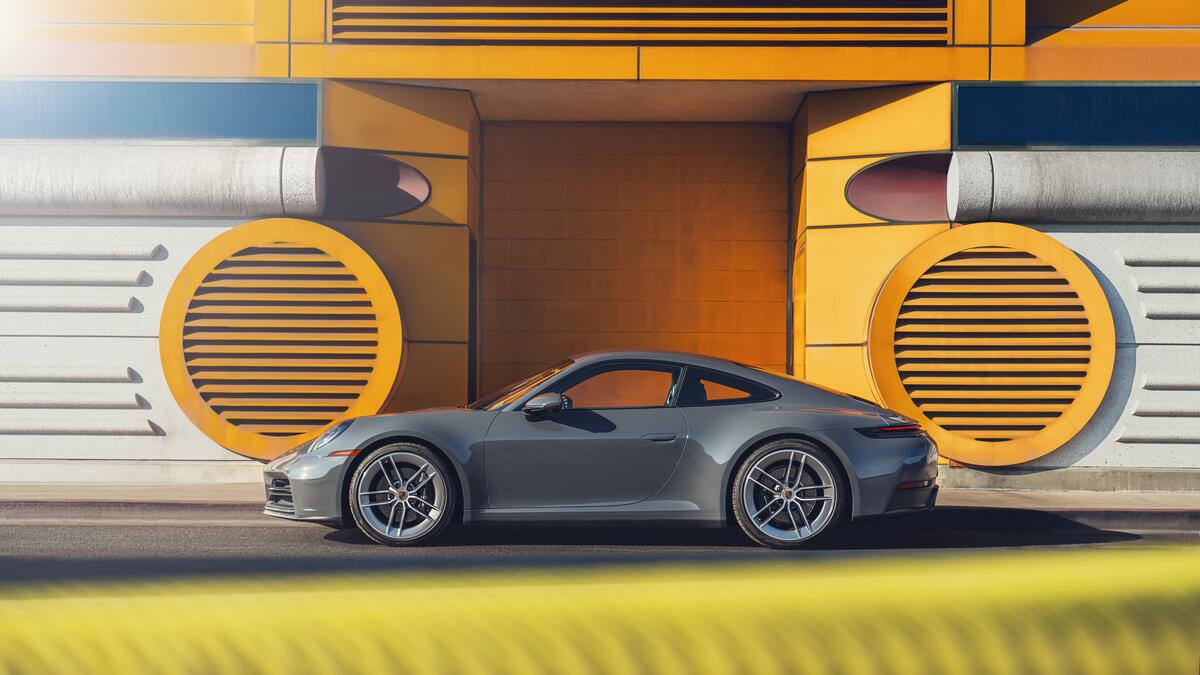
993 GT2
"Isn't Mark's 993 GT2 in I'm pretty sure that Jason sent me, I think it was an Instagram thing by Porsche..."
This is a Porsche 911 GT2 from the 993 generation. It’s a special, track-focused version of the 911, and the “993” part tells you which era of 911 it is.
The Porsche 911 GT2 (993 generation) is the late-’90s, rear-engine 911 built for serious track use, with a focus on speed and driver feedback. “993 GT2” specifically identifies the 911’s 993-era body/chassis, which is a major detail for enthusiasts because the 993 is distinct from earlier and later 911 generations.
Le Mans Classic
"Isn't Mark's 993 GT2 in I'm pretty sure that Jason sent me, I think it was an Instagram thing by Porsche and for, you know, for the Le Mans, Mans Classic and his car was their centre place."
Le Mans Classic is a motorsport event for classic cars tied to the famous Le Mans circuit. They mention it because it’s part of the Porsche-related context around the car they’re talking about.
Le Mans Classic is a historic-racing event connected to the Circuit de la Sarthe, where classic cars are driven and showcased. In the segment, it’s referenced as part of why Porsche’s content/car connection is being discussed.
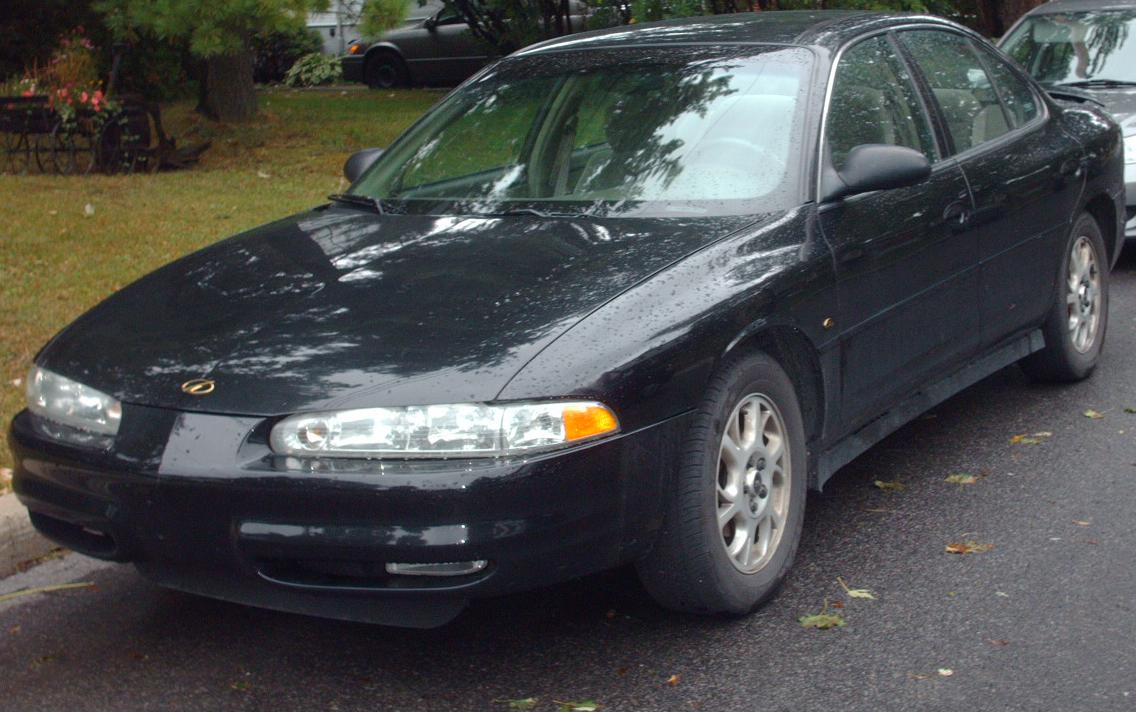
Oldsmobile Intrigue
"...hink for me, this year, like Year A, there's more intrigue because it's cars from 1975 to 2015, which is ama..."
The Oldsmobile Intrigue is a mid-size family car (a sedan). It was made for a limited period around the late 1900s and early 2000s. It’s often discussed because it’s a good example of what that kind of car was like in its time.
The Oldsmobile Intrigue is a mid-size sedan that was produced in the 1990s and early 2000s. It’s the kind of car that shows up in “time capsule” discussions because it represents a specific era of American family-sedan design and engineering. It may be mentioned as part of a broader range of model years and styles being compared.
LMP1
"But yeah, I can't wait, mate. It's interesting Le Mans classics every year now... because you're on the cusp of like LMP1 there,"
LMP1 is a category of top-level prototype race cars used in endurance racing. It’s basically the “big leagues” for purpose-built race machines designed to go fast for long periods.
LMP1 was the top prototype class in the FIA endurance racing ecosystem, used by manufacturers for their most advanced race cars. When the host says the 1975–2015 range is “on the cusp of like LMP1,” they’re pointing to the era where prototype racing rules and factory efforts ramped up toward the modern top class.
Group C
"But it means that, you know, alongside the Group C and, you know, GT2, BPR kind of era, [255.2s] you have got the RSRs, you know, three litres and whatnot."
Group C was a ruleset for endurance racing where cars had to meet specific regulations, especially around efficiency. It’s one of the big eras that shaped how race cars were engineered.
Group C was a top-level endurance racing category used in the 1980s, defined more by fuel/efficiency rules than by a simple engine-size limit. It heavily influenced how manufacturers designed prototypes for long-distance races.
BPR
"But it means that, you know, alongside the Group C and, you know, GT2, BPR kind of era, [255.2s] you have got the RSRs, you know, three litres and whatnot."
BPR refers to the BPR Global GT Series, a European GT racing championship that ran in the late 1980s/early 1990s. It’s often mentioned when discussing the era of GT2-style racing and the types of cars that were popular then.
Porsche RSRs
"But it means that, you know, alongside the Group C and, you know, GT2, BPR kind of era, [255.2s] you have got the RSRs, you know, three litres and whatnot."
RSR is Porsche’s racing version of the 911. It’s the kind of car you’d see in endurance or GT racing, and the “three litres” part is about the engine size category they competed in.
“RSR” refers to Porsche’s 911-based racing variants (commonly the 911 RSR) used in endurance and GT racing. When the host says “three litres,” they’re pointing at the engine displacement class that shaped how these cars were built and raced.
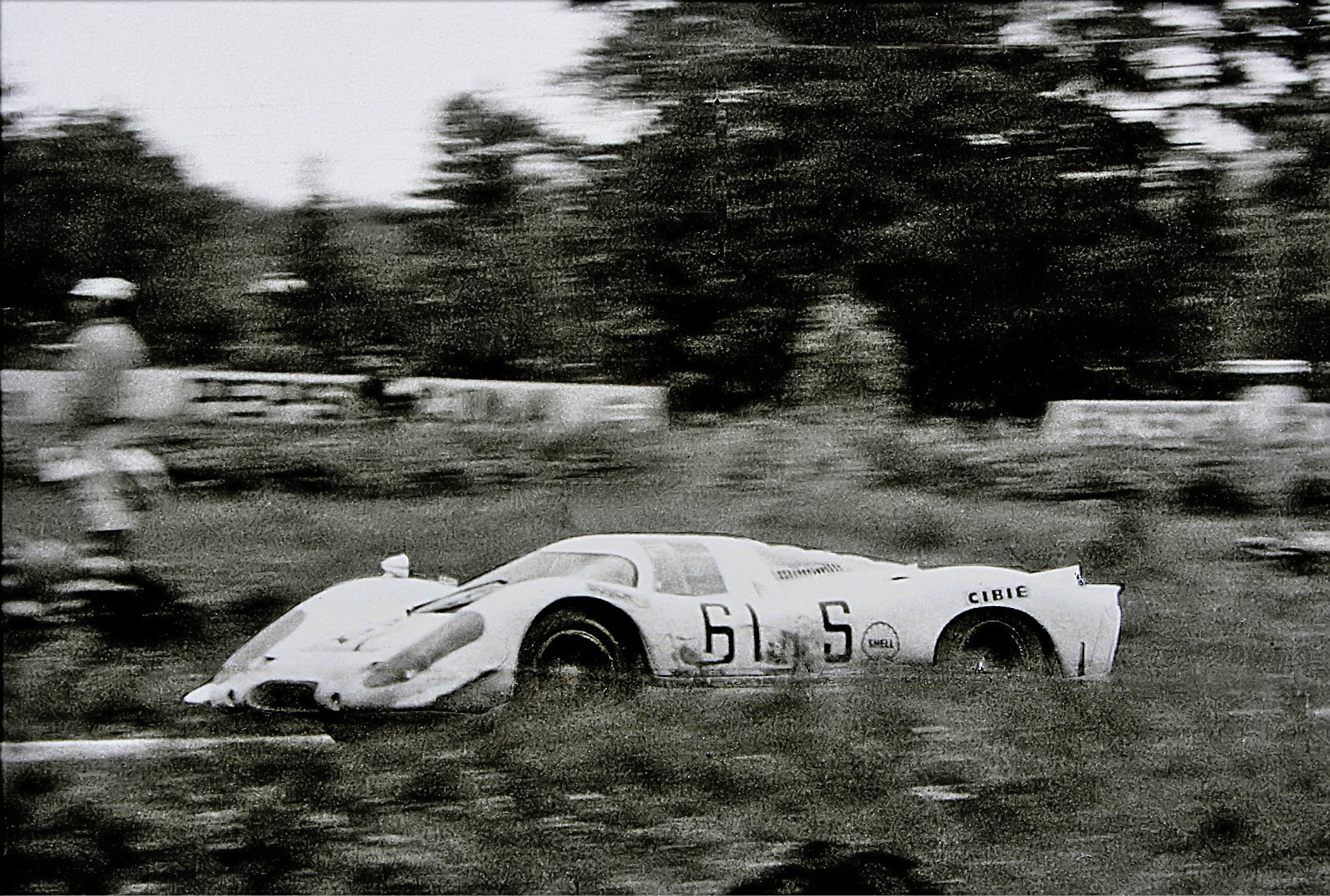
Porsche 917
"And and 917, obviously. [267.8s] But there's a lot of pre-war material, you know, for year B, if you like, next year,"
The Porsche 917 is a legendary Porsche race car from the late 1960s/early 1970s. People bring it up because it’s one of the most iconic endurance racers Porsche ever built.
The Porsche 917 is one of Porsche’s most famous Le Mans-era race cars, built for the 1969–1971 Can-Am/Endurance racing world. It’s especially known for its extreme engineering and dominance in endurance racing, and it’s a key reference point when people talk about classic Porsche race history.
pre-war material
"But there's a lot of pre-war material, you know, for year B, if you like, next year, [271.6s] yeah, yeah, which I personally wouldn't be so fussed about."
“Pre-war material” just means stuff from before World War II. In car talk, that usually points to older racing and older designs from the early days.
“Pre-war material” refers to content from before World War II, which in automotive contexts usually means early racing, early production cars, and historical design/engineering. It’s being contrasted with later endurance/GT eras the host just mentioned.

Renault Alpine
"I ended up with a Renault Alpine, a V6 turbo Alpine, and that definitely wasn't a Porsche."
Renault Alpine is a sports-car brand from France. It’s built for driving fun, and in this story they’re talking about a turbocharged V6 version, meaning it’s designed to make strong power.
Renault Alpine is a French sports-car brand/line known for compact, lightweight designs and a motorsport heritage. In this segment, the host mentions a V6 turbo Alpine, which signals a performance-focused, forced-induction setup rather than a typical naturally aspirated layout.
V6 turbo
"I ended up with a Renault Alpine, a V6 turbo Alpine, and that definitely wasn't a Porsche."
A V6 turbo is an engine that uses a V6 cylinder layout plus a turbocharger to force more air into the engine. The turbo helps the engine make more power than a similar non-turbo engine, but it can also add complexity that affects reliability if not well maintained.

Audi RS2
"Having done many, so I'd had a couple of RS2 Audi's before that, [656.6s] which was the Audi Porsche and Co-Lamb."
This is a special, high-performance Audi model called the RS2. It’s known for being rare and for feeling more “serious” than a normal Audi—almost like a Porsche-style hot wagon.
The Audi RS2 is a high-performance, turbocharged wagon that’s famous for being built in limited numbers and for its close ties to Porsche engineering. In the early 1990s, it helped bridge the gap between Audi’s everyday practicality and Porsche-like performance ambitions.
AFN in Guilford
"And also we were buying those from AFN in Guilford, which was the [669.2s] I think they're owned by Porsche GB."
AFN is the dealership the speaker bought from. They’re being praised for how they handled service and loaner cars.
AFN in Guilford is mentioned as the dealership/source for the speaker’s Audi and RS2 cars. The key point is the dealership’s role in arranging service and even loaning cars for owners.
trailer it
"he said, what do you want to borrow? [683.6s] he said, what do you want to borrow? [686.7s] And how long do you want it for? [688.2s] Should we trailer it?"
“Trailer it” means putting the car on a trailer to move it. It’s a way to get the car to the shop without driving it yourself.
“Trailer it” refers to transporting a car on a trailer instead of driving it under its own power. In a dealership context, it’s often offered when a car needs service but the owner doesn’t want to drive it there.

Audi S8
"...I got to try all the Porsches and things like our S8 when it came out, we went to the S8 launch with t..."
The Audi S8 is a luxury sedan that’s tuned for faster performance than a regular A8. It’s meant to feel comfortable like a high-end car, but still drive with more power. The podcast mentions it because it was a new model at the time and the host had a chance to experience it.
The Audi S8 is a performance-focused version of the Audi A8 luxury sedan, built to combine comfort with strong power. In your podcast context, it’s mentioned because the host got to try the S8 when it came out and attended its launch. That makes it a notable car for discussion since it represents a “big luxury sedan with performance” approach.
Milbrook
"we got driven around Milbrook with Derek Bell and things like that, [708.4s] taking his hands off the wheel at that."
Milbrook is a driving test facility in the UK. Car companies use it to test cars and to give people rides on specific routes so they can feel how the car behaves.
Milbrook is a UK proving ground used by automakers for testing and product launches. It’s known for controlled driving routes where guests can experience handling and performance in a repeatable environment.
Derek Bell
"we got driven around Milbrook with Derek Bell and things like that, [708.4s] taking his hands off the wheel at that."
Derek Bell is a famous professional race driver from the UK. Hearing his name here suggests the ride was done by someone with real racing experience.
Derek Bell is a well-known British racing driver with major endurance-racing credentials, including Le Mans. His presence here signals a high-profile Porsche-related driving experience rather than a casual test drive.
track days
"And we did many track days that RMA organised, which really got me hooked. Like really, really got me hooked. It's good instruction. Learn how to drive it."
Track days are organized days at a race track where regular drivers can practice. It’s a place to learn how to brake and turn better with coaching and proper safety.
Track days are events where private drivers bring their cars to a circuit for practice and driving instruction, rather than racing for points. They’re commonly used to learn car control, braking, and cornering techniques in a safer, controlled environment than public roads.
heel and toe
"Yeah, we certainly preach it, whether it's it or not. That's where I learned to heal and toe properly, you know, to really control the car on the limit going into into heavy braking zones and bends and things like that."
Heel-and-toe is a way to downshift smoothly while braking. You use the throttle “blip” so the engine speed matches the lower gear, which helps the car feel controlled instead of jerky.
Heel-and-toe is a driving technique used during downshifts where the driver blips the throttle with the right foot while braking with the left foot. The goal is to match engine speed to the transmission speed so the car stays smooth and stable as you enter a corner and brake hard.
driving it on the limit
"That's where I learned to heal and toe properly, you know, to really control the car on the limit going into into heavy braking zones and bends and things like that."
“On the limit” means pushing the car close to where the tires are about to lose grip. It’s where driving technique matters most because the car can get unpredictable quickly.
“Driving on the limit” means operating the car near the edge of available grip and traction. At that point, small inputs can cause big changes in balance, so techniques like heel-and-toe and careful braking become crucial.
heavy braking zones
"to really control the car on the limit going into into heavy braking zones and bends and things like that. And yeah, and that got me properly hooked."
Heavy braking zones are the parts of a track where you have to slow down a lot, quickly, for a turn. It’s tough because the car is under a lot of stress and needs precise control.
Heavy braking zones are sections of a track where drivers brake very late and very hard to slow the car for a corner. They’re demanding because braking loads are high and the car’s stability depends on smooth pedal inputs and proper downshifting.
sapphire crystal
"And it's sapphire sapphire crystal that's just super tough. And then we hold it in with the thing called an eye ring."
Sapphire crystal is a very tough, scratch-resistant clear cover used on some watches. It helps the watch look good for longer because it resists scratches.
Sapphire crystal is a watch cover made from synthetic sapphire, chosen because it’s extremely hard and scratch-resistant. In this segment, the host emphasizes that it stays clear while resisting damage better than softer glass.
eye ring
"And then we hold it in with the thing called an eye ring. We use slightly oversized eye rings, which give you a better seal."
An eye ring is a part that holds the clear cover (the crystal) in place on the watch. Its shape helps it seal tightly when the crystal is pressed into the case.
An eye ring is a component used to retain and seal the watch crystal to the case. Here, it’s described as having a 45-degree inner surface so that pressing the crystal deforms it and helps create a tight seal.
45 degree inner surface
"It's like a it's an eye ring, but it's in it's got a 45 degree inner surface. Yeah."
This is the angled shape of the ring that helps the crystal fit tightly. When the watch is pressed together, the angle helps the parts deform in a way that makes a better seal.
A 45-degree inner surface refers to the angled geometry of the eye ring that interfaces with the crystal during assembly. The angle allows the crystal to be pressed in and then “squashed,” improving how the seal is formed between crystal and case.
tegmentation
"So it's gone through a process called tegmentation. So that is if you if you were to take that material and scrape it down the road, you’d mark the road."
Tegmentation is a manufacturing process that hardens the surface of the bezel insert. The goal is to make it tougher and more resistant to wear and scratching.
Tegmentation (as spoken here) is a surface-hardening process used to make the bezel insert material more wear-resistant. The segment describes it as creating a much harder surface than normal stainless, so it resists scratching and damage.

Buick Rendezvous
"Mission starts. And then you could rendezvous say every four hours or whatever for another 12 h..."
The Buick Rendezvous is a family-oriented vehicle that sits between a car and an SUV. It’s built to carry people and gear for normal daily driving. In the podcast, the name comes up as part of the conversation, even if the word “rendezvous” is also being used in a general sense.
The Buick Rendezvous is a mid-size crossover/SUV-style vehicle designed for family use, with seating and space meant for everyday trips. It’s mentioned in your excerpt in a way that suggests the conversation is about scheduling or “rendezvous” timing, but the vehicle name itself is the key point. It’s a common kind of vehicle to discuss when talking about practical, people-moving cars from its era.
engine rebuild
"I'm not capable of doing it like an engine rebuild myself. I could do a reason for that stuff myself, but that's beyond me."
An engine rebuild means taking the engine apart and fixing or replacing the worn-out internal parts. It’s usually costly because it’s detailed work and needs the right parts and know-how.
An engine rebuild is a major overhaul where the engine is disassembled and key wear items are replaced or restored (like pistons, bearings, rings, and sometimes the cylinder head). It’s expensive because it requires specialized labor and parts, and it’s often done when an engine has significant wear or damage.
tracks idea
"And the incredible thing with Porsche, I said this to you tracks idea."
They’re talking about using the car on a racetrack. Track driving is harder on the car—especially brakes—than normal driving, so it’s a big deal when an older car can handle it.
The “track” idea here refers to designing and using a road car for circuit driving—where sustained high speed and repeated braking put very different demands on the car than normal street use. The host is contrasting that with the idea that a 40-year-old Porsche can still be used on track successfully.
Zuffenhausen
"I wonder if when the the staff, the team at Zuffenhausen back in the 1980s, when they were assembling your car..."
Zuffenhausen is where Porsche has a major factory in Germany. The hosts are basically saying the Porsche team back then built these cars with enough quality that they can still be driven hard now.
Zuffenhausen is the Porsche factory area in Stuttgart, Germany, where many Porsche models have been assembled for decades. In the 1980s context of the conversation, it’s used to reference the people and process behind building the cars that can still be driven hard today.
brakes got so hot
"...to the point where the brakes got so hot, it was having a little weep that and and just drive home."
When brakes get very hot, they don’t work as well as they should. The host is saying the car was driven hard enough that the brakes were overheating, and you could even see some fluid coming out.
This describes brake fade risk: when brakes get extremely hot, their ability to slow the car can drop because the friction material and fluid/heat management can’t keep up. The mention of a “weep” suggests heat and pressure can push fluid or moisture through seals or components under hard use.
Porsche 964
"Yeah. How I was actually emotionally, I wanted a 964 because I liked the look of of it. ... And it had slightly more modern running gear and so on."
A Porsche 964 is a specific generation of the 911. It’s a 1990s-era 911 that feels like a classic 911, but with some updates compared to older ones. The speaker wanted one mainly for the look and the updated mechanical parts.
The Porsche 911 (964) is the 1990s-generation 911, known for being a key step toward modern 911s while still keeping the classic air-cooled character. In this segment, the host explains they wanted a 964 because they liked its look and because it can have more modern running gear than earlier 911s.
running gear
"And it had slightly more modern running gear and so on."
“Running gear” means the main mechanical parts that let the car drive and handle—like the suspension and the parts that connect the engine to the wheels. The speaker is saying they wanted a car with more updated mechanical bits.
“Running gear” is a broad term for the car’s drivetrain and chassis components that make it move and handle—typically things like suspension, steering, and transmission-related hardware. Here, the speaker says the car they wanted had more modern running gear than an earlier look-alike.
whale tail
"I didn't really want a whale tail. I didn't really want all of that."
“Whale tail” is a nickname for a big rear spoiler on some Porsches. It’s mostly about the look, but spoilers also help with how the car stays stable at speed.
“Whale tail” is an enthusiast nickname for the large rear spoiler used on some Porsche 911 variants. It changes the car’s rear-end look and can also affect aerodynamic balance compared with smaller or earlier spoiler designs.
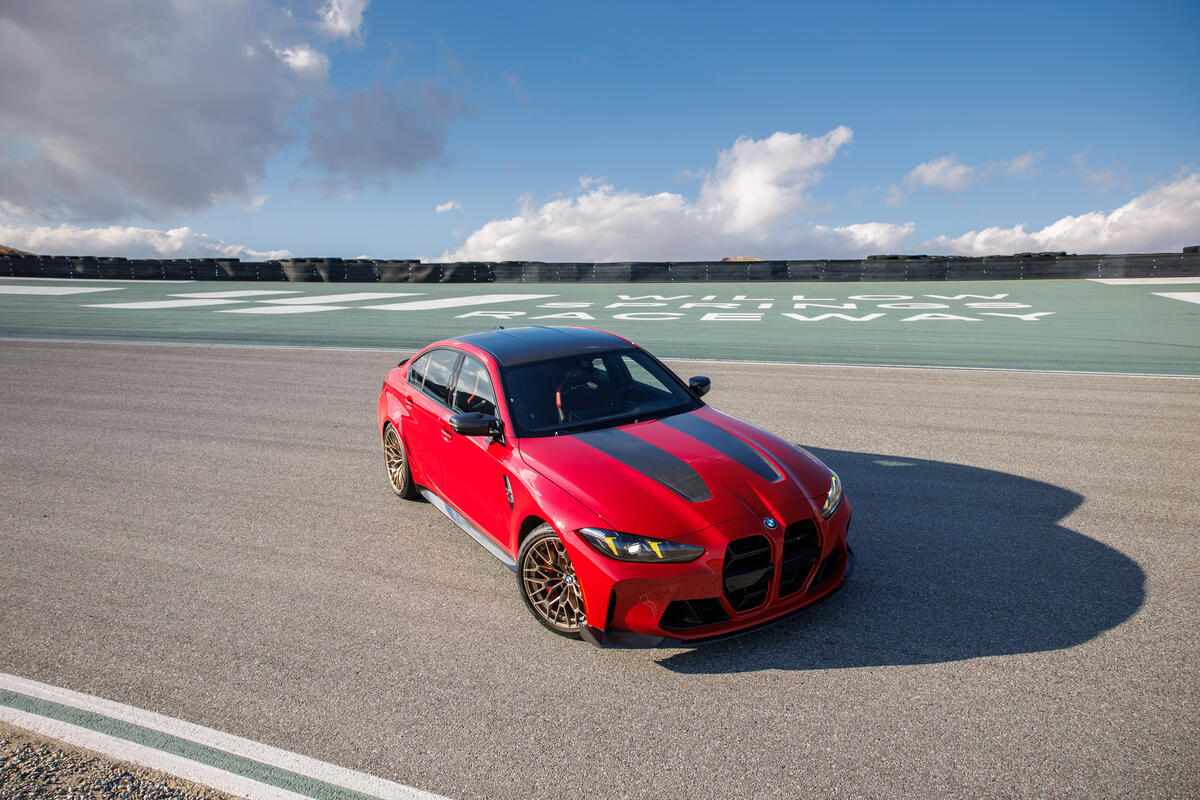
BMW M3
"It cut out on the eighth eighth M3 on the on the long section between Basingstoke and the Winchester Services."
They mention an “M3,” which is BMW’s performance model. The exact version/generation isn’t clear from the transcript, but it’s being used as a reference point during a breakdown story.
The transcript appears to reference an “M3” while describing a roadside failure, but the generation code is unclear in the audio (“eighth eighth M3”). Because the generation isn’t stated clearly, this annotation is low-confidence and should be treated as an M3 mention rather than a specific BMW M3 generation.
Winchester Services
"It cut out on the eighth eighth M3 on the on the long section between Basingstoke and the Winchester Services."
This is a motorway rest stop near Winchester. The speaker is using it to say roughly where the car had trouble on the drive.
“Winchester Services” refers to a motorway service area near Winchester, used here as a geographic reference for where the car cut out and then restarted. It helps listeners picture the real-world driving conditions during the incident.
G body motor
"Like really rare hue for a for a G body motor."
“G body” is a nickname for a specific older car platform used by certain American cars. Here, they’re saying a certain color is especially rare for that kind of car.
“G body” is a chassis/body-generation label used by enthusiasts, most commonly referring to the mid-1970s to late-1980s Chevrolet Monte Carlo/Grand Prix platform. In this context, it’s being used to describe what color/hue is rare for that particular body generation.
two point seven engine
"And I think it had a two point seven engine in it. They had a manual gearbox, roll cage."
This is the engine size—about 2.7 liters. Bigger displacement often means more potential power, though the exact output depends on the engine and tuning. The host is using engine size to explain what they started with and what they changed for racing.
“Two point seven engine” refers to an engine displacement of about 2.7 liters, which affects how much air/fuel the engine can move and how it tends to produce power. In this segment, the host is describing the original engine size and then later sourcing a different engine for the donor car. Engine swaps like this are common when building a track-focused Porsche.
roll cage
"They had a manual gearbox, roll cage. It was a nail."
A roll cage is a metal safety frame inside the car. It’s designed to protect you if the car tips over or crashes hard. Race cars often have them because they’re much safer than the stock body structure.
A roll cage is a reinforced metal frame installed inside the cabin to protect occupants during rollovers or hard impacts. For track and racing, it’s a key safety upgrade because it helps maintain the survival space around the driver. The host later mentions adding a new roll cage for track use.
manual gearbox
"And I think it had a two point seven engine in it. They had a manual gearbox, roll cage."
A manual gearbox means you shift gears yourself with a clutch. On a track, that can help you pick the right gear for faster acceleration. The host is saying they chose a manual setup to make launches and racing easier.
A manual gearbox is a transmission controlled by the driver using a clutch pedal and gear lever. It’s often preferred for track driving because it lets the driver choose exact gears for acceleration and engine braking. In this build, the host also emphasizes a “lower first gear” for better off-the-line launches.
lower first gear
"We got a new recon two point seven manual gearbox because it had a lower, lower first gear, which was better off the line racing clutch."
“Lower first gear” is about how the transmission is geared for starting. It usually helps the car get moving faster from a stop or slow turns. The host is saying this setup made the car better for racing starts.
A “lower first gear” means the gearbox’s first gear ratio is numerically smaller or otherwise tuned to provide more torque multiplication at low speed. That typically improves acceleration from a standstill or slow corners—useful for off-the-line racing. The host specifically links it to better launches and racing clutch behavior.
racing clutch
"We got a new recon two point seven manual gearbox because it had a lower, lower first gear, which was better off the line racing clutch."
A racing clutch is built to survive and work better when you drive hard on track. It’s designed for repeated starts and heavy use, where a normal clutch might overheat or wear out quickly. The host is saying their setup helped the car launch better.
A racing clutch is a performance-oriented clutch designed to handle repeated hard launches, higher heat, and more aggressive driving than a stock clutch. It often has different friction material and engagement characteristics to improve consistency under track conditions. The host connects the gearbox’s gearing to how well the car launches with this clutch setup.
caliper mounts
"We modified the caliper mounts so we could put 993 turbo brakes on it, which were massive."
Caliper mounts are the parts that hold the brake caliper in the correct position. If you upgrade brakes, the caliper may not line up with the new rotor, so the mounts might need changes. The host modified them so the bigger brakes would fit properly.
Caliper mounts are the brackets or mounting points that position the brake caliper relative to the rotor. When you change brake hardware, you often need to modify or replace caliper mounts so the caliper aligns correctly and fits the rotor size. The host modified these mounts to fit larger Porsche brakes.
extinguisher system
"Put an extinguisher system for the engine and for the driver and whatnot and got it got it for all up to regs for for racing and hill climbing"
This is a fire extinguisher system built into the car for racing. If there’s a fire, it can release suppressant quickly instead of relying on a handheld extinguisher. The host says they added it for both the engine area and the driver area.
An extinguisher system in a race car is a fire-suppression setup that can quickly discharge suppressant to protect the driver and engine bay. It’s typically plumbed to nozzles aimed at likely fire sources. The host mentions adding one for both the engine and the driver to meet racing safety requirements.
hill climbs
"and got it got it for all up to regs for for racing and hill climbing and did a few hill climbs and a few trials and things like that in it."
Hill climbs are races where you drive up a steep course as fast as you can. They often involve tricky corners and changing grip. The host is saying their car worked for hill climbs, but wasn’t right for smaller trials events.
Hill climbs are motorsport events where cars race against the clock on an uphill course, usually with tight turns and varying traction. They demand strong low-speed acceleration, good braking stability, and reliable cooling. The host says they used the built car for hill climbs and trials, but it was “too big for trials.”
trials
"and did a few hill climbs and a few trials and things like that in it. And it was just a bit too big for trials."
Trials are events where you go slowly and carefully through a course with obstacles. It’s more about control and precision than racing fast. The host is saying their car was too large for the kind of tight, obstacle-heavy trials course.
Trials are motorsport events focused on navigating obstacles at low speed with precision rather than outright speed. Cars are often smaller and lighter to make tight maneuvers easier and to reduce the chance of getting stuck or damaging bodywork. The host says the car was “too big for trials,” implying it didn’t suit the event’s tight, obstacle-heavy layout.
handbrake turn
"You have to get through narrow stuff and and handbrake turn it. And obviously it's got a handbrake in the in the rear hub,"
A handbrake turn is when you pull the handbrake to make the car rotate for a tight turn. It can be rough on the rear brakes and related parts, especially if you do it a lot.
A handbrake turn is a driving maneuver where the driver uses the handbrake to induce rear-wheel slip and rotate the car. It’s often used at low speeds for tight direction changes, but it can be very hard on components like the rear brakes and hubs.
handbrake in the rear hub
"And obviously it's got a handbrake in the in the rear hub, which very quickly melted."
This describes a setup where the handbrake mechanism is integrated into the rear hub area rather than using a separate rear brake caliper or drum arrangement. Because the handbrake is doing real work during repeated turns, heat can build quickly and damage nearby hardware.
hill climb course
"I did I did the hill climb course. I put Gerstin down in my car."
A hill climb is a timed driving event where you go up a hill. The course often has tight turns, and you can have long quiet stretches followed by short, intense sections where you have to be ready.
A hill climb course is a timed motorsport route up a hill, usually with tight corners and limited run-off. Unlike a track day, you may drive for long stretches between major braking/turning moments, then need to be fully “switched on” for short high-intensity sections.
double 90 degree uphill
"It's it's like it's like a double 90 degree uphill. It's in just north of Salisbury and you have to have the confidence"
This is a tricky part of the course with two very sharp turns while you’re going uphill. Going uphill changes how the car grips, so it’s harder to keep traction and control through both corners.
A “double 90 degree uphill” describes a course section with two right-angle turns while the road is rising. The uphill adds load transfer and traction demands, making it harder to keep the car settled and gripping through the bends.
Salisbury
"It's in just north of Salisbury and you have to have the confidence that the car is going to sink onto its suspension"
They’re using Salisbury as a location reference for where the hill climb course is. It helps you picture the region and the kind of roads the event uses.
Salisbury is referenced as a geographic anchor for the hill climb location. In UK motorsport talk, “just north of Salisbury” helps listeners identify the specific event area and typical road layout characteristics.
sink onto its suspension
"you have to have the confidence that the car is going to sink onto its suspension in the first of those two bends and you're going to get more grip."
They mean the car settles down as the suspension compresses when you load it into the corner. That settling can help the tires get more grip, which is crucial on a tough uphill section.
“Sink onto its suspension” refers to the car compressing its suspension under braking/load transfer as it turns into a corner. The speaker is linking this compression to gaining grip—i.e., the tires bite better once the suspension is loaded correctly.
downforce
"It's probably a bit like having downforce, I would imagine. But it's anyway, just a compression."
Downforce is a force that helps press the car down onto the road. When it’s higher, the tires usually grip better, which can help you go faster safely.
Downforce is the aerodynamic force that pushes a car’s tires harder onto the road. More downforce generally improves grip, especially at speed, which is why it’s often discussed alongside lap times and “going too slow.”
compression
"It's probably a bit like having downforce, I would imagine. But it's anyway, just a compression."
Here, “compression” sounds like a feeling of the car squashing down under load—like when you brake or push into a corner. Drivers use it to describe how the car settles and how that affects control.
In this context, “compression” is being used as a driving/track sensation—likely referring to how the car loads up and how the driver feels the car settle under braking or cornering forces. It’s not a specific Porsche component here, but it’s a specialized way drivers describe vehicle behavior and feel.
burnout
"And you do your little burnout to all your tyres up. They roll you forwards to the starting beam and you'd have a couple of practice"
A burnout is when you spin the tires on purpose to warm them up. Warmer tires usually grip better, which can help you get faster times.
A burnout is a deliberate wheel-spin maneuver used to warm the tires and sometimes clear debris. In timed events, tire temperature and grip can be critical for getting a good first run.
Wiskam
"Yeah. And then I did my first event at Wiskam down in Devon near Honiton. And you do your little burnout to all your tyres up."
Wiskam is the location where the speaker’s first driving event happened. They’re describing a timed motorsport format with practice runs and a start line.
Wiskam is the venue where the speaker did their first event. It’s referenced as a hill-climb-style setting in Devon near Honiton, which helps listeners place the driving context (practice runs, starting beam, and timed runs).
starting beam
"They roll you forwards to the starting beam and you'd have a couple of practice laps, cupped practice runs on on each day."
The starting beam is a sensor at the start that detects exactly when you begin. It’s used so timing is fair and consistent for every run.
A starting beam is a timing system component (often an optical sensor) used to detect the exact moment a car launches. In timed motorsport, it helps ensure the stopwatch starts consistently for each run.
practice laps
"They roll you forwards to the starting beam and you'd have a couple of practice laps, cupped practice runs on on each day."
Practice laps are runs where you learn the track and try things out. The goal is to figure out what works before you go for your timed best.
Practice laps are untimed (or less consequential) runs used to learn the course and build a baseline for the timed attempt. The speaker describes using practice to remember what felt good or bad so the timed run is more consistent.
timed runs
"So you do your first practice for anything. That was all right. You took it easy, get a time and you have to try and remember what you did and where so that you can make a mental note."
Timed runs are the official attempts where your time is measured and counts. Practice is about learning; timed runs are about performing under pressure.
Timed runs are the official attempts where the clock matters and the result is recorded. The speaker contrasts practice with the moment “now it counts,” highlighting how pressure changes driving behavior.
hill climbing
"And it's this mass, it's a mental, it's a mental challenge, hill climbing, to not to not overcook it, you know, to be calm, to be present,"
Hill climbing is a timed race up a hill. You’re trying to be as fast as possible, but you have to stay smooth and controlled because it’s easy to lose traction or overdo it.
Hill climbing is a motorsport where cars race against the clock on an uphill course, typically with one or a few timed runs. It emphasizes traction, braking stability, and driver concentration because there’s little room for mistakes and the course changes how the car loads up.
hill climb tires
"And he'd got ultra sticky hill climb tires that were sticky from cold. [3792.5s] You know, they didn't last very long, but man, was he good."
Hill-climb tires are tires picked for short, hard runs up a hill. They’re designed to give strong grip quickly, but they can wear out faster than normal tires—exactly what the speaker is describing here.
Hill-climb tires are specialized tires chosen for short, intense runs where grip and heat-up behavior matter a lot. The speaker specifically notes “ultra sticky hill climb tires” that are sticky from cold but don’t last long, highlighting the trade-off between immediate traction and tire wear.
cling film around the tires
"And they've got this like sticks and wings thing [3822.5s] when they've got cling film around the tires and all that kind of stuff going on."
Cling film on tires is a way to protect the tire surface between runs. It helps keep the tires in the right condition so they’re grippy when the next run starts.
Cling film around tires is a paddock trick used to help manage tire temperature and surface condition between runs. The idea is to keep the tire “ready” (especially for sticky tires) so it performs immediately when the next session starts.
supercharged
"It was obviously supercharged because you could hear it. [3836.5s] It had it was gold."
“Supercharged” means the engine has a device that forces extra air in. That usually makes the car feel stronger than a stock engine because it can burn more fuel and make more power.
A supercharger is a forced-induction device that uses a belt-driven compressor to push more air into the engine. More air (and the right fuel/engine tuning) typically means more power than the same engine without boost.

gold Sirocco
"And you're like, I'm like, where else in the world would you get a guy with a supercharged [3852.8s] gold Sirocco that looked bog standard, but absolutely wasn't sitting, sitting in a wet [3857.4s] grassy field with a lizard on his shoulder."
A Volkswagen Scirocco is a sporty-looking compact car that many people modify. Here, the host is saying this gold Scirocco looked mostly normal, but it had been modified with a supercharger, so it sounded and behaved differently than a stock one.
The Volkswagen Scirocco is a compact coupe that became popular with enthusiasts for its sporty, front-engine layout and tunability. In this segment, the host describes a gold Scirocco that sounds supercharged and looks “bog standard,” highlighting how forced induction can be hidden behind a stock appearance.
track car
"He bought it as a track car. [3882.2s] And I'm pretty certain I saw it being being sold on."
A “track car” is a car prepared mainly for driving on a race track. It’s usually set up to handle faster driving and more stress than a normal daily car.
A track car is a vehicle set up primarily for circuit driving rather than everyday commuting. Owners often prioritize cooling, brakes, tires, and suspension tuning for repeated hard use.
Resto mod
"I mean, you know, the old green RS, you said, you know, RS inspired car, whatever, [3892.9s] you know, it's probably a 200 K Resto mod now."
A “resto mod” is an older car that’s been restored, but also upgraded with newer parts. The goal is usually to keep the classic style while making it drive better and feel more dependable.
A “resto mod” is a restyled/restored classic car that’s modified with modern upgrades—often for reliability, safety, and drivability. The idea is to keep the original look or vibe while improving how it drives and how dependable it is.

Dodge Ram
"I had a, I had a really big mix of cars. [3912.7s] We had a Dodge Ram, Davan, big V8 in between the driver and passenger, three speed."
They’re talking about a Dodge Ram pickup they owned. They highlight that it had a big V8 and they used it for fun driving, not just hauling.
The speaker describes owning a Dodge Ram as an enthusiast vehicle, emphasizing its big V8 and unusual practicality for fun driving. In this context, it’s notable because it’s a full-size pickup used more like a playground than a work truck.
three speed
"We had a Dodge Ram, Davan, big V8 in between the driver and passenger, three speed. [3920.1s] Is that like a surf wagon?"
“Three speed” refers to a transmission with three forward gears. Older trucks and many classic cars used fewer gears, which can make them feel busier at highway speeds compared with modern multi-gear setups.
suicide doors
"Is that like a surf wagon? [3921.1s] Yeah, knobbly back, knobbly tires, suicide doors. [3926.1s] And it was great for, it would cost like 120 quid to get to North Devon and it way back,"
“Suicide doors” are doors that open from the back-hinged side instead of the front-hinged side. They’re called that because older designs could be dangerous if a latch failed.
“Suicide doors” are doors that hinge at the rear (so they open opposite of conventional front-hinged doors). They were common on some older cars and trucks; the name comes from the historical risk of doors opening while driving if the latch failed.

Citroen Axg Citroen
"That was fun. We had an AXG, Citroen AXGT. That was a good fun thing."
The Citroën AX is a small hatchback made for easy city driving. The “AXG” and “AXGT” are different versions of that same basic model. The podcast calls it fun because it’s a light, straightforward car to drive.
The Citroën AX is a small, lightweight hatchback that was popular as an affordable city car. In your excerpt, the mention of an “AXG” and “AXGT” highlights specific trim levels that enthusiasts often seek out. It’s discussed because it represents a fun, simple, lightweight car character that’s memorable to drivers.
Citroen AXGT
"We had an AXG, Citroen AXGT. [3946.0s] That was a good fun thing. [3948.1s] So I, I, I wrecked it."
They’re talking about a Citroën AXGT. It’s a sportier version of the small Citroën AX, and the AX line is known for being light and fun.
The speaker mentions an “AXGT,” which is a performance-oriented variant of the Citroën AX. In enthusiast circles, the AXGT is remembered as a small, lightweight hot-hatch style car that can be fun to drive and easy to modify.
Sandbanks
"That was fun. [3943.3s] We had an AXG, Citroen AXGT. [3951.7s] We were in the car park at Sandbanks on a very, very wet day."
They say this happened at Sandbanks. It’s a real place, and they’re describing a wet-day incident there.
Sandbanks is referenced as the location where the speaker wrecked the Citroën AXGT. It’s a specific coastal area, and the mention matters because it ties the story to a real wet-day driving scenario.
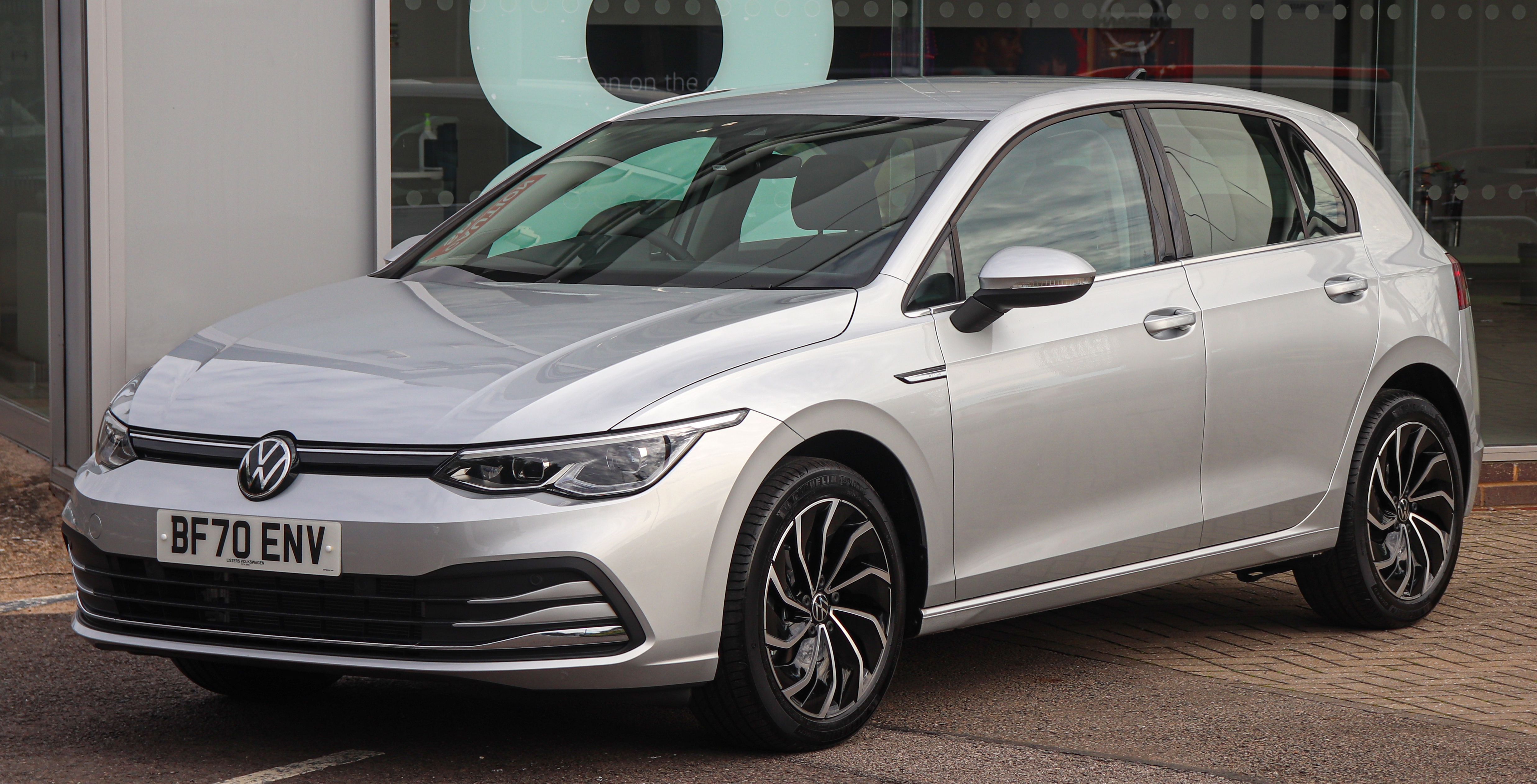
Volkswagen Gtis
"...ra of sort of Renault five turbos and two or five GTIs and all that kind of stuff. And then we had some ..."
The Volkswagen Golf is a compact car that’s usually sold as a hatchback. Some versions are made to be more fun and sporty, like the GTI. The podcast mentions it because it’s part of the group of popular performance-focused small cars.
The Volkswagen Golf is a compact hatchback (and related body styles) that’s known for being practical, efficient, and widely available. In your context, it’s brought up alongside other hot-hatch and turbo-era cars, which points to its role in performance-oriented trims like the GTI. It’s frequently discussed because it has a long history and many variations over the years.
BX turbo diesel estates
"And then we had some very sensible cars, BX turbo diesel estates, because they were great to just hammer over to [3996.9s] Germany, do shows and stuff over there."
This is a Citroën BX wagon with a turbo diesel engine. They’re describing it as a practical car that was good for long drives and trips.
The Citroën BX turbo diesel estate is a station-wagon version of the BX, powered by a turbocharged diesel engine. The speaker calls them “sensible cars” for long trips, implying they were chosen for practicality and durability over outright excitement.
Renault Alpine GTA turbo
"What came after that? [4002.0s] So the first quick car was the, the Renault Alpine GTA turbo. [4007.5s] Very Marcus Tandy, remember that?"
This is a Renault Alpine model that was made to be quick and fun. It had a turbo, which helps it feel punchy when you accelerate.
The Renault Alpine GTA turbo is a hot-hatch/GT-era Alpine model built by Renault, known for its turbocharged punch and motorsport-inspired image. In this segment, it’s mentioned as the “first quick car,” so it’s part of the speaker’s lineup of fast, enthusiast cars.

306 GTI
"We had a 306 GTI in the business. [4020.0s] That was a cracking car. [4021.9s] Awesome. [4022.2s] Yeah, yeah, yeah. [4022.8s] Cracking car. [4023.4s] We drove that so hard, the seat rails broke because the force on the seat was so because it was good."
The Peugeot 306 GTI is a small “hot hatch” that people liked for being fun to drive. In this story, they pushed it hard enough that the seat rails (the metal tracks under the seat) failed.
The Peugeot 306 GTI is a compact hot hatch famous for its driver-focused feel and enthusiastic reputation in the 1990s. Here, the host describes driving it hard until the seat rails broke, which highlights how stresses from aggressive use can expose weak points in older cars.
seat rails
"Cracking car. [4023.4s] We drove that so hard, the seat rails broke because the force on the seat was so because it was good."
Seat rails are the metal tracks under your seat that let it slide forward and back. If they break, the seat can become unsafe or won’t hold its position.
Seat rails are the metal tracks that mount the front seat to the floor and allow fore-aft adjustment. If they break, the seat can shift or fail to stay properly positioned, which is exactly what the speaker says happened after hard driving in the Peugeot 306 GTI.

Ford Mondeo
"We had a circuit actually around by Kimmeridge. [4035.6s] If we ever hired a car, so a Ford Mondeo."
A Ford Mondeo is a regular family car. In this story, it’s mentioned because they used it for driving around tight roads and corners, not because it’s a performance Porsche.
The Ford Mondeo is a mainstream European sedan used here as a rental car example. The host mentions it in the context of cornering and navigating tight lanes, which highlights how even a non-sports car can be used for driving practice.
ABS
"We managed to bend a chassis on one of those ones round that little lanes, because on the ABS you could really [4050.2s] racing was done in the bridge."
ABS is a braking system that stops your wheels from locking up when you brake hard. That helps you keep control of the car instead of sliding straight.
ABS (anti-lock braking system) is a safety feature that prevents the wheels from locking up during hard braking. By modulating brake pressure, it helps the car keep steering control while slowing down.
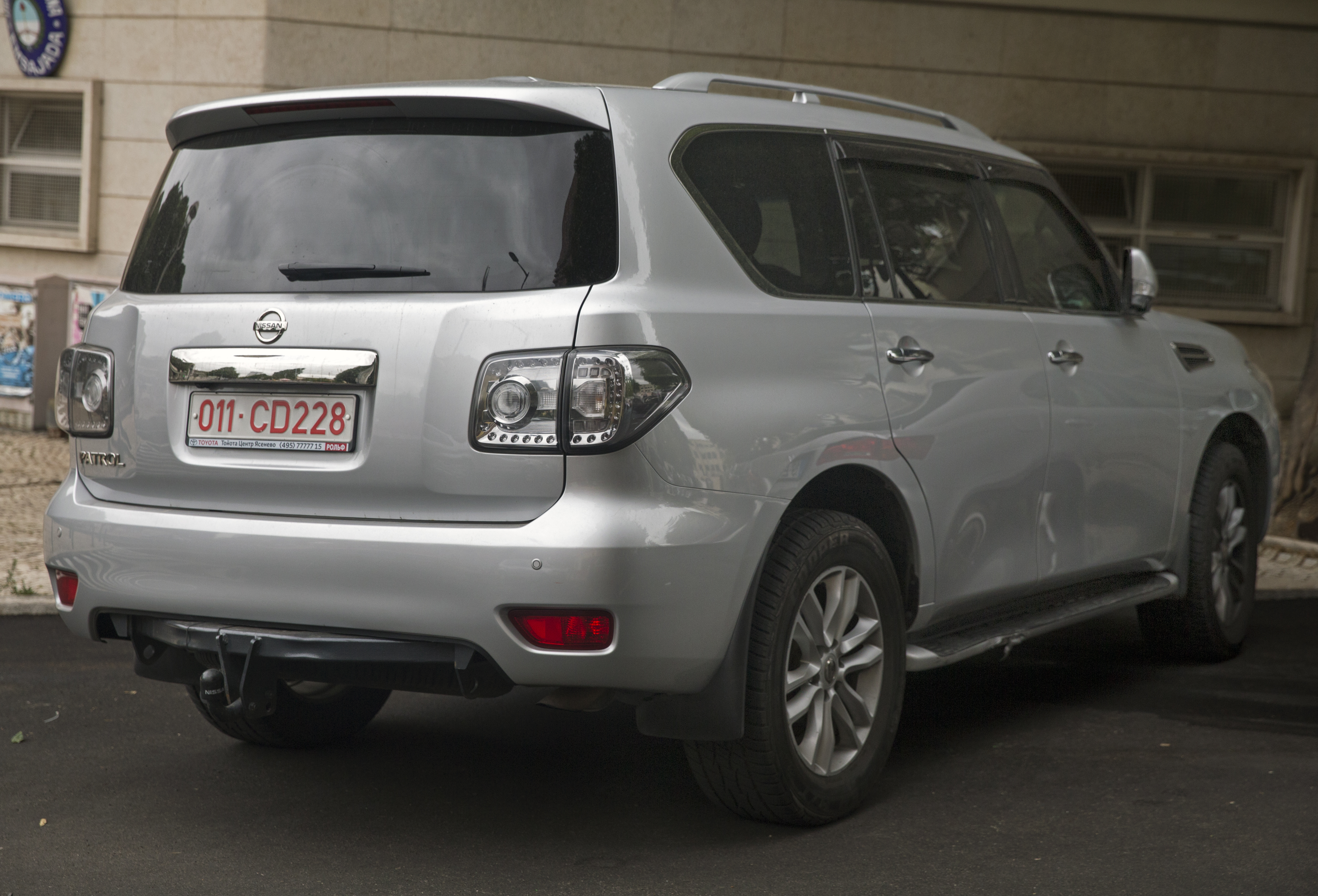
Nissan Patrol
"And then I got a Nissan Patrol. [4054.4s] I imported a nine seater Nissan Patrol long wheelbase high top. [4059.1s] And that was amazing."
The Nissan Patrol is a big, rugged SUV built for tough use. In this story, the host talks about a long-wheelbase, nine-seat version that lasted for hundreds of thousands of miles.
The Nissan Patrol is a body-on-frame, full-size SUV known for durability and long-distance capability. Here the host specifically describes a long-wheelbase, nine-seater version that racks up extremely high mileage, emphasizing its toughness and practicality.
limited
"[4114.1s] Are a limited. [4117.0s] Which was a thing. [4118.3s] It was like lightweight panels, little vent in the roof."
In this context, “limited” refers to a limited-production or special-edition model. Limited editions often include unique bodywork or interior/exterior features that aren’t on regular trims.
lightweight panels
"[4117.0s] Which was a thing. [4118.3s] It was like lightweight panels, little vent in the roof. [4120.9s] So was that too if you if you're into your Impressors, that was that was it was a bit of a car."
Lightweight panels are parts of the car’s body made to be lighter than usual. A lighter car can feel quicker and more responsive to drive.
Lightweight panels are body components made to reduce mass compared with standard panels. Less weight can improve acceleration, braking, and handling response, especially on a performance-focused car.
two door
"Yeah, two door. Mike, was it Micah Blue with gold wheels?"
“Two-door” just means the car has two side doors for getting in and out. It’s a basic body style difference people use when describing which version of a car they had.
A “two-door” car is a body style where the cabin is accessed through two side doors (one per side). It’s a common way enthusiasts distinguish between coupe-like layouts and four-door versions when talking about fit, visibility, and how the car feels day to day.
GTI mark five
"I imported a GTI mark five GTI from Holland. That was a good car. OK, yeah, yeah, like that. That was kind of the sweet spot, I think, in that whole GTI when they when they found their mojo."
This is a Volkswagen Golf GTI. “Mark five” means the fifth generation of that Golf GTI, from the mid-2000s timeframe.
“GTI” refers to Volkswagen’s Golf GTI, a performance-focused version of the Golf. “Mark five” is the fifth-generation Golf platform (commonly associated with the mid-2000s era), and the speaker is discussing buying and owning that generation of GTI.
back end
"But the first time I properly lost the back end of that was was the day I decided to sell it [4227.3s] because you steering was so so slow."
They mean the rear wheels lost traction. When that happens, the back of the car can slide out and the car can spin or become hard to control.
“Back end” here means the rear of the car losing grip—often called oversteer in enthusiast terms. When the rear steps out, the car can rotate faster than the driver expects, especially in a short-wheelbase setup.
short wheelbase
"because you steering was so so slow. [4230.3s] You couldn't even begin to catch it in a car with such a short [4233.2s] wheelbase and quite wide, quite wide tires way over the back."
Wheelbase is the length of the car between the front and rear wheels. A shorter wheelbase can make the car feel more agile, but it can also make it easier to lose control if you’re driving aggressively.
A short wheelbase means the distance between the front and rear axles is relatively small, which typically makes a car feel more “turn-in quick.” The tradeoff is that it can also be easier to upset at the limit, so the rear can step out if traction is exceeded.
wide tires
"You couldn't even begin to catch it in a car with such a short [4233.2s] wheelbase and quite wide, quite wide tires way over the back."
Wider tires can grip the road better because there’s more rubber touching the ground. But if you push too hard, even wide tires can lose traction and let the car slide.
“Wide tires” increase the contact patch area, which can improve grip in normal driving. But if the tires are positioned and loaded in a way that encourages the rear to break traction, they can still allow dramatic slides—especially on a short wheelbase with aggressive throttle or steering inputs.
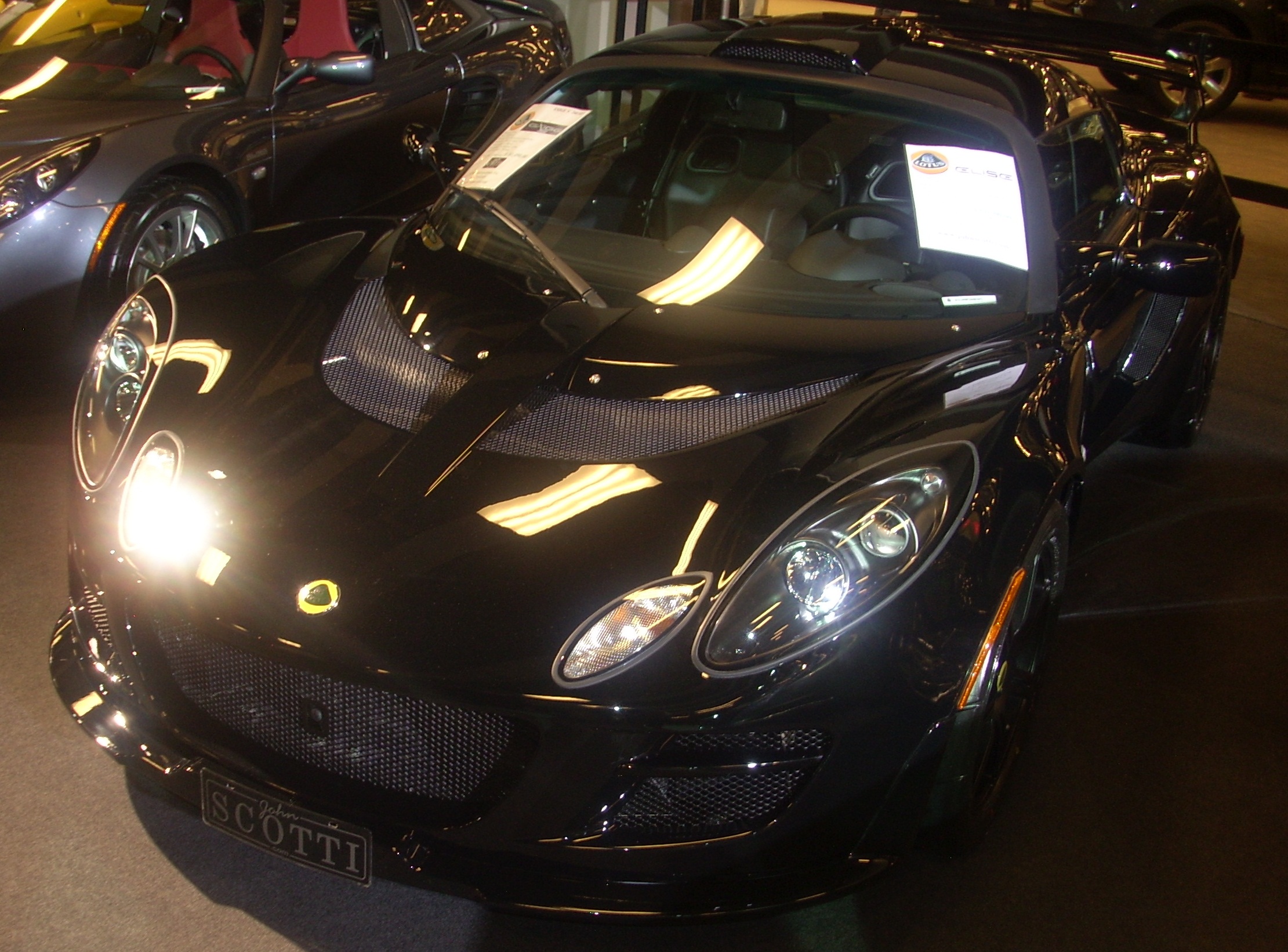
Lotus Elise
"So that very quickly went and then I got an Elise 111R. [4245.0s] OK. And that was cracking. [4247.6s] That was brilliant car."
This is a special, more performance-oriented version of the Lotus Elise. They loved how fun it felt, but they also pushed it too hard and ended up crashing it while drifting.
Lotus Elise 111R is a track-focused variant of the Lotus Elise, known for its lightweight, sharp handling, and driver-first feel. The speaker describes it as “cracking” and says they “wrote that off” after drifting it on an “uptown roundabout,” highlighting how quickly these cars can get sideways if you push traction limits.

Porsche 944
"So that was that was my sensible car. And then I went from that to the 944."
The Porsche 944 is an older Porsche sports car. Even though it’s not the most famous model, it’s known for handling that feels surprisingly balanced for a front-engine design.
The Porsche 944 is a front-engine, rear-transaxle sports coupe from Porsche’s 1980s/early-1990s era. It’s known for a near-50/50-ish weight balance feel compared with many front-engine cars, which is why enthusiasts often describe it as more agile than its “sensible” reputation suggests.
stainless steel back box
"So it's got a stainless steel back box."
The back box is part of the exhaust that controls the sound coming out of the car. Stainless steel helps it resist rust, and the design can change how loud or how “raspy” the exhaust sounds.
A “back box” is the rear muffler section of the exhaust system, and using stainless steel typically improves corrosion resistance and can help maintain exhaust sound characteristics over time. Changing the back box is a common way to alter exhaust tone and volume without replacing the entire exhaust.
5,000 revs
"You know how good it's going to be over 5,000 revs."
“Revs” means how fast the engine is spinning, measured in RPM. They’re saying the sound and feel get really good once the engine is above about 5,000 RPM.
“Revs” is shorthand for engine RPM (revolutions per minute). Mentioning “over 5,000 revs” highlights the point in the rev range where the engine/exhaust note becomes especially enjoyable or pronounced.
steering is so pure
"[4445.0s] Yeah, you know, the steering is so pure. [4447.3s] You have to and you have to work at it to drive it well, don't you?"
“Pure steering” means the car’s steering feels honest and connected to the tires. You can feel what the front wheels are doing, so it’s easier to drive smoothly.
“Pure steering” is an enthusiast way of saying the steering feels direct and communicative, with minimal electronic filtering or artificial assist. The driver can sense what the front tires are doing and make small corrections confidently.
systems that help you out
"[4450.4s] Most of cars you do, you know, one car you should jump in and pin it. [4453.8s] Right. But because there's loads of systems that help you out. [4456.4s] Whereas that you've got to set it up for a corner..."
They’re the car’s “helpers” that step in when the tires start to lose grip. That can make the car easier to drive fast because it corrects mistakes for you.
This refers to driver-assistance and stability technologies (like traction control and stability control) that intervene to reduce wheel slip and help the car stay on its intended path. When those systems are present, you can often drive more aggressively without as much risk.
art of driving
"[4458.9s] and it does lean all those things that make you as a driver, [4462.0s] work hard for the reward. Yeah. And the art of driving. [4465.5s] That's catnip, isn't it? Yeah. Yeah. Love it."
They mean driving well is a skill, not just pressing the gas. This kind of car rewards you when you learn how it behaves in corners.
The “art of driving” here is the idea that some cars demand active, skilled inputs—especially through corners—rather than relying on electronic aids. It emphasizes learning the car’s balance and grip limits to get performance smoothly.
Abbottville
"[4467.7s] They get like especially like that experience, even from the passenger seat [4471.5s] on track at Abbottville, you know, the wonderful thing about those cars"
They’re talking about a track where they rode along to feel how the car behaves. It’s used to explain what the car feels like when you’re actually pushing it.
Abbottville is referenced as a track location where the hosts experienced the car’s on-track behavior from the passenger seat. The key point is that the discussion is about real track feedback and grip communication, not just street driving.
communicate so much to you
"[4471.5s] on track at Abbottville, you know, the wonderful thing about those cars [4474.4s] and you'll get this Andy is, you know, they do communicate so much to you. [4479.6s] You know, I mean, there's that, you know, the saying of you."
They’re talking about how the car “tells you” what’s happening—like whether the tires have grip. If the feedback is good, you can drive faster because you know what the car wants.
This describes “driver feedback” from the chassis and tires—how the car relays information about grip, balance, and traction. When a car communicates well, you can read what the tires are doing and adjust your line and throttle to exploit available grip.
lateral grip
"the lateral grip increased, the braking increased [4589.5s] and the acceleration increased just incrementally."
“Lateral grip” is how well the tires can hold the road when you’re turning. If lateral grip is higher, the car can corner harder and feel more confident in the bends.
Lateral grip is the tire’s ability to generate sideways force while cornering. More lateral grip lets the car hold a tighter line and feel more stable through turns, which is why the speaker links it to increased braking and acceleration feel.
rear-engined
"And there was not a great deal of you could tell it was rear-engined in all of them. [4601.3s] And I mean, my God, that new car getting up to 9000 in second gear"
“Rear-engined” means the engine sits toward the back of the car. That layout can change how the car turns and grips, but the speaker is saying these cars felt similar enough that you wouldn’t notice the difference.
“Rear-engined” describes a layout where the engine is mounted behind the driver, which strongly influences weight distribution and how the car behaves at the limit. The speaker says you couldn’t really tell it was rear-engined, implying modern Porsche engineering has made the driving feel more uniform across variants.
9000 in second gear
"And I mean, my God, that new car getting up to 9000 in second gear between two corners in a heartbeat was that quite exciting."
That’s the engine speed (rpm) while accelerating in second gear. If it can reach around 9,000 rpm quickly, it usually means the car feels very eager and fast when you’re pushing it.
Revving to around 9,000 rpm in second gear indicates the engine is pulling strongly at high engine speeds. That kind of acceleration between corners is often used to highlight how responsive and fast a performance Porsche feels in real driving.
four
"Yeah, I really enjoyed that. [4681.2s] You know, definitely two wheel drive over four for me. [4683.5s] I like the twitchiness."
“Four” here means the car drives all four wheels. That usually makes it feel more stable when the road is slippery.
In this context, “four” refers to four-wheel drive (4WD), where power is distributed to all four wheels. That changes traction and how the car responds when grip is limited.
two wheel drive
"Yeah, I really enjoyed that. [4681.2s] You know, definitely two wheel drive over four for me. [4683.5s] I like the twitchiness."
Two-wheel drive means the car only powers two wheels. That can make the car feel more “connected” or twitchy compared with powering all four wheels.
Two-wheel drive (2WD) means power is sent to only two wheels—typically either the front or the rear. The speaker contrasts it with four-wheel drive to explain how traction and handling feel different.
slip
"Yeah, it gives you I think that feel, doesn't it? [4692.2s] That you'll that if you do feel a bit of slip, [4696.3s] it's your input that's done that."
Slip is when the tires don’t grip the road and start spinning or sliding. The speaker’s point is that the driver can often correct it with steering/throttle inputs rather than the car feeling overly “safe.”
Slip is when a tire loses grip and rotates without matching the car’s actual speed. The speaker is describing how, in a less traction-assist setup, the driver’s inputs can help recover from that moment of reduced grip.
carry speed
"whereas in the 997 dot one, you know, you can you can carry speed through these corners a bit quicker"
“Carry speed” means you don’t slow down as much in the turn—you keep going fast through it. Drivers like this because it usually makes the lap time quicker.
“Carry speed” is driving jargon meaning you maintain a higher velocity through a corner rather than slowing down early and accelerating out. It’s a key metric for performance driving because it usually requires good grip, balance, and line choice.
hedge backwards
"If you did that in the nine on six, it's just not accomplished enough. You'd be going for a hedge backwards."
This is a joking, dramatic way to say you’d crash or spin off the road. The point is that the car is less forgiving if you push it the same way as a different 911.
“Hedge backwards” is a colorful way to describe going off the road in a spin or loss of control, ending up facing the wrong direction relative to the track. In context, the speaker is warning that if you try to drive the more demanding 996.2 like the 997.1, it can get unstable quickly.
Request an Explanation
Heard something you'd like explained? We'll add it to this episode.
Sign in to request explanations for terms you heard.
Want to learn more?
Browse our glossary for plain-English explanations of automotive terms, jargon, and concepts.
Help improve this episode
See something that's not quite right? Our annotations are AI-generated and can sometimes miss the mark. Click the flag icon on any annotation to suggest a correction.
1 community members have helped improve this episode.