
Bracket Breakdown with "Big Jed" Jared Pennington
About this episode
Sonoma’s divisional race is on the radar, and the crew talks about watching it on NHRA TV while joking about points, helmets, and getting disqualified. The conversation then dives into what makes footbrake/bracket racing feel “huge”: staging difficulty, footbreaking pressure, and why “you can't have a great race without great racers.” They also cover event logistics—entries, oil-downs, and announcer duties—before Big Jed Jared Pennington shares favorite tracks, music, and a quick race-weekend prep update.
Big Jed talks WFC and being a promoter, dad and Racer himself. Special segment "Adult Film Star, Olympic Athlete, or Sportsman Drag Racer?"
foot break
"“Nice I love it. Well you're fresh off the mountain um how you feeling? … I'll tell you when I saw the flyer come out last year for the 20th um that's not a race. I don't footbreak …”"
“Footbrake” is a drag-racing start where you hold the car still using the brake pedal, then release it when the race starts. It’s a simpler launch method than using special launch controls.
In drag racing, “footbrake” refers to starting the car using the brake pedal rather than staging with a transbrake/launch control. It’s a common category in bracket racing where the driver controls the launch timing by how they release the brake at the start.
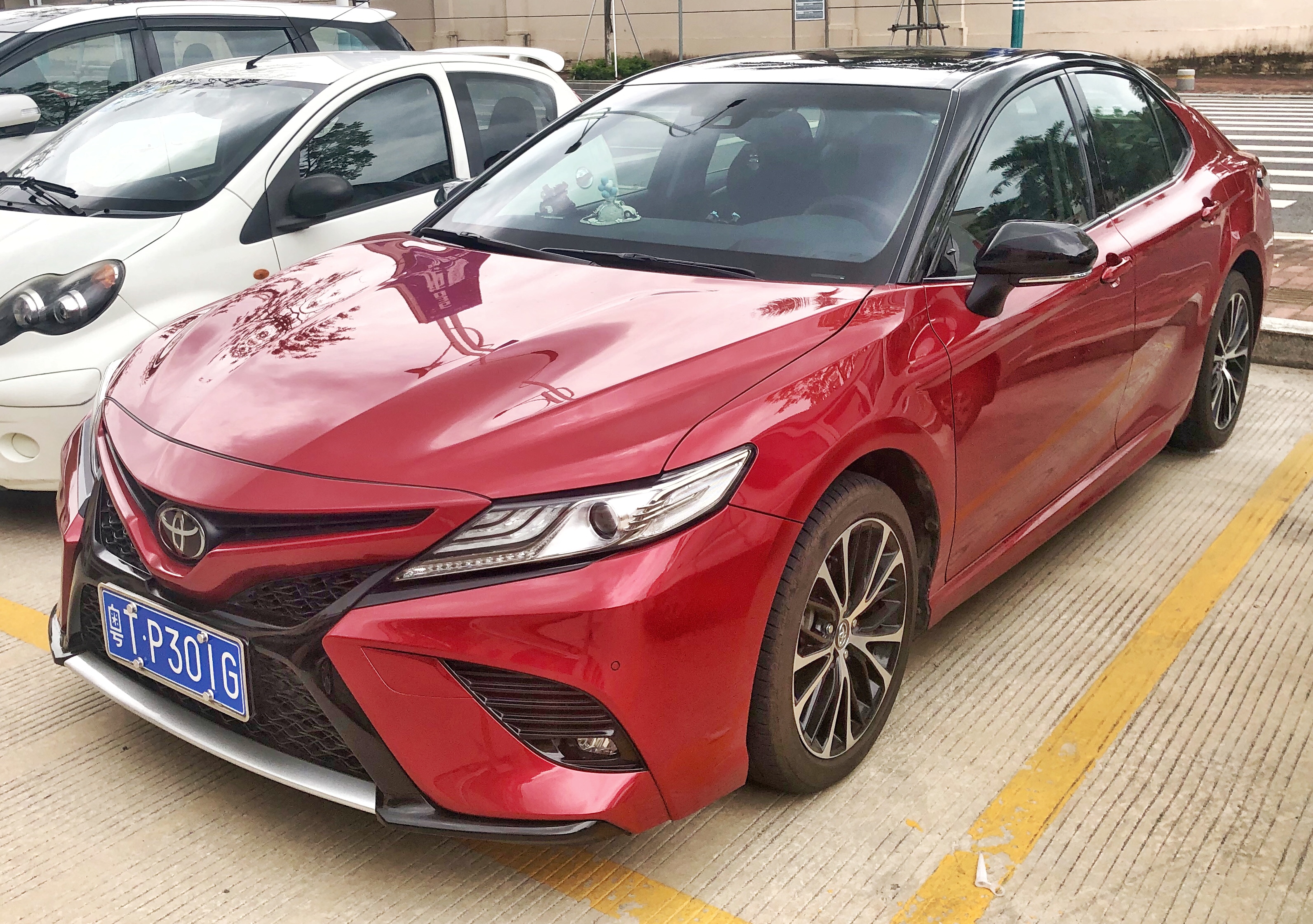
Toyota Camry
"“…me and a buddy of mine were like we gotta go we're gonna rent something a Toyota Camry we're gonna go out there and put her in deep.”"
A Toyota Camry is a regular everyday sedan. The point of mentioning it is that it’s not the kind of car you’d normally expect to race at a drag event—he was joking about how they planned to get there.
The Toyota Camry is a mainstream front-wheel-drive sedan, not a typical drag-racing platform. The speaker mentions renting one to illustrate how they initially planned to show up and race, even though they later ended up with a different role.
oil downs
"“…it brings it share challenges you can't have any interruptions or things you know can really get sideways for you but I had a couple of pretty massive oil downs that really caught us …”"
An “oil down” means oil or other fluids got spilled onto the track. It’s dangerous because it can make the track slippery and slow down the event while they clean it up.
An “oil down” is a spill of oil or other fluids on the track surface, usually caused by a mechanical failure or leak. It’s a safety and traction issue because it can make the surface slippery and force cleanup delays.
Junior Dragster
"“…you'll get in Bristol over five days the poor junior dragster kids are getting it right now and you know bless their heart …”"
Junior dragsters are race cars for kids/teens who are learning drag racing. They’re built to be safer and appropriate for younger drivers.
Junior dragsters are youth drag-racing cars designed for younger drivers, typically with smaller engines and safety-focused setups. They’re often run in dedicated classes at drag strips and events.
Bristol
"“…didn't really get the kind of weather you'd think you'll get in Bristol over five days the poor junior dragster kids are getting it right now …”"
“Bristol” is a place where drag racing happens. The host is saying the weather there can be rough, but they avoided the worst of it.
“Bristol” here refers to a drag racing venue in Bristol, typically associated with the Bristol Motor Speedway area. The speaker is contrasting expected weather there with what their event actually experienced.
eight fifties
"each year uh you know we've got people like um glinda cochran that brings her half street half race gto there and you know it goes eight fifties and we've got people that drive their"
“Eight fifties” means the car runs in the 8.50-second range. Racers use this kind of shorthand to quickly say how fast a car is.
“Eight fifties” is drag-racing shorthand for a time in the 8.50-second range, typically referring to elapsed time (ET) over the quarter-mile. It’s used to describe how quick a car is in a way racers immediately understand.
Dodge Duster
"each year uh you know we've got people like um glinda cochran that brings her half street half race gto there and you know it goes eight fifties and we've got people that drive their andrew adkins drives his 770 dodge duster from ohio to the race"
A Dodge Duster is an older Mopar (Dodge) car that many racers use because it’s simple and parts are available. Here, they’re talking about a specific race-prepped version they drive to the event.
The Dodge Duster is a compact muscle-era Mopar model known for being a popular bracket-racing platform. In this segment, it’s specifically a 770 Dodge Duster, meaning the car is being run in a performance class/pace bracket rather than as a stock street car.

Dacia Duster
"...at drive their andrew adkins drives his 770 dodge duster from ohio to the race with his mini bike where th..."
The Dacia Duster is a small SUV meant for regular driving, with extra space for passengers and gear. It’s commonly chosen because it’s practical and doesn’t usually cost as much as many other SUVs. In the podcast, it’s mentioned as the kind of vehicle someone drives to an event.
The Dacia Duster is a compact SUV designed to be practical and relatively affordable, with a focus on everyday usability. It’s significant in discussions like this because it’s often used as a dependable “get there” vehicle for road trips and active lifestyles. In the podcast context, it’s referenced alongside a story about driving to a race, highlighting its role as transportation rather than a performance-focused machine.
bracket racing
"those customers are just so special and unique to big money bracket racing and you don't have to pay 50 000 or 100 000 you just need to pay them something that's special"
Bracket racing is a drag-race style where everyone is given a target time. You win by being as close as possible to that target, not just by going as fast as you can.
Bracket racing is a drag-racing format where cars are assigned a handicap (based on expected performance) so the winner is the one that runs closest to their target time. It emphasizes consistency and reaction/time management more than outright fastest speed.
wfc
"but the the wfc may not pay what the million does but it's it's equal in in the prestige so uh i just i just love that i got to get to some more wfc"
WFC is the name of a racing event or series they’re talking about. They’re saying it may not pay as much as a “million,” but it’s still prestigious.
WFC is used here as an event/series acronym in the drag-racing world, contrasted with “the million.” The speaker is comparing prestige and payout between WFC and a million-dollar prize event.
Labor Day races
"more labor day races just i because i want the prestige well you got to go 71 rounds to win the thing well labor day is a lot easier labor day is going to be a 300 ish crowd and you know the wfc is about twice that"
They’re talking about Labor Day as a race event. The point is that it draws a certain kind of crowd and feels different from other big events.
The hosts discuss Labor Day as a drag-racing event with a specific crowd size and vibe. They contrast it with WFC in terms of who shows up and how “racer-focused” the atmosphere feels.
Holly Springs, Mississippi
"um just in our first one last year yeah and then the the southern footbreak challenge um you branched out and did that is that that's not still happening right or is it that's not a thing any longer no it was at holly springs mississippi"
They mention Holly Springs, Mississippi as where a specific race challenge was tried. They say it didn’t end up working out well there.
Holly Springs, Mississippi is named as the location where the “southern footbreak challenge” was held. The speaker notes it struggled to work, which is part of their explanation for why they didn’t keep running that format.
no box racing
"i i hear and see the debate about no box racing and how they're really the same no they're not the same when you've got one foot on the floor and you've got one in the the massage tank"
No box racing is a drag-racing setup where you don’t use an electronic controller to help with the start. The host’s point is that it changes how you stage and launch, so it isn’t the same challenge as using the brake pedal.
No box racing refers to a drag-racing class/format where competitors don’t use an electronic “box” to control staging and launch functions. The host argues it’s not the same as footbreaking because footbreaking involves physically holding the brake pedal while the other method uses a button-based control.
staging
"that is that's a starting line aid it allows you to have one foot on the floor before you let go of the foot and that's that lowers the the difficulty"
Staging in drag racing is the process of positioning the car at the start line so the timing system can register the launch. The host mentions staging as part of why footbreaking is difficult: it lets you have one foot on the floor before releasing it, changing how precisely you time the start.
starting line
"that's a starting line aid it allows you to have one foot on the floor before you let go of the foot and that's that lowers the the difficulty"
A starting line aid is a device or technique used to help the driver control the car at the start of a drag race. In this segment, the host frames footbreaking as a “starting line aid” because it allows the driver to keep one foot on the floor before releasing, which changes the difficulty level.
final round
"and like so you talk about how hard it is and and and yet there's guys out there who consistently can find their way to the final round and guys like dav harvey"
A “final round” is the last matchup in a tournament-style bracket. It’s where the best remaining drivers/teams compete to win the whole event.
In bracket-style motorsport events, the final round is the last stage of the elimination bracket where only the top competitors remain. Winning the final round typically means taking the event’s overall top prize.
dav harvey
"and guys like dav harvey who not only finds his way to find around never lose it's crazy yeah dav you know he's uh he's obviously a legend in the sport"
Dav Harvey is a well-known racer in this scene. The host is saying he’s a top-level competitor who keeps making it deep into the biggest events.
Dav Harvey is described as a top competitor who consistently reaches late stages of major mountain/racing events and has won across multiple race types. The host frames him as a “legend” and a strong candidate for “GOAT” status within their events.
40 grander
"and uh he went deep this year and uh i think it was one of the it was a 40 grander i think on a saturday sunday wrap up so um consistent winner"
“40 grander” is slang for a big-money race event. It usually means the top prize is around $40,000, so it’s a major one on the calendar.
“40 grander” is event slang for a high-stakes race weekend with a $40,000-style top prize or payout. It’s used to distinguish that specific event from other brackets or series races.
gamblers race
"that was the last win light i saw at bristol yeah which was jj's first win in a 4000 dollar to win gamblers race ... he said you know i'm not going to race the gamblers race we still had a gamblers race to go to wrap us up"
A “gamblers race” is a special race within the weekend where the stakes are higher than usual. The winner can take a big payout, so people treat it like a gamble.
A “gamblers race” is a specific bracket race format where competitors typically enter with a higher-risk, higher-reward mindset—often with added incentives or a separate payout structure. In this segment, it’s treated as a distinct event within the larger weekend.
win light
"but that was easy that was the last win light i saw at bristol yeah which was jj's first win"
A “win light” is the light that comes on to show you won your race. It’s the track’s instant signal that the other car didn’t beat you.
A “win light” is the illuminated signal on a drag strip (or similar racing setup) that indicates a competitor has won a head-to-head run. It’s a quick, unambiguous confirmation of the race result.
jj
"that was the last win light i saw at bristol yeah which was jj's first win in a 4000 dollar to win gamblers race and he got that to wrap up our 20th year celebration"
“JJ” is the person who got their first win in a big-money race. The host is highlighting it as a major personal milestone for them.
“JJ” is the competitor who, according to the host, earned their first win in the $4,000-to-win gamblers race. The segment treats this as a milestone moment tied to the event’s 20th-year celebration.
4000 dollar to win
"that was the last win light i saw at bristol yeah which was jj's first win in a 4000 dollar to win gamblers race and he got that to wrap up our 20th year celebration"
“$4,000 to win” means the winner of that race gets about $4,000. It’s a way of saying how big the prize was for that particular bracket.
“$4,000 to win” describes the payout structure of the specific gamblers race mentioned. It frames the event as a bracket race with a clear winner-take-most (or winner-take-all) prize.
valve covers
"it has no transmission it ain't wired up it ain't got no radiator it ain't got no gas in it it ain't got no valve covers on it"
Valve covers are the top covers on an engine that help protect the moving parts and keep oil from leaking. The host is saying his car is missing them right now because it’s not fully assembled.
Valve covers are the housings on top of an engine that protect the valvetrain and help keep oil contained. The host’s list of missing parts (“no valve covers”) is a sign the car is in a bare, assembly-stage condition before it’s ready to run.
Woodburn Dragstrip
"it ain't got no gas in it it ain't got no valve covers on it uh and i am going to have it at woodburn drag strip in 72 hours"
A drag strip is a track where cars race in straight lines for short distances. Woodburn is the specific place the host plans to bring his car to race soon.
Woodburn Drag Strip is a drag racing venue where cars run timed quarter-mile (and sometimes other) passes. The host says he’s taking his car there in 72 hours, which frames the urgency of getting the car assembled and running.

Mustang Fox Body
"...on't word on the street is coop chun might have a fox body for me to drive but that is not in my calculus ri..."
The Mustang is a sports car from Ford, and “fox body” refers to an older style of Mustang made from the late 1970s to the early 1990s. People often talk about these older Mustangs because they’re well known and commonly modified. In the podcast, it’s mentioned as a potential car for someone to drive.
The Mustang is a well-known American sports car, and in this episode the mention of a “fox body” points to the classic 1979–1993 generation. That era is especially discussed among enthusiasts because many cars from that period are popular for restoration and modifications. The podcast brings it up as a possible car someone might let the host drive, emphasizing its place in car culture.
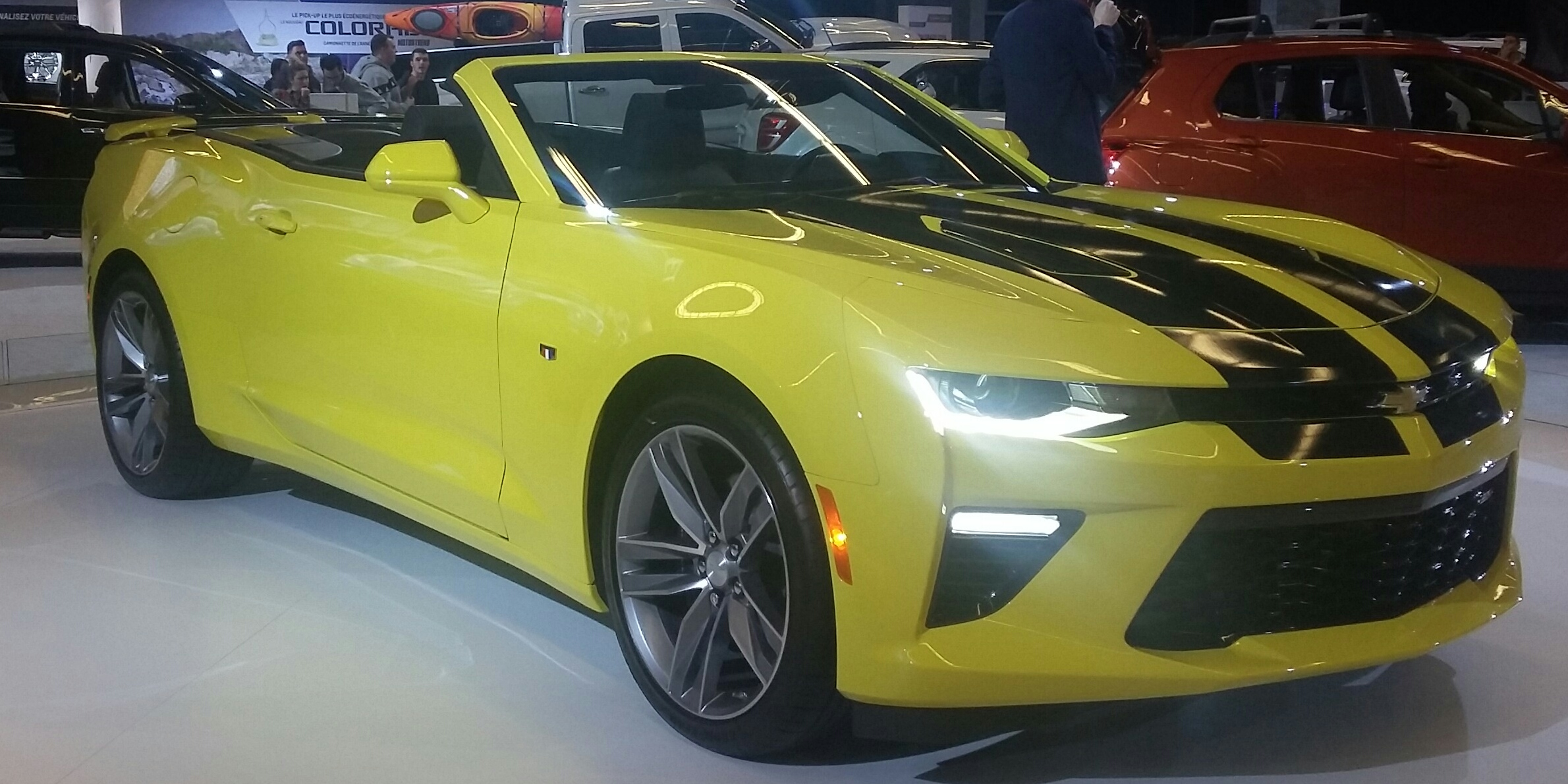
Chevrolet Camaro
"...hind the wheel of domestic dispute and race in my camaro um i will work well into the morning hours tonigh..."
The Chevrolet Camaro is a sporty American car that’s built for quick acceleration and fun driving. People talk about it a lot because it’s a popular choice for racing and car enthusiasts. In the podcast, it’s mentioned as the car someone is driving during the night.
The Chevrolet Camaro is a classic American muscle car known for its sporty performance and strong enthusiast following. It often comes up in podcasts because it represents a popular domestic performance platform and is frequently discussed in the context of racing, driving events, or personal builds. In this episode, it’s mentioned as the car someone is “behind the wheel” of, tying it to late-night driving and competition energy.
timing
"so as soon as we're done i'm headed back to the shop and uh if i don't word on the street is coop chun might have a fox body for me to drive but that is not in my calculus right now i will be sitting behind the wheel of domestic dispute and race in my camaro um i will work well into the morning hours tonight"
Timing is how the engine’s spark is coordinated with where the pistons are. Setting it correctly helps the engine run smoothly and prevents problems.
Ignition timing is the moment the spark occurs in relation to engine position, which strongly affects power, drivability, and engine safety. The host says he’s going to “set the timing” before firing the car up, which is a key step in getting an engine running correctly.
trailer
"so as soon as we're done i'm headed back to the shop and uh ... i'm hoping that we're gonna fire that bird up tomorrow set the timing and i'm gonna put it on the trailer"
A trailer is how you haul a car when it can’t drive itself to the track. The host is saying he’ll tow the car to the event.
A trailer is the vehicle used to transport a car to the track, especially when it isn’t road-ready. The host says he’ll “put it on the trailer,” which matches the earlier description of the car being incomplete (no transmission, no wiring, no radiator).
Request an Explanation
Heard something you'd like explained? We'll add it to this episode.
Sign in to request explanations for terms you heard.
Want to learn more?
Browse our glossary for plain-English explanations of automotive terms, jargon, and concepts.
Help improve this episode
See something that's not quite right? Our annotations are AI-generated and can sometimes miss the mark. Click the flag icon on any annotation to suggest a correction.