Truck wars talk kicks off with the hosts admitting they missed the performance-truck side back in the day—then immediately tying it to what they’re building now with Chevy pickups. They trace how “truck wars” energy shows up again in modern drifting, lifted mini-truck culture, and today’s Raptor/TRX hype, while debating whether manufacturers should revive the whole marketing/rivalry mindset. Between street-racing stories and drive-in memories, they also touch on restomods, throwback styling, and even warranty basics.
On today's episode we talk about the golden era of performance trucks like the Ford Lightning and GMC Syclone and we debate if automakers should bring the "Truck Wars" back to life. We also chat about unexpected sleeper cars like the Dodge Omni and share some great memories of drive-in theaters and classic local hangouts. Catch the full conversation right here on Let's Talk Cars Radio!
"A lot of people had them, and then to combat that, you had I think at that time, I think I don't think Dodge was there was a fifteen hundred. I [186.6s] think it was the Dakota like RT, you know, souped up."
This is about the Dodge Dakota pickup, specifically a more performance-focused version the speaker calls “RT.” The point of those trims was to make the truck feel quicker and more exciting than a basic work truck. It’s part of the older era of performance pickups competing with each other.
The Dodge Dakota is a mid-size pickup, and the speaker is describing an RT performance-oriented variant. In the “truck wars” context, these were factory-backed attempts to make a pickup feel more like a muscle car—especially compared to more basic work-truck trims. The “RT” label is the key performance trim reference here.
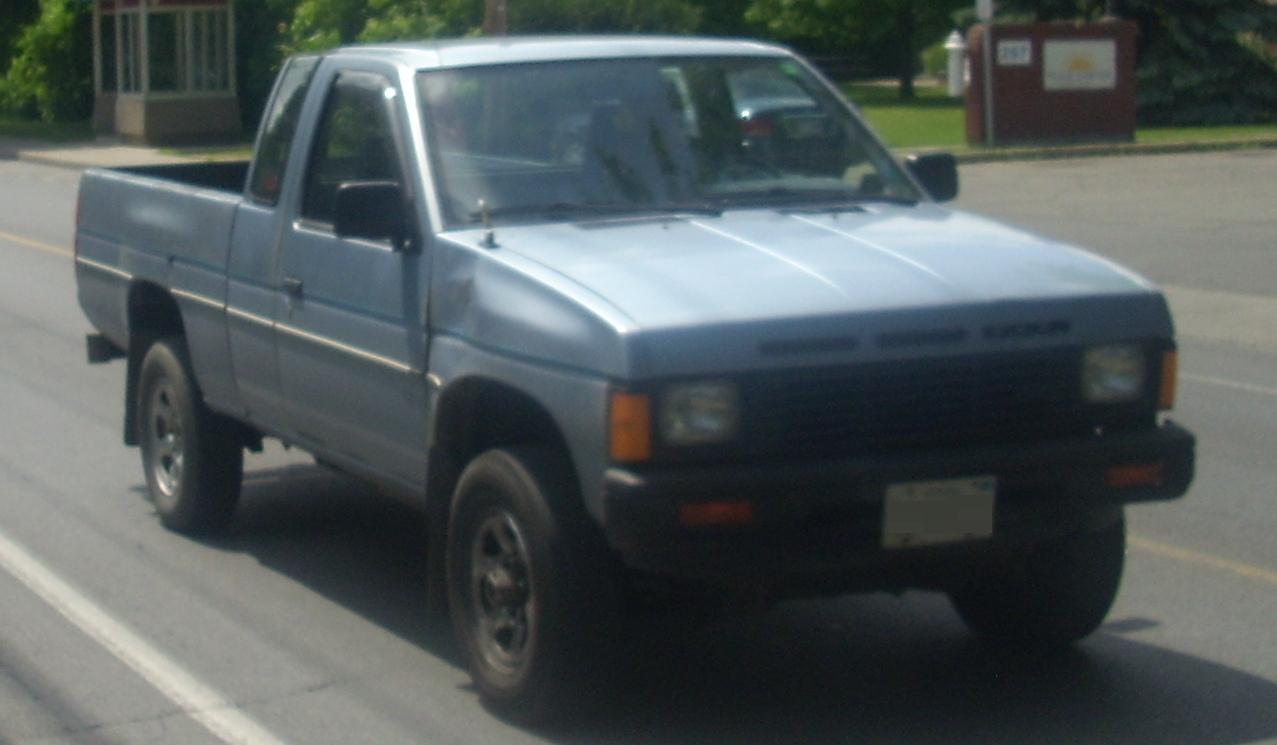
"I mean, like everybody was building mini trucks, and rather you were a Toyota guy, a Nissan hardbody guy. [234.1s] You know, you had Mosda in there a little bit."
“Hardbody” is what enthusiasts often call a certain Nissan pickup. In the mini-truck scene, people liked that truck as a base for customizing—lowering it and making it look different. The host is using it as an example of what people were building.
“Nissan hardbody” refers to the Nissan pickup commonly known by enthusiasts as the Hardbody line. In the mini-truck era, these trucks were popular platforms for lowering, styling, and engine swaps because they were easy to work on and had a big aftermarket. The speaker is using it as an example of a brand/model people built for the mini-truck scene.
"Another one was the Chevy S ten that was around, So there was there was guys that built some pretty cool S tens when I was in high school..."
The “Chevy S ten” is the Chevrolet C/K pickup line’s S-10, a compact truck that became a major platform for customization. In the 1980s–1990s, enthusiasts often lowered them, changed wheels, and built them into show-and-go trucks. The transcript also mentions wheel fitment choices like a wide stance, which is common in that scene.
Term
Irock wheels
"One of the cool things I liked about the S S ten builds back then, where they're putting colored matched Irock wheels on the S tens..."
Irock wheels are aftermarket rims people put on trucks to change the look. In this story, the speaker liked the way the wheels matched the truck’s color and made the whole build look clean.
“Irock wheels” refers to a specific aftermarket wheel style/brand commonly associated with late-80s and 90s truck and SUV customization. Enthusiasts often chose these wheels for their look and then matched other visual elements (like paint color) to create a cohesive build. In this segment, it’s part of describing the classic S-10 wheel-and-stance aesthetic.
"Is at a wide stance for the wheel and stuff. That was before wide stances became a big thing."
“Wide stance” means the truck’s wheels are set wider than they were from the factory. People do it mostly for the look, and sometimes it can also affect how the truck feels when turning. The host is saying it wasn’t as popular at the time.
A “wide stance” means the wheels sit farther apart than stock, usually from wider wheels/tires and/or suspension changes. It’s an aesthetic and handling-related modification because it can change how the truck feels during cornering and how stable it looks. The speaker notes it was less common back then, implying it later became a bigger trend.
"But the horsepower wars of the Chevy trucks, like it just escaped me."
“Horsepower wars” means people competing to make their trucks faster by adding more engine power. It’s like a bragging contest, but with real modifications under the hood. The host is saying that kind of competition used to be a big thing.
“Horsepower wars” describes an enthusiast culture where people try to outdo each other by increasing engine output—often through engine swaps, forced induction, cam changes, exhaust upgrades, and tuning. In pickup-truck culture, this also overlaps with the “truck wars” idea: building trucks that are both visually aggressive and quick. The speaker frames it as a historical trend that’s resurfacing.
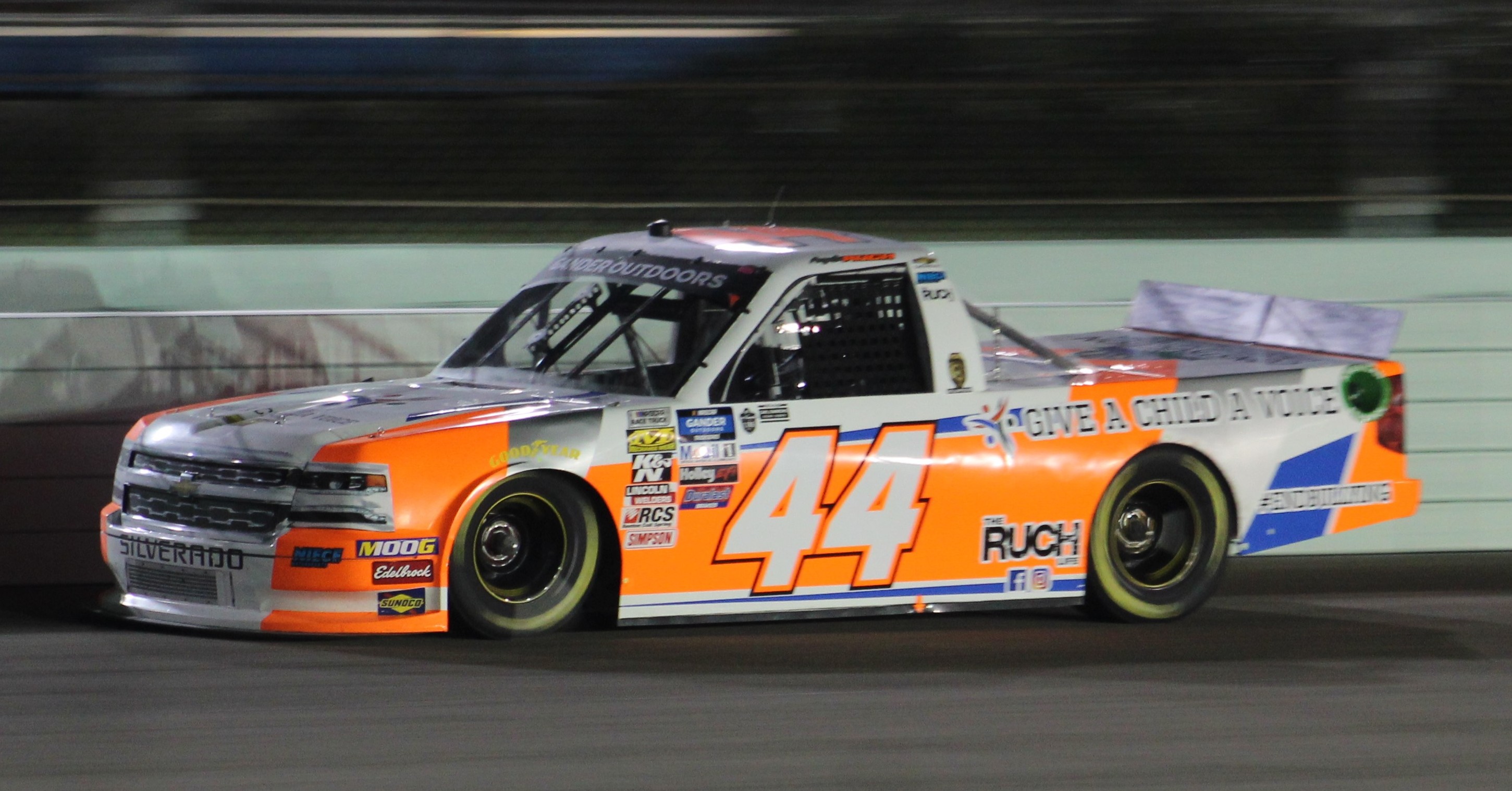
"We got a you know, blue is a Chevy fifteen hundred that we're going to build into something pretty cool."
They mean the Chevrolet Silverado 1500, which is a full-size Chevy pickup. The host is saying they’re starting with that truck and planning to turn it into a performance build. It’s the kind of truck people used for big power and customization.
“Chevy fifteen hundred” refers to the Chevrolet Silverado 1500, a full-size half-ton pickup. The speaker is talking about building one into a performance truck, which fits the Silverado 1500’s popularity as a base for engine and drivetrain upgrades. In the “truck wars” context, these are the trucks people competed with via power and customization.
"... kind of going on right this second? You have the Raptor, you have the TRX. Toyota falls into there, a lit..."
The Ford F-150 is a full-size pickup truck. It comes in many versions, from practical work setups to more performance-focused ones. The podcast mentions it because it’s a major model in the pickup lineup.
The Ford F-150 is Ford’s best-known full-size pickup, offered in many configurations and performance levels. In the podcast context, it’s mentioned as part of a lineup discussion that includes high-performance variants, showing how the F-150 family spans from everyday work trucks to more extreme options. That makes it a frequent reference point in conversations about what’s “going on right now” in pickups.
"I'm not a big yeah, but we're talking about like when can manufacturers start reviving a lot of these trucks and like big heavy power motors into the d and should they?"
They’re debating whether truck makers should build the kind of trucks enthusiasts used to love—big, heavy engines meant for power. It’s about whether the market wants that again, or if modern trucks are moving in a different direction. The question is basically: should companies go back to that formula?
This is a discussion about whether manufacturers should bring back the older style of performance trucks—big, heavy engines and chassis tuned for power. It’s essentially about the market shift between modern efficiency-focused designs and the enthusiast appeal of raw displacement and torque. The hosts frame it as a question of timing and whether it “should” happen again.
"...'re kind of doing that with the Bumblebee for the super B you know the truck they were releasing. Speaker 2..."
The Dodge Super B is a Dodge name that the podcast connects to a themed “Bumblebee” concept. It sounds like it’s part of a special release strategy. The discussion is mainly about what the name is attached to, not about everyday driving specs.
The Dodge Super B is referenced in the podcast as a model connected to a “Bumblebee” theme, with discussion around a truck release. That suggests the Super B name is being used as part of a special or themed vehicle strategy rather than just a standard production model. It’s the kind of topic that comes up when people talk about branding and limited releases.
"...as going with it. Next they're like, will this re spark like the car slash Truck Wars if they continue to..."
The Chevrolet Spark is a small car meant for driving in town. It’s easier to park and maneuver than bigger cars. The podcast mentions it as part of a discussion about whether the model name or segment will continue.
The Chevrolet Spark is a small, city-oriented car designed for easy maneuvering and economical everyday use. In the podcast context, it’s mentioned in a “re-spark” style joke, tying it to the idea of continuing a small-car lineup or theme. That makes it a relevant topic when discussing how manufacturers keep certain model names and segments alive.
Concept
Truck Wars
"Next they're like,
[436.2s] will this re spark like the car slash Truck Wars if they continue to do this."
“Truck Wars” is a phrase for when truck brands and fans get really competitive—like it’s a rivalry. The host is wondering if the new stuff will bring back that same excitement.
“Truck Wars” is being used here as a shorthand for a competitive era/idea where trucks (and their marketing) are treated like rivals in a performance showdown. The host is asking whether continuing to do “this” could re-spark that kind of hype.
"I'm
[468.2s] more interested in the s R T copper Head that everybody keeps talking about, just like, no, it's going to be a car. So it's like, yeah, it's called a
[481.2s] SRT Copperhead twenty and they're expecting it to be released in twenty twenty seven."
SRT Copperhead is a name people are talking about for a future Dodge performance car. The host is saying it’s not fully confirmed yet and that the release timing and details are still uncertain.
SRT Copperhead refers to a rumored/anticipated Dodge SRT-branded model name that enthusiasts have been discussing. In this segment, the host says it’s expected to be released in 2027, but that details are still unclear.
"But I love personally, you know, I personally like the Dodge Viper looks. So I'm hoping they kind of revive
[509.8s] that and bring back the Dodge Viper. Look, there's no
[513.6s] photos out there."
The Dodge Viper is a famous American sports car. People love it because it has a huge engine and a wild, old-school attitude, and the hosts are talking about bringing that back with modern power.
The Dodge Viper is a performance sports car known for its aggressive styling and big, naturally aspirated V10 engine. In this segment, the hosts discuss hopes that Dodge will revive the Viper name and update it with a modern “killer motor.”
"Now, now you have huge motors in them, they're using drag race platforms."
A “drag race platform” means a regular car that people turn into a drag-racing project. They start with the car and modify it so it’s built to go fast in a straight line.
“Drag race platforms” refers to using a production car as the base (the starting chassis) for drag racing builds. The idea is that even if a car wasn’t designed for racing, enthusiasts can modify it—often with larger engines and drivetrain changes—to compete in straight-line acceleration.
"Speaker 2: And I know a lot of you guys out there don't think of Vegas cool, and that's fine. I think
it's kind of cool in a in a drag setup because of what they did with it."
A “drag setup” means the car is set up to race in a straight line for quick acceleration. It’s usually about launching fast and going fast over a short distance.
A “drag setup” means the car is configured to run quick acceleration over a short distance, typically for drag racing. That often involves changes aimed at launching hard and making the car efficient at straight-line speed rather than focusing on road-course handling.
"Speaker 2: I'll give you another one that mid science muscle car, I'm gonna take you in a hold number. The Dodge
Omni that they did was at the Shelby Edition."
The Dodge Omni was a small, easy-to-modify car. People liked it for drag racing because you could make it faster by changing what was under the hood. The host is also referencing a special “Shelby Edition” version.
The Dodge Omni is a compact car that became a drag-racing and modification platform because its small, simple package made it easier to swap in bigger powertrains. In this segment, the host mentions a Shelby Edition, which is a performance-oriented trim/edition associated with the Omni’s aftermarket and drag-scene reputation.
"Speaker 2: Like the Hummer scene with the light bars and everything.
[756.6s] It's very similar, right, I swear I've told you guys the story if I haven't, and then you're hearing it for the first time."
Light bars are the bright warning lights on top of police or emergency vehicles. The host is saying the lighting looked very similar to another scene they mentioned.
Light bars are the multi-lamp assemblies mounted on emergency vehicles (like police cars) that provide high-visibility warning lights. The host compares the police-vehicle lighting to a “Hummer scene,” emphasizing how quickly the lights appeared and how that signaled an approaching patrol car.
"It was just gaining on us, and I'm like, so back out of the throttle. I think we back down"
“Throttle” here means how much you’re pressing the gas pedal. Backing off the throttle means you’re asking for less power from the engine.
In this context, “throttle” means the driver’s request for engine power—typically controlled by the accelerator pedal. Backing out of the throttle reduces power to slow the car slightly and change how the vehicle accelerates relative to another car.
"One thing it had was that it didn't come with somebody had removed from which it looked like in the front as as it was run along side us, and I was looking outside the window looking at it. Somebody had removed the front grille"
The front grille is the part at the front of the car where air can flow in. They’re saying someone removed it and replaced that area with custom lights.
The “front grille” is the opening at the front of a car that typically houses cooling components and provides airflow. The speaker notes it was removed and replaced with custom lighting, which is a common visual modification on show or street builds.
"And then it had fog lights down below that was done the same way so as Bride's can be. We stepped on it to pick the speedback up"
Fog lights are extra headlights mounted lower on the car. They help you see better in bad weather, and in this case they were modified to match the custom look.
“Fog lights” are auxiliary lamps mounted low on the bumper, designed to improve visibility in poor weather by cutting through haze. The speaker says these were also modified with a similar custom approach, adding to the car’s distinctive front lighting setup.
Term
tweak off the line
"Truck I can ever remember watching it tweak off the line, like twist off the line. I mean, it was, you know,"
It means how the truck starts moving when you hit the gas from a stop. The speaker is saying it launches quickly and feels “snappy.”
“Tweak off the line” is describing how a vehicle launches—specifically the way it snaps forward when the driver applies throttle from a stop. In truck/drag-style talk, it usually implies quick initial acceleration and a lively drivetrain response.
Term
frame kind of buying
"It literally was the first truck I can remember ever watching, like the frame kind of buying. Up in twists as it would leave and you know, and tweak off, and I was like, that's a pretty cool truck."
The speaker is trying to describe what the truck looks and feels like when it accelerates hard from a stop—how the body settles or twists as power transfers.
This sounds like a transcription error for a phrase describing how the truck’s frame/structure moves during launch—often referring to squat, twist, or how the chassis loads up under acceleration. Enthusiasts sometimes describe the “feel” of the truck’s body and suspension as it leaves.
"Speaker 2: And then of course all the Corvettes. I told I think I told you got a story one time on the show where some kids stole like six corvettes off the lot right next to the school."
They’re talking about Chevrolet Corvettes—sports cars. The point of the story is that kids were able to steal multiple Corvettes from a dealership lot.
The speaker mentions Corvettes as the dealership display cars that were stolen. Chevrolet’s Corvette is a performance sports car line, and the story highlights how dealership lots and key-handling practices could make these cars vulnerable.
"Speaker 2: The air bags used to be really really I guess more sensitive they are nowadays on vehicles when they first came out and somebody went and they would I you don't know these stories."
Air bags are the safety cushions inside a car that pop out during a crash. The story is about how, in earlier designs, they could be triggered more easily than people expect.
Air bags are supplemental restraint systems that inflate rapidly in a crash to protect occupants. The speaker is describing early air-bag behavior—how they could be triggered more easily—by hitting the front of cars to force deployment.
"I don't remember really remember the truck war, but I do remember one thing that was big, when the cyclone came out.
Speaker 3: For him, GMC cyclone yep."
The GMC Cyclone is a super-fast pickup truck made by GMC. It was built to be way quicker than most trucks, which is why people talked about it so much. The hosts are remembering the commercials and dealership display that made it feel like a big deal.
The GMC Cyclone is a high-performance pickup from General Motors that became famous for being absurdly fast for a truck. It’s especially known for its turbocharged V8 and for the way it turned the “truck wars” era into a performance arms race. In this segment, it’s tied to the speaker’s childhood memories and dealership hype.
Term
neon lights
"It had neon lights, all kinds of stuff.
I can see them putting this on like a spinning display."
Neon lights are bright colored lights you often see in signs. The speaker is describing how the dealership display used flashy lighting to make the truck look exciting and futuristic. It’s basically a memory of the hype around the vehicle.
Neon lights are a type of bright, colored gas-discharge lighting often used for eye-catching signage. In automotive retail, they’re commonly used to make a dealership display feel futuristic and high-energy, which matches how the speaker describes the GMC dealership setup. Here, it’s part of the sensory memory of the Cyclone’s marketing presence.
"There has been a bunch of rumors about what if we started these wars all over again, if we rebuilt the Cyclone, if we rebuilt the Lightning, if you rebuilt whatever Dodges was, if you do I guess maybe an RT whatever, which is how it came up, was the conversation"
The “Lightning” is a fast, performance-focused version of Ford’s F-150 pickup truck. In this conversation, it’s brought up as one of the trucks that helped create the “truck wars” era. The hosts are talking about whether bringing back that kind of truck would spark the same excitement again.
“Lightning” here refers to the Ford F-150 Lightning, a performance version of Ford’s F-150 pickup that helped fuel the late-80s/90s truck performance rivalry. The speaker groups it with the Cyclone and other brands as part of the “truck wars” idea—rebuilding or reimagining those fast trucks could restart the same hype and competition. The mention is about the concept of reviving that lineup.
"Speaker 4: Taking a brand new Corvette engine and dropping it into a truck and then making that truck lighter, making everything really boky tires and everything already on that truck. That"
They mean using an engine from the Chevrolet Corvette (a sports car) in a truck. The goal is to make the truck feel faster and more exciting.
A “Corvette engine” refers to the powerplant used in Chevrolet’s Corvette sports cars. The key idea here is swapping a proven high-performance engine into a truck to create a more exciting, performance-oriented pickup.
"Speaker 2: Here's here's where I think that you could do it, and maybe it'd be a little bit cooler. Not these
[1500.5s] big full sized trucks right the second you'd have to.
[1502.9s] I think they would be better if you came out with a brand like almost like he's talking about maybe a brand new platform, okay, and building on something new"
A “platform” is the shared engineering foundation—like the chassis architecture, mounting points, and major structural design—used across multiple vehicles. A “brand new platform” implies a clean-sheet redesign so the retro-styled truck can be modern underneath, not just a cosmetic throwback.
"Speaker 6: You know, and back of the day everything was big and bulky, and everything nowadays just sl We're all about aerodynamics.
[1537.2s] Speaker 7: You know."
Aerodynamics is how the shape of a vehicle affects how easily it moves through the air. Better aerodynamics usually helps fuel economy and stability, especially at highway speeds.
Aerodynamics is how air flows around a vehicle, affecting drag (how hard it is to push through the air). The hosts contrast modern truck design priorities—reducing drag—with older designs that were less focused on airflow efficiency.
Term
math
"Speaker 6: That wasn't really like a big you know, it was a concern, but I just think that, Yeah, I think at a certain point, you know, ditch, you know all the math that you know and just makes them that's cool, you know."
In this context, “math” is shorthand for engineering analysis used to optimize vehicle efficiency—like airflow modeling and performance trade studies. The host’s point is that even with all the calculations, designers still have to accept compromises.
"...Camaro like they kind of did. Speaker 3: With the Challenger okay, because. Speaker 2: The Challenger kind of ..."
The Dodge Challenger is a muscle car from Dodge. It’s built to be quick and to have a strong, noticeable style. People compare it to other muscle cars because they’re meant for similar performance and driving fun.
The Dodge Challenger is a muscle car that’s designed for strong acceleration and a bold, retro-inspired appearance. It’s often discussed alongside other muscle cars because it shares the same general purpose: delivering performance with a classic look. In the podcast snippet, it’s mentioned in the context of how one model “kind of” followed another’s direction.
"you do a throwback a little bit to like this, maybe the seventies boss, look, you incorporate that look into it
They did a throwback and it looks similar to it's I want to say, maybe sixty nine or seventy Chevelle
I think it's because it's a throw I mean, as far as throwing it back to an older car on a new car platform."
A “throwback” is when a new car is styled to look like an older classic. The car may be modern underneath, but it borrows the old design so it feels nostalgic.
A “throwback” design approach is when a modern car uses styling cues from an older, recognizable model or era. The idea is to keep the new car’s modern engineering while making the exterior feel nostalgic and familiar to fans of the original look.
"Speaker 3: You're not a Chevelle fan anyway.
[2149.2s] Speaker 2: You don't like that body style a certain degree.
...
[2183.5s] Speaker 4: But I guess a good thing to say would be if you're gonna throw it back, don't add too much new to like because you need all the new characteristic this Chevelle."
The Chevrolet Chevelle is an older American car that people associate with the muscle-car era. Here, they’re talking about bringing back that look—using old-style styling cues—on a newer truck or car.
The Chevrolet Chevelle is a classic American muscle car line known for its mid-size body and strong styling identity in the late 1960s. In this segment, the hosts discuss “throwing it back” with styling cues and badges, implying a modern reinterpretation that keeps the original Chevelle character.
"Speaker 6: ...because you could take that in different ways, right, you could either just you know, when you say take that platform, you know you could. Are you talking about
[2161.5s] like what they're doing now is just taking the badges? Okay?"
Badges are the little nameplates and logos on a car, like the model name or brand emblem. They’re talking about using those as a “throwback” style cue.
In automotive terms, badges are the brand/model nameplates or emblem pieces on a vehicle’s exterior. The hosts are implying that some modern “throwback” designs may rely mostly on badges rather than deeper changes to match the original car’s look and feel.
"... it's nothing that I would ever associate with an Impala just threw the name on something. Speaker 3: It w..."
The Chevrolet Impala is a large, comfortable car made by Chevrolet. It’s usually thought of as a practical family-style sedan. In the podcast, it’s mentioned because someone felt the name was used for something that didn’t fit their expectations.
The Chevrolet Impala is a full-size sedan that’s historically been more about comfort and everyday usability than pure performance. In the podcast context, it’s brought up as a name that someone felt was used in a way that didn’t match what they associate with the Impala. That kind of discussion often happens when a model name is applied to something with a different character than expected.
"Speaker 2: I think nineteen sixty six Mustang body with all the new stuff inside it, That's not what I'm talking about."
A 1966 Mustang is a classic Ford Mustang from the mid-1960s. The speaker is saying you can keep the old body style but put newer stuff underneath, and that’s a different idea than just changing the badges.
A “1966 Mustang” refers to the classic first-generation Mustang (1965–1966), which is often used as a restyle/restomod starting point. The speaker’s point is that using a 1966 Mustang body while putting modern components inside can still be a different approach than simply swapping badges.
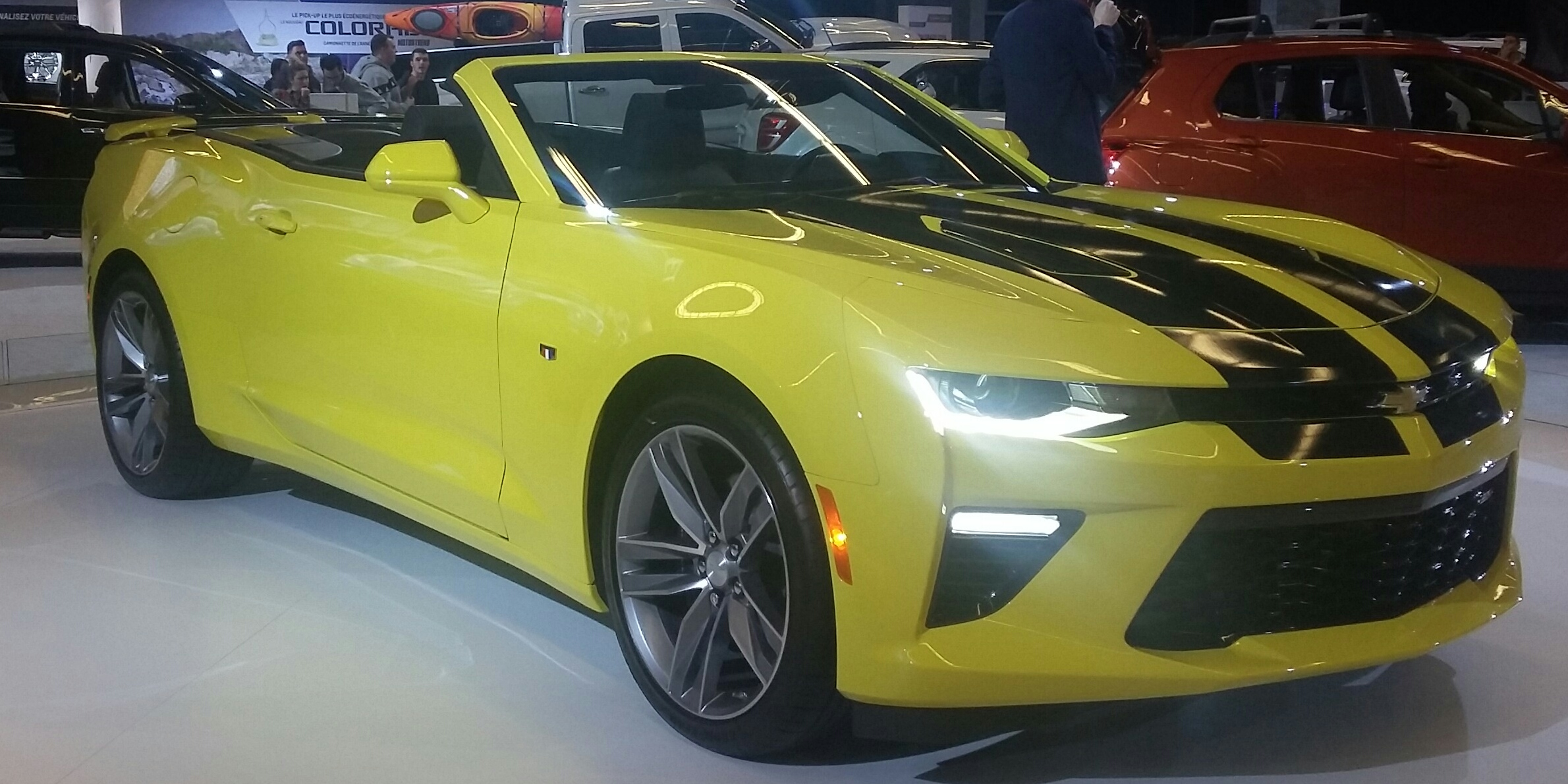
"It was everything new in the inside, but it was the original sixty nine Camaro body on it."
The 1969 Camaro is a famous old muscle car from Chevrolet. The speakers are saying you could keep the classic Camaro look, but modernize parts of the car so it works better as a daily driver.
A 1969 Chevrolet Camaro is a classic muscle car known for its iconic body shape and styling cues that enthusiasts still reference today. In this segment, the host is talking about using the original 1969 Camaro body as the foundation while updating the interior and other details.
"I would say a good way to do it, like you're saying, is take some of the aspects that people loved in those cars. Like you said, the side steps"
Side steps are the little steps along the side of a vehicle that make it easier to get in and out. The speaker is saying some older styling elements like that are memorable and could be brought back.
“Side steps” are exterior footboards/steps mounted along the rocker panel area, usually to help passengers climb in and out. The speaker is using them as an example of a recognizable styling feature from older vehicles that could be carried into a modern platform.
Term
flare
"Or the flare side, but the lightning I think lighting hit lighting, No, lightning didn't have a flare out on it straight back."
A flare is a part of the body that sticks out or widens, often around the wheel area. The speaker is comparing how different cars do that look.
In this context, a “flare” refers to a widened or outwardly shaped body section—often around the wheel arch or side profile—to create a more aggressive stance. The speaker contrasts different cars’ flare designs while discussing how to borrow styling cues across models.
"I remember when the new Mustang first hit the market, right, and everybody rushed to go put the like the sixty five louvers on the back over the back windows so it represented the old Mustang more."
Louvers are like angled slats in a panel. In this case, the speaker means people were adding classic-looking slats to the newer Mustang so it would resemble an older Mustang’s look.
“Louvers” are slatted openings in a body panel that help with styling and can also relate to airflow. Here, the speaker is describing how people added “65 louvers” to the back window area of the newer Mustang to make it look more like the classic 1965 Mustang.
"...at was. Speaker 6: Was that the pan Terror or not Pantera suv? Speaker 3: No, No, it's a car that the four ..."
The Pantera is a sports car. In the podcast, someone is clarifying that it’s not an SUV. The conversation is mainly about identifying the correct type of vehicle.
The Pantera is a sports car mentioned in the podcast as a model name that may be confused with a similar-sounding SUV question. The key detail in the snippet is that it’s described as “a car,” not an SUV, and that it’s part of a discussion about what vehicle someone was referring to. That makes it relevant as a clarification topic in car talk.
"Speaker 2: ...You're taking old stuff making it with new technology, and people are love and it, which we've seen tons of that at SEMA too."
A restomod is a modified classic car that keeps the original styling or body, but upgrades key components with modern engineering. The idea is to make the car more usable and reliable while preserving the “old car” character—exactly what the hosts are describing with older Porsche bodywork paired to newer Porsche technology.
"Speaker 2: ...You're taking old stuff making it with new technology, and people are love and it, which we've seen tons of that at SEMA too."
SEMA is a big car show in the U.S. focused on aftermarket parts and custom builds. It’s where you often see projects that update classic cars with modern tech.
SEMA (Specialty Equipment Market Association) is a major U.S. trade show where custom builders and aftermarket companies showcase performance parts and restomods. The hosts reference it as evidence that this “old car + new tech” trend is popular with enthusiasts.
"Speaker 3: The fact I even have to explain this makes me feel really old.
[3270.7s] Speaker 2: You had humps, so there was humps. They went like
[3274.3s] this all through it. The reason why is you would
[3276.6s] pull your car up on the hump and it would pitch your car up."
Those “humps” were raised spots in the drive-in lot. They helped your car sit higher so you could see the screen better than the cars in front of you.
Drive-in theaters often used raised “humps” in the parking area so cars sat higher than the one in front. That elevation improved sightlines to the screen and reduced the chance of being blocked by neighboring vehicles.
"Speaker 2: That's what the humps were there for. And then the
[3283.9s] speaker was on a post, and you grab a speaker and you hung it on your window so you can listen to it. And then actually had speakers in your car.
[3290.4s] Speaker 3: You hung the speaker on your window and that's how you heard it."
At some older drive-ins, you didn’t just listen through the car radio. People used a separate speaker mounted on the window so the sound could be heard clearly inside the car.
Some older drive-ins used a system where you mounted a small speaker on or near your window to receive the audio. The “speaker in your car” setup let each vehicle listen without relying on the car’s built-in audio system.
"Speaker 2: Now right, the last one that I went to before it closed down, technology had changed.
[3299.0s] Speaker 3: Don't mock me. It's not fun.
[3301.3s] Speaker 2: You could dial your radio question when you could done the station and listen to but like before I was a kid, that was not an option until the very end."
Drive-ins often play the movie audio through a radio signal. You tune your car radio to the right station so you can hear the movie.
In a drive-in theater, the audio is broadcast over a low-power FM radio signal. “Dial your radio” means tuning your car’s radio to the specific station frequency that carries the theater’s soundtrack.
Place
UH was in Florida
"Speaker 2: I remember the last theater I went driving. Theater I
[3311.6s] went to, UH was in Florida and it had that.
[3315.4s] But I don't remember what movie I went to go see now that was I think half of us don't ever remember what movie we went to go see."
They’re talking about a drive-in theater they went to in Florida. It’s just the location of one of their memories.
The speaker mentions a drive-in theater experience tied to “UH” in Florida, indicating the location of a specific drive-in they visited. Florida is a common region for drive-in theaters historically, especially for family outings.
Talk Cars Radio is sponsored in part by NAPA Car Care Centers, BDG Auto Group, by Liberty Transmissions in Virginia Beach, and by Bob Barnum and the Perfect House Team. Here's
the host, so Let's Talk Cars Radio, Dave Polage.
Speaker 2: Happy Saturday, America. You listen Let's Talk Cars Radio on
WKQA Freedom Radio. I'm your host, Big davp hangout, count
Chaos and AVB. It is once again an awesome day
for a radio show.
Speaker 3: Hopefully in your area.
Speaker 2: It's an awesome day for a car show and whether it is great for you guys. So, I had an
interesting week. I spent the week having conversations about car
wars and truck wars, and you know, I kind.
Speaker 3: Of forgot that there was truck wars.
Speaker 2: Let me say bye, everybody hears me talk about my truck, right, I've talked about my Chevy truck since the beginning of the show.
Speaker 3: Well, this one, the one before that, the one before that.
Speaker 4: Doing any modifications, modifications to it, not going to do any more modifications. Got Dash came over there and then started.
Speaker 3: To do my I don't want to talk about mister stereos Sooner trunk.
Speaker 2: But you know, I I don't think I think I missed.
I didn't miss it by like I didn't understand it wasn't happening. I missed the error of the truck wars.
I just never got into it. Like I've always had
a pickup truck for the most part, for a good portion of my life. But when I mean the truck Wars,
I didn't get into the performance truck side of things.
Speaker 3: There was a.
Speaker 2: Very big war in the truck warp thing for performance trucks that I just never fell into that gap. Now, yes,
now we own two Chevy trucks and one will be a performance truck when we get done with it. But
back then I think I kind of I miss that.
So as I was having a conversation and in what brought it up was if you guys haven't been paying attention, go to a lot of your online stuff for your drift competitions, Lsfest things like that, and there's all the truck enthusiast market is seems to be really coming alive.
Like half the vehicles in the drift Wars that I've been watching or trucks or cars or trucks.
Speaker 3: Yeah, they're they're just they're trucks.
Speaker 2: Like people are just building, you know, big powerhouse trucks and.
Speaker 3: They're doing a lot of drifting with them.
Speaker 2: They're doing a lot of burnouts competitions like the big huge skid burnout competitions that like these LSS trucks.
Speaker 3: People are doing trucks. And then that's why it's opened.
The conversation of it.
Speaker 2: I was like, man, I was like, you know, I never was the performance truck guy. I was always a
performance car guy. But I remember the era of the
truck wars to a certain.
Speaker 3: Degree, like and you guys are gonna be tons of them.
I probably forgot about.
Speaker 2: But you know, you had the Chevy Silverado essentially the SS, the four fifty four SS truck, which was really popular.
A lot of people had them, and then to combat that, you had I think at that time, I think I don't think Dodge was there was a fifteen hundred. I
think it was the Dakota like RT, you know, souped up.
I now, I know they made one that had like the Viper motor in it too, but I don't really I think that's in a class kind of its own.
It doesn't really fall and out, you know that part of the truck war, I guess. And then you had
Ford Lightning, which we talked about that truck before was just basically just really just cool Mustang and a truck skin is really what it was. My buddy had one
clean he had I told you. One of my friends
I went to high school with had a souped up, lowered flare side. Now there was the truck movement where
I was at, uh, but we didn't have the big truck war movement that I remember, maybe because I was just departed from it wasn't my scene.
Speaker 3: We had the mini truck war.
Speaker 2: I mean, like everybody was building mini trucks, and rather you were a Toyota guy, a Nissan hardbody guy.
Speaker 3: You know, you had Mosda in there a little bit.
Speaker 5: Uh.
Speaker 2: Some people had some really cool Dotsons, which is basically same as a Nissan. But I mean the Dotson had
its own look at the time, and people were building everything.
Another one was the Chevy S ten that was around, So there was there was guys that built some pretty cool S tens when I was in high school that I really liked. One of the cool things I liked
about the S S ten builds back then, where they're putting colored matched Irock wheels on the S tens and it was a clean I thought it was a pretty clean look. Is at a wide stance for the wheel
and stuff. That was before wide stances became a big thing.
So it was just a clean look. Go look, you'll
see some of those from it. But so people were building.
But the horsepower wars of the Chevy trucks, like it just escaped me.
Speaker 3: I never got into it.
Speaker 2: But now that I start to see a lot of the old trucks servicing background and people were building.
Speaker 3: We were doing it too. You know.
Speaker 2: We got a you know, blue is a Chevy fifteen hundred that we're going to build into something pretty cool.
Speaker 3: Is a performance truck.
Speaker 2: But I would have never thought about that until like a couple of years years ago that was out. You know,
all my money would have been put into some type of performance card. So it opened the question was is
there room to do that all over again. Everybody's like, well,
isn't it kind of going on right this second? You
have the Raptor, you have the TRX. Toyota falls into there,
a little bit. I can't remember what Toyota has a
performance truck too, that's in there.
Speaker 3: It's a power.
Speaker 4: I'm not a big yeah, but we're talking about like when can manufacturers start reviving a lot of these trucks and like big heavy power motors into the d and should they?
Speaker 5: It?
Speaker 3: Would it?
Speaker 2: Would it bring the crowd in that they're looking for and the conversation split into two sides of it.
Speaker 3: This is just one side and I'll bring the other side in here a little bit.
Speaker 2: But it was like if the manufacturers all decided to get into back into the wars, I missed the wars rather be the car wars a truck or whatever. I
missed that aspect of it because I thought, I really believe it brings the enthusiasts back into play. Now I
think you could do it a little bit easier in the truck set up, just a little bit. Because you know,
NASCAR and always was the car wars side of things.
The cars looked like those cars. People didn't want to
Was it first on race day?
Speaker 3: You know, you know whatever?
Speaker 2: I can't remember that saying, you know, it was first on race day, first of the dealership whatever it was there's well, looking up.
Speaker 3: I can't remember.
Speaker 2: Someone's gonna crect me like, how can you not remember that?
For some reason to escasey right this second. But uh,
you know whatever, we won the race on on first on Sunday, first on Monday for sales or whatever it was.
Speaker 3: What is that?
Speaker 2: What is that term? They're looking they're both looking it up.
But some ofel correct you put in the comments.
Speaker 3: There was that aspect of the car war, and I believe.
Speaker 2: That when on Sunday so on Monday, that's yes, okay, so it in that fall of racing. So and because
the cars looked like those cars, I still kind of believe to a little degree that it's maybe a little bit easier with.
Speaker 3: NAS truck is a lot of the trucks their truck right.
Speaker 6: Well, they're kind of doing that with the Bumblebee for the super B you know the truck they were releasing.
Speaker 2: Uh yeah, Dodge SRT.
Speaker 4: They just really probably they just came out with it and it looks killer. I'm killing be but it.
Speaker 3: Looks so somebody brought it up.
Speaker 2: Somebody's like, well, will this re That's funny, say, because that's where I was going with it. Next they're like,
will this re spark like the car slash Truck Wars if they continue to do this.
Speaker 4: Through like how he released it where they had like the two first models, you know, like base model, kind of mid range and stuff, and he's like, and we got something else to introduce and.
Speaker 2: He steps back and they're at a racetrack.
Speaker 4: And all of a sudden, all you hear is just the motor winding up first and it goes a super truck or something. I don't know the full spects. I
just saw the video and I've seen the articles. I
haven't taken a deep look into what it is. I'm
more interested in the s R T copper Head that everybody keeps talking about, just like, no, it's going to be a car. So it's like, yeah, it's called a
SRT Copperhead twenty and they're expecting it to be released in twenty twenty seven. But obviously they don't know that.
The only person that I truly know that has taking a look at it, and I'm gonna kind of shout out one of the articles I read is is Cars and Drivers. They were talking about how they got accessed
and saw it, so I know that it's a thing.
But I love personally, you know, I personally like the Dodge Viper looks. So I'm hoping they kind of revive
that and bring back the Dodge Viper. Look, there's no
photos out there. Yeah, that's the picture. I know your
you're I know what photo you're looking? Is it the
red one? Yeah, yeah, that's their old one. They're kind
of revive. They're taking an over. I forget what that
model is called, but that's from the eighties.
Speaker 3: I see that one's got to cover on. They're not
showing what it looks like.
Speaker 4: They're gonna try to They're gonna try to take that car model and like rework it. But I'm hoping that,
you know, they kind of make it the Dodge Viper and put a really killer motor in.
Speaker 2: Okay, but here's the thing, so my problem with it, Like I like the Viper, don't be wrong. I always
thought the Viper was really way ahead of its time for what it was back then. The price tag was
I think was ahead of its time too. Now that
it's got to the point where like a lot of us can afford them. I mean, I you know, Viper
isn't far off. You know, the check book as far
as I'm concerned, if I want to one, it's not too hard to go own one.
Speaker 4: What I mean like, this is like what my thinking was on it, right, all right, So and it kind of brings it like Car Wars. Right, It's like for Mustang,
you had the Cobra, the Cobra Mustang come out and stuff, that's right, and that's a snake. And then you had
the Dodge Viper come out.
Speaker 2: That's a snake. And I'm like, copper Heads a snake,
it's gonna be a killer car. Maybe, No, I don't.
Speaker 5: I don't know.
Speaker 2: I don't remember. When we were talking about.
Speaker 4: We were like, when companies use certain names, they need to make sure it's going towards the right car. I
hope that they come out with a killer car for Copperhead.
And it's not like I.
Speaker 2: Have said, I've said a bunch of different times, I hate what they that they did to the Dark name and what they put it on this time around.
Speaker 3: I think you really could have brought back the Dark.
Speaker 2: Name and made something cool that people wanted and people remind I get this conversation a lot. It's usually with
Dodge lovers and they're like, well, the Dart was never really a performance car. I'm like, right, you're right to
a certain degree. I'm gonna right, but people made it
into one.
Speaker 6: I would say the best the best cars that people remember are the ones that you know, we're never expected to really do much right, right, And then you know those people re engineered it, they added this new things came out and as those the cars.
Speaker 2: That people people modified them to the to they were cool, right exactly. So I'll give you another one that wasn't
made to be cool. It was made to be just
a regular everyday vehicle, the Vega. The Vega was never
designed to be what people use it for. Now, now
you have huge motors in them, they're using drag race platforms.
But what people realized was it was a small platform that could be modified and made really fast by putt a big motor in it.
Speaker 3: Which to me is what made it cool.
Speaker 2: And I know a lot of you guys out there don't think of Vegas cool, and that's fine. I think
it's kind of cool in a in a drag setup because of what they did with it.
Speaker 3: And there was many cars along that line.
Speaker 2: I'll give you another one that mid science muscle car, I'm gonna take you in a hold number. The Dodge
Omni that they did was at the Shelby Edition.
Speaker 3: Okay, nobody liked that car.
Speaker 2: I don't really think, except for like a purest that saw that car for I think I told you guys a story. There was years ago. My buddy I was
driving this career. We had souped up Camaro and we
were running between here and Richmond. And I would say,
steadily cruising. I know, and I don't don't do this,
but we were young and dumbback then. We were trying
to get Richmond pretty quickly, and we were steadily cruising about one.
Speaker 3: On the way to Richmond. And it was a middle
of the night. There's lot of cars on the road,
but we were going.
Speaker 2: But I think I told you guys before I there was just brightness in the background that was coming up on it. It was coming up on us quick. I
thought it was like a state troop or something that we'd passed it. We didn't see he was coming, so
we were a steady cruising. I didn't see any lights
or anything like that. I just could see something coming
up behind us very quickly. The closer it got, the
brighter it got right, and I was just like, it's got to be a police officer because he I mean, we're running one twenty. This thing is catching on us.
Like the Hummer scene with the light bars and everything.
It's very similar, right, I swear I've told you guys the story if I haven't, and then you're hearing it for the first time.
Speaker 3: But it was.
Speaker 2: It was just gaining on us, and I'm like, so back out of the throttle. I think we back down
to like I don't know, I mean, not that we back down much, but back down up and here it comes and I realized. I was like, that's not a
police car, but I don't know what it is. It
gets up next to us. It is a customized DoD
Jomnie and I'm pretty sure either somebody just did a lot.
Speaker 3: Of work to it.
Speaker 2: It was one of the Shelby dishs that had an additional a lot of work done to it. One thing
it had was that it didn't come with somebody had removed from which it looked like in the front as as it was run along side us, and I was looking outside the window looking at it. Somebody had removed
the front grille and they just did. It had square
lights in it, and they just did lights across the whole front of it and did like a custom building.
It was just lights and he had them all on, so you know, like what seven lights basically going across the front, one big long.
Speaker 3: Light bar that's all lit up. So that's why it
was so bright coming.
Speaker 2: And then it had fog lights down below that was done the same way so as Bride's can be. We
stepped on it to pick the speedback up, and that thing walked out of our life. We were standing still.
Just one of those cars that nobody really ever expected.
And I've seen a bunch of different versions of those done over the years that I had a dodge on me.
They were not a performance car. It was a get
A to B car. That was it.
Speaker 3: It was designed for. So those what I mean, like
some of the things.
Speaker 2: That fall outside the box in the performance error that people may performance probably were never intended. That was kind
of cool, which, like I said, is there room for car and truck wars again?
Speaker 7: Hold that thought.
Speaker 3: I gotta take quick marse of break. When I come back,
we'll get back into it. I brought back.
Speaker 1: You're listening to Dave Pilach on Let's Talk Cars Radio.
Dave will be right back. Nobody remembers the name JF.
Wilow and so it's incorporated until you need them. But
when you have a toilet problem, drains back up, pipes freeze, your heat or air conditioning stops working, then you remember JF.
Wilow and Sons. Don't forget the phone number. Three nine
nine one seven one four. That's three nine nine one
seven one four. Air Conditioning and heating and all plumbing. JF.
Witlow and Sons have been serving Hampton Roads since nineteen forty nine, residential and commercial. You could always count on JF.
Witlow and Sons to get to you fast and get the job done right the first time. Located in Portsmouth
and serving all of Hampton Roads, those who know called JF.
Whitlow and Sons call them at three nine nine one seven one four. That's three nine nine one seven one four. JF.
Witlow and Sons Incorporated.
Speaker 5: Something really cool happened in nineteen seventy five, and no it wasn't the beginning of the disco era. Congress passed
the Magnuson Moss Act. So you don't have to take
your vehicle back to your dealer to keep your vehicle manufacturer's warranty and effect. Our NAPA Autocare Center uses the
proper replacement parts and procedures to keep that warranty valid.
Visit our independently owned NAFA Autocare Center today.
Speaker 8: Hey guys, you asked for it and I delivered. Check
out our all star team of automotive specialists at NAPA BDGHRVA dot com. That's NAPA BDGHRVA dot com.
Speaker 3: Talk to you soon.
Speaker 7: Hey, Dave what? Hey, Dave what? I've got a secret?
What are you?
Speaker 3: Twelve?
Speaker 9: No, I'm just excited to announce Liberty Transmission is headed too the.
Speaker 7: Future m by a Dolorian. Did you no? But we
did get a brand new building.
Speaker 9: That's right, people, Liberty Transmission is moving to thirty forty.
Speaker 7: One Holland Road to better serve the community.
Speaker 9: Check out our website for updates or give us a call at seven five seven two three three thirty one thirty one. That's right, two three three thirty one thirty one.
And remember my name is on every transmission.
Speaker 1: There's no place like home. Home is where the heart
is Home Suite Home like every movie, book, and song every story as a beginning and then let your story start today. Call Bob Barnum today at the Perfect House
Team with the real Estate Group.
Speaker 10: Bob here from the Perfect House Team, from beginning to end.
I'm ready to help you write your story. Call me
today at seven five seven four sixty four one zero zero three. That's seven five seven four sixty four, one
thousand and three.
Speaker 1: Welcome back to Let's Talk Cars Radio, your automotive specialist.
Now back to your host, Dave Polach.
Speaker 3: Hey, guys, welcome back.
Speaker 2: So if you were with us during the first segment, we were talking about is there room for like the auto wars again? And I think the consensus is talking
with a lot of people this week, is the answer is to a certain degree. Yeah, Like I said, with
them doing a lot of different trucks, and all the different trucks are like So I say, I don't remember, really remember the truck war market because like I said, I just was. I wasn't really a big truck guy
back then when it was really heavily going on. But
I do remember some of the trucks that I thought were cool. Like I said, I thought the lightning was cool.
I thought the flare side. I thought the flair I
don't know if I thought the flare side was cool, if I just thought my buddy's flare side was cool.
I'm thinking maybe I just thought my buddy's flair side was cool because he did a lot of work to it and he had souped up. He put a lot
of Mustang Go Fast parts on his which that made it just it was quick.
Speaker 3: It was probably the first extra five horse power, No, it was.
Speaker 2: It was.
Speaker 3: It was the first.
Speaker 2: Truck I can ever remember watching it tweak off the line, like twist off the line. I mean, it was, you know,
so he but he definitely keeps in mind his parents were in that business of building performance vehicles and stuff like that, so there was a lot of stuff done that truck.
Speaker 3: But it was.
Speaker 2: It literally was the first truck I can remember ever watching, like the frame kind of buying.
Speaker 3: Up in twists as it would leave and you know, and tweak off, and I was like, that's a pretty cool truck.
Speaker 2: Then introduced the one I do remember, like I remember, don't get wrong, I remember the chef before fifty four.
I just never I never looked, oh man, I've got to have one of those.
Speaker 3: I remember I.
Speaker 2: Told you I used to walk to go to school.
We used to have to walk past UH dealerships to go to school. And there that's back when they used
to line the cars up on the front dealership line.
They were right against the sidewalk or right against the road, and we had to walk by a line of them, so all the coolest cars were always right out front and he stopping. So one was a Chevy dealership. I
told you Chevy dealership was right by our our.
Speaker 3: High school, Okay.
Speaker 2: And then they did perform it like UH extra activity stuff was down at the casino further down. They used
like their big haul. So you would walk and leave
the school and you'd walk down down that road all the way down to their casino, and you had to pass a couple of car dealerships going that way to get down there. So now you had all those and
I think I told you, guys, one of the ones that I remember the name of it, it's I can't even remember. I even remember that last time we were
talking about. It was Fletcher Joint's toad. I told you
the ones had they had the souped up Toyta trucks like they were all jacked up on big wheels.
Speaker 3: They did the fake rocks. They park them up on
the fake rocks and all that kind of stuff.
Speaker 6: See, you had nice display cars looking at right.
Speaker 3: They did. They were really big into that.
Speaker 2: We don't do that anymore. I remember the I remember
there was the Chevy truck and it may have been the four to fifty four, but or maybe it was somebody, who's gonna tell me.
Speaker 3: I can't remember what it was.
Speaker 2: I just I vision almost vision like the Nassa in the indie edition five hundred Chevy pickup trucks and like that, some type of weird paint job that was late eighties, early nineties. It was on the side of that truck
that was real popular. That one was sitting on their display.
But they did like this really nice display. And then
of course all the Corvettes. I told I think I
told you got a story one time on the show where some kids stole like six corvettes off the lot right next to the school. I guess when they unload
the cars from the from the trucks, they'd unload them and they parked in the back lot and they throw the keys on the floorboard. Well that was it was
an open lot, right, I mean there was nothing. There
was nothing, no fences or anything like that. That back lot.
You could walk right behind the back of the dealership.
There was nothing blocking it. They didn't have any like blocks.
Speaker 3: To the driveways, there anything that they could close the game now and I think that was just maybe common practice back then.
Speaker 2: Is when they if the truck showed up, maybe like on a weekend orf it showed up late at night, everybody was leaving, they just maybe throw the keys on the floor hiding anything.
Speaker 3: Well, somebody found them.
Speaker 2: They stole kids, they were kids, stole six corvettes off that lot, and they were missing for a while.
Speaker 3: I think they eventually got caught.
Speaker 2: But I remember all the time, like and there was another instance. I know we talked about this many years ago.
The air bags used to be really really I guess more sensitive they are nowadays on vehicles when they first came out and somebody went and they would I you don't know these stories.
Speaker 3: You know how kids are when you're younger.
Speaker 2: But the story that we had got there was we saw the vehicles, the air bags were deployed on the front of these vehicles, on the front line, and the story was that somebody went with like a baseball bat was smacking the front of the cars with a baseball bat and making the airbags go off on them. A
kid's story. You don't know what really happened, but that
was the story when we were like what in you know, ninth grade and they had these cars that were sitting.
Speaker 6: Up front with.
Speaker 2: The game telephone one percent. But I think, you know,
that's how I remember, you know a lot of the vehicles and what I remember when And I say, I don't remember really remember the truck war, but I do remember one thing that was big, when the cyclone came out.
Speaker 3: I remember that. Look it up. He's like the cyclone.
I remember when that came out. So you had the
cyclone and you're gonna see it.
Speaker 2: There was a The commercials on TV were first of all, were like insane.
Speaker 3: For him, GMC cyclone yep.
Speaker 2: And then the display that was at the GMC dealership was insane.
Speaker 3: It had neon lights, all kinds of stuff.
Speaker 2: I can see them putting this on like a spinning display.
You're like looking at in the mid You're.
Speaker 3: Like I want it, like I said, I was, And I wasn't one of those guys. I was you know
at that time.
Speaker 2: To be honest with you, Jury, I can tell you exactly what was going on during that time. For me,
I was chasing the dream of owning a sixty seven Camaro that I was trying to buy that the guy down the street from had me.
Speaker 3: So I can remember spinning table you.
Speaker 6: Yeah, I always thought those were clean.
Speaker 2: But they still are and they're really hard to get your hands on for a clean one nowadays, everyone why I see him pop up?
Speaker 3: But they were like, what the fastest truck that was built that time? The little truck? It was just blowing
things away. Now somebody redid it. So it's funny you
say that.
Speaker 2: There has been a bunch of rumors about what if we started these wars all over again, if we rebuilt the Cyclone, if we rebuilt the Lightning, if you rebuilt whatever Dodges was, if you do I guess maybe an RT whatever, which is how it came up, was the conversation, what you saw that truck, What if we went ahead and did that again, would it start the wars and spark Because what the wars did, guys, was make people want to own these things. It's just combat it in
the commercials and the them joking on each other and all that kind of stuff made people want them.
Speaker 4: I don't like Dodge, but I'm gonna lie I would buy a Dodge SRT bumblebee truck.
Speaker 2: That thing was like I keep saying killer because references to that.
Speaker 6: So it's like, you think it would spark I mean, I think it's a great idea, but I think that, you know, we got to remember that a lot of times that these battles were sparked because they were new introductions to the line. I think the problem we have
nowadays is that, you know, these manufacturers trying to ride off.
Speaker 3: Of old work.
Speaker 6: But I think it would. But here's but like a
lot of times when they bring back these older vehicles, they're trying to get top dollar, where back in the day they were brand new models and they were just trying to throw them out the door to get you involved into either the manufacturer or the you know, some model of the vehicle.
Speaker 4: Taking a brand new Corvette engine and dropping it into a truck and then making that truck lighter, making everything really boky tires and everything already on that truck. That
thing would eat I'm sure that thing would eat so and I would buy it.
Speaker 2: Here's here's where I think that you could do it, and maybe it'd be a little bit cooler. Not these
big full sized trucks right the second you'd have to.
I think they would be better if you came out with a brand like almost like he's talking about maybe a brand new platform, okay, and building on something new, but do a retro throwback to the like if you did a cyclone or you did a lightning something that throws it back to those it's something new on a new platform. I think that would regenerate it and make
it interesting again. We've had the conversation many many times,
like okay, Toyota really liked. I think would want to jump.
Speaker 3: In that game.
Speaker 6: You know, and back of the day everything was big and bulky, and everything nowadays just sl We're all about aerodynamics.
Speaker 7: You know.
Speaker 6: That wasn't really like a big you know, it was a concern, but I just think that, Yeah, I think at a certain point, you know, ditch, you know all the math that you know and just makes them that's cool, you know. I think that's kind of.
Speaker 2: What it is. It's kind of what worked previously.
Speaker 6: Like yeah, you do you all your homework and you make it as efficient as you can, but you know to a certain degree you're going to have to give and take on something.
Speaker 3: So here's here's where I.
Speaker 2: Go a little different with people on things. I'm not
much into my trucks being round. Okay, Like I just
noticed the trucks things are getting to be more round on them because truck, I get it.
Speaker 3: But then they're having your truck. I like my truck
to look all like a truck. I just do. So
if you did a throwback to it.
Speaker 2: Looks more like a truck, but it's very aggressive, and now you make it fast and you're trying to spark that interest of having people interested again, and then you could really carry that into racing. Right, So if you
carry into the races, then it sparks that interest. Well,
you don't like the bulldog look on the new chevvyes either.
You kind of like the stretched.
Speaker 3: The bulldog look what I call.
Speaker 2: Front. Yes, you're like, I like the extension.
Speaker 4: I think they need to do that for if they are going to do a new platform, keep the extended motorbed still and everything.
Speaker 2: I would disagree with your right. So when the new
Chevy came out, that's what you remember. That's what you
called it.
Speaker 3: And I was like bulldog.
Speaker 2: And I think because we when it first came out, we were sitting in a light in mine next to it, and I was just like, man, mine just looks more like a truck. It's it's it's fatter, it looks wider,
it has you know, it's it's not so streamlined, so it's tiny. Like I think what happened was you and
I first pulled behind that the truck, and I realized just how how more narrow it was my truck as I was sitting behind it, and then we pulled alongside it.
I'm like, oh, look they punched the nose in on it, and you call it looks like like a bulldog does.
And I was like, oh, yeah, I guess I I think you could.
Speaker 3: Carry that through. I think that it could have a
lot of success.
Speaker 2: I'm interested in anything that re sparks the love in cars again.
I think we just really and you guys know we talked about I really think the cars just become a way to get around.
Speaker 3: There's really no.
Speaker 2: Love for it and for what they cost. I think
there should be a big, huge spark and a love for it.
Speaker 6: I agree. It's like, you know, like it used to
be back in the day, Like used to argue about, you know, this submodel of different manufacturers. Now it's just
kind of a manufacturer versus manufacturer, like, oh, I have a Dodge or I have a Ford, right, No, nothing really down the ladder.
Speaker 2: And you have die hard like you have die hard people who they're die hard Dodge people, they're die hard for people or Chevy people.
Speaker 3: But I don't think.
Speaker 2: We're die hard class this right, you know what I mean, Like this is this is man, this is it like it used to be, like like you'd pointed out and we'll get into I gotta take commercial break, but you had pointed out when we first sparked this conversation, was you know, the love for the cars aren't there like they're like they were back then. Maybe because they were
geared a little bit more towards the personality of that person that car.
Speaker 6: And I think there was an outlet for people. And
we can get into after the next sector, but I think there's a more of an outlet back in the day, you know, especially when you had you know, low riders, I mean, you had you know, Jack to like you said, the big old truck wars, A jacked.
Speaker 3: Up trucks, low trust truckt.
Speaker 6: Right, you know any in But there was a you know, a market for.
Speaker 2: There is and I think there's still a market for it still this today.
Speaker 3: I think it's just the way they go about it is going to be the most important.
Speaker 2: You guys, hold tight. Let me take quick commercial break.
When we come back, we got some more. Be right back.
Speaker 1: You're listening to Dave Palatch on Let's talk cars Radio. Dave.
We'll be right back.
Speaker 7: Hey Dave, what, Hey, Dave what, I've got a secret?
What are you?
Speaker 3: Twelve?
Speaker 9: No, I'm just excited to announce ce Liberty Transmission is headed to the future in by a Dolorean.
Speaker 7: Did you no? But we did get a brand new building.
Speaker 9: That's right, people, Liberty Transmission is moving to thirty forty one Holland Road to better serve the community.
Speaker 7: Check out our website for updates or give us.
Speaker 9: A call at seven five seven two three three thirty one thirty one.
Speaker 7: That's right, two three three thirty one thirty one. And
remember my name is on every transmission.
Speaker 5: There's something special about NAPA Autocare Centers serve backed by the national strength of NAPA nationwide warranties honored by thousands of locations. You know that's NAPA know how. But more importantly,
your NAPA Autocare Center is independently owned and operated by neighborhood professionals who operate by a written code of ethics.
Put your vehicle in the hands of ASC certified technicians who will greet you with a smile you can trust.
Visit us today.
Speaker 8: You've heard me say it, and now here's your chance.
Now's the time to go find your auto garage. Don't
wait until it's too late. Go to NAPA BDGHRVA dot
com and find your all star carcare center today. That's
NAPA BDGHRVA dot com.
Speaker 3: Talk to you soon.
Speaker 8: Hey, guys, day from Let's Talk Cars Radio. So for
the last two years, if you listen to the show, you've heard me talk about my dream house.
Speaker 7: It has been a.
Speaker 8: Great experience buying land, building my house, even selling my old house.
Speaker 3: One thing I didn't tell you about was the real estate agent that I used.
Speaker 8: I used Bob Bartum from the Perfect House Team in the real estate group.
Speaker 3: It's been one of the best experiences I've ever had.
Speaker 8: Bob has been there for us from beginning to end and treated us just like family. I'm telling you you've
heard me talk about this because it has been one of the truly best experiences that I've had. If I
did not choose Bob, I don't think that I would have all the best things to say about building this house.
So if you're looking to buy or sell a home, definitely give Bob a call at the Perfect House Team in the real estate group. You can contact Bob at
seven five seven four sixty four one zero zero three.
That's seven five seven four sixty four one zero zero three.
Speaker 3: I'll talk to you soon.
Speaker 1: Nobody remembers the name JF. Wilow and Sons Incorporated until
you need them. But when you have a toilet problem, draine,
backup pipes, freeze, your heat, or air conditioning stops working, then you remember JF. Wilow and Sons. Don't forget the
phone number. Three nine nine one seven one four. That's
three nine nine one seven one four. Air Conditioning and
Heating and all plumbing. JF. Witlow and Sons have been
serving Hampton Roads since nineteen forty nine. Residential and commercial.
You could always count on JF. Witlow and Sons to
get to you fast and get the job done right the first time. Located in Portsmouth and serving all of
Hampton Roads. Those who know called JF. Witlow and Sons
call them at three nine nine one seven one four.
That's three nine nine one seven one four. JF. Witlow
and Sons Incorporated. Welcome back to Let's Talk Cars Radio.
You're automotive specialists. Now back to your host Dave Pilach.
Speaker 2: Hey, guys, welcome back. So follow all with us. We've
been talking about car wars and like I said, the conversation came up with this week.
Speaker 3: Where it was truck Wars, car Wars.
Speaker 2: And is there still an avenue to go down that road?
And I yes, I think my personal take and you guys some of what your guys is, but my personal take on car and truck wars for it to work again, a like I said, I think you need to come up with some pretty cool stuff I had said for a while and everybody's like, well, that's kind of what they did. And I don't believe that you take the
Camaro and you do a throwback on the Camaro like they kind of did.
Speaker 3: With the Challenger okay, because.
Speaker 2: The Challenger kind of has a throwback look to it.
You do that with a Camaro. You continue to take
the Challenger and do that with the Challenger, except you kind of move forward it. Change some things up and
don't make them new, make them exciting, but take those platforms.
I truly believe that if you took the Mustang, and I know a lot of people like the Mustang and it's current status, I guess what it is.
Speaker 3: Is structure whatever.
Speaker 2: There is a talk, a little bit of talk about a redesign of the must We don't never know when we're going to get it. But if you were going
to go and redesign the Mustang, you do a throwback a little bit to like this, maybe the seventies boss, look, you incorporate that look into it, because I just think everybody's like, oh, why not doing like a sixty five fastback look.
Speaker 6: So it's kind of what I was thinking. So I
think you should have to start back like in the sixties for the fact that it's so early, like and I know half the reason nine boss was fine, okay, yeah, like something the sixty and the reason I think that a lot of the manufacturers haven't brought back, say, older stuff, for the fact that they're probably scared of depreciating older stuff, you know, mimicking what Okay, already kind of worrying.
Speaker 2: An example, not that this is mainstream, right, but if you guys seeing the Chevelle throwback that they did, it's it's not on the Camaro platform, but they redid like the sixty nine Chevelle, maybe the seventy Chevelle.
Speaker 3: Like somebody's gonna correct me.
Speaker 2: They did a throwback and it looks similar to it's I want to say, maybe sixty nine or seventy Chevelle is what it's supposed to be.
Speaker 3: It looks similar to that.
Speaker 2: It is a nice homage to the throwback on a new platform.
Speaker 3: Okay, it's you don't like it. He's shaking his head.
You don't like it. I like it.
Speaker 6: I'm not gonna lie. I've just never been a big
fan of Camara's front.
Speaker 2: It's like a car stuck on top of the love in the right directions what I'm trying to say, right, But if you did that, you don't.
Speaker 6: In the right direction.
Speaker 2: I think it's because it's a throw I mean, as far as throwing it back to an older car on a new car platform.
Speaker 3: Yes, now I told you the.
Speaker 2: Coolest one I saw. I think it's the wrong way
to go. Okay, I a certain degree, maybe because you're
missing my point what I'm trying. What I'm trying to say,
I want to throw back. That is an example of
a throwback of an old car done on.
Speaker 7: So may not.
Speaker 3: Execute it if you like it.
Speaker 6: I guess you don't.
Speaker 3: You're not a Chevelle fan anyway.
Speaker 2: You don't like that body style a certain degree.
Speaker 6: But I guess I guess it depends like how you approach it, right, because you could take that in different ways, right, you could either just you know, when you say take that platform, you know you could. Are you talking about
like what they're doing now is just taking the badges? Okay?
Speaker 2: Are you talking about? That's not you put if you
put a bring up sixty nine Chevelle. Yeah, bring up
a picture of it and put it with that picture and then you'll see it.
Speaker 3: So you see, so you see, you see what I'm talking about. Okay, So it is a throwback to that.
Speaker 2: Yeah, I'm not talking about that. You're right, it is
a throwback.
Speaker 4: But I guess a good thing to say would be if you're gonna throw it back, don't add too much new to like because you need all the new characteristic this Chevelle. The older Chevelle used to sit off of
the ground, you know the news. So I'm just saying,
if you're gonna throw it back, kind of keep still to throw back.
Speaker 2: There's a fine line. I agree, there's a fine line
with throwback. I'm just saying, if you really want to push.
Speaker 3: That's the end of the wars.
Speaker 2: Yeah, go take styling cues of the old, put them on the car and start that war up again. Take
the old styling cues on the truck. Use some of
the older name again. Like I said, remake a cycle
or something like that.
Speaker 3: And do that.
Speaker 2: Remake a lightning, throw some of the throwback into it, but bring it forward, and maybe you could re populate or regenerate that interest into that again, which then sparks up the car. Look, you guys got to agree that
all the cars kind of look.
Speaker 3: The same right now. I mean they do, I almost,
and I don't know which one.
Speaker 2: And I know you hate this comparison because I mean, with you before, the BMW and the Mustang in certain aspects resemble each other.
Speaker 3: A little bit. Okay, So that's what I mean, like
they shouldn't they should look nothing alike.
Speaker 6: They should look completely different though, And that's why I was trying to like before before we change it off. No,
I mean they are to a certain degree what I said, like depending on what you call platform, right, because there's different ways people take take that. You can take the
platform as what they're doing right now is just badges and they're just but they're not well I.
Speaker 2: Disagree with they are not they're not thinking and wise because the Mustang, the Mustang doesn't look like an old Mustang, so it's not just a badge storm on. It has
a different look if you put say must they don't resemble each other.
Speaker 6: It's just a badge because you're you're just taking the badge nothing else. And that's and that you can call
that a platform, just like the dark the dart is taking a platform of the badge.
Speaker 3: It's nothing that does a representation of just throwing it back.
Speaker 6: And I don't agree with just taking the badge or you could do it, you know where some people define the platform as you know, how the vehicle is set up, is it you know real drive fromble drive one it, you know, if it was real drive the engine in the you know, the front, the back, is it mid you know, depends on that.
Speaker 2: And Paula, I feel like we just threw the name and Pala on something in this that last go around, and it was never not It's not I mean, it's nothing that I would ever associate with an Impala just threw the name on something.
Speaker 3: It was like, let's see if this works.
Speaker 6: Yeah, And I don't agree. But when I say like
tape platform, I'm talking about like take old style bodies.
Now you can, like you said, do a little bit of newer style, like you know, upgrade you know, the headlights, you could upgrade, you know the small pace.
Speaker 2: I think nineteen sixty six Mustang body with all the new stuff inside it, That's not what I'm talking about.
I'm talking about taking some styling cues, maybe some of that stuff.
Speaker 3: But I'm not talking about like even my whole new.
Speaker 2: Platform right just taking I told you I saw the sixty nine Camaro that there was a guy I told you we talked about it was here locally, was building.
It was everything new in the inside, but it was the original sixty nine Camaro body on it.
Speaker 3: Which I thought was neat.
Speaker 2: Do I think that that would work and just selling that as an every day car, No, you need you could start with that and maybe change some things in it.
Speaker 3: But if I had that.
Speaker 2: Look to it, then YE with something new, not a lot of rounding to it, but something new that made it exciting, new and exciting. I think that would work.
I think that would work in the Mustang realm. Like
I say, you had to pick up, pick what Mustang you're going to base it on. You had to pick obviously.
I think the iconic way to do it would be this was my sixty nine Camaro or seventy three Camaro, because seventy three that was the year's split bump, right, seventy three was the last year's slit mumper or someventy two maybe I don't somebodys gonna.
Speaker 3: I don't know, Guys, I can't keep up the balls and I go back and I look.
Speaker 6: I would say a good way to do it, like you're saying, is take some of the aspects that people loved in those cars. Like you said, the side steps
you really light and I think it was in the lightning.
Speaker 2: Or the flare side, but the lightning I think lighting hit lighting, No, lightning didn't have a flare out on it straight back.
Speaker 6: So you know, take aspects that you liked about different vehicles when you're employing them and say new platforms therefore, like you know, because you bring back the likes, you know, like what the Mustangs had like half windows at one point, right, and people kind of crave that.
Speaker 3: I think, yeah, I think there's a lot to like.
Speaker 2: I remember when the new Mustang first hit the market, right, and everybody rushed to go put the like the sixty five louvers on the back over the back windows so it represented the old Mustang more. I remember that like
people waiting, like everybody I knew they had bold Mustang was waiting for those to come into a way for him to come in like everybody had when everyone was waiting to and they're just gonna cover up the window just so it had that look windows still gonna be there.
I'm like, well, that's kind of lame. And then I
saw some people take the window out and then modify those in and I thought.
Speaker 3: That was kind of cool. But I saw a lot
of that done.
Speaker 2: You could just take some of the cool styling cues and make it really really popular, and I think that would start once again.
Speaker 3: So I think I told you I saw you know they're talking about we're gonna bring the Camaro back, but now we're gonna bring it back maybe as a four door, and I'm like, uh, that's almost as bad as the four door Porsche. It was that I always thought that was.
Speaker 6: Was that the pan Terror or not Pantera suv?
Speaker 3: No, No, it's a car that the four door Porch.
What does that thing called.
Speaker 2: I'm not a big Porsche guy, although I bet you Eric would be able to tell me, because he's a Porche guy, he'd be able to tell me instantly what it is, whatever the four door portion me, don't even try.
Speaker 3: I I forget what it is.
Speaker 2: Had the mayor Yeah yeah, yeah, so a Porsche guy, somebody will correct me. Like I said, but I thought
that was I always wasn't a fan of that either.
Hand Arima.
Speaker 3: No, No, there's a name for it. I can't remember
what it is.
Speaker 2: I can't remember what the Poorsch guys can be like, how do y'all not know this?
Speaker 7: Because I don't.
Speaker 3: I can visualize it, I just can't worth the name of it is. While I was on the horse. No, no,
I want you two three, But like I said, you could do it. Like I saw.
Speaker 2: The guy I can't and the guy that grasps everything onto other cars. He takes old cars and grass. He's
got a YouTube channel. I can't remember what his name is,
but he took us seventy eight I think it was U nine to eleven, and then but put it over the top of I want to It's it's not the cheapest version, but basically like kind of like the Cabrilet whatever, the new Caballet or whatever it is Porsche, it's not the one you want. But I was like, now I
would dig that and I would drive that. I thought
that was kind of cool because it was modern Porsche technology with the old seventy eight nine like nine to eleven body on it. And I was like, that's kind
of cool to me. So I watched that guy lot.
He grasps a lot of things together, and I think it's kind of neat. And then it starts getting her
like why can't we just do that? Not just that,
but something like that, Because yeah, I saw it had like two point nine million views, you know what I mean.
I'm like, okay, so obviously there's a love for what's being done. You're taking old stuff making it with new technology,
and people are love and it, which we've seen tons of that at SEMA too.
Speaker 3: There's a love for it.
Speaker 2: So why can't they manufacturers get on board and do something like that and re spark the interest in cars so they don't all look the same, and then nobody wants any of this stuff that's out there on the lot.
Speaker 3: You guys got an idea, I don't know.
Speaker 2: Hold tight, let me take a commercial break. Maybe you
can think of a reason why this could or couldn't work.
Speaker 3: Why we're on commercial break.
Speaker 1: Right back, you're listening to Dave Palatch on Let's Talk Cars Radio. Dave will be right back.
Speaker 5: An ounce of prevention is worth a pound of cure. Well,
here's a pound of prevention from your NAPA Autocare center.
We'll customize a preventive maintenance package for your vehicle that will save you time, money, and hassles now and down the road. We'll ask do you drive mainly in the
city or on the highway? Plan to keep your vehicle
how long and more. Preventive maintenance is a good thing
that prevents bad things build yours at your NAPA Autocare Center today.
Speaker 8: Hey guys, Dave Pillocks from Let's Talk Cars Radio, do you currently have a repair shop you trust? Having found
the time to go to a garage for all your automotive needs, check out the all star team at NAPA BDGHRVA dot com. That's NAPA BDGHRVA dot com. Let them
show you what it's like to work with the professionals and make a frind along the way.
Speaker 3: Talk to you soon so.
Speaker 10: You're ready to make a move, whether buying or selling a home. You find you have more questions than answers.
You're wondering if you're even asking the right questions, or where do you go from here?
Speaker 7: Stop?
Speaker 10: Take a deep breath, even count to three. Buying or
selling a home is one of the biggest decisions you'll ever make. Every house has a story. Let yours begin
now by calling me Bob Barr with the Perfect House team at the Real Estate Group. Call me today at
seven five seven four six four one zero zero three.
That's seven five seven four six four one thousand and three.
Speaker 1: Nobody remembers the name JF. Witlow and Sons Incorporated until
you need them. But when you have a toilet problem, drains,
back up pipes, freeze your heater, air conditioning stops working.
Then you remember JF. Whitlow and Sons. Don't forget the
phone number. Three nine nine one seven one four. That's
three nine nine one seven one four. Air Conditioning and
heating and all plumbing. JF. Witlow and Sons have been
serving Hampton Roads since nineteen forty nine, residential and commercial.
You could always count on JF. Witlow and Sons to
get to you fast and get the job done right.
The first time. Located in Portsmouth and serving all of
Hampton Roads. Those who know called JF. Witlowan The Sons
call them at three ninety nine one seven one four.
That's three nine nine one seven one four. JF. Whitlow
and Sons Incorporated.
Speaker 3: Hey, Michelle, thanks for coming in.
Speaker 7: No problem.
Speaker 2: What is that?
Speaker 7: Oh?
Speaker 2: Curtis dropped out off earlier this week.
Speaker 3: He calls it the excitement button.
Speaker 8: Every time you see liberty, I'm supposed to push this button.
Speaker 8: Liberty transmissions for the working men.
Speaker 2: I don't know about this, Dave.
Speaker 3: You gotta admit it's got a ring to it.
Speaker 1: Liberty Transmission two three three thirty one thirty one. That's
two three three thirty one thirty one. Better yet, visit
them today. Fifty one sixty Singleton Way in Virginia Beach
two three three three one three one. Liberty Transmission. Welcome
back to Let's Talk Cars Radio. You're automotive specialist. Now
back to your host Dave Polach.
Speaker 2: Hey, guys, hopefully during that commercial break you can with the reason that this may or may not work.
Speaker 3: Like I said, I know that we all have different opinions of this state when it comes out.
Speaker 2: How I mean, some things that always excite me When I see cars, I go, oh, I think that's really really cool.
Speaker 3: Nathany is always the first to go, man, I think that's so cool.
Speaker 2: He's not a realist, but I think we all can agree that we need to do something different. If you
take for the most popular cars right this second that are just trans I call them transportation cars.
Speaker 3: I know that's not what you should call.
Speaker 2: But let's say, like a camera or whatever, your daily commuter car, and you line them all up. There's nothing
super exciting about any of them. They're just cars. But
maybe because I grew up in a time where I can remember people being excited about owning their cars, and what.
Speaker 3: I mean by that is like, and I know this time is come and went.
Speaker 7: But there's a lot of you all.
Speaker 2: That listen to the show is a status behind me.
Maybe it was, but there's a there's like I said, there is something that lives in me that remembers when maybe just in our neighborhood, but you know, I lived in a bunch of neighborhood and it was the same, So I don't think it was just our neighborhood.
Speaker 3: I think it was everywhere.
Speaker 2: When the dad and mom brought home the new car, us as kids always ran to go see what it was.
Speaker 3: Like.
Speaker 2: I can remember running like going like to your buddy's parents' house because oh my parents just got a new car, and every all the kids neighborhood go see what.
Speaker 3: It was, and we climb all over.
Speaker 1: You know, of course you.
Speaker 2: Remember the parent like, oh, I don't we're opening everything up.
Speaker 3: I'd you don't see that anymore, Like that's just not what happened. But that was a real thing. And a
lot of people list like I said, to listen to the.
Speaker 2: Show, that are my age that probably ordered me remember that being the thing, just like I remember, it was the thing to go to the auto show.
Speaker 3: That was rather you were a car person or not.
Speaker 2: You didn't not car people didn't go to the auto show.
Speaker 3: People looking to buy the next cool thing went to the auto show. It wasn't about being a car person.
It was about going and looking to see what the next new cool things.
Speaker 2: When I know so many people like once again in our neighborhood, the conversation that on weekend, at weekend barbecues and stuff like that, Hey, did you know did you go the auto show?
Speaker 3: Chat Man, I saw it And they're not car.
Speaker 6: They weren't car that showed up in the dealership this week.
Speaker 7: You laugh.
Speaker 2: But yeah, but those real conversations you don't ever hear.
I don't hear about anybody that went to the dealership just to go see what was new, you know, in the in the showroom, on the show floor. Nobody like, right,
I mean, you don't hear about that. But I remember
that being like a like I said, these are people that weren't they like stopped in just to see what the newest thing was that they heard about it because they didn't get to the car show. They want to
see it, or they saw a commercial on TV and they start OpEd in and went and saw it.
Speaker 3: Now those turned into purchases, I'm sure, which was great for dealerships.
Speaker 2: I think the lackluster, and I told you guys a bunch of times, lackluster of dealerships and manufacturers has gone.
Speaker 3: It's just gone.
Speaker 2: I think there's a.
Speaker 6: Lot of that though, just not just in the dealership, just more like like you said, like back in the day, just you know, going out and you know, everybody just kind of cruising along in the car, enjoying, just enjoying it for what it is. I think it's just more
back in the days, simpler times. I think that's what
you really have to result it to. I think things
have gotten duller in life. Then, you know, people like
to remit.
Speaker 2: Maybe so what the thing I send the thing? You know,
I send camera all the time. You guys have seen
them the eight and stuff where they do like the flashback in time and the kids are talking and they're talking about remember this, and or it's just a camera rolling through what life was like during the late seventies early eighties, and I much.
Speaker 3: Talk I've said, guys, wanted that was one of the recent ones. But maybe I'm just getting hold and getting nostalgic. Man,
it was a great time.
Speaker 2: And I don't know I would do anything that I thought marketing wise when it comes to automobiles stuff like that they could get us back there again.
Speaker 3: And maybe it's just wishful thinking.
Speaker 6: I don't know, but I mean, because I think about it, like back in the day, you used to like drive through you know, like.
Speaker 3: Dude, the drive in theater.
Speaker 2: Yeah, the drive in theater.
Speaker 6: And then you used to have like you know, sonic used to be like popping back in the day, roller skating around everybody's chilling.
Speaker 2: I mean those times, yeah, but we had the l side of it.
Speaker 8: Well.
Speaker 2: A and W root Beer was another one that we had.
The people were on roller skates at A and W Roopeer when I was a kid. I believe I've taken you
guys to that one. I think when we went to
Vegas one time. It's yeah, I took you guys.
Speaker 3: It's still there.
Speaker 2: It doesn't look like anything when I was a kid, but that was a hangout, like that's where everybody went to the A and W. Because it was a drive
up and around roller skates. That's where everybody hung out
at and that wasn't the only one. There was another one.
I halfway remember there being I believe it was underneath the Wiener Stittil brand that they had a drive up to end up turning into just a window.
Speaker 3: You walk up to window and order from the window.
Speaker 2: But it was called Wiener Stinseil, and I believe they had it set up like that too at one time.
Somewhere I lived, Waaburger was one of the places I lived, was a drive up you could drive up in order, so there was tons of them, and those were always the hangout And maybe I missed that once again. Once again,
I still believe, and I may be very very wrong.
I would have to spend a lot of money to figure out if I'm wrong or right. I think a
drive in theater done the right way.
Speaker 3: Could still be super popular.
Speaker 2: Or maybe that time has just come and went because of all the different streaming services. Maybe, but we had
some of the I had so much cool times at drivings.
Speaker 3: I just did.
Speaker 2: We all went there, I mean, not for hiding everybody in the trunk like we did and only paid one emission.
Speaker 3: I'm sorry we did.
Speaker 7: I will say, I.
Speaker 6: Don't think I think a lot of I don't think you can do it so it was it was. I
will say I don't think you could do it as simplistic as say it was back in the day. You know,
throw a drape over a big old tarp and you know we're in the world.
Speaker 3: Do you think Drive.
Speaker 2: Projector that is not what we did?
Speaker 3: What in the world are you talking about? That is
not what we did? Is that really what you think
the draft was?
Speaker 6: Well, I mean, I mean it's it's nice.
Speaker 2: But I'm just saying I think I need to clarify.
Speaker 3: Is that what you believe in Drive really was.
Speaker 2: Through a drape over something definitely what it was it wasever you want to fancy it up.
Speaker 6: That is that is definitely the basic version of what it was.
Speaker 7: That's not what that was.
Speaker 3: That is your vision.
Speaker 2: Please tell me they truly believe that.
Speaker 3: You don't think that, dude, Okay, you think.
Speaker 2: People just took a big drink a little bit, not that that is really not what it was.
Speaker 4: It was a big piece of it was all that they just put in the middle of nowhere and painted whiteness on.
Speaker 2: It, no screen material, made out of screen material, and it was up and then of course, so.
Speaker 3: The fact I even have to explain this makes me feel really old.
Speaker 2: You had humps, so there was humps. They went like
this all through it. The reason why is you would
pull your car up on the hump and it would pitch your car up. So when you're sitting in the seat,
you looked out up up in the air.
Speaker 3: At the screen.
Speaker 2: That's what the humps were there for. And then the
speaker was on a post, and you grab a speaker and you hung it on your window so you can listen to it. And then actually had speakers in your car.
Speaker 3: You hung the speaker on your window and that's how you heard it.
Speaker 2: Now right, the last one that I went to before it closed down, technology had changed.
Speaker 3: Don't mock me. It's not fun.
Speaker 2: You could dial your radio question when you could done the station and listen to but like before I was a kid, that was not an option until the very end.
I remember the last theater I went driving. Theater I
went to, UH was in Florida and it had that.
But I don't remember what movie I went to go see now that was I think half of us don't ever remember what movie we went to go see. Remember
going to the driving. Probably can't literally name half the
movies that we went to go see during that time, because the drive in was a hangout. You just went
and you hung out with your friends and you hop from one car to the other and you talk to everybody.
Speaker 3: But I remember going and everybody from high school was at.
Speaker 2: The drive in and we and I feel very old saying this now as you stare at.
Speaker 6: Me, just like, no, I mean, it sounds great.
Speaker 2: I wish I could.
Speaker 5: You know.
Speaker 2: We hoped from car to car and it was just a line of party ever was there, and like you're like, oh, there's so and So's car. You could see it like
six rows up from you. You run over there and
talk to them and stuff like that. It was just
a hangout and I just miss that time. And I
feel every time I say this, I feel like I'm getting old because all the things like that that I miss have come and gone, and I know, you guys never get to experience them. Nobody else is ever going
to get to experience them again. And there was just
such a great time. Maybe that's the reason why this
topic hits so hard for me this week. As far
as car wars and truck wars, because it takes me.
As I sit and think about it, it takes me back to another time. And you guys know, at lease
listen to the show. I'm very nostalgic when it comes
to things like that, and so I'm just like, oh wow, I'm if you guys don't know, and I know you guys.
I'm an antique guy too, So I like antique car stuff one of the things I like about and I don't buy it because I.
Speaker 8: Just huh, I said, he's a hoarder.
Speaker 3: I'm not a hoarder.
Speaker 2: Absolutely not no, because all my no, I know, let's let's clarify that, all my stuff is hung up on the walls, auto memorabilia stuff, and it's all hung up unless I buy like a bunch of pieces. And I
haven't got him up on the wall yet, but they make it up there usually within a couple of weeks or so.
Speaker 3: I go out the rotch and I hang them.
Speaker 6: You can't, you can't touch the walls.
Speaker 4: Guys that show where it's like the two people they go on the trip and they find these garages that have like everything on the wall.
Speaker 2: Yeah, yeah, welcome to call. It's called America.
Speaker 3: It's called American.
Speaker 2: Pickure right, American pickers. Yeah, I like to be one
of those. Here's no because all my stuff is put
away nice and neat. You would agree, it's everything's put
away nice and neat.
Speaker 3: Those they go, dude, they got to crawl over stuff.
I don't. I couldn't. Anxiety would kick you out. A
couple more stuff. We got to hang out, I do.
I I have some more stuff I picked up. It's
got to get up. But like I said, I like
the going in antique shopping because like I see.
Speaker 2: Things and I stop and I go, I have totally forgot that this even existed. Uh, And it, like I said,
it instantly's zassing back to a place in time. A
lot of stuff is automobile stuff that I collect, but not when I'm going through the stores, I come across things that I've completely forgot about, have nothing to do with automobile automobiles at all, cars in general, gas stations, whatever, and I go.
Speaker 3: Wow, I totally forgot about this.
Speaker 2: And I feel like it's zasting back instantly. So I know,
I think I'm having just a bad case of baby feeling a little old lately, because you know, I just think of all this cool stuff that has come away.
Speaker 3: Like I said in the conversa, I enjoyed the conversation this week.
Speaker 2: With everything that I was having with about the car Wars, because, like I said, we talked about cars that we totally forgot exist.
Speaker 3: I told you guys before the show started, I totally forgot.
Speaker 2: Recently that a Nissan Stanza was a vehicle until somebody said it and I went Stanza, and then I had to go looking on my holy ky I toy forgot about that car. And then I had to tell the
kids about the Crestina and how the toy de Cresto was baby was literally a baby supro. So you guys,
swing what you guys think? You think we can bring
it all back better time. Cars obviously is a topic,
but all together maybe so if we're lucky, I don't know.
Speaker 3: Put it in the message some message.
Speaker 2: Tell me about you guys think, send an email whatever, and no, guys, is Saturday.
Speaker 3: We gotta go ahead and get out of here. Hope
you guys enjoyed the show.
Speaker 2: Do not forget it is Saturday and somebody's right around the corner. Unplug, spend some time with your kids, hide
their cell phones, Fire up the girl, playboard game with them, do something, build a car. I don't know anything, Just
spend some time with them. You have memory forever and
you'll enjoy it. We're going to get out here, you guys,
get anything before we leave.
Speaker 3: Enjoy a weekend. All right, guys, we're out here and
we'll talk to you soon
Request an explanation for:
17 cars
Scroll for more
17 cars featured
Request an Explanation
Heard something you'd like explained? We'll add it to this episode.
Sign in to request explanations for terms you heard.
Want to learn more?
Browse our glossary for plain-English explanations of automotive terms, jargon, and concepts.
See something that's not quite right? Our annotations are AI-generated and can sometimes miss the mark.
Click the flag icon on any annotation to suggest a correction.