Who's Really Paying for the Bus?
About this episode
Hosts dig into real-world public transit costs, then debate whether cities should fund buses and specialized services—or lean on ride-hail and even self-driving concepts for things like after-school transportation. They compare per-ride estimates (about “two to three dollars per ride”) against ride-hail pricing (“an Uber driver ain't doing anything less than fifteen dollars”). The discussion broadens into who pays for mobility through tolls, taxes, and vehicle assessments, with a few detours into how people game costs and how luxury branding can add big markups.
Become a supporter of this podcast: https://www.spreaker.com/podcast/let-s-talk-cars-radio--5026292/support.

Volkswagen Bus
"...Is that for like public transportation and school bus and all that stuff? Is that broken? Speaker 3: As..."
The Volkswagen Bus is a van designed to carry multiple people. It can be used like a people-transport vehicle, such as for groups or school-bus-type routes. The question in the podcast is basically about whether it was meant for that kind of use.
The Volkswagen Bus is a van model that became well-known for carrying people and being used for group travel, including school-bus-style and public-transport roles in some contexts. It’s often discussed because it’s recognizable, versatile, and has a long history as a people-mover. In a podcast, it may come up when someone is asking what it was used for and how it fits into transportation categories.
self driving car
"I think it was wasn't the one family was testing like Weymo or something like that. It was moving the family around by self a self driving car had no driver in it, and it was already move"
A self-driving car is a car that can drive itself. It uses sensors and computers to understand where it is and what’s around it.
A self-driving car is an autonomous vehicle that can navigate and operate without a human driver controlling it. In practice, these systems rely on sensors and software to perceive the road and make driving decisions.
Weymo
"I think it was wasn't the one family was testing like Weymo or something like that. It was moving the family around by self a self driving car had no driver in it, and it was already move"
Waymo is a company that works on self-driving cars. They test autonomous vehicles and try them in real-world situations.
Waymo (spoken here as “Weymo”) is a self-driving vehicle brand/program associated with Alphabet. It’s known for testing and operating autonomous cars in specific cities and use-cases.
LPR
"there's a company out there, and I can't remember what the name is, like PDR or something like that. That yeah, the safe. Kid that that that's the little sign LPR."
LPR sounds like a special sign or program code for certain rides. The idea being discussed is that the government helps pay for transportation for people who need it, like trips to doctor appointments.
LPR here appears to refer to a “little sign” used to identify a vehicle/service category, likely a government-related program. In this context, the host is describing a program where individuals can own/operate a car service and the government helps pay for rides to destinations like medical appointments.
property taxes
"it's like it's a pretty good fraction of what the vehicle worth. Well, it's almost you know. Really it made [722.1s] me reconsider of, like, you know, maybe I shouldn't got a brand new car for the fact of just you know, how much you do pay property. [727.8s] Speaker 2: It doesn't matter though. It doesn't matter if it's if [729.6s] it's it doesn't matter if it's new or if it's old."
Property taxes are recurring taxes assessed based on a vehicle’s taxable value, which in many places is tied to an official valuation method. Here, the discussion is about how the taxable base can lag behind real-world value—especially for modified or restored cars.
blue book value
"hot roud Guys, we tend to circumnavigate that a little bit because we buy a car that the blue book value only shows x amount of dollars on right, right, and then we build it and it's worth a lot more money. But [766.7s] I'm only paying taxes on the blue book value of it."
“Blue book value” is an estimate of what a car is worth, based on pricing guides. The point here is that taxes may be based on that estimate, not on what the car ends up being worth later.
“Blue book value” refers to the commonly used estimated market value of a vehicle from pricing guides (often used by states and insurers as a tax or fee basis). In this discussion, the key point is that taxes are calculated from that guide value rather than what the car is actually worth after modifications.
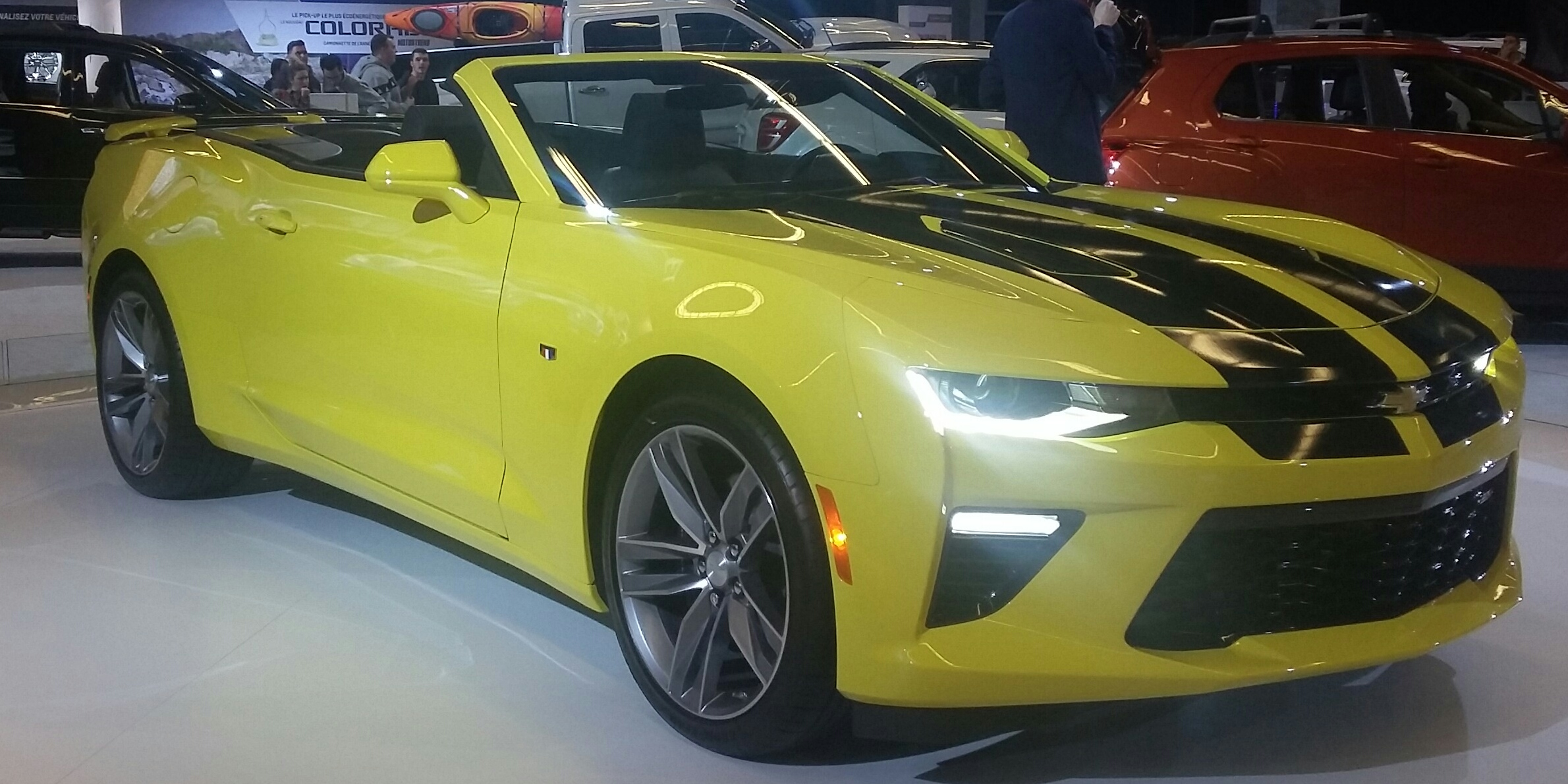
Chevrolet Camaro
"But you might have I mean, pull up the value right the second of I don't know, go into a seventy one Camaro. The book value probably on it's a couple [790.7s] thousand dollars. But we know that if you get a [792.5s] clean when it's completely sooped up, it's fifty thousand dollars car."
A 1971 Camaro is a classic Chevrolet muscle car. The speaker is using it as an example of how taxes might be based on an old pricing estimate, even if a really clean, restored one is worth much more.
The Chevrolet Camaro is a classic American muscle car, and the 1971 model is a popular year for enthusiasts and restorations. In this segment, the host uses a “1971 Camaro” example to argue that property taxes can be based on the guide value even when a fully restored example is worth far more.

Geo Metro
"If you guys are following along, there was I know, I told you guy, the guy I told you that traded in the Geo Metro that he did all the crazy stuff too."
The Geo Metro is a very small, inexpensive car that was meant for basic commuting. In this episode, it’s mentioned as a cheap car someone owned before switching to a newer Toyota.
The Geo Metro is a small, budget-oriented subcompact sold by Geo (a Chevrolet-affiliated brand). In the story, it’s used as an example of a very low-value commuter car that someone traded in while buying a new Toyota.

Chevrolet Spark
"If you if you never been inside of Geometro, it is I mean, it's it's like probably less than what a Spark would be nowadays, like a Chevy Spark or like a little tiny little cars."
The Chevy Spark is a small, budget-friendly car. The host is comparing it to the Geo Metro to show how stripped-down the Metro was back then.
The Chevrolet Spark is a small city car, and the speaker uses it as a modern comparison point for how basic the Geo Metro was. The implication is that the Geo Metro had very few features compared with even today’s entry-level small cars.
five speed, you know, manuals
"They were five like most of them were five speed, you know, manuals."
A five-speed manual is a car where you shift gears yourself using a clutch. The host is pointing out that the Geo Metro was a very basic setup, even if it looked nicer inside than you’d expect.
A five-speed manual transmission means the car uses a clutch and driver-selected gears, with five forward gear ratios. The speaker is contrasting the Geo Metro’s basic, no-frills setup with the idea that it felt surprisingly “like a Mercedes inside,” while still being a simple manual car.
power windows
"But he had leather interior. He had added power windows, power locks, nice stereo system, an AC system that blew that was did not blow like it was factory."
Power windows are car windows you control with buttons instead of turning a hand crank. They’re a convenience upgrade people often look for when buying or modifying a car.
Power windows are window regulators driven by electric motors, letting the driver raise and lower windows with switches instead of manual cranks. They’re a common convenience feature that can be added via trim level or aftermarket work.
power locks
"But he had leather interior. He had added power windows, power locks, nice stereo system, an AC system that blew that was did not blow like it was factory."
Power locks let you lock and unlock the doors using buttons or switches instead of manually turning a lock. It’s a convenience feature that can be added depending on the car’s options.
Power locks are electrically actuated door locks controlled from inside the car (and sometimes remotely). In older cars, they may be tied to specific trims or added by previous owners to improve daily usability.
AC system
"But he had added power windows, power locks, nice stereo system, an AC system that blew that was did not blow like it was factory. So either somebody put bigger blower motors in or something like that."
The AC system is the car’s air conditioner. They’re saying the car’s AC was upgraded or modified so it cooled much better than it did when it left the factory.
An AC system is the car’s air-conditioning setup, including the compressor, refrigerant circuit, and airflow controls. The host is describing an aftermarket or upgraded cooling performance—“ice cold”—that didn’t behave like the factory setup.
blower motors
"So either somebody put bigger blower motors in or something like that. But it was ice cold in the car."
A blower motor is the fan that moves air through the car’s heating and air-conditioning system. If someone installs a bigger one, the cabin can cool faster or feel colder.
A blower motor is the fan motor that pushes air through the HVAC system to heat or cool the cabin. The host suggests bigger blower motors were installed to increase airflow, which would make the AC feel stronger.

Toyota Corolla
"...as moving to the next thing. And I think he got a Corolla. Was this was a step up. But he told me his plan ..."
The Toyota Corolla is a regular, everyday car made for commuting and errands. People talk about it a lot because it’s usually dependable and not too expensive to maintain. It’s often chosen as a safer, more reliable step up from an older car.
The Toyota Corolla is a compact, everyday passenger car known for being practical and easy to live with. It often comes up in conversations about “stepping up” because it’s a common upgrade from older or less reliable daily drivers. In a podcast, it’s frequently mentioned as a dependable choice people plan around for regular commuting and ownership.
roll up windows
"keep in mind, we were selling Corollas then that didn't have roll up windows, and you know they had, you know. Speaker 3: Still an option."
“Roll up windows” here means the windows go up and down by hand (with a crank) instead of using power buttons. They’re saying the car they sold didn’t always include the convenience features.
“Roll up windows” refers to manual window operation where the glass is raised/lowered by a crank rather than powered switches. The host is contrasting earlier Corolla optioning (manual windows) with later convenience features like electric locks and power windows.
gas mileage
"He was going to take it over him and go through everything and make it very comfortable, luxuries inside because he knew he was going to get great gas mileage in it."
“Gas mileage” means how efficiently a vehicle uses fuel. Higher gas mileage usually means you spend less money to drive the same distance.
“Gas mileage” is the fuel economy of a vehicle—how far it can travel per unit of fuel. It’s often discussed as miles per gallon (MPG) for gasoline cars, and it’s a key factor when people are trying to reduce operating costs.
electric motorcycle
"So I am driving down the road the other Now, I know that the electric motorcycle slash scooters, slash bikes, e bikes, whatever like that have become very popular."
An electric motorcycle is a bike that runs on electricity from a battery. It doesn’t use gas like a normal motorcycle, and how fast it can go depends on the battery and motor.
An “electric motorcycle” is a motorcycle powered by an electric motor instead of a gasoline engine. Because it’s electric, it can feel instantly responsive, but its real-world performance depends heavily on battery capacity and motor power.
e bikes
"electric motorcycle slash scooters, slash bikes, e bikes, whatever like that have become very popular."
E bikes are bicycles with a battery-powered motor that helps you pedal. If the battery is low or the motor is small, they won’t feel as strong.
“E bikes” (electric bicycles) use an electric motor to assist pedaling. Their ability to accelerate under load depends on motor output and battery state of charge.
three wheels scooters
"First of all, the three wheels scooters. Have you seen them, two wheels on the back, one way on the front of their scooter, one goes by me, and the way capacity between the two people riding that thing was way exceeded"
A three-wheeled scooter has an extra wheel to help it stay stable. The speaker is saying it didn’t have enough power to move easily when overloaded.
A “three-wheeled scooter” is a scooter design with three wheels for stability. In the transcript, the speaker is describing how the scooter struggled when carrying more weight than it was designed for.
throttle
"The light turned green, the throttle was wide open, and it was everybody kicking their feet to get it to go."
The throttle is the control that tells the engine how hard to work. “Wide open” means the rider asked for the most power available.
The “throttle” is the driver’s control that regulates how much power the engine makes. When the transcript says the throttle was wide open, it implies the rider demanded maximum acceleration from the scooter/motorcycle.
right turn signal
"a lever you could put you click up and down in a left turn signal, right turn signal. They're made for bicycles."
A right turn signal is the blinking light that tells others you’re going to turn right. It’s a basic safety feature so people can react to your move.
A right turn signal is the indicator used to communicate a right-hand lane or direction change. In the transcript, the speaker mentions a lever that could be clicked up and down for left/right signaling.
go cart
"I attached them to the on the back of my go cart. So when I was making a left hand turn, I had my left hand turn singal on."
A go-kart is a small racing-style vehicle you drive on a track—or sometimes, illegally, on roads. It’s usually powered by a small engine and is meant for kids or casual racing.
A go-kart is a small, low-speed vehicle typically powered by a small engine and steered with a wheel. In this story, it’s being used like a street vehicle, which is why the speaker says they were getting chased by police.
left turn signal
"So when I was making a left hand turn, I had my left hand turn singal on. Now I didn't just go willy nilly and go like riding up like main roads forever."
A turn signal is the blinking light that tells other people on the road you’re turning. It helps prevent crashes by warning drivers and pedestrians ahead of time.
A turn signal is a vehicle indicator that alerts other road users when you’re about to change direction. The speaker describes using bicycle-style lights mounted on a go-kart to simulate left/right turn signaling.
mass transit
"I was like, okay, so we had those that was our mass transit right as kids. So I think the e bike and all that kind of stuff and people looking for a way to get around now it's kind of just it's just evolved."
Mass transit means public transportation that many people share, like buses or trains. The speaker is comparing that idea to how people (especially kids) used to get around.
Mass transit refers to shared transportation systems—like buses and trains—used by many people. The speaker uses it loosely to compare how kids used bikes/go-karts as a way to get around, then contrasts it with modern “electric” mobility and the idea of public funding.
marketing strategy
"car names, right, like how cars get their names and is their like thought processes or marketing strategy put into it?"
A marketing strategy is how a company tries to get people interested. In this case, it’s about how car names and logos are picked to make you feel something and want to buy.
A marketing strategy is the planned approach a company uses to influence what people think and do—here, how car names and logos are designed to trigger specific emotions in potential buyers. The segment frames naming as a deliberate tool rather than a random choice.

Ford Mustang
"...he past, all kinds of stuff like and they use the Mustang as a reference, of course, because I think it's t..."
The Ford Mustang is a car designed to feel sporty and fun to drive. It’s known for its engine options and classic styling. People bring it up as a common example when talking about performance cars.
The Ford Mustang is a performance-focused American sports coupe/convertible that’s become a long-running icon. It’s discussed often because it represents a recognizable “reference point” for power, styling, and driving feel. In a podcast, it may be used as shorthand when comparing what different cars are trying to achieve.
logo
"When you hear the name Mustang and you saw it on a car, and then you saw the logo. That's why they say they chose that logo was to you know, stir those emotions in the buyer."
A logo is the brand’s symbol you see on the car. The discussion is saying the logo is meant to make you feel certain things so you’re more likely to want the car.
A logo is a brand symbol or mark used to identify a company or product at a glance. The host’s point is that the Mustang logo was chosen to “stir those emotions in the buyer,” linking visual identity to buyer psychology.
Cadillac
"So they talked about Cadillac. In the Cadillac brand, they say that most people won't be able to name off all the different types of Cadillacts there are, and it was never intended for that."
Cadillac is a luxury car brand. The idea in the discussion is that the brand name “Cadillac” is supposed to be enough—people don’t need to know every specific model name to get the point.
Cadillac is a luxury car brand where the host argues the naming strategy is different from models with lots of easily remembered sub-model names. The point here is that “Cadillac” as a brand name is intended to carry the meaning by itself, rather than requiring buyers to memorize model variants.

Cadillac Eldorado
"...ou know, Okay, you had the Fleetwood, you had the Eldorado, you had all these different you know stuff, righ..."
The Cadillac Eldorado is a luxury car that was made to feel comfortable and stylish. It’s the kind of vehicle people bring up when discussing older Cadillac models. It’s usually remembered for its big, classic look and premium features.
The Cadillac Eldorado is a luxury personal car from Cadillac’s past, known for its distinctive styling and comfortable, upscale ride. It’s often mentioned in historical discussions because it represents an era of big, feature-rich American luxury vehicles. In a podcast, it may come up when talking about Cadillac’s lineup and how different models fit together.

Cadillac Fleetwood
"...ame off. I'm be like, you know, Okay, you had the Fleetwood, you had the Eldorado, you had all these differen..."
The Cadillac Fleetwood is a luxury car name that was used on bigger, more comfortable Cadillac models. People mention it when talking about older luxury cars and how they were built for comfort. It’s known for a classic, upscale style.
The Cadillac Fleetwood is a luxury car nameplate associated with Cadillac’s more upscale, larger vehicles. It’s frequently referenced in automotive history because it reflects a period when American luxury cars emphasized size, comfort, and formal styling. In a podcast, it may be mentioned alongside other Cadillac models to explain how the brand’s lineup was organized.

Lincoln Navigator
"... every time you hear about Lincoln. You hear like navigator, So like then I feel like they haven't. Speaker 2..."
The Lincoln Navigator is a full-size luxury SUV built for comfort, space, and family-friendly driving. It’s often brought up when discussing large, upscale vehicles because it blends big SUV practicality with premium features. In a podcast, it may appear in the context of brand history or when comparing what different luxury nameplates are known for.

Ford Escape
"Who have four decided to make a lot of their vehicles start with the letter E. You got the escape."
Ford Escape is a Ford SUV. In this segment, they’re using it as an example of how Ford picks model names to suggest a certain idea or vibe.
The Ford Escape is a compact SUV model whose name is part of the broader discussion about automakers using letters and words to evoke meaning. Here, the hosts connect “E” naming to Ford’s model lineup and heritage.
Prius
"let me bring it up here. So the prius right, Okay, totally going in a weird direction for you guys. But prius, what do you think prius meant and what it was supposed to invoke?"
“Prius” is the name of a Toyota model. They’re talking about what the name is supposed to mean and where it comes from (Latin), not about how the car drives.
“Prius” is discussed as a name meant to invoke meaning, and the hosts note it’s Latin for “to…” (they trail off). The point is that model names can be chosen for their language roots and the feelings they’re supposed to trigger.

Toyota Prius
"...esearch. Okay, so let me bring it up here. So the prius right, Okay, totally going in a weird direction f..."
The Toyota Prius is a car that uses a gas engine and an electric motor together. That combination helps it use less fuel than many regular cars. It’s commonly mentioned when people talk about cars that prioritize efficiency over traditional performance.
The Toyota Prius is a hybrid electric vehicle built around improving fuel economy by using both a gasoline engine and an electric motor. It’s often discussed because it helped popularize mainstream hybrid technology and remains a go-to example when people talk about “weird” or unconventional directions in car design. In a podcast, it may come up when the conversation shifts toward efficiency-focused vehicles.
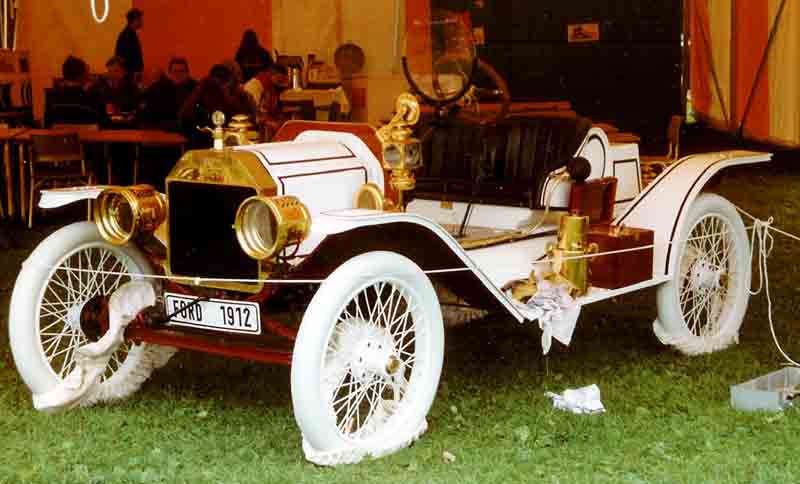
Ford Model T
"...bet to name his earliest designs successfully the model T. The letter E is along the side of F and honors S..."
The Ford Model T is one of the earliest cars that became very popular. It’s important because it helped cars become more common for regular people. It often comes up in discussions about the very beginning of car manufacturing.
The Ford Model T is a historic early mass-produced car that played a major role in making automobiles widely available. It’s frequently referenced in automotive history because it helped standardize production methods and shaped how cars were built and sold. In a podcast, it may be mentioned when discussing early design milestones or the origins of influential automotive branding.
mass produced hybrid car
"It signaled the world's first mass produced hybrid car. That's why they call it proprius."
A hybrid car uses two power sources—usually a gas engine and an electric motor. “Mass produced” just means it was made in large numbers for everyday buyers.
A “mass produced hybrid car” is a hybrid vehicle (it uses both an internal-combustion engine and an electric motor) that was built at high volume for regular customers, not just as a limited prototype. The host is pointing out that a specific model name is tied to being an early, widely produced hybrid.

Jeep Wrangler
"that's why they call it proprius. Now, this one should be pretty easy for you. Jeep wrangler, for instance, what do you think that that was supposed to?"
The Jeep Wrangler is a popular off-road SUV. Here they’re talking about what the “Wrangler” name is supposed to suggest—tough, outdoorsy capability.
The Jeep Wrangler is a rugged off-road SUV known for its go-anywhere reputation and removable roof/doors on many trims. In this segment, the host is discussing the origin of the “Wrangler” name—how it relates to the idea of “wrangling” dirt/soil and rugged cowboy imagery.

Chevrolet Suburban
"We talked about the Mustang, all right, suburban, Chevy, suburban. Speaker 4: Any ideas just supposed to It's just a CUV that goes around."
The Chevrolet Suburban is a big family SUV. They’re saying the name “Suburban” comes from the idea of living in the suburbs and needing a roomy vehicle.
The Chevrolet Suburban is a long-running full-size SUV/people-hauler from Chevrolet, famous for carrying big families and gear. The host explains the name “Suburban” as a reference to growing a family in the suburbs, tying the branding to its intended lifestyle use.
CUV
"Speaker 4: Any ideas just supposed to It's just a CUV that goes around. It's like your soccer suburban cities."
CUV stands for “crossover utility vehicle.” It’s a family-friendly SUV-type car that’s often built more like a regular car than a traditional truck.
CUV usually means “crossover utility vehicle,” a type of vehicle built on a car-like platform that blends features of SUVs and sedans. The host uses it to describe the Suburban as a vehicle category that “goes around,” contrasting it with other naming ideas.
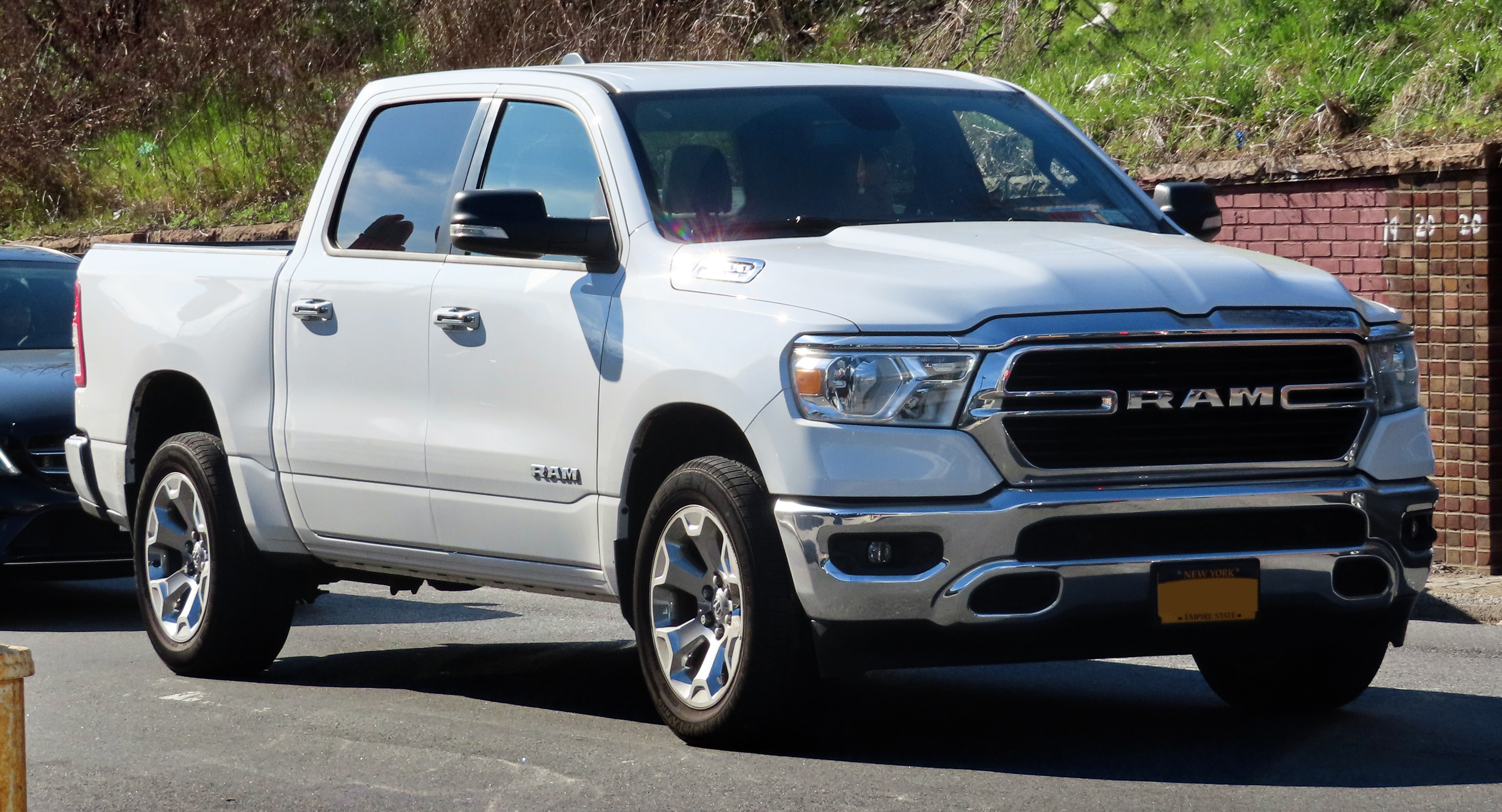
Rams
"like wow, I was like, all right, so I'll give you another one. Rams that live like. Speaker 3: Just on the outskirts of town, right."
Ram is a truck brand. They’re talking about where the name comes from and why it’s meant to sound tough and strong.
Ram is the truck brand (now commonly referred to as “Ram Trucks”) associated with pickup models like the Ram 1500. In this segment, the host discusses the origin of the “Ram” name, claiming it’s tied to the animal “ram” and the idea of strength/durability.

Dodge Ram
"...he fifteen hundred truck, the fifty A. Speaker 3: RAM is usually a pretty strong. Speaker 2: Pool pound..."
The Dodge Ram is a large pickup truck. It’s made to carry heavy loads and tow trailers. People mention it when they’re talking about trucks that can handle tougher jobs.
The Dodge Ram is a full-size pickup truck line known for towing and hauling capability. It’s commonly discussed in truck conversations because it’s built for heavy-duty everyday use, from work tasks to family hauling. In a podcast, it may be referenced when talking about truck strength, size, or what people choose for practical needs.
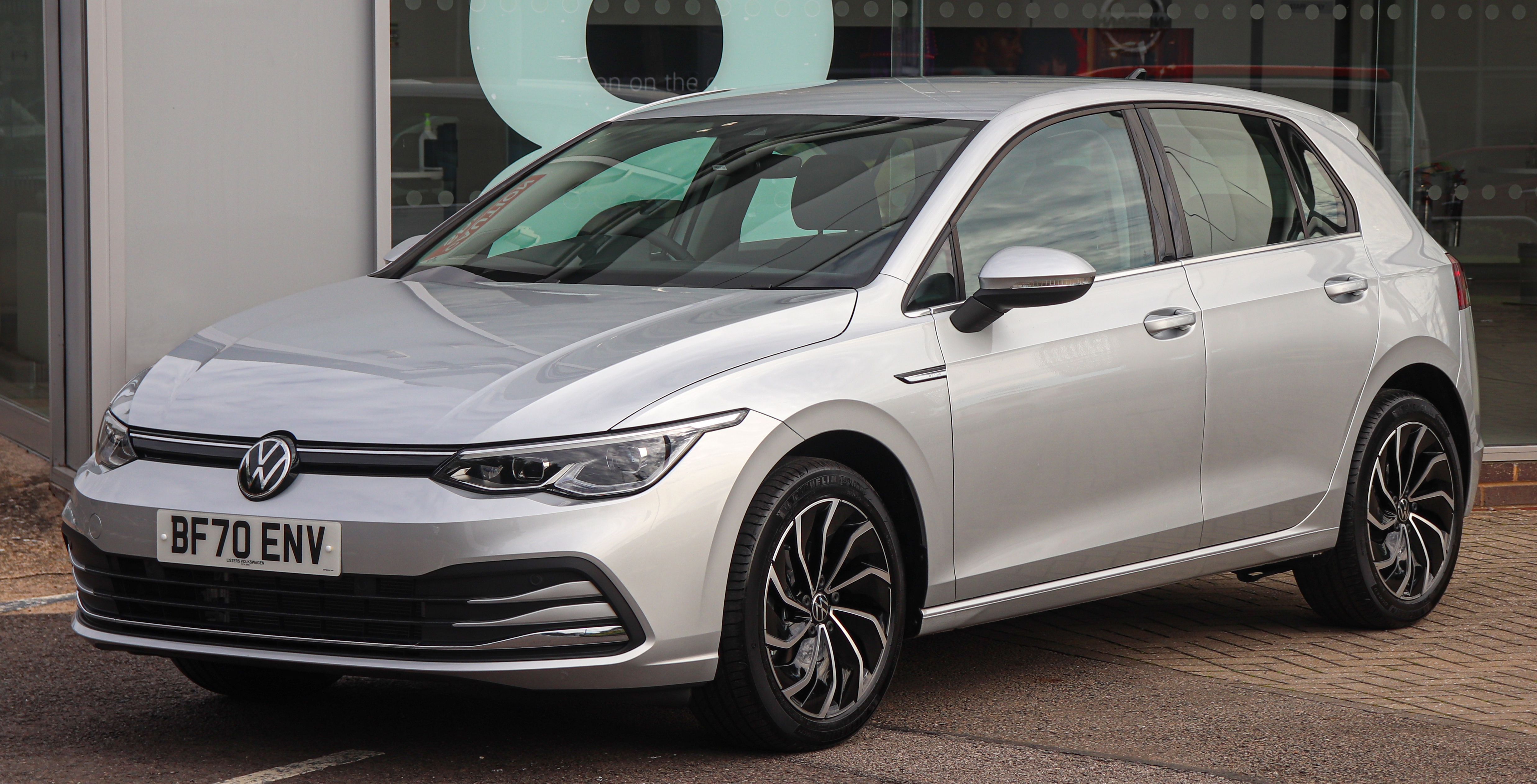
Volkswagen Golf
"Speaker 2: Like, I'll go in a complete different direction. Volkswagen golf. Speaker 4: To be like a city car like close in the city, going from corporate to to work. Speaker 2: Now you're I think you're leaning more towards the Volkswagen because it was the people's car."
The Volkswagen Golf is a popular everyday small car from Volkswagen. Here, the hosts are talking about what the name “Golf” is supposed to make you think of.
The Volkswagen Golf is a compact hatchback that became one of Volkswagen’s most important “everyday” cars worldwide. In this segment, the hosts are discussing the name and how it’s used to evoke a certain image of the vehicle.

GMC Sierra pickup truck
"All right, here's one same like when GMC Sierra pickup truck. Basically [2568.0s] you know Silverado, but Sierra Sierra."
The GMC Sierra is a big pickup truck from GMC. The hosts are comparing it to the Chevrolet Silverado, which is the similar truck from Chevy.
The GMC Sierra is a full-size pickup truck line from GMC, positioned as a rugged alternative within the GM truck family. The segment compares it to the Chevrolet Silverado, which is the closely related Chevy counterpart.
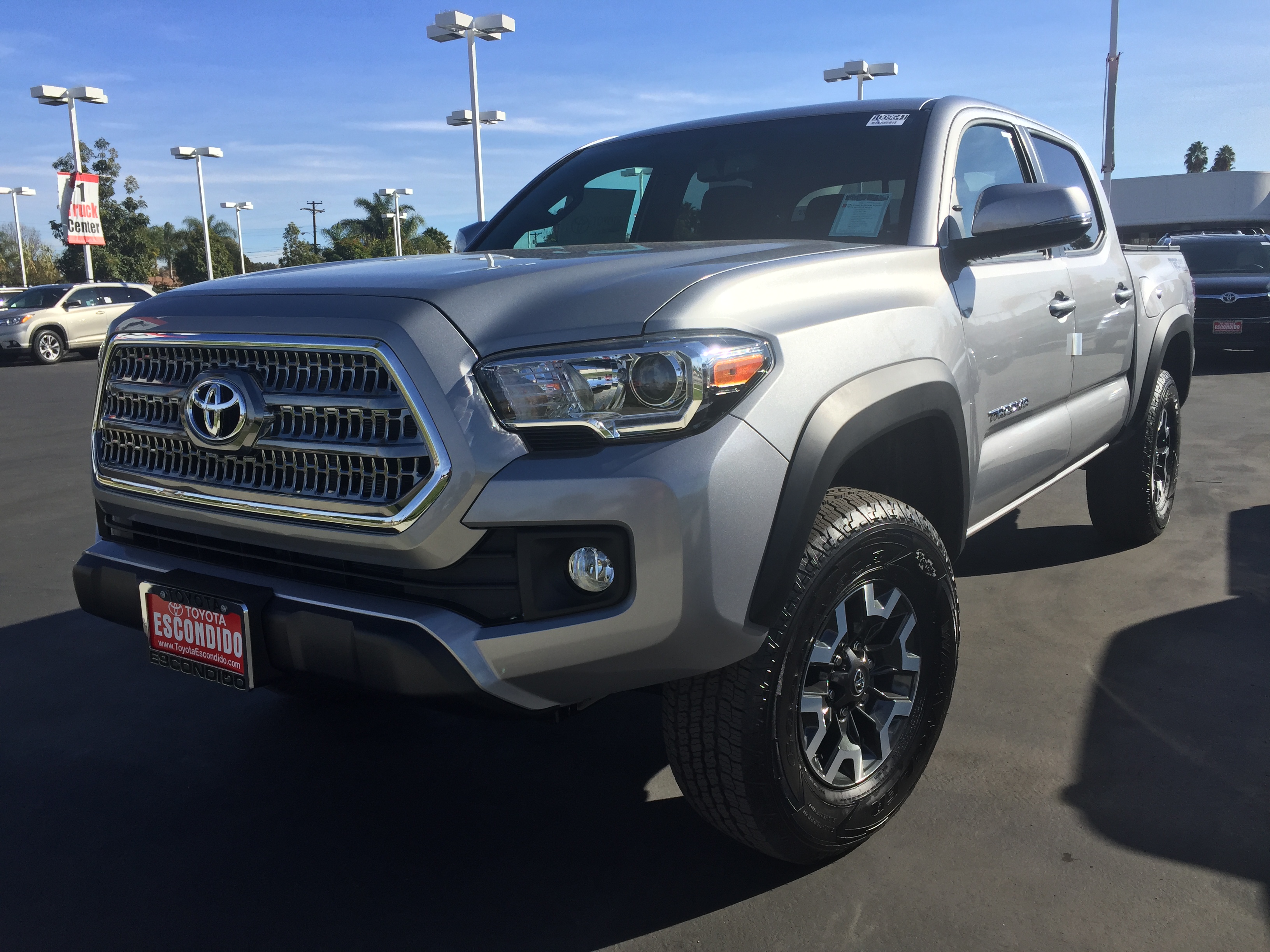
Toyota Tacoma
"Here's one for you. [2595.4s] Here's one for Toyota, Tacoma. Speaker 3: Tacoma, Tacoma."
The Toyota Tacoma is a midsize pickup truck from Toyota. Here, they’re talking about what the name “Tacoma” is supposed to mean.
The Toyota Tacoma is a midsize pickup truck known for being a go-to option for people who want truck capability without going full-size. In this segment, the hosts are focusing on the origin/meaning of the name “Tacoma.”

Ford Ranger
"...but it was for you because you see it was a mount ranger to go. All right, Tacoma, Toyota, Tacoma. Is it f..."
The Ford Ranger is a pickup truck, meaning it has a bed for carrying things. It’s meant for tasks like hauling, towing, and general utility. People compare it to other trucks to find the right size and capability.
The Ford Ranger is a mid-size pickup truck designed for work and everyday hauling. It often gets compared in the “truck” conversation because it’s sized between smaller and larger pickups, making it practical for many drivers. In a podcast, it may be mentioned alongside other pickup models when discussing what fits someone’s needs.

Hyundai Elantra
"All right, Hondai. Elantra. I've heard this one before. Speaker 2: It's derived from the word elation, and it's meant for drivers to feel uplifted while driving it. Elantra."
The Hyundai Elantra is a common, everyday car model. The hosts are joking about what the name might mean—something like “feeling good” while driving.
The Hyundai Elantra is a compact sedan (and one of Hyundai’s best-known nameplates in the U.S.). Here, the hosts discuss a playful etymology for “Elantra,” claiming it’s derived from “elation” and framed as making drivers feel “uplifted.”
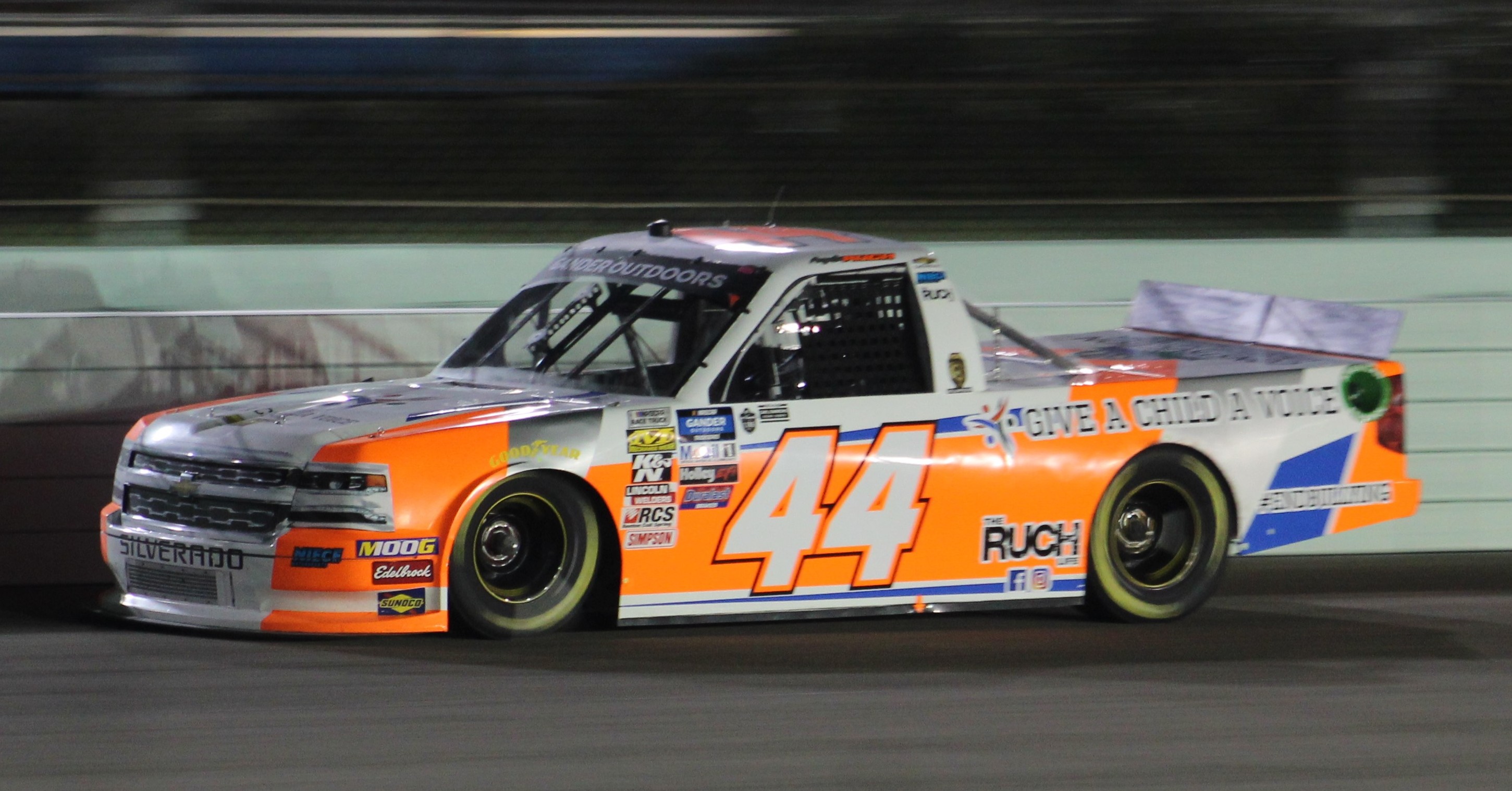
Chevrolet Silverado
"Last one not least for a commercial break Chevy Silverado power tornadoes under the day. Combines silver in the wild West El Dorado and implies premium wealth and ruggedness Silvarado."
The Chevrolet Silverado is a big pickup truck. The hosts are talking about what the name “Silverado” is supposed to suggest—like wealth and ruggedness.
The Chevrolet Silverado is a full-size pickup truck, and it’s one of the brand’s flagship vehicles in North America. This segment focuses on a name-origin explanation, claiming “Silverado” combines “silver” and “El Dorado” to imply premium wealth and ruggedness.
Odyssey
"Apparently Odyssey the Odyssey is. [2960.6s] Speaker 3: But you can go a whole different rabbit hole too, right."
“Odyssey” is a name Honda uses for a minivan. Here, the hosts are just talking about what the name is supposed to mean.
“Odyssey” is used as a model name by Honda for its minivan line. In this segment, the hosts are discussing the name’s meaning and origin, treating it like a branding choice rather than a technical spec.
Infinity
"What Infinity is it supposed to be like you know, supposed to go on and on and on. [2992.4s] Speaker 2: Infinity was supposed to be like I said, Infinity doesn't really does Infinity do names? Because they do, like numbers [2996.9s] two on theirs."
The segment is talking about “Infiniti,” which is Nissan’s luxury car brand. They’re also mentioning that Infiniti’s model names use a pattern with letters and numbers.
“Infinity” appears to be a mis-transcription of “Infiniti,” which is Nissan’s luxury brand. The hosts are discussing how Infiniti uses naming conventions (including numbers/letters) and comparing it to BMW’s style of model naming.
BMW
"I think they do numbers two cu and yeah, they do letter one number in letters. They're almost like BMW. [3003.7s] Speaker 2: Kin, Yeah, it's so. I mean, well, I remember what"
BMW is a well-known German luxury car brand. Here it’s mentioned as a comparison for how brands use letters and numbers in their model names.
BMW is referenced as a comparison point for how luxury brands structure model names. In this segment, the host uses BMW to illustrate the idea that naming conventions can follow consistent letter/number patterns.
Nissan
"people would leave the Nissan dealership and walk walk over to the Infinity and know that it's just the same car and a nice and nicer rapper essentially, but they'd hand over that extra twenty thousand dollars for it just for that the name."
Nissan is the regular (non-luxury) brand. In this story, the host says people are paying more to switch to the Infiniti luxury version even though the cars are very similar.
Nissan is the mainstream brand in the Nissan/Infiniti pairing discussed here. The host’s point is that the Infiniti version can be mechanically similar to the Nissan, so the price difference is largely tied to branding and dealership positioning.
Infiniti
"people would leave the Nissan dealership and walk walk over to the Infinity and know that it's just the same car and a nice and nicer rapper essentially, but they'd hand over that extra twenty thousand dollars for it just for that the name."
Infiniti is Nissan’s luxury brand. The host is saying some people will pay extra just to get the Infiniti version of a car that’s basically the same as the Nissan.
Infiniti is Nissan’s luxury brand, and the host describes shoppers moving from a Nissan dealership to Infiniti to buy a near-identical vehicle. The segment uses this as an example of paying a premium for the luxury badge.
same engine
"They are, but it is they were using the same engine, yeah, times, same suspension. There's I mean, it's the same car. I mean,"
They’re saying the Toyota and Lexus (or Nissan and Infiniti) versions often use the same motor. That’s why the cars can feel very similar even though one costs more.
When the host says the cars use the “same engine,” they mean the powerplant is shared across the Toyota/Lexus or Nissan/Infiniti brand pair. This is a common strategy in the industry: different badges, similar mechanicals, and different pricing.
same suspension
"They are, but it is they were using the same engine, yeah, times, same suspension. There's I mean, it's the same car. I mean,"
Suspension is what connects the wheels to the car and affects ride comfort and handling. If the suspension is the same, the cars will drive similarly even if the badges are different.
“Same suspension” means the suspension hardware and/or tuning is shared between the brand-paired models. Suspension is a major part of ride and handling, so sharing it reinforces the host’s claim that buyers are paying for branding more than for a fundamentally different vehicle.

Toyota Land Cruiser
"like I said, I think it was like twenty two thousand dollars difference between the Toyota Highlander or or land Cruiser or whatever it was, the lane Cruiser difference, and then the Lexus version of it."
The Toyota Land Cruiser is a tough, long-lasting SUV. In this story, the Lexus version is basically the same car, but people pay more just to have the Lexus name.
The Toyota Land Cruiser is a body-on-frame SUV famous for durability and off-road capability. Here, the host says the Lexus version is essentially the same vehicle underneath, with differences in styling and some equipment—so buyers are paying extra largely for the Lexus badge.

Toyota Highlander
"like I said, I think it was like twenty two thousand dollars difference between the Toyota Highlander or or land Cruiser or whatever it was, the lane Cruiser difference, and then the Lexus version of it."
The Toyota Highlander is a family SUV. The point here is that Toyota and Lexus can sell very similar vehicles, but the Lexus version costs more mainly because of the brand.
The Toyota Highlander is a midsize three-row SUV known for being a practical family hauler. In this segment, the host compares it to a Lexus twin, highlighting how the same underlying vehicle can be sold under different brands for a price premium.
controlled damper shocks
"Now, I think the Lexus version had controlled damper shocks on it. The front, the grill was different, the fenders were different, but basically the back body all looked just like the land Cruiser."
“Controlled damper shocks” refers to shock absorbers whose damping force is managed by a control system, usually to vary ride firmness. In this segment, the host uses it as an example of how the Lexus version may add equipment compared with the Toyota version, even if the car is otherwise very similar.

Toyota
"And I'm like, I just know, I know they are not leaving here with the Toyota. I know they're not."
Toyota is just the car brand being discussed in the sales story. They’re saying the buyer won’t end up leaving with a Toyota.
Toyota is mentioned as the car the speaker believes a customer will not leave the dealership with. The point is about dealership sales tactics and how the salesperson keeps steering the buyer toward a specific brand.

Lexus
"I know that she is gonna Look, anybody's got a wife, you know, she's leaving with the a Lexus. You know it. That's what she wants. What's the option?"
Lexus is a luxury car brand. In this story, they’re saying the buyer is likely to leave with a Lexus instead of a Toyota.
Lexus is mentioned as the brand the speaker expects the buyer’s wife to choose. Lexus is Toyota’s luxury brand, and in this context it’s part of a discussion about how buyers get funneled toward a preferred make.
Matt Armstrong
"Speaker 4: So there's this YouTuber, Matt Armstrong that I've been watching. You guys probably know. He's been building a Bugatti Verdon I think that."
Matt Armstrong is a YouTuber they’re talking about. He makes videos about rebuilding cars, and this story is about figuring out the right parts for a restoration.
Matt Armstrong is referenced as a YouTuber who builds and restores cars, including a Bugatti project mentioned in the segment. The hosts use his channel as an example of how parts can be sourced and swapped across brands when restoring a damaged or incomplete car.
air bag
"Speaker 4: Shout to the air bag blue and I won't I won't spoil the whole video and like what he did to the car, but the airbag blue. And he kept trying to get a new air bag. Well he found out when he took the air bag out that it was an Audi air bag. It had all the Audi symbols on it."
An airbag is a safety device that inflates in a crash to help protect you. The discussion here is about whether the replacement airbag will actually work as intended.
An air bag is a supplemental restraint system that inflates rapidly during a crash to help protect occupants. In the segment, they’re discussing whether a replacement airbag module will work correctly, including the idea that it may be a different part despite looking similar.
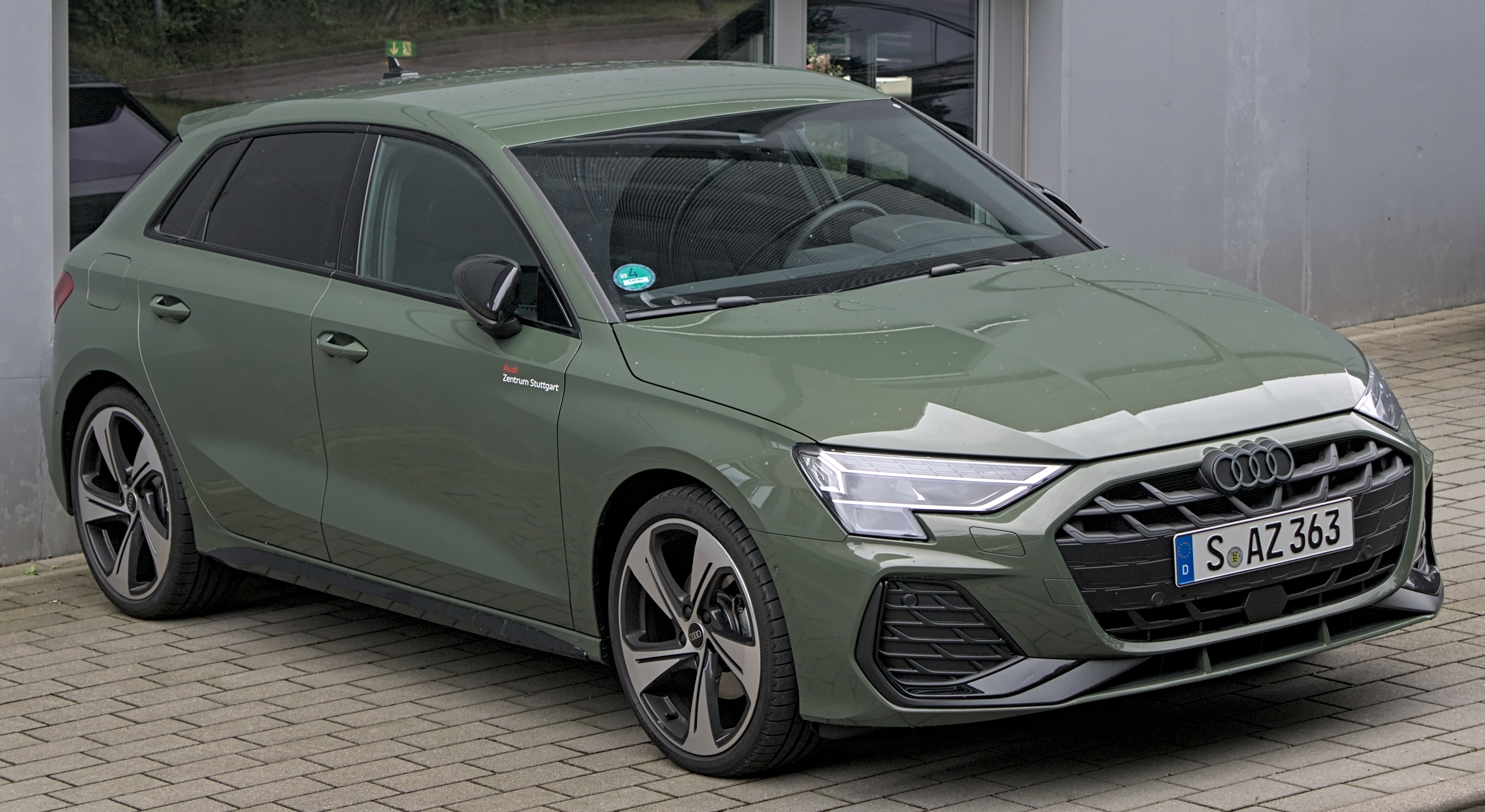
Audi
"Well he found out when he took the air bag out that it was an Audi air bag. It had all the Audi symbols on it."
Audi is the car brand whose airbag part they found inside the car. The speaker is saying the airbag wasn’t a unique part—it was an Audi component.
Audi is mentioned because the removed airbag module had Audi branding and symbols. The segment uses this as evidence that the “Bugatti” project’s airbag was actually sourced from an Audi part.
Request an Explanation
Heard something you'd like explained? We'll add it to this episode.
Sign in to request explanations for terms you heard.
Want to learn more?
Browse our glossary for plain-English explanations of automotive terms, jargon, and concepts.
Help improve this episode
See something that's not quite right? Our annotations are AI-generated and can sometimes miss the mark. Click the flag icon on any annotation to suggest a correction.