Buddy Levy’s fascination with exploration is traced from adventure racing and journalism into Arctic writing that treats survival as deeply human. The conversation moves through the Explorers Club’s origins, the shift from government missions to sponsorship, and why early expeditions often failed—hubris, technology limits, and ignoring Inuit knowledge. Levy describes researching with immersive field time and emotionally charged diaries, then connects it to moments of compassion during near-death rescues, including decisions made to keep others alive.
Buddy Levy is the author of Labyrinth of Ice, the definitive account of the Greely Expedition. In 1881, 25 men were sent to the Arctic. The government forgot about them. Only six came home. What happened at Camp Clay is one of the most harrowing survival stories in American history.
Part 3 of The Forgotten Ones. We talk about what drove men into the unknown, what happens to the mind in 137 days of darkness, and whether anything like this is still possible.
"...tive writing at Washington State, a member of the Explorers Club, which I'm going to have to find out what th..."
The Ford Explorer is a larger family SUV made to carry people and gear comfortably. It’s designed for normal driving but also works well for longer trips. People mention it because it’s a common, widely used SUV.
The Ford Explorer is a midsize SUV built for family hauling, everyday driving, and road trips. It’s often discussed because it’s a long-running model with broad appeal and lots of real-world ownership experience to draw from. In a podcast, it may come up when talking about practical vehicles, space, or how people use SUVs in daily life.
"...similar in a lot of ways. I mean, a number of the expeditions, you mentioned governments. So if you look at the..."
The Ford Expedition is a large SUV that can carry more people and more cargo than smaller SUVs. It’s made for bigger trips and heavier everyday needs. That’s why it often shows up in discussions about vehicles used for groups.
The Ford Expedition is a full-size SUV known for seating capacity and strong capability for bigger families or groups. It’s significant because it’s built to handle more passengers and cargo than a typical midsize SUV, which is why it often appears in conversations about travel and utility. A podcast might reference it when discussing government or organizational fleets and how large vehicles are used.
"...than any human being ever lived prior to the 19th century, right? So my gap between absolute suffering that..."
The Buick Century is a car model Buick made that was meant to be comfortable for everyday driving. It’s not a modern performance car—it’s more about smooth, practical transportation. People may mention it because it’s a well-known older Buick model.
The Buick Century is a mid-size car from Buick, typically positioned as a comfortable, family-oriented option during its production years. It’s often discussed because it represents a long-running American approach to roomy, comfort-focused driving. In a podcast, it may come up when talking about older vehicles, classic models, or the kinds of cars people associated with everyday life.
"With the opening of their distribution center in Mesa, Arizona, FCP Euro is now shipping parts from both coasts, serving most of the country in three days or less with the free shipping option."
FCP Euro is a company that sells car parts online, especially for European cars. They also offer a lifetime replacement guarantee on many items and ship quickly from their warehouse.
FCP Euro is an aftermarket parts retailer that sells replacement parts for European cars and backs many items with a lifetime replacement guarantee. In this segment, the hosts mention FCP Euro’s distribution center in Mesa, Arizona and fast shipping across the U.S.
"Nokia and Tires has officially launched their newest tire, and it's one we're especially excited about. As is tailor-made for the type of driving we like to do here at Overcrest."
They’re talking about a new tire called the Surpass AS01. It’s meant to handle different weather and road conditions, and it includes extra protection if you damage a tire.
Nokia and Tires (as spoken) is introducing the Surpass AS01 tire, positioned as a high-performance all-season option. The segment emphasizes grip in dry/wet conditions and added protection features like a pothole replacement program.
"It's called the Surpass AS01, and what sets it apart is it's a high-performance, all-season tire. It's made specifically for drivers who want the most out of their cars, without sacrificing capability when the roads get slick."
This is a tire meant to work well in different seasons, not just summer. It’s also designed to give better grip than a basic all-season tire, so it feels more confident when driving hard or when roads get wet.
A high-performance, all-season tire is designed to balance strong grip (especially in dry and wet conditions) with the ability to handle a wider range of weather than a summer-only tire. The “all-season” part generally means it’s built for year-round use rather than just warm-weather driving.
"Not only does it come with a 55,000-mile warranty, it also offers Nokia and Tires pothole protection."
This means the tire comes with coverage up to 55,000 miles. If something covered happens before you hit that mileage, the company will help with replacement or repair.
A 55,000-mile warranty is a mileage-based promise from the tire maker that covers defects or qualifying issues up to that usage limit. It’s one of the key ways buyers evaluate long-term cost and expected tire life.
"Not only does it come with a 55,000-mile warranty, it also offers Nokia and Tires pothole protection. If he happened to damage your tire beyond repair, Nokia will replace it for free."
Pothole protection is like extra insurance for tire damage from bad roads. If you hit a pothole and the tire can’t be fixed, they say they’ll replace it for free.
Pothole protection is an extra tire coverage program that helps pay for or replace a tire damaged by road hazards like potholes. In this segment, the host claims that if the tire is damaged beyond repair, the company will replace it for free.
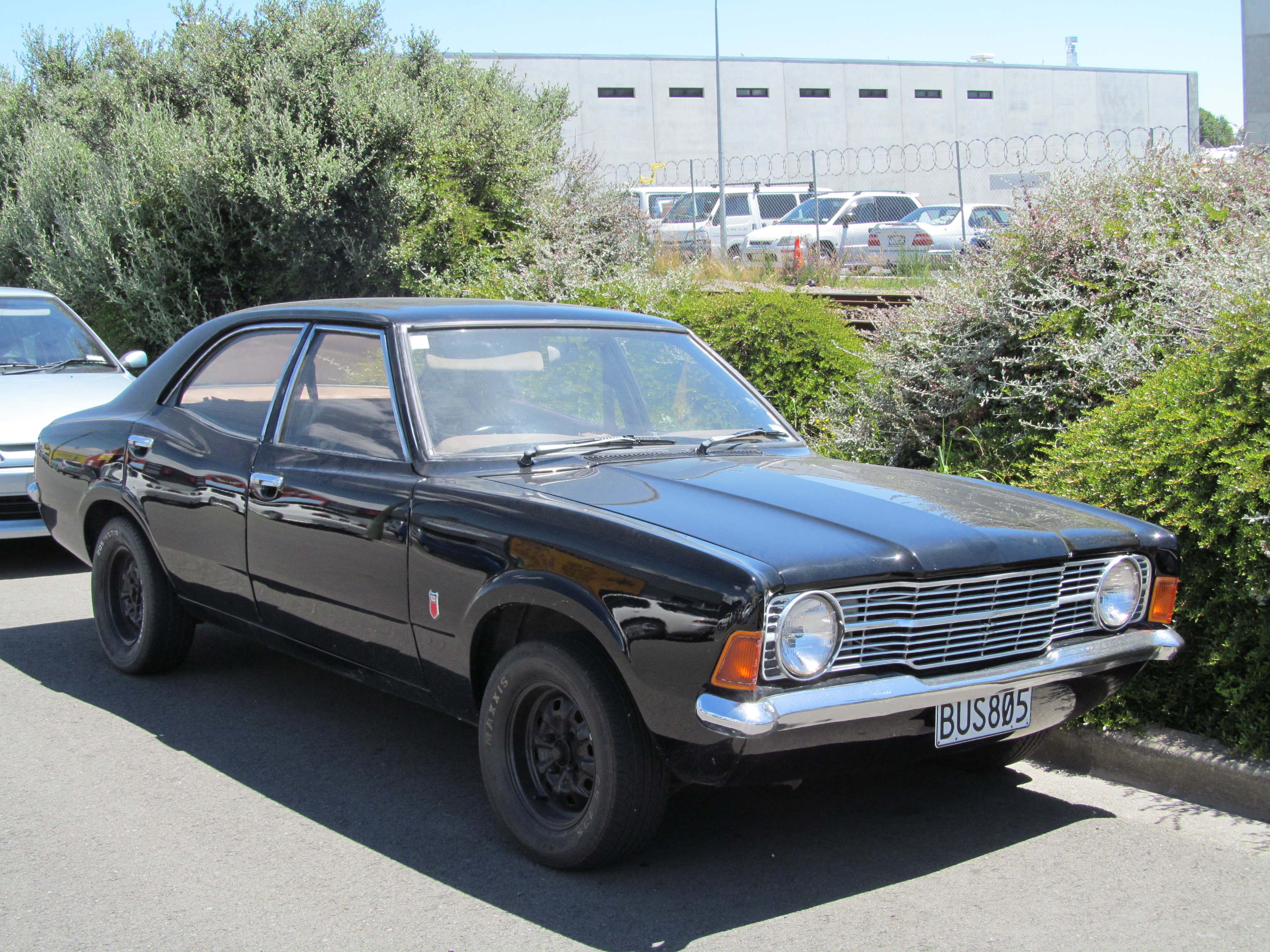
"...er. So he competed in the 1956 Winter Olympics in Cortina, Italy, where they just held the Olympics this ye..."
The Ford Cortina is a car model that Ford made in the past. It’s known today mainly as a classic, and its name can also show up in historical references. In a podcast, it may be mentioned because the word “Cortina” appears in event locations too.
The Ford Cortina is a compact car that was produced for many years and is especially remembered for its role in motorsport and classic-car history. It may be mentioned in a podcast because the name “Cortina” also appears in historical events, making it easy to bring up in storytelling. If the episode references the 1956 Winter Olympics in Cortina, Italy, the car name can be part of that connection.
Select text to request an explanation
spending 12 hours out on the ice and then you build an igloo or some shelter and you're
riding in your diary by seal oil, you know, lamp. And in some cases, you know, the last
words of these people, you know, and they're not fictional characters. These are, these
are young men and, and with sometimes, you know, with families and wives back home and
the very last thing they ever write, it trails off before the sentence is even finished.
Levy, please.
Buddy Levy is the author of nine books, including Labyrinth of Ice, the definitive account of
the Greeley expedition, as well as the Conquistador River of Darkness and the recently published
Realm of Ice and Sky and many more. He's a professor of creative writing at Washington
State, a member of the Explorers Club, which I'm going to have to find out what that is.
It seems like something I need to join and a guy who has paddled the Amazon and dugout canoe
and trekked across Greenland to research the stories he writes. He does not just write about
these places. He goes there, which is, I think, is amazing. Buddy, welcome to Overcrest. Thanks
for coming to hang out with us.
Chris, thanks for having me. I'm really excited to chat today.
Yeah, I am too. But I mean, before we get into everything that, you know, everybody wants us
to talk about, I need to know what is the Explorers Club and how do I join? That sounds
like my kind of, do I have to trek a certain amount of miles or anything like that?
Well, it's quite great. You know, based on the content you've been covering, you'll be
pleased to know that the Explorers Club was founded by none other than Adolphus Greeley
after he came back from the Lady Franklin Bay expedition. And so, yeah, it's a venerated
club with headquarters in Manhattan. And Greeley was such a baller. I mean, he also
co-founded the National Geographic Society. So, initially, it was, you know, not only Arctic,
but Amazon Explorers and all sorts of explorers who would return from their expeditions and then
it provided a place for them to come and meet and talk and discuss plans. You know, there was no,
there was no Facebook, social networking. So, it was a kind of networking Mecca
in the flesh, really cool. And it's still ongoing. To get in, you'd need to be nominated by someone.
And usually, you know, it's cronies and like-minded people who say, hey, you know, you'd be a good
fit. All right, I'll have to work on that. I don't think anything in my resume.
Yes. Yeah, I'm sure. Yeah, I've driven across the United States. I don't know if that's going
to be, I think that's not going to be it. We've had a lot of people on the podcast that probably
would qualify. Like, guys, there's one dude that, again, after, you know, so many episodes,
it's tough for me to remember some names. But there's guys who have walked across Canada,
like carrying a canoe. They just did it. And there's guys that have walked around them.
It seems like, it seems like it's getting harder and harder to find legitimate exploration. You
really, really have to choose to put yourself out there. You know, back in the days where people
were doing something like expeditions into the Arctic and stuff like that, it was like,
government funded, we're going to send you there. We're going to send a bunch of dudes.
Now it just seems like you have to choose it for yourself to want to do it for yourself,
rather than doing it for nation or country. Obviously, we have like astronauts and divers
and stuff like that. How do you feel about that almost? And you can correct me if I'm wrong,
I might be wrong, but just the loss of things to explore. Well, I will agree that, you know,
the world is shrinking in that respect in terms of places that are undiscovered.
Though, if you want to really do something dangerous, you can try, and I don't recommend
this, you can, you can head to the Amazon and try to contact one of the last uncontacted tribes
in the world. The last person who did that, I think he, he was greeted with a spear through
the chest, you know, so they don't necessarily want to be found. But I think that's really
arctic than face an unmet tribe. I think I'll face nature instead. Thank you humans.
But you touch on a really compelling concept. And, you know, certainly the way the expeditions
are embarked on nowadays are slightly different. But they always did have sponsorship. So that has
remained similar in a lot of ways. I mean, a number of the expeditions, you mentioned
governments. So if you look at the Franklin expedition, you know, the Royal Navy was behind
those. And many of the expeditions that I have written about, which were scientific in nature,
had all sorts of gathered together backing from various entities, including
national governments and bodies, which by the way, is one of the other reasons that,
that really founded the explorers club and the National Geographic Society so that
there would be ways to pitch or propose expeditions that could then get some support.
But of course, now sponsorships are a huge part of financing these things. And so you'll see
that expeditions that are going, let's say to recover the Arabus and the terror
of the Franklin expedition, you know, they they garner monies from a wide range of sources,
including, and you know, climbers and people individuals who try to do solo expeditions,
you know, they're getting sponsored by big name entities like North Face and Patagonia and
and things like that. To the question of what's left, I mean, that's a really good one.
You know, we've gotten so comfortable that I think people
believe that everything's been sort of bound. You mentioned in one of your podcasts that, you
know, of course, we're now starting to go outward to space, which I think is the natural extension
of attempting to go places where humans have never been. But depending on how uncomfortable
you want to be, you know, deserts are a good call. The Amazon is a good call.
You know, there's still you don't have to go that far where you're off the grid, you know.
There's a gap, right? So like the gap of comfort between someone in 1860 between
being in a cabin in the Arctic versus being at home was much closer, right? I mean,
you're still you're still pooping in a pan no matter where you are here.
I have the I'm in the lap of luxury in comparison to any human being that ever lived in all of the
1800s. Everyone I leave in more luxury than any human being ever lived prior to the 19th century,
right? So my gap between absolute suffering that some of these men and women went through versus
what they were used to is much, much different. I wonder if that plays into a little bit of our
perspective now and how we perceive exploration. Yeah, I will say one thing though. You know,
in the last few Arctic books that I have written, they're at least labyrinth of ice about the
Greenland expedition and then the one right after Empire of Ice and Stone about the
this Canadian Arctic expedition, which is a little bit later turn of the 19th century or the 1900s.
But one of the things that the European and Anglo explorers were figured out over time,
which would have been useful for them to learn earlier that they would have had a lot less
suffering is that if they had adopted the ways of the Inuit people and the Native or Indigenous
populations that they were encountering, they would have fared much better. And you know,
that goes down to, you know, not only mostly the procurement of food, preparation and storage of
food, but more than that is the garb. And so, you know, once that some explorers started to appear,
Robert Peary, who attempted, you know, to be the first in the North Pole, and Newt Rasmus in another,
you know, European explorers, they started to figure out that if you wore and brought along
the Inuit people who were expert at killing seals and also building igloos and the clothes
that they wore, they did much better. And these people, for them, you know, they also became
enured to the conditions and the environment. So, you know, they were much more prepared
to be in cold places over long periods of time. And it was amazing when I wrote this book,
Empire of Ice and Stone, they end up out on the ice for, you know, months actually during the
long night during the darkness. And there were, they had brought along a seamstress, a woman,
and her two children and husband, the husband did most seal hunting. But one of the kids was like,
three years old when the expedition started and ends up trekking over 100 miles across ice
and arrives at this place called Rangel Island off the coast of northern Siberia. And that girl
is just having a picnic, you know. So it's really interesting how it has a lot to do with
learning from the people who've been there before and survived there.
Was it piousness on the Anglo man to not, just because they saw them, did they see themselves?
Because, I mean, if you think about it, the technological advancements that we had, or,
you know, Western, what would even be Western civilization, Anglo civilization, Western Europe,
whatever you want to call it, during that period, if you at face value would go, oh, well, we're way
more technically advanced than you are. What do you know? Was there a sense of piety there that
kind of kept people from adopting and learning? Absolutely. And not only that of arrogance and of,
you know, overt racism, a belief in superiority. And so, you know, you've got these people in
Englishmen and in wool. And, you know, they didn't understand, you know, the Inuit taught them to,
you know, they had these leather, essentially, really thick moccasins, but they would line the
bottom of their shoes with this particular grass that was served as a kind of insulating layer.
Right. So, yeah, there was arrogance. There was a kind of belief that our, you know, God will
see us through this. And, you know, which I don't denigrate, but it ended up having some catastrophic
consequences, you know. And so, that played a really big role in also this kind of
overarching national pride in many cases. But all of that conspired in a lot of ways, because
technology will only get you so far. And in fact, a lot of, as you mentioned in your coverage of the
Lady Franklin Bay expedition, you know, you've got this really, really awesome ship,
but it's no match for 15-mile-long churning ice flows that just crush the wooden holes. And then
you're looking at a ship that's sinking to the bottom of the Melville Sound, you know. It's like,
okay, we had all the plans floating at the bottom of the ocean, right?
Yes, hubris is probably the best term for it.
FCP Euro is an online retailer of OE, OEM, genuine aftermarket and performance parts for European cars.
From BMW to Porsche, Volvo, Audi, Volkswagen and more, their catalog is a one-stop shop with
over 275,000 unique products, including expert-assembled kits to make shopping simpler.
Whether you're doing a suspension overhaul or an oil change, these kits really take all the
guesswork out of the process. No more wondering if those bolts are one-time-use stretch bolts,
or if you need a gasket to go with that. Just select the kit you need, and you're good to go.
Plus, every product they sell is backed by a lifetime replacement guarantee. Even wear items,
like wiper blades, brake pads and oil filters. With the opening of their distribution center in Mesa,
Arizona, FCP Euro is now shipping parts from both coasts, serving most of the country in three days
or less with the free shipping option. We at Overcrest have been working with FCP Euro for
years and can vouch for them. The real people who are passionate about what they do, and the cars
we love, while making sure they put you the customer first. Check them out today at FCP 11.
Check them out today at FCPEuro.com and take advantage of free shipping on any order, over $49.
Nokia and Tires has officially launched their newest tire, and it's one we're especially excited
about. As is tailor-made for the type of driving we like to do here at Overcrest. It's called the
Surpass AS01, and what sets it apart is it's a high-performance, all-season tire. It's made
specifically for drivers who want the most out of their cars, without sacrificing capability when
the roads get slick. We know all too well how unpredictable the roads can be, whether you're
out on one of our rallies, one of your own adventures, or just running to the grocery store.
And let's face it, a car can only perform as well as the tires it's on. That's why the new
Surpass AS01 is so great. It offers the grip of a dedicated performance tire, but won't
leave you stranded if the road or weather gets rough. Not only does it come with a 55,000-mile
warranty, it also offers Nokia and Tires pothole protection. If he happened to damage your tire
beyond repair, Nokia will replace it for free. Check it out at nokiantires.com slash Surpass.
What is it about exploration for you? Let's go back a little bit into earlier in your life.
When did exploration take hold in your life that you became fascinated with,
with this idea of adventure and exploration? Wow, that's such a great question.
The shorter answer is that, so my father, who remarkably, he grew up in New Orleans,
Louisiana, but he moved out west to go to college when he was a teenager, and he ended up
seeing snow for the first time when he was about 17 years old, and he somehow became an Olympic
Nordic ski racer. So he competed in the 1956 Winter Olympics in Cortina, Italy, where they
just held the Olympics this year. And after the Olympics, he went to Sweden, Norway, and Finland
to compete in some post-Olympic races, and he became absolutely fascinated by the Scandinavians,
their toughness, their kind of expeditionary, because a lot of the early Arctic explorers
came from, you know, Scandinavia, they were really good on skis. And so that coupled with,
I think, the, I grew up reading a lot of Jack London as a kid, you know, and my father also was,
I grew up in a place called Sun Valley, Idaho, which was Hemingway Country. And in fact, my
father was friends with Jack Hemingway, the eldest son of Ernest, and I went to school with
the Hemingway girls and became friends with Jack. And so all of that sort of came together,
especially growing up in a mountain town with a kind of, oh, adventurous spirit, I suppose.
And then I will tell you that I cast forward many years, and I got involved in the late 90s,
well mid to late 90s, in this bizarre thing called adventure racing, which was multi-sport,
team-based expedition racing across incredibly difficult landscapes that involved orient
cheering and repelling cliffs and bat caves and then having to sail and paddle. And so that
rekindled this fascination with, it was made for TV event that was made popular by Mark Burnett,
the guy who created Survivor and the apprentice. And Burnett had this race called the Eco Challenge
that I was fortunate enough to travel around with this bizarre, merry band of crazy adventurers
writing about it and participating as well in some of them. And so that sort of all encapsulates.
How did you get involved in that? Like, were you a journalist or what was your end to that
thing? That doesn't seem like something. Yeah, I had a little side hustle in the newspaper,
right? It's not like, hey, join my merry gang of people to climb through bat caves. That didn't
happen. How did it happen? Yeah, it was wild. Well, actually, I was, you know, working as a side
hustle as a journalist while I was, you know, working as a professor of writing. And because
my town of Sun Valley, Idaho produces a lot of hard-ass, bad-ass people, I learned that a couple
of my people from my town, Kentrum, Idaho, were competing in this one race in Morocco, actually.
And so I pitched a story about, they were called Team Idaho. And then that's when I started to find
out. And also, in a weird moment, my wife was watching TV one time. It was one of the first
Eco Challenges. Eco Challenges. And she said, buddy, you've got to get in here. Well, check this out.
You won't even believe this. And also, someone we knew was leading this race. And she's like,
you know that guy, and this is probably the coolest thing I've ever seen, and you're going to want to
be involved in it. So then I just, like, reached out to the media directors of a couple of upcoming
races. And one of them happened to be in Morocco, which was awesome. And so I went to Morocco and
followed these, you know, crazy endurance athletes that didn't involve riding camels,
mountain biking, summoning a 13,000-foot peak over like a week to 10 days. You know,
the winners would usually be a week. And you had to start with four people and end with four people
or you were disqualified. So it sent me on about a seven, eight-year journey following all of these
races and riding about them. And then it actually was what landed me in Greenland, ultimately,
because one of the races, the final races of this kind that I covered, was in Greenland. And I found
out that there was this blind adventurer named Eric Weinbeer, who was the first blind person to
summit Mount Everest. And now he's also the first blind person to have kayaked the entire length
of the Grand Canyon, which was an expedition I went on with him. But when I found out he was
doing this race in Greenland, I went and I ended up meeting this Norwegian woman who was also a
competitor. And she handed me a book called The First Crossing of Greenland by her countrymen,
Fritschof Nansen. And this guy was incredible. You know, he was a predecessor of Ruld Amundsen
and a Norwegian hero who ultimately won the Nobel Prize for Humanitarianism. But he was,
he had gone far this north as well. And so all of that just sent me on this course for the Arctic,
which is not something I grew up really thinking about.
So what was, did you know about the Greeley expedition and all of that stuff before you
had visited Greenland? Or was it something that you thought about in retrospect once you found
out about it? Yeah, it was an offshoot. So once I began, you know, you talked a little bit in
your last pod about rabbit holes, you know, and once you start going down the Arctic, it's more
wow, that's just an incredible story of endurance and fortitude and heroism
and tragedy. And it's got all these elements. And then you realize, oh, well, there's,
you know, you look at the back of the book and you start going for references and you're like,
wow, what about this one? And then so I, I guess stumbled upon the Greeley expedition,
which I had never heard of. And it, again, it had all of the elements that I look for in trying
to tell a narrative history story, you know, with some kind of a weird quirks about it, because,
you know, the Greeley expedition was somewhat unusual in that it was an army expedition.
And when it quite, it probably should have been a naval expedition, but at any rate,
I became just completely fascinated with these early attempts to go north.
Why? Hands out. I haven't. I was fascinated so much about it. Like you became obsessed. I think
it's good to be obsessed about things. You're obviously obsessed with this stuff. I think
everybody should be obsessed with something. You know, how did you like, what kind of
piqued your interest and made you like really got into this stuff?
Yeah. So obviously there's the whole notion of the attempt to go somewhere, because some of the
earliest expeditions were, you know, they were trying to fill blank places on the map. And that
I always found, you know, yes, of course, you know, we don't know what's there. So someone
needs to go find out. And so I was intrigued by the stories of the, and you know, obviously,
people had to survive in order to tell the stories. And so the attrition rate, like the
mortality rate on these early expeditions was like 50% minimum. And so you're talking about,
you know, these people embarking on something that they, if they did their research, would know
that there's, you know, about a 50-50 chance of them actually coming home to their loved ones.
And so there was the notion of exploration and discovery that I've always really been
drawn to. And given the fact that the means, however, I guess problem solving too was really
in all of these stories, you know, the good ones, of course, it's never seamless. It's never easy,
or else it wouldn't be much of a story. So the ones that I was running into were these
just harrowing near death and death occurs, experiences in which people are reduced to their
ultimate core. And I think that's part of it too, is like, when you grow up with a father who was an
Olympian, and he's pushing you to go ski another 30 kilometers, and you're, you know, you're on
fumes, and then you compound that where, because I could ski and then like get back in the car and
go home. But these people, you know, they're either strapped to dog sleds, or some of them were on
skis, and some of them were in ships, and some of them were stranded on icebergs. And so I was,
I became increasingly interested in what people, once, you know, everything hits the fan,
how do they get out of it? How are they going to get out of it? And what kinds of character
will surface in the throes of this deep, dark travail that they're going to encounter?
So how did you end up writing about Greeley then? So did you hear the story and you start
researching? What is your writing process like? Like talk to me about that book and learning
everything that you possibly can. And also maybe, and this is maybe a separate question, but how does
being there and seeing that place affect how you write about this? Both great questions. So I mean,
the first one was, it was sort of random in a way, because I, after I, I had written a book
about the conquest of Mexico, and then I followed that up with a book about the first Europeans to
descend the entire length of the Amazon. And I've had the same literary agent for about 25 years
now. And at one point, I was between books. I had written about my friend Eric Weinmayer
going down the Grand Canyon. And my agent called me up and he said, Hey, I have this
editor who is really drawn to the Arctic. And I had actually thrown a couple of ideas my
agents way at one point when I was between books. And one of them was kind of a thumbnail sketch
of the Greeley expedition that I had just found in doing, you know, broad research. And it seemed,
it seemed cool, but there had been a book written about it, but a long time ago. And so
I, he said, my, you know, this editor wants you to toss something his way. So I did research
and called, but my called this guy, Mark Resnick, he's super cool. He's been my editor for now
four books. And he said, and normally I worked in this process where I would write like these
really elaborate 75 page proposals. But by this time, I had sort of earned my chops and I, you know,
was kind of a commodity that they figured he can finish a book. But he said, just tell me the
story like you're telling it to me in a bar. And I said, Hey, I can do that. And so I did, I was on
the phone with him, I told him the story and he's like, Okay, write me a, you know, 20 page proposal,
30 page proposal about this story. And then we'll go from there. And that sent me like,
it wasn't intentional, you know, it has sent me on a four book journey into looking for the best
app for navigating your next adventure, look no further than on X off road with over 750,000
miles of trails and comprehensive offline maps, you can explore without worrying about cell service.
The app features trail ratings, detailed information, and a discover tool to help you find
trails near you. On X off road also includes public and private land boundaries. So you'll
always know where you can legally off road, camp and explore. Want to stay connected? The app features
a cell service layer. So you can plan your route with service in mind, which is great for emergencies
or just staying in touch. And for added peace of mind, there's a wildfire layer that helps you
avoid active fires and smoky areas, can be safe and aware of current conditions. With tools like
route builder, waypoint marking, real time updates and route sharing,
you're fully equipped for any adventure. Try it for free for seven days and hit the trails with
confidence. Download on X off road today. All right, let's take a quick break to talk about
our latest sponsor, the common gear. Now the story of your car matters just as much as the machine
itself. Every seat, every late night fix, rally mile, that's your car's identity. But most of us
have that history scattered everywhere. You know, it's in your glove box, it's on social media,
it's in a repair bill that who knows where it went. The common gear fixes that it's a platform built
by real car people for car people. It allows you to digitize everything, maintenance receipts,
build photos, you know, records, provenance, where it's coming from, where it came from,
every mile that you log, every oil change. And it's all organized, all searchable,
all in one single place. And if you've got decades of paperwork, perhaps that you bought
with a vehicle, guess what? They have a white glove service, they'll digitize everything for you
remotely or on site. You'll hand them chaos and they hand you back a complete car history.
It adds credibility, it adds value. Think about if you're going to sell your car,
everything now you can show is in one place, has records is ready to go. Go to thecommongear.com,
make your free account and start building your car's digital legacy today.
Well, why is it, why do you think like, if you think about Shackleton and the endurance,
it's been like, there's a bunch of books, right? There's books and books and books. There's so
much information. And this story, which is, in my opinion, a more, this I have to be sensitive here
because what Shackleton did was incredible, right? Like no, no shade of Shackleton leading everyone
out of their life is just unbelievable. But in terms of harrowing, I mean, we're at the
ragged edge of harrowing on each of these stories. But what these guys went through on this Greeley
expedition thing, why has no one other, I mean, you've written a great book about it. Anybody
that listened to the other episode and, and I've, you know, I've got it here. It's, it's
Labyrinth and the Ice, Labyrinth Vice. Why has more attention not been paid to this? It seems
like it's kind of like a under the radar story, but it's unbelievable. Why?
Yeah, it's a good question, which is why my editor was very thrilled when I found it.
You know, I think in part because, well, if you compare it, let's say to Shackleton,
one of the things that I, when people ask me at book readings, they're always like, well,
first of all, they don't necessarily know the difference between the Arctic and Antarctic.
So they'll say, I'll tell them what I'm writing about. And they'll say, oh, you mean like Shackleton?
And I say, yeah, except in Shackleton's story, everyone lives and my stories have to people
die. And, and to me, while endurance is, and that book, by the way, is, is Alfred,
I forget his last name now, I can't believe it. It's right over there on my shelf.
Lansing. It's, it's masterful storytelling. I think partly is that, you know, it has to do
with success of books and their popularity has a great deal to do with the storytelling itself.
And so this connects to your question of, of, of going there. So one of the things that I try to do
is to the extent possible is go to the places that I'm writing about for an extended period of time
to really get that granular, visceral feel of what it's like. I mean, down to the,
the sound of shattering ice down to the feel of 50 below, you know, and understanding that the
expanse and scope of a place is very important. And so then I also try to write in a sort of
cinematic way where the, I mean, if I nail it and get it right, then the reader feels like even
though this thing happened, you know, 100 or 200 or whatever it is years ago, they tend to be
transported and feel like they're there living the experiences of the people that I'm writing about.
And, you know, the other thing, and we can maybe get to this, but the diaries, because I know you,
you read from some of the diaries. And I have to say, when I was listening to you, having,
you know, poured over those diaries back in 2018 or whenever when I wrote Labyrinth of Ice,
you know, there were times where I broke down in tears at the keyboard because
you know, even just reading this stuff, I was like, you were getting choked up.
Yeah, you can't not. I was struggling.
Yeah. And it's like, then you start to, if you transport yourself to, let's say, you know,
spending 12 hours out on the ice and then you build an igloo or some shelter,
and you're writing in your diary by seal oil, you know, lamp. And in some cases,
you know, the last words of these people, you know, and they're not fictional characters, these are,
these are young men and, and with sometimes, you know, with families and wives back home in it.
And the very last thing they ever write, it trails off before the sentence is even finished,
you realize, you know, A, it was just amazing that the expedition was able to, you know, bring
all those diaries back and knew that this would be important archival material.
And also just the, you know, the courage and conviction of these people to record
for posterity what had happened. I kind of got a little, a field on your question, but there you go.
Yeah, it's, that's right. What, you know, there's a bunch of different things in this story. And,
you know, we talked about some of the diaries and stuff like what really struck you, what were
some of the moments that when you discover them, whether it's, you know, Frederick, you know, walking
or being stranded on an ice floe, what, when you were writing the book, what was the most interesting
for you to write about? That's a great question. You know, the Lady Franklin Bay expedition
has so many tendrils. First of all, just the, well, I was actually really intrigued because
what's lost, you know, a lot of expeditions are set up to go find something that's never been seen
before or discovered. And this expedition was part of what's called, what was called at the time,
the International Polar Year. And so this guy named, this Austrian named Carl Weyprecht had this,
I mean, back in 1879, he had this idea to place research stations, circumnavigating the globe
above the Arctic Circle, and have people stay there for a year or up to three years. And,
you know, they were just starting to understand the importance of,
you know, the, the ocean's behavior on climate, weather prediction was very rudimentary at that
time. And so he had this ambitious idea of making, which came to fruition, of placing
different people all around the globe. There were 14 of them. And Greeley's, the Americans,
was one of them. And they, they got lucked out and got, you know, one of the most, the highest and
remote, remotest places on the face of the earth. That's not only, you know, far north, but also,
as you mentioned in the podcast, really hard to get to. And so, you know, they built that for
Conger, after a very benign passing, where there was, they encountered no ice when they were
delivered there. And so the other thing that intrigued me was, okay, you've got this science,
they're going to do, I mean, these guys were dogged, they took like 500 readings a day of
different kinds and, and, you know, checking depth of ice and wind speeds. And they had,
you know, observation towers near Fort Conger. And so at that, at the fort, as you mentioned,
everything was going pretty well, other than, you know, dealing with the long night and kind of
cabin fever is where these terms come from. I think about my co-host Jake, and we've had,
we stayed in a little shack once in Utah, and the dude snored so loud that he ended up sleeping
on the porch. I cannot imagine being stopped at the Arctic with these, with all these men in the
place the size of the garage I'm in right now. I cannot fathom the mental toll of, I mean, one
of the journals was, I can't remember which guy it was, he's like, he's just, it drove him crazy.
There's people just like snapping their fingers and breathing, just the sound of another man
breathing was started to drive you crazy. Yeah, yeah. And, and then so when you add to that,
like the decision making was so vital. And, and so what ends up happening, you know, of course,
as you mentioned, is that when resupply doesn't come, really has to make this fateful decision
to go, you know, he was a very dedicated by the book Army Man, who, you know, orders are orders,
and the plan, the orders were, if resupply doesn't come, go 250 miles south the capes of being,
and there will be something there for you. Now, so in hindsight, you know, you look at the story,
you're like, Oh my God, if he had just stayed at, at Fort Conger, they probably would have all lived,
you know, but Greeley had signed papers saying, you know, that's where we'll go.
And so the story has a, like a number of these sort of chapters or moments of height and intensity
where they leave, and they set off, you know, through the channels that are ice choked. And
at that point, I guess the other thing that was is really compelling about, about Greeley and,
and the story itself, because you, you cut back and forth between, you know, what he's doing,
and that what his devoted wife Henrietta is doing back in Washington, trying to get resupply and
rescue missions underway, because they haven't heard anything. And then, so I cut back and
forth between these, these rescue missions, and then what's happening to the men of the Greeley
expedition. But there's a shift in him that I think is profound, and it does illustrate that even
where he, so he had poor eyesight, and he's trying to navigate and still be the leader
as they're retreating south to Cape Sabine. And it becomes clear to him, you know, because they
have to abandon the steamship, which is the lady Greeley. And because it's too heavy and they're
trying to move, they've, they've brought all their equipment too. You know, they're dragging these
giant crates along with them and photographs too, and all the records. And so it becomes so heavy
that they have to bail on the, the steamship, it's 25 or, you know, foot long steamship. And then
they're just like floating on a bird and Greeley decides that he's going to, you know, relinquish
some of his control and become more diplomatic and more democratic and allow the members to vote.
Because this strict command structure, which worked at Fort Conger, he realizes he's going to need
help. And so I really loved the way that his character alters from necessity, really.
Well, it's interesting because you can't do it all alone.
You look at it as from the outside and the hindsight of me as a guy singing in my heated
garage, you know, however many hundreds of years later is to go, wow, that guy turned out to be a
coward. You know, he slept in a sleeping bag and stuff like that. What are your thoughts on Greeley
himself as a man, as someone that is very well researched on this? And what are your thoughts
of like how his, you know, and I have other things I want to talk to you about the actual
expedition, but just tracing his path of like, I'm going to lead this expedition. I'm going to
charge this expedition. I'm going to shoot you because you won't do my laundry. Wait,
we're on this floating iceberg and I'm going to hide in my sleeping bag. Oh, I'm actually
going to step up again once we're on land and like, you know, the guy was just kind of all over the
place. Yeah, he would be a really fun character to play. We're trying to get this thing rolling as
a film. Yes, he is. You know, his character is very complex. You know, he's obviously trying
to maintain and in its time, you know, there wasn't a lot of room for insubordination.
But you know, that scene you're talking about is at one point, I think he is just
absolutely he's sort of hunkered down in the front of this little, you know,
rowboat that they've hauled up onto an iceberg. And he's sort of in shock at this point, you know,
he's, you know, if you imagine being buffeted by all of these other floating bergs crashing
into and some and one of the bergs they're on over time, it becomes like a disintegrated till
it's like hundreds of yards long only, you know, so it's like, wow, we're going to probably die.
And he does have a moment of what I would just call what, you know, modern psychologists would
probably just call, you know, he's having a panic attack, because all of these members' lives are
in his hands and it's overwhelming to him. But I do think that he snaps out of it and is able to,
you know, gather the other officers, Brainerd and Lockwood and say, look, you know, I'm going to
need your help. And he even gives up the job of navigating because he admits like my eyesight's
not good enough, he's got these oval spectacles and they're always frosted over, you know, and it's
like, I think that's a really courageous move, actually, because he admits that I'm going to need
your help. And now, of course, when they do get to Cape Sabine, you mentioned the execution of
Henry. And, you know, that was, again, really making a decision that if everyone's going to live,
this guy who's been caught, you know, three or four times stealing food,
has got to go. I mean, he had fair warning, you know.
Yeah, I've got no qualms with that one. It's just interesting how history looks back and views
someone like him, a very flawed man. But I just, I can't, what else? I mean, how do you not have a
panic attack? How do you not go catatonic? How do you not end up in the, at some point, at the bottom?
You keep thinking there's another bottom and then the bottom falls out. I don't think I
make it. I certainly wouldn't make it. And that's another one of the reasons that I'm really drawn
to these stories is that you see the capacity for courageousness when it seems like if you put
yourself in that place, you would just say, you know, I would just go lie down in the snow and
die of hypothermia. And then yet people rally, you know.
Yeah. Well, what, you know, there's some stories about not only courage, but compassion too. And
my favorite story out of all of this is Frederick and Rice, where they went out and they looked for
that meat that was supposedly there. It was just like the stock of meat and they walked, you know,
however many 12, 15, how to remember how many miles it was. And of course,
Rice dies. And Frederick, you know, I have the quote here, he says, I stooped and kissed the cheek
of my dead companion and left him there for the wild winds of the Arctic to sweep over. I mean,
the most poetic words from these men. And then he goes back and gets them to bury him.
He must have, I mean, he was on the razor's edge of life and still has the compassion
as a human being, like his humanity was still there. And I think that's,
that is one of the best stories out of all of this is seeing that humanity
there between Frederick and Rice. Yeah, I completely agree. And, you know, that selflessness too,
because Rice had gone off a number of times. He was one of the strongest members
and tried, there was this other expedition, the Nara's expedition, that had presumably
cashed like 500 pounds of, you know, tin meat. And so you think about that, you're in this,
you're in this sort of hot stone structure that you've carved out of the ground with your hands. And
you know that out there is salvation. And so, yeah, that tenderness between those two,
you know, incredibly moving. And the idea that this man with whom I have shared,
I mean, I suppose it would be akin to, well, I'm not a military man, that kind of reverence that you
pay to a comrade in arms, because you have been in a foxholes, you know, metaphorically together.
And these guys have, you know, worked to keep one another alive, you know, including going off and,
you know, trying to shoot a polar bear. And so the feeling of duty to not just let him
remain out on the ice and be, you know, chewed up by bears and wolves is very,
yeah, it's incredibly compassionate and moving. And I will say there's another couple of those,
for me, that involve Greeley himself, because, and I forget exactly which member, you know,
once they're in the tent, at the very end, it's looking incredibly bleak. There's only,
you know, seven of them left. But just prior to that, one of the members, you know, Greeley has,
he takes fluids, you know, it's like melted ice. And, you know, at this point, they're chewing on,
you know, boots and eating shrimp from the bay that they're trying to net. And Greeley, like,
melts the ice in this little water bottle on his chest. And it's lying there and he's essentially,
you know, giving a bottle to one of the other members as the man expires in his arms, you know,
and it's like, and then of course, next to him, that guy Ellis, Joseph Ellis is, you know,
is losing limbs from frostbite. And there's, there's these weird moments that seem grotesque in a way.
But, you know, he has, there's such dignity involved too. So he convinces them, you know,
his hands have been reduced to nubs, essentially, from this frostbite and his limbs are falling off.
And they end up like strapping a spoon to his wrist, tethering it there so that he can feed
himself. So at least he has someone doesn't have to help him do that, you know. And so, yeah, those,
those are the kinds of things that on the, on the dramatic, you know, tragedy side that really,
really drew me in. And also that kind of tenderness and compassion between hard men
is something that's, I think probably we need a little more of, you know.
Yeah, for sure. It's inspiring to say the least and terrifying what men are capable of it and how
they can, they can take care of each other. You know, I think of the, when it really gets down to
it, the story kind of ends with desperate measures, right? And I think
what would, it always comes down to what would I do? What am I capable of? And, you know,
brainered on the final day says an arrangement being between the commanding officer and for
others and myself by which our condition be ameliorated. I think that's the closest thing to
writing what actually happened there in the end. But I'm curious, do you have any more insight on
that? Because it's just, it seems a little gray. There's some people say this happened,
some people say something didn't happen. They zoom bodies later and all these other things.
But yeah, what are you supposed to do, man? Like,
Yeah, I mean, I, you know, there's no question. The historical record is, is quite clear on
the fact that cannibalism occurred. And what ends up happening, and you mentioned that
exhumation of Kisslingbury, but the, so when the rescuers came, you know, they had this
while they, the men had the strength, there was a cemetery that they were burying the dead in. And,
freezing temperatures, it became impractical to, and not, I mean, really physically impossible
at a certain point to bury all of the dead. So one of the things I think was going on,
you know, is that they, there was this, what's called a tidal crack. And it was right at the
shore and it was, there was kind of icy. And so they would instead of taking these men and
trying to bury them, they would deposit them into this tidal crack. So they were exposed and
near the very end, I mean, it's, this is macabre, of course, but you know, they wouldn't be able
to even have the strength to get them very far. So my supposition is that, and you know, when the
rescuers came, they, they exhumed a number of, as many as they could and brought them onto the
ship and they brought them back to be, you know, re-interned at their homes. But when they were
on the ship, they did notice that some of the bodies, you know, had been, flesh had been removed
from the torso, from the legs, from the arms, from the, from the, you know, meat. And but,
you know, one of the things that, that Brainard's talking about there is that Greeley, Brainard,
and a couple of the other members, surviving members agreed that even if they knew who had
eaten human flesh, they wouldn't reveal who they were. And of course, I think Henry was
quite involved in this because he was, I mean, the guy was like 190 or 195 pounds near the end,
they think, and he wasn't, you know, he was clearly beyond stealing food. I think he was,
he was in so much better shape that I think he had to have been perpetrating, you know,
cannibalism. And then of course, you know, there are stories, there are lots of stories in which,
I mean, the anti survivors and the, you know, in which your options become really
eat human flesh or die. And so I've always, I guess I've taken a kind of, you know, what would I
do approach as well? And if, you know, if the, if you're not, they're not killing them to that
eat them, you know, it's like there are dead. And so I'm a little bit on the side of, hey, you know,
would I do it? Probably, yeah, I mean, but also I'm, I don't live in a time in which there's
such a great, there was even more of a stigma and taboo about it. Well, maybe I don't know,
it's not considered, you know, kosher, certainly not.
Is, do you think that there was a different difference between the men that made it and the men
that didn't? Why did some men make it and some men not make it? Was it luck? Was it just,
I mean, kind of just kind of random, right? I mean, maybe you had a few more calories when
you got there and your body, like it's just, was it mental capacity for this of the men that made
it and the men that didn't? That's a really great question. I do think that the mental component
is probably not talked about so much, you know, in other words, all these guys were tough, you
know, obviously. The ones that were, I mean, the ones that made it were sort of as tough as a brick
of steel when they got home. Yeah, yeah. But also, there's that some people are have just
will and you probably know some, you know, that just are harder and gnarlier and can endure more
suffering than physically than others. But when you add in a kind of steely resolve and will to
survive, I think that's, I think a lot of that is genetic, certainly some of it can be learned
and taught. And these guys, of course, were the really expedition, were learning it in on the fly
in spades, you know. But there were circumstances, some of the guys exerted themselves so much in
trying to help the others that they just were depleted to the point where it just becomes
a caloric game, you know. And I mean, the rescuers basically said that most of the members were
within hours or maybe at the outside of day at the outside of day, and they were all going to die.
So there was a lot of luck. But as you say, some members survived longer, you know, and
I think if you if you look at that in terms of, you know, kind of modern approaches, it's
like how well you take care of yourself. And, you know, even down to things like
how much you carry at a time and whether you're dealing with your feet when they begin to get
completely raw and blistered and, you know, and using techniques of self-preservation before it's too
late. So what did I miss in my in my thing that I wrote? What did I miss? You know, what did I
leave out that you think I should have had? Oh, not much, except there was a you all were speculating
on. So when the Proteus sinks in one of it in the resupply, it actually ends up being
just another harrowing chapter, because what happens is those guys, as the ship is being
crushed, so they're supposed to leave this deposit of cash and food that's kept to being, but
they're actually thwarted by the the ice. And so as the ship is being crushed,
they're they're trying to offload some but they're not they're not really that close to the shore.
There are a couple miles off, so they're really is deep, really is food becomes like
less important to them than surviving themselves. So they get take a bunch of the
rescue life boats off and as much food as they can and they try to catch some,
but then it becomes a race for their own survival. And you have this couple of chapters that are
just about them. There's Garlington and this guy Calwell, who's becomes an incredible hero,
in just this, you know, days on end of rowing these boats through this turbulent ice churning sea.
Unbeknownst to, you know, Greeley and his men, these guys are on an escape, you know, from the
jaws of ice, and they end up making it themselves. It's a really cool section. So that's part of
the explanation of what happened with them. But other than that, man, I was sitting there
listening to you going, Wow, this sounds like a really good book.
Someone should write a book about this. Yeah, and make a movie. Check out Labyrinth
Ice. If they like the if podcast, they'll love it. But I do want to ask you about
your newest book, which I apparently need to buy, Realm of Ice and Sky Triumph, Tragedy,
History's Grace Arctic Rescue. Tell me just like, give me tease me. Tell me a little bit.
But still make everybody want to read the book. Don't give us too much.
Yeah, don't worry about it. I'll hook you up, man. I can get you a copy. But I think your
listeners are really going to enjoy this book, Realm of Ice and Sky, because, you know, it involves
motorized vehicles, albeit so the thumbnail sketch is
at the dawn of the 20th century, the airplane and the airship or the dirigible were buying for
supremacy of the skies. I mean, when the book opens up, the Wright brothers are only able to fly
a couple hundred feet, right? And airships at this time, dirigibles, we call blimps now,
were able to fly like up to 30 miles and they were, the technology was evolving,
you know, faster and faster. So you've got this incredible confluence of a race to the North Pole,
which had been ongoing. And the idea that maybe the best way to do it will be to fly there,
because the method of dog sled had resulted in, you know, tragedy after tragedy,
after tragedy and failure. And so you have this really cool triumvirate of this journalist called
Walter Wellman, an American journalist who's the first to, he was a noted journalist, one of the
probably the most prominent of his time in the early 1900s, like 1905,
6, 7, he had chimps this crazy idea of flying a blimp to the North Pole after he had failed
a couple of his own overland, over ice attempts. And so you got Wellman, I mean, and it's really
cool because it's at the time of, you know, he's cronies with Alexander Graham Bell and JP Morgan
and these guys are backing him. And he's also working for the newspaper. There's these newspaper
races to try to figure out who can, you know, like cover this in real time. And then you get Wellman
after Wellman, onto the scene comes this guy who I referenced earlier named Rold Amundsen,
who, and by now we're talking 16, 17 years after Wellman, the dirigible has become very
sophisticated by now and they've been used in the First World War for surveillance.
They're fly, they're now able to fly a really long way. And but they haven't quite made it for
transcontinental flight quite yet or transatlantic. Well, Wellman got, Wellman did a really good
job. But so you get this sort of race to the North Pole by airship over between basically 1900 and
1928 when my book ends. And it's just a really, really cool story about technology. And you're
adding to that whole, you're adding crashing blimps onto the ice. Well, everybody was warm
probably for a little bit, right? Well, somewhat they're doing, you know, what I was so struck by is
here's how I say it. You want to strap like, you know, maybe a 40 horsepower motor onto a
balloon inflated with flammable hydrogen. What could possibly go wrong?
Exactly. Well, I mean, it was seen as cutting edge at the time, right? I mean, that was, yeah,
it's flammable, but hey, how else are we going to do it? You know?
Well, and you know, what's really interesting is that, you know, of course, the Henedberg,
it put the hurt on airship travel for everyone. Because they were, they certainly don't go
as fast as airplanes, but their payloads are better. And now they're using non flammable helium.
And the last chapter of my book, the epilogue is about the, it's like airship 2.0 and the modern
airship that they're being used now, you're going to start seeing them in the sky really soon for
adventure travel, for humanitarian crises, is they can hover over a place, they don't
need a landing zone, they can hover over a place, serve as a hovering cell tower, and also lower
down thousands and thousands of pounds of food and water and shelter. So it's really cool. And
and a number of companies, including the co-founder of Google, Sergey Brin, it has a company called
Lighter Than Air Technologies, and they're flying them around San Francisco right now.
So what do you want, want to write about next, or because I'm equating to,
where does buddy want to go, see, and what, like, what comes first, do you go, oh, I should go to
that super remote place. I wonder if anybody explored that, and then write a book about it.
Like, where, where are you going next? What's the next story?
Well, it's a good question. You're in the, I'm in the throes of my next book. And I,
I was trying to get off the Arctic, but I came across, you know, you talked a little bit about
Sir John Franklin and the Arabus and the Terror story of 1845. Well, I'm writing about an expedition
that Franklin went on in 1819 in what's Northwest Territory, Northwest Territories in Northern
Canada. It's kind of a Lewis and Clark expedition in Canada, trying to find the Northwest Passage.
But it pre, it actually prefigures Franklin's disastrous demise in the end. So I think it's
like, it sort of shows that he was a man destined for disaster. It's an incredible story. So I have
delivered that to my same editor, Mark Resnick, in about a year. So I'm going up to Northern Canada
for two weeks with this outfitting guide company called Nahani to float the Coppermine River.
And, you know, it was a, it was partly a canoe trip. So we're going by Tannib canoes for about 150
miles, heading all the way up to where the, this really remote Coppermine River that you have to
fly into, meets the Arctic Ocean. That sounds awesome. I'm looking forward to that. I'm currently
reading The Worst Journey in the World. I love it. Great book. I'm not too far. And I can only read
a little bit in the morning when I'm drinking my coffee, but that's where I'm at. Maybe I'm just,
I have, so I guess if you listen to the episode, you probably heard this, but I found all this,
these crazy old books on exploration at this rare bookstore. I got to go back and buy more.
Some of them are like super rare and out of print. It's just like, I can't get enough of that. I don't
know why. Maybe I'll take a picture of the whole thing of books and maybe there's something you
haven't seen yet that, that I, that I, yeah, I would, I'll let you know the ones I've read and
the ones I also have on my list. Yeah, there's so many great ones that, you know, even if you're
kind of a, you know, you're in that area of study, it's hard to read them all, but there's, yeah,
there's so many great stories. Yeah, that and the, I'm also reading my, my family grew up in Kansas,
well, my family's from Kansas, I should say. So I'm reading about the Dust Bowl too. I'm like,
I'm trying to like, you know, learn as much as I can at, which is like a whole nother human crisis
and, you know, a lot of fortitude and overcoming for families and farmers and men that were just
in some ways just as destitute as someone that was stranded in the Arctic. You know,
it was that it's, it's a really interesting time. Anyway, buddy, thank you for spending time with
me today. Everybody, I checked the show notes. I'm going to put a link where you can go pick
up some of his books and thank you for coming to hang out with us, man. It was great to cap off this
three-part series with you. Thank you so much for doing it.
Chris, my pleasure. And I'm really glad that you've been drawn to this content too and are
talking about it and getting some, some enjoyment and maybe knowledge. And thanks so much. Really
You're very welcome. Take care. Later.
Request an explanation for:
4 cars
4 cars featured
Request an Explanation
Heard something you'd like explained? We'll add it to this episode.
Sign in to request explanations for terms you heard.
Want to learn more?
Browse our glossary for plain-English explanations of automotive terms, jargon, and concepts.
See something that's not quite right? Our annotations are AI-generated and can sometimes miss the mark.
Click the flag icon on any annotation to suggest a correction.