00:00
Educating the consumer is very big on helping the consumer make an educated buy and driving
00:07
repair orders for that dealership or that repair shop up.
00:13
Welcome back to Beyond the Wrench.
00:29
My name is Jay Gannon and I am your host.
00:32
Today's guest is Mark Poulsen, a veteran marketing and sales leader with more than 25 years
00:38
He's spent the last decade in the automotive world, including helping Ford launch Omnacraft
00:44
globally and now works with AutoNet TV to help shops better educate and connect with their
00:51
Excited to have him on the show.
00:52
Welcome to the show, Mark.
00:56
I'm doing great today.
01:00
Before we get things kicked off, for those that are watching the show rather than
01:04
just listening, you'll see that Mark has a really cool collection of golf balls really
01:11
displayed behind him.
01:12
Tell us a little bit about your collection there.
01:15
Yeah, so I've been playing golf for a long time.
01:18
I have a son that is a college golfer and so when I started playing with him and
01:23
we started going to these courses and I just started collecting golf balls and
01:27
so I collect one at every course I play.
01:30
Those are just from the pro shop, not ones that I hit, but it's a fun little
01:35
I have everything from pebble beach to abandoned dunes to little dinky places that I go to shows
01:43
Just grab golf balls everywhere I go and you'll see it has just a few slots left.
01:47
Those are actually full.
01:48
I have balls I just haven't put them in there and I actually just ordered another
01:51
So it's a fun little hobby.
01:54
What is your favorite golf course ever?
02:00
That's a tough one.
02:05
I really like abandoned dunes because it's on the coast of Oregon and it's really fun.
02:09
Pebble Beach is also a really nice track.
02:13
There's so many Jay, it's really tough to choose, but if I had to choose one I would
02:19
probably say probably Pebble Beach.
02:24
Yeah, hard to beat that.
02:27
I am a terrible golfer so I feel whenever I golf with somebody that's good, it's really,
02:34
really embarrassing because I'm not great.
02:37
I don't play often.
02:38
I think probably 10 years or 15 years ago I was in a league and I got pretty good that
02:44
year, but nothing like one of my best friends is a zero handicap, just really, really,
02:52
I'm not a scratch golfer by any stretch.
02:57
It is such a tough game and you have to be disciplined, you have to be actually playing
03:03
pretty consistently, right?
03:08
I mean I'm not a scratch golfer either like my son, but I am about a five, but I love
03:13
the game and it's fun, it gets you outside, it's in the nature and I'll agree with
03:19
you it is frustrating at times, but you know the funny thing about golf is you hit
03:24
just enough shot, enough good shots to make you want to keep coming back every time.
03:31
Like you hit that one good shot and you're like, this is easy.
03:34
I don't know why I don't just hit that shot every single time.
03:37
Yeah, golf isn't like that.
03:38
That's not how it works.
03:41
So you're obviously not golfing as a profession.
03:45
You are very involved in the automotive world and are very well connected.
03:50
We just had the pleasure of having lunch together last week at SEMA
03:54
and Apex was a lot of fun to see you and so many others down in Vegas.
03:58
But I want to learn more about your journey and how you got to where you are
04:04
when you're coming out of school.
04:05
Are you looking to get into the automotive world or what were you looking at?
04:09
No, you know, it's interesting because as I was going to school,
04:12
I as right as I started to get close to graduation,
04:16
I worked for a medical device manufacturer as a purchasing agent.
04:20
And one of our customers found out that I was getting ready to
04:24
graduate with a degree in marketing and came to me.
04:27
He owned a printed circuit board manufacturing facility.
04:31
And he came to me and we were they were manufacturing
04:34
printed circuit boards for the the units that this
04:40
physical therapy device, medical device manufacturer was selling.
04:43
And came to me as in a discussion about purchasing
04:46
and stuff and came to me and said, hey, I hear you're graduating.
04:49
I'm looking to expand my business.
04:51
Would you have any interest in becoming a sales guy for me?
04:54
And we talked and started just as I was graduating.
04:59
It was a better thing.
05:00
It was a better gig for me than the purchasing deal made more money.
05:03
And so I started with him and graduated.
05:06
I worked for that company.
05:07
It was a local company in Utah.
05:09
And then that grew into one that was more of a national company
05:12
that was based out of Phoenix did that for a few years.
05:16
And then I really my sales career really took off when I got
05:21
the opportunity to work for a reminder service for the dental industry.
05:28
And it was a text reminder service and that you give when you go to the dentist.
05:33
And it was called Smile Reminder then.
05:36
And then it eventually evolved into a company called Solution Reach.
05:39
And I worked there for quite a few years.
05:42
And that's really where my sales career took off.
05:44
And that kind of that company kind of a whole bunch of changes in management
05:49
and a private equity company bought it.
05:52
And so a lot of changes led me to go work for an actual dentist in an office
05:57
as a sales and marketing guy.
05:59
And then it was a pediatric dentist.
06:03
And then he decided that he didn't need all of the things that I was doing
06:07
for him that he was going to kind of take over that and just had a whole
06:10
bunch of whole network of dentists that was going to work for him.
06:13
And so that led me to working for a different company that was selling dental websites
06:21
and services on e-commerce and those types of things for the dentists.
06:25
And did that for a few years.
06:27
And that led me to a side job where I was helping a friend do some credit card
06:35
processing sales and those types of things.
06:38
And while I was still doing that, I was doing it on the side and did that for a little bit.
06:42
And that really led me to there's a local company in Utah called OptiCat.
06:46
They're really big with all of the supplier, the part manufacturers and stuff.
06:51
And I met a guy once and he's like, hey, I'm the COO of this company.
06:58
And we're looking for a sales guy, would you be interested?
07:02
And one thing led to another.
07:03
And I started OptiCat.
07:05
I worked there for about 10 years.
07:08
And then a whole bunch of changes there.
07:10
They were bought out by Tech Alliance out of Germany, another big data company.
07:14
And I didn't, I didn't really like the direction that things were going there.
07:18
And then I had been working, OptiCat had been known Autonet TV for a while.
07:23
We had it as a service offering at OptiCat for our customers.
07:27
And when I wanted to make a change, I just reached out to the ownership of Autonet TV.
07:33
And one thing led to another.
07:35
And here we are almost three years later.
07:38
It's a great company.
07:41
They're really big on educating consumers and about why they need to have their oil
07:48
changed or if they're steering wheel shakes or what the things are.
07:52
And one thing led to another.
07:54
And that brought us also to the education spaces where I got involved with
07:58
Rentsway and super excited to be here and glad that we can do this.
08:03
And real excited to share what we have to offer.
08:07
I am to and really dive into that consumer education piece, because I do think that as
08:14
we get into this podcast, we'll share, we'll share why that's so important because
08:19
we need to build that trust with customers, because we need to justify maybe
08:24
rising labor rates and some of the rising costs that are associated with
08:27
running a shop right now.
08:28
So we'll dive into that piece.
08:30
I am curious, was there any crossover between the dental industry and automotive?
08:37
Because that is a wildly different sector, but I'm guessing, you know, you run a
08:43
business, any type of business, any type of sector, any type of industry, there
08:48
probably is some level of crossover.
08:51
I mean, sales is sales.
08:53
It doesn't really matter the product that you're selling, but there is some
08:57
I mean, you know, a lot of dealerships in the auto industry use
09:01
text reminders and those types of services similar to what what a dentist would
09:06
do to remind you of your service appointment.
09:08
And so there is a little bit of crossover and, you know, but again, when
09:12
you're selling sales is sales.
09:13
It doesn't really matter the product marketing is still marketing doesn't
09:17
really matter the product.
09:18
And so it doesn't really matter what industry you're in sales and marketing
09:23
go hand in hand and one leads to another, but it's still ultimately you
09:29
still have to get customers.
09:31
You still have to market.
09:33
You still have to sell and it doesn't really matter what industry that is.
09:36
Sales and marketing is the same across to any industry, whether it's
09:40
dentists, whether it's selling the dentist, whether it's selling the
09:43
parts companies or it's selling the dealerships, whether it's selling
09:47
lumber to the home builders.
09:49
Sales is sales and marketing is marketing.
09:51
Everybody has to have that.
09:53
If you want to sell products, if you want to increase your brand and
09:58
the brand recognition, you have to do marketing.
10:00
Social media has really been huge in that.
10:02
And that's really helped a lot of people that are small become and act
10:09
And so, you know, there is a lot of crossover.
10:11
It doesn't really matter what industry.
10:13
It's it's all it's all one in the same.
10:16
Yeah, I couldn't agree more.
10:18
Now, tell us a little bit more about AutoNet TV.
10:21
I think most of our industry probably has an idea of who AutoNet TV is.
10:25
You're in a lot of shops across the country.
10:28
Tell us a little bit more about what that's all about.
10:31
Yeah, so AutoNet TV started in about 2009.
10:36
And the whole goal was to help dealers educate their customers and the
10:42
It began with because we believe that if today's consumers understood
10:46
the benefits of automotive maintenance, it'll help build trust between the
10:50
service visor and the customer, which then which will then aid in
10:56
And so AutoNet TV is we produce our own content.
11:00
We have a full production studio.
11:02
We do anything from 360 images to custom videos to 3D animation,
11:07
motion graphics, those types of things.
11:09
But we are in probably all close to 18,000 shops across the country.
11:16
We're in all of the Napa auto care centers.
11:18
We're in some Napa part stores.
11:20
We have relationships with AutoZone or Riley Federated Pet Boys.
11:25
We're in a lot of OEs.
11:27
We're in every Nissan and Infiniti.
11:31
We're in Chrysler Dodge Jeep Ram.
11:35
We are in Mitsubishi.
11:38
And we're just continuing to grow because people are starting to see the
11:42
need to have this consumer education stuff playing in the waiting room
11:50
or on a menu board behind a service advisor desk or in a showroom to
11:55
really educate the consumer on the benefits of automotive maintenance.
12:02
$60 billion, the reports say the $60 billion of service goes
12:08
unperformed every single year because there is a trust factor.
12:17
And the trust factor comes with turnover at the automotive repair shop.
12:27
Not because they're not educated, but because that soccer mom that has to come
12:35
into the dealership or the repair center to get their oil changed, they find
12:42
problems and it's a car.
12:45
There's always going to be problems.
12:47
No car is perfect out there.
12:49
And so when they come in to get their oil changed, that's what they're expecting.
12:52
But then they find that there's a cabin air filter that needs to be replaced.
12:57
And so they go to the soccer mom and say, hey, your cabin air filter needs
13:01
to be replaced and she's like a cabin air filter.
13:04
My car has a cabin air filter.
13:08
Yeah, your car has a cabin air filter.
13:09
Well, it needs to be changed.
13:11
Well, let me call my husband.
13:14
He calls the husband and the husband says, our car has a cabin air filter.
13:21
And so they do the service and then the next time she comes in
13:29
to get her oil changed and she wants to deal with that service advisor,
13:34
So there really becomes a massive trust factor because unfortunately in the
13:39
automotive industry, repair shops have a bad reputation of trying to rip people
13:46
off by performing services that aren't needed.
13:49
And that's an unfortunate thing that we have to deal with in the automotive
13:52
space, but and when you look at the numbers of 60 billion, that reflects
14:00
And so the whole purpose of AutoNet TV was to put content that is consumer
14:06
friendly, that's fun and educating to educate them on, yes, your car has a
14:12
cabin air filter and why here's why it needs to be changed.
14:16
And that helps educate them on the services that they're that the
14:20
dealership or the repair shop is selling them.
14:23
And it really gives them a peace of mind and a comfort that knowing that
14:28
dealership or that repair shop is not ripping them off.
14:32
They build a relationship with them and that's what and ultimately it drives
14:37
sales because as they're sitting there watching, you know, if they're if
14:41
they're looking having a break job done, educating the consumer on the
14:46
difference between ceramic brakes and regular brakes and disc and disc
14:51
brakes and pads and rotors and helping educate them on all of these
14:55
different things that go into having your car safely stop is a huge factor
15:00
because there is a massive difference in brakes and you can't if you the
15:09
repair shop is going to sell you what fits your car and will do the job, but
15:14
there is a massive difference in how the car stops and the length of
15:19
distance that it requires to stop and performance brakes and those types
15:24
of things. And so educating the consumer is very big on helping the
15:29
consumer make an educated buy and driving repair orders for that dealership or
15:35
that repair shop up.
15:39
You mentioned the trust factor with customers.
15:42
I think a lot of times some of this perception from customers comes from
15:48
decades past where maybe we had this kind of we had this outside perception
15:56
that it was a rip off or that there were shops that were shady and to this
16:01
day there are shops that are shady, right? Shops that don't treat their
16:04
people well and as a shop, I think everybody's goal, especially if you're
16:10
listening to this show, I'm guessing you're not in that shady group, right?
16:13
I'd hope that you're not in that shady group, but I think
16:17
it's whether you're a technician that's out there or you're a shop owner or
16:22
a dealer principal or a general manager, whoever you are, one of your
16:26
biggest goals is to gain that trust so that when you do recommend that
16:31
cabin air filter, that they ultimately believe that you're acting in
16:36
their best interest, right? Which you should be. I think I firmly
16:40
believe that as a shop, your job is to really kind of do the same
16:46
thing a doctor does, which is when they're performing a physical, which is
16:50
just kind of give you an update as to how you're doing or how your
16:55
vehicle is doing and how do you report that back in a way that is
17:00
trustworthy and doesn't feel like you're trying to rip that person off?
17:04
It is with building trust with that client. I think video is a great
17:08
way of doing that. I've seen firsthand the content that AutoNet TV
17:13
puts out and it is really, really helpful for that person that might
17:18
have that insecurity or that unknown kind of, I don't know, nervousness
17:24
that are these people trying to take advantage of me or are they
17:28
trying to help me with my vehicle and making sure that my family is safe,
17:33
right? And so that trust piece I think is only going to get more
17:39
important as we move forward. I think you and I both know there's
17:44
increasing pressure on labor rates to go up for profitability of shops.
17:50
We need that profitability to be able to buy the tools we need to take
17:54
care of our staff and we know how hard it is to find technicians.
17:58
We need that profitability to be able to pay these technicians.
18:02
So all of this kind of works in this ecosystem to where at the end
18:07
of the day, we need customers and we need customers to be able to be
18:11
profitable enough to be in a successful business. So I think it's
18:16
really key. That video piece is a big piece of building trust and
18:21
loyalty within your customers. And when I look at it, I can't say
18:27
it enough. I mean, that that trust side is such a huge, huge
18:31
piece of our business.
18:33
No, you're 100% correct. You don't want the the soccer mom to
18:38
feel like it's a grudge buy. You want them to feel like she's
18:42
buying it because she truly needs it to make her families keep
18:45
her family safe, and that you're have their best interest in
18:51
mind. Because nothing is worse than leaving a repair shop or a
18:56
dealership with uncertainty about whether you made the right
19:00
decision. Because they're if that's the case when they leave,
19:04
they're going to think about, can I go to the guy down the
19:07
street and have a better experience? And let's be honest,
19:11
Jay, if if you're playing videos in your shop or in your
19:17
dealership, that's educating the consumer, you that probably
19:21
means you do have their best interest in mind because you're
19:24
educating them, rather than having them just take your
19:27
word for it. You are truly educating them to make them help
19:32
them make an informed buy.
19:39
Want to build a pipeline of young technician talent in your
19:42
shop? Check out School Assist. Powered by Wrenchway and ASE
19:48
School Assist makes it easy for shops and dealerships who are
19:51
looking for young technician talent to build relationships
19:54
with instructors and their students. Schools post specific
19:58
requests for things like equipment, tools, advisory
20:02
committee members, shop visits and more. Shops can view these
20:07
requests and directly connect with program instructors all in
20:11
one place. Over 2800 schools and 2000 shops are already using
20:17
School Assist to build valuable connections. See if it's
20:20
right for your shop. Learn more at wrenchway.com slash school
20:25
dash assist. Link is in the show notes.
20:32
Do you get any sense as to whether it's popularity of
20:37
video or you know, where is it that maybe we lose customers
20:43
a little bit on the trust side? Is it when the inspection
20:45
comes through and they see all of the stuff that they need
20:48
to do? Or is it more of any particular type of job that might
20:53
drive that that insecurity? You know, is there anything that you
20:58
see in particular on the video side that might help us
21:01
understand where we could do a better job at at building some
21:08
There's a couple of things. I don't think it has it's not
21:11
job specific by any stretch of the imagination. I think it
21:15
comes from the fact of consumers are not educated on a car. It
21:21
gets them from point A to point B. They don't know what I mean,
21:27
let's be honest, some people don't even know what type of gas
21:30
they have to put in their car. But they don't understand the
21:33
parts. They don't know understand how things operate.
21:37
They know that they have to change their oil every 5000
21:39
miles, they have to have their tires rotated. But when
21:43
it when a car goes into a service bay, and they have to, it's
21:49
inspected by a digital alignment tool, and it gives them the tire
21:55
depth and it gives them all these other things about an
21:57
alignment. And I think the consumer gets overwhelmed when
22:03
there are so many things that could potentially be wrong on a
22:06
car. If you if you walk in the service advisor walks over
22:10
and says, Here's your inspection report, we have
22:12
about five things that need to be fixed. The only the first
22:16
thing that a consumer is going to think is dollar signs. Holy
22:19
cow, this is going to cost me a fortune to get my car fixed. And
22:23
so they end up having to fix it because they want their family
22:26
to be safe. But it becomes at that point, because they're
22:29
not educated, it becomes a grudge by. And the last thing
22:34
you want us for them to have that grudge by because
22:37
it's like going to the doctor, the dentist like you
22:39
mentioned, everybody has to go to the doctor, the dentist. The
22:44
big difference between going to the doctor and the dentist and
22:47
having your car fixed is they trust that doctor or the
22:51
dentist. They don't necessarily trust that service advisor
22:54
because as I stated earlier, the next time they go, that
23:00
person may not be there anymore. And so there is a massive
23:06
technician shortage as you mentioned. The other thing that
23:10
we need to educate consumers on not only about everything that
23:13
goes on in their car is the benefits of going to a shop
23:17
that has ASC certified technicians, because there are a
23:21
lot of shops out there that that doesn't mean anything to
23:25
them. And so they don't have certified people. That tells
23:28
me that they're not going through the proper training to
23:31
the continue education. They're just there fixing the car
23:34
not saying that they can't do a good job because they
23:36
probably can. At some point they were trained and
23:39
certified. But that is a big factor now that a lot of
23:44
people need to understand that going to a shop or a
23:48
dealership that has certified technicians means the jobs are
23:52
going to get done properly. They're staying educated. And
23:56
they're doing the things that they need to do to ensure
23:58
that your safety is of utmost importance to them.
24:02
Man, I couldn't have said that better. And I feel like all of
24:08
this stuff as we're trying to justify ourselves as true
24:12
professionals, you know, we hear that complain a lot with
24:15
technicians, right? Where maybe they don't feel the respect
24:19
from the outside world or even our inside world from a
24:23
professionalism standpoint, from a respect standpoint, you
24:27
know, and you'll get a lot of arguments against an ASC or
24:31
even sometimes factory certifications in terms of well,
24:35
anybody, you know, anybody could pass that doesn't mean they
24:38
could fix a car or vice versa, right? Like I've seen people
24:41
fix cars without needing the certification. I think maybe
24:44
taking a step back from that argument and having the
24:47
conversation around, you know, from a shop leader
24:51
standpoint, it helps us out so much as an industry when
24:56
we have that credential to be able to show and and
25:00
something to be able to sit down with a customer and say,
25:04
hey, you know what? We do have an ASC certified technician. I
25:08
think it gives you maybe a little bit of an assurance that
25:11
this person is properly trained. This person does know
25:14
what they're talking about. And as we want to go to where
25:18
we want to go in this industry with that trust factor and
25:22
maybe be seen more in the light of a doctor or a lawyer or
25:27
dentist or whoever from that professionalism standpoint,
25:31
that certification can mean a lot. And so as you're talking
25:36
through that, I couldn't agree more. I think it's very
25:38
important. And at some level, I think it's important for our
25:41
industry to get on the same page, right? The whole the
25:44
whole origin story of ASC as a whole with manufacturers
25:47
coming together to start it because they didn't want the
25:51
government controlling this. We have to understand like,
25:54
we have to get our ducks in a row as an industry. These are at
25:58
times very dangerous pieces of equipment running down the road
26:03
that if they're not properly repaired, could put somebody's
26:07
life in danger. And so as we kind of go down this path, the
26:14
more we want to keep the government at bay, because I
26:17
think we've all seen how the government can maybe
26:21
interfere or not run things the way that we would hope they
26:25
would. I do think getting our industry on the same page in
26:29
recognizing whether it's, you know, it's ASC. I do think there
26:33
are, you know, the factory certifications and the training
26:36
that happen at the dealer level are great. There's more
26:39
and more on the independent side that are getting better
26:41
and better. But a universally accepted credential, I think
26:45
is essential for the long term success of our industry as
26:50
No, I couldn't agree more. I mean, we still have to educate
26:53
people on what ASC means. Yeah, because I don't think they
26:57
there's definitely a misunderstanding of what
26:59
that means. But let's be let's be honest here, you're not
27:03
going to go to a doctor or a dentist or a lawyer that
27:07
hasn't gone through school, doesn't have credentials, and
27:11
doesn't stay up with everything that's going on
27:14
that's current. Your car costs a lot of money. I mean,
27:18
cars anymore, 30, 40, $50,000 on the low end, you know, and so
27:23
why would you want to take your
27:28
equipment that costs a lot of money
27:32
to a shop that doesn't have certified technicians? You
27:37
wouldn't go to a doctor that didn't have credentials. You
27:41
wouldn't go to a dentist that didn't go through school
27:43
forever. Why do you think that your car shouldn't go
27:48
through the same process?
27:50
Well, I don't know about you, but every time I go to the
27:52
doctor or dentist or even my eye doctor, they have their
27:57
credentials hanging on the wall in the doctor's office
28:00
that I'm sitting in, right? Like I think every single
28:03
medical professional that I go into, if it's their kind of
28:06
home office, they've got their plaques up on the wall,
28:10
they've got their degrees up on the wall, they've got
28:12
you know, everything to show you that they are
28:14
qualified to do what they're doing to you that day.
28:18
I don't know why we're any different there.
28:20
We shouldn't be any different. We every certified repair
28:25
shop that has ASC technicians should have ASC
28:29
certificates for all of their techs hanging on the wall.
28:32
They should have signs in the windows that says they
28:34
have ASC technicians. There's no difference here. And to
28:39
me, this all starts in the high schools and the trade
28:45
schools, because we need technicians. And technicians
28:51
is not there is a bad misnomer in the schools that
28:57
technicians are still it's still turning wrenches. You
29:01
know what technology is evolving just as fast in the
29:05
automotive spaces that is in the healthcare space. And
29:10
it's not just turning wrenches anymore as you are
29:13
well aware. Computers are running cars now. You don't
29:18
have to turn wrenches. You can make a lot of money by
29:23
being a technician that knows how to program cars and
29:27
those types of things. It's not just turning wrenches.
29:30
And we have to get that message out that it's not
29:35
just about fixing a car and turning wrenches. It's
29:39
about keeping people safe via computer. There every day
29:45
cars have more and more and more electronics. There
29:49
could come a day when you don't need a wrench to fix a
29:53
That's kind of wild. I I think you see that evolution
29:57
more and more. And it does, to your point, I think
30:01
create this opportunity to appeal to different skill
30:04
sets of kids too, right? I think, you know, for me
30:07
growing up, I was a terrible student. I think the
30:11
industry appealed to a lot of us back of classroom types
30:15
of students that weren't what I would call overly
30:19
interested in school. So, you know, I think as as
30:23
you grow this industry, you've got to appeal to
30:29
the all bright kids, right? And maybe even if
30:32
they're not good in school, I've got a lot of
30:33
friends that were probably similar to me that
30:36
weren't the best students in the world, but have
30:39
turned their careers into something very, very
30:41
successful. I think we've got to have a combination
30:43
of that along with, you know, maybe that that kid
30:48
that is looking at an engineering career, but
30:52
starts to have this real deep passion for
30:54
vehicles. There's a huge opportunity for us to
30:57
stand out to that person that might be going
31:00
the four year route. And even if they go the
31:02
four year route, I've seen it more and more
31:04
where there have been young people that have
31:08
gone the four year route and then have come back
31:11
to work in our industry as a technician. So I
31:14
think, you know, just the general appeal to
31:17
young people. You talked about ASC in getting
31:21
involved with young people just in in general,
31:24
right? Like I think being able to show off
31:26
the professionalism of our industry at that
31:29
young age in the high schools is vital
31:32
because even if they're not coming to work
31:34
in our industry, that's a really good
31:36
opportunity to start to showcase the talented
31:39
people in our industry. And maybe that helps
31:42
with that trust factor as well, right? When
31:44
you're starting to get young people exposed
31:46
to what it is that we do, maybe getting a
31:49
peek behind the curtain at an early age
31:50
probably isn't the worst thing in the world.
31:53
No, I agree 100%. Think about who the
31:56
most respected people are in the world.
32:00
It's your service members, they wear
32:02
uniform, your doctors, your dentists,
32:05
they all your healthcare professionals,
32:07
they wear uniforms. Guess what?
32:10
Technicians wear uniforms, too.
32:12
Well, I was just on a podcast earlier this
32:14
week on somebody else's podcast, my good
32:17
friend Curtis Gardner. And we had this
32:21
discussion at length in terms of
32:23
professionalism in the industry. He is a
32:25
technician, a working technician. And we
32:29
talked about the need for technicians to
32:31
step up their games as well. And if they
32:34
want this level of professionalism, they
32:36
want this label, they have to act like it,
32:38
too. We're out here trying to fight for
32:41
the good of technicians. And we always
32:45
talk about the social media comments on
32:47
our TikTok, right? So, Wrenchway's
32:49
TikTok. Sometimes the comments we get
32:52
out there are like, okay, guys, can we,
32:56
you want this professionalism, you want
32:57
this pay, you want all this respect,
33:00
it kind of goes right in line with what
33:01
we talked about with certifications in
33:03
that you have to act like it in order to
33:05
get that level of respect, right? And
33:07
there are some, to me, one of the coolest
33:09
things, and for me growing up as a bad
33:12
technician, I talk about that a lot in
33:13
the content we do, there is nothing
33:16
more beautiful than a very polished,
33:18
very professional technician. And you
33:20
see their toolbox all organized and
33:23
clean. And they just act like a
33:25
professional. And they have a lot of
33:27
respect of other people. If you're in
33:30
that spot as a technician and you're
33:32
wanting to grow within your career,
33:35
there's a lot of opportunity for you to
33:36
get better. And maybe you're starting
33:39
to read books on self-development,
33:40
you're starting to just act like a
33:43
true professional. That's what it's
33:45
going to take for us as an industry
33:47
to kind of take that next step. I
33:48
think certifications fall right in
33:50
line with that. Oh, no, 100% they
33:53
do. And, you know, talking about the
33:56
uniform and being professional, what
33:59
could be more satisfying than knowing
34:02
that you could save someone's life
34:05
just by taking care of their vehicle,
34:08
changing their air filters, changing
34:10
their oil, rotating their tires. They
34:13
seem like simple things. But those
34:16
are the things that fail on cars that
34:20
could potentially save someone's life.
34:23
And so there's nothing more
34:24
professional to me than a technician
34:28
that takes pride in the work that he
34:30
does, goes home at the end of the day
34:32
and says, you know what? I did a really
34:35
good job today because I could have
34:37
saved. I worked on 10 cars today and
34:39
that is at least 10 people's lives I
34:42
could have saved today because I take
34:44
pride in the work that I do. I'm
34:47
staying up on technology. I'm staying
34:50
up on training and I love what I
34:54
do. Those are the kind of people that
34:56
we need in this industry that want to
34:59
take pride. And guess what? They're
35:01
going to be rewarded by great pay
35:05
checks by doing and being
35:11
expensive, being respectful and
35:13
taking care of those consumers
35:15
because they're going to come back
35:17
to you every time they need a repair.
35:22
I think it's interesting as you're
35:24
talking through this one huge
35:26
opportunity. We talk about that
35:28
customer level trust and I'll kind of
35:30
pivot a little bit back to that
35:31
because when we talk through
35:34
maintenance, you would think this
35:37
would be a very simple concept for
35:39
customers to understand, right? It's
35:41
the same as your home. It's the same
35:43
as your teeth. It's the same as
35:45
anything that if you don't take care
35:47
of it, it's not going to last.
35:49
Your vehicle's not going to last and
35:51
you're going to have some expensive
35:52
repairs. Something as simple as that
35:55
oil change at 5,000 miles like you
35:57
were talking about. I love whenever
36:00
we're able to give a customer a
36:02
visual of what lack of maintenance
36:04
looks like because they might have
36:08
heard or maybe they haven't been
36:09
properly trained on how important
36:12
something like a simple maintenance
36:13
is. And when they go in and maybe
36:18
they get that inspection back and
36:19
they're like, well, they're saying
36:21
we need ball joints now. And with
36:22
ball joints in some other
36:24
suspension work, we need an
36:25
alignment now. And you know, I
36:27
think as you go through that as a
36:29
customer, you're like, oh, this is
36:31
expensive. But what they don't
36:32
understand is if they don't do that
36:34
stuff, it gets real expensive,
36:37
especially as vehicles get more
36:40
sophisticated, more expensive.
36:42
That visibility to be able to
36:45
show them the impact of
36:47
maintenance is an absolutely huge
36:48
thing. And it's not just me as a shop
36:50
now saying it. Now you've got some
36:51
visual proof of this isn't this is
36:54
some important stuff.
36:56
Yeah, that's where videos come
36:57
in and they play a huge factor
36:59
because now technology is such
37:02
that when almost all dealerships
37:06
or repair shops do some kind of a
37:09
digital video inspection, they
37:11
walk around your car with
37:12
their cell phone or they have
37:13
equipment that does that. But
37:15
technology is such now that
37:17
Autonet TV is actually integrated
37:19
in a lot of DVI platforms where we
37:23
can send the customer, the
37:26
consumer, a video that talks
37:29
about that specific service that
37:31
needs to be done and why it's
37:33
important. If you send them a
37:36
30 second one minute video about
37:38
why that cabin air filter needs to
37:39
be changed and what the
37:41
ramifications are if you don't
37:43
change that air filter, it seems
37:45
like a really dumb example. It's
37:48
a it's an air filter and it's
37:49
inside of your car. But the
37:51
pollutants and everything that
37:53
come through those air filters
37:56
are huge factors. And if you
37:58
have if you're sensitive to
38:00
those types of things and have
38:02
allergies in those types of
38:03
things, that's an important
38:05
factor. And so sending the
38:07
consumer a video about the
38:10
repair that needs to be done
38:12
and educating them, they're
38:15
more likely to say yes to that
38:16
repair because now they
38:18
understand the importance of
38:23
why that needs to be done. You as
38:25
a technician could sit there and
38:27
talk to them till you're blue in
38:28
the face, explain it 10
38:30
different ways, and they're
38:31
still not going to get it. The
38:35
internet and technology has
38:37
evolved so much that
38:38
everybody wants to watch
38:40
videos now. They want to
38:41
watch 30 second reels. And so
38:44
if you can get that service
38:46
explained to them in 30, 45,
38:49
60 seconds, you're going to
38:52
I couldn't agree more. Now one
38:54
thing as technology continues
38:57
to evolve that we're going to
38:58
have more challenges and
38:59
trying to explain to a
39:00
customer are all of the
39:02
complications that come along
39:03
with Ados. And I want to
39:04
talk through that in a little
39:07
more detail because this is
39:09
something where a customer
39:11
truly isn't used to having
39:13
their sensors recalibrated. And
39:15
this might seem like a, you
39:17
know, we're talking about that
39:18
trust barrier that we have
39:20
between shops and a customer.
39:23
That's a huge challenge in
39:25
trying to, you know, from a
39:27
shop standpoint, explain that
39:29
if you don't do this, that
39:32
is another potential risk. And
39:34
so on top of car repair or
39:37
any type of repair being
39:38
very expensive already, now
39:41
you're adding another layer
39:42
to this and maybe a layer that
39:44
there's not a lot of
39:45
understanding on, right? I
39:46
think there is a lot of
39:48
opportunity for shops to help
39:50
educate customers on this in
39:52
that this isn't going away.
39:53
This is something that's going
39:55
to be a staple in our
39:56
industry for a long time to
39:57
come. You just have to be,
39:59
you have to as a customer or
40:01
a consumer be able to
40:02
understand why that's
40:08
understood. I mean, Ados
40:09
is evolving as fast as any
40:12
other technology. But
40:14
let's clear the air here.
40:17
Ados, 99% of the consumers,
40:21
and I would say a lot of
40:23
shops and technicians don't
40:25
understand Ados because
40:29
technology. And let's be
40:32
honest, it is the all of the
40:35
safety features of your
40:36
vehicle fall under this new
40:38
Ados systems. And so you
40:43
continuing education. You
40:45
have to be trained on these
40:46
systems because it's not
40:48
just your lane departure
40:51
signals, and it's not your
40:53
backup cameras and your
40:54
forward looking cameras and
40:56
your adaptive cruise
40:57
control. Those are big
40:59
components of this. But
41:01
it's a lot of cars have
41:03
stuff built into the
41:04
windshields now. Like I
41:06
have a Subaru that you
41:09
can't just replace it
41:10
with any with a normal
41:12
windshield. You have to get
41:15
a specialized windshield that
41:16
costs three times the price
41:18
of a normal windshield
41:21
because it has all of these
41:22
safety features built into
41:24
it. And so for the consumer
41:26
to be educated on Ados is
41:30
almost, if not more important
41:33
than the technician
41:35
understanding, because those
41:37
are the safety features of
41:39
your vehicle. And if
41:41
something is not working,
41:43
most of the system is not
41:45
working. And so you need to
41:46
understand that if you're
41:48
signaling to go left or
41:49
right and your lane
41:50
departure things are not
41:51
working, it's more than just
41:54
that in probably most cases.
41:56
It is a whole system that
41:58
needs to be recalibrated and
41:59
reset. And it's a lot of
42:02
it's in your infotainment
42:03
system that sits right
42:04
there. And you can see
42:06
the diagnostics and a lot of
42:07
those things you can see
42:08
as a consumer right in your
42:10
infotainment system screen.
42:13
But it's still like speaking
42:16
Chinese to us because we
42:20
Well, I think that's that's
42:21
part of the problem, right,
42:22
is maybe our industry
42:24
doesn't even fully understand
42:25
it. At some level, there's
42:26
been I've gotten a lot of
42:27
feedback from industry folks
42:29
that were like, even the
42:30
OEs aren't on the full
42:32
understanding of it yet,
42:34
right? And an example we
42:36
had from one of our prior
42:38
podcast guests was like, if
42:40
you had somebody that bought a
42:41
new F 250 and put a
42:44
lift kit in it, the proper
42:46
procedure as of right now is
42:48
to take the lift kit out, do
42:50
that the calibration and
42:53
then you're I don't know if
42:54
you're supposed to put the
42:55
lift kit back in or not, you
42:56
know, it's just makes zero
42:58
sense because then if you
42:59
were to if the lift kits
43:01
back in, you're changing
43:02
all the angles, you're
43:02
changing everything again.
43:03
So I do think there's some
43:05
level of uncertainty at the
43:06
OE level yet, or maybe just a
43:08
lack of getting what the
43:09
engineers know out to the
43:11
general public. I think from
43:14
a shop standpoint right now,
43:16
or if you're that technician
43:17
and you're out to a cocktail
43:18
party, if there are
43:20
opportunities to proactively
43:22
help explain this to
43:24
customers in ways that are
43:26
bite sized that help them
43:28
understand it, it's going
43:29
to help you out a lot in
43:30
the future because this is
43:32
going to continue to get
43:33
more advanced. There are
43:35
going to be a lot more
43:36
uncertainties or just
43:37
a uneducated people talking
43:41
about this, right? You know, I
43:42
think the more you can get
43:44
out in front of it in a
43:45
proactive fashion, that helps
43:47
when you do, you know, give
43:49
that estimate and it's got an
43:51
ADOS calibration on that
43:53
estimate and they're like,
43:54
what what in the world is
43:55
this, right? Like, I think
43:56
we have to be a little bit
43:57
more proactive in relation to
44:00
educating the general public
44:03
No, we definitely have to
44:05
and part of the problem with
44:06
this is the technology is
44:09
changing so rapidly that what
44:11
you learned last week is
44:14
still probably accurate, but
44:16
there's so many other things
44:17
that could go along with
44:18
that that you have to do.
44:20
And you know, as well as I
44:22
do, Jay, that you can't
44:25
explain this well enough to
44:26
a consumer or a customer for
44:29
them to understand it. You
44:31
have to show it to them.
44:32
If you show it to them
44:34
through a video, they're going
44:36
to understand better.
44:39
I'm not I'm not going to ever
44:40
say that they're going to
44:41
understand it fully because I
44:42
don't think any of us are
44:43
going to understand it fully,
44:45
but you're at least going to
44:46
help them understand why
44:49
the calibration is important
44:51
because even on my Subaru, if
44:53
I have to have the windshield
44:55
replaced, I have to have
44:57
the whole system recalibrated.
44:59
You can't just change the
45:00
windshield and say, oh, we're
45:01
good to go. No, you have to
45:03
recalibrate the entire system
45:06
because the windshield works
45:07
with the mirrors and the
45:10
they everything works and the
45:12
cameras and they all work
45:13
together as one system.
45:15
And so that's why the S in
45:19
Ados stands for system.
45:21
You have they all work
45:23
together. And so you have
45:26
to educate the consumer and
45:30
the customer, your customers
45:32
about why calibrating that
45:35
system is important because
45:37
if one piece of that system
45:39
doesn't work, none of it works.
45:42
For example, for example, I'll
45:44
give you an example here.
45:46
My 21 year old golfer that
45:49
lives in Oregon calls me the
45:51
other day. He has a 2020 Ford
45:54
Escape titanium calls me
45:56
other day and says, Dad, I
45:58
got this TPM TMS warning on
46:00
my on my car. And I said, well,
46:03
go get your tire, go have
46:05
discount tire or a tire less
46:07
swab or whoever's up there,
46:08
put air in it. So he goes to
46:11
the tire place and get some
46:13
filled and they recalibrate
46:16
it. And they're like, your TPM
46:19
sensors are bad. And so he
46:23
calls me like, Dad, they say
46:24
the TPM sensors are bad. And
46:25
I said, well, what look at
46:27
your dashboard and tell me
46:28
what it says? He's like, Dad, I
46:29
have so many things flashing
46:31
and blinking on my dashboard
46:33
that says it's all out of
46:34
whack. He's like, I can't even
46:36
get my phone to connect to my
46:37
car because the TPM sensors
46:40
are not working. And I said,
46:43
okay, you're going to have
46:45
we're going to have to
46:45
replace the TPM sensors,
46:48
call the call the store and
46:50
get a quote on replacing
46:51
the TPM sensors. Once that's
46:54
done, then we're going to
46:55
have to call forward. And
46:57
you're going to have to take
46:57
your car in and have the whole
46:59
thing recalibrated. Because I
47:02
said the tire plate the tires
47:04
company could replace your
47:06
TPM sensors and they can
47:08
probably recalibrate the TPM
47:10
sensors. But those are all
47:12
tied to a million other
47:13
things that in order for
47:16
your dashboard to not be
47:17
blinking and flashing
47:18
everywhere and get your phone
47:19
to connect, you're going to
47:20
have to go to forward and
47:23
recalibrated. And he's like,
47:24
wow, Dad, this is really
47:26
complicated. And I said,
47:27
you know what, it is
47:28
complicated. And the fact
47:31
that you don't understand it
47:33
and you have to call me is
47:35
fine because you're only 21
47:37
and I get that. But you're
47:40
pretty tech savvy, you're a
47:41
21 year old kid that grew up
47:42
with technology. If you don't
47:47
in the public is nobody's
47:49
going to understand this.
47:51
Yeah, that's the that's
47:52
where we need to educate
47:57
everything else that goes on
47:58
in their car. I mean, EV is a
48:00
whole nother topic of
48:01
conversation that's going to
48:03
have to happen at some point
48:04
because these batteries that
48:09
everybody's like, oh, it's
48:10
saving the saving the
48:11
environment. And oh, I'm
48:14
saving, you know, I don't
48:16
have to I don't have to put
48:17
fuel in my car. And guess
48:20
what, the the batteries
48:21
that are residing in these
48:22
EVs are deadly. They are
48:26
very dangerous. And people
48:30
how dangerous these batteries
48:32
are. And so there's a whole
48:34
another thing with EVs and
48:36
electric vehicles that has to
48:37
be taken into consideration.
48:39
And it applies to hybrids
48:41
too, because they still have
48:42
part pieces of the electric
48:45
along with the gas piece of
48:46
that. And so, you know,
48:48
there's a lot of things
48:49
that we have to educate
48:52
the general public on in the
48:53
automotive space, because
48:54
they're not understanding.
48:56
Well, and I think you
48:58
had mentioned this earlier,
48:59
but the education of our own
49:00
industry, right, in making
49:02
sure that we all know what's
49:04
going on. And it's harder
49:06
than ever right now in
49:07
trying to stay on top of it.
49:09
If you are a technician out
49:11
there that is working your
49:12
tail off to stay on top of it,
49:13
or if you are in leadership
49:15
and you're trying to, you
49:17
know, read every article
49:18
that's out there or read,
49:20
you know, listen to every podcast
49:22
or whatever it is that you're
49:24
trying to do, you run short on
49:25
time. It is really, really hard
49:27
to stay abreast of everything
49:31
especially when you consider
49:33
that these changes are
49:34
happening, happening rapidly.
49:36
They just keep happening.
49:37
Every day is a new evolution
49:39
of something, right?
49:40
And it's only going to get
49:42
harder to stay on top of this
49:44
stuff. It's a real challenge
49:45
for those of us in the
49:47
industry to keep our thumb
49:49
on and really have a pulse,
49:50
a finger on the pulse of what
49:54
My first comment to that would
49:55
be thank you to those that are
49:57
working hard to try to stay on
49:59
top of it because that that
50:01
shows that you care, but
50:02
you're 100 percent correct in
50:04
the fact that it is
50:08
I mean, there's this old
50:09
adage with computers that I
50:11
could go buy a computer at
50:12
the store today. And by the
50:14
time I walk out the door,
50:15
it's going to be outdated.
50:17
That's exactly what's going on
50:18
with cars right now.
50:19
You literally could go buy a
50:21
2026 car right now,
50:23
drive it off the lot and
50:25
get home. And there could be a
50:27
software update for your car.
50:29
It is changing that rapidly
50:33
It is very, very hard to stay
50:36
At some point, it'll slow
50:38
down and it'll level out.
50:40
But everybody's trying to
50:42
come up with better
50:44
safety systems and more advanced
50:46
systems to gain an edge
50:48
and to get market share.
50:49
And again, the government
50:52
is involved here because
50:56
it's a safety factor
50:58
and the government needs to be
51:00
involved, you know, on these
51:03
types of scenarios because these
51:04
are safety systems.
51:08
thank you to those that are
51:09
trying to stay up because it is
51:12
But from a consumer's
51:14
perspective, these safety
51:15
systems are there to keep you
51:18
And that's the reason that they
51:19
have been implemented and you
51:21
can't buy a car right now without
51:23
a safety system because
51:25
it's that it has been proven
51:27
that they are that much safer.
51:31
As we get closer to the
51:32
conclusion of this and it's
51:34
been such a wonderful
51:35
conversation really
51:37
about that customer
51:39
awareness piece and building
51:40
that trust, which I think as
51:42
an industry, we need to keep
51:43
chipping away at we need to
51:46
Now, as we kind of get towards
51:48
the end here, we do have
51:50
a few questions for you
51:52
that are more of these rapid
51:54
fire type questions.
51:57
just kind of a little
51:59
off topic. But first
52:01
question is what is the first
52:02
car you ever owned?
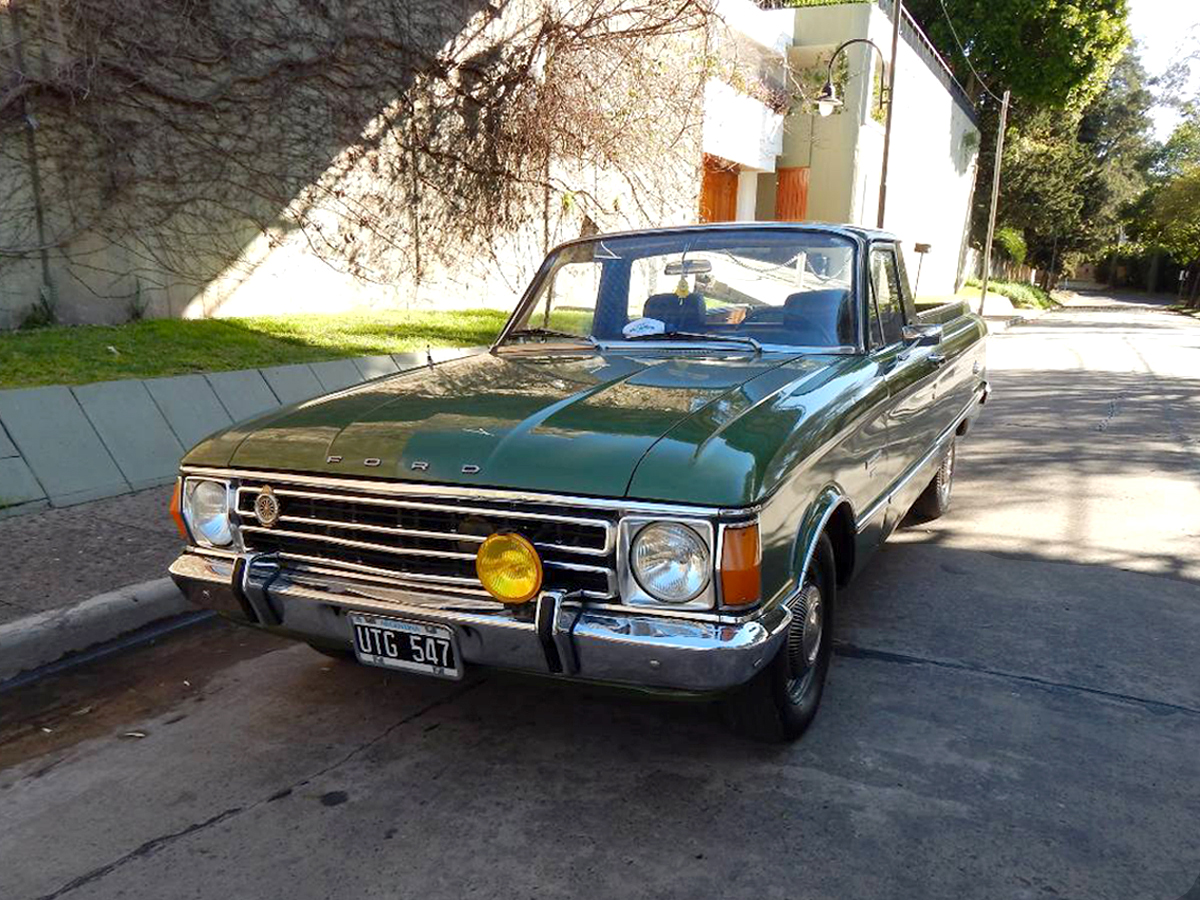
52:10
I was growing up on a seventy
52:12
two Ford Ranchero with my
52:16
But what a fun car it was.
52:17
We had a seventy two Ford
52:20
We had a sixty five
52:23
Ford Fairlane 500 convertible
52:25
and we had an eighty three
52:28
Camaro and the Camaro was
52:30
the first car I drove
52:32
when I got my driver's license
52:33
in high school. But I had
52:35
plenty of experience working
52:38
Had lots of experience
52:40
working on the seventy two
52:42
But man, that sixty five four
52:44
lane fair Ford Fairlane 500
52:46
convertible. That's cool.
52:47
And that that thing was a big
52:49
boat. But man, what a ride.
52:52
You're seeing I see more of
52:54
them. I feel like on the show
52:55
car scene now more and more
52:57
of those fair lanes coming back.
53:01
This might be a little tougher
53:03
Who is your industry role model?
53:10
That's a tough one.
53:12
That is a tough one.
53:13
That is a very, very tough one.
53:18
You know what? The person I learned
53:20
the very most from all to say
53:21
that's the person I learned the
53:22
very most from about the
53:24
automotive industry and
53:26
how things operate is actually
53:29
the president of ASC now Dave
53:31
Johnson. Because when I first
53:34
greatest, most humble guy in the
53:37
And he was the one that helped
53:44
He was key in the Ford Omni
53:46
Craft project that I helped
53:47
launch. And I learned so much
53:50
about automotive and
53:52
distribution and global things
53:55
from Dave when he was at
53:57
Ford and we were working on the
53:59
Omni Craft together that
54:00
really helped shape the
54:02
career path that I have now
54:04
because he was just key
54:08
and helping me learn everything
54:11
about the automotive space from
54:17
He's absolutely one of the best
54:20
absolutely one of my role models
54:21
as well. And I think
54:23
so many people that have worked
54:24
with him have a similar experience
54:26
to you, right, where it just
54:28
a very humble, very smart,
54:31
And and yeah, somebody
54:33
that we I think all look up
54:35
to in this industry.
54:37
Last question, name
54:39
your favorite piece of the
54:40
technology you recently
54:45
That's a tough one, too.
54:46
The marketing team really brought
54:47
some some tougher questions.
54:51
You know, one of the coolest
54:52
technologies I've seen lately
54:58
and the collision space.
55:01
There are some cool technologies
55:03
out. I mean, Hunter's been
55:04
around for a long time and
55:05
their system is awesome, but
55:09
alignment companies out there
55:10
that are that just have
55:14
And as you drive through the bay,
55:15
they're snapping camera so
55:17
fast that it's getting
55:21
Even though it's not going around,
55:23
it's getting a 360 of your car
55:25
and it's looking for
55:26
dents and alignment
55:28
issues and all of these things
55:29
that can all be done
55:32
just in these little towers
55:33
with these cameras and these
55:34
fast computers that that
55:36
technology is growing rapidly
55:38
in its and it's amazing
55:43
all the alignment space and in
55:45
the collision space.
55:46
That's a great answer.
55:48
And I think we talk so much
55:49
about the technology of the
55:50
vehicles themselves, but
55:52
the tools that are coming at
55:53
such a rapid pace for all
55:55
of our technicians to be able
55:59
And I have to give Mark credit
56:01
here because this is
56:03
fairly new segment of our show
56:05
and I'm still a little rusty at
56:07
asking those questions.
56:08
I didn't prep him with those
56:10
questions. He came up with those
56:11
out of the top of his head.
56:13
And and I apologize for that,
56:15
Mark. Normally, I try to at least
56:17
give those questions a little bit
56:18
ahead of time so that you have
56:20
some time to think.
56:21
So a lot of credit to you for
56:22
coming up with those off the top
56:25
Hey, no problem. Thank you.
56:27
I love impromptu questions.
56:29
I'd rather not be prepared
56:31
because it's it's more genuine
56:33
to me. Let's be honest.
56:35
Very authentic questions
56:38
answers to those questions.
56:40
So I appreciate you working
56:41
with me on those and also
56:43
just appreciate everything
56:45
you're doing for the industry.
56:47
We've been able to work together
56:48
here the last few months.
56:50
I've really appreciated getting
56:52
to know you and the entire
56:54
team at AutoNet TV.
56:57
Shout out to Mima because they
56:58
were the reason that we met in
57:00
the first place in Detroit.
57:03
very grateful for our relationship
57:05
with you and the entire AutoNet TV
57:08
team and look forward
57:10
to seeing what we can do.
57:11
It's a we're hopefully
57:13
going to be doing some really cool
57:14
stuff with the schools here
57:16
soon and some more to come on
57:18
that. But just wanted to say
57:20
thank you for that.
57:21
Thank you for being on the show.
57:22
Thank you for everything that
57:24
Yeah, and I'm grateful that you
57:25
asked me to be on the show
57:26
and I'm grateful for our
57:27
relationship as well.
57:28
And grateful for all the good
57:30
things that Wrenchway is doing.
57:32
I mean, your school to assist
57:33
program and we're really
57:35
excited to be part of that
57:36
because that is what's going to
57:38
drive the future and get more
57:40
technicians and education
57:42
into exactly the topics
57:44
that we talked about today
57:45
because those those are the
57:47
And we all know that those
57:49
kids do not learn by reading
57:52
They learn by watching and
57:55
gaining knowledge through video
57:57
and that's going to be the
57:58
future and that's placed
58:00
perfectly into what AutoNet TV
58:01
does. But the things that
58:04
Wrenchway are doing to
58:10
dealerships with schools and
58:14
by far the best program I've
58:16
ever seen and kudos to you
58:18
guys for changing focus
58:20
and realizing that that is
58:22
where things need to happen
58:24
and where things can
58:28
make the most impact.
58:29
Yeah, I appreciate that.
58:31
And and you along with
58:34
so many other folks that have
58:35
helped support us in this
58:36
journey to kind of maybe take
58:38
a little bit more of a long
58:40
term look at this and and
58:42
try to hopefully have an impact
58:44
at the core rather than trying
58:45
to duct tape this thing
58:46
together. So I really
58:48
appreciate the support again.
58:50
Thanks for coming on the show.
58:51
Hope to do it again sometime
58:53
Thank you for having me
58:54
any time. Love to love to
58:57
That wraps up another episode
58:59
of Beyond the Wrench.
59:00
If you like this episode,
59:01
please show your support by
59:02
rating and following the
59:04
You can also watch the video
59:06
interviews on Wrenchway's
59:08
Speaking of Wrenchway, did you
59:10
know Beyond the Wrench is
59:11
managed and produced by the
59:13
Wrenchway is an online
59:15
community dedicated to
59:16
promoting and improving
59:17
automotive and diesel careers.
59:19
We help technicians find the
59:20
best shops to work at.
59:22
And we also help auto diesel
59:24
and CTE instructors get
59:25
more support from local
59:27
You can learn more by visiting