
C.R.E.A.M. #80 - Murcielago Auction Result, Car Toilet Returns and We Made The Papers
About this episode
The crew opens with a huge update on a Murcielago auction win, describing the nerves, bidding war, and the emotional moment of finally securing a dream-spec car. From there it veers into a bizarre patent for a car toilet, a debate about getaway cars, and a look at a controversial new Mercedes C-Class design. There are also lighter tangents about a podcast on an iPod, a clean Golf ruined by bird poo, and a few listener-style anecdotes.
⚪️ Get 20% off your next Car Vertical check using code CREAM 👉 https://www.carvertical.com/gb/landing/v3?utm_source=infl&a=TDC&b=38b26e3a&voucher=cream20
🍦 Follow C.R.E.A.M. socials!
https://www.instagram.com/carsruleeverything/
Edwin: https://www.instagram.com/edwin.klinkenberg/
Will: https://www.instagram.com/willchandlr/
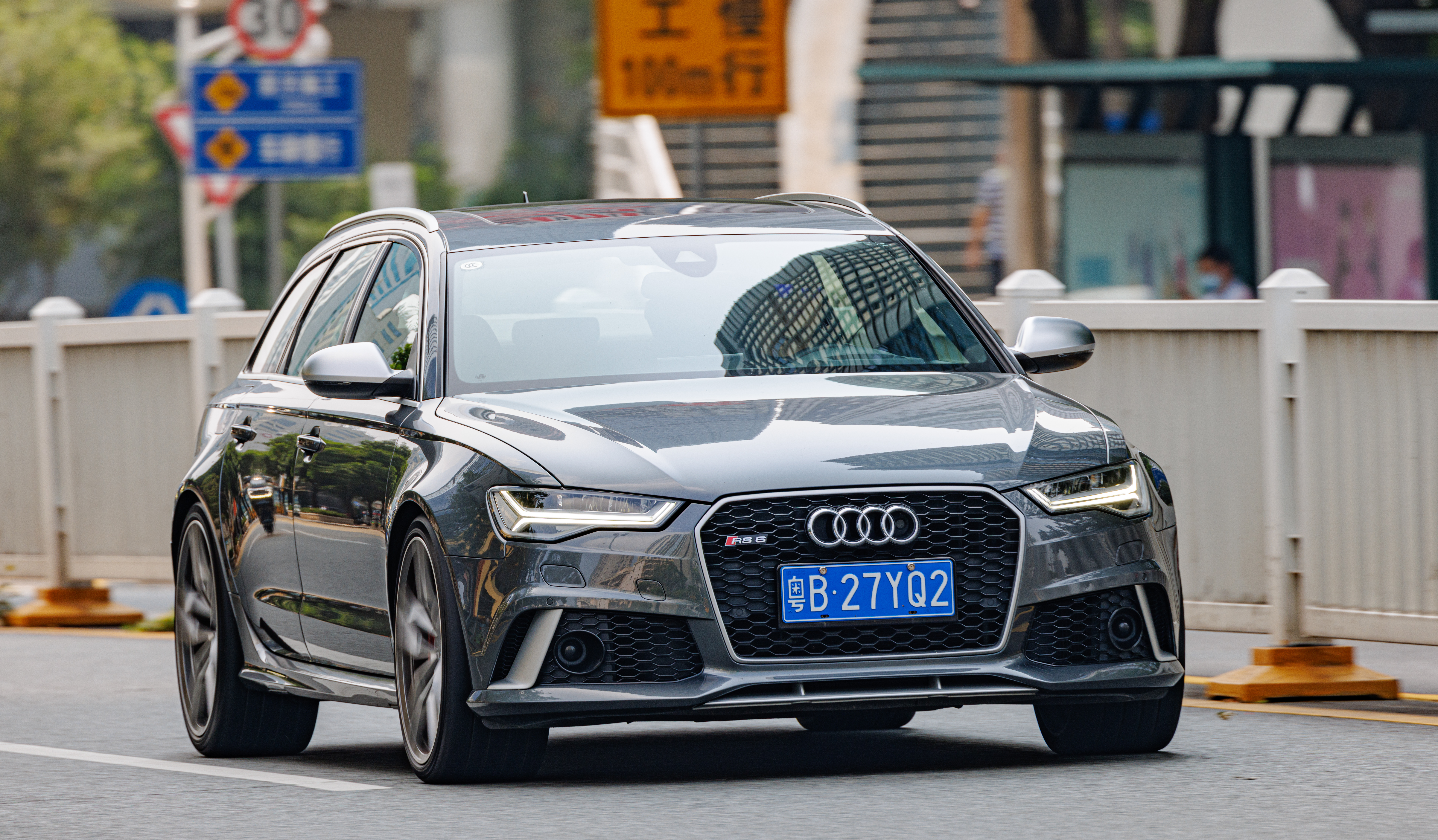
Audi Rs6
"The Lupo will take a starring role along say their fast Audi RS6 and their open quotation marks"
The Audi RS6 is the super-fast, performance version of an Audi sedan. It’s known for being quick and stable, not just loud or flashy.
The Audi RS6 is a high-performance version of the Audi A6, typically powered by a turbocharged V8 and tuned for fast, confident driving. When someone calls it a “fast RS6,” they’re usually talking about its strong acceleration and ability to stay composed at speed.
auction
"So we went to the auction. We certainly did go to the auction on Sunday and I did win the auction. It's all very complicated because it's an auction."
An auction is like a bidding contest for a car. If you win the bid, you usually have to follow through and pay, even though the final steps can take time.
An auction is a sales process where cars are bid on by multiple buyers, and the winner is typically required to complete the purchase. In car auctions, the “winning” bid often means you’ve committed to buy, but the paperwork and payment steps can be more complicated than a normal dealership sale.
financing
"Also, let's just know you're, you're still, when you say you don't have the money to buy it, it's that you're financing, not that you've just committed to buy a car, you have no intention to buy it."
Financing means you don’t pay the whole price upfront—you borrow the money and pay it back later. The key point is whether you can get the loan in time to finish the deal.
Financing means borrowing money to pay for the car, usually through a lender, with the buyer repaying over time. In the context of auctions, financing can affect whether the buyer can actually complete the purchase after winning the bid.
bid increments
"But I got a little bit techy and it went like 110, 120, 130. And I was like, right, I need to state my claim here."
In auctions, bids usually go up in set steps. They’re saying the price climbed in small, regular jumps before it reached their bid.
“Bid increments” are the step sizes by which bids increase during an auction. The speaker describes the bidding moving up in small jumps (like 110, 120, 130), which is how auctions typically ratchet toward the final price.
bidding
"They were, again, I know this is bidding on a Lamborghini, but my God, it was quite emotional."
They’re describing an auction where people keep raising their offers. Near the end, it can feel stressful because the price can jump fast.
“Bidding” here refers to the auction process where buyers place increasing offers until the highest bid wins. Auction bidding can feel especially tense because the price can jump quickly in the final moments.
V5
"But until it's here in front of me and it's sorted, I've got the V5 and whatever else, then yeah. Then it's secured."
A V5 is the official paperwork that identifies the car and its registration details. When you buy a car, having the V5 is part of making sure the paperwork matches the vehicle.
In the UK, a V5 is the vehicle registration document issued by the DVLA. It’s used to confirm the car’s legal ownership/registration details during a purchase and transfer process.
cat D
"So the car was previously a cat D and then D registered from it. It looks really solid overall."
“Cat D” is a UK label for a car that had serious damage and insurance wrote it off, but it can still be repaired. Even if it looks good now, it has a past accident/damage history you should factor into buying decisions.
“Cat D” is UK insurance terminology for a vehicle that was damaged but considered repairable, typically with structural or major damage that makes it a write-off for insurance purposes. The key point for buyers is that the car may have a history of significant damage even if it’s been repaired and can look solid afterward.
D registered
"So the car was previously a cat D and then D registered from it. It looks really solid overall."
“D registered” means the car was written off for insurance, then later repaired and allowed back onto the road. It’s a sign the car has been through a formal process after damage.
“D registered” refers to the vehicle being registered after being categorized as a write-off (here, previously “cat D”). In practice, it means the car has gone through the legal/insurance process to be put back on the road, usually after repairs and inspections.
VIN
"And I saw a Vin plate. [560.2s] So I got a Vin to use a car vertical, actually, [562.3s] to run a check on it."
VIN is a unique ID number for a car. Running a VIN check can show details about that specific vehicle, not just the model.
VIN stands for Vehicle Identification Number, a unique 17-character code assigned to a car. Checking a VIN can reveal the car’s history and records (like registration, ownership, and sometimes accident or auction history) tied to that exact vehicle.
Car vertical
"And I saw a Vin plate. [560.2s] So I got a Vin to use a car vertical, actually, [562.3s] to run a check on it."
This sounds like a website/service that checks a car’s history using its VIN. It’s used to learn more about where the car has been and what records exist.
“Car vertical” appears to refer to a vehicle-history data service used to run checks on a VIN. These platforms compile records from different sources to help buyers understand a car’s background.
run a check
"So I got a Vin to use a car vertical, actually, [562.3s] to run a check on it. [563.7s] And then so I found the number plate for it, eventually."
“Run a check” means looking up the car’s records using its VIN. It helps you confirm what’s known about that exact car.
“Running a check” means using the VIN (or other identifiers) to pull vehicle records from databases. For enthusiast and collector cars, this often helps confirm identity and uncover prior sales, registrations, or reported history.
collecting cars
"And I eventually found it went through collecting cars [571.0s] where it sold five years ago [572.8s] and then found it was on a supercar driver video."
This is a car marketplace where collector cars are bought and sold. The speaker is saying the car’s history shows it was sold there before.
“Collecting Cars” is an online marketplace/auction platform for classic and collector vehicles. When the speaker says the VIN check showed it sold there five years ago, they’re using that as evidence of prior ownership or sale history.
supercar driver video
"and then found it was on a supercar driver video. [575.1s] So I loaded up supercar driver video just to watch it back [577.8s] to see if there's any details mentioned in there."
They’re using a YouTube-style video as extra evidence about the car. Sometimes videos show details you can’t find in the auction listing.
The speaker is referencing a “Supercar Driver” video as an external source to learn more about the car. For auctions and collector cars, videos can sometimes show details like condition, modifications, or identifying features that aren’t included in the auction listing.
MOT
"But the car needs, despite all that money, the car needs an MOT and some other bits. So a little bit of welding in a tie rod scum, you know, it's just you can't really get rid of it."
MOT is a required safety/emissions inspection for cars in the UK. If your car fails, you usually have to fix the problems before it can be driven legally.
MOT is a UK vehicle inspection that checks roadworthiness and emissions for cars and light commercial vehicles. If a car doesn’t pass, it typically needs repairs before it can legally be driven on public roads.
tie rod
"So a little bit of welding in a tie rod scum, you know, it's just you can't really get rid of it."
A tie rod is a steering component that connects parts of the steering system to the front wheels. If it’s loose or worn, the car can feel vague or pull, and it can affect safety.
A tie rod is part of the steering linkage that helps transmit motion from the steering system to the wheels. If it’s worn or damaged, it can cause steering play, alignment issues, and unsafe handling.
number plate bulbs
"A couple of number plate bulbs and we should be all good. But yeah, just yeah, unbelievably cool."
Number plate bulbs are the small lights that shine on your license plate. If they don’t work, the plate may not be visible at night, which can cause inspection or legal issues.
Number plate bulbs illuminate the license plate so it’s readable at night and in low light. If they’re out, the car can fail inspection requirements and may be illegal to drive depending on local rules.
Cremors
"Hey, shout out. Shout out Cremors. Thank you very much for listening and participating in the hype."
“Cremors” is mentioned as a shout-out, but the segment doesn’t explain what it is. It sounds like a brand or group the hosts want to thank.
Cremors is referenced as a shout-out in the episode, likely a brand or organization connected to the hosts’ community or content. The transcript doesn’t provide enough detail to confirm what it is (company, event, or service).
Goodwood
"And I took the Tuscan out to Goodwood. [764.2s] You know what?"
Goodwood is a famous UK motorsports venue. People often take cars there for events or track-style driving.
Goodwood refers to the Goodwood estate in the UK, best known for motorsport events and track days. When enthusiasts say they “took it to Goodwood,” they usually mean driving or showing the car in a high-profile, track-oriented setting.

TVR Tuscan
"...I'm exceedingly happy about that. And I took the Tuscan out to Goodwood. You know what?"
The TVR Tuscan is a sports car designed to be fun and exciting to drive. People often take cars like this to events because they’re built for driving enjoyment. In the podcast, the speaker mentions bringing it to Goodwood.
The TVR Tuscan is a British sports car known for its lightweight, driver-focused feel and classic TVR character. The podcast mentions taking a Tuscan out to Goodwood, which highlights how these cars are often enjoyed at events and track days rather than as purely daily transportation. It’s discussed because the Tuscan represents a particular kind of raw, engaging sports-car experience.
Carvert Call
"And in the meantime, I ran a carvert call. Shout out to Carvert Call. This week's podcast sponsor as always."
They mention “Carvert Call” as a service they used to look up the car’s history. The point is that it helped them spot a serious past issue.
Carvert Call is mentioned as a sponsor and as a service the host used to check the car’s history. In this context, it appears to provide vehicle history information that can reveal damage classifications like “Cat C.”
cat C
"I ran it and I was like, oh, that's weird. It's got a cat C from like the mid-2000s on the rear right quarter."
“Cat C” means the car was written off by an insurer after damage. It usually signals the car has a serious past, which can make it harder to insure and worth less.
“Cat C” is a UK-style vehicle insurance classification for a car that’s been damaged and deemed not economical to repair, but not as severe as the highest categories. It’s a major red flag because it often indicates structural or significant damage history and can affect future insurability and resale.
rear right quarter
"It's got a cat C from like the mid-2000s on the rear right quarter. Like within five minutes later, I was already a bit like, okay, no, this car's probably not that good,"
That phrase means the back-right body area of the car. If it’s been damaged there before, it can affect how the car fits together and how well repairs were done.
The “rear right quarter” is the body panel area at the back-right side of the car (often including the quarter panel and surrounding structure). Damage there can be more than cosmetic because it may relate to alignment and structural repair quality.
pre-purchase inspection
"But if you're ever buying a car, make sure that you're on a carvertical check. It will tell you if a car's ever been crashed, stolen, or clocked. We say it every time, don't get burned on a car."
A pre-purchase inspection is when a mechanic checks the car before you hand over money. It can catch problems that aren’t obvious during a quick look.
A pre-purchase inspection (PPI) is a thorough check of a used car by a qualified mechanic before you buy. It helps confirm whether repairs are legitimate and whether there are hidden issues that a history report can’t fully reveal.
clocked
"It will tell you if a car's ever been crashed, stolen, or clocked."
“Clocked” means the mileage has been tampered with, usually turned down to make the car look like it has fewer miles.
“Clocked” refers to odometer fraud—when a car’s mileage is rolled back to make it seem less used. It’s a common tactic that can hide wear and maintenance issues.
interior cleaning
"We're interior cleaning where the idea of it really interests, not interests me. I want to do it when I think about it."
Interior cleaning means cleaning the inside of the car—like the seats and floor mats. It’s more than a quick wipe-down; it’s usually done carefully so dirt doesn’t stay trapped in the material.
Interior cleaning is the process of cleaning the cabin surfaces—typically seats, carpets, door panels, and hard-to-reach creases. Enthusiasts often treat it as a step-by-step detailing job because grime can be embedded in fabric and carpet fibers.
hoover
"So I said to her, I was like, can you just hand me the hoover? I'm going to start. And then the second I get bored, I give it to you."
They’re talking about using a vacuum cleaner. It’s how you suck up dirt from the car’s carpets and seats before doing more detailed cleaning.
“Hoover” here means a vacuum cleaner used to remove loose dirt, dust, and debris from a car’s interior. In detailing, vacuuming is usually the first step before deeper cleaning of seats, carpets, and crevices.
carpet
"It was when the first bit wouldn't come off the carpet immediately. I was like, I don't care. So that was very kind of."
They’re talking about the fabric floor covering in the car. Some dirt or stains get stuck in it, so it doesn’t always clean off right away.
Carpet in a car interior is the fabric flooring that can trap dirt, spills, and stains. When the “first bit wouldn’t come off the carpet immediately,” it suggests the stain or embedded grime needed more effort or a different cleaning approach.

Honda S2000
"[1096.9s] To rule for me, I have a clean golf. [1098.7s] That's three rules, guys. [1100.5s] S2000s back. [1101.3s] Three rules of very different varieties."
The Honda S2000 is a small two-seat Honda roadster. People like it because it’s light and feels great to drive, especially when you rev it.
The Honda S2000 is a lightweight, rear-wheel-drive roadster known for its high-revving engine and balanced feel. In enthusiast circles it’s often treated as a “driver’s car,” so it tends to come up when people talk about fun, mechanical cars.
BYD
"[1483.2s] What's that? [1483.6s] Bow thing? [1484.4s] No, that's the great. [1485.1s] BYD? [1486.0s] No, they had a different name."
BYD is a car company from China. They’re especially known for making electric cars and battery tech.
BYD is a Chinese automaker known for electric vehicles and batteries. In the segment, it’s mentioned as a company involved in the same kind of news/event being discussed.
X-Peng
"[1485.1s] BYD? [1486.0s] No, they had a different name. [1488.2s] Oh, X-Peng."
Xpeng is a Chinese company that makes electric cars. The hosts are talking about which company it was, after mentioning BYD.
X-Peng (XPeng) is a Chinese electric-vehicle brand. The hosts are comparing it to BYD while discussing a company that “did the James Bond thing,” implying a high-profile marketing or product moment.

D9 Denzer
"...es it open the seat like a sort of Bond villain? Denzer. Denzer."
“D9” here sounds like a car with a special way of opening or accessing the seat area. The speaker is describing it as dramatic, like something from a spy movie. The key point is the unusual entry/seat design.
“D9” in this podcast context appears to refer to a specific car model or concept associated with a distinctive open-seat design—described like a “Bond villain” style. The mention focuses on how the seat area opens and the dramatic presentation, which is the kind of feature that stands out in design discussions. Without more context, it’s best understood as a car noted for its unusual, attention-grabbing interior/entry design.
in-car toilet
"[1564.5s] It's a patent they filed basically for an in-car toilet. [1568.0s] And so we're not going to know much about it because it's just what they filed."
It’s basically a toilet built into a car so people can use it while they’re inside. The hosts are saying it’s not well-known yet because it’s only described through a patent, not a big public announcement.
An in-car toilet is a proposed onboard sanitation system designed to let occupants use the restroom without leaving the vehicle. In this segment, the hosts discuss it as a patented technology rather than a widely available product.
patent
"[1564.5s] It's a patent they filed basically for an in-car toilet. [1574.1s] So they're not going to put like a press release out."
A patent is paperwork that protects an invention and usually explains how it works. If something is only known from a patent, you may not get the full story until the company releases more information.
A patent is legal protection for an invention, and it typically includes detailed descriptions of how the technology works. Here, the hosts say the company filed a patent for the in-car toilet technology, which limits what’s publicly known compared with a marketing launch.
voice recognition system
"And when it's not in use, it can slide underneath the passenger seat, either physically or through the car's voice recognition system. It's only for the driver."
Some cars can understand what you say. You talk to the car, and it performs an action instead of you pressing a button.
A voice recognition system lets the car interpret spoken commands and trigger functions without using buttons or screens. In this segment, it’s being used as a way to control the hidden under-seat toilet.
servicing
"It would need servicing. We don't, you have to. But toilet would need servicing."
Servicing is regular maintenance or repairs to keep something working properly. The speaker is saying the toilet would need that kind of attention too.
In automotive contexts, “servicing” means scheduled maintenance or repair work performed to keep a system working correctly. Here, the speaker is treating the hidden toilet like a component that would require periodic upkeep.
interval two change
"Have you done the interval two change on the toilet? Yeah, no, that's the whole thing out. I thought about it."
This sounds like a planned maintenance schedule—like “service every so often.” The speaker is saying they’ve already done the required maintenance step.
“Interval two” sounds like a maintenance schedule step (a specific service interval) for a system, similar to how cars have scheduled service reminders. The speaker implies the toilet would have its own maintenance interval and that it’s already been done.
heated seats
"It was bad enough when I found out that Range Rover heated seats have to be serviced because they have to change the filter."
Heated seats are seats with built-in warming elements. You turn them on and they heat the seat for comfort, and sometimes the system needs maintenance.
Heated seats use built-in heating elements (typically in the seat cushion and/or backrest) controlled by the car’s climate/seat controls. They’re designed to warm you up quickly, but they can require service if the seat system includes additional components like filters or air pathways.

Land Rover Range Rover
"It was bad enough when I found out that Range Rover heated seats have to be serviced because they have to change the filter."
They’re referring to a Land Rover Range Rover that has heated seats. The host says the seat system uses a filter and that it needs service, which leads to a discussion about what might get trapped in it.
The speaker is talking about a Land Rover Range Rover with heated seats. They’re describing a service procedure that involves changing a filter inside the seat system.
filter
"Range Rover heated seats have to be serviced because they have to change the filter. They have a filter in them because they're like air conditioned."
They’re talking about a filter inside the seat system. Filters trap dust and other particles, and when it’s time to replace it, the seat has to be serviced.
In this context, the “filter” is part of the seat’s air/conditioning system rather than the engine’s air filter. Filters in HVAC-related systems trap dust and debris, and if they’re hard to access, service intervals can be inconvenient.
service station density
"[1814.8s] Per... [1815.6s] Per... [1816.5s] So, service station density, important metric for a country. [1820.0s] See it on the next census."
Service station density means how many gas stations are around compared to how many people live there (or how big the area is). If it’s high, you usually don’t have to travel far to find fuel or help.
Service station density is the number of fuel/service stations available relative to a population or area. In practical terms, it affects how easy it is for drivers to find fuel and basic services without detouring.

MX-5
"Remember, we talked about the story of my MX-5 blowing up on Cocking Hill. Did you drive that way? ... I was at my turbo MX-5. I tried to keep up, flat-shifted into a gear and blew my engine to smithereens."
The Mazda MX-5 is a small, lightweight roadster (a two-seat sports car). Here they’re talking about a turbo version that had a serious engine breakdown.
The Mazda MX-5 (Miata) is a lightweight, rear-wheel-drive roadster that’s popular for spirited driving and track days. In this segment it’s specifically described as a turbo MX-5 that suffered catastrophic engine failure.
flat-shifted
"I was at my turbo MX-5. I tried to keep up, flat-shifted into a gear and blew my engine to smithereens. When I say that, every rod snapped..."
A “flat shift” is when you shift gears without lifting the gas much. On some cars that can be hard on the engine if it isn’t tuned to handle it.
A “flat shift” (often discussed as flat-foot shifting) is a driving technique where the driver keeps the throttle nearly pinned while shifting. On turbocharged cars—especially modified ones—it can increase stress on the engine and drivetrain if the tune and shift strategy aren’t set up for it.
turbo
"I was at my turbo MX-5. I tried to keep up, flat-shifted into a gear and blew my engine to smithereens."
A turbocharger uses exhaust gas to spin a turbine, forcing more air into the engine so it can burn more fuel and make more power. Turbo engines can be more sensitive to tuning and driving technique, particularly under high load during shifts.
block
"When I say that, every rod snapped and two rods went out through each side of the block. Nice."
The “block” is the big metal core of the engine. If something punches through it, the engine is usually beyond repair.
The engine block is the main metal housing that supports the cylinders and houses the crankshaft and other internal components. If parts like connecting rods “go out through each side of the block,” it indicates a dramatic engine failure.
mapping a car
"Okay, so when you're mapping a car, you can have, there are like a sensor on"
“Mapping a car” means customizing the computer tune that controls how the engine runs. It can change things like how much boost you get and when the engine fires.
“Mapping” refers to tuning the engine control unit (ECU) with calibration tables that control fuel, ignition timing, boost targets, and other parameters. When the speaker says “when you’re mapping a car,” they’re talking about how the tune affects how the car responds to inputs like throttle and shifting.
clutch
"the amount of throttle input you have on your clutch and stuff. You can ask it that when you put the clutch in to shift gears,"
The clutch lets you switch gears. It briefly disconnects the engine from the gearbox so you can change gears smoothly.
The clutch is the pedal/assembly that disconnects the engine from the transmission so you can change gears. In performance driving, how you use the clutch (timing and amount of slip) can strongly affect engine speed and drivetrain stress.
retard the ignition
"it will retard the ignition so that you don't have to let off the throttle. And you will keep your boost."
Retarding ignition means the engine fires the spark a bit later than normal. That can help protect the engine when conditions aren’t ideal.
Retarding ignition means the engine’s spark timing is delayed to reduce cylinder pressure and heat. It’s often used to protect the engine when the driver lifts off the throttle or during certain shifting strategies.
boost
"And you will keep your boost. Your boost will just stay all the way out."
Boost is extra pressure from a turbo or supercharger that forces more air into the engine. More air usually means more power, but it can also be harder on the engine.
Boost is the extra air pressure created by a turbocharger or supercharger. Higher boost generally increases power, but it also raises stress on engine components, especially during hard launches or aggressive shifting.
stock rods
"The issue with that, though, is on a car with stock rods, talk is what kills them. And talk down low, lower than it's used to."
Connecting rods are internal engine parts that help turn piston movement into rotation. “Stock rods” are the original factory ones, which may not handle big power increases.
“Rods” are connecting rods inside the engine that transmit piston motion to the crankshaft. Stock rods are the factory-strength parts; when boost and torque are pushed higher than intended, rods can fail.
flat-shifting
"whereas if you're flat-shifting it, making all of the boost you would, that torque figure is going to be a lot higher than it usually is."
Flat-shifting is when you shift gears without backing off the gas much. It can keep power coming, but it can also put a lot of stress on the engine.
Flat-shifting is a shifting technique where the driver keeps the throttle open (or near it) while changing gears. It can help maintain boost and reduce time off power, but it can also spike torque loads on the engine and drivetrain.
torque figure
"whereas if you're flat-shifting it, making all of the boost you would, that torque figure is going to be a lot higher than it usually is."
Torque is the engine’s twisting force. The “torque figure” is basically the number you see on a dyno that shows how much twisting force the engine makes.
A torque figure refers to the measured torque output of the engine, typically shown on a dyno graph. Torque is a twisting force, and higher torque at certain RPM ranges can be more damaging to engine internals than peak horsepower alone.
8,000 RPM
"But absolutely obliterated the camels back. At 8,000 RPM. Just I'd raised the limit, which you shouldn't also do."
RPM is how fast the engine is spinning. Higher RPM means the engine is working harder, which can increase the chance of damage.
RPM (revolutions per minute) is how fast the engine crankshaft spins. Revving to 8,000 RPM increases internal stresses and heat, which can worsen the consequences of already-high torque and boost.
raised the limit
"At 8,000 RPM. Just I'd raised the limit, which you shouldn't also do. So just all of the things you should be doing."
“Raised the limit” means they allowed the engine to go beyond the factory safety cutoff. That can be risky because the engine may not be built to handle it under load.
“Raising the limit” refers to increasing an engine control limit (commonly the rev limiter or similar protection threshold). Removing or increasing factory protection can allow the engine to operate in ranges where components are more likely to fail, especially with high torque.
blew the engine
"So just all of the things you should be doing. And I blew the engine."
“Blew the engine” means the engine failed badly and likely needs major repair or replacement. Here, it happened after pushing the car harder than the stock parts could handle.
“Blew the engine” means the engine suffered a catastrophic failure—often from mechanical damage like bearing/rod failure or severe internal overheating. In this context, it follows aggressive torque/boost and shifting behavior that likely exceeded the stock components’ durability.

A45 AMG
"I was behind an A45 AMG. But you know, think of an A45 AMG. Yeah. What is festooned all over it?"
The Mercedes-Benz A45 AMG is a high-performance version of the A-Class. It’s a small car that’s tuned to be quick, and the hosts are talking about how it looks and how it drives.
The Mercedes-Benz A45 AMG is a performance version of the A-Class, known for being a compact “hot hatch.” In this segment, the hosts describe it as visually aggressive (canards, wings, badges, stickers) and “spicy,” and they also discuss its drivetrain and engine output.
canards
"What is festooned all over it? Oh, canards and wings and badges and stickers and stuff."
Canards are little fins on the front of a car. They’re there to help the car “stick” to the road by shaping the airflow.
Canards are small aerodynamic fins mounted near the front of a car. They help manage airflow to improve stability and downforce, especially during cornering or at higher speeds.
wings
"Oh, canards and wings and badges and stickers and stuff. Exactly stuff."
A “wing” here means a spoiler. It’s designed to push the car down onto the road so it feels more stable.
In automotive terms, “wings” usually refers to aerodynamic spoilers that create downforce. More downforce helps keep the car stable and planted, particularly when accelerating or cornering.

Mercedes-Benz Aclass
"Yeah. Like a complete, it just looks like an A-class. And it was because I was behind it when I found a photo quickly."
The Mercedes-Benz A-Class is a small Mercedes car, usually a hatchback. People can often recognize it just by its overall shape, even from a quick photo. In the podcast, that’s exactly what the speaker is doing.
The Mercedes-Benz A-Class is a compact car positioned as an entry point to the Mercedes lineup, typically offered as a hatchback. It’s discussed here because someone recognizes the car’s shape from a photo—specifically noting that it “just looks like an A-class,” including the overall body proportions. That kind of comment usually relates to design identity and how quickly a model can be identified visually.
AMG pack
"That's just that that is an A-class with an AMG pack. There would be nothing to tell me that that was going to be spicy."
An AMG pack is a bundle of upgrades tied to Mercedes-AMG. Here it’s basically the reason the car looks more performance-focused.
An AMG pack is an option package associated with Mercedes-AMG that typically adds performance-oriented styling and sometimes additional equipment. In this context, it’s used to explain why the A-Class looks more aggressive and “spicy.”
Four-wheel drive
"Yeah. That's a nice practical hat as well. Four-wheel drive, right? Four-cylinder stock, 330-odd horsepower."
Four-wheel drive means power goes to all four wheels. That usually helps the car grip better, especially when the road isn’t perfect.
Four-wheel drive (4WD) sends power to all four wheels, improving traction—especially on slippery roads or during hard acceleration. Performance cars often use it to reduce wheelspin and keep the car controllable.
Four-cylinder
"Four-wheel drive, right? Four-cylinder stock, 330-odd horsepower. I think the early ones."
A four-cylinder engine is an engine with four “power” sections. It’s common in smaller cars, and in performance versions it can still make a lot of power.
A four-cylinder engine has four combustion chambers in a single engine block. It’s often used in compact performance cars because it can be lighter and more efficient than larger engines while still delivering strong power when tuned.
getaway car
"[2034.0s] I was going to ask, what is your, what's the best getaway car? [2037.5s] It's actually close. [2038.3s] It's not easy to beat that."
A “getaway car” is the car someone drives to escape right after a crime. In this episode, it’s just a joke question about which car would fit that idea.
A “getaway car” is the vehicle used to escape after a crime. Here it’s discussed as a playful question about what car would be best for escaping.
Rolls Royce
"That's Rolls Royce call. [2072.3s] Yeah. [2072.6s] If you turn up in a Rolls Royce, you go, of course I'm allowed to be here."
Rolls-Royce is a luxury car brand. The joke is that if you show up in one, people assume you’re supposed to be there because it looks like you have money.
Rolls-Royce is a luxury car brand known for very high-end, expensive vehicles. In the segment, the hosts use it as a shorthand for “you look like you belong,” because arriving in a Rolls-Royce signals wealth and status.

Rolls-Royce Silver Shadow
"That's perfect. It'd be a silver shadow. Like a phantom."
The Rolls-Royce Silver Shadow is a very luxurious older car made for comfort and style. People bring it up when they want that classic Rolls-Royce look and feel. In the podcast, it’s used as a specific example of what someone wants to see.
The Rolls-Royce Silver Shadow is a classic luxury flagship from Rolls-Royce, known for its smooth ride and elegant styling. It’s mentioned in the context of wanting a “Silver Shadow” look, with the speaker comparing it to the Phantom as a visual reference. Classic Rolls-Royces like this are often discussed for their presence and traditional grand-touring character.

Rolls-Royce Phantom
"It'd be a silver shadow. Like a phantom. He's, because an old one, you look a bit proble..."
The Rolls-Royce Phantom is a top-of-the-line luxury car. It’s known for being extremely comfortable and for having a very distinctive, high-end look. In the podcast, it’s mentioned as a comparison point for the kind of car someone wants.
The Rolls-Royce Phantom is the brand’s ultra-luxury flagship, built to deliver a very quiet, effortless ride and a commanding presence. The podcast mentions it alongside the Silver Shadow, suggesting a preference for that traditional Rolls-Royce styling and vibe. It comes up often because the Phantom is a benchmark for top-tier luxury and comfort.
Using car selling terms on art
"[2211.4s] Find another. [2212.6s] Using car selling terms on art. [2215.0s] You'd have to go to a criminal underboss or underboss or boss. [2218.5s] On eBay bids and we get offers on that. [2220.3s] 100%."
They’re talking about using the same kind of language you’d hear when selling a car—like bids and offers—when talking about art.
The hosts discuss applying automotive sales language to artwork, treating art like a car listing (bids, offers, and “selling terms”). It’s a commentary on how auction/market dynamics and marketing phrasing can transfer across categories.
GTA style
"[2225.1s] No frame. [2226.1s] No frame. [2226.6s] You've got to do that GTA style. [2227.5s] You cut out the frame. [2228.3s] Okay."
They’re joking about doing it the “Grand Theft Auto” way—messy and unconventional. Here it means skipping the normal “frame” or structure and doing it differently.
“GTA style” is a reference to Grand Theft Auto’s vibe of doing things in a chaotic, unconventional way. In this context, it’s being used as a metaphor for “cutting out the frame,” i.e., bypassing the usual presentation/structure.
microcar
"[2265.8s] because they go, well, that's just a man in a microcar in Italy. [2268.8s] What was to see here? [2270.3s] Or one of those little,"
A microcar is a very tiny car meant for getting around cheaply. It’s usually smaller and simpler than normal cars, with less power and fewer features. The hosts are using it as an example of something that’s affordable rather than flashy.
A microcar is an extremely small, lightweight vehicle designed for basic transportation, usually with minimal power and simplified features. They’re often associated with post-war Europe and urban use, where parking space and fuel costs mattered more than performance. In this segment, the hosts use “microcar” to contrast it with more expensive cars and to set up a joke about “safe” money and “expensive taste.”
D-Badged
"[2307.2s] Smart. [2307.6s] D-Badged. [2308.2s] Yep. [2308.5s] To look like an A6."
“D-badged” is when someone changes the little model name badges on a car. The goal is usually to make it look like a different, less noticeable version.
“D-badged” means changing or swapping the car’s badges so it appears to be a different model (for example, making an RS6 look like an A6). It’s often done for subtlety or to avoid drawing attention.
pop and bang map
"[2309.9s] I heard it. [2311.2s] But it would have a pop and bang map. [2314.0s] No. [2314.8s] Bangs on the shifts."
A “pop and bang map” is a software tune that makes the car make extra loud pops and bangs, especially when you lift off the throttle or shift. It’s basically a setting that makes the exhaust sound more dramatic.
A “pop and bang map” is an engine calibration (tune) that intentionally creates loud exhaust pops and bangs, usually on overrun or gear changes. It’s typically achieved by adjusting fuel and ignition timing so unburned fuel ignites in the exhaust.
Bangs on the shifts
"[2314.0s] No. [2314.8s] Bangs on the shifts. [2315.8s] Do you know what? [2316.3s] I've, you know what?"
“Bangs on the shifts” means the car makes pops/crackles when you change gears. It’s controlled by the engine software so the sound happens at the moment of shifting.
“Bangs on the shifts” describes exhaust crackles/pops that occur during gear changes rather than only on lift-off. This is usually controlled by the tune’s fueling/ignition strategy during the shift event.

Chevrolet Impala
"He has an impala, a normal impala. Yeah. And where does he go to blend in?"
An Impala is a Chevrolet sedan. Here it’s being used as a normal-looking car so someone can blend in.
The Chevrolet Impala is a full-size sedan that’s been produced for decades. In this segment it’s mentioned as the “getaway” car, implying it’s used to blend in rather than stand out.

Audi Rs3
"I want, I want an RS3. Or an S3."
RS 3 is Audi’s “hot” version of the A3. People usually mean it when they want something much quicker and sportier than a normal A3.
RS 3 refers to Audi’s RS performance line for the compact A3-based platform. It’s a high-performance, track-capable version compared with the regular S 3 or A3.

Audi S3
"I want an RS3. Or an S3. More like."
The Audi S3 is a sporty version of a smaller Audi hatchback. It’s designed to be faster and more fun to drive than the regular model. The podcast mentions it because the speaker is weighing it against an even higher-performance option.
The Audi S3 is a performance-focused compact hatchback that’s meant to deliver quicker acceleration and sharper handling than a standard A3. It often comes up when someone is deciding between “S” and “RS” versions, since the S3 is typically the more attainable performance step. In the podcast, the speaker’s interest in an S3 suggests they want a sportier feel without going all the way to the top-tier model.
BMW
"And then so does the I4, BMW. So other than owl for our audio listeners, what does the new C class do?"
They bring up BMW as another car brand. It’s part of a comparison about how some German cars look.
BMW is mentioned as another German automaker whose “I4” model is also compared to the same “owl” styling joke. Here it’s a brand reference used for comparison rather than a deep dive into a specific BMW product.

C class
"So other than owl for our audio listeners, what does the new C class do? Okay, so imagine a C class, the front end. Imagine a normal..."
They’re talking about the Mercedes-Benz C-Class, which is a popular mid-size family/business car. The hosts are mostly joking about how the front design looks.
The “C class” refers to the Mercedes-Benz C-Class, a mid-size executive sedan (and related body styles) positioned below the E-Class. The hosts are discussing its front-end styling and how it compares visually to other German cars.

Audi A8
"Do you remember the mid-2000s Audi A8, [2466.5s] all of them, the A5, the A6, A7? [2469.3s] They all had the huge big grill."
The Audi A8 is a luxury car. They’re comparing the front grille shape and size to an older A8 look.
The Audi A8 is a full-size luxury sedan known for its distinctive front grille styling. In this segment, the hosts reference the A8’s mid-2000s “huge” grille as a design comparison for the car they’re discussing.

Audi A5
"Do you remember the mid-2000s Audi A8, [2466.5s] all of them, the A5, the A6, A7? [2469.3s] They all had the huge big grill."
The Audi A5 is another Audi luxury model. The hosts are just grouping it with other Audis that had a similar big-grille look.
The Audi A5 is a luxury coupe/sportback line that shares Audi’s family styling cues. Here it’s mentioned alongside other Audi models as part of a period when they all had large, prominent grilles.

Audi A7
"Do you remember the mid-2000s Audi A8, [2466.5s] all of them, the A5, the A6, A7? [2469.3s] They all had the huge big grill."
The Audi A7 is a luxury car. The hosts are mentioning it because it had a similar big grille look to the other Audis they listed.
The Audi A7 is a luxury liftback/sportback model that often shares the same design themes as other Audi “A” cars. In this segment, it’s cited as another example of the mid-2000s era with a large, bold grille.

Audi A6
"Do you remember the mid-2000s Audi A8, [2466.5s] all of them, the A5, the A6, A7? [2469.3s] They all had the huge big grill."
The Audi A6 is a luxury sedan. They’re using it as another example of that era’s big grille design.
The Audi A6 is a mid-to-large luxury sedan that, like other Audi models, can share similar front-end design language. The hosts mention it as part of the same mid-2000s grille styling trend.
LEDs
"And also because it's now got the LEDs, [2475.5s] but they look like slats. [2478.4s] Yeah."
LEDs are the small electronic lights used in many modern car designs. They’re saying the front lighting elements look like thin strips or slats.
LEDs (light-emitting diodes) are electronic light sources used in modern car lighting and lighting-style elements. Here, the hosts describe the grille area as having LED elements that appear as “slats,” which is a common modern styling trick.
light up grille
"Go back to that rear image. That's the best. At night, it still has the light up grille, like the i7 or i5."
Some cars have a grille that lights up with LEDs. It’s mainly for style—so the car looks distinctive at night—rather than for helping you see the road.
A “light up grille” is a front grille area that uses integrated lighting (often LEDs) to create a glowing pattern or signature look. It’s usually part of the car’s exterior design language rather than a functional lighting requirement.
rear bumper
"[2571.8s] What's going on with the color match [2573.1s] of your rear bumper to your rear panel? [2574.8s] Been in a bump, hasn't it?"
The rear bumper is the part on the back of the car meant to take minor impacts. If it gets replaced after an accident, the new paint can sometimes look slightly different from the rest of the car.
The rear bumper is the exterior impact-protection component at the back of the car. It’s often replaced and repainted after a low-speed collision, which can lead to visible paint-color differences versus the adjacent body panels.
rear panel
"[2571.8s] What's going on with the color match [2573.1s] of your rear bumper to your rear panel? [2574.8s] Been in a bump, hasn't it?"
The rear panel is part of the car’s body at the back. If the bumper was fixed or replaced separately, the paint on the bumper and the surrounding body can end up looking different.
A rear panel is a body section at the back of the car (like the quarter panel or tail section) that surrounds the bumper. If the bumper and the rear panel were repaired separately, their paint can end up not matching perfectly.
electric
"[2626.3s] Or, but you have to deal with these. [2628.7s] Are they electric? [2629.7s] Or they're... [2630.0s] They're like..."
They’re wondering if the new cars are electric. That generally means they run on electricity from a battery instead of using a gas engine.
The hosts are asking whether these newer brands’ cars are electric. In automotive terms, “electric” usually means the car is powered primarily by an electric motor using a battery, rather than a gasoline engine.

130i
"I don't like a first gen one series hatchback. I don't like even a 130i. It's kind of cool."
The BMW 130i is a particular version of the BMW 1 Series. The host is saying they don’t like that specific model for themselves.
The BMW 130i is a specific 1 Series variant (a model/trim name) known for its inline-six engine in many generations. Here, it’s mentioned as another BMW the speaker personally doesn’t like, even if they acknowledge it can seem “kind of cool.”

Audi S5
"...would you go and buy a Kia Stinger over an S5 or something?"
“S5” is an Audi model that’s meant to be sportier than the regular A5. The point here is that people may feel more confident buying it because it comes from a well-known performance lineup.
“S5” refers to the Audi S5, a performance trim of the Audi A5 line. It’s brought up as a benchmark for a more established, heritage-heavy performance choice versus newer alternatives.

Kia Stinger
"...would you go and buy a Kia Stinger over an S5 or something?"
The Kia Stinger is a sporty Kia model. Here it’s mentioned as an example of something you might buy from a newer brand instead of a more famous performance name.
The Kia Stinger is a performance-oriented liftback/sedan-like grand tourer from Kia. In this discussion it’s used as an example of a newer, less-established brand/model compared with more traditional “heritage” performance badges.
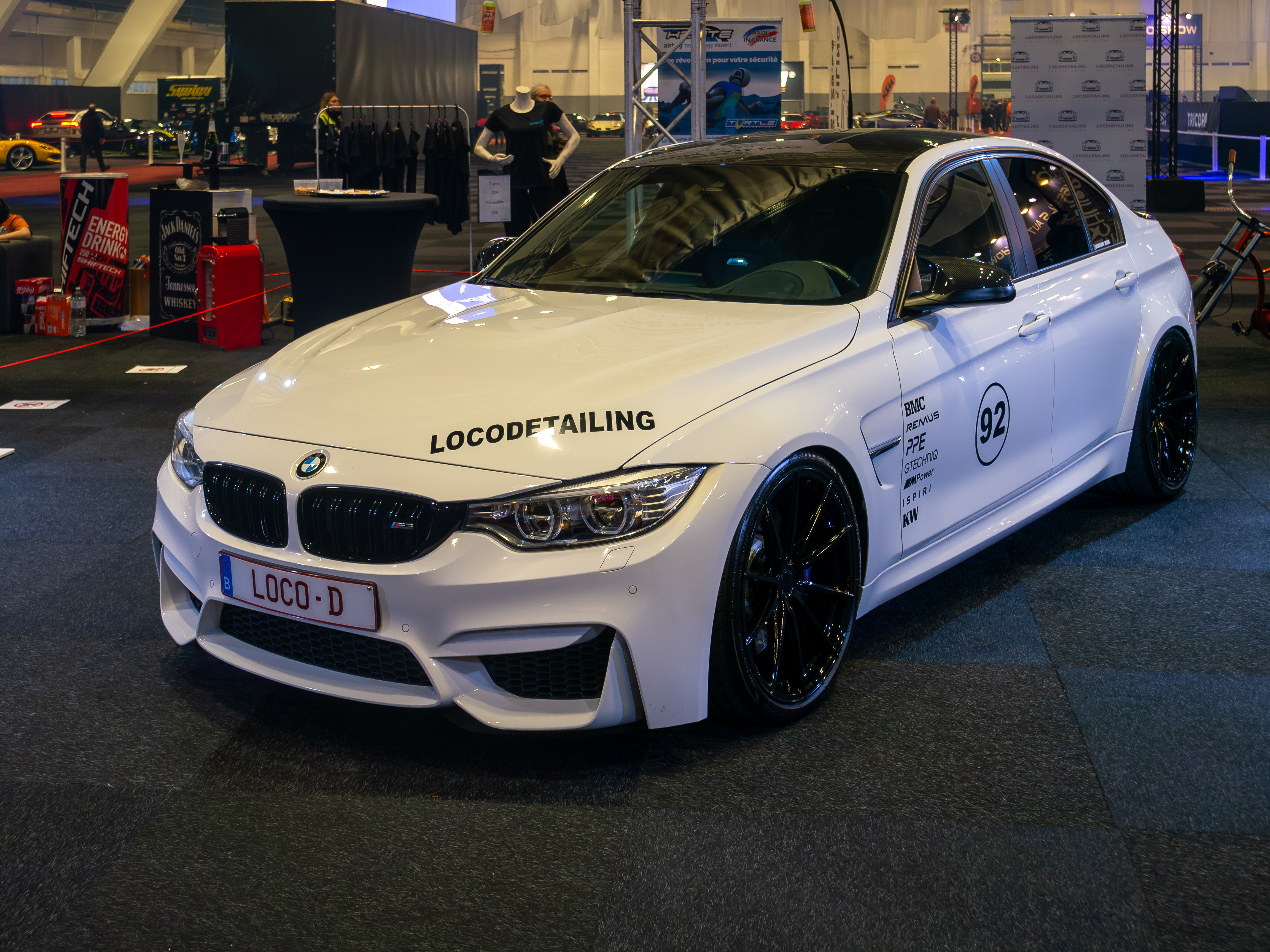
M3
"...and it being in a line of previous M3s and you go, do you know what?"
The BMW M3 is BMW’s famous sporty performance model. The hosts are saying buying an M car can feel meaningful because it connects to past M3s.
The BMW M3 is one of BMW’s most iconic performance cars, known for its track-focused heritage and multiple generations over decades. Here it’s referenced to explain the “heritage” feeling—buying an M car is seen as continuing a tradition that includes earlier M3s.
M car
"...there's something attached to buying an M car..."
A “BMW M car” is a BMW that’s tuned and built by BMW’s performance team. In the conversation, they’re saying people feel a connection to the history of those M cars.
“M car” refers to BMW’s M division, which builds higher-performance versions of BMW models. The hosts are discussing how BMW M ownership can feel special because it’s tied to a long-running performance lineage (e.g., prior M3s).

Ford Model T
"I want Model T. I know Model T. I'll be there."
The Ford Model T is one of the first cars Ford made in huge numbers. It’s often brought up as a classic piece of car history.
The Ford Model T is an early, mass-produced car from Ford that became a landmark in automotive history. Mentioning it here is about “heritage” and how older cars can still influence how people think about driving character and design.
heritage
"if you looked at cars that had heritage like those cars and didn't go as music."
“Heritage” here means the car brand’s history and legacy—what it’s known for over the years. They’re basically saying some cars feel more connected to their roots than others.
In car talk, “heritage” means a model or brand’s history—its roots, design lineage, and reputation over time. The hosts are contrasting cars with heritage against cars that don’t feel as connected to their past.
culture shift
"But everyone prior to that was used to having British cars or all American cars. [2776.7s] So there has to be some kind of culture shift eventually. [2780.6s] I just don't think we've ever seen it quite as heavy as this."
They mean that people’s car tastes changed over time. As Japanese cars became popular, the “mainstream” idea of what to buy shifted.
The hosts are describing a shift in car culture—how buyers’ expectations and preferences changed as Japanese cars became more common. It’s essentially a market-and-culture transition from earlier dominance by British and American brands.
Nissan
"There was entire scenes that are all about just owning Japanese cars, [2797.9s] Nissan, whatever it is. [2799.3s] So I don't know, maybe."
They’re talking about Nissan, a Japanese car brand. The point is that there’s a big fan community around Japanese cars, not just one model.
The speaker mentions Nissan as an example of a Japanese car brand that built up a dedicated enthusiast following. In the US, brands like Nissan helped popularize Japanese models and parts of the broader “Japanese car scene.”
hatchbacks
"When Japanese car makers are coming in, cars are kind of basic, [2808.3s] and they've had all that time to go, [2812.6s] right, now we can work up from hatchbacks all the way up to rally cars,"
A hatchback is a car where the back door opens upward, like a hatch. It’s a common type of smaller car.
A hatchback is a car body style where the rear door lifts upward and the trunk area is part of the same opening. It’s often associated with compact cars and is commonly used as a starting point for brands expanding their lineup.
rally cars
"When Japanese car makers are coming in, cars are kind of basic, [2808.3s] and they've had all that time to go, [2812.6s] right, now we can work up from hatchbacks all the way up to rally cars,"
Rally cars are race cars built for off-road and mixed-road events. They’re used here to show how Japanese brands grew from regular cars into serious racing.
Rally cars are purpose-built or heavily modified vehicles designed for rally racing on mixed surfaces like gravel, dirt, and tarmac. The hosts are using “rally cars” as an example of how Japanese manufacturers expanded from everyday models into motorsport-focused performance.
90s JDM
"[2818.5s] 90s JDM is going to turn into... [2821.1s] In the 40s, in the 2040s, they're going to be like,"
“JDM” means Japanese cars that were made for the Japanese market. “90s JDM” is shorthand for the popular Japanese performance cars from the 1990s.
JDM stands for Japanese Domestic Market, meaning cars that were originally sold in Japan (or built to that market’s specs). When people say “90s JDM,” they’re usually talking about the 1990s-era wave of Japanese performance cars and their distinctive styling and engineering.
engine swap
"However, as much as I'd love to be able to do an engine swap, the sheer anxiety it would give me to have so many connectors, hoses, looms, etc."
An engine swap means putting a different engine into a car instead of the original one. It can be complicated because you have to connect a lot of systems like wiring and hoses so everything works together.
An engine swap is replacing a car’s original engine with a different engine (often from another car or a different configuration). It usually requires matching wiring, fuel, cooling, and mounting points, so it’s more than just “bolting in” a new motor.
loom
"However, as much as I'd love to be able to do an engine swap, the sheer anxiety it would give me to have so many connectors, hoses, looms, etc."
A loom is a bundle of wires that runs through the car to connect electronics. If it’s not routed and connected correctly, the engine may not start or may run incorrectly.
A loom (more commonly “wiring loom” or “wire harness”) is the bundled set of wires that routes power and signals through the car. Engine swaps often require careful handling of the loom so connectors reach the correct sensors and modules.
hoses
"However, as much as I'd love to be able to do an engine swap, the sheer anxiety it would give me to have so many connectors, hoses, looms, etc."
Hoses are tubes that move important fluids around the engine. If you connect them wrong after an engine swap, you can cause leaks or make the engine run poorly.
Hoses are flexible tubes that carry fluids like coolant, fuel, and sometimes vacuum/boost depending on the engine. During an engine removal, hoses can be easy to mix up, so labeling helps prevent leaks or incorrect routing.
Request an Explanation
Heard something you'd like explained? We'll add it to this episode.
Sign in to request explanations for terms you heard.
Want to learn more?
Browse our glossary for plain-English explanations of automotive terms, jargon, and concepts.
Help improve this episode
See something that's not quite right? Our annotations are AI-generated and can sometimes miss the mark. Click the flag icon on any annotation to suggest a correction.
1 community members have helped improve this episode.