
C.R.E.A.M. Ft Jonny Smith - Max Power Memories, Fifth Gear Stories and AC Hate
About this episode
At Ignition Cars and Coffee, Jonny Smith joins the hosts for a wide-ranging chat that swings from Max Power memories and Fifth Gear stories to modern car culture. They compare old-school magazine influence with today’s YouTube speed, swap stunt and mishap anecdotes (from brake failures to crash tests), and get into EV record builds and adaptive cruise drama. The conversation also turns practical and opinionated—DIY learning, parts availability, and even why they argue about air conditioning.
Check out @smithandsniff and @TheLateBrakeShow
🍦 Follow C.R.E.A.M. socials!https://www.instagram.com/carsruleeverything/Edwin: https://www.instagram.com/edwin.klinkenberg/Will: https://www.instagram.com/willchandlr/ 📬 Enquiries: [email protected]

Dodge Charger
"[70.5s] You're actually leaning on the Dodge, the charger, and then we've got the Tokyo Taxi"
A Dodge Charger is a well-known American car model. People often associate it with powerful engines and a sporty look.
The Dodge Charger is a classic American muscle car/large sedan known for its big V8-era heritage and long-running model history. In this segment, it’s mentioned as one of the cars being shown for the audio listeners.

Nissan Cedric
"[75.3s] Cedric Nissan, then we've got my Avenger Touring, Finnish Touring Car."
A Nissan Cedric is a Japanese car model. The hosts are talking about the name “Cedric” and confirming that’s what their car is called.
The Nissan Cedric is a Japanese executive sedan that’s especially well-known in enthusiast circles for its classic, rear-wheel-drive layout and period tuning culture. In this segment, the hosts specifically discuss whether the car was “called a Cedric,” tying the name to the vehicle they’re showing.

Dodge Avenger
"[75.3s] Cedric Nissan, then we've got my Avenger Touring, Finnish Touring Car."
They mention an “Avenger Touring,” which sounds like a specific version or build meant for touring-car style use. The exact make/model isn’t clear from this snippet.
“Avenger Touring” appears to be a specific car name/variant the host is using for their vehicle, likely referencing a touring-car style build. However, the transcript doesn’t clearly state the make/model (e.g., which manufacturer’s Avenger), so it’s hard to map to a single catalog-accurate car.
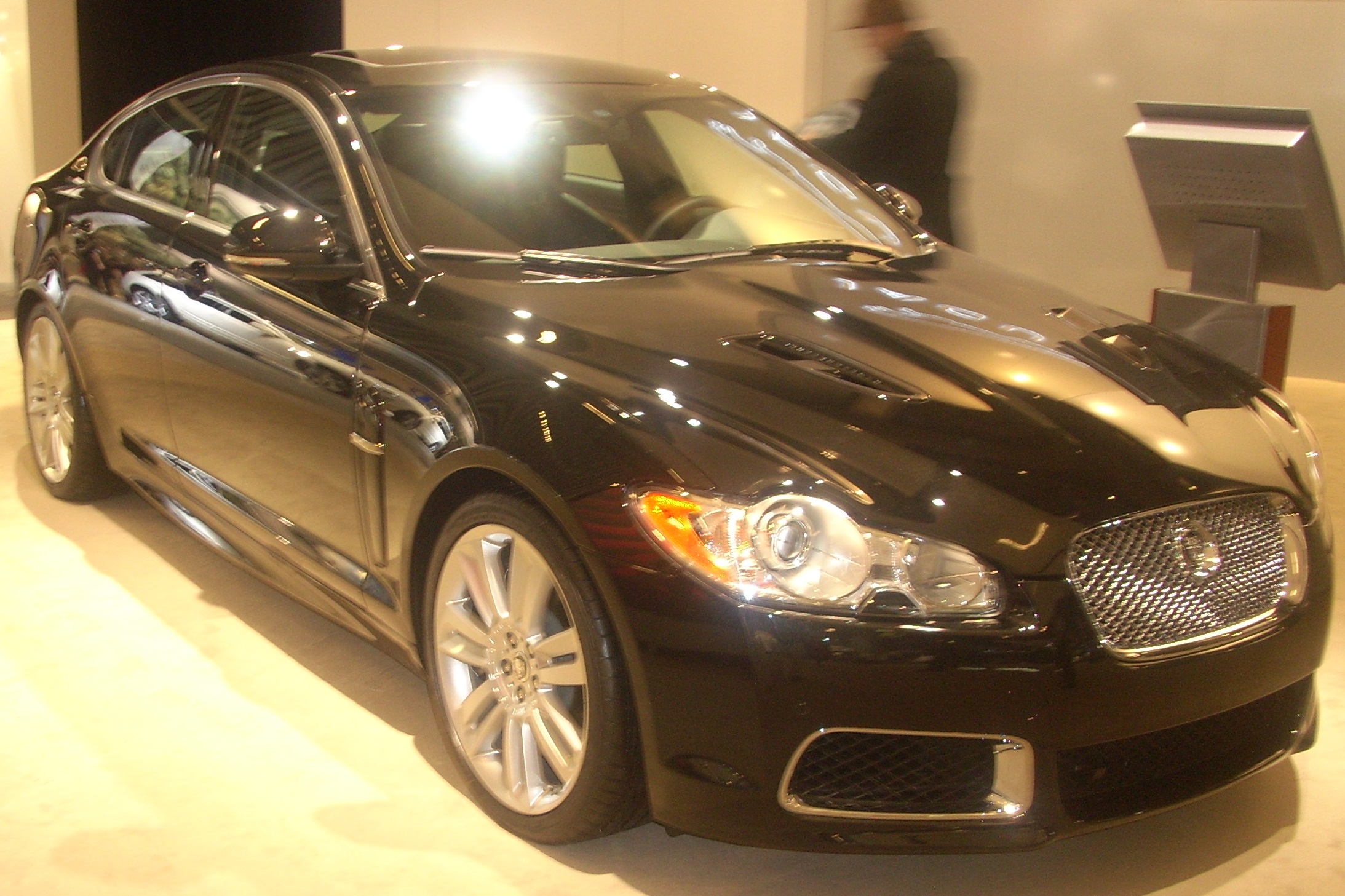
Jag XFR
"Our Jag XFR that we had had no keys and Dips wasn't available to come. So we rung up another guy."
The Jaguar XFR is a Jaguar performance car. In this part of the episode, they’re talking about it because it had no keys, so they had to get help to fix the situation.
The Jaguar XFR is a performance-focused sedan from Jaguar, known for its powerful V8 and rear-wheel-drive layout. In this story, it’s the specific car that had lost keys, which is why the locksmithing/entry problem comes up.
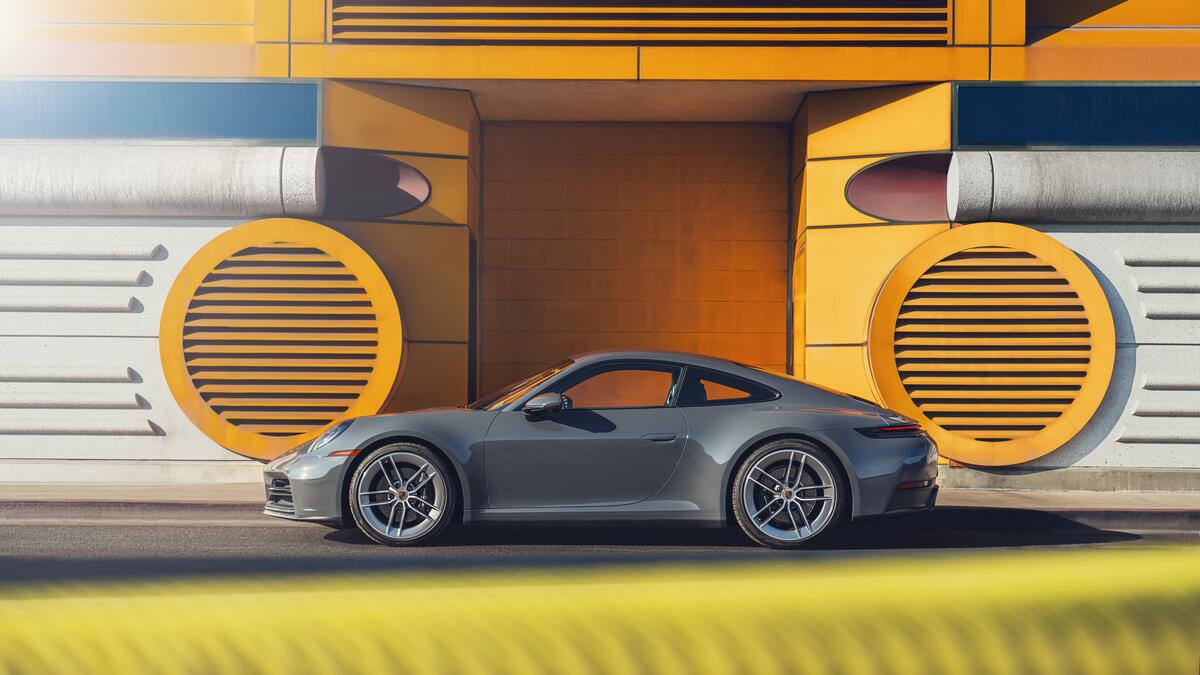
911 GT3 RS
"By the way, if you hear any background sort of stuff, there is a car on my shoulder, a 911 GT3 RS. It's not mine, sadly, that's being repaired at the moment."
The Porsche 911 GT3 RS is a very serious, track-oriented 911. In this segment it’s just the example of a high-end car in their workshop that’s currently waiting on parts and repairs.
The Porsche 911 GT3 RS is a track-focused version of the 911, built around a high-revving naturally aspirated flat-six and a lightweight, aero-heavy setup. Here it’s mentioned as a car being repaired in the garage, which signals the kind of enthusiast-level work being done.
project cars
"And then we do that. And then project cars, you realize that you could legitimately talk about a project and maybe get some parts cheaper. Ooh, okay. So it's like-"
A “project car” is a car someone is working on over time—fixing it up or upgrading it. In this story, the host is saying that making content around that kind of car can sometimes help you get parts for less.
“Project cars” are vehicles that are intentionally bought or treated as ongoing builds—often with planned upgrades, repairs, or restorations rather than being finished and driven like a daily driver. Here, the host connects the idea to content creation: talking about a project can help you source parts more cheaply.
YouTube thumbnail influencer face
"It's literally YouTube, basically. It is what happens on YouTube now, but on paper basically. [607.6s] You know, you see the YouTube thumbnail influencer face like, oh my gosh, I just chapped my pants."
They’re talking about the exaggerated facial expression people use in video thumbnails to get your attention. The point is that magazines used a similar trick years ago, just in print instead of on YouTube.
This phrase is describing the modern “thumbnail face” style—big, exaggerated expressions used to attract clicks on video platforms. The host contrasts it with older magazine layouts that used a similar attention-grabbing formula (shocked face, big title, and photoshopped drama).

Volkswagen Beetle
"It would have been a new, because it was at the Volkswagen mag. So although we were a classic mag, the new Beetle had launched or was about to launch and we got a very early left undrived one. When I say new, that new Beetle is what, 1990?"
The Volkswagen Beetle is a famous Volkswagen model with a long history. Here, the host is describing an early press car they got to drive for a magazine—an early version of the Beetle that was about to be launched.
The Volkswagen Beetle is an iconic rear-engine, air-cooled design that became a global symbol of Volkswagen. In this segment, the host is talking about the “new Beetle” era car they drove for a magazine, which is the late-1990s/early-1990s style Beetle that was launching around that time.
Wolfsburg
"And I remember driving that to, did we drive into Wolfsburg? I think we drove it to Wolfsburg and went to the museum, the Auto Stat."
Wolfsburg is a city in Germany that’s strongly connected to Volkswagen. The host went there as part of a magazine trip and visited a museum connected to the brand.
Wolfsburg is the German city most closely associated with Volkswagen’s headquarters and major facilities. The host mentions driving the press Beetle there and visiting a museum, tying the location to Volkswagen’s brand history and heritage.
Auto Stat
"I think we drove it to Wolfsburg and went to the museum, the Auto Stat. And I remember because that I sat in Hitler's car as well, which I don't think was part of the Got My Hook for the episode."
The host is talking about a museum they visited in Wolfsburg. It had lots of historic Volkswagen cars, and they even had a creepy moment sitting in a famous car display.
“Auto Stat” appears to be the museum the host visited in Wolfsburg. It’s referenced in the context of Volkswagen history displays (including historic Beetles), which makes it relevant to understanding the brand-heritage angle of the story.

Lamborghini Gallardo
"...eos, they would get a press car, they would get a Gallardo or a 550 and go, well, you're going to drive to I..."
The Lamborghini Gallardo is a high-performance supercar made by Lamborghini. It’s known for being very fast and for having a strong V10 engine. The podcast mentions it because it was commonly used as a car people were given to drive for press or events.
The Lamborghini Gallardo is a V10-powered supercar that became one of Lamborghini’s most widely known modern models. It’s often discussed because it sits in the brand’s lineup as a “mainstream” entry supercar compared with more extreme models. In the podcast context, it sounds like it’s being referenced as a press-car choice people would get to drive.

Ford Granada
"...n his car parking space and I had a low rider for Granada at the time, as you would. Great sentence again."
The Ford Granada is a mid-size car model from Ford’s past. People sometimes customized older Granadas, including lowering them for a “low rider” look. The episode mentions it because it’s part of a personal story about that kind of modification.
The Ford Granada is a mid-size Ford model that was popular in its era and is often remembered as a classic family car. In the podcast context, it’s tied to a personal moment—someone had a low rider for a Granada—showing how these cars were used in custom builds. That makes it a recognizable name when discussing older car scenes and modifications.
Geneva Motor Show
"I met his producer at the Geneva Motor Show and we were just having a chat because I was there reporting for print media."
The Geneva Motor Show is a big car exhibition in Switzerland. Car companies use it to show off new cars and new tech, and journalists go there to report on what’s coming.
The Geneva Motor Show is a major international auto show in Switzerland where automakers debut new models, concept cars, and technologies. In car-industry terms, it’s a key event for press coverage and for meeting producers and media contacts.
rolling camera and mics
"And he came out and met me with the rolling camera and mics. And I was like, oh, right."
In TV production, “rolling camera” means the camera is on and recording. “Mics” are the microphones used to capture what people say while filming.
“Rolling camera” is film/TV production slang meaning the camera is actively recording. “Mics” refers to microphones set up to capture dialogue and ambient sound while the crew is filming.
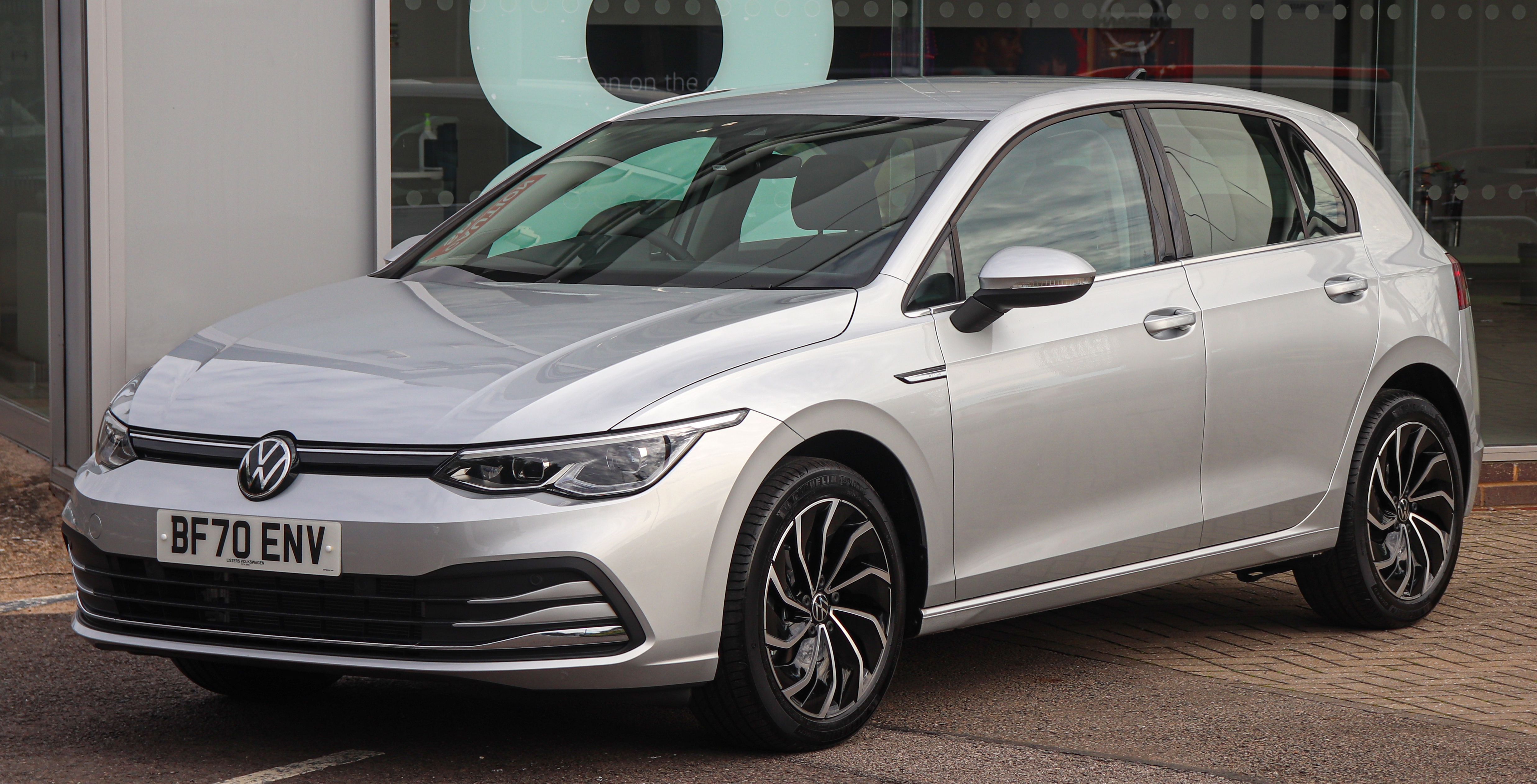
Volkswagen Golf Gti
"What car was it? Luckily, it was a car I actually knew something about. It was the then just launched Mark five golf GTI, which is still a really special car to me because it was a massive deal at a time."
This is a Volkswagen Golf GTI, specifically the Mark V generation. It’s a small, practical hatchback that’s tuned to drive more like a sporty car than a normal Golf. The host is saying it was a big deal when it came out and still feels special to them.
The Volkswagen Golf GTI (Mark V) is a hot hatch built around a sporty, everyday-friendly formula: compact size, front-wheel drive, and a turbocharged engine tuned for strong real-world performance. It’s especially notable because the Mark V era is often remembered as a high point for GTI styling and driving feel in the modern “hot hatch” boom.

Honda S600 Coupe
"I think one that I regret selling the most is probably one I couldn't physically fit in it. So that took the shine off the ownership a little bit, which is the Honda S600 Coupe, which is mega, like the godfather of the VTech."
The Honda S600 Coupe is an old Honda sports car from the 1960s. It’s remembered for being fun and revvy for its size, and the host is linking it to Honda’s later “VTEC” performance reputation.
The Honda S600 Coupe is a classic 1960s-era Honda sports coupe known for its small-displacement, high-revving character. In this segment, the host calls it the “godfather of the VTech,” which points to Honda’s early reputation for sporty engineering and later VTEC-era performance.
VTech
"which is the Honda S600 Coupe, which is mega, like the godfather of the VTech."
“VTech” is the host’s way of talking about Honda’s VTEC system. It helps the engine breathe better by changing how the valves work, depending on how you’re driving.
“VTech” is almost certainly a reference to Honda’s VTEC (Variable Valve Timing and Lift Electronic Control), a system that changes valve timing and lift to improve performance and efficiency. The host uses it as a shorthand for Honda’s performance heritage, connecting the Honda S600 Coupe to later VTEC-era engines.
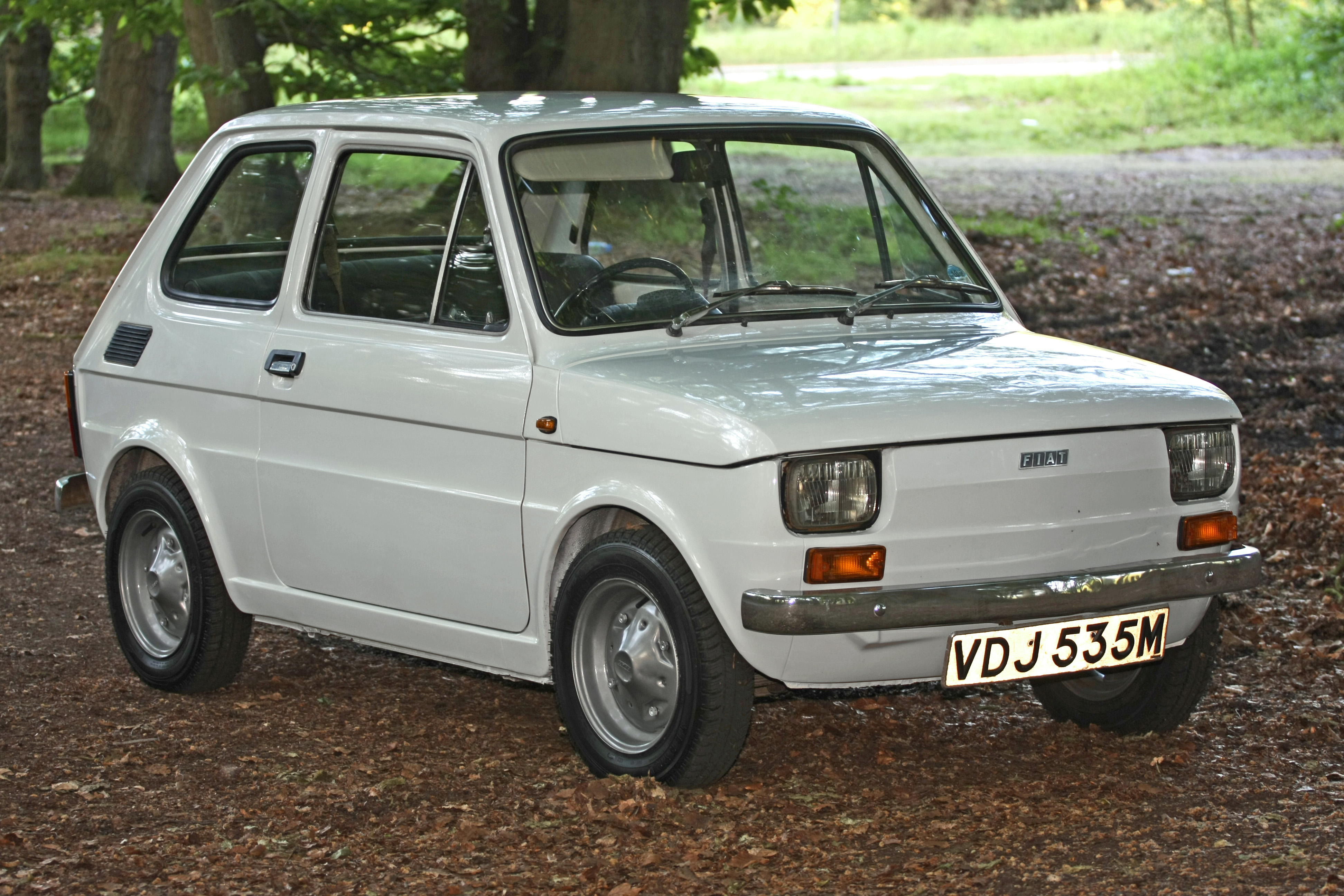
Fiat 126
"But I had a Pulski Fiat 126, which I sort of bought on a whim as a bit of a laugh. But I bought it unseen and it was absolutely immaculate."
The Fiat 126 is a tiny Italian car that’s known for being simple and easy to live with. The host is saying he bought one without seeing it first, and it turned out to be in great shape.
The Fiat 126 is a small, budget-friendly Italian city car that became popular for its simple, lightweight design and easy ownership. Here, the host mentions buying a Fiat 126 unseen and being surprised by how immaculate it was, highlighting how condition can make these cars feel “miraculous” even when they’re inexpensive.

Tesla My Model
"...like, right, 100% profit, profit. That was always my model. And I did that on the side because didn't earn t..."
street legal
"It's probably the EV that I built into the world's quickest street legal electric car, which I got that record 10 years ago."
“Street legal” means the car can be driven on normal public roads. It has to meet the rules for things like lights and safety equipment, not just be a track-only build.
“Street legal” means the car is set up to be driven on public roads, not just a track. That typically requires meeting local rules for things like lighting, brakes, tires, and emissions equipment (if applicable).

Tesla Model S
"...give me any money. Elon Musk didn't even have the Model S out when I first started that. Yes, it predates t..."
The Tesla Model S is an electric car, meaning it runs on batteries instead of gasoline. It’s a large, high-end sedan that became one of Tesla’s best-known early models. The episode mentions it to show when the car came out compared to other events.
The Tesla Model S is a battery-electric luxury sedan that helped establish Tesla’s reputation in the mainstream. It’s often referenced in discussions about how early Tesla products changed expectations for electric cars. The podcast context suggests it’s being used as a timeline marker for when the Model S arrived relative to someone’s early involvement or interest.
Formula E
"Yes, it predates the Model S. It predates Formula E, any kind of proper,"
Formula E is a racing series where the cars are fully electric. The speaker is basically saying his EV build happened before electric racing became a big, organized thing.
Formula E is a single-make electric racing series that uses purpose-built electric race cars. It’s referenced here as a timeline marker—before Formula E existed, the speaker was already building an EV for record attempts.
dual motor
"Really? What did it take until the later Model S, the dual motor Model S? [1422.9s] Yeah."
A dual-motor EV uses two electric motors (typically one per axle) instead of a single motor. That usually improves acceleration and traction because the car can split torque more effectively between the front and rear wheels.
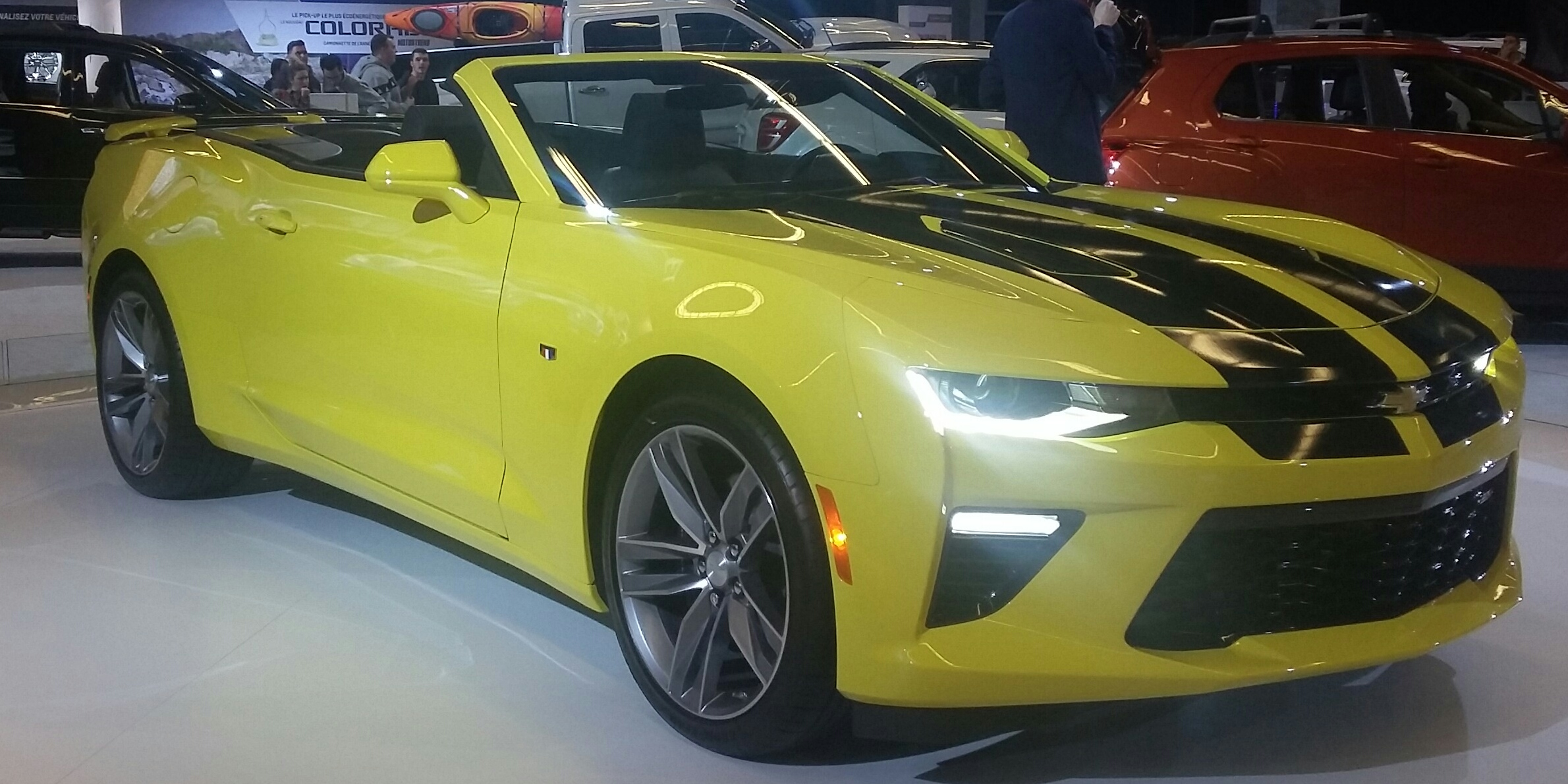
Chevrolet Camaro
"Yeah. And I think in between that, either four door GM, I think GM built a Hot Camaro EV, [1428.4s] which was like just a prototype PR stunt."
They’re talking about a prototype electric version of the Chevrolet Camaro. The key detail is that it wasn’t really meant to be a normal street car.
The host is referring to a Chevrolet Camaro EV prototype, described as a “Hot Camaro EV” built by GM. The point here is that it was a one-off prototype publicity stunt rather than a true street-legal car.
drag strip
"You say you're a bridge between a charger and an EV. But in some old tat that no one really knows [1477.5s] what they are anymore. And yet there is doing silly times down a drag strip."
A drag strip is a track designed for straight-line acceleration races. It’s where you test how fast a car can launch and accelerate over a set distance.
A drag strip is a purpose-built straight track for acceleration runs, usually measured over a fixed distance. It’s a different environment than road driving, so EVs can be tested in a way that highlights launch and traction rather than handling balance.
aerodynamically stable
"He said, you'll find that it's really aerodynamically stable at probably the speed you're going to go [1529.4s] at because I over-engineered it."
Aerodynamic stability means the car stays steady and predictable as it goes very fast. The idea is that the shape and airflow management help prevent the car from getting twitchy at speed.
Aerodynamic stability means the car’s body generates airflow forces that keep it predictable at speed, reducing tendencies like lift, wobble, or instability. The engineer is suggesting the car will remain stable at the high speeds it expects to reach, helped by “over-engineering.”
over-engineered
"He said, you'll find that it's really aerodynamically stable at probably the speed you're going to go [1529.4s] at because I over-engineered it."
“Over-engineered” means the designer put in more work and extra safety margin than usual. In this case, it’s about making the car more stable at high speed.
“Over-engineered” means the design uses extra engineering effort, margin, or refinement beyond what’s strictly necessary for normal use. Here, it’s tied to aerodynamic stability—suggesting the car was built with additional safety/robustness for high-speed runs.

Seagulls
"...across the beach with the beach buggy and all the seagulls going everywhere. But alas, it didn't happen."
In the part you quoted, “seagull” sounds like it’s describing birds at the beach. It doesn’t clearly point to a specific car model. So it may be just background for the story, not a car being discussed.
“Seagull” in the podcast context appears to be a reference to the birds at the beach rather than a specific car model. Since it’s not clearly tied to a vehicle make/model, there isn’t enough information to describe a particular car. It may be part of a scene-setting moment rather than a car discussion.

Ford Cougar
"...es always were if you've seen the trip with Steve Cougar and Rob Briden, it's like a rubbish, more car-cen..."
The Ford Cougar is a Ford car model name. It’s usually remembered as a sporty-looking car from earlier years. The episode brings it up because it’s part of a specific story the speaker is telling.
The Ford Cougar is a nameplate associated with Ford’s sporty compact/coupe-style models from the past. In the podcast context, it’s mentioned as part of a “trip” or story, suggesting it’s tied to a specific anecdote or ownership experience. That kind of reference usually highlights how certain models become memorable in personal car histories.

W124
"The, there was one of my vivid memory was the W124 that you tried to kill... I had a W124, the one that I ran on vegetable oil on Chip Fat... And then we bought a 124 estate."
“W124” is a Mercedes-Benz E-Class generation name used by enthusiasts. It’s known for being tough, and here they’re talking about one they used on vegetable oil and later a wagon/estate version.
Mercedes-Benz W124 is the internal chassis code for a long-running E-Class generation known for durability and a wide range of body styles. In this segment, the hosts talk about a W124 they ran on alternative fuel (vegetable oil) and later mention buying a W124 estate.
vegetable oil
"I had a W124, the one that I ran on vegetable oil on Chip Fat."
They’re talking about using plant-based oil instead of regular diesel fuel. That can work in some diesel setups, but it usually needs extra prep so the engine doesn’t get clogged.
Running a diesel car on vegetable oil is a form of alternative-fuel use where the engine burns plant-based oil instead of conventional petroleum diesel. It often requires modifications and careful fuel filtering/handling to avoid clogging and poor combustion.
Chip Fat
"I had a W124, the one that I ran on vegetable oil on Chip Fat."
“Chip fat” is used cooking oil—like the oil left over from frying chips. Here, they’re saying they used that oil as the fuel for their car.
“Chip Fat” is a slang term for used cooking oil collected from places like chip shops. In the context of this segment, it’s the source of the vegetable oil they used as an alternative fuel.
jump
"Other than maybe the jump. Yeah. The Duke of Essex jump, which gets talked about probably the bonnet up there for a Cavalier, the Goldie looking chain, Cavalier."
Here, “jump” means the car is driven so it goes airborne and then lands. That kind of stunt can stress the suspension and other parts a lot, and it can cause leaks or damage that normal driving wouldn’t.
In this context, a “jump” refers to performing a stunt where a vehicle leaves the ground, which dramatically increases loads on suspension, steering, drivetrain mounts, and cooling/fluids. It’s different from normal driving because components can bottom out, shift alignment, or damage seals/lines when they land.

Aztek Pontiac Aztec
"...tched any of that stuff back. And we did, I had a Pontiac Aztec, which we modified and I did quite, we did a quit..."
The Pontiac Aztek is a crossover-type car with a very unusual look. The episode mentions it because the speaker owned one and made changes to it. That means it’s being discussed as a personal project car.
The Pontiac Aztek is a crossover-style vehicle known for its unusual, bold styling and its place as a distinctive late-era American design. In the podcast context, it’s mentioned because the speaker owned one and modified it. That kind of reference usually comes up when discussing how owners personalize cars that aren’t the “typical” choice.
automatic fluid
"we did a quite big jump in that and it still ran. Definitely was gradually losing automatic fluid."
Automatic fluid is the fluid an automatic gearbox uses to shift gears smoothly. If it’s leaking after a stunt, it can mean something got damaged and the car may start shifting badly or stop working.
Automatic fluid is the hydraulic fluid used in an automatic transmission to control gear changes and operate internal clutches and bands. If it’s “gradually losing” after a jump, it suggests a leak or damage to transmission lines/seals, which can quickly lead to poor shifting or transmission failure.
brake hose
"I lifted up the bonnet and was looking around and I chafed through a brake hose. [2586.5s] And it's not dual circuit. [2588.7s] Oh, wow."
A brake hose is a tube that carries brake fluid to the brakes. If it gets damaged and leaks, the brakes can fail because there’s not enough fluid pressure.
A brake hose is a flexible line that carries pressurized brake fluid from the master cylinder to the rest of the hydraulic braking system. If it’s chafed through or ruptures, brake fluid can leak out and cause rapid loss of braking.
dual circuit
"And it's not dual circuit. [2588.7s] Oh, wow. [2589.0s] Single circuit."
Most cars have brakes split into two separate hydraulic systems. If one side gets damaged, the other side can still work so you’re not left with no brakes.
A dual-circuit braking system splits the brakes into two separate hydraulic circuits. That way, if one circuit fails (like a hose rupture), the other circuit can still provide some braking instead of total brake loss.
single circuit
"Oh, wow. [2589.0s] Single circuit. [2589.6s] Everything went."
Some cars use just one brake fluid system. If a hose bursts, the brake fluid can leak out and the brakes can stop working much more completely.
A single-circuit braking system uses one hydraulic circuit to feed the brakes. If a brake hose is damaged, fluid can escape and the system can lose braking effectiveness quickly—often leaving the driver with little or no normal brake function.
brake pads
"I mean, I remember my brothers bought things like brake pads out of scrap yards. Rather than new brake pads. Not, not a great idea."
Brake pads are the parts that squeeze against the brake discs to make the car slow down. Buying them from a scrap yard can be a bad idea because you don’t really know how worn they are.
Brake pads are the friction material that clamps onto the brake rotor to slow the car down. The host mentions buying brake pads from scrap yards instead of new ones, which can be risky because you may not know the pad’s condition or remaining life.
wheel bearings
"I have driven on some quite questionable bearing. Wheel bearings that were very vocal. Extremely vocal."
Wheel bearings are small parts that help your wheel spin freely. If they wear out, they can start making a loud humming sound, like the host is describing.
Wheel bearings are the components that let a wheel spin smoothly while supporting the vehicle’s weight. When they wear out, they often produce a loud humming or growling noise that changes with speed and can get “extremely vocal,” as described here.
red light
"And we, someone ran a, ran a red light and drove straight into the back of us at quite [2695.2s] fast speed. [2695.6s] It was a van driver who was looking the wrong way."
A red light means cars should stop. The speaker is saying the other driver ran the red light and hit them.
A red light is a traffic signal phase that requires vehicles to stop. In crash stories, mentioning a red light helps establish that the other driver likely entered the intersection when they should have been stopped.
seat belt clearly didn't retract properly
"I hit my head on the steering wheel. [2699.9s] I remember that so my belt clearly didn't retract properly. [2702.6s] I just remember going, and then going, God, that happened so fast."
Seat belts are designed to pull back and stay snug. In this crash, the speaker felt like the belt didn’t rewind properly after the impact, which can happen when the car is hit suddenly.
Many modern seat belts use a retractor mechanism that pulls the belt back in after you buckle up. In a crash, that retraction can be affected by the sudden forces, which can leave the belt feeling like it didn’t retract normally.
on the limiter
"It sat on the limiter for I think 10 minutes, which is a long time. It's a long time."
It means the engine was revving so high that the car’s computer stopped it from going any faster. The engine is basically being held at its maximum RPM.
“On the limiter” means the engine is hitting its rev limit (the ECU’s maximum RPM). When that happens, the car may cut fuel or spark to prevent over-revving, so it can sound/feel like it’s “stuck” at the top end.
exhaust hangers
"And what it was, is it had burned all of its exhaust hangers. They were all on fire."
Exhaust hangers are the parts that hold the exhaust system up under the car. If they burn through, the exhaust can get loose and overheat, sometimes causing smoke or even flames.
Exhaust hangers are the brackets/straps that support the exhaust system from the car’s body. If they burn or fail, the exhaust can sag, stress joints, and in extreme cases contact hot components—leading to smoke or fire.
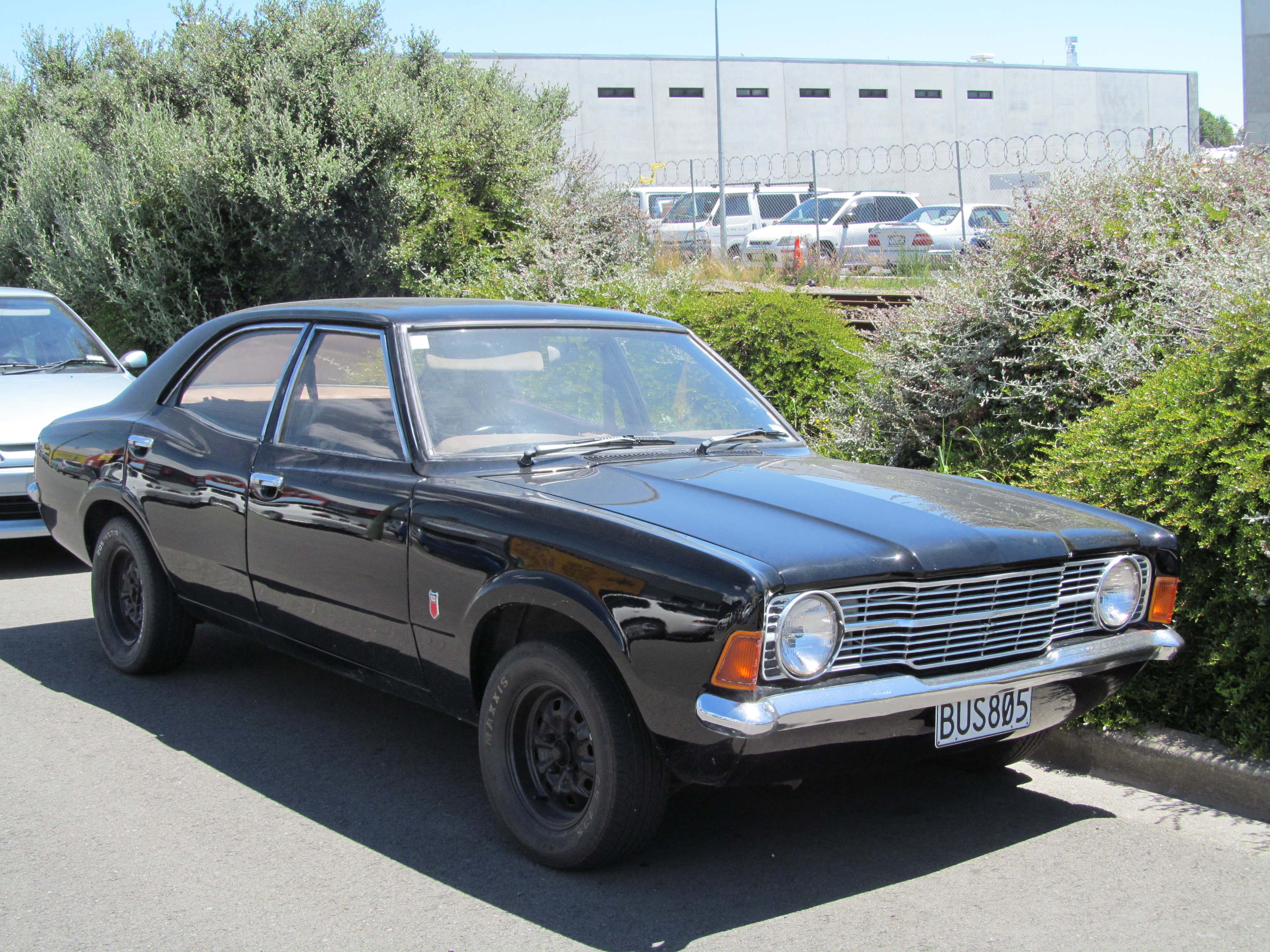
Ford Cortina
"And he had a, I don't know if I should say what car it was, but it was quite distinctive car as well, which is just, it was a real sleeper. It was a Ford Cortina, a state that had like a primer front wing."
A Ford Cortina is a classic Ford from the UK. Here it’s being described as a “sleeper,” meaning it looks plain but can be surprisingly quick or aggressive underneath.
The Ford Cortina is a classic British compact/small-family car line from Ford UK, known for lots of enthusiast and motorsport history. In this story, the host calls it a “real sleeper,” highlighting how a seemingly ordinary Cortina can hide serious performance or mechanical capability.
Cosworth YB
"And it was running really high power, Cosworth YB. [2915.0s] It was like 400 horsepower, which at the time was enormous for that engine."
Cosworth YB is a specific kind of turbo engine (an engine code) that Ford used in some performance cars. People talk about it because it can make a lot of power for its size when tuned.
“Cosworth YB” refers to Ford’s 2.0-liter turbocharged inline-four engine family developed by Cosworth, commonly associated with high-output rally and performance applications. The “YB” designation is an engine code, and enthusiasts often discuss it in terms of how much boost and power it can reliably make.
400 horsepower
"And it was running really high power, Cosworth YB. [2915.0s] It was like 400 horsepower, which at the time was enormous for that engine."
Horsepower is a way to measure how strong the engine is. Here they’re saying that around 400 horsepower was a big deal at the time for that engine.
“Horsepower” is a measure of engine power—how quickly the engine can do work. In this context, the host is emphasizing that ~400 hp was unusually high for that specific engine era.
witness protection
"And, but he was on witness protection. [2922.0s] It turns out. [2922.9s] So we were like, well, how are we going to do this?"
Witness protection is a safety program where someone’s identity is hidden so they can’t be found. In this story, they had to disguise the person to safely feature the car in a magazine.
Witness protection is a government program that relocates and changes a person’s identity to keep them safe after they’ve testified or provided information in a legal case. The host describes how that affected a car feature shoot—using prosthetics and a disguise so the person couldn’t be recognized.
Max Power
"And this is the thing. [2959.3s] If you don't know about Max Power, it was the biggest selling car magazine in Europe."
Max Power is a car magazine. The host is explaining that it was very popular, which is why the story about disguising the person mattered for getting the car featured.
Max Power is a car magazine brand that, as the host says, was one of the biggest-selling car magazines in Europe at the time. The discussion uses it as context for why the disguised “witness protection” person still ended up in a published feature.

Chevrolet Nova
"This is incredible. You weren't looking at Nova's. I was on the back three pages with neon kits."
The Chevrolet Nova is a car model made by Chevrolet. It was popular in the past and many owners modified them for a custom look. The episode mentions Novas in connection with flashy aftermarket styling.
The Chevrolet Nova is a classic American compact car that became popular in multiple eras, including the muscle-car period. In the podcast context, it’s mentioned in a scene about customizing and showy styling—like “neon kits”—which fits how Novas were often used as a base for personal builds. That makes it a recognizable name when discussing car culture and modification trends.

Civic Type R
"So you could go out and buy a Civic Type R, [3311.8s] because the Civic Type R was like a really big shift moment."
The Civic Type R is Honda’s high-performance version of the Civic hatchback. It’s a fast, sporty car that helped change the scene because you could buy something quick without needing as many extreme modifications.
The Honda Civic Type R is a hot hatch built for front-wheel-drive performance, known for its aggressive turbocharged character and track-focused tuning. In this segment, it’s used as a marker for a shift in the “Max Power era,” implying that mainstream availability of fast cars changed the culture around modified show cars.
front splitter
"And yes, you can buy some slightly lighter wheels for it, [3326.0s] or a slightly different front splitter. [3328.3s] But it's out the box pretty crazy."
A front splitter is a piece added under the front bumper. It helps the car “push down” a bit at the front by shaping airflow, which can make it feel more planted when driving hard.
A front splitter is an aerodynamic add-on at the front of a car that extends forward from the bumper area. Its job is to help manage airflow and increase front-end downforce, improving grip and stability—especially noticeable on track-style builds like the EP3 example in this segment.

Saxo VTR
"And when I was three or four, he had a Saxo VTR. [3344.4s] So it's a base engine, so not a VTS, but with a, it was featured, [3348.5s] it was a Max Power feature car. [3350.5s] It was repainted ice blue, full kit, exhaust, like 15 inch, 10, 50."
The Citroën Saxo VTR is a small sporty hatchback. In this story, it’s a lower-spec version compared to the VTS, but it was heavily modified with a full body kit, a new exhaust, and a loud paint job—very typical of that early “Max Power” scene.
The Citroën Saxo VTR is a small French hot hatch that’s often associated with early-2000s “Max Power” styling and modification culture. Here it’s described as a base-engine variant (not the higher VTS trim) but still built up with a full kit, exhaust, and showy “ice blue” repaint—classic Max Power-era customization cues.
full kit
"It was repainted ice blue, full kit, exhaust, like 15 inch, 10, 50. [3356.2s] It was one of the ones that had the whole bumper was the exhaust."
A “full kit” means the car got multiple body parts, like bumpers and side pieces, not just one small change. It’s usually done to make the whole car look more aggressive and matched.
A “full kit” typically means a complete set of exterior bodywork parts—front bumper, side skirts, and rear bumper—rather than a single add-on. In this segment it’s part of the Saxo VTR’s Max Power feature look, paired with an exhaust and wheels for a cohesive, showy stance.
ice blue
"It was repainted ice blue, full kit, exhaust, like 15 inch, 10, 50. [3356.2s] It was one of the ones that had the whole bumper was the exhaust."
“Ice blue” is just the color they repainted the car. In that kind of modified scene, the paint job is part of how the car looks and stands out.
“Ice blue” here is a specific paint color used to describe the Saxo VTR’s repaint. In Max Power-style builds, paint color and contrast are often part of the visual identity, alongside body kits and exhaust setups.

Nissan 350Z
"six months later, I went over, and he had just a brand new 350Z, orange for one of the first ones of the country."
The Nissan 350Z is a sports car that’s popular with car fans. It’s rear-wheel drive and was seen as a big upgrade from cheaper cars.
The Nissan 350Z is a late-2000s-era sports coupe known for its rear-wheel-drive layout and enthusiast-friendly performance. In the UK, it became a common “step up” car because it’s relatively attainable compared with more exotic sports cars.

Lotus Exige
"And then an Exige, and then an Astra VXR."
The Lotus Exige is a small, lightweight sports car made by Lotus. People like it because it feels very sporty and driver-focused.
The Lotus Exige is a lightweight, track-focused sports car from Lotus, typically built around a mid-mounted engine and a very “connected” driving feel. It’s often chosen by enthusiasts who want something sharper than mainstream sports coupes.

Opel Astra
"...es of the country. And then an Exige, and then an Astra VXR. But it was because of that, it was finance."
The Opel Astra is a compact car. The Astra VXR is a sportier version of it. The episode mentions it because someone ended up with one through financing rather than just picking it outright.
The Opel Astra is a compact car line, and the Astra VXR is a performance-oriented variant. The podcast context suggests the Astra VXR came up because it was part of a finance deal, which often matters when people talk about what they could afford at the time. It’s mentioned alongside other cars, implying a comparison of what different choices offered.
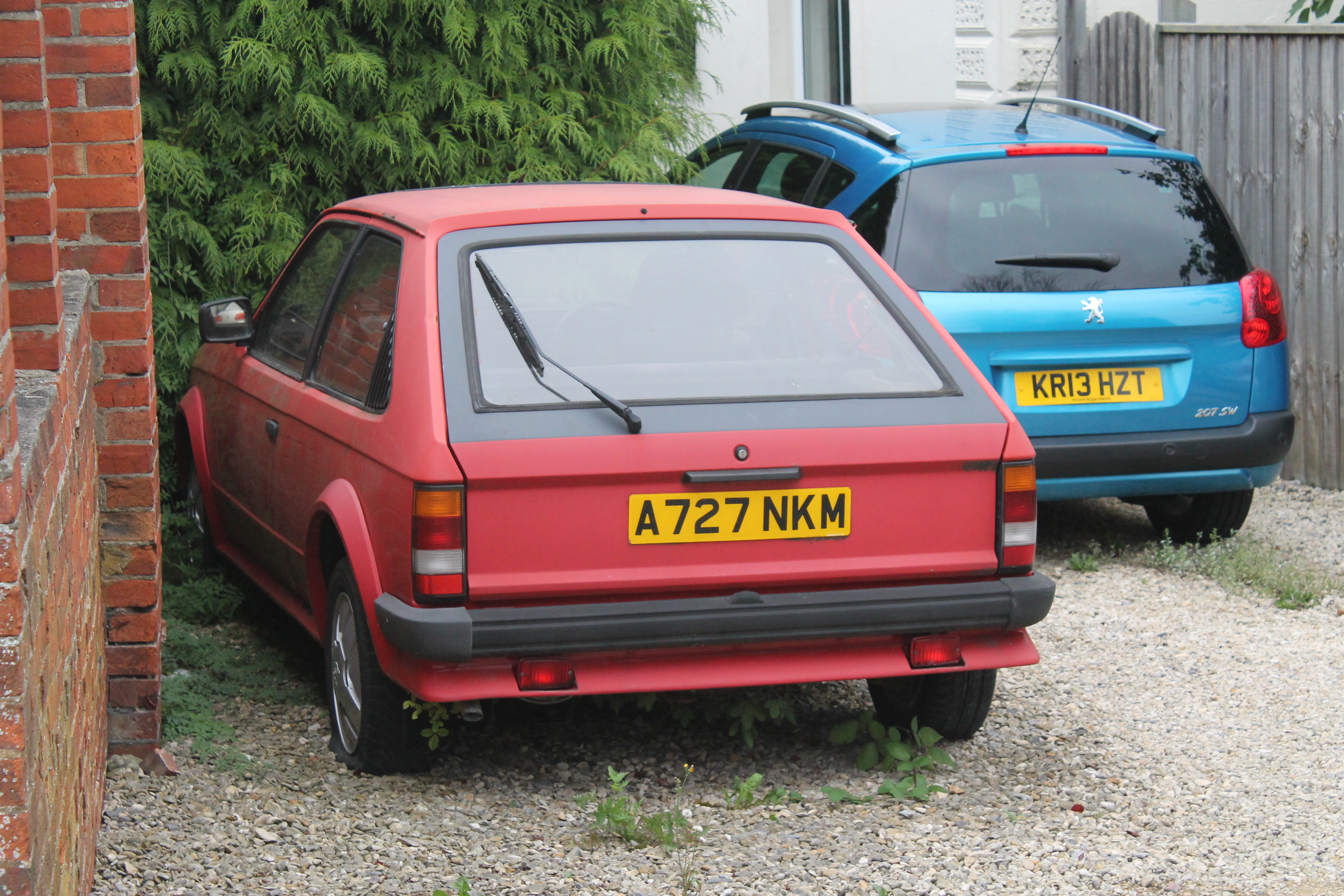
Vauxhall Astra VXR
"And then an Exige, and then an Astra VXR."
The Astra VXR is a sporty version of the Vauxhall Astra. It’s meant to be faster and more fun than the regular model.
The Vauxhall Astra VXR is a hot-hatch version of the Astra, tuned for stronger acceleration and more aggressive handling than a standard Astra. In the UK, it’s part of the “practical but sporty” performance-car culture.
finance
"But it was because of that, it was finance. He had found out that he could get rid of the Saxo and finance his way into a way better car."
“Finance” here means paying for the car over time instead of all at once. It’s how he could upgrade to better cars sooner.
In car shopping, “finance” usually means borrowing money (often via a loan or hire-purchase/lease-style deal) so you can buy a car without paying the full price upfront. Here, it’s the mechanism that lets him trade out of a Citroën Saxo and into higher-tier cars.
Citroën Saxo
"He had found out that he could get rid of the Saxo and finance his way into a way better car."
The Citroën Saxo is a small, inexpensive hatchback. It’s the kind of car people start with before upgrading to something more exciting.
The Citroën Saxo is a small, budget-friendly hatchback that was popular as a first car and for beginner-friendly modifications. In this story, it’s the “starter” car he wanted to move on from to reach a more exciting platform.
rectangular exhaust
"And it had huge rectangular exhaust, [3429.7s] like a perfect rectangle twins that took up [3432.4s] the entire width of the car."
An exhaust is the part that lets gases out of the car. A rectangular exhaust means the tip is shaped like a box, and here it’s being mentioned because it looked really bold and noticeable.
A rectangular exhaust is an aftermarket-style exhaust outlet shape that’s often used for visual impact. In this context, the speaker is emphasizing how the twin outlets looked like a perfect rectangle and visually dominated the rear.
TVR green
"And it was basically like your grid, like TVR green, [3439.1s] imagine a blue but green."
“TVR green” is a famous green paint color people associate with TVR cars. The speaker is using it like a color comparison to help you picture how the car looked.
“TVR green” refers to a recognizable green paint color associated with TVR sports cars, especially in enthusiast culture. The speaker uses it as a color reference to describe the remembered car’s green tone.
fiddle with cars
"and some of the other creators of like encouraging people to [3458.3s] actually fiddle with cars. [3459.5s] Yeah."
Here, “fiddle with cars” means getting your hands dirty—working on the car yourself or making changes. The host is contrasting that with just buying stuff and doing only surface-level stuff.
“Fiddle with cars” is being used to describe hands-on DIY car tinkering—working on, modifying, or troubleshooting cars yourself rather than treating them as just consumer products. In the episode’s context, it’s contrasted with passive ownership behaviors.
detail it
"And not just buy stuff and detail it and go to Turkey and get new teeth. [3466.0s] You know, because that's all too easy."
“Detail it” means cleaning and improving how the car looks, like washing, polishing, and cleaning the inside. The speaker is saying that’s easier than doing real work on the car.
In car culture, “detailing” usually means cleaning and restoring a car’s appearance—often including paint cleaning, polishing, and interior care. The speaker is using it as a contrast to deeper mechanical involvement.
engine swaps
"And you might enjoy that car way more because you know, you've done, it doesn't mean doing engine swaps necessarily. [3524.1s] I think that's where people get worried about it."
An engine swap means replacing the car’s original engine with a different one. People do it to change how the car drives or to build something more powerful, but it can be a bigger job than it sounds.
An engine swap is when you remove one engine from a car and install a different engine (often from another model or even a different generation). It’s a common enthusiast project, but it can involve wiring, mounts, cooling, fueling, and emissions-related work depending on the setup.
differential
"They go, well, I could never do that because I'm going to have to take my engine out. [3528.4s] I'm going to have to replace, you know, my differential, but it's not necessarily that."
The differential is part of the drivetrain that helps the wheels turn at different speeds, like when you’re going around a corner. It affects how well the car can put power down without slipping.
A differential is the gear mechanism that lets the drive wheels rotate at different speeds—especially when turning. Many cars use a rear differential (or front/rear in AWD layouts), and some enthusiast builds upgrade it because it affects traction and how the car behaves under power.
coil pack
"Now you can just go on YouTube and someone's going, [3579.3s] oh, yeah, I found you can replace this coil pack with this coil pack."
A coil pack is part of the ignition system. It makes the electrical spark that lights the fuel in the engine’s cylinders.
A coil pack is the ignition component that generates high voltage to fire the spark plugs. Many modern engines use individual coils or a multi-coil “pack,” and swapping the correct unit matters because it affects ignition timing and misfire behavior.

Pagani Zonda
"he turned up at the shoot and rendezvoused with the whoever brought the then really new Pagani Sonda. [3965.2s] There was a Bentley Arnaj tea."
gear stick snapped in half
"he went, yeah. [3986.5s] So the gear stick snapped in half while I was driving up here. [3989.6s] And I went, what? [3990.8s] And he went, yep, I've taped it together."
They’re saying the gear lever literally broke. Because of that, they had to tape it and shift in a different, awkward way just to keep the car drivable.
A “gear stick snapped in half” describes a catastrophic failure of the manual shift lever/selector mechanism. In this context, it forces the driver to use an improvised setup (taping) and to shift in a very specific way, which is why the host mentions driving “shifting really low near the base.”
gaffer taped
"And he went, yep, I've taped it together. [3992.5s] We gaffer taped the, the stalk. [3996.1s] So and we all had to drive it shifting really low near the base."
Gaffer tape is the strong tape people use on sets and in racing. They used it as a quick fix to hold the broken gear lever together.
Gaffer tape is a cloth-backed tape commonly used in film and motorsport because it tears cleanly and holds well without leaving a heavy residue. Here it’s used as an emergency fix to keep the broken gear selector/stalk usable during the shoot.
short shifter
"So and we all had to drive it shifting really low near the base. [4000.4s] So then it didn't got a short shifter. [4001.8s] Bear in mind, this was brand new."
A short shifter is a modification that makes the gear lever move less to change gears. They’re saying the car didn’t even have that upgrade, but the broken lever still made shifting feel weird and limited.
A short shifter is an aftermarket (or modified) shift mechanism that reduces the lever’s travel between gears, making shifts feel quicker and more direct. The host says “it didn’t got a short shifter,” meaning the car didn’t have that performance-style modification—yet they were still forced into an unusual shifting position because the lever was damaged.
press cars
"Because I know there's a few early press cars on, I think it was purple. [4016.9s] I think it was. [4017.6s] So it was Y1."
Press cars are vehicles provided to journalists and media outlets before or around a model’s launch so they can write reviews and create early coverage. The host is referencing early press-car examples and launch materials to explain how perceptions of a car can evolve over time.
opinions shift from launch-era reviews to later auction/nostalgia
"Yeah. But it's quite funny to, to read them now. [4040.3s] It's the same with, with the Gallardo as well, where the way people talk about them now, [4044.6s] it's completely different then."
They’re talking about how people’s opinions about cars can change a lot over time. Old magazines might have hated a car, but years later people may see it differently—especially when it comes up for auction.
The segment focuses on how early magazine reviews and public sentiment about certain Lamborghini models can be sharply negative, then later become more favorable or nostalgic. The host ties this to current events like an upcoming auction and the way people remember (or forget) earlier takes.

Ferrari 550
"This is better than any Ferrari or 911. ... every single review I've seen of the 550. It's not a very good looking car. Whereas now people look at 550s and go, that was potentially some of the best Ferrari styling."
This is a Ferrari from the 1990s that’s famous for having a big V12 engine. The discussion here is about how its styling opinion has changed over time.
The Ferrari 550 is a V12-powered grand tourer from Ferrari’s 1990s era, known for its naturally aspirated character and classic styling cues. In this segment, the hosts compare how the car’s looks were received at launch versus how people view its design today.
Porsche 911
"This is better than any Ferrari or 911. In the world."
The Porsche 911 is one of the most famous sports cars ever made. In this clip it’s just being used as a comparison against the Ferrari 550.
The Porsche 911 is Porsche’s iconic rear-engine sports car line, and it’s often used as the benchmark for handling, balance, and design across generations. Here it’s mentioned as a comparison point to the Ferrari 550.

BMW 550S
"...very good looking car. Whereas now people look at 550s and go, that was potentially some of the best Fer..."
The BMW 5 Series is a mid-size BMW sedan meant for comfortable daily driving. The “550” refers to a higher-performance version. The episode is talking about how people’s opinions about those cars can change.
The BMW 5 Series is BMW’s mid-size executive sedan line, known for a blend of comfort and driving dynamics. In the podcast context, it’s referenced as something people used to view more positively—like “550s” being potentially among the best—suggesting a discussion about how opinions and values change over time. That makes it relevant when talking about which models become overlooked or re-evaluated later.
Audi RS's
"Look at things like Audi RS's especially. Yeah. Aesthetically."
Audi’s “RS” cars are the high-performance versions of Audi models. They’re usually more powerful and more aggressive-looking than the regular versions.
“RS” is Audi’s performance sub-brand (Audi RS models), typically meaning higher-output engines, sportier suspension/brakes, and more aggressive tuning than standard Audi trims. The hosts are talking about how Audi’s RS styling has become more extreme over time.
electric stuff
"It's way too vapy for me. Because obviously, it's way too vapy. Obviously you're quite into electric stuff."
They’re talking about electric cars—vehicles that run on electricity from a battery. The point is that the speaker doesn’t like how things have shifted toward that.
“Electric stuff” here refers to EV-focused technology and vehicles, i.e., cars powered primarily by electric motors and batteries rather than internal combustion engines. The speaker is using it as a contrast to the “golden era” of the cars they drove new.
discontinued
"The moment the car, the last model, the last one off the line, has reached 10 years old, [4500.8s] every part gets discontinued. [4503.0s] And then you're just down to what is left in the stores."
“Discontinued” here means the carmaker stops making certain replacement parts. When that happens, parts become harder to find and often cost more, which makes older cars less attractive to buy.
In this context, “discontinued” means the manufacturer stops producing and/or supplying a specific replacement part. Once that happens, owners rely on remaining stock or expensive aftermarket sourcing, which can drive up maintenance costs and hurt used-car value.
devalues
"[4503.0s] And then you're just down to what is left in the stores. [4505.3s] It completely devalues the used car, especially a car like that. [4509.5s] The RS6 we've got, the V10 one."
“Devalues” means the car becomes worth less money when you go to sell it. The host is saying that if parts get harder to find or repairs get expensive, buyers pay less.
“Devalues” refers to a drop in a car’s resale value—what it’s worth on the used market. The host links this to parts discontinuation: when maintenance becomes expensive or uncertain, fewer buyers want the car, so prices fall.

RS6
"The RS6 we've got, the V10 one. [4511.2s] Yeah. [4511.8s] They will keep tanking in value because no one will ever want to maintain it."
The Audi RS6 is a very fast, high-end Audi model. The host is talking about the V10 version and saying that when parts become hard to get, it gets expensive to maintain, which hurts resale value.
The Audi RS6 is a high-performance wagon/sedan from Audi’s RS line, and this segment specifically calls out the V10 version. The host argues that as parts get discontinued, maintenance costs rise and the car’s resale value can drop sharply.
V10
"The RS6 we've got, the V10 one. [4511.2s] Yeah. [4511.8s] They will keep tanking in value because no one will ever want to maintain it."
A V10 is an engine with 10 cylinders arranged in two banks. The host is using it to describe the specific RS6 they have, and the idea is that expensive, specialized maintenance can hurt ownership and resale.
A V10 is an engine with ten cylinders arranged in a “V” shape (two banks of cylinders). V10s are often associated with high-performance character, but they can also mean specialized components and potentially higher maintenance costs if parts become scarce.
injectors
"When you have to spend 3,500, 3,200 pounds, whatever it is on injectors, [4521.4s] no one's going to want to stomach that on a 10 grand car."
Injectors are parts that deliver fuel into the engine. If they fail, fixing them can be costly—so the host is using injector prices to explain why an older performance car can become financially painful to maintain.
Fuel injectors are the components that spray fuel into the engine in precise amounts and timing. On some performance cars, injector replacement can be extremely expensive, and that cost can strongly affect whether owners are willing to keep the car long-term.
arch liner
"So that it will end up becoming a 5 grand car and a 3 grand car. [4526.8s] We got until it is, you know, the arch liner. [4529.6s] The arch liner we got was the last in the world in stock."
An arch liner is a plastic or trim piece inside the wheel area. The host is saying that after parts stop being made, you’re left hunting for whatever leftover stock exists—even for smaller pieces like this.
An “arch liner” is the inner trim panel around a wheel arch, often used to protect the bodywork and reduce debris and water intrusion. The host’s point is that once major parts are discontinued, you may only find leftover trim/consumable items in stock.
four arms
"[4529.6s] The arch liner we got was the last in the world in stock. [4535.0s] The four arms that we bought, those were a thousand pounds for four tiny little arms"
“Four arms” sounds like the suspension arms that help hold the wheels in place and control how the car rides. The host is noting the cost of replacing them, which adds to why older cars can become expensive to keep.
“Four arms” likely refers to suspension control arms (pairs on each axle) that locate the wheels. If these specific parts are expensive or hard to source, it can make maintaining an older performance car financially painful.
dampers
"[4546.6s] Dampers. We asked about dampers. [4548.1s] Dampers gone. [4549.1s] We can get you a front right."
Dampers are the shock absorbers in a car’s suspension. They help stop the car from bouncing after you hit a bump, so the tires keep better contact with the road.
In car suspension, dampers (shock absorbers) control how quickly the suspension compresses and rebounds after hitting bumps. When dampers are worn out, the ride gets bouncier and the car can lose grip because the tires don’t stay in contact as consistently.

Audi Quattro
"... like, I know the original Audi, you know, the UR Quattro, some of the bits on that are unobtainable."
The Audi Quattro is a performance car known for using all-wheel drive. The UR Quattro is an early, important version of that model. The episode mentions it because some original parts are difficult to find now.
The Audi Quattro, specifically the UR Quattro mentioned in the context, is a landmark rally-inspired performance car known for popularizing all-wheel drive in a high-performance setting. It’s often discussed because some parts and components are hard to source today, making it a challenge to maintain or restore. The podcast context highlights that scarcity and the difficulty of getting certain original pieces.
Tuv
"Because there are too many restrictions. [4697.3s] Same in Germany. [4698.0s] You have the Tuv restrictions that stop you from doing anything."
In Germany, TÜV is the group that checks whether a car is safe and legal to drive. If you modify a car, you often need approval/inspection first, otherwise it can be considered illegal.
“TÜV” (spoken here as “Tuv”) refers to German technical inspection organizations that enforce vehicle roadworthiness rules. In practice, TÜV requirements can limit what modifications are allowed unless the changes are inspected and approved.
MOTs
"We have our MOTs and we complain about them, but we have such lax laws. [4706.6s] You can do all sorts."
An MOT is the UK inspection your car has to pass to be allowed on the road. It checks safety and emissions, and the rules can affect whether modifications are allowed.
“MOT” is the UK’s mandatory annual vehicle inspection that checks roadworthiness and emissions. The host is contrasting how UK rules are “lax” compared with Germany, implying that it’s easier to keep modified cars legal in the UK.
vin plate
"We're not America. We're not Florida. [4709.5s] You can't stamp a vin plate on a microwave and drive it down the road like you can there."
A VIN plate is the official ID tag for a car—the VIN is like its unique fingerprint. Changing or stamping it is tightly controlled because it can be used to misrepresent a vehicle’s identity.
A “VIN plate” is the stamped/label plate that carries a vehicle’s Vehicle Identification Number, which is used to uniquely identify the car. The host is describing how some places allow VIN plate changes or stamping more easily, which is a major legal and fraud risk.
logbook
"Do you want to change the color on the logbook? [4720.2s] Fine."
A logbook is the official paperwork for a vehicle that lists its registered details. If you change something like the color, you may need to update the paperwork so it matches the car.
A “logbook” is the official vehicle registration document that records key details about the car. The host is saying that changing things like the car’s color may require updating the logbook, and that rules vary by country.
left hand drive
"Left hand drive, obviously. But on Dutch plates, well, although that is on Dutch plates,"
Left-hand drive means the steering wheel is on the left side of the car. That’s normal in the UK, and it can feel different if you’re used to right-hand-drive cars.
Left-hand drive means the steering wheel is on the left side of the car, which is the standard layout for the UK and many other countries. The host calls it out because driving experience and car availability differ between left- and right-hand-drive markets.

Mercedes-Benz C63
"And then there was a C63 came past it, incredible speeds past me."
The Mercedes-Benz C63 is the sporty, high-performance version of the C-Class. It’s the kind of car that can accelerate very quickly, which is why it stands out when it blasts past.
The Mercedes-Benz C63 is a performance version of the C-Class, typically known for a powerful V8 and a reputation for fast, aggressive driving. The host mentions a C63 passing at “incredible speeds,” using it to illustrate how you can encounter high-performance cars on UK roads.
blacked out tail lights
"And again, some of it is blacked out tail lights, but it is still doing something."
“Blacked out tail lights” means the rear lights are made darker than stock, usually for a custom look. It can change how noticeable they are when you’re braking or driving at night.
“Blacked out tail lights” refers to tail lamps that have been darkened (often with tint or overlays) so they look more stealthy when off. Enthusiasts sometimes do it for styling, but it can also affect how clearly the lights are seen.

BMW M140I
"...time or comments where we'll say, we've bought an M140i for £9,000. And everyone says, what the hell?"
The BMW 1 Series is a smaller BMW designed for everyday driving. The M140i is a higher-performance version of that model line. The episode mentions it because someone bought one for a surprisingly low amount.
The BMW 1 Series is BMW’s compact car line, typically offered as a smaller, more affordable BMW option. The podcast context mentions buying an M140i for a relatively low price, which highlights how certain performance trims can become good value depending on age and market conditions. It’s the kind of discussion that comes up when people compare expectations versus what the market actually pays.
air conditioning
"Now, Will, you might not know this, but what's your opinion on air conditioning? In cars? I knew this would come out. I enjoy it."
Air conditioning in a car is what cools the cabin and helps keep the windows from fogging up. It’s basically the system that makes the inside of the car feel comfortable.
In cars, air conditioning (A/C) is the climate-control system that cools and dehumidifies the cabin. It uses a refrigerant cycle to move heat out of the passenger area, which can noticeably affect comfort and windshield clarity.
AC
"But when I found out the Alpha had a nice AC, I thought I actually quite... [4878.4s] It's lovely on a nice hot day... [4890.0s] For me, it's more the steaming up. [4892.7s] It helps with that."
AC is the car’s air-conditioning. It doesn’t just make the cabin colder—it also removes some moisture from the air, which helps stop the windows from fogging.
In cars, AC usually means the air-conditioning system. It cools the cabin, but it also dehumidifies the air—pulling moisture out as the system runs—so windows are less likely to fog up.
steaming up
"[4888.0s] I know it's hot over there. [4890.0s] For me, it's more the steaming up. [4892.7s] It helps with that."
“Steaming up” means the windows fog over. That happens when the air inside is humid and the glass is cooler, and AC helps dry the air so the fog goes away.
“Steaming up” refers to cabin window fogging, caused by warm, moist air condensing on cooler glass. Using AC (and sometimes airflow direction) helps by lowering humidity in the cabin.
radar cruise control
"But you don't use the cruise control. [5003.6s] And you had radar cruise control."
Radar cruise control is cruise control that can “see” the car in front of you. It can automatically slow down if you get too close, and then speed up again when the road clears.
Radar cruise control is an advanced cruise-control system that uses a radar sensor to monitor the distance to the car ahead. Instead of holding a fixed speed, it can automatically slow down and speed back up to maintain a set following distance.
Request an Explanation
Heard something you'd like explained? We'll add it to this episode.
Sign in to request explanations for terms you heard.
Want to learn more?
Browse our glossary for plain-English explanations of automotive terms, jargon, and concepts.
Help improve this episode
See something that's not quite right? Our annotations are AI-generated and can sometimes miss the mark. Click the flag icon on any annotation to suggest a correction.
1 community members have helped improve this episode.