
Car Pro Radio Show July11 26 Hour 3
About this episode
Drivers’ pet peeves take center stage as Jerry Reynolds and Todd Chambliss trade stories about honking, impatient light waits, and the chaos of blocking turn lanes or passing then slowing down. They also highlight smart tech like “leading car moving” alerts that prevent rear-end frustration. The show shifts into a listener call about upgrading from a Kia Forte to a larger family SUV, weighing Kia Telluride vs Hyundai Palisade vs Toyota Highlander. Jerry argues Kia/Hyundai offer strong warranties and value, while Toyota’s durability matters more at higher mileages.
Car Pro Radio Show July11 26 Hour 3
Hosted by Simplecast, an AdsWizz company. See pcm.adswizz.com for information about our collection and use of personal data for advertising.

2026 outback from Subaru, the wilderness edition
"I've had this week for review to all wheel drive SUVs. I've had the 2026 outback from Subaru, the wilderness edition. And I gotta tell you, they have made some really nice changes to this thing."
The Subaru Outback is a family car that’s designed to handle different weather better thanks to all-wheel drive. Here, the host is talking about the 2026 Outback Wilderness Edition and says it got updates like a bigger screen and a more modern, boxier look.
The Subaru Outback is a crossover wagon/SUV built around Subaru’s all-wheel-drive system and a practical, family-friendly layout. In this segment, the host specifically reviews a 2026 Subaru Outback Wilderness Edition, calling out changes like a larger, more modern infotainment screen and a more square, SUV-like exterior shape.
bigger screen
"And it's got a bigger screen. It's, it's more square. That was one of the, that was one of the, the wraps, uh, against Subaru."
The “screen” is the car’s main display for things like music, maps, and phone features. A bigger one is typically easier to see and use.
In modern cars, the infotainment screen is the main interface for navigation, media, phone integration, and many vehicle settings. A “bigger screen” usually means more readable graphics and easier touch controls, especially while driving.
all wheel drive system
"I love their product. I love their safety system. I love their all wheel drive system. But the outback has always been sort of station wagon looking and now it's square more, it's, it's more modern."
All-wheel drive means the car can send power to all four wheels. That can help it grip better on wet or snowy roads, but you still need to drive carefully and have good tires.
An all-wheel-drive (AWD) system sends power to both the front and rear axles to improve traction. On slippery roads, AWD can help the car accelerate and stay stable more easily than two-wheel drive, though it doesn’t eliminate the need for good tires and driving habits.

Land Rover Range Rover
"... looks more up to date. Would you compare it to a Range Rover kind of a little, little, little of that look? Y..."
The Range Rover is a large luxury SUV made by Land Rover. It’s designed to feel comfortable and high-end, while still being able to handle rough roads. People mention it because it’s a well-known example of that kind of SUV style.
The Land Rover Range Rover is a full-size luxury SUV known for its upscale interior, comfortable ride, and off-road capability. It often comes up in discussions because its design and features are a benchmark for “luxury SUV” styling and technology. In the podcast, it’s referenced as a comparison point for a more up-to-date look.
four cylinder
"She's got a small four cylinder. It's a Kia Forte to 2014."
A four-cylinder engine is an engine with four cylinders. It’s common in smaller cars and usually helps with efficiency, but it doesn’t automatically make the car big enough for everyone.
A “four-cylinder” engine has four pistons working in sequence to produce power. In everyday terms, it usually means a smaller, lighter engine than a V6 or V8, which can affect how much space and vehicle size you need for comfort and family use.

Kia Forte
"She's got a small four cylinder. It's a Kia Forte to 2014."
The Kia Forte is a smaller car with a four-cylinder engine. The caller is saying it’s not big enough for their needs anymore, especially with plans for a family.
The Kia Forte is a compact four-cylinder sedan/hatchback line built for efficiency and everyday practicality. Here it’s mentioned as the wife’s smaller four-cylinder vehicle, which becomes a fit/space issue once the caller says they’re planning to start a family.
warranty
"I've also heard that Kia's come around and address some issues. I know they have a warranty, things like that."
A warranty is coverage that helps pay for certain repairs if something goes wrong. The caller is using it as a reassurance when considering a Kia.
A warranty is a manufacturer-backed promise to cover certain repairs for a set period or mileage. Here, the caller brings up Kia’s warranty as part of the reason they’re willing to consider the brand despite negative things they’ve seen online.
column shifter
"the column shifter, I think on the, on the Hyundai now, it looks almost like it's integrated into the steering wheel on there."
A column shifter is the gear selector you move to choose Park, Drive, or Reverse, and it’s mounted near the steering column instead of on the console. Some newer designs make it feel more built into the steering wheel area.
A column shifter is a gear selector mounted on the steering column rather than on the center console. The speaker notes that on a newer Hyundai, it appears to be integrated into the steering wheel area, which changes how you interact with the transmission.
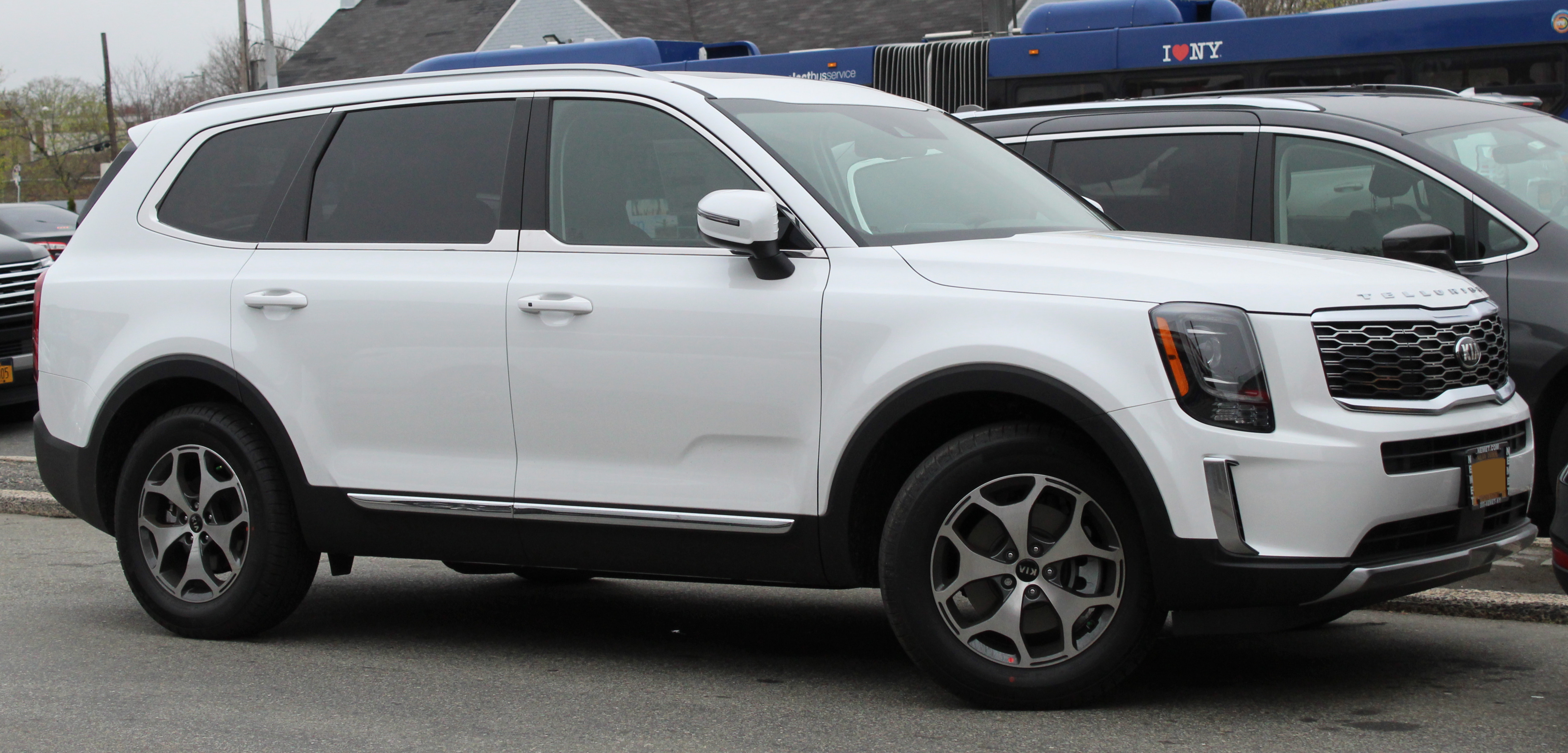
Kia Telluride
"We were discussing Telluride now, Todd, you have a Telluride. I sure do. And you have been very pleased with it."
The Kia Telluride is a big SUV with three rows of seats, made for hauling people and gear. Here, the discussion is about how it compares to a very similar SUV—the Hyundai Palisade—especially in how it drives.
The Kia Telluride is a three-row midsize SUV aimed at families, with a focus on comfort and practicality. In this segment, the host compares it directly to the Hyundai Palisade, noting that the Telluride’s drivetrains are essentially the same as its platform cousin.

Hyundai Palisade
"But I compared the Gilbert. I compared the Telluride to the Palisade and was trying to decide between them. And I went with the Telluride because it was just a little bit sportier,"
The Hyundai Palisade is a three-row midsize SUV that competes closely with the Kia Telluride. The segment highlights that the Palisade and Telluride share the same drivetrains (engine/transmission), with differences mainly in exterior and interior details and pricing/warranty considerations.
drivetrains
"So your basic difference between the Telluride and the Palisade. The drivetrains are exactly the same. Same engine transmission, everything's alike."
The drivetrain is the power system that moves the car—basically how the engine’s power gets to the wheels. If two SUVs have the same drivetrain, they usually drive in a very similar way.
A drivetrain is the set of components that delivers power from the engine to the wheels. In this comparison, the speaker says the Telluride and Palisade have the same engine and transmission, meaning they feel very similar mechanically.
engine transmission
"The drivetrains are exactly the same. Same engine transmission, everything's alike. It's just a few differences in the exterior appearance on the interior."
The engine makes the power, and the transmission decides how that power is used to move the car. If two cars share the same engine and transmission, they tend to drive more alike.
The engine is the power source, and the transmission is the gearbox that manages how that power is delivered to the wheels. Saying the Telluride and Palisade have the same engine and transmission implies similar acceleration feel and shift/response behavior.
Kia Palisade
"The Palisade has a power third row seat. So you can put it into the floor with the push of a button with the Telluride."
The Kia Palisade is a family SUV with three rows of seats. Here they’re talking about the third-row seat folding automatically with a button, so you can make more room without wrestling the seats by hand.
The Kia Palisade is a three-row midsize SUV known for offering a practical, family-friendly interior layout. In this segment, the key feature mentioned is its power-operated third-row seat, which can fold for more cargo space.

Toyota Highlander
"And you're comparing to the Toyota Highlander. The Highlander will typically be good. Well past 200000 miles."
The Toyota Highlander is a family SUV that many people buy for long-term reliability. In this part, the host is comparing it to other SUVs and saying it tends to last longer before expensive problems show up.
The Toyota Highlander is a popular three-row SUV often chosen for long-term ownership. Here, it’s brought up in a reliability comparison, with the speaker claiming it’s typically “good” well past 200,000 miles.
air conditioning compressor
"Now, anything can go wrong with any car. At any time, you know, that's not major air conditioning, compressor, power window motor, brake booster, anything's anything can happen to I don't care how much the car costs."
The air conditioning compressor is the part that makes your A/C system work by pumping refrigerant through the system. If it breaks, the car may blow warm air or not cool well.
An air conditioning compressor is the component that pressurizes the refrigerant so the A/C system can actually cool the cabin. When it fails, the symptoms are usually weak or no cold air, even if the rest of the system is working.
brake booster
"compressor, power window motor, brake booster, anything's anything can happen to I don't care how much the car costs."
The brake booster helps you press the brake pedal with less effort. If it goes bad, you may have to push much harder to get the same braking power.
A brake booster is a vacuum-assisted (or sometimes hydraulic/electric) assist unit that makes it easier to press the brake pedal. If it fails, braking can feel much harder because the system isn’t getting the extra boost it needs.
power window motor
"that's not major air conditioning, compressor, power window motor, brake booster, anything's anything can happen to I don't care how much the car costs."
The power window motor is the electric part that moves the window. If it fails, the window might not go up or down normally.
A power window motor is the electric motor that drives the window regulator to move the glass up and down. When it fails, the window may stop moving, move slowly, or get stuck.
internal engine issues
"But when you start getting into internal engine issues, transmission issues, differential issues, Toyota, absolutely the way to go."
“Internal engine issues” means something is wrong inside the engine, not just a sensor or a small external part. Fixing it usually costs more because it often requires major work to get to the problem.
“Internal engine issues” refers to problems inside the engine itself—like wear or failure of internal components—rather than external items. These are often expensive because they can require significant disassembly and labor.
differential issues
"But when you start getting into internal engine issues, transmission issues, differential issues, Toyota, absolutely the way to go."
The differential is part of the drivetrain that helps the wheels turn at different speeds when you’re cornering. If it has problems, the car can feel off and repairs can be costly.
A differential is the gear mechanism that allows the drive wheels to rotate at different speeds, especially when turning. “Differential issues” typically mean wear or failure that can affect drivability and may require expensive repairs.
transmission issues
"But when you start getting into internal engine issues, transmission issues, differential issues, Toyota, absolutely the way to go."
Transmission issues mean the car’s shifting or power transfer isn’t working right. Fixing transmission problems can be expensive because it’s a complex system.
Transmission issues are problems with the gearbox and its ability to shift or transfer power correctly. Repairs can be costly because transmission work often involves specialized diagnostics and significant labor.
keep a vehicle
"Now, you've got to you've really got to think hard on how long you think you're going to keep a vehicle. And most people don't keep a car to 200000 miles."
They’re talking about how long you plan to own the car. If you only keep it for a shorter time, you may not care about problems that show up later; if you keep it longer, reliability matters more.
This segment emphasizes the ownership horizon—how long you plan to keep a car—as a key factor in judging reliability. The idea is that the “right” brand depends on whether you’re aiming for short-term use or long-term, high-mileage ownership.
cameras
"You know, the the the way the cameras work in the key and Hyundai are fantastic. Turn on your blinker. You get you get a view of the lane that you're fixing to switch into."
In modern cars, camera systems are used for driver assistance—often to improve visibility during lane changes, parking, or low-speed maneuvering. The host specifically links the camera behavior to turn-signal activation, implying a camera view that helps you see the lane you’re switching into.
blinker
"Turn on your blinker. You get you get a view of the lane that you're fixing to switch into. I love that neat, neat safety features and you're going to save money."
A blinker is your turn signal. The host is saying that when you turn it on, the car can show you a camera view of the lane you’re about to move into, which helps you change lanes more safely.
A blinker (turn signal) is the switch that tells other drivers you intend to change lanes or turn. Here, the host is describing a safety feature that shows a camera view of the lane you’re about to switch into when you activate the turn signal.

Chevrolet Blazer
"I'm five months into a new 2025 Chevy Blazer. Nice. And some of the things that were already done, it had like 1,300 miles on it."
This is a Chevrolet midsize SUV called the Blazer, and the speaker is talking about their 2025 model. They’re mainly discussing how it came with protective coatings and how they’re trying not to mess up the paint.
The Chevrolet Blazer is a midsize SUV, and the 2025 model is the current generation being discussed. In this segment, the host focuses on how the car was already prepped with protective add-ons and how he’s trying to avoid damaging the finish.
ceramic coat polymer seal
"It already the little addendum things that they do, the window tent, the ceramic coat polymer seal. And that was already incorporated into the price."
This is a protective layer put on the car’s paint to help it resist dirt and make washing easier. The idea is that it protects the clear coat, so if something stains or etches, it may be on top of the coating rather than permanently damaging the paint.
A “ceramic coat polymer seal” is a protective coating applied to the paint to improve water beading and make contaminants easier to wash off. It’s meant to add a sacrificial layer over the clear coat, which is why the detail shop says the issue is “through the clear” rather than into bare paint.
window tent
"It already the little addendum things that they do, the window tent, the ceramic coat polymer seal. And that was already incorporated into the price."
“Window tent” means tinted windows—usually a thin film on the glass. People do it to reduce sun glare and heat, and you want to clean it carefully so you don’t peel or scratch the film.
“Window tent” here refers to tinted windows, usually a film applied to the glass. It’s commonly done for heat reduction, glare control, and privacy, and it can affect how you clean the glass without damaging the film.
compound
"And I ran over here to a little local detail shop. And I said, do I need to get some compound? What do I do?"
“Compound” is a type of polishing product used to clean up paint damage. People use it to remove things like spots or light scratches, but you have to use the right product so you don’t make the finish worse.
“Compound” is a paint correction product used to remove surface defects like oxidation, light scratches, or etching. The speaker asks whether they need compound because the shop suggests the damage is in/through the clear coat, which may require polishing steps rather than just washing.
clear
"And he said, no, he said that that's that's through the clear. I said, dude, you got to be kidding me. So I ran it through the dealership, showed the body shop and they said, well, you know,"
The “clear” is the shiny protective top layer over the paint. If something goes “through the clear,” it can mean it’s etched or damaged that top layer, not just stuck on the surface.
In automotive paint, the “clear” refers to the clear coat layer on top of the color paint. If contamination is “through the clear,” it means it has penetrated or etched the protective top layer, which can require polishing or other correction rather than just a normal wash.
acid
"So I ran it through the dealership, showed the body shop and they said, well, you know, men, you know, dead bugs, they have, they have, you know, acid, I said, well, what about this polymer ceramic coat seal?"
They’re talking about how dead bugs can be chemically harsh on paint. If you don’t wash them off quickly, they can leave spots or even etch the clear coat.
Here, “acid” is shorthand for the chemical etching effect from dead bugs. Bug splatter can contain compounds that can etch paint and clear coat if left on too long, especially on the front edges of the hood and bumper.

Ford Grande Ford
"He is the general manager. Cavender Grande Ford, a new car pro certified dealer in the San Antoni..."
The Ford Grand C-Max is a people-hauling vehicle, kind of like a minivan-style option but usually smaller. It’s meant to be practical for families or groups. In the podcast, it’s mentioned in connection with a dealership and the vehicles they handle.
The Ford Grand C-Max is a compact MPV (multi-purpose vehicle) that’s designed to carry passengers efficiently, typically with flexible seating and practicality. In the podcast context, it appears as part of a dealer or vehicle mention rather than a deep technical review. It’s likely brought up because it’s a model tied to the conversation about certified dealership inventory.

Crown Signia
"I'm debating between a 2022 Lexus RX 458 or the new Crown Signia. And I'm wondering if the Crown Signia will ever get a Crown Max engine."
The Toyota Crown Signia is a Toyota crossover that’s meant to feel more like a car than a traditional SUV. The caller is asking whether it will eventually get a stronger engine option like the “Crown Max.”
The Toyota Crown Signia is a new crossover/“crossover-like” take on the Crown nameplate, aimed at customers who want a more car-like feel than typical SUVs. In this segment, the hosts discuss whether it will get a “Crown Max engine,” and they also note Toyota’s tendency to share powertrains across models.

Toyota Crown
"I don't. And look, they brought the Crown sedan and the Crown Signia to the United States. ..."
The Toyota Crown is a car model (a sedan) made by Toyota. The podcast says Toyota brought the Crown to the United States, including the Crown sedan and another model called the Crown Signia. It’s being mentioned because it’s new to the U.S. market lineup.
The Toyota Crown is a sedan that Toyota brought to the United States, and the podcast specifically mentions the Crown sedan and the Crown Signia. It’s notable because it represents Toyota’s return of a nameplate that had been more common outside the U.S. market, making it a topic when discussing what’s new or changing in Toyota’s lineup.
powertrain
"So I can't imagine that no one toy ever the way I do that they would sink a huge investment into a different powertrain for the crown."
A powertrain is the car’s “go” system—how it makes power and sends it to the wheels. The host is saying it’s expensive to develop a new one, so they wouldn’t do it unless they expected enough sales.
A powertrain is the set of components that generate and deliver power to the wheels—typically including the engine (or hybrid system), transmission, driveshafts, and final drive. Here, the host is arguing that it wouldn’t make business sense to invest in a different powertrain for the Crown if sales volume is too low.
business case
"There's just not enough volume there to make a business case out of it."
A business case is basically whether the plan makes financial sense. The host is saying the Crown Signia probably doesn’t sell enough for Toyota to justify a costly new engine.
A “business case” is the financial justification for a project—whether expected sales and margins are enough to cover development and production costs. The host uses it to explain why Toyota likely wouldn’t fund a new engine/powertrain for a low-volume model.
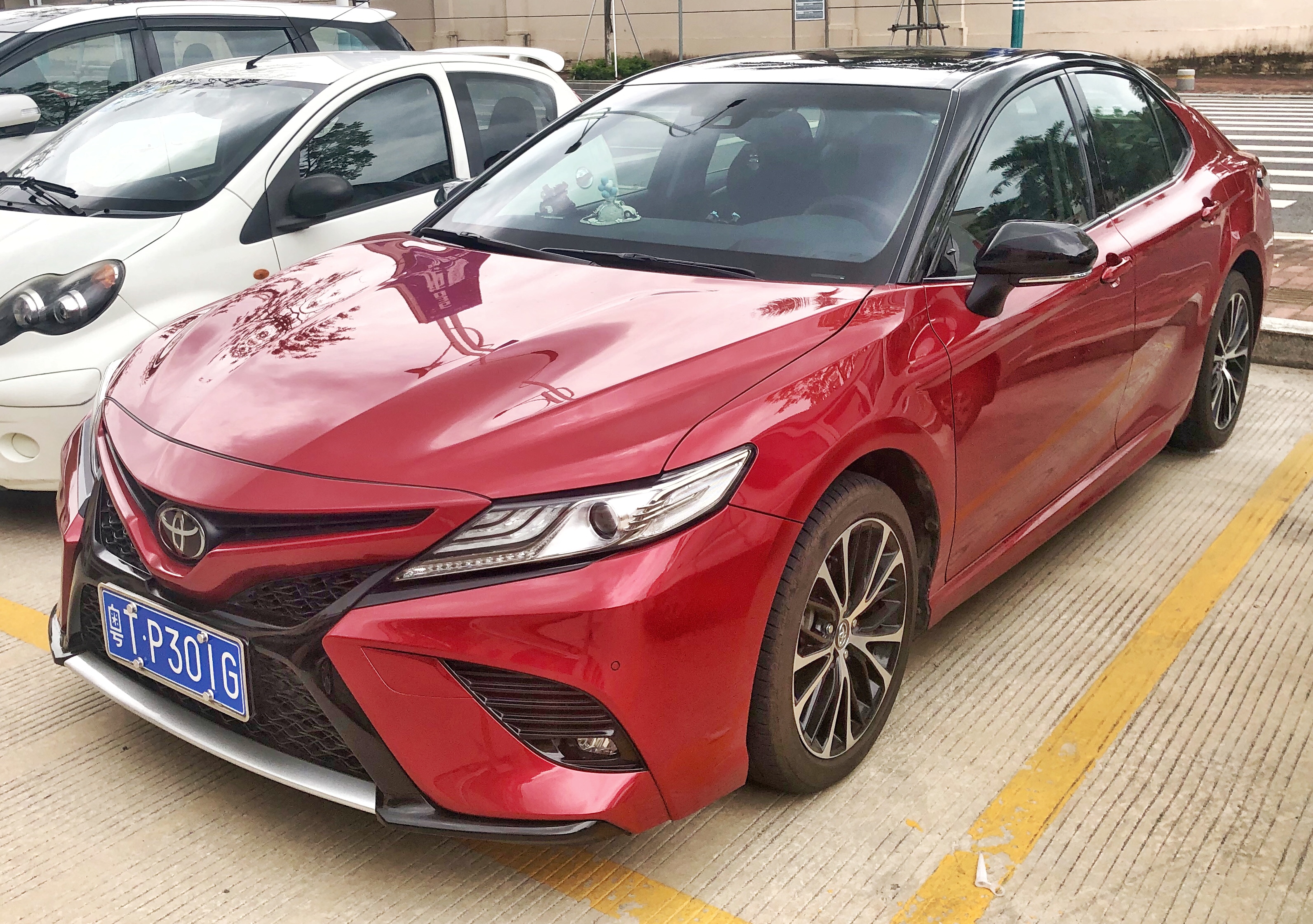
Toyota Camry
"... So it's not like a trying to get in and out of a Camry. Or any car, for that matter, it sets up nicely."
The Toyota Camry is a regular passenger car (a sedan). It’s designed to be comfortable and easy to use for everyday trips. The podcast is pointing out that getting in and out of a Camry can be easier than some other cars.
The Toyota Camry is a midsize sedan known for being easy to live with—comfortable seating, straightforward controls, and practical day-to-day usability. In the podcast, it’s referenced in terms of how it’s easy to get in and out of compared with other vehicles. That kind of discussion usually comes up when comparing comfort and ergonomics across different body styles.

RX
"The RX is a true crossover SUV. And you get all the characteristics of an SUV."
The Lexus RX is a crossover SUV—basically an SUV that drives and rides more like a car. The host says it’s the more “real SUV” choice compared with the Crown Signia.
The Lexus RX is a “crossover SUV” that blends SUV-like driving position and practicality with car-like comfort. In this segment, the host contrasts it with the Toyota Crown Signia’s SUV-like styling, arguing the RX is a more traditional SUV/crossover package.
crossover SUV
"The RX is a true crossover SUV. And you get all the characteristics of an SUV."
A crossover SUV is like a mix between a regular car and an SUV. It usually sits higher than a sedan and feels easier to drive day-to-day, but it’s not built like a traditional body-on-frame off-road SUV.
A “crossover SUV” is a vehicle that uses a car-based platform (often unibody construction) but is styled and packaged like an SUV. It typically emphasizes higher ground clearance, a commanding driving position, and practicality, while aiming for car-like comfort and handling.
extended test drive
"If I if I were undecided, I would take an extended test drive in both and then make a decision."
An extended test drive is when you spend more time with the car than a quick dealership drive. It helps you figure out which one actually works better for your routine.
An “extended test drive” is a longer-than-usual evaluation period—often hours or days—meant to reveal how a car fits real life (commuting, parking, visibility, comfort, and daily usability). The host recommends it as a decision tool when comparing two similar vehicles.
2022 RX
"I'd choose the new Crown Signia over a 2022 RX just because it's new and just because it's terrific and it's probably about the same price. So there you go. That's a tough decision, though. It is because they're both great. And of course, the Crown is newer, like you said, but the RX 350 the best selling SUVs out there."
The Lexus RX is a popular luxury SUV. In this segment, the host mentions a 2022 RX and says it’s one of the best-selling SUVs, which is part of why it’s such a strong alternative to the newer Crown Signia.
The Lexus RX is a mainstream luxury SUV known for being a comfortable, easy-to-live-with choice that’s widely popular in the U.S. Here, the host specifically references a 2022 RX and argues it’s a top seller, then contrasts it with the newer Toyota Crown Signia.
best selling SUVs
"And of course, the Crown is newer, like you said, but the RX 350 the best selling SUVs out there. Yeah. Oh, I just don't think there's anything better."
“Best selling SUVs” just means the SUV models that are selling the most. The host is using that as a reason the Lexus RX 350 is a very safe, popular choice.
“Best selling SUVs” refers to the sales leaders in the SUV market—models that sell the most units over a given period. In this context, it’s used as a credibility point for the Lexus RX 350 versus the newer Crown Signia.

2019 suburban
"Thank you for taking my call, Jerry. I'm driving a 2019 suburban with 100 and 48 thousand miles. I'm getting really nervous."
The Chevrolet Suburban is a big family SUV with lots of space. The caller is saying their 2019 Suburban has a lot of miles and they’re worried, so they’re thinking about switching vehicles.
A Chevrolet Suburban is a full-size SUV known for its long wheelbase, roomy third-row seating, and towing-friendly layout. In this call, the host’s guest mentions a 2019 Suburban with high mileage, which frames the reliability/ownership decision they’re making.

Chevrolet Tahoe
"I have replaced the transmission, but I'm looking to get a different vehicle. I was leaning Tahoe until I looked at the prices."
The Tahoe is another big Chevrolet SUV, similar to the Suburban but usually a bit shorter. The caller was considering it, but the prices changed their mind.
The Chevrolet Tahoe is a full-size SUV that’s closely related to the Suburban, but typically shorter and more focused on passenger use. Here it’s mentioned as an alternative the caller was considering before looking at pricing.
MSRP sticker price
"And you'll see MSRP sticker price, in other words, then the discount, then the rebate, then you get to a bottom line price."
MSRP is the manufacturer’s suggested price for the car, kind of like the starting number. Dealers then add discounts and rebates to get to what you actually pay.
MSRP (Manufacturer Suggested Retail Price) is the price automakers publish as the starting point for what a vehicle “should” cost. The host explains that the website price often breaks down into MSRP, then discount and rebate amounts, before arriving at a final “bottom line” selling price.
rebate
"then the discount, then the rebate, then you get to a bottom line price. Typically, there's not much room left at that price."
A rebate is money back (or a price reduction) that helps lower the cost of the vehicle. It’s usually only available if you meet certain conditions or buy within a certain time.
A rebate is a manufacturer or dealer incentive that reduces the purchase price, usually tied to eligibility rules (like financing through the brand or taking delivery by a deadline). In the segment, the host treats rebates as one of the line items that can lower the final price after the discount.
bottom line price
"then the discount, then the rebate, then you get to a bottom line price. Typically, there's not much room left at that price."
The “bottom line price” is the final number you’re expected to pay after the deal incentives are applied. The host is saying that if that number already looks great, there usually isn’t much more room to negotiate.
“Bottom line price” refers to the final out-the-door selling number after stacking the discount and rebate amounts on top of MSRP. The host’s point is that if the website already shows a strong bottom line, there’s often little additional negotiation room.
Internet shopping
"And the reason is simple, Steve, with everybody shopping by Internet. Now, if a dealer puts a price that's not a really good price on his own website, nobody's going to call."
The host is saying that because people shop online, dealers have to post competitive prices. If the online price isn’t good, customers won’t reach out.
The host is describing how online shopping changes dealer pricing behavior: if a dealer posts a weak price on its website, fewer people will contact them, so they must be competitive. This is an incentive-driven pricing dynamic tied to how customers discover and compare offers online.
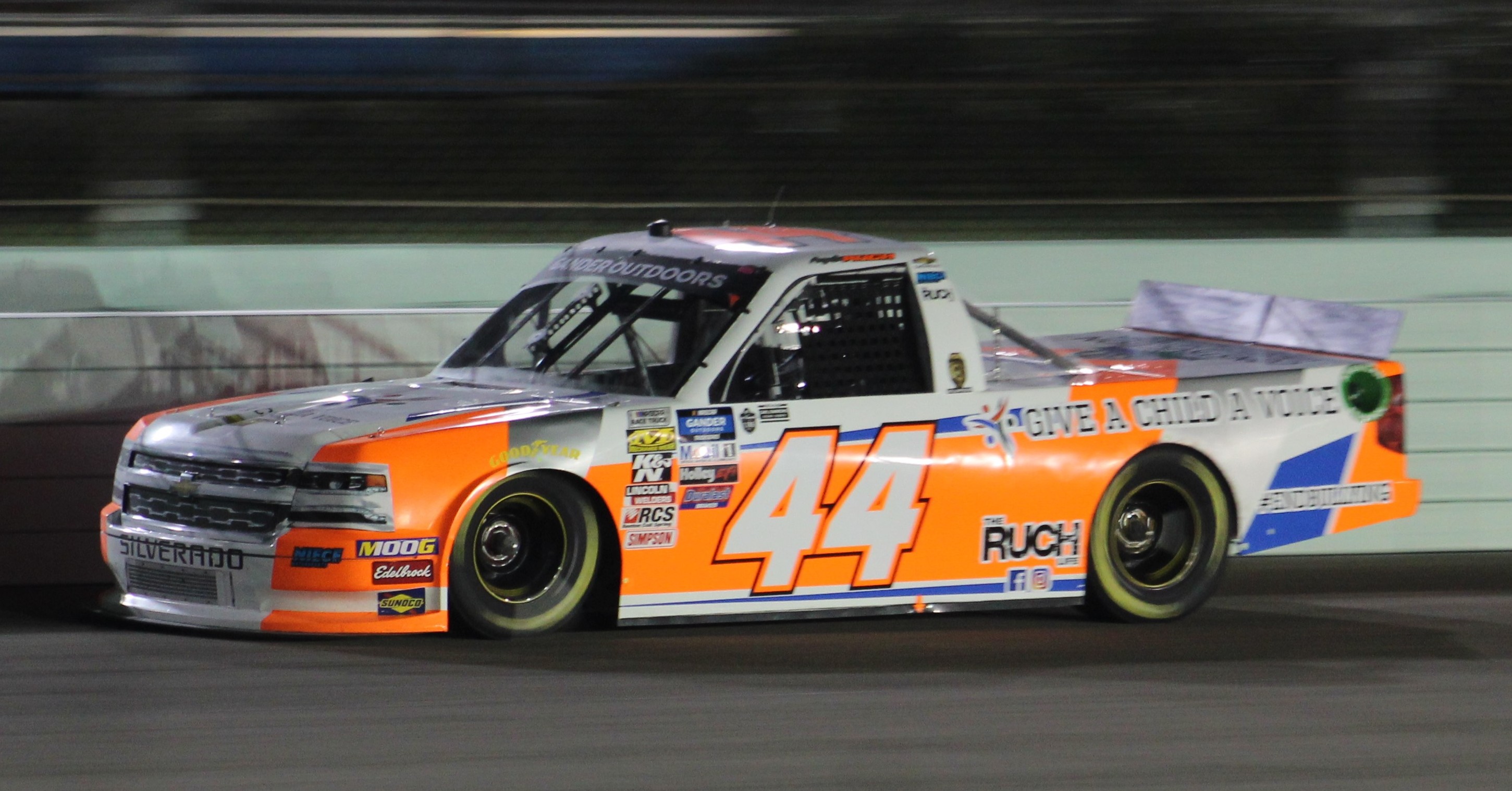
Chevrolet Silverado
"If you're going to buy it and keep it like you did the last one, then I'd go with the Silverado."
The Silverado is a big pickup truck from Chevrolet. The speaker is saying it’s a good pick if you want a truck you can buy and stick with for a long time.
The Chevrolet Silverado is a full-size pickup truck known for being widely available and commonly used for work and towing. In this segment, the host recommends it as the best choice if you plan to buy and keep it the way they did their previous truck.
lease
"OK, yeah, it does. On the lease. Yes."
A lease is like renting a car for a few years with a contract. You usually get a mileage limit, and if you drive more than that, you can pay extra.
A lease is a contract where you pay to use a vehicle for a set term (often a few years) and then return it or buy it at an agreed price. Lease terms commonly include an annual mileage limit, and going over it can trigger extra charges.
15,000 miles a year
"You know, the standard contract is 15,000 miles a year. If you go over that, it's 20 to 25 cents a mile."
Leases often come with a set number of miles you’re allowed to drive each year. If you go over that limit, you can get charged for the extra miles.
Many leases include an annual mileage allowance, and 15,000 miles per year is a common baseline limit. Exceeding that allowance can lead to per-mile overage fees.
20 to 25 cents a mile
"If you go over that, it's 20 to 25 cents a mile. But let me tell you something, nobody does that."
If you drive more than your lease allows, the contract can charge you extra per mile. In this case, the speaker says it’s roughly 20 to 25 cents for each mile over the limit.
This refers to typical lease overage charges, calculated per mile when you exceed the mileage allowance. The host notes that the cost can be around 20–25 cents for each extra mile driven.
resale value
"And the reason is Toyota resale value is so good. So what will happen?"
Resale value is what your car is worth when you sell it. If a brand holds its value well, it can make trading or upgrading later cheaper.
Resale value is how much a vehicle is worth when you sell or trade it later. In lease discussions, higher resale value can make it easier to get a better deal at the end of the term or when you trade early.
Freeman Toyota
"I'd send you over to Freeman Toyota to talk to Jerry Patterson. He used to work for me years and years and years."
Freeman Toyota is a car dealership. The host is saying to go there to talk to the person they name for the offer they’re describing.
Freeman Toyota is a Toyota dealership used in the host’s example to route the listener to a specific salesperson. The mention is about where to go to get the deal being discussed, not about the vehicle’s engineering.
Jerry Patterson
"I'd send you over to Freeman Toyota to talk to Jerry Patterson. He used to work for me years and years and years."
Jerry Patterson is the person the host suggests you talk to at the dealership. He’s mentioned to connect listeners to the specific deal being described.
Jerry Patterson is identified as a salesperson the host recommends contacting at Freeman Toyota. In this segment, he’s part of the sales/deal example rather than a technical or historical figure.
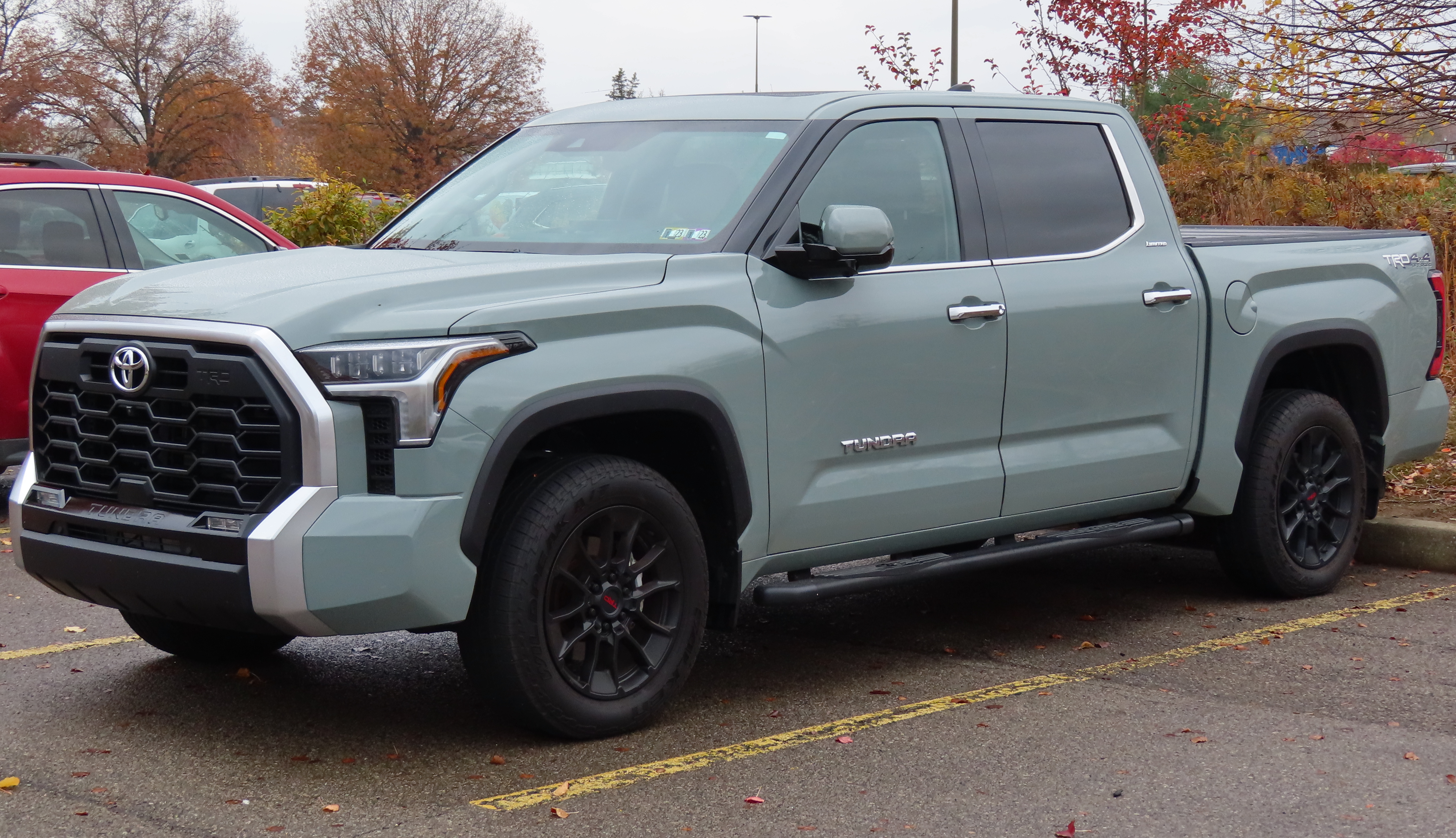
tundra
"He'd put you in a tundra today, a $50,000 tundra with tax time license down. You're going to put you in that thing at under $450 a month."
The Toyota Tundra is a big pickup truck. The speaker is describing a specific sales offer and saying you could get into a Tundra for under about $450 per month, then upgrade later.
The Toyota Tundra is a full-size pickup truck, and the host is pitching it as a specific deal: a roughly $50,000 Tundra with taxes/licensing down and a payment under $450 per month. The segment uses the Tundra example to illustrate how lease/trade decisions can be influenced by pricing and expected value.
Request an Explanation
Heard something you'd like explained? We'll add it to this episode.
Sign in to request explanations for terms you heard.
Want to learn more?
Browse our glossary for plain-English explanations of automotive terms, jargon, and concepts.
Help improve this episode
See something that's not quite right? Our annotations are AI-generated and can sometimes miss the mark. Click the flag icon on any annotation to suggest a correction.