
Car Pro Radio Show May 23 26 Hour 1
About this episode
Hosts open with a Memorial Day message about the meaning of the holiday and teaching kids what it’s about. The conversation then shifts to Memorial weekend buying—dealers’ offers and factory incentives—before jumping into listener call-ins about first and favorite cars. Vehicle stories range from classic muscle and 1950s Chevys to a Ford F-150 with a five-liter V8 and factory exhaust, plus warranty and suspension “death wobble” troubleshooting. The show also touches on dealer-finding tips via CarPro.com.
Car Pro Radio Show May 23 26 Hour 1
Hosted by Simplecast, an AdsWizz company. See pcm.adswizz.com for information about our collection and use of personal data for advertising.

BMW 320I
"57 Renault. My favorite car was a 77 BMW 320i. Boy, I tell you, in the 70s, there weren't, you ..."
The BMW 3 Series is a smaller luxury car made by BMW. The podcast mentions a 1977 BMW 320i, which is an older version of that model line. It’s discussed in the context of a favorite car from the 1970s.
The BMW 3 Series is BMW’s compact luxury sedan line, known for balancing everyday usability with sporty handling. The podcast references a 1977 BMW 320i, which is an older version of the 3 Series family. That’s relevant because it points to how the model has long been associated with driving feel and enthusiast interest.
BMW stands for
"[421.1s] And Todd, do you know what BMW stands for? [424.7s] British motorworks, Bavarian, Bavarian motorworks. [428.1s] OK, I should have guessed that."
They’re talking about what the letters “BMW” mean. It’s the brand’s acronym, tied to the company’s historical name and roots in Bavaria.
The host asks what “BMW” stands for, and the guest answers “British motorworks” and “Bavarian motorworks.” This is about the brand acronym origin—BMW is commonly associated with Bavaria (“Bayerische Motoren Werke”), which is the company’s historical name.

Ford F150
"Well, my favorite car this week was a Ford F-150. I drove the first half of the week and I've it was called the Lobo package. Beautiful, beautiful truck."
The Ford F-150 is a popular big pickup truck. Here, the host is talking about one that looks and sounds especially good—big wheels, lowered suspension, and a V8.
The Ford F-150 is a full-size pickup known for being widely used and heavily customized. In this segment, the host highlights a specific F-150 setup with large wheels, a lowered stance, and a V8 engine, plus factory exhaust sound.

Ford Lobo
"...first half of the week and I've it was called the Lobo package. Beautiful, beautiful truck."
A “Lobo package” on a Ford truck usually means a set of options or a trim level that changes how the truck is equipped. The podcast is saying that this particular Lobo version looked great. It’s being mentioned because it’s a recognizable configuration.
The Ford Lobo is mentioned as a “Lobo package,” which suggests a specific trim or option package offered on a Ford truck. The podcast describes it as a beautiful truck, indicating it stood out due to its features or appearance. In conversations like this, packages are often brought up because they can change what equipment the truck includes.
Lobo package
"I drove the first half of the week and I've it was called the Lobo package. Beautiful, beautiful truck."
A “package” usually means a pre-set bundle of options the truck comes with. The “Lobo package” is the name for the particular combination of upgrades on that F-150.
A “package” on a truck is a bundled trim/options combination—typically wheels, exterior styling, and sometimes suspension or appearance upgrades. Here, the host uses “Lobo package” to describe the specific look and equipment of the Ford F-150 he reviewed.
five liter V8
"And it's got a five liter V8 and it's got some exhaust on the back from the factory that sounded amazing."
A “five liter V8” is a big engine with eight cylinders. The “five liter” part is the engine size, and V8s are known for strong pulling power.
“Five liter V8” describes an engine with eight cylinders arranged in a V shape, with a total displacement of about 5.0 liters. Displacement is a key spec that helps indicate how much air/fuel the engine can move, which often correlates with strong low-end torque in trucks.

2026 Honda Pilot Elite all wheel drive
"And I've had the 2026 Honda Pilot Elite all wheel drive. And that's been a joy, too."
The Honda Pilot is a family SUV with three rows. “Elite” is the nicer, higher-end trim, and “all-wheel drive” means power can go to more than just the front wheels for better traction.
The Honda Pilot is a three-row family SUV, and the Elite trim is the top, more feature-rich version. In this segment, the host specifically mentions a 2026 Pilot Elite with all-wheel drive, emphasizing it as a comfortable, enjoyable daily driver.

1970 Torino two door
"Well, I've had several, but one of my favorites was a 1970 Torino two door red had that 351 Cleveland engine in it."
A 1970 Torino is a classic Ford muscle car. The big deal here is the 351 Cleveland engine—it's a V8 that was known for feeling quick and fun to drive.
The 1970 Torino (a Ford model) is a classic muscle car era coupe. In this story, the speaker highlights a 351 Cleveland V8, which is a popular performance engine from the late-1960s/early-1970s Ford lineup.

Chevrolet Monte Carlo
"My first car was a 76 Chevy Monte Carlo. Oh my goodness. I love those."
A 1976 Chevrolet Monte Carlo is a classic Chevy coupe. People like it because it’s a comfortable, old-school car that typically had a strong V8 feel.
The Chevrolet Monte Carlo is a personal-luxury coupe that became a popular 1970s-era cruiser. A “76 Chevy Monte Carlo” points to the mid-1970s generation, which is often remembered for its classic styling and V8-powered feel.
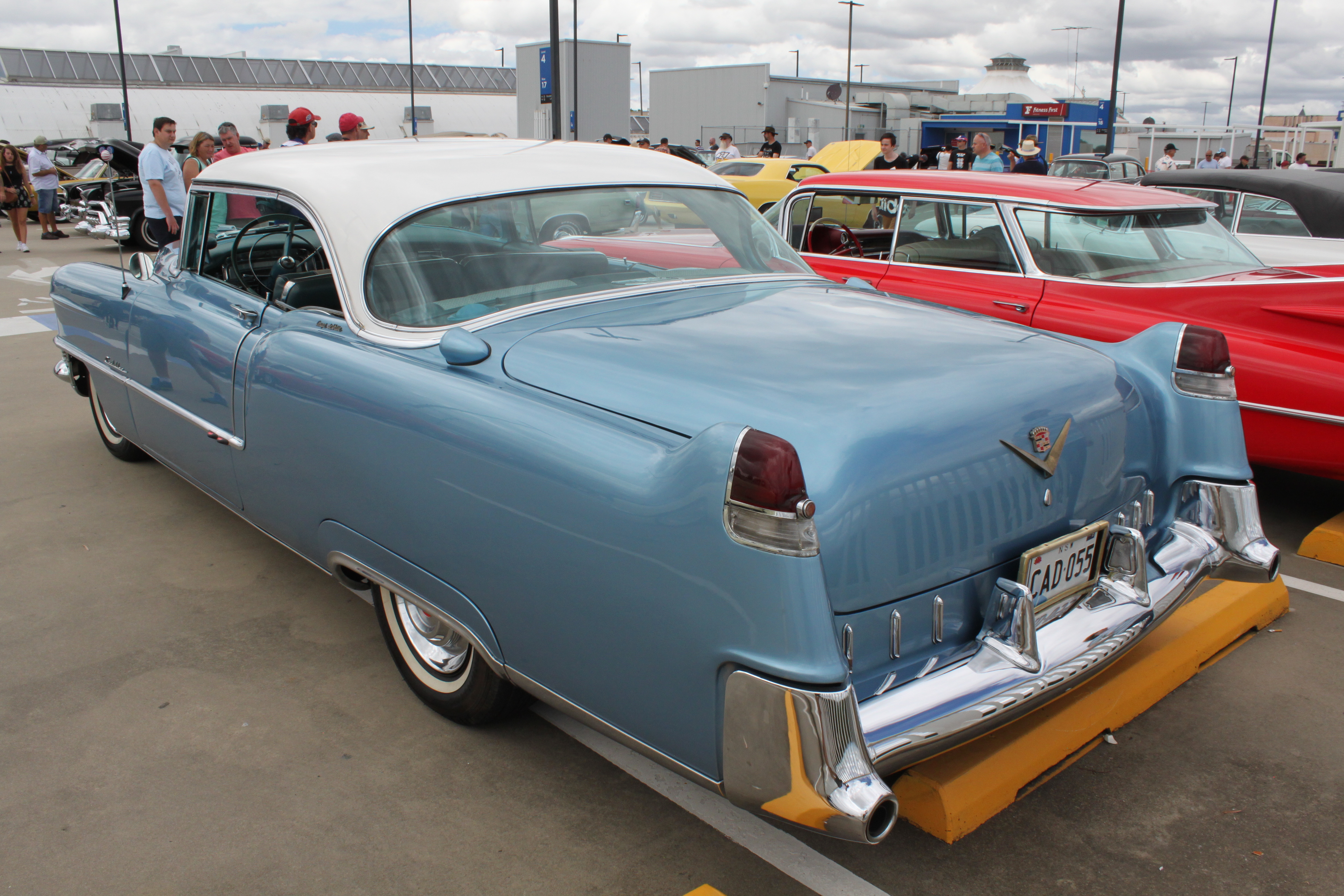
Cadillac Coupe De Ville
"... and I was like a superstar in that car. Was a 66 Cadillac Coupe de Ville. Yeah, yeah, yeah."
The Cadillac Coupe De Ville is a luxury car, usually a two-door coupe. The podcast is specifically recalling a 1966 model and describing it as an exciting or memorable car. It’s the kind of vehicle people talk about for its classic comfort and style.
The Cadillac Coupe De Ville is a luxury coupe from Cadillac’s lineup, known for its classic styling and comfort-focused design. The podcast mentions a 1966 Coupe De Ville, highlighting it as a memorable car experience for the speaker. Cars like this often come up in conversation because they represent a specific era of American luxury.
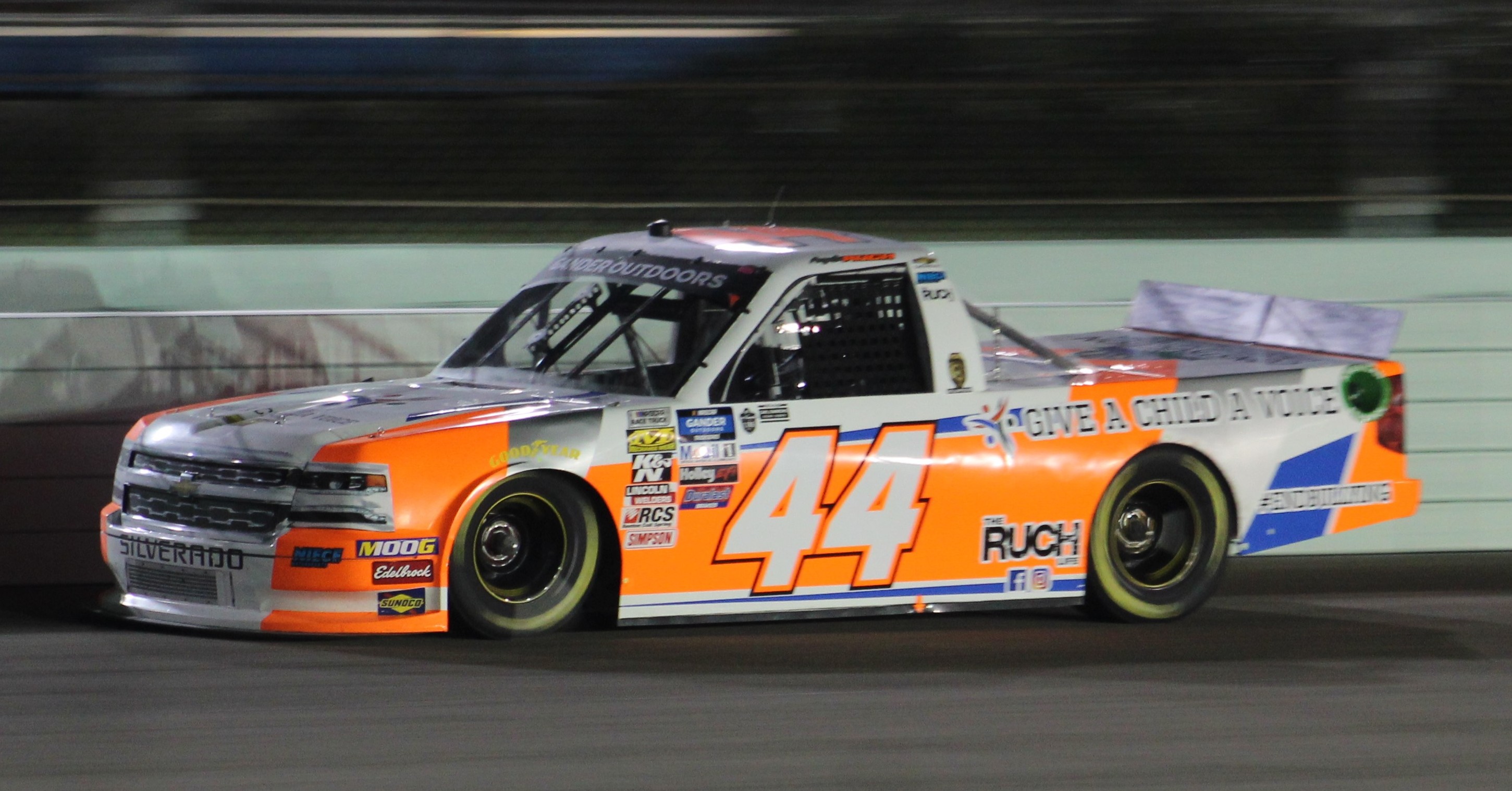
Chevrolet Silverado
"...that I know of, General Motors did zero for 72 on Silverado. We haven't seen that in a very, very long time."
A Chevrolet Silverado is a large pickup truck. People use it for work like towing and hauling, but it can also be a normal daily vehicle. The podcast is talking about how GM has supported the Silverado over time.
The Chevrolet Silverado is a full-size pickup truck built by General Motors, known for hauling, towing, and everyday driving. It often comes up in discussions about how major automakers support or update popular models over time. In this podcast context, it’s mentioned alongside comments about what GM has (or hasn’t) done for the Silverado recently.

Toyota Land Toyota
"Well, we're going to purchase a brand new Land Toyota Land Cruiser. Yeah, 2026 or 2027."
The Toyota Land Cruiser is a tough SUV meant for both road trips and rough terrain. It’s known for being built to last. The podcast is saying they plan to buy a new one in the 2026–2027 timeframe.
The Toyota Land Cruiser is a rugged, body-on-frame SUV designed for long-distance travel and off-road capability. It’s frequently discussed because it’s built to be durable and is often chosen by buyers who want a vehicle that can handle tough conditions. The podcast mentions planning to purchase a brand-new Land Cruiser for 2026 or 2027.
truck chassis
"I mean, it's on a truck chassis, which I always love [931.3s] the way it rides and drives."
A truck chassis means the car sits on a separate frame, like a pickup truck. The host is saying that this kind of build helps the vehicle ride and drive in a smoother, more solid way.
A truck chassis means the vehicle is built on a separate frame, like many pickup trucks and body-on-frame SUVs. That construction often improves ride quality and durability because the frame carries loads and isolates the body from some road harshness.
turbocharger
"I mean, that that I force max two point four turbo [947.4s] charger has been a great engine so far, got plenty of power"
A turbocharger is a device that helps the engine make more power. It squeezes more air into the engine, so the vehicle can feel stronger even when it’s heavy.
A turbocharger is a forced-induction device that uses exhaust gases to spin a turbine, compressing incoming air. More compressed air lets the engine burn more fuel for greater power, which is why the host credits the turbocharged engine with strong output even in a heavy vehicle.

Lexus Gx
"Well, the Lexus GX is the closest thing I've seen to it outside of that. [977.8s] I mean, you can't you can't say the Ford Bronco."
The Lexus GX is a rugged SUV from Lexus that’s built to feel steady and comfortable. Here, it’s mentioned as the closest match to the other vehicle’s ride quality.
The Lexus GX is a body-on-frame SUV known for a comfortable ride and traditional off-road hardware. In this segment, the host compares it as the closest alternative to another truck-based vehicle for day-to-day comfort.

Ford Bronco
"I mean, you can't you can't say the Ford Bronco. [981.2s] Because it's just a completely different set up and it's not even in those two vehicles. [988.0s] The only thing they got in common, really, is they're both four wheel drive,"
The Ford Bronco is a 4x4 SUV designed for off-road driving. In this discussion, it’s recommended for people who want to do real off-roading.
The Ford Bronco is a modern off-road-focused SUV built around serious 4x4 capability. The host contrasts it with the Lexus GX and the other truck-based vehicle, saying it’s the better choice if you want to actually go off-roading.
four wheel drive
"The only thing they got in common, really, is they're both four wheel drive, [991.8s] but they're they're riding drive so different."
Four wheel drive means power goes to all four wheels. That helps the vehicle grip better on rough or slippery roads, but different 4WD systems can drive differently.
Four wheel drive (4WD) sends power to all four wheels, improving traction on loose, slippery, or uneven surfaces. The host notes that while multiple vehicles are 4WD, their overall setups and how they drive can feel very different.

Ford Mustang
"I mean, even even some some of the classic mustangs I've had through the years that I've, you know, m..."
The Ford Mustang is a sports car made by Ford. It’s known for performance and for having many different versions over the years. The podcast is mentioning that the speaker has owned some older Mustangs.
The Ford Mustang is a classic American sports car that’s been produced for decades, with many generations and trims. It’s significant because it’s a widely recognized model with a strong enthusiast following and a long history of performance and styling updates. The podcast references “classic Mustangs” the speaker has owned over the years.

55 Chevy
"And I'm cruising down the freeway at 55 miles an hour in my little 55 Chevy with, like I said, a three speed on the column and the song ends and I turn the radio down"
“55 Chevy” means a 1955 Chevrolet. The host is talking about how his car drove with a simple older-style transmission that shifted from the steering column.
“55 Chevy” refers to a 1955 Chevrolet, a classic American car from the mid-1950s. In this story, the host mentions a three-speed transmission controlled from the steering column, which was a common setup on many 1950s Chevys.
three speed on the column
"in my little 55 Chevy with, like I said, a three speed on the column and the song ends and I turn the radio down"
That phrase means the car has three gears, and the gear lever is on the steering column. It’s an older driving setup compared with modern cars that usually have the shifter on the center console.
A “three-speed on the column” describes a three-gear manual transmission where the gear shifter is mounted on the steering column instead of on the floor. This layout was especially common on older American cars and changes how you interact with the drivetrain while driving.
second gear
"And this is the engine. I'm in second gear."
Second gear is one of the gears in the car’s transmission. It’s typically used when you’re accelerating, and it affects how the engine revs.
“Second gear” is the transmission’s middle-low ratio, used for acceleration or climbing before shifting up. In the context of the story, it’s mentioned alongside engine revs, which helps explain how hard the engine was working.
7000 RPM
"Probably tacking 7000 RPM."
RPM is a measure of how fast the engine is spinning. “7000 RPM” means the engine was revving very high.
RPM (revolutions per minute) is how fast the engine’s crankshaft is spinning. Mentioning “7000 RPM” signals very high engine speed, which can happen during aggressive driving or when the engine is revving hard before shifting.
split manifold
"It had a split manifold. So it had dual exhaust."
A “split manifold” is part of the exhaust system that splits the exhaust flow into separate channels. The host connects it to having dual exhaust, meaning there are two exhaust outlets instead of one.
A “split manifold” is an exhaust manifold design where the exhaust passages are divided into separate paths (often to feed different cylinders or banks). In this story, it’s paired with “dual exhaust,” indicating a layout intended to improve exhaust flow compared with a single combined outlet.
dual exhaust
"It had a split manifold. So it had dual exhaust."
“Dual exhaust” means the car has two exhaust pipes/outlets instead of one. It can help exhaust flow and is a common performance-style setup on older cars.
“Dual exhaust” means the car routes exhaust gases through two separate exhaust systems/outlets, typically one on each side of the vehicle. Compared with a single exhaust, dual exhaust can change flow characteristics and is often associated with performance-oriented exhaust setups on classic cars.

Jeep Ladiator
"My wife's Jeep. She's got a 2022 Jeep Ladiator. Yep. And it had that death wobble the first year she got it."
They’re talking about a Jeep Gladiator (the transcript says “Ladiator”). It’s a Jeep that’s part off-road SUV and part pickup truck, with a bed for hauling.
The speaker says their wife’s Jeep has a “Ladiator,” which is almost certainly a mis-transcription of the Jeep Gladiator. The Jeep Gladiator is a midsize pickup built on a Wrangler-based platform, known for combining off-road capability with open-bed truck practicality.
death wobble
"Yep. And it had that death wobble the first year she got it."
“Death wobble” is when a truck or Jeep starts shaking really badly through the steering wheel and front end. It’s usually caused by something loose or worn in the suspension or steering.
“Death wobble” is a severe steering/suspension vibration that can shake the vehicle violently, usually at certain speeds. It’s most often associated with worn or loose suspension components (like steering linkage, track bar, or ball joints) and can be triggered by alignment or tire issues.
track bar
"what's called a track bar, which is which is under there. And the the bushings and the mounting holes start to wear out"
A track bar is a suspension part that helps keep the wheels lined up as the car moves. If the rubber parts (bushings) wear out, the car can feel wobbly or unstable.
A track bar (also called a panhard rod on some setups) is a suspension link that helps keep the axle centered under the car. If its bushings or mounting points wear out, it can introduce looseness that shows up as wobble or wandering.
bushings
"And the the bushings and the mounting holes start to wear out and it causes that thing to wobble."
Bushings are the soft rubber pieces that hold suspension parts in place. When they wear out, the parts can move more than they should, making the car feel shaky.
Bushings are rubber (or rubber-like) isolators used at suspension and steering mounting points. When bushings wear out, they allow extra movement at the joint, which can cause vibration, wobble, or imprecise steering response.
tie rod ends
"It could be tie rod ends, but that's unlikely at that mileage. So let me let me just give you a tip."
Tie rod ends are parts that help connect the steering to the front wheels. If they wear out, the steering can feel loose or the car can wobble.
Tie rod ends are steering components that connect the steering linkage to the steering knuckles. If they wear, they can create play that feels like looseness or wandering, but the host argues that the mileage mentioned makes tie rod end wear unlikely.
Stalantis
"And given the history of this one, Gary, if it's a good dealership, they should be able to pick up the phone and call Stalantis and say, hey, we know what's wrong."
This sounds like the automaker Stellantis. The point is that a good dealer can check with the manufacturer for guidance on what’s causing the problem and how to fix it.
Stalantis appears to be a spoken reference to Stellantis, the automaker formed from the merger of Fiat Chrysler Automobiles and PSA Group. The host suggests contacting the company (via a dealer) to confirm known issues and repair guidance.

Chevrolet Chevelle
"Let's talk to Joe in Stafford, Texas. [1663.3s] Joe, welcome. What's your first car and what's been your favorite car? [1668.3s] My first car was a 1970 Chevelle Malibu."
This is a classic Chevrolet from the muscle-car era. The 1970 Chevelle Malibu is remembered for having powerful V8 engine options and a strong enthusiast following.
The Chevrolet Chevelle Malibu is a classic American muscle-era car, and the 1970 model is especially known for its big V8 options and strong aftermarket support. In this segment, it’s Joe’s first car, tying it to the era’s popular “big engine + manual-style feel” culture.
horseshoe shifter
"Nice. The horseshoe shifter on the console. [1679.3s] Yeah. You know what I'm talking about? [1680.7s] Oh, I do. I know exactly what you're talking about."
That’s a nickname for a shifter that has a curved, horseshoe-like shape. People notice it because it looks and feels different from other shifters.
A “horseshoe shifter” refers to a distinctive, curved shifter shape used on some classic GM consoles. It’s a visual and tactile cue that helps identify the car’s interior and the era’s manual-shifting layout.

Chevrolet Impala
"It's either 66 or 67. Anyway, it was a Impala with a three speed or excuse me, four speed with ..."
The Chevrolet Impala is a large car that was made in many years, including the mid-1960s. The podcast is talking about a 1966 or 1967 model with a four-speed transmission. That means it shifts gears in a more driver-involved way than an automatic.
The Chevrolet Impala is a full-size car that was especially popular in the 1960s, with many buyers choosing it for comfort and style. The podcast specifically mentions a 1966 or 1967 Impala and notes it had a four-speed transmission. That kind of detail is often discussed because it affects how the car drives and how it’s valued by collectors.
327 engine
"Anyway, it was a Impala with a three speed or excuse me, [1699.3s] four speed with a 327 in it. [1702.8s] Oh, I love that 327 engine."
The “327” is a specific V8 engine size from Chevrolet. It was a popular engine in classic cars because it made good power and was fun to drive.
A “327 engine” refers to Chevrolet’s 327 cubic-inch V8, a popular small-block used in many classic muscle-era cars. It’s known for being a strong, rev-happy displacement for its size, which is why enthusiasts still talk about it today.

Ford Old Thunderbird
"...And my parents handed me the keys for a four year old Thunderbird in 1963. Oh, that was a dream car."
slide away steering wheel
"Did yours have the slide away steering wheel? Yes, it did. It had something."
A slide-away steering wheel is a steering wheel that can move so it’s easier to get in and out of the car. It’s more about convenience than performance.
A “slide-away steering wheel” is a steering wheel design that can move out of the way, usually to make it easier to enter and exit the car. It’s commonly associated with older luxury or comfort-focused vehicles.
factory installed a MFM radio
"Do you know what that was? No. A factory installed a MFM radio. Oh, I see. I see."
They’re saying the car came with a radio installed at the factory. The exact “MFM” part is just the radio option name used for that model.
“MFM radio” refers to a specific factory radio option code/branding used on some older vehicles. In this context, the key point is that the car had a radio installed by the manufacturer rather than added later.
blinker
"OK, so you you did something with the blinker, right, read, push forward. ... I was I was thinking that you had to push the blinker forward."
A “blinker” is the turn signal you use to show you’re turning left or right. In this story, it’s mentioned because the steering wheel movement was tied to the control actions.
In everyday car talk, “blinker” refers to the turn-signal control used to indicate a left or right maneuver. Here, the host mentions pushing/operating the blinker control as part of how the slide-away steering wheel mechanism was actuated.
entry/exit convenience design
"I think when it was in neutral, you just you just want to get out of the way to get into the car. ... And so to get in and out of the car easier."
They’re talking about design features that make it easier to sit down and get out of the car. The steering wheel moving (or tilting) is part of that convenience.
The segment discusses ergonomic vehicle design choices aimed at making it easier to get into and out of the car. The hosts compare a slide-away steering wheel concept with later tilt steering wheel designs that serve the same practical purpose.
tilt steering wheels
"Yeah, but that was before tilt steering wheels. And so to get in and out of the car easier."
A tilt steering wheel can be adjusted so the wheel points more toward you or away from you. It helps you sit comfortably and get in and out of the car more easily.
A tilt steering wheel lets the steering wheel angle change, usually up/down, so drivers can find a more comfortable position. In this segment, the hosts contrast an older “slide away” steering wheel design with tilt steering wheels as a later solution for easier entry and exit.

2016 Audi Q three
"Chris was going for his brand new vehicle or a different vehicle because he ended up getting a 2016 Audi Q three."
This is an Audi Q3, a small luxury SUV. The “2016” tells you the model year, and it’s one of Audi’s more compact SUV options.
The Audi Q3 is a compact luxury SUV from Audi, and the 2016 model is part of the first-generation Q3 lineup. It’s known for a smaller footprint than many “Q” models, making it easier to live with while still feeling like a premium Audi.
Lone Star Chevrolet
"Loved it. Lone Star Chevrolet. Mike's been with us a long time at a couple of dealerships, believe it or not."
This is the name of a Chevrolet dealership mentioned in the story.
Lone Star Chevrolet is a Chevrolet dealership name used in the episode. It’s mentioned as the place where the listener’s car-buying story took place.
Cowboy Kia
"And David went to Cowboy Kia and looking for a car that is kind of on my radar."
This is the name of a Kia dealership mentioned in the segment.
Cowboy Kia is a Kia dealership name referenced in the episode. The host ties it to David shopping for a vehicle on his radar.
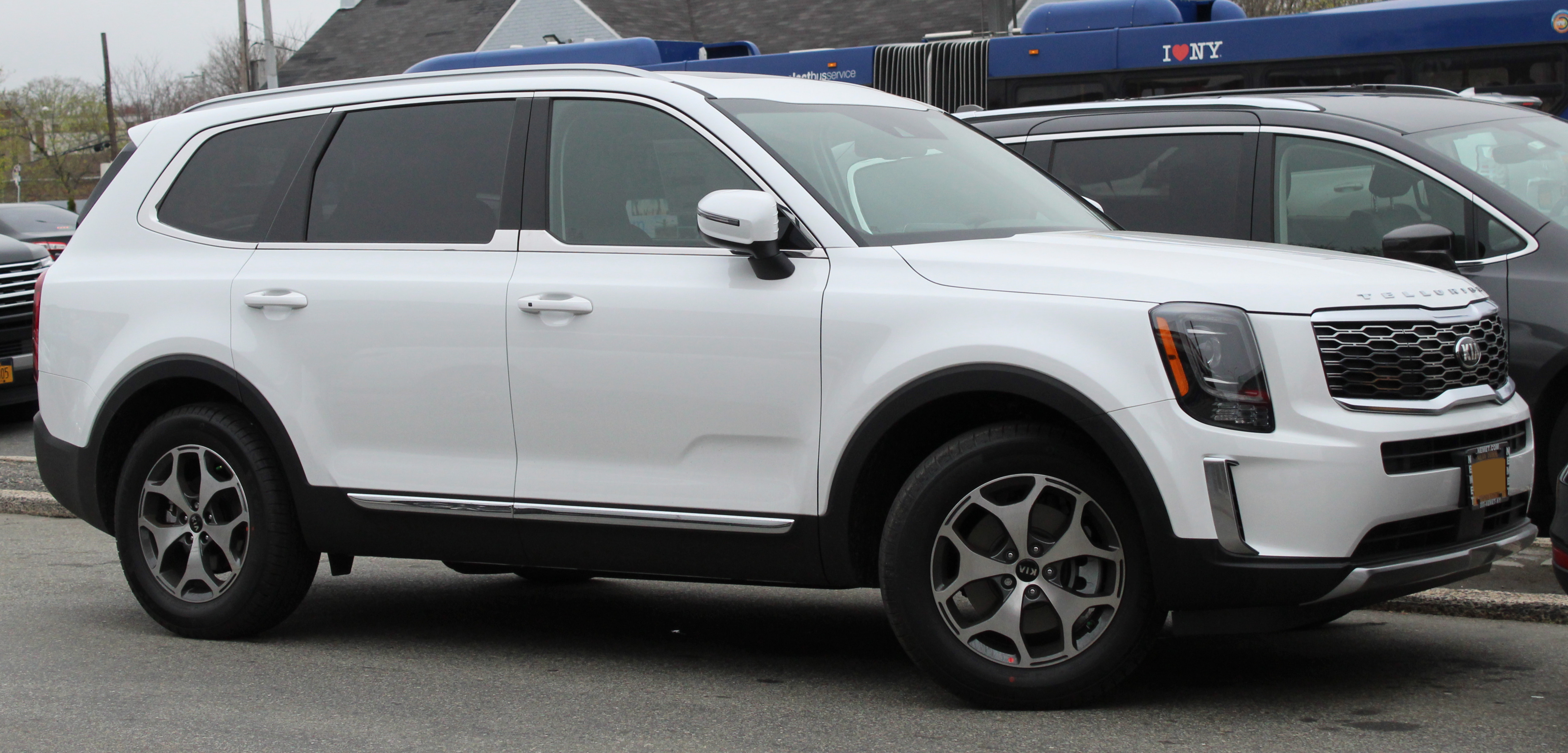
The 27 telluride hybrid
"And David went to Cowboy Kia and looking for a car that is kind of on my radar. The 27 telluride hybrid."
This sounds like the Kia Telluride, a family-size SUV with three rows. The “hybrid” part means it uses both gas and electricity to help with efficiency.
The Kia Telluride is a midsize three-row SUV, and the “hybrid” mention indicates a version of the Telluride that uses an electric-assist powertrain. In practice, that’s the kind of setup aimed at improving fuel economy compared with a purely gas drivetrain.
Request an Explanation
Heard something you'd like explained? We'll add it to this episode.
Sign in to request explanations for terms you heard.
Want to learn more?
Browse our glossary for plain-English explanations of automotive terms, jargon, and concepts.
Help improve this episode
See something that's not quite right? Our annotations are AI-generated and can sometimes miss the mark. Click the flag icon on any annotation to suggest a correction.
1 community members have helped improve this episode.