“Low mileage” means the car has been driven fewer miles than most similar cars. People often pay more for that, but the car’s overall condition still matters a lot.
“Condition match the miles” is the idea that a car’s physical state should make sense relative to its odometer reading. A low-mileage car that’s beat up (or a high-mileage car that looks new) can signal issues like poor maintenance, body damage, or odometer discrepancies.
A “Bonneville” is a Pontiac sedan. The point here is that a clean, rust-free 2004 example can sell for much more than a typical one because buyers pay extra for condition.
The airbag light tells you the car’s airbag system has a problem. If it’s on with other warning lights, the issue could be electrical or related to sensors.
Fuses are safety devices that protect the car’s wiring. If something electrical isn’t working, checking the fuses can help find whether a circuit is blown.
Battery cables are the thick wires that connect the battery to the car. Disconnecting and reconnecting them can sometimes “reset” the car’s electronics so warning lights go away.
The body control module is like the car’s main computer for the convenience/electrical stuff. If the dome light, trunk release, and warning lights act up together, the BCM is often the part to check.
A scanner is a tool that connects to the car’s computer so you can see error codes and what the car is doing. It’s how you figure out which module or circuit is acting up.
In automotive wiring, “ground” is the electrical return path to the chassis/body. The host is describing a failure mode where the BCM provides power to a circuit but fails to “ground” it, so the lights/outputs never activate.
Programming means the module has to be set up to work with that exact car. If you install a used one that can’t be reconfigured, it may not control things correctly.
Term
U-Pullet yard
A salvage yard is where you can buy used parts from cars that were wrecked. The host is saying you might grab a used module to test, but it may not work permanently if it can’t be set up for your car.
Term
chip type VAT security system
A chip-type security system uses an immobilizer key/chip to allow the car to start and enable certain functions. The host suggests that even if the BCM is wrong, the car may still run (and “all your stuff works”) because the security system can permit operation.
A module is a computer in the car that controls a specific feature. Some of these computers can be set up (programmed) after replacement, but not all of them work the same way.
A part number is the manufacturer’s specific identifier for a component. In electronics-heavy cars, matching the correct part number matters because modules can be similar-looking but differ internally, affecting whether they can be programmed and whether the car will recognize them.
Airbags are safety cushions that pop out during a crash. They inflate very fast to help reduce injury. If the airbag part is faulty, it can deploy in a dangerous way.
Recall certification is a process that checks and documents safety-recall parts properly. The goal is to make sure the parts being sold or reused are handled safely and legally. It helps prevent bad parts from being passed along.
Child seats are special car seats for kids that help protect them in a crash. They’re designed for different child sizes and are regulated for safety. The host is saying the same group also deals with child-seat topics.
Takata is a company that made airbag parts. Some of their airbags had a known problem that could make the airbag deploy incorrectly. That’s why many cars had to be recalled to replace the risky parts.
An inflator is the part inside the airbag system that makes the airbag inflate. If the inflator fails, the airbag can deploy the wrong way. In serious cases, it can rupture and send dangerous pieces outward.
Shrapnel means tiny pieces that can fly around at high speed. In some airbag failures, parts can break apart and send fragments toward people. That’s why inflator problems are so dangerous.
This is about fake or copycat airbag parts. Even if they look similar, they may be built with cheaper materials or weaker construction. The host is warning that these replicas can fail dangerously when the airbag deploys.
OEM means the part is made by the company that originally supplied it for the car. An OEM airbag is the factory-designed one, not an aftermarket substitute. The host is saying that using an OEM airbag is safer than cheaper alternatives.
They mention Minnesota because it’s the state that was working on a rule change for how collector cars can be driven. Collector owners were worried the change would make things harder.
A loophole is a part of the rules that people can use to get around the spirit of the law. Here, it sounds like some people were using collector cars more often than they were supposed to.
“Special interest plates” are special license plates for certain collector/special vehicles. They usually come with rules about how you can use the car, and sometimes they let you run only one plate instead of two.
“Single rear plate” means the car only has a plate on the back, not the front. The host says some people use this setup even when their car isn’t supposed to qualify.
A “mileage limit” is a yearly cap on how much you’re allowed to drive the car under the special plate program. The host says there’s a number (they mention 7,500 miles) and that going over it breaks the rules.
A “vanity plate” is a personalized license plate where you pick the characters. In this conversation, they’re saying you can get a vanity-style version of the special-interest plate rules.
The F-150 is a pickup truck from Ford. The episode talks about different ways to mount a front license plate, including using a single plate setup. Choosing the right bracket helps the plate fit correctly and stay secure.
The “electronic system” is the state’s computer-based way of tracking the car’s mileage. The host says you report mileage each year, and they’re also working on ways to verify it more automatically.
The Chevrolet Corvette is a sports car from Chevrolet that’s built for performance. In the episode, it’s mentioned in the context of how some cars were set up for a front license plate. That matters if you’re trying to keep the car looking and equipped the way it left the factory.
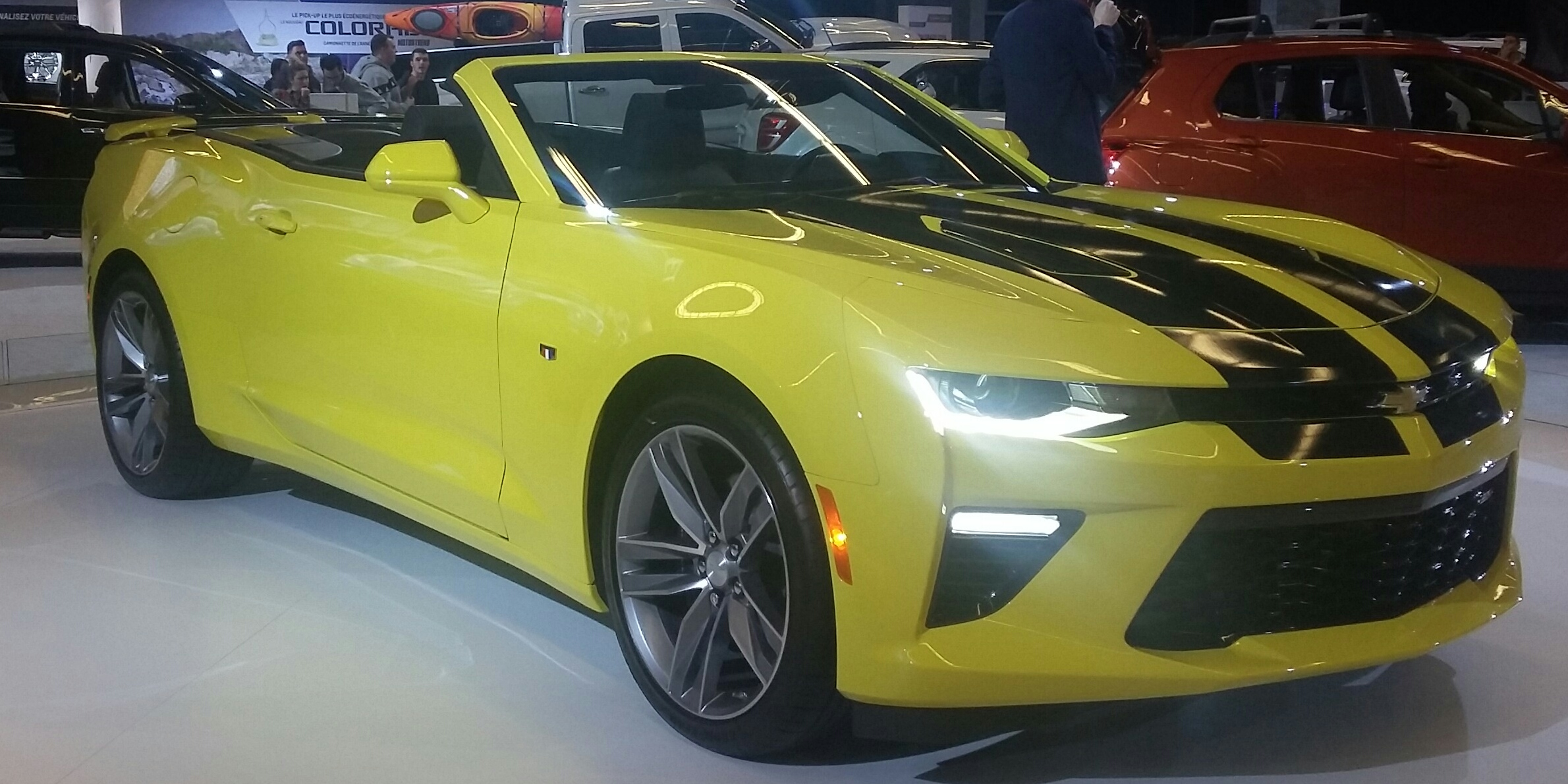
The Chevrolet Camaro is a sporty car made by Chevrolet, usually as a coupe or convertible. The episode mentions older Camaros and how they were set up for things like a front license plate, which can change what brackets or mounting parts you need. It’s the kind of detail that helps when restoring or keeping the car original.
The Pontiac Solstice is a smaller sports car made by Pontiac. The episode brings it up in the context of how some cars were set up for a front license plate. If you’re maintaining or restoring one, the mounting parts and original setup can matter.
A poly bumper is a plastic bumper. If you drill holes in it to mount a front license plate, you’re cutting into the bumper permanently, which can look worse and be harder to fix later.
They’re describing a front “license plate” that’s actually a vinyl sticker/decal. It’s meant to look like a real plate, but it’s not the same as mounting a metal plate.
A barcode is a scannable pattern. They’re saying the system can read the registration info from the sticker/label using a scanner, similar to how a barcode is read in stores.
Inspection stickers are the little decals on your windshield that show your car’s inspection is up to date. They’re talking about how some places removed those stickers and changed the system for proving compliance.
The Toyota RAV4 is a compact SUV for daily driving. The episode mentions problems around the control arm and rear bushing, which are parts that help the wheels move smoothly. When those wear out, the ride can feel different and the car may handle less predictably.
A control arm is part of the suspension that helps hold the wheel in the right position. If the bushing is failing badly, the wheel can move more than it should, which is dangerous.
That’s a Ford pickup truck from 1962. People restore these and often swap engines when the original one is too far gone to rebuild.
Car
300 6-cylinder
He wants to put a Ford straight-six engine (the “300” inline-six) into his truck. The main concern is finding one that’s reliable enough to install without having to rebuild it first.
“Pre-1982” is used to describe an older vehicle era where engine and parts sourcing can be harder and more variable. The host is implying that certain inventory systems are optimized for newer cars, so older vehicles may require extra searching and verification.
Company
Kardash Part
They’re talking about a company/partner that helps locate older car parts by listing what’s available. It’s basically a way to find inventory from yards and facilities.
A salvage yard is where old or wrecked cars are taken apart and parts are sold. The risk is you might not know how long parts have been sitting or what condition they’re really in.
The Ford F-150 is a large pickup truck used for work and everyday driving. The episode talks about how there are many versions over the years, including ones with a 6-cylinder engine. If you own one, knowing the exact year and engine helps you get the right parts and maintenance done.
Concept
U-Pollet yard
They’re referencing a junkyard where cars/engines show up. The concern is that the engine’s past may be unknown because it may have been sitting for a long time.
“Not worth rebuilding” means someone thinks fixing the old engine won’t be cost-effective. The better approach is to inspect key parts first, then decide whether a rebuild is actually practical.
A machine shop is a workshop that does precision measurements and machining. For an engine rebuild, they can check parts for damage and make them fit correctly again.
Power steering and the alternator are systems that help the car drive easily and keep the battery charged. If you’re swapping an engine, you want the mounting points and brackets to line up so these systems can be reused.
A rebuild kit is a box of the main internal parts you replace when rebuilding an engine. It helps you do the job without hunting down every single part separately.
The crankshaft is a major rotating part inside the engine. Checking it means making sure it isn’t worn or bent so the rebuilt engine can run correctly.
The cylinder head sits on top of the engine and helps control combustion. Checking it means making sure it’s not damaged so the engine can seal and run properly after rebuilding.
Facebook Marketplace is a place to buy and sell used items online. The host is warning that listings can be misleading, so you may need to verify with real photos or video.
Asking for a live video call helps confirm the item is real and in the condition the seller claims. It’s a simple way to reduce the risk of getting the wrong thing.
The Toyota Corolla is a popular, affordable compact car. The host mentions it as a go-to option when you want something safe and not too expensive for a student.
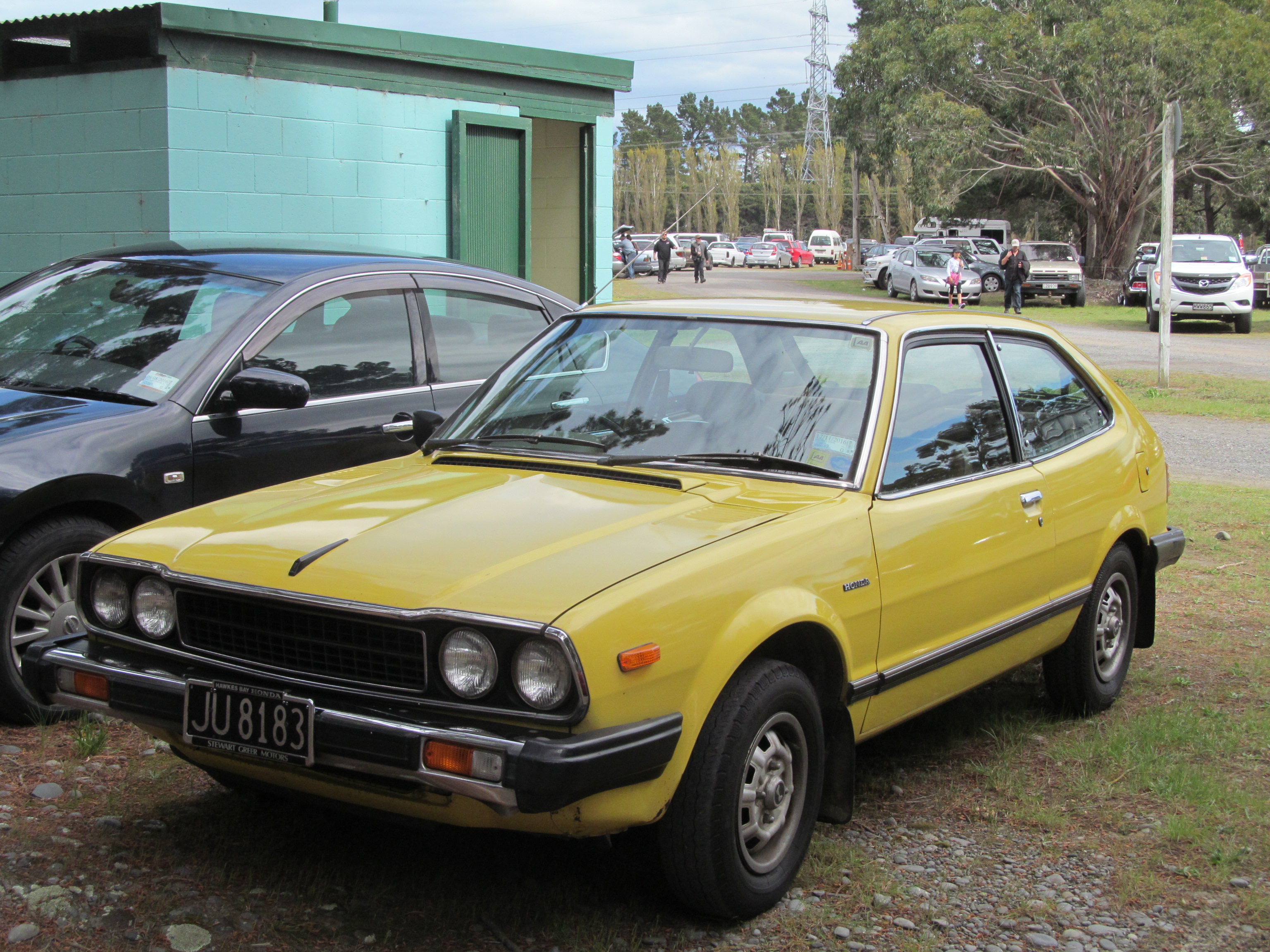
The Honda Accord is a mid-size sedan that many people choose as a dependable daily driver. The host mentions it as one of the usual safe, affordable options for a student.
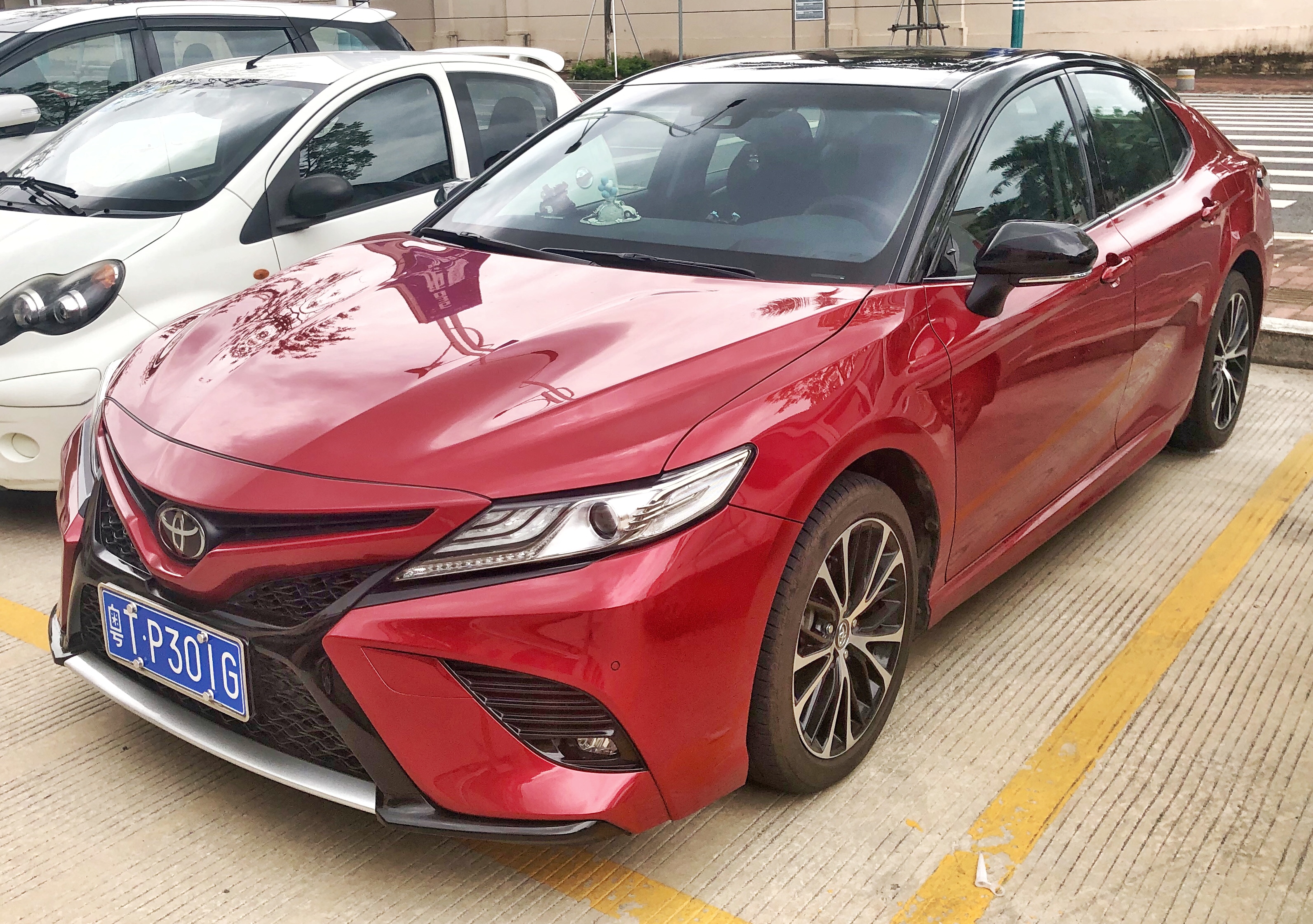
The Toyota Camry is a mid-size car that’s often picked for everyday driving. The host lists it as another reliable, budget-friendly option for a student.
The Chevrolet Malibu is a regular, everyday car. In this call, someone is thinking about buying one for college, and they’re asking whether the car’s CVT transmission might cause problems.
A CVT transmission is a type of automatic gearbox that can smoothly change “gears” without distinct steps. The caller is worried about whether that transmission type tends to fail on newer cars as they rack up miles.
CVT means “continuously variable transmission.” Instead of having fixed gears like a normal automatic, it can smoothly change the ratio to keep the engine in a good range. Some CVTs have known wear or failure patterns, so mechanics watch them closely.
Here, “factory” means the part is made to the original manufacturer specs, like what the car came with. It matters because the price and quality can be different depending on whether you’re buying OEM-style parts or aftermarket/reman options.
“Remanufactured” means the part is rebuilt from a used one—worn pieces are replaced and it’s put back together to work like it should. It’s often cheaper than brand-new, but you still want to confirm what was replaced and what warranty you get.
“Certified used” usually means the seller inspects the car (or part) and backs it with extra coverage compared to a random used item. The idea is to lower the risk that you get something worn out or missing key checks.
This is a Chrysler Sebring convertible from 2005. The caller accidentally put flex fuel (E85) in it, then switched back to the correct gas, and now the car is acting weird while driving. The discussion is about whether fuel additives can help and what to do next.
The Ford Flex is a people-hauling vehicle with a lot of interior space. The episode talks about a situation where the wrong type of fuel was put in, which can cause problems. If that happens, it’s important to address it promptly and make sure the car is fueled correctly.
Flex fuel is a type of fuel blend that contains a lot more alcohol than normal gas. If you put it in a car that isn’t meant for it, the engine can run rough or behave strangely until you switch back to the right fuel.
The check engine light is a warning that the car’s computer noticed a problem. If it’s on, it usually means there’s a stored code you can read to figure out what’s wrong.
A fuel system cleaning is a service that helps clear out gunk that can build up in the fuel system. If the car is running weird, a shop cleaning can sometimes fix issues that normal additives can’t.
Emission system cleaning means treating parts that help control exhaust pollution. The host is suggesting the problem might be coming from those systems instead of the fuel mix itself.
CRC is a brand that makes cleaning products for cars. In this call, it’s mentioned as an example of cleaner a mechanic might use for emission-related cleaning.
E85 is a fuel blend with a lot of alcohol (ethanol). If your car isn’t designed for it, it can cause running problems, and the fix is usually to use the correct fuel and let the system recover.
LIVE
Welcome to the Under the Hood Show podcast. Thank you for joining us. We have some podcast sponsors.
Berkeley One Classics. Your key to collector car insurance.
And road ready wheels. Replica OEM wheels add huge savings. Use the offer code hoodie for even more.
And by car dash part over 200 million used parts ready to ship to you fast.
Don't forget we streamed the show on YouTube and Facebook. We'd love to have you join us there.
Now here is the Under the Hood Show podcast. This is Under the Hood.
Welcome to the Under the Hood Show. We are glad to have you with us.
Russ Evans is here to answer your automotive questions. Thanks for joining us under the hood.
Shannon Nordstrom is here to answer your automotive questions.
Welcome hoodies. Thanks for tuning in so we can help you tune up. I sense that.
Is that... I didn't recognize that. I sense that.
Voice. Is your voice the same? Puberty.
Just unfamiliar maybe. I haven't heard it in a while.
I apologize. It's probably going to happen again but we'll get through it.
I'm Chris Carter here to answer your calls at 866-594-4150. 866-594-4150.
Got some calls coming in. They've been waiting to get on so I don't want to make them wait
while we find out what you were doing last week. That's kind of interesting I thought.
Let's talk to Al first. Al, you're on the Under the Hood Show. What can we do for you?
Yeah, I just think a little information from you guys but I tell you what. I bought my granddaughter
of car first school when she went to college about four and a half years ago and she just
graduated but anyway she's been driving it and I bought it from a friend of mine
that had 47,000 miles on it and anyway she passed away so I bought the car from my granddaughter
and she took really, really good care of it this lady before but anyway I got it from my
auntie and it's really like perfect distance and she got the soul.
Al, hold on a second. We're losing you there. Losing your signal there. Hold on a second.
First of all that is an extremely low mileage car when he got it and second of all it served a
very good job. It got the daughter through college and now it's got 80,000 miles on it,
87,000 so 40,000 miles driven in college. It's a lot of college driving but we don't know
where that was at or what it was. Let's try again. Yeah, keep going. Yeah. It was a local
I was a mechanic and she lived close to me so it is an actual mile and like I said I bought it
from a friend of mine his mother had it. So what are you thinking? What are you wondering?
Well, I'm wondering what a guy should ask for because I had a 3.8 for driving the work and
I drove it over 500,000 miles that car. Well Al, I think you've got a vehicle that is a nice,
here's what we don't know and you know this is something only you know because you're looking
at it but is the car, does the car's condition match the miles? I mean is the car look nice?
Is the body solid? Is it not all beat up? Is it mint? Is it nice or is it just low mileage?
Is there because there's a difference? How would you answer that question? I'll tell you what.
It is mint condition. There's no rust. There's no scratches. It's never been in a wreck and I know
that's a car that you can ask a premium for. Yeah, you find out what other models just like
it are selling for and you ask more. Yeah, because that car, I mean I'm not... Start high. Just sitting
here right now just like we do. Nothing in front of us but a notepad. You know in 04 Bonneville is
not the dream car that a college kid says, hey can you get me an 04 Bonneville for college now
today? They'd you know they'd want something probably a little smaller and a little easier to
get it out of the parking lots but... We've had a couple of our customers pick up the Bonneville
and the Savor, the 02, 03, 04 and 5 right there and they've spent $7,000 to $10,000 depending on,
well right but also to buy one depending on the shape they're in because they know the reputation.
Yep, so I think that that car is something that you definitely could be rust... You might have just
had my thoughts. Somewhere in that... Most people are going to say what's an 04 Bonneville,
I want $25 or bucks. No, this is a different 04 Bonneville. This 04 Bonneville would command
probably $5,000, $7,000, $10,000. I'd have to look and see what the current market is.
It's a premium car. You'll find them out there for sale. I'll say this, Al, if you look on the
internet, if you search for for sale 2004 Bonneville's, you're going to see a bunch of cars with a bunch
of range. You're going to be at the top of that range. Whatever they're asking is about, right?
I mean that's the easiest way to do it. That one of the places we've looked is AutoTempest.com
because of all the different filters. You can just go by price, search by highest price first,
lowest miles first and find it and you'll be able to... There's so many cars on there,
you'll be able to find one. You'll find one that's similar. But do not be afraid to ask a premium
price for that car if it's as you say in that low mileage. Al, thanks very much for the call.
Good luck. 866-594-4150. Let's talk to Bill. You're on the end of the hood,
show Bill. What can we do for you? Well, I have a problem with the 1998 Buick
park has a 3.8. Kind of like the last color, good car and everything. I had started it up
and I had gotten the Christmas tree of lights on my dash and I just kind of felt that I either
had a bad battery or maybe an alternator had it checked out. They said I had a bad battery,
put a new battery in it, but I ended up also having my airbag lights stay on. A lot of the lights
went out, but my dome light doesn't work, my trunk release doesn't work. I had...
You know, I checked all my fuses, of course, first under the hood. There's some
tough ones to get at under the dash that was in the back of the under the seat. I also had swapped
around or really, I can't remember the name. It was like a T-A-J or something like that.
That made no difference. I talked to somebody that I do bring the car to once in a while.
Normally it'd be my own work. He said try pulling the battery cables off again, but this time leave
them off a little bit like I did before, but touch the two cables together and see if that clears it.
It did not. I'm thinking it's the body control module and let's say I'm just missing something.
I just don't see that kind of thing go bad on a car like that.
Well, then you're not us. I've put in at least 50 of those over the years.
Oh yeah, just don't see them anymore around, but when we did, that was a popular item.
That body control module would fail a lot of times just from changing the battery,
disconnecting it, putting a new battery and all of a sudden now it's not working.
That's no fault of the battery or putting it in. It's just the fault of the car when it shuts down.
It doesn't reboot when it's time to restart, but it can be checked. You can get a scanner
plugged into it, read it, open the body control module page and push the trunk button. See if it
shows input. If it shows input, but no output, the body control module is bad. Look at the dome
lights. Does it say that the dome lights that you got a door open, but you don't have any dome
lights and you've got power to them and ground? There's your problem. The body control module
grounds that there's power through the orange wire that powers them all the time, and if it's
powered but that body control module is not grounding it, then that's your failure right there.
So it's got to be programmed when it's installed. I think if you put a used one,
cannot be programmed in that car, only a brand new one, but if you plug a used one into it,
you could pick one up in a U-Pullet yard and then you're going to own it because it's going to be a
test part. I did pick up a used one for $30, but it said that when I was reading on Lyon,
I think because of the age that you could reprogram it, but you don't think that you can.
We've never been able to reprogram one, just brand new ones and those. Some modules are
programmed, some are not, but when you could put it in and use it for a test part and see if the
trunk works. If you plug it in even without programming, you should be able to push the
button and get the trunk to open. So if the trunk opens, then you know that that's your failure right
there. Could you get fortunate enough if you found a car that had the same options and put it in
there that it might function and work correctly? The things that don't usually work are fog lights.
There's a few things that won't work. You can put it in and sometimes they'll work if the car will
start. That one's got a chip type VAT security system on it, so it may it may run, so it does
and all your stuff works. You could be fine. So Bill, you have another one. Have you just not
put it in yet because you heard it wouldn't hurt you? You haven't programmed it or anything,
so you have an extra one? Yeah, I just had my wife pick one up at one of them car dash part places
and I have not put it in. She picked it up yesterday. It said that it had to be programmed
when I read on the internet or the car won't start, but I know you're talking about the chip and the
VAT system and whatever. I'm going to plug it in and see what it does. I didn't want to do it myself.
Yeah, there you go. So plug it in and I'm not going to hurt anything. And if your trunk works,
I can always go back to my old ones and that car will start. Oh yeah. Do you know what the one
that was purchased, what it came out of? Because there's a bunch of them that use the same part
number. Well, they didn't give me a 1998. It said 2000 on the Park Avenue,
minus the 1998 Park Avenue. Yeah, same circuitry, same setup inside the car. And that's what we'll
run into sometimes. There's a lot of modules that are programmable in those early cars,
but it's changed. What Russ has been finding is doors have been getting closed here, there,
over there, as far as what's available for programming on certain things. And not exclusive
to whatever tool someone might have or whatever access someone might have, our personal experiences
that we haven't been able to recently. But if you have that correct part number and it's out of a
another Park Avenue, I'd plug it in and give it a try and see if you're not going to hurt anything
else. It might work, but at least it'll give them the trunk test too. Bill, thanks very much for
the call. Good luck. 866-594-4150. That's the number to reach us here at the end of the hood
show. You were gone last week and you were somewhere interesting. I was. If I wasn't
going to be here, it's most likely somewhere interesting. That's debatable, but go ahead.
No, I'll debate that with you. It's probably interesting or else I'd be here because I like
being here. But I'm interesting to you, but not. I mean, yes, for you, it's more interesting,
but there are times where that's not. Okay, I'll tell you where I was. Yeah, do that. Then I'll
get back to that if we need to. No, we were in Washington, D.C. for our, it was always an annual
event for the Automotive Recycle Association, but with COVID, it got stopped. And so we
respawned the event here a couple of years ago for our annual hill days. And I remember going
there as a, well, I guess probably a 30-year-old for the first time. I got to think about, but
you start putting ages to this stuff, it makes you wonder. But going there for the first time and
what we do is we get industry leaders and industry members from around the country.
And it's not an uncommon practice for fly-ins, that kind of thing. So we get together and we go over
legislative positions, things that affect our industry. And then we go and we approach our
congressional offices and we visit and we tell our positions and our asks. And occasionally,
we get to meet with the senators and the representatives themselves, depending on the
schedule. Otherwise, you're talking to a key staff member or a legislative aide and
you're dropping off information that you hope gets moved to the next step. But everybody's going
to their respective states and asking about the same issues at the same time, trying to find out
if there's people that'll assist us, people that are willing to co-sponsor bills, people that might
know somebody in the EPA in this particular case, trying to make the right connections.
And so that was our hill days. It was tied together this year with something that our
executive director had an opportunity for people that signed up early and members of the executive
team to be able to go out on a boat and sit in Chesapeake Bay outside the Naval Academy because
it's graduation time and watch the Blue Angels practice right over our heads. That was, you
know, I know you two are both way more into this stuff than I am. I almost felt wrong that I was
there instead of you two because... Well, Chris did. He felt wrong. Because I mean, I know you
guys just really, really enjoy that stuff, but I think it's obviously cool. And we were able to be
out there for the whole day and they did an early practice and then they came back and kind of did
the show in practice formation. They had, you know, the things that you guys probably know
that I didn't. And in this particular case, they had the VIP playing up that was flying near the
squadron given the rides. There was an F-35 that came out and played. That was just incredible to
watch. You know, I didn't, you know, study the technology like you folks, but just watching
that thing coming in just dragging with the hatch open from... And then it just stops and
starts rotating. I was like, oh my goodness, that is some crazy... That's just technology we get to see.
Right. But that was something that was an opportunity that came from the event.
But then probably just getting back to another opportunity is when we got there on Monday,
I had flight problems getting in and we had a meeting that I was going to try to make
with our executive director, Vince Edavan and myself, to meet at the National Highway Traffic
Safety Administration. And we met with some folks that are in the defect department that had been
there for a long time, 20-year employees, and we had an opportunity to meet with them. And
we didn't know exactly what it was about. They had reached out to us as far as in our
our ARA Trade Association, and they wanted to know more about our certification program.
And I'm the chair of the certification committee, and I've helped design the certification program
that we have today for our industry. And they were wanting to know more about it. So my flight
got delayed and delayed, and I was texting with Vince and trying to figure out who could go with
and our consultant, Sushals, who was awesome, and she happened to be in town already. She
decided to go with Vince. And I got in a little bit early from my delay, and so I texted, I said,
hey, I think I could make it. It was it was going to be a 130 or a 230 meeting. And I said,
I think I can make it. And so got off the plane and got a taxi. That was the quickest thing I could
find. And with my luggage, I went over to the Department of Transportation headquarters and
sat down in a meeting with people from the higher up to NHTSA. And what they ended up wanting to
talk to us about is just how we can partner with our industry is kind of how it came out in the end
to help further uncover Chinese counterfeit airbags. Okay. And they have information they
showed us that was crazy. The amount of deaths when these particular units deploy is the percentages
are extremely high. And they're having bad actors smuggle these into our country. They said in doll
houses, they found them, they're they're they're coming in as just ignitors and people are putting
them together here in the States. And what they showed us in this particular instance is that
the igniter is encapsulated in a case from a properly made airbag. This particular Chinese
knockoff looks the same. If you picked it up, it feels the same. But the canister on the back,
instead of being properly welded together, is a screw. It's it's it's screwed on like you'd
screw on the top of a coffee cup, a coffee mug, and it's screwed up into there. And so when it
when it deploys, and it expands, the threads don't hold and it just blows apart. And it's
very, very bad. And so they're just wanting to make sure that with our recall certification
process that we have within our industry for people that are part of that,
it gives us an opportunity to be able to sell our airbags like on eBay and places like that. If
you're one of the currently it's 200 give or take recyclers that are in that program. And just trying
to walk through it to make sure that we have every opportunity to catch something like that.
And what training is needed, what other resources they can they provide. And so that is what
was my first meeting when I got out there. It was very, very,
it was pretty neat to be part of. And they actually pushed two other meetings once we got there to
talk to us longer about it. And they're also in charge of child seats and some of that stuff too.
And so it was just just it was for a, I don't know, from a farm kid from South Dakota, I felt
kind of neat sitting there. I think that's interesting. And so you hear about the Takata
recalls and that is very, very low percentages of problems, but real stuff. I mean, it's happened
where they've had those inflators not correctly deploy and cause pressures that cause, you know,
shrapnel to come as they blow. But this is a different situation with these Chinese replicas.
And so they're very concerned about taking advantage of that situation. Exactly. Exactly.
And so, of course, an argument that was strongly made by our group and myself, especially was,
you know, the recycled airbag that we take out of a car that is non deployed, the non deployed
OEM airbag is the best alternative for people that are trying to fix something on a budget.
Not everybody can go out and buy the brand new thousand dollar airbag. So they leave them out.
So they leave them out or they look for cheap things. So as much as they might want to curtail
some of those things, it's in the best interest of the public to have those factory designed
options available at a lower price. Even though the manufacturers might have a different take
sometimes, I think they would agree that allowing someone to fix their car and keep that brand
running is also going to be in the long run a big boost in the in the rocket propulsion of brand
loyalty of somebody being able to fix their car versus not. And so we had those discussions and
we'll see where it goes. But it was that that's where I was. And that's why I wasn't here.
866-594-4150. See that one. That one counts. That one is that one okay with you?
I'll tell you about some other ones then you can decide. The Under the Hood Show podcast is
brought to you by exclusive sponsors like Berkeley One Classics, celebrating 50 years,
your key to collector car insurance. And by car-part.com with over 200 million parts,
find them online at car-part.com. And by Road Ready Wheels, OEM replica wheels at a huge savings,
roadreadywheels.com. Thanks for listening to the Under the Hood Show podcast.
When I got my first specialty car, I called up my agent and had him put it under my regular
auto policy and had very minimal coverage, even dropping coverage in the storage months
to keep the cost down. That was before I met the professionals at Berkeley One Classics.
I'm Shannon Nordstrom, host of the Under the Hood Show with Russ Evans and Chris Carter.
Berkeley One Classics ensured me with an agreed value policy. That means if you suffer a loss,
there's no haggle over the value of your vehicle. They also show me that I could ensure my vehicle
for what it was really worth and keep my coverage year-round and still save money.
I did not know that my homeowners policy did not cover my car when it was stored in my garage
for the winter. For 50 years, Berkeley One Classics has ensured a wide range of vehicles from sports
cars and rare exotic cars to antique vehicles including cars, trucks, tractors, and motorcycles.
Berkeley One Classics makes it easy to get a quote. Just visit them on the web at BerkeleyClassics.com
and use their online quote tool or give them a call 1-800-603-3330. That's 1-800-603-3330.
When you need parts for your car, finding them is half the battle and we have a great
source for you to find those parts you need at great prices. If you need parts,
whether it be for a brand new car or going back about 20 years, it doesn't matter,
check out car-part.com. It's fast and it's easy. Over 200 million parts strong all across North
America. Over 4,000 recyclers to choose from, giving you the largest selection available.
Whether it's an engine, transmission, doors, seats, or wheels, you can find them on car-part.com.
We even let you know what parts from other models and years fit your car. Many recyclers supply
pictures of their parts too. We even have a mobile app. Search US and Canada or buy from your local
independent recycler. Whichever you choose, buying recycled is good for the environment
and good for your wallet. If you're a repair shop, there is a professional version available for you
at no charge. That's car-part.com. Check it out today. What would your vehicle be without wheels?
Our partner at Road Ready Wheels has wheels, thousands of wheels, affordable in stock and
ready to ship to you. Replace or upgrade your damaged or plain steel factory wheels with
new OEM-looking Road Ready Wheels. Maybe steel is the way to go for you to mount a second set
of winter tires or you just don't like the aluminum look. Road Ready Wheels has many choices for you.
Go to roadreadywheels.com and use their online vehicle selection tool to help you find the
wheels that fit your vehicle. Mercedes Cadillac Ford Chevy Chrysler and many more with the OEM fit
and look that you want. Save 10% at checkout when you use the code HOODY for being a loyal
under-the-hood show listener. New OEM wheels can be expensive with some wheels that cost 500 or
more from the dealer. Many of those from Road Ready Wheels are about half of that saving you
some serious cash. Use your factory TPMS sensors and caps too. Go to roadreadywheels.com to find
out more. That's roadreadywheels.com. Welcome back everybody. It's time to get back under the hood
with a motor medics. 866-594-4150. That's the number to reach us here at the end of the hood
show. Don't forget if you miss an episode you can always find it wherever you get your podcast
and you can watch the show on our YouTube channel. If you subscribe to the YouTube channel and join
the hoodie fan club under the hood show dot com you could win a hoodie. Like Terry Walker,
congratulations from our friends over at Berkeley One Classics. They're celebrating over 50 years
of collector car coverage and you can take care of you. I just paid my invoice for Berkeley One
Classics last night. I just got mine. It's the envelope is on opened. I received mine about a
month ago and I got a notice. I did opt into the text message and says, hey your bill was doing five
days. I can help. I thought, yes, I should do that right now. I don't want to wait. I was waiting
for the last minute so I just sat down and I did it. I put a stamp on it. I didn't do the old internet thing
because I forgot my password. But you know, I was trying the old stamp thing so I did that.
I was at a place of, I know I'm not going to get too specific, but I was at a place
and I saw a car in employee the month parking spot and it had collector plates on it.
And I was like, I don't think you can drive a collector to work every day. So I called the cops.
No. I just wondered where you're going with that. Oh, Chris has. No, I didn't. But I didn't. I didn't
think that. I go, oh, my wife pointed it out. She goes, oh, look at that car. It's a guy,
collector plates. And it was in the employee the month parking lot. And I was like,
hmm. Well, they could have drove it one day. Maybe. Yeah. Yeah. I mean, it's,
they're meant for cruising. It's not supposed to be a daily driver. I know Minnesota just recently
was trying to change the law to a certain extent. I know that had the collector folks up in arms.
Because it was a dumb law. Yeah. A dumb change. The Kala has always been there. Exactly. It's just
a dumb change to make it even just to be a pain. But that was stopped in committee, I believe.
Thank goodness for the collector, people that are out there. Well, just they wouldn't have had to
bring that even up if people weren't abusing it. That's the thing. Yeah. It's one of those where
it's like, Hey, we can, we can fix this loophole. You're going to, it's going to be a bigger deal
than you think. It's just really people. If you don't, and then the people, I'm sure there must
have been at least a few that were opposing the new law that were the ones breaking that law and
driving their collector cars seven days a week everywhere they went, bringing them driving them
to work every day. And those are the ones that somebody noticed. Somebody paid attention and
said, Hey, we've stopped you three times in the last two months hot riding around in this car.
Are you working? But yeah, I'm on my way to work. Why are you driving the collector car?
It's only meant to be driven here and so those came, those things came up. So it's just one of
those. It's like here in South Dakota, we have what they call special interest plates. It allows
you to have just a rear plate on your vehicle and you pay a little more for it. Well, they might
as well just say pay a little more and you don't have to put the front plate on any vehicle because
I see the same cars over and over all the time with just that rear plate on there that are
not a special interest cars. I mean, they're like a O four less saber the Bonneville,
you know, I want to correct you just a little bit of the newer cars that have the SI, which
obviously my dad helped special interest made the mileage limit, right? But to put the
the bill together. He's he got pulled over and only had one plate on and got pulled over for it
and really torqued him off and they they lobbied and they came up with an opportunity to have a
single rear plate available on a car and then later they were able to get single with vanity plate.
But the SI plate is the single plate. The vanity special interest plates. No, it's vanity single
plate. You can get a vanity single plate. We have one on our Raptor. You can. Yes. Nice. Yep. And
that's does that is that unlimited mileage? No, we have to every year we register we have to put
the mileage in now is the electronic system. Same as a special they're going to start they're
going to start being able to check that because we also have noticed the number of people driving
them. I wish it was not so hard, but there's a number of people driving them on regular cars
and they're it's just a single plate. That's what I mean. That's special interest on cars that are
not special. And it's but it's fine as long as you don't drive them 7500 miles is is kind of what
they've come to. And then you've got your special interest with the organizational plates that they've
had to create new rules about. And it typically is just for that very reason like we talked about
the collector plates. People take advantage of the opportunity because they were not in neatly
involved in the process to know what it was supposed to mean. They just say, oh, I like that. I want
to do that. And they don't understand the dialogues and the things that have happened. And that
that's what the collector plate deal. It drives me nuts because the people that truly appreciate
having that opportunity that they know exactly what it's about. Yeah, if you have a car that is
a special a true specialty car, most of them did not have a spot for a front plate. Some of the
Camaro's mid 80s Camaro's the Solstice Corvette. So to put one on, even though the factory
offered it on some of those cars required drilling some holes in a poly bumper. And,
you know, in my opinion, if you've got that car rolling across at Barrett Jackson or a collector,
I would rather have the one that didn't have the holes in the front bumper than the ones with the
holes. So it's a that is a specialty thing. California, somebody's doing stickers. You seen
that? Do you mean on the window? No, on the they have sticker license plates, where you can get a
rear license plate, and then your front is the exact replica of your license plate. But it's a
sticker vinyl. Yeah, interesting. I had not seen that yet. They do in so in Texas, you don't have
a registration on your plate. You have a plate that's just permanent until they get different
plates, but your registration's on your windshield. And they can scan it as they drive by. The police
cars can hit that and scan that. Can they hit that unit? That how big is that? I'm trying to
remember. It's about about the size of a baseball card little. They can catch it with a reader when
they go by. Yeah, it doesn't take much if they've got it. You know, if a laser can hit something,
it can scan a barcode pretty easy. But that tells them if the car is registered because people
down there would have the habit of they'd scrape a sticker off of somebody's car
and put it on their own. And back in the 80s, you didn't have any way to track that. They'd take
the blade and take it off, and then, oh, that plate's registered. Unless they run it, they'd know
it was out. But they can read the registration, but they just put a new registration. Then they've
eliminated the inspection stickers, which I got a lot of friends that are in that business down
there, and they're like, yeah, it's great for the frivolous stuff that we had to inspect that
doesn't get used. It wasn't really a safety violation, but it's also putting a lot of leaving
a lot of junk cars on the road. I saw one yesterday in the way home, a Toyota, a RAV4,
the control arm, the back end where the bushing is was literally hanging almost touching the ground.
And this guy was speeding past me and my inspections, they're great for safety.
866-594-4150. Let's talk to Jim here on the end of the hood show. Jim, what can we do for you?
Hi, guys. I acquired a 62 F100 from a friend who's been sitting in a garage for 25 years.
He told me the motor is not worth rebuilding, and it's all in pieces in the back.
I'd like to put a 300 in it, but I'm really struggling to find a motor that I'm confident
in putting in or tearing apart and rebuilding. I've been on some chat groups, marketplace.
Sometimes I get kind of the run around and not a true story. Do you have any idea where I should
go? So you're looking for a 300 6-cylinder for something that was pre-1982, probably something
like that? Yes. Yes. Well, I know that one of our partners is Kardash Part, and there are a number
of facilities around the country that's still inventory a lot of older vehicles that are on
that system. The system is more for cars that are probably in the first 20 years or 15 years,
but there's a lot of folks out there that use the same inventory systems to inventory cars that are
of older ages. And so I always look on there and see what's there, and sometimes it warns a few
phone calls just to say, hey, how long has this been sitting around? Because some people go out
and they'll buy an old salvage yard, and they'll just go out there and inventory everything.
And then they'll just sell pieces because there's stuff people need. But you need to find something
that's fairly fresh. That is a challenge because you're talking about something that's,
you get a lot of years since they've made a 300 6-cylinder. And I know we've ran across a couple
of them that came through our U-Pollet yard where you get an F-150 or an F-100, and it goes up,
goes through. We don't know the history. It's something that somebody has rolled out from
behind a shed and they're getting rid of it. I haven't seen her shop in probably 15 years.
Are there any other options? Well, I could put anything you want in there. Okay. But he wants
a 300 6-cylinder. Why do you want a 300 6-cylinder? Just kind of curious.
I figured it would be the easiest way to get it running. What was in there before?
I think it's a 223. So it's a 6-cylinder already? It was a 6-cylinder with a 3 on the tree.
But he said it wasn't worth rebuilding. It's all in parts in the back. I thought about taking it
to machine shop and having it check it. I wonder why it wasn't. Is it personal opinion
that it's not worth rebuilding because of the cost or whatever? Or is it broken? Because a lot
of people will say, I've had people say, that's not worth rebuilding. I'm going to put an LS in
there. It's not worth rebuilding. I'm going to put a whatever in there, fuel inject. Well, sure,
to them, it's not worth rebuilding. But maybe it is. Maybe if it's a $3,000 engine rebuild,
for them, they'd rather put a fuel injected modern engine in it. But for the owner of that truck,
everything's going to bolt on. If you've got power steering and alternator, all the brackets are
going to bolt right up. So maybe you take it down, have that block checked, the crank checked,
and the head checked. And if they're all good, you get a rebuild kit and you rebuild it.
I definitely would expect it. Sure. He doesn't want to work on that motor.
So I guess I'll just call around and see if I can find one that's checked.
Yeah. And then you've made a comment. And when you look at Facebook Marketplace,
it is the Wild West. No doubt it really is. I mean, everybody...
I don't know if it's any good or not. Everybody is a wonderful presenter now with AI. They can
make some crazy ads. It's harder and harder to figure out what's real. And so I understand
your challenge. But when somebody that has something that is genuine and you talk to them,
you kind of know. When you try to talk them into what you want it to be, when you talk to them,
or when you text with them, you're trying too hard. When they're telling you what it is,
and you can just sense there's a better dialogue going, it usually works out. Because there are
people that have a collection of Ford 6-cylinders that might be selling off a few that suddenly
figure out how to get on Marketplace and sell them. And they pop up every once in a while.
You can put some search parameters in there. And like anything else, hopefully it's somewhere
fairly close by where they can ask for a FaceTime video if you've got an iPhone.
Let's do a FaceTime video. Show me what you got. And just walk me around it. That's not hard.
Send me some fresh pictures of it where it sits right now. If it seems like the pictures aren't
fresh pictures. And if they can't, you'd probably just leave it alone. Just don't mess with it.
Before we let Jim go here, do we want to guess the color of this truck?
I think we need to.
Jim, hold on a second. Don't say anything. I'll go first because I think I can picture it.
I think it's green. I got a feeling it's a cream color.
It started out red, but now it's more of an orange because it's faded so bad. It's the old Ford orange.
Just going with that red. Red class. What color is it?
The title says red, but it's gray.
Oh, so it's red. I don't think it's pink. I think it's just aged to a gray.
Oh, that's crazy.
So it's aged to the primer. It waxed it so many times that it's just primer.
Is it a solid truck that's not rusty and stuff? I mean, it sounds like.
It's got good bones. It's got a little rust. It's that unibody, so it's got some rust.
It's got some pretty good sized dents, but really pretty solid.
Sounds like a fun one to get running and cruise around in. So we want to get you a hoodie.
Yeah, let's get him a hoodie. Jim, I'm going to put.
Producer Doug will. Let's get him a hoodie.
Put you on hold here, Jim. Hold on a second. There you go. 866-594-4150.
That's the number to reach us here at the Under the Hood Show.
We got this. Maybe it's me.
You're cutting out. Yeah, I'm cutting out.
Yeah, your bandwidth has been compromised at this very, very moment, so we can't have that.
All right, I'm back. I fixed it. Did you?
No. I don't know what's going on. I did get a question. A friend of mine was,
he listens to the Under the Hood Show. I went to school with him back in the day,
and he said, hey, I have a question. Do you guys ever get this question?
I'm looking for a vehicle for my kid in college, so I want to find something that's safe,
but not too expensive, but reliable.
Al's got an 04 Bonneville 87,000 miles on it.
He said, I think we've had that one before. And he goes, oh, a lot. I go, yeah.
And I said to him, I said, we get that one all the time,
and what should I try and sell this car for? Or what should I be spending on that?
And I said, here's the answer. I'll give you the answer.
It's a Toyota Corolla or a Honda Civic or Accord. It's a Camry or Corolla,
a Civic or an Accord. That's it. It's just always that whenever you're there.
And there are different, there are many things that can work,
but that will be the answer. So we don't have that one.
And then I looked over here and it reminded me, because we were talking about it earlier,
there's a question from the chat right here. My son is looking at a 23 or 24 Chevy Malibu for
taking to college. This is a little bit different. 23, 24 is usually not what college cars are.
Question. Mileage ranging from 25 to 70,000. Is the CV, CVT transmission a worry for those
years or miles? So 23 or 24 Chevy CVT problems. It doesn't, it's not standing out for you.
No transmission problems really with those that we've really run into yet at all.
Yeah. Would it be a yet thing? Like it,
it is all, they're always a yet. I've got it. I've got a 24 Nissan in my parking lot right now
with 30,000 miles that has a bad CVT transmission in it. That Nissan kicks. It's sitting there.
Okay. It's just really a rogue, right? I mean, it looks like a rogue to me, but it's a kicks,
whatever. You know, yeah, I've had, I've had cars with auto warranty, three years old,
the 15,000 miles of the bad trends, but I've also had them 78 years old with the CVTs
with 250 and they were fine. And it's kind of a crapshoot. Nothing stands out to you as far as
now. No, I'd say that what you're saying 23, 23, 24, if he said it was a rogue, I'd be, oh,
I'd be like, Oh yeah, we've, we see those all the time. But with the Malibu, we have not done
a single one yet. I have sold a few of those transmissions. We were actually just looking
at that part number the other day, but it's not with any huge runaway activity.
You're not going to retire on them yet? No, no. So we've got about 14 of them in the back room
that we were trying to figure out what to do with that came from a, an opportunity and we're just
trying to figure out what to do with them. And there's CVT Malibu transmissions.
And if you're listening, I know where you can get a good deal by a spare.
Yeah. He's got a bunch. You can't sell, you know, there are, there are times like that, Chris. We
have, I'll, I'll hear somebody say the yard, they'll send me a quote. Hey, we got a, I got a guy
on the phone. He wants to quote, to put a engine in his car. Right. Okay. And or a transmission.
One, it was an engine and a transmission and it was not that new. It was about
five. I think it was 2019. So it wasn't, it was older.
They said, well, yeah, we got the engine. It's got 35,000 miles on it, 750 bucks. I went,
say what? Well, they had run this car out of oil and blown it up. We don't sell those like ever
because they last forever. The transmission was like $3,600 and it had a lot more miles. It had
like 90,000 miles on it. So sometimes you're surprised at prices. Now, both of those, this is
where a used part, it's a factory, everything. You've always got to ask these questions. That
used engine 750, a rebuilt or going to the dealer and getting one or, you know, a new one, we're,
we're talking thousands of dollars and you can get a great deal. Sometimes those transmissions,
if we're not selling them, they might be a thousand bucks, but you go to a rebuilder and they're
3,800. They're what they are. So you've, it's always good. Check all your options. Check new,
check certified used, check remanufactured, check all of it. Let's talk to Linda. You're on the
end of the hood show. Linda, what can we do for you? Oh, yes. And I am so thrilled that I got
to get through to you. I very much appreciate listening to your show, but I did a stupid thing.
I have a Chrysler Sebring convertible. It's a 2005 and with all the different grades of gas,
I had an empty tank and I grabbed the wrong hose and I put two gallon of flex fuel in it
and then realized it was the wrong gas. And so then I filled it up with the right gas,
but the darn thing, it doesn't, if I'm out on the highway, it wants to race. Some in town,
it kind of acts up. So what can I put in the gas that will, you know, fix what I did? It was kind
of a dumb blonde mistake. All will be well. It'll be fine. Just putting a little more of the
regular unleaded with the lower alcohol content so you can continue to balance out that fuel that's
in there. And the car, you probably got check engine light on?
No, actually not because it, you know, I have put, as soon as I filled it up and then I like to
travel, it's convertible. That's my fun car. And so, you know, I put more gas in it, you know,
the right gas and stuff, but I hear you fellas say about adding things to clean up the,
um, oh, whatever, the piston thingies and like that. Is there something like that that I should
put in the gas to clean up, you know, so that it doesn't, it wants to gallop.
Well, it's, it's, it's time with that many years on it, it's time to put some cleaner in it. The
putting the flex fuel in there, that's actually the super great cleaner right there. It's some
of the products are made with that content in there to, as one of the cleaning agents, but
you need to do a professional fuel system cleaning. A shop can use a unrelated to this problem.
Right. But not caused by your, your putting the fuel in it, didn't hurt a thing. I think
you've got an unrelated issue going on like the, the CRC, um, emission system cleaning like a,
a complete cleaning with the CRC products that your mechanic would be able to.
But to answer her question in general, just fill it with the fuel problem, nothing, just keep going.
Yeah. When you're asking about putting cleaners in it though. Yeah.
And just as quick as I can say it, if you have put in the E 85, you might have knocked some
stuff loose. If it is a filtered car, you could have filtered, it's dirty. That one's got a filter.
Yeah. And so don't worry about it. You get that changed. Go on. That'll do it for another hour
of the under the hood show until next time. Don't forget to join us at under the hood show
dot com. And if you listen to us on podcast, make sure you subscribe and review the show.
And if you hear us giving away hoodies and you want one for yourself,
you can also find the store and buy your own hoodies, hats and under the hood show
t-shirts at under the hood show dot com. We'll see you on Facebook and we'll see you right here
next time for Russ Evans and Shannon Nordstrom. I'm Chris Carter. This has been another hour
of the under the hood show with Russ Evans. This is Shannon Nordstrom. Thank you for tuning
into the Nordstrom's under the hood show. Have a great day and remember TTLA. The opinions heard
on this program based on the many years of experience of Russ and Shannon are offered for
entertainment value only and as a guide to your repair needs. No claim to repair or cause is given
or implied. Always consult with your own certified technician and follow all safety procedures before
attempting any repair to be a part of the show. Call 866-594-4150. Find out more by visiting
underthehoodshow.com. Under the hood is produced by Prairie House Productions.
All content is the property of Nordstrom's Automotive Incorporated and may not be used
without our permission. Copyright Nordstrom's Automotive, Inc.
About this episode
Callers and hosts trade practical used-car and repair advice during a live call-in. They walk through how to price a used car by matching condition to mileage, then pivot to electrical gremlins—starting with a “Christmas tree” dash and troubleshooting that can point to a body control module. The discussion also covers security/anti-theft programming considerations, plus safety cautions around counterfeit airbags. Later segments shift to parts sourcing, collector-plate rules, and buying guidance for engines and CVTs.
We are the Motor Medics working in our shop every day for decades now and broadcasting on over 250 radio stations and podcast helping people fix their cars and trucks since 1990. The call cost nothing but could save you thousands. Call us Thursdays from 9-11am Central. Here are today's callers. 1. How much can I get for my mint condition 04 Bonneville. 2. Is my 98 Park Avenue Body Module bad? 3. Shannons automotive trip to dc and Counterfeit cheap China Air Bags 4.Collector car plates 5.62 Ford F100 engine replacement 6. 05 Sebring put e85 in it