Cavender Auto on Used Dept, HIGHSTREET on Auto Risk, Pecoraro on Building Staff | Daily Dealer Live
About this episode
Rob Cavender and Jonathan Gray walk through how a 87-year-old family dealership group is adapting to growth by adding structure, including a COO and general managers in every store. The conversation then turns practical: used cars are treated as the biggest daily lever, with disciplined buying, training, and process control. Later, High Street Automotive outlines dealership-specific insurance risk, while Phil Pecoraro shares a candid update on rebuilding inventory, tightening service processes, and pushing the store toward profitability.
HIGHSTREET
The episode title mentions “HIGHSTREET,” but this specific transcript section doesn’t explain it. So it’s not clear from this excerpt what it is or how it relates to the car business.
“HIGHSTREET” appears to be referenced in the episode title as an auto-risk topic, but it is not mentioned in the provided transcript segment. Without in-segment context, it’s unclear what HIGHSTREET specifically refers to (e.g., a company, platform, or program).
Ford
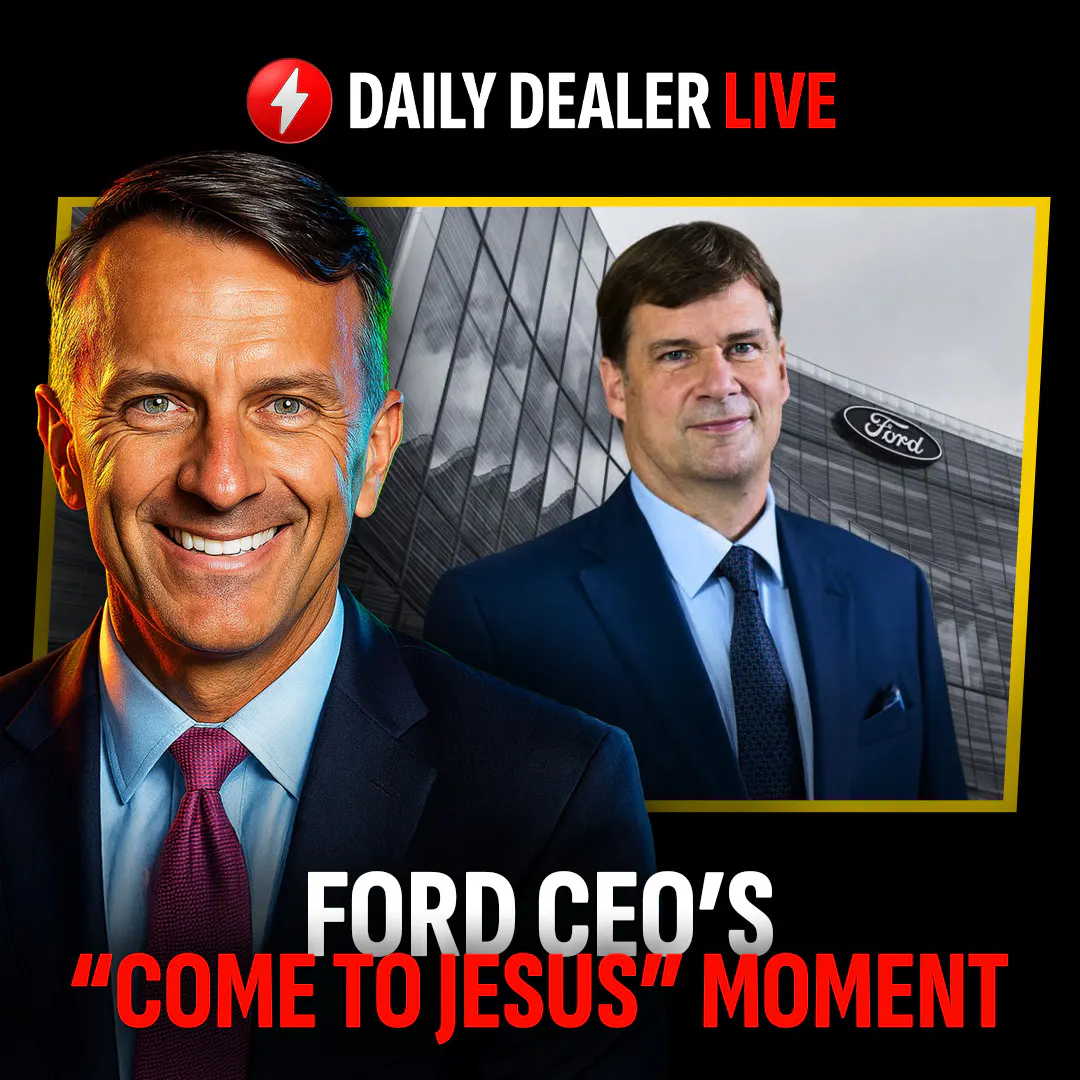
"All right opening up with a story on Ford. Jim Farley sat down with Rolling Stone and called a current moment in the auto industry as a quote coming to Jesus moment."
Ford is a major car company. Here, they’re mentioned because their CEO is talking about big changes happening across the industry.
Ford is the automaker being referenced in the industry headlines. The discussion is about Ford leadership (Jim Farley) commenting on where the auto industry is headed.
Chinese automakers
"He points to three converging forces. I think this is interesting. The rise of Chinese automakers which we talk often about on this show."
This means car brands from China are selling more cars in other countries. Dealers pay attention because it can affect competition and pricing.
This refers to the growing competitive presence of car brands based in China. In dealership and pricing discussions, “Chinese automakers” often comes up because they can enter markets with aggressive pricing, fast product cycles, and increasing technology content.
software to define vehicles
"The shift to software to define vehicles and the ongoing transition to lower emission powertrains."
It means cars are increasingly controlled by computer programs, not just mechanical parts. That can affect features you use every day and can sometimes be updated later.
This phrase points to the growing role of software in modern cars—things like infotainment, driver-assistance features, and even how the car controls powertrain behavior. As software becomes more central, updates and feature changes can happen after purchase, and competition shifts toward tech capabilities.
lower emission powertrains
"The shift to software to define vehicles and the ongoing transition to lower emission powertrains."
A powertrain is what makes the car drive. “Lower emission” means the car is designed to put out less pollution than older designs.
A “powertrain” is the system that makes the car move—engine, transmission, and related components. “Lower emission powertrains” refers to drivetrains designed to produce fewer pollutants, often via electrification (hybrids/EVs) or cleaner combustion technologies.
competitive period comparable to the four GM battles of the 1920s
"His read is that the industry is entering a competitive period comparable to the four GM battles of the 1920s just playing out differently and across more markets simultaneously."
They’re comparing today’s car industry competition to a past time when GM faced big challenges. The takeaway is that things could get more intense for automakers and dealers.
This is a historical analogy: the hosts compare today’s auto competition to major competitive “battles” involving General Motors in the 1920s. The point is that the industry is entering a more intense, multi-market rivalry, but with modern drivers like software and electrification.
direct sales
"What stood out for dealers specifically Farley pushed back hard on predictions that direct sales would replace the"
Direct sales means the car company sells the car to you directly, instead of using a local dealership as the middle step. People debate it because it could change how dealers make money and how cars get priced and delivered.
“Direct sales” refers to automakers selling vehicles straight to customers, rather than through independent dealerships. In the industry, it’s often discussed as a threat to the traditional dealer model because it can change pricing, inventory, and customer relationships.
franchise model
"franchise model calling them quote dead wrong. He described Ford's 120 year distribution network as a major strategic asset and he said the dealer channel is well positioned to help customers navigate the shift to EVs and digital retail the same way it helped people move from horses to model Ts."
A franchise model is how car brands work with local dealerships. The brand allows dealers to sell and service the cars, usually under brand rules and support.
The franchise model in auto retail is the system where manufacturers license local dealers to sell and service their brands. It’s a major part of how inventory, marketing, and customer support are delivered in most markets.
EVs
"navigate the shift to EVs and digital retail the same way it helped people move from horses to model Ts."
EVs are electric cars that run on electricity from a battery. They’re different from gas cars, so the buying and servicing process can change too.
EVs are electric vehicles powered primarily by electricity stored in a battery, rather than by a gasoline engine. The segment ties EV adoption to changes in how dealers and manufacturers market and sell cars.
digital retail
"Plus we've talked a lot about this on the show as well direct to consumer Ford tried it in the 90s it didn't work so props to Ford for continuing to support that franchise model."
Digital retail means buying a car online instead of only at the dealership. You might get pricing, offers, and paperwork through a website or app before you ever drive in.
Digital retail is selling and negotiating a vehicle online (or through apps) instead of primarily in-person at a dealership. It often includes online pricing, trade/offer tools, and scheduling so the customer can complete more of the purchase before visiting the lot.
direct to consumer
"Plus we've talked a lot about this on the show as well direct to consumer Ford tried it in the 90s it didn't work so props to Ford for continuing to support that franchise model."
Direct to consumer means the car company tries to sell cars to you directly, rather than through local dealerships doing most of the selling.
Direct to consumer (DTC) is when a manufacturer sells vehicles to customers without relying on the traditional dealer channel as the primary sales middleman. In auto, it can change pricing, inventory flow, and how customers experience the buying process.
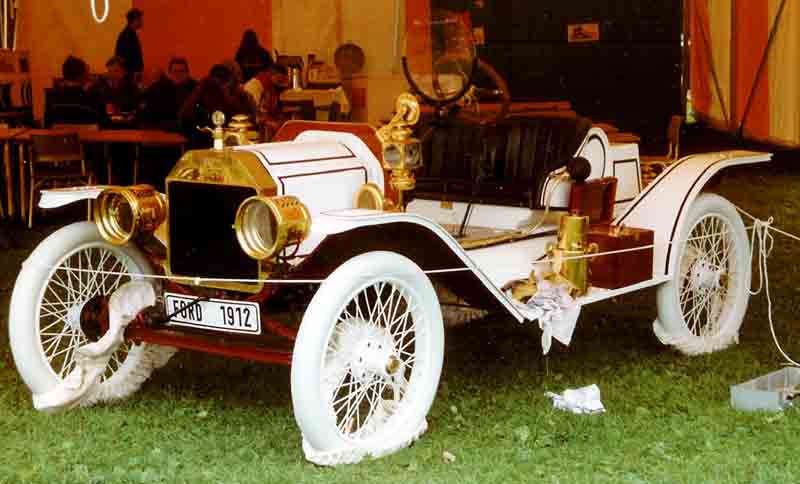
Ford Model T
"...he same way it helped people move from horses to model Ts. Plus we've talked a lot about this on the show a..."
The Ford Model T is an old car that Ford made in very large numbers. It helped more regular people be able to buy and use cars instead of relying on horses. It’s mentioned because it was a key step in making cars common.
The Ford Model T is an early, mass-produced American car that helped make personal transportation affordable for a much larger portion of the public. It’s often discussed in automotive history because its production approach and widespread availability played a major role in moving people from horse-drawn travel to automobiles. In a dealership podcast, it may come up as a benchmark for how cars changed everyday life and consumer access.
used inventory
"Next up today a Stevens Inc. survey of several dozen private franchise dealers found near consensus that the fight for used inventory against Carvana and CarMax got tougher in Q1 2026."
Used inventory just means the number of used cars a dealer has available to sell. If it’s hard to get enough cars, it can get harder to compete on price.
Used inventory refers to the stock of pre-owned vehicles available for sale. In dealer economics, inventory levels and how quickly cars can be sourced often determine pricing power and sales volume.
CarMax
"Next up today a Stevens Inc. survey of several dozen private franchise dealers found near consensus that the fight for used inventory against Carvana and CarMax got tougher in Q1 2026."
CarMax is a big used-car seller. The hosts are saying it competes for the same used cars and shoppers that traditional dealers want.
CarMax is a large used-car retailer that competes for both inventory and buyers. In this segment, it’s described as participating aggressively in auctions and making offers to customers before they visit a dealership.
Carvana
"Next up today a Stevens Inc. survey of several dozen private franchise dealers found near consensus that the fight for used inventory against Carvana and CarMax got tougher in Q1 2026."
Carvana is a company that sells used cars, mostly through an online buying experience. They also buy cars from sellers and bid at auctions, which can make it harder for traditional dealers to source inventory.
Carvana is an online-first used-car retailer that competes with traditional dealers for used inventory and customers. The episode frames it as showing up aggressively at auctions and making offers before shoppers ever visit a lot.
used vehicle days supply
"Used vehicle days supply fell from 52 days in December to 37 by end of March with one dealer calling it the tightest used market since COVID those are big words."
Used vehicle days supply is basically “how many days of used cars are sitting around” compared to how fast they’re selling. Fewer days usually means the market is tighter.
Used vehicle days supply is a measure of how long it would take to sell the current supply of used cars at the current sales pace. Falling days supply usually means tighter inventory and stronger pricing pressure.
auction
"Dealers say both companies are showing up aggressively at auction and in consumers driveways with trade and offers before those customers ever step foot on a lot."
An auction is where buyers bid against each other to buy cars. If a company is aggressive at auctions, it can make it more expensive or harder for dealers to find good used cars.
In used-car sourcing, auctions are marketplaces where dealers and other buyers bid on vehicles. When companies “show up aggressively at auction,” it usually means they’re bidding up prices or securing supply faster.
Google Gemini
"General Motors announced yesterday that Google Gemini will be rolling out to approximately four million US vehicles through the 2022 and 2026 newer Cadillac, Chevrolet, Buick and GMC models equipped with Google built in."
Google Gemini is a generative AI assistant integrated into compatible vehicles. The episode discusses how it will roll out via software updates and how drivers may develop expectations about its behavior in the car.
Chevrolet
"that Google Gemini will be rolling out to approximately four million US vehicles through the 2022 and 2026 newer Cadillac, Chevrolet, Buick and GMC models equipped with Google built in."
Chevrolet is GM’s main brand of cars. The episode says some Chevrolet models will receive the Gemini AI feature through an update.
Chevrolet is GM’s mainstream brand, included in the Gemini rollout described in the segment. The key point is that the AI assistant will be delivered to multiple GM brands via software updates.
Cadillac
"that Google Gemini will be rolling out to approximately four million US vehicles through the 2022 and 2026 newer Cadillac, Chevrolet, Buick and GMC models equipped with Google built in."
Cadillac is GM’s luxury car brand. The hosts are saying some Cadillac models will get the Gemini AI feature through an update.
Cadillac is GM’s luxury brand, and the episode says certain Cadillac models with Google built in will receive Gemini. This matters because it ties the AI rollout to specific GM brand lineups.
GMC
"that Google Gemini will be rolling out to approximately four million US vehicles through the 2022 and 2026 newer Cadillac, Chevrolet, Buick and GMC models equipped with Google built in."
GMC is GM’s truck and SUV brand. The episode says certain GMC models will get the Gemini AI feature through an update.
GMC is GM’s truck/SUV brand included in the Gemini rollout. The episode emphasizes that the feature is delivered through connected services and software updates, affecting dealer support and customer expectations.
Buick
"that Google Gemini will be rolling out to approximately four million US vehicles through the 2022 and 2026 newer Cadillac, Chevrolet, Buick and GMC models equipped with Google built in."
Buick is one of GM’s car brands. The hosts are saying Buick models with the right setup will get Gemini through an update.
Buick is GM’s brand listed as part of the Gemini-equipped vehicle group. The segment uses it to show the AI feature will span several GM brands, not just one model line.
Play Store
"The update arrives automatically through the play store at no cost."
The Play Store is where apps are installed on Android devices. The episode is saying the car can get the Gemini update through that same app system.
The Play Store is Google’s app marketplace. The episode says the Gemini update arrives automatically through the Play Store, which implies the vehicle has an app-capable infotainment system.
OnStar
"At no additional cost though drivers need an active on-star plan with voice assistants to use it. For 2025 and newer models that's bundled into the on-star basics package at no charge for eight years."
OnStar is GM’s in-car service that connects the vehicle to help and features. To use Gemini, the car needs an active OnStar plan that includes voice assistant support.
OnStar is GM’s connected-services platform that provides features like emergency assistance and in-vehicle connectivity. The segment notes Gemini usage depends on having an active OnStar plan with voice assistant capability.
voice assistants
"At no additional cost though drivers need an active on-star plan with voice assistants to use it."
Voice assistants let you talk to the car to control features or ask questions. Here, using Gemini depends on having the right voice-assistant setup in the car.
Voice assistants are systems that let drivers interact with the car using spoken commands. In this segment, Gemini’s in-car use is tied to having voice assistant support through an active OnStar plan.
software update
"For dealers this is a largely background software update but one worth getting ahead of customers who use Gemini on their phones will have expectations about how it behaves in the car and those may or may not match reality"
A software update is a new version of the car’s computer programs. Instead of visiting a shop, the car can get new features automatically.
A software update is a change to the vehicle’s digital systems delivered after purchase, often over the internet. Here, Gemini is described as arriving automatically via the Play Store, meaning dealers mainly need to prepare for customer questions and expectations.
Toyota suppliers
"And finally up today the ceasefire we reported on earlier this month remains unresolved referencing the Iran conflict and Japanese auto suppliers are now flagging a different kind of risk from the ongoing conflict. Toyota suppliers are watching key inputs tied to"
Toyota suppliers are the companies that provide parts and materials to Toyota’s production network. The segment frames them as monitoring “key inputs” tied to geopolitical conflict risk, highlighting supply-chain exposure.
Strait of Hormuz
"and vulnerable to price spikes as the Strait of Hormuz situation drags on... The sticking point remains Iran's demand that the U.S. lifts its blockade as a precondition for reopening the Hormuz."
It’s a major shipping lane for oil. If it’s threatened or disrupted, the price of fuel can jump, and that can eventually affect lots of things—including the cost to get and price vehicles.
The Strait of Hormuz is a critical chokepoint for oil and fuel shipments between the Persian Gulf and the rest of the world. Because so much crude and fuel moves through it, tensions there can trigger oil-price spikes that flow into broader consumer costs, including cars via supply and logistics.
blockade
"The sticking point remains Iran's demand that the U.S. lifts its blockade as a precondition for reopening the Hormuz."
A blockade is when one side tries to stop another side from trading or moving goods. When that affects major shipping routes, it can ripple into fuel and supply costs that show up in car prices.
A “blockade” is an attempt to restrict trade or movement by preventing access to goods or routes. Here it’s referenced as a U.S. condition tied to reopening the Strait of Hormuz, which can influence global fuel and shipping markets that ultimately affect vehicle pricing and availability.
supply chain sensitivity
"No immediate disruption has hit dealers lot yet but the supply chain sensitivity is real and it's worth watching how this plays out over the next few weeks"
It’s basically how easily a business gets thrown off when the flow of parts or materials gets disrupted. If the supply chain is “sensitive,” small changes can quickly affect what shows up on dealer lots and what it costs.
“Supply chain sensitivity” means how strongly a business is affected by disruptions or price changes in upstream suppliers and logistics. In this context, dealer inventory and pricing can react quickly when global shipping or fuel/crude-related inputs get volatile.

Toyota Corolla
"yoga car says car max is trending on x for having 19,000 price 19k price on you on 2015 used corollas. Super fascinating."
They’re talking about used 2015 Toyota Corollas—one of the most common cars on the used market. The point is that the price being asked for those cars is drawing attention.
The hosts are discussing pricing on “2015 used Corollas,” meaning Toyota’s Corolla compact sedan from model year 2015 being sold in the used market. This is relevant because used-car pricing trends can vary by model year and demand, and can become a headline when a retailer’s pricing is criticized.
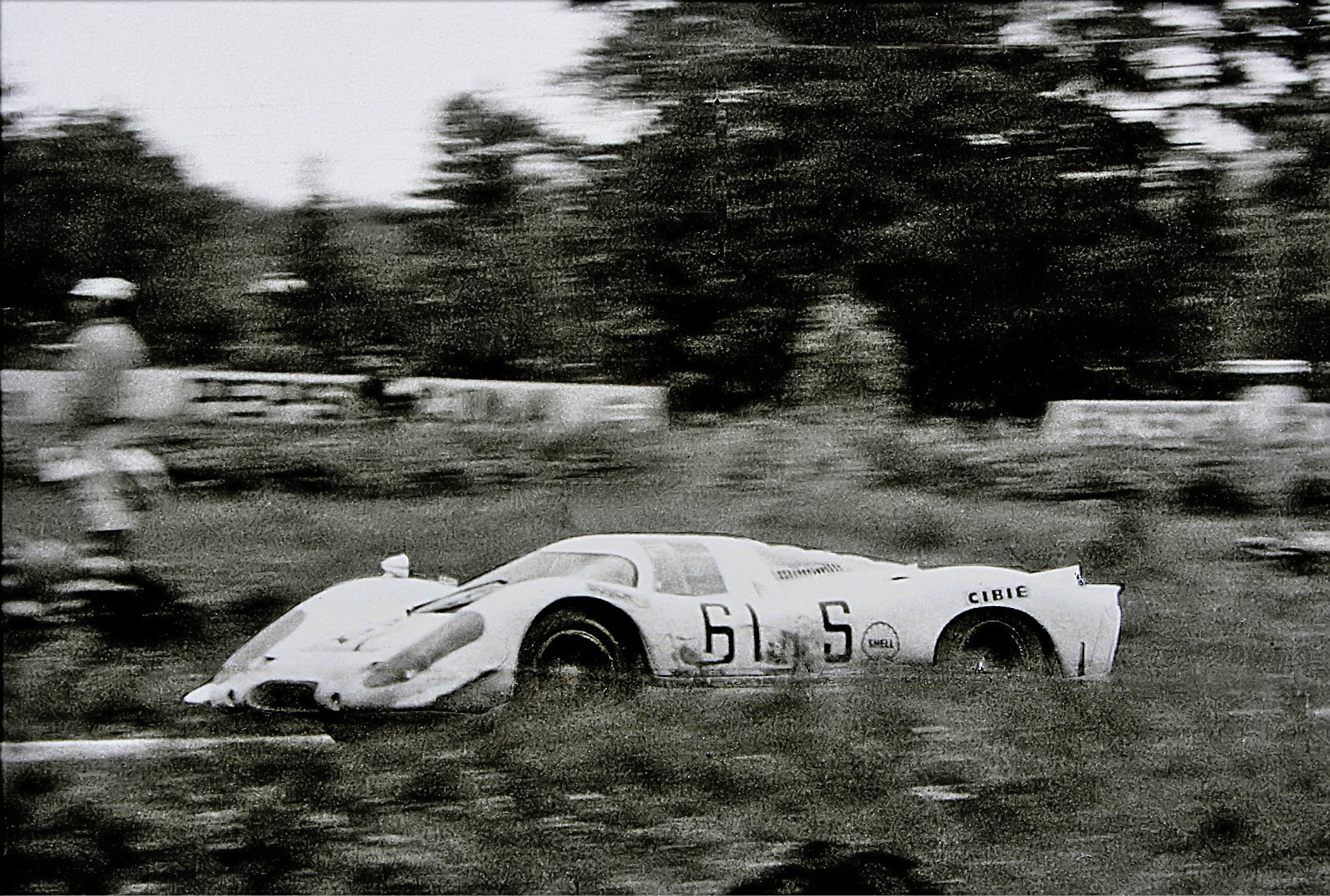
Porsche 917
"Patrick block motive venture says happy anniversary of the debut of the Porsche 917 at Le Mans. Patrick thanks for always being good for our anniversary dates here on daily dealer live."
The Porsche 917 is a famous race car from the 1960s. It’s remembered because it was built to win endurance races like Le Mans.
The Porsche 917 is a legendary endurance-racing sports car known for its dominance in the 1960s, including at Le Mans. Mentioning its “debut” is a motorsport history reference that connects to why certain performance cars become cultural icons.
role of a COO
"All right let's dive headlong into our first guest and interview... how do you think about the role of a COO a group"
They’re about to talk about what a COO does—basically the person responsible for running day-to-day operations. In a car dealership company, that can include staffing, processes, and how the stores run.
This is a discussion topic about what a COO (Chief Operating Officer) does in a dealership group. It’s more about business operations than automotive technology, but it’s central to the interview segment structure.
general manager (GM)
"...we had three stores and they basically acted as GM's of each of the of those stores... we went from having zero GM's two years ago to having a general manager in every store about six months ago..."
A general manager is the main person in charge of a dealership location. They oversee how the store runs and make sure the team hits its goals.
A general manager (GM) is the top person responsible for running a dealership store day to day. In this segment, they’re describing moving from having no GMs to staffing a GM at every store to improve leadership and accountability.
variable and fixed directors
"...we made the decision about two years ago that you know we're no longer just going to run with variable and fixed directors but have real operators and real leaders at every store..."
They’re talking about different kinds of management roles—some that change based on results or needs, and some that are steady. They decided to replace that with more consistent leadership at each dealership.
“Variable and fixed directors” refers to a leadership/management structure where some roles are tied to performance or changing needs (variable) and others are stable (fixed). The speaker says they’re moving away from that model toward dedicated operators and leaders at each store.
prospective OEMs
"...real operators and real leaders at every store carrying the flag for each of our prospective OEMs and creating that synergy..."
OEMs are the car brands themselves (like the companies that make the vehicles). “Prospective OEMs” means the brands they’re trying to work with for dealership opportunities.
OEMs are original equipment manufacturers—the vehicle brands a dealership is authorized to sell and service. “Prospective OEMs” here means the brands they’re targeting to partner with, and the leadership structure is meant to support those relationships.
NCM Academy for leaders
"...it was a mix of some internal promotions some NCM Academy for leaders that were ready for it..."
This sounds like a leadership training program for dealership managers. They used it to prepare some internal people before promoting them to GM.
NCM Academy is a training program aimed at developing dealership leaders. In this segment, it’s mentioned as one pathway they used to promote internal candidates into general manager roles.
Used car department
"...front and center these first 30 days... automotive right because sometimes it gets nerve-racking to make too many changes too fast..."
They’re talking about how a dealership runs its used-car section. It’s mostly about organizing people, setting clear goals, and making sure the team knows what they’re responsible for.
The hosts are discussing how a dealership’s used-car operation is managed and staffed. This includes defining roles, setting expectations, and measuring performance so the used department runs smoothly.
COO role
"...most auto groups you would find someone in that COO role internally right and and it's either a"
COO means Chief Operating Officer. It’s the person responsible for making sure the business runs smoothly day to day.
COO stands for Chief Operating Officer, a top executive responsible for day-to-day operations. In dealerships, this role often oversees store processes, staffing, and performance execution.
Cavender
"what made Cavender a match for you as you considered this opportunity and how does your background prepare you to help defend that culture that Cavender has but also hold team members accountable as you grow and spread the Cavender culture"
“Cavender” here refers to the dealership company the guest is joining. They’re talking about how the company grows to more locations while trying to keep its culture and standards the same.
“Cavender” is the dealership group being discussed in the segment. The hosts talk about Cavender’s multi-location growth, acquisitions, and maintaining a consistent culture as the organization expands.
phase one
"and I took I thought a lot about that before day one for for sure you know phase one is really just [1235.8s] that literally again the title is is irrelevant those first X amount of days or weeks or months"
“Phase one” is a structured onboarding approach: the first days/weeks/months are focused on learning what each store needs and building trust. The speaker emphasizes listening, asking questions, and identifying how they can support teams without disrupting progress.
GM
"trying to run a lap you know with the general managers or whoever it might it might be you know [1259.0s] it could be a lonely world out there as a GM or or any role and to be there I guess to support them"
GM means General Manager. It’s the manager who runs a dealership location and keeps the day-to-day operation on track.
GM here means General Manager, the person running a specific dealership location. The speaker talks about working alongside GMs to support their priorities and avoid becoming a bottleneck.
execution
"and then and then when the rubber meets the road in this business you're either making a difference [1320.3s] or you're not and so as we kind of shift out of that you know first 30 30 day phase into"
“Execution” means doing the plan in real life, not just talking about it. It’s about whether the team’s actions actually lead to results.
In dealership operations, “execution” refers to turning plans into measurable results—whether the team is actually delivering on goals. The speaker frames it as either “making a difference” or not once you get past early planning.
tech stack
"you wake up one day and your tech stack looks pretty wild at times the next thing you know if if you're not committed to being a power user"
“Tech stack” just means all the computer programs a company relies on to do its work. If people don’t really use them well, the tools can’t help the business the way they’re supposed to.
A “tech stack” is the set of software tools and systems a business uses to run operations—like CRM, inventory, pricing, and reporting platforms. In dealerships, if the tech stack becomes outdated or too complex without strong user adoption, it can hurt execution of the business goals the company originally signed up for.
power user
"if you're not committed to being a power user and it's not going to really how do I say you execute on the intent of why we signed up to begin with"
A “power user” is someone who knows the software really well and uses more of its features. The point here is that you shouldn’t just install tools—you should use them well.
A “power user” is someone who uses software features deeply and consistently, not just the basic functions. The hosts are arguing that dealerships should have people who fully leverage their systems so the tools actually support the intended workflow and strategy.
supply chain of retail
"Paul Salisman comes into the text as vendors are the supply chain of retail or partners you've said that the next level performance often runs through used cars"
“Supply chain” just means how a business gets products (cars, in this case) and moves them through the process until they’re sold. The point is that used cars and sourcing matter a lot to how dealerships make money.
In retail, “supply chain” refers to the end-to-end flow of inventory—from sourcing and acquisition to storage, processing, and resale. The speaker uses the phrase to argue that vendor relationships and used-car sourcing are central to how an auto group gets cars and turns them into revenue.
used cars
"often runs through used cars will you unpack that for us why is used cars ... for profitability and performance and you think of all the different buckets that make it you know a dealership run"
The hosts discuss used cars as a major lever for dealership profitability and performance, implying that used inventory acquisition, pricing, and operations can materially affect results. They connect this to how different “buckets” of dealership operations work together, including both new and used sides.
buy center
"do you have a buy center what are you working on that way john you're a great question I don't know that I'm going to give you the best place what I'm going to give you is the best strategy and so first of all treating procurement buying cars every day as important"
A “buy center” is a dedicated operation (often a team or process) focused on purchasing used vehicles. The host later references a person who created a buy center, implying a structured approach to sourcing inventory.
procurement strategy
"first of all treating procurement buying cars every day as important and with the same level as of enthusiasm as selling cars each day that's the culture shift that you need to celebrate procurement as much as you would celebrate selling cars and so I'll kind of leave you with this on that subject you know every Monday is an example having a procurement strategy with your key players at the team trying to figure out how many do you need who's going to buy them and from which bucket"
A procurement strategy is a planned approach to acquiring inventory—here, used cars—by defining how many units you need, who buys them, and where they come from. The hosts frame it as a daily, team-based process rather than something handled occasionally.
bucket
"having a procurement strategy with your key players at the team trying to figure out how many do you need who's going to buy them and from which bucket because it takes a village to put together you know a next level used car department yeah and then ultimately are people executing during the week and are you following up on that and and so one of the one of the comments I'll make here Sam would be you can't solve varsity problems like used cars being incremental it has to matter every day it's not a once a week type meeting and then you need to make sure that you followed up you know on Friday that the plan got executed so many buckets but"
In used-car sourcing, a “bucket” is a category for inventory acquisition—such as different sources, vehicle types, or price/condition bands. The hosts discuss deciding “which bucket” to buy from, meaning allocating purchasing effort across defined segments.
incremental
"one of the one of the comments I'll make here Sam would be you can't solve varsity problems like used cars being incremental it has to matter every day it's not a once a week type meeting and then you need to make sure that you followed up you know on Friday that the plan got executed"
They mean that you can’t just make small, slow changes and expect used-car problems to go away. The dealership has to work on it every day and check that the plan is actually happening.
“Incremental” here is used in the operational sense: small, gradual improvements won’t fix bigger used-car inventory problems. The speaker argues used-car performance must be addressed continuously, with daily execution and follow-up.
used car buyer
"[1653.6s] make him be a used car buyer he's like he will make me more money buying cars than he will [1659.1s] selling cars today and I think that's right John yeah absolutely there are some of the the best"
In a dealership, a used-car buyer is the person who finds cars to stock on the lot. They’re trying to buy vehicles at the right price so the dealership can resell them for profit.
A “used car buyer” in a dealership context is the person who sources inventory—finding trade-ins or purchasing vehicles to resell. Their job is to identify good deals and acquire cars that can be sold profitably after reconditioning.
daily dealer live
"[1683.5s] most people don't know that your new team members at Cavender might find fascinating or the general [1688.8s] public our daily dealer live listening audience got it so I go off to San Diego state in 1989"
That phrase is basically the name of the show or audience they’re talking to, not a car or car-tech term.
“Daily Dealer Live” is referenced as the podcast/audience the hosts are speaking to. It functions as a show or segment label rather than a technical automotive concept.
circles
"[1731.1s] you're a part of cdg circles in fact I [1734.9s] have it on a little I have a little known fact that you may have been one of the originating [1740.8s] founding ideas of circles what have you gotten out of circles year to date 2026"
“Circles” sounds like a dealer network or community. The idea is that members can ask questions and get advice more often than a traditional once-a-quarter group.
“circles” is described as a recurring dealer/operator network where participants can ask quick questions and share insights. The speaker positions it as a more constant communication channel than meeting only a few times per year.
20 group model
"[1750.0s] it's you know so many people lean on the 20 group model for you know insights from other dealers [1757.3s] other operators around the country but it's inconsistent on the communication"
The “20 group model” refers to a peer group of about 20 dealers/operators who share insights. In this context, it’s contrasted with “circles” because the communication cadence is less frequent.
EOS
"EOS we've been running on EOS for a year and there's a subsection for that technology OEM relations all these different things so it's just it's a great way to communicate"
EOS likely refers to a business system the company uses to organize goals and execution. They’re saying they’ve been using it for a year and it helps them coordinate work.
EOS here appears to refer to a business operating system/framework used to run organizations and improve execution. The hosts mention running on EOS for a year and having subsections for technology and OEM relations, suggesting it’s a structured management approach.

Volkswagen Eos
"...es when it comes to you know even things such as EOS we've been running on EOS for a year and there's ..."
The Volkswagen Eos is a Volkswagen car that’s designed to let you drive with the roof open. It has a roof that can retract so you can switch between open-air and closed driving. It may be discussed because people want to know how that roof feature holds up over time.
The Volkswagen Eos is a compact luxury-style car built around the idea of combining everyday driving with open-air driving, thanks to its retractable roof. It’s the kind of model that can come up in a dealership discussion because owners and shops may focus on how well the roof system works in real-world use. The podcast context suggests it’s been used or referenced as part of the show’s experience.
Zurich
"John we need to get you back soon to report on your progress we're following it closely so thanks ... Zurich today's episode is brought to you by Zurich if you're a if you're a dealer and have ever wondered whether your profit participation program could be better"
Zurich is the company sponsoring the show. They’re offering help to dealers who want to review how their insurance-related profit sharing is set up.
Zurich is the insurance brand sponsoring this segment. The ad is about improving a dealer’s profit participation program through a “profit participation checkup.”
profit participation program
"if you're a if you're a dealer and have ever wondered whether your profit participation program could be better well Zurich offers a no obligation profit participation checkup"
This is a deal where a dealer can earn extra money when certain results go well. The sponsor is saying you can review the setup to make sure it’s working in your favor.
A profit participation program is an arrangement where a dealer and an insurer (or related partner) share profits based on performance or results. In practice, it can affect how much money the dealer earns beyond standard commissions.
profit participation checkup
"well Zurich offers a no obligation profit participation checkup it's a simple pressure free way to get clarity on your program structure request your profit participation checkup at ZurichNA.com forward slash checkup"
Zurich is offering a review of how your profit-sharing setup works. It’s meant to help you understand if you’re getting the best terms without a lot of hassle.
A “profit participation checkup” is a structured review offered by Zurich to evaluate how the profit-sharing program is set up. It’s positioned as a low-pressure way to understand whether the program structure could be improved.
dealership rental and leasing space
"[1990.4s] really the sole purpose of the AT&T was to be the leading provider in the dealership rental and leasing space and so at the time it was the joint venture with Zurich actually and oh [2001.4s] Zurich that's my old employer"
They’re talking about a business that provides cars for rent and for leasing through dealerships. It’s basically managing fleets of cars so dealers can offer rental/lease options to customers.
“Dealership rental and leasing space” refers to businesses that supply vehicles for rental fleets and leasing programs tied to dealerships. This often includes managing short-term rentals, long-term leases, and the vehicle logistics that support dealer operations.
daily car rental and leasing business
"[2012.0s] into writing other types of dealerships and get into that daily car rental and leasing business [2016.1s] and so they tapped into Bob and Joe's expertise"
This means they handle cars that customers rent for short periods (like day-to-day rentals) and also cars that customers keep for longer under a lease. Both require managing a fleet of vehicles.
“Daily car rental and leasing” describes supplying vehicles on short cycles (daily rentals) and structured agreements (leasing). The key idea is fleet management for frequent turnover rentals plus longer-term vehicle commitments.
ATD
"[2038.7s] so we believe associations are very important for the industry and so right we're NADA, ATD, [2046.6s] the National Vehicle Leasing Association"
ATD is another industry organization they mention as part of where they network and participate. It’s one of the groups dealers and automotive businesses often connect with.
ATD is listed alongside NADA and other groups as an association the company is involved with. Here it’s used as shorthand for an automotive industry organization relevant to dealers and related services.
National Vehicle Leasing Association
"[2046.6s] the National Vehicle Leasing Association right international car rental show right we're [2050.6s] participating in a lot of a lot of different events"
This is an industry group focused on leasing cars. The guest mentions it to show they’re active in the leasing side of the automotive business.
The National Vehicle Leasing Association is referenced as a professional group tied to vehicle leasing. The guest uses it to explain which industry associations they participate in and why.
loaner fleets
"[2055.0s] so is your area of focus is it rental and leasing for like for loaner fleets customer rentals [2063.5s] or do you do the property casualty garage liability a lot insurance and all that as well"
A loaner fleet is a set of cars a shop keeps available to lend to customers. For example, if your car is in the shop, they may give you one of these cars to drive.
“Loaner fleets” are groups of vehicles a business keeps ready to lend to customers, often when a customer’s car is being serviced or repaired. Managing a loaner fleet involves availability, turnaround, and ensuring the right vehicles are ready when needed.
property casualty garage liability insurance
"[2055.0s] so is your area of focus is it rental and leasing for like for loaner fleets customer rentals [2063.5s] or do you do the property casualty garage liability a lot insurance and all that as well"
This is a type of insurance for businesses like garages that covers accidents and damage, and helps pay legal costs if someone sues. The “garage liability” part is about responsibility for what happens in the shop or involving customer vehicles.
“Property casualty garage liability insurance” refers to insurance coverage that protects against risks tied to property damage and legal liability, specifically for garages/dealership service operations. In automotive contexts, it’s often discussed alongside rental/loaner programs because claims can arise from vehicle use and customer interactions.
direct rider model
"...in the 1990s an opportunity presented itself when Zurich wanted to grow that direct rider model that we all know them for today..."
This is an insurance sales approach where the insurer pushes more of the business directly, instead of relying only on third parties. The guest is using it to explain how their company got involved with Zurich’s growth strategy.
A “direct rider model” refers to an insurance distribution approach where coverage is sold more directly (rather than only through traditional intermediaries). In this context, it’s tied to how Zurich expanded its insurance offerings and how the speaker’s company helped enable that growth.
industry vertical
"...creating an industry vertical catering specifically to the automotive industry and if you look at High Street insurance in general..."
An industry vertical means a company specializes in one type of business. In this case, they’re building insurance expertise specifically for the auto-dealership world.
An “industry vertical” is a business strategy focused on one specific industry segment, with products and services tailored to that segment’s needs. Here, the brokerage is building an automotive-focused insurance vertical for dealerships.
auto liability
"because that auto liability is certainly at the top of the mind while the underwriters all right so give us a give us a couple tips"
Auto liability is the insurance risk from accidents involving cars. If a dealership’s vehicle is involved in damage or injuries, this is the kind of coverage the dealer needs.
Auto liability is the insurance risk tied to vehicle-related incidents—typically injuries or property damage caused by a dealership’s vehicles or drivers. For dealers, it’s often the biggest exposure because cars are constantly being driven by staff, customers, and third parties.
P&L
"for many dealers insurance is in fact one of the top five expenses in their P&L"
P&L is a simple way to track money in and money out for a business. It shows how big expenses like insurance are compared to everything else.
P&L (profit and loss) is a financial statement that summarizes revenue and expenses over a period. When the host says insurance is one of the top five expenses in their P&L, they mean it materially impacts the dealership’s operating costs.
loss frequency
"losses claims handling and program structure can swing that number dramatically year over year so we're not just talking about premium SAM we're really talking about loss frequency and severity"
Loss frequency means how many claims/accidents you have over time. More frequent incidents usually lead to higher insurance costs.
Loss frequency is how often claims happen. Two dealers can pay similar premiums but have very different loss frequency, which affects how insurers price risk and how much the dealership’s insurance costs can swing year to year.
loss severity
"loss frequency and severity perhaps their deductible strategy what we call claims leakage and operational behaviors that drive incidents"
Loss severity means how expensive each accident/claim is. A few big claims can hurt more than many small ones.
Loss severity is how costly each claim is when it happens. Even with the same number of claims, a dealership can have higher severity if incidents tend to involve bigger damages or injuries.
deductible strategy
"loss frequency and severity perhaps their deductible strategy what we call claims leakage and operational behaviors that drive incidents"
A deductible is what you pay first when there’s a claim. A deductible strategy is how you pick that amount to balance lower premiums versus higher out-of-pocket costs.
A deductible strategy is how a dealership chooses and manages its insurance deductibles (the amount paid out of pocket before insurance pays). Higher deductibles can reduce premiums but increase the dealership’s direct cost when claims occur.
claims leakage
"perhaps their deductible strategy what we call claims leakage and operational behaviors that drive incidents so I think that the real impact on profitability isn't just what you pay"
Claims leakage is when a claim ends up costing more than it should because of mistakes or poor process. Better handling can reduce those extra costs.
Claims leakage refers to avoidable losses that occur during the claims process—such as poor documentation, delayed reporting, or inconsistent handling that increases costs. It’s often used to describe how operational issues can “leak” money even when coverage exists.
loaners
"in area where we have conversations with a lot of dealers is around loaners right and so our loaners partly manufacture a program or not right"
Loaners are replacement cars a dealership gives you while your car is in the shop. Since someone else is driving them, they can raise the dealership’s accident risk.
Loaners are vehicles a dealership provides to customers while their own car is being serviced or repaired. Because loaners are driven by customers (and sometimes staff), they can materially increase the dealership’s auto liability exposure.
garage liability policy
"they let one of those vehicles go out right and then there's been there's been case law right that"
Garage liability insurance is the coverage for a business that handles and operates cars. If the dealership releases a loaner vehicle, that insurance is more likely to be involved if something goes wrong.
A garage liability policy is an insurance policy designed for businesses that operate vehicles as part of their operations (like dealerships and service departments). The host is saying that letting loaners out can expose the dealership’s garage liability coverage to additional risk.
case law
"and then there's been there's been case law right that"
Case law means court decisions that set rules for how similar situations are judged. It can change how liability works in real disputes.
Case law refers to legal decisions made by courts that interpret how laws apply to specific situations. In insurance and dealership operations, case law can affect how liability is assigned and what insurers or courts consider acceptable risk management.
garage policy
"[2384.1s] but truthfully we do advocate that aggressively for all our clients protect your primary business [2391.9s] which is the dealership and your primary insurance program which is the garage policy"
A garage policy is the insurance a dealership uses for its day-to-day vehicle-related risks at the shop. The point here is that they’re saying loaner/rental risk shouldn’t be lumped into the same coverage.
A “garage policy” is an insurance policy type used by businesses that operate vehicles—often covering exposures related to storing, servicing, and operating vehicles in the dealership’s facility. The speakers are contrasting it with a separate policy for rental/loaner vehicles to avoid mixing risks.
dealership liability
"and so we can really help dealers manage that exposure and get that off of their garage policy [2360.9s] and also their dealership liability so you would say get it off keep it off the policy"
Liability is basically “who gets blamed” if there’s a problem. For a dealership, it means the dealer can be held responsible for certain accidents or damages, so they need insurance that covers that risk.
“Dealership liability” refers to the legal and financial responsibility a car dealer can face if something goes wrong—like an accident, injury, or damage involving vehicles or services tied to the dealership. In insurance discussions, it usually means the risk the dealer wants covered by the right policy structure.
daily rental policy
"[2396.7s] by shifting that exposure to a dedicated daily rental policy it's a strategy that's worked for [2402.6s] our clients for decades"
This is insurance specifically tailored to loaner or rental cars that customers drive for a short time. The idea is to make sure that risk is covered by the right policy instead of relying on the dealership’s general coverage.
A “daily rental policy” is a dedicated insurance structure for rental/loaner vehicles, designed to cover the specific risks of those vehicles being used by customers for short periods. The hosts describe it as a way to shift exposure away from the dealership’s main garage policy.
loaner car shuttle vans
"[2402.6s] our clients for decades yep you talked a little bit about loaner car shuttle vans we kind of we [2408.0s] kind of hit that that's that's out there some dealers in 2026 are actually offloading some of"
These are the vans dealers use to move people around while their car is in service. The risk is that accidents or incidents involving the van can create insurance and legal problems.
“Loaner car shuttle vans” refers to the vehicles dealers use to transport customers (or move loaner vehicles) when a customer’s car is being serviced. The discussion is about how these operations create liability exposure that can be overlooked until an incident occurs.
ride share services
"[2413.6s] that risk by turning to uber and lyft and some of the other ride share services is that a strategy [2418.6s] you would buy into"
Ride-share services are apps where you request a car to take you somewhere. Here, dealers are considering using them instead of their own loaner/shuttle setup to reduce risk.
“Ride share services” (like Uber/Lyft) are being discussed as an alternative to dealer-provided loaner/shuttle transportation. The underlying idea is that changing how customers get transported can change the dealer’s risk and insurance exposure.
risk review of dealerships
"[2448.1s] you do a risk review of dealerships give us two or three operational practices that you almost [2453.7s] always flag that are quietly creating unnecessary exposure"
A risk review is basically a checklist-style look at how a dealership operates to find hidden problems that could lead to claims or lawsuits. Insurance companies care about these details when deciding what to cover.
A “risk review of dealerships” is an assessment process that looks for operational practices that quietly increase the chance of accidents, claims, or legal exposure. The speakers say underwriters focus on these practices when evaluating insurance risk.
safety is driven by culture at the dealership
"[2465.0s] that safety is driven by culture at the dealership and it really is from a top-down approach right [2470.1s] and we've heard Rob and John previously sounds like they got they got things dialed in there"
The idea is that safety isn’t just a sign or a policy—it’s how the workplace behaves every day. If managers lead the safety effort, employees are more likely to follow it.
This concept means safety outcomes depend on how the dealership operates day-to-day—especially leadership behavior and consistent procedures—rather than just having rules on paper. The speakers connect it to how insurers evaluate risk, emphasizing a top-down approach.
underwriters
"[2474.3s] and are working on that but you know we talk about safety meetings quite a bit right and that's the [2480.2s] question that that underwriters ask about"
Underwriters are the people at an insurance company who decide how risky something is and what the policy should cover. They often look for evidence that a business manages safety.
“Underwriters” are the insurance professionals who evaluate risk and decide whether to offer coverage, on what terms, and with what requirements. In this segment, they’re described as asking about safety meetings and dealership culture.
risk reviews
"...if I can get into the weeds though on your question a little bit more one call out we see that's rural world 2026 a common mistake when we're doing risk reviews..."
Risk reviews are a way to look at what could go wrong for a business and make sure the right protections are in place. Here, they’re saying the insurance setup often doesn’t match the real risks.
Risk reviews are structured assessments of a business’s exposures to determine what insurance coverages and controls are needed. In this segment, the hosts use risk reviews to identify mismatches between dealership operations and the insurance structure in place.
cyber liability
"...we see far too often dealers being covered by cyber liability and we all know what happened in in in our space over the last few years..."
Cyber liability is insurance for when a company gets hacked or has a data breach. It helps pay for the costs and fallout from that kind of incident.
Cyber liability insurance is coverage for losses tied to data breaches, hacking, ransomware, and other technology-related incidents. In a dealership context, it’s meant to protect the business from the financial fallout of those events, including incident response and related claims.
employment practices liability
"...even coverages like employment practices liability those coverage being insured or covered on an endorsement on the garage package we think that's a mistake..."
Employment practices liability is insurance for problems that come from how employees are treated at work. It can help if someone sues over things like discrimination or wrongful termination.
Employment practices liability (EPL) insurance covers claims related to workplace issues such as wrongful termination, discrimination, harassment, and other HR-related disputes. Dealers often need it because employment-related lawsuits can be expensive even when the underlying employment decision was handled correctly.
garage package
"...those coverage being insured or covered on an endorsement on the garage package we think that's a mistake..."
A garage package is a bundled insurance policy for businesses like dealerships or repair shops. The point being made is that some risks may be better covered by separate, specialized policies.
A garage package is an insurance bundle commonly used for auto-related businesses, grouping multiple coverages under one policy structure. The discussion here is about whether EPL and cyber exposures should be handled inside that bundled setup versus separated into specialized policies.
endorsement
"...those coverage being insured or covered on an endorsement on the garage package we think that's a mistake..."
An endorsement is like an official add-on to an insurance policy that modifies what the policy covers. Here, they’re saying using add-ons inside a bundle may not be the best way to cover certain risks.
An endorsement is an add-on to an insurance policy that changes or extends coverage terms. In this segment, the speaker criticizes relying on endorsements within a garage package to cover exposures like cyber liability and employment practices liability.
specialized insurance policy
"...the dealer's best interest is to cover those exposures on a specialized insurance policy that's backed by specialized claims teams..."
A specialized insurance policy is insurance built for one particular kind of risk. The idea is that the insurer is better prepared to handle that exact problem if it happens.
A specialized insurance policy is coverage designed for a specific type of risk, with underwriting and claims handling tailored to that exposure. The segment argues that cyber and employment-related risks should be handled by insurers with dedicated claims teams for those unique scenarios.
claims teams
"...specialized insurance policy that's backed by specialized claims teams for those very unique kind of exposures..."
Claims teams are the people at the insurance company who handle your claim. For complex issues like cyber incidents or workplace lawsuits, having the right experts can make a big difference.
Claims teams are the insurer’s staff responsible for managing and settling claims. The speaker emphasizes that specialized claims teams matter for complex exposures like cyber incidents and employment-related disputes, because those claims often require expertise beyond standard auto-related claims.
segregating that out
"...the bigger the loss that impacts your overall garage keepers policy right so the idea of segregating that out or protecting the main policy by putting some of these catastrophic loss type risks outside of that makes sense..."
“Segregating that out” means separating certain risks so they’re insured differently instead of all together. The goal is to keep a big loss from messing up the rest of your insurance coverage.
“Segregating that out” means separating certain high-risk exposures from a broader bundled policy so they’re covered under a different structure. The segment argues this can help protect the main policy from being impacted by catastrophic losses and can improve coverage fit for complex risks like cyber.
carriers lack of appetite
"...it's part of our strategy it's also part carriers lack of appetite sometimes at the end of the day when it comes to cyber liability"
“Lack of appetite” means the insurance company isn’t very interested in taking on that risk. When that happens, it can affect what coverage options are available or how they’re priced.
“Lack of appetite” means an insurance carrier is less willing to write or renew certain types of coverage, often due to higher expected losses or unfavorable risk trends. The segment suggests this can influence how cyber liability coverage is structured and offered to dealerships.
hail damage
"you do you want someone that's good at adjusting claims with the hail damage on cars yeah or do"
Hail damage is when the weather (hail) dents your car and can chip or crack the paint. Insurance claims usually need proof and an estimate of what it will cost to fix.
Hail damage is damage to a vehicle caused by hailstones, typically dents and paint damage. In insurance claims, it often requires careful documentation and assessment to determine repair vs. replacement and whether the damage is cosmetic or structural.
forensic IT
"you want someone that's truly a specialist with subject matter expertise in forensic IT folks behind the scenes to unpack a potentially catastrophic cyber event"
Forensic IT is like a technical investigation after a computer or network problem. Experts look for clues about what went wrong and what data or systems were affected.
Forensic IT refers to using specialized technical methods to investigate what happened during a cyber incident. The goal is to identify the cause, scope, and impact so the organization can respond correctly and prevent recurrence.
potentially catastrophic cyber event
"forensic IT folks behind the scenes to unpack a potentially catastrophic cyber event we would argue that doing it on a specialized coverage form backed by a specialized claims team is the way to go"
A potentially catastrophic cyber event is a big computer security incident—like a hack—that could seriously disrupt a business. It may expose information or shut down important systems.
A potentially catastrophic cyber event is a serious cyberattack or breach that could disrupt operations, expose sensitive data, or cause major financial and legal fallout. In a dealership context, it can affect systems like customer records, payment processing, and internal operations.
specialized coverage form
"we would argue that doing it on a specialized coverage form backed by a specialized claims team is the way to go"
A specialized coverage form is the specific insurance paperwork that spells out what kinds of problems are covered. If it matches the risk correctly, it can make the claim process smoother and more likely to pay.
A specialized coverage form is an insurance policy document tailored to a specific risk type, with defined terms, limits, exclusions, and claim procedures. Using the right form matters because it determines what losses are covered and how claims are handled.
dealer insurance policy
"to give us perspectives on how to protect your dealer insurance policy in 2026 thank you both for being on"
A dealer insurance policy is the insurance a car dealership uses to protect the business from losses. It can include things like damage to property and protection if something goes wrong.
A dealer insurance policy is the set of insurance coverages a car dealership buys to protect against risks like property damage, liability, and business interruption. The discussion suggests they’re focusing on how to structure coverage to better handle modern risks (including cyber incidents).
used car inventory
"you had zero used cars on the lot which was shocking yes you were scrambling to get inventory from sister stores from enterprise"
It just means how many used cars the dealership has sitting on the lot to sell. Having the right number matters because too few means missed sales, and too many can make cars sit longer.
“Used car inventory” is the number of pre-owned vehicles a dealership has available for sale at a given time. Dealers manage inventory levels because too few cars limits sales, while too many can create slow turnover and higher carrying costs.
Request an Explanation
Heard something you'd like explained? We'll add it to this episode.
Sign in to request explanations for terms you heard.
Want to learn more?
Browse our glossary for plain-English explanations of automotive terms, jargon, and concepts.
Help improve this episode
See something that's not quite right? Our annotations are AI-generated and can sometimes miss the mark. Click the flag icon on any annotation to suggest a correction.