
Chat with Rally Legend Ed Ordynski Part 1
About this episode
Rally legend Ed Ordynski joins Matty J for a wide-ranging chat that starts with his rally résumé—“28 rallies, nine rally wins, over 70 stage wins,” plus titles like “Australian rally champion 1990.” The conversation then swings into practical car updates: a VF Calais tailgate fix, a 94 Accord VTIS with “485,000 KS I think,” and connected-car convenience like “walk away locking” via “Blue Link.” Later, Ed digs into rally-era technique and navigation, including how “timing was to the whole minute not to the second.”
On this episode of Car Torque, Matty, Chad, David, Scotty and Jim sit down with Australian rally legend Ed Ordynski for an unforgettable chat about life on and off the stages. From his early days carving through the rally scene to the incredible machines he’s driven throughout his career, Ed shares stories, insights and behind-the-scenes moments from a lifetime in motorsport.
The crew also dive into their latest updates, while Ed reveals news of a fresh addition to his ever-growing car collection. This is only the beginning — tune in next week as the conversation with Ed continues.
Don't forget to subscribe, rate and review!
Please follow this show on Spotify. It really helps!
Support us and become a Patreon! https://www.patreon.com/cartorquepodcast
Check out our merch here!
https://cartorquepodcast.secure-decoration.com/
Check us out on YouTube: https://www.youtube.com/channel/UCybzrcsj4nhADsyfYKtXPzwhttps://
carloop.com.au
David and Eds Podcast Autoretro
https://open.spotify.com/show/5aOi9R8WfqOccEfnm2vslQ
#Carupdates
#2026
#japan
#Japanesecars
#toyota
#subaru
#mazda
#suzuki
#nissan
#datsun
#bmw
#edordynski
#rally
#corolla
#1600
#rx2
#freecar

Hyundai i20
"It's around Australia Trail winner. Mitsubishi driver, Hayundo I-20 hypermiler, professional gentlemen,"
The Hyundai i20 is a small hatchback designed for practical driving, often in city conditions. In the podcast, it’s mentioned in connection with fuel-economy and endurance-style attempts. That’s why it’s being brought up in that conversation.
The Hyundai i20 is a small hatchback that’s typically positioned as an efficient, practical city car. The podcast context mentions an “i-20 hypermiler” and a trail winner, which points to the i20 being used in fuel-economy-focused or endurance-style efforts. That kind of use is why the i20 may come up beyond just daily commuting.
walk away locking
"One thing it doesn't have, which I didn't realize we'd miss as much, is the walk away locking. So the Honda's, as you can see from them."
Walk-away locking means the car locks itself when you leave with the key fob. It’s a convenience feature that prevents forgetting to lock the doors.
Walk-away locking is a convenience feature where the car automatically locks its doors when it detects the key fob has moved away. In this segment, the host says they miss it because their current setup doesn’t have that behavior.
Blue Link
"But I do have an app now and it tells me if it's not locked, if we're nowhere near the car. Oh, so you've got Blue Link. You don't have Blue Link."
Blue Link is a phone app that connects to your car. It can help you check things like whether the car is locked when you’re away.
Blue Link is Hyundai/Kia’s connected-car app and telematics service that can remotely monitor and control certain vehicle functions. In this segment, it’s discussed as the feature that can tell the owner whether the car is locked when they’re away.

Honda Zrv
"Blue Link here. That sounds a bit like the ZRV that we still have that's going to our kids."
The Honda ZR-V is a compact crossover SUV made for everyday driving. The podcast is talking about a feature called “Blue Link,” which is related to car connectivity. They’re comparing whether their current car has something similar to the ZR-V.
The Honda ZR-V is a compact crossover from Honda, positioned between smaller and larger models for buyers who want more space than a typical hatchback. The podcast mention of “Blue Link” suggests the conversation is about connectivity or app-based features available on that vehicle. It’s discussed because owners often compare what tech features their cars include.

Honda Hrv
"Really? Yeah. I think my wife's HRV has that. Yeah. I don't think it does"
The Honda HR-V is a small crossover SUV meant for normal daily driving. It’s designed to be practical and easy to live with. The podcast is checking whether a specific HR-V has a certain feature.
The Honda HR-V is a compact crossover designed for everyday driving with a practical, upright cabin layout. It’s often discussed because it’s a common family-friendly choice, and features can vary by model year. In the podcast, the speaker mentions their wife’s HR-V and whether it has a particular feature.
Honda Connect
"[492.7s] there as well and [494.4s] I said now, Honda Connect [496.3s] and he just put his head in his hands and just"
Honda Connect is Honda’s system that connects your car to your phone or the internet. It’s used for things like remote updates and alerts about the car.
Honda Connect is Honda’s connected-car/telematics service. It typically links the car to an app and/or the internet for features like remote functions, notifications, and vehicle status updates.

Honda insight
"Did finally sell the insight though. Honda insight is gone."
The Honda Insight is a Honda hybrid car. It uses both a gas engine and an electric motor to help save fuel. Here, they’re discussing what happened with that specific car.
The Honda Insight is a compact hybrid model from Honda, known for using an electric motor alongside a gasoline engine to improve fuel economy. In this segment, it’s the specific car they’re talking about selling and diagnosing.
OBD2
"They had their little OBD2 scanner and stuff and hooked that up and"
OBD2 is the car’s built-in computer system for reporting problems. A mechanic can plug in a scanner to read codes that tell you what the car detected.
OBD-II (often shortened to OBD2) is the standardized onboard diagnostics system used in modern cars. It lets a scanner read trouble codes stored by the car’s computer, which helps pinpoint issues even if the car seems to run fine.
codes
"Little do they know Scotty cleared the codes about two seconds before they got there and just asked for more. It was funny there was already like some codes on there"
In OBD2 context, “codes” are fault codes stored by the vehicle’s computer when it detects a problem. Clearing codes can temporarily remove the warnings from the scanner, but the underlying issue may still be present if it triggers again.
traction
"trying to pull under the highway and having no traction in seconds [973.4s] that was quite funny [974.3s] because they didn't see the bridge never has that problem"
Traction is how well the tires can grip the road. If you have “no traction,” the tires start slipping instead of grabbing and moving forward smoothly.
Traction is the grip between the tires and the road surface. When the speaker says they had “no traction,” they mean the tires couldn’t transfer engine power effectively, so the car would slip rather than accelerate normally.
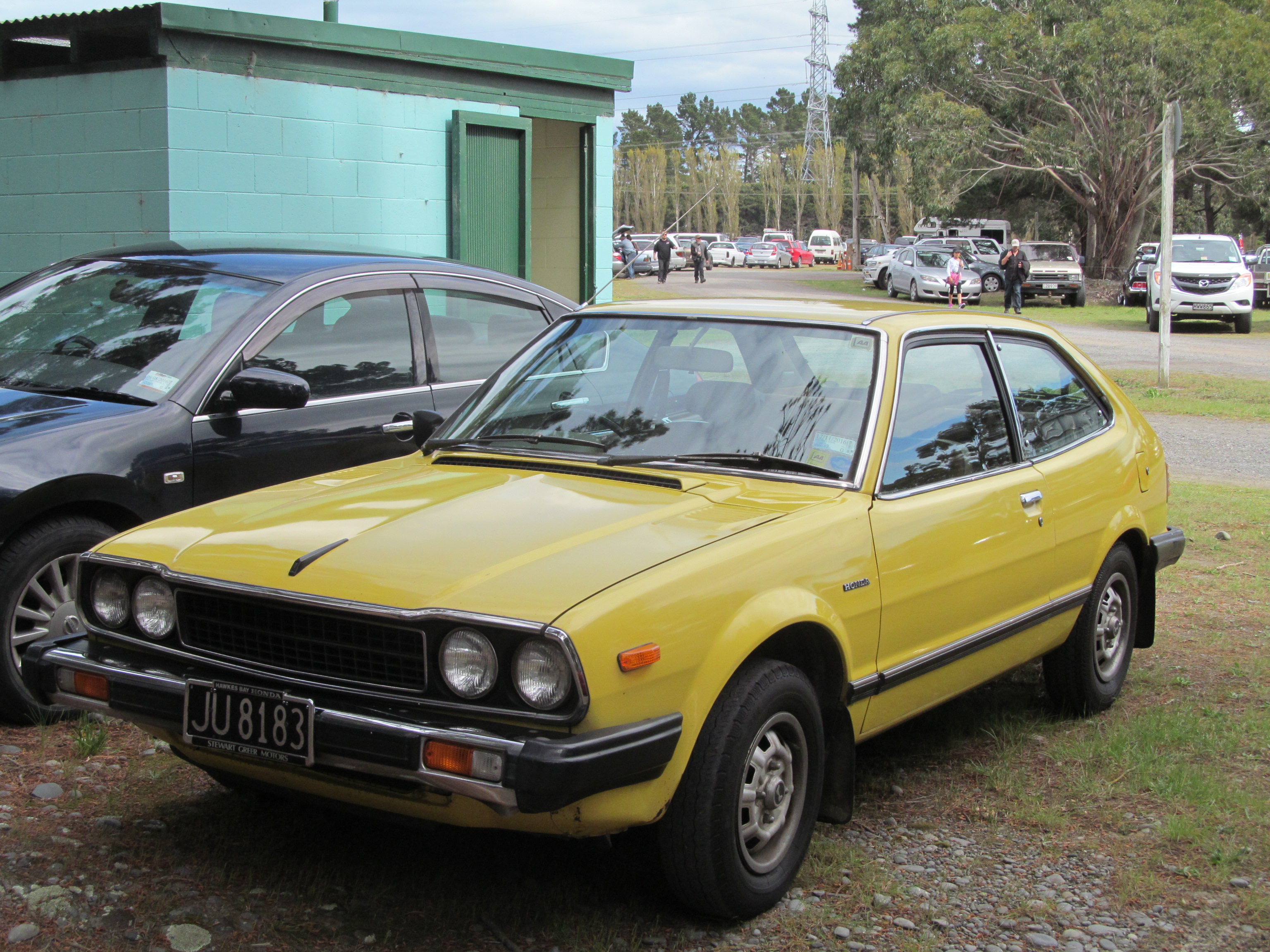
Accord Euro
"although I did joke I think on the way there [978.6s] definitely a magna because I had to get petrol [982.5s] but [984.4s] the other good news [985.9s] is that [987.9s] the Accord Euro got registered today [991.9s] so that's good"
The Accord Euro is a Honda Accord variant sold in some markets (like Australia). They’re saying it’s been registered, so it’s ready to drive legally.
The Honda Accord Euro is a European-focused trim/variant of the Honda Accord sold in Australia and nearby markets. Here, the key point is that it “got registered today,” meaning it’s now legally road-ready, which is why the speaker is excited and mentions not having a driver lined up yet.
knock sensor
"so it's had four new tyres all new brakes knock sensor, power steering pump"
A knock sensor helps the car detect harmful engine knocking. If it’s replaced, it usually means the car’s computer saw signs of knock and needed to correct or prevent damage.
A knock sensor is an engine sensor that detects abnormal combustion (“knock”) so the engine computer can adjust ignition timing to protect the motor. Replacing one can be a sign the car had drivability or engine-protection issues, even if the car still feels mostly normal.
power steering pump
"knock sensor, power steering pump lower control arm bushes"
The power steering pump helps make the steering easier. If it was replaced, the car likely had steering problems like hard steering or noise.
The power steering pump is the component that provides hydraulic assist (in many older setups) so steering effort stays low. If it’s been replaced, it often points to steering feel issues like heavier steering, whining, or leaks.
lower control arm bushes
"power steering pump lower control arm bushes, windscreen"
These bushes are the flexible mounts that connect the suspension parts. If they wear out, the car can feel loose or make knocking noises, and the tires may wear unevenly.
Lower control arm bushes are rubber (or elastomer) mounts that allow the suspension arms to move while controlling vibration and alignment. Worn bushes can cause clunks, vague steering feel, and uneven tire wear, so replacing them is a meaningful suspension refresh.
rubber hose
"essentially all the rubber hose have been redone it's got new fittings on it"
These are the flexible tubes that move fluids around the car. Over time, rubber can get brittle or start leaking, so replacing them helps keep everything working properly.
“Rubber hose” refers to flexible tubing used to carry fluids like fuel, coolant, or vacuum/boost-related gases. In older cars, hoses can harden, crack, or seep, so replacing them can prevent leaks and drivability issues.
round clamps
"they're like these round clamps that they like sort of squeeze together"
Those “round clamps” are the metal bands (or similar rings) that hold a hose tight onto a connection. They help stop leaks, even on lines that aren’t under extreme pressure.
The “round clamps” being described are hose clamps: hardware that squeezes a hose onto a fitting to prevent fluid leaks. The key point here is that even if the line isn’t high-pressure, the clamp still needs to provide a secure seal.
easy hoses in epping
"so shout out to easy hoses in epping anyone need custom hose stuff done"
This is a local shop the host recommends for making or redoing custom hoses. They’re saying the shop was helpful and the price was better than ordering from overseas.
“easy hoses in epping” is a local hose/fabrication shop being recommended for custom hose work. The host credits them with being knowledgeable and getting the job done for a lower cost than sourcing parts from Germany.
fuel pump
"I've got a new fuel pump for the Mercedes on auto"
The fuel pump is what sends gas from the tank to the engine. If it starts failing, the car may struggle to start or run poorly because the engine isn’t getting enough fuel.
A “fuel pump” is the component that pressurizes and delivers fuel from the tank to the engine. If it’s weak or failing, you can get fuel starvation symptoms like hard starting, hesitation, or stalling—so replacing it is a common fix when diagnosing fuel delivery problems.
Mercedes
"I've got a new fuel pump for the Mercedes on auto"
“Mercedes” is the car brand. Here, the speaker is saying they replaced parts on their Mercedes fuel system.
“Mercedes” refers to the Mercedes-Benz brand of cars. In this segment, the host is working on a Mercedes and mentions replacing fuel system parts like a fuel pump and hoses.

1994 BMW 318is coupe
"I've bought a 1994 BMW 318is coupe"
This is a BMW 3 Series coupe from 1994, and the “318is” is the sportier version of the 318. People like it because it’s a smaller, more driver-focused BMW that’s fun to modify and drive.
The BMW 318is is a compact BMW from the 3 Series lineup, and the “is” denotes a sportier, more performance-oriented trim than a base 318. In 1994, this would be the E36-era 3 Series coupe, which is popular with enthusiasts for its light feel and tuning potential.

Tesla 36 Model
"oh yes 36 model and this is having in"
coffee and cars
"I love it you know I can walk into town [1398.8s] but I really missed not having something [1400.9s] to drive to coffee and cars in [1402.3s] two classics I took were my two [1405.0s] Datsun 1600s I've owned since the 70s [1407.4s] they haven't been driven since"
They’re talking about driving their cars to casual meetups, like a “coffee and cars” gathering. The point is that the car needs to be usable for real life, not just sitting in a garage.
This segment is about using cars for everyday social routines—specifically driving to “coffee and cars” meetups. It frames the speaker’s decision-making around practicality and enjoyment, not just collecting.
recommissioning
"they haven't been driven since [1409.0s] the early 80s so they need recommissioning [1411.7s] and she said to me just go out and buy"
Recommissioning means getting a car ready to drive again after it’s been sitting unused. It’s basically a careful “wake it up” checklist so you don’t find out something is wrong the first time you try to drive it.
Recommissioning is the process of bringing a car back to safe, reliable operation after it’s been stored or not driven for a long time. It typically includes checking fluids, fuel system condition, brakes, tires, and electrical basics before you drive it again.
shocks
"from when I looked at it its suspension is 30 odd years old you know you like to have nice shocks and all that so I've been collecting the parts for that"
Shocks are the parts in the suspension that help the car settle after bumps. They keep the wheels from bouncing too much so the ride stays controlled.
In a car, shocks (more commonly called shock absorbers) control how the suspension moves after hitting bumps. They damp the up-and-down motion so the tires keep better contact with the road instead of bouncing.
genuine parts
"trying to buy the genuine parts or at least the sacks or oh yeah replacement part numbers yep"
Genuine parts are the official replacement parts made for that car. They’re more likely to fit correctly and match the original design than cheaper alternatives.
“Genuine parts” usually means OEM (original equipment manufacturer) components made for the car by the brand or its approved suppliers. Using genuine parts helps ensure the fitment and specifications match what the car was designed to use.
replacement part numbers
"trying to buy the genuine parts or at least the sacks or oh yeah replacement part numbers yep and I've pretty well got everything"
A part number is like an exact ID for a specific car part. Using the right one helps make sure you’re buying the correct suspension component for that exact vehicle.
Replacement part numbers are the specific catalog codes used to identify the exact component for a given vehicle. Matching the correct part number is important for suspension parts because small differences in fitment or valving can affect how the car rides and handles.
front struts
"Matty I got the front struts from super cheap absolutely sacks correct part number"
Struts are suspension parts up front that help control how the front wheels move. If they’re worn out, the car can feel bouncy or less stable, especially over rough roads.
Front struts are suspension components that combine a shock absorber with a structural mounting point for the front suspension. Replacing worn struts can noticeably improve ride quality and steering feel because they affect how the front wheels track over bumps.
Bilsteins
"and your Bilsteins and everything I've got them coming"
Bilstein makes shock and strut parts for cars. If you’re replacing suspension, Bilstein is a well-known name people choose for better control and ride quality.
Bilstein is a suspension brand known for shock absorbers and struts, often used by enthusiasts for improved damping and durability. When someone says they have “Bilsteins,” they’re typically referring to specific aftermarket or replacement shock/strut units from that manufacturer.
idle pulley
"also when I [1514.8s] looked at it was making some noise from the front [1516.8s] pulleys the car it sat around [1519.0s] it was deceased sale [1521.7s] and you know often when [1523.0s] they sit around for more than 12 months [1524.5s] things like that are noisy [1526.7s] so as an idle pulley"
An idle pulley is a small wheel that helps guide a belt and keep it tight. If it starts making noise, it can mean the pulley bearings are wearing out, especially after the car hasn’t been driven.
An idle pulley is part of the belt drive system that routes and maintains tension in the belts. If it’s noisy—especially after the car has sat—it can indicate bearing wear or belt misalignment.
cars and coffee
"so I'm looking forward to having something [1548.4s] I can tinker with and use go to cars and coffee [1550.8s] and that's really cool what colour is it"
“Cars and coffee” is a casual car meet where people bring their cars and hang out. It’s a common way for car people to show what they’re working on.
“Cars and coffee” refers to informal car meetups where enthusiasts gather to talk about vehicles, share builds, and show cars. It’s often a casual way to socialize and get feedback on projects.
LSD
"it's white and really [1554.8s] highly specced so that's only a four cylinder [1556.6s] it's there so it's got [1558.4s] LSD in the back right no LSD [1560.7s] unless it was optioned up"
An LSD is a special rear-axle differential that limits how much the wheels can spin at different speeds. It helps the car put power down better when traction is uneven.
LSD stands for limited-slip differential. It helps the rear wheels (or axle) keep traction when one wheel loses grip, improving acceleration out of corners and on slippery surfaces.
water pump impellers
"[1605.0s] and he said I'd rather leave this [1606.6s] well alone because it's not being mucked around with [1609.0s] and he said well you're in there [1609.0s] do whatever you think needs to be done [1609.0s] and he said I'd rather leave this [1609.0s] well alone because it's not being mucked around with [1609.0s] some of them have got plastic [1610.2s] water pump impellers"
The water pump impeller is the spinning part that pushes coolant around the engine. If it’s made from plastic and it wears out, the engine may not cool properly and can start running hot.
A water pump impeller is the rotating part inside the coolant pump that moves engine coolant through the cooling system. If the impeller is made from plastic (as mentioned here), it can be prone to wear or failure, which can lead to overheating.
run hot
"[1617.2s] in there but he said to me most of the ones [1619.1s] that have had problems they've done [1621.1s] in a couple of 100000 kilometers [1622.7s] at least they've been run hot [1625.2s] one that's got a lovely service history"
“Run hot” means the engine operates at higher-than-normal temperatures for extended periods. That can accelerate cooling-system wear and contribute to failures like water pump issues, especially on engines already known to have impeller-related problems.
m-tech
"are they m-tech seats [1640.0s] no they're not [1640.9s] the m-tech was another option"
“M-tech” is a BMW option that gives the car a sportier look. It’s not the same thing as the exact seat/trim choice being described in this car.
“M-tech” (BMW M-Technic) is an appearance option that typically adds sportier styling cues—often including interior and exterior trim—without necessarily being the full M-car hardware. Here, the speaker distinguishes “M-tech” from the specific seat/trim setup being discussed, noting it was another option and not required.
m-performance wheels
"the original owner Greg he specified the m-performance wheels [1669.0s] so they look like the m3 wheels [1674.2s] they're similar"
These are BMW “M-performance” wheels—an optional wheel style meant to give a sportier look. The important part is that the wheel size can be different depending on the exact BMW model.
“M-performance wheels” is a BMW option/package name for wheels intended to match the look and fitment of BMW’s M-performance styling. Wheel fitment matters because different models (like a 4-cylinder vs an M3) can use different widths, which affects tire size and how the car sits and handles.
automatic
"but was advertised as an automatic and I particularly wanted to have a manual and so I looked at the pictures"
An automatic transmission shifts gears by itself. You don’t have to use a clutch or move a gear lever like you would in a manual car.
An automatic transmission is a gearbox that changes gears without the driver operating a clutch or shifting manually. In older BMWs like the 318is, the automatic-vs-manual choice affects how the car is built and what parts (like the shifter and clutch hardware) are needed.
manual gearbox
"going I wonder how hard that is to convert to a manual gearbox how easy is that a magnet"
A manual gearbox is the kind where you choose the gears yourself. Usually you use a clutch pedal and a gear stick, and converting from automatic can be more complicated than it sounds.
A manual gearbox is a transmission where the driver selects gears using a gear lever and typically a clutch pedal. Converting an automatic car to a manual often requires more than just swapping the shifter—there are drivetrain and mounting differences that must match the manual setup.
manual gear stick
"and I saw the interior photo it had a manual gear stick in it"
A manual gear stick (shifter) is the lever used to select gears in a car with a manual gearbox. Its presence in a photo is a quick visual clue that the car may actually be configured for a manual drivetrain, even if the listing says otherwise.
body kit
"so as I got the full [1921.6s] the body kit [1923.2s] looks like an M3"
A body kit is an aftermarket set of exterior parts—typically bumpers, side skirts, and sometimes spoilers—that changes a car’s shape and styling. In this segment, the speaker says the body kit makes the car “look like an M3,” meaning the kit gives it a more aggressive BMW M-style appearance even if the underlying car isn’t an M3.
VIN
"they have to cite the ID [2005.6s] they have to cite the ID [2008.2s] the VIN, the engine number etc"
VIN is the car’s unique ID number. It’s like a fingerprint for the vehicle, so authorities can confirm they’re registering the right car.
VIN stands for Vehicle Identification Number. It’s a unique code assigned to a car by the manufacturer, used to verify the exact vehicle when registering it or checking its history.
engine number
"the VIN, the engine number etc [2010.7s] they just"
The engine number is a stamped ID on the engine itself. Registration offices may check it to make sure the car you’re bringing in matches the records.
An engine number is a manufacturer-stamped identifier on the engine block. In some registration processes, it’s checked alongside the VIN to confirm the car matches the paperwork and hasn’t been altered or misrepresented.
historic inspection
"that if you go and do your historic [2031.7s] inspection first with your car club [2033.3s] and then"
A historic inspection is an assessment process for older vehicles, often tied to eligibility for historic/collector registration. The goal is to verify the car’s condition and authenticity before it’s approved under historic rules.
quick ratio steering
"it's got to be the ISS have a quick ratio steering"
Quick-ratio steering means you don’t have to turn the steering wheel as much to get the wheels to turn a lot. The result is usually quicker, more responsive steering when you’re driving hard or turning in tight spaces.
Quick-ratio steering means the steering system turns the wheels more for a given amount of steering-wheel rotation. That typically makes the car feel more responsive and easier to place precisely in tight corners.
quick rack
"a quick ratio steering or a quick rack they've got a quicker rack"
A “quick rack” is a steering setup that makes the wheels respond faster to steering-wheel movement. You turn the wheel a smaller amount to get the same steering angle at the tires.
A “quick rack” is a steering rack with a higher steering ratio, so it moves the tie rods (and thus the wheels) more per unit of steering-wheel input. It’s one way manufacturers make steering feel faster without changing the car’s overall size.
steering box
"they do like a steering box"
A steering box is part of the steering system that turns your steering-wheel input into the motion that steers the front wheels. Different designs can change how direct and “quick” the steering feels.
A steering box is the older-style steering gear that converts steering-wheel rotation into movement of the steering linkage. Compared with rack-and-pinion, steering-box setups can feel different in terms of feedback and how “quick” the steering feels.
boot
"boot's beautiful all the toolkits [2239.0s] sounds like it's just well looked after"
“Boot” just means the trunk—the storage space in the back of the car. They’re saying it’s nicely kept and organized.
“Boot” is the British term for the trunk/storage compartment at the rear of the car. Here, they’re praising the boot area and how well the toolkits are kept, which is a sign of careful ownership.
rattle
"what advice would an E36 do not take it apart [2248.2s] because they will just rattle [2250.5s] David Prince would know"
A “rattle” is a noise from something vibrating—often loose plastic trim or panels inside the car. They’re saying that if you take an older BMW apart, it’s easy to end up with rattles.
In car talk, “rattle” usually means unwanted vibration noises from loose trim, fasteners, or interior panels. The hosts connect it to the E36 idea that taking the car apart can leave things misaligned or not seated correctly, leading to rattles later.
328 i convertible
"she had a 328 [2261.3s] i convertible [2262.7s] and [2264.4s] her husband was helping fix the car"
This is a BMW 3 Series “328i” convertible. The story is about how taking apart the dash and putting it back can lead to annoying noises like creaks and rattles.
“328 i convertible” is a BMW 3 Series E36 variant with the 2.8-liter inline-six (the “328i”) and a convertible body style. Converting a car like this often involves more body flex and more trim pieces, so if parts of the dash are removed and reinstalled loosely, you can get creaks and rattles.
gurgled
"and I was thinking it was old car [2280.6s] but it kind of gurgled through"
“Gurgled” means the car made a weird bubbling or gurgling sound. That can be a sign something isn’t running quite right, but they don’t say exactly what caused it here.
“Gurgled” is being used to describe an engine or exhaust sound/behavior that doesn’t sound smooth. In older cars, odd “gurgling” noises can sometimes point to issues like air leaks, cooling-system concerns, or exhaust leaks—though the segment doesn’t specify which system.
thermostat
"its flush out and new thermostat [2294.4s] and all those things that's all gone"
The thermostat helps control how hot the engine runs by regulating coolant flow. If it’s not working right, the car can heat/feel strange and make unusual sounds.
A thermostat in a car’s cooling system regulates coolant flow to bring the engine up to temperature and keep it there. If it sticks or fails, you can get odd cabin-heater behavior and related noises because coolant isn’t circulating correctly.
rear springs
"when I do the rear springs [2319.8s] the workshop manual says to"
Rear springs are what help your car ride smoothly and keep the rear at the right height. When you replace them, other parts nearby may need to be moved carefully so you don’t damage anything.
Rear springs are the suspension components that support the car’s rear weight and control ride height and compliance over bumps. Replacing them often requires careful handling of nearby drivetrain parts (like drive shafts and CV joints) depending on the vehicle layout.
drive shafts
"the workshop manual says to [2321.8s] drop the drive shafts and everything [2323.9s] on YouTube says you don't need to"
Drive shafts are the parts that send power from the gearbox to the wheels. When you’re doing suspension work, moving them out of the way can prevent you from stressing or damaging related joints.
Drive shafts transfer torque from the transmission to the wheels, typically through CV joints at the ends. Dropping the drive shafts during suspension work can reduce the chance of damaging the CV joints or putting unwanted stress on the drivetrain.
CV
"because you can lever against the CV"
A CV joint is part of the drivetrain that helps the car keep power going to the wheels even when the suspension moves. If you pry or lever in the wrong place, you can damage the CV joint or its protective parts.
CV stands for constant-velocity joint, a drivetrain joint that lets the driveshaft transmit power smoothly while the suspension moves and the axle angles change. When working near rear springs, mechanics may advise dropping driveshafts to avoid stressing or damaging the CV joint boots and joints.
coil over
"is it coil over they like it that's on 1600 rear end it's part of my attractions BMW is like ...it's not like a coil over the spring"
A coilover is a suspension part that combines the spring and the shock into one assembly. People like it because it can make the car sit lower and handle better, and sometimes it’s adjustable.
A coilover is a suspension setup where a coil spring and shock absorber are packaged together as one unit. That design makes it easier to adjust ride height and damping compared with separate springs and shocks.
divorce shock
"I think it's called a divorce shock or divorce spring like it's like a there's a special term for it where it's separate it's not like a coil over"
They’re describing a suspension where the spring and shock are separate parts. Instead of one combined unit, you have the spring doing one job and the shock doing another.
“Divorce shock/spring” is a colloquial way to describe a suspension where the shock absorber and spring are separated rather than packaged together. The point is that the spring is not integrated with the damper like it is on a coilover.
barrel spring
"it's a very compact spring it's wound it's a barrel spring so it collapses into itself"
A barrel spring is a spring shaped like a barrel. When the suspension compresses, it can fold inward, which can help fit the suspension in a smaller space.
A barrel spring is a spring shape that’s wider in the middle and can collapse inward as it compresses. That geometry can help packaging in tight suspension spaces and can change how the spring behaves through its travel.
full droop
"as soon as you drop the the shock pretty much as soon as it's full droop you can almost usually"
Full droop means the suspension is at its most extended position, with the wheel hanging down. That’s the point where parts are stretched out the most, which can change how you work on them.
Full droop is the suspension position where the wheel hangs as far downward as the suspension allows. It’s often discussed because components like shocks and springs reach their maximum extension, which affects how easy (or hard) a spring swap can be.
travel
"move the spring out of place [2383.6s] because there's enough travel [2385.2s] given it but otherwise [2387.3s] you just take the bottom I think the drive shaft"
“Travel” means how far the suspension parts can move. The speaker is saying there’s enough movement to adjust the spring without taking the whole setup apart.
In suspension work, “travel” refers to how much a component can move through its range of motion. The speaker is implying there’s enough suspension movement to reposition a spring without fully removing everything else.
6 bolt
"[2391.2s] you can just pull one end [2392.3s] it's like a 6 bolt or something [2394.4s] throw it an easy enough job [2396.0s] I don't know why you wouldn't just undo that"
“6 bolt” means the connection uses six bolts. That’s important because it determines the exact mounting pattern for the driveshaft-to-differential connection.
“6 bolt” here likely refers to the number of bolts on the flange joint between the driveshaft and the differential. Bolt count matters because it affects how the driveshaft is mounted and what replacement parts or hardware will fit.
E36 compact
"[2411.3s] because I know E30 rear ends [2413.3s] were very simple [2414.5s] and they kept them on the E36 compact [2416.6s] had the E30 rear end [2419.2s] and people really like those"
The BMW E36 Compact is a smaller E36-era BMW. The speaker is saying it used a rear setup similar to the E30, which can make parts swaps and repairs easier.
The BMW E36 Compact is a shorter-wheelbase E36-era model that, according to the speaker, used the E30-style rear-end hardware. That matters because it can make rear-end service and component compatibility more straightforward for owners working on swaps or repairs.
diff
"[2430.6s] just 6 bolts onto the diff [2433.2s] it's pretty easy right [2434.3s] instead of having to get the"
A “diff” is the part that helps the two wheels on the same axle turn at different speeds, especially when you’re cornering. They’re discussing how it comes apart and how many bolts hold it in place.
“Diff” is short for differential, the gearbox inside the rear (or sometimes front) axle that lets the left and right wheels rotate at different speeds when turning. The speaker is talking about removing/working on it, including the idea of “6 bolts onto the diff,” which points to how the differential is attached.
spline
"instead of having to get the [2437.1s] spline out of the diff [2438.3s] won't have to do that [2439.6s] yeah I think it'd be fine front looks"
A spline is like a toothed connection between two parts that transfers power. They’re saying the job is easier because you don’t have to separate a splined connection from the differential.
A spline is a set of ridges/teeth on a shaft that mates with matching grooves in a part, allowing torque transfer while letting components slide or be removed. Here, the speaker contrasts not having to “get the spline out of the diff,” which implies a splined connection between the differential and another driveline component.

Datsun 180b SSS
"kind of reminds me of what a Datsun 180b [2461.4s] SSS would have become [2462.6s] had they kept it going for 20 years"
The Datsun 180B SSS is a sportier version of the 180B model. In this clip, it’s used as a comparison to describe the vibe and character of the car they’re driving.
The Datsun 180B SSS is a performance-oriented trim of the 180B, typically associated with a more spirited setup than the base versions. The speaker is using it as a “what it would have become” reference, implying the other car has a similar size/feel and driving character to the 180B SSS.
1 to 1 5th gear
"it's a 1 to 1 5th gear [2481.5s] oh 1 to 1 5th"
“1 to 1” means 5th gear is set up so the engine speed and drivetrain speed are closely matched. That often makes the car feel more direct and strong in that gear instead of needing big RPM changes to keep moving.
“1 to 1” in 5th gear means the gear ratio is effectively unity, so the transmission output speed matches the engine speed relationship through the drivetrain (ignoring the differential). This can make 5th feel direct and “pull hard” because the RPM-to-wheel-speed relationship stays predictable and efficient.
final
"2486.1s] a long differential [2487.6s] 3.45 to 1 final"
“Final” here is the final drive ratio, which is a gearing step that multiplies the engine’s effort to the wheels. A higher number usually makes the car feel stronger off the line, while a lower number helps it go faster at a given RPM.
In this context, “final” refers to the final drive ratio (the gear reduction between the transmission and the differential). A “3.45 to 1 final” means the driveshaft turns 3.45 times for every one turn of the wheels, strongly affecting how quickly the car accelerates versus how fast it can cruise.
close ratio
"but 5th does not know the drive so you've got close ratio"
A “close ratio” gearbox means the gears are spaced closely together. When you shift, the engine speed doesn’t fall much, so the car keeps pulling instead of feeling like it loses momentum.
“Close ratio” describes a gearbox where the spacing between gear ratios is small, so the engine doesn’t drop far in RPM when you shift. That keeps the engine in its power band more often, which is especially noticeable in higher gears like 5th.
rear wheel drive
"small two door coupe rear wheel drive manual it's the combination"
Rear-wheel drive means the back wheels get the power. Many driving enthusiasts like it because the car can feel more “connected” when you steer and accelerate.
Rear-wheel drive (RWD) means the engine sends power to the rear axle. It often gives a more balanced feel for steering and throttle response, especially in a lightweight, two-door coupe.
interchangeable parts
"you can build onto the back of interchangeable parts"
Interchangeable parts are pieces that can be used in more than one car or version. That usually makes repairs and upgrades simpler and cheaper.
Interchangeable parts are components designed so they can be swapped between different models or versions without major re-engineering. In car design, this can reduce cost and complexity and make maintenance or upgrades easier.
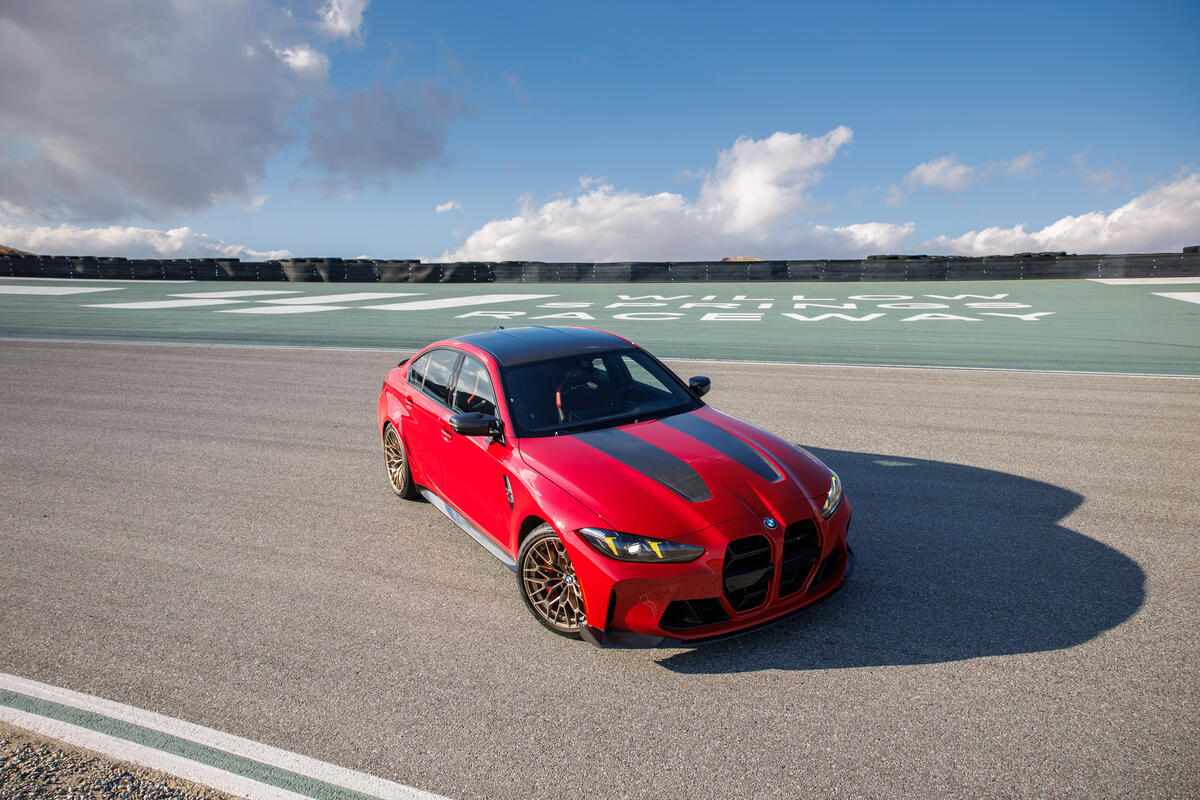
M3
"[2580.7s] the M3 is obviously god tier [2583.3s] but like the"
The BMW M3 is the high-performance, track-focused version of the 3 Series, and the E36-era M3 is a benchmark for analog driving feel. In this segment, the host is praising it as “god tier,” tying it to the E36 generation discussion.
straight 6
"because I've driven a few 3 and 2 [2591.0s] 8's and they're so sweet little straight 6 [2593.9s] so"
A “straight 6” is an engine with six cylinders arranged in a single line. People like it because it tends to run smoothly and feel refined as it revs.
“Straight 6” means an inline-six engine layout, where all six cylinders are in one line. It’s known for smooth power delivery and balanced operation, which is why enthusiasts often describe certain BMW inline-sixes as especially “sweet.”
interior is completely stripped
"my [2618.7s] my black laser so that pretty much the interior [2621.1s] is completely stripped in there I was gonna pull [2622.3s] the dash out and hit the fan and stuff out"
“Completely stripped” means taking out most of the inside parts of the car. People do this to save weight and to make it easier to work on the car for track or build projects.
“Completely stripped” refers to removing interior trim and components (like seats, carpet, and panels) to reduce weight and make room for repairs or upgrades. In motorsport and track builds, this is often part of a broader weight-reduction and fabrication process.
engine mounts
"the engine mounts gone up and cracked the covers and I was just like"
Engine mounts are the parts that hold the engine to the car and help reduce shaking. If an engine mount fails, the engine can shift, and that can crack nearby parts like covers during repairs.
Engine mounts are the rubber/metal supports that hold the engine in place and isolate vibration. In this anecdote, the engine mounts are described as having “gone up” and cracked timing covers, which is a clue that mount failure or movement can cause collateral damage during engine work.
timing belt
"they were doing the timing belt today and I'm not going to be able to get a set of covers"
The timing belt is a belt inside the engine that keeps the engine’s moving parts working in sync. When mechanics do timing-belt work, they usually have to open up the front of the engine and remove cover pieces.
A timing belt is the belt that synchronizes the engine’s crankshaft and camshaft(s) so valves open at the correct time. If it’s due for service, it often requires removing timing covers, and damaged covers can delay the job or complicate reassembly.
roof rails
"…and it's got mint roof rails so I took the roof rails off that and they'll be seeing David Prince with the roof rails…"
Roof rails are the metal bars/tracks on top of a car. They’re used to mount things like a roof rack or cargo carrier.
Roof rails are metal tracks mounted along the roof that let you attach accessories like roof racks, cargo boxes, or bike carriers. They’re often sold as separate parts, so the speaker is removing them to reuse or sell them.
historic registration
"display that you've got historic registration yeah so you still have the sticker obviously like a little no registration yeah"
Historic registration means an older car is officially registered under special rules. The idea is that it’s treated differently than a normal daily car, and the speaker mentions it affects how easily the car’s status is noticed.
Historic registration is a vehicle-licensing status for older cars that may qualify for special rules (like different inspection requirements or display/usage limits). In this context, the speaker says they still have a sticker and that police can’t always tell which cars are on historic plates.
number plate recognition system
"yeah so you can't even tell which ones are there [3080.9s] yeah that's pretty cool [3080.9s] that lots of people are getting pulled up and checked through the number plate recognition system sure yeah"
A number plate recognition system is basically cameras that can read a car’s license plate automatically. It helps authorities quickly check whether a car matches certain rules or records.
A number plate recognition system (often called ANPR/ALPR) uses cameras and software to read vehicle license plates automatically. Police and traffic agencies use it to match cars against databases, such as historic registration status or vehicles of interest.

Mercedes W124
"I was on Mount Alexander Road a road which we drove on this evening at Odinsky and I was in my old Mercedes W124 and was coming back home from a night out in the city..."
The Mercedes W124 is an older Mercedes-Benz E-Class from the late 1980s through the 1990s. It’s known for being a solid, long-lasting daily car, and the host mentions it because he was driving it when police stopped him.
The Mercedes W124 is a late-1980s to mid-1990s Mercedes-Benz E-Class generation known for its durable, long-running reputation. In this segment, it’s the speaker’s personal car used as an example of being stopped and checked by police.
logbook
"and he's like he puts put you in there and I put my high he's like you got your logbook and"
A logbook is paperwork for a car that proves it’s registered and legally allowed to be driven. The police officer is checking that the driver has the required documents.
A logbook is a vehicle document used to record ownership and compliance details, and it’s often required to prove the car is properly registered and meets legal requirements. Here, the officer asks whether the driver has the logbook during the stop.

Mitsubishi Galant VR4
"you were so lucky that your dad bought you a Mitsubishi Galant VR4 as your first rally car"
The Mitsubishi Galant VR4 is a turbocharged Mitsubishi sedan that’s famous for being fast and having good grip. The “VR4” part is the performance version, and it’s the kind of car people used in rally-style driving because it could put power down well.
The Mitsubishi Galant VR4 is a 1980s/early-1990s performance sedan known for its turbocharged all-wheel-drive setup and rally-bred reputation. In rally circles, the “VR4” name is strongly associated with the car’s turbo power and traction advantages compared with typical front-wheel-drive sedans.
work your way up through the ranks
"usually you're much better off to work your way up through the the ranks"
He’s talking about how rally drivers usually don’t start at the top. They begin with simpler, less expensive cars and improve step-by-step until they can move into better equipment.
This is about the typical motorsport career ladder: starting with smaller, cheaper cars and gradually moving into faster, more competitive machinery. In rally, that often means earning seat time and results before getting access to higher-budget cars and teams.
100,000 miles
"already it had done [3280.3s] 100,000 miles it was somebody [3282.9s] owned it from New and drove from Adelaide"
“100,000 miles” just means the car has been driven a lot. On older cars, that kind of mileage can mean more wear, so it’s a notable detail when someone is talking about reliability.
“100,000 miles” is a measure of how much a car has been driven over its lifetime. In older-car context, that mileage can be a big deal because wear items (like suspension components, brakes, and engine internals) accumulate with use.
Mini Deluxe 998 CC
"oh yeah correct ... [3311.0s] I'd come my road car was [3313.0s] a Mini Deluxe 998 CC [3315.0s] Mini and the Corolla was a huge"
The Mini Deluxe is a classic small British car. “998 CC” means the engine is about 1.0 liter, which helps explain why it was known for being light and economical rather than fast.
The Mini Deluxe is a classic British small car, and the “998 CC” refers to its engine displacement—about 1.0 liter. That small engine size is part of why Minis were popular as nimble, economical city cars, even though they’re far less powerful than modern vehicles.
disc brakes
"yeah so I left the mechanicals the same but I went to the wreckers and got K20 disc brakes and master cylinder and the rear brake biasing thingies"
Disc brakes are the kind where pads squeeze a metal disc to slow the wheels down. They usually work more consistently than older drum brakes, especially when you’re braking hard for a long time.
Disc brakes use brake pads clamping onto a spinning rotor to slow the car. Compared with older drum setups, they typically offer more consistent braking and better heat handling, which matters when you’re converting a road car toward rally use.
master cylinder
"and got K20 disc brakes and master cylinder and the rear brake biasing thingies and the rear wheel cylinders"
The master cylinder is the part that turns your foot on the brake pedal into hydraulic pressure. That pressure is what makes the brakes actually clamp down at the wheels.
The master cylinder is the hydraulic pump that converts your brake pedal force into pressurized brake fluid. That pressure then feeds the brake calipers/wheel cylinders to create the clamping force at each wheel.
rear brake biasing thingies
"and got K20 disc brakes and master cylinder and the rear brake biasing thingies and the rear wheel cylinders"
Brake biasing is about deciding how hard the front brakes and rear brakes work relative to each other. Rally drivers tune it so the car stays controllable instead of the rear wheels locking up and sliding.
Brake biasing controls how much braking force goes to the rear versus the front. In rally setups, adjusting rear bias helps manage traction and stability—too much rear braking can cause the rear to lock and slide.
rear wheel cylinders
"and the rear brake biasing thingies and the rear wheel cylinders the gearbox the synchro's were completely gone"
Wheel cylinders are the parts that use brake fluid pressure to push the brake mechanism at each wheel. They’re commonly used with drum brakes to squeeze the braking surfaces.
Wheel cylinders are hydraulic actuators used by drum brakes to push the brake shoes against the drum. If the rear axle still uses drums (or drum-style hardware), wheel cylinders are the parts that convert brake fluid pressure into mechanical braking force at the rear wheels.
synchro's
"the gearbox the synchro's were completely gone so you double to clutch everywhere yeah"
Synchros help a manual transmission shift smoothly by matching the spinning speeds of the gears. If they’re worn out, shifting gets difficult, and you may have to use extra steps to avoid gear grinding.
Synchros (synchronizers) are the parts in a manual gearbox that match the speed of the gears so you can shift smoothly. If the synchros are worn out, you can’t easily shift without grinding or forcing the drivetrain, so you may need to use techniques like double-clutching.
double to clutch
"so you double to clutch everywhere yeah which was great training"
Double-clutching is a way to shift a manual gearbox smoothly when it’s not happy with normal shifting. It helps match speeds so the gears don’t grind.
Double-clutching is a manual-transmission technique used when synchros are worn or absent. You depress the clutch, shift to neutral, release and re-press the clutch to match engine and gearbox speeds, then shift into the target gear—reducing wear and preventing grinding.
engine rebuild
"but then had to do an engine rebuild on it and we put you know different springs and shocks on it"
An engine rebuild means taking the engine apart and fixing or replacing worn internal parts. It’s done to get the engine back to good health after it’s been stressed hard.
An engine rebuild is a major repair where worn components inside the engine are replaced or refurbished to restore compression, oil control, and overall reliability. In rally cars, rebuilds can be necessary after repeated high-load events and rough-surface abuse.
ride height
"raised the ride height a lot because the rallies were rough back then"
Ride height is how high the car sits off the ground. More ride height usually means more clearance for rough roads so you don’t hit the bottom as easily.
Ride height is the distance between the car’s body and the ground. Raising it increases ground clearance for rough rally stages, helping avoid scraping the underbody and improving the car’s ability to handle uneven surfaces.
rallies were rough back then
"raised the ride height a lot because the rallies were rough back then they were all nighters out in the middle of nowhere"
They’re describing how tough the old rally events were, with rough roads and long nights. That context explains why the car needed changes and repairs to survive the abuse.
This segment frames the car changes as a response to harsh rally conditions—night stages, uneven surfaces, and long periods away from support. It explains why suspension/ride height and drivetrain/maintenance work mattered so much.
mapping events
"my era we went from mapping events through to the modern era of rallying as you see nowadays"
They’re describing an older way of preparing for rally stages—basically making your own route information ahead of time. That helps the co-driver guide the driver during the race.
“Mapping events” likely describes an earlier rally workflow where teams prepared for stages by creating their own route notes/maps before the modern, standardized navigation systems. That preparation affects how quickly a co-driver can call turns and hazards during the race.
modern era of rallying
"my era we went from mapping events through to the modern era of rallying as you see nowadays"
They’re talking about how rallying has changed over time. The way teams plan and drive the stages today is different from how it was done in earlier decades.
This refers to how rallying has evolved from earlier eras into today’s approach. Changes can include how cars are prepared, how teams plan stages, and how navigation and strategy are handled compared with the past.
Andrew Hunter
"so yeah my co-driver Andrew Hunter I met in first year high school we're still best mates"
Andrew Hunter is the co-driver—basically the person who reads the rally notes and helps the driver know what’s coming next. They’ve been partners for a long time, which matters in rallying.
Andrew Hunter is identified as the speaker’s co-driver, and the co-driver role is central in rallying because they provide pace notes and navigation during stages. The mention also highlights the long partnership between driver and co-driver.
1968 London to Sydney marathon
"so we met on the 1968 London to Sydney marathon and you know back we were saying then you know we'll need to go rallying"
This was a huge long-distance driving event from London to Sydney in 1968. The hosts are saying they met there, and it eventually led them into rallying.
The 1968 London to Sydney marathon was a long-distance rally-style event, and it’s being used here as the origin story for the speaker and co-driver’s friendship. Events like this are often early motorsport experiences that shape future rally careers.

Toyota Corolla K10
"that little car was great it had something very unusual be almost a quiz question for you ... what was so unique about the Toyota Corolla K10 suspension no other Toyota"
This is a specific older Corolla (the “K10” version). The hosts are saying it had a suspension design that was different from what you’d normally see on other Toyotas, which can make it handle better on bumpy rally roads.
The Toyota Corolla K10 is a specific K10-generation Corolla, and it’s being singled out here for having a suspension setup that was unusual for its class/era. In rallying discussions, that kind of distinctive suspension can affect how the car handles on rough surfaces and how predictable it feels in corners.
transverse leaf
"35 I think no it's a transverse leaf front spring"
A leaf spring is a type of suspension made from layered metal strips. “Transverse” means it’s set up sideways across the car, which changes how the suspension supports the wheels and rides over rough roads.
A transverse leaf spring is a leaf-spring suspension setup where the spring is mounted side-to-side across the vehicle (rather than running front-to-back). That layout can package the suspension differently and affect how the car controls body movement over bumps.
front leaf spring
"no it's a transverse leaf front spring oh really front leaf spring"
This is a leaf spring at the front of the car. Leaf springs can be adjusted by changing how many spring leaves are in the pack, which can make the car sit higher and feel stiffer over bumps.
A front leaf spring is a leaf-spring suspension component located at the front axle. Leaf springs can be tuned by adding/removing leaves, which changes ride height and stiffness—exactly the kind of “raise it and stiffen it” adjustment described here.

Chevrolet Corvette
"and put across like a Corvette exactly it's kind of lifting the whole profile"
The Chevrolet Corvette is a sports car built for performance. It has a very recognizable shape, with a low and wide look. The podcast is comparing another car’s profile to a Corvette’s overall appearance.
The Chevrolet Corvette is a performance sports car from Chevrolet, known for its distinctive low, wide profile and driver-focused design. It’s frequently discussed because its shape and stance are instantly recognizable, and people often describe how changes to details can “lift” or alter the overall look. In the podcast context, it sounds like the speaker is describing how a car’s profile resembles a Corvette.
McPherson struts
"so it still has like McPherson struts but the whole anti roll bar situation"
McPherson struts are a popular suspension design that uses one main unit to handle both damping (shock absorption) and support. It’s a different approach than leaf springs, so mentioning them helps explain how the car’s ride and handling are being controlled.
McPherson struts are a common front suspension design that combines a shock absorber and a structural strut into one unit. They’re typically used with a separate spring/anti-roll setup, so when the speaker says the car still has McPherson struts, they’re contrasting the strut-based suspension with the leaf-spring-controlled stiffness/roll behavior.
Request an Explanation
Heard something you'd like explained? We'll add it to this episode.
Sign in to request explanations for terms you heard.
Want to learn more?
Browse our glossary for plain-English explanations of automotive terms, jargon, and concepts.
Help improve this episode
See something that's not quite right? Our annotations are AI-generated and can sometimes miss the mark. Click the flag icon on any annotation to suggest a correction.
1 community members have helped improve this episode.