
Choosing the Right Polisher For You. Plus, Glass Cleaning, PPF, and Much More. Episode #962
About this episode
Episode #962 walks through how to choose a polisher that fits your budget and your habits, with practical guidance on torque, noise, pad size, and real-world use. The hosts also cover glass cleaning—why “heat and alcohol typically don't mix,” how humidity affects streaking, and why “less is more” at the finishing stage. Later, they shift to PPF: edge prep for matte paint, why “everything is with PPF is about the adhesive,” and how tack, baking, and safe polishing technique impact results.
Most car enthusiasts overlook one seemingly minor detail that can turn into a major headache—what happens when you polish or coat over factory or aftermarket paint that isn't perfectly uniform?
If you've ever dealt with weird streaks, patches, or ghosting on a vehicle’s finish, you’re not alone—and this episode is your ultimate guide to understanding and resolving these tricky paint anomalies.
Join Marshall and Nick as they dissect real-world scenarios from the Hyper Clean Specialist group—like mysterious patches on a 2026 Z4 with factory matte paint, uneven coating after a body shop repair, and what to do when emblem removal leaves an imprint behind.
Together they break down what causes ghosting and streaks, how to tell whether the issue is in the paint or the coating, and the safest steps to correct or prevent these problems without risking damage.
You’ll also hear practical advice on PPF, coatings, and carbon fiber, including when polishing is safe, when to leave something alone, and how to think about wait times after repainting. The conversation even covers quick protection options for customers who want short-term defense without committing to a full stak, plus a few real-world detailing techniques for washing, claying, drying, and wheel care.
Chapters
- 0:00 — Questions from the community
- 2:05 — Choosing the right polisher
- 13:36 — Glass cleaner in hot weather
- 21:38 — Coating removal and PPF on matte paint
- 26:13 — Strange paint line on factory satin finish
- 34:01 — Emblem imprint on carbon fiber and PPF
- 37:57 — Repaint wait times for coating
- 43:15 — Quick protection options: SLIQ vs spray coat
- 48:38 — Rust on wheels after detailing
- 53:17 — Preventing algae in water tanks

Z4 M coupe
"All right, well, cooking with Nick wanted to know Z four M coupe versus the 2021 Supra kind of like would you rather? [84.9s] Which one would you go after? [86.8s] Z four M."
This is a BMW Z4 M, which is BMW’s more performance-oriented version of the Z4. The host is basically asking whether you’d rather own this BMW or a Toyota Supra.
The BMW Z4 M is a performance-focused version of the Z4 roadster/coupe platform, known for its sporty driving feel and M-badged tuning. In this segment, the host is comparing the Z4 M coupe to the Toyota Supra as a “would you rather” ownership choice.
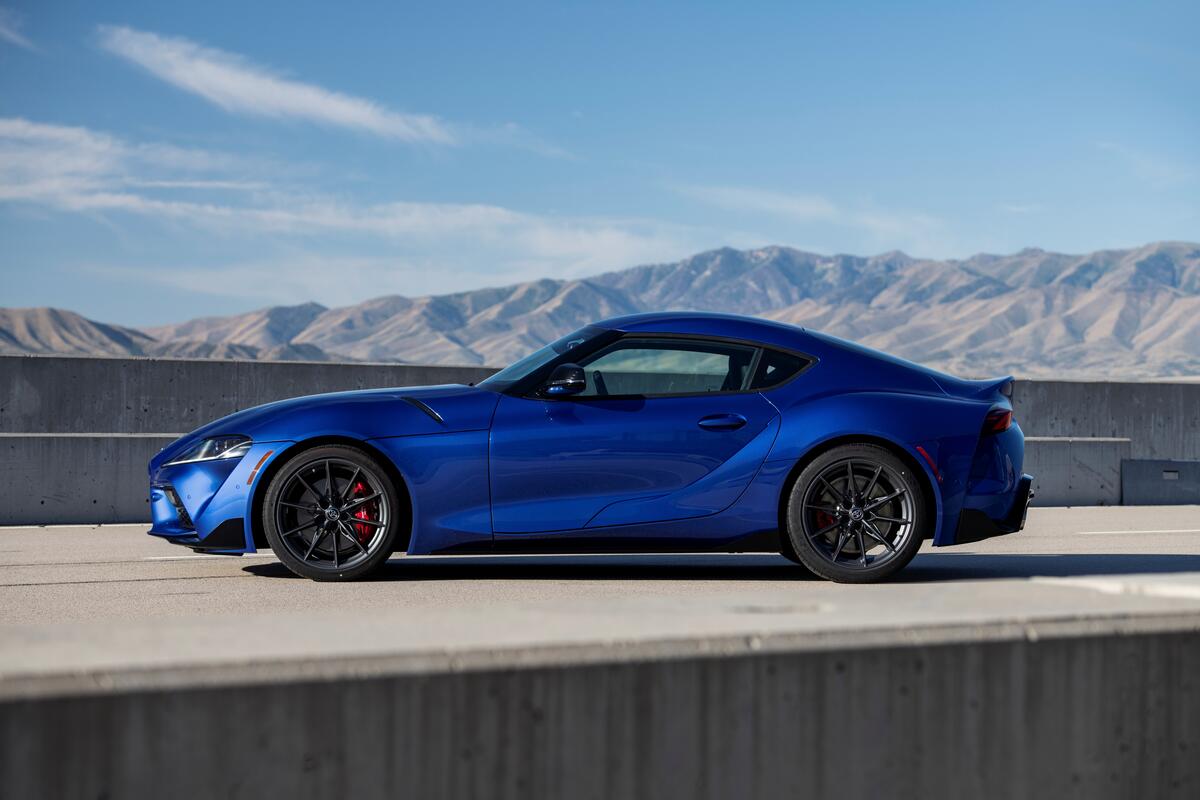
Toyota Supra
"All right, well, cooking with Nick wanted to know Z four M coupe versus the 2021 Supra kind of like would you rather? [84.9s] Which one would you go after? ... [110.1s] Obviously, the newer Supra with, you know, Toyota's reliability is going to be a little bit better of an ownership experience for most people."
The 2021 Supra is a Toyota sports car that’s known for being fun to drive and generally dependable. In this discussion, the host says it’s likely the easier ownership pick for most people.
The 2021 Toyota Supra is a modern sports coupe built around BMW’s inline-six architecture, and it’s widely known for strong performance with relatively straightforward ownership. Here, the host points out that Toyota reliability should make the ownership experience better for most people compared with the BMW Z4 M.
ownership experience
"Obviously, the newer Supra with, you know, Toyota's reliability is going to be a little bit better of an ownership experience for most people."
“Ownership experience” just means how the car feels to own—whether it’s dependable and easy to keep running. Here, the host is saying the newer Supra should be the less stressful option for most people.
“Ownership experience” is a general way of describing what it’s like to live with a vehicle day-to-day—things like reliability, maintenance hassle, and how predictable the car is over time. The host uses it to compare the BMW Z4 M versus the newer Supra, emphasizing Toyota’s reputation for dependability.

Jaguar Convertible Type
"...e Z four M that I would want would be the the non convertible type of vehicle. It's a true group. Let's get into som..."
Jaguar is a company that makes luxury cars. The podcast mention is about choosing a version that isn’t a convertible. That matters because different body styles can change what’s easiest to clean and protect.
Jaguar is a brand known for producing luxury vehicles, including performance-oriented models that can be offered in different body styles. In the podcast context, the mention of a “non-convertible type” suggests the discussion is about choosing a specific configuration for how it’s used or detailed. Jaguar vehicles often get attention in detailing because their paint, trim, and glass surfaces benefit from careful protection.
polisher
"Alright, so it says Hey, many moons ago, I bought a, you know, and he lists this polisher. This guy's name is Christian."
A polisher is a machine detailers use to clean up and smooth the car’s paint. It helps remove scratches and brings back shine, especially when you use it with polishing products.
A polisher (in detailing) is a machine used to apply compounds and polishes to a car’s paint to remove defects and improve gloss. In the segment, the listener is asking about choosing a reasonably priced, quality polisher for DIY work.
five inch
"“Yeah, I think look at our five inch liquid elements...”"
“Five inch” means the size of the polishing pad. Pad size changes how the polisher fits on different parts of the car and how evenly it works the paint.
“Five inch” refers to the polisher’s pad size (the diameter of the foam or microfiber pad). Pad size affects how the tool fits different panel shapes and how it spreads heat and polishing pressure across the paint.
torque
"“...But it does have a little bit more torque than most of those. So you know, you have some drawbacks...”"
Torque is basically the tool’s “pulling power.” For a paint polisher, more torque helps it keep working effectively instead of slowing down when you press or when the paint is tougher.
Torque is the twisting force a motor produces, and for a polisher it strongly affects how well the tool can keep the pad working under load. More torque can help maintain cutting action without bogging down, especially on harder paint or when using more aggressive pads.
tire shine
"“I think it's kind of one of those like tire shine, everybody gets so particular about exactly what they specifically want.”"
Tire shine is a product you put on tires to make them look darker and glossier (or sometimes more satin). People can be picky because different products look different and last different amounts of time.
Tire shine is a dressing product applied to tires to enhance appearance and add a glossy or satin finish. Detailers often debate tire shine because different formulas can vary in gloss level, durability, and how much they sling onto wheels and paint.
Liquid Elements
"“Look, I would tell you this liquid elements is the good balance.”"
Liquid Elements is a brand the host recommends as a middle-ground option. The idea is that it’s not the cheapest, but it’s also not the ultra-expensive level.
Liquid Elements is referenced as a polisher brand/line that the host considers a “good balance” between cost and results. The context suggests it’s positioned as a step up from the cheapest tools without going all the way to the most expensive machines.
Harbor Freight
"“...If you're worried about cost, you're going to end up at harbor freight.”"
Harbor Freight is a store that sells tools at lower prices. The host is basically saying if you want to spend very little, you’ll likely end up shopping there.
Harbor Freight is a retail brand known for budget tools, including entry-level detailing polishers. In the segment, it’s used as a reference point for cost-conscious buyers and what expectations to have at lower price tiers.
Porter Cable
"“...that used to be where porter cables at. ... if you wanted something cheap and easy, it was like, go get a porter cable...”"
Porter-Cable is a tool brand that used to be a go-to for inexpensive polishers. The host is saying that compared to newer choices, it may not be the best option anymore.
Porter-Cable is a power-tool brand that historically became popular among DIY detailers for affordable polishers. The host contrasts that older “cheap and easy” reputation with newer options, implying the market has moved on in terms of performance and ease of use.
rotary
"“...you start talking about spending... you and I... you start talking about spending... rotary that costs 600 bucks...”"
A rotary polisher is a machine that spins like a wheel. It can correct paint faster, but it also builds heat quickly, so you have to be careful not to damage the paint.
A rotary polisher spins in a single direction, which can cut paint defects quickly and generate a lot of heat. Because of that, it usually requires more technique to avoid burning through paint or creating holograms, especially on softer clear coats.
Makita
"“...is it doing anything more than a Makita or maybe it's lighter?”"
Makita makes power tools. The host is using it as an example of a solid, more mainstream tool to compare against expensive polishers.
Makita is a power-tool brand often used as a baseline comparison for rotary polishers. Here, the host is essentially saying that a much more expensive rotary should do more than what you’d get from a Makita-class tool, aside from factors like weight.
field of diminishing returns
"“...there's a law of diminishing returns with some of those that a lot of people are not going to be happy with.”"
The “law of diminishing returns” means that as you spend more on a polisher, the improvement you get becomes smaller. In detailing, this often shows up as expensive machines offering incremental benefits that many users won’t notice or justify for their skill level and paint condition.
built in house
"“It's very rare. Every part of a polisher is built in house by somebody.”"
“Built in house” means the company makes the parts themselves instead of buying them from another manufacturer. The host is implying that can affect quality.
“Built in house” refers to a manufacturer making components internally rather than outsourcing them to other suppliers. The host uses it to argue that some polisher brands claim tighter control over quality because their parts are made by their own team.
made in China
"“...major brands that used to be made in a certain part of Europe... now being made in China.”"
“Made in China” just means the product is manufactured there. The host is pointing out that some brands that used to be made in Europe are now being made in China.
“Made in China” is a manufacturing-origin claim that the host uses to highlight how some brands have shifted production away from Europe. In tool discussions, origin can matter to buyers because it’s often tied (fairly or not) to perceived quality control and consistency.
rotaries
"I guess it's probably more of just the time you grew up in the business of when you were using rotaries, it was like whatever one was there, that's the one you were going to use."
Rotary polishers (often shortened to “rotaries”) use a rotating motion to drive the polishing pad. They’re known for fast defect removal, but they’re also easier to misuse than dual-action tools because heat and paint damage can happen quickly if you dwell or use too much pressure.
Milwaukee
"What else was out there? There was Milwaukee. Yeah, I mean, the only ones that I really remember in my was you either had Makita or you had DeWalt."
Milwaukee is another tool brand. The host is basically saying that in their experience, only certain brands were commonly available to them.
Milwaukee is another power-tool brand that makes tools used by detailers, including polishers. The host is listing competing brands that could exist in the market, but emphasizing that their real-world exposure was limited to a couple of dominant options.
tool sponsorship
"And I will say pretty readily, there's a lot of group think about tools that you find that people don't actually know what they're talking about, right? Like, then there's been like a lot of sponsorship in the tool business"
Tool sponsorship means a company gives tools to someone to promote them. The host is saying you should be skeptical if the person’s recommendation doesn’t match what they actually use day-to-day.
Tool sponsorship is when brands provide tools to detailers or creators, which can bias reviews and recommendations. The host is warning that some “high end work” claims may not reflect long-term real-world use of the sponsored tools.
run out on the pad
"But yeah, one of the big things about Rotary that if you haven't used a lot of Rotary, people talk about the run out on the pad and how long the the tool runs out."
Runout means the pad isn’t spinning perfectly straight—it wobbles a little. More wobble can make polishing less even and harder to get a clean, consistent finish.
“Runout” is how much the pad wobbles or deviates from perfect rotation while the tool is spinning. Excess runout can reduce polishing effectiveness and increase the chance of uneven results, especially on flat areas and tight edges.
monsoon season
"We have something called monsoon season. And in the last 10 days, the humidity has risen quite a bit because that's what creates the monsoon."
“Monsoon season” here just means a stretch of very humid weather. When the air is humid, glass cleaner can behave differently and you’re more likely to get streaks.
In detailing, “monsoon season” is a shorthand for a period of consistently high humidity and frequent moisture in the air. Higher humidity makes glass cleaning harder because products can dry differently and streak more easily.
glass cleaner
"glass cleaner would be one of those things. Now I have I in my career, you betcha. But yeah, I don't I don't struggle with ours."
Glass cleaner is the product you use to clean car windows. The goal is to remove grime without leaving streaks, and the amount you use matters.
Glass cleaner is a dedicated chemical product used to remove oils, dust, and residue from automotive glass. In detailing, the key is using the right amount and technique so the cleaner evaporates cleanly without leaving streaks.
glass cleaning
"Episode title: “Choosing the Right Polisher For You. Plus, Glass Cleaning, PPF, and Much More.”"
Glass cleaning means getting the windows and windshield really clean so you can see clearly. It helps remove dirt and spots that can build up over time.
Glass cleaning in detailing refers to cleaning and polishing the windshield and other glass surfaces to remove grime, water spots, and residues. It’s often paired with paint correction and protection because contaminants can affect visibility and can be harder to remove once they bond.
overload a well panel
"Actually, when you load overload a well panel, which we talked about and other things when I hear it's glass, when you overload the glass with glass cleaner, you can actually then, well, you overload your towel"
This is the idea that using too much cleaner can backfire. If you spray too much onto the glass, your towel can’t soak it up, and you’ll wipe around a messy mixture instead of cleaning cleanly.
“Overload a well panel” refers to applying too much product to a glass surface area. When you flood the area, the towel can’t absorb it all, so you end up smearing residue and creating streaks.
towels
"Then if you got too much on your towel, and you keep trying to wipe, hush, you got the mixture of the sun."
The towel is what you wipe with to pick up the dirt and cleaner. If it gets too wet, it can start smearing instead of cleaning.
In glass cleaning, the towel (typically a microfiber) is the tool that absorbs the cleaner and lifts contaminants. If the towel gets overloaded with liquid, it can start redistributing streak-causing residue instead of removing it.

Jeep Wrangler
"I did a video on a Jeep Wrangler, where I showed people how little I use. I mean, that's that's the other thing is it's, we sell more when you use more."
The Jeep Wrangler is a common SUV, and the host uses it as an example. They’re showing that you don’t need to soak the glass—just use a small amount and wipe properly.
The Jeep Wrangler is a popular off-road SUV known for its upright body shape and lots of exterior glass surfaces. In this segment it’s used as a real-world example to show how little glass cleaner you actually need on a typical door window.

Nissan Rogue
"...s enough. I mean, if you were working on a Nissan Rogue, it's not large glass. Like now on your windshiel..."
The Nissan Rogue is a smaller SUV meant for normal daily driving. It has glass surfaces like a windshield that need cleaning and protection. Detailers may mention it because it’s easier to work on than bigger vehicles.
The Nissan Rogue is a compact crossover SUV aimed at everyday commuting and family use. It can come up in detailing because its glass and exterior surfaces are typically smaller and more manageable than those on larger vehicles, which affects how products are applied and how long it takes. The podcast context about working on a Rogue’s windshield points to that practical detailing angle.
finish polish
"It'd be like having a finish polish in a black pad and treating it like a cutting step. So I can that's not what it's for."
A finish polish is the last step in polishing—meant to make the surface look smooth and refined. The host’s point is that you shouldn’t use it like a heavy-duty cleaner if the job actually needs a different step.
A finish polish is a polishing product designed to refine the surface after cutting has already removed defects. The host compares it to glass cleaning, arguing that you shouldn’t treat a finishing product like a cutting step meant to break down heavy grime.
cutting step
"It'd be like having a finish polish in a black pad and treating it like a cutting step. So I can that's not what it's for."
A cutting step is the more aggressive part of polishing that removes problems from the surface. The host is saying that when you’re finishing glass, you shouldn’t expect a finishing cleaner to act like a strong, defect-removing step.
A cutting step is an aggressive polishing stage intended to remove defects (like scratches or heavy oxidation) rather than just refine the finish. The host uses the term to explain that glass cleaning at the end should be finishing, not trying to “cut through” dirt with the wrong product.
black pad
"It'd be like having a finish polish in a black pad and treating it like a cutting step."
A black pad is a type of polishing foam used in car detailing. The host is using it as an example to say the pad/product combo has a job, and you shouldn’t use a finishing setup like it’s meant to aggressively remove defects.
A black pad is a polishing pad color commonly associated with a specific aggressiveness level in detailing pad systems. The host uses it as an analogy for product/pad purpose—don’t use a finishing setup like it’s meant for heavy defect removal.
smears
"And what we're talking about is the smear, and you don't even know why it's smear. So if you get range Rover black back glass, let me give you a little tip, less is more."
A smear is that cloudy, streaky film you see on glass after cleaning. The host is saying it can happen when you spread residue around, and you may keep wiping without realizing what’s still on the surface.
In detailing, a smear is the hazy film or streak-like residue left when cleaner and loosened grime are spread around instead of being properly removed. The host describes a situation where you keep rubbing because you can’t clearly see what’s causing the smear, especially on certain glass.

Range Rover
"of Range Rovers delivered to you. We just had an S class situation where the front got, you know,"
Range Rover is a luxury SUV made by Land Rover. The hosts mention it because when these cars get damaged, the repair cost can be high enough that people consider whether to fix it or replace the vehicle.
Range Rover is a luxury SUV line from Land Rover known for comfort, off-road capability, and high-end appointments. In this segment it’s mentioned in the context of delivery and front-end damage decisions, illustrating how expensive repairs can push owners toward body shops or replacement.

S class
"somebody backed in on the front corner of the driver in the same conversation was had. Should [1246.5s] just go to the body shop or should just just go to, you know, let's trade this in and just get"
The S-Class is Mercedes-Benz’s top luxury car. The hosts bring it up because a front-end accident can lead to a tough decision: repair it or trade it in.
The S-Class is Mercedes-Benz’s flagship luxury sedan line, known for high-end comfort and advanced tech. Here it’s used as an example of a front-corner impact that raises the question of whether to repair through a body shop or trade the car in.
PPF
"All right, so we got to get into some PPF, some coding questions, some of that [1277.4s] stuff. And when it comes to PPF, like I said to Billy,"
PPF is a clear film you put on your car’s paint to protect it from chips and minor damage. The hosts are talking about how to get it to stick correctly, especially on matte paint.
PPF (paint protection film) is a clear protective layer applied to a car’s paint to help resist rock chips, light scratches, and road debris. In this segment, the hosts discuss how PPF interacts with matte paint and coatings, and what prep is needed so the film can adhere properly.
coding
"All right, so we got to get into some PPF, some coding questions, some of that [1277.4s] stuff. And when it comes to PPF, like I said to Billy,"
“Coding” here means a protective coating that’s been put on the paint. The question is whether you can take that coating off matte paint without polishing, so the PPF will still stick.
In detailing slang, “coding” usually refers to applying a paint coating (often a ceramic-style coating) that changes the paint’s surface behavior and appearance. The segment centers on whether that coating can be removed from matte paint before installing PPF, and what happens if you can’t polish the finish.
matt paint
"I coded a Matt Kia Telluride six months ago with Trey. And the guy decided he wants PPF. [1327.6s] Yeah, no, you're not going to be able to remove it."
Matte paint is the flat, non-shiny type of car paint. It’s harder to fix or polish than glossy paint, so the hosts focus on careful prep so the protective film can stick.
Matte paint is a non-gloss paint finish that doesn’t reflect light like a shiny (gloss) clear coat. Because it’s more sensitive to polishing and surface prep, the hosts explain that removing a coating (“coding”) without being able to polish can be tricky, and that edge prep matters for PPF adhesion.
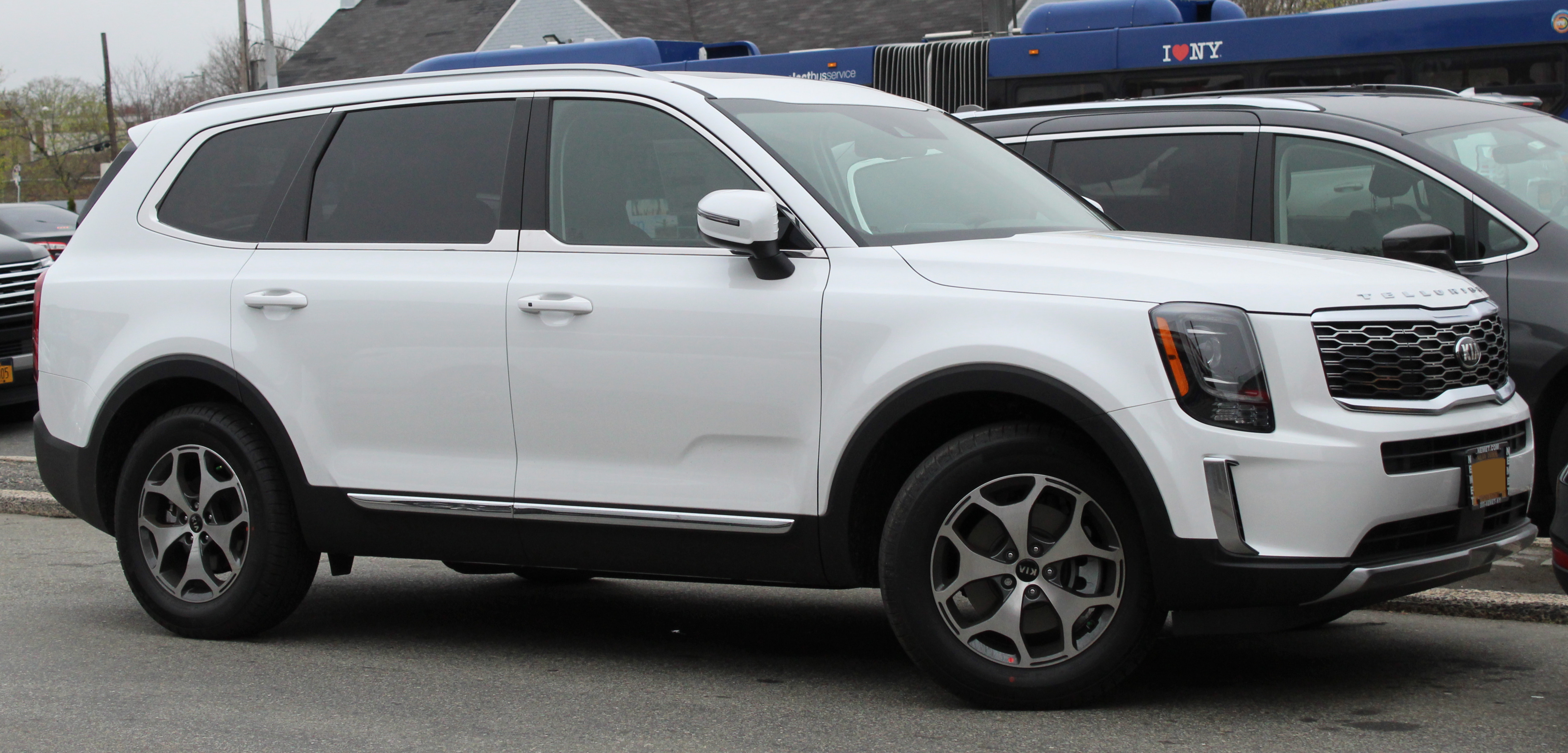
Kia Telluride
"I coded a Matt Kia Telluride six months ago with Trey. And the guy decided he wants PPF."
The Kia Telluride is a family SUV from Kia. The hosts talk about it because the owner wants paint protection film (PPF) and is worried about removing a coating from the matte paint first.
The Kia Telluride is a midsize three-row SUV from Kia. In this segment it’s the specific vehicle that had “matt paint” coding applied, and the question is how to remove that coding without damaging the finish before installing PPF.
heat gun
"I guess his partner, the concoction of alcohol to Fuego and a heat gun with clay bar and stuff, right?"
A heat gun is a tool that blows hot air. Detailers use it to warm PPF so it can fit better around edges, but you have to be careful not to damage the paint or film.
A heat gun is a handheld tool that blows hot air to warm materials. In PPF work, heat can help soften film and improve how it conforms around edges, but the hosts caution that certain DIY approaches can be risky.
Pro Bond
"And you can you can heat edges. I mean, there'll be guys and this is something you shouldn't do. They'll use things like pro bond don't do that."
“Pro bond” sounds like a product detailers use for bonding/adhesion. The host is warning that you shouldn’t use it for this situation because it may cause problems with how the film sticks.
“Pro bond” appears to be a product name or brand used in detailing/adhesion contexts. The host warns against using it on the edges, implying it can interfere with correct PPF prep or adhesion.
adhesive
"“...most of the time you can get it to stick down... everything is with PPF is about the adhesive... once it starts to cure that adhesive is going to bond...”"
The adhesive is what makes the clear film stay stuck to your car. Over time, it “sets” and bonds more strongly so the film doesn’t lift.
In PPF installation, the adhesive is the bonding layer that lets the film stick to the paint and hold the edges in place. As the film cures and moisture is driven out, the adhesive forms a stronger bond to the surface it’s applied to.
matte situation
"“In a matte situation, this is going to make for easier removal. The thing you're worried about on PPF is getting the edges to sit down and seal...”"
A “matte situation” means the car’s paint is matte (not shiny). That can affect how the film looks and how easy it is to remove later.
A “matte situation” refers to applying or removing PPF in the context of matte paint or matte finishes. Matte films/finishes can change how the film visually interacts with the surface and can make removal easier because the finish doesn’t behave like glossy paint.
silvering
"“...because like if you have deep ridges... one of the ways you can get silvering is a big problem or having enough work time...”"
Silvering is when PPF starts to look cloudy or silvery instead of clear. It usually happens when moisture or air gets trapped or the film doesn’t bond well to tricky shapes.
Silvering is a PPF defect where the film develops a cloudy or silvery appearance, often caused by trapped moisture/air or poor edge sealing and surface prep. It’s more likely when the film can’t conform and bond properly to complex paint contours.
work time
"“...one of the ways you can get silvering is a big problem or having enough work time or things like that...”"
Work time is how long you have to adjust and smooth the film after it’s placed. If you don’t have enough time, the film may not settle correctly and can cause visual issues.
Work time is the installer’s usable window to position and smooth PPF before the adhesive starts to set or cure. More work time can help the film conform to steep edges and ridges without defects like silvering.
aggressive tack
"“...it's really like some guys like aggressive tack because you can wrap edges and get done quicker...”"
Aggressive tack means the adhesive sticks fast. That can make it quicker to secure the film, but it can be harder to reposition if you need extra time.
Aggressive tack describes an adhesive that grabs quickly, letting installers tack down PPF edges faster during wrapping. It can reduce installation time, but the tradeoff is that it may be less forgiving if you need more time to position the film.
low tack
"“...not very many like high volume shops use low tack because it does add that extra time.”"
Low tack means the adhesive doesn’t grab immediately. That gives you more time to adjust the film, but it can slow down the installation.
Low tack refers to a less grabby adhesive that gives installers more time to work the film into place. The downside is that it can take longer to install because the film doesn’t “hold” as quickly.
edge wrapping
"“...aggressive tack because you can wrap edges and get done quicker if they're edge wrapping company...”"
Edge wrapping means wrapping the clear film over the edges of the car panel. Doing it well helps keep the film from lifting at the corners.
Edge wrapping is the technique of stretching and tucking PPF around panel edges so the film continues past the seam and helps prevent lifting. It’s especially important on hoods and other high-contour areas where edges are prone to peeling.
slip solution
"you like to mix your slip solution, how you like things to bond and tack, do you want it to tack quicker?"
A slip solution is a soapy/wet liquid used when installing protective film. It helps the film slide into position first, instead of sticking instantly. That makes it easier to align and smooth out.
A slip solution is the lubricating liquid used during PPF installation so the film can be positioned without immediately grabbing. The mix and how “slippery” it stays affects how the film moves and when the adhesive starts to tack.
Suntech Ultra tack
"Suntech Ultra tack or they like expels film, historically has been a higher tack film."
Suntech is a brand of paint protection film. “Ultra tack” means the adhesive is designed to stick faster, so it can be easier to set the film edges without fighting the film.
Suntech is a PPF brand, and “Ultra tack” refers to a higher-adhesion film variant intended to grab faster during installation. The host brings it up as an example of a film people choose when they want quicker edge placement.
expels film
"Suntech Ultra tack or they like expels film, historically has been a higher tack film."
Expel is a brand that makes paint protection film. The point here is that some Expel films are designed to stick faster, which can help during installation.
The speaker references “Expel” (transcribed as “expels”) as a PPF brand known for higher-tack film options. In this context, it’s used to illustrate how different films vary in how quickly they adhere during installation.
orange peel
"Yeah, now you're talking about orange peel in the film clarity of the film gloss like you're talking about real personalized things in that way."
Orange peel is when the paint surface has a bumpy texture, like tiny dimples. It can make the finish look less smooth, and it can show through or affect how clear and even the film looks.
“Orange peel” is a surface texture in painted finishes where the paint looks slightly dimpled, like the skin of an orange. In film discussions, it can affect how clear and glossy the film appears and how well the film conforms visually to the paint.
film clarity
"Yeah, now you're talking about orange peel in the film clarity of the film gloss like you're talking about real personalized things in that way."
“Film clarity” is how transparent and visually crisp the installed PPF appears over the paint. It’s often discussed alongside gloss and texture effects (like orange peel) because surface imperfections and film quality both influence how clear the finish looks.
factory matt satin paint
"said it's a 2026 Z four with factory matt satin paint, right? So we can see, right?"
This car came from the factory with matte/satin (low-gloss) paint. Because it’s not shiny, coatings can sometimes make it look uneven, leaving lighter or darker patches.
“Factory matt satin paint” describes a paint finish from the manufacturer that’s intentionally low-gloss (matte or satin). These finishes are more sensitive to coatings and polishing because they rely on surface texture and light scatter; uneven coating can show up as visible patches.
ceramic coated
"And he says he's ceramic coated it, not with our ceramic coating, somebody else's. And now on both sides, it has this lighter patch under the mirrors, tried coating again, but it still looks the same."
A ceramic coating is a protective layer you apply to paint to help it resist dirt and water. On matte or satin paint, it can sometimes change the look if it’s not applied evenly, which may be why you see lighter patches.
“Ceramic coating” refers to a liquid-applied protective coating that cures on the paint to add chemical resistance and hydrophobic water-beading. On matte/satin paint, coating chemistry and application technique can affect how evenly the finish looks and whether patches appear.
vinyl decals
"you see a lot with like vinyl decals. Some people will get the same exact car, you know, two days after their buddy, the vinyl decals on their car look great. The other persons are water spotted and look like they need to be replaced."
Vinyl decals are stickers/graphics that stick onto your car’s paint. If they’re installed well they can look perfect, but if something goes wrong you might see spots, peeling, or discoloration.
Vinyl decals are thin, adhesive-backed graphics applied to a car’s exterior. They can look great when installed and maintained correctly, but they’re also vulnerable to issues like water spotting, edge lifting, or uneven adhesion.
water spotted
"The other persons are water spotted and look like they need to be replaced. I would say that this would be one of those things."
Water spotting refers to mineral deposits left behind when water evaporates on a car’s surface. It can be especially noticeable on clearcoat, paint, and decal surfaces, and it often requires proper decontamination or correction to remove.
installation
"The only problem you run into is that without watching somebody's installation, you're really kind of guessing if everything was really done on the level."
Installation here means how the decal/film was put on—how the surface was cleaned and how the sticker was applied. Small differences can cause big differences in how it looks afterward.
In detailing and graphics work, installation refers to how a decal or film is applied—surface prep, alignment, adhesion, and finishing steps. Even when two cars are identical, differences in prep or application technique can lead to different outcomes.
paint systems
"it looks like it's probably something to do with the paint system. I agree. I think I think in my back pocket, I sort of was hoping we get to the end."
A paint system is the full set of layers that make up the car’s paint. If one layer is applied or reacts differently, you can end up with visible problems that look very specific and repeatable.
A paint system is the full stack of layers used on a car—typically including primer, basecoat, and clearcoat (or matte/satin equivalents). If something goes wrong in one layer or during application, it can create repeatable visual defects like precise lines or uneven appearance.
cleanse
"he was kind of seeing these very definitive lines as he was, you know, using cleanse and really cleaning up a vehicle."
“Cleanse” here means doing a deep cleaning of the car. Sometimes problems aren’t obvious until you’ve cleaned everything really thoroughly.
“Cleanse” here is being used like a detailing process—fully cleaning/decontaminating a vehicle so hidden issues become visible. The point is that some defects (like lines or adhesion problems) only show up after the surface is thoroughly cleaned.
frozen paint job
"Maybe it didn't notice these two patches because they were really light. And you went to code it and they popped up because now everything's a little darker, a little bit more rich. And now they stick out like a sore thumb. But my guess is they were already there."
“Frozen paint job” is a detailing term people use when the paint looks uneven or weird in patches. In this story, the patches weren’t obvious until later steps made the surface look darker and more uniform—so the problem spots stood out.
“Frozen paint job” is detailing slang for paint that has become uneven or “stuck” in a way that makes it look dull, patchy, or inconsistent. The idea here is that certain spots only become obvious after additional steps (like polishing or changing how the surface reflects light).
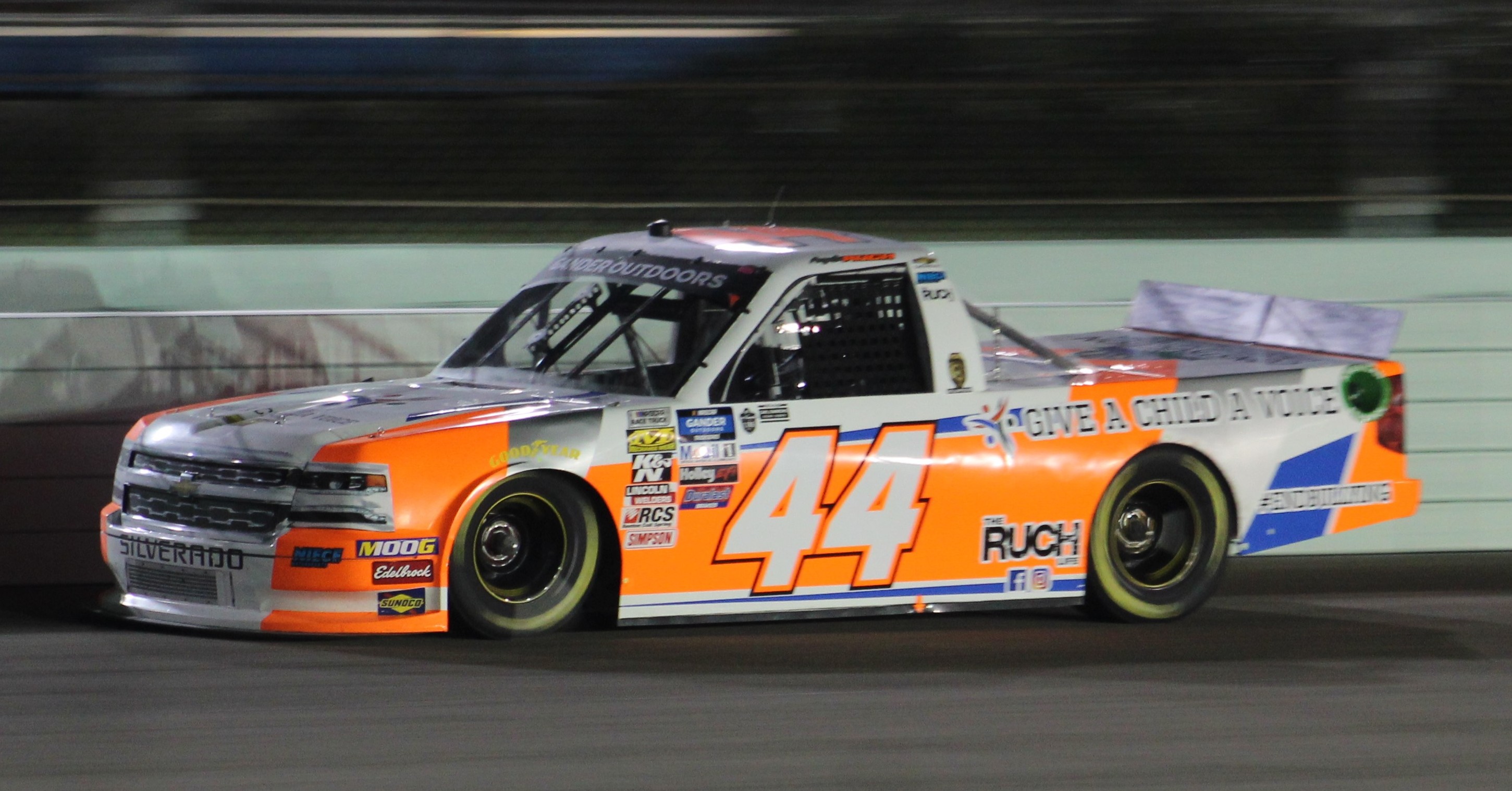
Chevrolet Silverado
"...over real quick. You know, he had a four week old Silverado and he was going to do tray on it. It was initial..."
The Chevrolet Silverado is a large pickup truck used for hauling and general driving. Because it’s often used on roads and in messy conditions, it can get dirty quickly. People detail them to protect the paint, especially when it’s new.
The Chevrolet Silverado is a full-size pickup truck commonly used for work and everyday hauling. It’s frequently discussed in detailing because trucks get exposed to road grime, mud, and frequent washing needs, and owners often want to protect new paint. The podcast reference to a very new Silverado getting detailed fits that “protect it early” mindset.
one step
"So if you're putting tray on, you're prepping it the way he is, you're assume you're going to a polish step, at the very least, probably a pretty thorough one step."
In detailing, a “one step” usually means you use one product to both fix the paint and make it look good. The hosts are saying that even with that simpler approach, you should still do it thoroughly so the patches don’t stand out.
A “one step” in detailing usually means using a single product/pad combination to both do the paint correction (abrasive action) and finish (gloss/clarity) without a separate separate correction and finishing stage. The hosts suggest that even if you’re only doing a one-step approach, it should be thorough enough to address the visible patches.
prep soap
"And I even mentioned in my comments, I used to get a lot of really weird behavior with the the previous prep soap that I used before we had cleanse."
Prep soap is a special cleaner used before polishing so the paint surface is truly clean. The hosts are saying that a previous soap they used caused unexpected results, so they learned to rely on polishing to fix what was left behind.
Prep soap is a wash/cleaning product used before paint correction to remove contaminants and residues that can interfere with polishing. The hosts mention they had “weird behavior” with a previous prep soap, implying it affected how the surface reacted during detailing steps.
clay stuff
"Yeah, because you have a clay stuff in there and you got you know, I mean, we kind of talk about these points to spend."
“Clay stuff” is a detailing step that cleans the surface more deeply than a normal wash. It helps remove tiny stuck-on contaminants so the next products work better.
“Clay stuff” refers to clay bar or clay mitt decontamination. It removes bonded contaminants (like road grime and overspray) that washing alone can’t get off, so polishing/coating can bond more evenly.
wipe step before you coat
"we talk about these points to spend. There's times to shave time and there's times to spend time. I would say, you know, we talk about the wipe step before you coat."
Before applying a coating, you do a wipe-down step. It removes leftover dirt or residue so the coating can stick evenly.
The “wipe step before you coat” refers to wiping the surface with the right cleaner/prep product before applying a coating. It’s used to remove residues and ensure the coating bonds properly and doesn’t trap contamination.
pressure washer
"I would say I'm probably more on Dale's side at the beginning, where it's like, Hey, man, the pressure washer's out, the foam's out, the soap's out."
A pressure washer is a tool that sprays water at high pressure to rinse off dirt fast. They’re debating how much to rely on it versus doing extra prep steps by hand.
A pressure washer is a high-pressure water sprayer used in car washing to remove loose dirt quickly. The host is contrasting using it (and foam/soap) versus doing more manual steps before polishing/coating.
foam
"where it's like, Hey, man, the pressure washer's out, the foam's out, the soap's out."
“Foam” is the soapy foam you apply to the car during washing. It helps loosen dirt so it rinses off more easily.
In detailing, “foam” usually means applying a foam cannon or foaming shampoo to dwell on the surface and loosen grime before rinsing. The host is treating it as part of the prep workflow.
hood scoop
"Ashlyn Chris Carl asked, one of my emblems came off of my hood scoop. It's carbon fiber, but has PPF on it."
A hood scoop is the raised “intake” feature on the hood. In this case, the emblem came off that scoop and left a mark behind.
A hood scoop is an intake-style opening on the hood that can be functional (airflow) or purely cosmetic. Here it’s the location where an emblem was removed, leaving an imprint that may be on the PPF.
emblems
"one of my emblems came off of my hood scoop. It's carbon fiber, but has PPF on it. When I removed the emblem, I still left a faint imprint."
An emblem is the badge/logo on the car. When you remove it, you can sometimes leave a faint mark or residue behind, especially on film-covered areas.
An emblem is a badge/logo attached to the car’s bodywork, often using adhesive. Removing it can leave adhesive residue or a “ghost” imprint, which may be amplified if the area is covered by PPF.
imprint
"When I removed the emblem, I still left a faint imprint. Has anyone run into this before? ... It's very easy to think that this imprint is on the PPF."
An imprint is the faint leftover shape you see after removing a badge. They’re trying to figure out whether it’s in the clear film or in the surface underneath.
An imprint is the faint outline/mark left behind after removing an emblem. The host is discussing whether the imprint is sitting on top of the PPF (film) or is actually affecting the underlying surface.
Hyper Clean
"I was thinking about using hyperclean polish, but didn't know which one or if it was a good idea."
Hyperclean is the name of a detailing product brand. They’re talking about which Hyperclean polish to use to fix the imprint after the emblem came off.
Hyperclean is referenced as a detailing product brand the listener is considering for polishing work. The host recommends a specific Hyperclean polish for correcting marks on a PPF-covered surface.
debadged
"Has anyone run into this before? I'm probably going to leave it debadged."
Debadging means removing the badges from the car. They’re thinking about leaving it that way because the emblem removal left a faint mark.
Debadging is the process of removing manufacturer badges/emblems to create a cleaner, more minimal look. In this case, the listener is considering leaving the car without the emblem because of the imprint left behind.
Lux
"Yeah, so you would use, you know, you would use Lux here. That would be your number one. You know, don't use Velo,"
“Lux” is the specific polish the host recommends. They’re basically saying it’s the safer choice for this kind of mark.
“Lux” is mentioned as the recommended Hyperclean polish option for the imprint situation. The host contrasts it with other products by warning that some are too aggressive for the job.
Velo
"That would be your number one. You know, don't use Velo, don't use level because you have chance, it's just too much cut."
“Velo” is a polish the host says not to use here. They think it removes too much material, which could make the situation worse.
“Velo” is named as a polish the host advises against for this PPF/imprint scenario. The reason given is that it “cuts” too much, which can risk damaging or over-correcting the film or surface.
too much cut
"don't use Velo, don't use level because you have chance, it's just too much cut."
“Too much cut” means the polish is too harsh. On film or sensitive surfaces, that can remove more than you want and leave the finish looking worse.
“Too much cut” means a polish is too abrasive/aggressive, removing more material than needed. On PPF or delicate surfaces, using a product with excessive cut can create haze, thin the film, or worsen the visible imprint.
carbon fiber
"Carbon fiber has pretty soft qualities from a lot of manufacturers. This could be something that you're seeing underneath the PPF... There's very few high quality parts that are carbon fiber. It's sort of all over the map."
Carbon fiber is a lightweight material used on some car parts. It’s made from carbon strands bonded together with resin. Different manufacturers make it a bit differently, so the surface can react differently to polishing.
Carbon fiber is a composite material made from carbon strands woven into a fabric and bonded with resin. Its surface can vary a lot by manufacturer and build quality, which affects how it feels and how coatings (like clear coats) respond to polishing or abrasion.
finishing pad
"But if I feel that itch that I want to polish and just take luxe, understand, don't go crazy, heating it up. Don't go crazy with the downward pressure because what is... Use a finishing pad? What are we..."
A finishing pad is the softer, last-step pad used to smooth out the surface after heavier polishing. In this context, it’s recommended because polishing PPF too aggressively can wear down the film’s protective top layer.
A finishing pad is a polishing pad used for the final stage of polishing to refine the surface and reduce visible haze or micro-marring. It’s typically less aggressive than cutting pads, which matters here because polishing PPF can remove its top protective layer.
top coat
"Yeah, use a finishing pad because you got to realize once you start to polish PPF, you're taking off any top coat. You're starting to wear that area prematurely."
A top coat is the protective outer layer on the surface. Here, they’re saying that polishing PPF can wear down that outer protective layer, so the film can look worse sooner.
A top coat is the outermost protective/finishing layer on a surface—on paint it’s the clear coat, and on films it’s the film’s protective surface layer. The speaker emphasizes that polishing PPF can remove this top layer, which can cause the area to wear prematurely.
abrading
"But you got to realize you are abrading something that has a top coat. I mean, we can all discuss... You know, abrade faster than clear coat on a paint."
Abrading means rubbing material off the surface. Polishing does this, and the point here is that PPF’s protective layer can wear faster than car clear coat depending on how you polish it.
Abrading means mechanically wearing away a surface using friction and abrasive action. In detailing, abrading is what polishing does, and the speaker contrasts how quickly you can abrade PPF versus how clear coat paint responds to the same process.
clear coat
"You know, abrade faster than clear coat on a paint. It's not necessarily like I'd be worried about faster. It's just that,"
Clear coat is the transparent protective layer on top of a car’s paint. It helps protect the color underneath, and it’s also what determines how the paint reacts when you polish it.
Clear coat is the transparent protective layer applied over a car’s base paint. It’s designed to protect the color coat from UV and minor damage, and it also determines how the paint surface responds to polishing and abrasion.
clear down to the base coat
"Right? It's sort of be like cutting clear down to the base coat and how that area is going to react."
Car paint usually has layers: a clear top layer and a colored layer underneath. If polishing cuts through the clear and reaches the colored layer, it can make the paint look worse faster and may need repainting.
“Clear down to the base coat” describes cutting through the clear coat layer until you reach the underlying base color layer. That’s a big deal because it can change how the paint looks and behaves, and it can accelerate aging or require refinishing.
re-clearing
"You could be re-clearing this. So, yeah, if I cut carbon fiber, I make sure everybody knows."
Re-clearing is when you put a new clear protective top coat back on. It’s usually needed if the surface got damaged or uneven during polishing.
Re-clearing means applying a new clear coat over a damaged or altered paint/finish surface. In detailing and bodywork contexts, it’s often the fix when polishing cutting-through causes unevenness or compromises the protective top layer.
body shop
"Whether or not you've got a shopping cart ding or you got a full wreck, you know? And the cars had to go to a body shop."
A body shop is where cars go after damage for repairs and repainting. How long you wait to add coatings or film depends on how the new paint was finished.
A body shop is a repair facility that handles collision damage and refinishing work like repainting panels. The timing of coating/PPF after a body shop job depends on how the paint was processed and cured.
ceramic coating
"People all want to know, okay, well, how soon can I put a ceramic coating on it?"
A ceramic coating is a protective layer you apply to your car’s paint. It helps resist dirt and chemicals and can make washing easier, but you usually need to apply it only after the new paint is ready.
A ceramic coating is a liquid-applied protective layer that bonds to paint to improve chemical resistance and make the surface easier to clean. It’s commonly discussed alongside wax and sealant because the waiting time after repainting affects whether the coating bonds properly.
wax
"You could go wax, sealant, ceramic coating. What's the difference?"
Wax is a protective product you spread on paint to help it shed water and look shiny. It’s usually easier to apply than longer-lasting coatings, which is why it comes up in “how soon can I protect it?” questions.
Wax is a traditional paint protection product that adds gloss and some water-beading, but typically doesn’t last as long as modern sealants or ceramic coatings. In repaint timing discussions, wax is often considered more forgiving than longer-bonding coatings.
sealant
"You could go wax, sealant, ceramic coating. What's the difference?"
A sealant is a man-made protective coating for your car paint. It’s meant to last longer than basic wax and is often compared directly with wax and ceramic coatings.
A paint sealant is a synthetic protective layer designed to bond to paint and provide longer-lasting protection than many waxes. Like ceramic coatings, sealants are part of the “what should I apply after repaint?” decision.
baking a car
"Of repaint. And so if somebody is properly baking a car and with modern paints, when it comes out, you can put coating and PPF on it."
Baking a car means the body shop heats the freshly painted panels so the paint cures/hardens properly. If it’s cured correctly, you may be able to apply protection like coatings or PPF sooner.
“Baking a car” refers to curing new paint in a controlled heated process so the coatings fully harden. The speaker ties this to repaint wait time: properly baked modern paints can accept coatings and PPF sooner.
full front
"when they upsell a customer who's been in a wreck and they're putting full front on a car, they bake it, they put the PPF on it, they deliver it to the customer, they haven't had issues in forever."
“Full front” means the installer is covering most of the car’s front with protective film. The goal is to protect the areas that get hit by rocks and road debris the most.
“Full front” is a common detailing/body-shop coverage term meaning the paint protection film is installed across the car’s front-end surfaces. It typically includes areas like the hood, front bumper, and fenders (exact coverage varies by installer).
bake it
"they bake it, they put the PPF on it, they deliver it to the customer, they haven't had issues in forever. Like they don't have issues. So wait time, let's say they don't properly bake it."
“Bake it” means putting the freshly painted car parts into a heated curing process. It helps the paint harden properly so the protective film can stick correctly.
“Bake it” refers to curing paint (and sometimes coatings) in a controlled oven after application. The idea is to fully cure the paint so the surface is stable before applying film or other layers, reducing the risk of adhesion or bonding problems.
wait time
"So wait time, let's say they don't properly bake it. Let's say you wait 30 days in the summer, you might have to wait 60 in the winter, right?"
“Wait time” is how long you have to let new paint cure before adding something on top of it. The speaker says the needed wait can change depending on how the paint was cured and the season.
“Wait time” is the curing/settling period between painting and applying additional protection like PPF. The segment argues that wait time depends on whether the paint was properly cured (and on seasonal conditions), and that incorrect guidance can lead to long delays or problems.
modern paint
"But if somebody in a body shop is telling you they're properly in a modern way using modern paint and modern baking, you can coat immediately."
“Modern paint” means today’s newer types of car paint. The speaker’s point is that newer paint systems may be ready sooner for protection like film, compared with older practices.
“Modern paint” refers to newer automotive paint systems and formulations used by body shops today. The key point here is that newer paint and curing processes can change how long you must wait before applying PPF or other coatings.
modern baking
"But if somebody in a body shop is telling you they're properly in a modern way using modern paint and modern baking, you can coat immediately."
“Modern baking” is the body-shop oven curing process done in a more current, controlled way. The claim is that it helps the paint be ready faster for adding protection.
“Modern baking” is the updated, controlled curing approach used after painting to ensure the paint reaches the right level of cure. In this context, it’s presented as a reason you can apply PPF sooner without issues.
wives' tales
"But there's a lot of wives' tales in this world about how it works. I mean, we had an insane situation maybe 68 months ago where a customer was told they need to wait 180 days."
“Wives’ tales” means old, repeated advice that might not be accurate. In this case, it’s about how long you should wait before protecting fresh paint.
“Wives’ tales” here means commonly repeated but unverified rules of thumb about how long you must wait after painting before applying coatings or film. The hosts contrast these myths with what modern paint and curing processes actually allow.
repaint the panels
"If there's some type of interaction here, if you're willing to repaint the panels that got repainted, then take the risk."
A car is made of separate metal pieces called panels (like doors and fenders). If someone “repaints the panels,” they’re putting new paint on those specific parts of the car.
In auto body work, “panels” are the individual sheet-metal sections of the car (like doors, fenders, or quarter panels). Repainting panels means refinishing those specific areas with new paint, usually after repairs or refinishing work.
fully baking the car
"So I stopped by, I'm like, Hey, I want to look at the car or whatever. They're fully baking the car."
“Baking” means heating the car (or the freshly painted/coated parts) in a controlled way so the product cures/hardens. It’s done to help the finish set up correctly.
“Baking” refers to curing paint or coatings in a controlled oven or heated process. The goal is to help the coating or paint fully harden so it bonds properly and resists damage better.
coat this
"I'm like, Yeah, man, we can coat this. There's never been an issue like even in the body shop world, they don't even know."
In detailing, “coating” usually means putting a protective layer on the paint. It helps the finish resist damage and can make washing easier.
“Coating” in detailing usually means applying a protective product to the paint surface—often a ceramic or similar paint-protection coating. It’s meant to add chemical/UV resistance and make the car easier to wash.
spray cares
"Can I achieve a wash clay sealant with slick? Or would I have to use spray cares?"
“Spray cares” is being mentioned as another spray product option. The question is basically whether it can replace the usual wash/clay/sealant steps.
“Spray cares” is mentioned as an alternative to “slick” for achieving the wash/clay/sealant outcome. In this context it likely refers to a spray-on product used for protection and/or paint prep lubrication.
final wipe
"Sort of the move that I like is because it's easy to do as I'd put spray code on and my final wipe would leave a slick"
A “final wipe” means the last step where you wipe off any leftover product. Doing it correctly helps the finish look clean and prevents streaks.
A “final wipe” is the last removal step after applying a product—typically wiping off residue to ensure an even finish and prevent streaking or hazing. It’s part of proper application technique for many spray coatings and sealants.
juice or slick
"there is not a right or wrong choice. They're, they're both going to add the protection it seems [2677.3s] you're looking for. Just pick your poison, what you like to work with. But I always tell people [2682.6s] like, I never dry a car without, you know, juice or slick anyway."
They mean a slippery product you use while drying or wiping the car. It reduces friction so you’re less likely to scratch the paint with the towel.
“Juice or slick” are detailing slang for lubricants/drying aids used to reduce friction during contact with the paint. The goal is to prevent micro-marring and make drying feel smoother, especially when you’re wiping with towels.
spray code
"like, I never dry a car without, you know, juice or slick anyway. So if I have time to just spray, spray code on, rinse it off and then go back with juice or slick, that's kind of would be my move"
They’re talking about a spray-on product used during washing. It helps protect the paint and makes drying easier, so you don’t have to scrub or wipe dry with a rough towel.
“Spray code” here is being used as a detailing product step—an easy-to-apply spray-on coating that adds slickness and protection. In practice, it’s the kind of product you mist on, rinse or wipe off, and then follow with a drying aid for better finish and less water spotting.
stack
"I, and I see this Jeremy too, [2705.4s] if the customer doesn't want stack, because they're getting a new car in a few months. [2708.8s] So then is this a maintenance?"
“Stack” here means using more than one protective product in layers. People do it to get stronger or longer-lasting protection than a single product alone.
In detailing, “stack” means layering multiple protective products on top of each other (for example, a spray coating plus another topper). The idea is to increase durability, slickness, or water-beading performance compared with using just one product.
Request an Explanation
Heard something you'd like explained? We'll add it to this episode.
Sign in to request explanations for terms you heard.
Want to learn more?
Browse our glossary for plain-English explanations of automotive terms, jargon, and concepts.
Help improve this episode
See something that's not quite right? Our annotations are AI-generated and can sometimes miss the mark. Click the flag icon on any annotation to suggest a correction.