
Class is in session for your upcoming or new driver...the burden is on you as to what happens next
About this episode
Lenny Lawson shares insights on educating new drivers through a free, hands-on class covering vehicle operation, maintenance basics, accident avoidance, and roadside emergencies. He emphasizes the importance of practical knowledge like tire care and oil changes, especially for vintage cars, and stresses using OEM parts for proper maintenance. Lenny also reflects on the value of keeping cars clean and well-maintained, sharing personal anecdotes about classic cars and dealership experiences. The episode blends practical advice with personal stories, highlighting how better education can save money and improve safety.
Email Lennie at [email protected]
car, truck operation fundamentals
"...the important topics would include, number one, car, truck operation fundamentals with hands-on experience."
This means learning how to drive cars and trucks safely, like knowing what the pedals and steering wheel do and how to follow traffic laws.
Basic knowledge and skills required to safely operate cars and trucks, including understanding controls, driving techniques, and road rules.
car, truck maintenance basics
"...car, truck maintenance basics, fluids, filters, brakes, et cetera, actually get up underneath a car and show these youngsters where these things are and what they are."
This means learning how to take care of a car or truck by checking things like oil, filters, and brakes so the vehicle stays safe and works well.
Fundamental maintenance tasks for cars and trucks such as checking and changing fluids, replacing filters, and inspecting brakes to ensure vehicle reliability and safety.
basic driving etiquette
"Number four, basic driving etiquette and how to avoid road rage incidents. And finally, how to avoid and deal with roadside car emergencies."
Driving etiquette means being polite and careful when you drive, like using your turn signals and not getting angry at other drivers.
Basic driving etiquette involves courteous and safe behavior on the road, such as signaling turns, yielding, and avoiding aggressive driving to prevent conflicts.
roadside car emergencies
"And finally, how to avoid and deal with roadside car emergencies. I continue, we would also feed them."
Sometimes your car can have problems when you're out driving, like a flat tire or it stops working. Knowing what to do in these situations is important.
Roadside car emergencies refer to unexpected problems that occur while driving, such as flat tires or engine trouble, requiring immediate attention or assistance.
oil
"They got up underneath cars under the hood. We showed them how to check the oil, how to change the tire..."
Oil is a special liquid that keeps the engine parts moving smoothly without rubbing too much. You need to check it often so your car runs well.
Engine oil lubricates the moving parts inside the engine, helping to reduce friction and wear. Checking oil levels regularly is important for engine health.
tire
"We showed them how to check the oil, how to change the tire, where the filters go..."
Tires are the round rubber parts that touch the road. If one gets flat, you need to know how to change it so you can keep driving.
A tire is the rubber component that surrounds the wheel and makes contact with the road. Knowing how to change a tire is a valuable skill for roadside emergencies.
filters
"Where the filters go, where the cabin air filter is."
Filters are like little nets that catch dirt so your car's engine and inside air stay clean. You need to know where they are and how to change them sometimes.
Filters in a car, such as oil filters and cabin air filters, help keep the engine and interior air clean by trapping dirt and debris. Regular maintenance includes checking and replacing these filters.
cabin air filter
"Where the filters go, where the cabin air filter is."
The cabin air filter cleans the air inside your car so you breathe fresh air when the heater or AC is on.
The cabin air filter cleans the air that comes into the car's interior through the heating and air conditioning system, improving air quality for passengers.
air pressure
"Like, for example, how to check the air pressure in their tires. There's a whole generation of folks that have no clue why that's important or how to do it."
Air pressure means how much air is inside your car's tires. Keeping it at the right level helps your tires last longer and keeps you safe when driving.
Air pressure refers to the amount of air inside a tire, measured in pounds per square inch (PSI). Maintaining proper air pressure is crucial for tire longevity, vehicle safety, and optimal fuel efficiency.
air compressor
"And you know, should they go to Lowe's and buy an air compressor? Yeah, they should. It should be in their garage next to their car."
An air compressor is a machine that puts air into your tires to keep them full. Having one at home makes it easy to keep your tires safe and working well.
An air compressor is a device used to inflate tires by pumping air into them. Having one at home allows you to maintain proper tire pressure without needing to visit a gas station or service center.
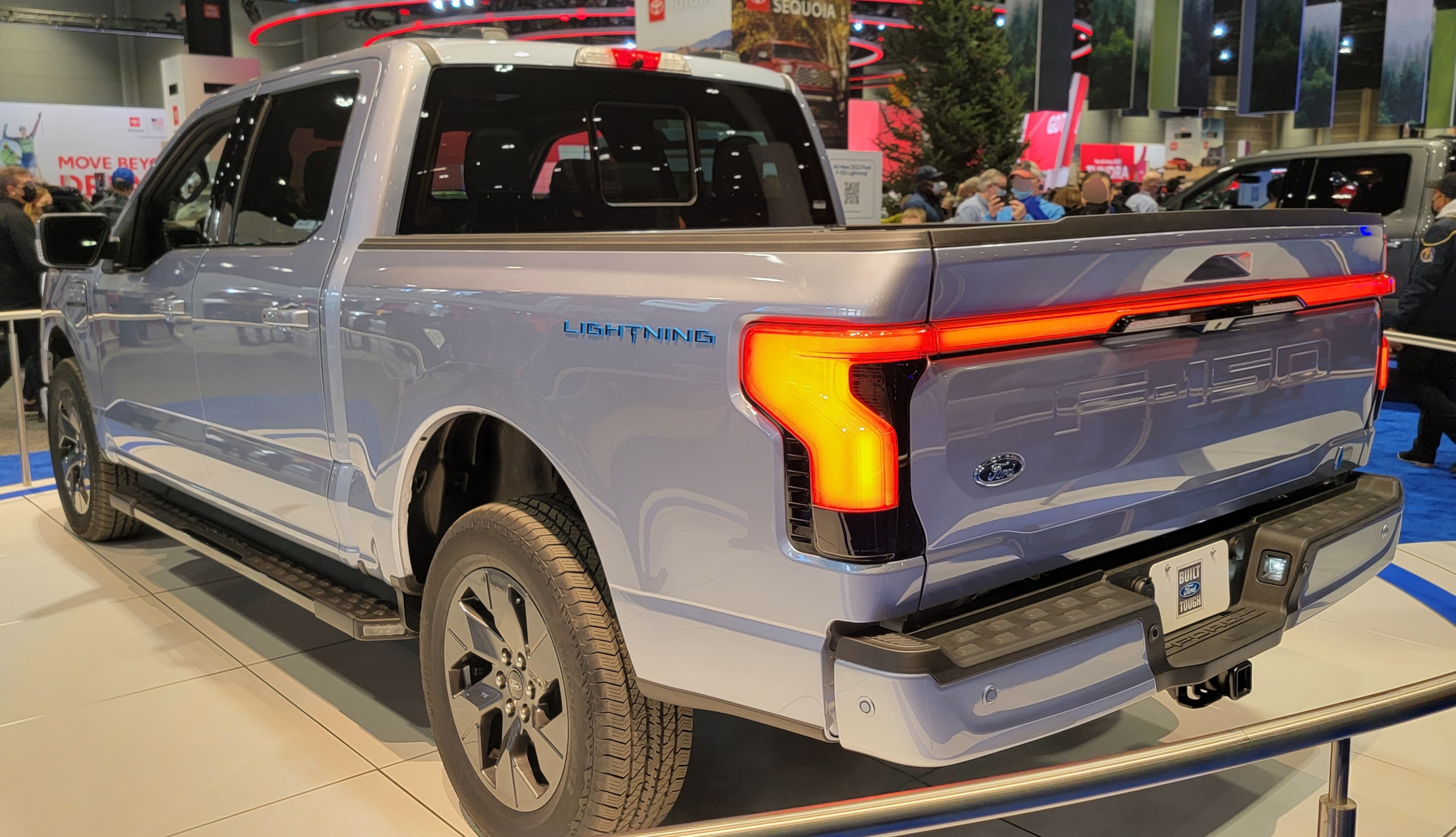
Ford F150S
"Some Michelin tires, I mean, some of these that we put on these F-150s, they're $225 apiece."
The Ford F-150 is a big truck that many people use for work or driving around. It's strong and can carry heavy things.
The Ford F-150 is a full-size pickup truck known for its versatility, durability, and popularity in the United States. It is often used for work and personal transportation.
Michelin
"Some Michelin tires, I mean, some of these that we put on these F-150s, they're $225 apiece."
Michelin is a company that makes tires for cars and trucks. Their tires are known to be strong and last a long time.
Michelin is a well-known tire manufacturer recognized for producing high-quality tires that offer good performance, durability, and safety.
front end alignment
"And I learned how to balance tires and learned how to do a front end alignment on the old style equipment."
Front end alignment means adjusting the front wheels of your car so they point the right way and wear evenly.
Front end alignment is the adjustment of a vehicle's front suspension components to ensure the wheels are set to the correct angles. Proper alignment improves handling, tire wear, and safety.
caster
"But I understood the concepts of camber, caster, and tow in."
Caster is the tilt of the steering parts when looking at the car from the side. It helps your steering feel steady and go back to straight after turning.
Caster is the angle of the steering axis when viewed from the side of the vehicle. It affects steering stability and the vehicle's ability to return to center after a turn.
camber
"But I understood the concepts of camber, caster, and tow in."
Camber is how much your tires tilt in or out when looking at the car from the front or back. It helps your car drive better and keeps tires from wearing too fast.
Camber is the angle of the wheels relative to vertical when viewed from the front or rear of the vehicle. It affects tire contact with the road and can influence handling and tire wear.
wheel alignment
"No, but you do need to understand the importance of an alignment. What's really going on there? What's happening? Why are your tires wearing out? What did you do or not do?"
Wheel alignment means making sure your car's wheels are lined up right so your tires wear evenly and your car drives safely.
Wheel alignment is the process of adjusting the angles of the wheels to the car manufacturer's specifications. Proper alignment ensures even tire wear, good handling, and safety.
buying and selling and trading cars
"A lot of the guidebook has to do with buying and selling and trading cars."
Buying, selling, and trading cars means getting a car, selling your car, or swapping cars with someone else.
This refers to the processes and considerations involved in purchasing, selling, or exchanging vehicles, including pricing, condition, and negotiation.
maintenance and repairs
"But chapter six is about handling maintenance and repairs."
Maintenance and repairs mean taking care of your car by doing things like oil changes and fixing parts that break.
Maintenance and repairs refer to the routine care and fixing of a vehicle to keep it running safely and reliably over time.
lemon
"Chapter eight, hey, I think I own a lemon."
A lemon is a car that has a lot of problems and doesn't work right, especially soon after you buy it.
A 'lemon' is a term used to describe a vehicle that has significant defects or problems that impair its use, value, or safety, often shortly after purchase.
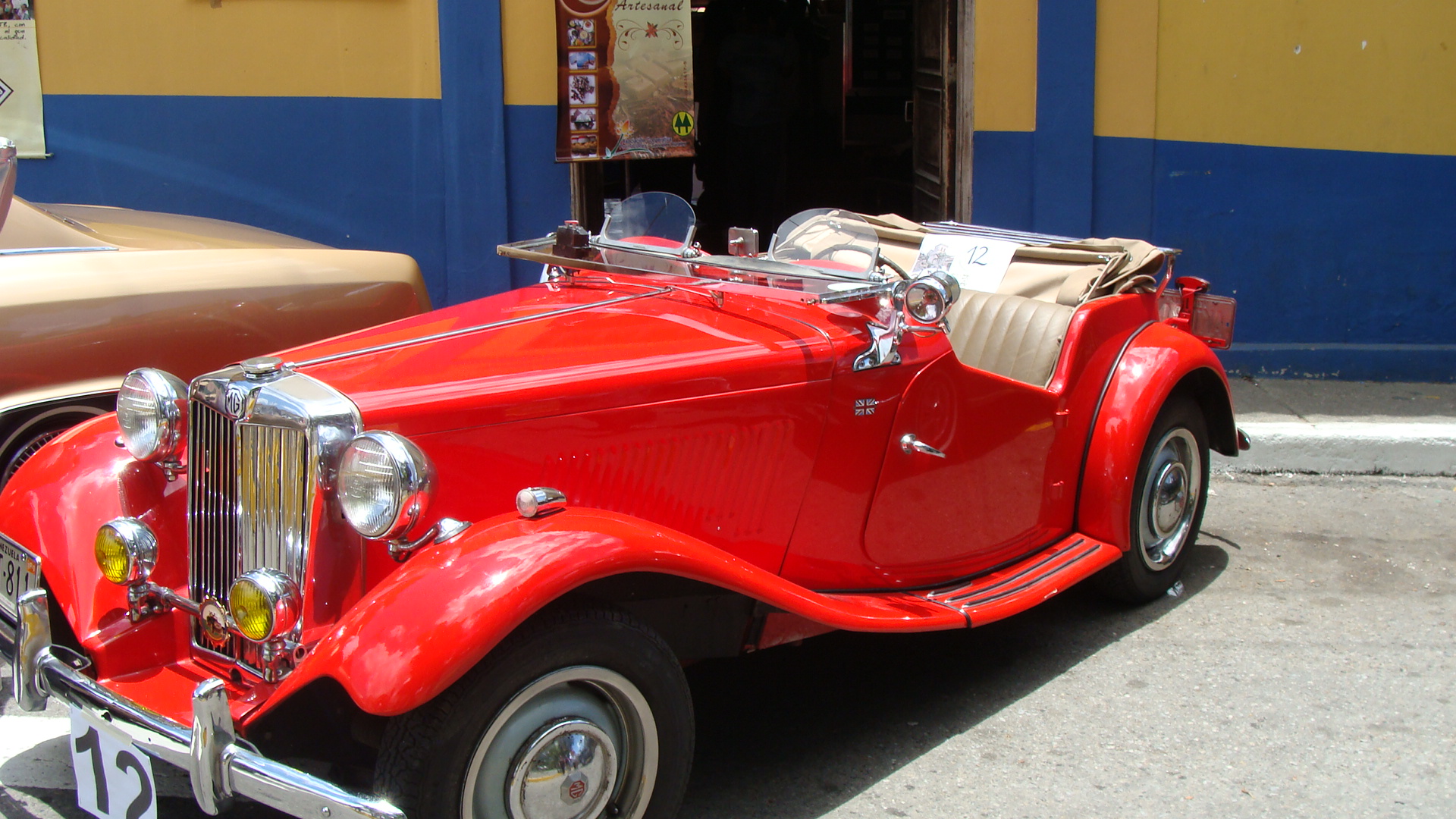
MG TD
"I have to leave in just minutes to head to Johnson City, Tennessee to look at a 1950 MGTD that these folks are wanting to sell."
The MG TD is an old, small sports car made in the 1950s. People like it because it looks cool and is a collector's item.
The MG TD is a classic British sports car produced by MG from 1950 to 1953. It is known for its vintage design and is popular among classic car enthusiasts.
nostalgic aspect
"Because, you know, it's there's a nostalgic aspect of this."
Nostalgic aspect means people feel special memories or emotions about old cars because they remind them of the past.
The nostalgic aspect refers to the sentimental value or emotional attachment people have to older vehicles, often because of memories or family history.

Ford Mustang
"I just took out, well, yesterday I took out my 1966 Mustang. Speedometer was jumping all over the place."
The 1966 Mustang is an old and special car made by Ford. It's important to take care of it by driving and fixing it so it stays in good shape.
The 1966 Ford Mustang is a classic American muscle car from the first generation of Mustangs, known for its iconic design and strong performance. It is a highly collectible vintage vehicle that requires proper maintenance to preserve its condition.
Speedo gears
"So I ordered some new Speedo gears and a new Speedo cable. Took it to this new shop that I'm using now for my vintage cars."
Speedo gears are tiny parts that help the speedometer show how fast the car is going. If they break, the speedometer can act funny.
Speedo gears are small gears inside the speedometer assembly that help translate the rotation of the vehicle's transmission or wheel into the speedometer needle movement. Worn or damaged speedo gears can cause inaccurate speed readings.
solid lifters
"He says, well, you remember it does have solid lifters. And I said, yes, I remember that. And they have to have, or the oil has to have zinc in it."
Solid lifters are parts inside the engine that help open and close valves. They need special oil to keep them working well.
Solid lifters are a type of valve lifter in an engine that do not have hydraulic cushioning. They require specific lubrication, often needing oils with zinc additives to prevent wear.
Motorcraft
"I said, I want a motorcraft filter because you know how I feel about using OEM filters on your car."
Motorcraft is the brand of parts made by Ford for their cars. Using these parts helps keep your car working well.
Motorcraft is Ford's official brand for replacement parts, including oil filters. Using OEM filters like Motorcraft ensures proper fit and filtration for Ford vehicles.

Chevrolet Trax
"We traded, I was looking at it. What was that Chevrolet Trax that somebody traded in here to dealership. And I was going to loan it to a customer of mine because we're out of loaner cars."
The Chevrolet Trax is a small SUV made by Chevrolet. It's easy to drive in cities and is often used by car dealers as a temporary car for customers.
The Chevrolet Trax is a subcompact crossover SUV produced by Chevrolet. It is known for its compact size, urban-friendly design, and affordability, often used as a practical daily driver or loaner vehicle at dealerships.
upside down
"He's chasing the dollar probably because he's really upside down. He can't trade and he can't afford his monthly payment."
If you owe more money on your car than what it's worth, that's called being upside down. It means if you sell it, you might still owe money.
Being 'upside down' on a car loan means owing more on the vehicle than it is currently worth. This situation can make selling or trading the car difficult without incurring a loss.
car payment
"He's chasing the dollar probably because he's really upside down. He can't trade and he can't afford his monthly payment."
When you buy a car with a loan, you usually pay money every month until it's paid off. This monthly money is called a car payment.
A car payment is the monthly amount a buyer pays to a lender or dealership when financing a vehicle purchase. It includes principal and interest and is a key part of vehicle ownership costs.
depreciation
"And the responsibilities to that vehicle and ways to maintain the value of it. At least make it depreciate more slowly or less quickly."
Cars lose value as they get older or have more miles. This is called depreciation. Slowing it down means your car keeps its worth longer.
Depreciation is the loss of a vehicle's value over time due to factors like age, mileage, and condition. Managing depreciation helps owners retain more value when selling or trading.
Request an Explanation
Heard something you'd like explained? We'll add it to this episode.
Sign in to request explanations for terms you heard.
Want to learn more?
Browse our glossary for plain-English explanations of automotive terms, jargon, and concepts.
Help improve this episode
See something that's not quite right? Our annotations are AI-generated and can sometimes miss the mark. Click the flag icon on any annotation to suggest a correction.