00:00
This is the Classic Automall Show.
00:04
Broadcast from the studios inside the Classic Automall in Morgantown, Pennsylvania, just one
00:11
hour west of Philadelphia at Pennsylvania Turnpike Exit 298, featuring nearly 1,000 classic
00:17
vintage and barred-fine vehicles for sale under one climate-controlled roof.
00:22
Now, here's your host, Classic Automall president and the man with all the toys,
00:31
Welcome, welcome, welcome.
00:32
Show number 212 in the book, 211 in the books, right?
00:36
Something like that.
00:38
What was that song?
00:40
How about that auction we did last week?
00:41
Yeah, it was pretty exciting.
00:42
Oh, we're going to get to that later on.
00:44
Let's talk about that a little bit.
00:46
So, before we get to our guest who's joining us live in the studio, how many
00:48
cars are in inventory right now, Jarrah?
00:51
One of my favorite Chrysler engines.
00:52
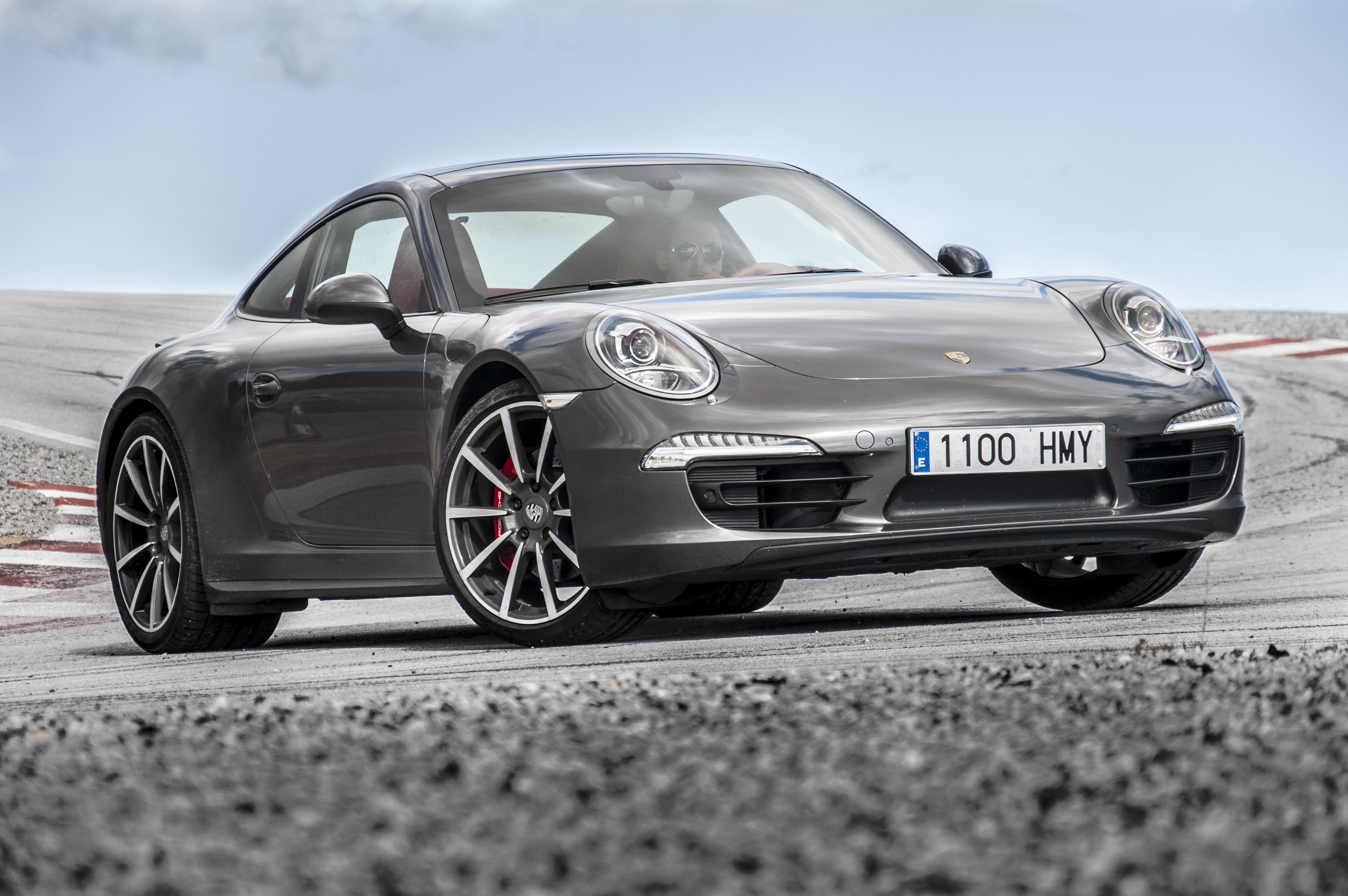
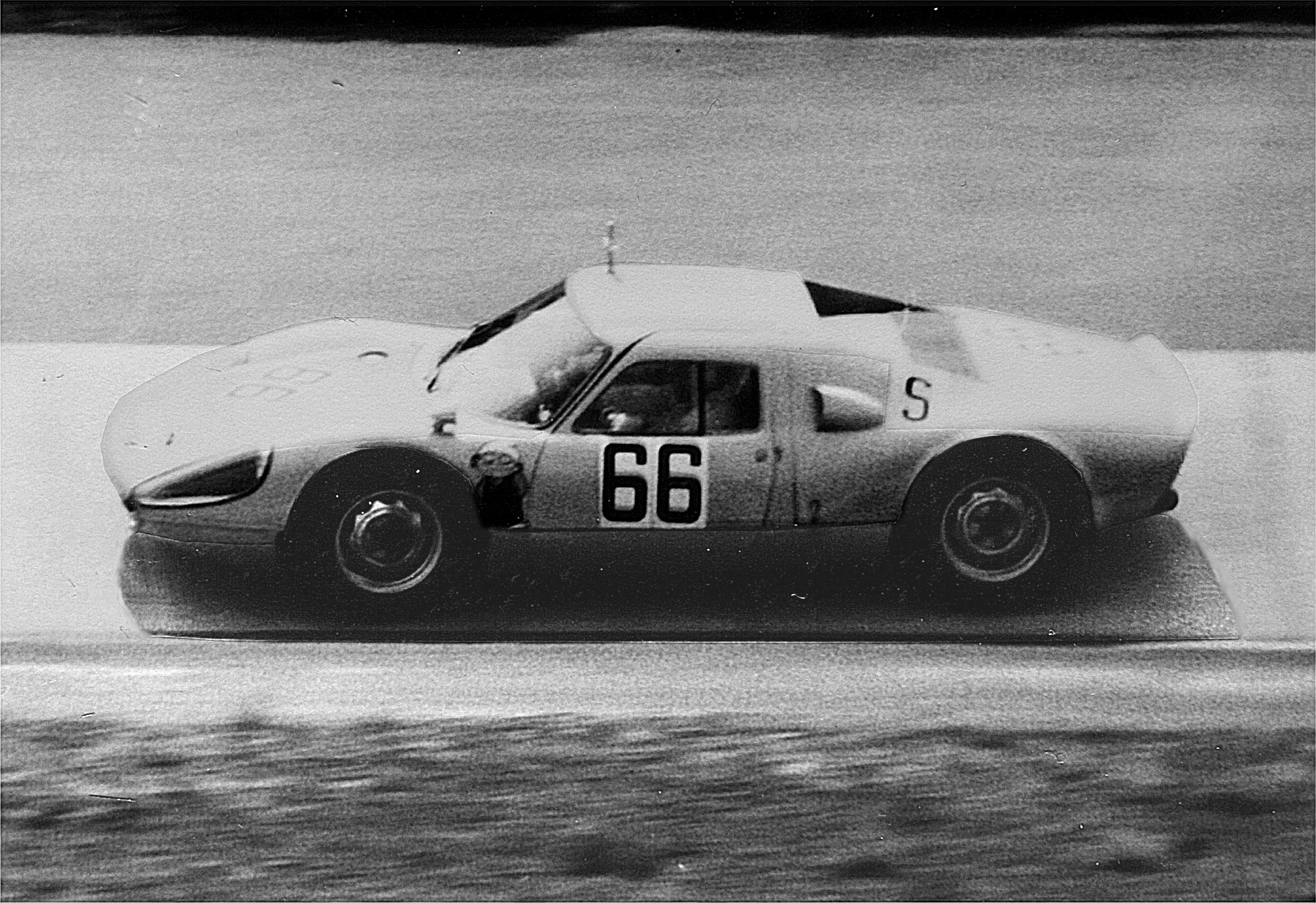
Oh, there's a Porsche reference.
00:57
You know it starts with a 9.
01:00
I was going to go, let's go with 9.11.
01:20
Well, we've sold a few cars lately.
01:21
Thank you very much.
01:22
Anyway, joining us in the studio today, race car driver, fabricator, company owner,
01:28
How are you, carry?
01:31
Thanks for coming up today.
01:32
Most of our guests are via Zoom because they're on the other coast or far away or whatever,
01:36
so we're glad to have you in the studio.
01:38
We've got to justify all these microphones.
01:39
Oh, it's great to be here.
01:40
It's fun to just come down and look at the place.
01:44
I tell you what, it's, oh, there you go, Randy.
01:47
We, you know, it's been a lot of fun.
01:49
We started January 1st of 2018 and not knowing really what was going to happen.
01:55
We knew that there was a lot of cars around this area.
01:58
We knew that the consignments would probably, we could make happen, but how many could we
02:02
Could we fill the building?
02:03
And in our peak, we had over 1,200 cars in the building, which was too many.
02:07
It was kind of proven a point and we proved it and then we go, okay, well, that was good,
02:11
but, you know, not, not something that you need to, to do, it got to the point
02:16
where you literally couldn't even walk between the cars.
02:20
I was in here and I remember that.
02:22
It's kind of defeats the purpose of what we're doing here.
02:24
And it's not always about quantity, right?
02:26
And we learned that in business, you know, early on, I did, and I'm sure you did too, is that,
02:31
you know, the logical progression is a much better way than just to, you know, keep jamming,
02:35
jamming, jamming before you know it.
02:36
You've outgrown yourself.
02:41
So, so you started racing kind of late in life, 21, right?
02:46
Well, back then, I mean, right now, kids are driving their 15, 16 years old.
02:52
Back then you had to be 21.
02:55
Just to get a license, so.
02:56
Look at the kids informing the one.
02:57
They look like they're about nine.
03:00
I think some of them are.
03:02
Great reaction time, right?
03:04
Well, even a trans-am.
03:05
I mean, they're 15, 16-year-old, I think is leading the points leader of trans-am too.
03:12
And I mean, I guess, I guess there's a lot of validity to it that if, if it's,
03:15
if the person is disciplined enough at an early age, their reflexes and reactions
03:19
have got to be so much greater than anybody, even in their 20s or 30s, right?
03:24
So, I think that, I mean, if you were in your 20s today, would you feel like that you were
03:30
equal to what they were doing or is it a different world now?
03:34
That was so long ago.
03:36
I can't remember back that far, but I think that what we have today is there's a lot
03:43
There's, there's a lot of programs that we didn't have back in those days.
03:47
I mean, you know, go-carts were something that were just kind of coming on, you
03:51
Right now, you've got organizations, you have the go-cart, the racing set up, you
03:56
And it's a really good structure for somebody to start out and you're right.
04:01
Reaction times are great.
04:02
I mean, you, some of these kids, four or five years old, you know, are in
04:05
little carts and on, on motorcycles and stuff like that.
04:09
Just amazing what they do.
04:11
Well, the reflexes, like we said, and also the fact that, you know, when
04:14
you're younger, I mean, you don't have as necessarily as many preconceived
04:18
notions about things as you get older.
04:19
You know, sometimes we, we overthink things and think that that we know
04:24
better than, than whatever the statistics or computers are telling us.
04:28
But, but today is, you know, different too.
04:30
I mean, people will tell you it's safer, obviously.
04:34
Did you think about, you know, lifting weights and working out as a race
04:36
car driver back in the day?
04:39
Not even thought a process on that.
04:40
Now they have these huge, these regimens of what they eat and they're
04:43
like football players.
04:45
You've got to be an athlete to be a good driver.
04:48
And there's a lot of memories and let me tell you, the end of 100 miles,
04:51
especially 100 miles on a, on a 90 degree temperature day, you're rung out when you get
04:59
Do you have a cool suit that you have?
05:01
But it doesn't completely cover it, right?
05:02
No, no, but I tell everybody that I'm 20 years younger when I put on the
05:05
fuel, the cool suit, it works out well.
05:08
Maybe you could take it and wear it in a bar and then you-
05:13
And as far as the safety of it, it's nice to see that it's, although
05:17
it's still dangerous.
05:18
I mean, let's face it, racing is always gonna be dangerous.
05:21
Being off the curves dangerous, you know?
05:22
Especially if you're on your phone.
05:24
Yeah, especially if you're on the other, yeah, true.
05:25
Even more dangerous, maybe.
05:26
Yeah, in that the truth.
05:28
But the safety has come a long way.
05:30
Probably, I mean, just everything.
05:33
When I started racing, we didn't have fuel cells.
05:36
And so I, you know, that was one of the first upgrades
05:39
that I had, and unfortunately it came at a cost.
05:44
But people saw it and they realized
05:46
we needed to do something about it.
05:47
Unfortunately, we've had the technology
05:49
to be able to do something about it.
05:50
And the safety today, some of the crashes you see
05:53
in Formula One today is just horrendous.
05:56
Even 10 years ago, they probably wouldn't have
05:57
walked away from her 20 years, certainly.
05:59
If you look at Ayrton Senna and, you know,
06:01
that crash that was preventable today.
06:05
But the halo was a huge thing.
06:07
Which is interesting, because if you're an outsider
06:09
looking in, and to look at that halo,
06:11
you think, that's gotta be so distracting.
06:13
But they say the drivers say they don't even notice it.
06:15
Nope, don't see it.
06:17
In our Trans Am cars, I've got a bar
06:18
that goes catty at an angle across the window.
06:23
You just don't see it.
06:24
You think it's right there, but yeah,
06:26
your mind somehow...
06:28
You're looking so far ahead.
06:30
Well, and that's like, you know,
06:31
when we try to teach kids today in driving
06:33
is don't have tunnel vision.
06:34
Don't look right directly in front of you.
06:37
Look at the guy in the driveway.
06:37
Just assume he's gonna pull out in front of you.
06:39
But to be a good race car driver,
06:41
do you have to have a sense
06:43
of what the guy ahead of you is gonna do,
06:45
whether he's gonna go left or go right?
06:46
I mean, I always have a feel driving down the highway
06:49
if a truck's gonna pull out in front of me.
06:51
I instinctive the way he's moving and things.
06:53
Do you get that in racing?
06:57
I went to an advanced driver's school,
07:00
Bertle Roos had it,
07:01
maybe with him up in Pocono at the time.
07:03
This was years and years ago.
07:05
And he called it ocular tactics.
07:07
And it fit really well because what it is
07:11
is you watch everything, you take everything in.
07:14
I mean, the data points that you get
07:15
and you're watching, you're going down the road.
07:18
For instance, you mentioned a truck.
07:20
You might not realize it,
07:21
but you see the front wheel as you're passing it.
07:24
And if it starts to move, that gives you an indication
07:28
probably before you even realize it.
07:30
It just kind of happens automatic.
07:31
And you take in a lot of things
07:33
that are on the track, on the race track.
07:36
I mean, we're running 180, 200 mile an hour at times.
07:40
And you're a part of the car.
07:43
You feel what's happening, what's going on.
07:45
And that's the way you do drive.
07:49
I don't know how to really put it into words
07:51
when you experience it.
07:53
You said it, you're driving down your road
07:54
and you kind of feel what it is.
07:56
Because you watch the Formula One drivers
07:58
and when they make a pass on a guy
07:59
and when they have the DRS open,
08:01
I mean, if they make the wrong decision
08:03
to go left rather than right,
08:05
it's going to be trouble.
08:06
Oh yeah, big trouble.
08:08
And trans-am racing is what you race mostly, right?
08:12
Yeah, trans-am road racing.
08:14
Yeah, back in high school,
08:17
when everybody was drag racing,
08:19
and that was when Sterling Moss was, yeah.
08:23
Well, I sort of got a little bit teased
08:27
and my nickname was Sterling,
08:29
because I was always talking about road racing.
08:31
Right, and nobody else was really talking about it.
08:33
And nobody was talking about it.
08:34
Especially around here.
08:36
And I think what introduced me to that,
08:38
you may not, I'm from Redding.
08:41
I'm from Redding area.
08:44
My aunt was married to a fellow
08:46
by the name of Irv Wolf,
08:48
and he was on Mount Laurel Road.
08:50
And he was one of the East Coast go-to sports car guys.
08:55
I mean, it's a one-car garage.
08:57
You've had one car in at a time.
09:00
They worked on these things.
09:00
And you would go by and you would see Jaguars
09:02
and Ferraris and...
09:05
Way before you would see these anywhere else.
09:06
Yeah, right, right.
09:07
And so my aunt drove an XK150,
09:11
kind of like the one you have.
09:13
Talk about memories coming in.
09:15
I walked in and I looked at that.
09:15
And I just got goosebumps
09:17
because I love that.
09:19
So she ran Durier Hill Climb.
09:21
And she won the ladies class.
09:27
that was just all part of the thing.
09:29
And I just thought it was so cool.
09:31
You know, anybody can go straight.
09:33
But that's just how I looked at it.
09:35
And I got involved in Hill Climbing first
09:37
and then road racing
09:39
and then the rest is kind of history, you know.
09:41
Well, the SCCA still runs the Durier Hill Climb.
09:46
And I had thought that I wanted to get involved
09:48
and I went up to the top.
09:49
I would snuck my way up to the top up near the Pagoda
09:51
and I watched those cars coming through up there
09:53
and they were doing like 150.
09:54
And I'm like, what the heck?
09:57
I thought this was a gentleman's thing, you know?
09:58
It's not, it's fast.
10:00
I think that we have the record.
10:03
We crossed the finish line at 161 mile an hour.
10:06
Wow, what kind of car were you in?
10:08
Yeah, I actually have a video of it.
10:10
Inside in the car video.
10:12
I'll show you after.
10:13
Yeah, I'd love to see that.
10:15
It is, it is so cool.
10:16
Yeah, Hill Climb is a little more intense
10:19
than I think people realize.
10:20
I think literally I thought you just drive up the hill
10:22
and it's kind of, I mean,
10:23
if you're really being competitive,
10:24
it's a serious and dangerous.
10:26
Yeah, it's probably more dangerous.
10:29
It is more dangerous at a road course
10:31
because the trees and the guardrails,
10:33
I mean, they don't move.
10:34
Yeah, no runoff at all.
10:35
No runoff at all, yeah.
10:36
Well, it's like the family
10:37
that lived on the track side of Le Mans
10:39
used to eat on the second floor
10:40
because they were afraid the race cars would crash into them.
10:42
I believe that, yeah, yeah.
10:44
So, and you ran it,
10:45
the Hershey Hill Climb as well.
10:47
And I never, so I, they had one,
10:49
when we moved here in 2017,
10:51
I think there was one or two more that they had done
10:54
and then they stopped doing it and then they haven't,
10:55
they said they were gonna revive it,
10:56
but they haven't, so unfortunately.
10:58
Yeah, Hershey Hill Climb,
10:59
it had a reputation, a great one, you know,
11:02
and people just loved it.
11:04
It's a short hill, I mean,
11:06
the road is really narrow, you know,
11:08
there's trees, Oscar Kowalski, did you know that name?
11:11
I know the name, yeah, absolutely.
11:12
Okay, well, Oscar unfortunately crashed,
11:15
broke his leg in a, some sort of Ferrari hybrid,
11:20
Chevy engine, something, you know.
11:22
But yeah, it is dangerous
11:25
because you have to drive,
11:26
the idea is to drive at 100% all the time.
11:28
All the time, right, right.
11:30
There's no room for error.
11:30
Yeah, and cold tires.
11:32
Cold tires and, you know,
11:34
maybe something wanders out on the track
11:36
that, you know, may not happen.
11:38
I have a video of deer running out in front of me,
11:41
just coming out of the Dakota,
11:42
starting going over the top
11:43
and I'm doing close to 100 mile an hour from that point
11:46
and there's three deer come across
11:48
and I was like, wow.
11:49
Yeah, because I gotta imagine when you're racing,
11:52
the last thing you're thinking about
11:53
is stuff that would normally, you know,
11:55
happen on a highway.
11:56
You're not thinking about, you know,
11:57
coming around the corner and the truck is jackknifed
11:59
or the deer or any kind of animals on the track, right?
12:03
Yeah, that's true, but here again,
12:06
what you were talking about kicks in
12:07
is just an awareness of everything
12:10
that's going on at the same time.
12:11
Sure, sure, yeah, because I mean, if a deer,
12:13
I mean, in a car, when a deer runs out in front of you,
12:16
you just gotta hit it.
12:17
I mean, that's just the best way to do it, unfortunately,
12:20
because otherwise you try to swerve,
12:22
you're gonna probably create more problem than you had.
12:25
So you gotta get those deer whistles,
12:26
you know, those things.
12:28
Like J.C. Whitney used to tell.
12:30
I think they worked.
12:32
Well, I have a, you know,
12:33
it's like having a scarecrow to keep away giraffes
12:35
and I've never seen a giraffe in my life.
12:38
So you also, you're talking about driving schools.
12:41
You attended the RRDC, driving school,
12:44
and your instructor was somebody we might have heard of,
12:46
I think, was it, I thought Mark Donahue?
12:51
Was a chief driving instructor?
12:51
Yeah, well, I had, yes, that was the advanced driver.
12:55
Up at Lime Rock, and it's so cool.
12:58
I mean, it was back in the time
13:00
when I didn't have two pennies to rub against each other.
13:04
whatever it took to make it run, you know.
13:06
And we started out in the course.
13:09
We, they had instructors,
13:12
and Mark was the chief instructor.
13:14
So they had the instructors at each particular corner
13:17
and then you would run so many laps
13:18
and then you stopped and they would critique you.
13:21
And I thought, you know, it was really cool.
13:22
So the last corner was the downhill
13:27
and you go straight before the start finish line.
13:29
And Mark would, he went from corner to corner to corner.
13:33
So at one point in time, he would be.
13:38
And after we were all done,
13:40
parked the car and walked up and said,
13:42
who's driving a car 26?
13:44
And I thought, oh, what did I do?
13:47
And he's, yes, I kind of sheathed with me.
13:51
He said, you want to see how to get through this corner,
13:53
get behind this guy?
13:55
I couldn't have done better myself.
13:56
And it's like, you know,
13:58
I just couldn't believe this.
14:01
You're right, exactly.
14:02
And then he said, your car's really a s**t box.
14:05
You don't have to drive it, you know.
14:06
So I go from here to there.
14:08
All in a matter of moments, right?
14:10
Isn't that funny how you can be brought up and brought down?
14:12
The RRDC is a great organization too.
14:14
And it's, it used to be,
14:16
it's kind of changed this mission.
14:17
It's now more, you know.
14:20
And that's so great.
14:22
I mean, listen, we don't want to see.
14:24
It's going to happen.
14:26
But the more we can mitigate it, the better.
14:29
And they've made leaps and bounds in safety.
14:31
Do you have a, are you talking about Lime Rock?
14:33
You see there, they had an airplane crash.
14:36
I just saw that again.
14:38
And it looks like he landed.
14:40
I think, well, maybe he didn't have a choice,
14:41
but I would think I would have tried to at least get around
14:45
Like he landed up next to the Elf,
14:47
right before he'd go under the bridge,
14:48
because the bridge is in the picture.
14:49
And they're having an event there.
14:50
So the safety crew was there.
14:51
And I thought he would have landed at the start, finish.
14:53
And maybe he could have come in second or third.
14:57
But yeah, how crazy was that?
14:58
But it was how, I mean, how fortuitous
15:00
that he crashes on a place where there's people
15:03
that handle this kind of thing.
15:05
That's what they're trained to do.
15:06
And here they are right there.
15:07
You know, there was a fuel leak.
15:09
And apparently they just, you know.
15:11
And how perfect is that?
15:13
What they're trained to do.
15:14
Yeah, if you're going to crash,
15:15
I guess that's a good place to crash, right?
15:17
And I would probably much rather crash
15:19
in a race car than in an airplane.
15:21
Yeah, that's the truth.
15:22
Isn't it funny how being a planet, you know,
15:24
the more people die in car crashes than airplane crashes,
15:27
but more people are afraid of airplane crashes
15:30
Because, you know, that lack of control
15:32
and not being grounded and all that,
15:35
it gives you that kind of uncomfortable feeling, you know?
15:37
Especially when you're, you know,
15:38
somebody else is in control of your destiny.
15:41
That's why I always drove when I was a kid.
15:42
Of course, my parents, the gas bill
15:43
when we get from LB Richardson's Exxon station every month,
15:47
my dad would just be like,
15:48
do you fill up every single day?
15:50
I don't know pretty much.
15:52
Did you have a favorite track, though?
15:53
Is there a favorite track that you enjoyed the most?
15:56
Probably Brechampton.
15:58
And they don't run that anymore.
15:58
They don't run that anymore.
16:00
I hear conflicting stories.
16:03
I hear that the track is there.
16:04
Parts of the track were there.
16:06
And I heard there was a golf course built around it.
16:08
And then I heard there's some residents.
16:10
I really don't know.
16:11
But that was so much fun.
16:14
I mean, you would go down the street
16:17
and drive off the end of the world
16:18
because you go under the bridge
16:20
and the road just dropped down
16:21
and it just kind of let a roller coaster.
16:24
Yeah, it was a fun track.
16:25
And did you have a favorite era of cars?
16:27
I mean, was there a favorite era
16:28
that you enjoyed the most?
16:29
Well, I mean, Corvettes have been sort of my middle name forever.
16:35
That's what that's what ended up getting me in business,
16:38
you know, the composite materials and that sort of thing.
16:40
And so I would say that being a race car driver
16:43
and being in the composite materials for race cars
16:45
is a distinct advantage that not everybody has.
16:49
Yeah, good, good knowledge base to be able to do that.
16:52
Because being able to communicate what a car can and can't do
16:54
is so crucial in racing.
16:57
I've been very fortunate to be around a lot of people,
17:00
way smarter than I am.
17:01
And I just kept my mouth shut, my ears open
17:04
and learned from them.
17:05
Bob Riley in aerodynamics, Jerry Stahl.
17:09
If you may with Stahl, OK.
17:12
I probably learned more about racing
17:14
and the mechanics of racing from Jerry Stahl
17:17
than I would say probably everybody else put together.
17:21
We ended up, he closed the business down
17:24
and we ended up buying the manufacturing end of it.
17:26
And we are now building Stahl headers under the ACP.
17:32
And those are for race cars or street cars as well, too?
17:36
Pretty much race cars.
17:38
Yeah, they didn't get in and other people that buy them
17:41
and put them on streets or on track days or on streets
17:44
But yeah, we do everything exactly the way he did it.
17:47
Hired the fellow that ran his place for,
17:49
we worked for Jerry for 27 years at the time
17:51
and he's running it.
17:52
So that's a, it's a fun thing to do.
17:56
So between that and chassis dynamics
17:58
and learning how to build cars,
18:00
you know, we pretty much can do everything.
18:02
Right, you build a car from scratch basically, right?
18:04
Well, we do, right?
18:05
And you're talking about you had the mold for the 9.62s.
18:08
We have the molds for the 9.62.
18:10
We built molds for, we built parts for Al Holbert.
18:13
Back, we did them state side for a number of years
18:17
and before Jerry left us and a great guy there, too.
18:21
Brilliant, brilliant, incredible driver.
18:24
Fun to watch and you know, just smooth.
18:26
He just looks so smooth out there.
18:28
You could, it's like, that's what I always admired
18:30
by race car drivers.
18:31
They didn't look like they were accelerating
18:32
or decelerating, they were just there.
18:34
They're just going, you know.
18:35
That's what makes it, yeah, they say a lap
18:37
that is really smooth is a lot faster.
18:39
It doesn't look like it's as wild and crazy.
18:43
Well, it's like watching, you know,
18:44
you talk about forming the one on TV,
18:46
you look at it and it doesn't look as fast as it is.
18:48
When you go and stand at point, you know,
18:50
in between two corners and watch the acceleration
18:53
that those cars do between point A and point B,
18:56
You can't believe they go that fast.
18:57
And same with the dragsters.
18:58
I mean, you know, we were just at Maple Grove
19:00
a couple of weeks ago.
19:01
Those things are just.
19:06
Magnetos, two of them, actually.
19:07
They had two magnetos to start this thing.
19:11
So, I mean, it's interesting that, you know,
19:13
in the road racing scheme of things
19:16
back in the early time, early days you're talking about,
19:18
you know, with Al Hubbard around here,
19:20
but Roger Pinsky also was right around
19:22
and we grew up in Redding as well, too, right?
19:24
I think Roger was from, his business is in Redding later.
19:28
He's from the Philadelphia area, I believe,
19:30
and start down there.
19:31
But there was Otto Linton.
19:35
I don't know if you know that name.
19:36
Yeah, I've heard that many times.
19:37
OK, his son Roger had worked for me as a crew chief
19:42
for about a year, year and a half.
19:45
The whole area has been racing-oriented, sports car-oriented,
19:49
automotive-oriented.
19:51
I think you picked a great place to be here, you know.
19:53
Yeah, and we didn't know it when we started it out.
19:56
That's the worst part about it.
19:57
I mean, we knew that this was car country around here.
19:59
We knew that people were into cars,
20:01
but the level of amount of cars,
20:03
and for us to consign, you know,
20:04
anywhere between 900 and 1100 cars every year,
20:07
and most of them come within 100 miles of here.
20:09
So, I mean, and you realize how many collections
20:11
are around here and estates that have cars
20:13
and it's staggering the amount of cars here.
20:16
Of course, your business is not relying
20:18
on local business, right?
20:19
You're all over the country,
20:20
maybe all over the world, right?
20:22
Actually, it goes beyond that.
20:26
No, we do a lot of things.
20:28
I mean, the race car body is how we started out,
20:31
and then we did some government work.
20:34
We build the Asmuth and Elevation,
20:37
they're actually radar equipment housings,
20:39
they call them radomes,
20:41
that land aircraft on ship.
20:43
So, every ship in the Navy that lands aircraft
20:45
has our equipment on it.
20:47
That's a good thing.
20:48
And that's a cool thing.
20:49
I thought that was really, really neat.
20:51
We've done other things.
20:52
I did an all composite electric pickup truck 30 years ago.
20:55
I remember seeing pictures of that, yeah.
20:57
So, we did that, and I thought that was a cool thing.
21:00
But just recently, we've gotten involved in a project
21:03
which is the coolest that we'll ever do,
21:05
and that is we're building parts
21:07
that are gonna go on a drone
21:09
that's gonna fly on the Titan moon of Saturn.
21:13
Well, that just might drop.
21:15
I can't top that in any way, shape or form.
21:17
We'll never do that, you know?
21:20
Wow, have you gotten to go out
21:22
on some of the aircraft carriers and things?
21:24
Oh, how cool would that be?
21:25
I came really close to it
21:27
one time I went down to Corpus Christi,
21:29
but they brought an aircraft in.
21:30
We were doing some development work on some composite stuff,
21:34
but I didn't get to go on the carrier.
21:37
You also built an iconic piece
21:38
in the Susquehanna River, didn't you?
21:42
A Statue of Liberty that you redid,
21:43
or what was the story behind that?
21:46
So that started out as a sort of a joke.
21:50
There was a group, a fellow named Gene Stilp,
21:52
who's from the Harrisburg area,
21:54
he's a journey up there,
21:55
and he and a bunch of guys got together
21:56
right about the time that they were dedicating
21:59
the statue in New York.
22:01
They decided, wow, we need a statue.
22:03
So they put this thing together
22:04
with Venetian blinds and plywood,
22:06
and from a distance, it really looked good.
22:10
And they go out there in the middle of the night,
22:12
and this is in the middle of the Susquehanna River.
22:14
It's shallow, but really rapid, fast rapids.
22:19
They go out there in the middle of the night,
22:20
and then they get up in this bridge pier
22:22
that is about 25, 30 feet in the air.
22:24
They got all this thing set up
22:26
and set this thing up at night,
22:28
and then the next day,
22:29
and I remember having the radio on in Harrisburg,
22:32
I remember that somebody's talking
22:33
about the statue in the river.
22:35
They thought it was a big prank.
22:37
It ended up, well, it was a prank,
22:39
but it was real, it was there.
22:41
So that stayed up for years,
22:43
and the flood finally washed it away.
22:45
And everybody, by that time, loved their statue.
22:50
So Gene contacted us and said,
22:55
They were looking to try to do one out of stone,
22:57
but that wouldn't work.
22:59
They couldn't get it out, none of that thing.
23:00
So came down, sat down, and took a look at it.
23:03
So what we did is we took one of the statues
23:06
that you buy from New York.
23:08
Right, one of the souvenir shops.
23:09
And scanned it with a fair alarm.
23:10
Back then, they still didn't have
23:12
the digital laser scanner to scan it with a fair alarm.
23:14
And we did every three inches,
23:17
we did a scan around this thing,
23:20
and I got a bunch of plywood,
23:22
and I cut out at three inches,
23:25
I cut out that profile,
23:26
and another three inches that profile,
23:28
and we built it up,
23:29
and then we used expanding urethane foam in it,
23:33
and that gave us a shape,
23:36
but then we whittled it all down
23:38
and carved it down, so it would...
23:42
It's about 35 feet, I think, yeah.
23:45
In fact, we had to take it down in section,
23:47
we did it in sections.
23:48
We had to take it down to a place called Fork Hunter,
23:51
and we assembled it, rented a forklift,
23:53
and assembled everything after it was all done,
23:55
and we then had a helicopter come in,
23:57
and rigged the helicopter up, took it up,
24:00
and I've got pictures of this whole thing,
24:02
and then took it out and set it on the bridge pier,
24:05
in there, has been there ever since.
24:07
And what an icon, everybody that grew up in that area
24:10
knows that, they talk about it all the time.
24:12
It's interesting to see that river,
24:14
because they could make it so commercially great
24:16
if they got rid of all those big rocks out there.
24:19
I don't know how they would ever do it, but...
24:21
Well, those rocks made the wrappers, I can say that, yeah,
24:24
and it was interesting.
24:26
In fact, the helicopter pilot told me
24:28
that he really had a little bit of a problem
24:30
because the water was flowing,
24:32
and because the wrappers were there,
24:34
it kind of gave it texture,
24:35
and he was having a little bit of a problem
24:37
just not getting vertigo, you know?
24:40
And bringing it over and set it down,
24:41
he did a great job.
24:42
People don't realize how difficult it is
24:43
to fly a helicopter, you know?
24:44
And then if you're trying to set something somewhere,
24:46
it might be even a little bit more difficult, I think.
24:49
Yeah, that's amazing.
24:50
So, you probably, I mean,
24:52
probably race just about every track, right?
24:54
You've raced, rode Atlanta, rode America.
24:58
Is there any track that you haven't raced
25:00
that you'd love to?
25:01
Probably a couple, but we've raced the,
25:03
well, I ran the Rolex series from Revears,
25:05
and that, of course, we've run Daytona.
25:09
The big track, we ran out California Speedway.
25:13
I run Laguna, Laguna Seca.
25:15
Which we were just there, it was a great track.
25:17
Yeah, that was just incredible.
25:18
I tried to go to Laguna probably 25, 35 years ago,
25:23
and on the way out,
25:24
we blew up the engine in the motor home,
25:25
and I never made it.
25:27
So, finally, when Trans Am went back there,
25:29
we were able to make it.
25:31
That corkscrew is intimidating, isn't it?
25:34
There's nothing like it at any track in the world.
25:37
It's crazy that somebody hadn't duplicated
25:39
something similar to it, but they didn't.
25:41
And I liked that they didn't.
25:42
I liked the fact that it's unique.
25:44
And the other thing about it, you don't know,
25:45
is as you're driving up to the,
25:48
there's a hard left-hander when you start
25:49
into the corkscrew, but as you're driving up,
25:52
you look out over, it's on the top of a mountain.
25:55
And it's like you're gonna drive off
25:56
the edge of the world,
25:57
because you can see it's really far down there.
26:00
And we're doing like 165, 170 mile an hour
26:03
going into this corner,
26:05
and then just hard on the brakes,
26:07
and then turn it, just like you roll a fighter over
26:10
and you're going to a dive.
26:12
They had the ragtime racers there,
26:14
which are all the 1910s and 1920s cars.
26:17
And it was funny to watch those guys,
26:18
because they'd come, they'd just start at it,
26:20
and the whole car would be almost four-wheel drifting
26:22
and going the wrong direction,
26:24
and they were literally fighting
26:25
to get the steering wheel back.
26:26
And it was not easy.
26:27
It looked like it was pretty tough,
26:28
and those cars don't even have seat belts.
26:30
And they'd sit like on top of a barrel.
26:32
Yeah, talk about lack of safety.
26:35
I've often watched those
26:37
and just sort of bite my finger
26:38
and I'd say, just get through this, you know?
26:41
And we wanted to stay fun.
26:43
And then of course, when we were out there too,
26:44
they brought back a lot of the iROC cars,
26:46
which was interesting.
26:47
A lot of the great drivers from that era,
26:49
Danny Sullivan, Scott Pruitt, and...
26:51
And Tommy Driessi, one of our Trans Am drivers won it.
26:54
Yeah, he won it, yeah.
26:55
And they got to arrive through the streets
26:57
to go to the quail.
26:58
And one of them said,
26:59
I don't remember who it was,
27:00
said the cool thing about it was is we really,
27:02
we couldn't obey the speed limit
27:03
because we have no speedometers in our cars.
27:07
Yeah, so I like that fact.
27:08
I wonder why wouldn't they have a speedometer in a car?
27:11
Is it a mental thing, do you think, or?
27:13
What we actually do now,
27:15
now we have the GPS, you know?
27:17
So our data has that.
27:19
And you can, I don't, I look back at it.
27:22
I don't have time to look down
27:23
and see how fast I'm going.
27:24
The amount of things that they do
27:26
in racing today on some of these cars,
27:28
it's amazing the buttons that they're pushing and doing.
27:31
I'm on my simulator and I can't look down
27:33
without running off the track.
27:35
You can drive a simulator.
27:38
I get sick on a simulator.
27:40
I can't drive a simulator.
27:44
But it's a great, it's a great tool
27:45
that you can keep your chops up.
27:47
Yeah, watch these kids today.
27:48
And it's funny that, you know,
27:50
arguably one of the greatest F1 drivers Max Verstappen
27:53
is not the number one SIM guy in the world.
27:55
You know, there's a guy,
27:56
there's some guys better than him
27:57
that are in mom's basement
27:58
or wherever they are.
27:59
Part of that is, is,
28:01
and I think the problem I have
28:02
is when I'm sitting in the simulator
28:05
and I'm watching the track,
28:06
I'm waiting for the input to the body
28:09
and I'm waiting for something
28:11
and it doesn't happen.
28:12
And I think that just sort of upsets equilibrium
28:15
or something I'm not sure.
28:17
I think that makes sense
28:17
because, you know, you don't feel the Gs.
28:19
You don't feel all of that.
28:20
The deceleration, acceleration,
28:22
all of that is not there.
28:24
I mean, you can't feel when the car's sliding
28:26
like you would feel in a real car.
28:29
I mean, it's a great tool,
28:30
but it's not the end all, right?
28:32
You've got to be able to be out there
28:34
and there's no fear of death.
28:36
You push a button and reset, you know?
28:38
Yeah, you can run off the road a little bit
28:40
and you say, oh, that's fine.
28:41
That's no big deal, but...
28:43
But it's probably the success
28:44
of a lot of these kids,
28:45
you know, younger drivers.
28:47
And, you know, earlier,
28:48
you were talking about go-karts
28:49
and the go-kart seen in Europe
28:52
was way better than it was here
28:54
and probably still is to some degree, right?
28:57
But we're catching on.
28:58
And I think that's why there's not many
28:59
American Formula One drivers over there
29:01
because they didn't follow that,
29:03
the natural progression path through that.
29:05
And the other thing is,
29:06
is they are just now getting into road racing.
29:09
Racing was either go straight
29:15
I think it's a great format
29:18
because one of the issues with road racing
29:23
and obviously spectators help bring the purse,
29:25
you know, and all of that,
29:26
is that you would go
29:28
and you would probably camp out
29:29
and you'd set up a one or two corners
29:31
and then you wait for the lap to come around again.
29:35
They're now having these stadium-type things.
29:38
They have the race tracks,
29:39
which has all the grandstand
29:43
and you can literally watch the whole track.
29:45
I mean, somebody racing disciplines
29:48
offshore powerboat racing had the same problem
29:50
where you just couldn't see it.
29:51
And that was why Bristol was so ahead of its time
29:54
in having that track
29:55
that was so self-contained right there.
29:59
but designed more like one of the smaller tracks
30:01
and you could see everything.
30:03
And of course, how cool is that?
30:04
And then of course, they had the University of Tennessee football game there
30:07
with playing Virginia Tech
30:08
and that was even cooler.
30:09
And then they had a baseball game,
30:10
either have it or have...
30:11
Or gonna have it in there.
30:12
Because it just lends itself well
30:13
to that stadium environment
30:15
and same with the cars.
30:15
And you can, like you said,
30:17
watch the whole thing.
30:18
You're not missing any of it.
30:20
And you still do some historic racing and...
30:24
I've taken a little bit of a break.
30:27
I've just gotten so busy with
30:29
this program we're doing.
30:30
It's called the Dragonfly
30:31
for the drone program.
30:34
And then we're trying to finish the...
30:36
We've just actually finished the Toyota.
30:40
So I'm hoping to take that out,
30:43
maybe get it to the last race for the year.
30:47
Not sure if I'll drive it or not
30:48
because being out of the seat
30:50
for a little over a year
30:52
and getting a bit older.
30:57
What's the power plant in the Toyota?
30:59
Is it Toyota power?
31:04
I'm just going to say it's 875 plus horsepower.
31:10
And it's 600 foot-pounds of torque.
31:18
That's a good power to weight.
31:23
They say it's kind of the best-kept secret in racing
31:26
because it is the...
31:29
No nannies, no traction control.
31:32
You know, none of the helper type things.
31:40
You know, it really takes a skill to drive the car.
31:44
And I have not heard of anybody
31:46
that has gotten into a Trans-Am, a TA car,
31:49
that had not come out and said,
31:51
Different animal from what you used to nowadays.
31:52
Totally different animal.
31:55
But we're trying to build the class
31:57
and I realize it's expensive,
31:59
but we're trying to...
32:02
And the current Trans-Am people
32:04
are trying to build the TA class
32:06
and really make it what it was back in the heyday.
32:08
And I hope that it works out
32:10
because if that's gone,
32:12
you know, we were talking earlier about some of the skills
32:15
and things that people have and lost skills.
32:18
And when that's gone,
32:19
I think that's the last race.
32:20
It's not a spec race.
32:23
India is basically a spec race.
32:25
NASCAR is basically the same thing.
32:27
So this has been said,
32:29
happiness is a thin rulebook.
32:33
People who enjoy building the cars and racing them.
32:37
So that's the last haven for it.
32:39
Well, it was amazing to watch the guys
32:41
in the old days build cars
32:42
when they didn't have all the technology
32:44
and how they figured things out
32:45
and figured out, you know,
32:46
Camber and Off Camber and Downforce and all that
32:49
when it wasn't even in their vocabulary, right?
32:52
Oscar Cavaleschi, if you talk about him,
32:54
told me that back in the day
32:57
when I think it was Millers, we're running Indy,
33:00
they, I mean, the early days of Indy,
33:02
they used to race horses.
33:03
And they knew that they could take
33:06
and they could weight the shoes of the horses differently
33:09
and get better performance out of them.
33:10
And they took that concept.
33:12
And they took that concept
33:13
and they put it in cars
33:15
and now the setup, you know, that is what it is.
33:18
So it brings a horsepower thing full circle.
33:20
It does, doesn't it?
33:23
These are little tidbits.
33:24
Yeah, this is the kind of stuff I love though.
33:26
You know, it's the stuff that you don't get
33:27
on any other show or podcast.
33:30
Anyway, it's so great to have you here.
33:32
And of course, my famous last question
33:34
I get to ask all my guests is,
33:35
what's your daily driver?
33:37
And the more mundane, the better.
33:39
Daily? Well, it's a Chevy Duramax pickup truck.
33:43
That is probably the most popular response
33:47
Most guys are racers.
33:49
Their go-to is usually a pickup truck.
33:52
Earnhardt, the same thing.
33:53
Yeah, I remember that too.
33:55
So, carry here to everybody.
33:57
Thanks so much for being again on the show
33:59
You can wander around
34:00
and if you brought your checkbook
34:01
or anything you see out there.
34:03
It's a great place to wander around.
34:05
And I've come down here a couple of times
34:06
and it's fun to just come down
34:08
and just walk through.
34:09
Absolutely, thanks.
34:09
We appreciate that so much.
34:11
We'll be back with the Classic Automall Show
34:12
in just a couple of minutes.
34:13
We'll see you then.
34:15
You are invited in a safari at Classic Automall
34:19
on a search for animals.
34:21
Look closely and you might see a tiger, jaguar
34:25
and a cheetah or cougar
34:27
as they try to catch a herd of impalas.
34:30
And don't forget the wired Mustangs and Broncos
34:34
plus gazelle, rabbits and rams.
34:38
Instead of the zoo,
34:39
you'll want to do your animal
34:41
watching at Classic Automall.
34:42
It smells better too.
34:44
This is the Classic Automall Show.
34:46
If you have questions or comments,
34:48
write podcasts at ClassicAutomall.com.
35:04
That's pretty good.
35:06
It's easy to dance to.
35:08
Back you did, Clark.
35:10
Welcome back to the show.
35:12
As we said earlier, show number 212.
35:14
This is, wow, hard to believe, 212.
35:18
So one year ago today,
35:20
we had 5,209 subscribers to our YouTube channel.
35:24
Today, we have 81,909.
35:28
We've gained 76,000.
35:29
Where's the applause?
35:36
That's pretty amazing.
35:37
Hey, yeah, or actually we need 2.5 million views.
35:43
1,400, we'll be 1,500 videos by the end of next week.
35:47
Here it is, a little late.
35:54
10 times, no, that's 11 times, 12, 12 times.
35:57
I don't know how many times.
35:58
But it's appropriate where we sold cars last time
36:00
was Lumberton, North Carolina.
36:05
I bought a truck there.
36:06
From who was the governor, former governor of Alaska
36:11
that ran for president?
36:15
Sarah, what about Sarah?
36:17
Sarah Palin, vice president.
36:18
Sorry, vice president.
36:19
Reading Pennsylvania, appropriate.
36:21
Tom's River, New Jersey.
36:24
Greenville, North Carolina.
36:25
Middle Lake Harbor, New Jersey.
36:27
Jerseyville, Illinois.
36:29
Greenville, South Carolina.
36:30
Frederick, Maryland.
36:31
Princeton, New Jersey.
36:33
Canaan, Canaan, New Hampshire.
36:38
South Amboy, New Jersey.
36:39
Roselle Park, New Jersey.
36:40
Phoenixville, Pennsylvania.
36:41
Bethel Park, Pennsylvania.
36:43
Gambrill's, Maryland.
36:44
And Cockiesville, Maryland.
36:46
Don't get cocky with me.
36:47
Don't get cocky with people.
36:48
So how cool is that?
36:51
Wasilla, wasilla is right outside of Anchorage.
36:53
It's just like a suburb of Anchorage.
36:54
A lot of cars up there.
36:55
Yeah, part is the drive.
36:56
If you do nonstop, it's like 78 hours.
37:00
We literally did the Google map thing
37:02
to see how long it takes.
37:03
You just basically drive all the way through Canada.
37:06
Oh, to get there from here?
37:07
And you could see Russia from your front yard.
37:11
It gets 20 below as average on the wintertime.
37:14
But it's a dry cold.
37:18
Yeah, not damp, you know.
37:20
I think you need one of those block heaters up there.
37:22
I believe you might need a block heater.
37:24
I think that's probably where the block heater thing started.
37:26
Well, I told this story on there before,
37:28
but I bought a typhoon there in October,
37:31
but he couldn't ship it till February
37:32
because the plastic would have been so brittle
37:34
from 20 below zero that they had to wait for it.
37:36
They had to wait for it.
37:38
I knew somebody that worked in Minneapolis
37:40
and it was like a big deal to get a parking space
37:43
that had a block heater or a plug-in.
37:45
Oh, that's interesting that they would have plug-ins
37:47
there on the street.
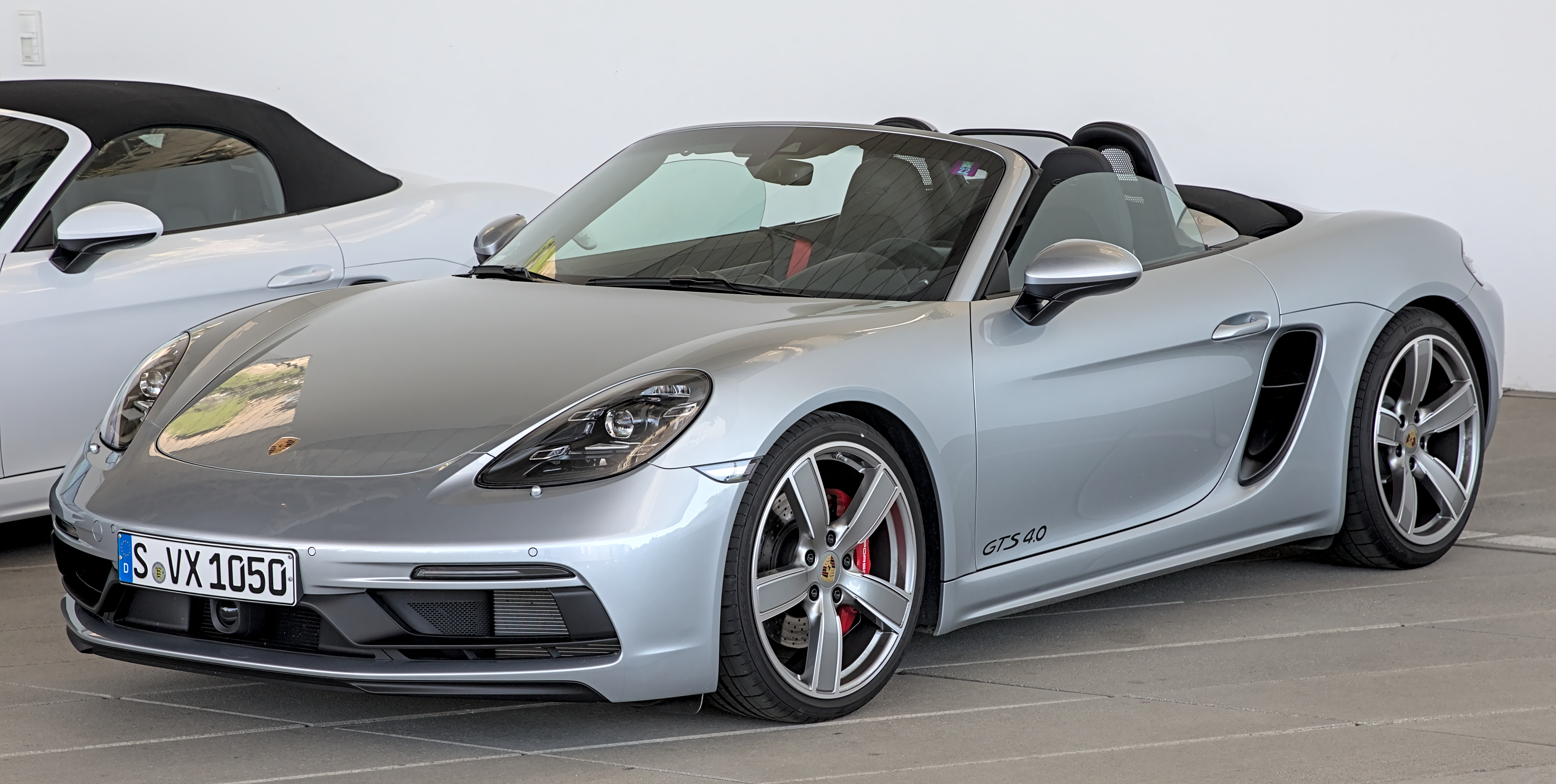
37:50
How about the 2004 Porsche Boxster S Convertible
37:52
Arctic Silver metallic over navy blue?
37:54
I guess the clock is going to start itself.
37:56
For 99,326 actual miles.
38:02
Tons of recent service.
38:04
So that's a good thing with when you get these German cars,
38:06
as we've said in the past, make sure that they got good service records.
38:09
You pay accordingly.
38:12
Because there's a lot of things that can go wrong
38:13
and you don't want to get a surprise, you know,
38:16
quickly if you haven't had it well sorted.
38:17
So other new arrival, the 1964 Chevrolet
38:21
and Pallet two-door hardtop, Tuxedo black over black,
38:23
rebuilt and worked 409 cubic inch V8,
38:26
Saginaw four speed manual, sinister good looks.
38:29
Well done SS tribute.
38:31
That's a good looking car.
38:32
That is a good looking car.
38:33
A good looking car.
38:35
How about the 1967 Dodge Dart GT Convertible
38:38
white over black, built 416 cubic inch stroker,
38:42
worked over a 999 three speed automatic, solid drop top show
38:47
Advertised as a compact car back in the day
38:49
with man size proportions.
38:51
That's what it said in the brochure.
38:54
But still remaining posh.
38:58
How about the 1972 Chevrolet C20 suburban
39:01
burnished gold over tan.
39:03
5.3 liter LS V8, four speed automatic trans,
39:06
Dana 60 rear, California truck, vintage air,
39:09
Nehaly Terminator EFI fuel injection,
39:12
which is really cool.
39:13
It's running through Flow FX Flowmaster mufflers.
39:16
When I saw this thing being tested out there,
39:18
I said, that is the truck for me.
39:19
Yeah, that's a cool truck.
39:22
And it's an unusual color in a good way.
39:24
I mean, it's a total sleeper.
39:25
Yeah, it really is.
39:26
You do not expect that thing to have a 5.3.
39:29
How about the 1979 Chevrolet Corvette Coupe
39:31
silver metallic over medium red, 36,000 actual miles.
39:34
This is a AACA and NCRS winner,
39:37
which is kind of unusual for a late 70s.
39:38
You don't see many of the Corvettes
39:40
that have those badges of honor.
39:42
Numbers matching 350, L48, numbers matching T10 four speed.
39:46
This thing is really, it's as nice as 79 Corvette
39:49
I think as I've ever seen.
39:50
We get a lot of C3s in this as a award winner.
39:53
And last but not least, the 1969 Chevrolet
39:55
Camaro Yanco tribute, Le Mans blue over black.
39:59
Worked 427 cubic inch four barrel V8.
40:02
I'm seeing M20 four speed manual, affordable muscle.
40:05
You get the look of the Yanco without having, you know,
40:08
Yanco money, 150 grand or whatever.
40:11
So our auction was last Friday.
40:14
And we did really well.
40:15
I thought it was fun too.
40:18
I mean, the amount, we had 800, almost 900 online
40:23
registered bidders and a couple of hundred
40:25
in the audience registered bidders for 88 cars.
40:28
That's a good ratio.
40:30
It's really a good ratio.
40:31
What do you want, more bidders than cars?
40:33
Usually the ratio is if you have double the amount of bidders
40:36
of cars and you know, so if we'd have had 160 to 200 bidders,
40:40
then that would have been a very successful thing.
40:42
And we had almost 1,000.
40:44
And sold cars from here as well too.
40:46
So people came and maybe they didn't
40:47
get what they wanted across the block
40:49
or it brought more than they wanted to pay.
40:51
And so they had an opportunity to buy stuff here.
40:53
And some of the stuff really did well.
40:55
Of course, we did the sleeper of the thing
40:57
was the Lincoln Mark II, which
41:00
wasn't getting a whole lot of bids online pre-auction.
41:02
And we were a little concerned and thought,
41:05
well, this thing might not break 20 grand.
41:07
It was at 15,000 for three, four days, maybe five days
41:12
before the auction.
41:13
We're thinking, well, this thing may not do what we thought.
41:15
Brought 50,000 on the block.
41:19
And $250 increments.
41:22
The bid stalled like six times.
41:24
And then somebody would jump in at the last minute.
41:27
And the first call, second call, and for the third
41:30
and final time, 55,000, 45,000.
41:35
It's one of those auctions that ended with applause.
41:37
It ended with applause.
41:37
You know it's good.
41:39
And it's just a really cool looking car.
41:42
I said, you'll probably see this at the Oscars next year
41:45
Funny you should say that, because the guy
41:47
bought it is from Los Angeles.
41:48
And he called me yesterday.
41:49
And he's visiting his daughter in Nashville.
41:52
And I can't wait to get the car
41:55
and drive it around LA.
41:56
What a great car for LA.
41:58
But that's the outlier of something.
42:01
And that's cool, because one of the things
42:02
that we did not know before we started
42:05
was whether we could sell the higher end cars at the No
42:08
Reserve format and do well enough
42:10
that people would want to bring them and trust us
42:13
to sell their cars.
42:13
And we proved that with that and some other cars
42:17
that we had, the BMW 6 Series and the Jag
42:20
both brought about what they should bring.
42:22
They were about right on the money of where they should be.
42:24
And so we're going to do more of these
42:25
because we had fun doing it.
42:28
And look, it's good for business.
42:30
It allows us to thin out some of the cars that
42:32
need to go that have been here a long time.
42:35
And we get calls almost daily of a guy saying,
42:37
look, I just really need my car to go.
42:40
I'm in a little bit financial straits,
42:42
and I really need this to go.
42:43
And we do our best to get them as much as possible,
42:46
because we don't want to take advantage of somebody,
42:48
because they're in hard times.
42:49
We want to get them to help them out of that hard time.
42:54
But even some of the Army stuff,
42:55
I mean, one of the Army trucks brought 20 grand.
42:58
That was encouraging.
43:00
And a lot of them without titles certainly
43:02
makes it a little bit difficult.
43:04
Some people would sit on their hands
43:05
and not buy something without a title.
43:07
I don't blame them if you don't know the process
43:09
or haven't gotten one before.
43:11
Then to be expected to figure that out
43:14
is it can be a dawning task.
43:15
And sometimes it didn't matter,
43:16
like with the 59 El Camino.
43:18
It's like, bitters wanted that car.
43:20
They wanted the car.
43:21
I knew that car would do well.
43:23
It was doing well online.
43:24
It was doing well online.
43:25
And, of course, same with the Edsel station wagon,
43:28
which everybody loved.
43:29
Everybody wanted that car.
43:30
I thought I was going to stay in house, but OK.
43:33
I don't even think I'd rate.
43:36
I was going to buy.
43:37
I thought, if I buy something, I'm going to put my badge on.
43:39
I'm going to get off the block.
43:40
I'm going to go stand out in the crowd
43:42
and just be like a regular person.
43:44
Not that I'm not anything but a regular person.
43:46
But I was going to buy a regular bidder
43:49
and never got a chance to do it,
43:51
because everything went higher than expected.
43:53
And I can't say enough good things
43:56
about Guy or Auction Company.
43:57
Those guys did a rock star job.
44:00
And it's not something that they,
44:01
it's not their normal thing.
44:03
They do a lot of estates and stuff and things.
44:06
And yes, they've sold lots of cars.
44:07
Don't get me wrong.
44:08
It's not completely out of their wheelhouse.
44:09
But to have a collector car type auction
44:12
was probably a little different from them.
44:14
But you wouldn't have known it the way they handled
44:17
And they had more register bidders
44:19
than the national proxy bid had,
44:21
which was really surprising.
44:23
I mean, because you don't always expect that.
44:25
You expect this national concern
44:26
would have way more bidders.
44:27
But they had almost double,
44:29
Guy or did register bidders what proxy bid had.
44:31
And proxy bid, don't get me wrong,
44:32
they did a great job as well too.
44:34
And we sold about a third through Guy
44:36
or a third through proxy bid and a third in person.
44:39
So it was kind of the perfect storm of the way it worked.
44:42
And it was exciting.
44:44
And I've gotten so many nice emails from people saying
44:46
how much they enjoyed it,
44:48
how much they hoped that we'd do it again,
44:49
that it was a lot of fun, that it was,
44:52
the results were very impressive.
44:55
You know, that's going to be one of those ones
44:58
that we'll see that one on the road.
44:59
I'll tell you what was hot, the classic trucks.
45:01
The classic trucks brought great money.
45:03
A lot of them are non-titled or didn't have a key.
45:05
Didn't have a key or a title or a fuel tank or no.
45:09
And we mentioned during our production meeting,
45:11
I think it needs to be said on the show,
45:14
of what a great job, and I'm not blowing smoke,
45:16
that you did bringing this together.
45:18
I think it's your background in auctions
45:20
and also with live shows in Branson, Missouri.
45:24
There's a lot of moving parts to this thing that you,
45:27
you know, we didn't, Steve and I didn't think about it.
45:29
We're like, wow, you know, we gotta do this, gotta do that.
45:32
The back end is the most interesting part of it
45:34
because in order to put all this together
45:36
and make it all happen, you really need a team
45:38
of about eight or 10 people, literally.
45:41
And we had me and Kathy, basically.
45:43
And Amy, our administrative assistant
45:45
who does an amazing job.
45:47
And I mean, basically the nuts and bolts of it
45:49
were two people that were doing it.
45:51
And that's a lot of work to do.
45:53
And our regular business didn't shut down.
45:56
It's not like we stopped doing it.
45:57
But it's funny how people get into the auction business
45:59
and they think, well, that looks like fun.
46:01
Well, it is fun if you've done your due diligence,
46:03
if you've done your homework,
46:04
if you know the right forms to have
46:06
and the right procedures to do and how to track it.
46:09
Because we're dealing with thousands,
46:10
hundreds of thousands of dollars
46:12
that are tracking in and out.
46:13
And you gotta make sure that you know
46:14
that everything's going to the right place
46:16
and to the right buyer.
46:17
And the wrong person didn't,
46:18
we didn't write down the wrong bidder number.
46:20
I mean, there's just so many things that can go wrong.
46:22
So I thank you for that.
46:24
Well, you know, you've got the stage set up
46:26
and the chairs and the video set up
46:29
and the audio set up and all that goes to the signage
46:32
and all of those things advertising
46:34
and not just mentioning it on the show,
46:36
but all of advertising that Classic Automall does
46:39
to promote the vehicles that we sell.
46:41
Well, and when we promote Classic Automall,
46:44
we're promoting the auction as well.
46:45
People go to our website,
46:46
they see that we have an auction
46:47
and they see the date and all that.
46:49
And even as many as we've done over the years
46:51
and I've done hundreds of auctions,
46:52
but there's still things you learn almost every auction.
46:55
There's something that you go,
46:55
we could tweak that and make that a little bit better
46:58
or make this a little bit different.
46:59
I think one of the things that we're going to do
47:01
is we're going to require people to pre-register
47:03
to bid much earlier than they did this time
47:05
because we ended up with a long line of people
47:07
and we had to delay the start of the auction
47:09
a few minutes, which is normal.
47:10
That happens at most auctions.
47:12
And most auctions have a line of people
47:14
that are waiting to get signed up
47:15
at the last possible minute and I get it.
47:18
Then things change or you change your mind
47:19
and decide you're going to come
47:20
and you hadn't really pre-planned anything.
47:23
But we're going to encourage people to sign up early
47:27
so we've got all that in place
47:28
so we don't have to last minute at them
47:30
and we don't want to make a mistake.
47:31
A and B, we don't want them to miss a car
47:33
that they came for.
47:34
It's easy to miss a car,
47:35
it's easy to go to the bathroom
47:36
and when I could go, oh man,
47:39
that Trans Am I was going to bid on.
47:41
But it was a great job by the whole team.
47:44
It put a lot of workload on all of our staff,
47:47
our administrative assistants, our car specialists,
47:49
our spec guys, our photographer, our rider.
47:52
It was a little extra on his plate too.
47:55
I was shocked that they were all clean.
47:57
They're sitting outside and they're cleaned.
47:59
Wait, wait, wait, wait, did you hear what he said
48:02
Don't get me, what's?
48:03
Don't step on that.
48:05
Yeah, it really took a lot to write.
48:08
No title, absolute.
48:09
Okay, no, that was a little more than that.
48:11
There was actually more than that.
48:13
He did a great job.
48:13
I'm really pleased with everybody's workload.
48:16
There you go, Steve.
48:19
And it was also, because I think it was everybody,
48:23
it's fun to do an auction.
48:25
Yeah, I think it's exciting.
48:26
I think it is exciting.
48:27
You watch people that sat out there the whole time,
48:28
weren't buying cars, just here just watching it.
48:31
Enjoying it and having a great time.
48:34
And our video director, Randy.
48:36
Plus for Randy too, there you go.
48:37
Everybody did a great job and thanks to my wife
48:40
who puts up with all this shenanigans
48:42
and she's wishing we were in purses, not class cars.
48:47
Wow, yeah, I'm sure.
48:49
So, and it's one of those things,
48:51
just because it's my passion doesn't mean
48:53
that that carries through to everybody.
48:54
I get it to, a lot of people, it's just a job
48:57
and it's a cool thing that we do classic cars,
48:59
but in the end of the day, it's still a job.
49:01
It's still a regular, normal job
49:03
that you have to come to work and be on time
49:04
and listen to the boss's crazy ideas
49:07
and all that good stuff.
49:08
Fortunately, most of us are passionate
49:09
about classic cars.
49:10
That's the good news.
49:11
That's the good news.
49:12
That's what it takes to be successful
49:14
in this as a car specialist,
49:16
is to be passionate about cars,
49:17
not to be a good salesman.
49:18
If you're a good salesman at the Ford store,
49:20
you're probably not a good salesman.
49:21
I'm a horrible salesman.
49:22
Yeah, a lot of guys are like that
49:23
who know cars, know them intrinsically.
49:26
The problem is you don't have to know cars
49:27
to sell them, you have to know the process.
49:29
And that's the key, that's the difference
49:31
between selling a classic car and selling a late model,
49:34
a new car, Toyota or Ford or Chevy or Chrysler
49:36
or whatever it is, so.
49:37
When we return, we'll be joined by our guest,
49:41
the publisher of Sports Car Market Magazine,
49:43
We'll see you in a couple of minutes
49:44
on the Classic Auto Model Show.
49:45
Here's a special offer from Sports Car Market Magazine.
49:50
Get a six month subscription for just 1995
49:53
by going to sportscarmarket.com
49:55
slash test drive at the number six.
49:58
That's sportscarmarket.com slash test drive six.
50:01
If you're a buyer, a seller
50:02
or just general classic car enthusiast,
50:05
publisher Keith Martin says.
50:06
We've been around almost 40 years.
50:08
It's the Wall Street Journal of the collector car world.
50:11
Activate your six month trial
50:13
of Sports Car Market Magazine
50:15
by going to sportscarmarket.com slash test drive six.
50:18
That's sportscarmarket.com slash test drive
50:23
Offers for a limited time.
50:24
Be in the know with Sports Car Market.
50:28
Now, more of the Classic Auto Model Show
50:30
with your host, Stuart Howden,
50:32
from our showcase studio
50:33
just inside the Classic Auto Model,
50:35
Morgantown, Pennsylvania.
50:36
Just off Turnpike Exit 298.
50:40
Join via Zoom with our friend Keith Martin,
50:42
publisher of Sports Car Market Magazine.
50:47
It's a glorious sunny day.
50:48
And at the end of today,
50:50
there's an all British field meet
50:52
that I'm gonna take the Jaguar out to.
50:54
Nice, good for you.
50:55
I was just perusing the new issue.
50:58
How about this F-50?
50:59
My goodness, $9.2 million.
51:03
What was this thing new?
51:04
Was it $400,000 or $500,000?
51:07
I think it came right after the F-40.
51:09
Yeah, so it would have been, yeah.
51:13
You know, I never, compared to the F-40,
51:15
I never liked the F-50, the looks of it.
51:19
I understand it's a better car.
51:23
it's like being a 360 Modena is a better car
51:27
I still like the 355 in the looks department better.
51:31
Notice we've got the car on the cover of the F-50.
51:34
We have been shifting the cars that we cover
51:36
to move them more and more modern
51:38
and to a newer demographic.
51:40
Because that's what's happening at these auction houses.
51:42
I mean, look what Bonham's did at the quail
51:45
a couple of weeks ago or a month ago in Monterey.
51:48
I mean, they had a super car collection
51:50
that was off the charts and all absolute no reserve
51:53
and it was some kind of police, federal,
51:55
whatever thing and they did huge money on those cars.
51:59
And that's the state of the market, right?
52:01
Yeah, no, the world is definitely changing.
52:04
The, you know, the MGBs and TR-3s and Ferrari 250 GT
52:09
and stuff, it's all, the young people today
52:12
are growing up with cars that have AC, power steering,
52:15
power brakes that will just fire up
52:18
with their fuel injection.
52:21
I mean, they don't want to be bothered
52:22
with the crap that we took as normal.
52:26
Well, then that's the success of Resto Mod.
52:28
You want to look cool in your 69 Camaro,
52:31
but you want to be comfortable
52:32
and you don't want a crappy ride
52:34
because you just got out of your Escalade
52:35
and it's got magnetic suspension.
52:37
I don't even know what the hell that means,
52:38
but it's something to do with something.
52:41
And yeah, I get it.
52:44
I understand being comfortable.
52:45
Listen, there's times that I look at the cars
52:47
in my collection, I go, yeah, that one I'm gonna take
52:50
because it's the path of least resistance.
52:52
It's got everything I need in it.
52:53
My sunglasses are in there.
52:55
My cup holders are, you know, the whole thing.
52:58
And if a car has too much work to drive,
53:00
you end up not driving it.
53:02
And then you look and then a year has gone by.
53:06
So as always, every week we bring your blog to life.
53:11
And this week's blog, is it Chip Time for Sluggo?
53:14
It sounds like is it Bedtime for Bonzo?
53:19
The Sluggos are affectionate name
53:21
for my 1991 series for a spider.
53:24
We actually got a 1960s suspension.
53:27
We've gotten 20 horse power, it weighs 2,500 pounds.
53:30
And I've got the snappy automatic transmission in it.
53:34
Yeah, but you know what?
53:35
We just took it on a 600 mile trip with my family.
53:38
It's got power steering, power brakes, air conditioning.
53:42
The car will cruise at 75.
53:43
And what I've learned on all these back mountain roads,
53:46
you don't ever need to go faster than 75 miles an hour.
53:50
There's no reason to, yeah.
53:51
Well, a new Porsche, we could take a new Porsche
53:54
and go 140, but now that's stupid and it's dangerous.
53:59
And just because you can, doesn't mean you should.
54:01
We always say that.
54:03
Well, the problem with the new car,
54:04
it gives you no warning before it goes berserk.
54:08
It'd be nice if they'd give you like a heads up
54:10
of a week or so, you know?
54:11
So you could plan accordingly.
54:13
You are in big screwed up trouble.
54:16
With the alpha, because it's so old fashioned.
54:19
I told my son, when the warning sign says 45,
54:23
in the Lotus Elise, you can do 70,
54:27
But it says 45, slow to 30 in the alpha.
54:31
Maybe shift down to second, probably would be.
54:33
No, no, it's an automatic,
54:34
so you don't have to do that, right?
54:36
The tires will start to squeal
54:38
and the car will bounce up and down
54:39
and it feels like a Gemini rocket
54:42
like coming back re-entry into earth.
54:44
What's the horsepower increase with the chip?
54:46
Well, it's about 10.
54:51
So, zero to 60 goes from 14 to 13 and a half, right?
54:55
Well, we'll use an egg timer for zero to 60.
54:59
I didn't think of that.
54:59
I'll have to get one of those.
55:01
I am, the figure, it'd be a thousand bucks all in
55:05
because everything's always twice
55:07
what you think it'll be.
55:08
Yeah, that's asked me, every guy that asked me
55:10
on the floor, can you put air conditioning in this?
55:12
I go, yeah, yeah, vintage air.
55:13
It's like two grand.
55:14
And my guys are like, it's not two grand.
55:15
It's more than that just for the equipment.
55:18
Then you gotta install it.
55:19
So, quit telling people it's two grand.
55:20
We're in that old school.
55:21
And then when you're done, it's not even cold.
55:23
It's like, it's kind of tepid.
55:25
Well, I've got a 911, you know, 75
55:27
that was an air conditioned car.
55:28
And I took it to the shop and said,
55:30
well, for 10 grand, we can give you bad AC in this car.
55:34
Is there a tepid on the slot switch?
55:38
You know where it says that?
55:38
Yeah, it's tepid and cold are the same.
55:41
And so it was one of the same.
55:43
So, you know, there's nothing sexier
55:46
than those spiders.
55:48
I mean, they're just really, really good looking cars.
55:51
That's their saving grace.
55:52
And they actually look like something even today.
55:55
When you see one, it's striking.
55:57
Yeah, I always stop and look at one.
55:59
If I see one in an auction,
56:00
there's a lot of cars that I'll walk right past
56:02
and never give two thoughts to.
56:04
I always stop and look at the little spiders.
56:06
They're always good looking cars.
56:07
And especially if they're in the right color.
56:09
There was one we saw the other day it was black
56:11
and it was a great looking car.
56:12
It was just sexy, sexy, sexy and affordable still.
56:17
I mean, these things you can buy
56:19
well under 20, right?
56:22
Well, I figure my car, I paid 15 or 16 for it.
56:26
It's worth, now, I'm told they only made 200 automatics
56:30
and they only brought 50 into this country.
56:32
Now, that means that they're rare and valuable, right?
56:36
Right, rare and desirable.
56:39
Is that the two things we're looking for?
56:41
Yeah, I'm looking for affirmation from you saying,
56:43
oh my God, there are only 50 of them
56:45
and this is my chance to get one.
56:47
Yeah, I had a guy call me the other day.
56:49
He goes, I got a really rare car, man.
56:51
He goes, I got an 85 Mustang painted in chartreuse.
56:53
There was only five of them built.
56:55
I go, you know why they only built five of them?
56:56
He goes, no, I go, because nobody wanted them.
56:59
Oh, did it have a radio delete?
57:02
Well, it had a little cardboard thing
57:04
over where the radio used to go.
57:06
So, you know, it's.
57:07
I was just looking at it.
57:09
There was a car for sale on Hemmings
57:11
and Alpha Spider automatic.
57:13
And the guy would have done all this stuff
57:14
to it, including a chip.
57:16
Now, the very last line of his auction says,
57:19
salvage title due to DOT error,
57:22
we can work it out after this thing.
57:26
Doesn't that give you confidence?
57:28
We'll work it out after you've paid.
57:33
You know, it's pretty funny how people can just downplay,
57:36
you know, minor little problems like that.
57:38
I mean, there's, you know, nothing that we can't fix,
57:40
you know, it's one of those things.
57:42
And what's this salvage title crap anyway?
57:45
I mean, just because the car was rolled into a ball
57:47
and then carried back out.
57:49
Well, as it means that it's not worth full value.
57:51
And some states will not even title a salvage title car.
57:53
They you got to really go to go through a process,
57:56
even though it was completely rebuilt,
57:58
There's not an original part on it.
58:01
It's still it's got that that tag on it.
58:03
And that's the same problem with car facts.
58:05
You know, now collector cars are you can run a car
58:08
fax on because anything I say collector cars
58:10
twenty five years or older is what I meant.
58:13
Can now have a car flag fax run on.
58:15
And it's funny when we sell like an 80 or a 2000 Corvette
58:19
to the buyer and they don't think about this to the buyer.
58:22
It looks like a brand new car.
58:23
And then they realize, oh, it's 25 years old.
58:25
But in their mind, it's a new looking car.
58:28
It's not an antique.
58:31
Well, yeah, according to the definition of law, it is.
58:34
The whole car fax thing is interesting
58:36
because depending on which shop decides to file a car fax
58:40
report, right, how accurate the report is,
58:43
they get the VIN numbers mixed up sometimes.
58:45
Yeah, it's still important.
58:47
You know, we what I really like about auctions now
58:51
and listings is when you can Google the VIN number.
58:56
And everything on Google will come up about that.
58:58
And it's amazing what you find.
58:59
You'll find where it's sold in an auction,
59:01
where it had some problems, where it had this and car facts is great.
59:04
I mean, I get it. It's it helps a lot.
59:05
I would like to see car facts incorporate photos of the damage
59:09
if they could, you know, and this would be a consumer thing.
59:12
You'd have to do it on your own or the dealerships would have to do it.
59:14
Just submit a couple of photos of the damage
59:16
because it'll say minor damage, which could be like a scuff.
59:20
But you don't know because you can't you don't see a picture of it.
59:23
Yeah. Yeah. Well, that's the value
59:24
with the kind of auction you did with all the pictures.
59:27
Right, exactly. You can people meet again.
59:29
You've got to have that air of assurance
59:31
that and you want to know all the bad things.
59:34
I don't care if it drives you away.
59:36
If it drives you away, then so be it.
59:38
I want you to know what's wrong with the car
59:40
because what I want you to tell me when you live in California,
59:43
when you receive the car or wherever you happen to live,
59:45
the car was a little bit nicer than you described.
59:48
That's music to my ears.
59:49
And I agree with that 100 percent.
59:51
So but anyway, so are you getting the chip or not?
59:54
No, I'm not going to.
59:55
You know, it's a thousand bucks for 10 horsepower.
59:58
It went fast enough on the end.
00:00
The question some of the comments I got from my blog was,
00:02
who knows what kinds of other problems you're inviting
00:06
when you change something?
00:07
The manufacturers are pretty smart
00:09
when they set these things up.
00:11
But it said this will lead to might lead to excessive camshaft wear.
00:15
It just, you know, you I've got a car that runs.
00:17
It's it's a sluggo, but it's a good car
00:21
that they have a brand new AC in it.
00:24
It's happy, Bluetooth, big speakers.
00:26
So and for for for what kind of majorable increase
00:30
and a thousand bucks would I run the risk
00:33
of having something bad happen?
00:34
Absolutely. Absolutely.
00:36
Because if you put them side by side, one chip and one without the chip
00:39
and they both went zero to 60, I think they'd be pretty close.
00:43
I don't think it'd be
00:44
imperceptible amount of difference.
00:45
It wouldn't be much. What's the point?
00:50
But I'd never seen an alpha
00:52
of an automatic that had been chipped.
00:53
So I was intrigued by the ad
00:55
and I went and looked up the YouTube videos and stuff.
00:57
So I thought I'd throw out my readers,
00:59
but most of them said just buy a faster car.
01:01
Right, right, right.
01:03
And I like that. What's the point?
01:04
I think you need to your next blog
01:05
needs to be what's the point?
01:06
And then you can fill in whatever else
01:07
you want to say about what's the point.
01:11
No, so it was this ad in Hemmings is just fascinating
01:15
because again, it goes all the way down
01:17
with all these modifications
01:19
and then says salvage title. Don't worry.
01:21
Yeah, I mean, you're so excited.
01:23
You're so excited. You're so. Oh, man.
01:25
I know. Well, you know what you learn to do
01:27
with these online things?
01:28
You just cross things off just with a marker.
01:31
Yeah. Sharpie, I think, is what that would use.
01:34
Why would I with all the cars that are out there?
01:37
Well, let me bring up one more thing.
01:40
I think about weird ad displays.
01:42
It's weird when somebody will say a car
01:44
in beautiful condition, horn doesn't work,
01:46
right passenger window doesn't go up and down
01:48
and heater is broken. Right.
01:51
And you think why didn't the guy fix those things?
01:54
And you know what we found out?
01:55
We actually have some situations
01:58
that come up like that from time to time.
02:00
And usually what the case is is that either
02:02
the guy is inherited something outside
02:04
of his zip code of money and so now he's got
02:07
a car that's worth 30 or 40 gram
02:10
and he didn't have any money to fix it.
02:11
Or the estate won't allocate any money to fix it
02:14
and we get tempted to fix it.
02:16
But then we think, you know, then we're in it now.
02:18
Now we got skin in the game beyond what we want to have in it.
02:21
So, you know, that's the downside to it sometimes.
02:23
And, you know, sometimes that can be a gain to the buyer.
02:26
So, you know, if you're a buyer and you see that
02:28
and you can say, well, look, I'll pay I was going to pay you this,
02:31
but I'll pay you this, this or this based on, you know,
02:34
everything that doesn't work right now.
02:36
I get and sometimes guys will tell us on certain cars,
02:41
I'd rather fix it myself because then I know
02:44
then I know the process.
02:45
I know it was done the way I want it done.
02:46
Once you start going down the road of fixing
02:49
and improving a car, it's endless help.
02:51
And you don't get your money back, generally speaking.
02:53
I tell people all the time, don't spend $1,000 to get 500 more
02:57
because that's, you know, that's bad math.
02:58
It doesn't work that way.
02:59
And it also, if you're making any cosmetic improvements,
03:03
you're guessing that the improvement you make
03:06
is the one that the buyer would want to have.
03:08
It's like over-customizing your home
03:10
to what exactly what you want to kiss a death.
03:13
You should never do it with that or a hot rod.
03:14
So, well, Keith, have a great week
03:16
and we will talk to you next Wednesday, man.
03:18
See you. Thank you.
03:19
And we'll be back with a Classic Automall next week.
03:21
We'll see you then.
03:24
The Classic Automall Show with their host,
03:26
Stuart Howden, executive producer, Steve Sefair,
03:30
produced and engineered by yours truly, J.R. Russ,
03:32
video editor, Randy Lambie,
03:34
available on ClassicAutoMall.com, YouTube,
03:37
or wherever you get your podcasts.
03:40
Music, courtesy of the Pat Travers Band,
03:43
for tour dates, contact and stuff,
03:45
visit pattravers.com.
03:47
Produced by Car Smarts Media Copyright All Rights Reserved.